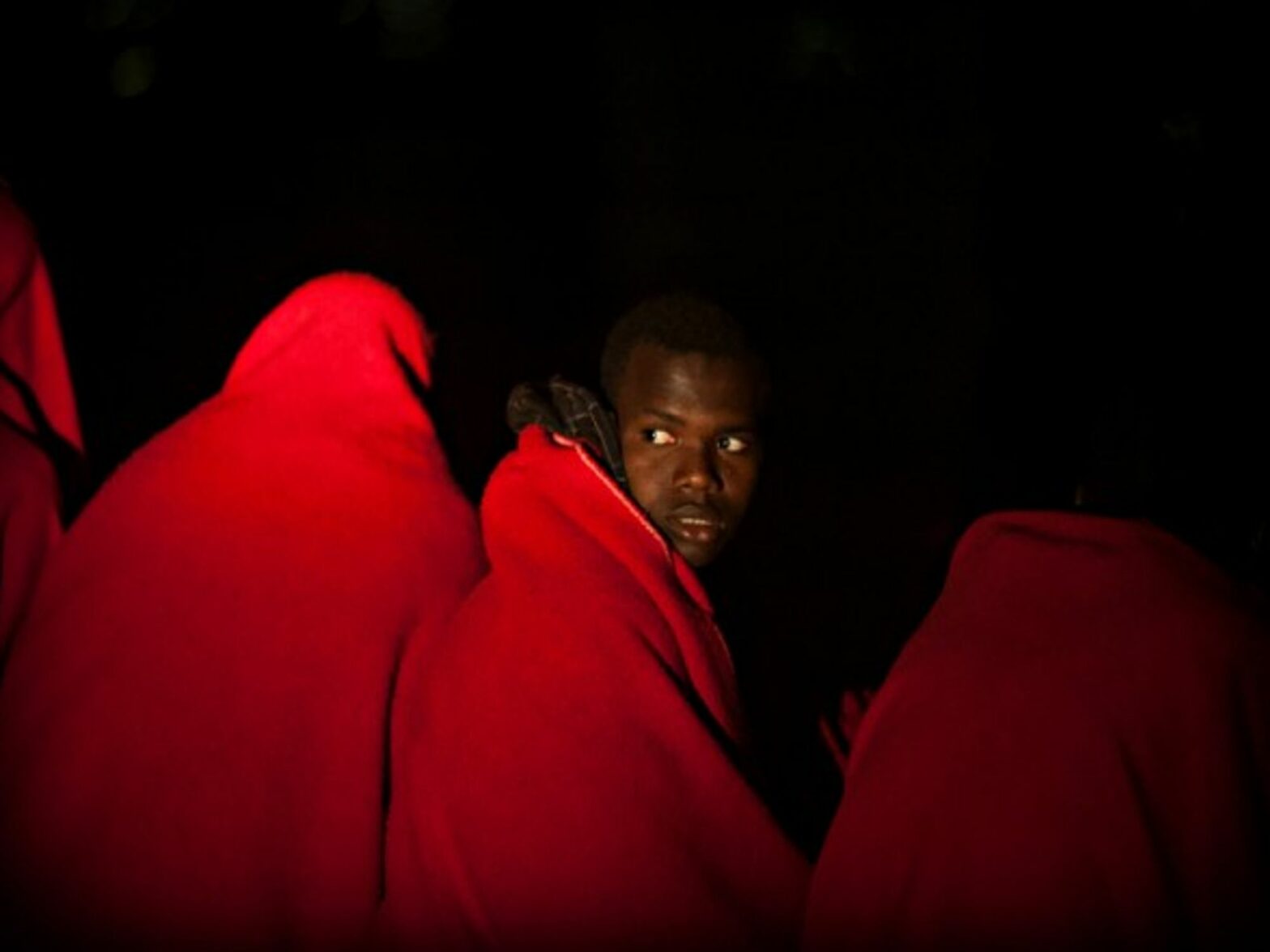
The world can do a lot better than incarcerate migrants en masse, or turn away boatloads of desperate passengers, argues former Chilean president Ricardo Lagos.
 Worldcrunch
Born in Tehran, educated in Britain and France, I have been a freelance translator since the late 1990s.
The world can do a lot better than incarcerate migrants en masse, or turn away boatloads of desperate passengers, argues former Chilean president Ricardo Lagos.
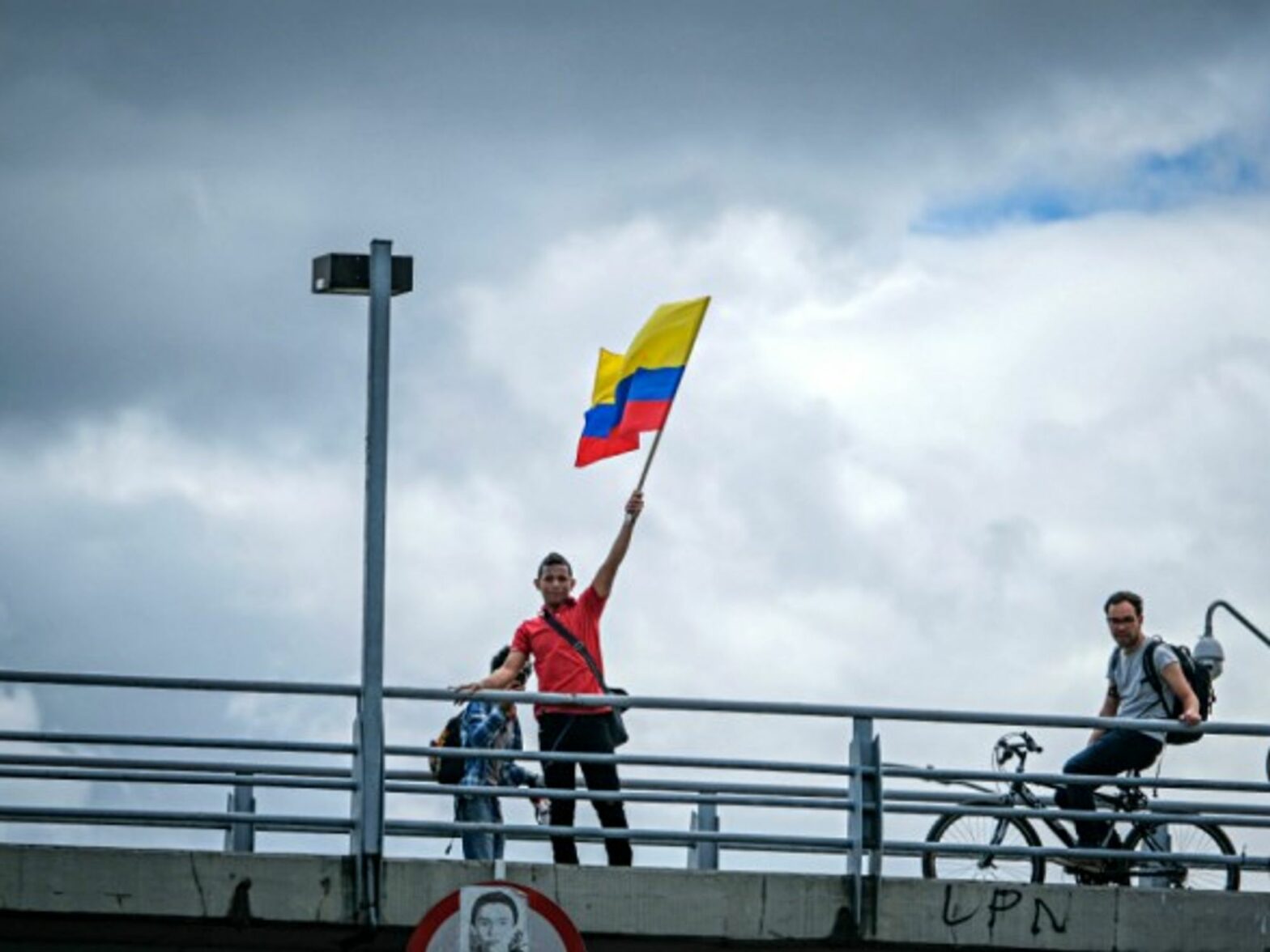
The new presidents of Colombia and Mexico may fit into the populist mould, but their pledges and circumstances differ from those of their most notorious predecessors.
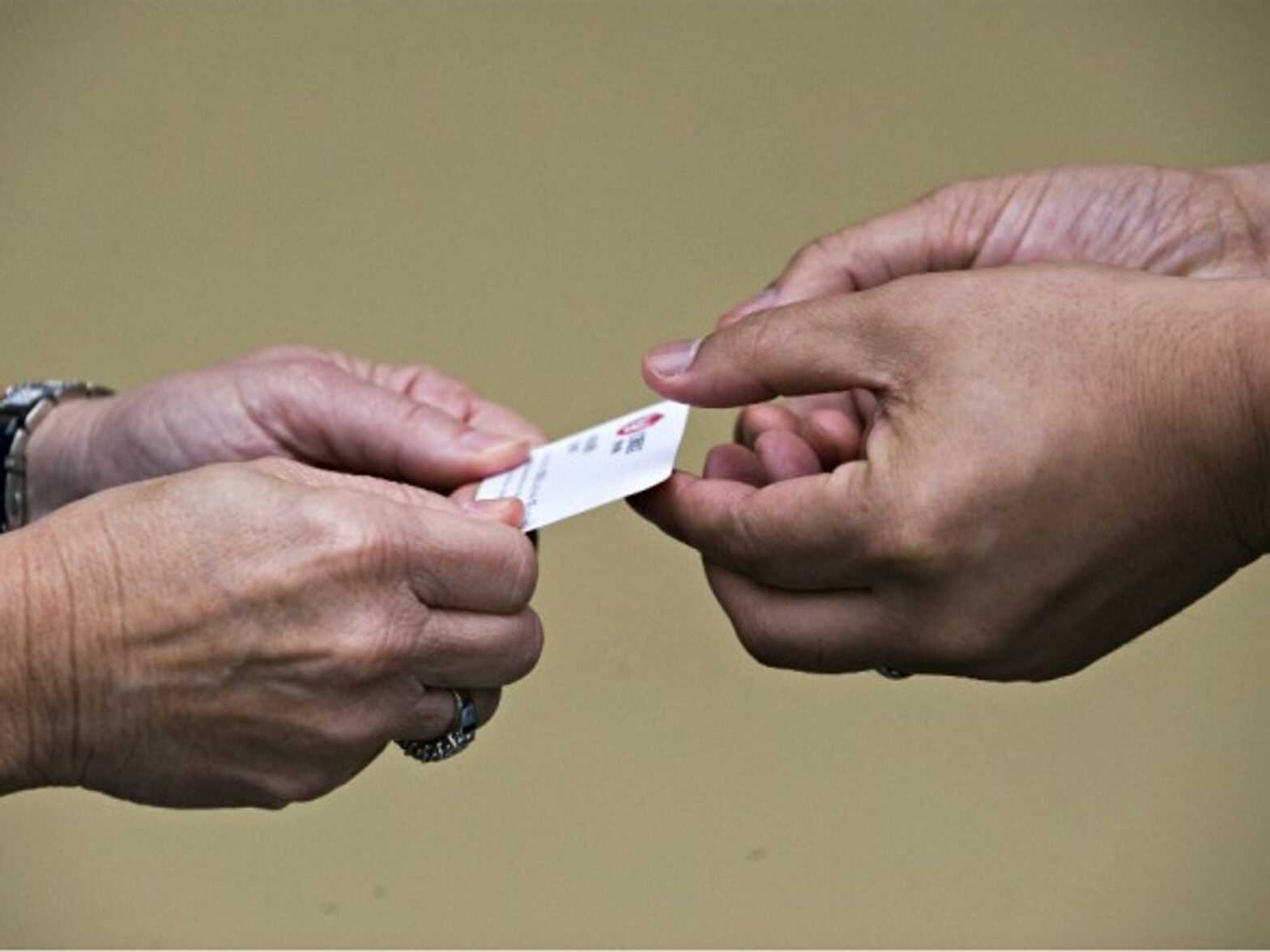
When dealing with ‘distant cultures’ like China, communication is key. But a bit of business-is-business pragmatism doesn’t hurt either.
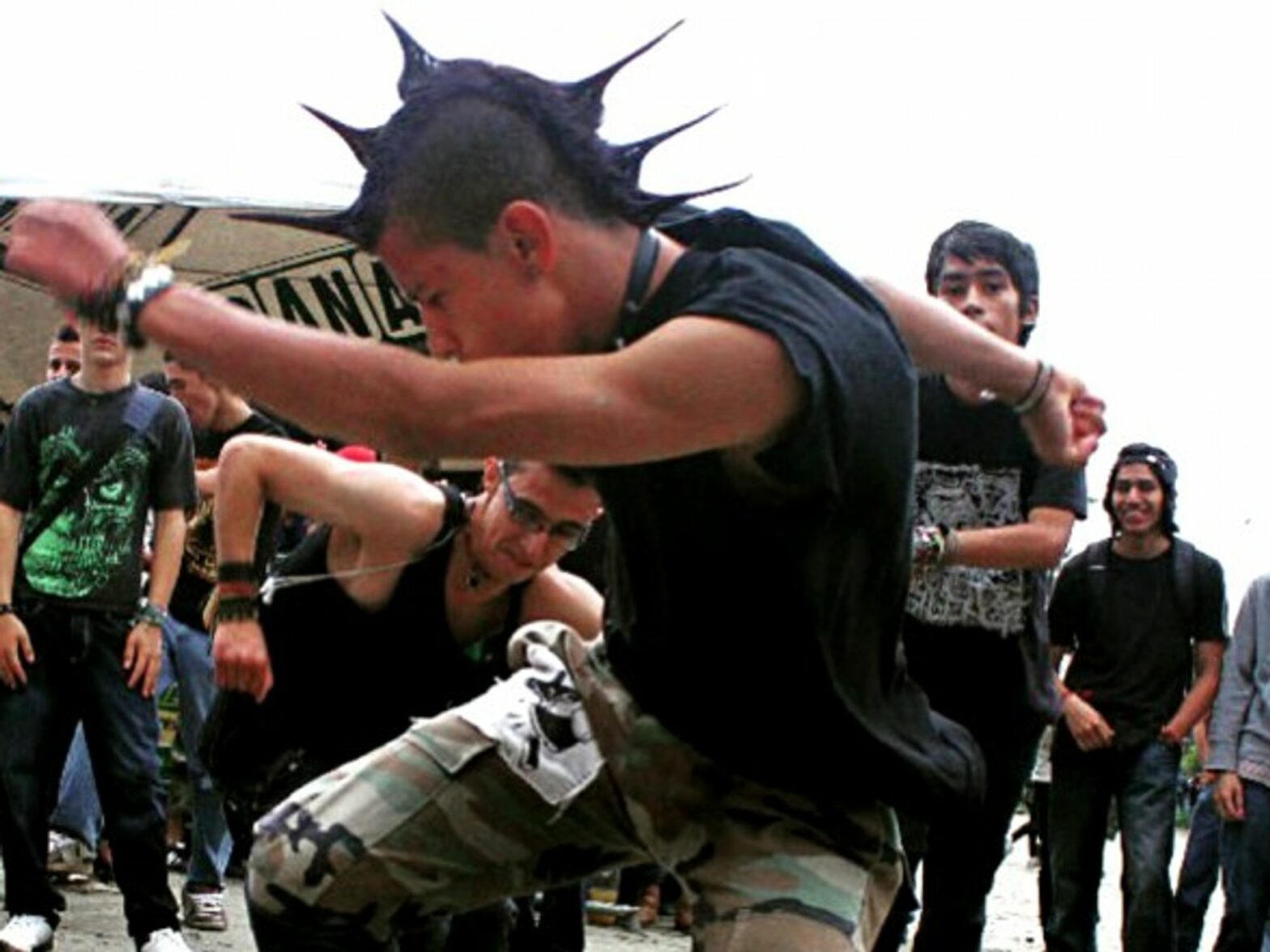
At a time when crime and violence peaked in Colombia’s second city, some young people sought refuge in the rough, head-banging vibe of punk music.
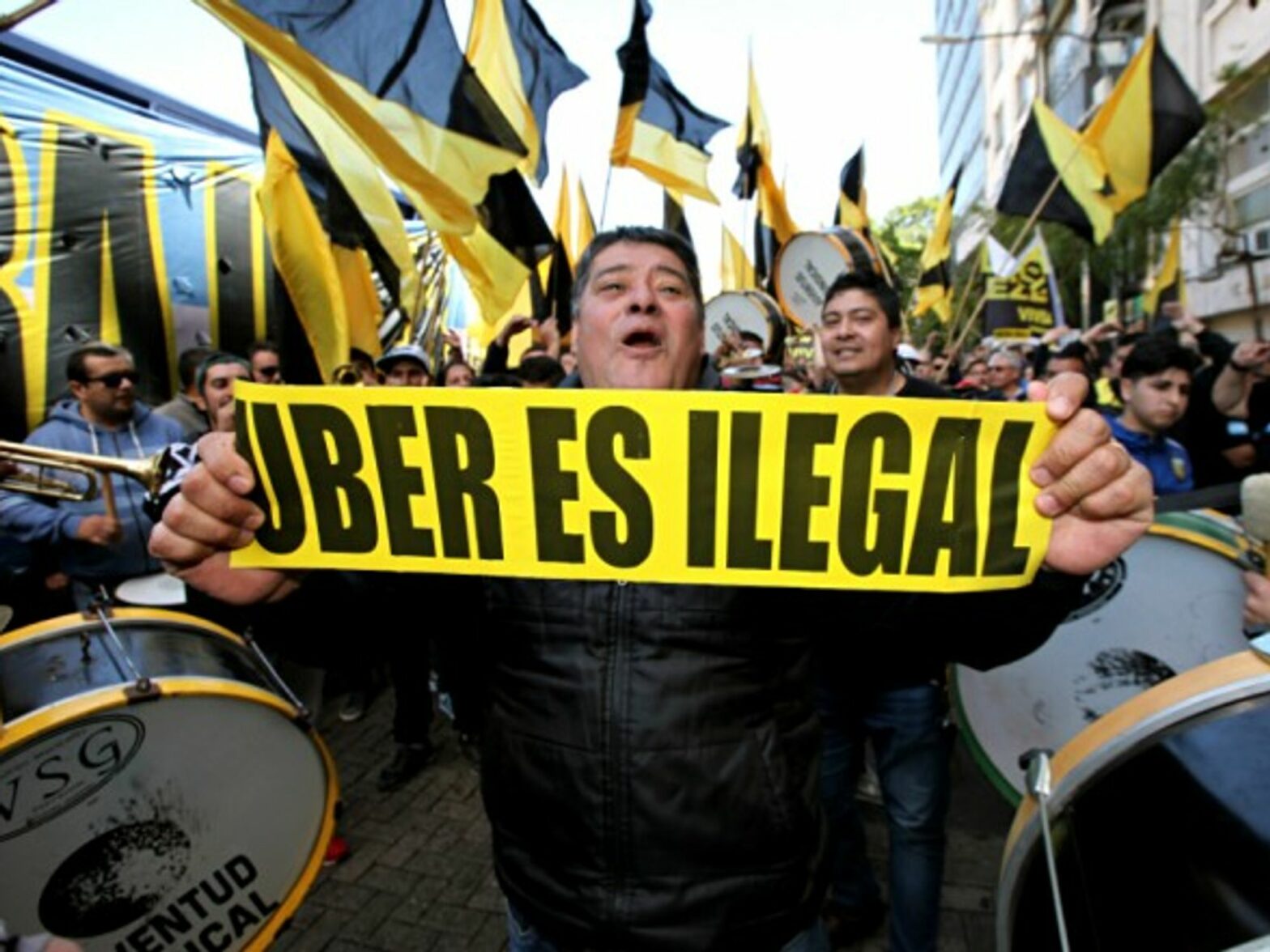
As Uber and Cabify continue to carry passengers in Argentina despite a court ban, some taxi drivers have decided to take matters into their own hands.
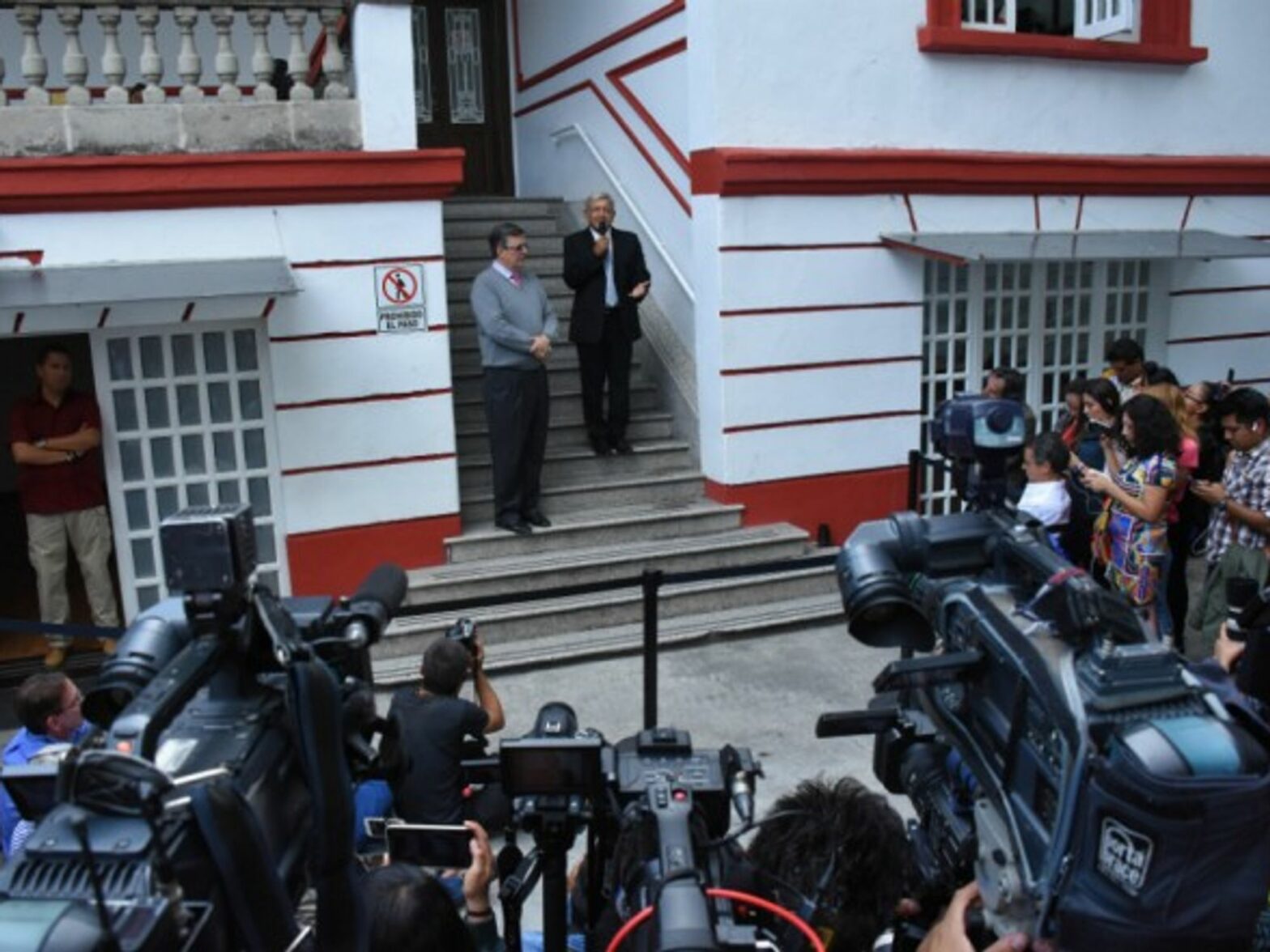
The leftist president-elect has an opportunity to end shoddy political practices and turn the county — finally — into a lawful, thriving democracy.
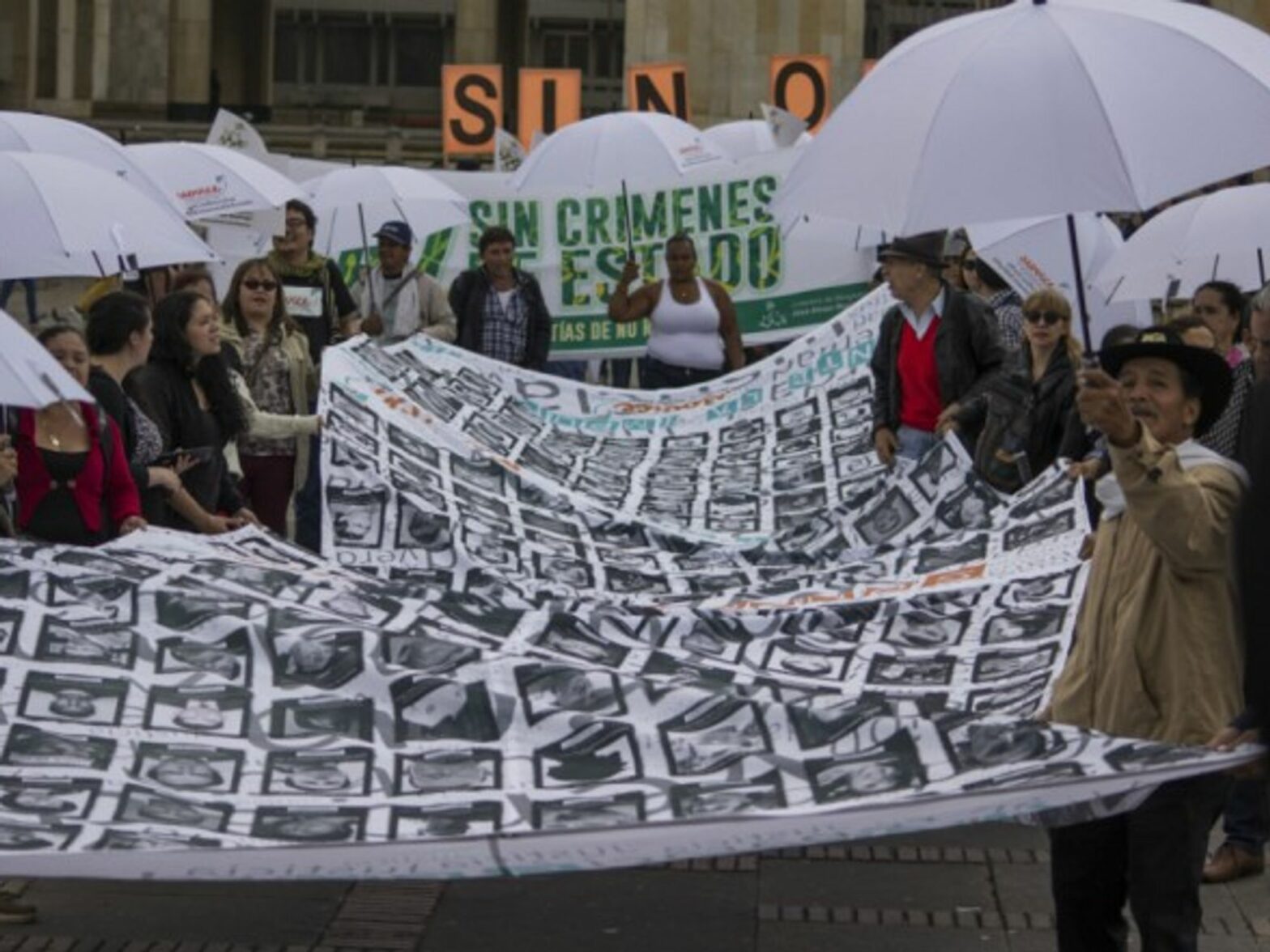
-OpEd- BOGOTA — There has been an alarming spike in targeted killings of activists since the decades-long war between the state and FARC guerilla force finally came to an end. Cases are particularly prevalent in territories formerly controlled by the FARC. Since the peace accords were signed in 2016, nearly 180 social, community and indigenous […]
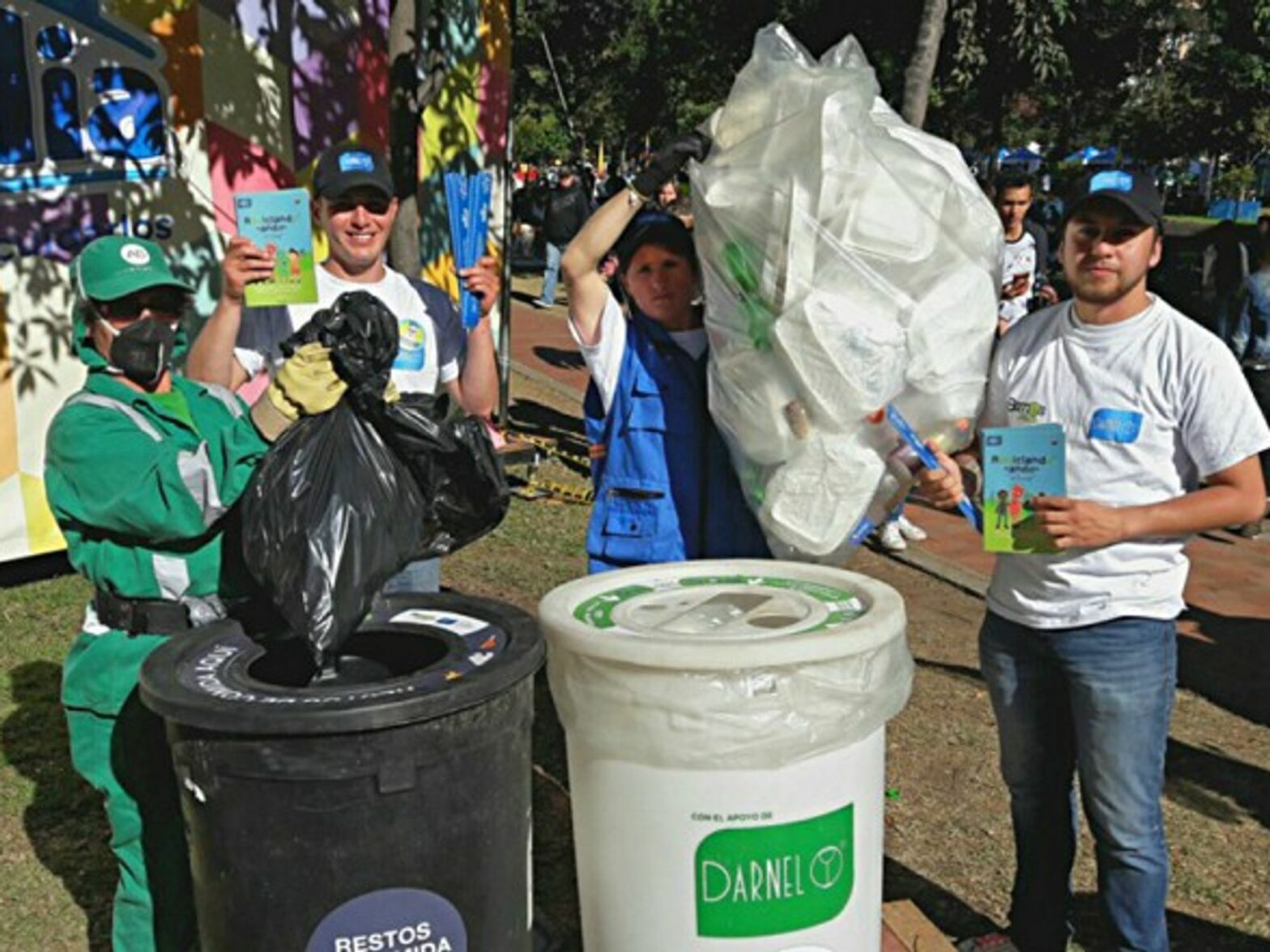
Activists in Colombia are working with public and private entities, offline and online, to reduce and recycle every ounce of solid waste produced.
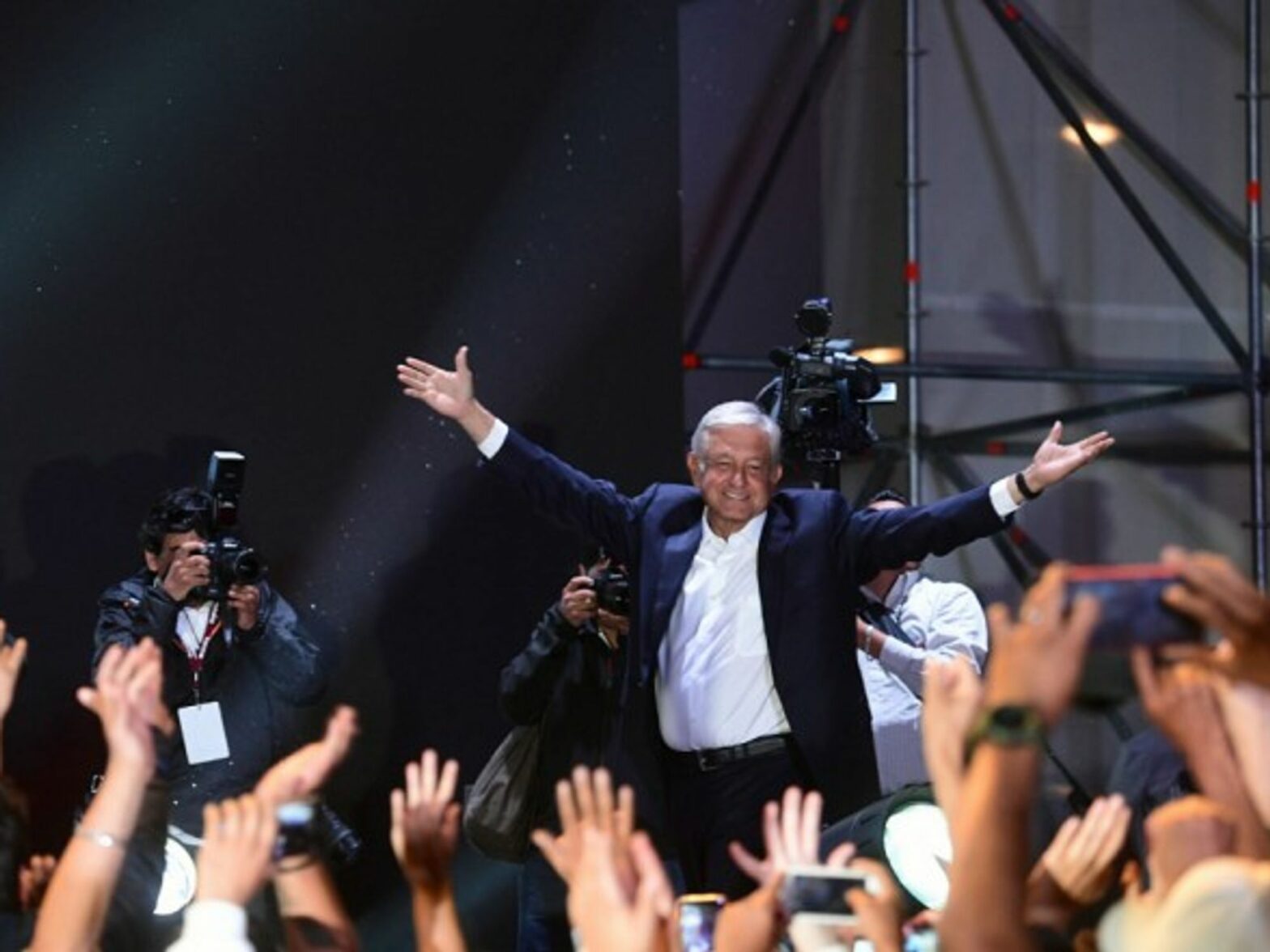
Andrés Manuel López Obrador promises to give Mexico an extreme socialist makeover. But he also wants to keep doing business with the U.S. and boost investor confidence.
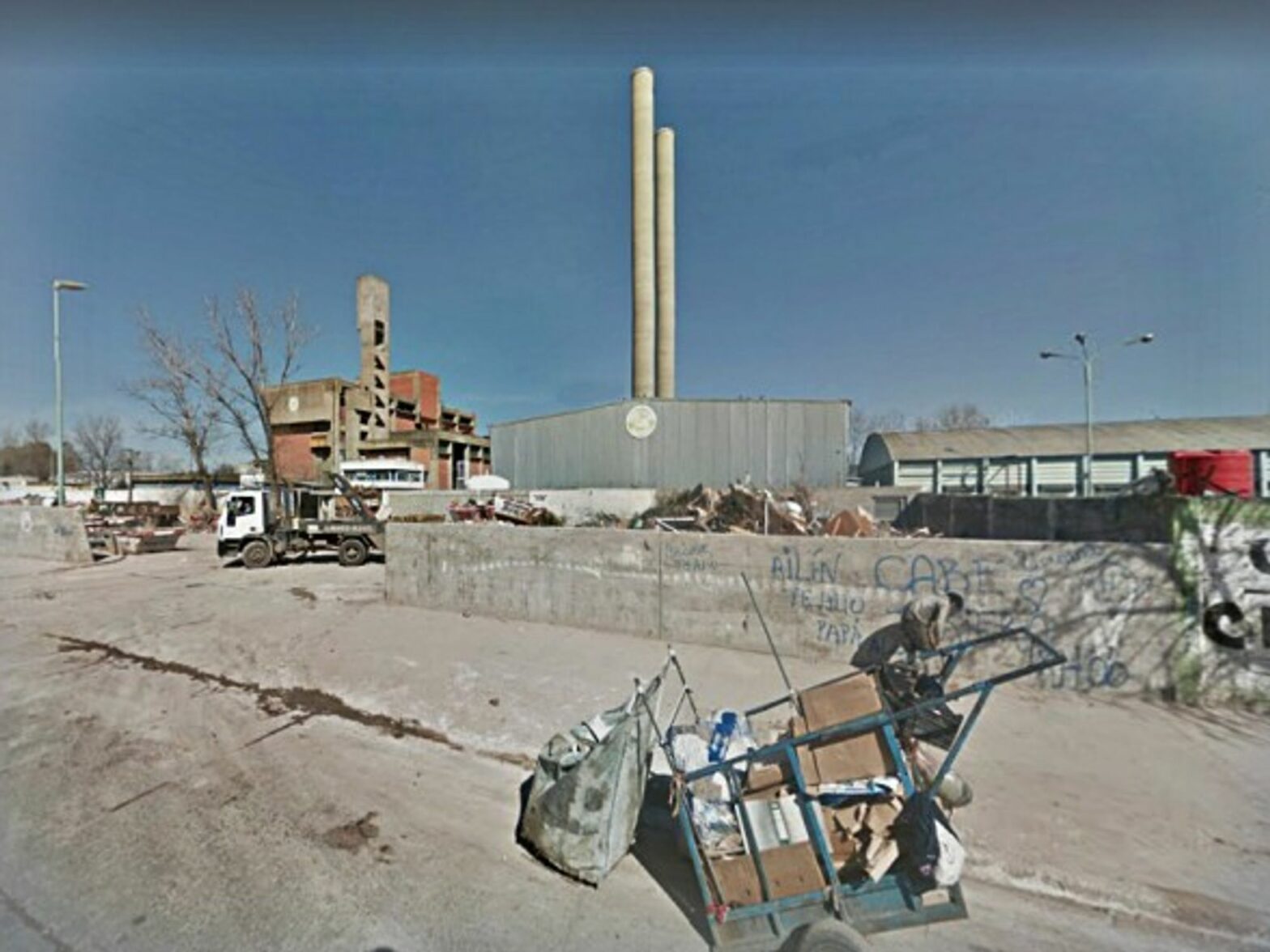
A waste processing center in the Argentine capital turns almost half the city’s refuse into reusable materials such as compost, wood chips and plastic pellets.
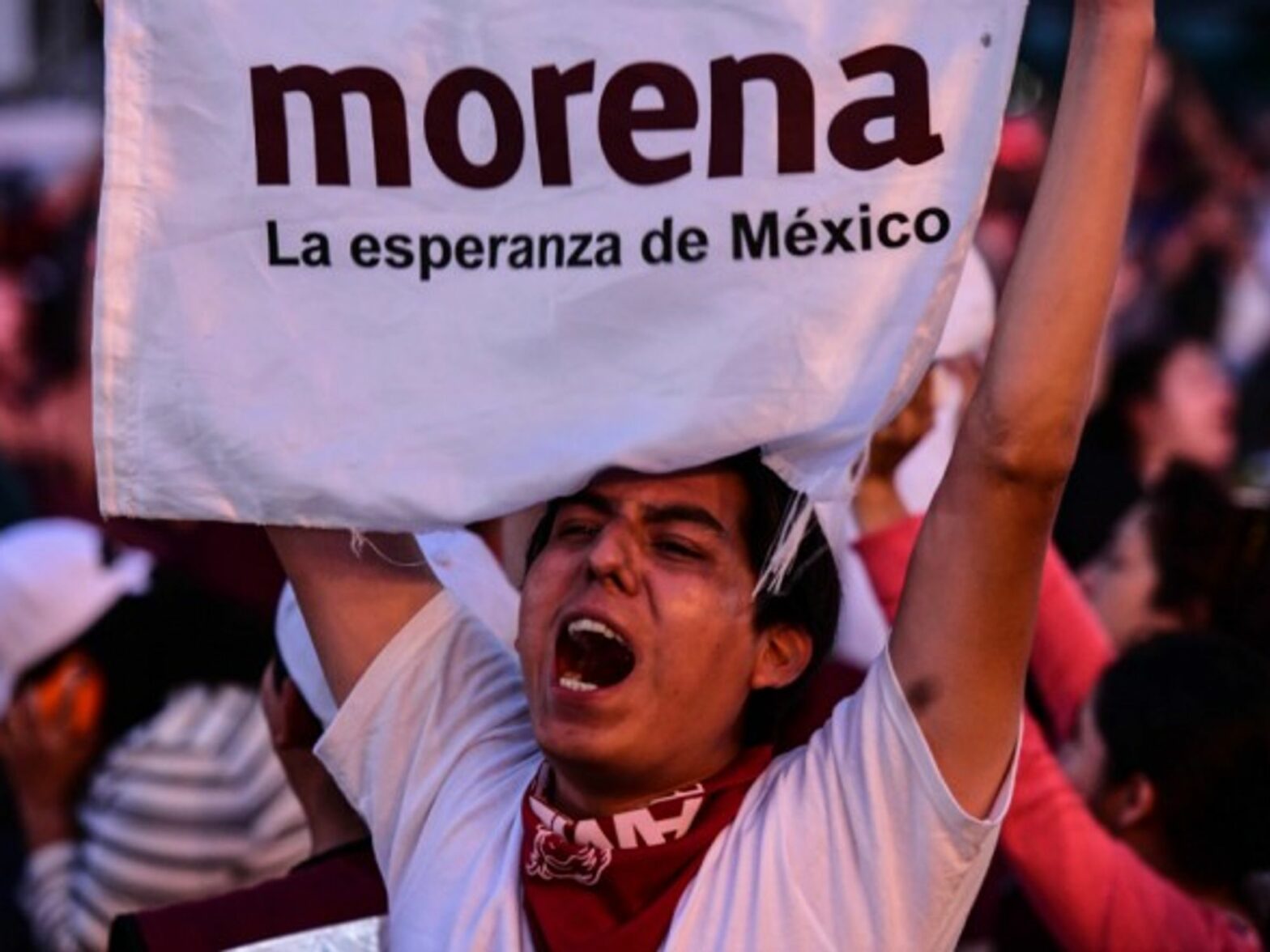
There are three candidates but really just two choices in Sunday’s presidential election in Mexico: Move forward? Or try to recreate the past?
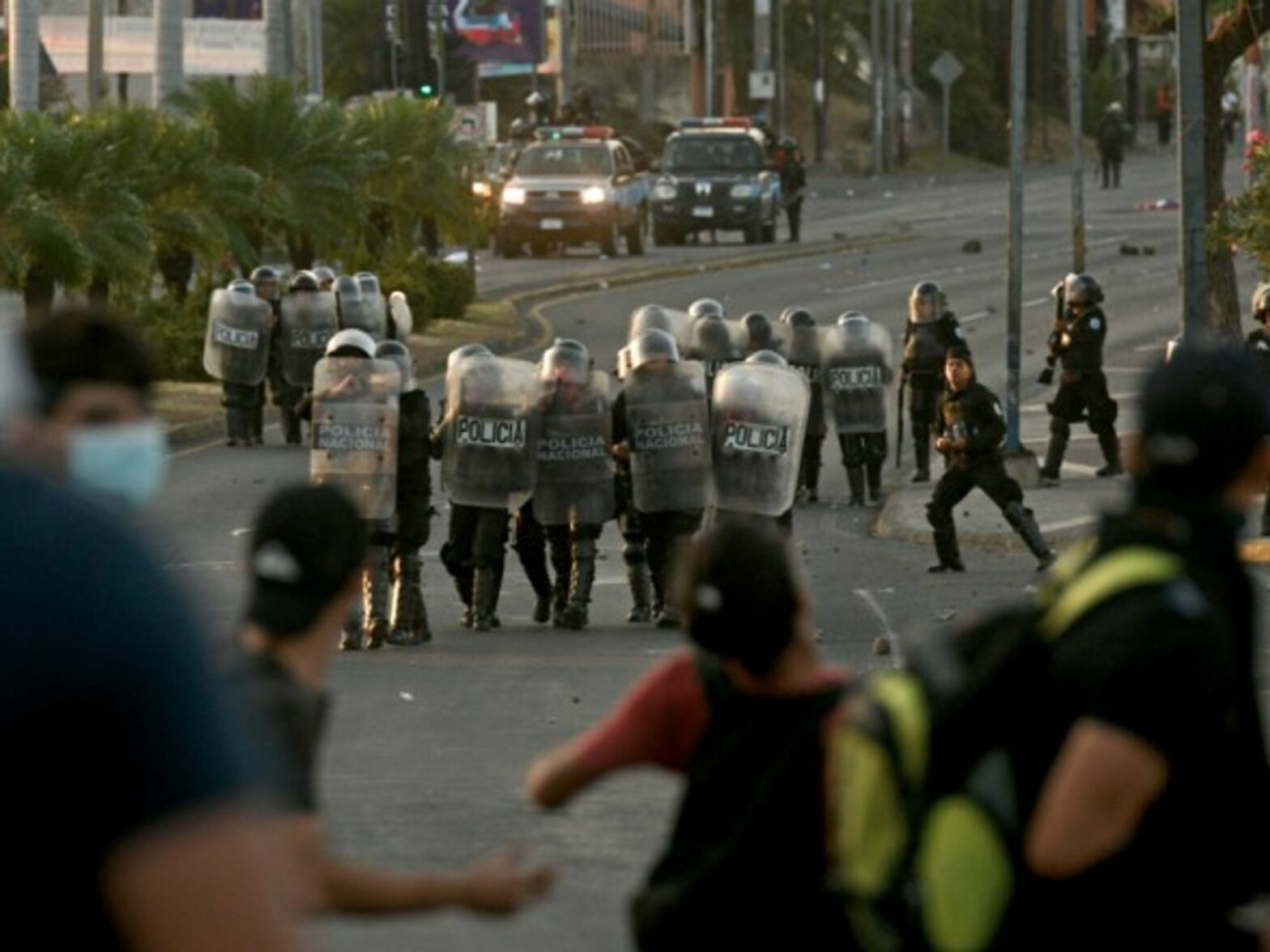
Police and pro-government paramilitaries have killed more than 200 people — including a 14-month-old boy — since a wave of anti-Ortega protests began in mid April.
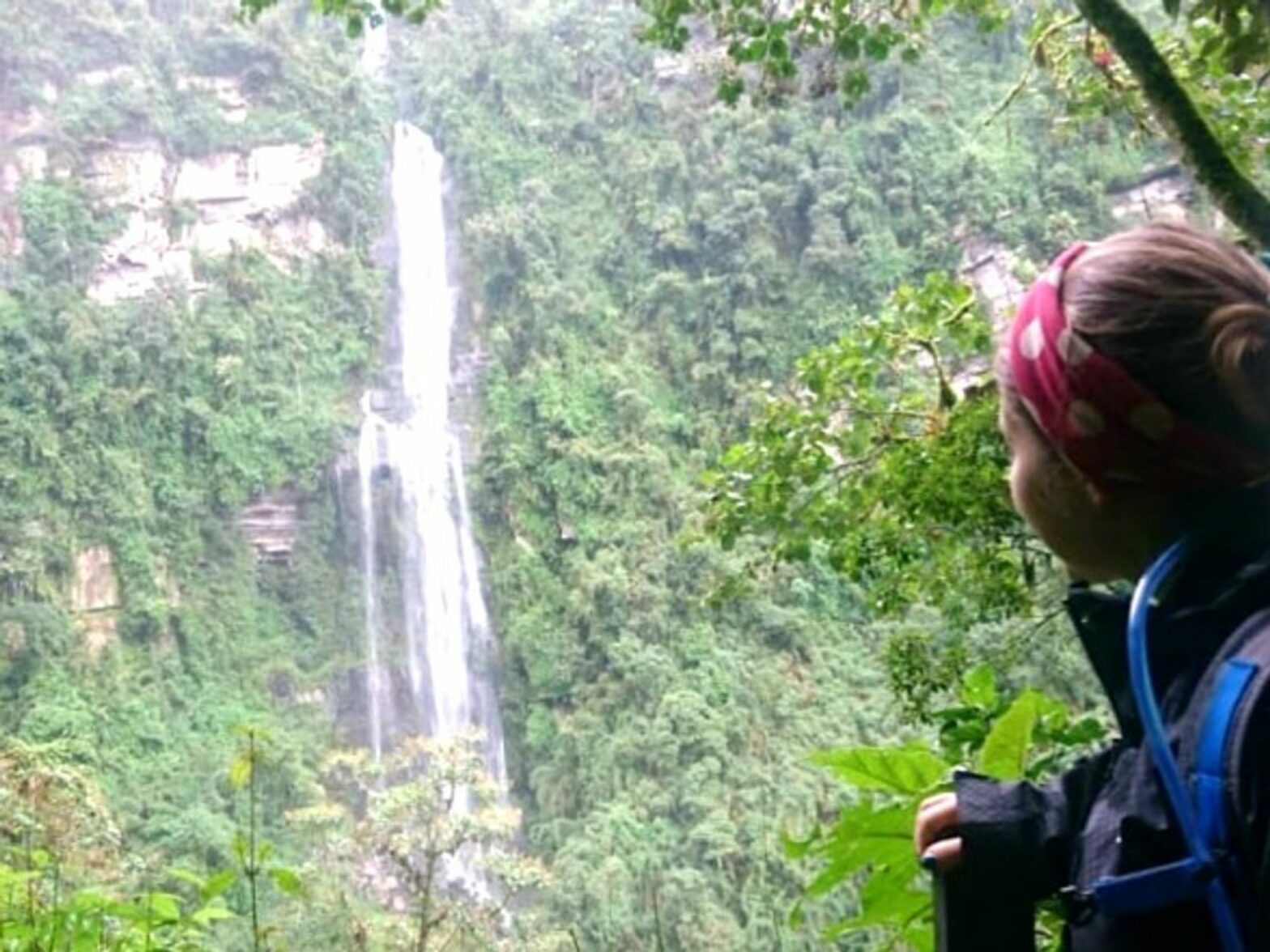
BOGOTA — “Our grandparents knew our territory well, its sacred and productive places, but also the risks we assumed if we did not use resources appropriately….” These are the words of José Zafiama, a teacher of the Uitoto indigenous people and member of the Azicatch Indigenous organization, which brings together peoples in the Predio Putumayo […]

Proportionally, the World Cup has more followers in the Latin American marketplace than any other region. It’s a unique opportunity to tap into pure emotion of potential consumers.
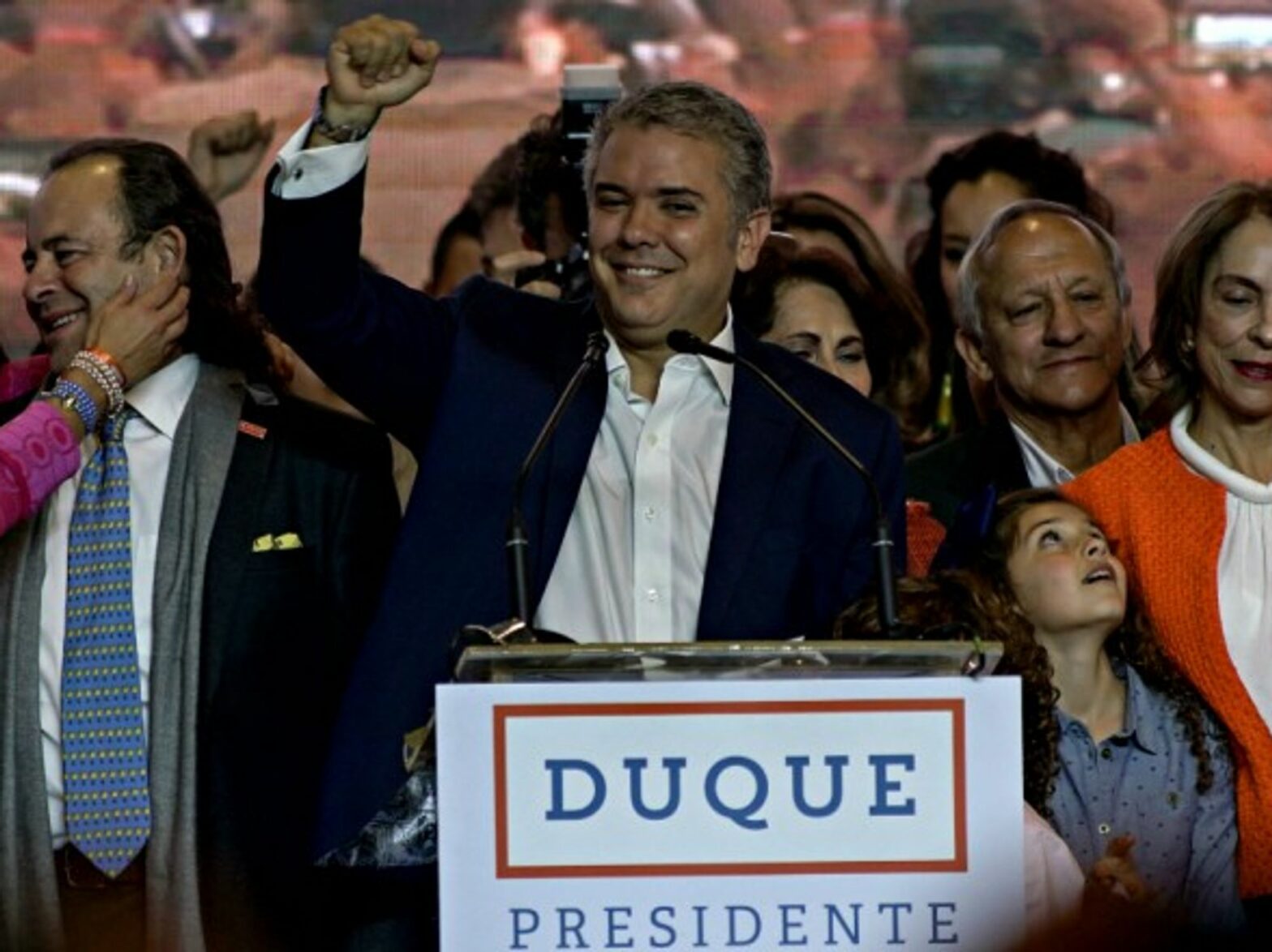
Colombia’s next president may deepen divisions in his country and align Bogota with the belligerent postures of U.S. President Trump.

Baby Boomers, Gen Xers and Millennials have very different needs and expectations regarding workspaces. And yet, in many companies they’re expected to work side-by-side.
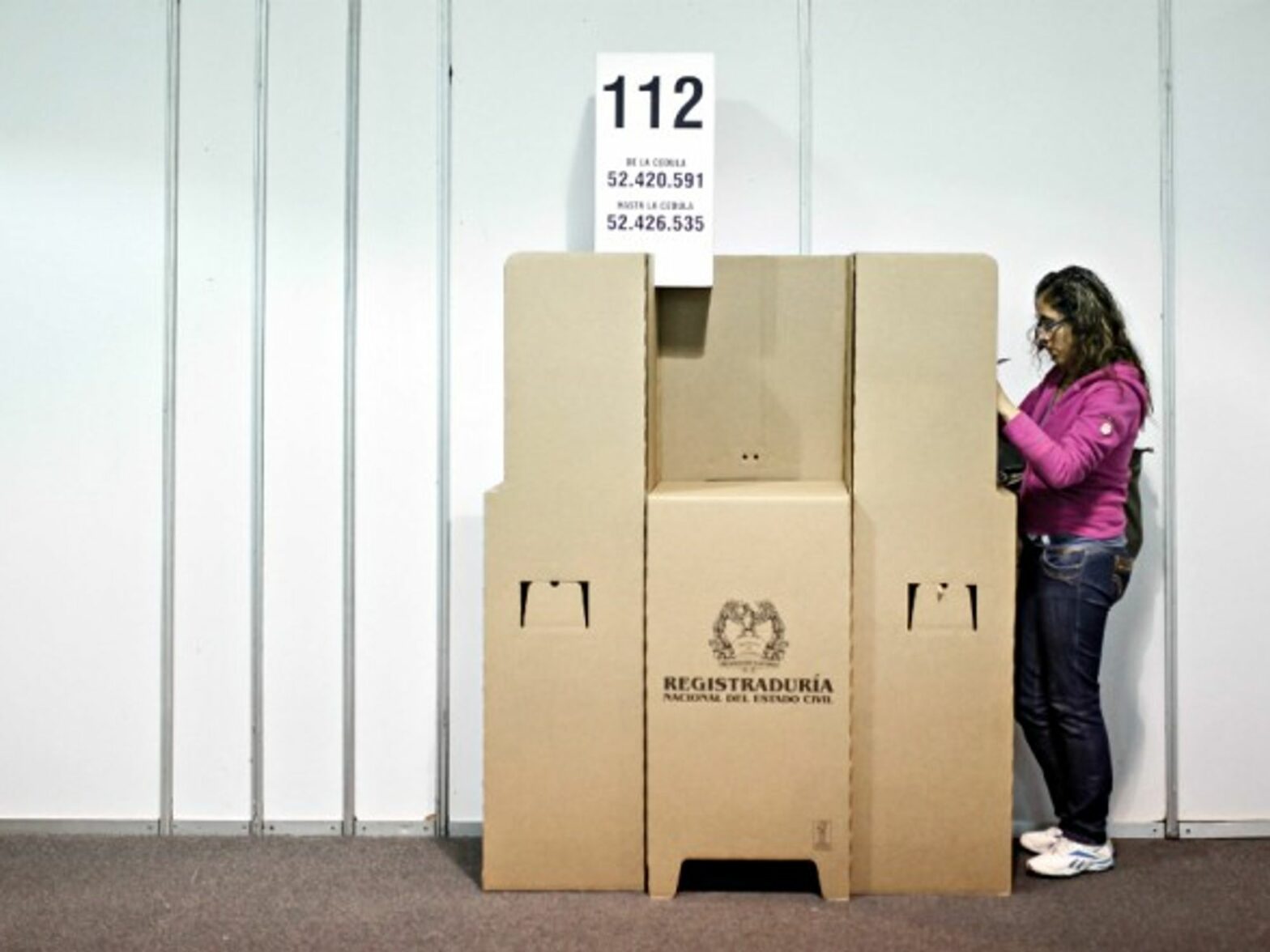
The choice of two radical candidates in Colombia’s second round of presidential elections does not oblige people to vote for one or the other. Let them cast a blank vote.

PARIS — The address is not by chance. Courbet, a jewelry designer that sells synthetic diamonds, has decided to open at the world’s most prestigious location for any jeweler: the Place Vendôme in Paris. Setting up shop at No. 7, becoming neighbor to establishments like Cartier and Van Cleef & Arpels, is a daring move, […]
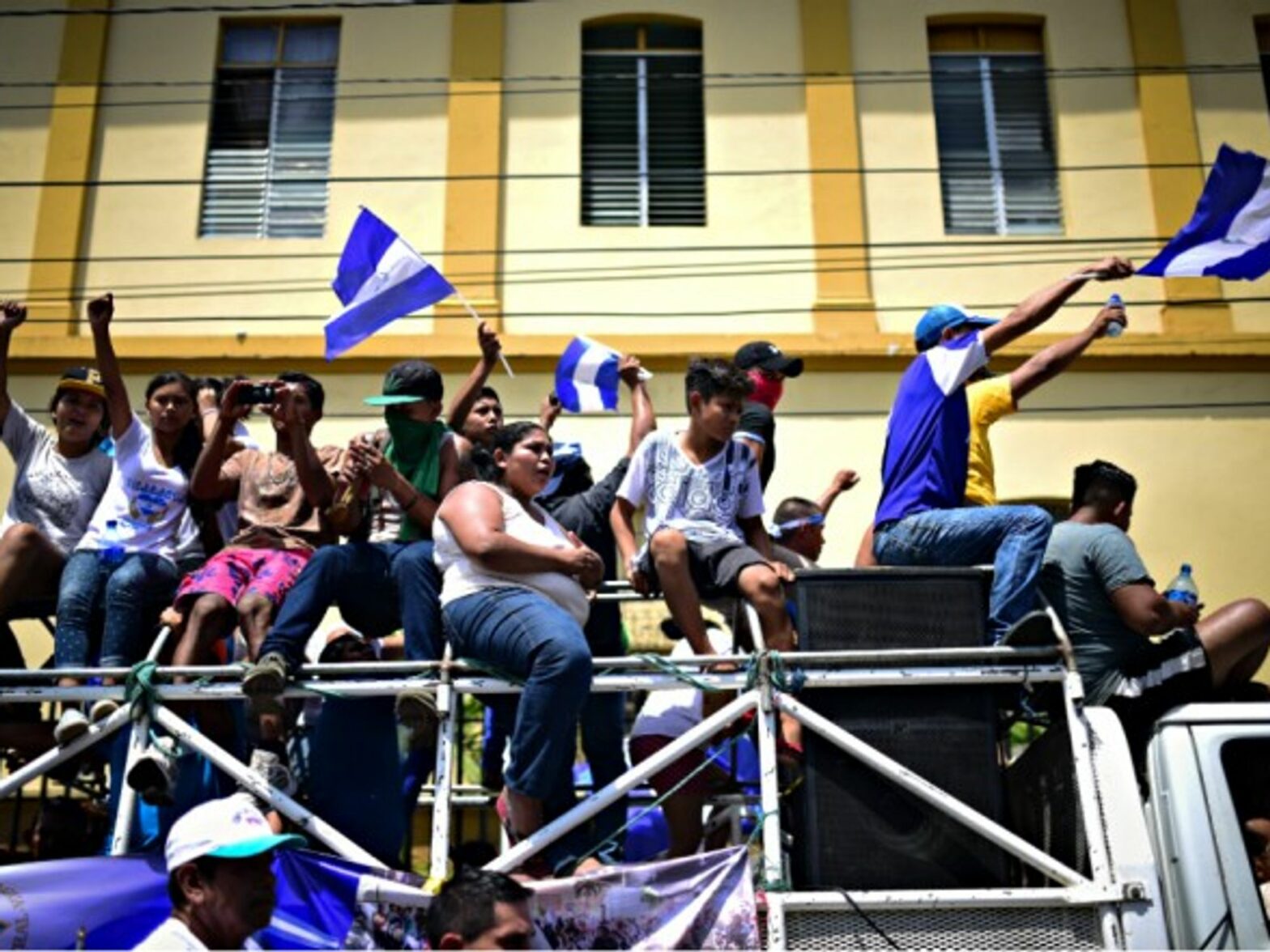
Governments in several Latin American states are facing angry voters who may remove them from power, but perhaps of greater concern is the spreading wrath against all politicians, everywhere.

Researchers used visuals and scanning technology to gauge how people ‘feel’ about the contenders in Colombia’s current presidential election.
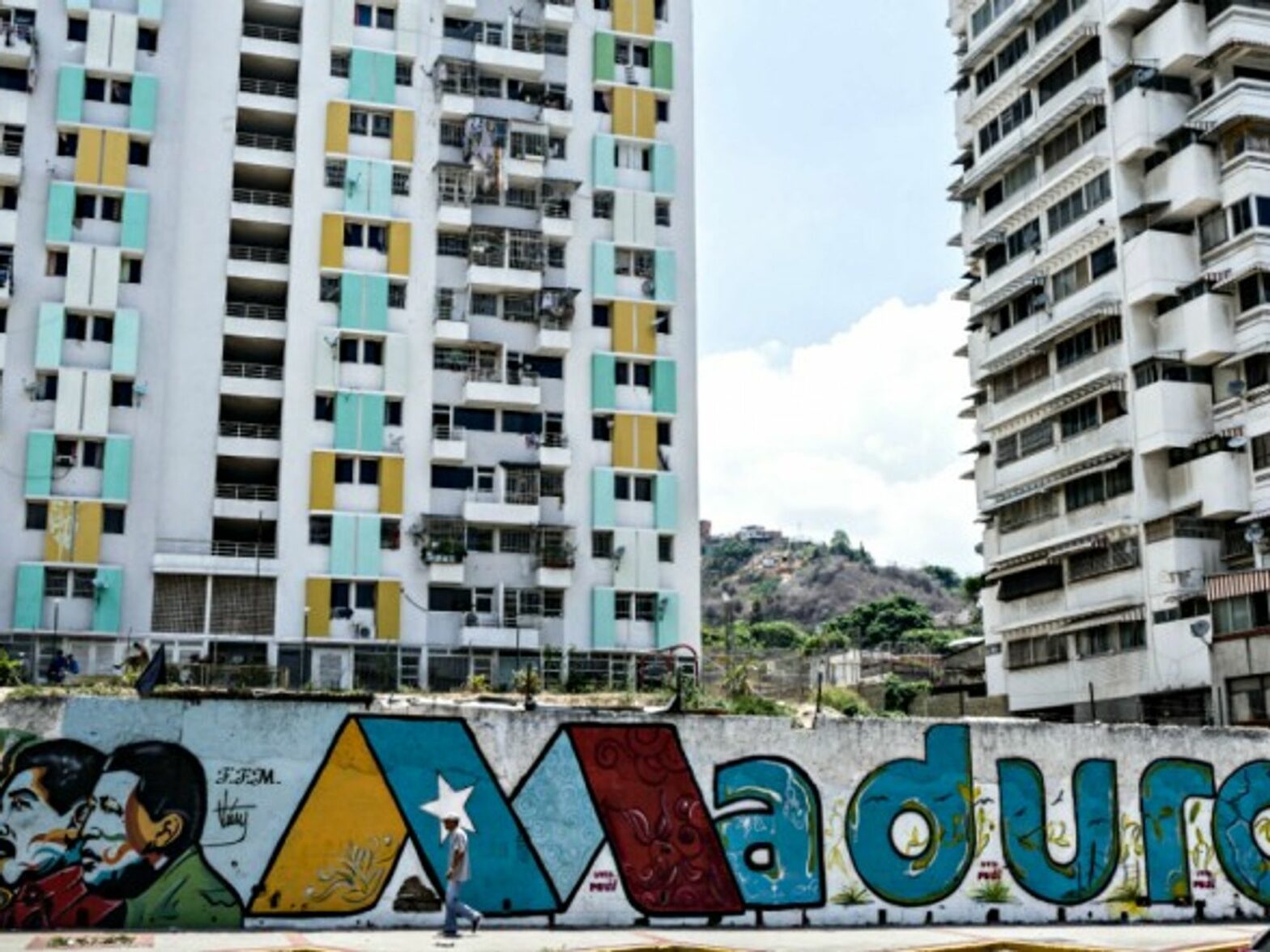
After last week’s sham election, the international community — starting with the nations of Latin America — need to isolate Maduro and encourage peaceful, democratic regime change.
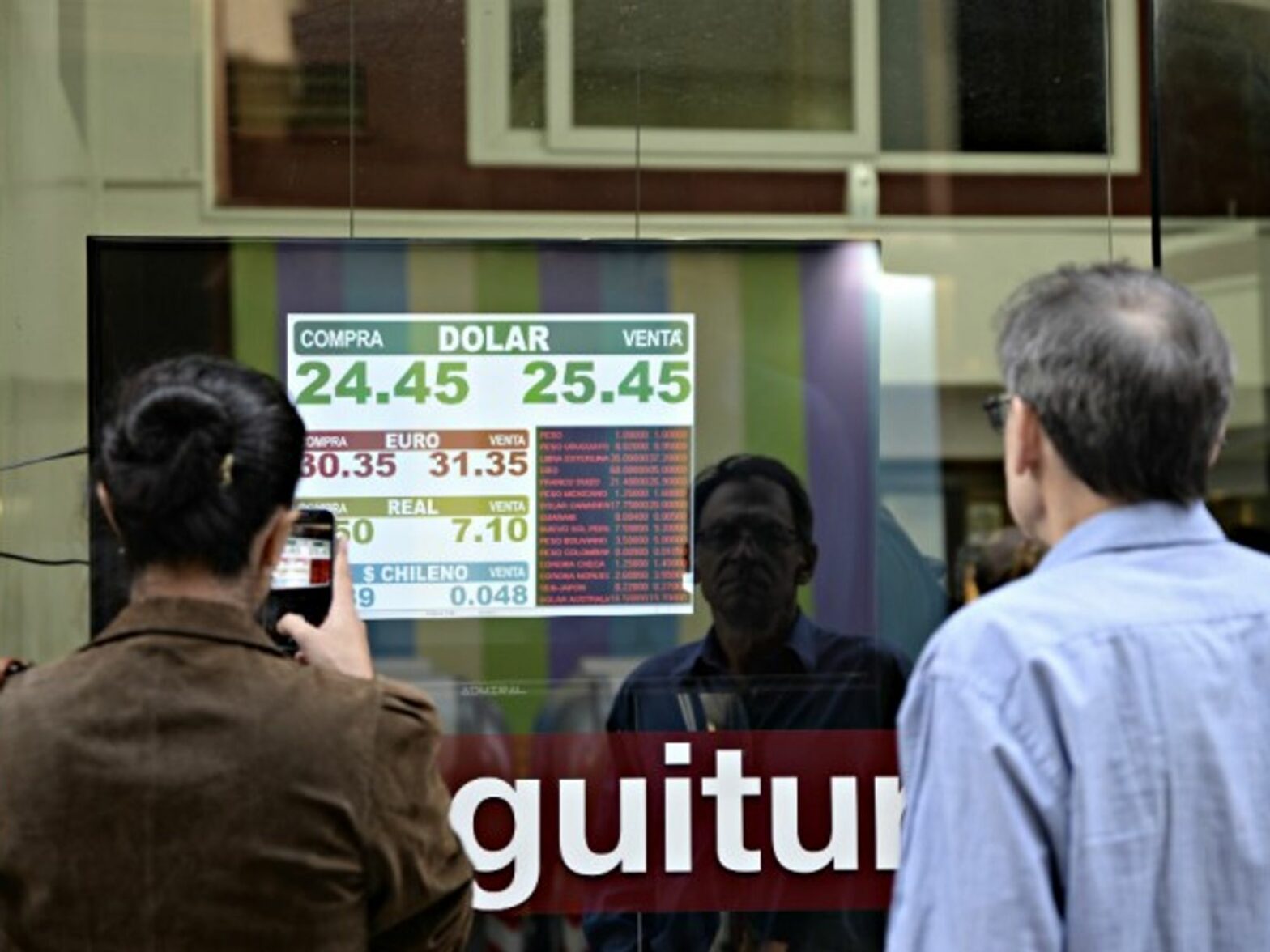
-Analysis- BUENOS AIRES — As then President Juan Domingo Perón made clear in a 1951 speech, concerns in Argentina over the price of the U.S. dollar are nothing new. “I ask you this,” he said. “Why do you want dollars? Who’s ever seen a dollar?” Perón posed the question to political opponents who were complaining […]
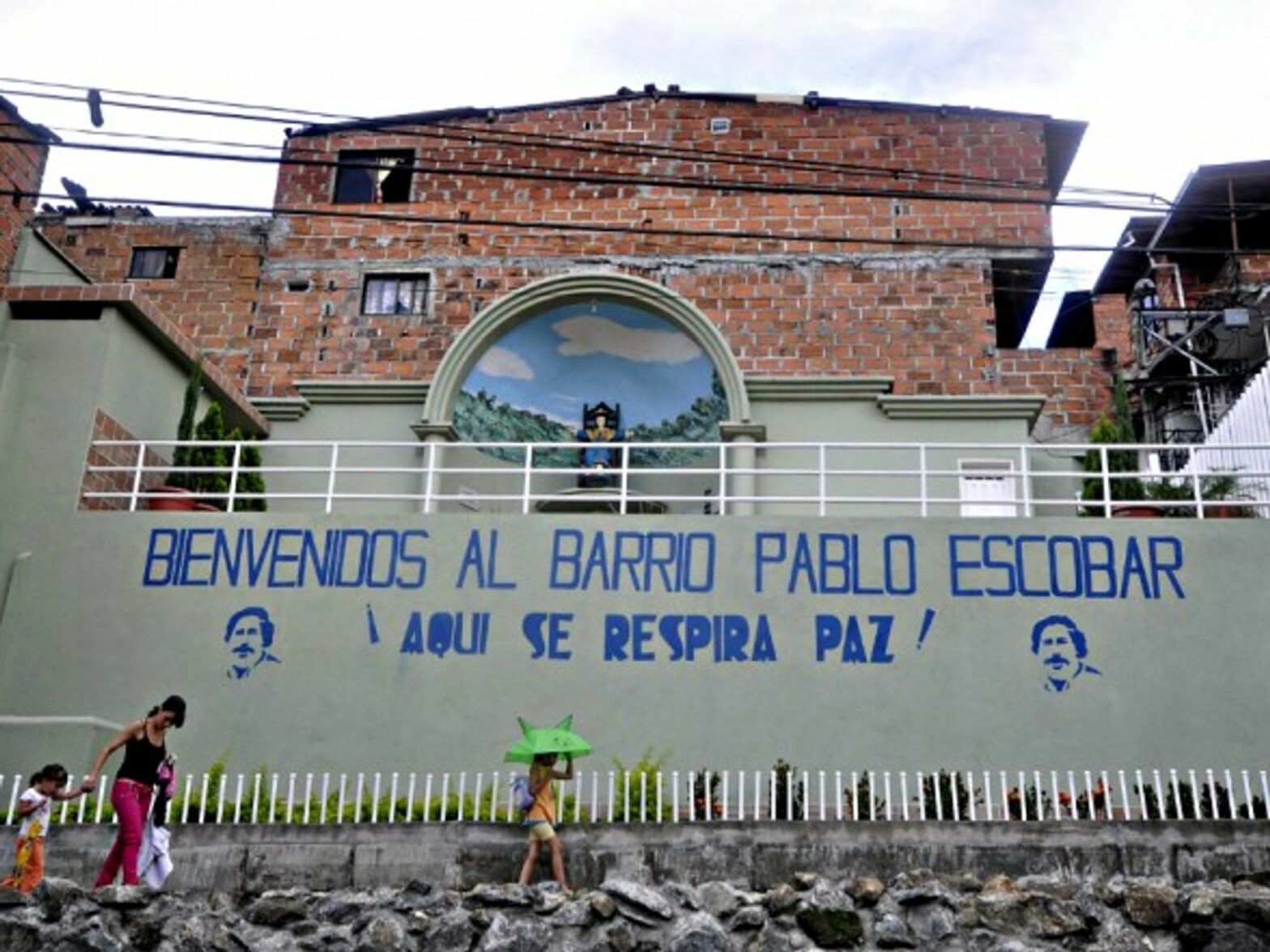
Medellín authorities want tourists and youngsters to be mindful of the victims of drug trafficking, not view mobsters as merely rogues or ‘Robin Hoods.’
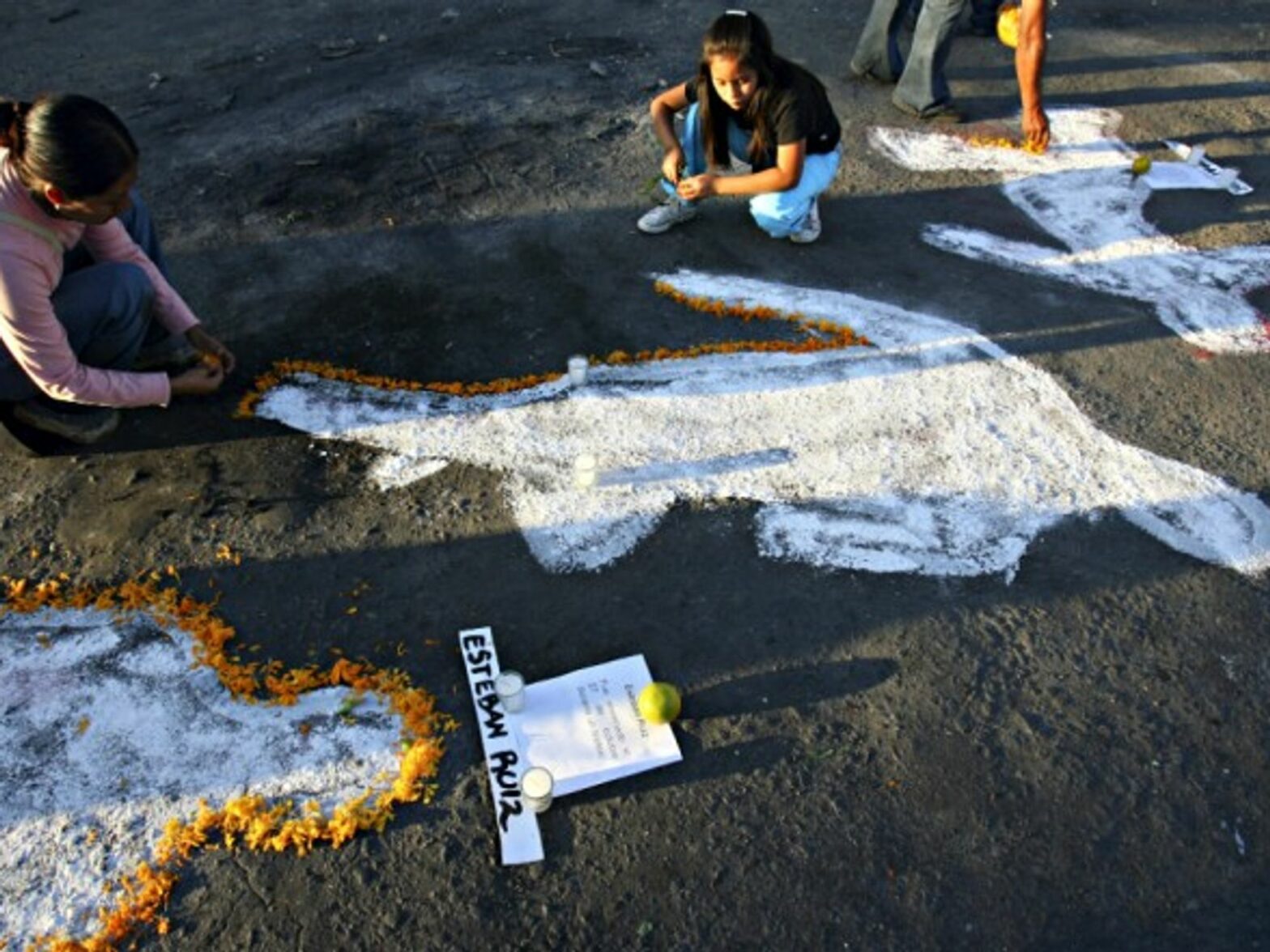
The state of insecurity in Mexico has gone beyond isolated remedies like tweaking laws or reforming agencies. It is so ingrained that people are getting acclimated.
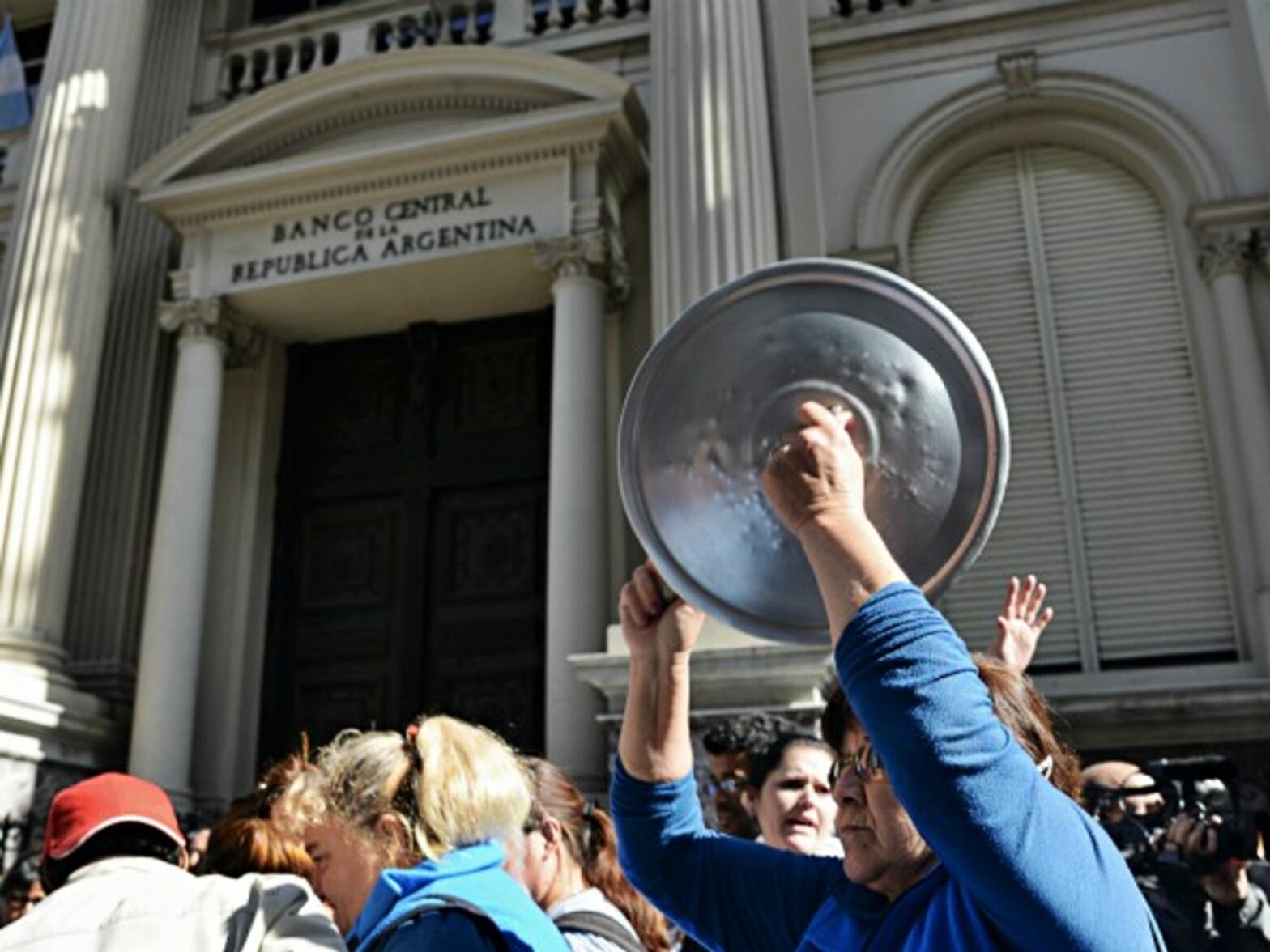
The Macri administration should take a hard look at its own economic policies and stop blaming the Kirchner governments that preceded it. Otherwise, the same story will repeat.
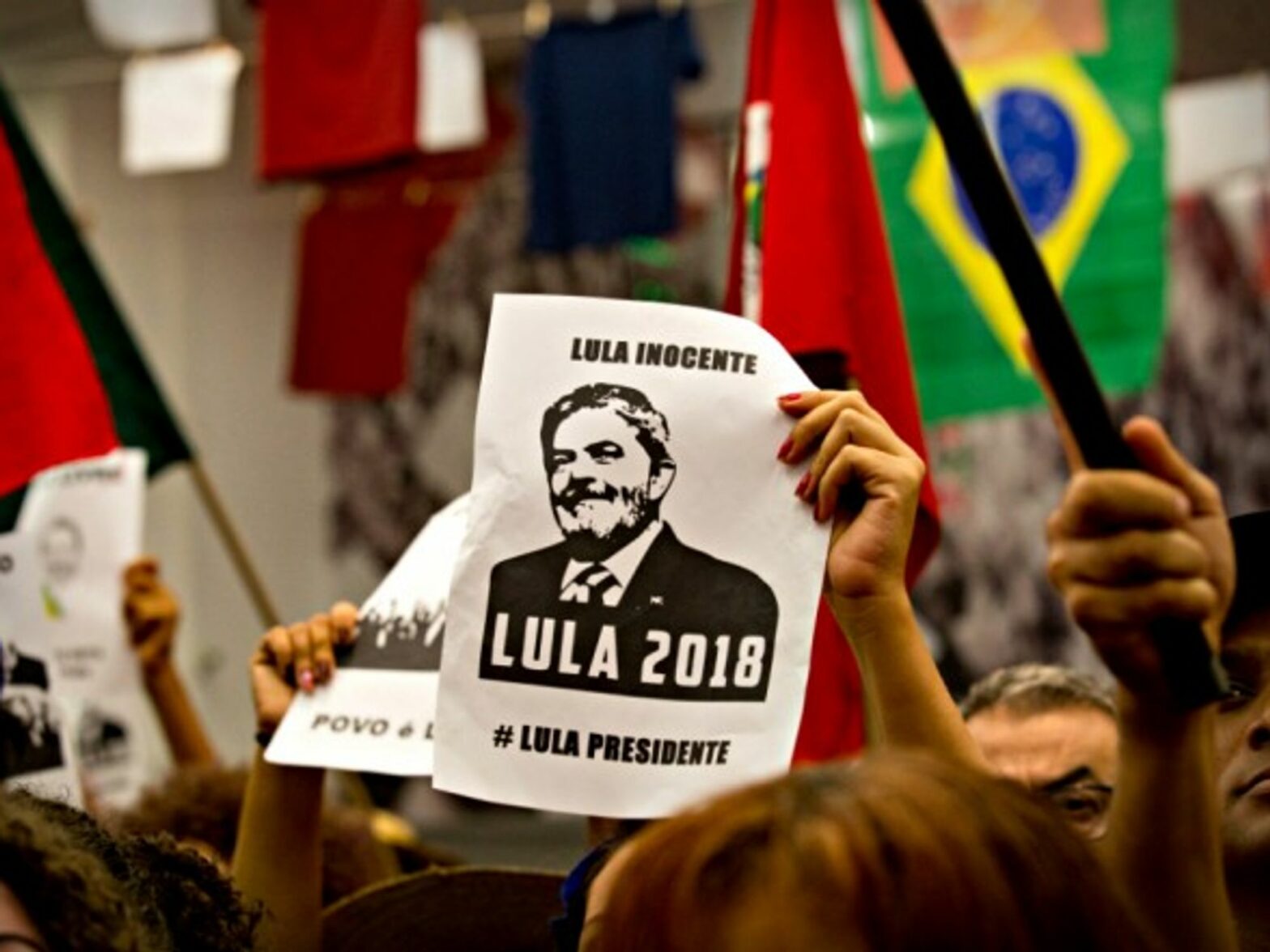
Brazil’s imprisoned former president, Luiz Inácio Lula da Silva, writes an impassioned plea published by Le Monde, alongside a call by European leaders to Brazilian authorities to let Lula run for president in October.
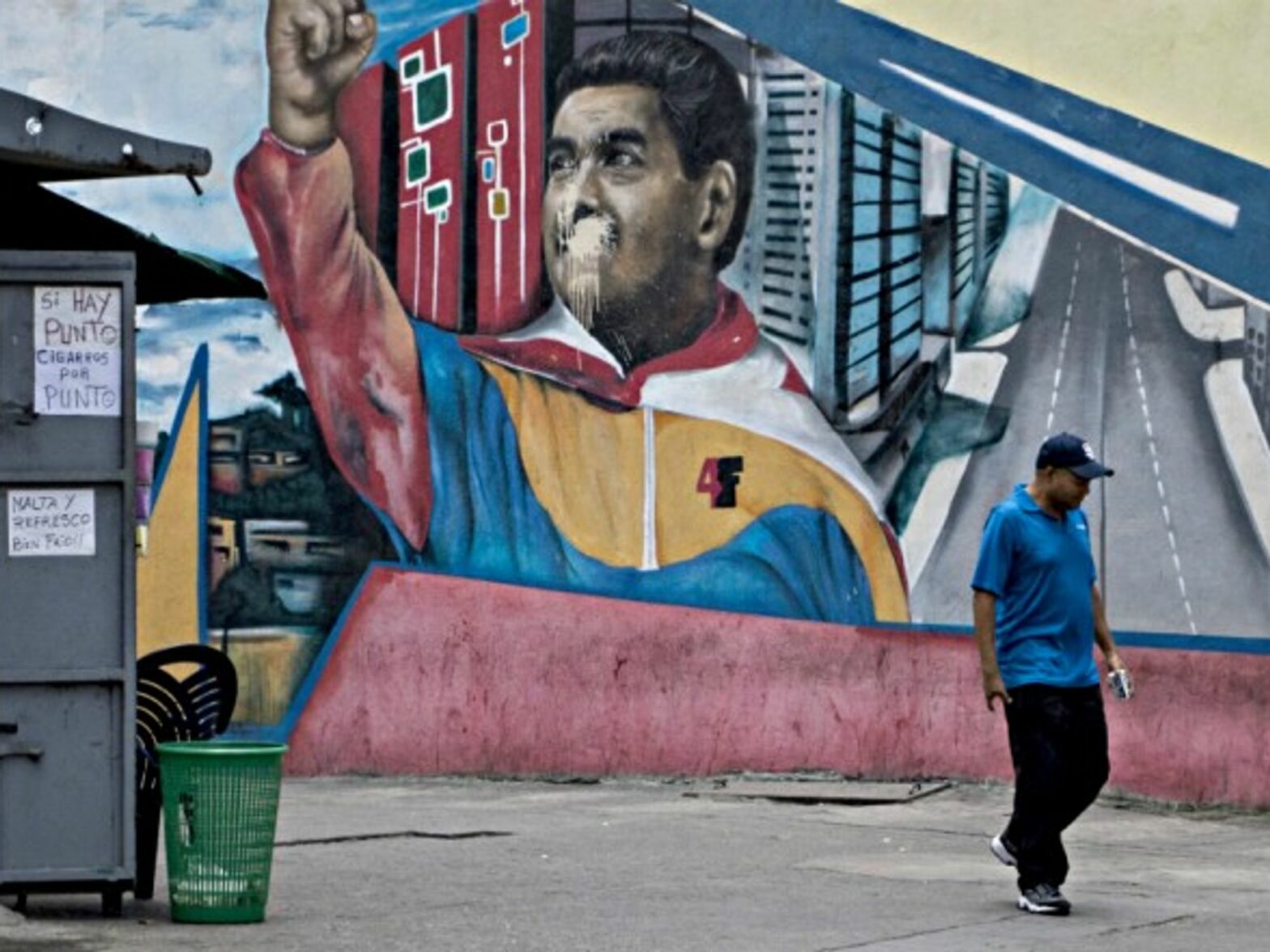
The digital revolution is shifting how societies are structured, and may lead to greater public oversight of government. But it could also have the opposite effect.
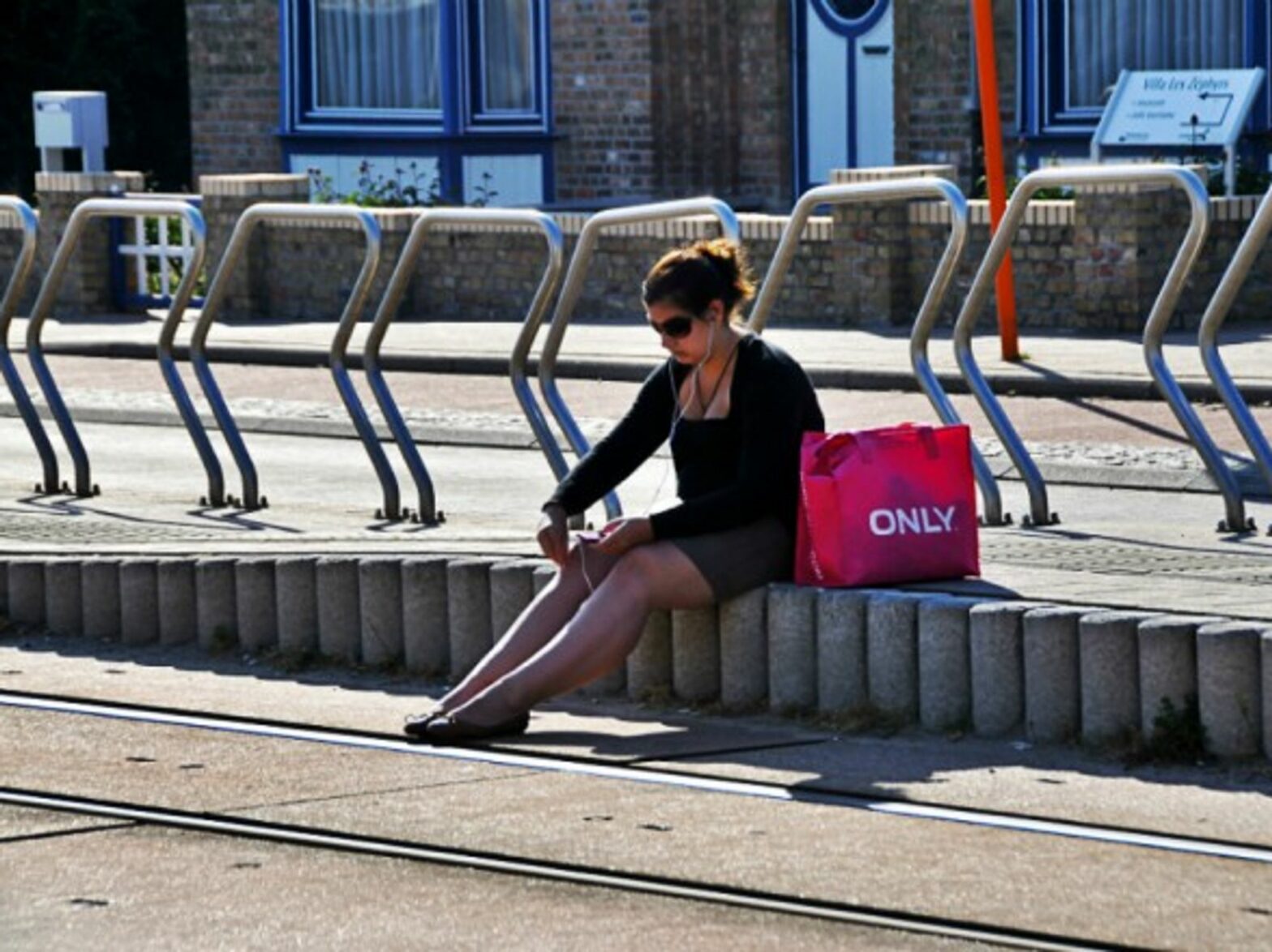
Smartphones have upended communication and consumption, leaving retailers to transform themselves to attract fickle, online buyers.
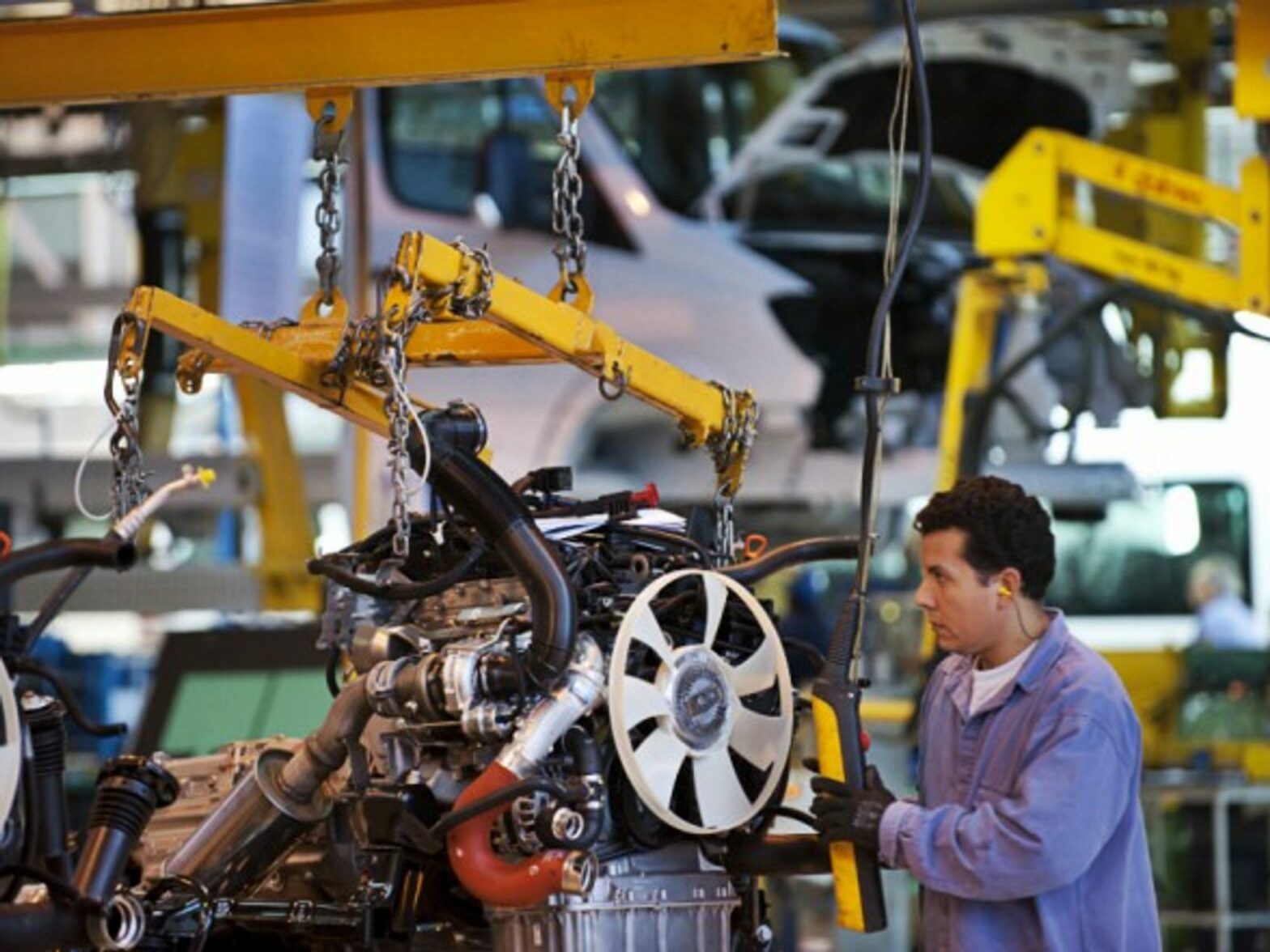
Robotization, AI and other technological advances will change the nature of work in the coming decades. How will it play out in poorer parts of the world?
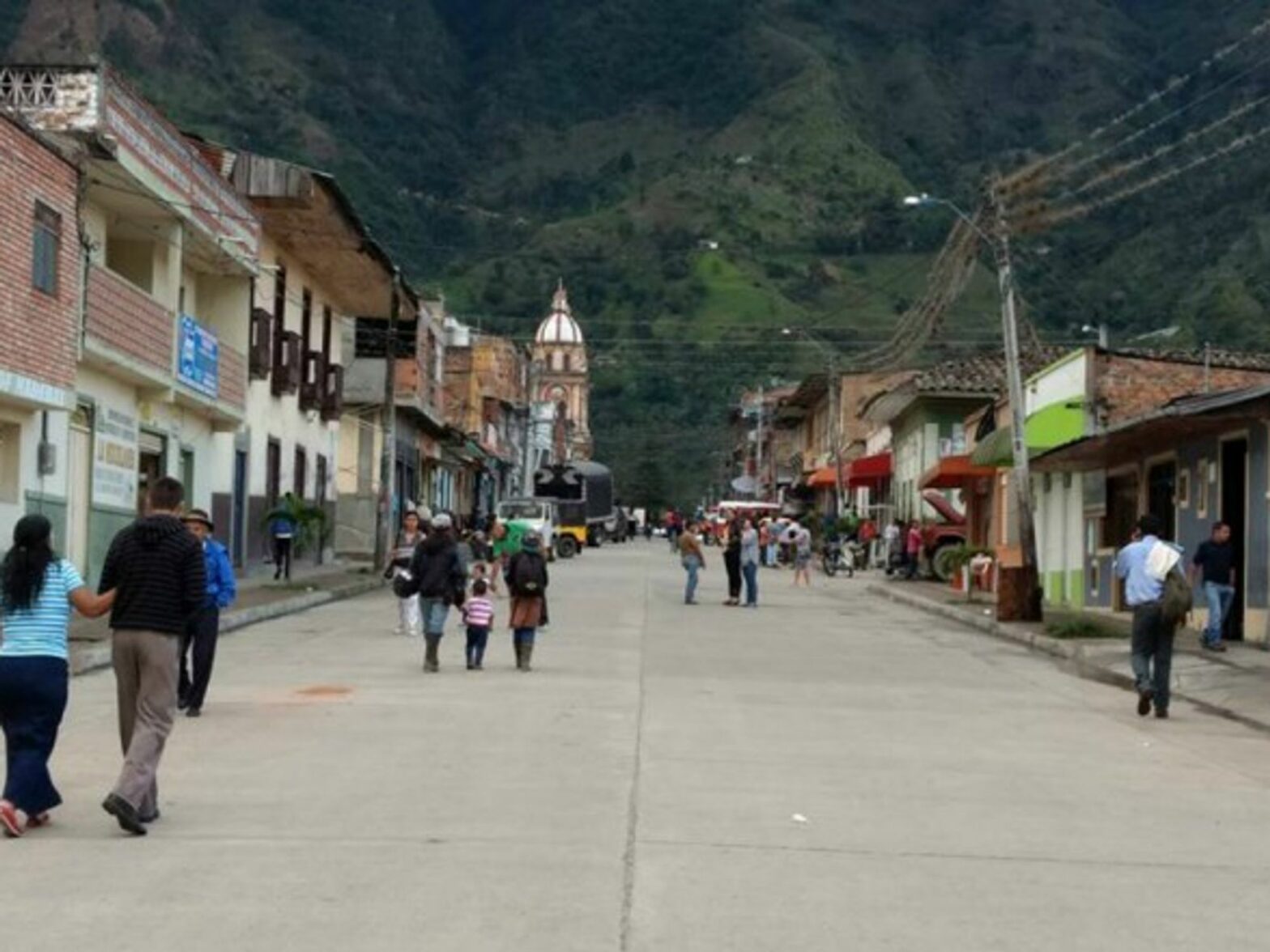
After voting to ban metals mining, residents in the mountainous area west of Bogota are staking their future on farming and tourism.
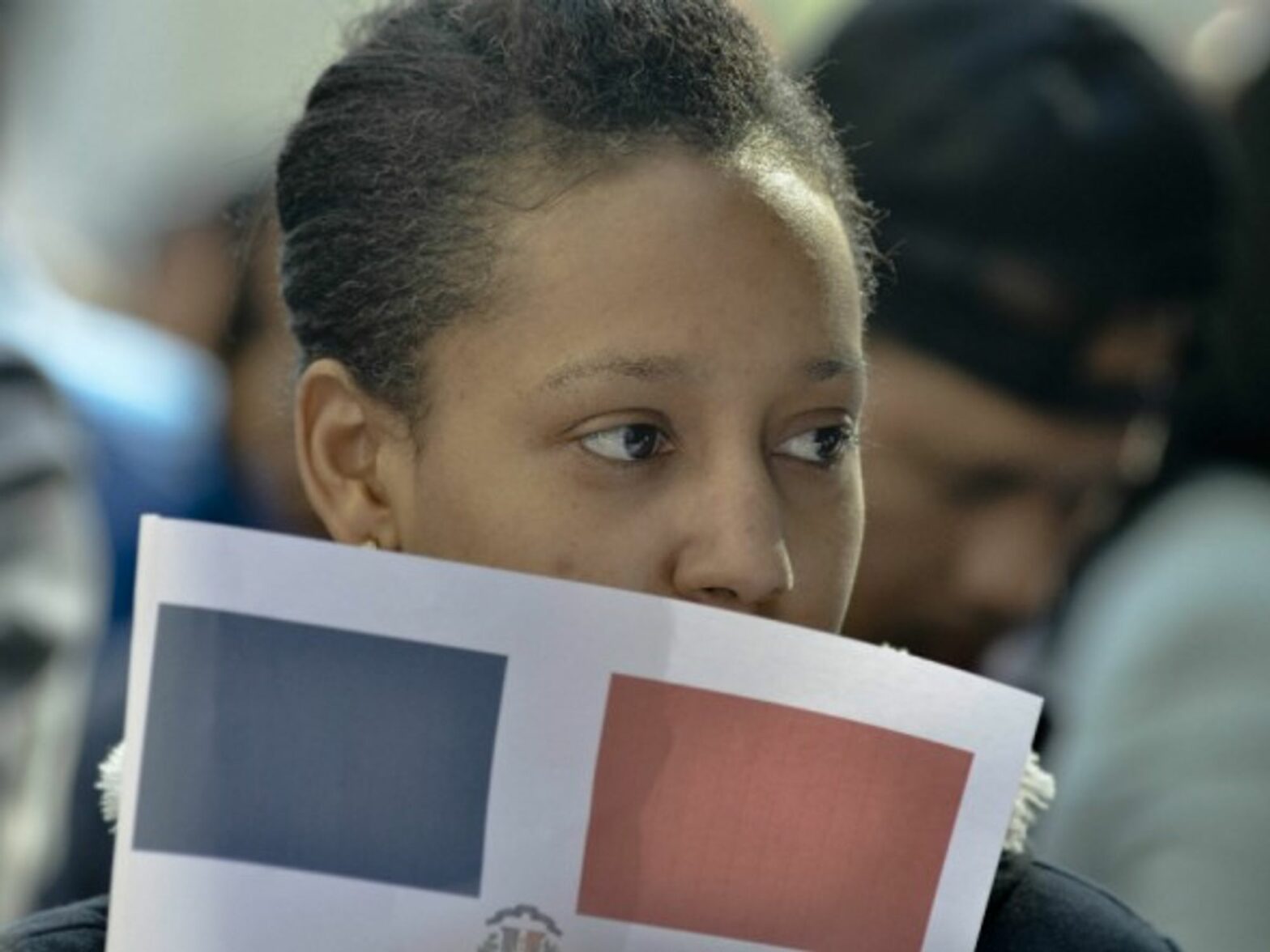
New restrictions in Chile effectively target poorer migrants, many of whom are Afro-Caribbeans from Haiti and the Dominican Republic. They also coincide with a rightward shift in opinion.
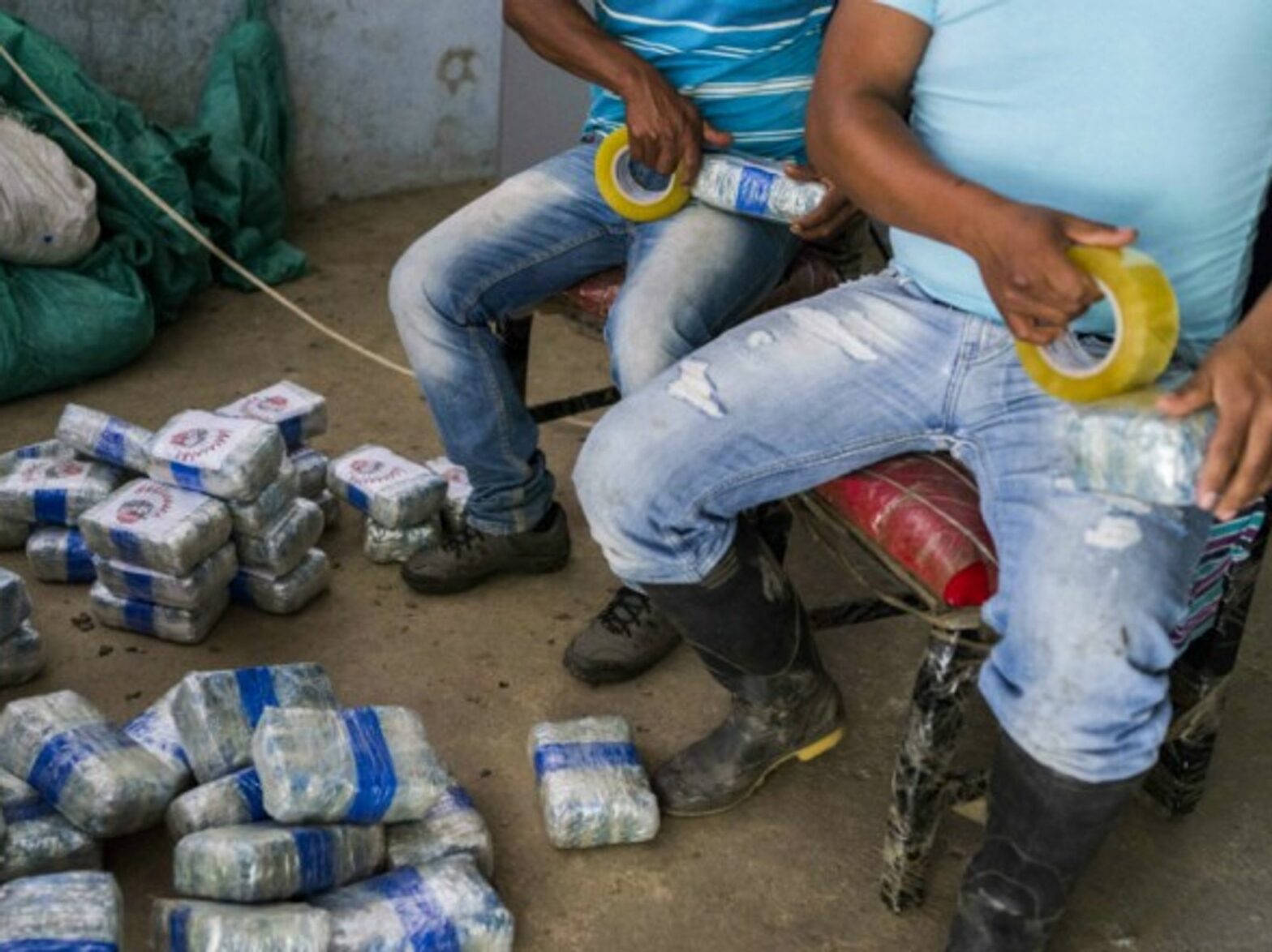
Expected to return to Cali after serving prison time, some old gangsters will find a ‘new generation’ of criminals running businesses in town. Will that mean trouble,
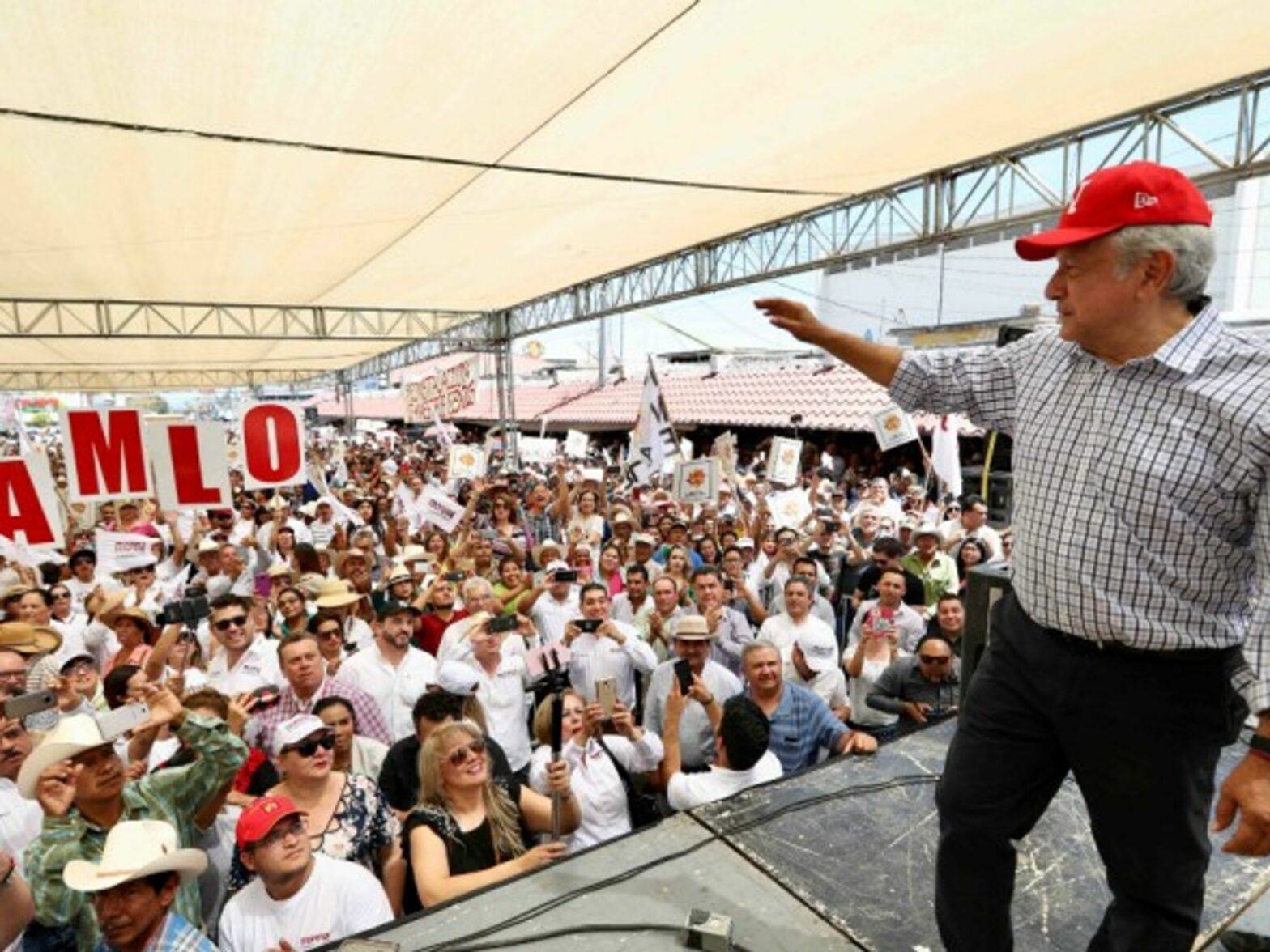
Leftist presidential candidate, Andrés Manuel López Obrador, is Mexico’s answer to Trump. AMLO’s details are vague, but his poll numbers are rising.
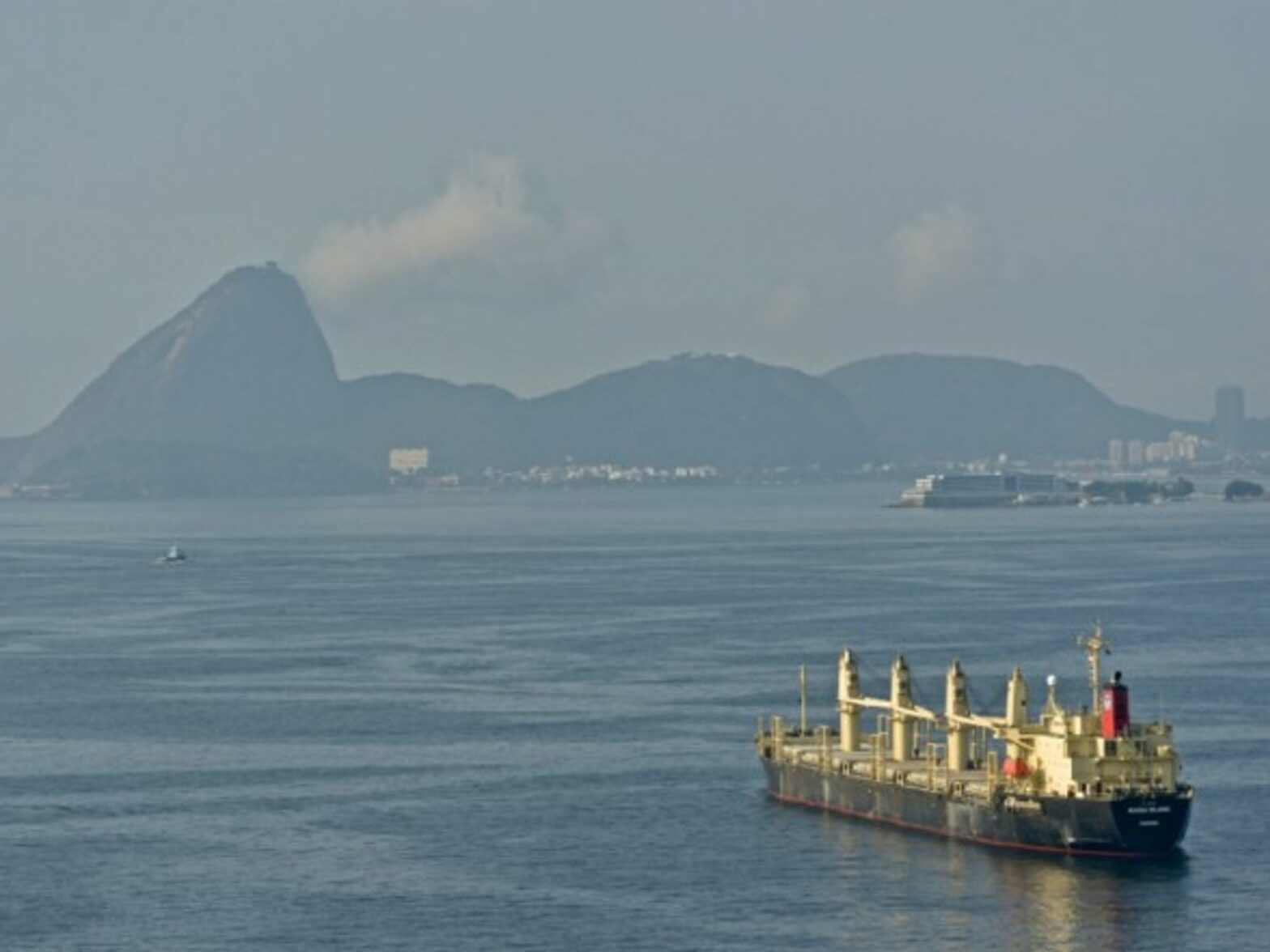
Latin American states, as major sea-trading nations that are also vulnerable to climate change, must act now to find ways to curb shipping pollution.
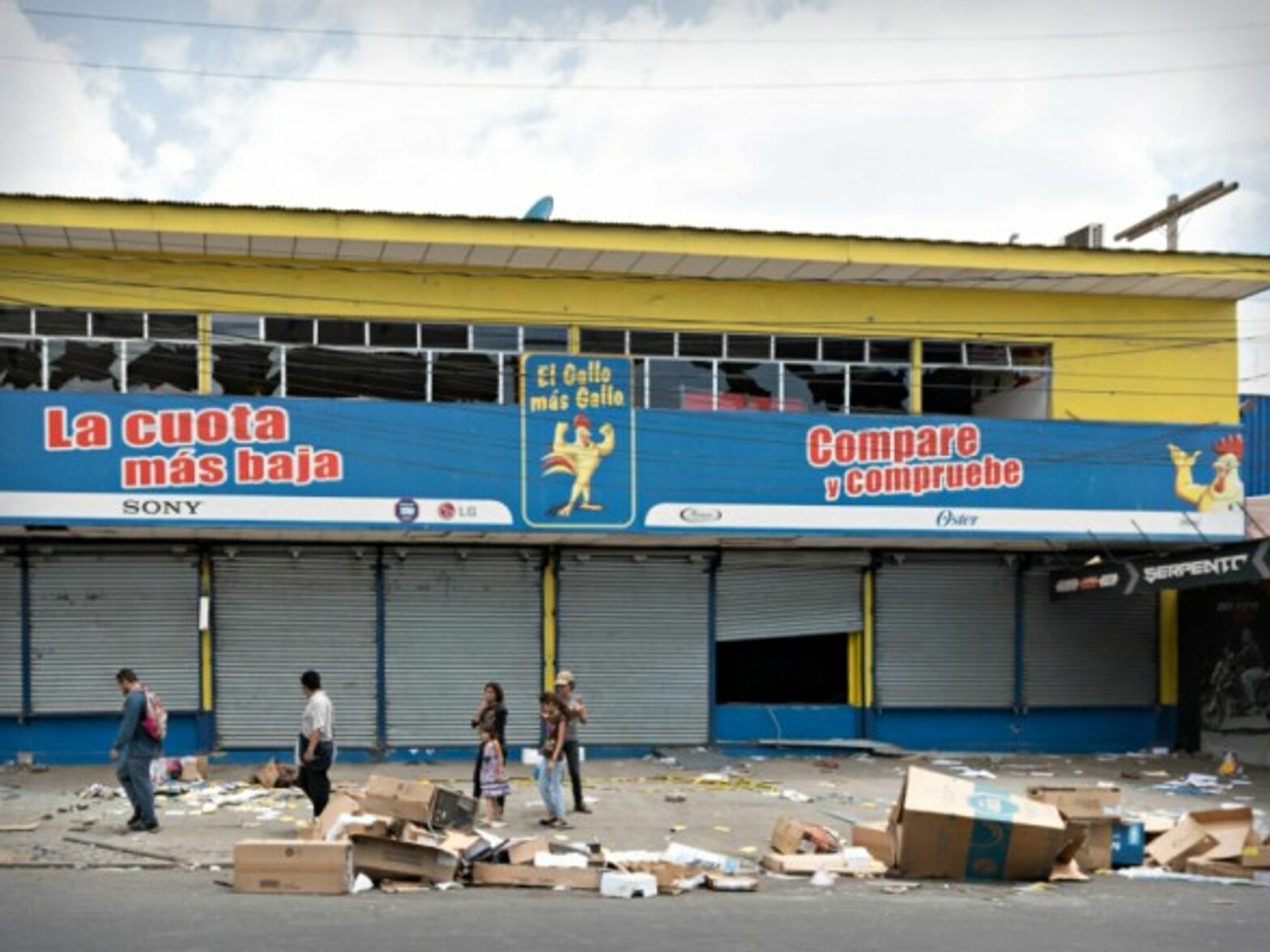
Protests in Nicaragua against a proposed tax hike to finance the social security system have revealed the people’s disgust with President Ortega’s regime. His brutal response does not bode well.
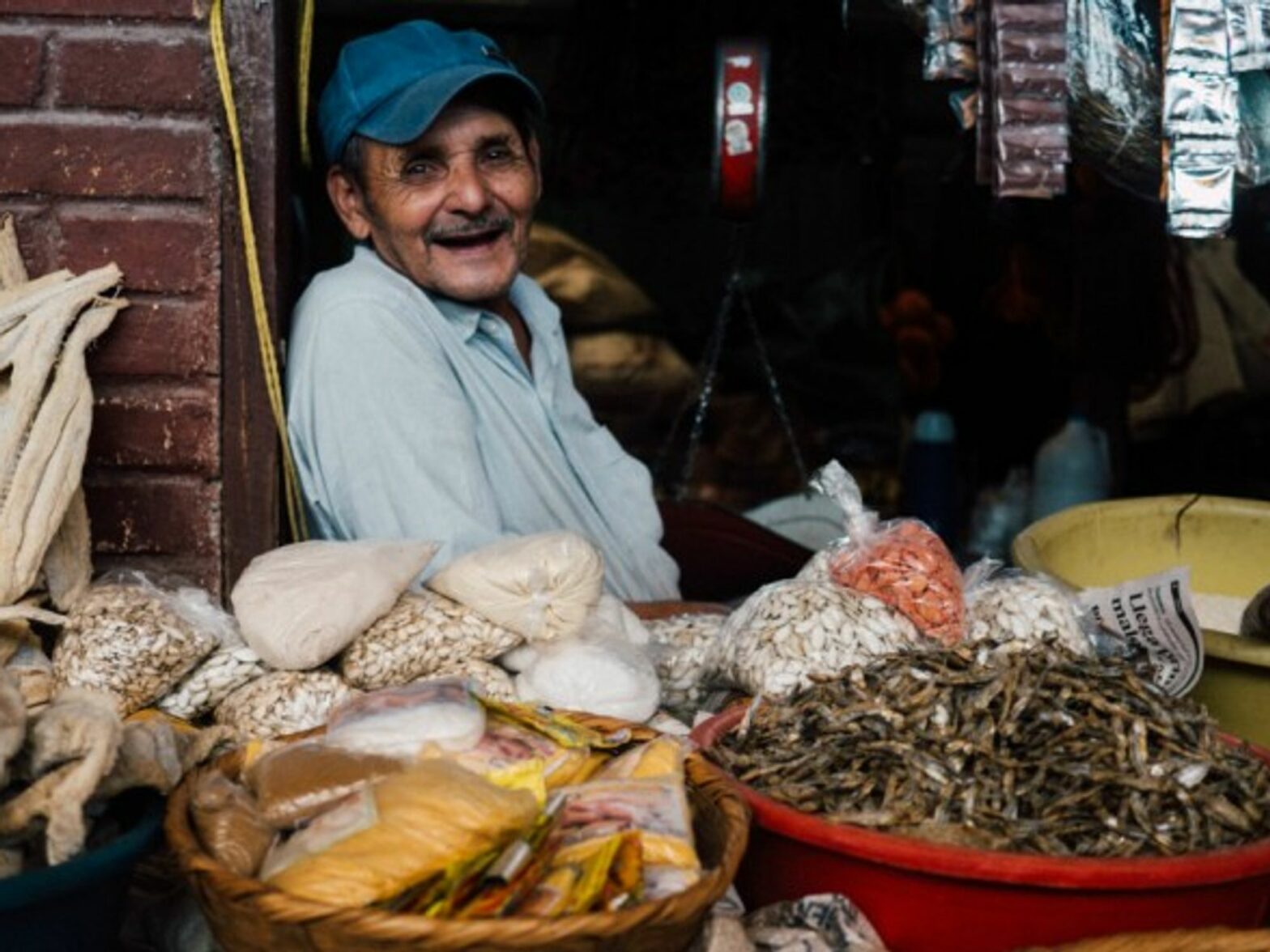
The Colombian government’s fondness for ‘happiness’ polls may be an attempt ot distract people from poor basic services that are a public responsibility.
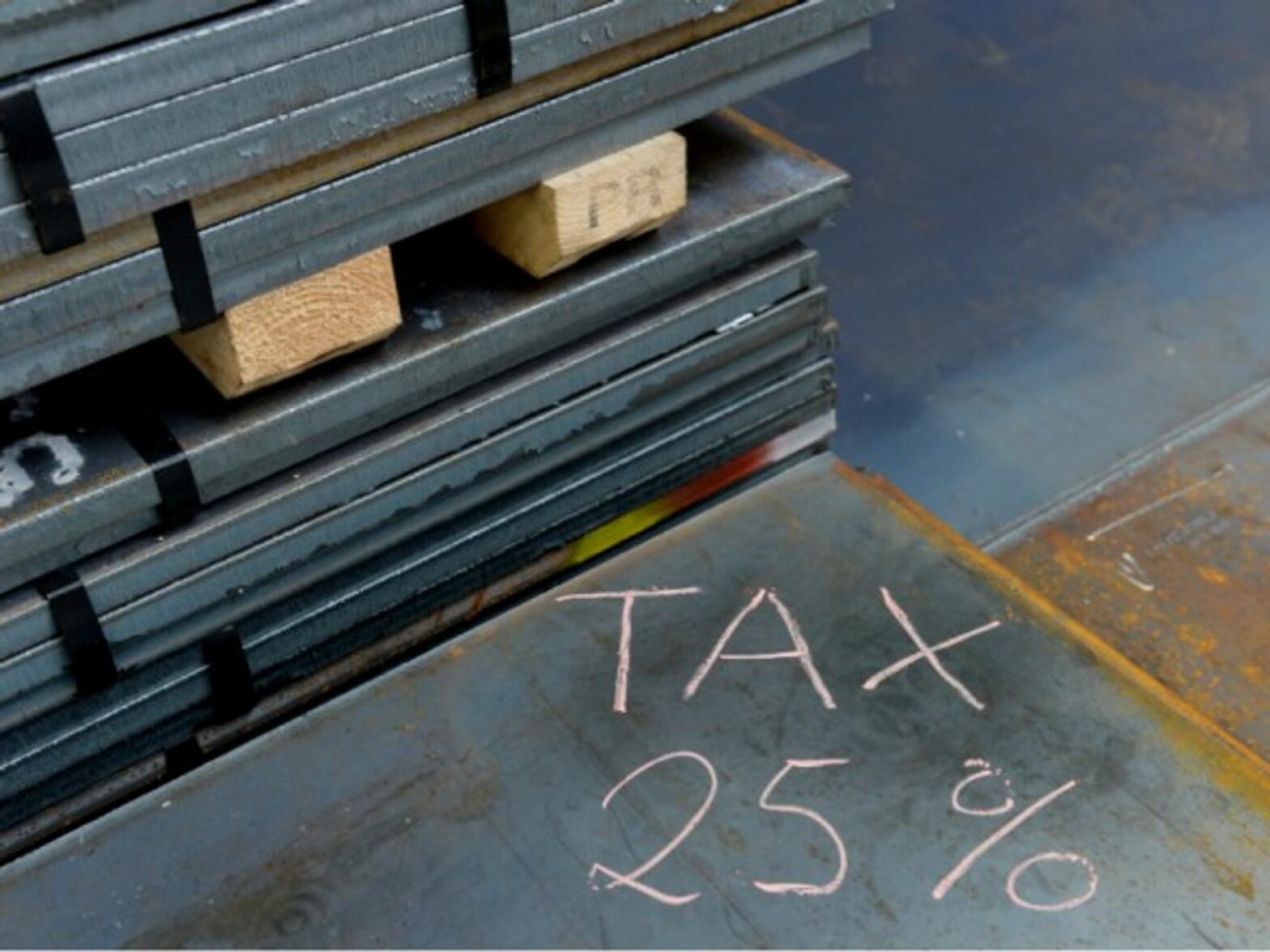
The U.S. trade deficits that have prompted the Trump administration to raise tariffs have a result of the universal use of dollars and are unrelated to ‘unjust’ trading practices.
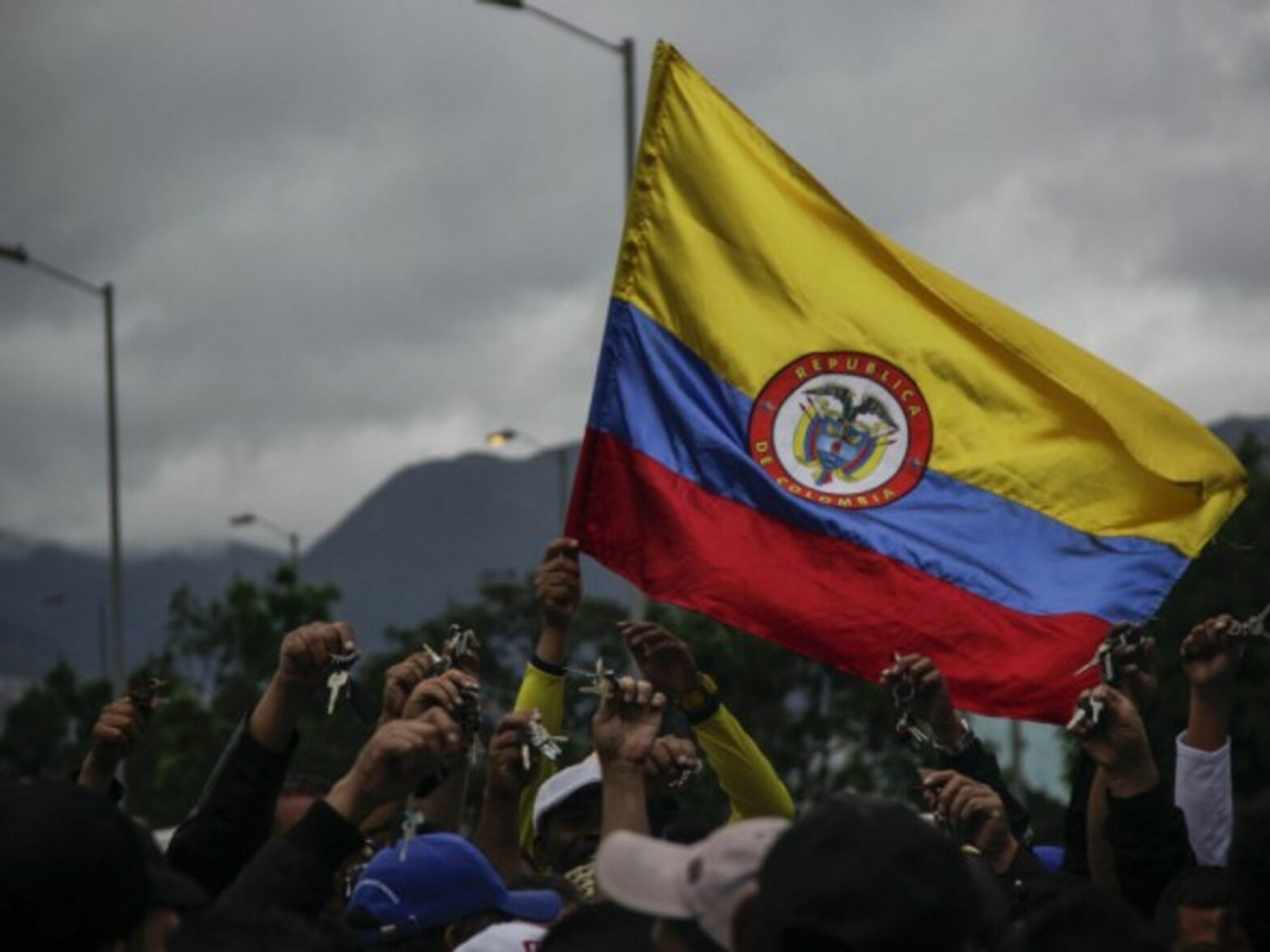
Countries like Colombia, traumatized by decades of violence, have yet to shake off the tyrant’s favored arm of fear. Now it also spreads on social networks.

Information gleaned from digital sources must be used in strict accordance with the law. But it’s too useful to simply vilify and disregard.
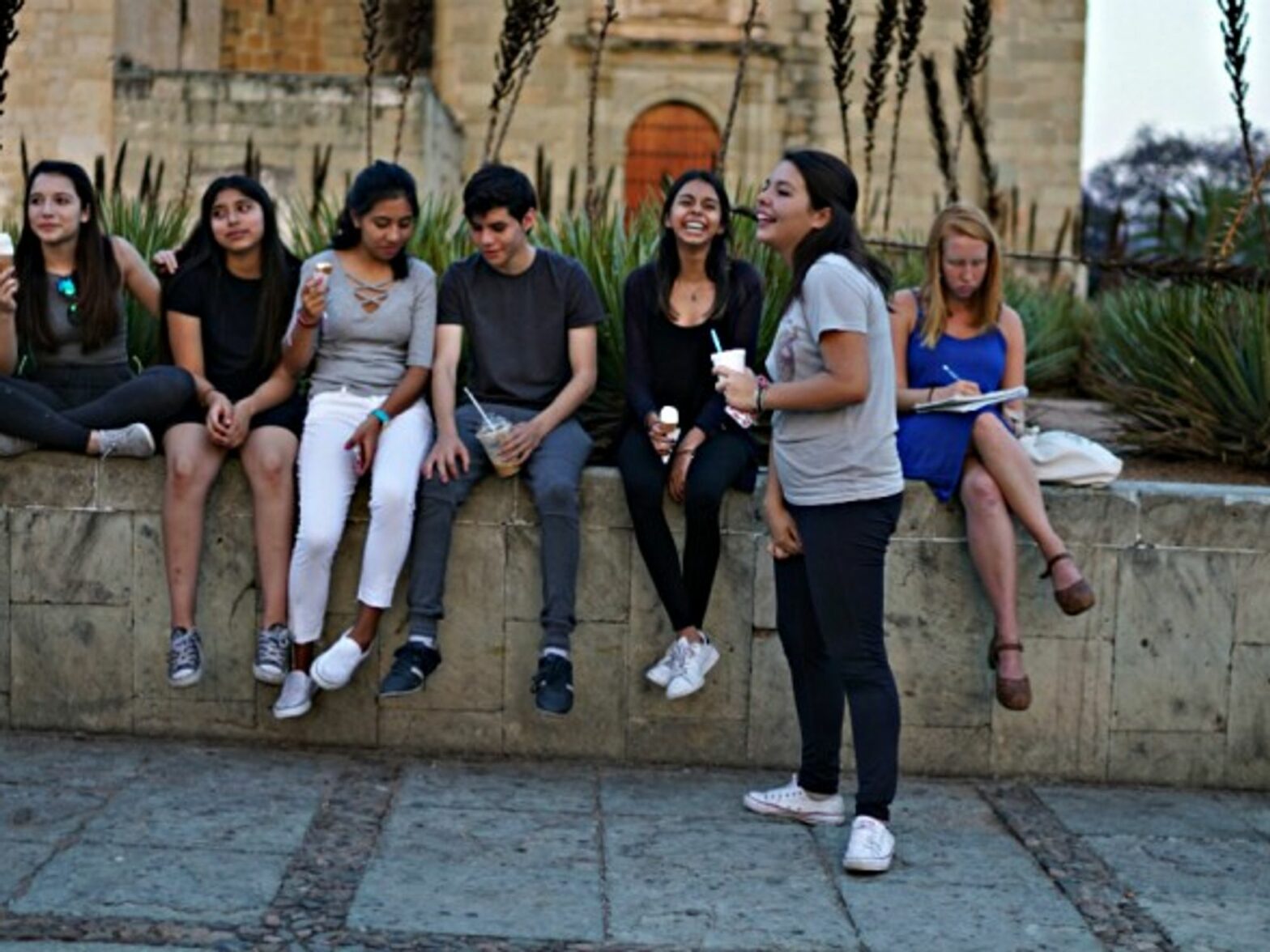
Youth who neither work nor study number in the millions in Mexico, though not exclusive to it. The state should be laser-focused on this mostly female segment of the population.