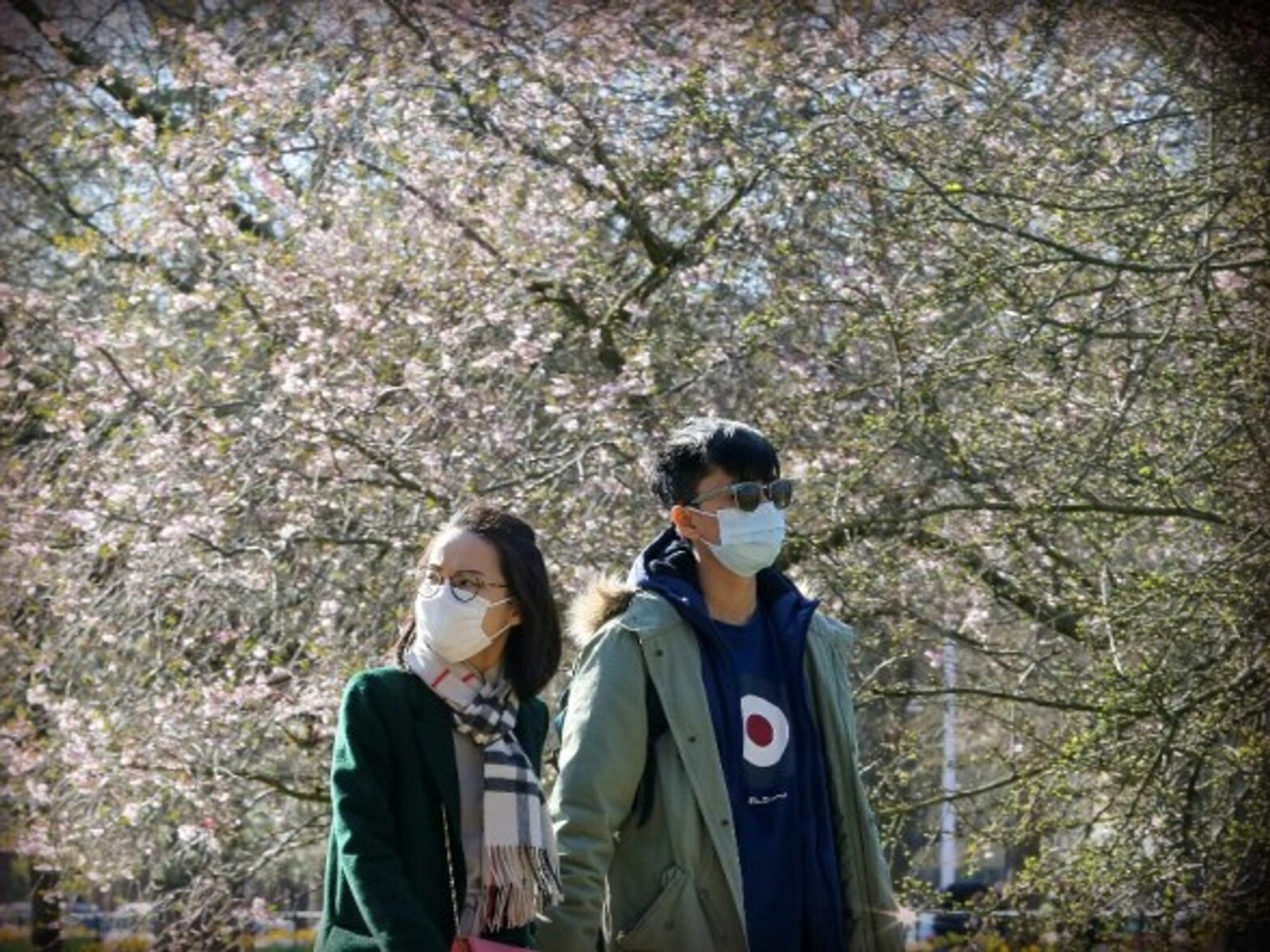
Fear and uncertainty for both stable couples and courting. We know the virus is present in saliva drops, but it’s not clear whether it exists in other body fluids. But human behavior isn’t waiting for the science to find out.
 Worldcrunch
Born in Tehran, educated in Britain and France, I have been a freelance translator since the late 1990s.
Fear and uncertainty for both stable couples and courting. We know the virus is present in saliva drops, but it’s not clear whether it exists in other body fluids. But human behavior isn’t waiting for the science to find out.
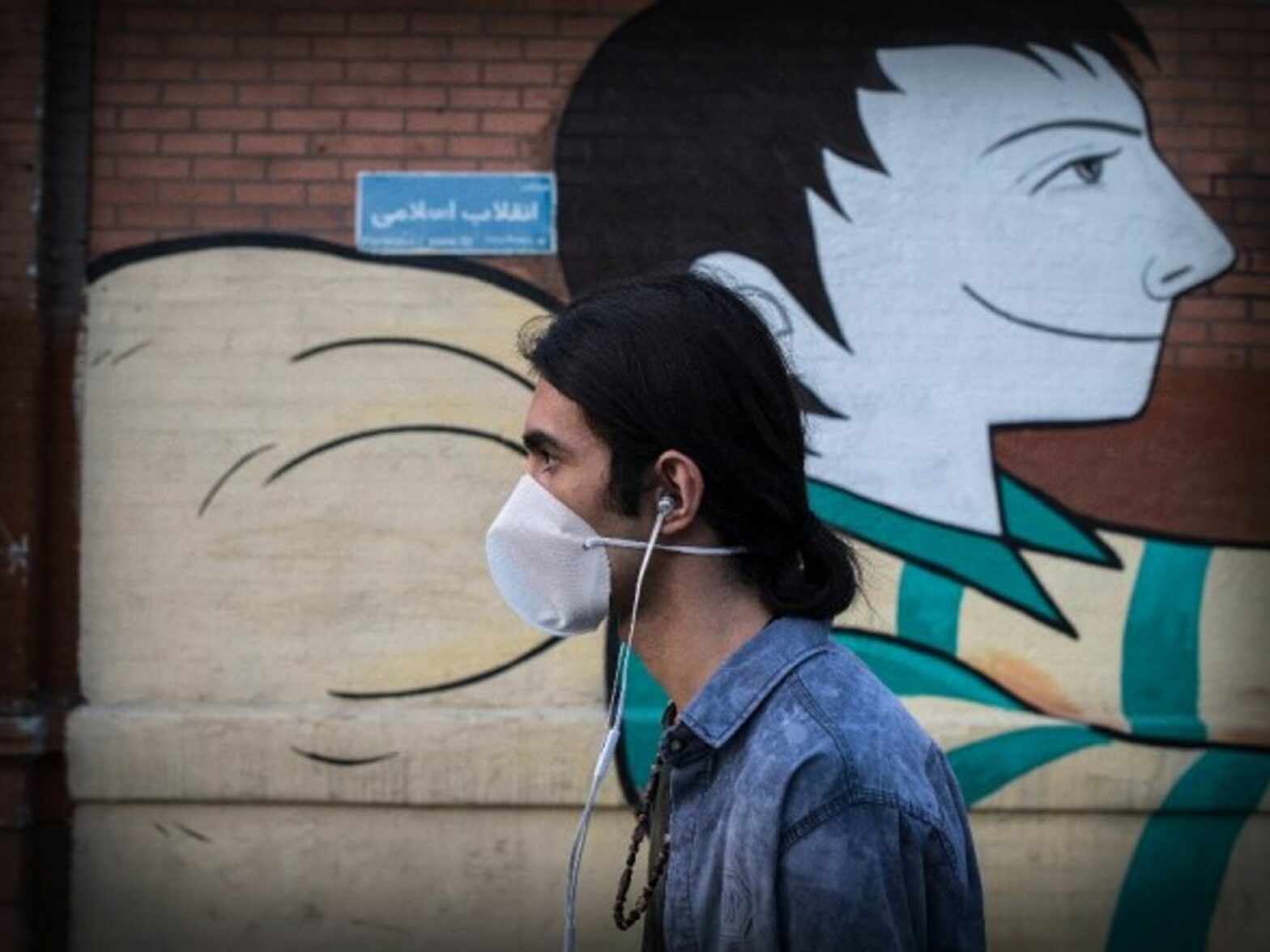
Our writer finds the destruction of the natural world, and his own money problems, far more distressing than any pandemic.

The OPEC-Russia oil spat that has provoked stock-market panic may prove the last straw for a world economy on the verge of another recession.

Thanks to its diplomatic skills and scientific resources, Argentina is uniquely positioned to serve the interests of the precious continent.
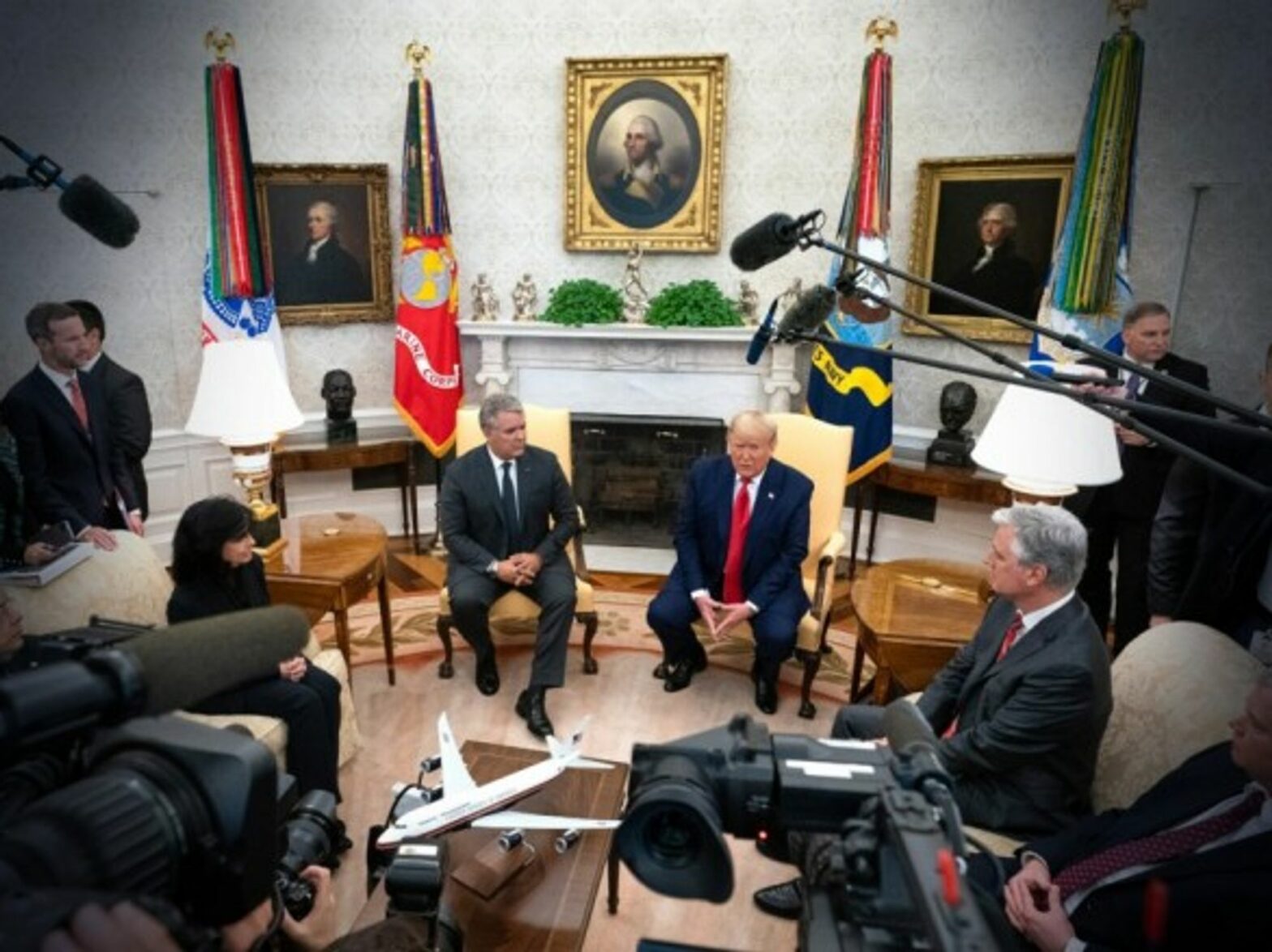
How have U.S. governments treated their deferential Latin American allies and admiring societies in the past century? A hard look from Bogota.
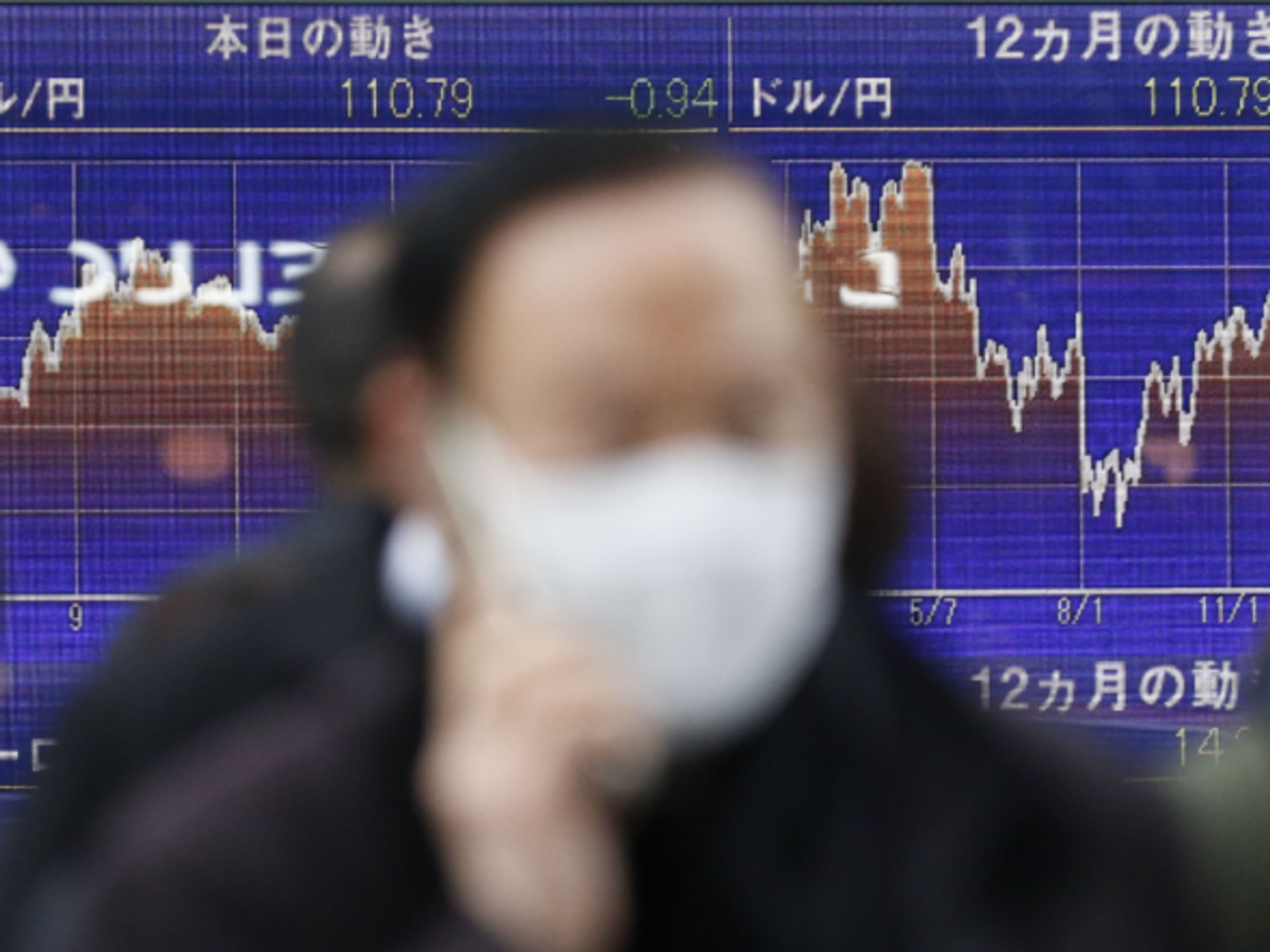
The global response to epidemics like COVID-19 depends in large part on the political and economic systems in place among the world’s many nation-states.

The provincial leadership structures in the two countries operate in very different ways, particularly when it comes to incentives.
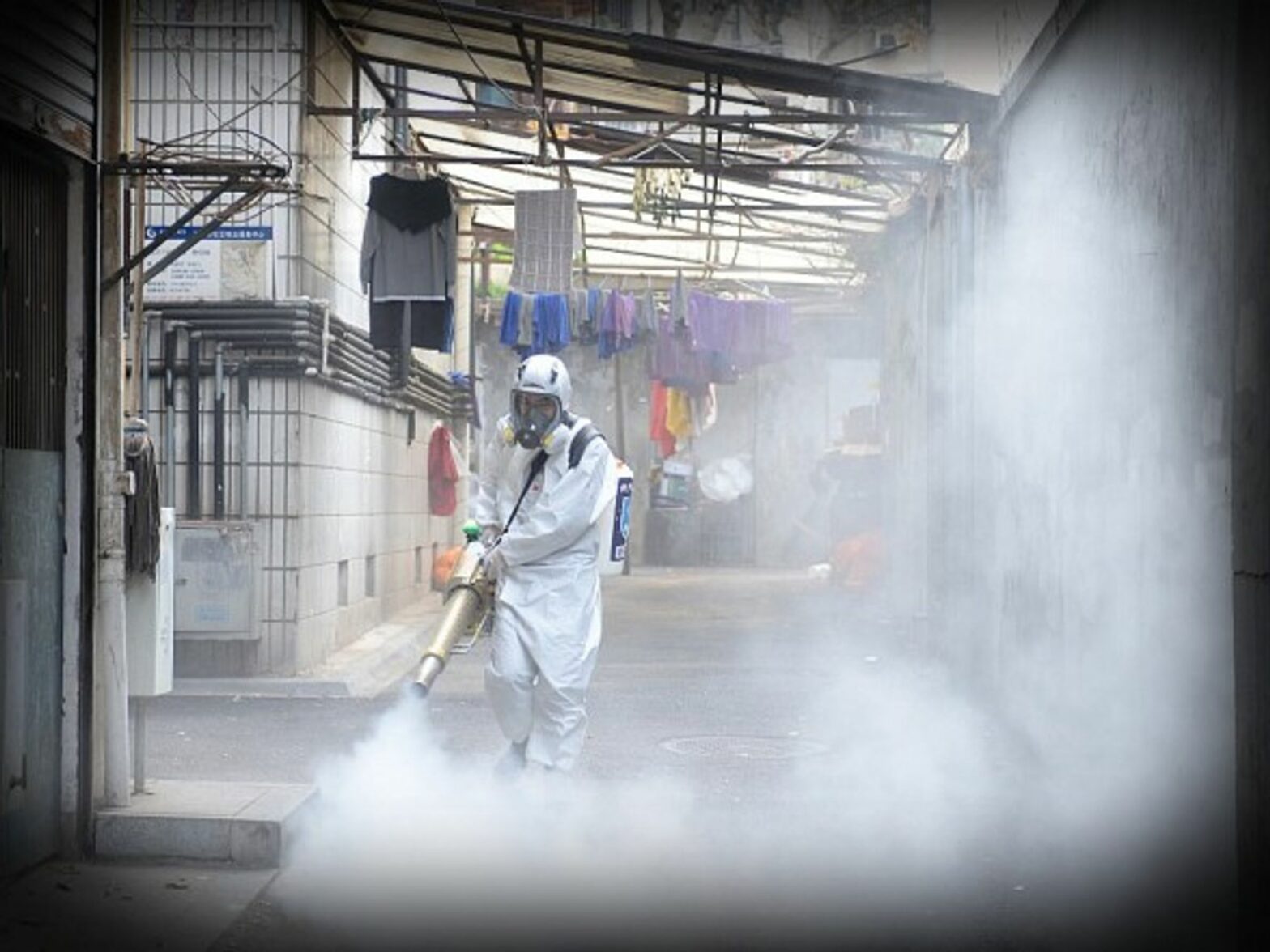
Contagious diseases through history have inspired authors, describing the horror, but also instances of nobility born of courage and compassion.
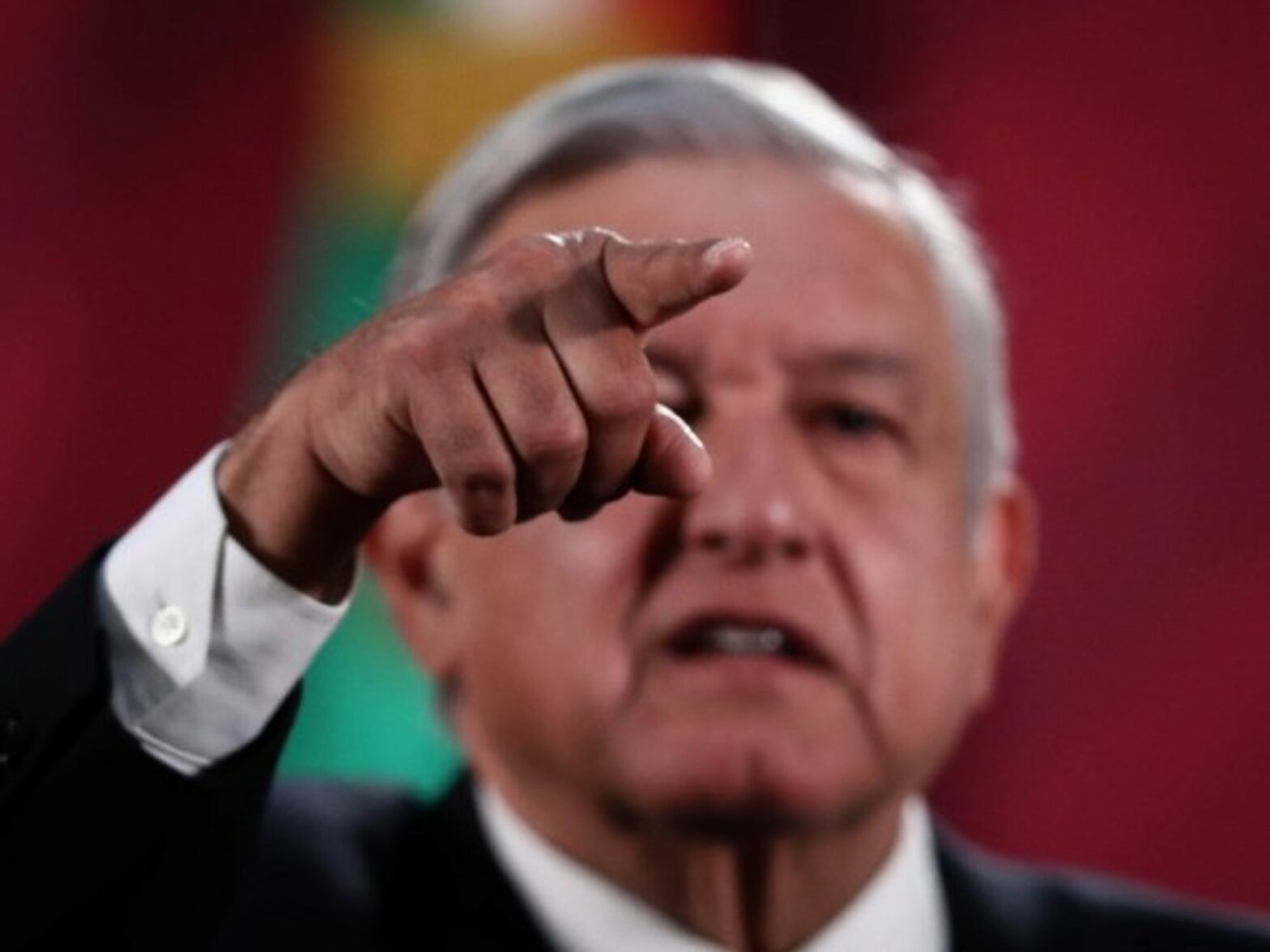
Mexico’s socialist president is deluded if he thinks he can turn the clock back and restore his vision of the welfare state.
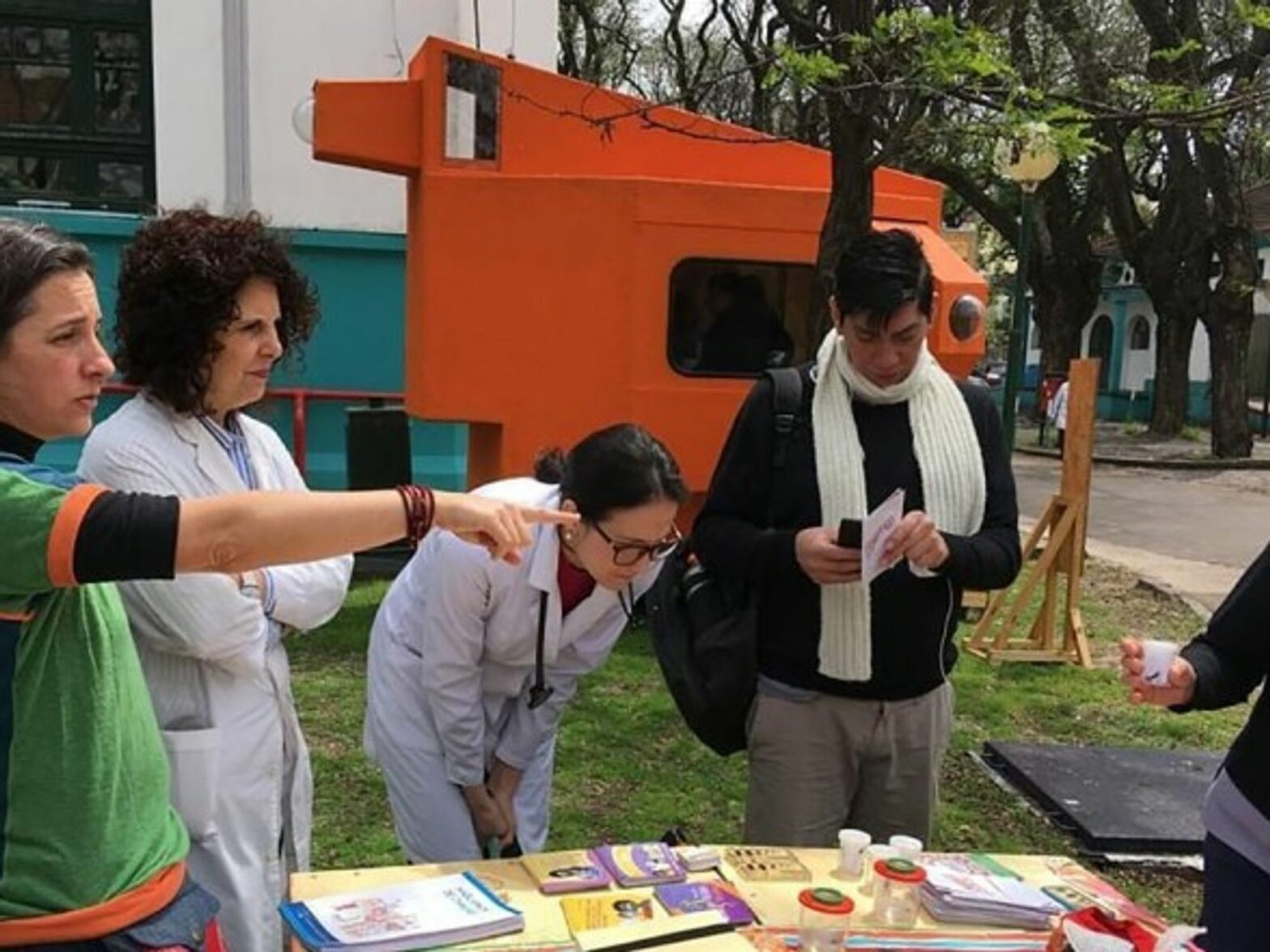
An experimental listening booth in Buenos Aires provides people a comfortable space to give honest feedback — alone and in anonymity.

Italians are hot-headed. Brits can’t cook … Sure they’re offensive. But as marketing experts are aware, stereotypes can also help forge a group’s shared identity.

Sharing food and Spanish-style snacking are trending in Buenos Aires, as cash-conscious, younger customers tire of the standard restaurant fare and a big bill
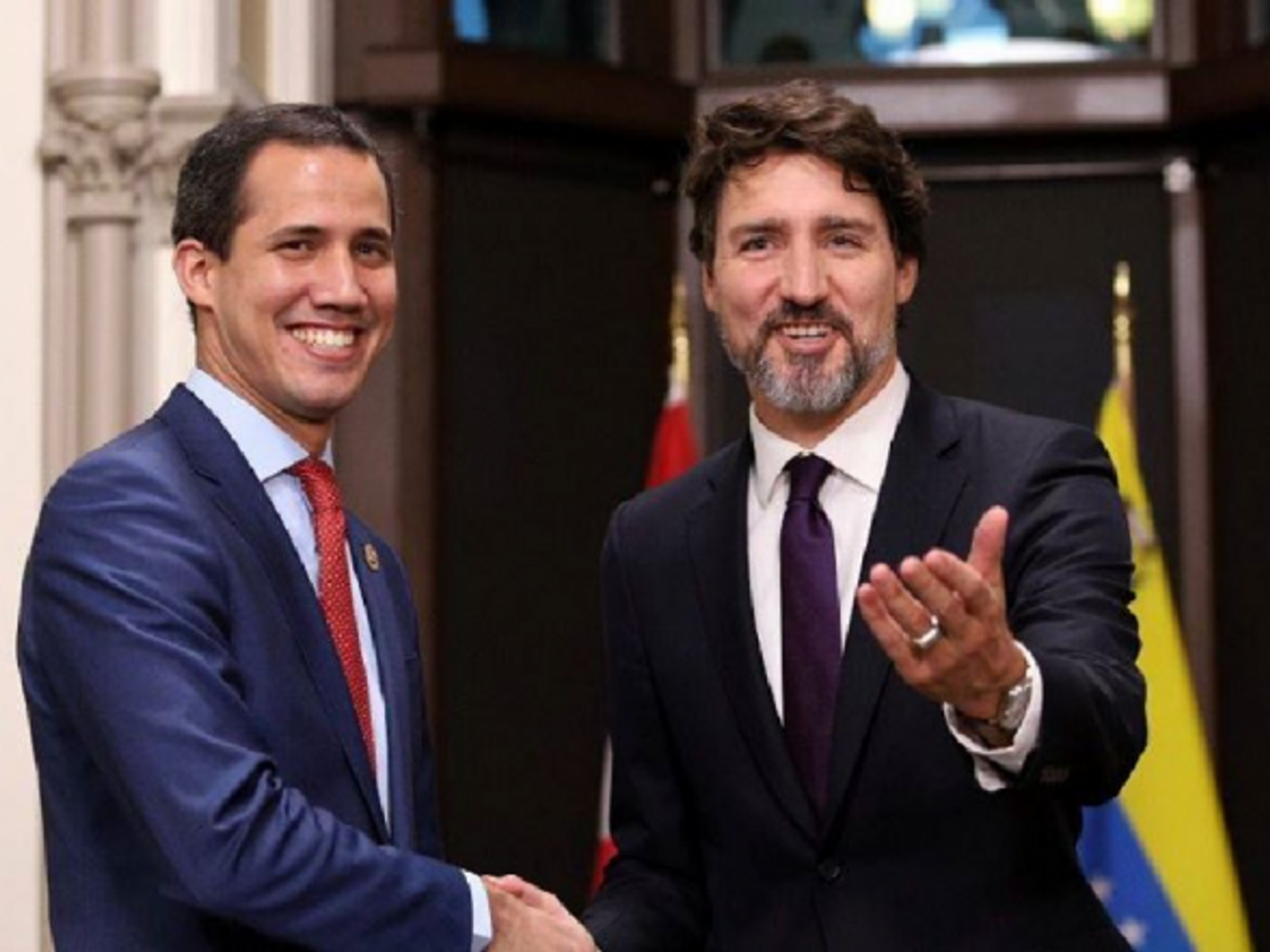
Mediation may well be what Venezuela needs to climb out of its deep political crisis, but it can’t come from Cuba.

The country’s food and drug administration should be careful about rubber stamping medical products and procedures just because they’re shiny and new.
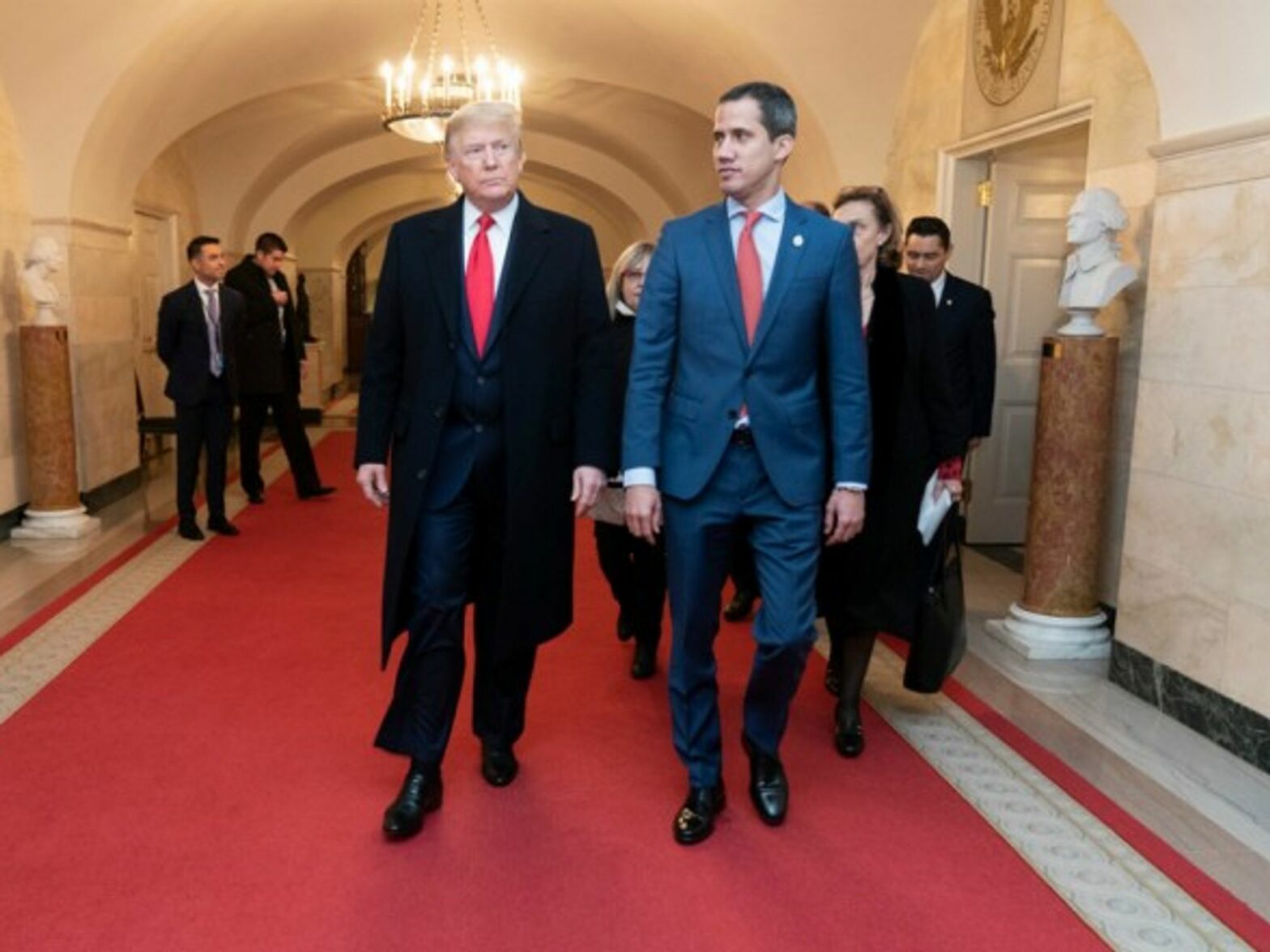
President Trump’s scuppered impeachment may provide a cue to regional leaders working to undermine their own democracies.
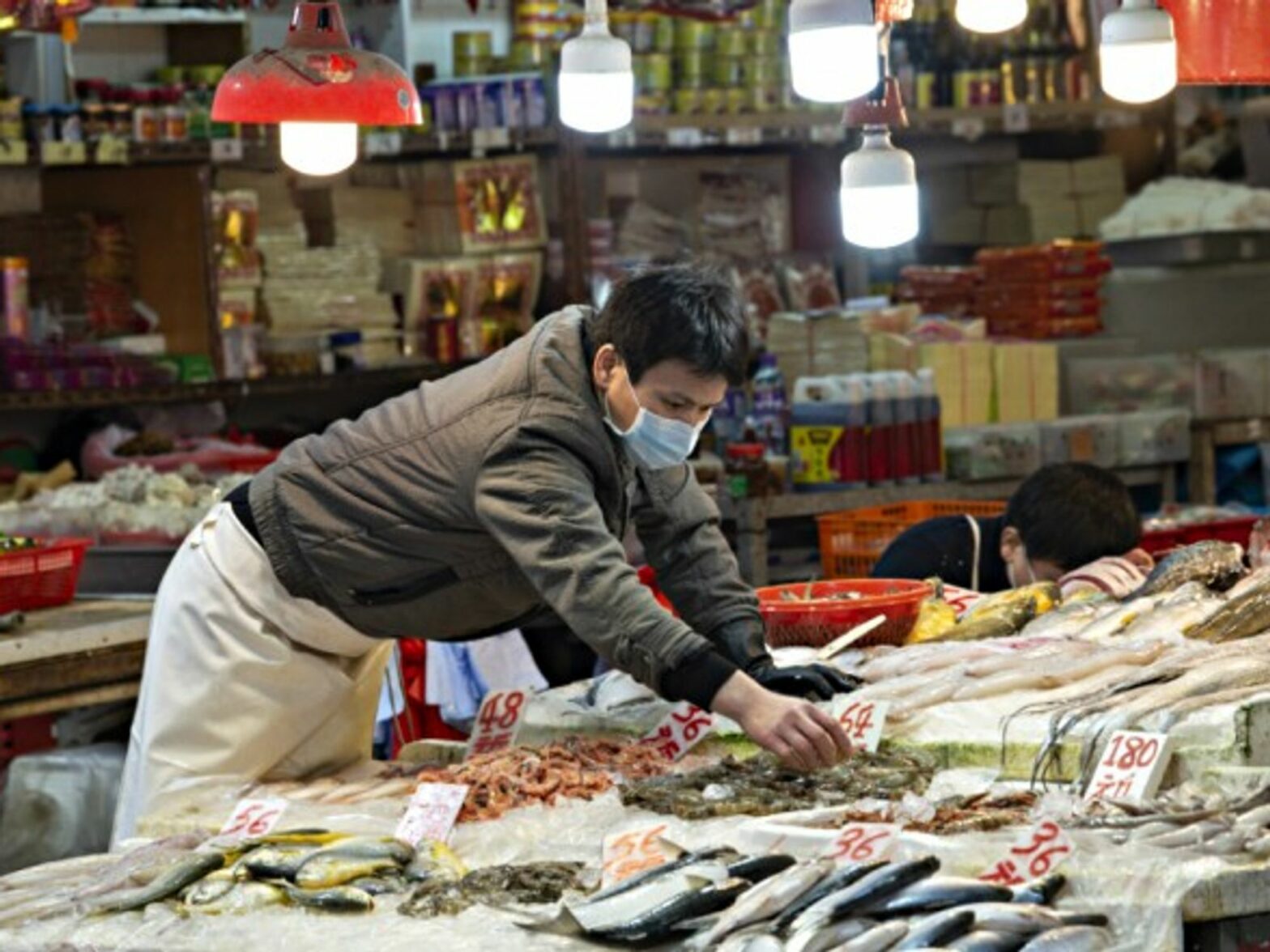
The epidemic unnerving the world originated in the Wuhan shellfish market, where other local delicacies are sold. But does that matter?

There’s a case to be made that at least some of what the country owes is ‘odious’ and therefore illegitimate.
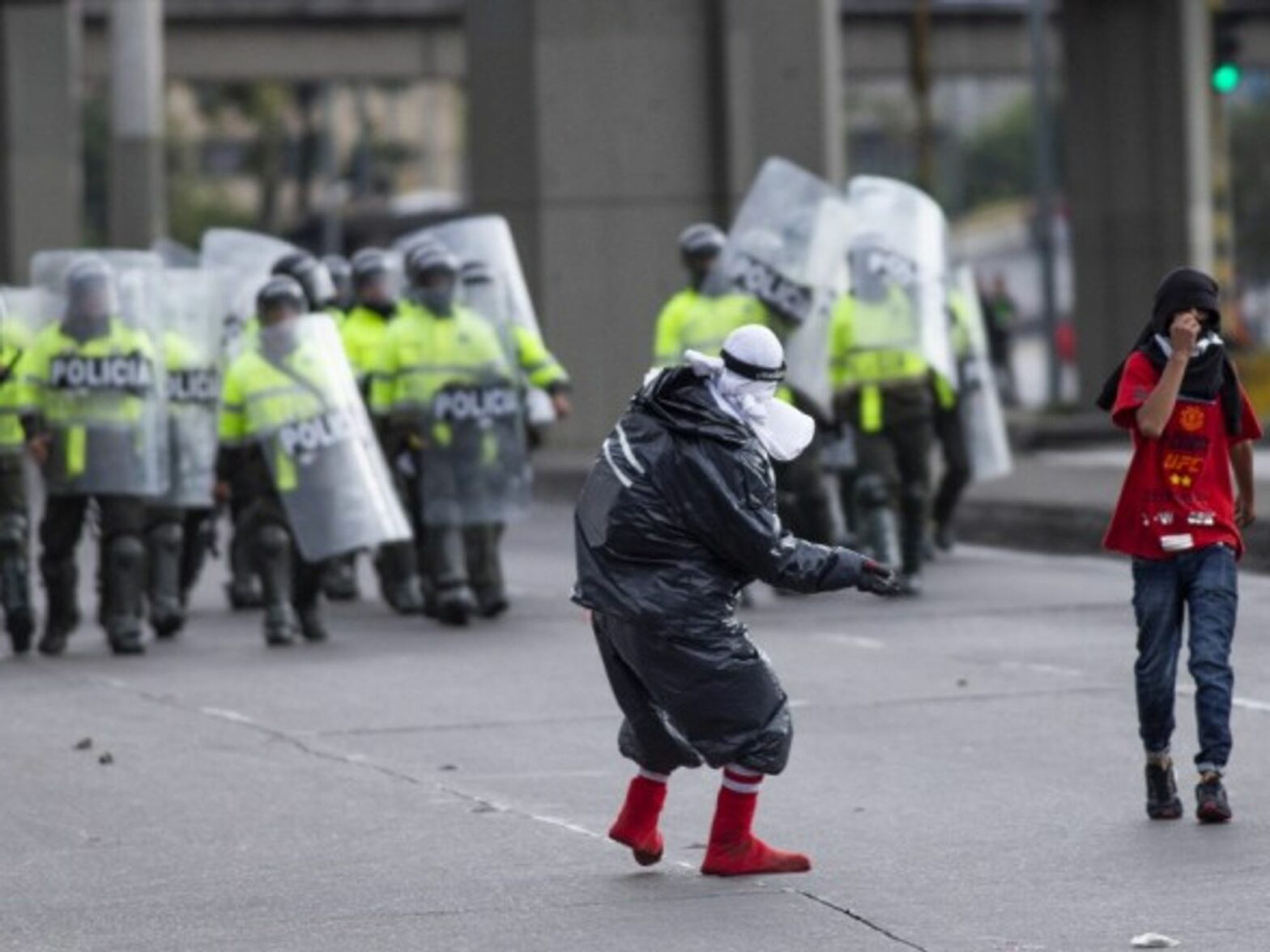
The economy is expected to have a relatively strong year. But will the average Colombian really benefit?
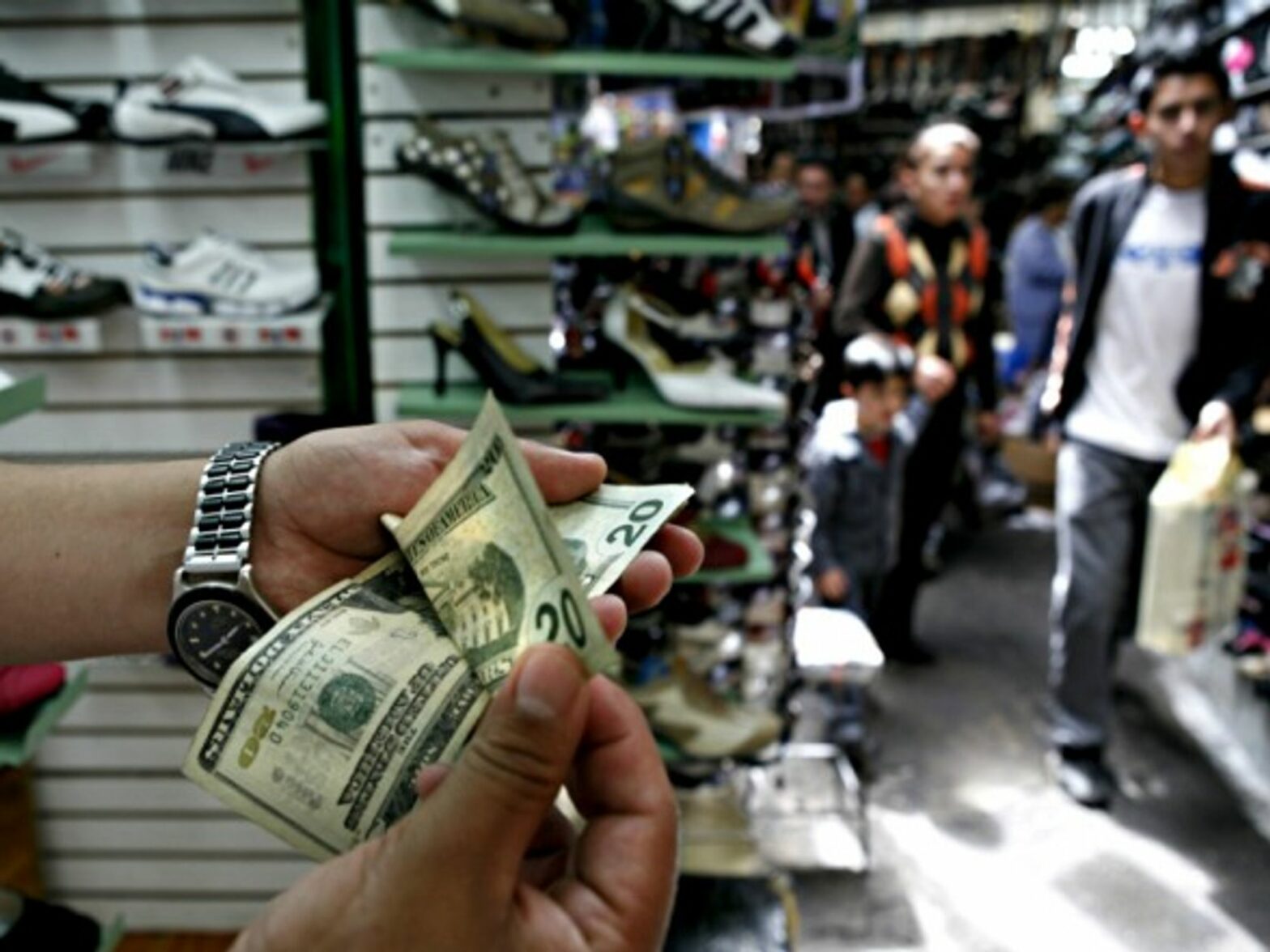
When Ecuador ditched its currency for the dollar in 2000, it deprived governments the possibility to overspend, and gave ordinary people control of their money.

Failure to address spreading anger with economic inequalities, and to check its attendant demagoguery, may undermine the very functioning of liberal democracies.

Its shared border with the U.S. could be more of a blessing than a curse if only Mexico would clean up its act.
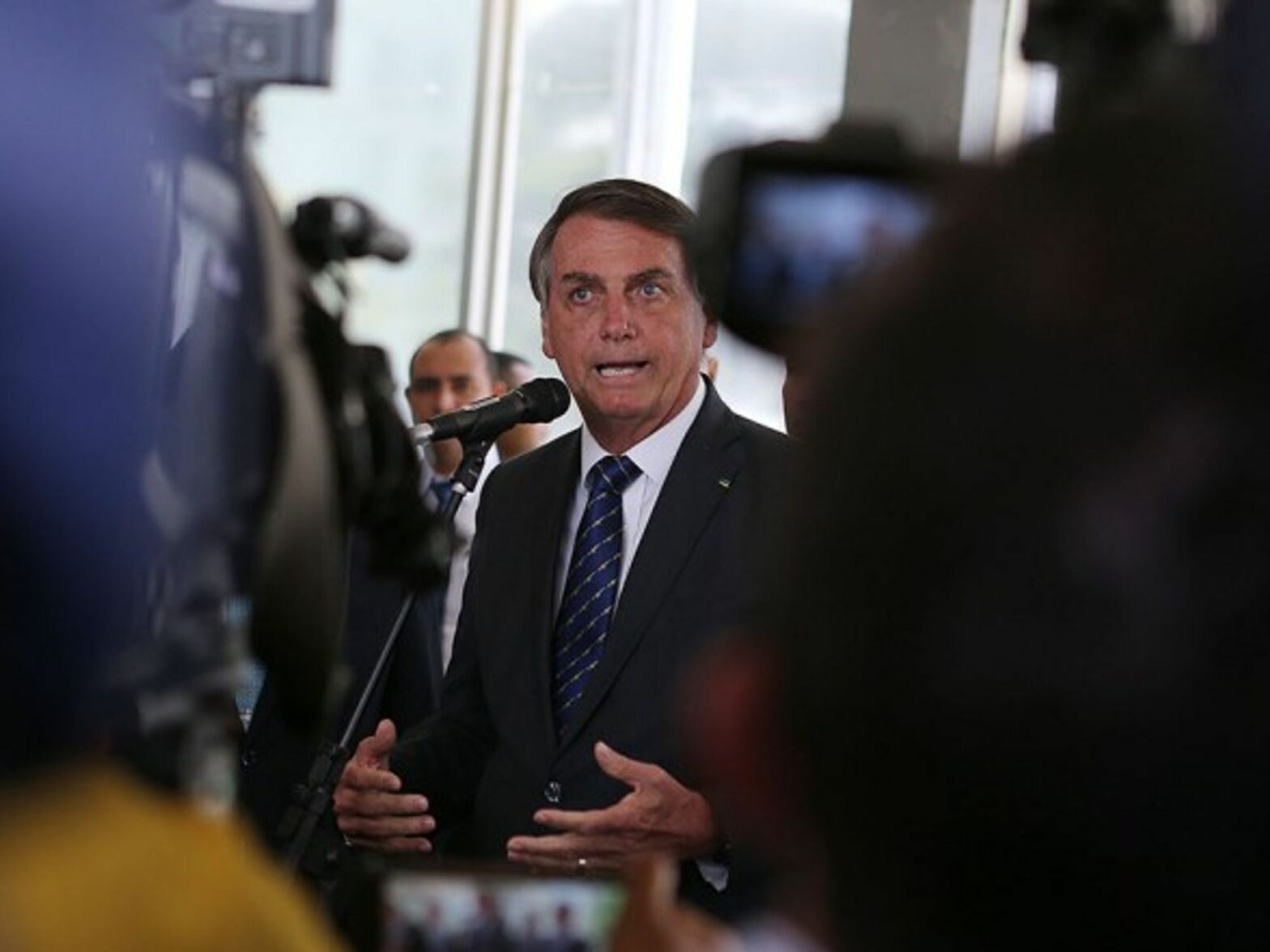
With a socialist government in Argentina and Brazil’s arch-conservative president cold-shouldering each other, private initiatives could restore some cordiality to a relationship that is strategic for all of Latin America.

Big data can provide firms with real-time information on consumer and social trends, but only if combined with the human factor.
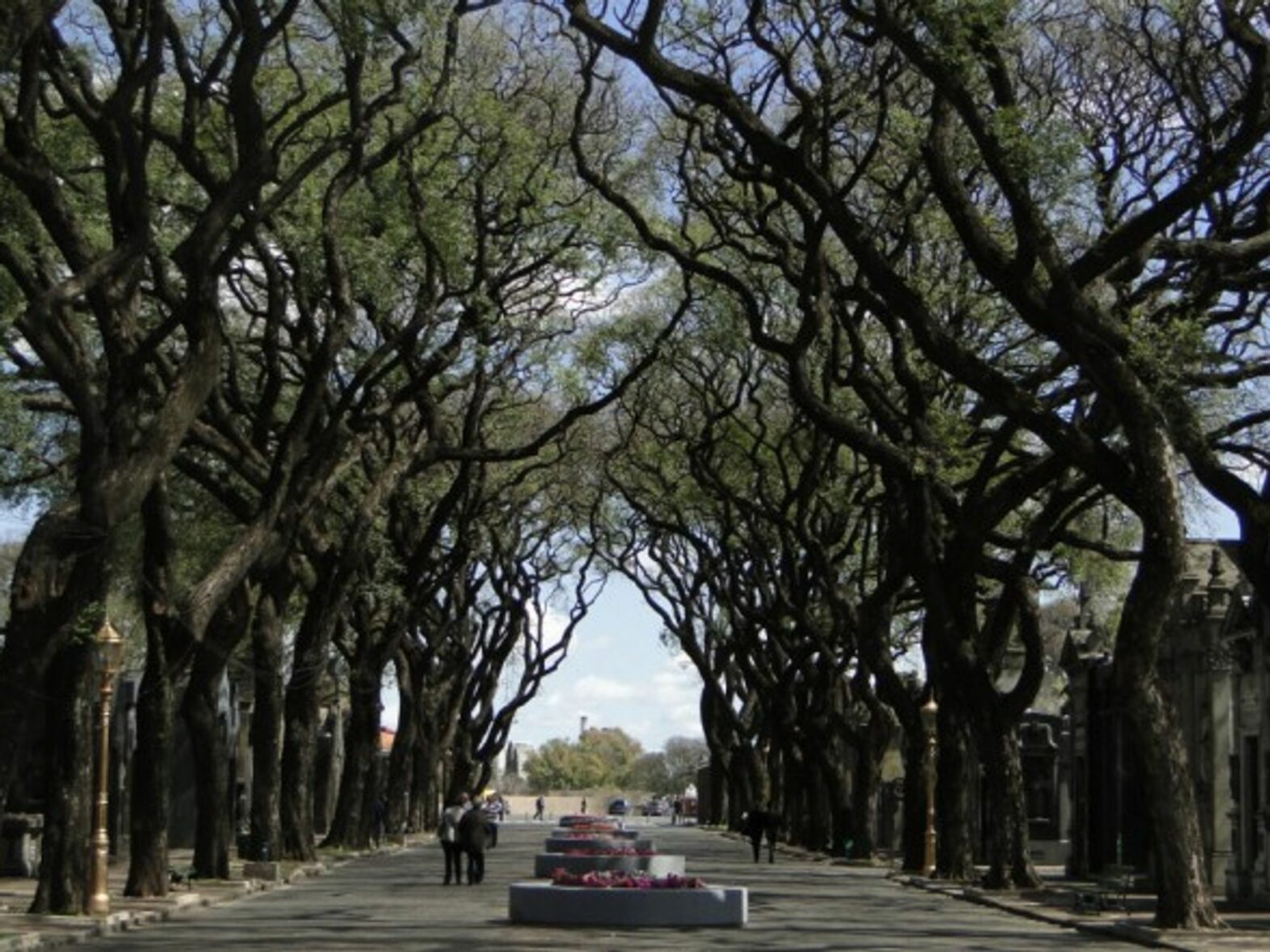
A pair of French architects are bringing new attention to a unique, underground section of the Chacarita cemetery in Buenos Aires.
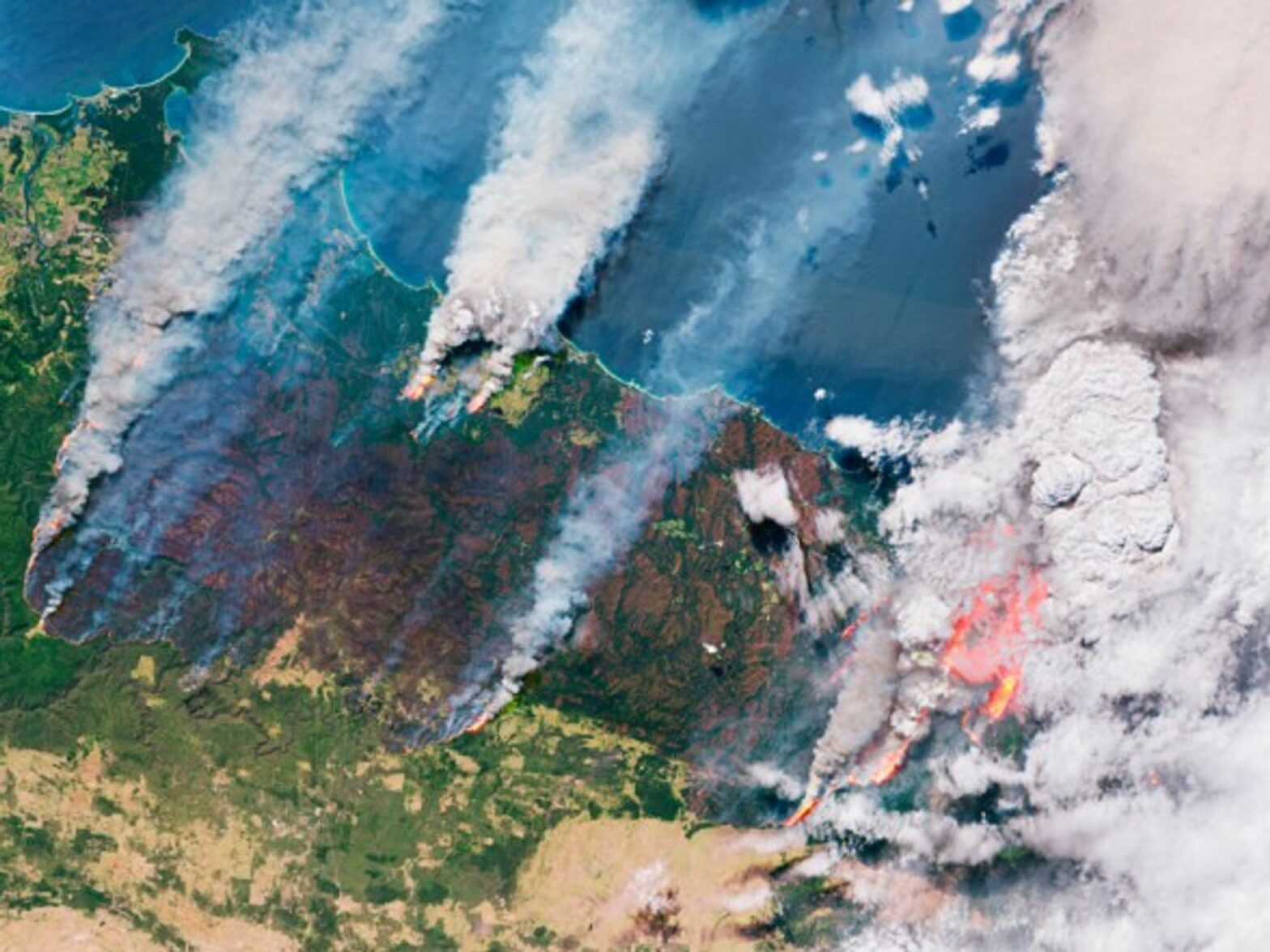
From the apocalyptic Australian fires to the killer drone strike on Iran’s top military commander, these are troubling times indeed.

The finance mechanism for sustainable infrastructure, energy and industry may be the ultimate key to curbing, and partly reversing, the harms of climate change.
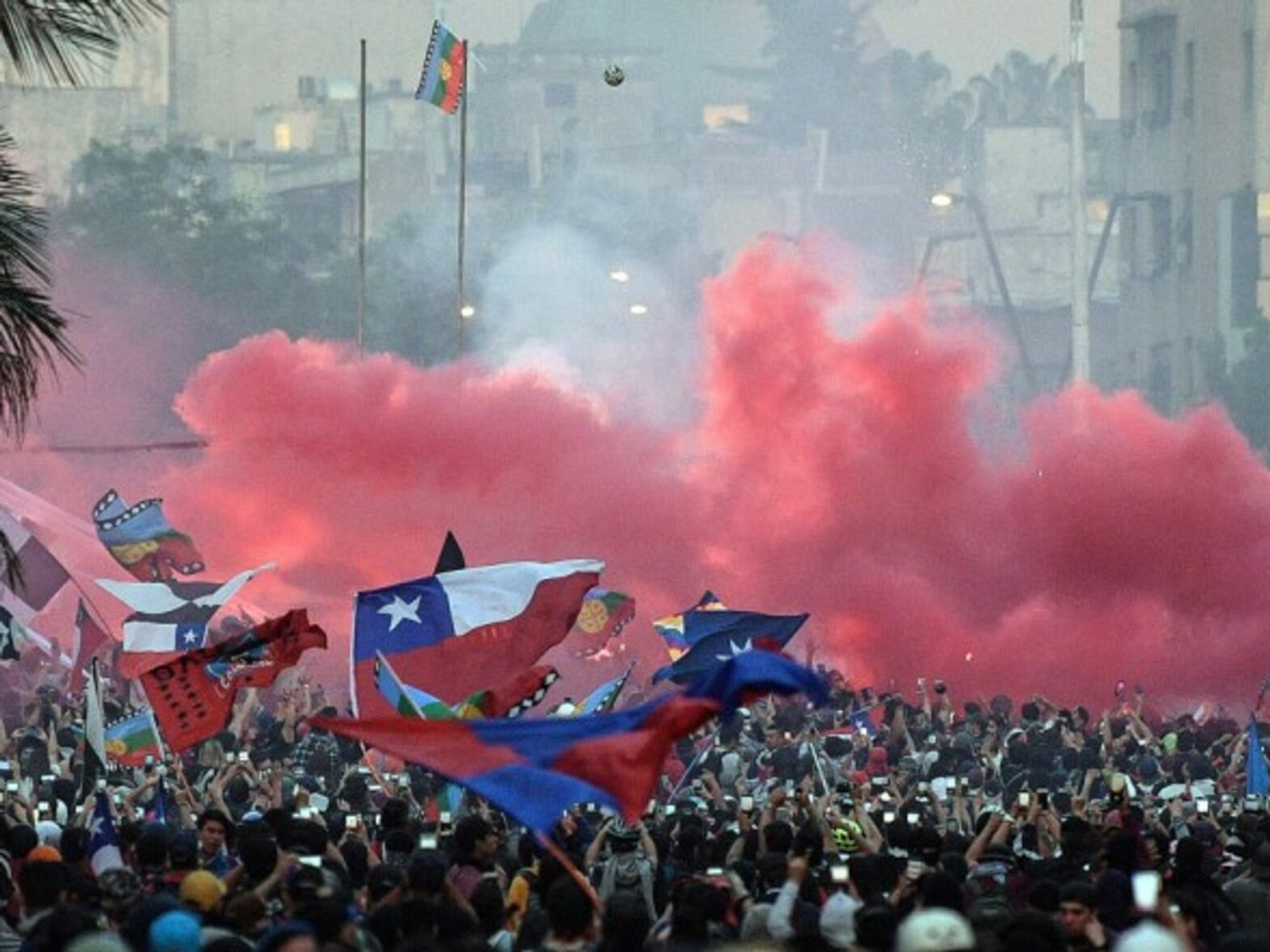
Authoritarianism seems to be gaining ground in many parts of the planet. But from Hong Kong to Chile — and many places in between — people are also pushing back.

As people continue to push the boundaries in areas like AI and biotechnology, it’s worth asking what all these advances will do to our minds and bodies.
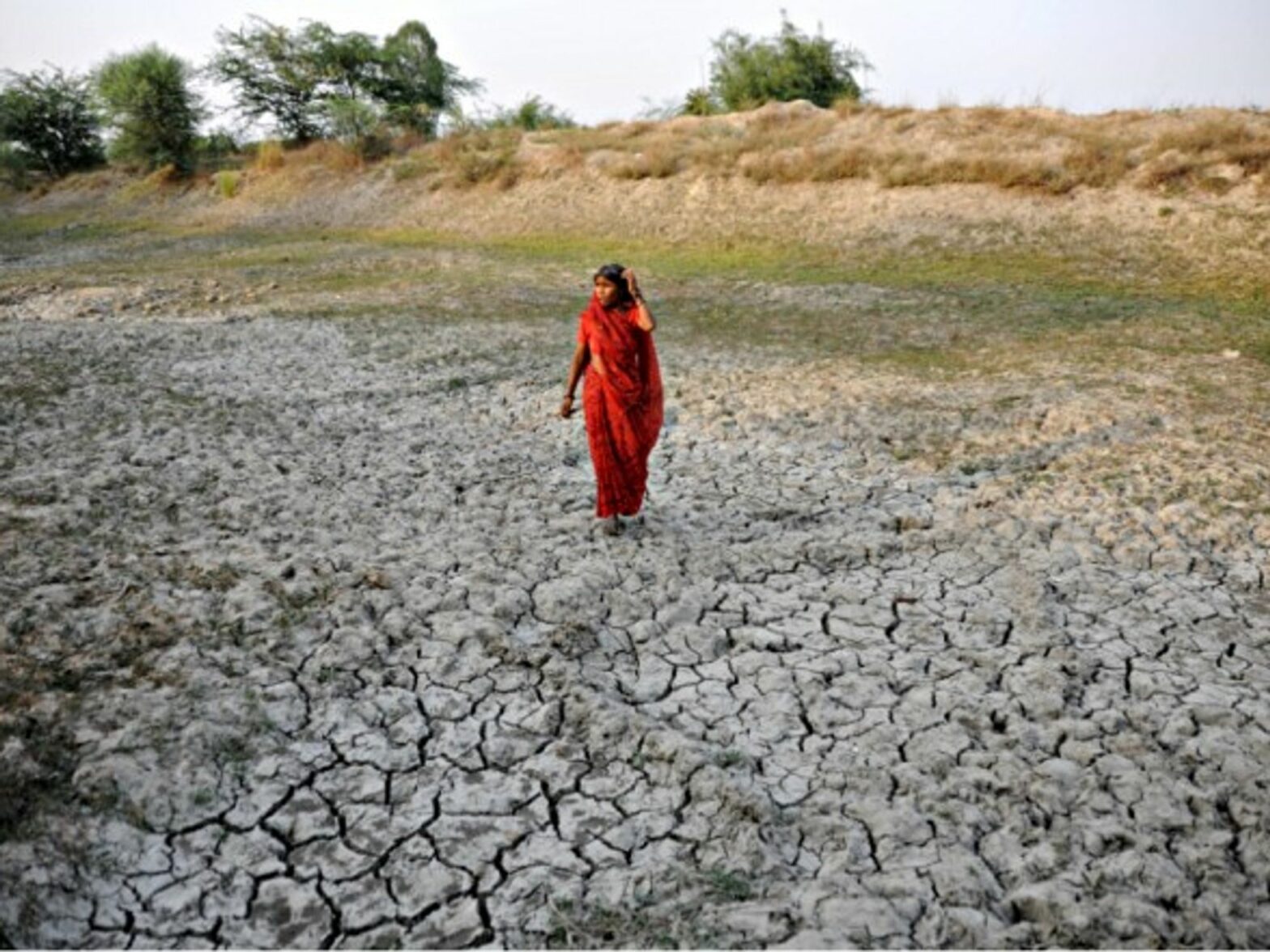
-OpEd- BOGOTÁ — Is there a relation between women and the environment? Is it necessary to view environmental policies through female eyes? Is there is a difference in the male and female relationship to the matter? The response to all these is a definite “yes.” Around the world, women are the most interactive with natural […]

Are explicitly polemical art works, by now a tradition in modern culture, related to the wave of rebellions across the world? Or are they just a moneymaking tool?

A Chilean startup develops an application to take office workers into a meditative ‘happy space’ for a few minutes in a work day.

The island nation hasn’t had a free election for more than 70 years. And yet, as millions take to the streets across the region, the Cuban regime keeps getting a pass.

In loudly rejecting President’s Trump threat to label Mexican drug gangs terrorists, Mexico’s government is covering its failure, if not reluctance, to tackle systemic corruption and its offspring, crime.

Alberto Fernández takes office with a well-known left-leaning world view, but in a Latin American region increasingly dominated by the right.
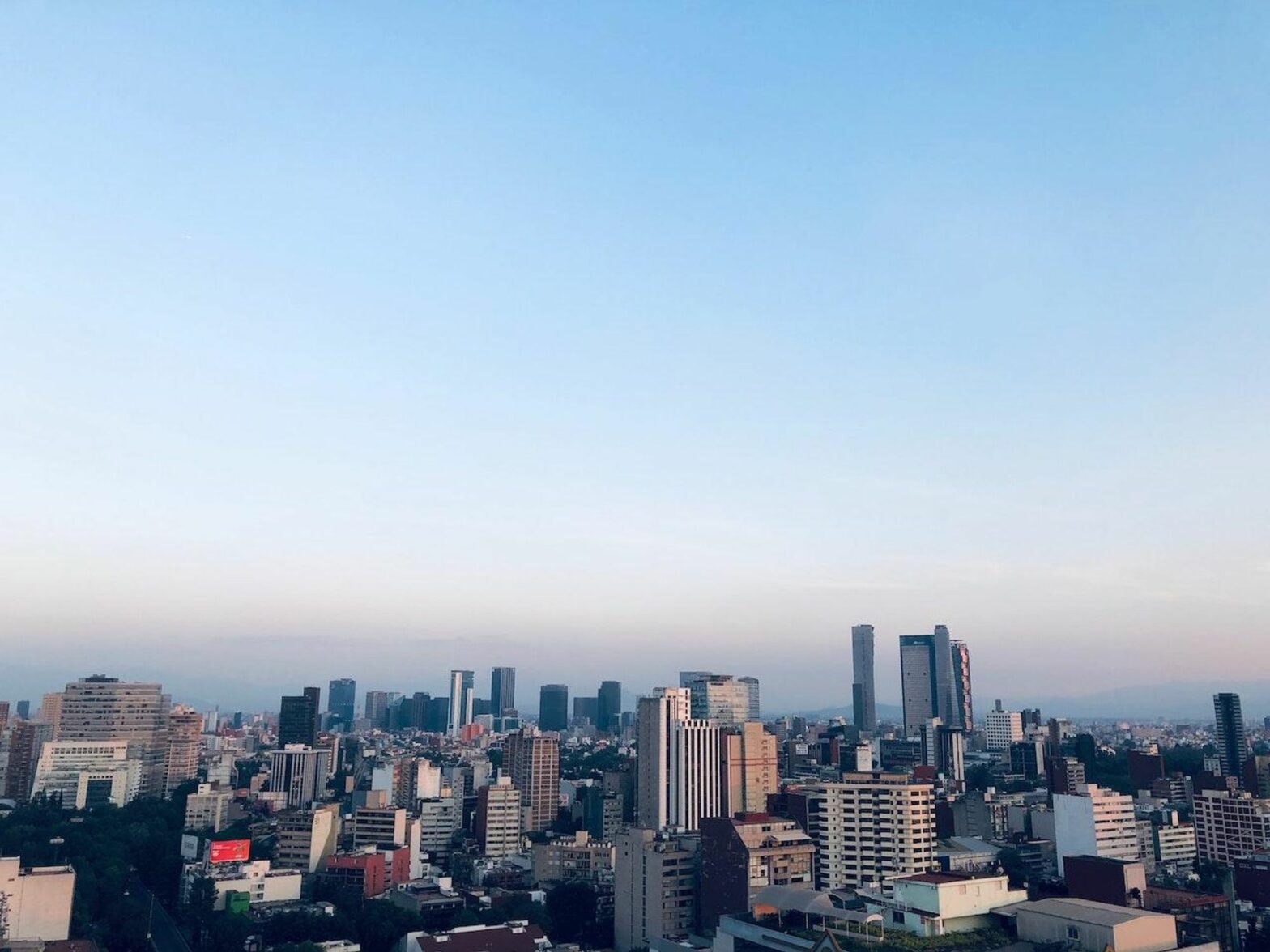
Most people in Latin America and the Caribbean live in urban areas. And many of those cities are downright massive, with sustainability challenges that desperately need solutions.

A journey, past and present, into the physical benefits and deeper meanings of (not quite) everyone’s favorite hip-jerking dance craze.

An Argentine pharmaceutical firm has begun testing lab beef production and expects to have a tasty and ‘painless’ product sizzling within a few years.

In this era of meet-up apps, #MeToo and changing gender mores, the dating scene isn’t what it used to be.

If societies really want to tackle inequality, they’ll need to do more than just improve access to new technologies.
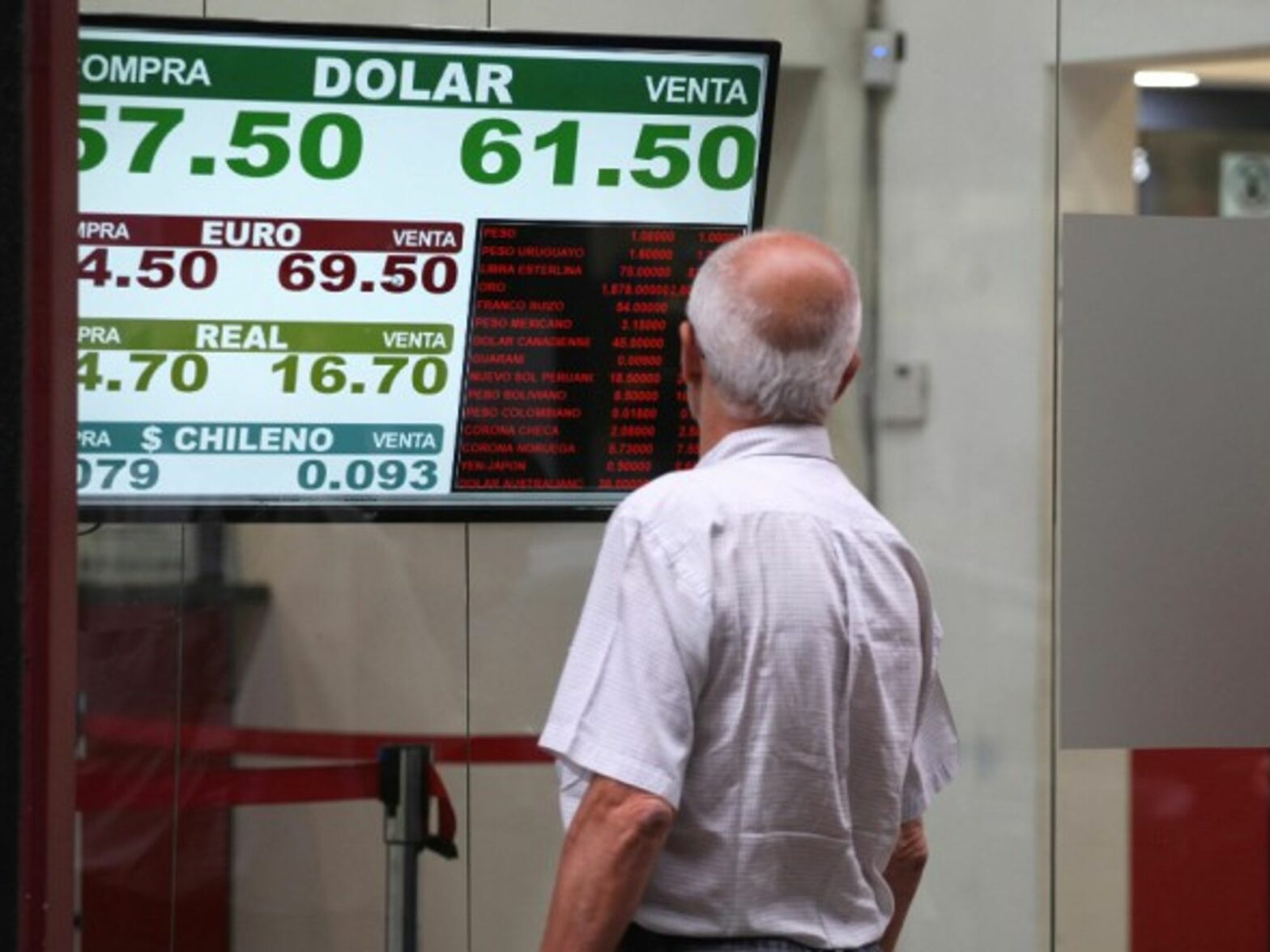
President Trump’s erratic strikes against the world’s trading regime require a collective response, as unilateral state reprisals cannot check an ‘arrogant’ U.S. administration.