
BERLIN — Nazi looted art refers to artworks and cultural assets that were stolen from persecuted people during the Nazi era or that they were forced to sell, for example to pay taxes imposed by the Nazis. The original owners lost an estimated 600,000 works in this way. To this day, Jewish families are still trying to reclaim works that belonged to their relatives. In many cases restitution, meaning the return of the artworks, has not yet been decided.
“We are talking about tens of thousands of artworks of all kinds,” Markus Stötzel, a lawyer representing relatives of victims of the Nazis, told Die Zeit. The German Lost Art Foundation in Magdeburg records nearly 45,000 objects that have been returned to owners or their heirs since the end of the war. However, because reporting is not mandatory, these figures are not reliable.
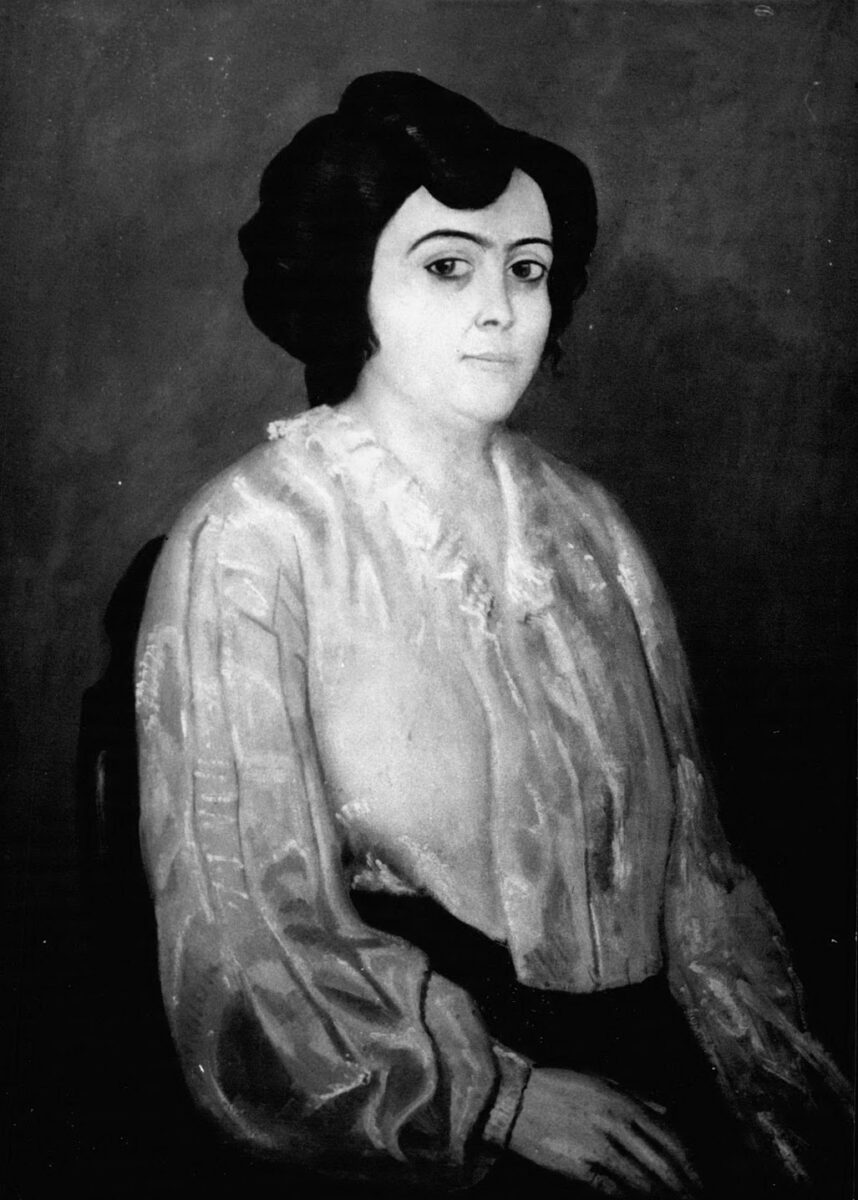
The affected artworks are not limited to major and well-known pieces such as Pablo Picasso’s “Madame Soler”, Max Beckmann’s “The Night”, or parts of the so-called Guelph Treasure. According to Stötzel, smaller objects are also involved: photographs, furniture, silverware, and other mementos scattered throughout Germany. These may include not only large collections in German museums but also small municipal museums, evidence rooms or other storage facilities.
Arbitration Court
The new arbitration tribunal officially began its work on December 1, replacing the previous advisory commission. One new feature is the so-called unilateral right to initiate proceedings, meaning that victims and their relatives can start a case more easily. However, proceedings before the arbitration tribunal are not entirely unilateral. The museum or institution currently in possession of the object must first make a standing offer. According to the arbitration tribunal’s website, several institutions and cities have already done so.
The decisions of the arbitration panel are binding and no longer merely recommendations.
If this standing offer is not available in advance, the institution must agree to the procedure. Negotiations over ownership therefore still depend on the consent of both parties. Even so, the Federal Government speaks of “decisive improvements.” The decisions of the arbitration panel are also binding and no longer merely recommendations.


The arbitration court consists of 36 judges. Its presidium is made up of Elisabeth Steiner, formerly a judge at the European Court of Human Rights, and the former Constitutional Court judge Peter Müller of the center-right CDU party.
Inadequate past
The idea for the arbitration tribunal first emerged in 2024, and the Federal Cabinet finally approved it in January. “Germany is better at fulfilling its historical responsibility through the reform of the Advisory Commission,” said Claudia Roth of the Greens, who was then Minister of State for Culture. Her successor, Wolfram Weimer, an independent, now hopes the reform will speed up restitution proceedings.
Until now, the Advisory Commission issued non-binding recommendations rather than final decisions. The institution currently holding a work of art had to agree before a case could be referred to the Commission. These rules were repeatedly criticized.
The Commission was left to wither and die.
The Commission was established in 2003 and was based on the Washington Principles of 1998. At that time, Germany and around 40 other states agreed to encourage the original owners of artworks and their heirs to assert their claims and reach a “just and fair solution.” Yet the Commission’s work progressed slowly. Since its inception, it has concluded only 26 cases.
What the heirs say
According to restitution lawyer Stötzel, the reason the Advisory Commission resolved so few cases was not the Commission itself but rather its limited authority and a lack of political support. Governments at both federal and state levels repeatedly pledged to take responsibility and support the Commission. In practice, Stötzel says, the Commission was “left to wither and die.”
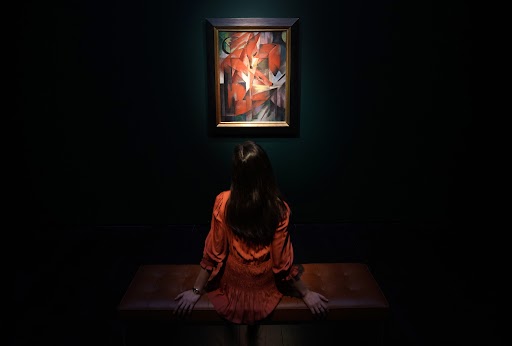
He describes the introduction of the arbitration panel as “very half-hearted.” In some cases, persecution must now be proven. Stötzel cites the case of “The Foxes” by the German painter Franz Marc. During the Nazi era, the painting belonged to a Jewish collector who sold it after fleeing Germany in order to ensure his survival and that of his family. For a long time, the question of restitution remained unresolved.
The Advisory Commission eventually recommended returning the painting, reasoning that the collector would not have sold it had he not been persecuted. The city of Düsseldorf, whose art museum held the painting, argued that the sale occurred outside the Nazi sphere of influence. Later, the city agreed to restitution. Under the new arbitration rules, it must be proven that the sale of an artwork outside Germany was due to persecution.
In other cases, Stötzel says, various parties postponed submitting cases to the Advisory Commission, citing the imminent establishment of arbitration. He suspects they hope the arbitration panel will issue more restrictive rulings. One example of a long running restitution dispute is the Picasso painting “Madame Soler”, which is part of the Bavarian State Painting Collections. For years, the Free State of Bavaria refused to allow the case to be heard by the Advisory Commission. It has now relented and is prepared to go to arbitration.
A promise fulfilled
The creation of the arbitration court fulfills a promise made in the coalition agreement between the CDU and CSU and the SPD political parties. However, the agreement also calls for a restitution law that would create a binding legal framework for the return of looted property.
Several Jewish institutions have long demanded such a law. Stötzel also supports this. While a law would only obligate public institutions, such as state museums, it would still be “a huge step forward,” he says.
Josef Schuster, president of the Central Council of Jews in Germany, calls for a law that also regulates claims involving private ownership. So far, the federal government has made no move to fulfill the coalition agreement’s promise of such legislation.