
-Editorial-
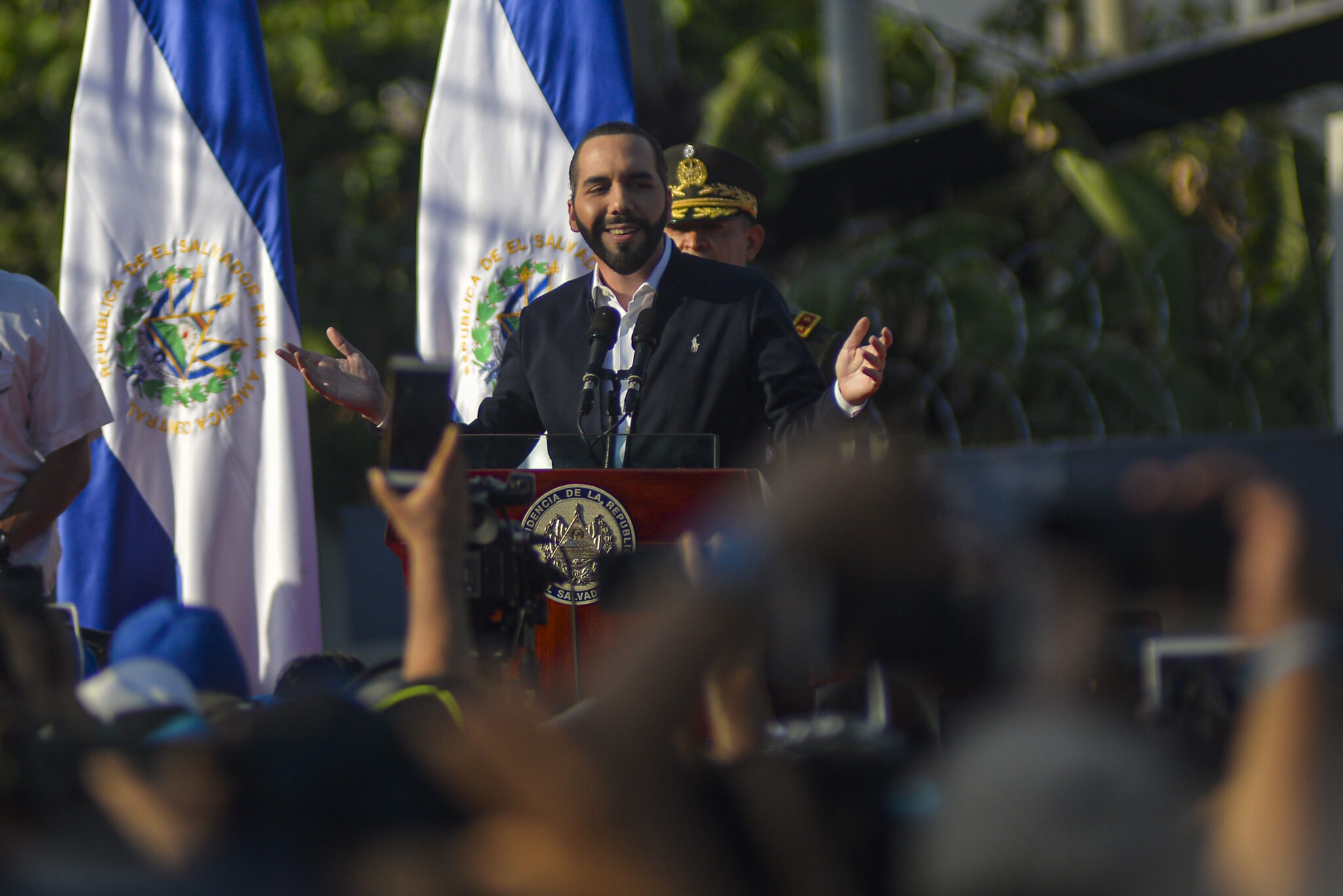
BOGOTÁ — El Salvador’s President Nayib Bukele, in his authoritarian drift, dealt the final blow to Salvadoran democracy on July 31, when the country’s Legislative Assembly, which he effectively controls, approved a constitutional reform allowing him to seek indefinite reelection.
He thus follows the path of populist autocrats like Venezuela’s Nicolás Maduro and Nicaragua’s Daniel Ortega — both of whom he once called dictators — which is to win democratic elections before using high popularity levels to pave the way for dictatorship. The measure, which had been the subject of speculation, plunges El Salvador into a labyrinth from which it will not be easy to escape.
A death foretold
The indefinite reelection of the self-described “cool dictator” was backed by 57 deputies from the ruling party, with three dissenting votes from the only opposition members. For the June 2027 elections, the presidential term will be increased from five to six years, and the presidency will be won by a majority, abolishing the runoff election. His current term, which began on June 1, had already been denounced as illegal.
Not surprisingly, opposition representative Marcela Villatoro said after the vote that ruling party legislators had “publicly confessed to killing democracy behind the mask of legality. This is the chronicle of a death foretold, which had been brewing for several years in this Legislative Assembly.” She is absolutely right.
Amnesty International has spoken of the “gradual replacement of gang violence by state violence.”
The first sign of Bukele’s authoritarian nature appeared on Feb. 9, 2020, when he stormed the Assembly, accompanied by heavily armed members of the military, to demand approval for loans for his security plan. Since then, all his actions have sought to take control of parliament and the Supreme Court of Justice.
In 2021, his deputies acquired a majority in Parliament. That Assembly removed the Supreme Court justices who had legally opposed Bukele’s authoritarian aspirations. In May of that year, a new, tailor-made Supreme court was installed that interpreted the Constitution as the president saw fit, and cleared the path for his reelection. The number of deputies increased to 60, and ratification of constitutional reforms by a second assembly was ditched.
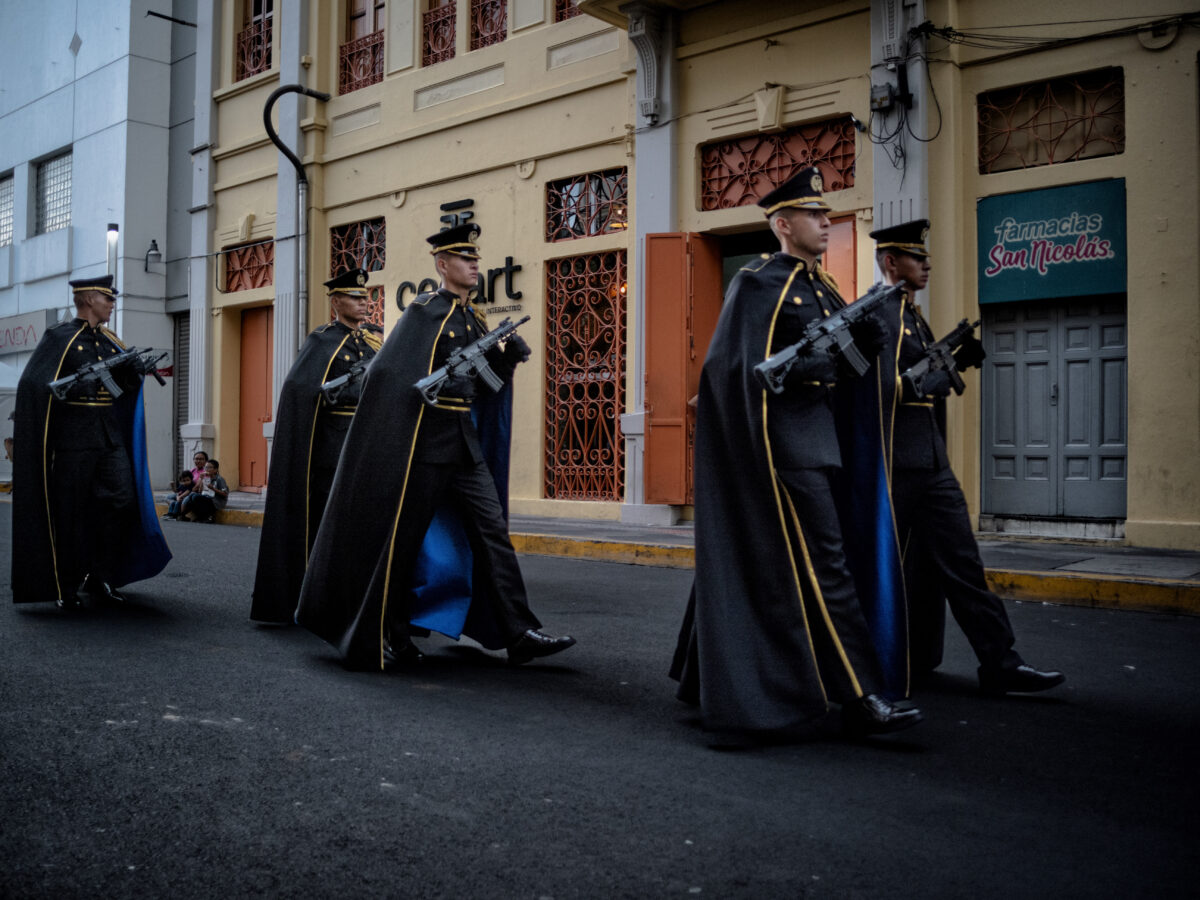
All this happened in an environment in which voters overwhelmingly approved a significant reduction in violence and organized crime, with the mass jailing of members of the Mara gangs. This came with complaints from human rights organizations and defenders who pointed out that many of the 75,000 people detained under the country’s state of emergency regime, which has been extended, were held arbitrarily and without any due process. They are mostly being held in the country’s notorious mega-jail, the Center for the Confinement of Terrorism (CECOT). Amnesty International has spoken of the “gradual replacement of gang violence by state violence.”
Persecution of the press
Likewise, the regime has openly persecuted freedom of expression, forcing the only critical media outlets in the country, including El Faro, to flee and operate from Costa Rica. The same has happened to NGOs, including Cristosal, as well as prominent human rights defenders who have also had to leave the country due to government pressure.
Bukele controls parliament, the judiciary, the armed forces and oversight bodies, and has forced independent journalists, human rights defenders and his opponents into exile. Juanita Goebertus, director of Human Rights Watch (HRW), had said that with indefinite presidential reelections in El Salvador was following “the same path as Venezuela.”
Carolina Jiménez, director of WOLA (the Washington Office on Latin America), also cites “authoritarian governments like Venezuela and Nicaragua” as the other countries in the hemisphere that have “proposed and implemented indefinite election and an extension of presidential terms.” It is fair to say: Salvadoran democracy has died.