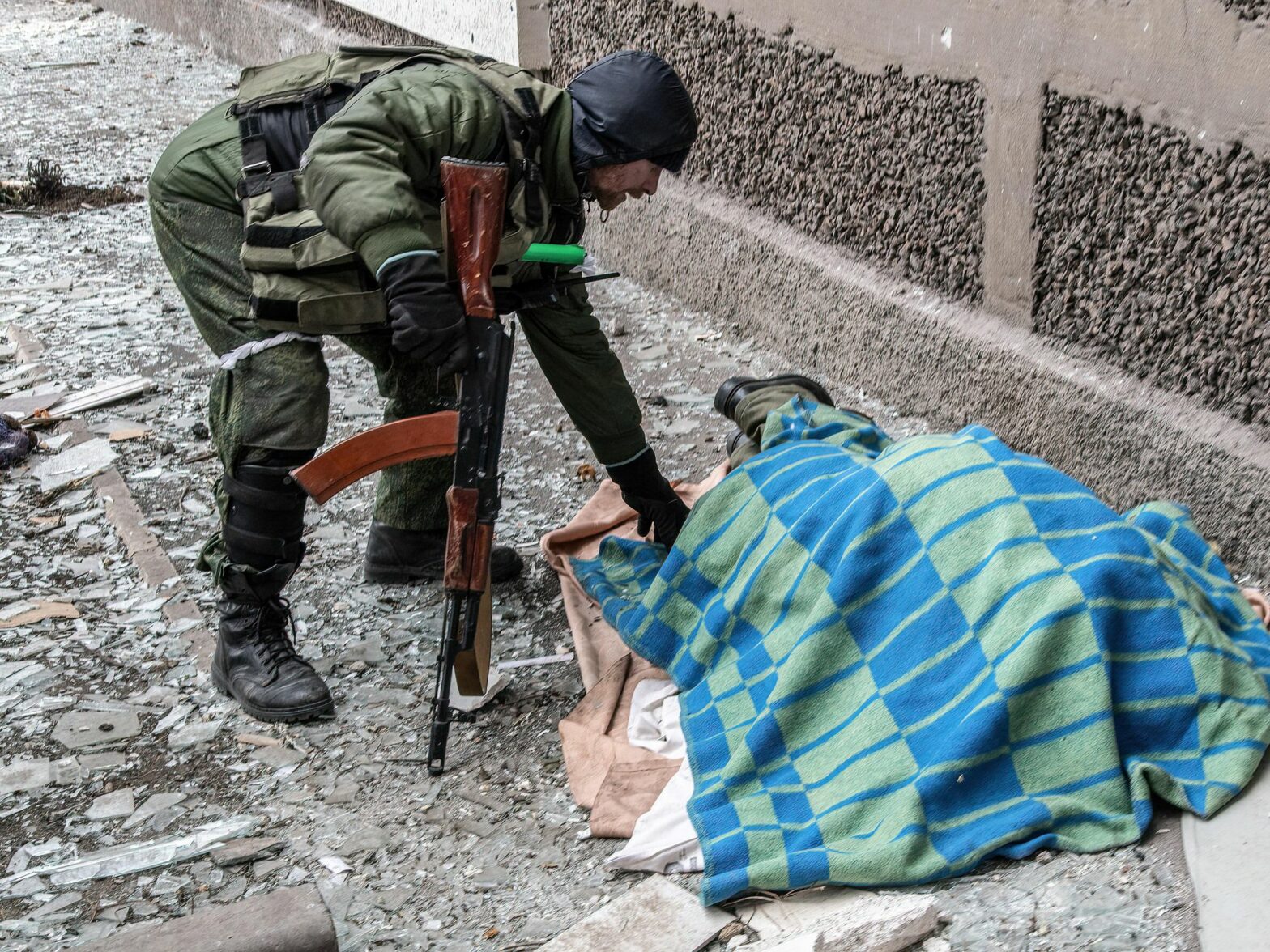
Dating back to Afghanistan and Chechnya, the Kremlin prefers not to offer an accurate public toll of its military lost on the battlefield. And now in Ukraine, victory at all costs continues to be the approach from Moscow.
 Worldcrunch
Dating back to Afghanistan and Chechnya, the Kremlin prefers not to offer an accurate public toll of its military lost on the battlefield. And now in Ukraine, victory at all costs continues to be the approach from Moscow.
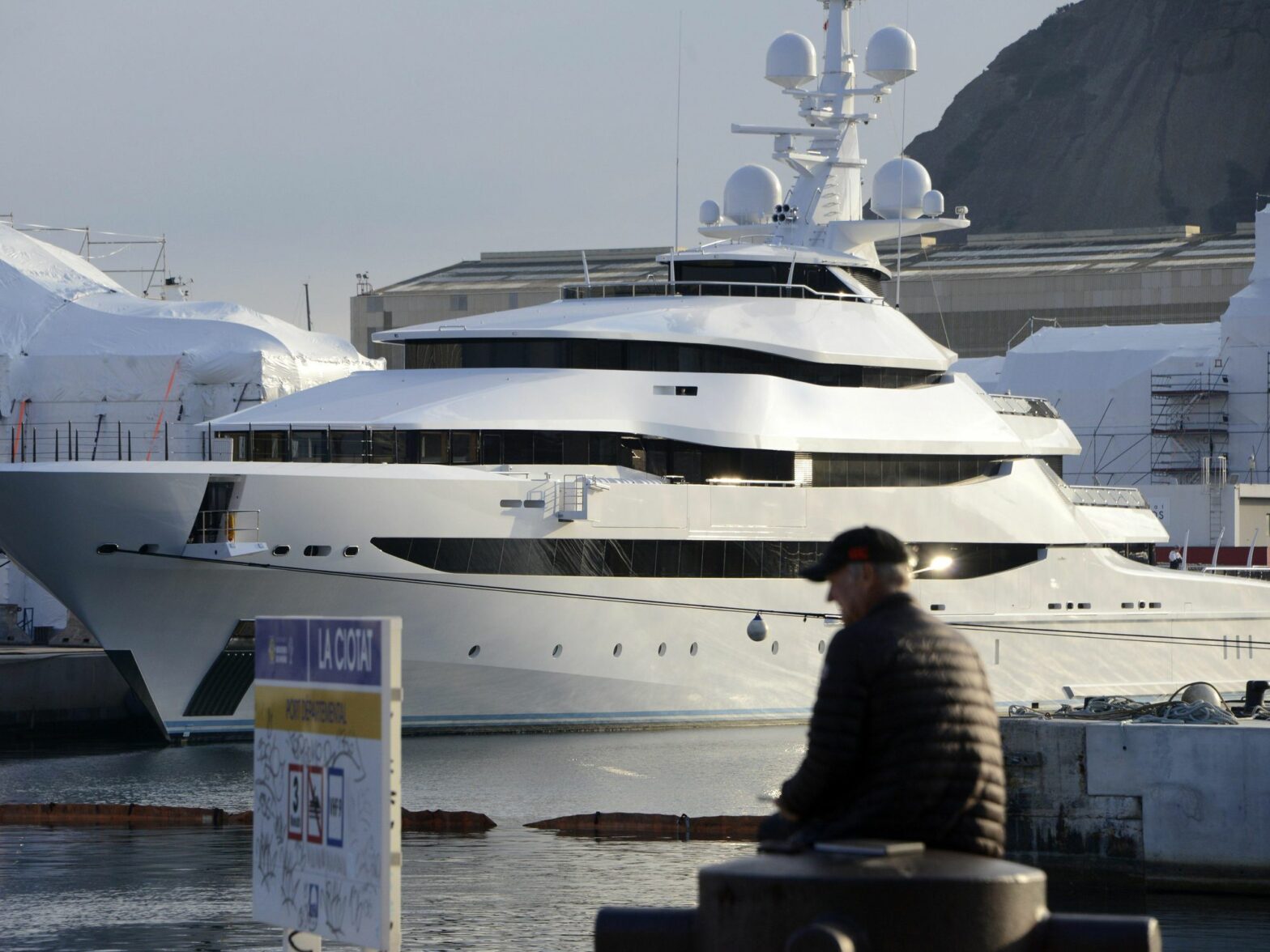
Chalets in Courchevel, villas on the Cap d’Antibes peninsula, yachts and valuable paintings are in the sights of the Ministry of Economy’s task force. But in this game of cat and mouse through a maze of offshore companies, nominees and trusts, oligarchs are often one step ahead.

Officials want to revitalize the country’s ailing railway system. But it comes at a cost for the people who live in the way.
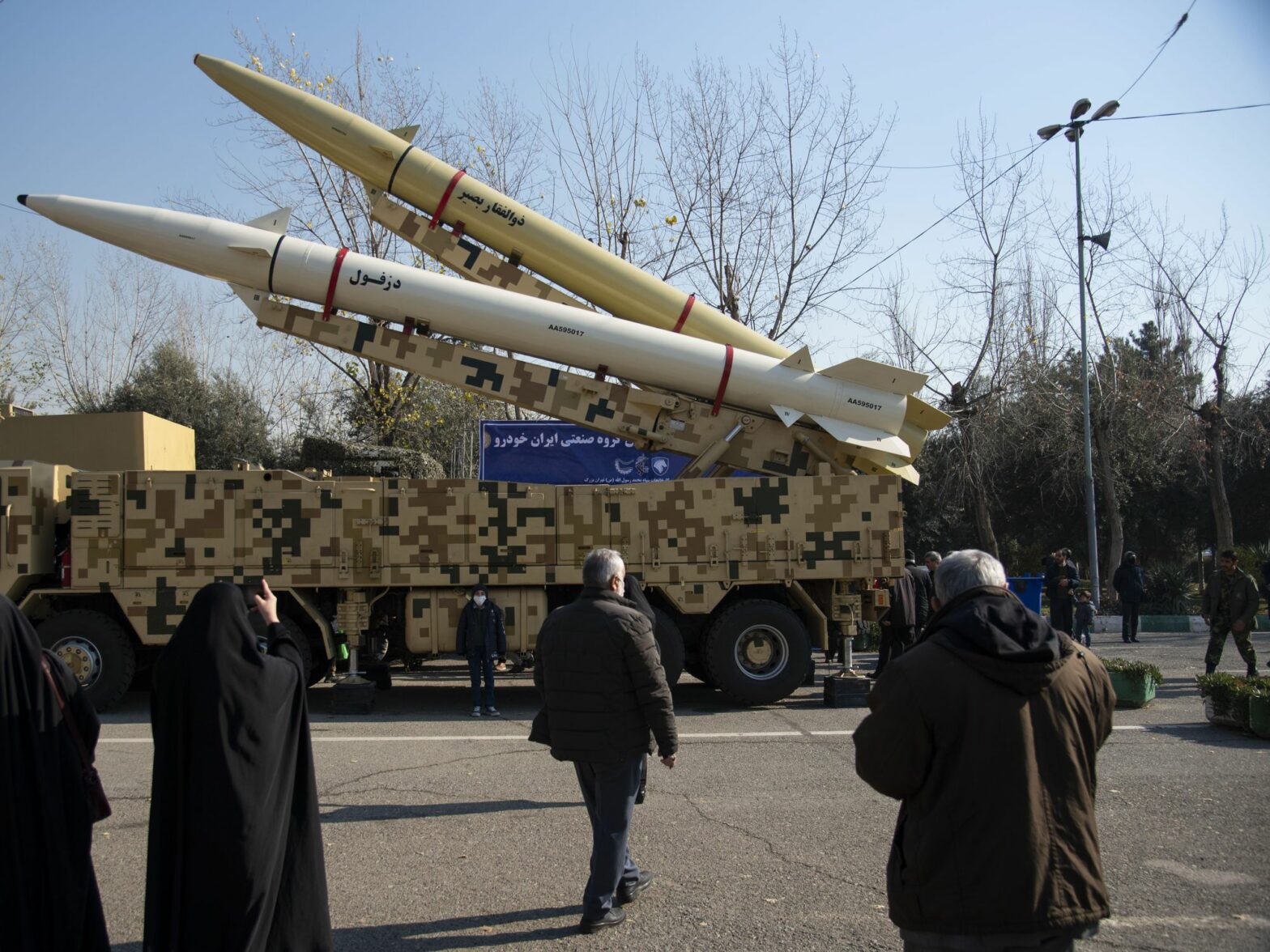
A dispute between Iran’s foreign minister and a leading regime hardliner over whether to insist on removing the paramilitary from the “terrorist” list indicates divisions in the Islamic Republic over what kind of nuclear deal it wants with the West.
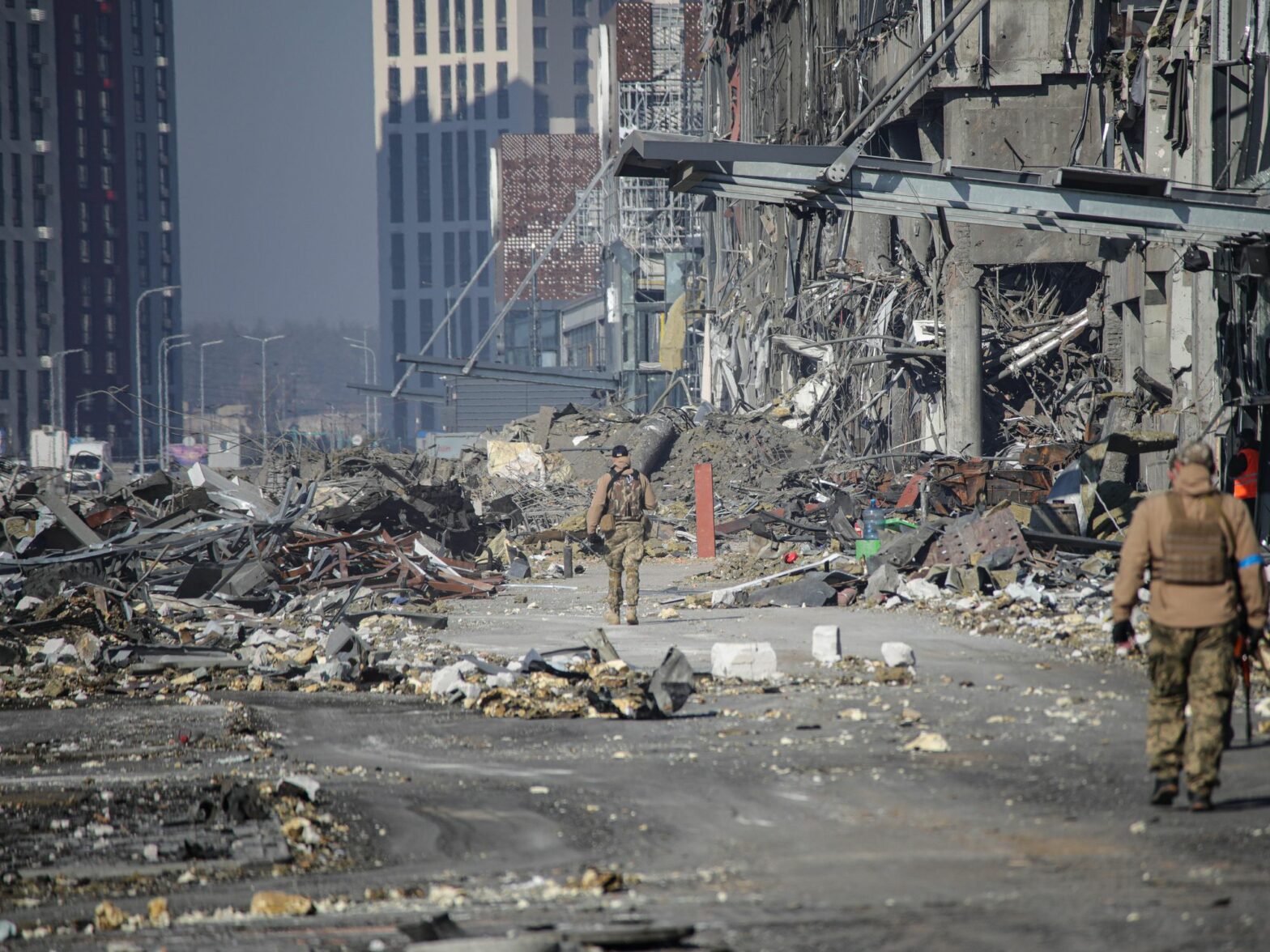
Just look at post-War Germany and the reparations that had to be paid out for generations. Russian-born writer Michael Sheitelman notes from Kyiv, where he is documenting events and reflecting on the war and its aftermath.
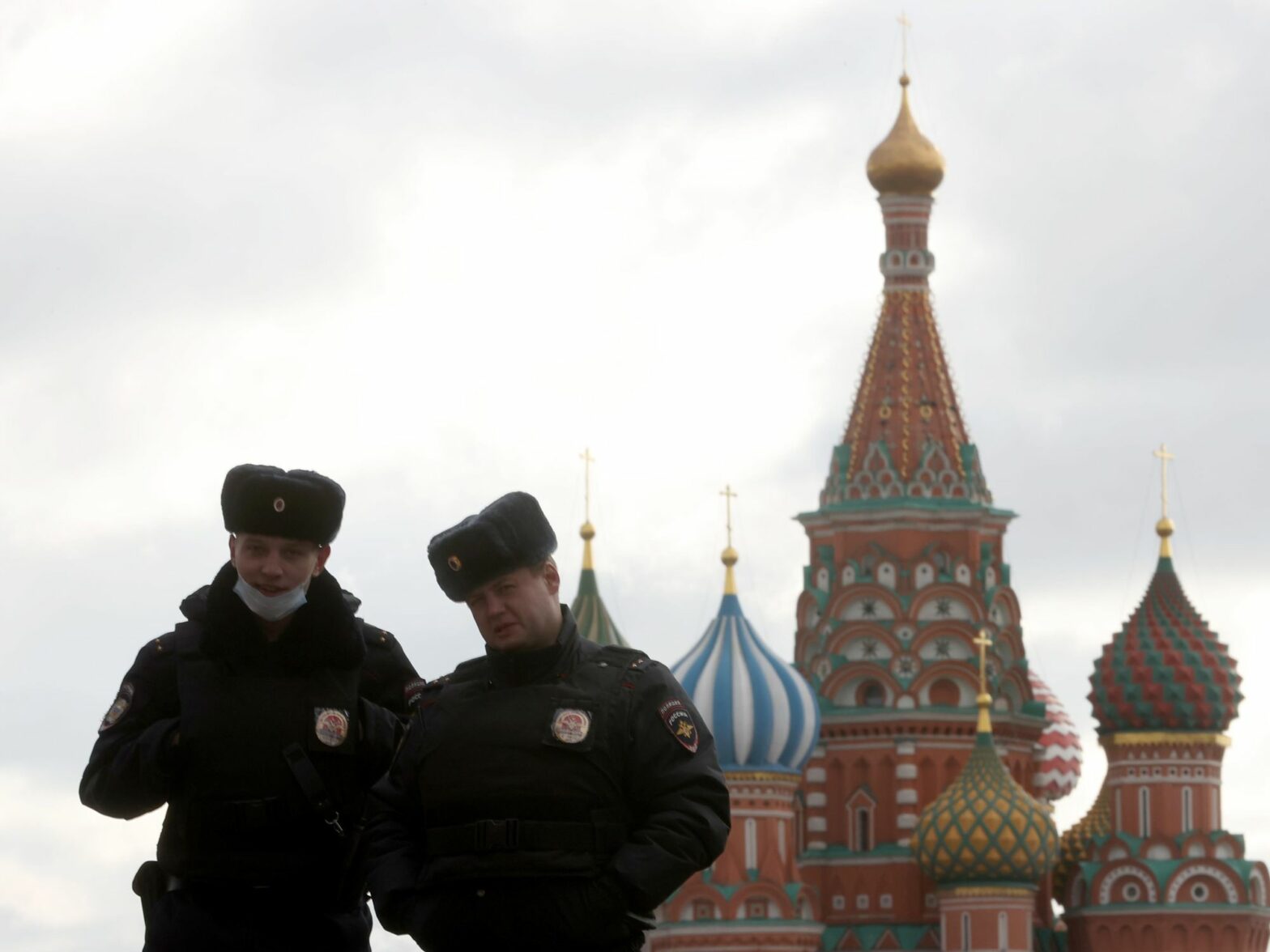
A perfect storm must come together of deepening troubles on the battlefield in Ukraine, Kremlin insiders turning on Putin, popular opposition and (not least of all) ideas for what comes after. More and more signs of all these factors are starting to show up.
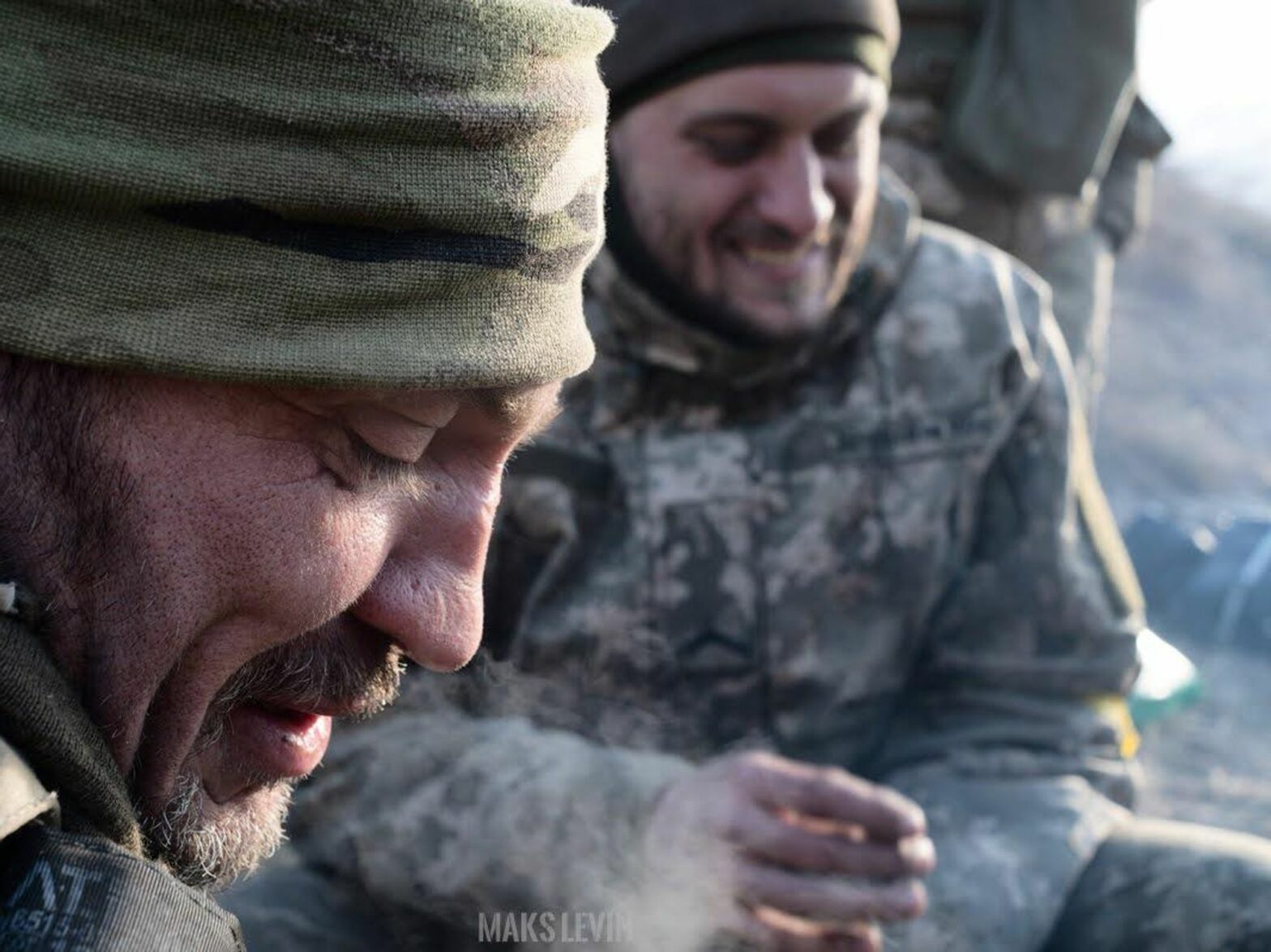
The veteran photojournalist was covering the Russian invasion north of Kyiv, after spending years chronicling Ukraine’s longstanding battles in its eastern regions against pro-Russian separatists.
The pandemic has spurred a resurgence in labor unions around the world. But their return to prominence also raises the question of whether they’re the best way to protect workers in a globalized world.

People don’t give a damn about Putin, NATO, Ukraine, communism, democracy, freedom, gas, oil, national sovereignty, ideals. They don’t give a damn about each and every word, thought or opinion. People are just afraid of war. People want to live. ____________________________ Learn more about Worldcrunch’s exclusive Dottoré! series here.
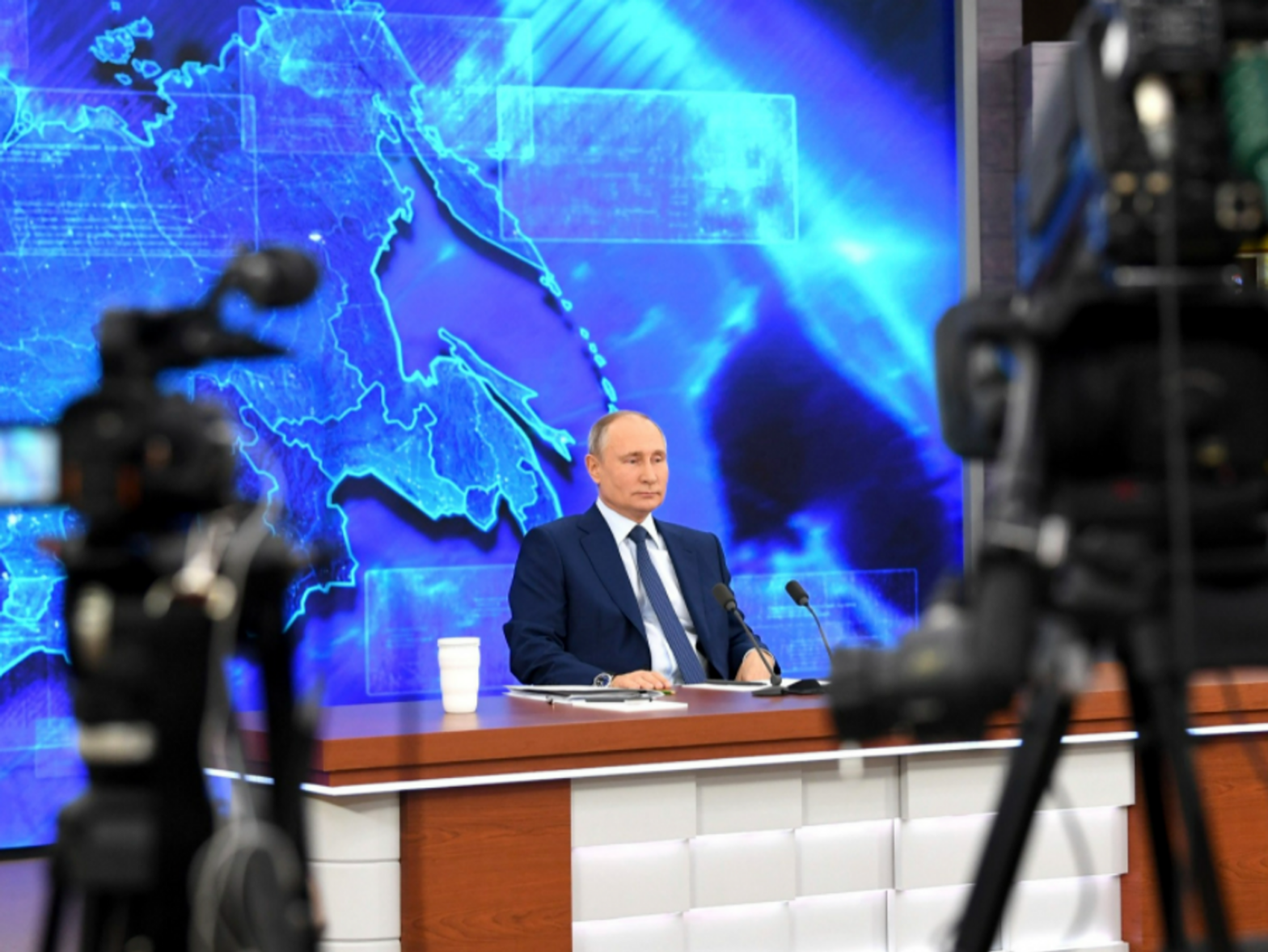
The message from state-controlled media in Russia is clear: we are a peace-loving country constantly provoked by the West. The coverage is very different to the war hysteria before the annexation of Crimea and hides how the Kremlin benefits financially from tensions in Ukraine.
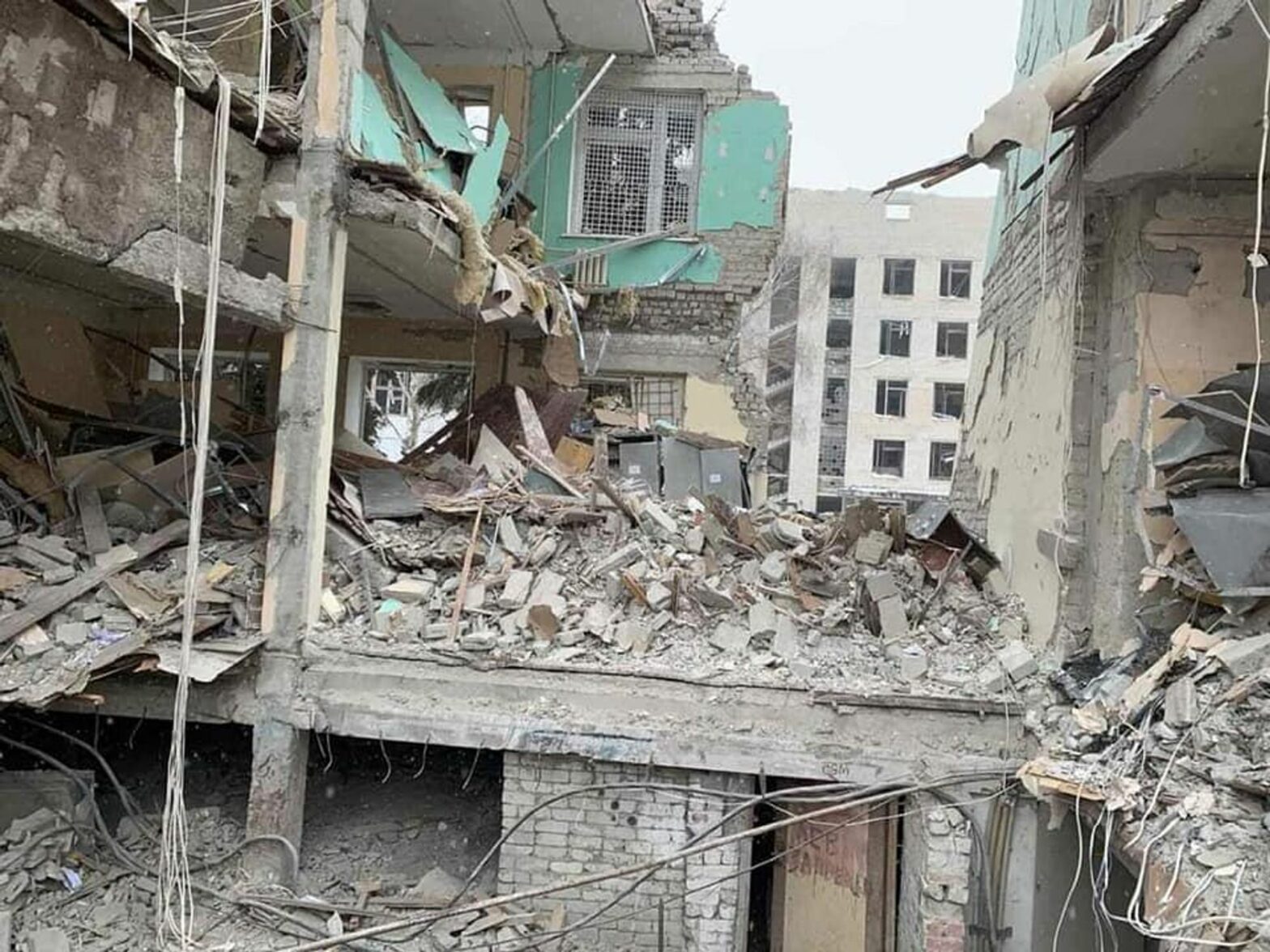
Putin is increasing his attacks on Ukrainian civilians and may be preparing to use chemical weapons. But these horrific tactics are not new — they were perfected by the Russian army during a brutal war in Syria.
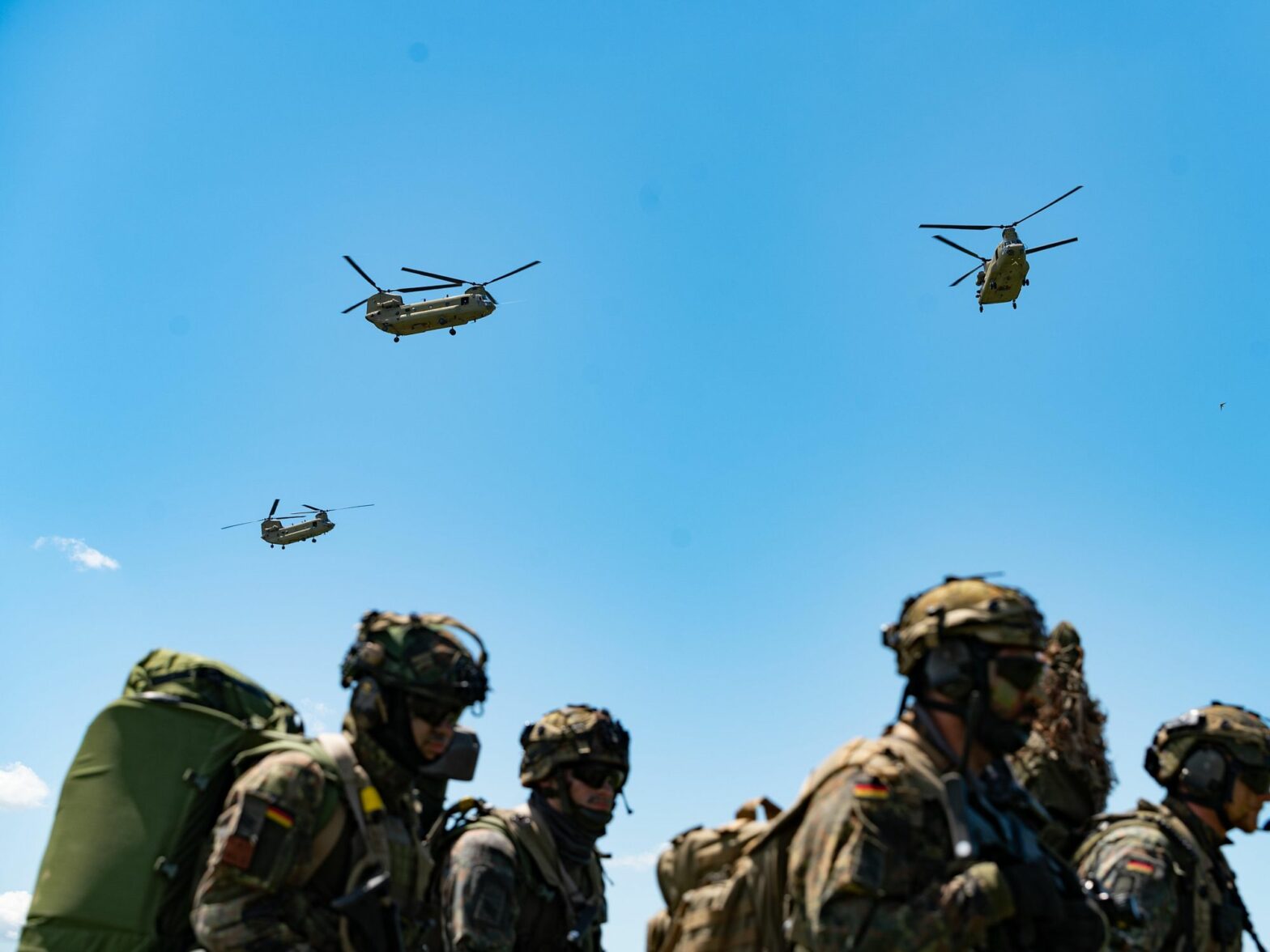
Since Russia’s annexation of Crimea, NATO has reinforced its presence eastward — but the Baltic countries and Poland were the prime beneficiaries. But Romania, which shares the longest border with Ukraine, may be the country most directly in Vladimir Putin’s path.
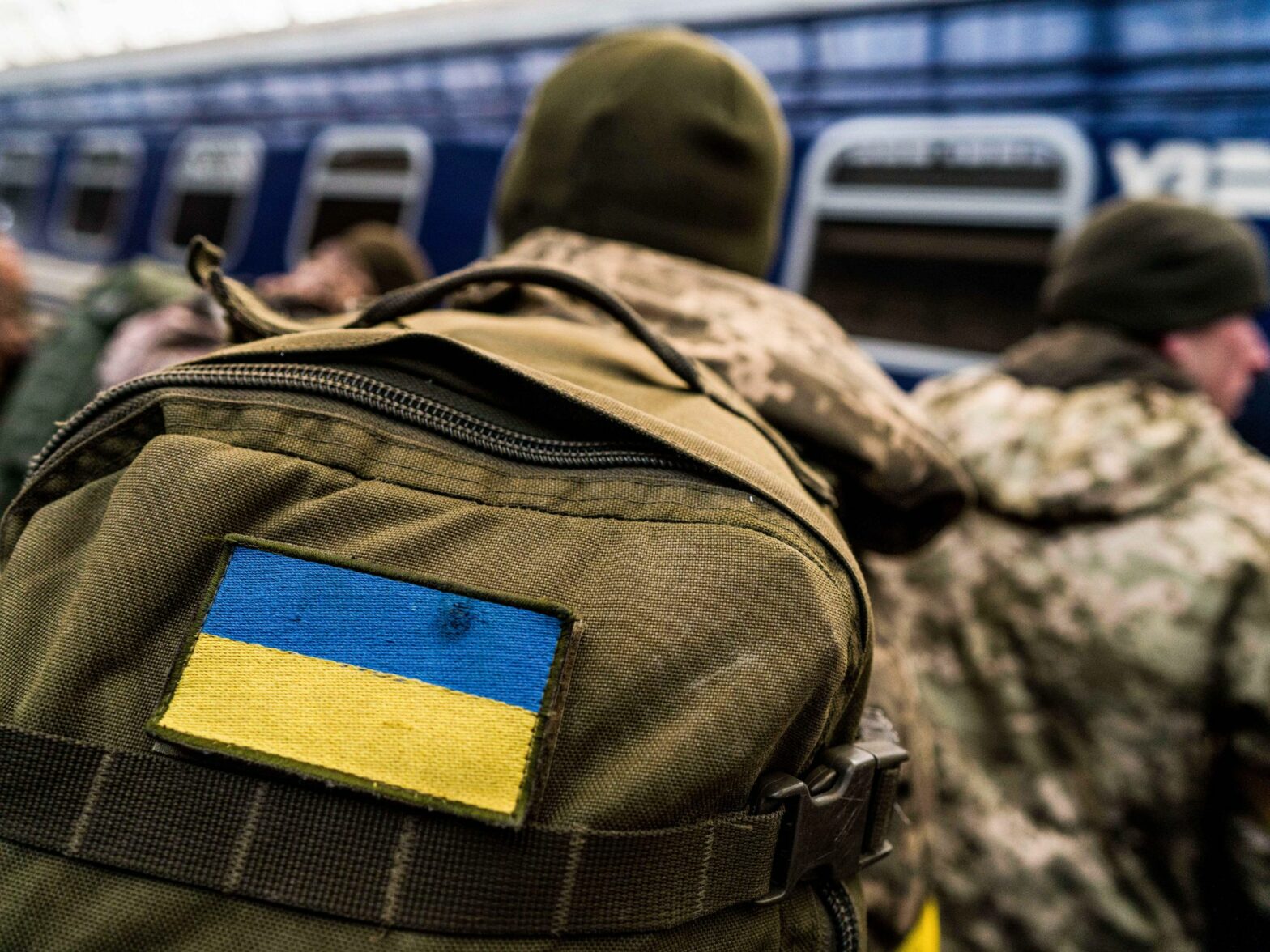
It is not heroism that is creating the long lines to enlist in the country’s fight against Russia, nor is it the opposite that explains the refugees trying to get out alive. There is a single objective for both.
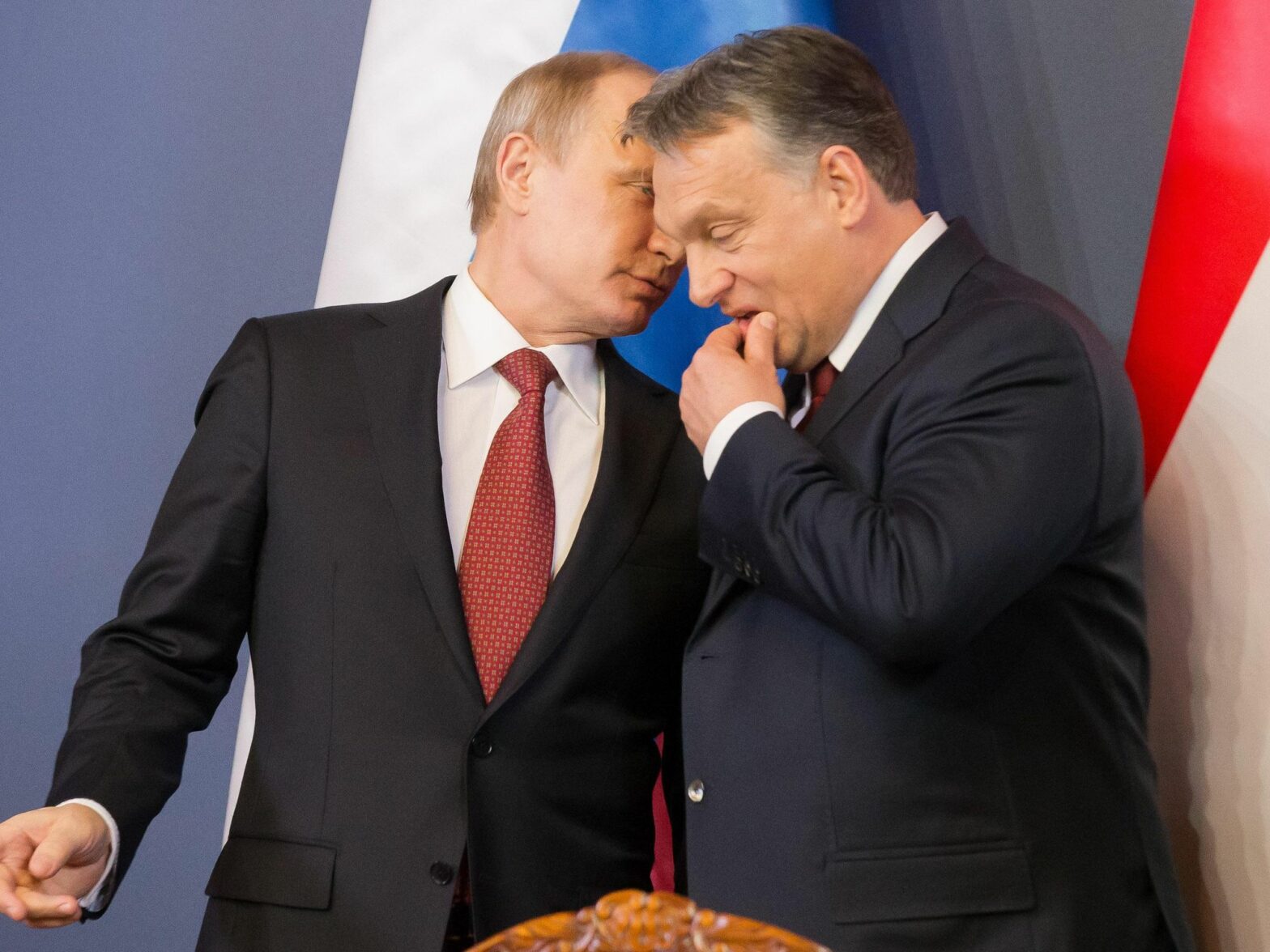
Hungarian Prime Minister Viktor Orbán is trying to keep the EU and NATO happy without upsetting Vladimir Putin. The war in Ukraine has upped the stakes in Hungary, where tense elections are just a few weeks away.
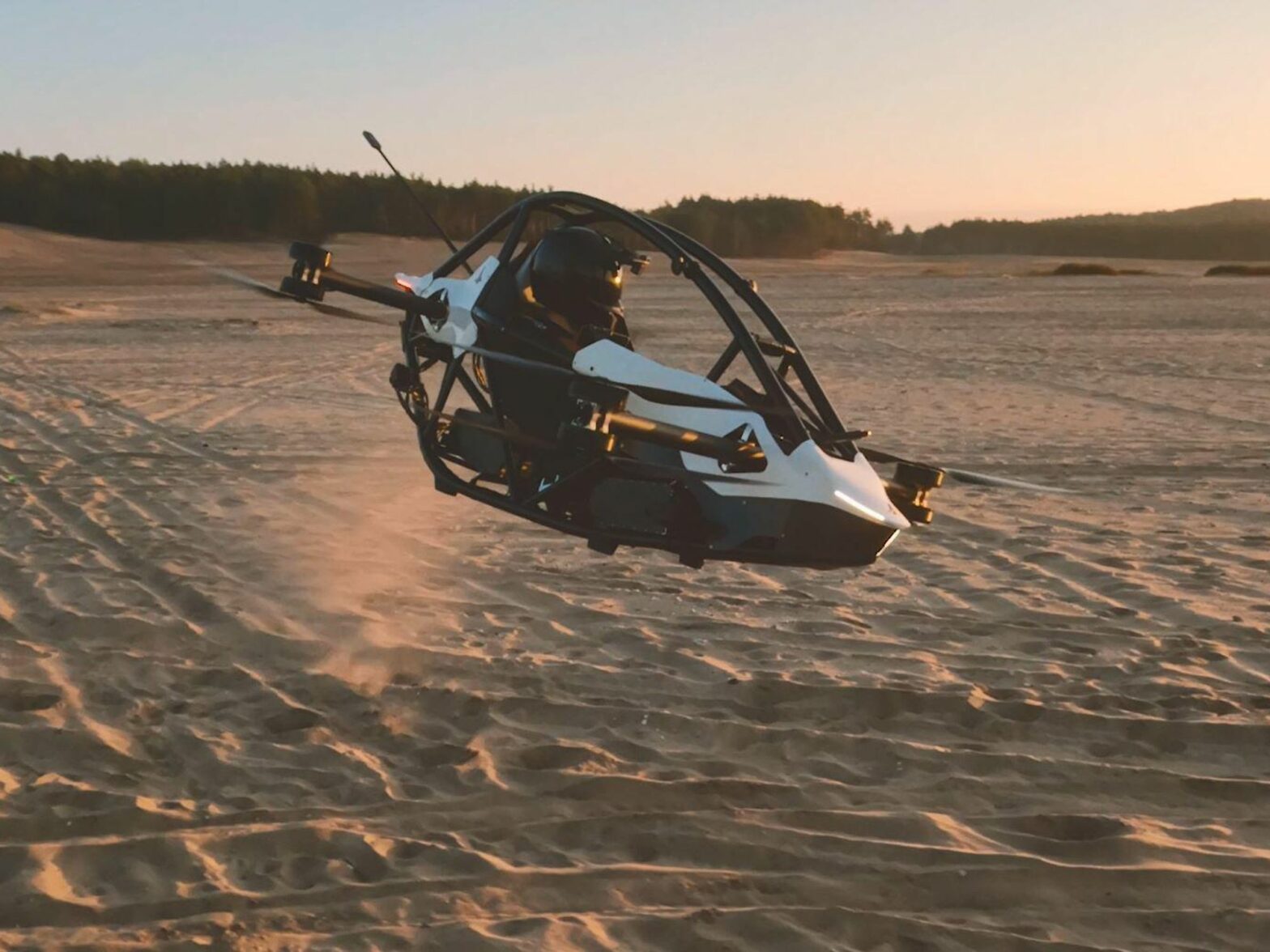
It may sound like science-fiction, but firms are already developing prototypes for this cheaper alternative to the helicopter. And for Latin America in particular, the sky’s the limit for what Flying cars can bring.
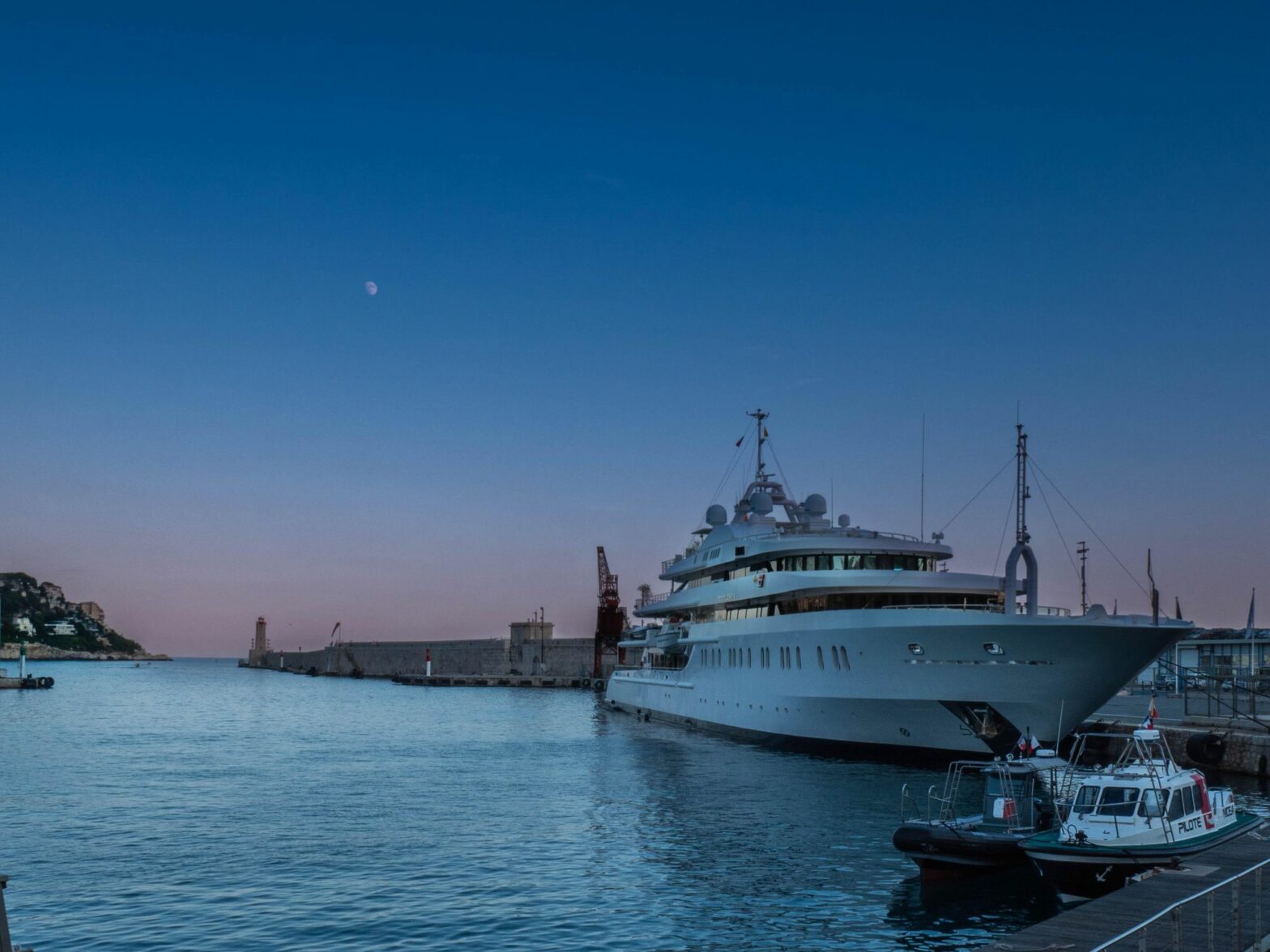
The likely defection of Russian tourists this summer is clouding the prospects of tourism professionals in the South of France, whose activity is still recovering from the pandemic. An emblematic snapshot of the after-effects of Putin’s invasion of Ukraine.
Western countries want to isolate Russia on the world stage. But for many Asian countries, the war in Ukraine is distant geographically and economically, and represents an existential debate between dictatorships and democracies.
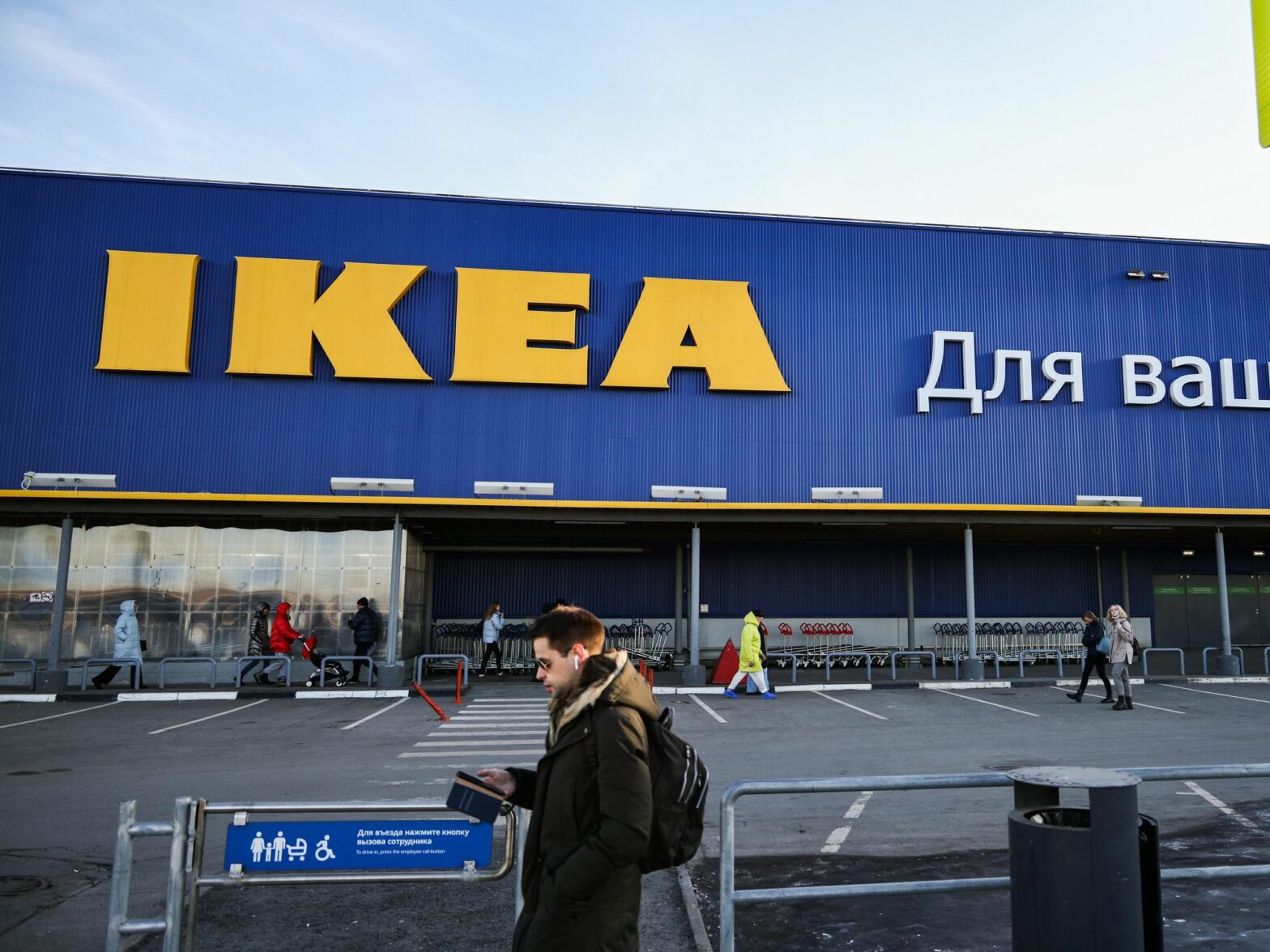
More than 300 companies have announced plans to close stores, reassign staff or stop selling products in Russia since the Feb. 24 invasion. These decisions fit in with a recent trend of companies listening to customers, though the geopolitical factors are a new twist.
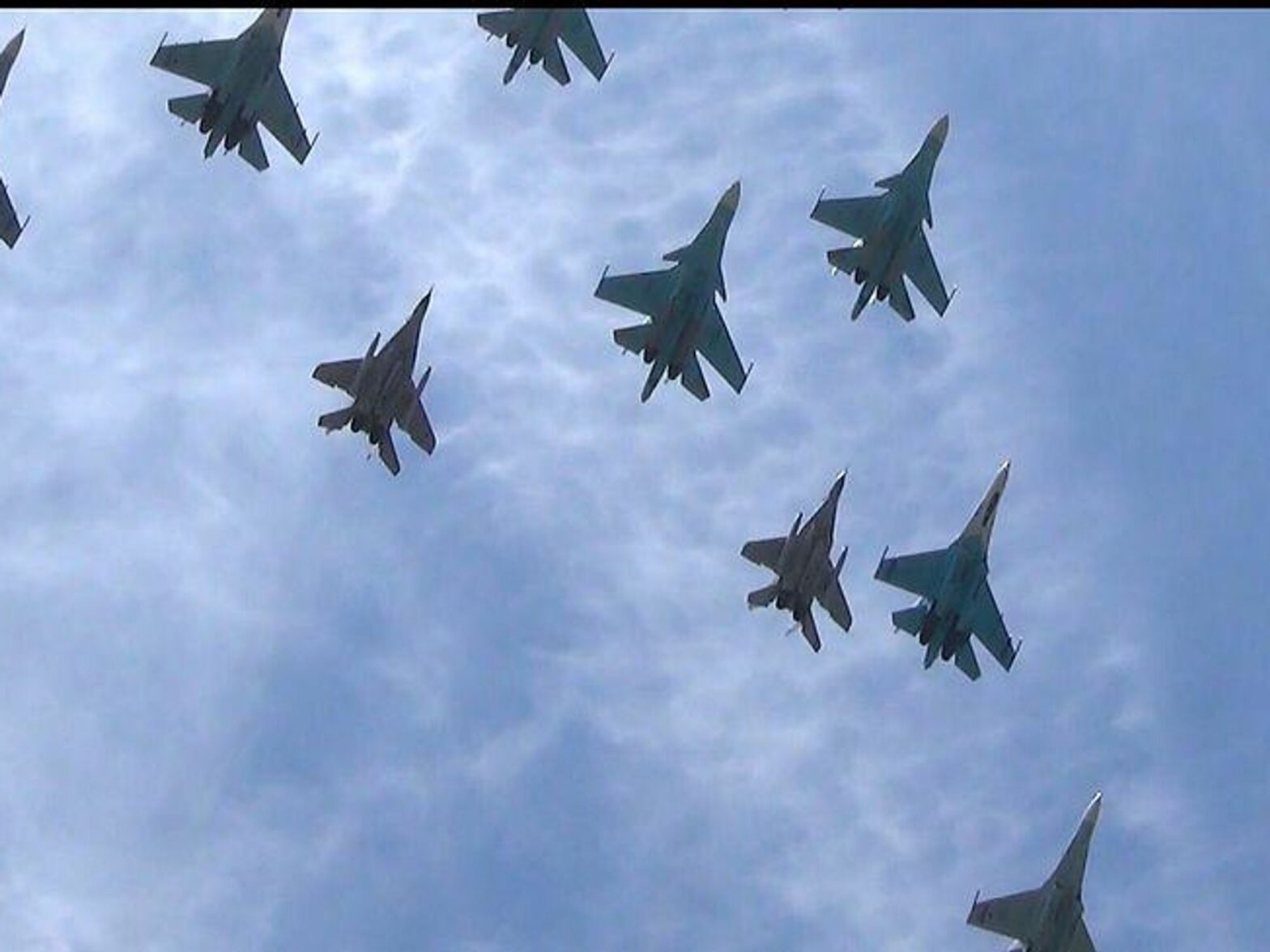
Ukrainians are pleading with the West to establish a no-fly zone to stop the destruction of their country. But that would be a high-risk option. Now the U.S. is considering delivering fighting jets, but that could also escalate the conflict. What else can be done?

Beauty pageants once rewarded good looks, and maybe some talent on the side. But the events are no longer just a showcase for perfect hair and swimsuits. Innovative pageants around the world celebrate differences and advocate for people with disabilities and LGBTQ+ communities.
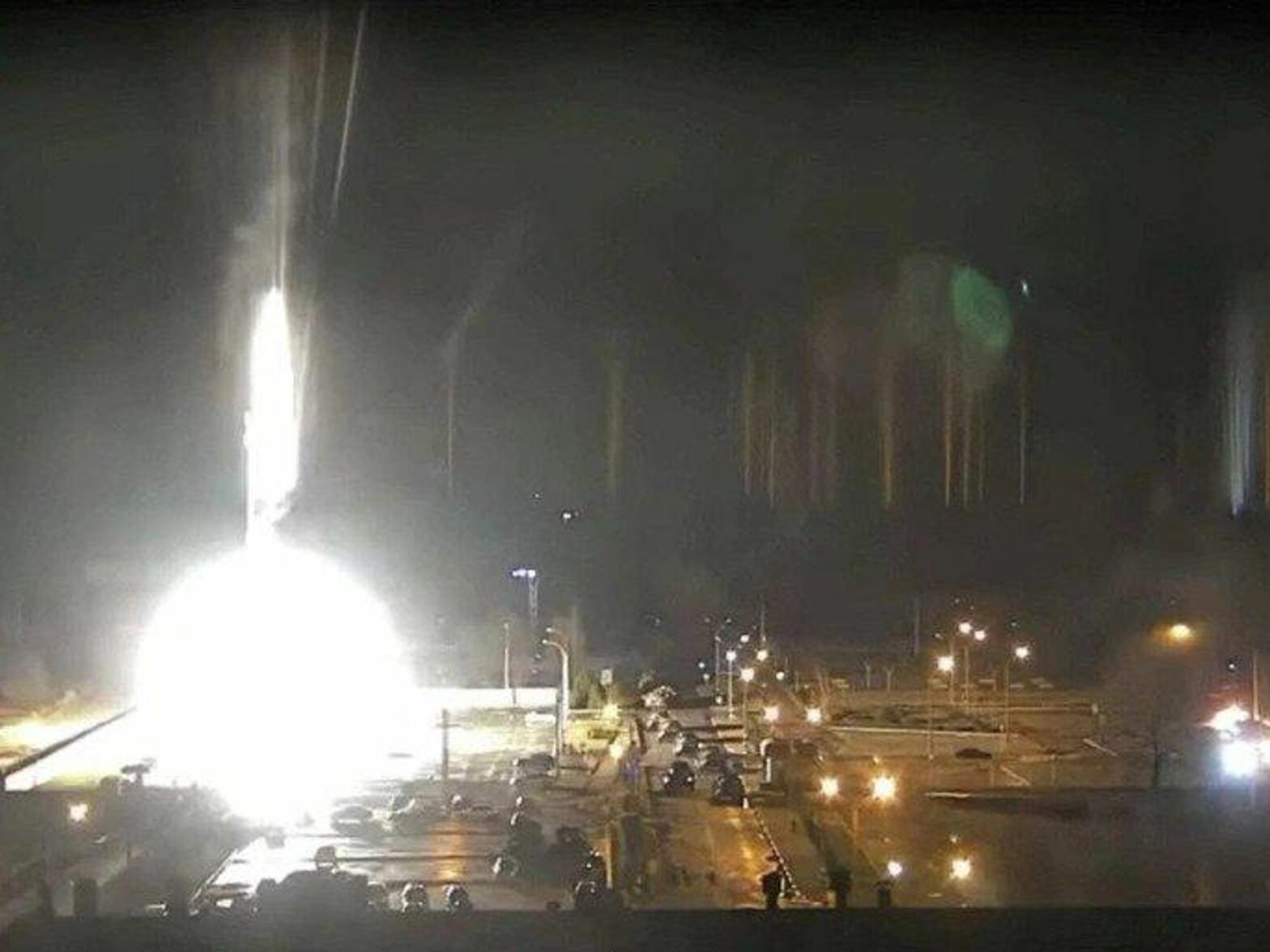
The shelling near the Zaporizhzhia nuclear power plant has raised concerns, even if there are no initial signs of radiation from this incident. But what about the other plants that are located in the immediate vicinity of the Russian attack path?
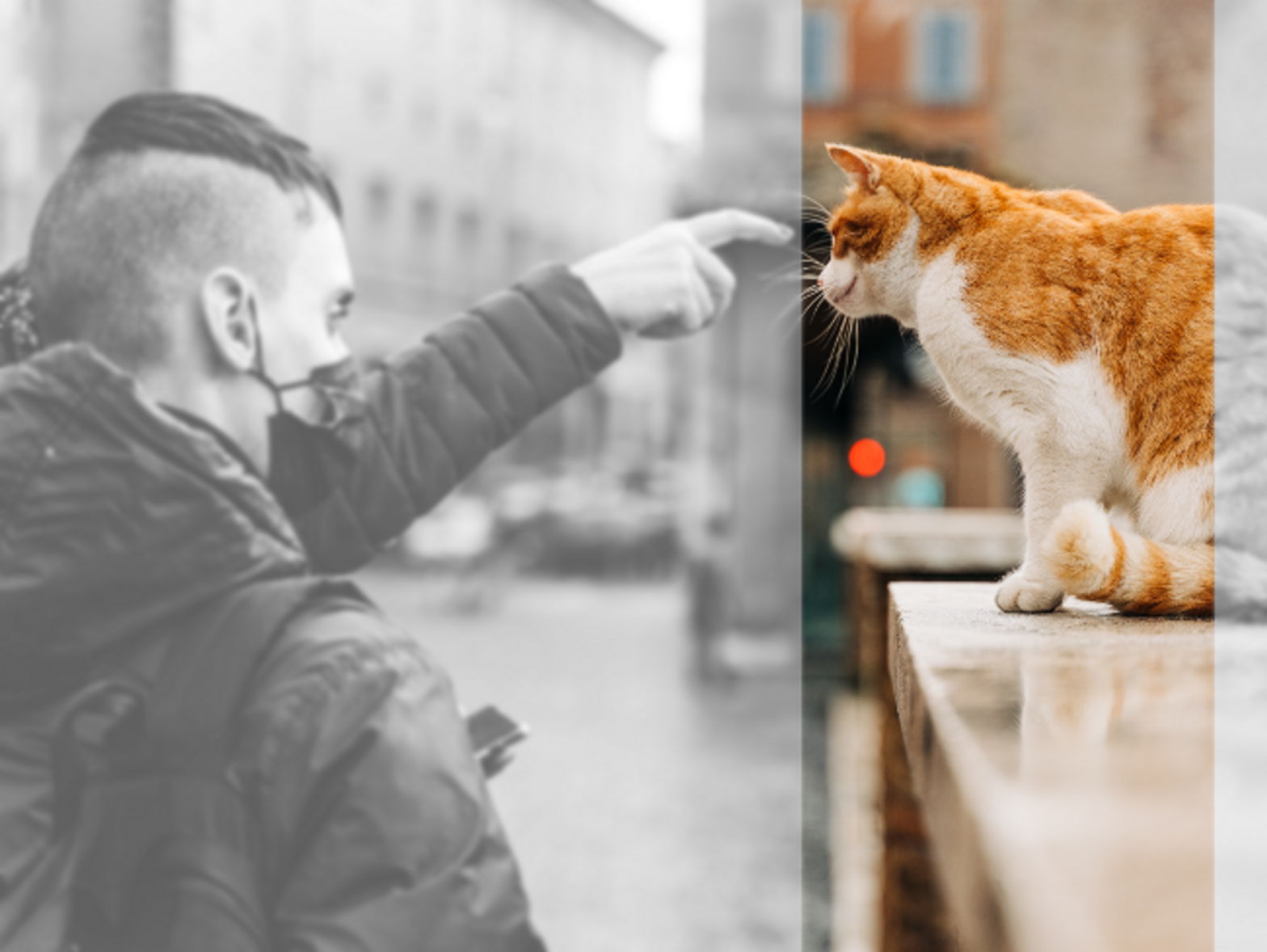
At the mental health center where I work, we have always taken care of the area’s stray cats. Birba had been around for a few years. A few minutes ago, a boy walked in — one of those boys you see in the street, like so many in our city’s Sanità neighborhood. He looked upset. […]
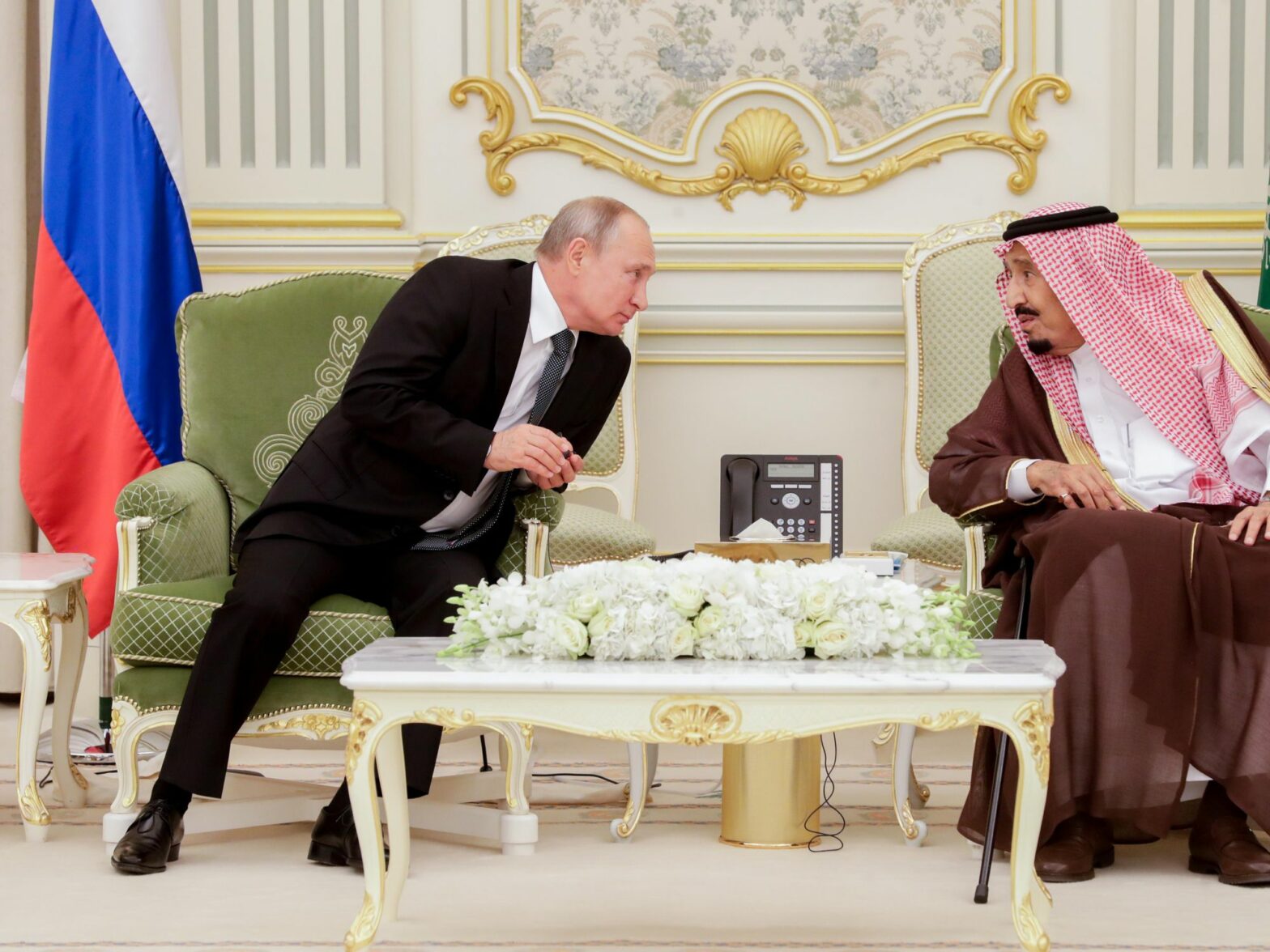
Just two days after they’d signed an Arab League statement that did not condemn Russia and instead called for diplomacy, Egypt, Saudi Arabia and the United Arab Emirates joined 138 other nations in a UN resolution demanding Russia halt its invasion of Ukraine.
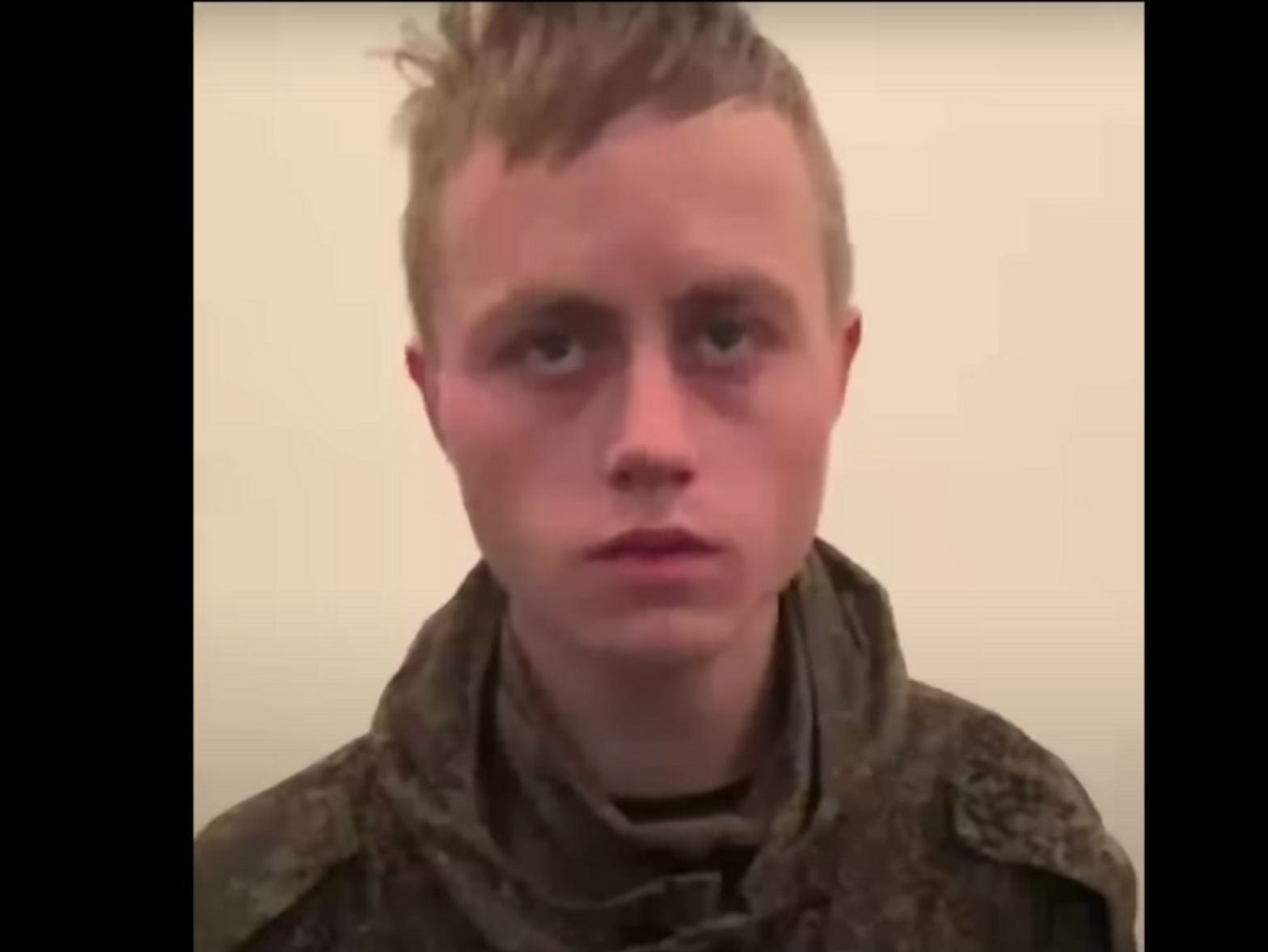
One week since Putin ordered an invasion of Ukraine, Russia has failed to control the narrative at home and abroad.
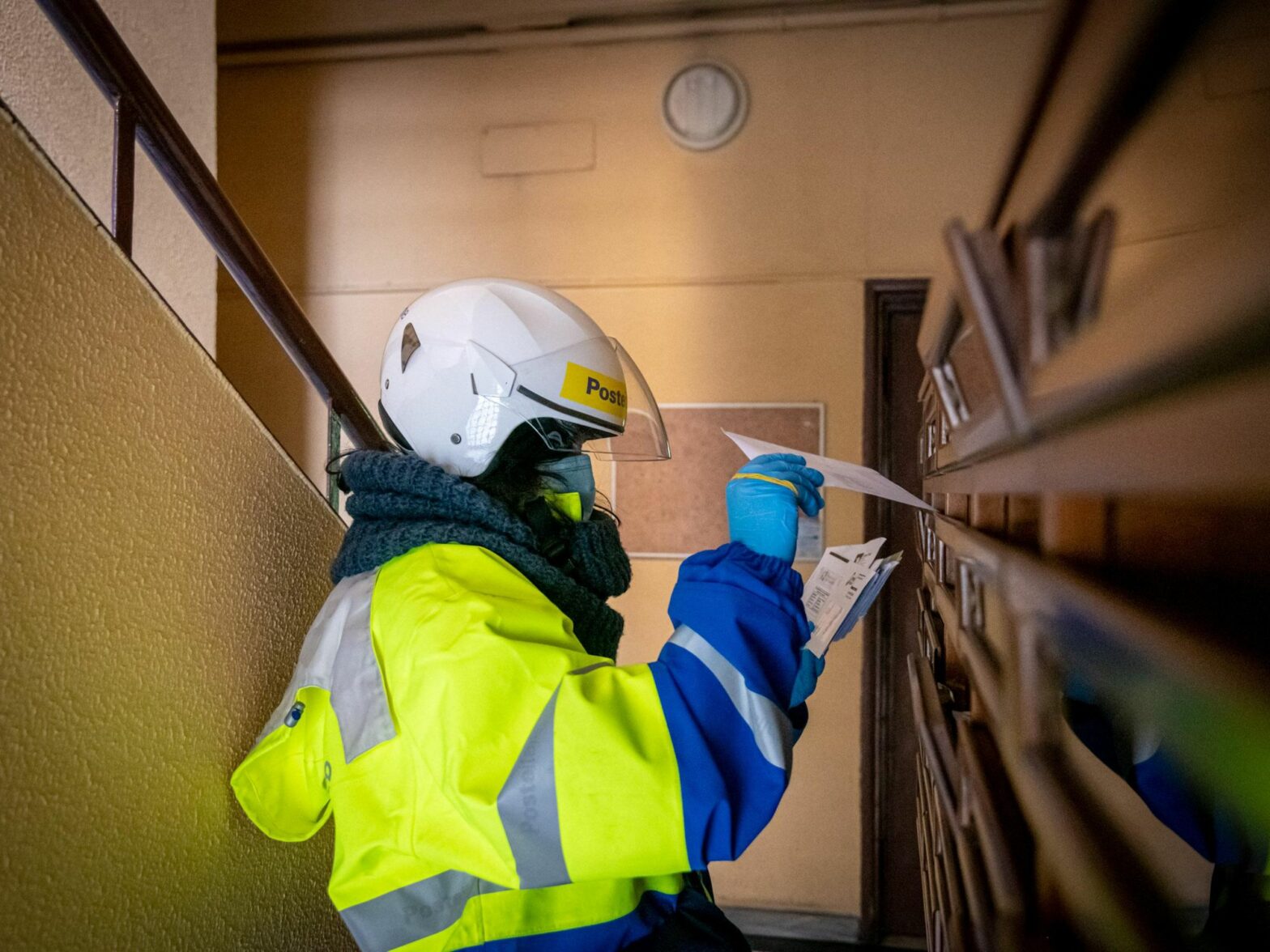
Why are no locals in the northern Italian city of Verona applying for the once prized permanent job posting? The answer is found elsewhere.
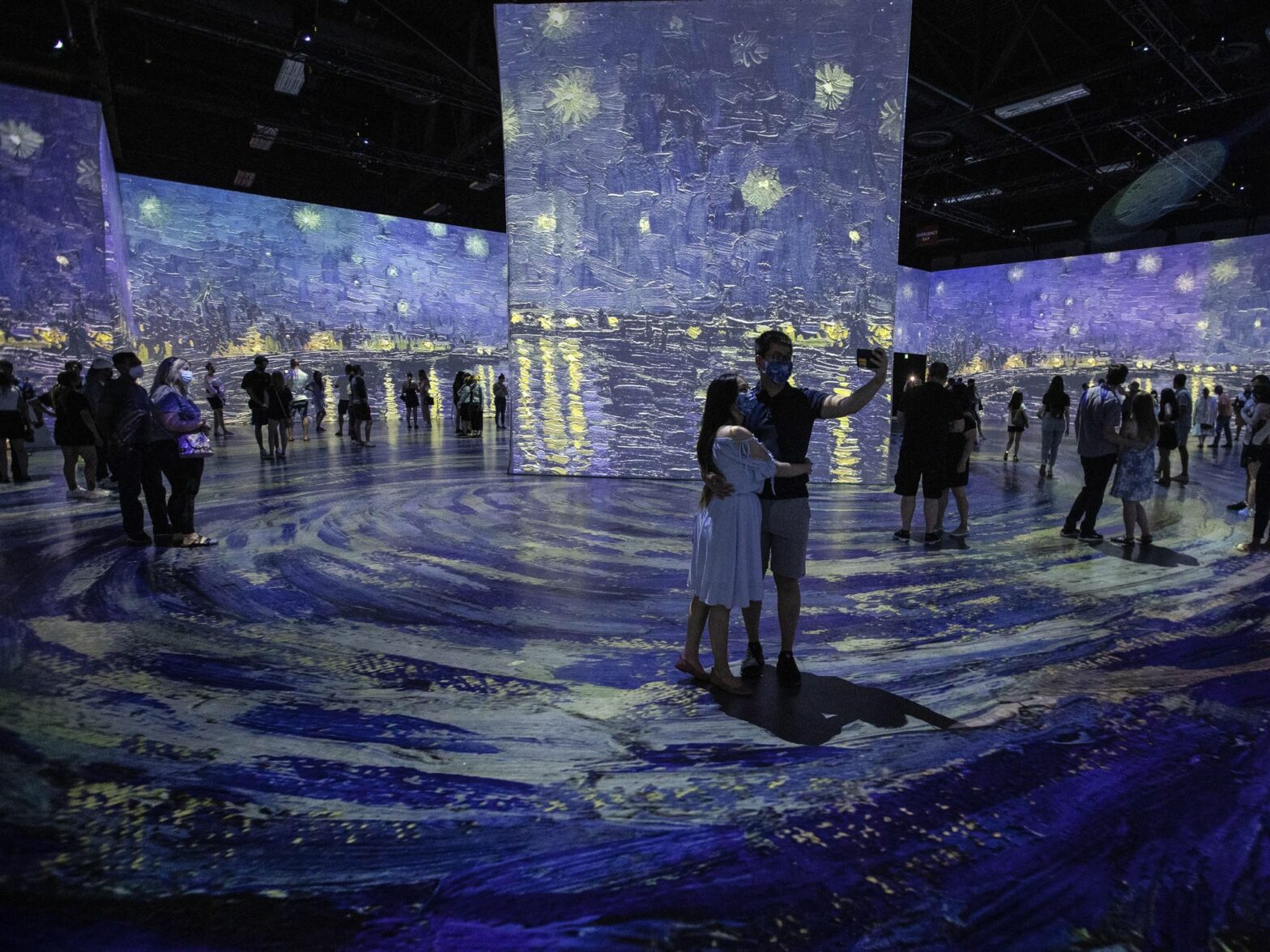
Audiovisual spectacles like Imagine Van Gogh offer a completely new way to experience art. But as museums embrace digital tools, what does that mean for the physical work of art.
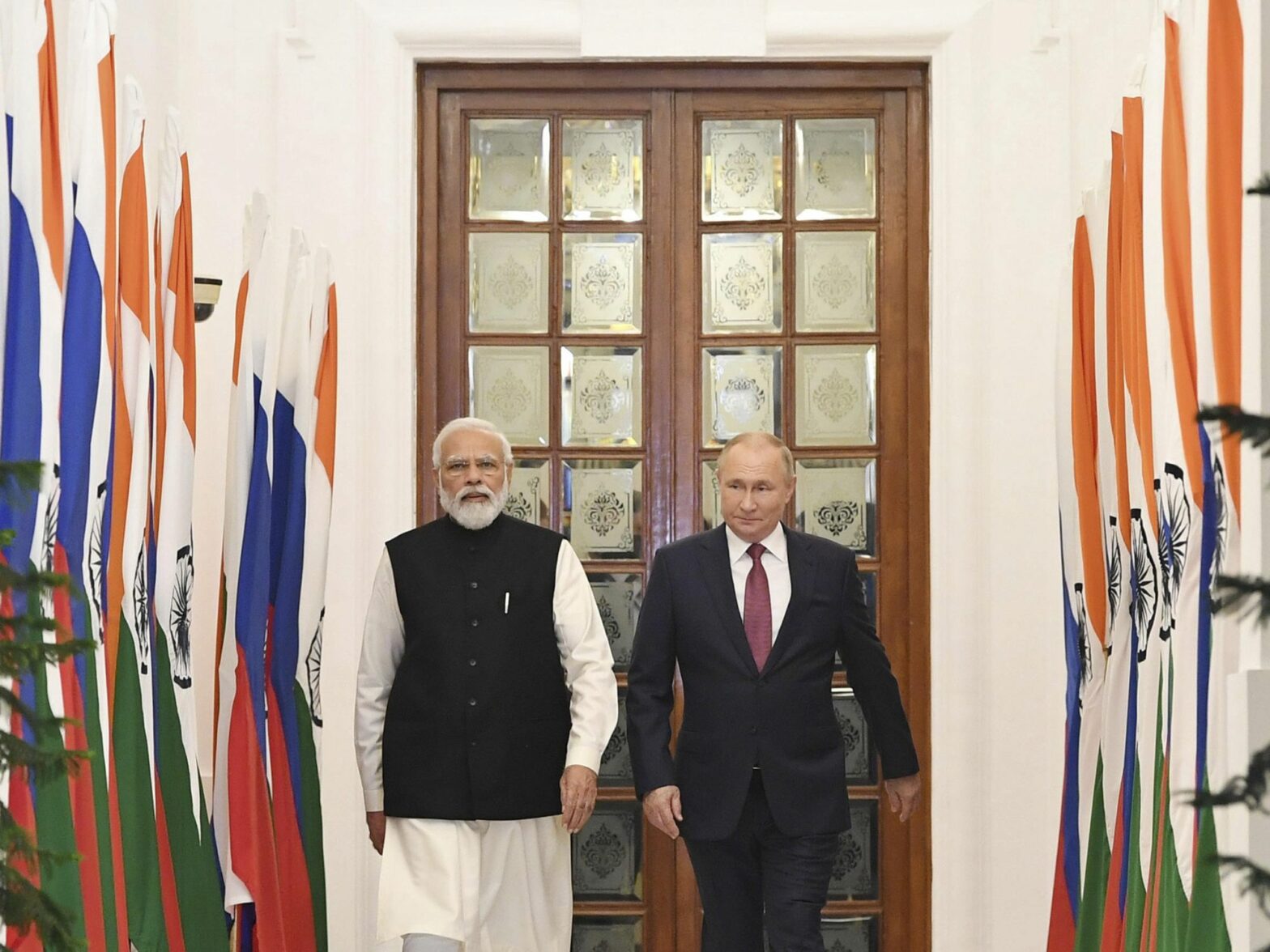
The Modi government chose to abstain on the UN Security Council condemnation of the Russian invasion, but it underestimates how much India will be condemned on the wrong side of history in the minds of American leaders for years to come.
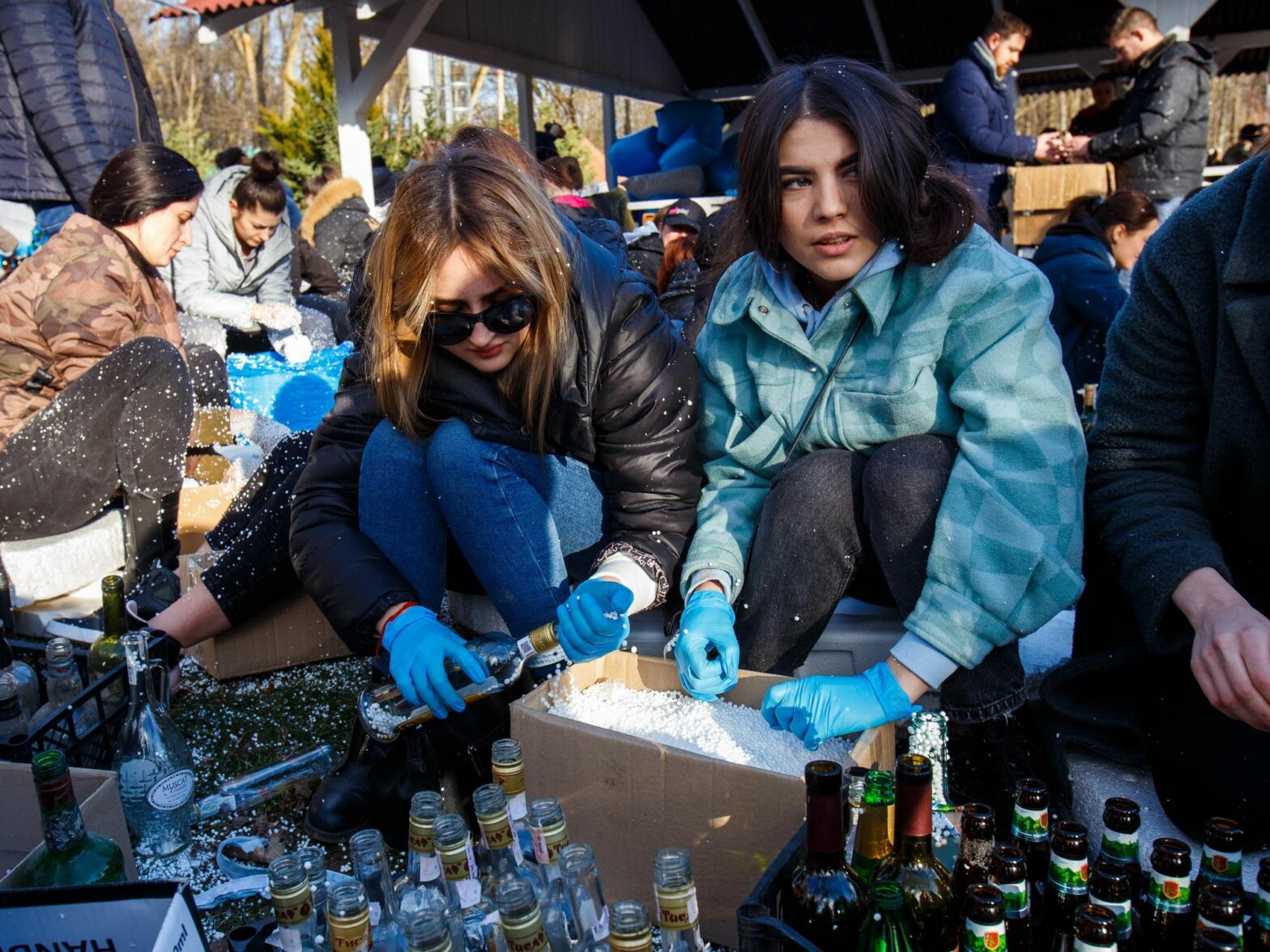
A reporter arrived from elsewhere in Europe, posing the questions so many others have begun to ask themselves since all-out war began last week.
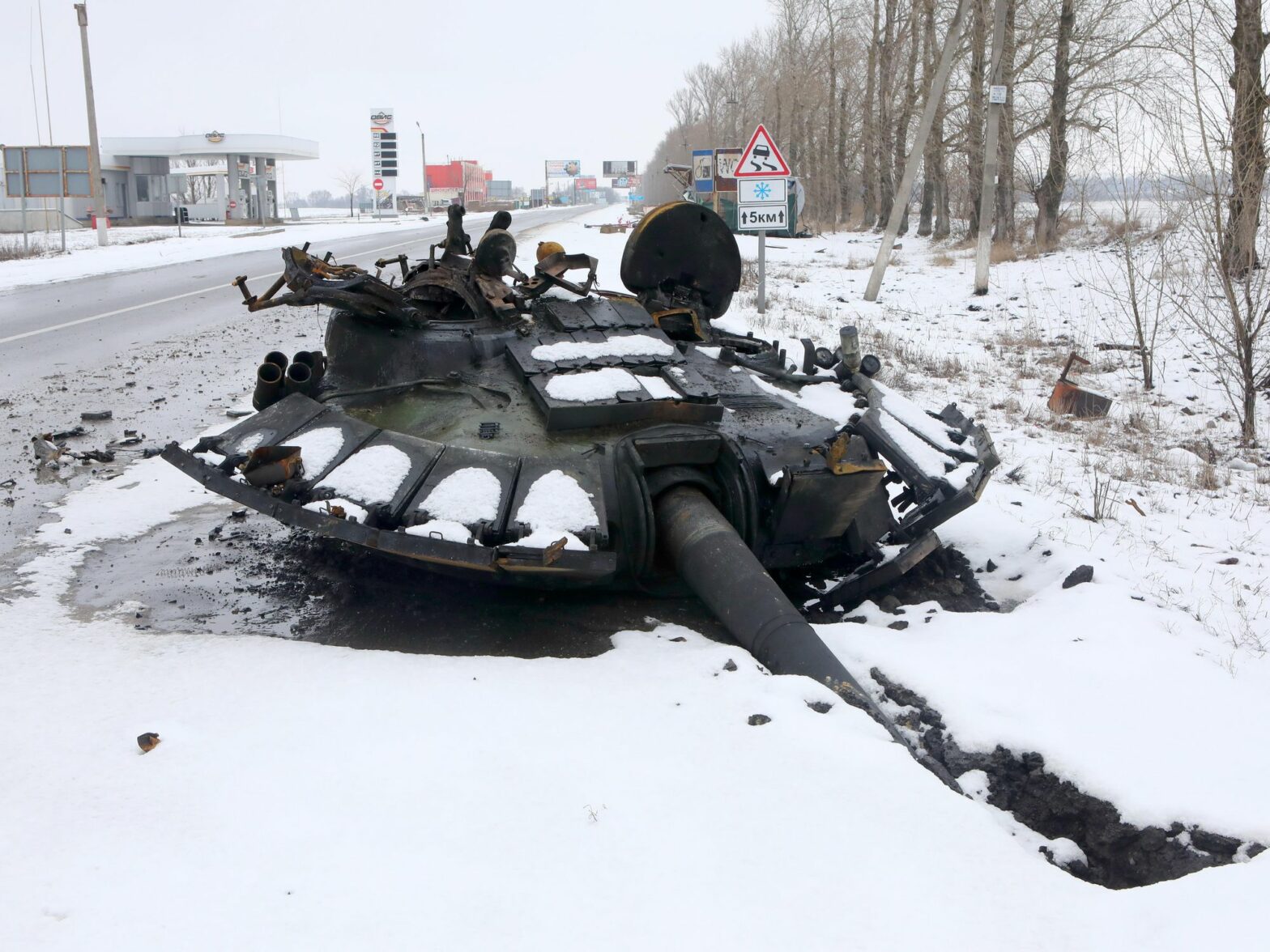
The Russian invasion of Ukraine that began Thursday morning on multiple fronts was meant to quickly overrun the outnumbered defensive positions. Kyiv-based Livy Bereg reports that it hasn’t turned out that way.
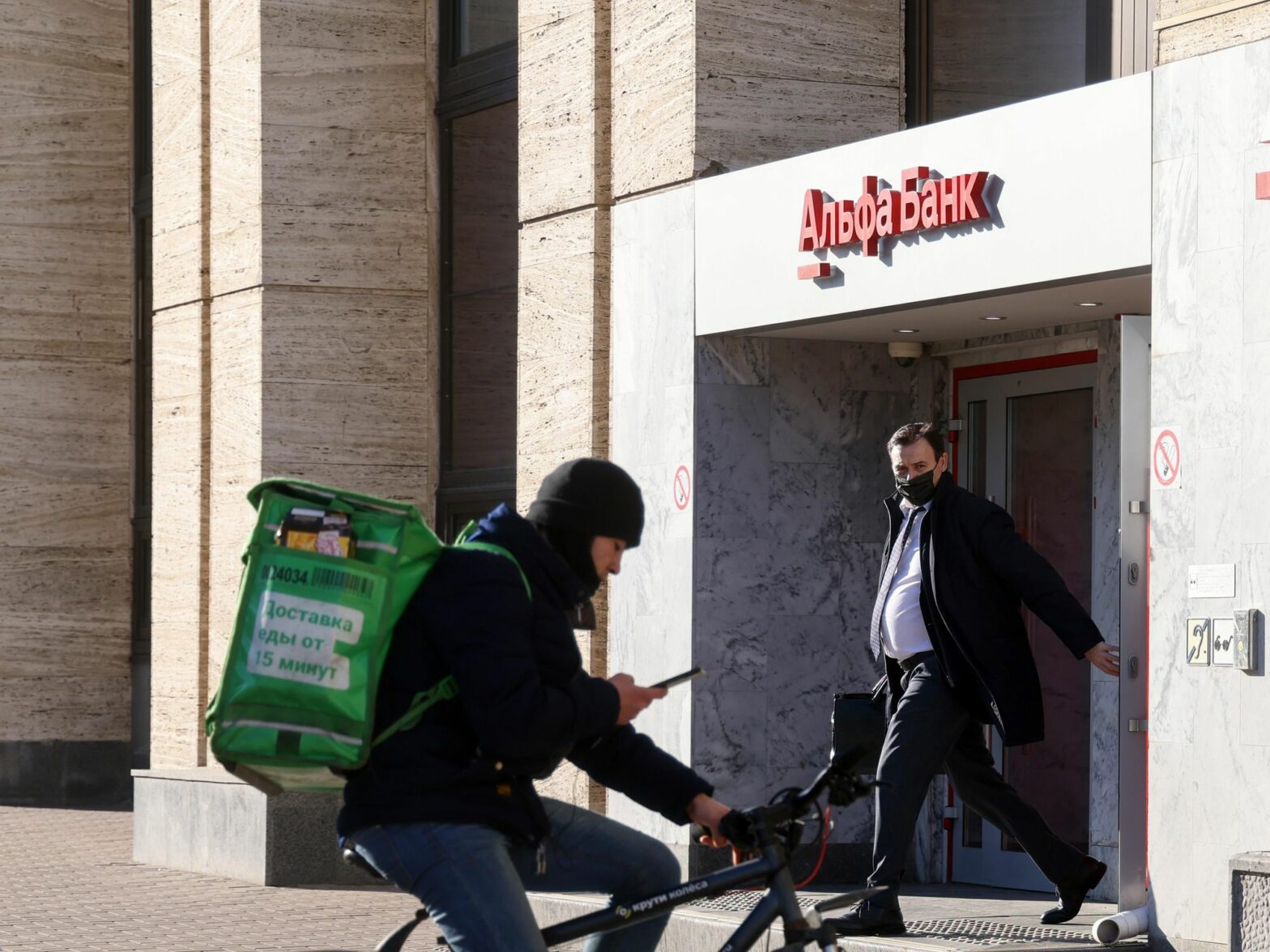
While Kyiv comes under full military attack, less than 500 miles to the north the Russian capital is a surreal mix of normalcy, pockets of protest and the quiet sensation that nothing will ever be the same.
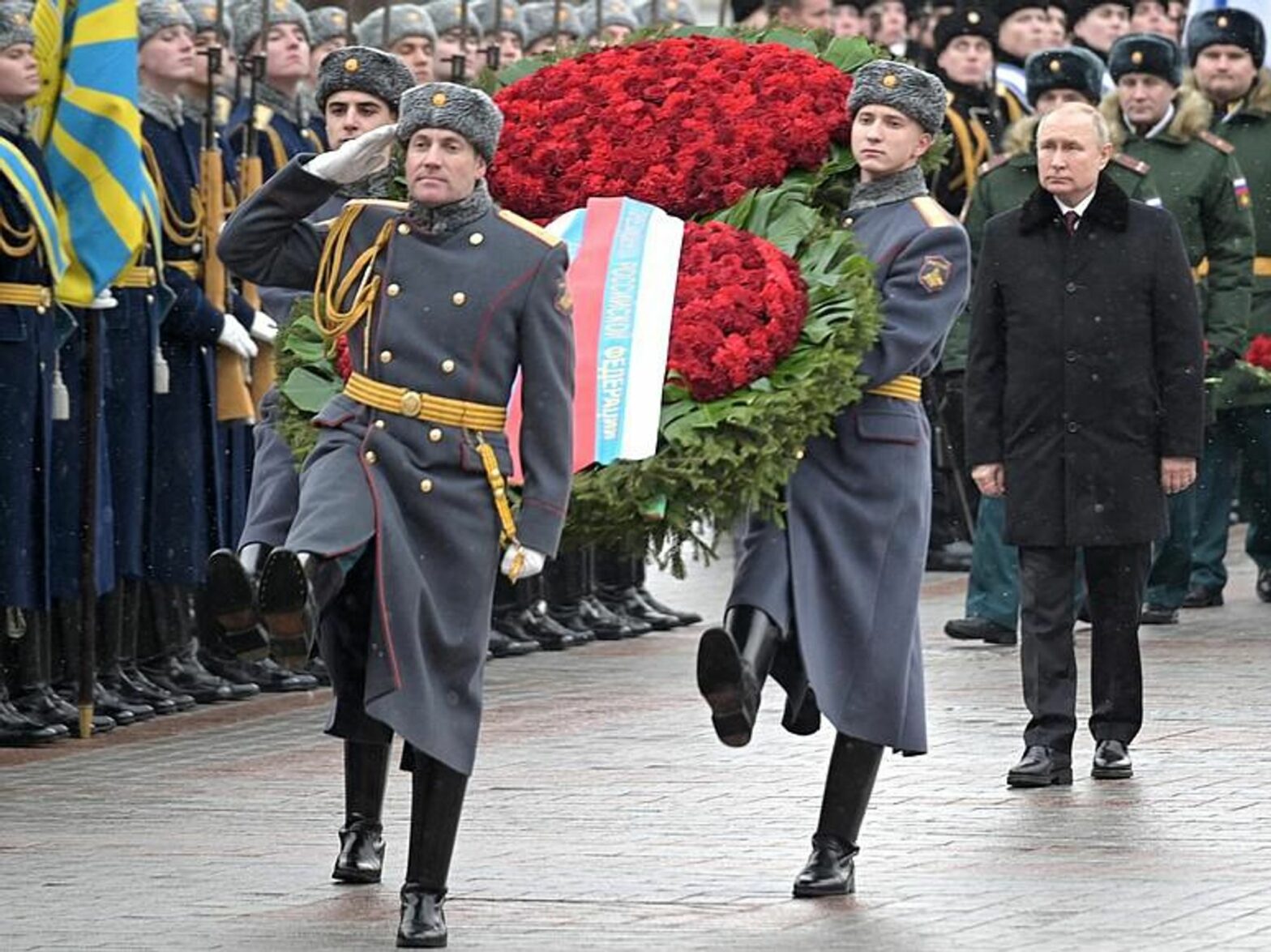
Vladimir Putin’s claims that NATO threatens Russia’s security, and that the only way Russia will back down is if NATO promises never to admit Ukraine, is a bait and switch. His long-term dream is to erase the idea of a Ukrainian nation on the road to his wider tsarist conquests.
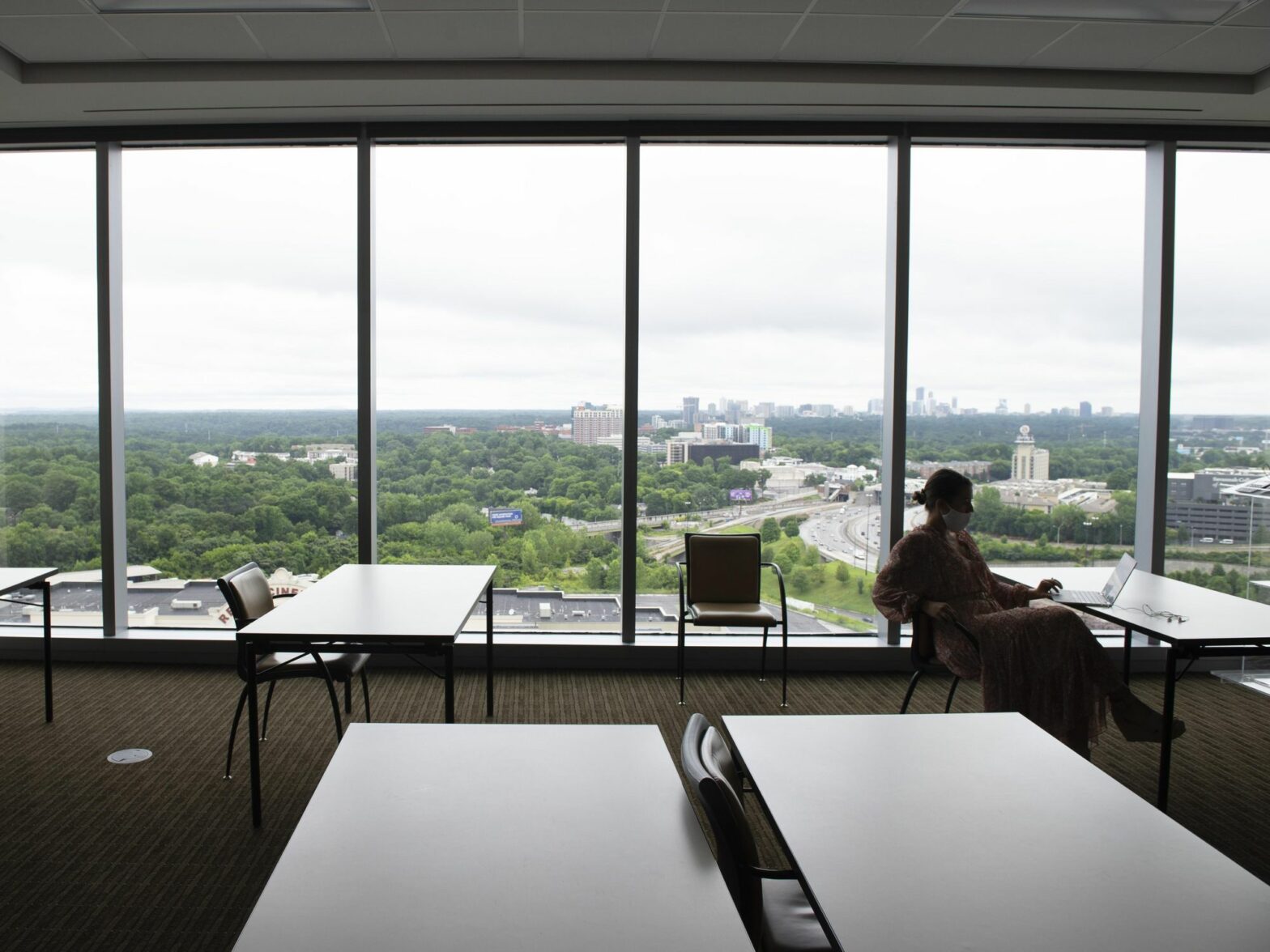
Most workers want to keep the flexibility they had during the pandemic. And they no longer have any qualms about changing jobs if this isn’t possible.
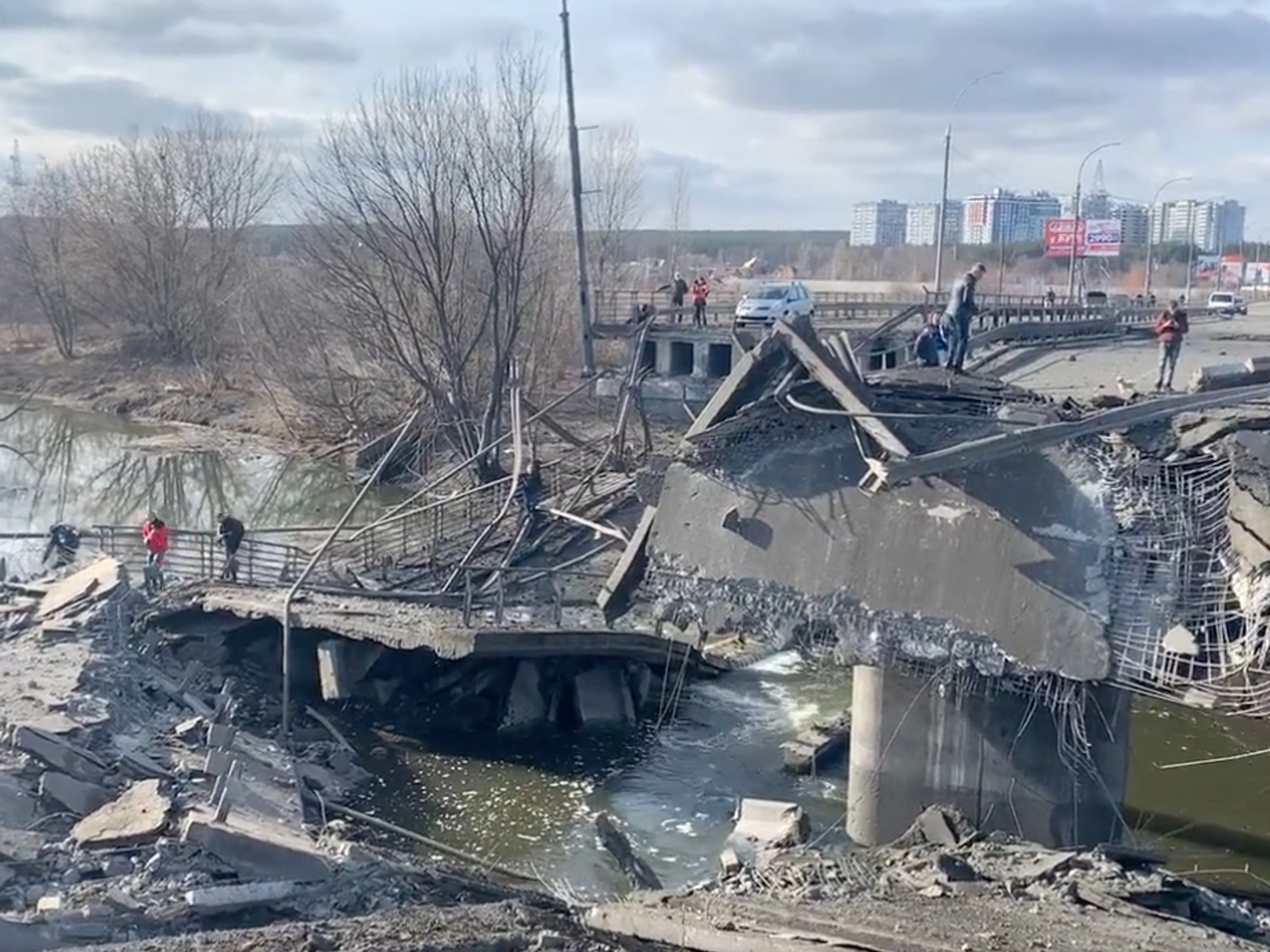
As fog of war spreads across Ukraine, we’ve tried to gather some testimony, videos and images from verified journalists covering the beginning of the Russian invasion.
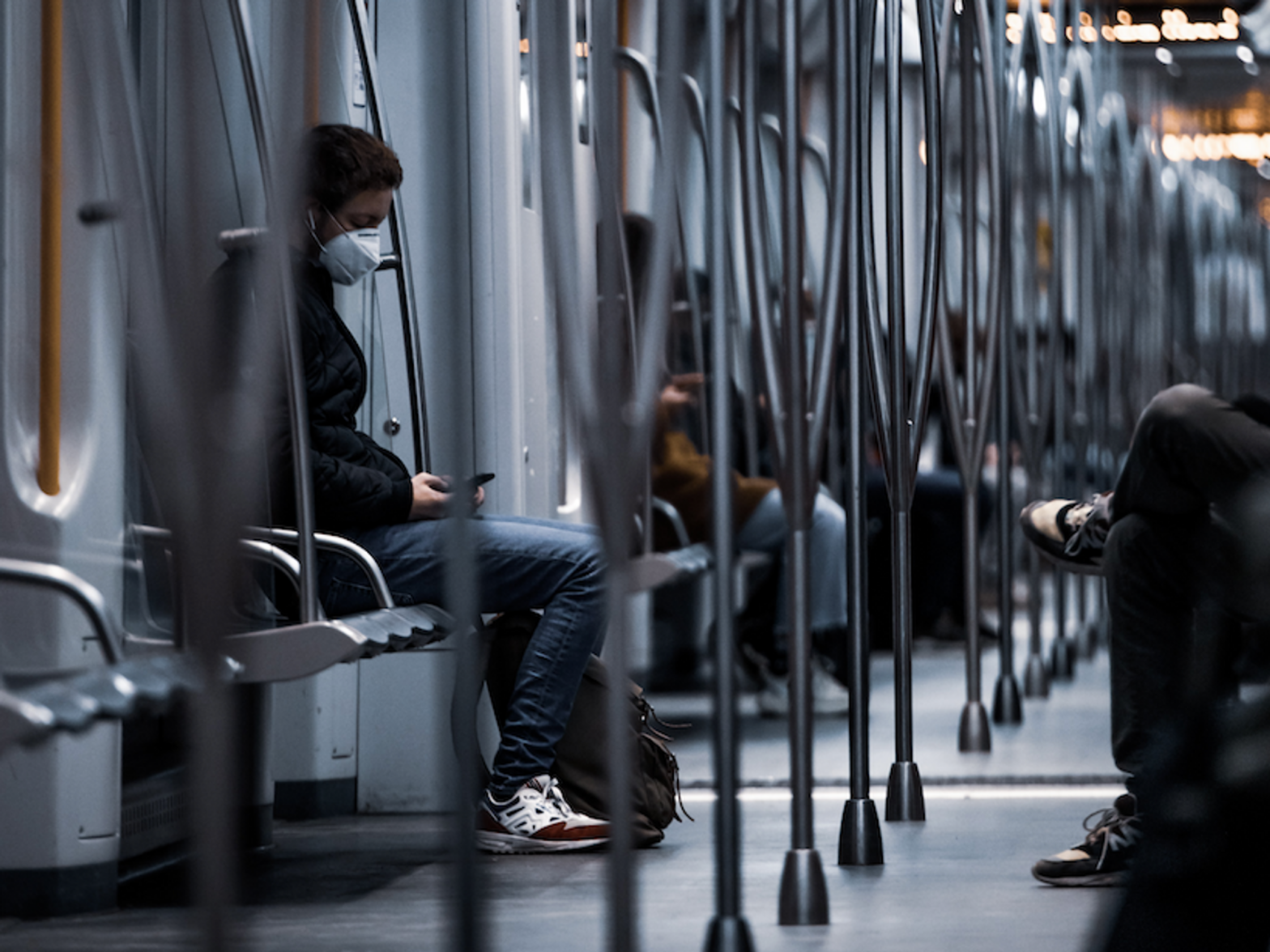
Early in the pandemic, Swedish authorities were roundly criticized for the lack of COVID-19 restrictions and for arguing for a different cost-benefit calculation in trying to eliminate the virus at all costs. Now, more and more countries are dropping all restrictions even as Omicron continues to spread. But is this really about herd immunity?
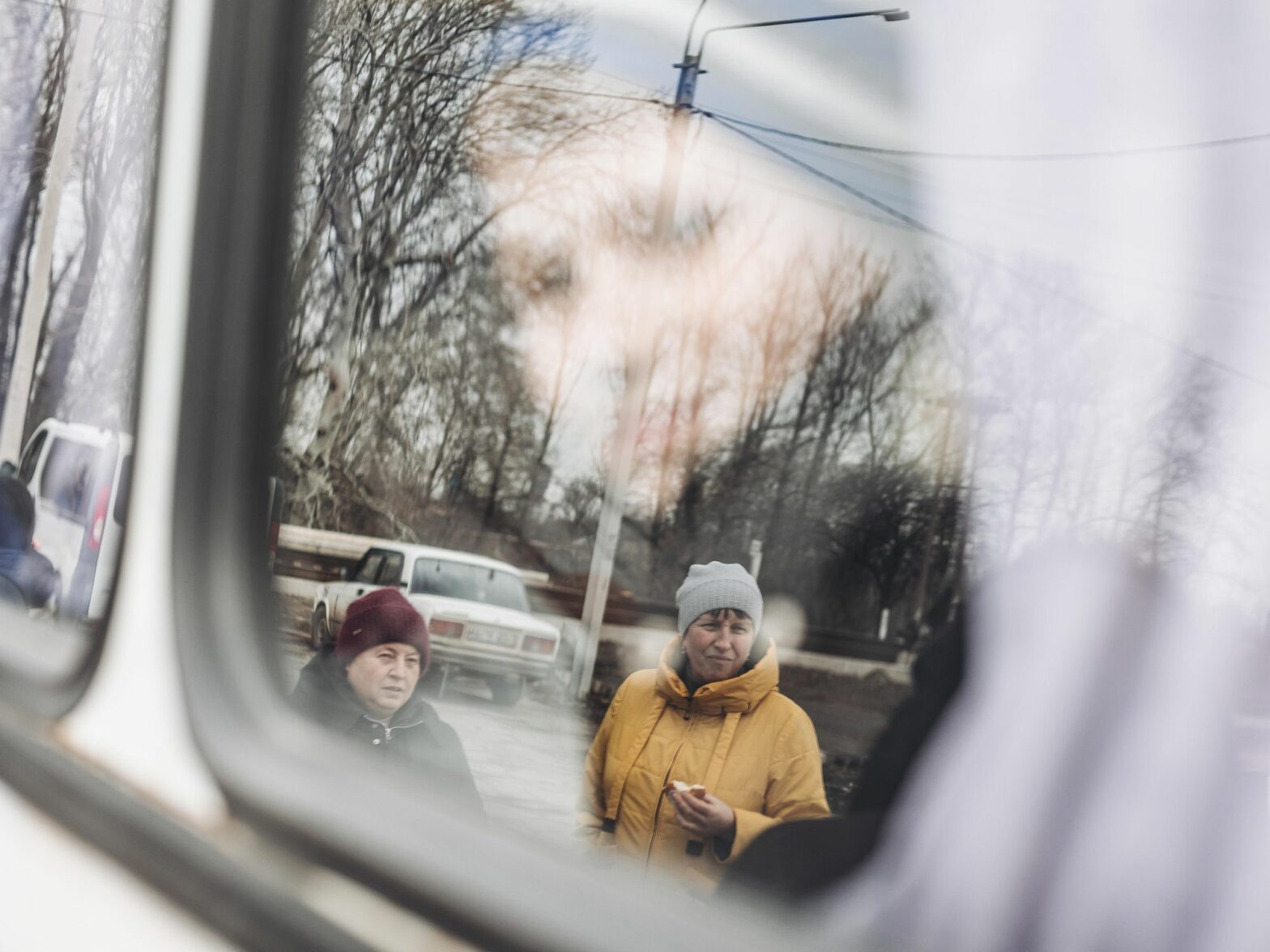
Faced with a massive invasion by its far more powerful neighbor, Ukrainians must be conscious of the stakes at play and the means that Vladimir Putin is prepared to employ.
“Can’t you see it’s a movie? It’s all fiction. Stop crying.”
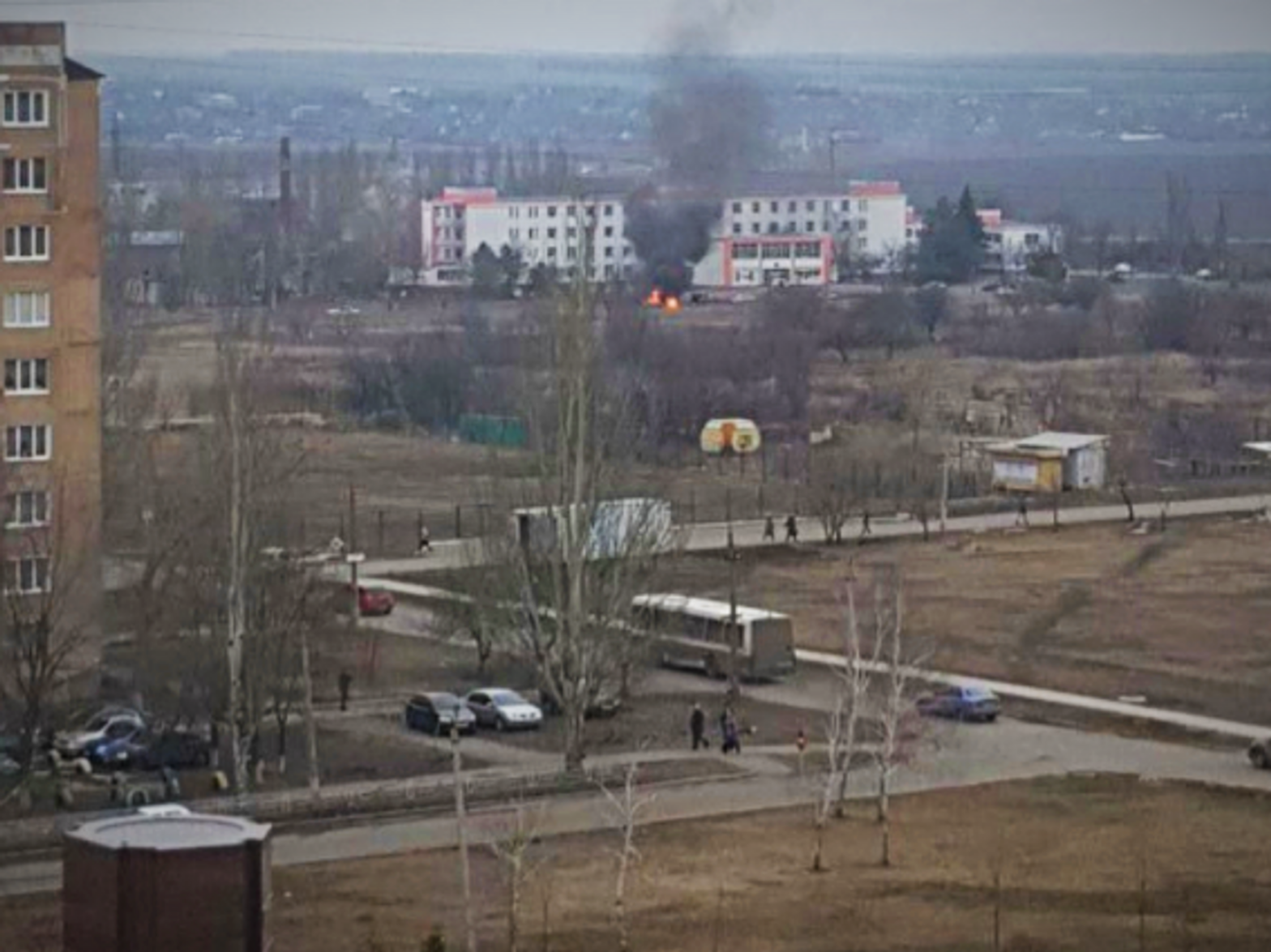
Exclusive: New details emerge of a would-be forced evacuation last week of pro-Russian civilians from the Donetsk and Luhansk territories that Vladimir Putin has used to justify Thursday’s invasion of Ukraine. Locals call the operation a “farce.”
The question of who gets to decide questions around a child’s health when vaccines are at play is complicated, and keeps popping up from Italy to Costa Rica to France and the U.S.
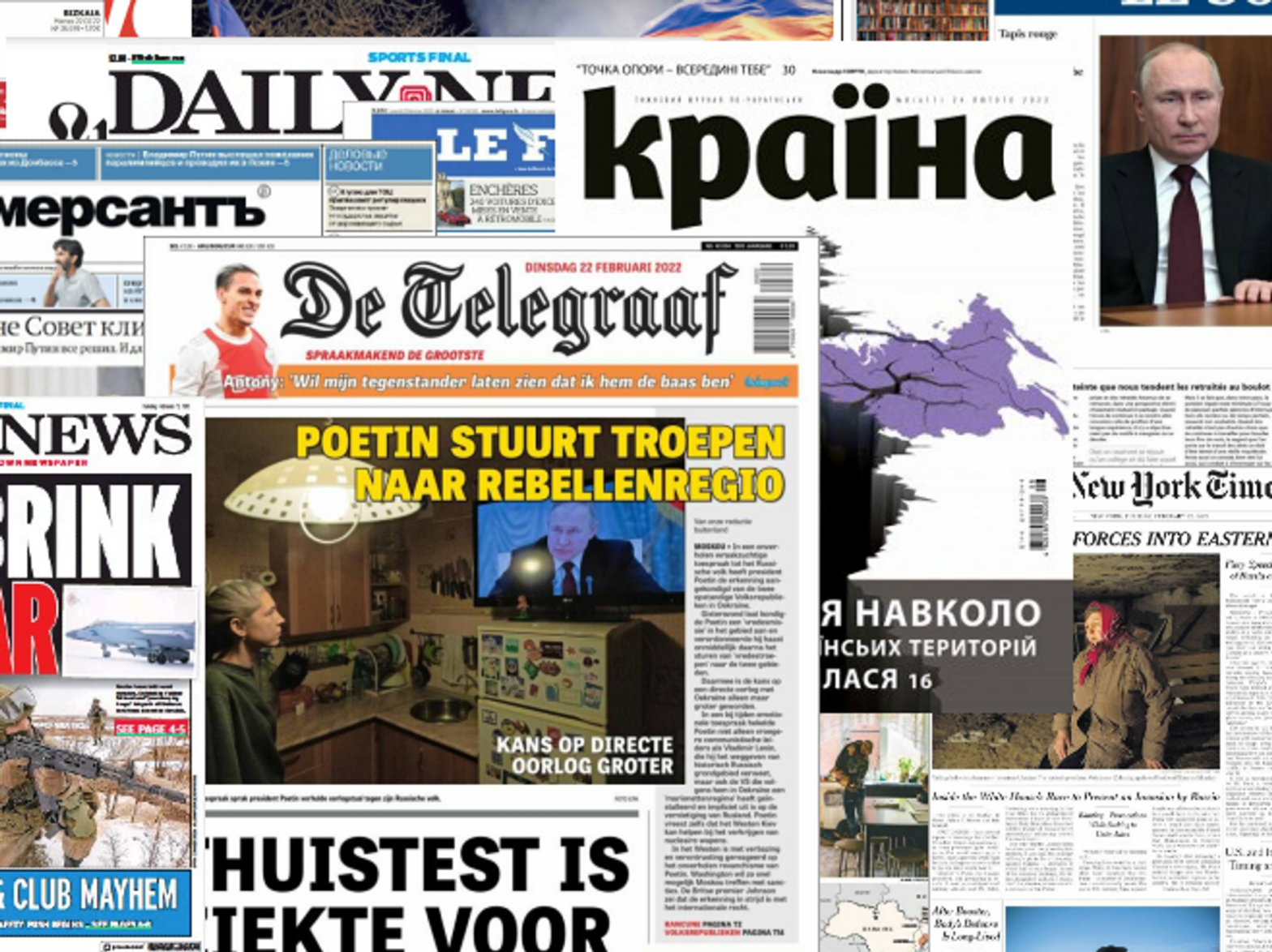
Russian President Vladimir Putin’s move to order troops into two rebel-held regions in eastern Ukraine, after recognizing them as independent states, is front-page news all around the world.
The situation in eastern Ukraine is highly explosive. What will happen after the recognition of the self-proclaimed “People’s Republics” of Donetsk and Luhansk as independent states? Will Putin hunker down or double down? Instant analysis from German foreign policy thinkers on what happens next.