
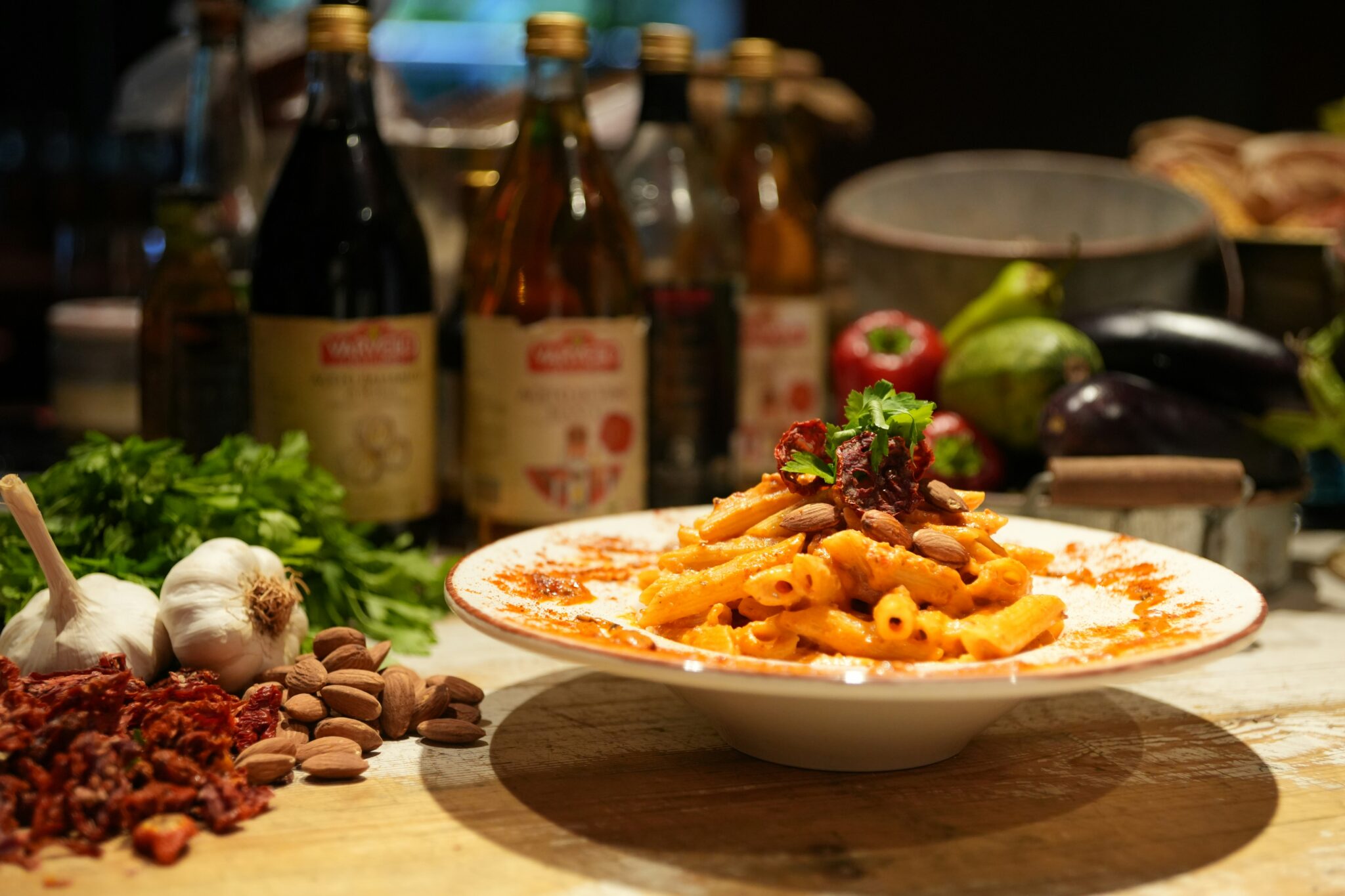
TURIN — Italian cuisine has been recognized as a UNESCO heritage. This is an extremely important development because it acknowledges the distinctive nature of Italy’s food system, which is rooted in diversity.
Italian cuisine is anything but homogeneous, and its strength lies precisely in the wide range of culinary traditions that have emerged within this relatively small stretch of land set in the heart of the Mediterranean. It is worth stressing, however, that Italian cuisine is not simply the sum of isolated regional cuisines. Rather, it is the result of continuous interaction over time, an ongoing exchange that has profoundly shaped our gastronomic identity.
At Slow Food, we have defended and promoted the value of this diversity for almost 40 years. Today, the Ark of Taste catalogue preserves 1,239 products that were at risk of disappearing due to standardization and intensive agriculture.
Faced with the threat of losing these products, a sense of pride emerged that led communities to mobilize in order to protect and enhance what represents them. The word community is essential to understand where the true value of UNESCO’s recognition lies. It is not so much about celebrating the quality or excellence of iconic dishes and recipes, which are the visible elements, the tip of the iceberg. Rather, it is about highlighting the underlying intangible culture made up of savoir-faire, conviviality, the transmission of knowledge between generations, and shared experiences.
Trade routes
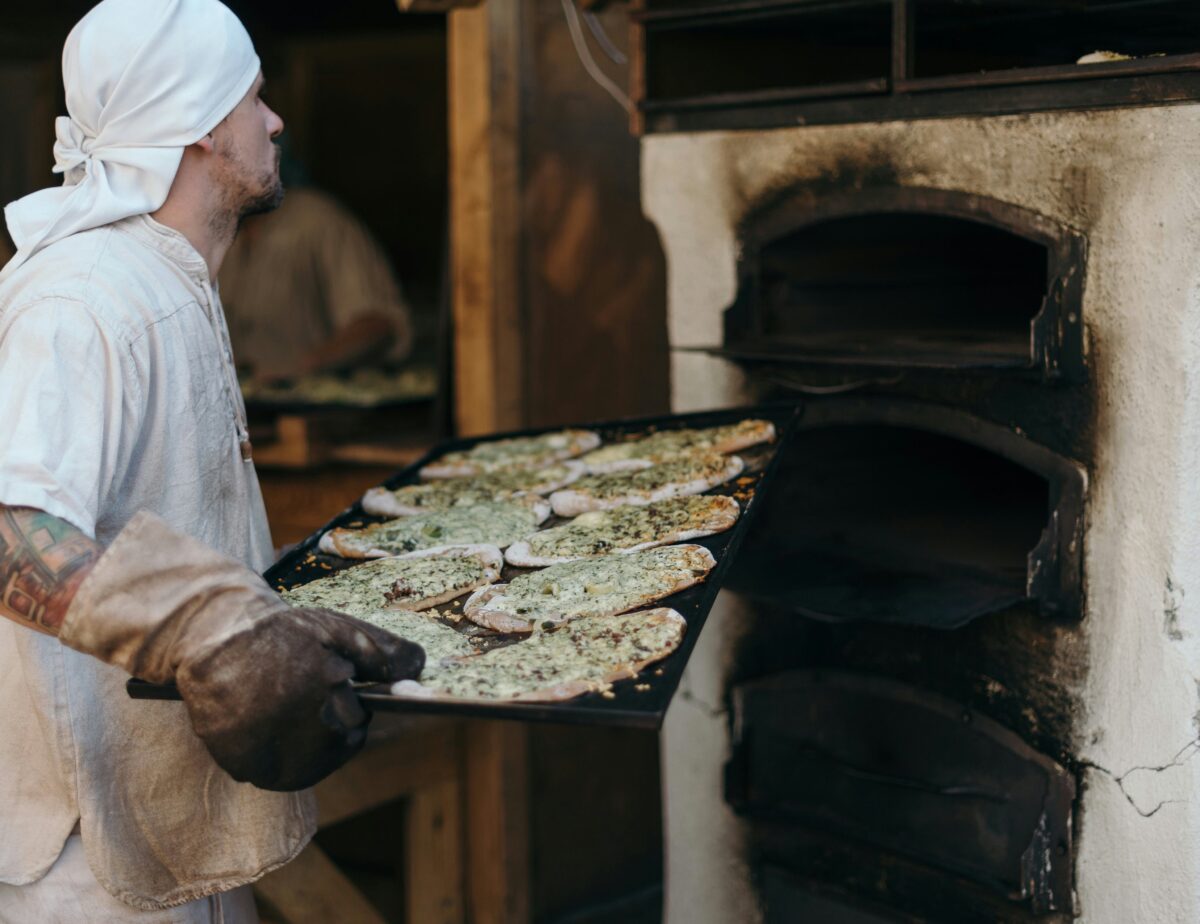
Exchange has enriched diversity, and it is impossible to deny that Italian cuisine is the product of mixing. Over the centuries, different civilizations have passed through this land, and from this land people set out to travel far, meeting other cultures before returning home with the fruits of those encounters. Every exchange brought something new, leaving its mark and shaping our mixed gastronomic identity.
Without an open gastronomic culture, we would not today be famous worldwide for pasta with tomato sauce, to name just one of the most emblematic dishes.
Peoples from across the Mediterranean, from the East and from Northern Europe passed through here, and through trade routes ingredients arrived from Asia and the Americas. Wheat reached Italy from the Fertile Crescent, tomatoes through Columbian exchanges with the New World. Without an open gastronomic culture, we would not today be famous worldwide for pasta with tomato sauce, to name just one of the most emblematic dishes. Ours is a mixed country, and its cuisine tells that story better than anything else.
There is another form of mixing that should not be forgotten, generated by the migration flows of our grandparents. Italian communities abroad blended different regional traditions, creating new forms of cuisine that played a significant role in making Italian food so widely known and appreciated around the world. Let’s take a break and read the report of the United States Congressional Immigration Inspectorate from October 1912 on Italian emigrants, which stated:
They are generally short and dark skinned. They dislike water, and many of them smell because they wear the same clothes for weeks. They are said to be prone to theft and to become violent when obstructed. Our authorities have opened the borders too widely…
These harsh words, used just over a century ago to describe our compatriots who left Italy in search of a better quality of life, are today sometimes echoed, in a discriminatory and inappropriate way, when referring to migrants arriving in our country. Cuisine is by its nature a language, and like all languages it thrives on influence, exchange, and contamination. Every migrant who integrates into a host society brings an element of diversity that enriches rather than weakens it. The extraordinary strength of Italian cuisine lies precisely in its ability to turn these encounters into something fertile, generating forms of mixing that have become deeply rooted in local identities.
Migrants’ role
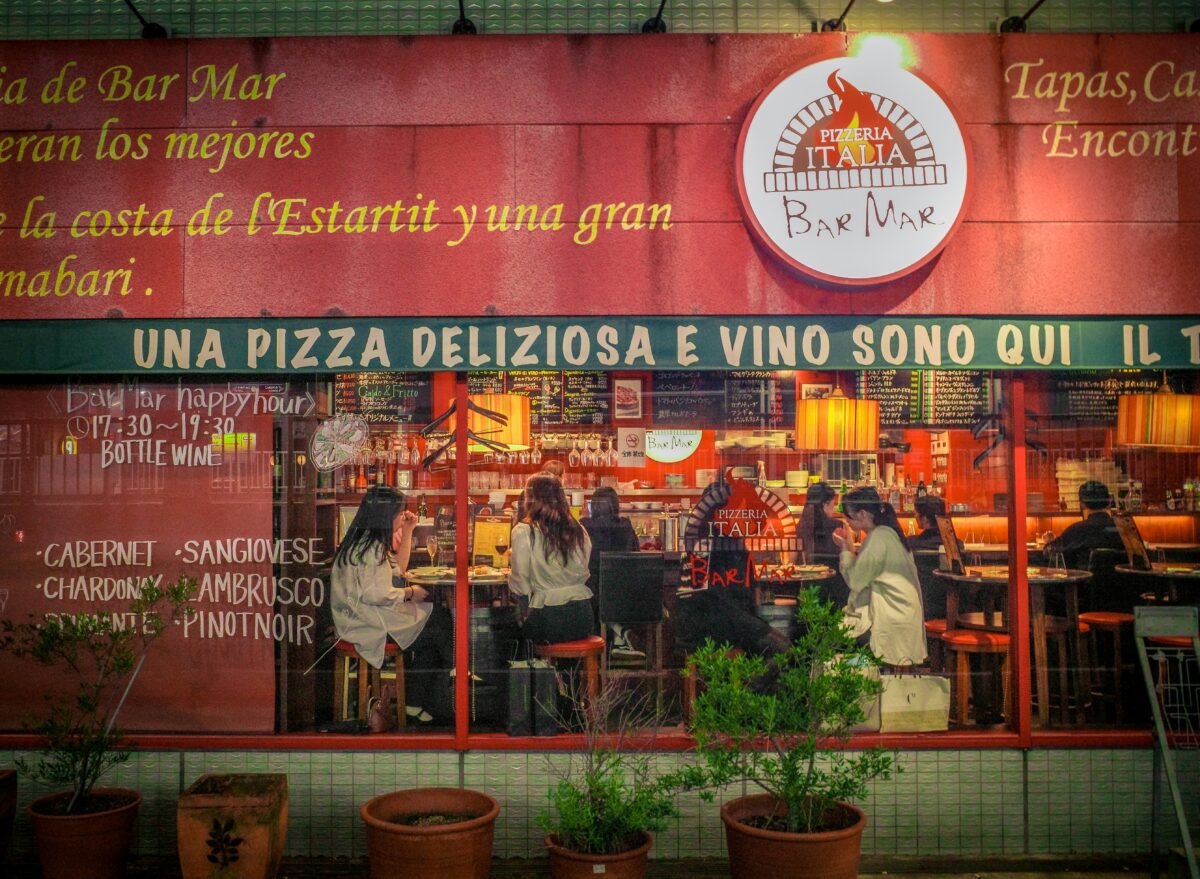
At the moment when Italian cuisine is recognized as UNESCO heritage, it is therefore important to remember the fundamental historical role played by migrants. It is thanks to them that Italian cuisine has been able to travel, transform, and take root elsewhere, becoming a shared heritage. Transposed to the present, this same role can be played by people who have arrived in Italy from other countries.
Some crops will be lost.
Finally, when we look to the future, we must also be aware of the new challenges ahead. Climate change is altering, and will continue to alter, agricultural production. Some crops will be lost, while new ones will emerge. Products and cuisines will therefore change as well. This is a chapter of history that has yet to be written.
If we can remain open to the diversity of the world, whether human, biological, or cultural, and if we draw on the emotional and collective intelligence that has allowed our cuisine to evolve over the centuries, then Italian cuisine will be able to continue to embody the value of intangible cultural heritage that has now been formally recognized.