
-Analysis-
PARIS — An anonymous passerby filmed the moment when part of a mountain collapsed onto hundreds of people below. The images are horrific: a cloud of dust, panic, chaos, and then, when it clears, a scene of devastation and a heavy toll — at least 70 dead.
The collapse happened last Saturday in a copper and cobalt mine in the southeast of the Democratic Republic of Congo. Under normal circumstances, an accident like this barely makes a dent in global news. So why talk about it? Because everything about this story is outrageous, and the outrage should concern us too, as passive consumers.
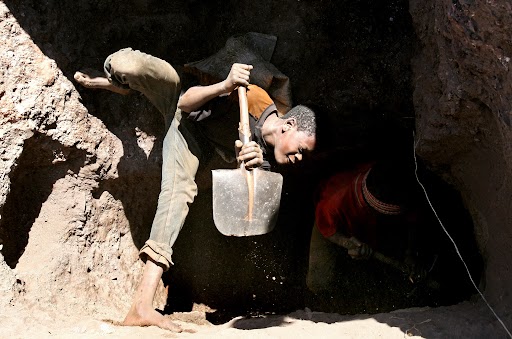
To extract the minerals in the Congolese subsoil — which are essential for smartphones, other digital technology, and the transition to greener energy, including solar panels — large mining groups operate in the region, both Chinese and Western. But there are also hundreds of thousands of individual miners trying their luck in abandoned or unprofitable shafts. It was among these “off-system” miners that the Kalando disaster happened.
There are no laws in these illegal mines. There is no safety, no working standards, and child labor is common. The accident apparently occurred on a makeshift bridge built over a flooded area, and panic was reportedly caused by army gunfire.
Convenient ignorance
But these mines are not as uncontrolled as they might seem. The output of these independent miners is bought by middlemen and most often ends up in China, in refining plants. In the end, it goes into devices that are mostly manufactured in China but sold around the world.
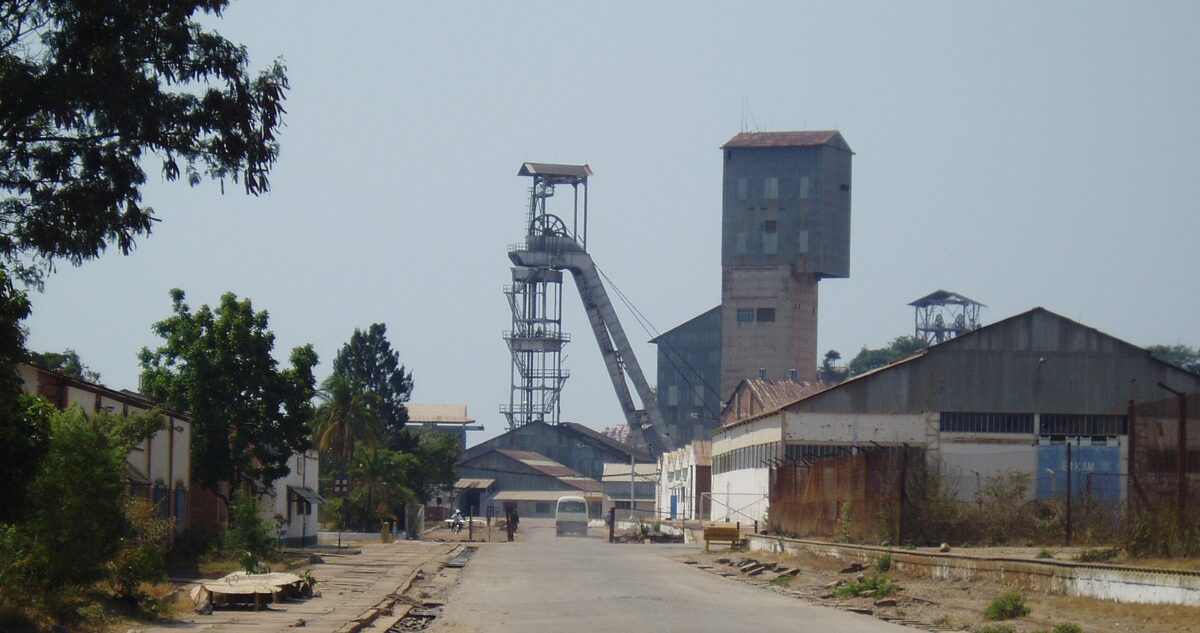

Everyone turns a blind eye: the Congolese government, which has never taken the necessary steps — regardless of the regime — to make mining humane and secure; the mining operations, whatever their country of origin, who don’t want to be left out of the profits; and the companies that manufacture the final products, which insist that they monitor the sources of their minerals.
For decades, Congo’s subsoil has been both a blessing and a curse.
Some context: the mine where the accident happened lies 40 kilometers from Kolwezi, in what was once Katanga province during the Belgian colonial era. Control of the region’s mineral wealth was a key reason Patrice Lumumba was assassinated just months after Congo’s independence in 1960. The CIA feared the Soviet Union would gain control of Katanga’s deposits.
In 1978, the French Foreign Legion parachuted into Kolwezi to save Mobutu’s regime from rebel forces. And today, armed militias continue to fight over mineral resources in the border areas between the DRC and Rwanda. For decades, Congo’s subsoil has been both a blessing and a curse.
In the 1990s, when it became clear that diamond production was funding wars in Africa, they were labeled “blood diamonds,” and a certification process was introduced to stop their sale. Will we have to talk about “blood smartphones” one day to stop people dying in the mines of the DRC?