
-Analysis-
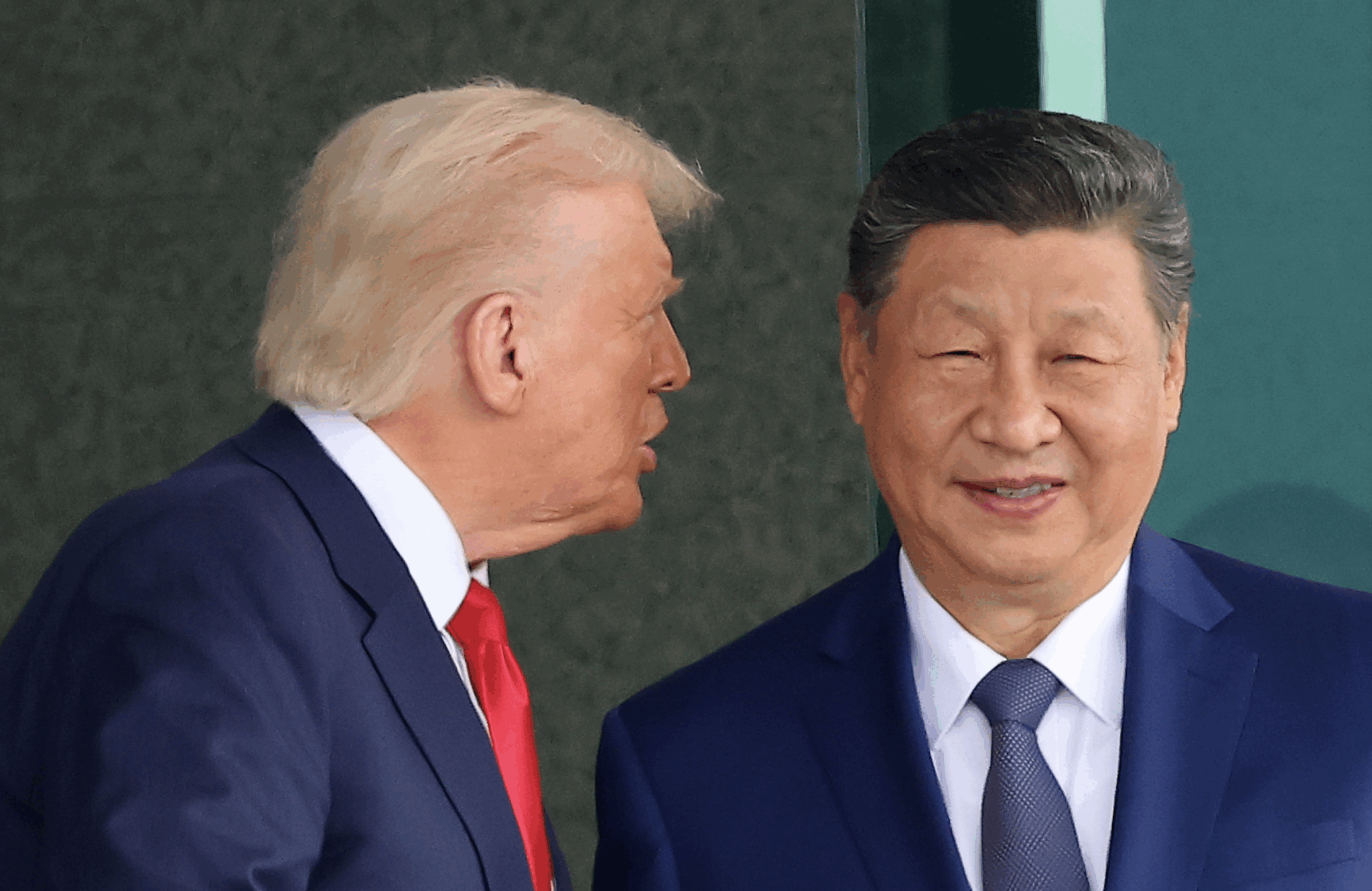
PARIS — Donald Trump talks a lot. Too much. His “Twitter diplomacy” often has an impact, especially on his paralyzed allies. But this time, his outrage and threats have met their match in China.
Just three weeks ago, the U.S. president threatened to cancel today’s summit with Chinese leader Xi Jinping, their first meeting since 2019, and to impose 100% tariffs on Chinese goods. Trump was forced to retreat when Beijing played its strongest card: control over rare earths.
In a time when international relations are driven by pure power, Trump has found himself caught in his own trap. By restricting exports of rare earths, the strategic minerals essential to digital technologies and the defense industry, China has shown the United States that it does not hold all the cards.
What changed in Beijing
The crisis has also spilled into the semiconductor industry. European automakers now face the risk of production shutdowns from one week to the next due to Chinese pressure on Nexperia, a small Dutch producer caught in the crossfire of the Sino-American trade war.
The problem with being a superpower is that you assume everyone else is a dwarf. Trump has failed to grasp, and no one in his circle seems to have grasped it either, that China has changed significantly since his first term when he began imposing technology sector sanctions.
Beijing has been preparing for American pressure for years. Just last week, the Plenum of the Central Committee of the Chinese Communist Party, a key moment in Chinese political life, adopted the next five-year plan, entirely focused on technological self-sufficiency.
At a time when global power balances are being defined for years to come, Trump has made a serious miscalculation. In South Korea, during his meeting with Xi Jinping, the U.S. President managed only to secure a truce in the trade war, one that may soothe markets but does little to shape the long-term rivalry between the world’s two great powers.
The Taiwan question
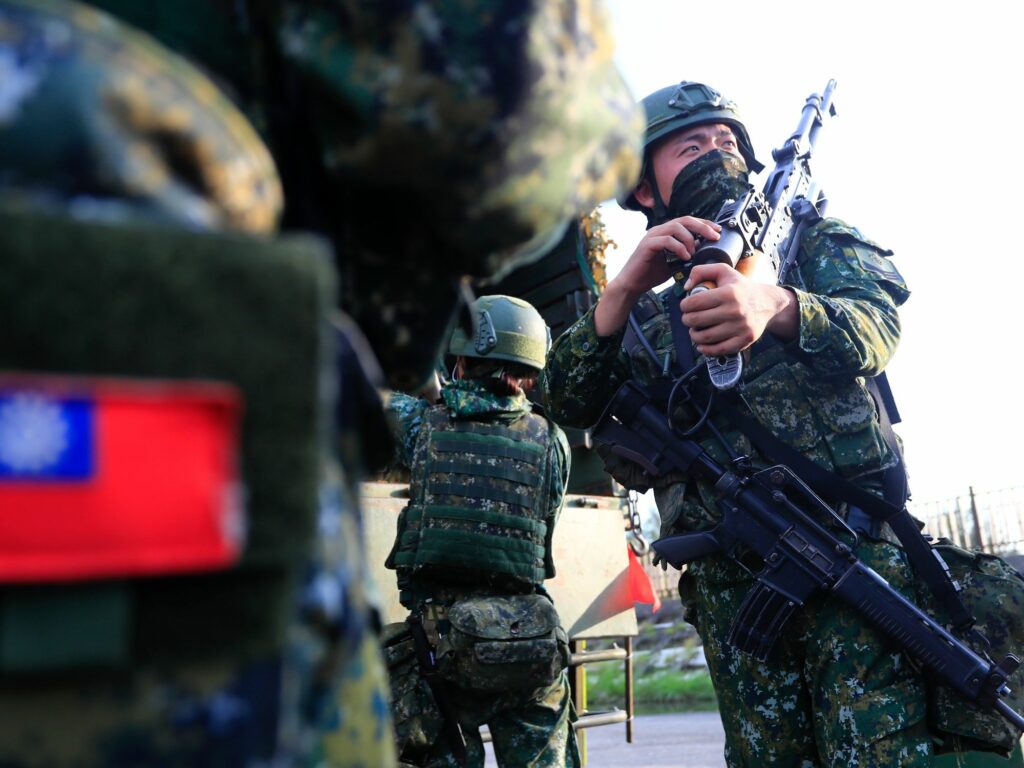
Looming over this relationship is an unspoken issue: the fate of Taiwan. For the autocrat Xi, reintegrating the island, independent in all but name, is a major historical mission tied to his own legacy in Chinese history.
How important does Trump think Taiwan is?
But what about Trump? How important does he think Taiwan is? His predecessor, Joe Biden, publicly pledged to intervene in the event of a Chinese attack. Trump is not sentimental, and the island’s democracy is not enough to sway him, though its semiconductor output might be.
Taipei’s great fear is that Trump could be tempted by a sweeping Sino-American “deal” in which Taiwan would become little more than a bargaining chip, a move that would be disastrous for American influence in Asia. But given Trump’s missteps with Beijing since January, nothing can be ruled out.
The Korea Summit marks only one stage in the long march of Sino-American relations, and for now, the advantage lies with Beijing.