
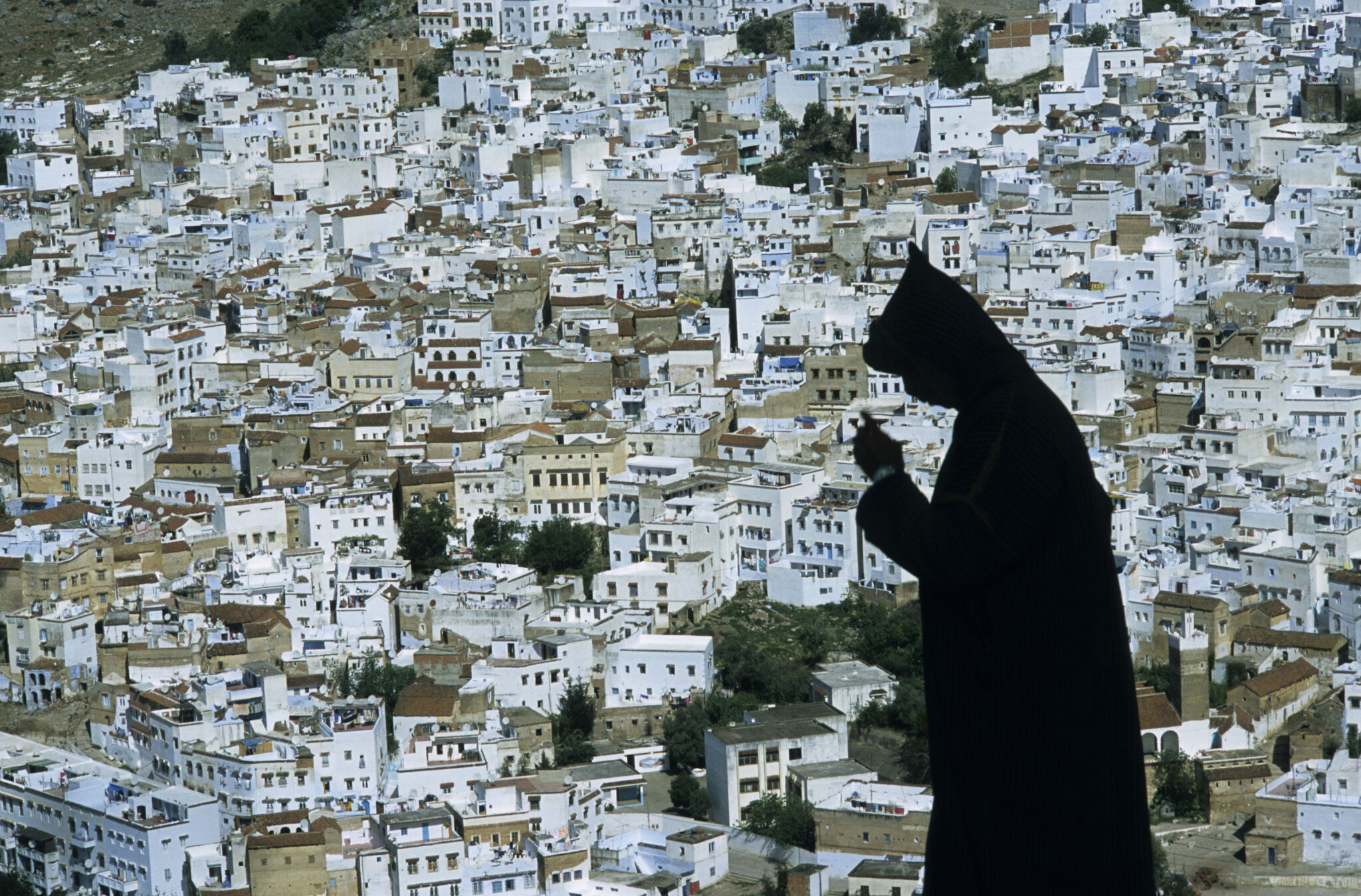
RABAT — In Moroccan villages like Onin in the Atlas Mountains, elders still read the clouds like omens. But lately, the skies have changed. Rain has grown erratic, delayed in winter before suddenly arriving months later as violent floods.
In September 2024, after weeks of heat, torrential rain swept through the Atlas. Drivers abandoned cars near Marrakech as landslides cut through roads. In whispers, locals blamed not just the weather or higher powers — but alleged government manipulation of clouds.
“People say they’re playing with the rain,” said a taxi driver. His passengers — villagers packed in the back seat — murmured prayers. Conspiracy theories about cloud seeding and artificially inducing rain have begun to take hold, spreading through WhatsApp, YouTube and village cafés.
For many Moroccans, rain is sacred — tied to Islamic rituals and Amazigh traditions. Yet behind the spiritual understanding lies a growing mistrust of the state. Officials in Rabat are viewed as distant figures whose decisions feel as vague as the clouds themselves.
Morocco has endured six years of severe drought. Rainfall dropped by nearly 70%. Major dams dried up and in some areas water had to be delivered by trucks. In cities, taps ran dry by night. In rural regions, women walked for hours to collect brackish water.
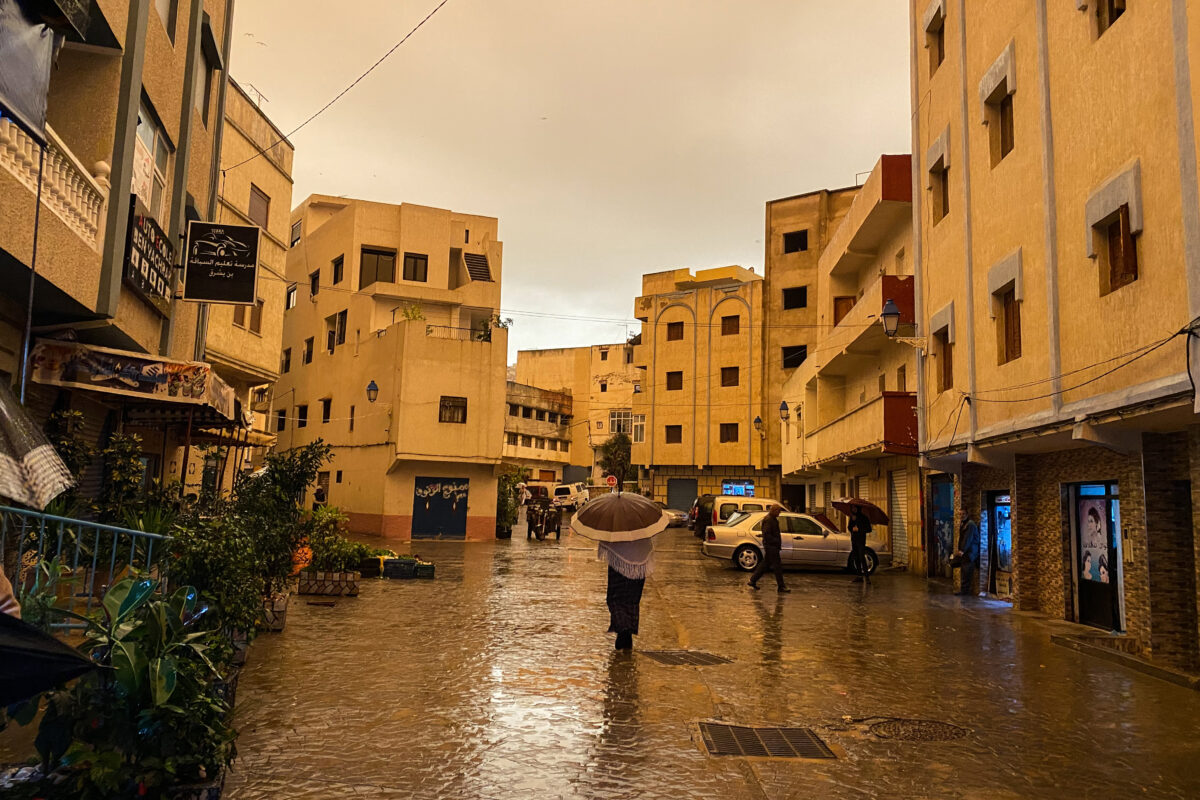
Then came the floods. In towns like Zagora and Tata, dry riverbeds turned into torrents. Roads crumbled, homes collapsed and more than ten people died in a bus incident caused by the rains. Locals — accustomed to drought not deluge — were left shocked and devastated.
In the aftermath, questions emerged. Was this extreme weather natural — or man-made?
American cloud seeding
The fact is that Morocco has indeed practiced cloud seeding since the 1980s, partnering with the U.S. on “Al-Ghaith” — a program designed to boost water resources. The method uses silver iodide to stimulate rainfall. But scientists stress that cloud seeding does not create clouds, it merely encourages existing ones to release moisture.
The real problem isn’t technology — but communication.
Despite officials’ repeated denials of manipulation, suspicions remain. As floods hit southern Morocco in 2024 and 2025, the government confirmed no cloud seeding had occurred in those regions. Still, conspiracy theories linking artificial rain to disaster spread — especially in neighboring Algeria where tensions with Morocco persist.
Experts argue the real problem isn’t technology — but communication. Farmers are left without guidance. Rainfall is too intense, too late or too irregular to support crops. Traditional wheat for example requires water at specific growth stages — missing them leads to crop failure no matter how heavy the rain.
Dams and drought
“The issue isn’t just drought or floods — it’s unpredictability” said a researcher at the International Water Research Institute in Morocco. Climate change is accelerating this volatility: snow melts faster, floods fill dams briefly and then the cycle resets with renewed drought.
Meanwhile, Morocco’s agricultural policies have favored export-oriented crops like tomatoes and berries — leaving subsistence farmers behind. Water-intensive farms receive subsidies while mountain communities watch their wells run dry. Critics argue that only a shift to agroecology — centered on traditional, sustainable practices — can restore balance.
Morocco’s future may depend on an uneasy alliance: satellite-guided forecasts from Rabat and cloud-reading farmers rooted in ancestral knowledge.
In a land where clouds are both prophecy and crucial data points, Morocco’s future may depend on an uneasy alliance: satellite-guided forecasts from Rabat and cloud-reading farmers rooted in ancestral knowledge. Between science and superstition lies a fragile hope: not to control the skies, but to live with them.