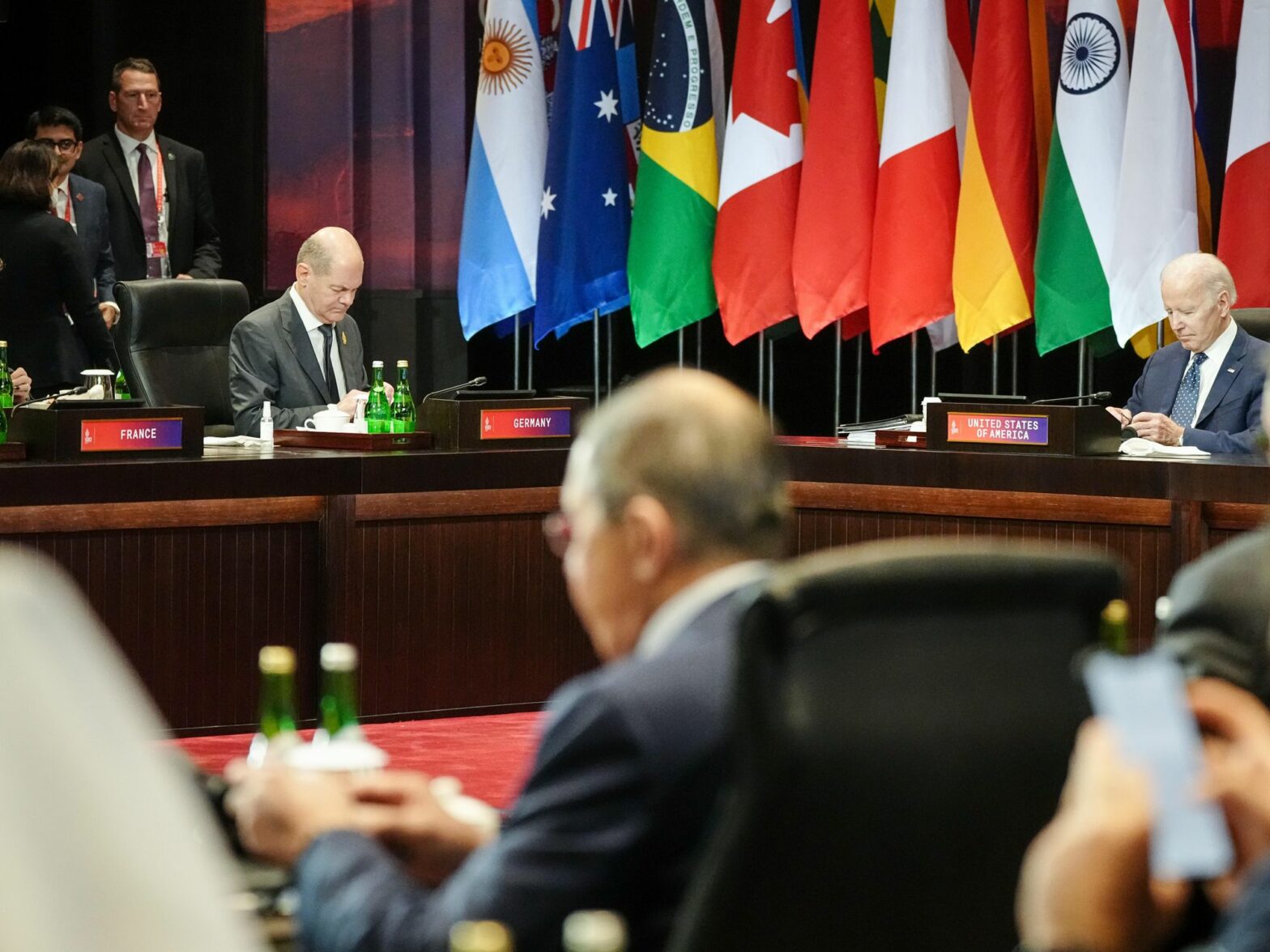
French President Macron used his bilateral meeting with Xi Jinping to try to convince China to take a tougher line with Moscow.
 Worldcrunch
French President Macron used his bilateral meeting with Xi Jinping to try to convince China to take a tougher line with Moscow.
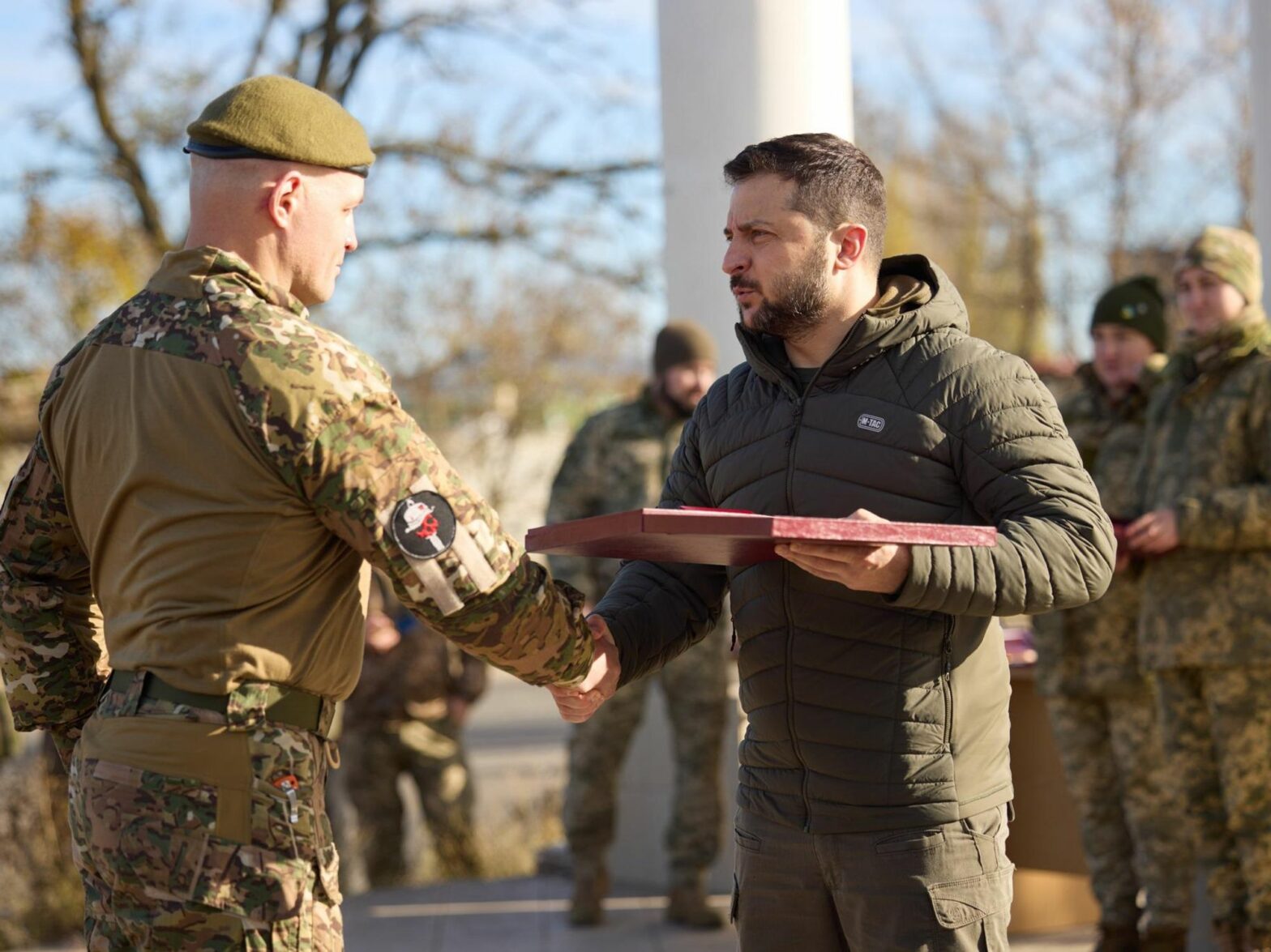
Kyiv has no intentions of letting Russian troops regroup with any “operational pause.” Events will begin to move quickly in Donbas, and may be heading for Crimea sooner rather than later.
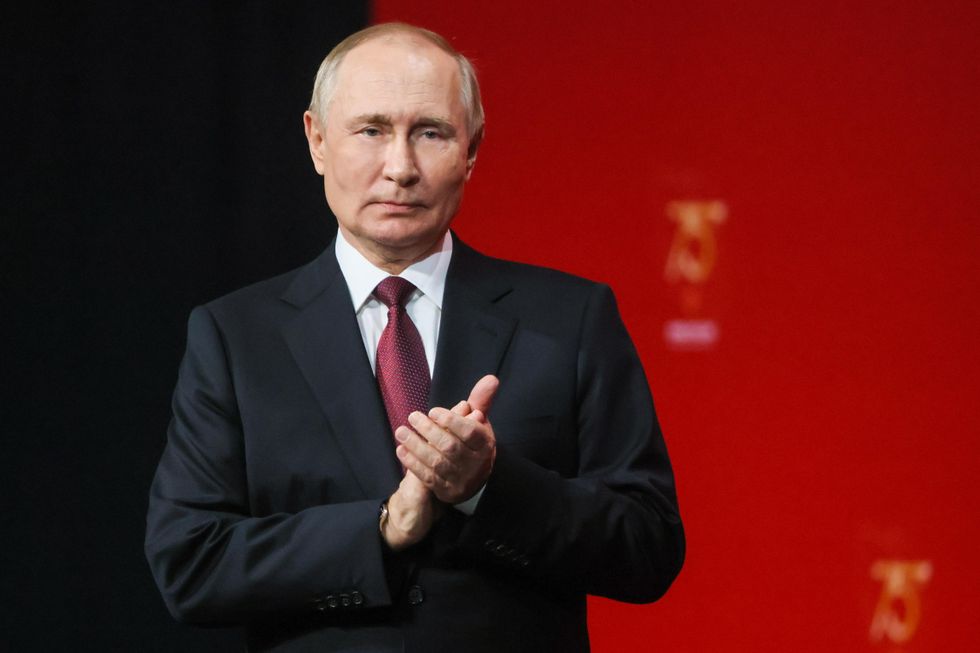
The Russian president has resorted to a string of changing lies to justify his war on Ukraine. He has shown contempt along the way for the Christian values he claims to defend. But like arms and ammunition, a regime can also run out of lies.
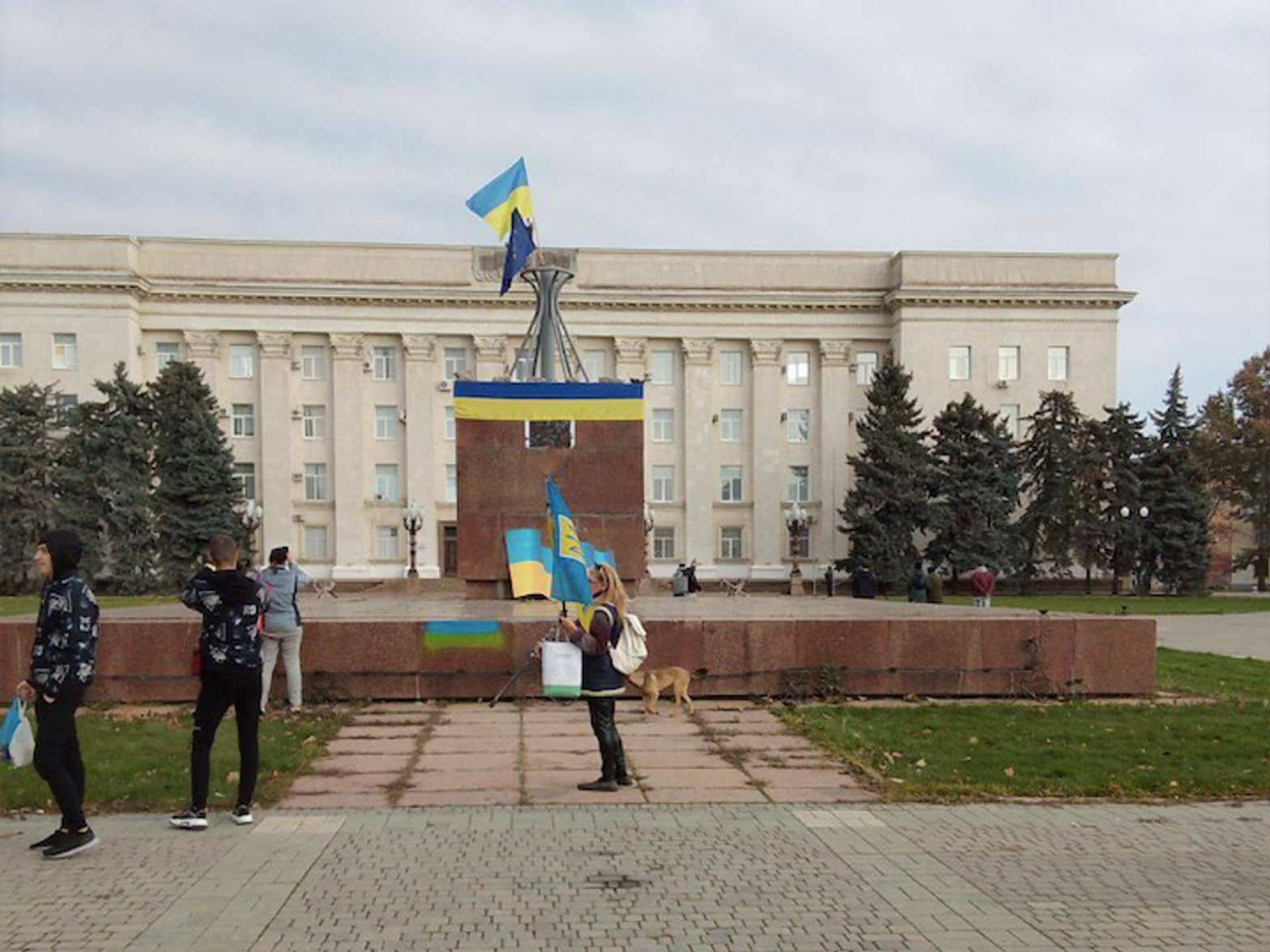
This is among the most important signs of how the war has turned against Russia in the past three months.
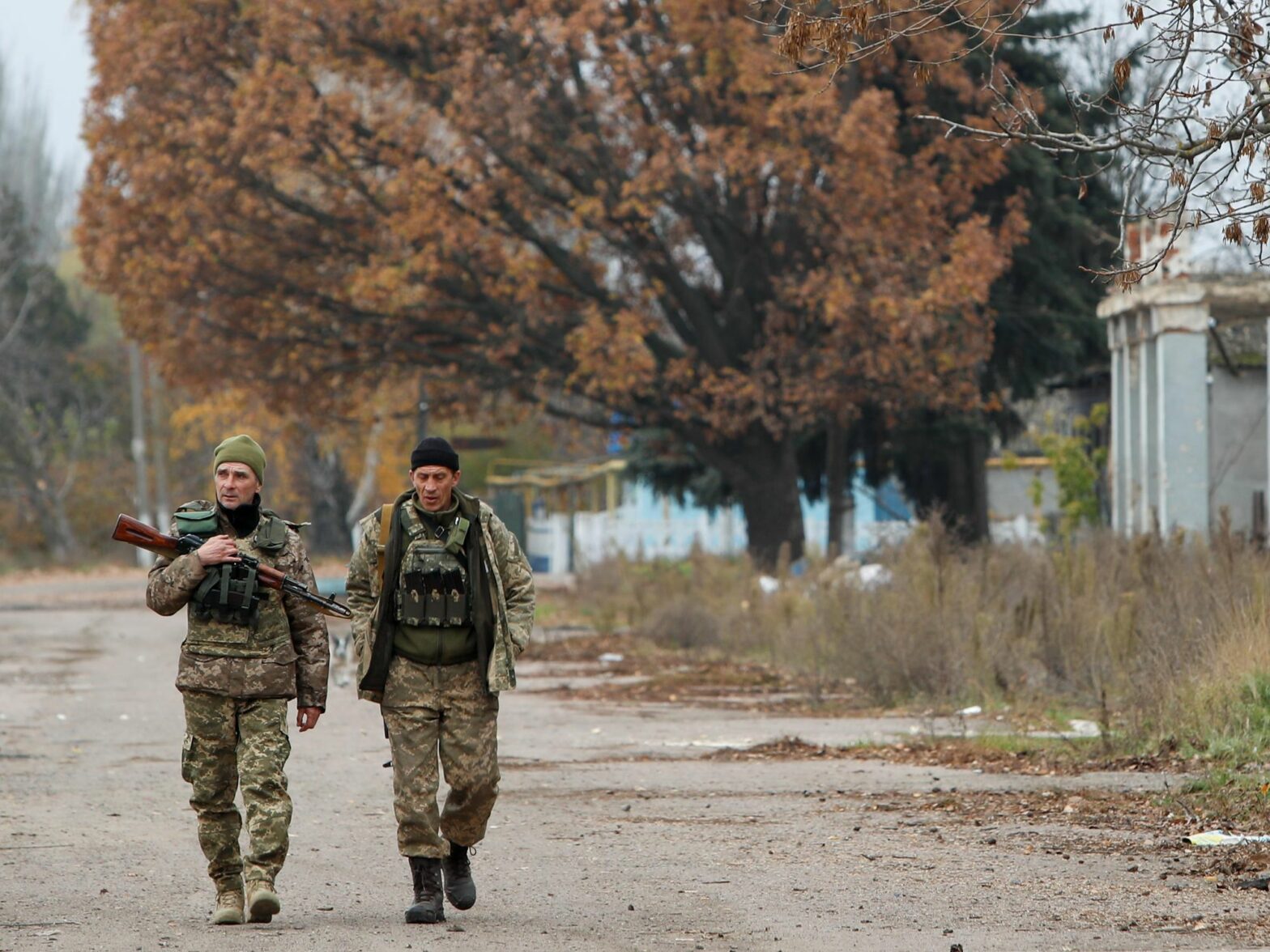
After several weeks of mixed messages, the announcement of Russia’s withdrawal from the strategic city of Kherson caught many off guard. It is in many respects a momentous turn, with Ukraine poised to retake a city captured by Russian forces in the very first days after the Feb. 24 invasion. [shortcode-Subscribe-to-Ukraine-daily-box] The pullout is not […]
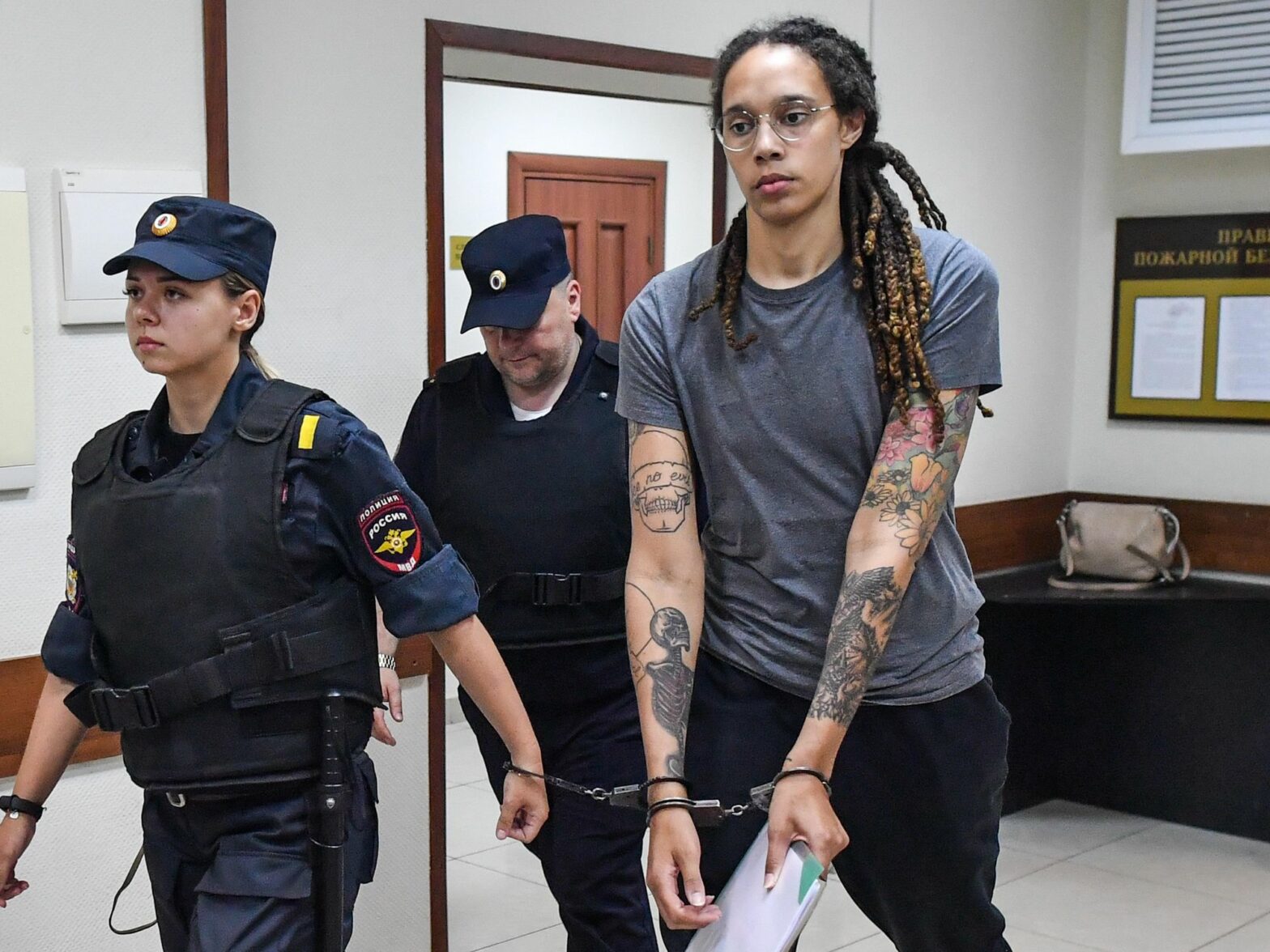
Representatives for U.S. basketball star Brittney Griner, detained in Russia since February, have confirmed they do not know her current whereabouts. This comes after her attorneys said the courts had ordered her transferred to a Russian penal colony on Wednesday. [shortcode-Subscribe-to-Ukraine-daily-box] “Our primary concern continues to be Brittney Griner’s health and well-being,” the WNBA player’s […]
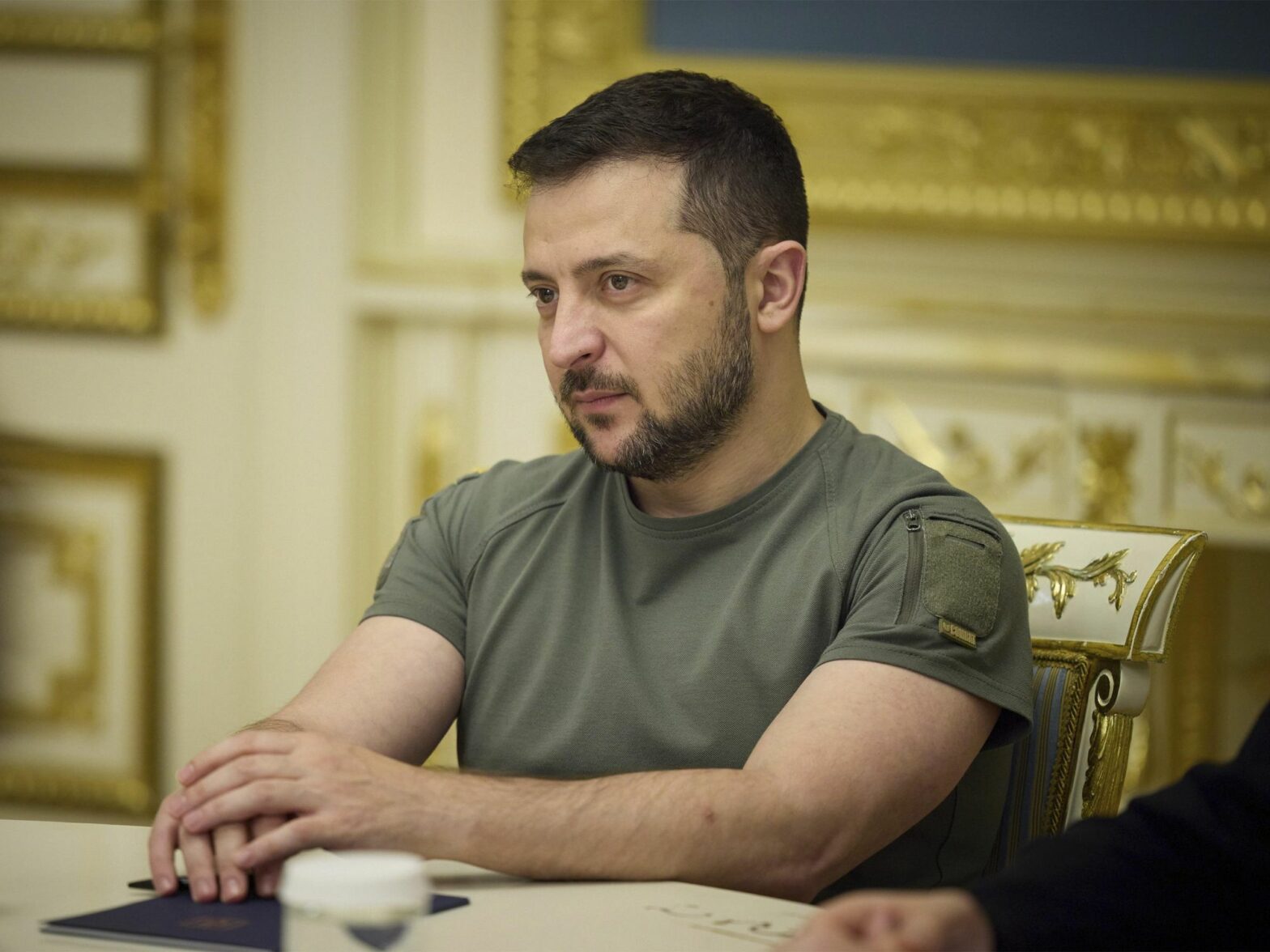
A senior Ukrainian official said that Kyiv was not being pressured to negotiate with Russia, but would do so under certain strict conditions: restoring Ukraine’s borders, compensation for Russian attacks and punishing those responsible for war crimes. [shortcode-Subscribe-to-Ukraine-daily-box] Mykhaylo Podolyak, a Ukrainian official advisor to the head of the Office of the President, speaking to […]
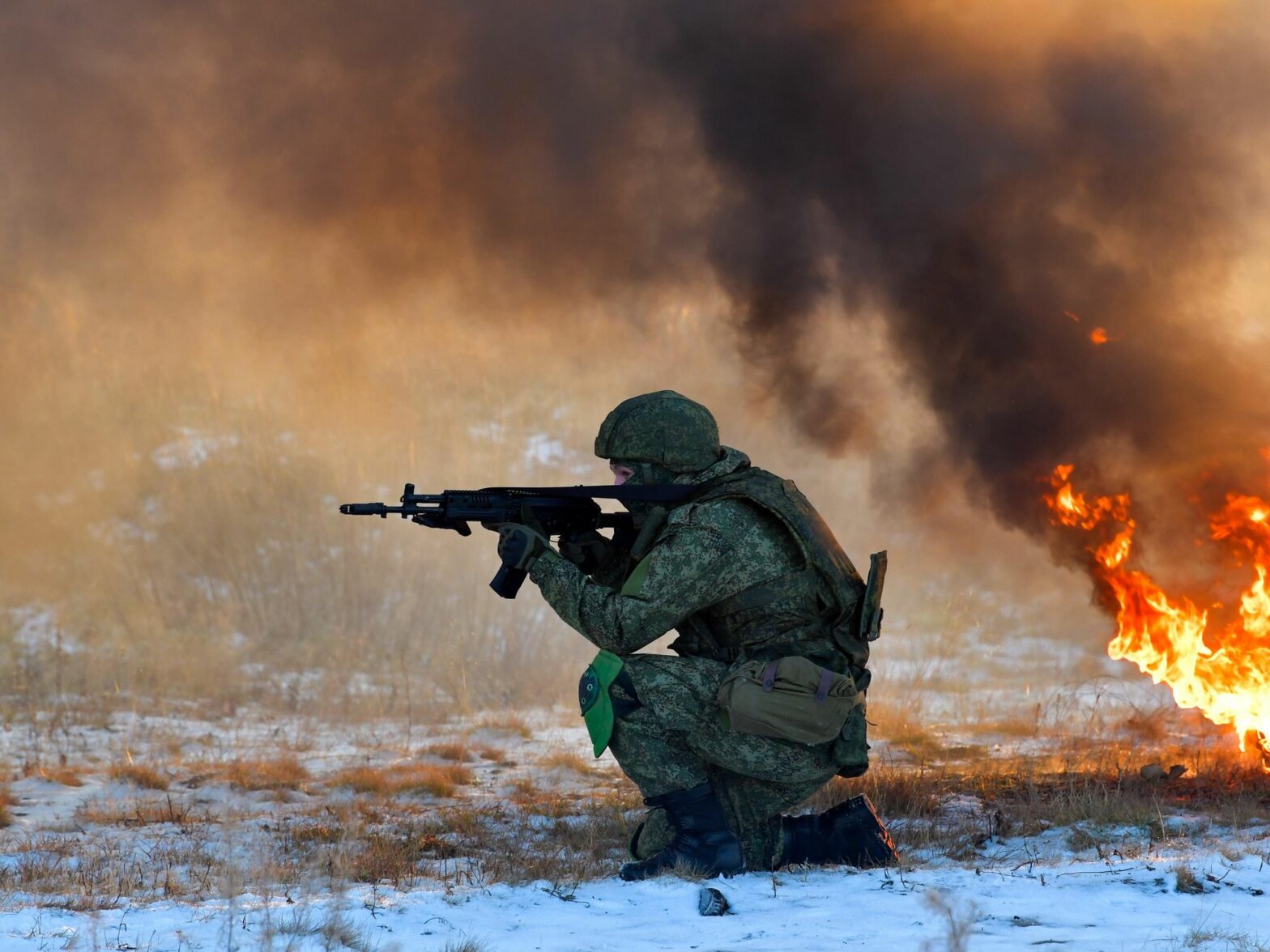
If not cannon fodder, many of the reservists are facing shortages of food, weapons and promised payments.
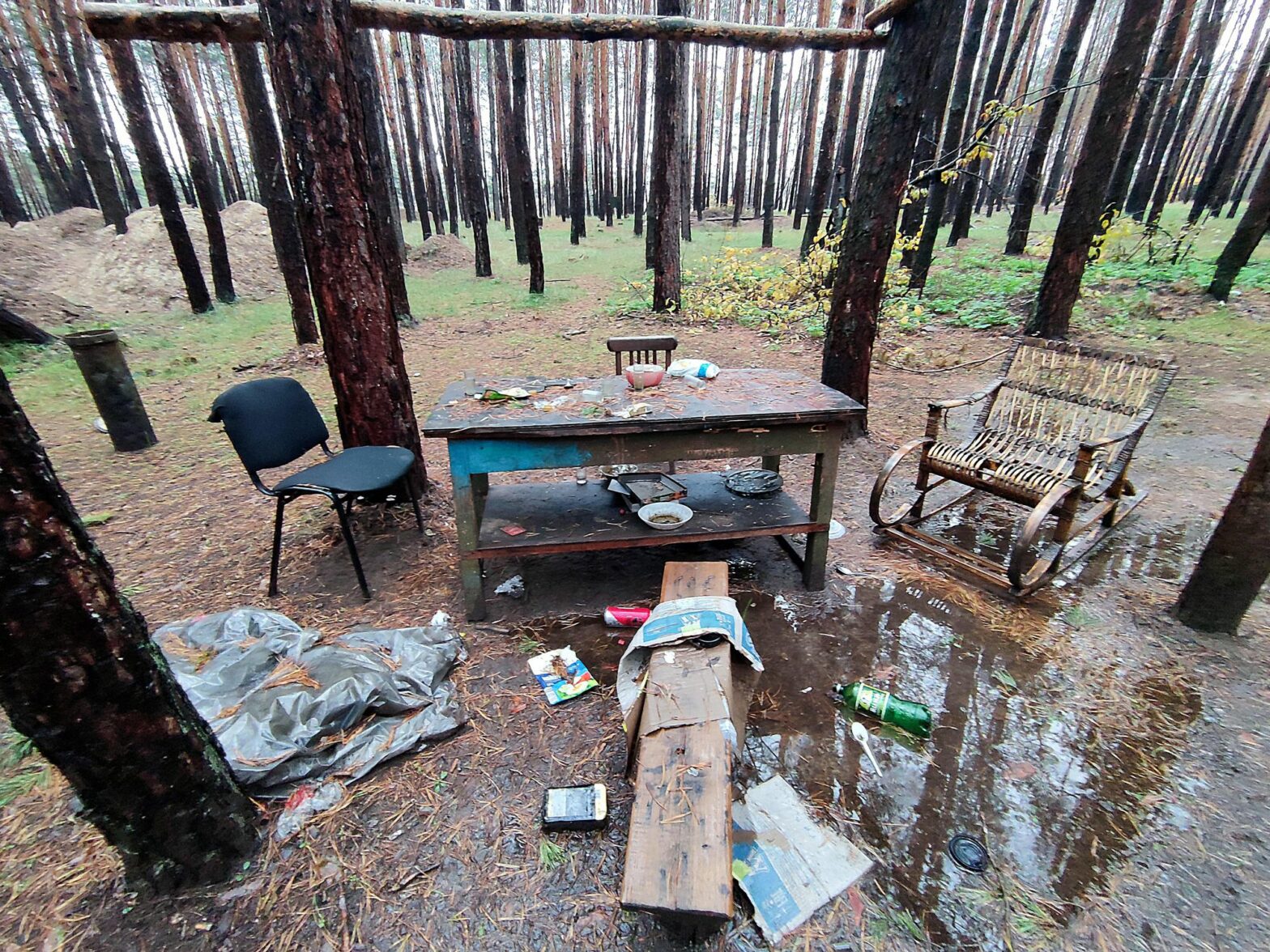
In the Ukrainian city of Izium, Russian troops left behind more than destruction, mass graves and testimony of torture. After their hasty withdrawal in early September, Ukrainians found traces of the regime’s propaganda indoctrinating school children.
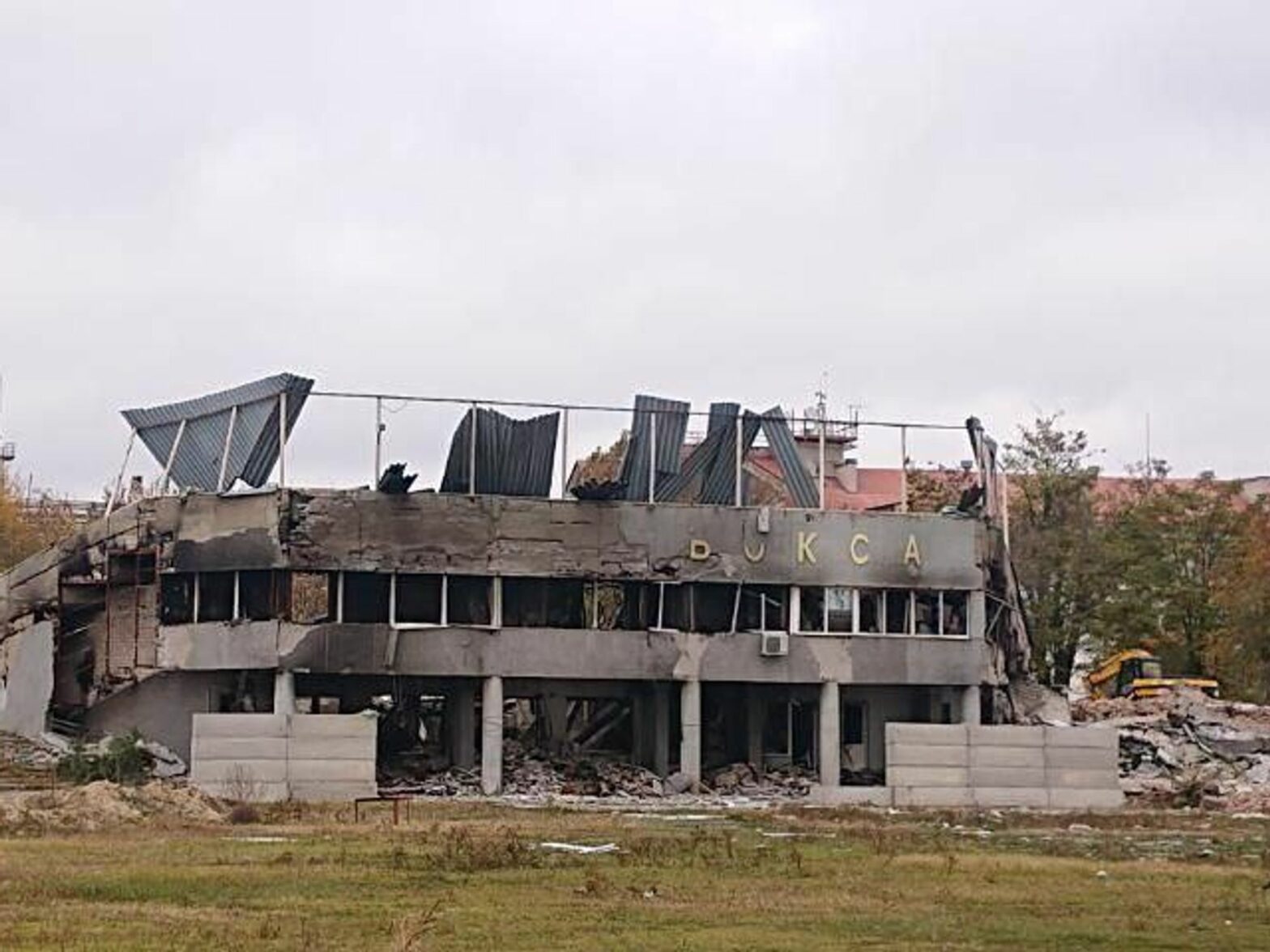
The mixed messages Friday may be part of a Kremlin strategy to fight for the southern city even harder.
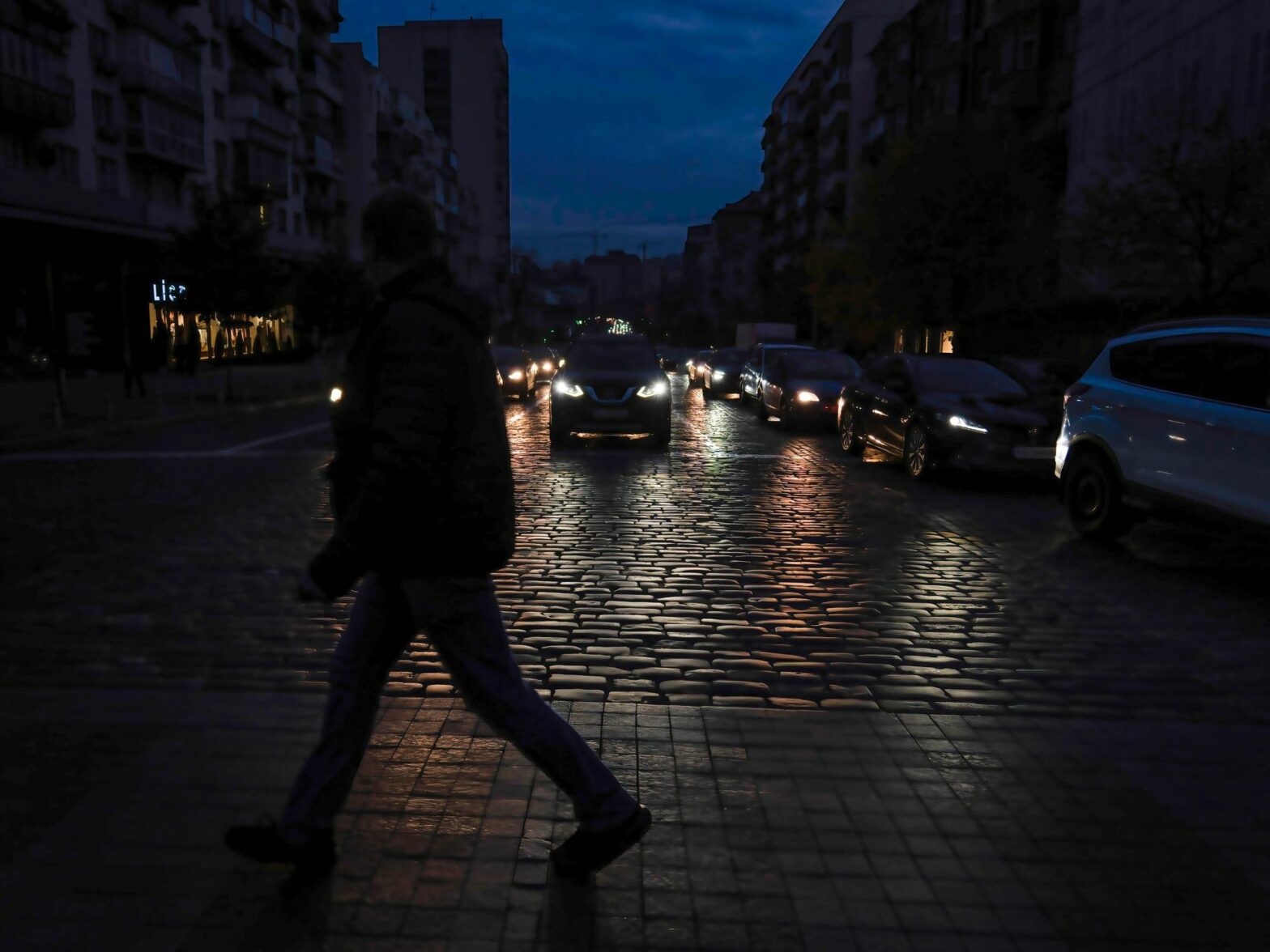
Russia takes away light, water, and heat from Ukrainians with their missile strikes against the nation’s energy infrastructure. It is a very intentional strategy of cruelty.
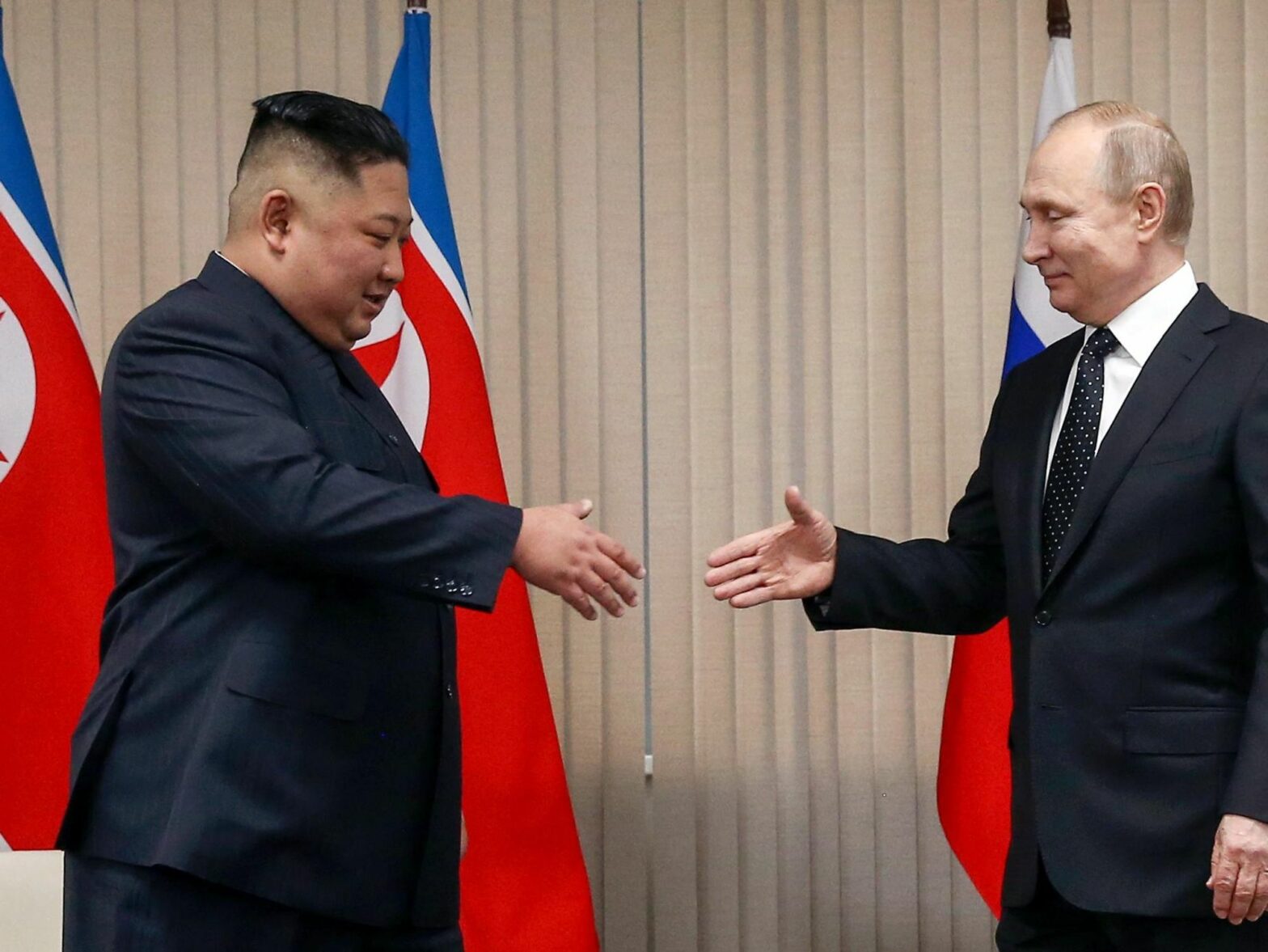
Moscow has been forced to turn to rogue regimes for military supplies for its stalled invasion of Ukraine.
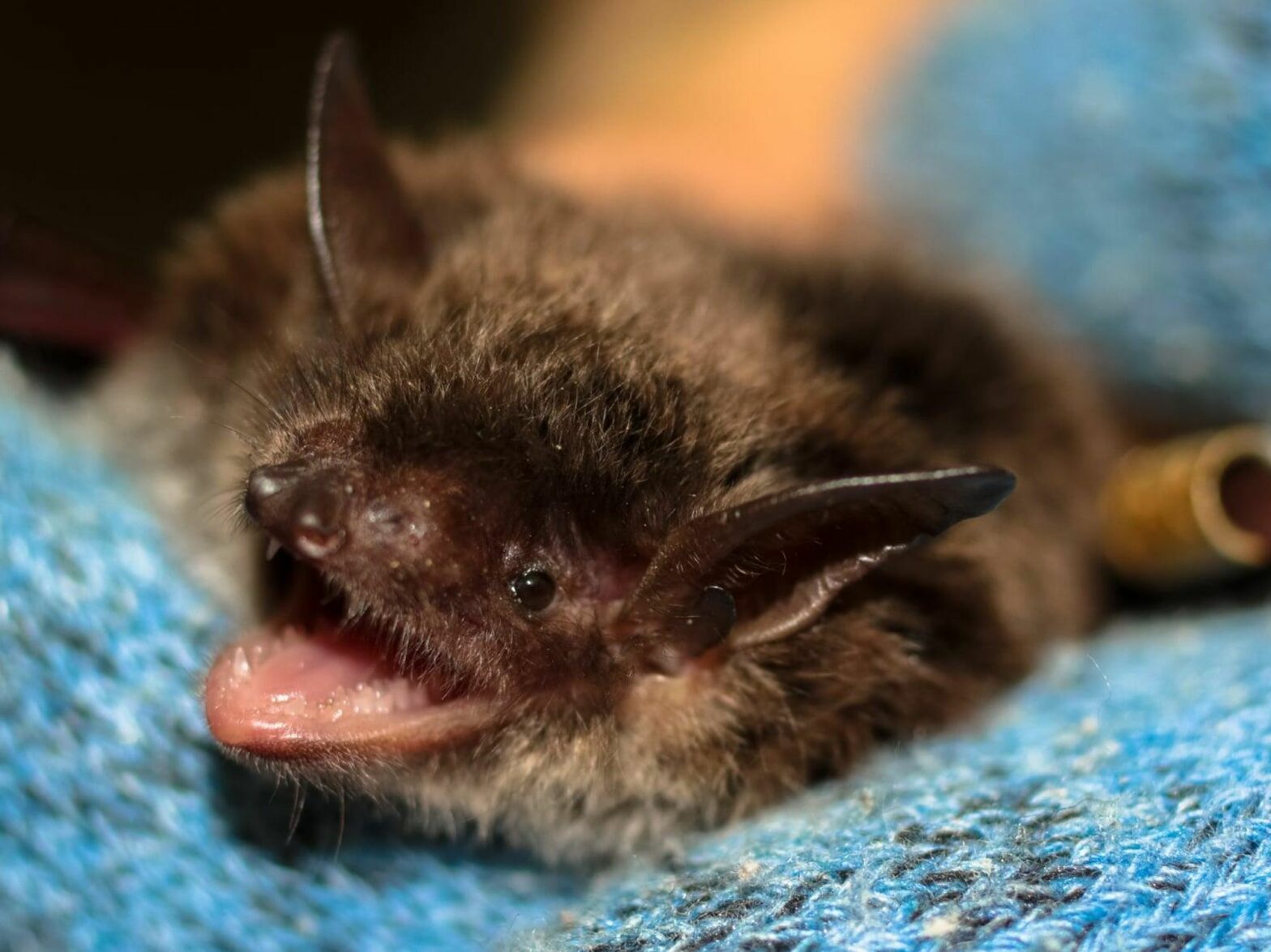
Struggling to save trapped and injured bats, scientists endure Russian shelling and accusations of spreading bioweapons.
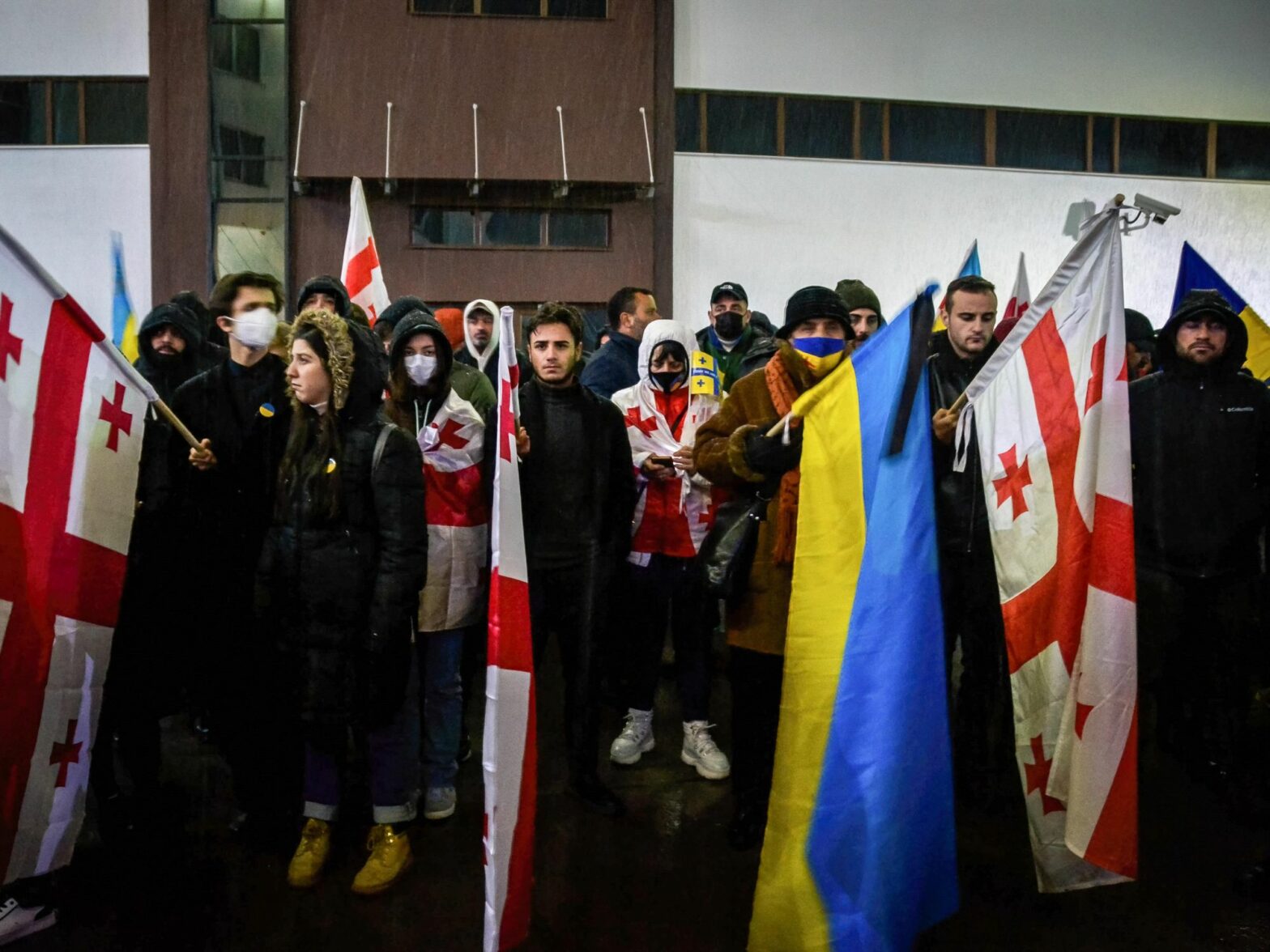
Unlike other neighbors in the region, leading political figures in Georgia have refrained from officially denouncing Russia’s invasion. From Joseph Stalin’s birthplace, it’s a complicated relationship. But winding up on the wrong side of history has its consequences.
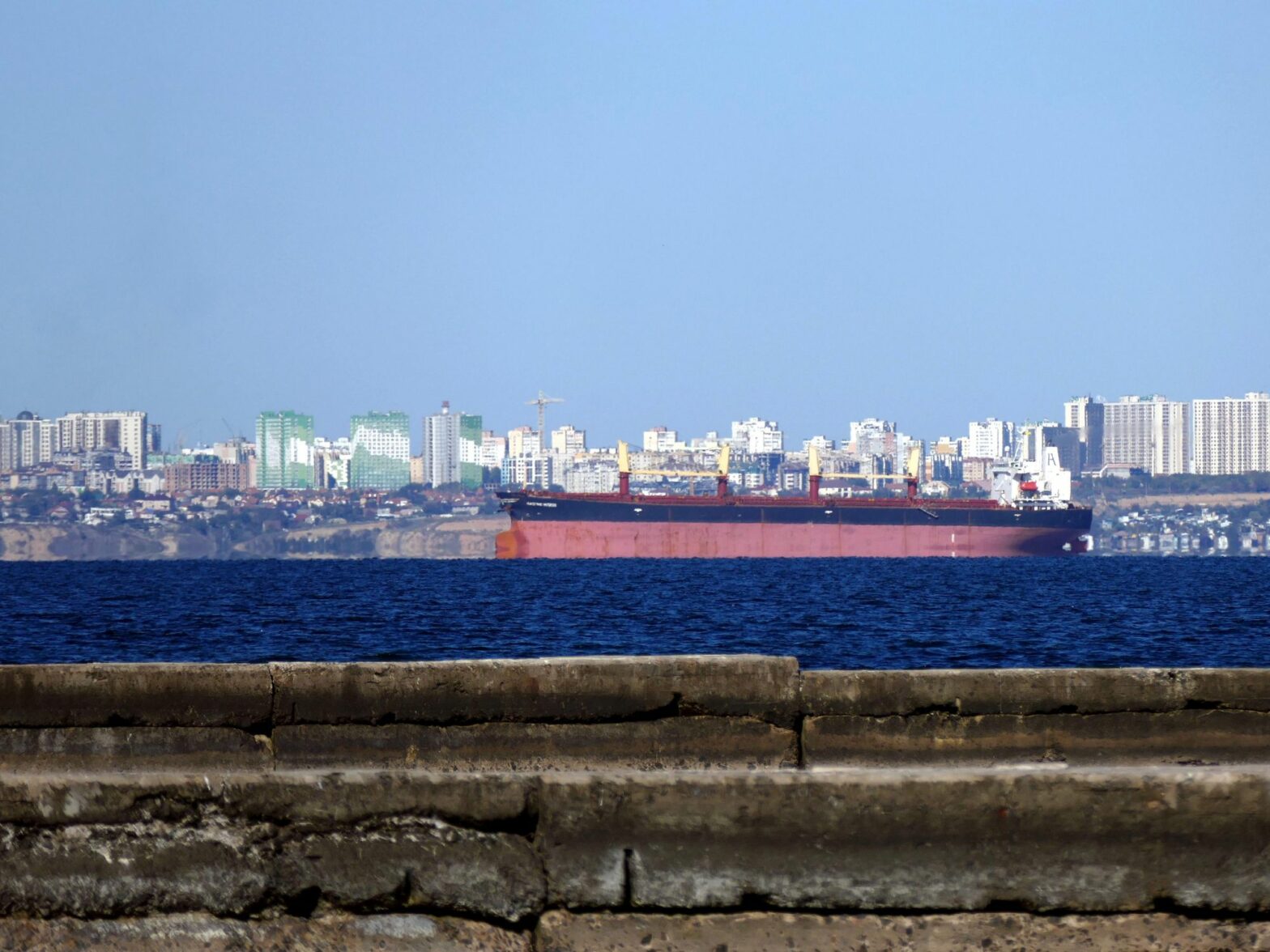
Turkish-Brokered deal Is back on after a call between Putin and Ergogan.
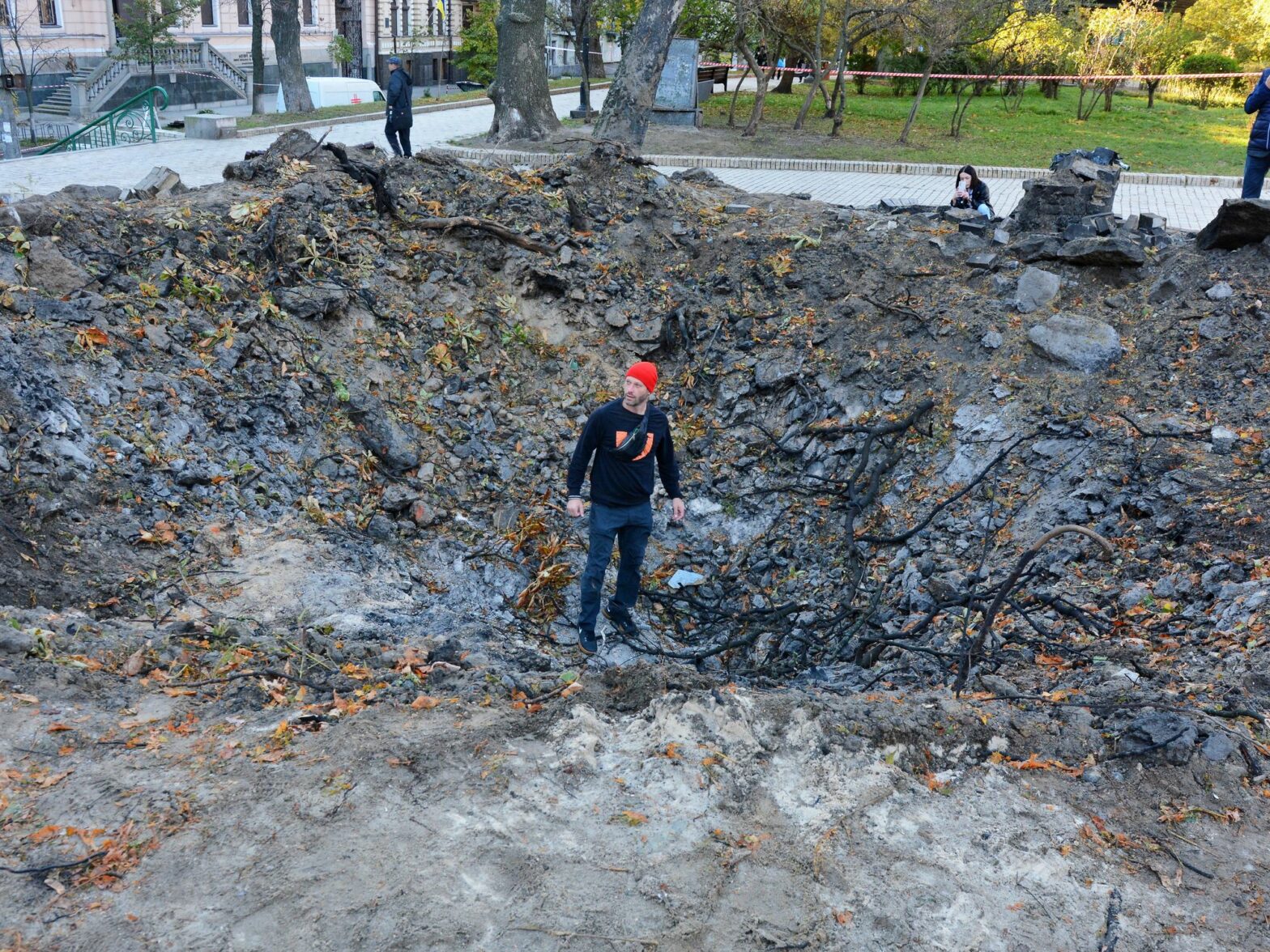
Moscow’s new commander in Ukraine has changed the timing of when to strike cities and infrastructure.
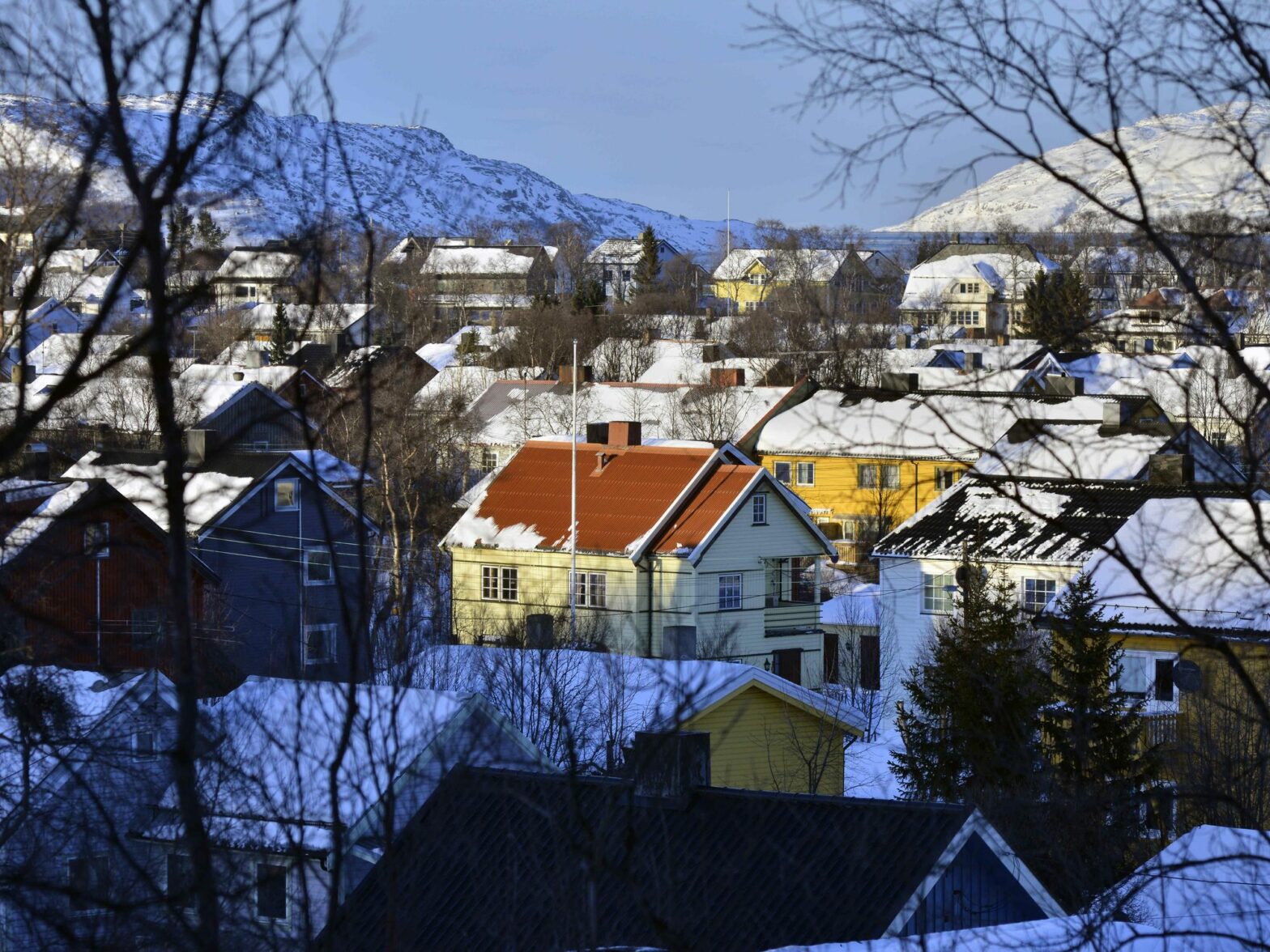
In a remote region of Norway, a tense standoff is taking place between a tiny town and its giant neighbor to the east, Russia. The Kremlin is accused of using the area as as a staging ground for its policies to divide the West.
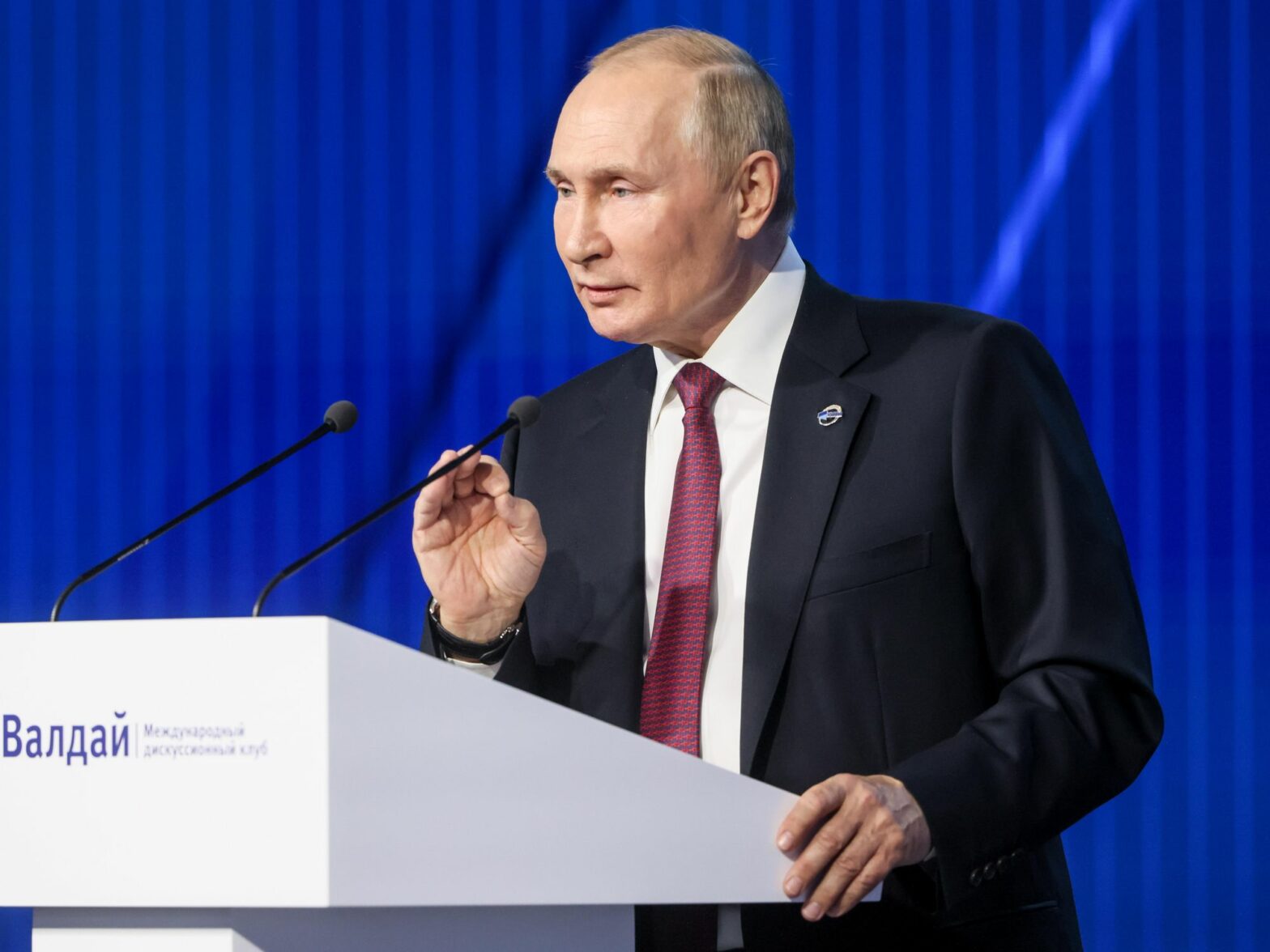
Vladimir Putin told the world yesterday “don’t worry” about a nuclear attack, even as he’s setting up a scenario that makes it more likely.
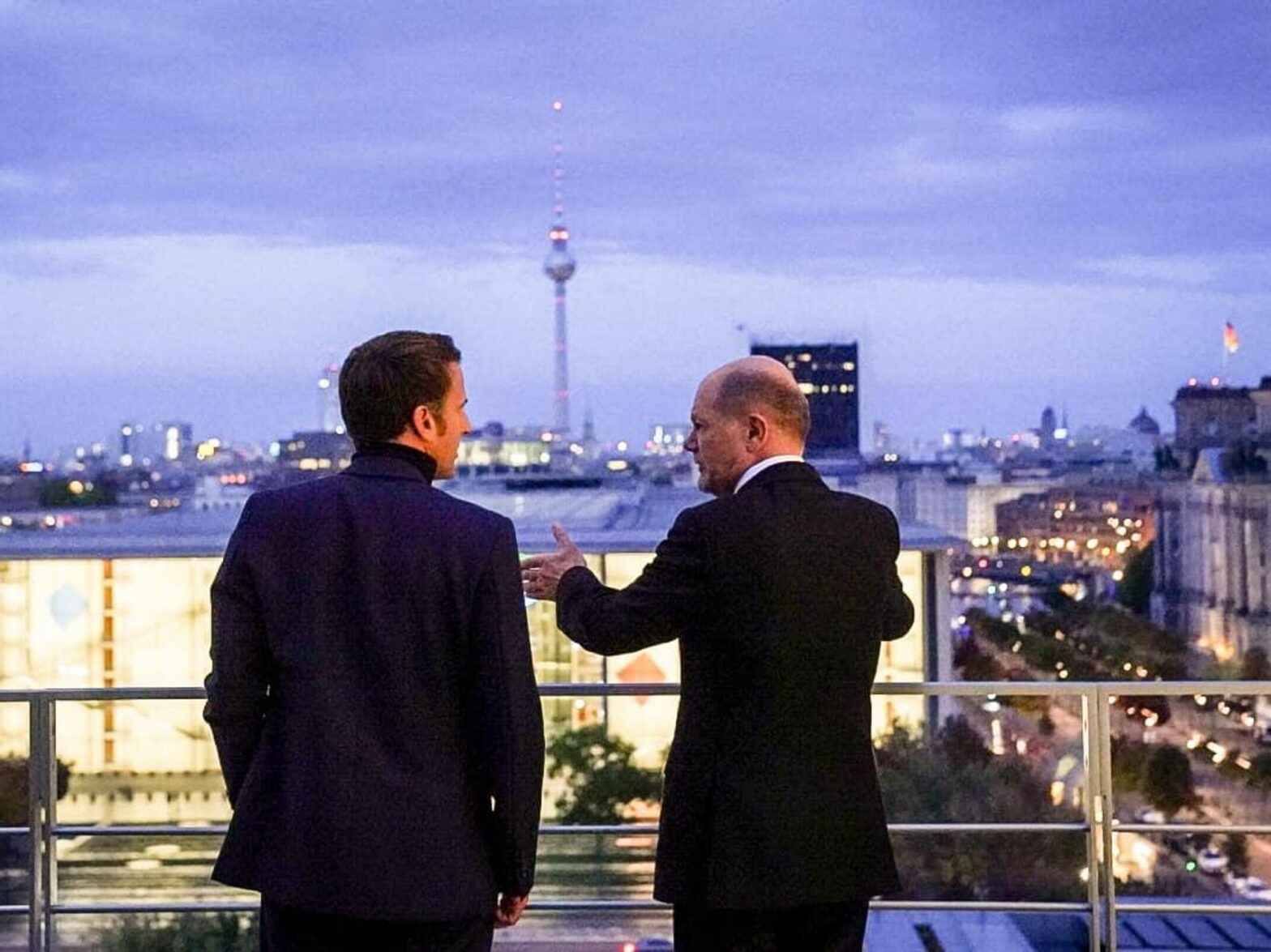
In a world divided between democracies and autocracies, the autocrats can count on the democrats eventually dividing among themselves— the freedom to disagree is, after all, the very cornerstone of democracy.
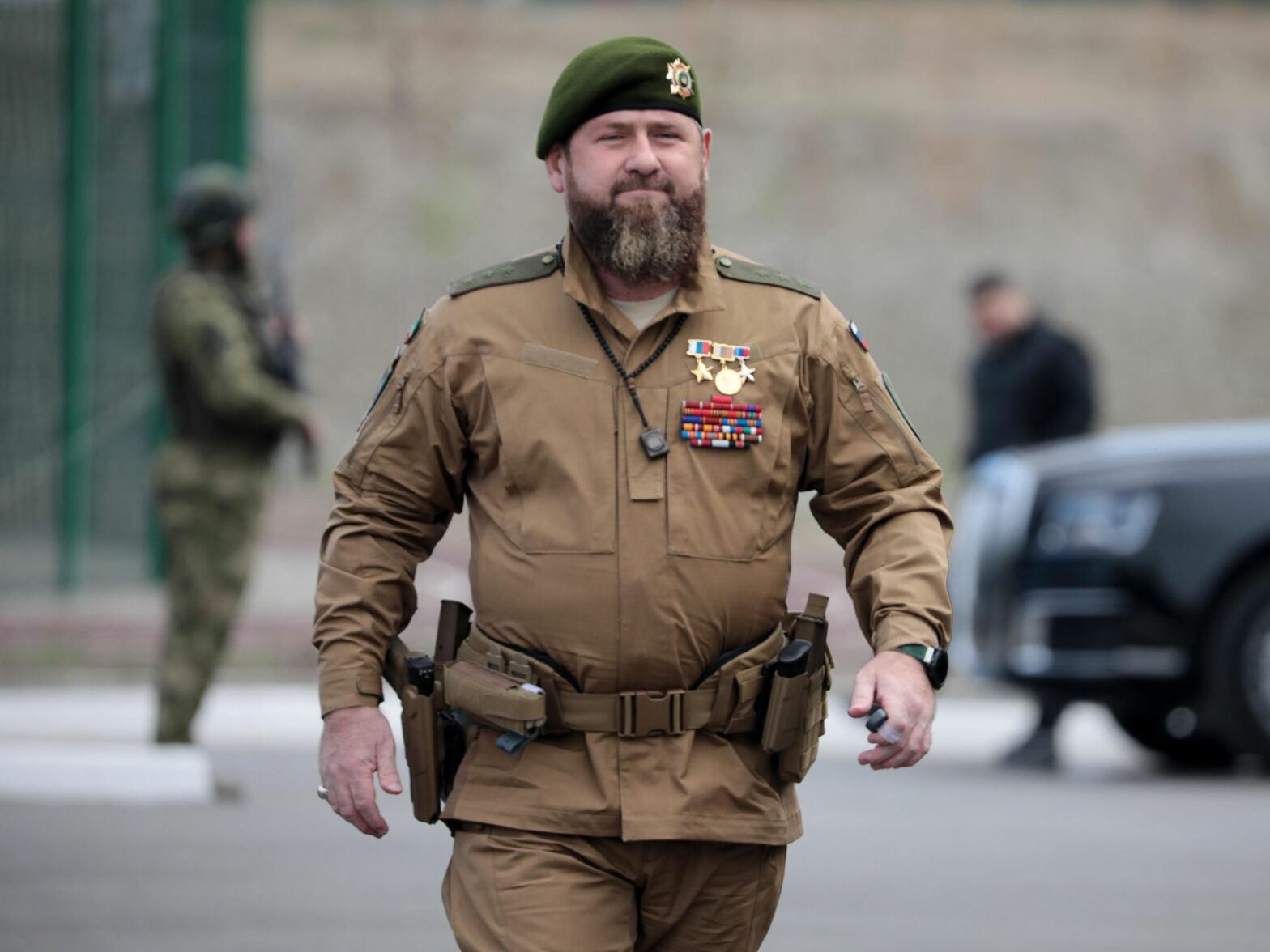
Ramzan Kadyrov, the strongman leader of Chechnya, is one of the most recognizable (and hawkish) figures in the orbit of Russian President Vladimir Putin. But beyond his online bluster, he is keeping his options open as Moscow loses ground in the war in Ukraine.
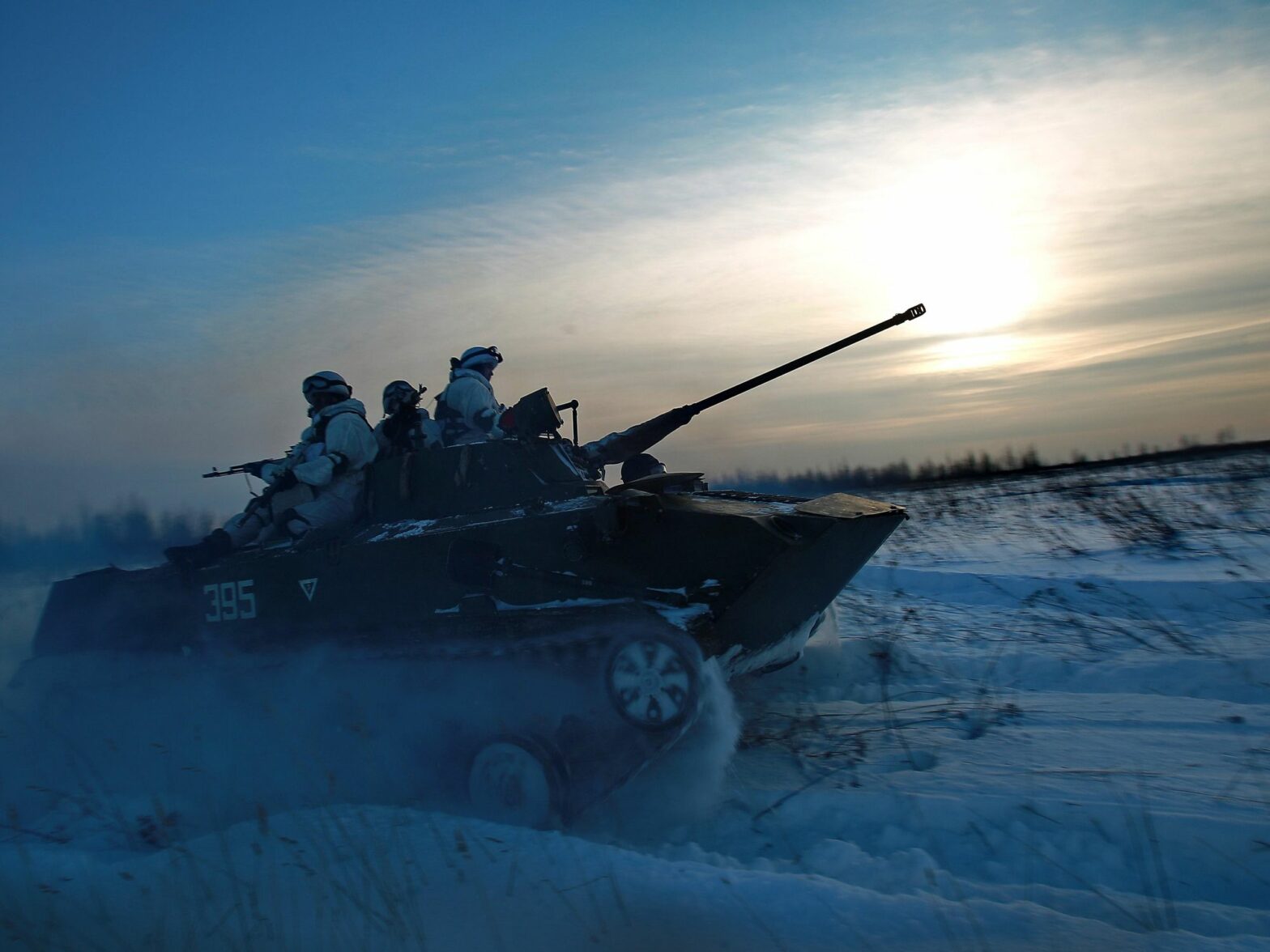
It’s worth remembering that Vladimir Putin was born in Leningrad, just a decade after the brutal Nazi siege. A reflection on the Kremlin’s emerging war strategy from Ukrainian writer Anna Akage.
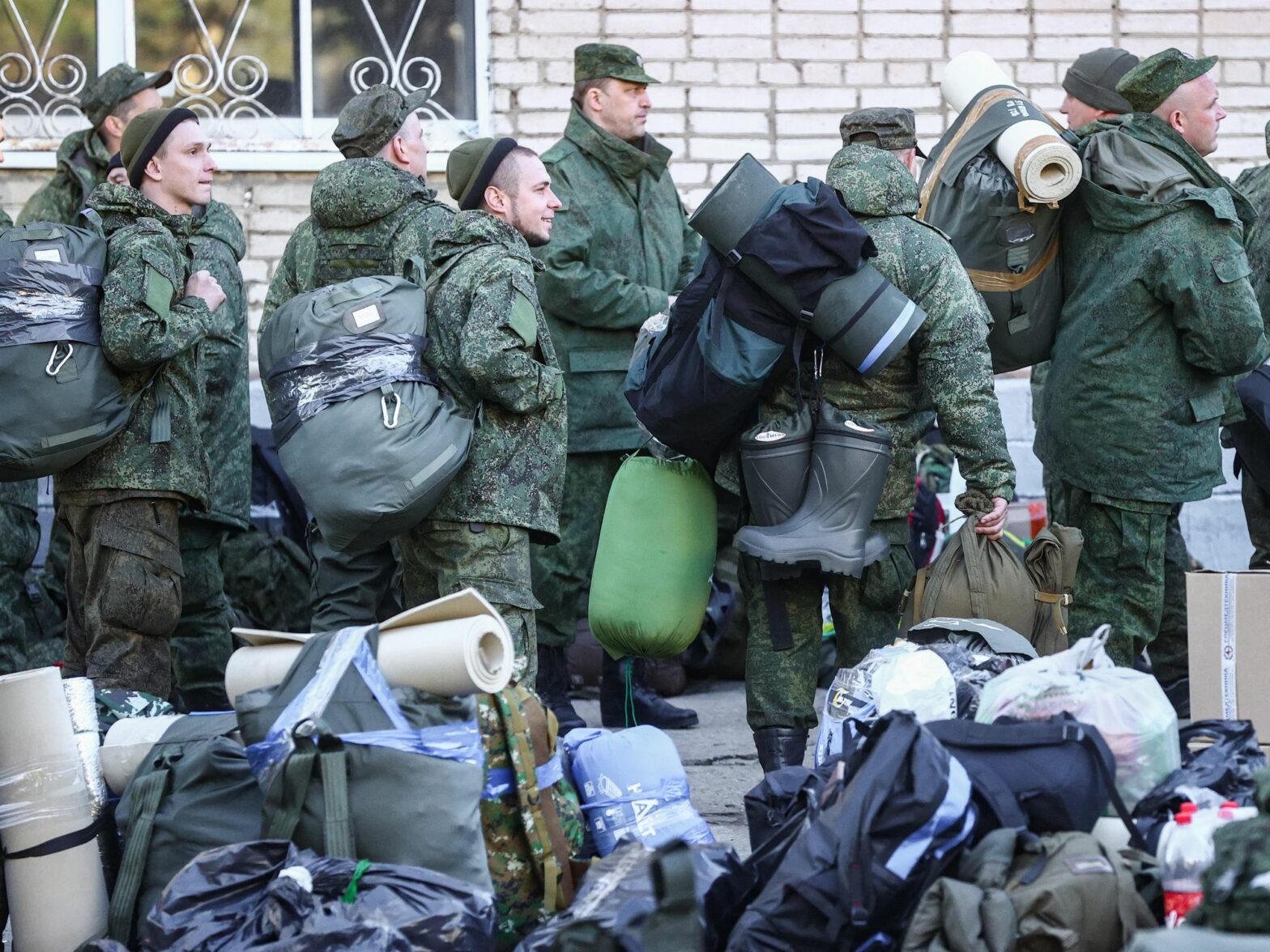
A missile attack early Friday kills four, as civilians try to evacuate the largest Ukrainian city under Russian occupation.
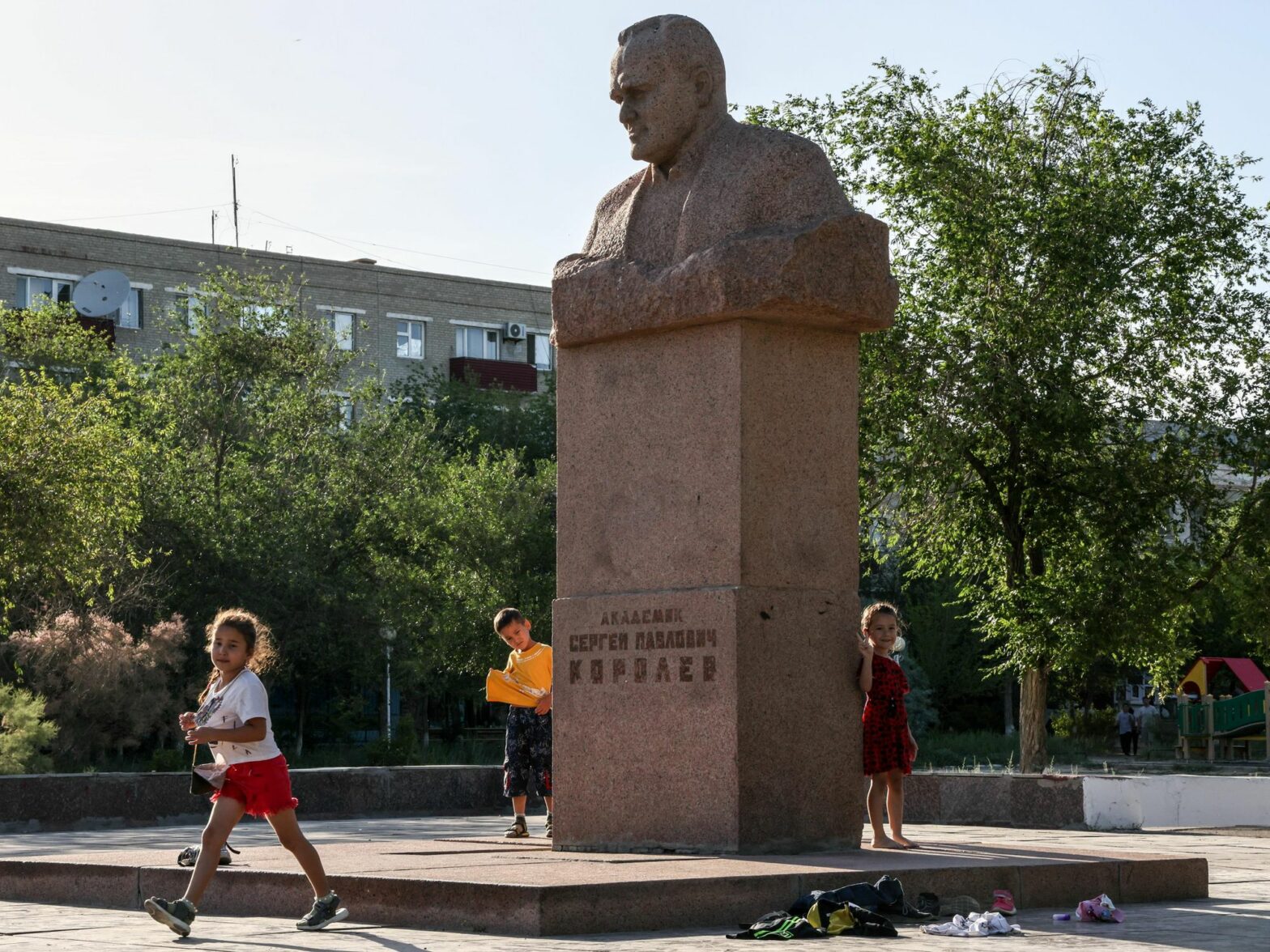
Russia has always claimed to be a kind of sheriff on the territory of the former USSR, a zone the country considers as its “privileged interests.” Now it has lost both strength and authority in the war with Ukraine.
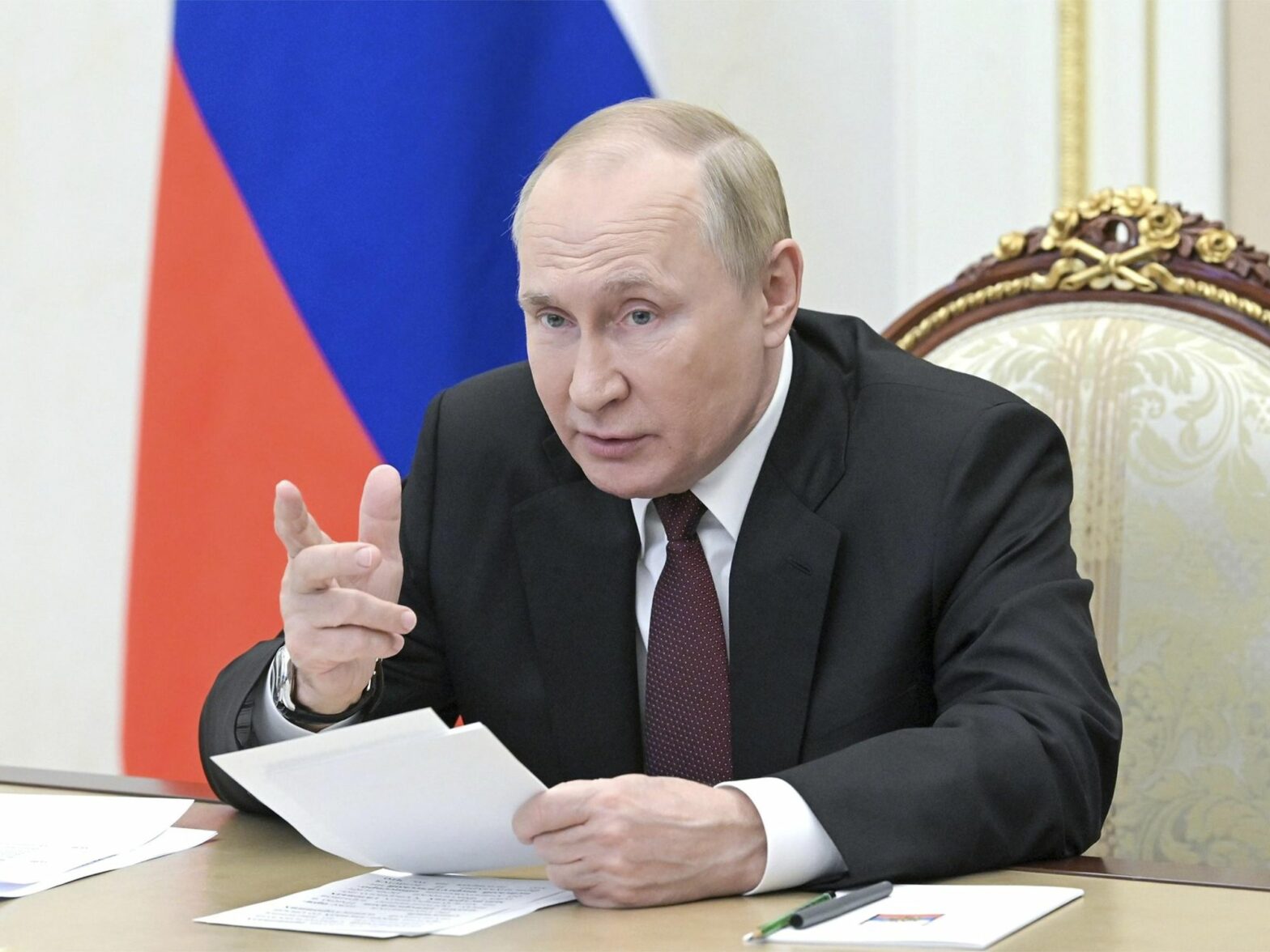
Russia’s martial law for the occupied territories of Ukraine is a “pseudo-legalization of looting of Ukrainians’ property,” said another official in Kyiv.
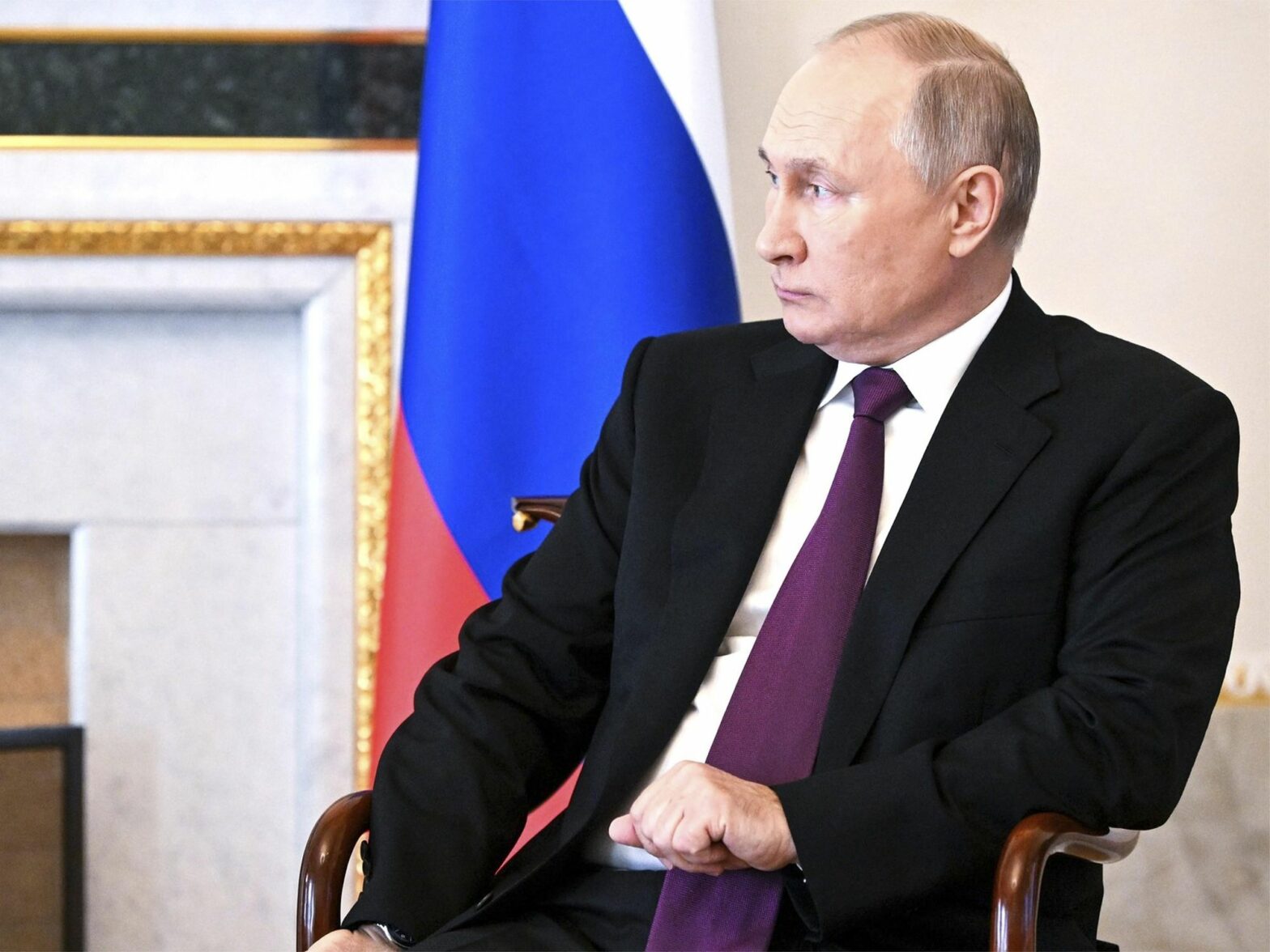
Ukraine’s recent successes on the battlefield have put pressure on Vladimir Putin, who has launched what appear to be desperate attacks on civilians and infrastructure in response. Experts warn that it is dangerous to believe that Russia is bound to fail.
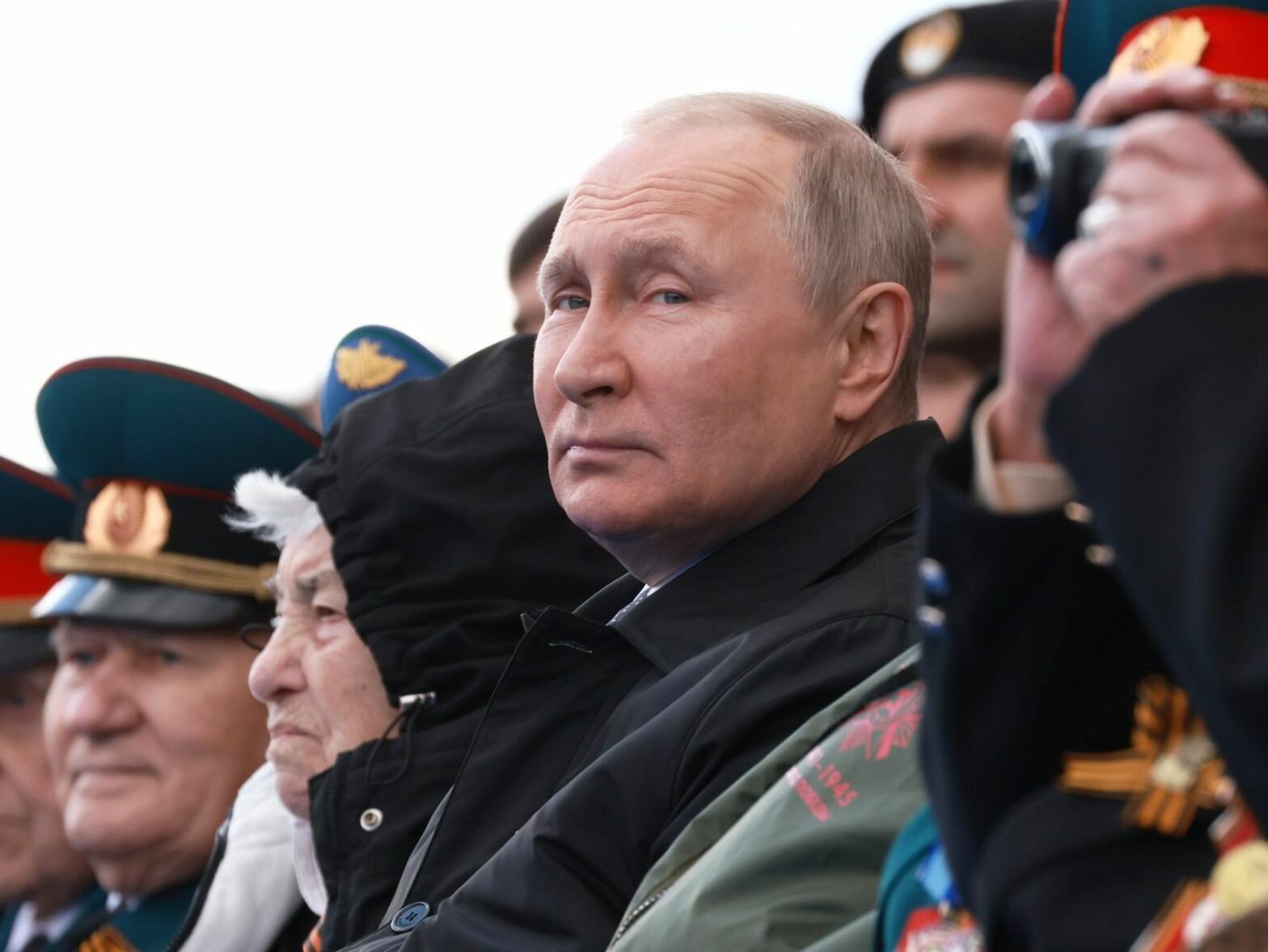
The missile attacks this week on Ukrainian cities will not scare Kyiv into submission. It’s the latest and gravest sign that Vladimir Putin may be bound to face an even grimmer tactical choice: the nuclear option.
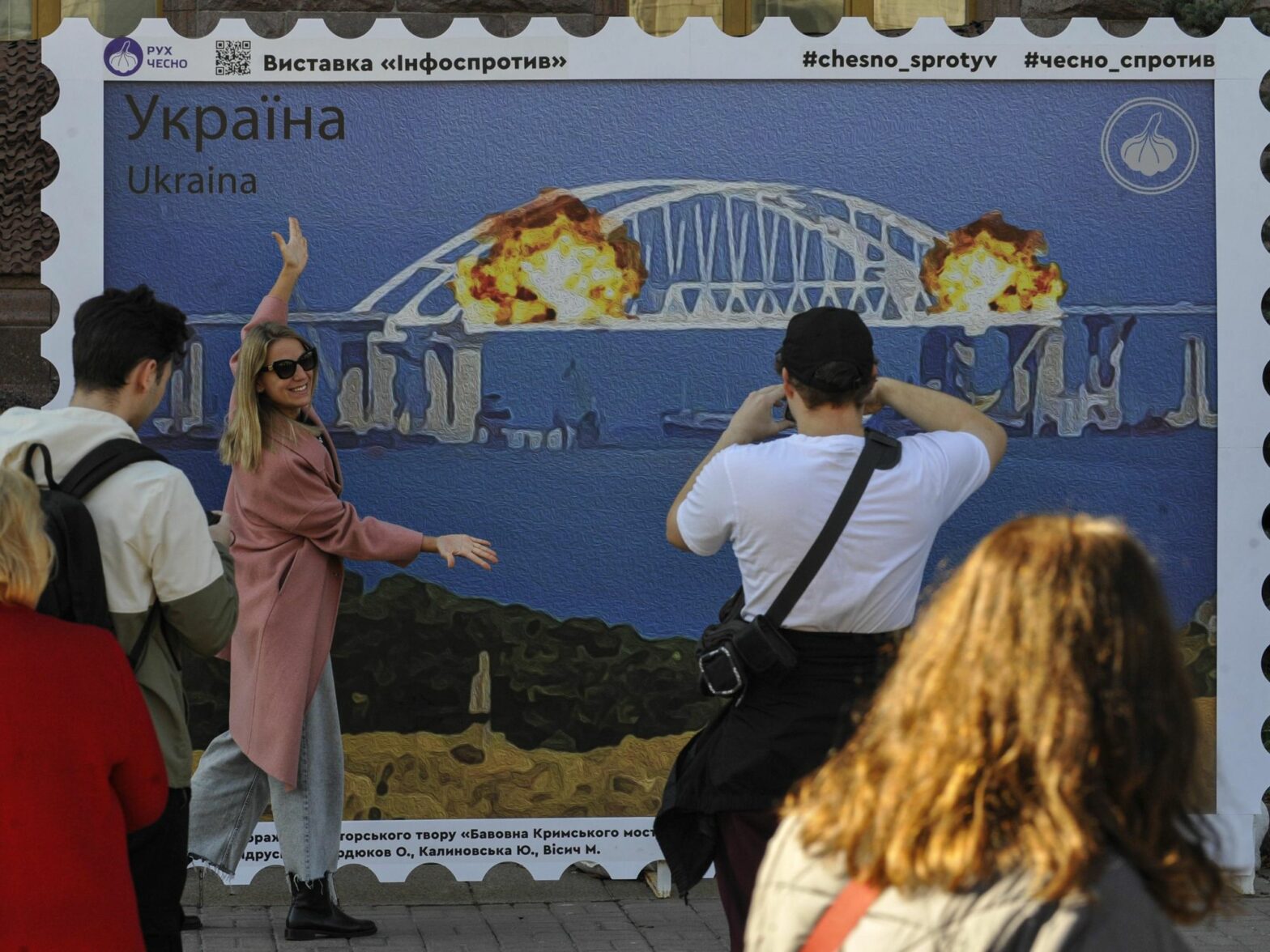
The Kremlin blamed the Oct. 8 Crimea bridge explosion on the “Main Intelligence Directorate of the Ukrainian Ministry of Defense” and its director, Kyrylo Budanov, and detained five Russians and three citizens of Ukraine and Armenia.
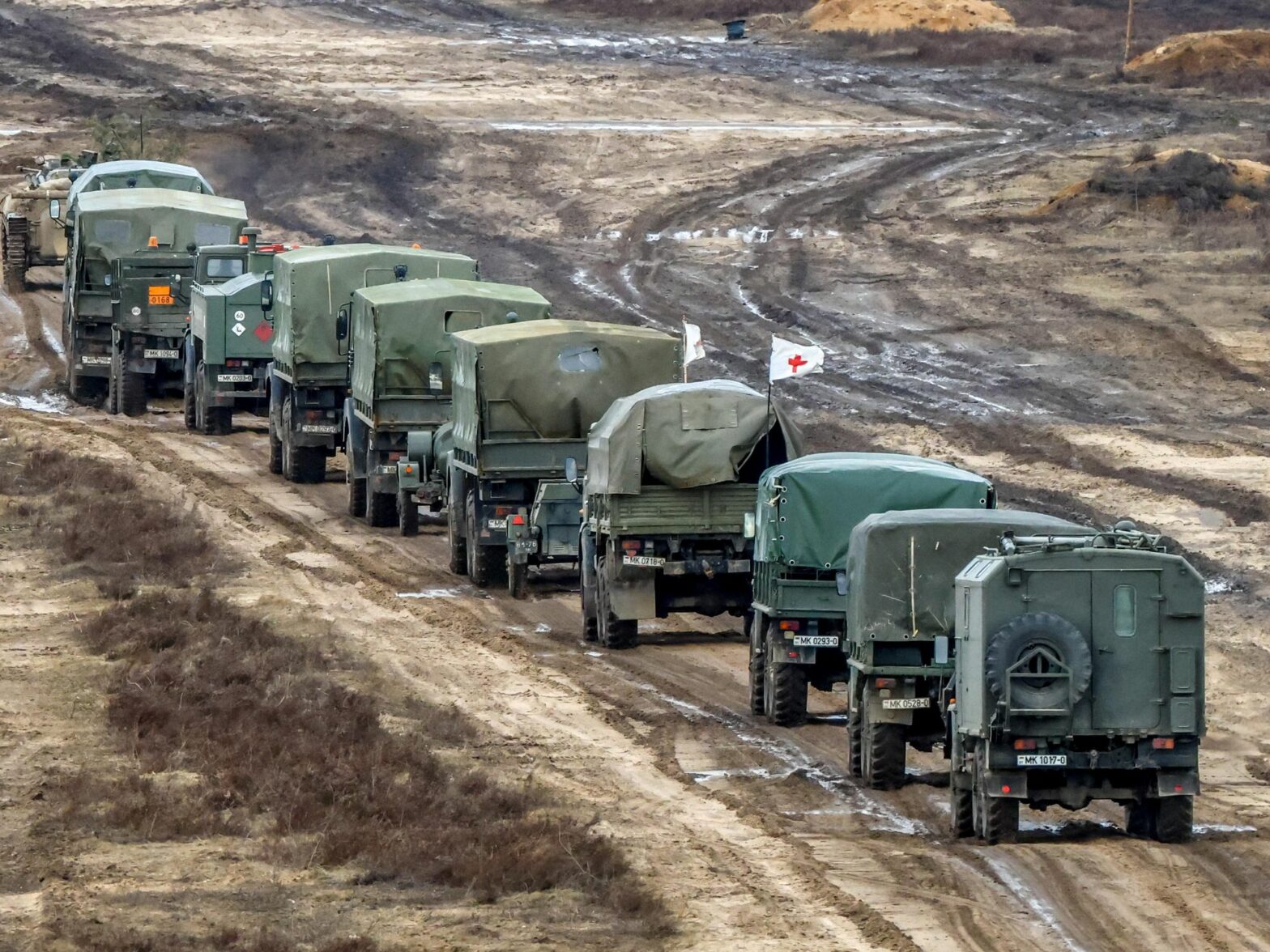
As the war in Donbas is bogged down, the most likely major new gambit in Vladimir Putin’s ambitions in Ukraine would be to get military support from his ally in Minsk, Belarusian strongman Alexander Lukashenko. How would that actually go down?
This week’s massive strikes by Russia on Ukrainian territory brought back the terror of the first days of the invasion across the entire country. Were they strategic strikes, or simply a retaliation for Ukraine’s attack on a strategic bridge in Russia-occupied territory in Crimea?
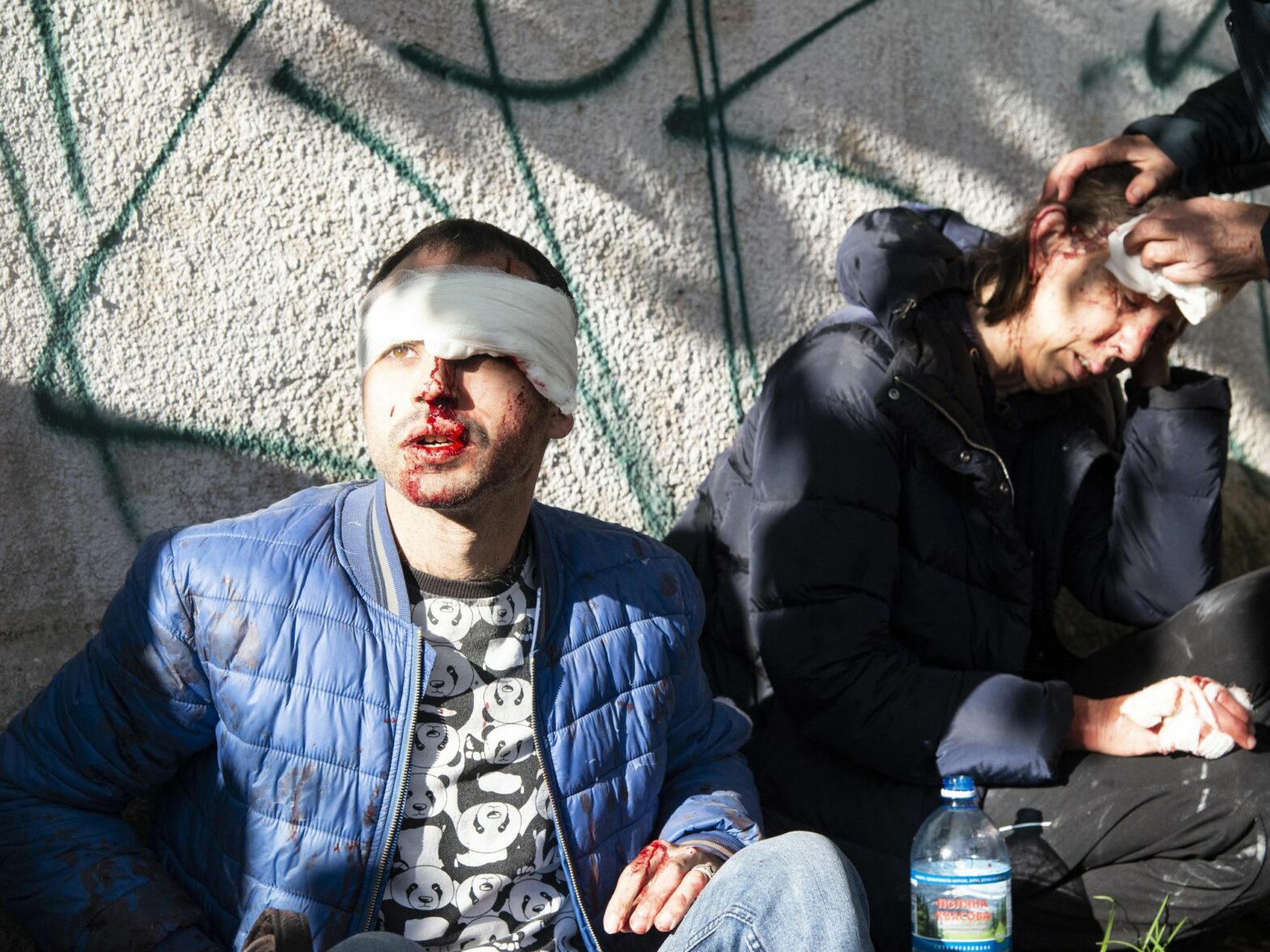
Russia has launched a barrage of missile strikes against Kyiv and other major cities, timing the attacks for maximum civilian toll to coincide with Monday morning rush hour. The attacks are a direct response from Moscow to the explosion Saturday that severely damaged the bridge connecting Crimea to the Russian mainland. Three people reportedly died […]
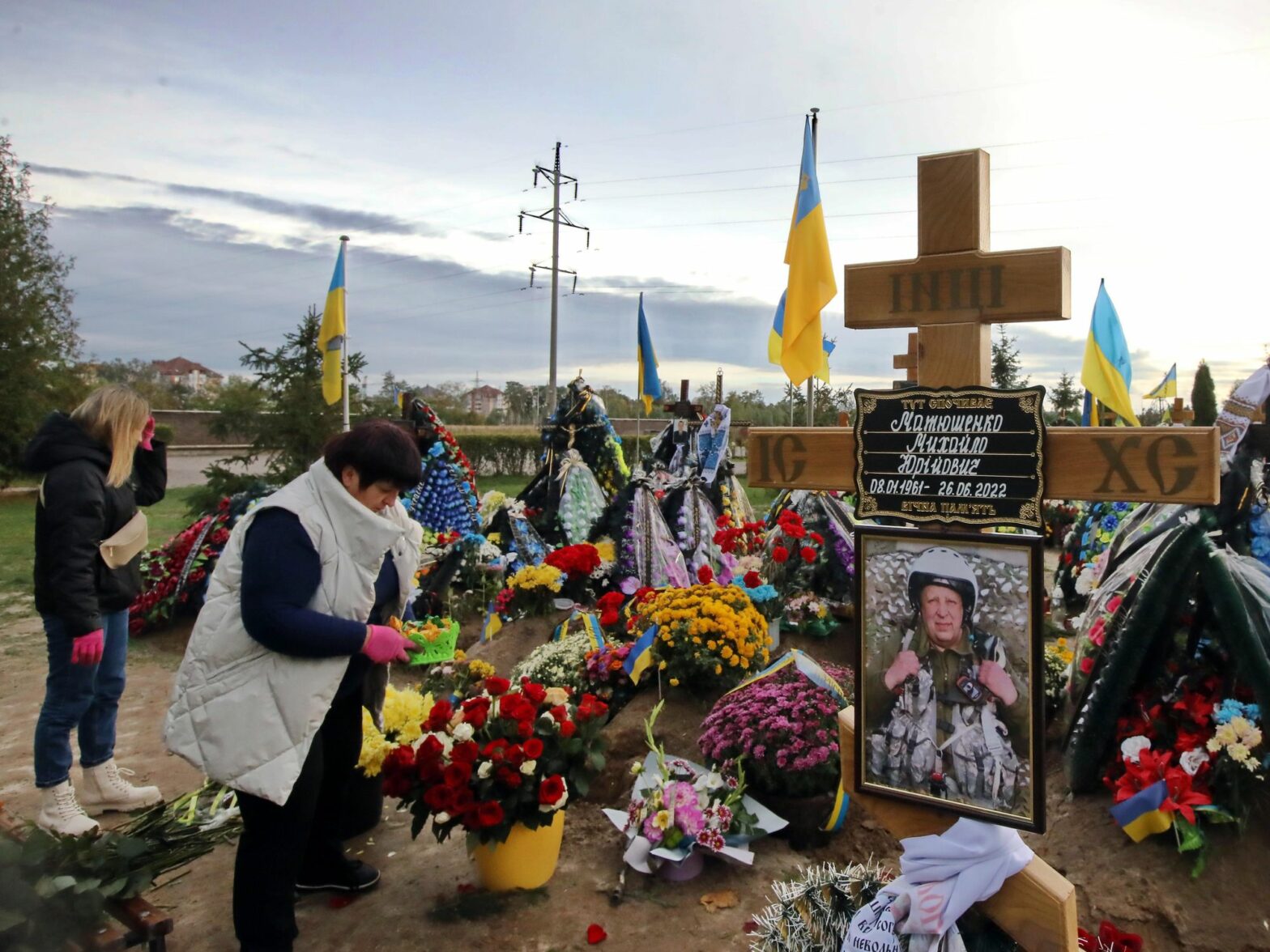
Testimonies have been gathered from victims who had been detained by the Russian military near Kyiv in the early weeks of the war. Some were held in a pit, others had their hands beaten with hammer, others with an axe and rifle butt. Some never made it out alive.
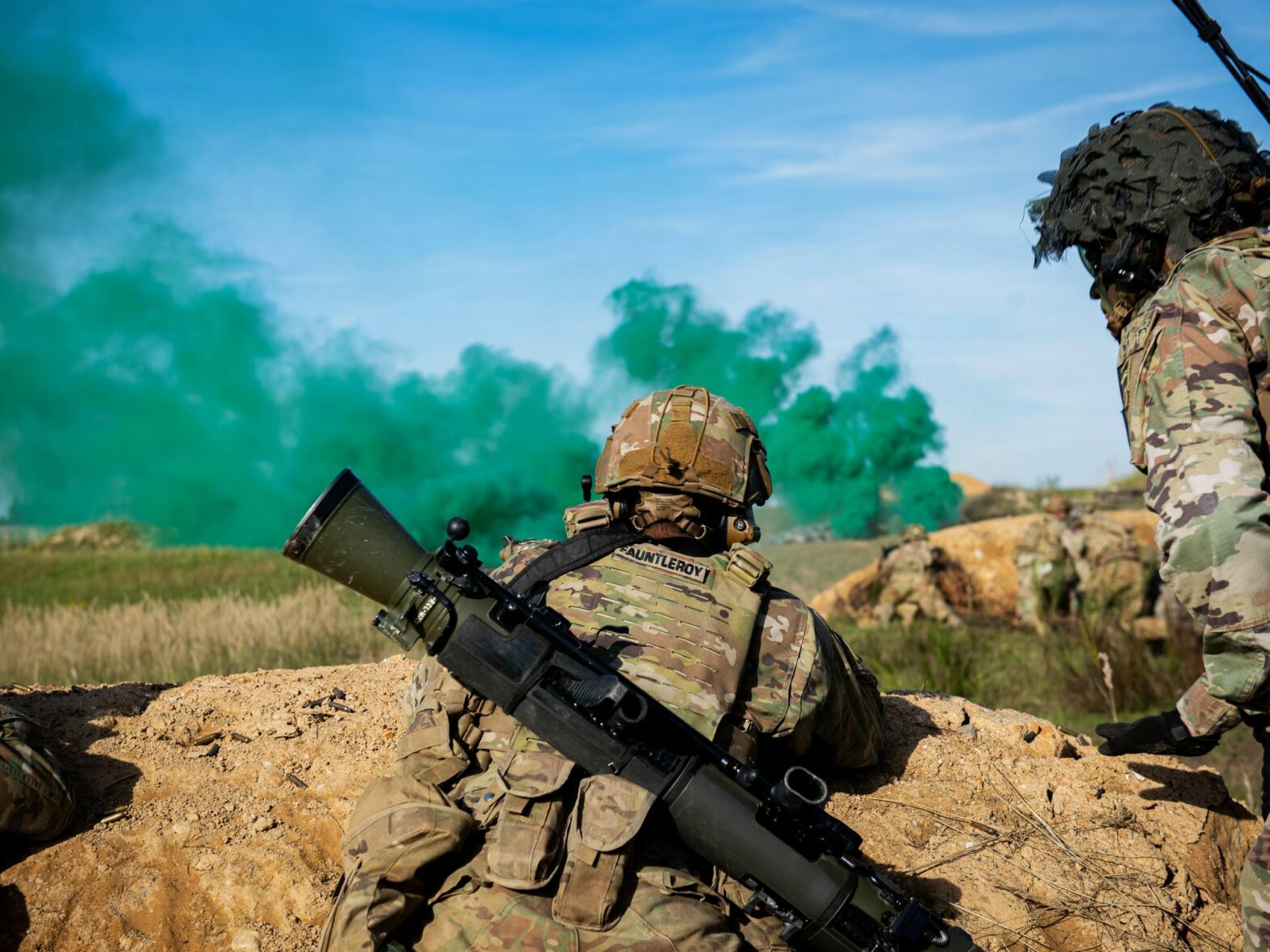
Ukraine’s President Zelensky should not be putting pressure for NATO membership now. It raises the risk of a wider war, and the focus should be on continuing arms deliveries from the West. After all, peace will be decided on the battlefield.
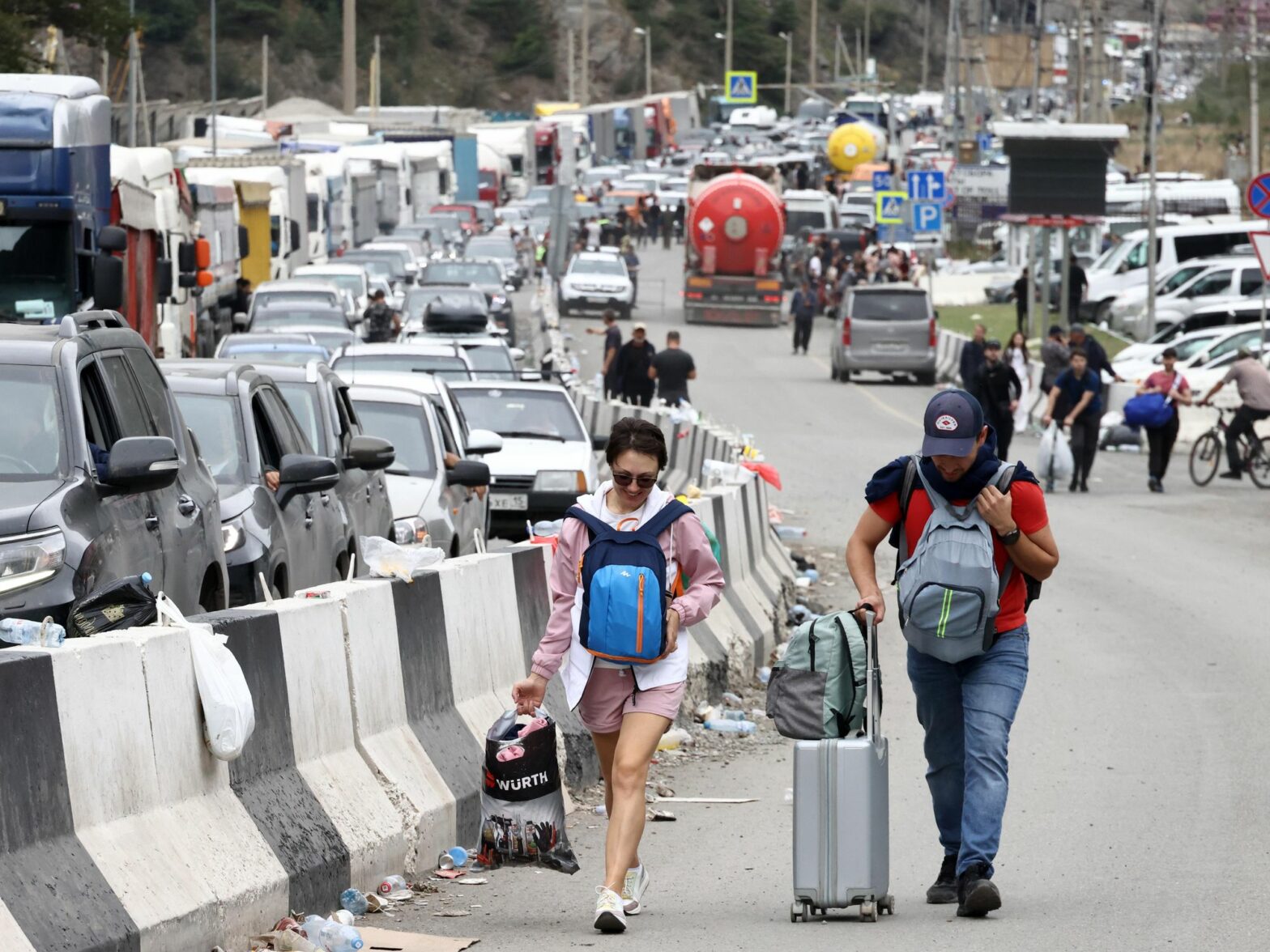
Europe should welcome the exodus of conscientious objectors from Russia. But the conditions vary across the continent, and there needs to be some security precautions.
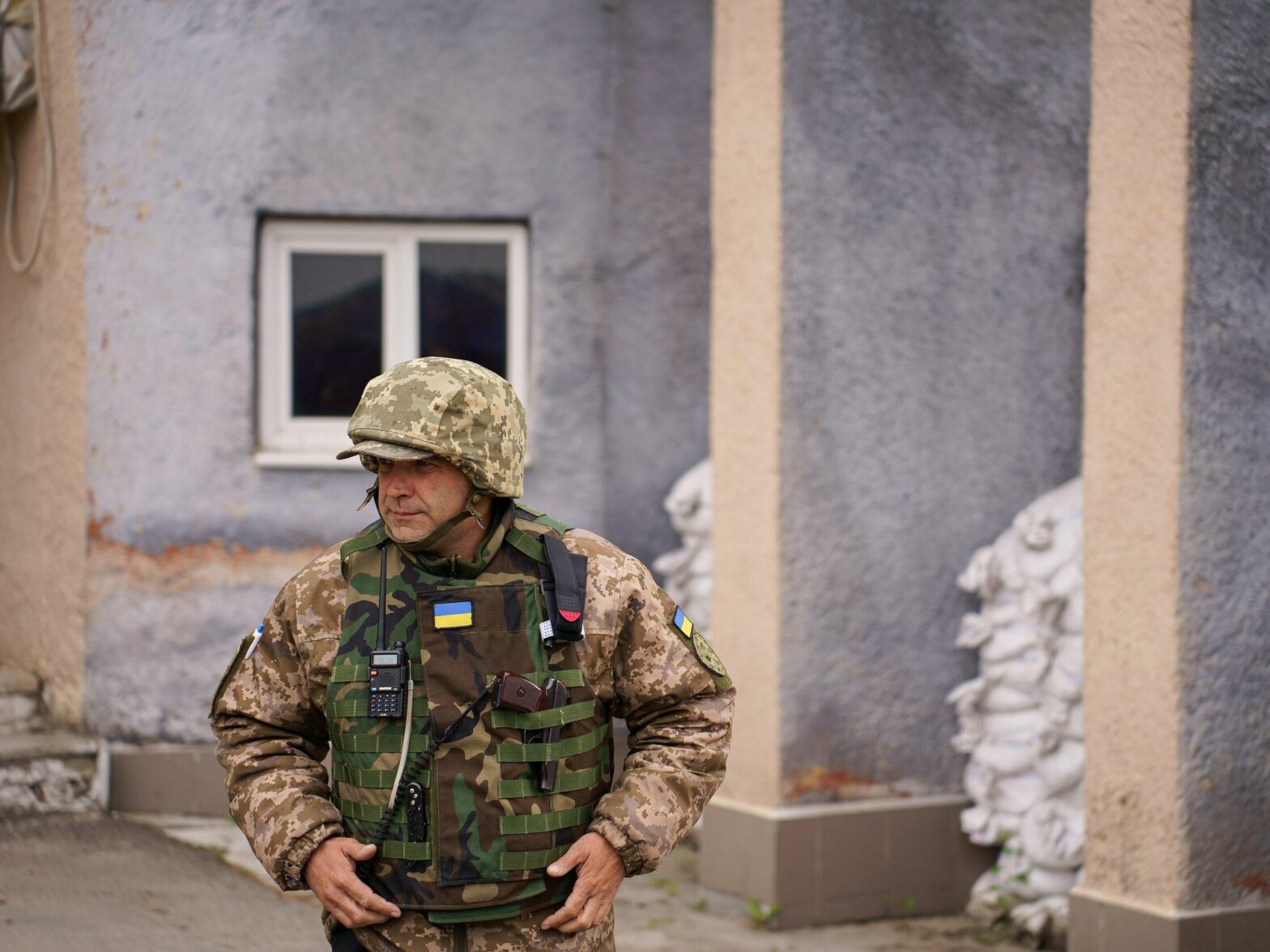
Vladimir Putin announced the annexation of Ukrainian territories in a ceremony in the Kremlin. In a village just a few kilometers away from what is now the Ukraine-Russia “border” in Putin’s eyes, life continues amid constant shelling and the fear of what comes next.
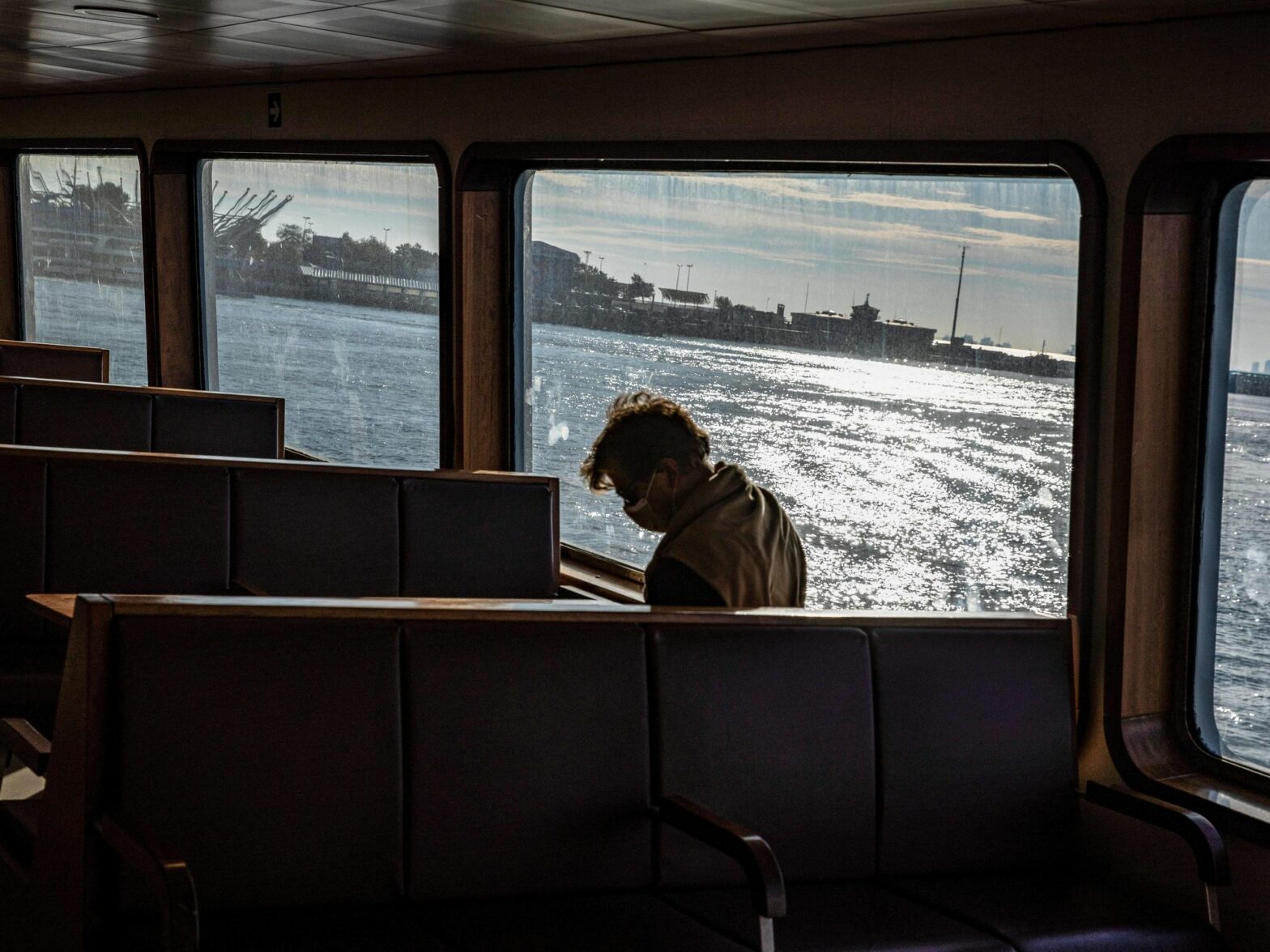
Hundreds of thousands of men have left Russia since partial mobilization was announced. Turkey, which still has air routes open with Moscow, is one of their top choices. But life is far from easy once they land.
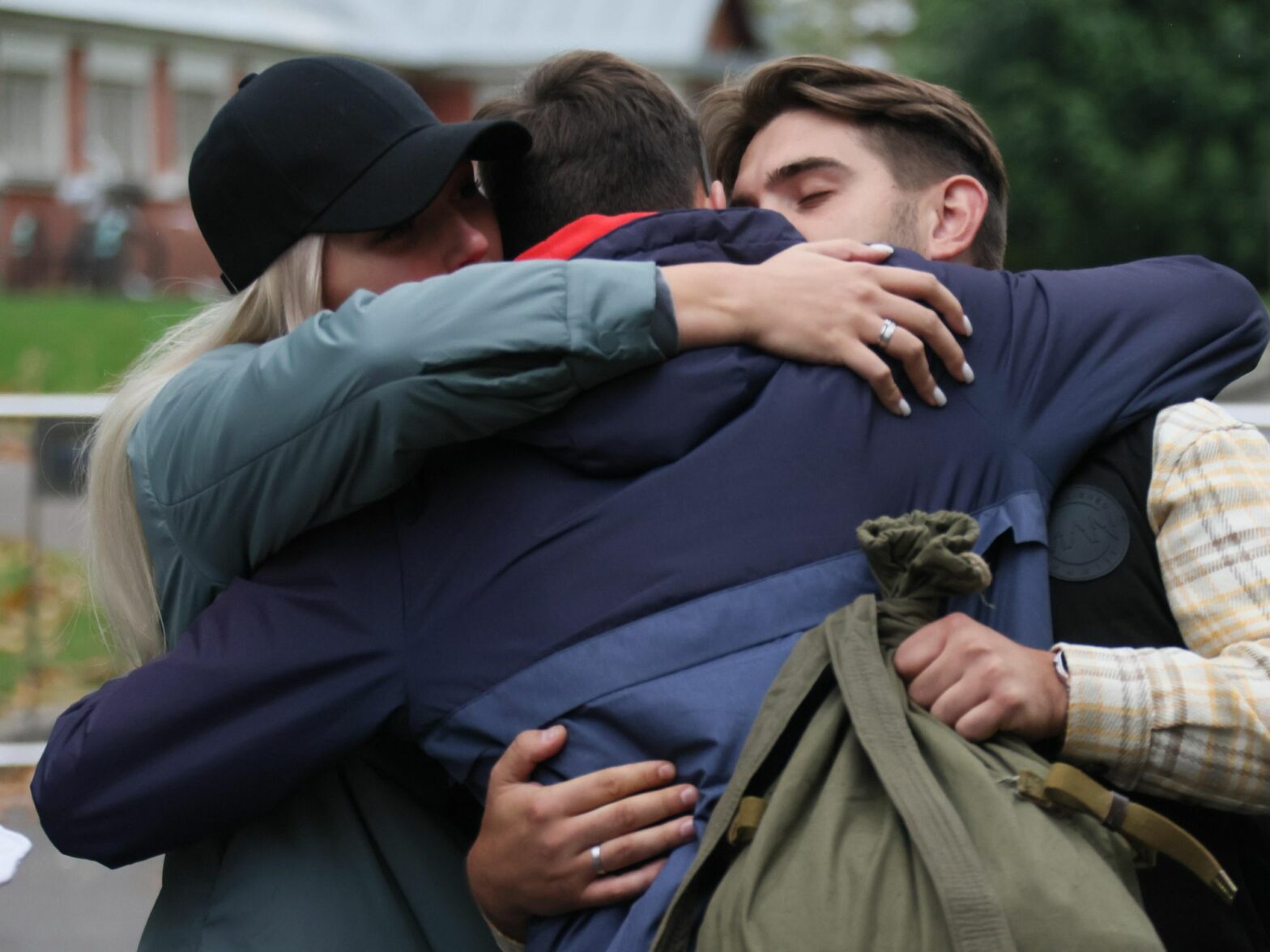
Ever since Russia announced a “partial mobilization” of hundreds of thousands of new recruits, we’ve seen plenty of coverage of those evading the draft. But the real story is how many untrained and under-equipped citizens will blindly follow the Kremlin’s orders.
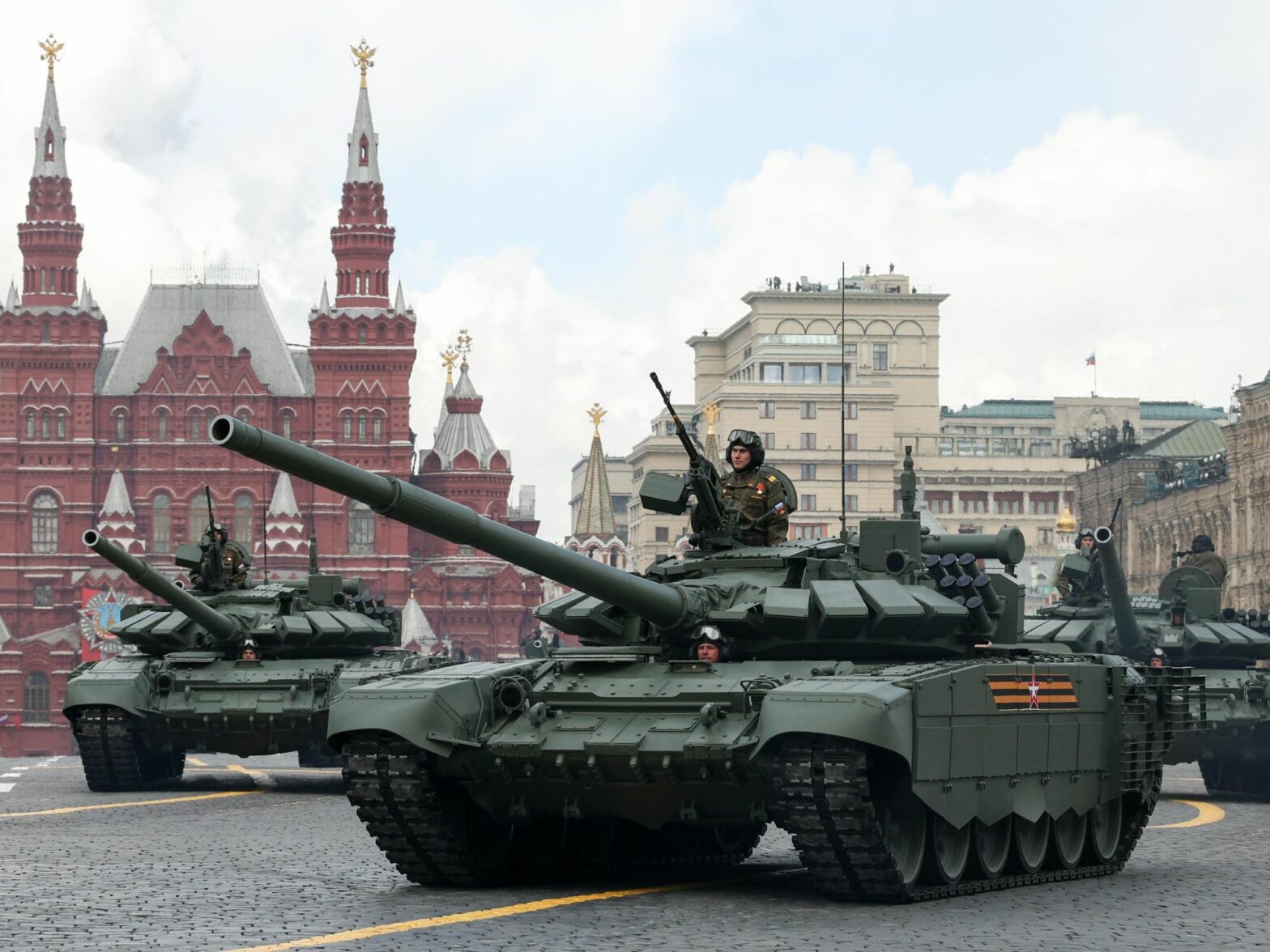
Despite what the Kremlin claims, Western sanctions against Russia are working. Perhaps most important is the embargo on electronic component exports, which prevents the Russian army from rebuilding tanks and missiles severely depleted in the war.
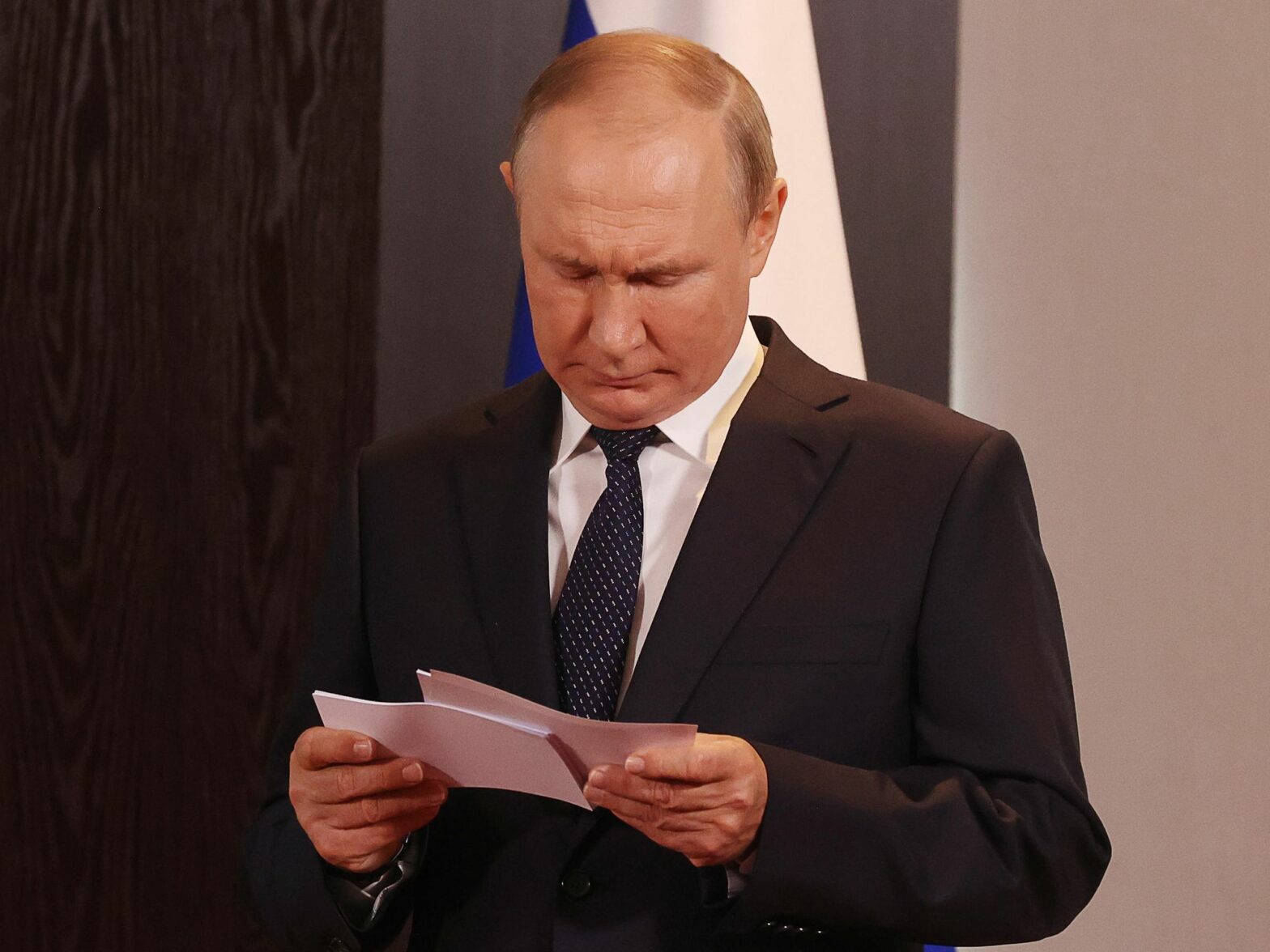
Negotiate? Stall? Double down? The Russian leader suddenly finds himself in front of a situation that offers no obvious good choices. Doing nothing, however, is not an option.
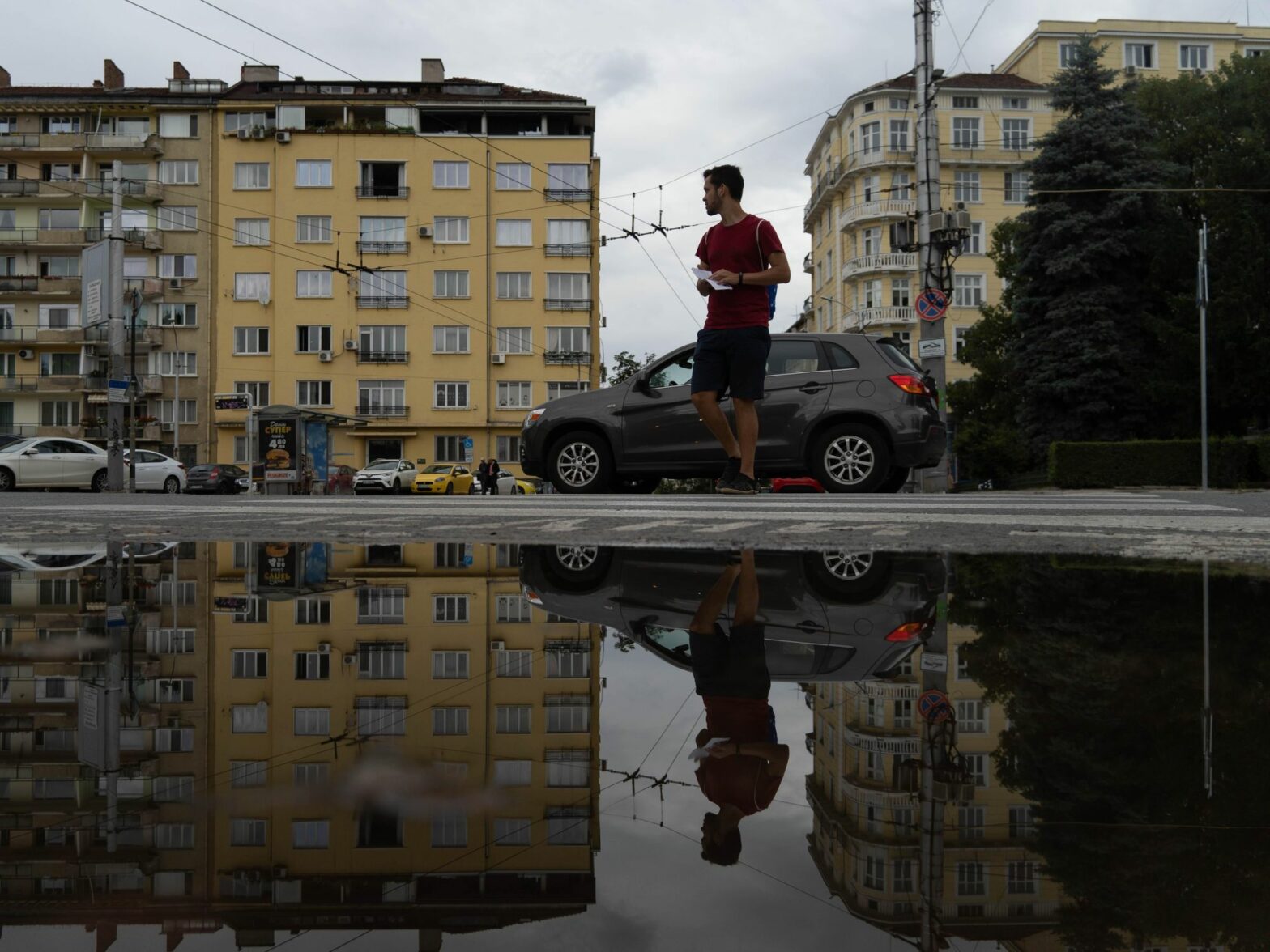
Bulgaria had sworn off Russian gas imports, but then its government collapsed. Now pro-Russian politicians are in power, which for the European Union means there is much more at stake than just energy supply.
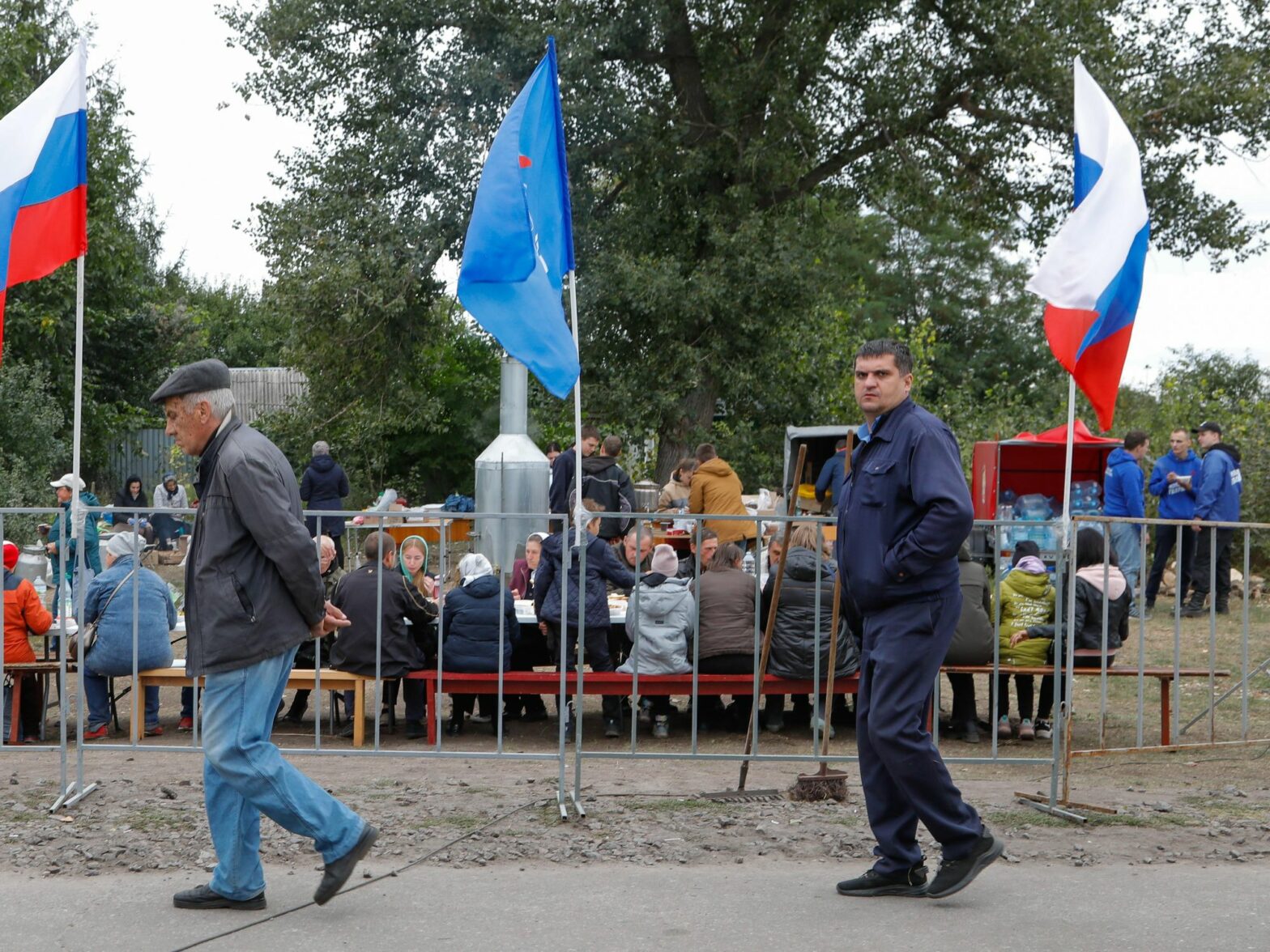
The successful Ukrainian counteroffensive in the northeast has brought Kyiv’s troops to the border, now with the artillery capacity to strike inside Russian territory. What are risks of launching a “counter-invasion”? What are risks of not doing so?