
-Analysis-
PARIS — Nobody really expected Vladimir Putin to be arrested on his arrival in Ulaanbaatar yesterday. Mongolia is a signatory to the Rome Treaty that created the International Criminal Court (ICC) and should therefore have executed the arrest warrant issued last year by the Court in The Hague for the Russian president.
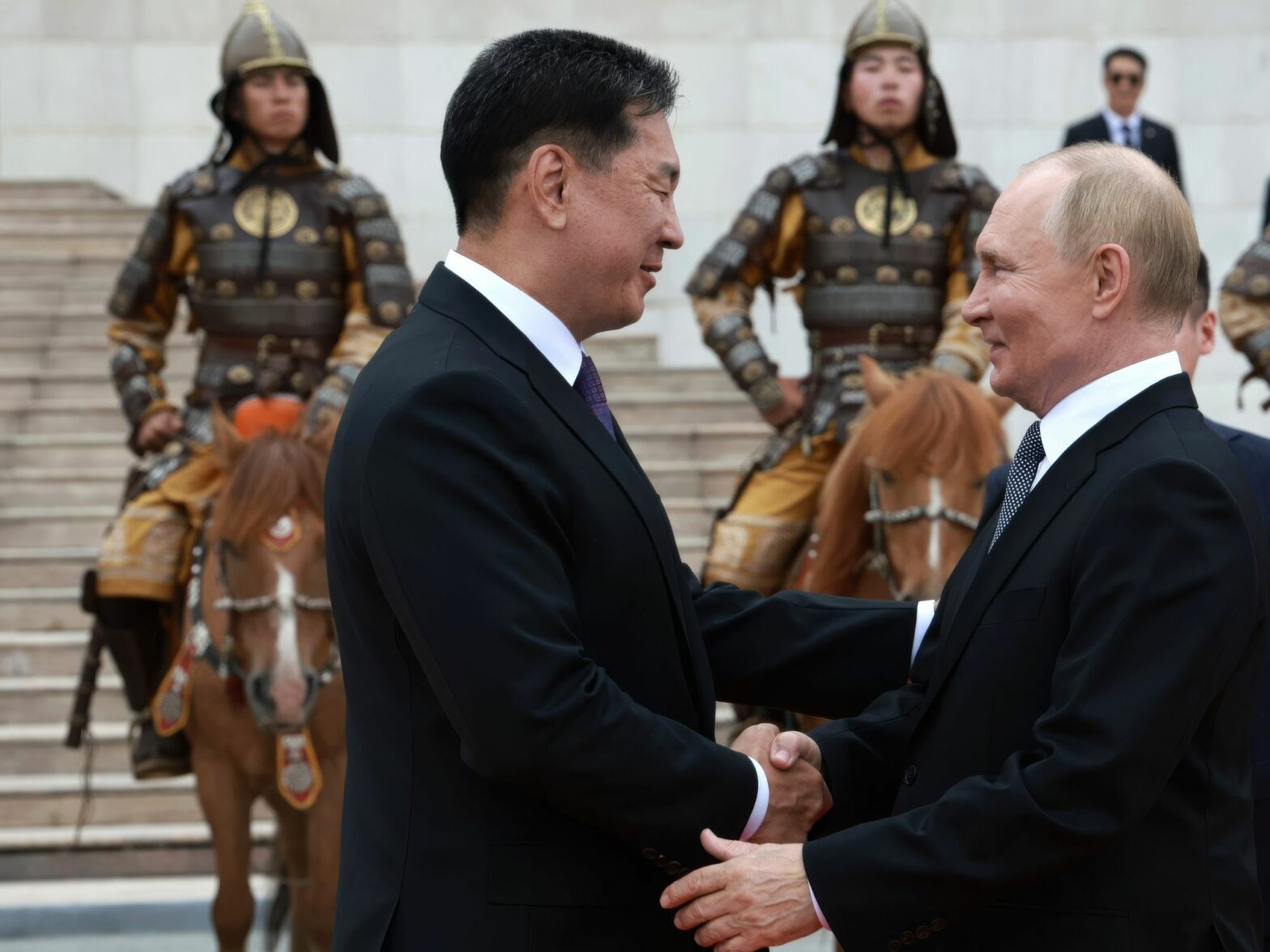
Rather than handcuffs, Putin was given a dignified welcome, complete with guardsmen on horseback wearing traditional armor, as is fitting in Mongolia. This country, once part of the Soviet sphere of influence, has the diplomacy of its geography. Landlocked between Russia and China, Mongolia makes sure it is neither in conflict with nor subservient to either of its powerful neighbors.
As for international justice, it will have to wait. Mongolia is the first ICC member Putin has visited since the arrest warrant was issued. Last year, he decided not to attend the BRICS summit in Johannesburg. Also an ICC member, South Africa would have found it more difficult to shirk its legal obligations.
What happened in Mongolia was a predictable setback, as the ICC does not have the means to fulfill its ambitions. And it has even less today, when the world order is being challenged.
The merit of existing
The ICC was founded in 1998, at a time of optimism, in the wake of the fall of the Berlin Wall a few years earlier. The wars in Yugoslavia and the Rwandan genocide had convinced the international community to create a court capable of judging tyrants and deterring despots.
But the game was flawed from the outset: neither the United States, nor Russia, China or Israel signed the Treaty of Rome. Justice yes, but for the others, the “little ones.”
As we can see with the non-event in Mongolia, the ICC has the merit of existing.
Is international justice dead? Not quite, because even if it does not have the desired effectiveness, as we can see with the non-event in Mongolia, the ICC has the merit of existing. The arrest warrant against Putin does not dissuade him from continuing his war in Ukraine, nor does it deter him from traveling. But it is a sword of Damocles that could weigh heavily when it comes to resolving the conflict.
A role in negotiations
In the same way, rulings by the International Court of Justice, a United Nations body, against Israel’s occupation of the Palestinian territories won’t make settlers leave the West Bank. But they do state the law irrevocably. And here, too, this may play a role in negotiations one day.
We are also awaiting the ICC’s indictments of Benjamin Netanyahu and Hamas leader Yahya Sinwar, as recommended by ICC Prosecutor Karim Khan, another significant symbolic gesture for public opinion.
This is a far cry from the hopes of the founding fathers of the Treaty of Rome nearly 30 years ago, who sought to prove wrong Cicero’s dictum that “in times of war, the law falls silent.” But the long march of international justice is not over — it is just waiting for better days.