Russia has always claimed to be a kind of sheriff on the territory of the former USSR, a zone the country considers as its “privileged interests.” Now it has lost both strength and authority in the war with Ukraine.
 Worldcrunch
Russia has always claimed to be a kind of sheriff on the territory of the former USSR, a zone the country considers as its “privileged interests.” Now it has lost both strength and authority in the war with Ukraine.
The little-known Energy Charter Treaty protects oil and gas firms from regulation that harms their interests. The Dutch government has pulled out, and now the rest of Europe may follow.
Russia’s martial law for the occupied territories of Ukraine is a “pseudo-legalization of looting of Ukrainians’ property,” said another official in Kyiv.
Ukraine’s recent successes on the battlefield have put pressure on Vladimir Putin, who has launched what appear to be desperate attacks on civilians and infrastructure in response. Experts warn that it is dangerous to believe that Russia is bound to fail.
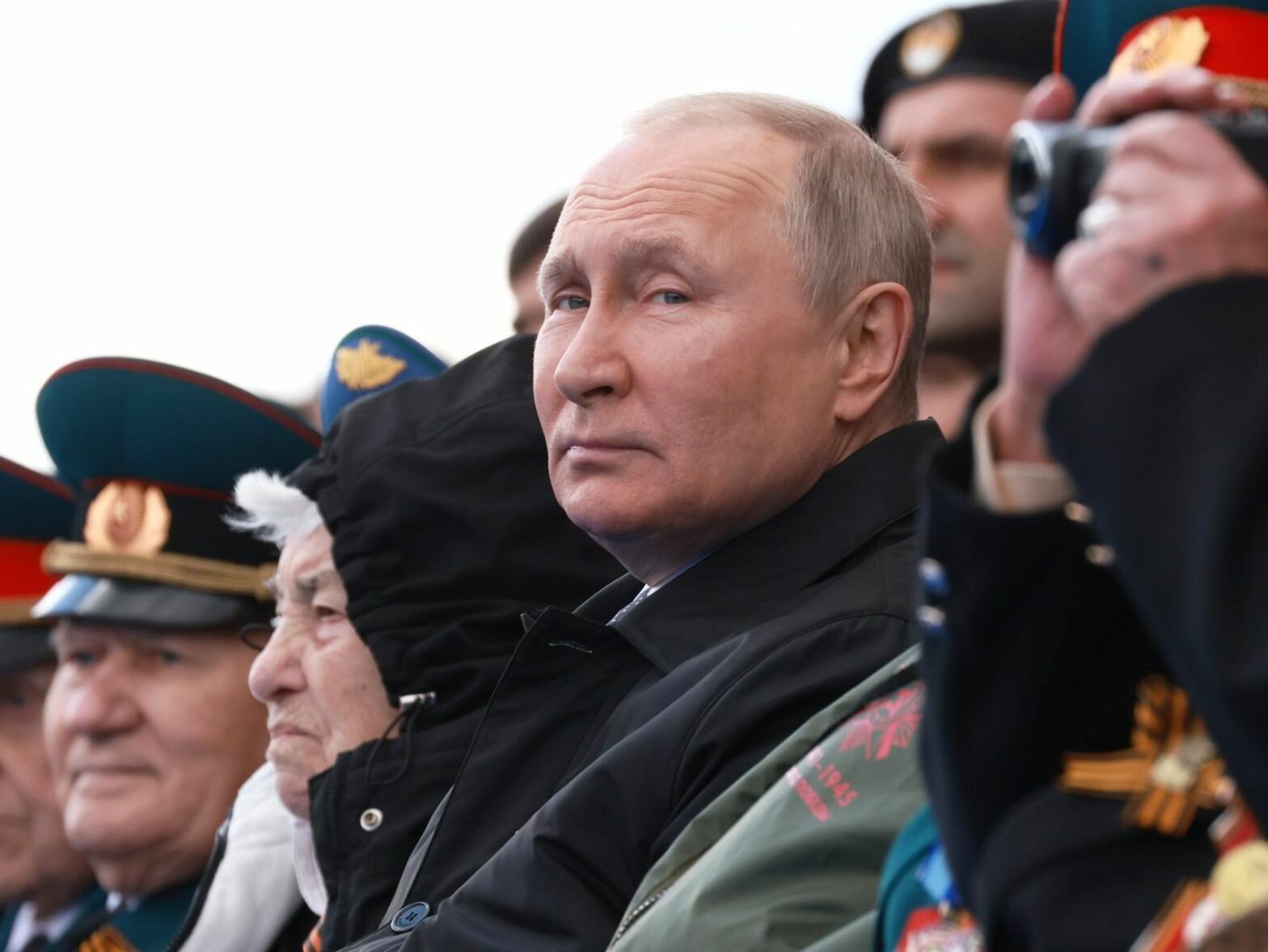
The missile attacks this week on Ukrainian cities will not scare Kyiv into submission. It’s the latest and gravest sign that Vladimir Putin may be bound to face an even grimmer tactical choice: the nuclear option.
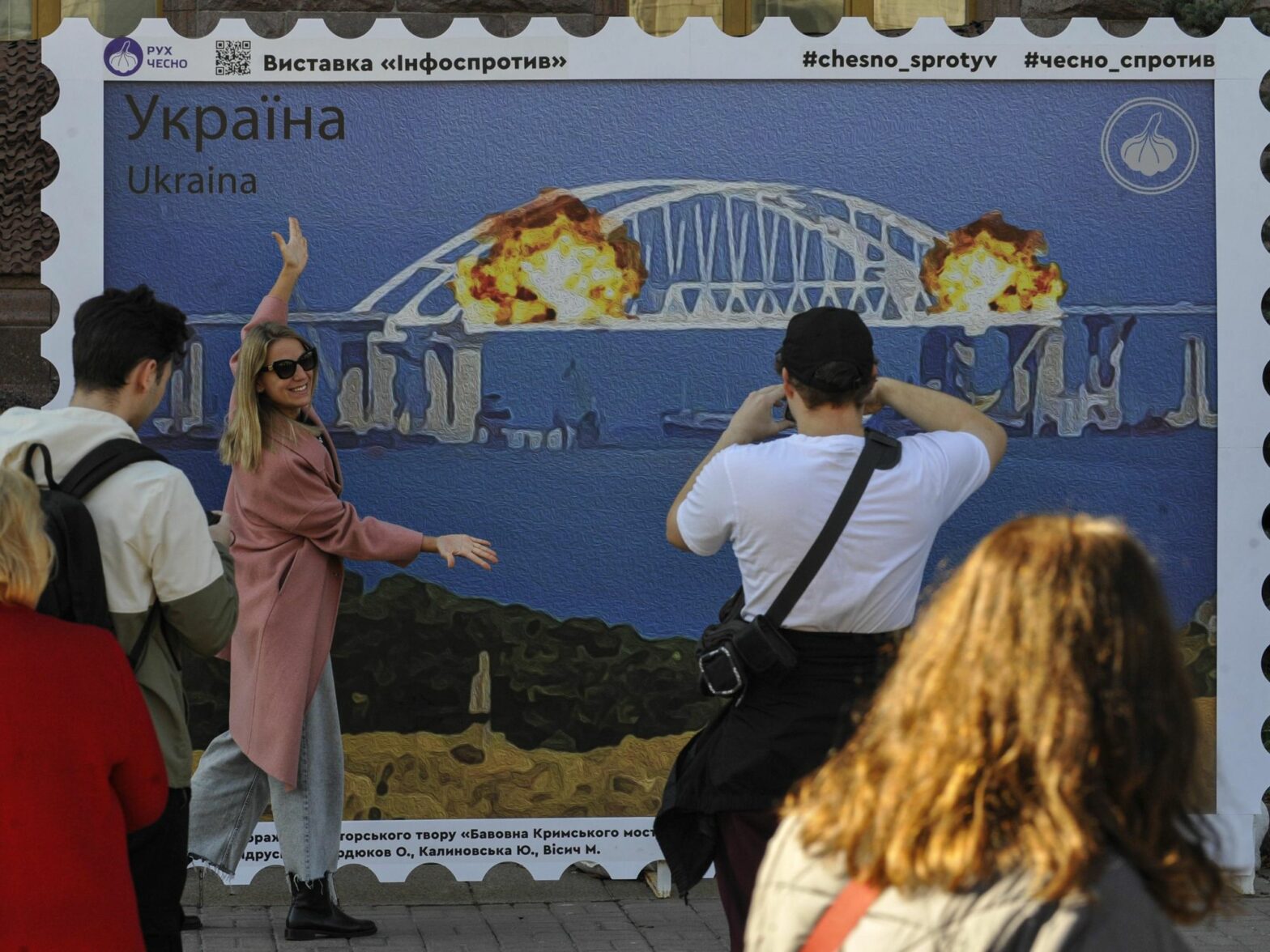
The Kremlin blamed the Oct. 8 Crimea bridge explosion on the “Main Intelligence Directorate of the Ukrainian Ministry of Defense” and its director, Kyrylo Budanov, and detained five Russians and three citizens of Ukraine and Armenia.
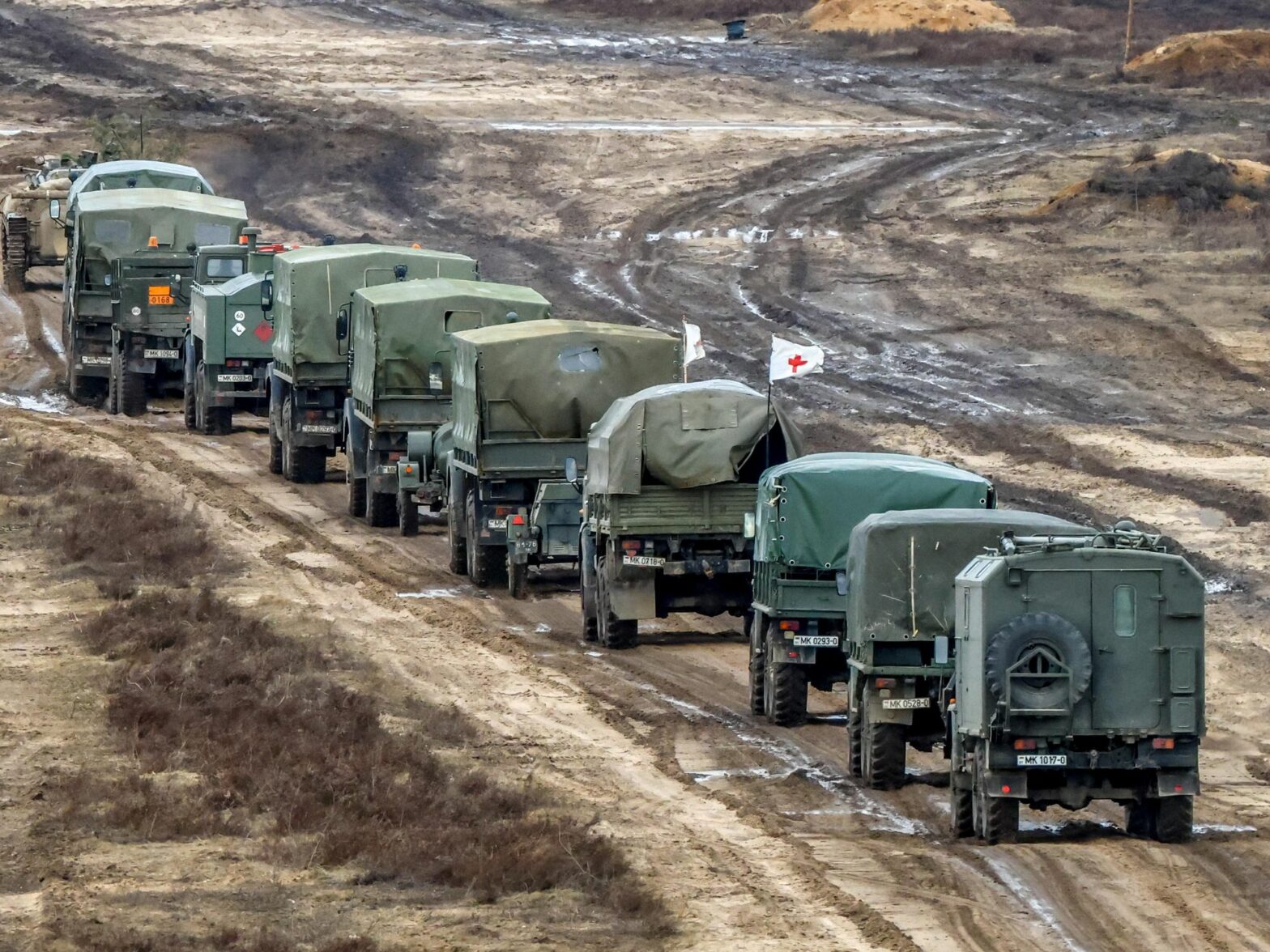
As the war in Donbas is bogged down, the most likely major new gambit in Vladimir Putin’s ambitions in Ukraine would be to get military support from his ally in Minsk, Belarusian strongman Alexander Lukashenko. How would that actually go down?
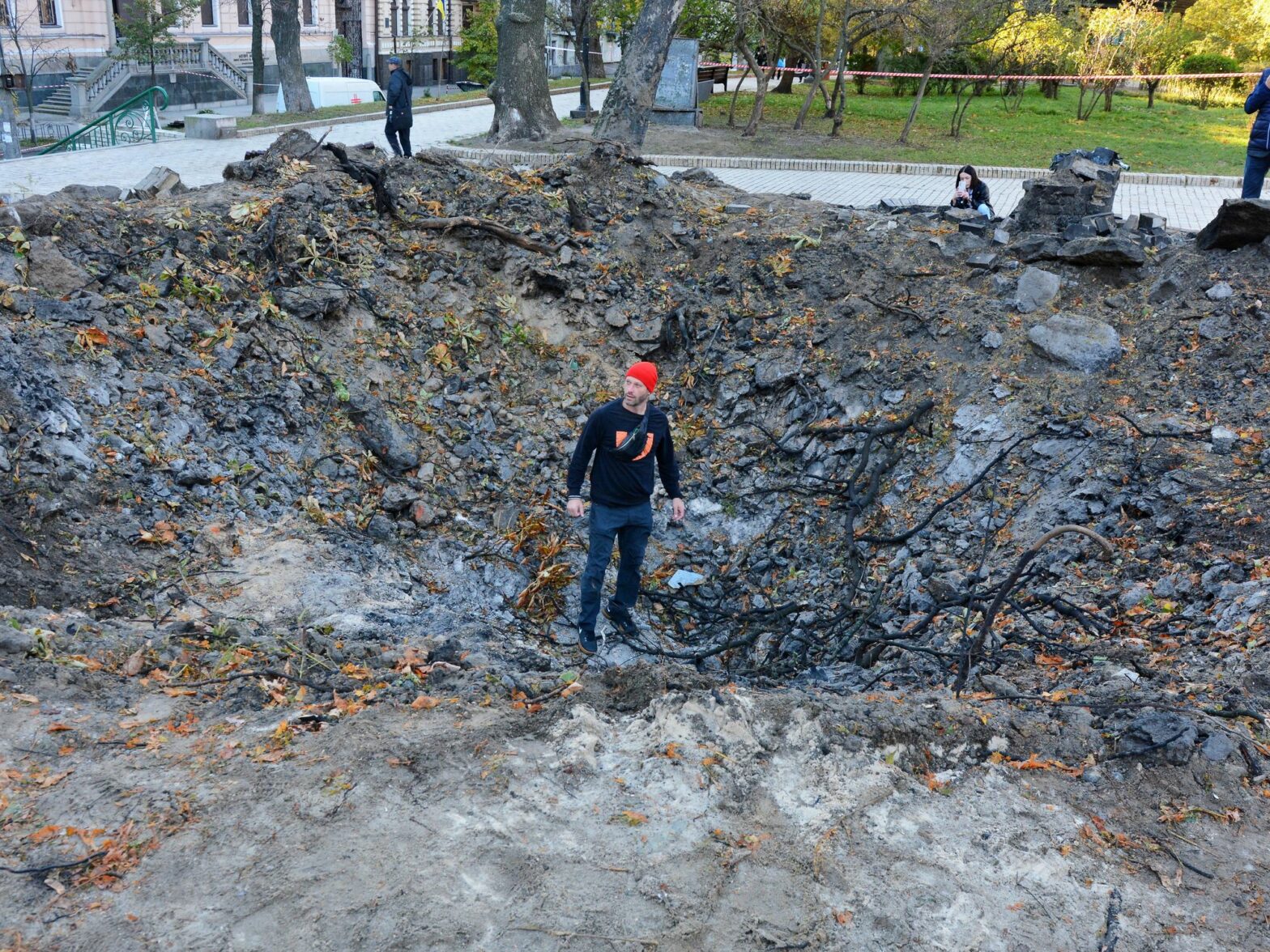
This week’s massive strikes by Russia on Ukrainian territory brought back the terror of the first days of the invasion across the entire country. Were they strategic strikes, or simply a retaliation for Ukraine’s attack on a strategic bridge in Russia-occupied territory in Crimea?
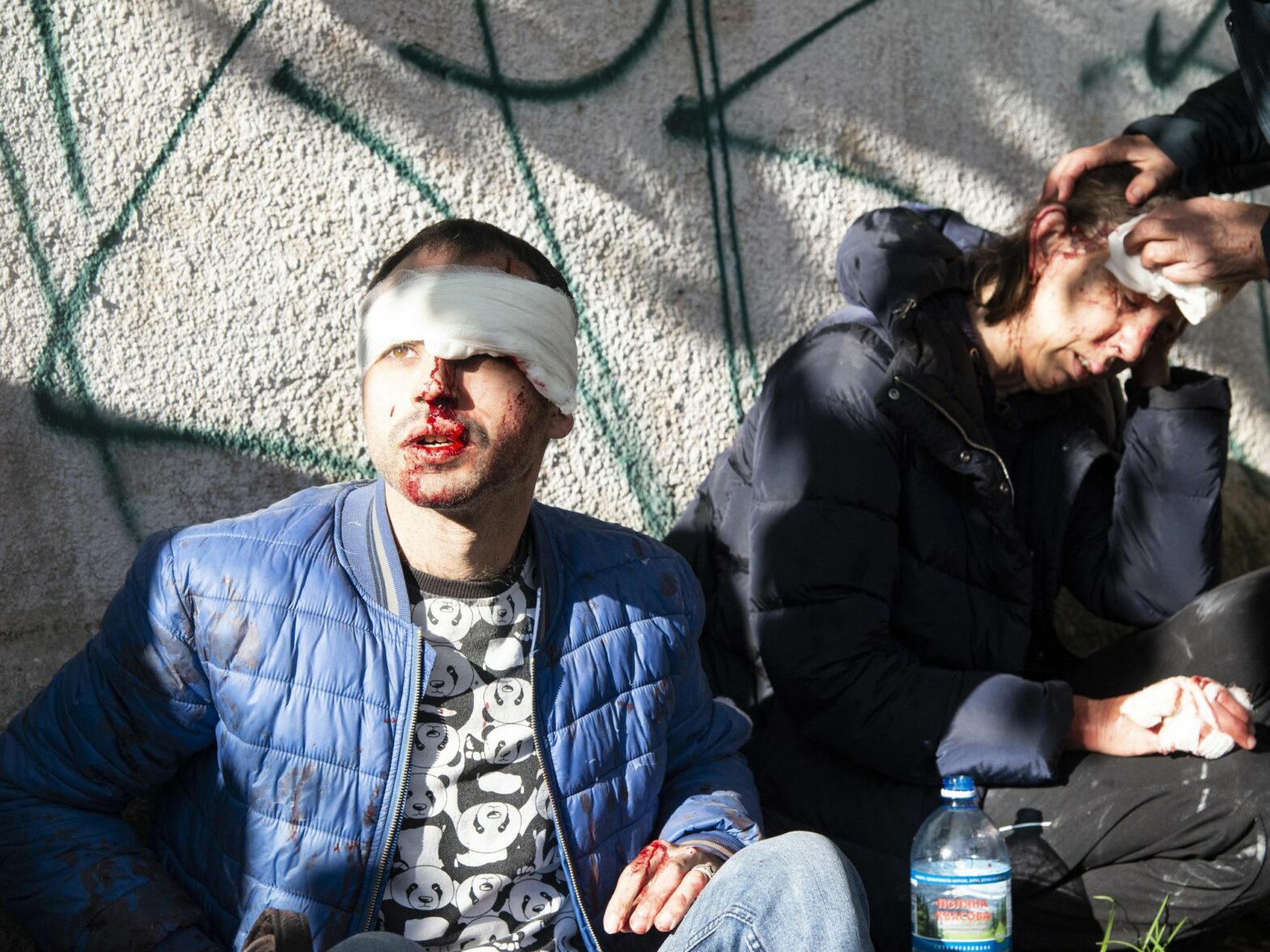
Russia has launched a barrage of missile strikes against Kyiv and other major cities, timing the attacks for maximum civilian toll to coincide with Monday morning rush hour. The attacks are a direct response from Moscow to the explosion Saturday that severely damaged the bridge connecting Crimea to the Russian mainland. Three people reportedly died […]
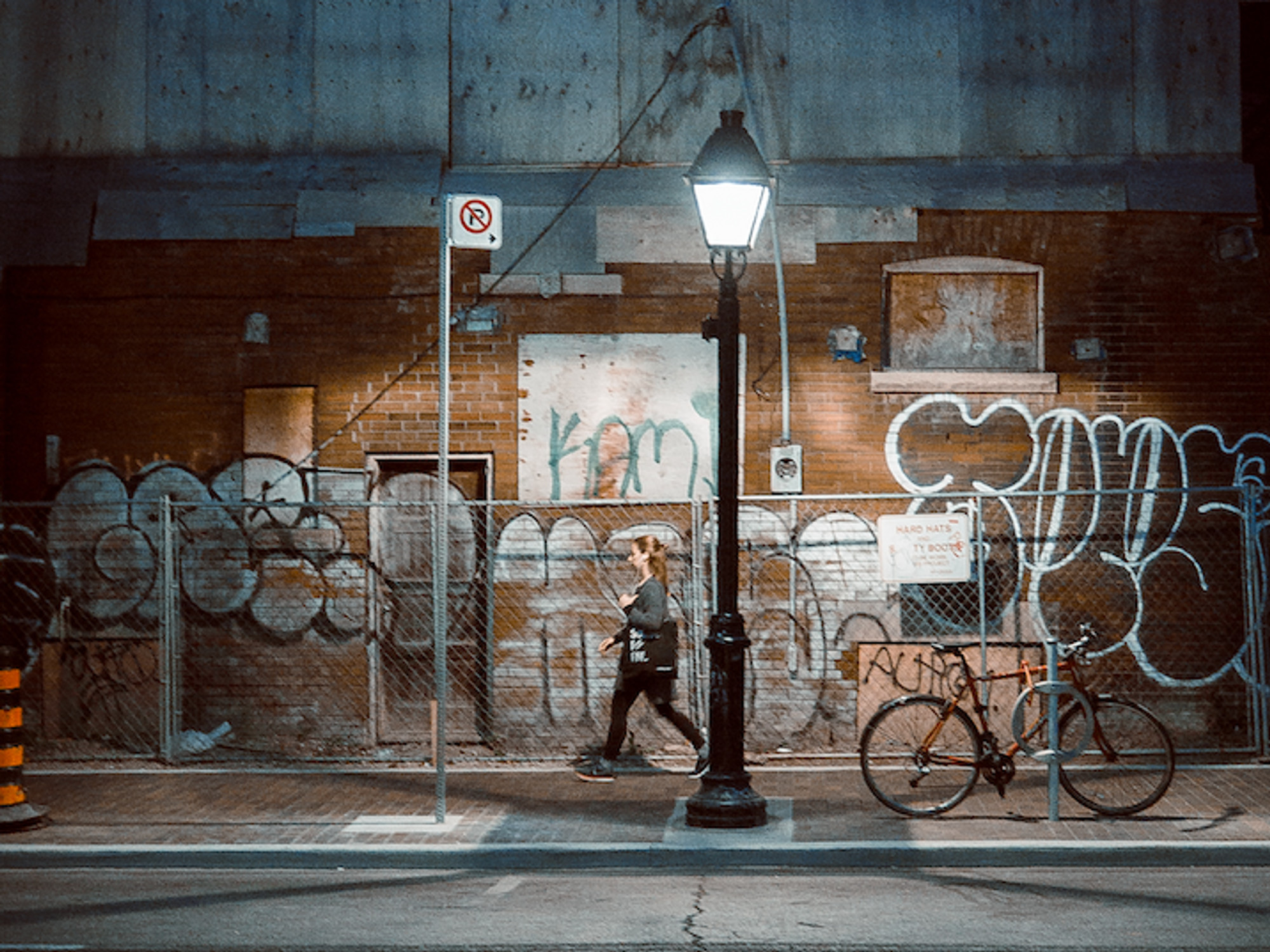
Keeping the lights out at night may be a good measure both for the environment and in the context of an energy crisis – but it may have repercussions on people’s sense of security, in particular for women.
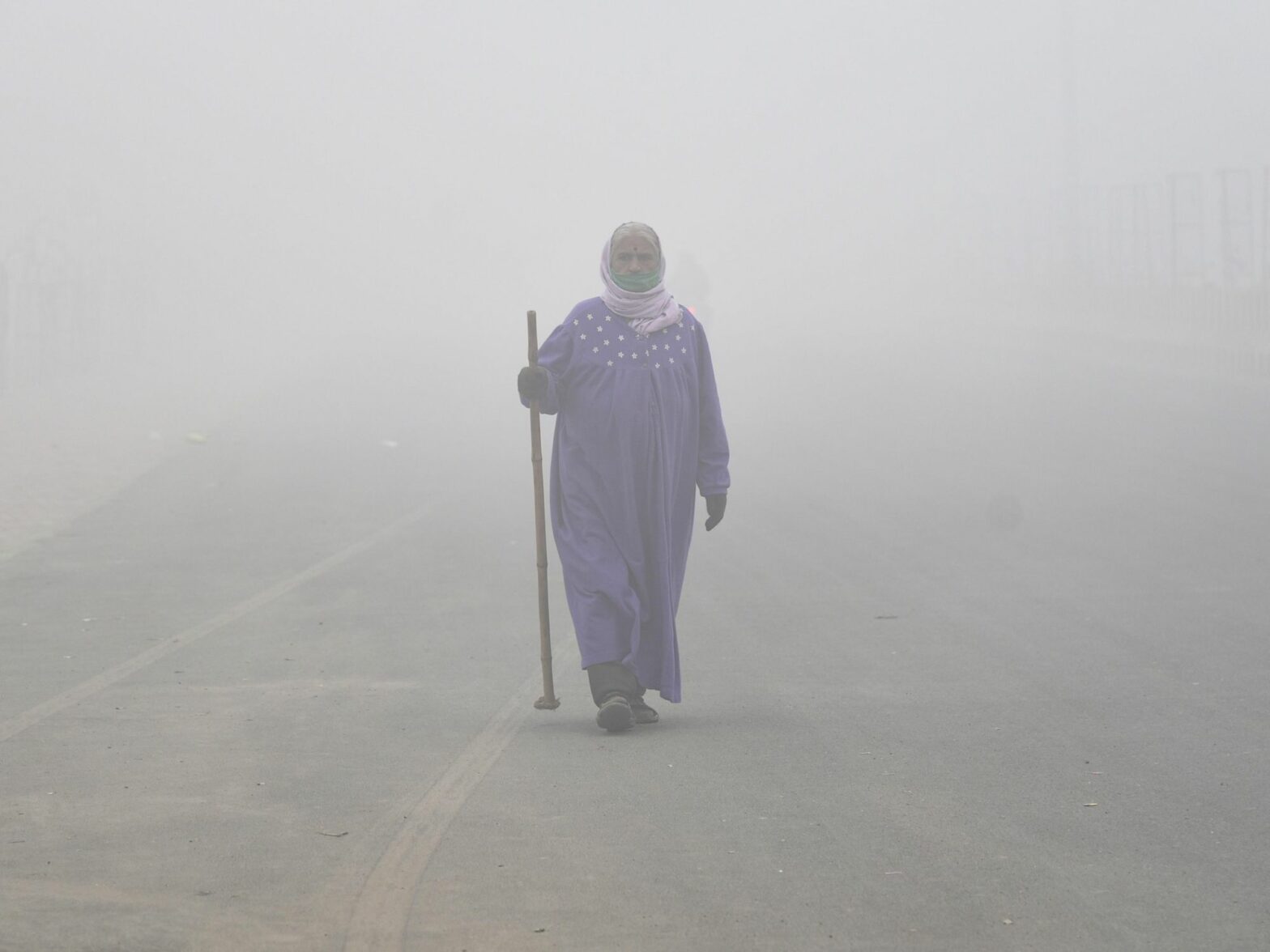
India is one of the world’s worst countries for air pollution, with women more likely to be affected by the problem than men. Now, experts and activists are fighting to reframe pollution as a gendered health crisis.
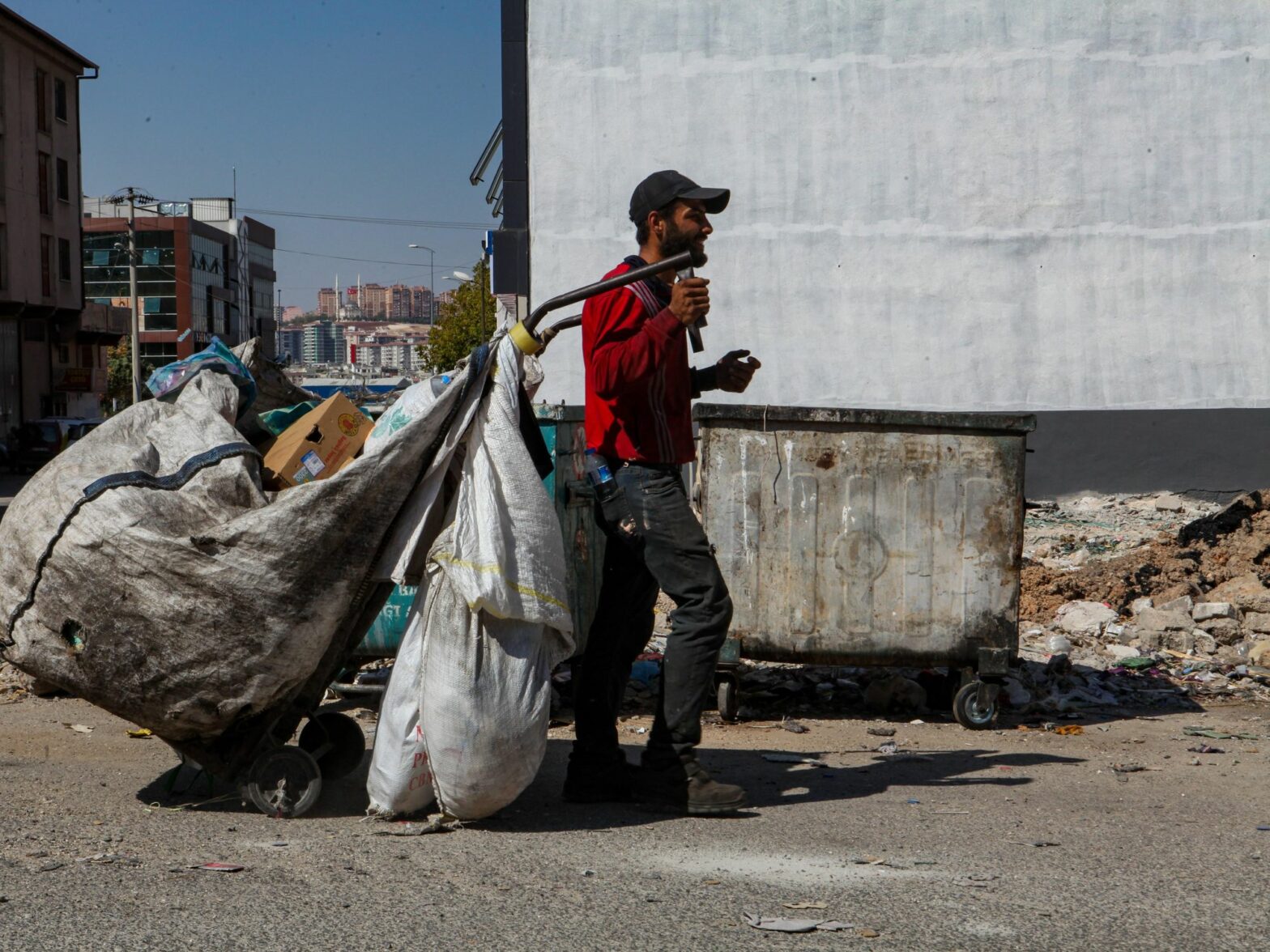
In Turkey, resentment against Syrian refugees is growing. And President Erdogan – once their patron – is now busy seeking good relations with the man the Syrians fled, the dictator Bashar al-Assad.
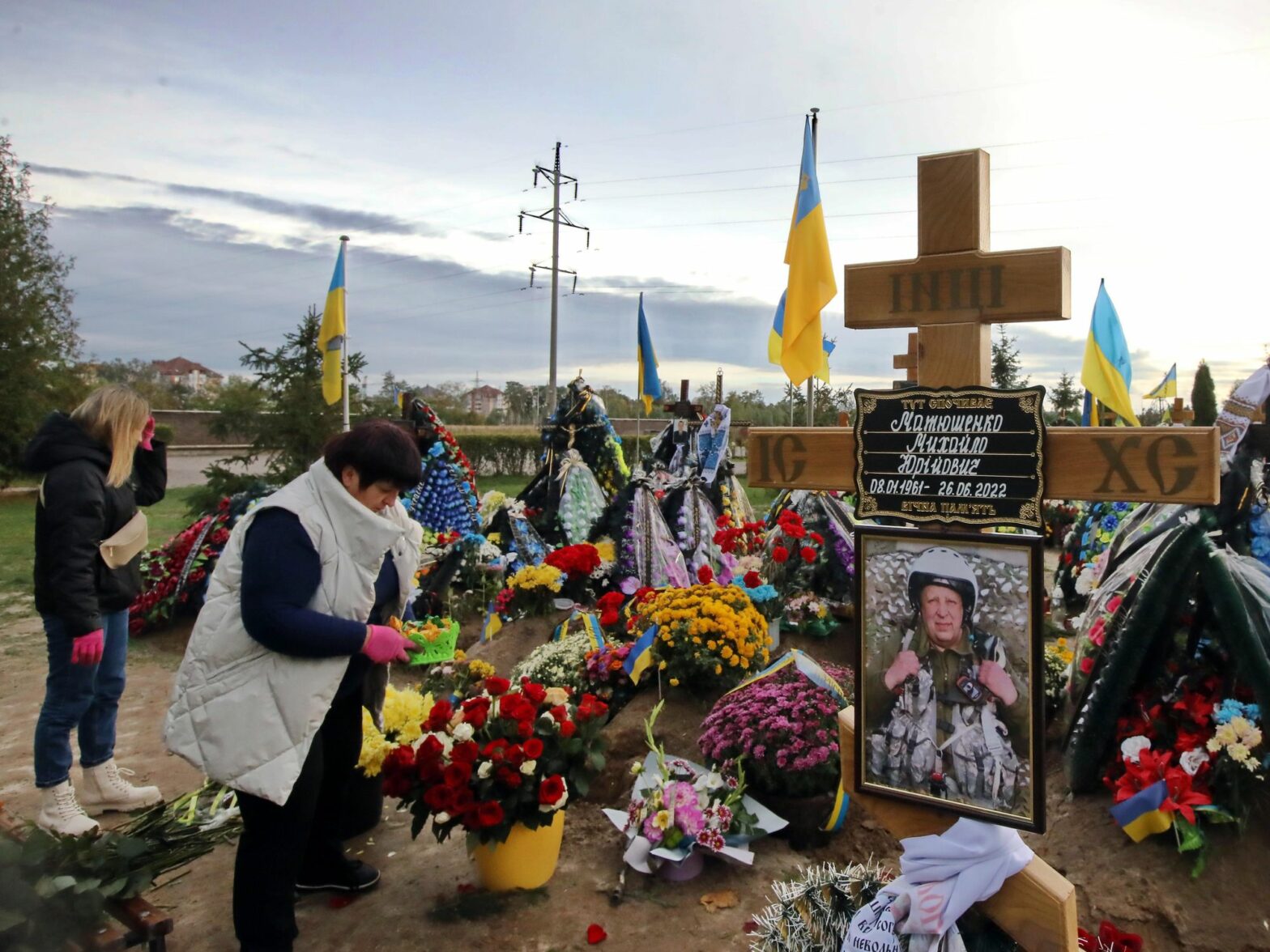
Testimonies have been gathered from victims who had been detained by the Russian military near Kyiv in the early weeks of the war. Some were held in a pit, others had their hands beaten with hammer, others with an axe and rifle butt. Some never made it out alive.
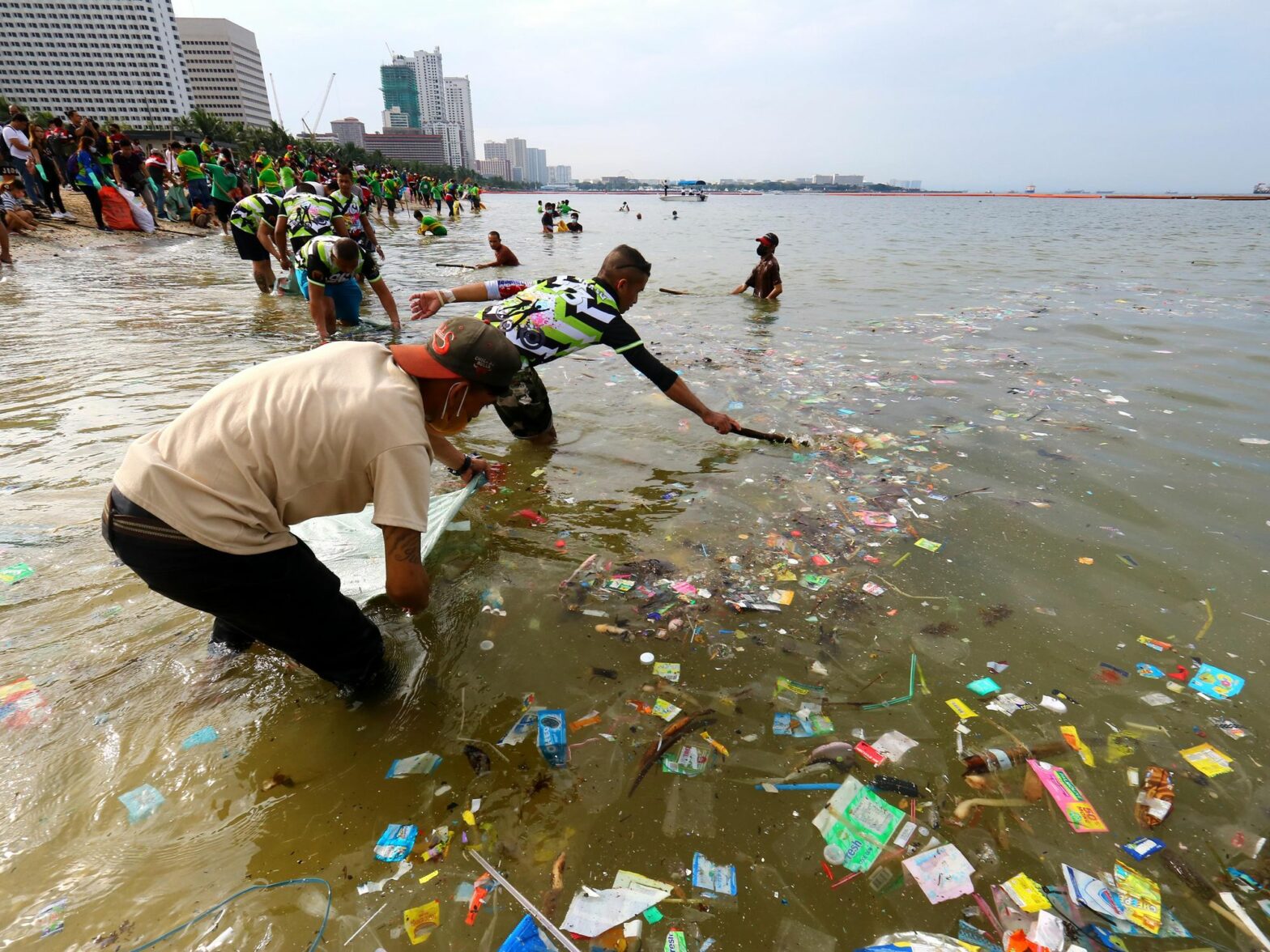
States and technology have failed to stop the destruction of the natural world, but a deceptively simple rethinking of our habits could turn the tide.
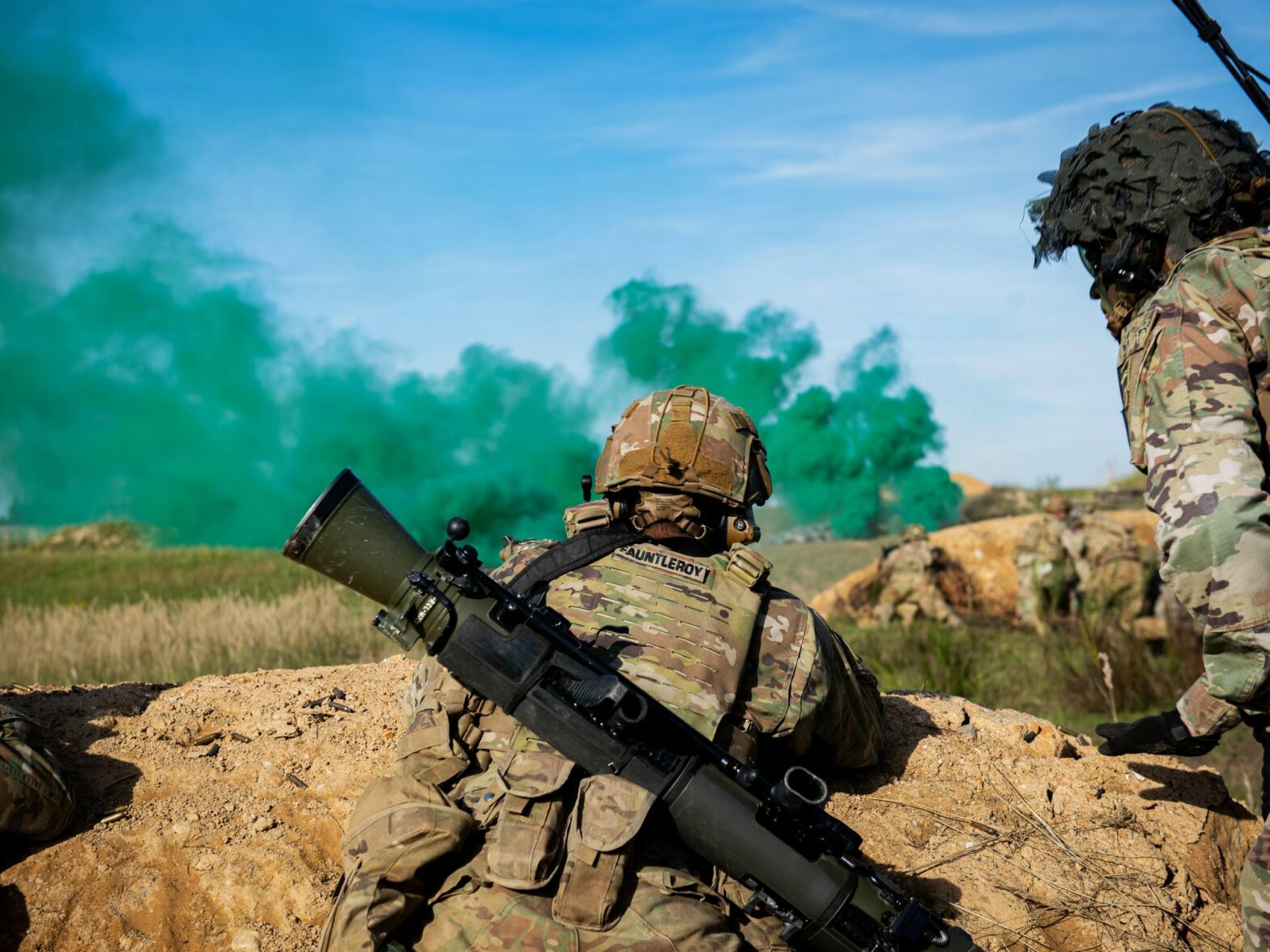
Ukraine’s President Zelensky should not be putting pressure for NATO membership now. It raises the risk of a wider war, and the focus should be on continuing arms deliveries from the West. After all, peace will be decided on the battlefield.
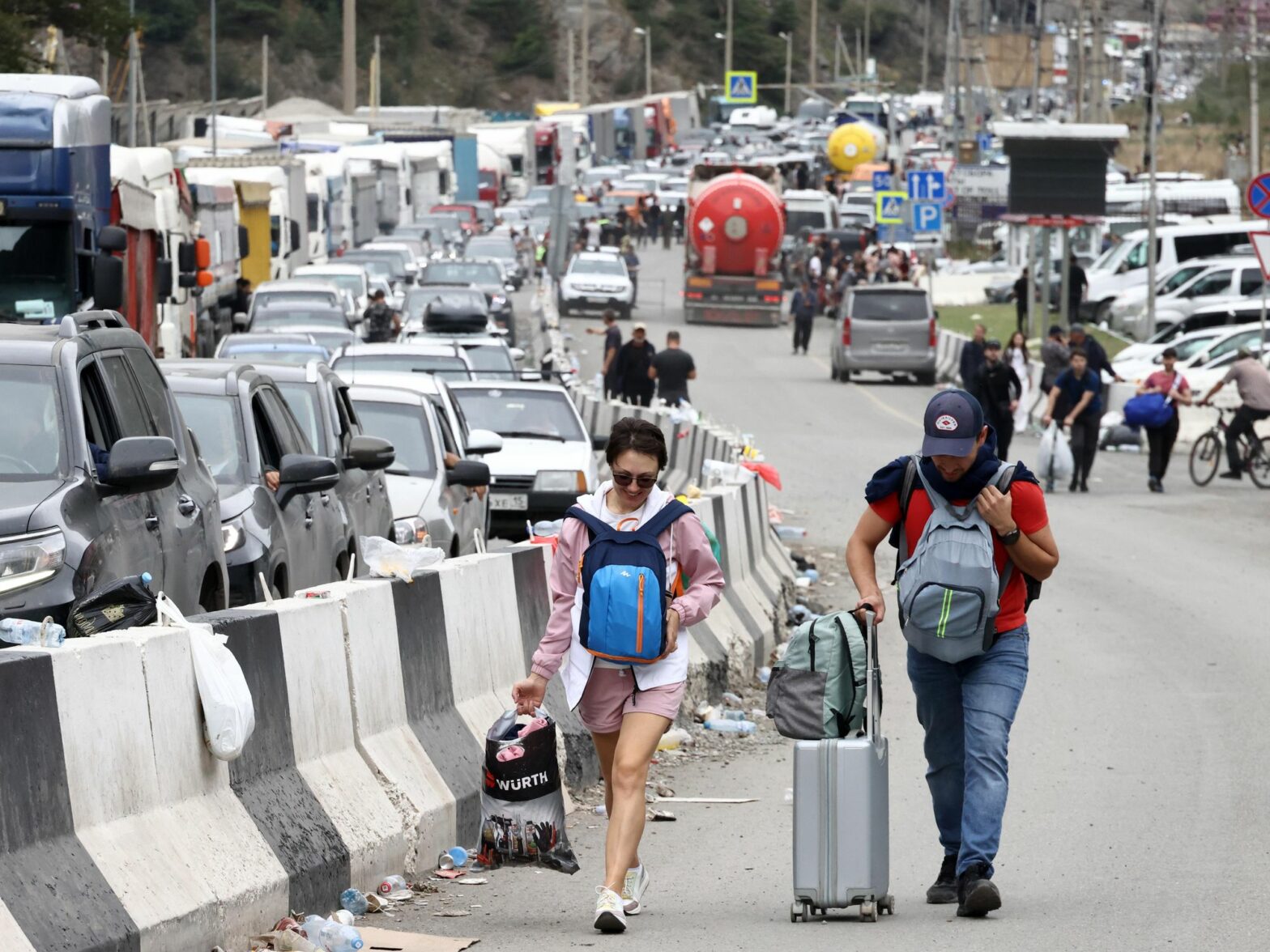
Europe should welcome the exodus of conscientious objectors from Russia. But the conditions vary across the continent, and there needs to be some security precautions.
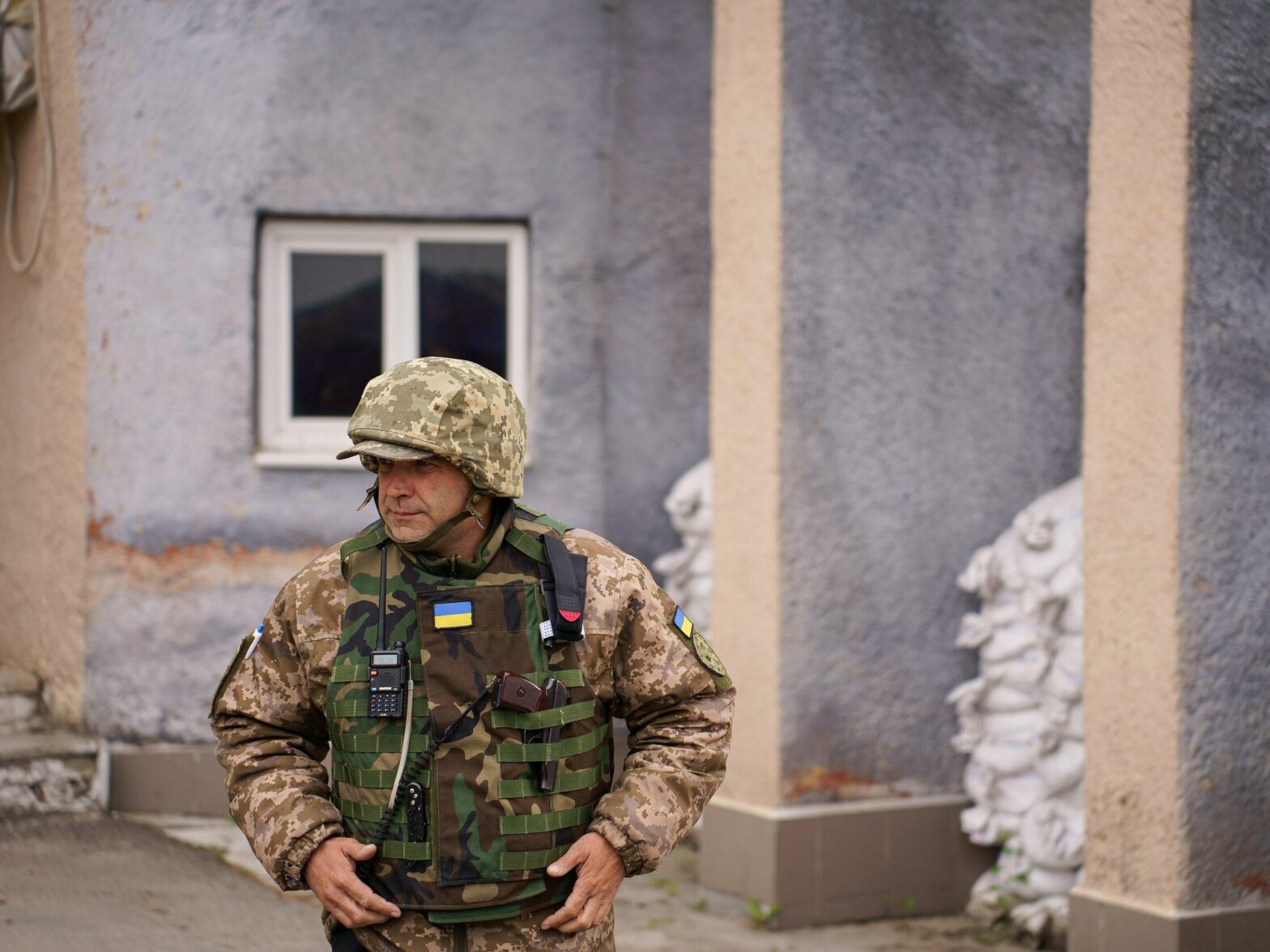
Vladimir Putin announced the annexation of Ukrainian territories in a ceremony in the Kremlin. In a village just a few kilometers away from what is now the Ukraine-Russia “border” in Putin’s eyes, life continues amid constant shelling and the fear of what comes next.
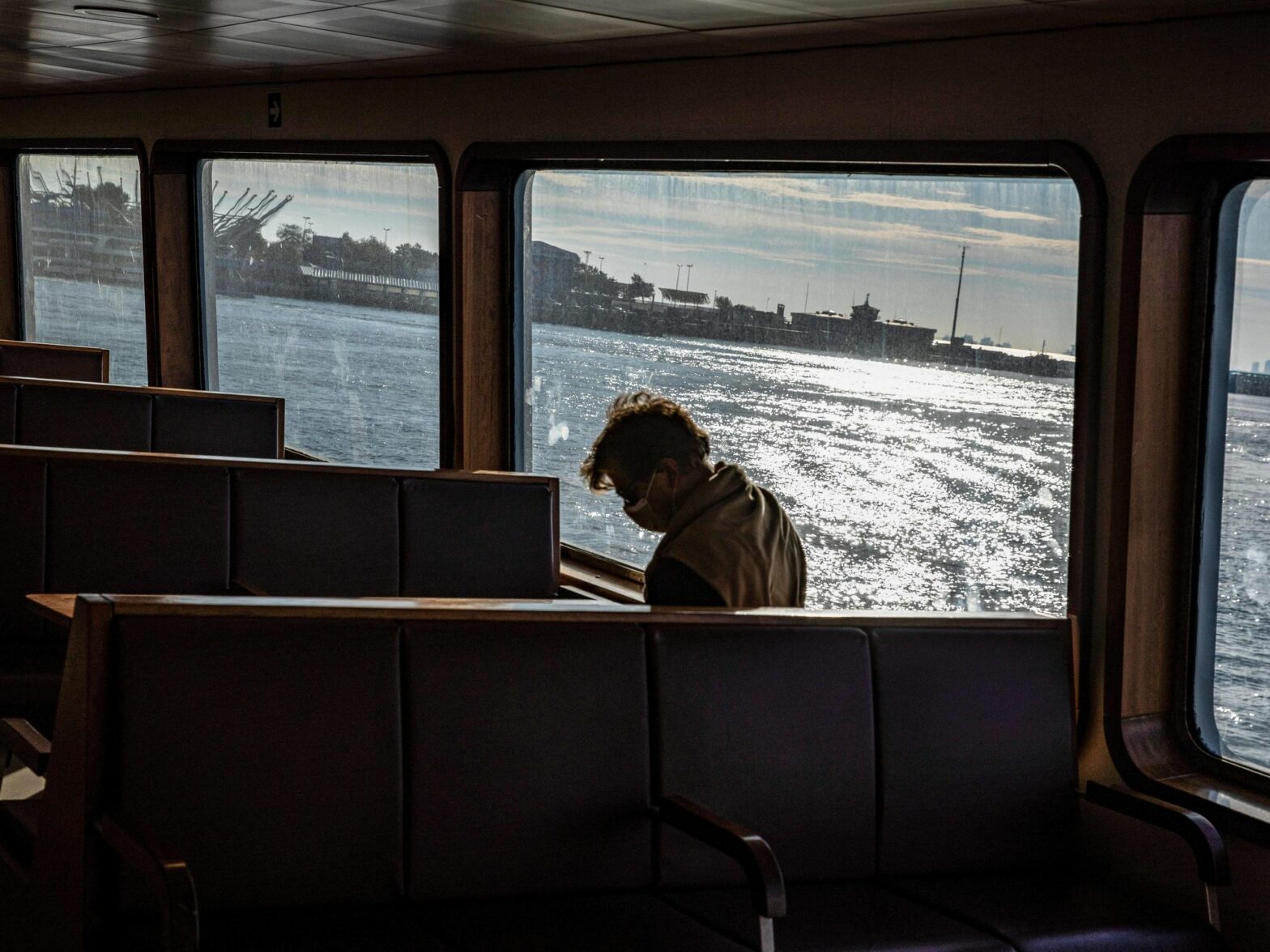
Hundreds of thousands of men have left Russia since partial mobilization was announced. Turkey, which still has air routes open with Moscow, is one of their top choices. But life is far from easy once they land.
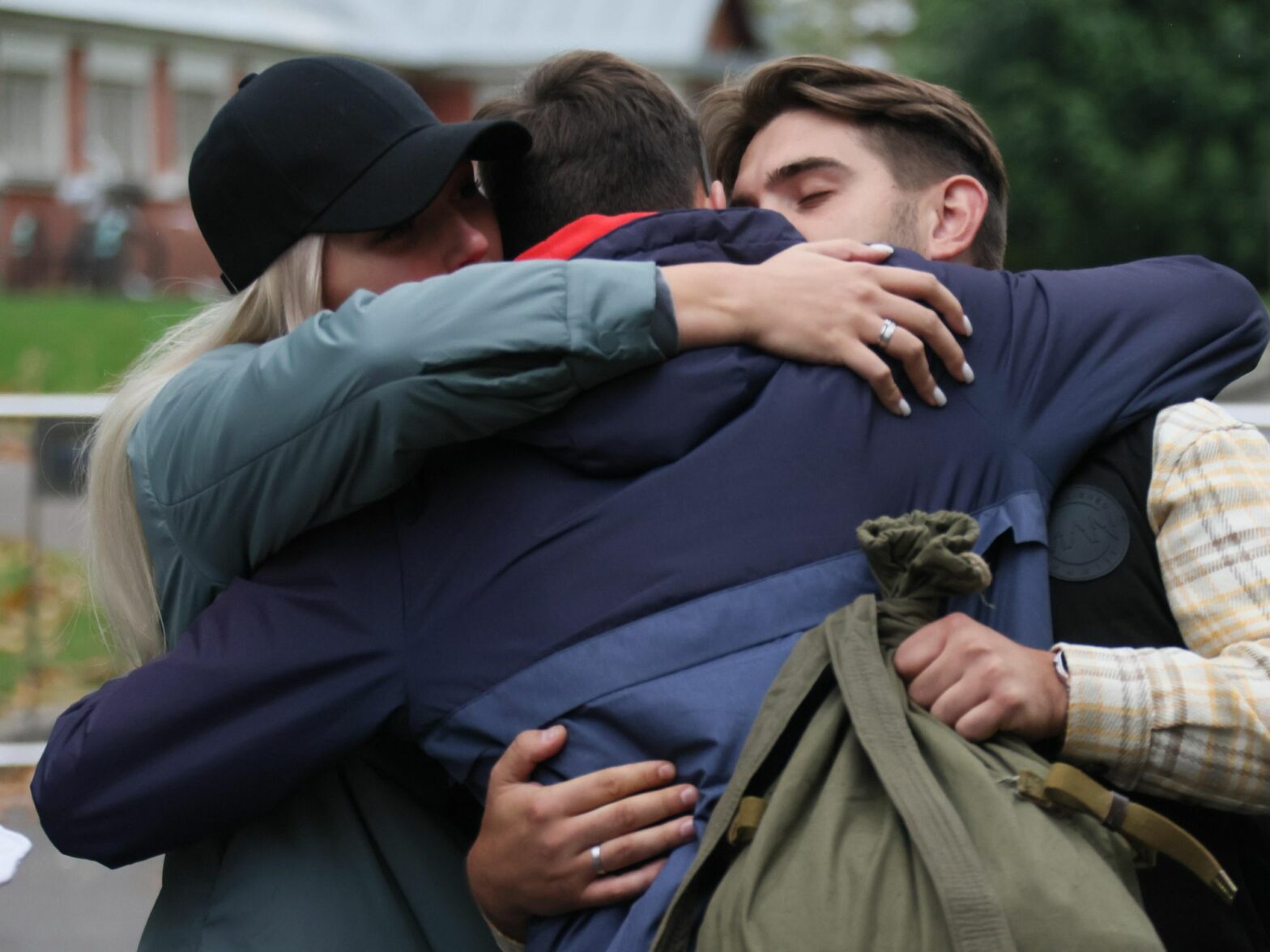
Ever since Russia announced a “partial mobilization” of hundreds of thousands of new recruits, we’ve seen plenty of coverage of those evading the draft. But the real story is how many untrained and under-equipped citizens will blindly follow the Kremlin’s orders.
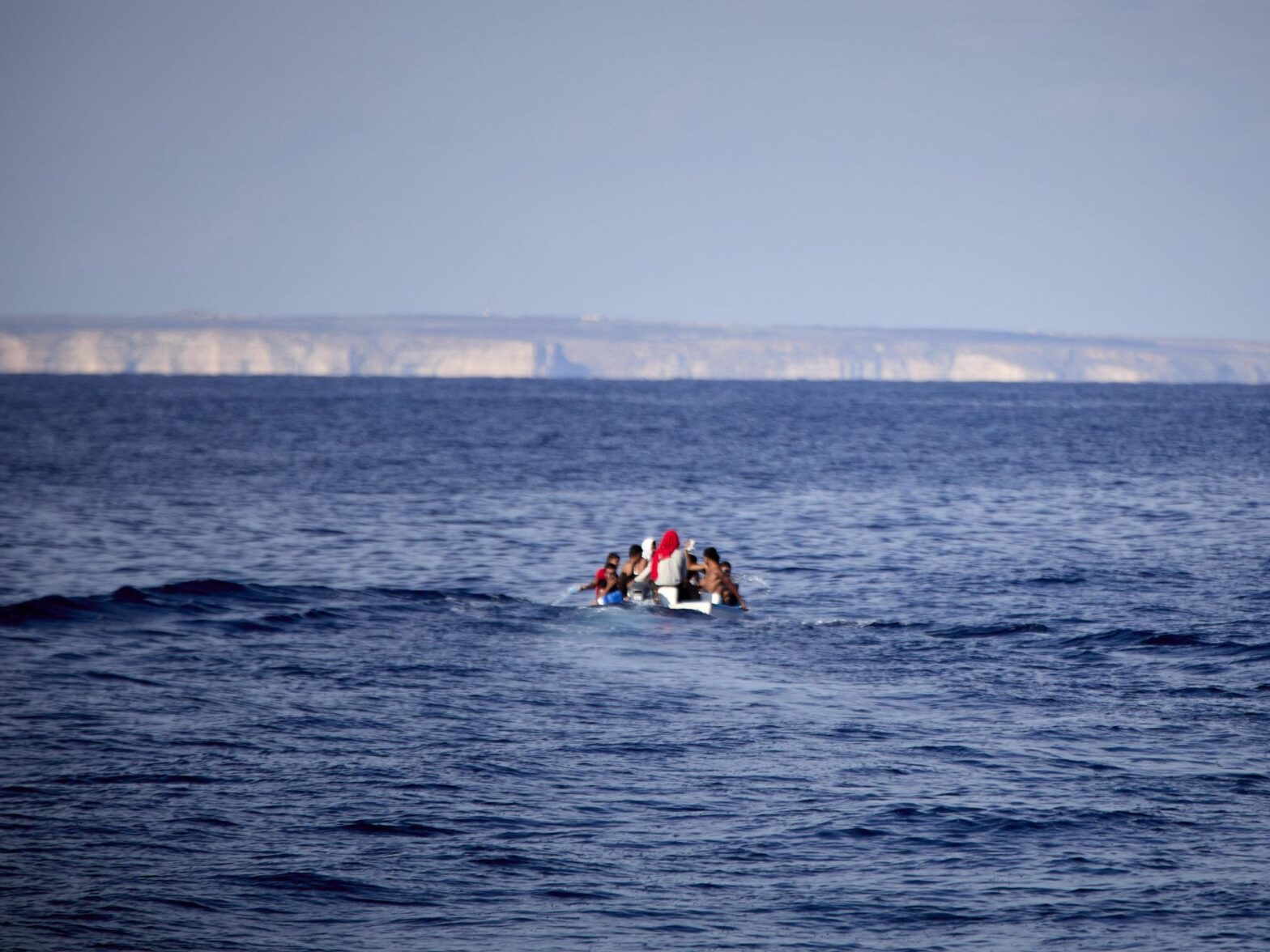
In West and North Africa, survivors of migrants who’ve vanished have come together to support each other and pay tribute to their family members. But above all, they’re trying any means possible to find out the truth and get justice after years of silence.
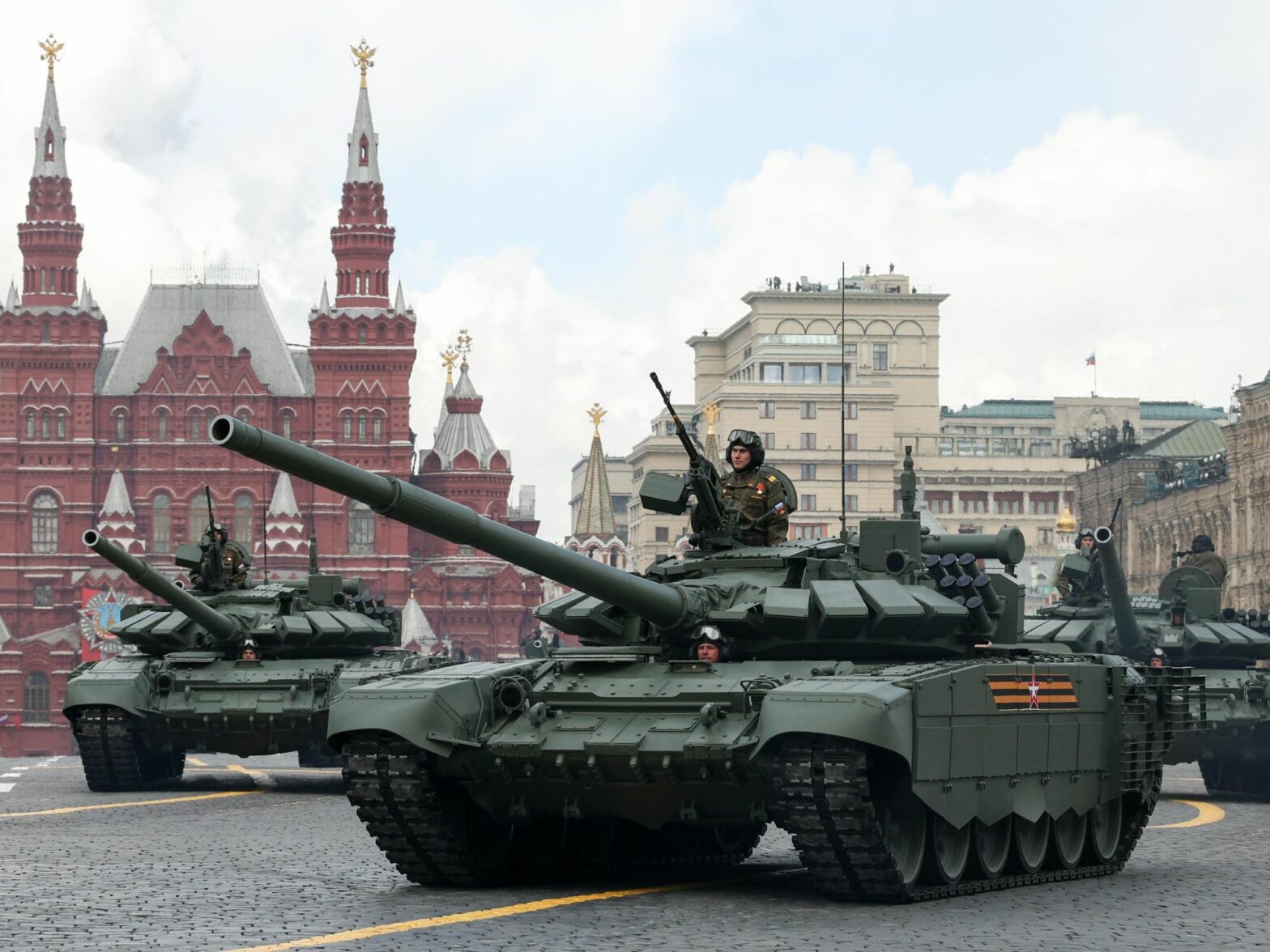
Despite what the Kremlin claims, Western sanctions against Russia are working. Perhaps most important is the embargo on electronic component exports, which prevents the Russian army from rebuilding tanks and missiles severely depleted in the war.
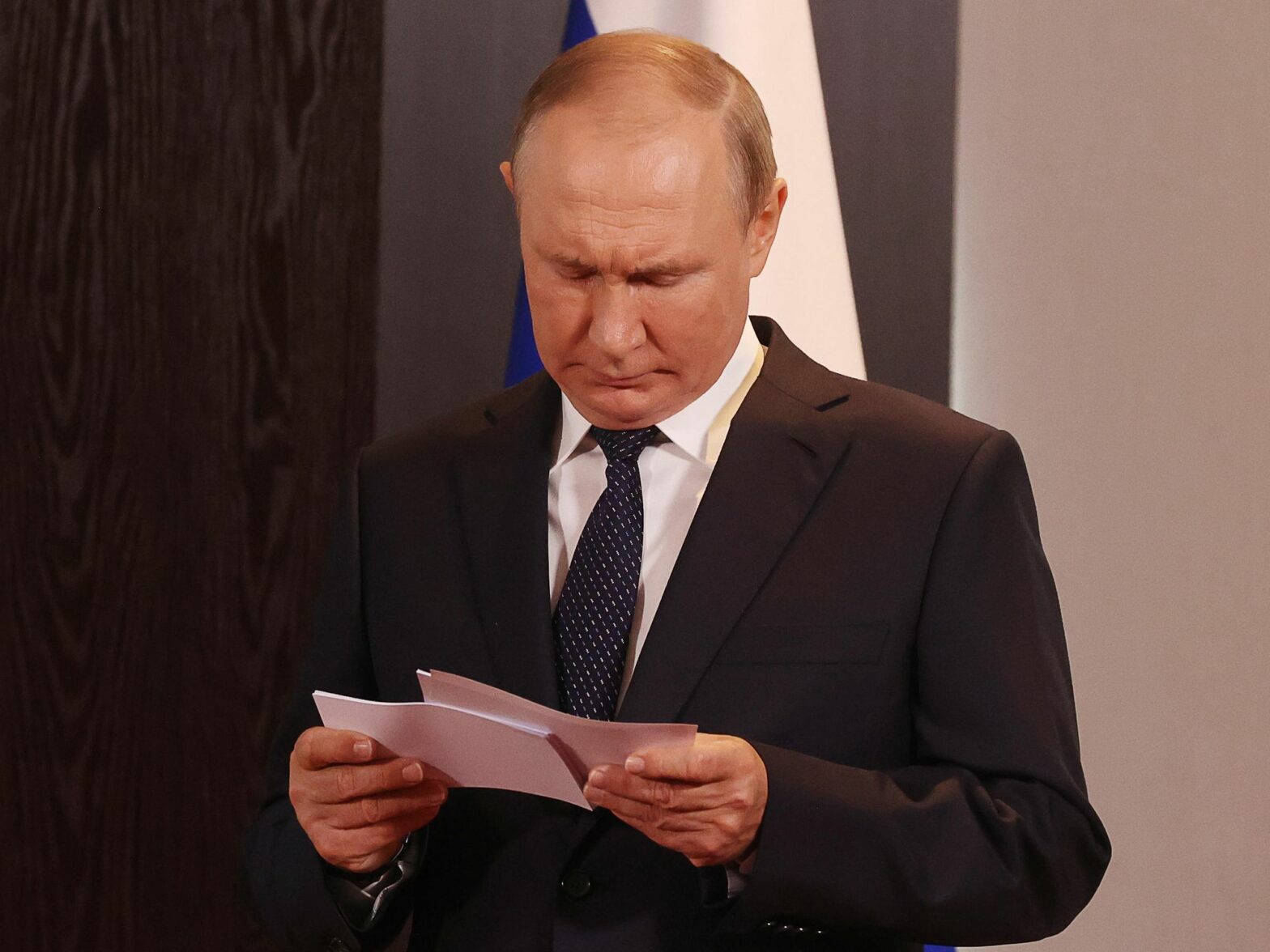
Negotiate? Stall? Double down? The Russian leader suddenly finds himself in front of a situation that offers no obvious good choices. Doing nothing, however, is not an option.
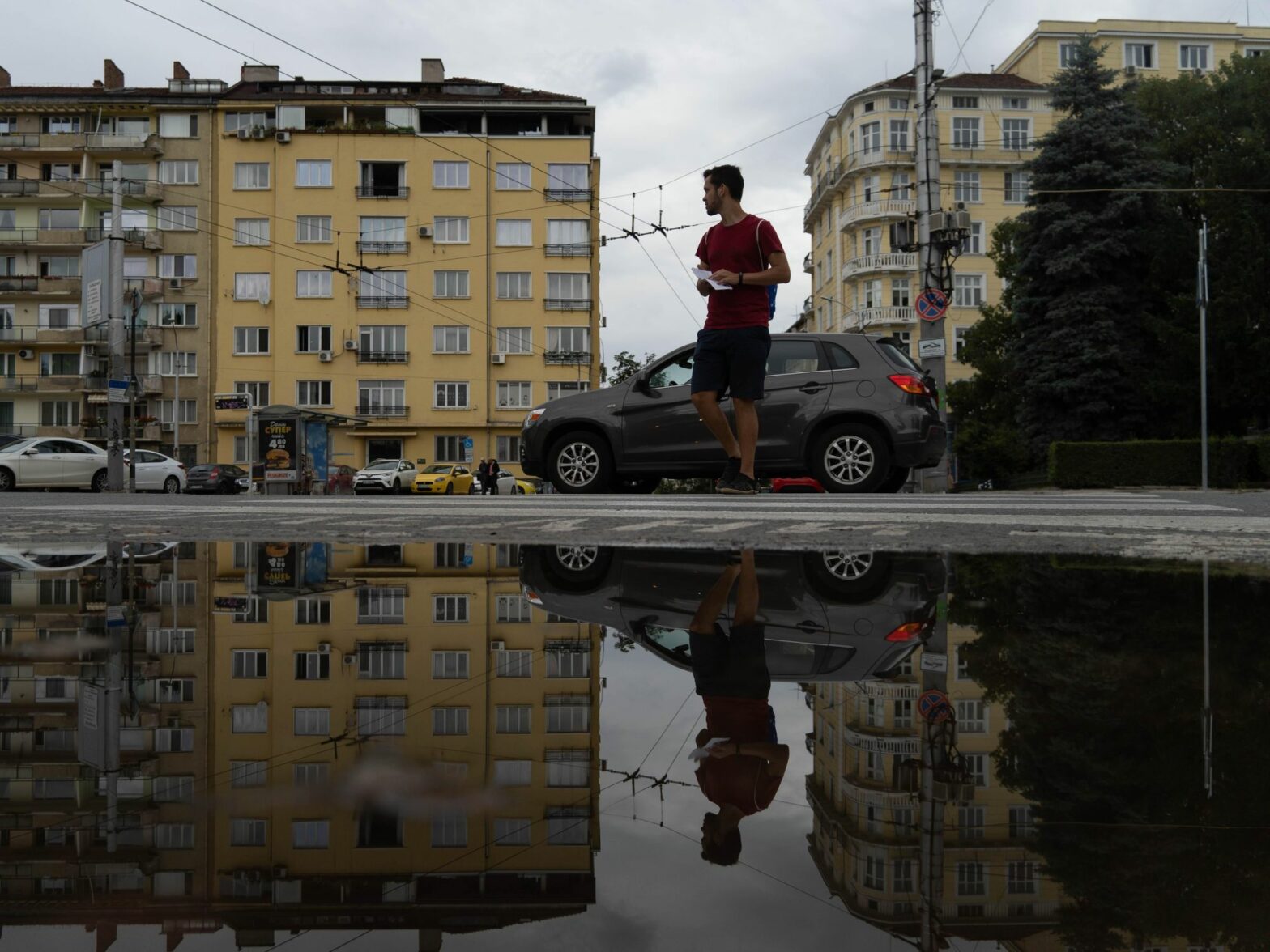
Bulgaria had sworn off Russian gas imports, but then its government collapsed. Now pro-Russian politicians are in power, which for the European Union means there is much more at stake than just energy supply.
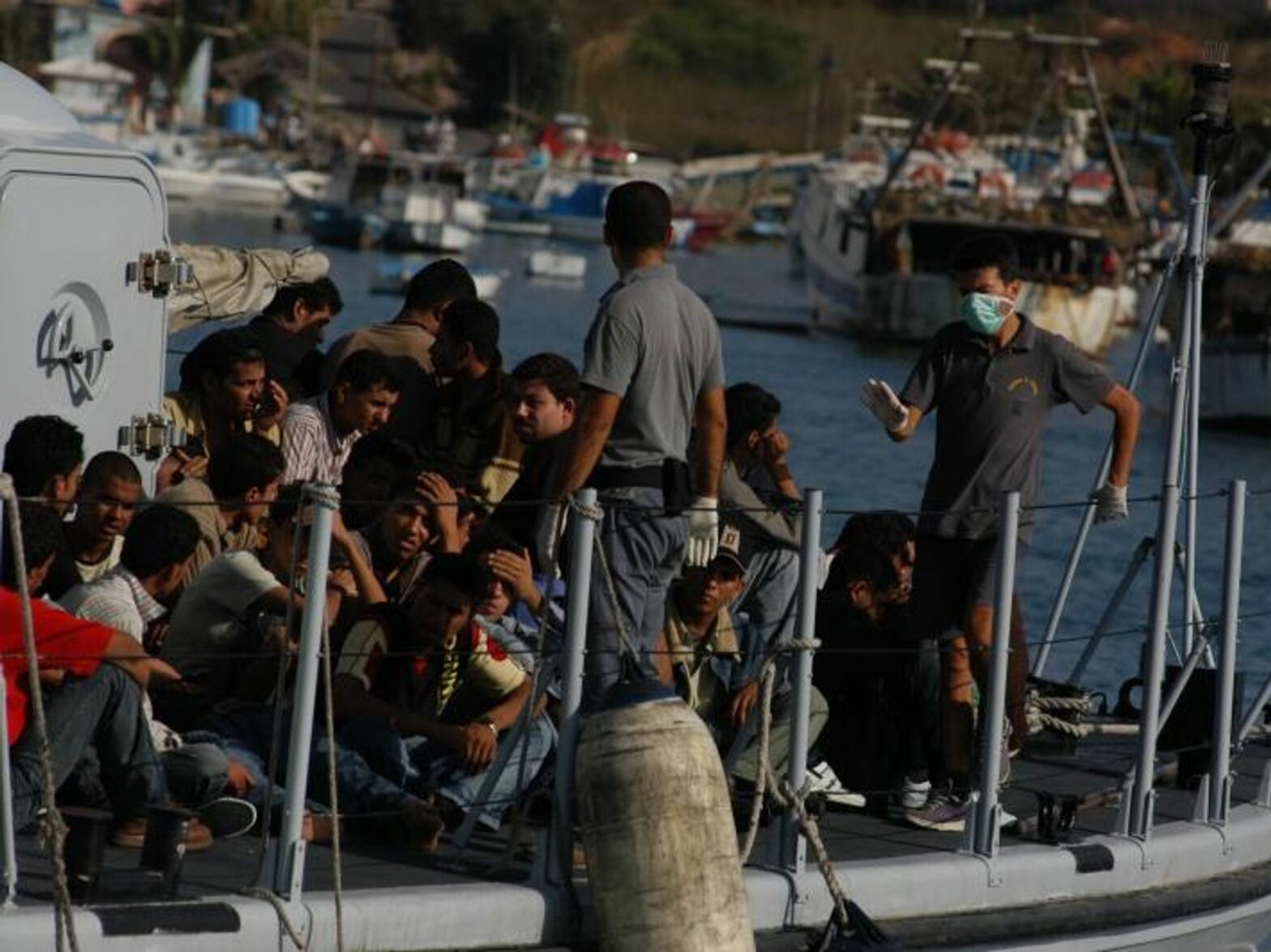
As Italy prepares to vote, migration from Africa is once again a hot topic, even as the number of arrivals is dropping. A view from the tiny Italian island that has been at the center of the debate for more than a decade, where the specter of migrants is rolled out as prime election propaganda.
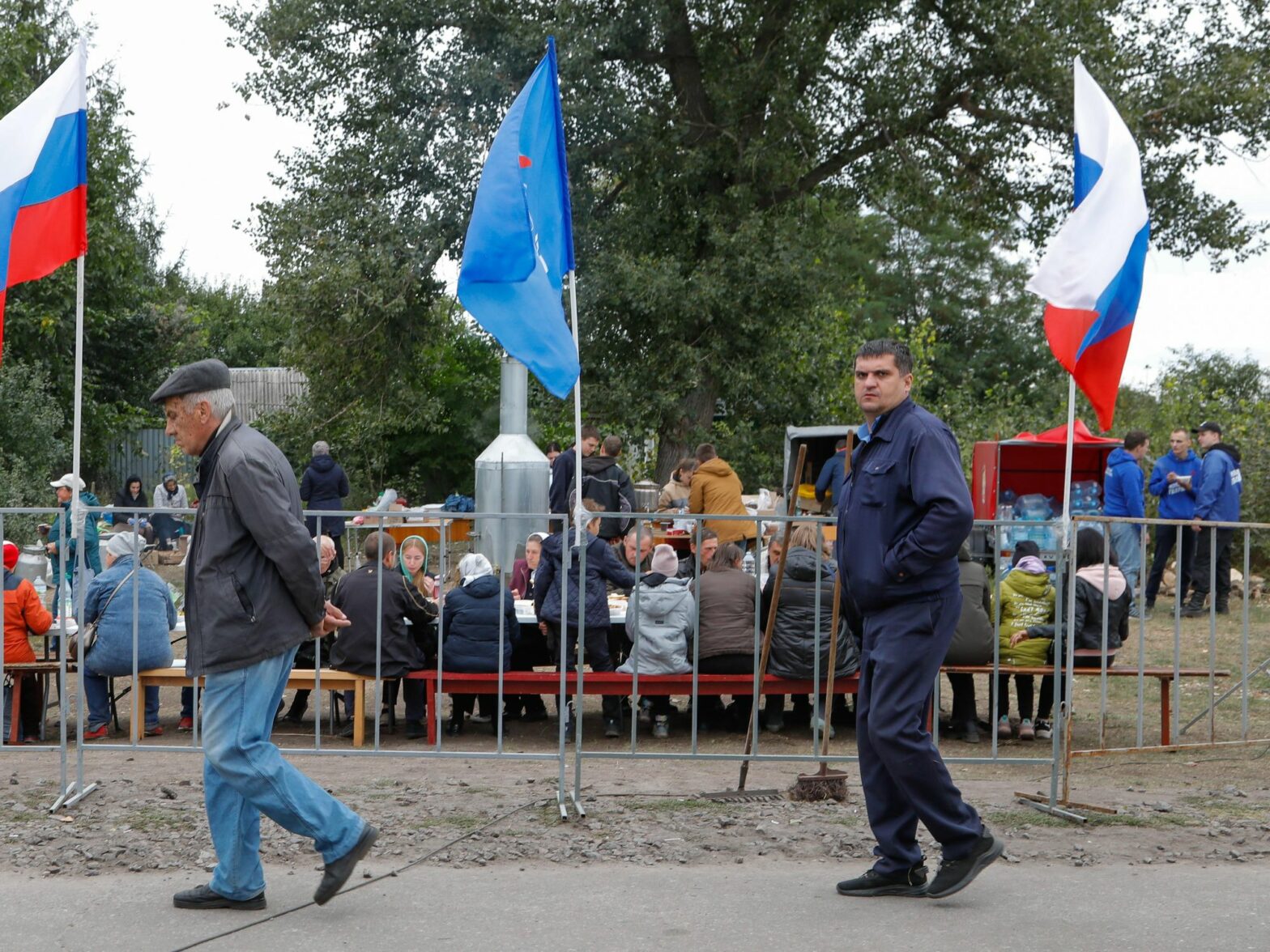
The successful Ukrainian counteroffensive in the northeast has brought Kyiv’s troops to the border, now with the artillery capacity to strike inside Russian territory. What are risks of launching a “counter-invasion”? What are risks of not doing so?
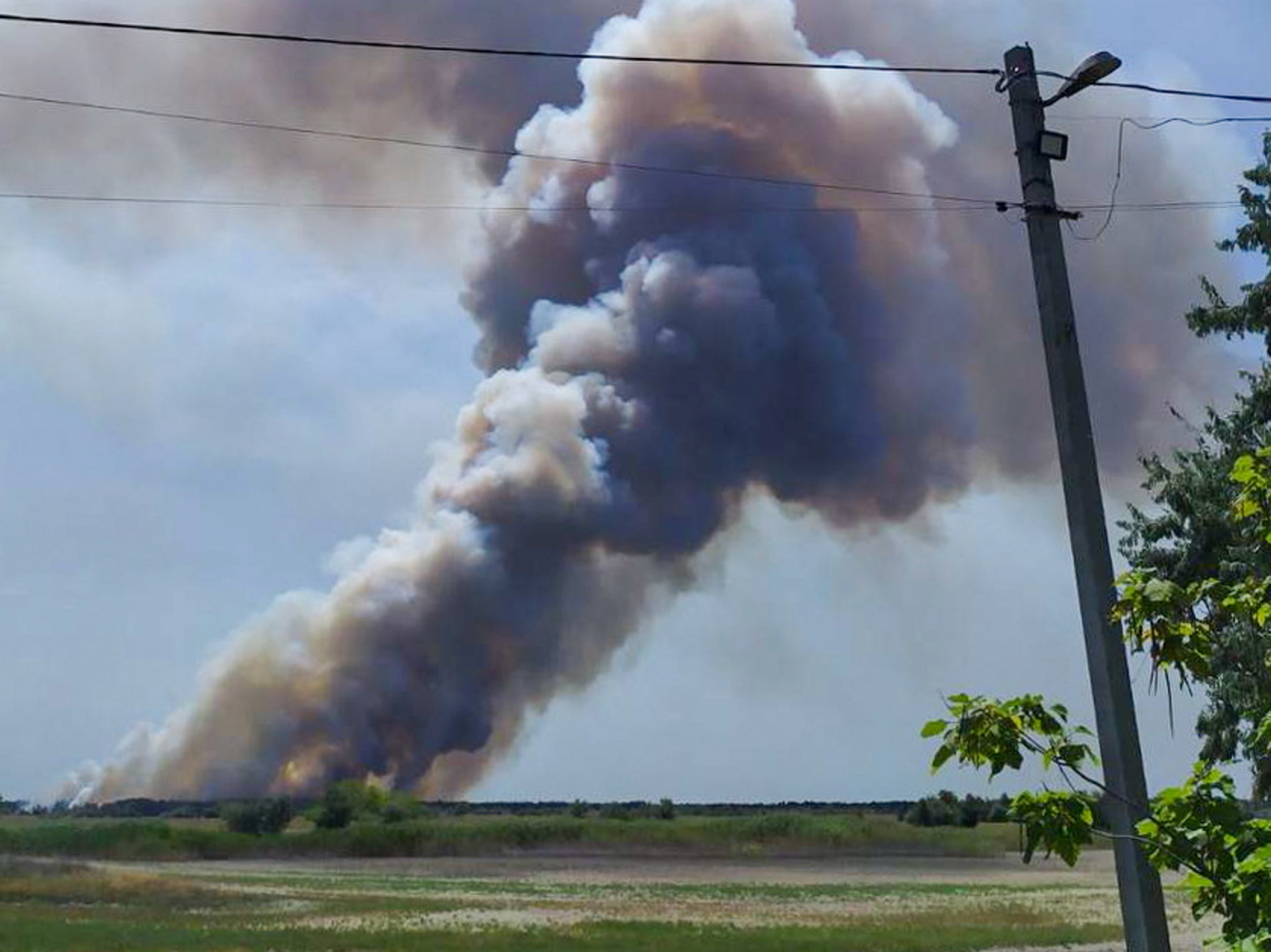
Ukraine’s lightning-fast counter-offensive continues Monday, as Kyiv’s chief commander General Valeriy Zaluzhnyi declared more than 3,000 square kilometers of territory recaptured since the start of the month, forcing Russian troops from more than 20 towns and villages. Stay up-to-date with the latest on the Russia-Ukraine war, with our exclusive international coverage. Sign up to our […]
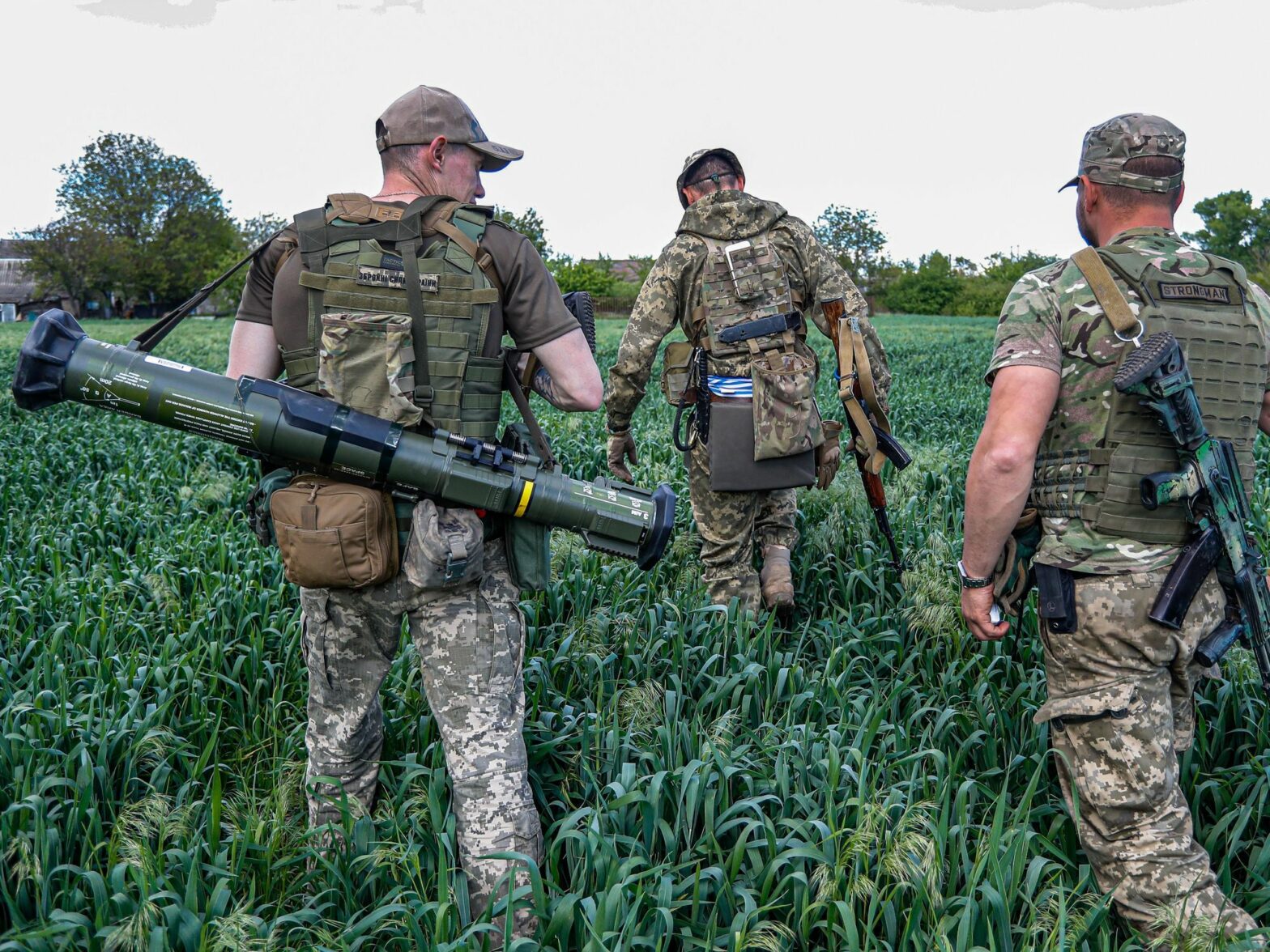
Russia’s progress on the frontline has stalled. But without weapons promised by the West, Ukraine has not been able to carry out decisive counteroffensives. The West’s indecisiveness risks the war being dragged out until next year — which is exactly what Putin wants.
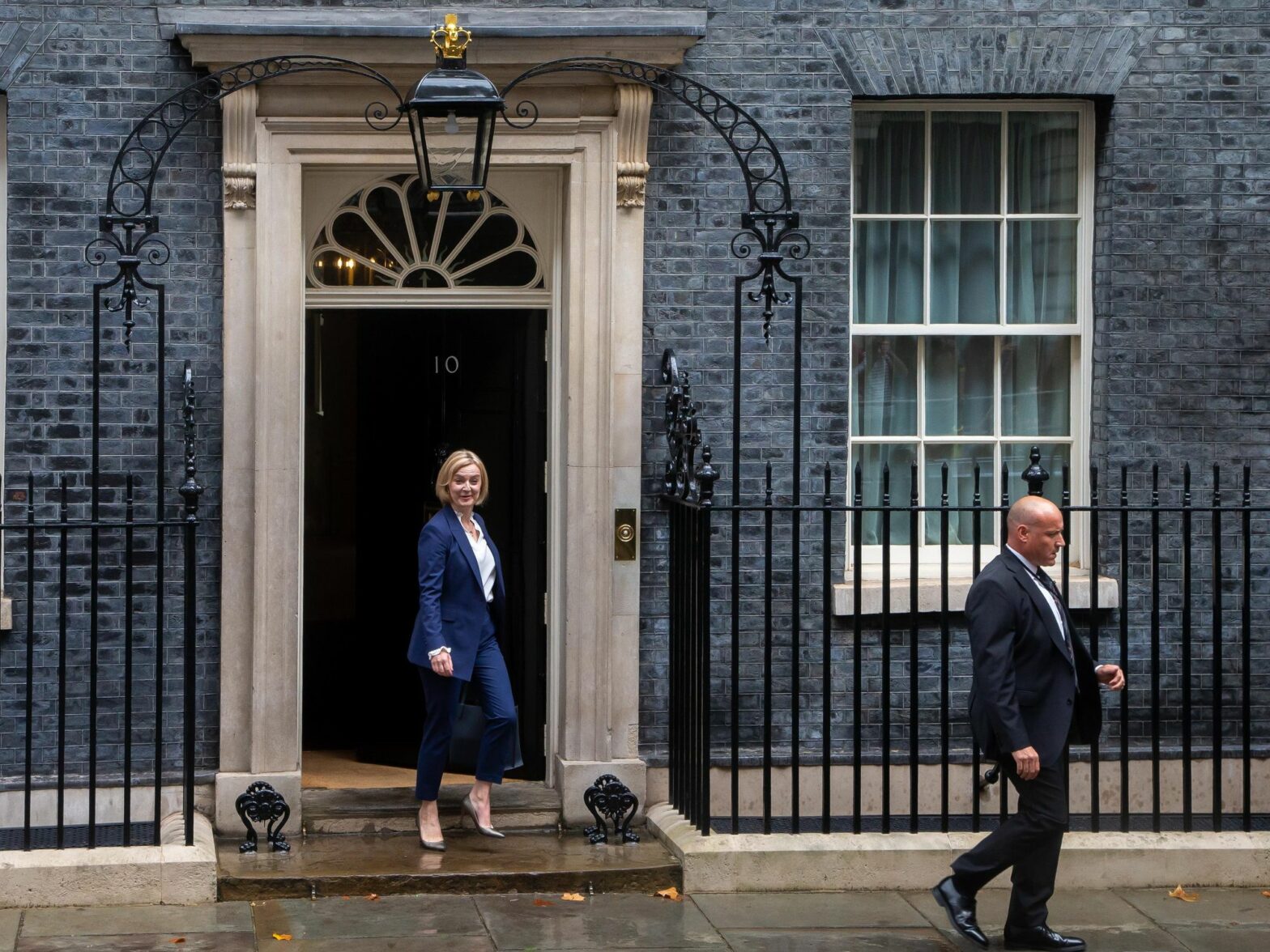
Britain’s new prime minister has not hidden the fact that she is focused on the domestic economic crisis gripping her country. That could sway her from the hardline anti-Russia stance of outgoing prime minister, Boris Johnson. Also, Truss has flip-flopped before.
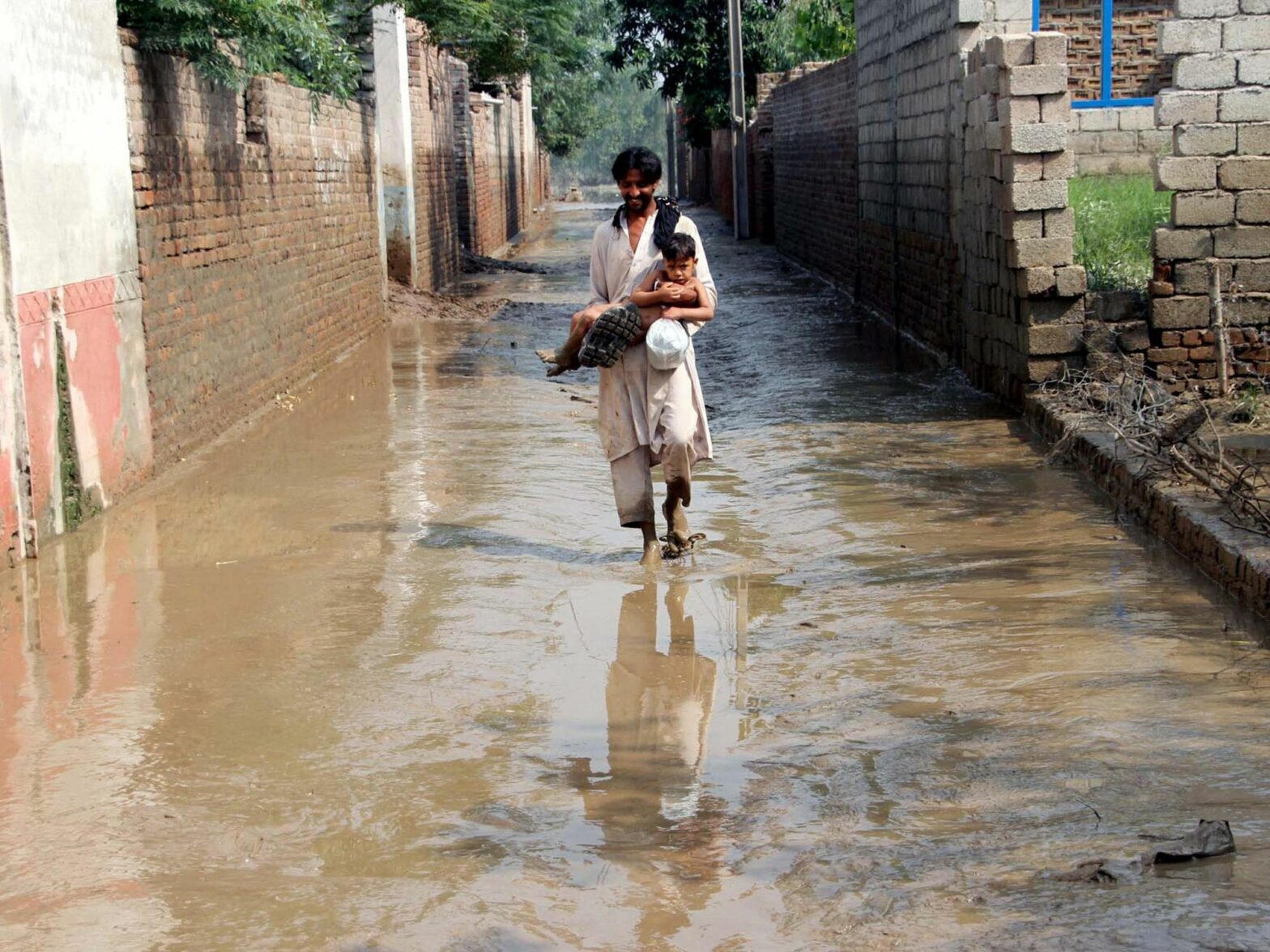
Caught between a natural disaster, an economic crisis and poor governance, flood-affected Pakistanis contemplate a future in ruins.
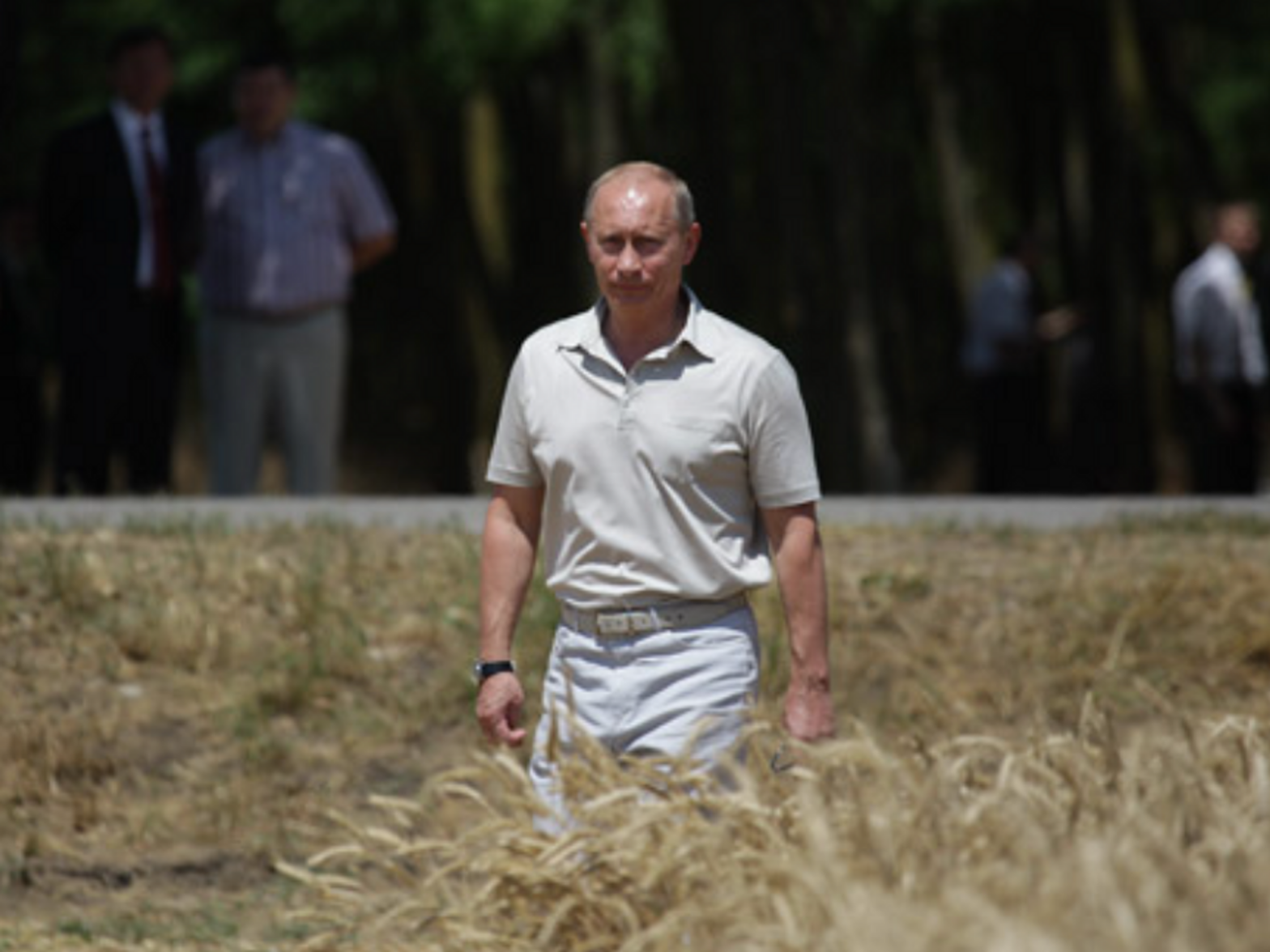
Moscow and Kyiv reached a much hailed accord in July to allow transport of Ukrainian agricultural output from ports along the Black Sea. However, analysis from Germany’s Die Welt and Ukraine’s Livy Bereg shows that it has done little so far to solve the food crisis, and is instead being used by Putin to advance his own ambitions.
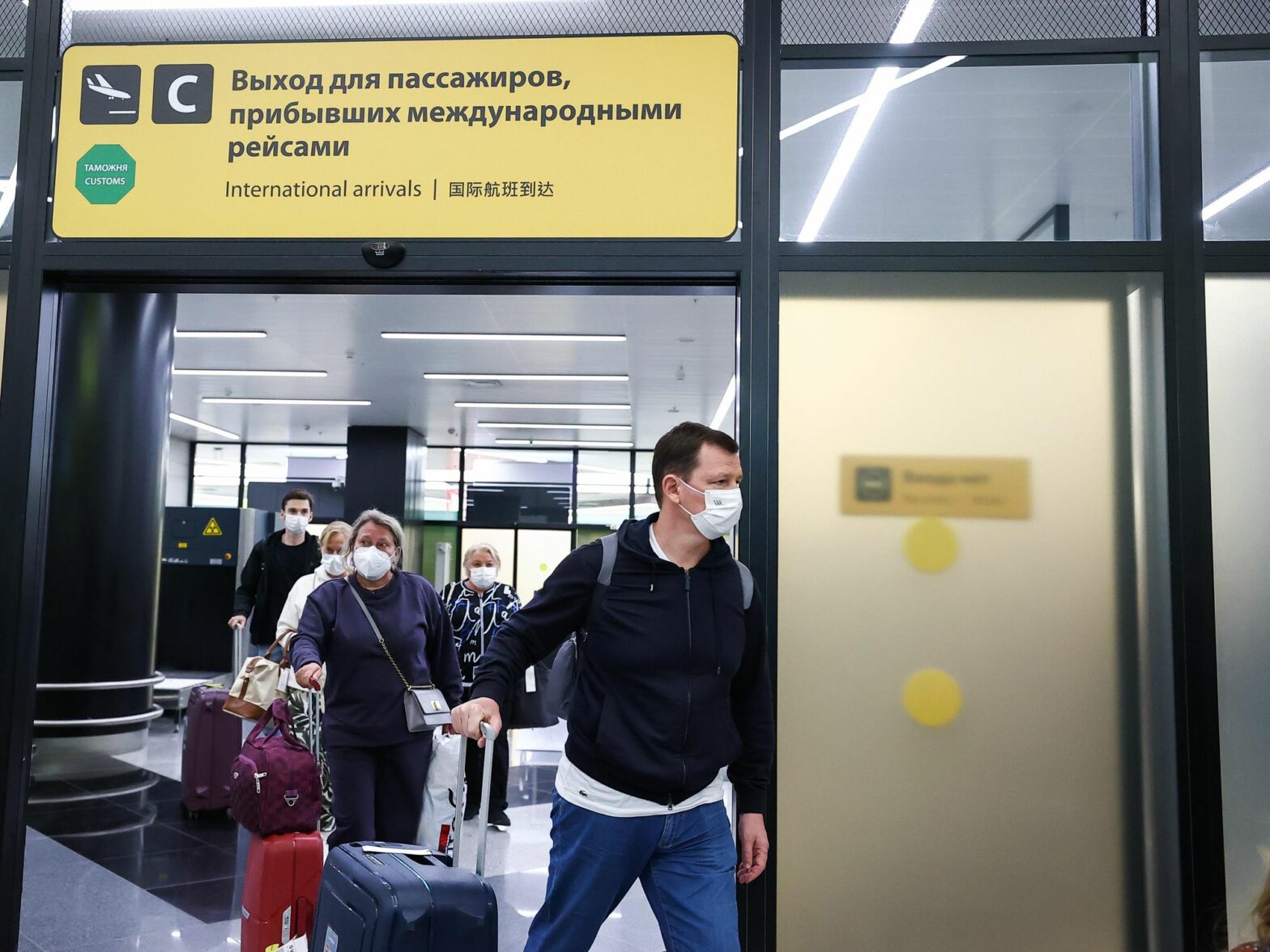
High on the agenda of the Prague summit of Europe’s foreign ministers this week was a proposal to ban tourist visas for Russians, as punishment for Putin’s invasion of Ukraine. But it is ultimately a way to change the subject, and recalls Zelensky’s iconic remark after the war began.
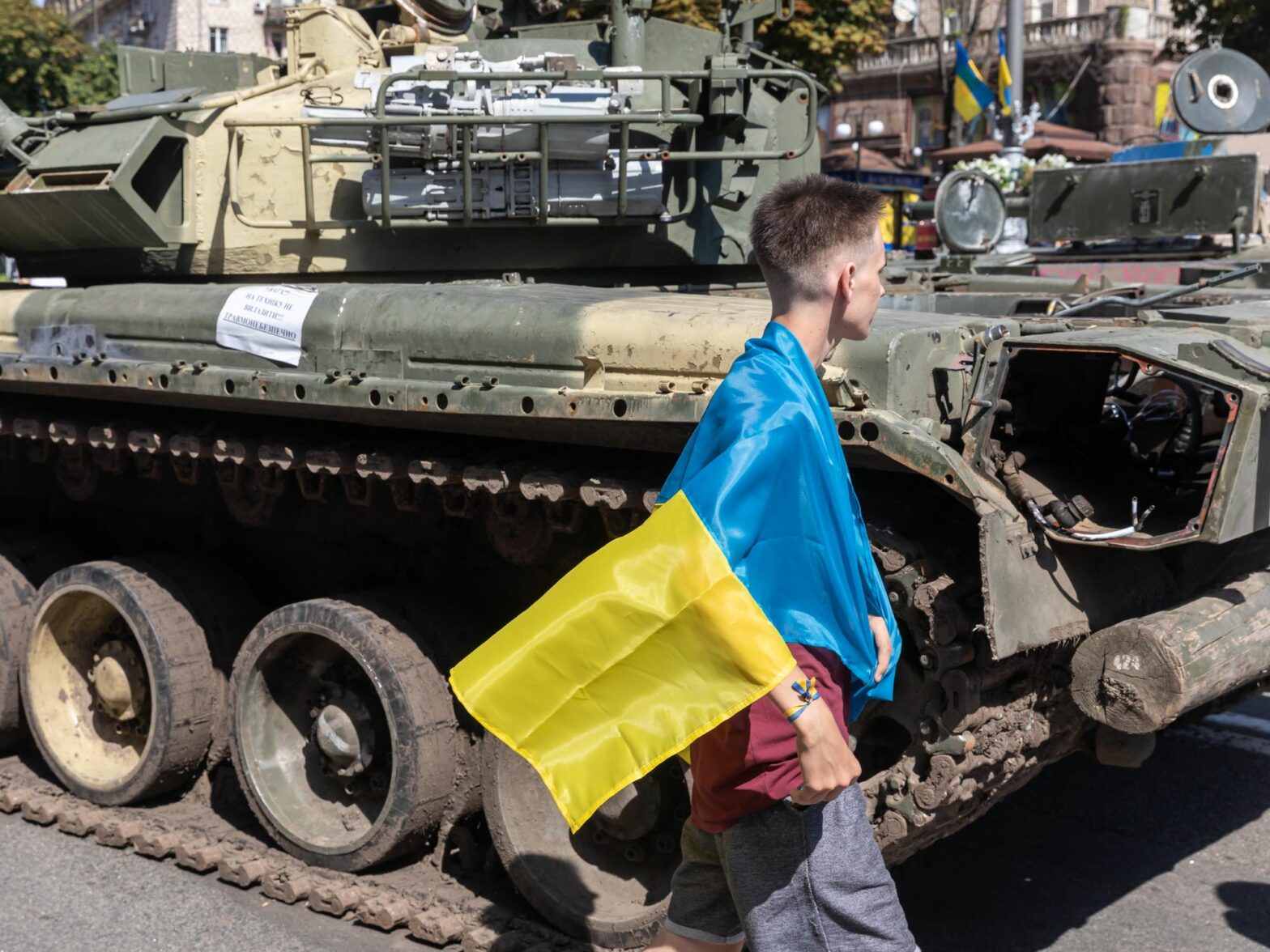
The prolonged war in Ukraine is certainly not over. But six months in, we already know that Russia will come out the loser, both to its Western rivals, and to China, for whom it is now a junior partner.

The exit of top international companies from the Russian market in response to the invasion of Ukraine has led to an unraveling of Moscow’s intellectual property standards.
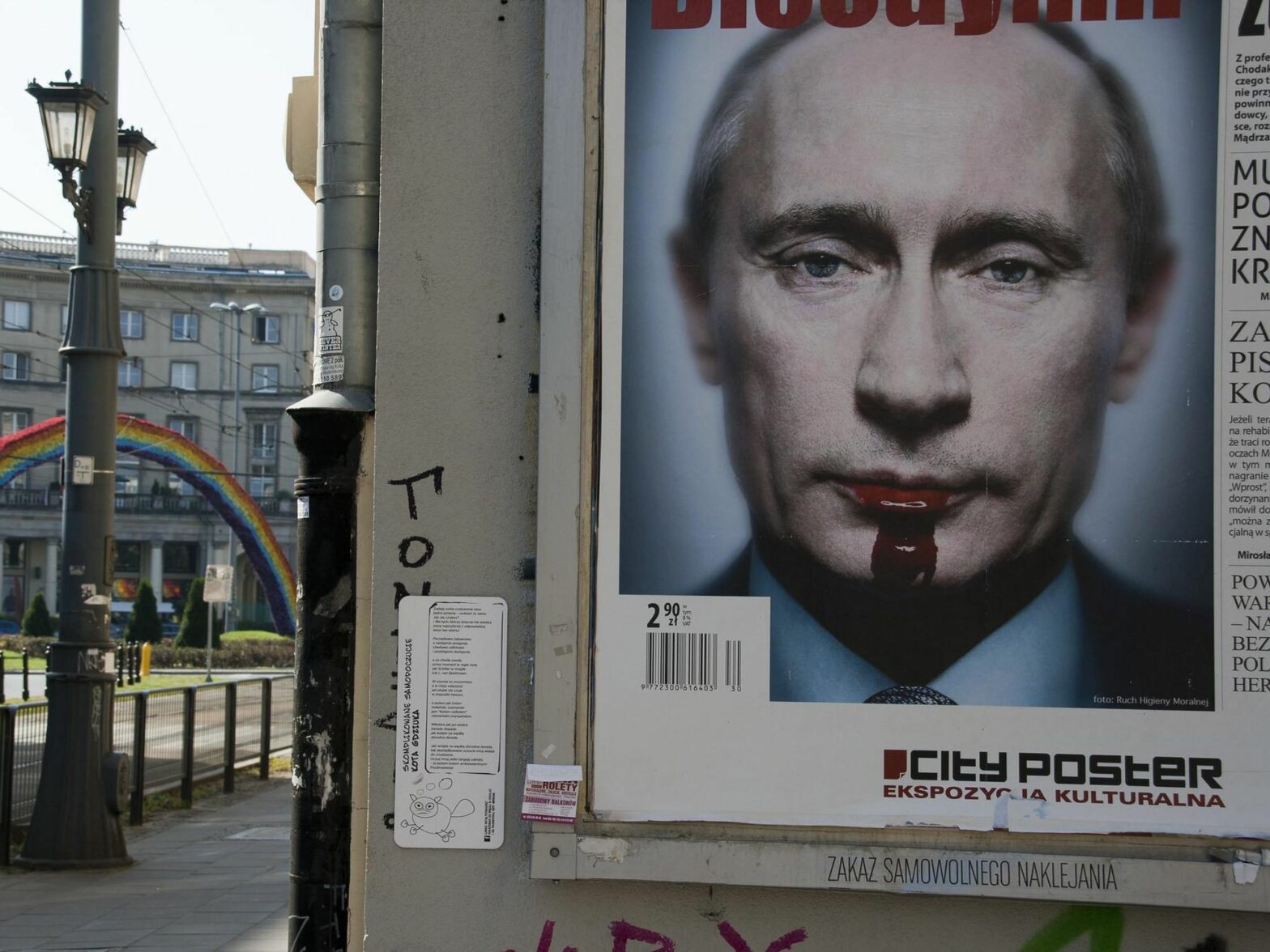
Hit by EU sanctions, Russia is working hard to spread its own propaganda through neighboring countries. A new study breaks down exactly what that disinformation campaign is saying — and whether it’s working.
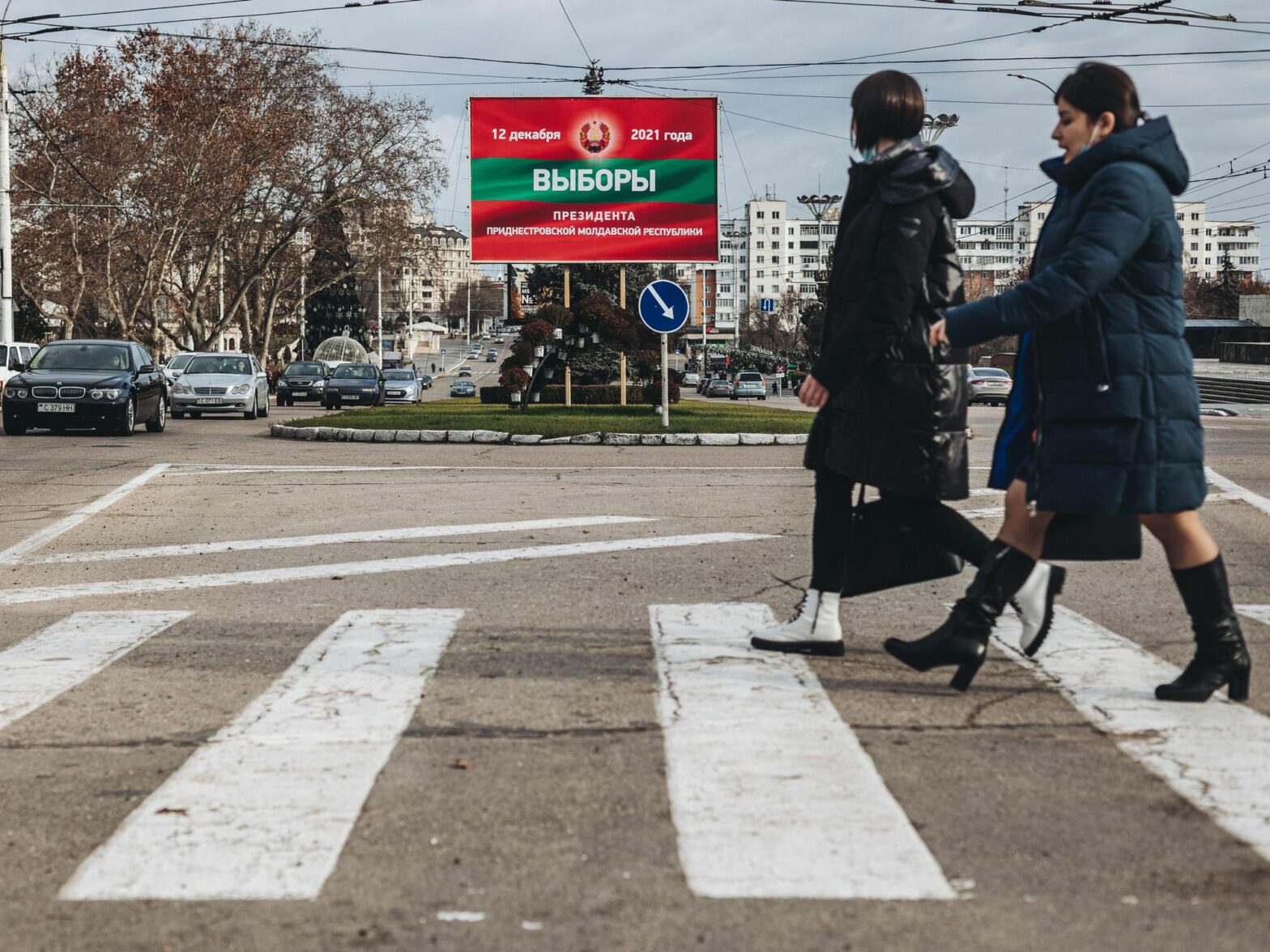
The breakaway republic of Transnistria declared its independence 30 years ago, but not even Russia recognizes it as a country. Transnistria is both nostalgic for the Soviet era and prosperous thanks to Russian funds. And a trip there is the closest you can get to visiting the USSR.
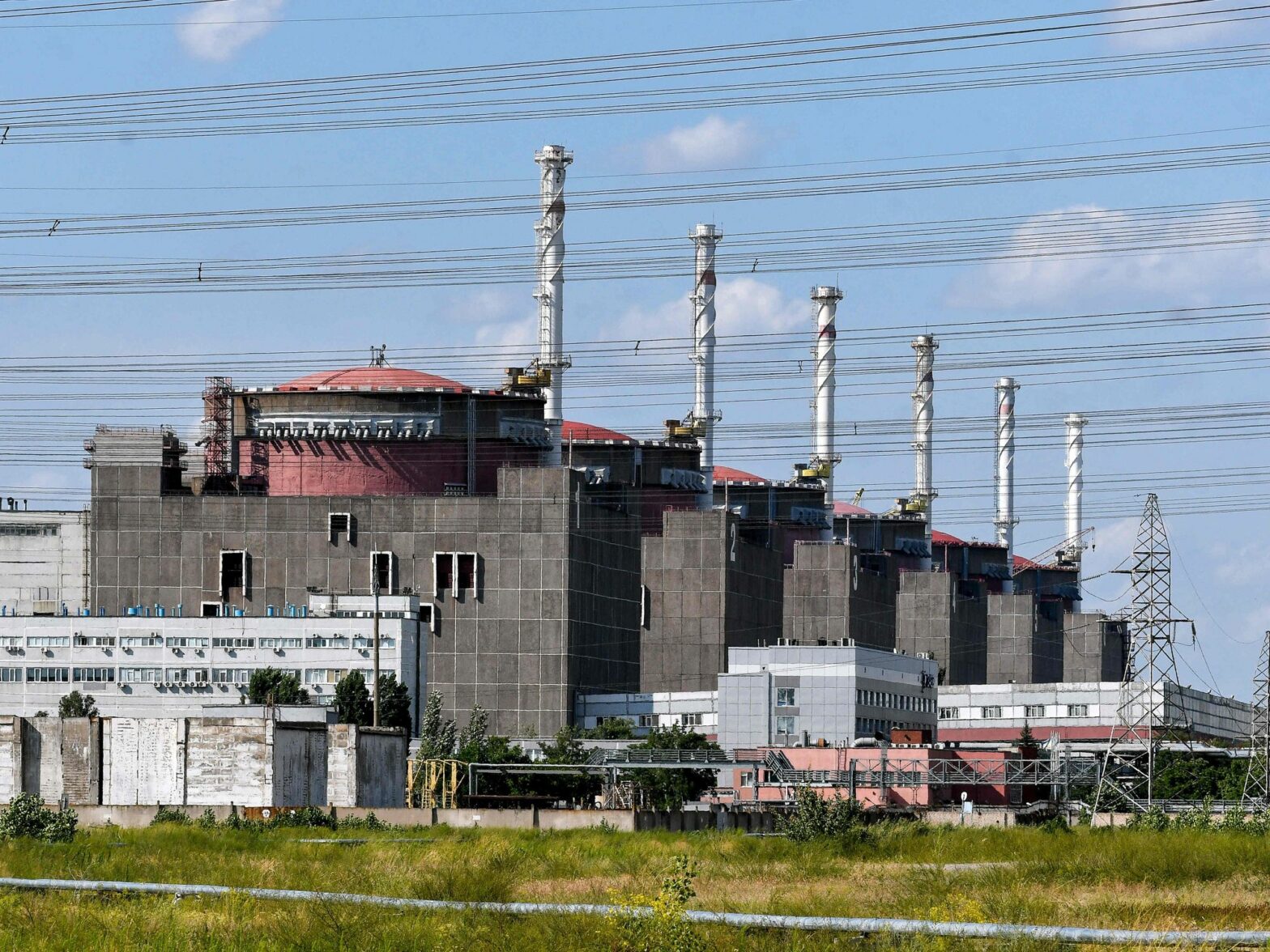
The transmission line connecting the Zaporizhzhia nuclear plant with the power system in Ukraine was disconnected due to Russian shelling. Three other transmission lines had also been damaged during Russian shelling earlier in the conflict. As a result, two operating units of the power plant were disconnected from the grid, causing the complete disconnection of […]
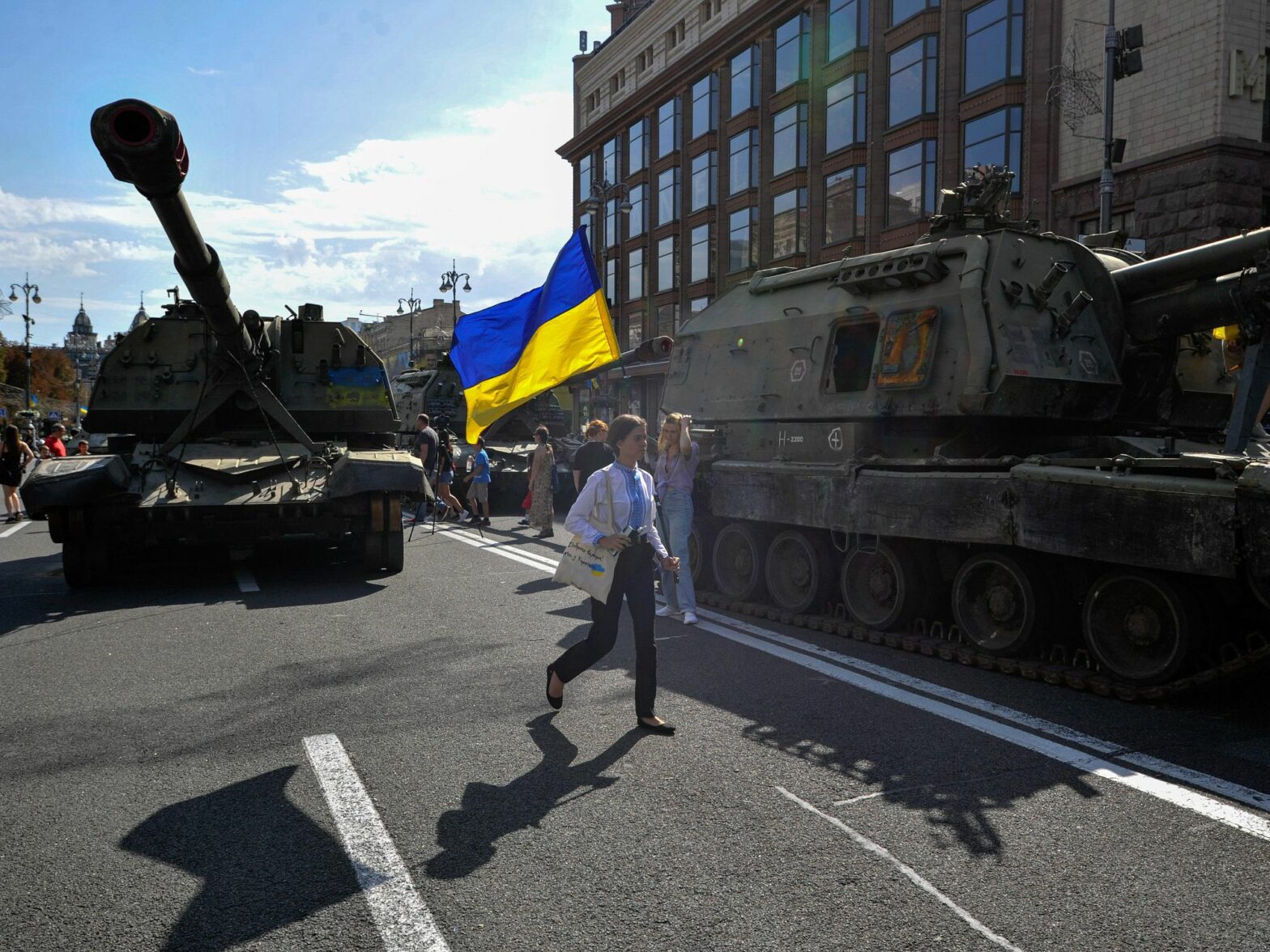
Ukraine is marking a somber independence day that coincides with the six-month milestone of the Russian invasion. Here’s how newspapers around the world are covering the event.
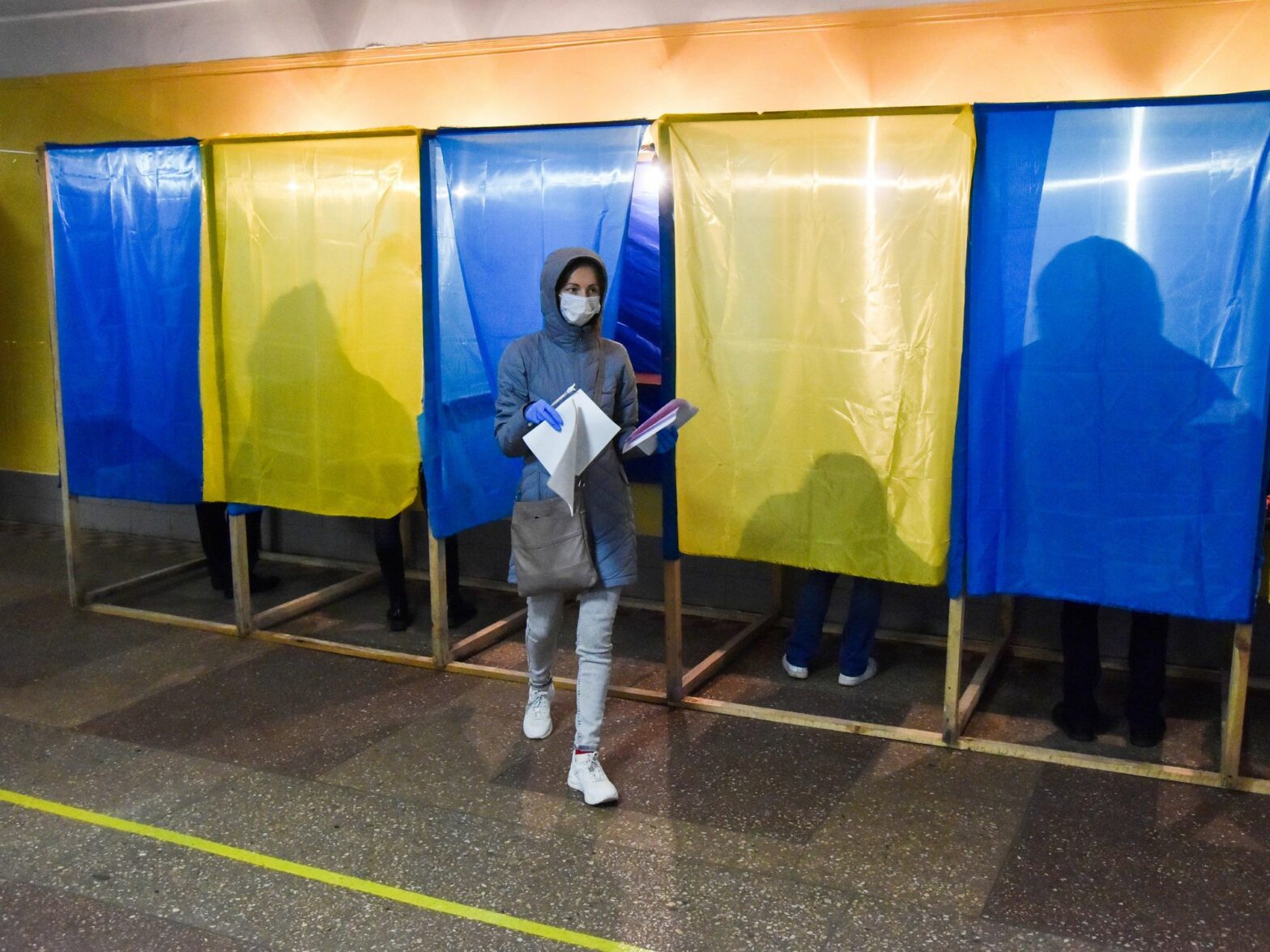
Volodymyr Zelensky’s recent revelation that he knew about the likelihood of a Russian invasion has sparked major debate in Ukraine. But what it truly reveals about the source of war can also help ensure victory for Putin and other autocrats.
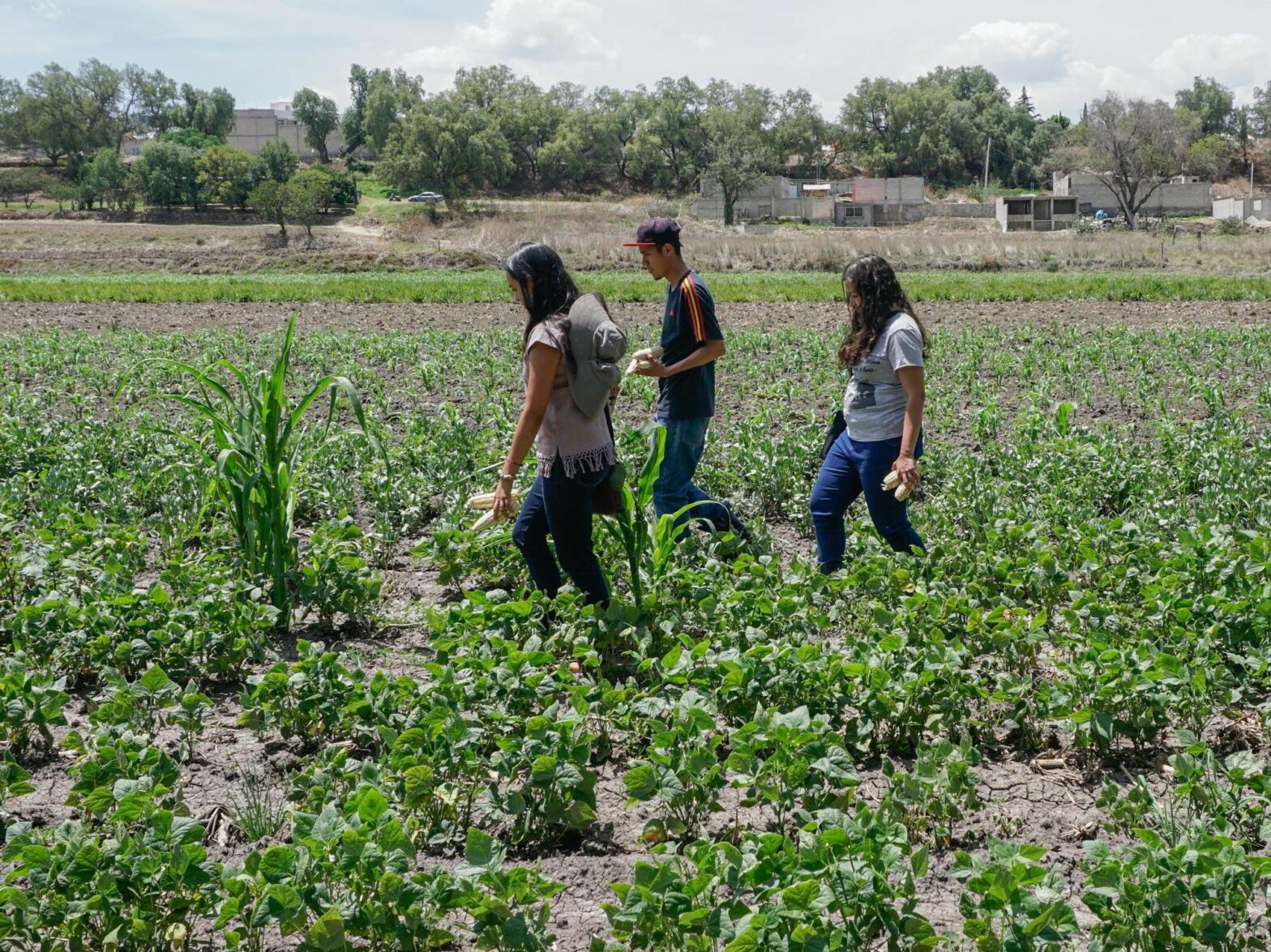
When the pandemic disrupted livelihoods and supply chains, young urban Mexicans decided to learn to grow food themselves.
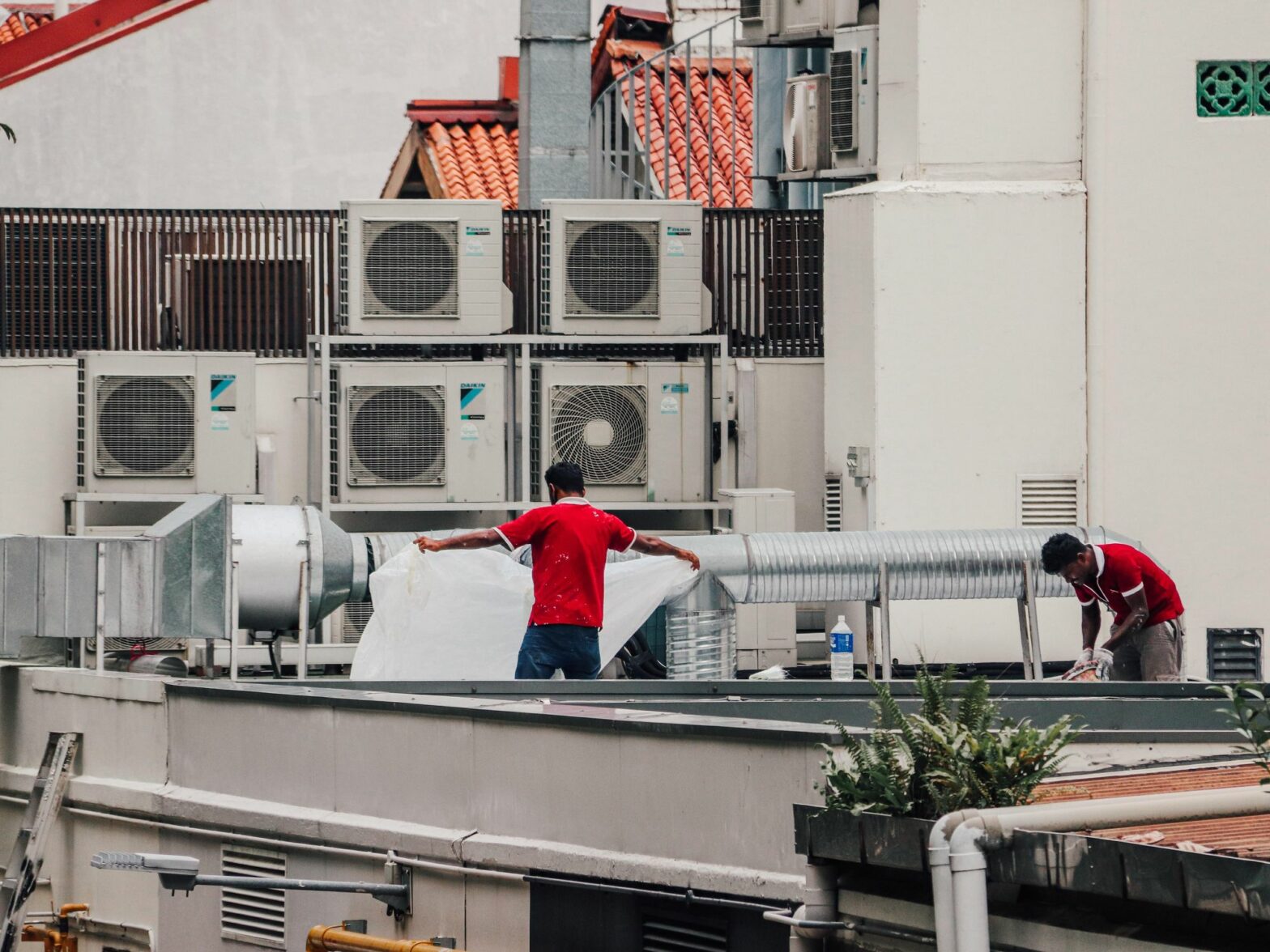
Misguided arguments about air conditioning’s environmental impact are stopping people from installing systems in homes and offices. But in the age of solar power, there’s no need to stew in your own sweat “for the sake of the planet.”