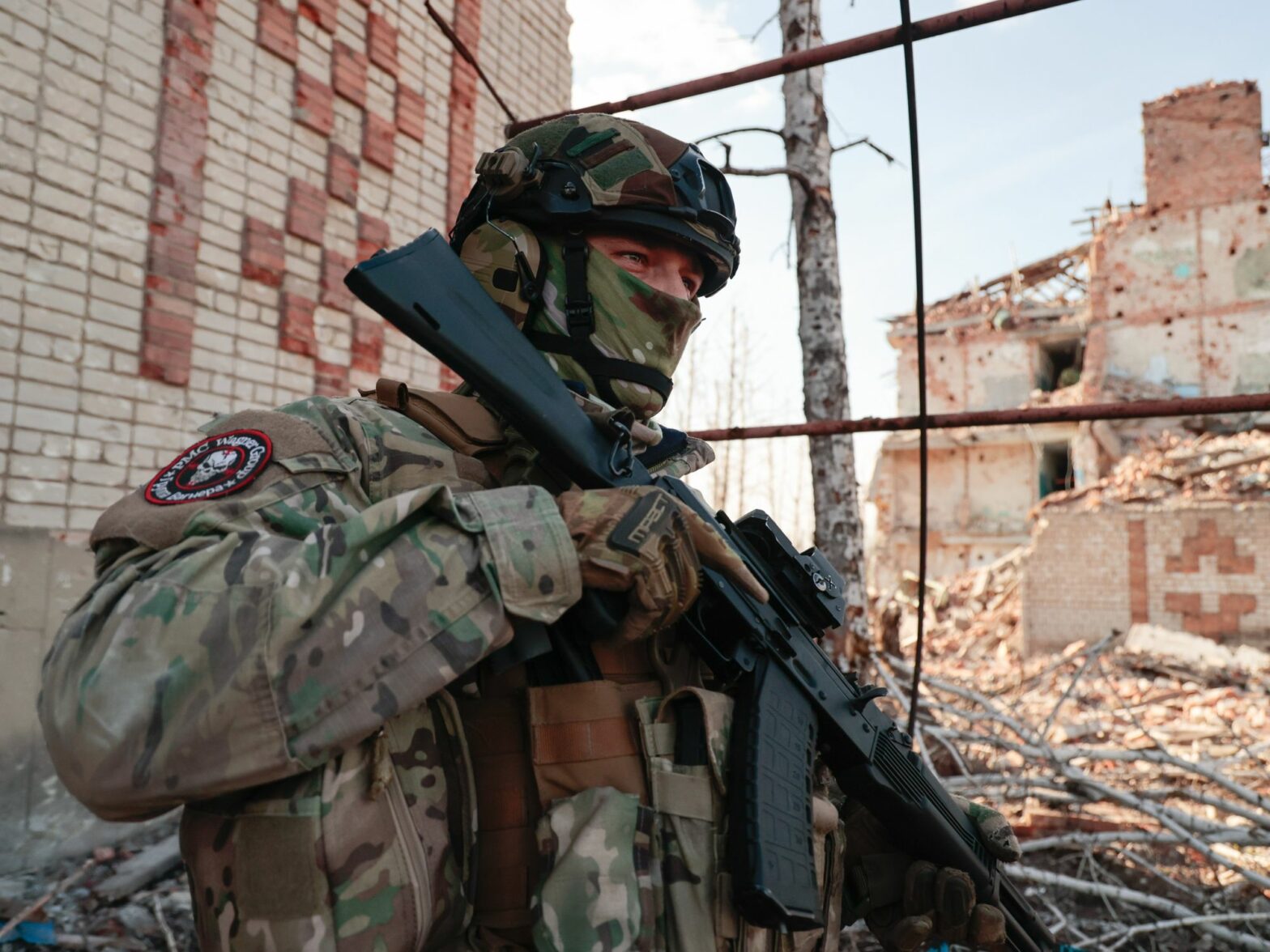
Even as Ukraine struggles to hold onto the last remaining bits of the eastern city, military experts say the official Russian military apparatus may have decided to rid itself of the Wagner mercenaries and bury them all in Bakhmut.
 Worldcrunch
Even as Ukraine struggles to hold onto the last remaining bits of the eastern city, military experts say the official Russian military apparatus may have decided to rid itself of the Wagner mercenaries and bury them all in Bakhmut.
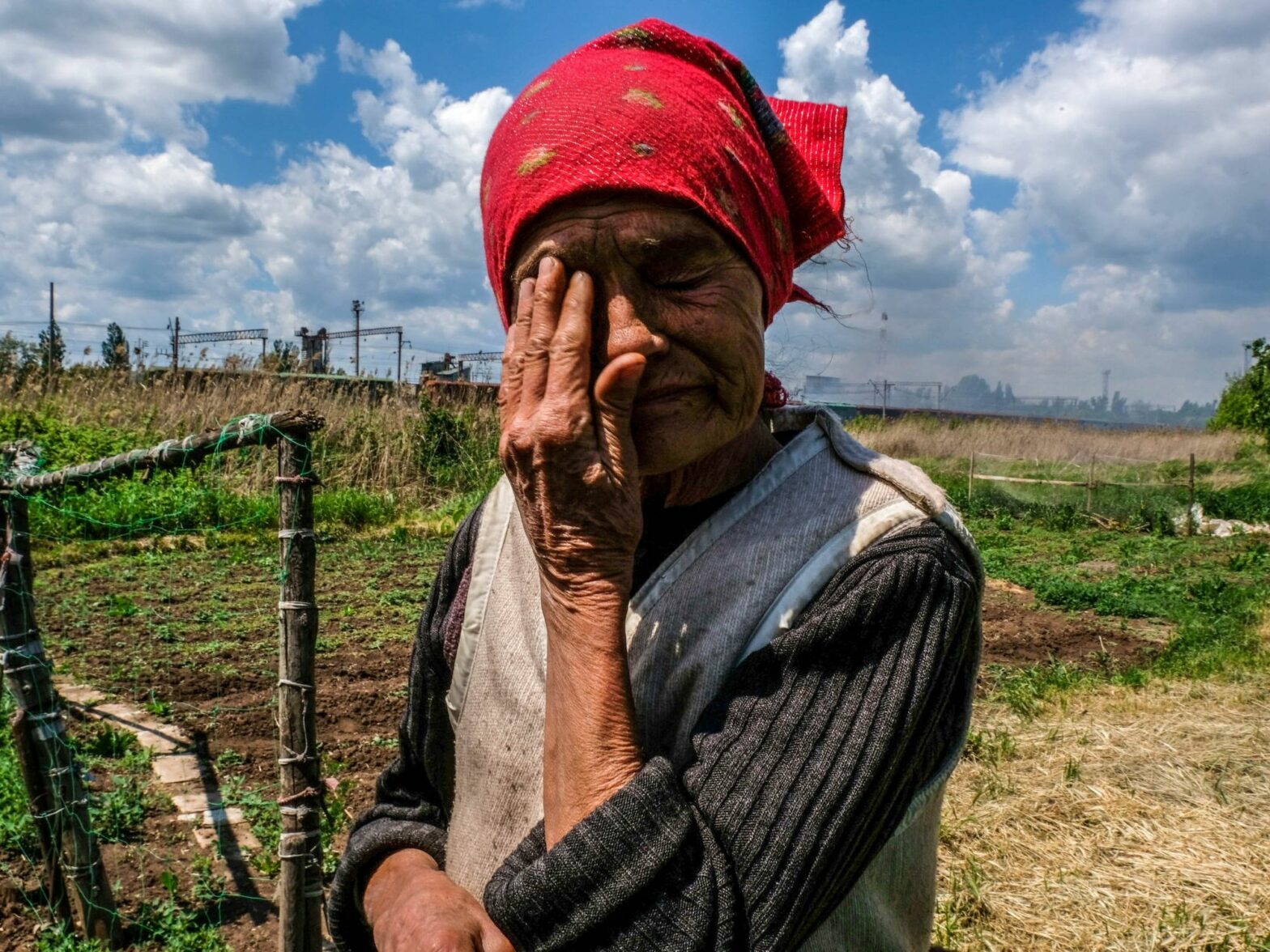
The war in Ukraine has been going on for a year. Many have died, fled or been traumatized — day after day and night after night. Such harrowing experiences leave deep wounds. But there are ways to overcome traumatic experiences.
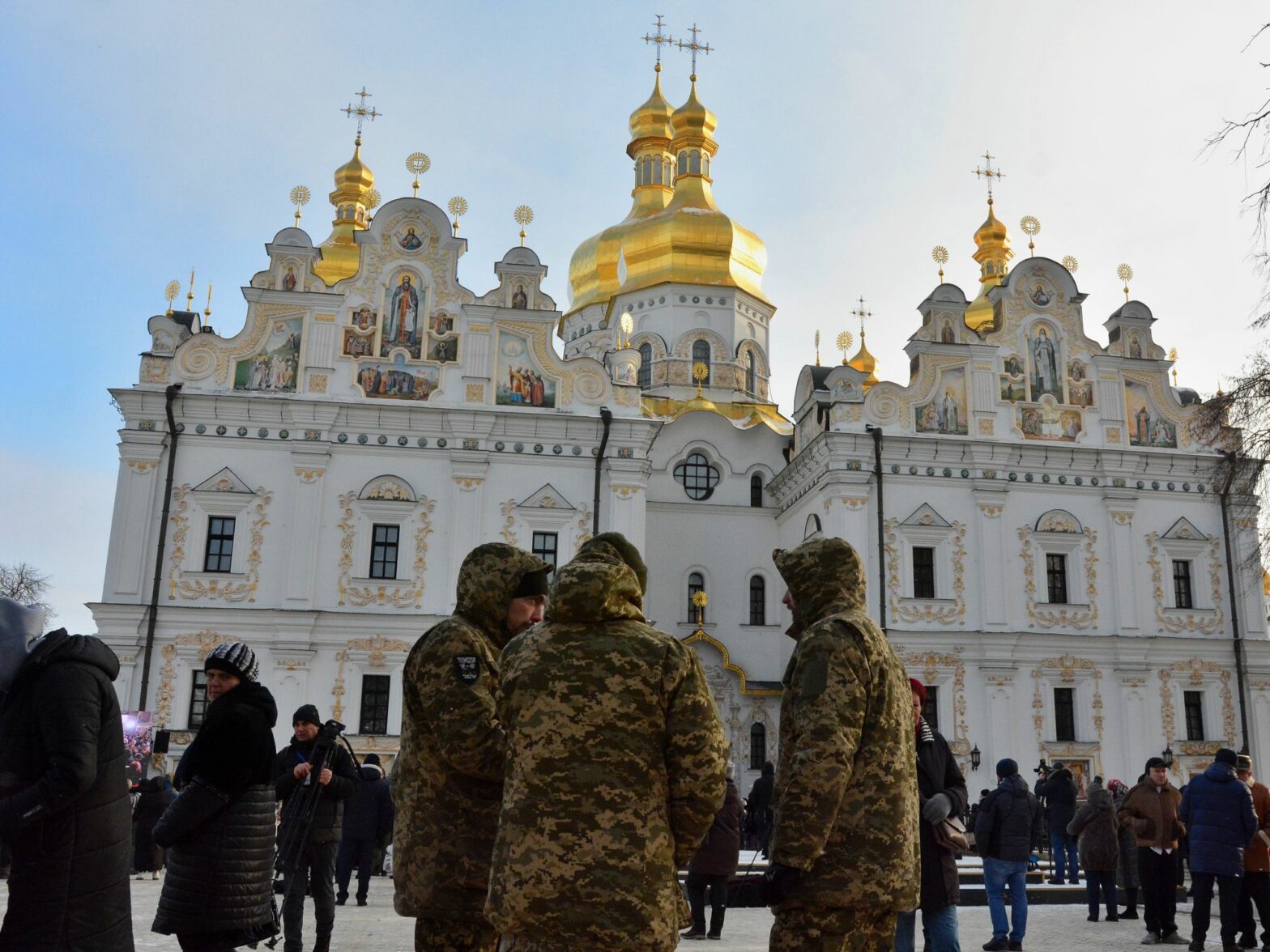
A confrontation between the Ukrainian and Russian Orthodox churches has been brewing for centuries. But a video showing a Ukrainian war veteran being beaten up in church shows that the standoff has become all-out war.
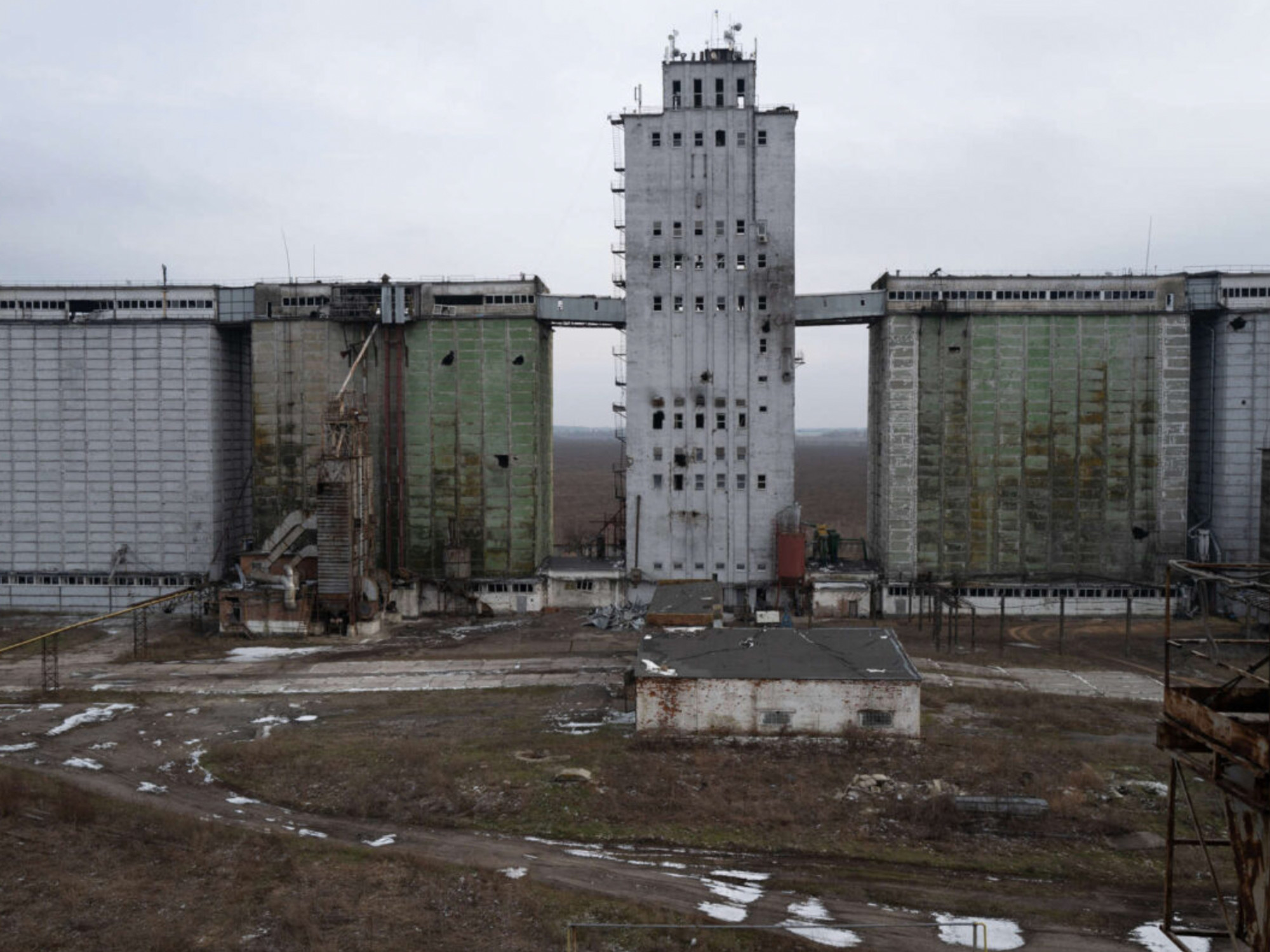
Reporting from agricultural centers in eastern Ukraine confirms a landmark study: Extensive wartime damage to the country’s crucial agricultural sector risks raising hunger in places that have counted on Ukrainian grain.
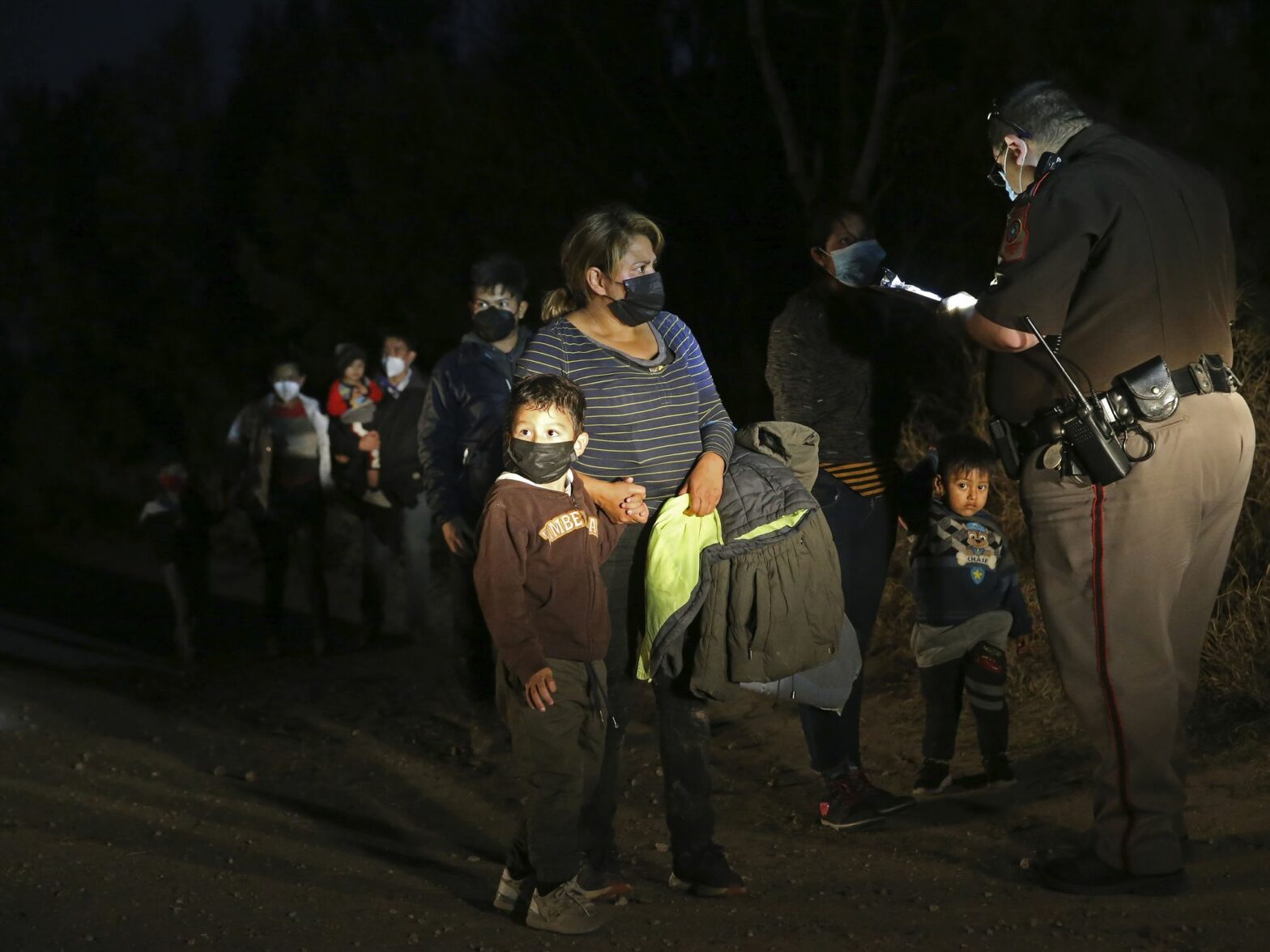
From the UK to Italy to the U.S., the declarations by politicians that they only want to stop illegal immigration become meaningless if there are virtually no ways to request asylum before leaving home and arriving in a foreign country.
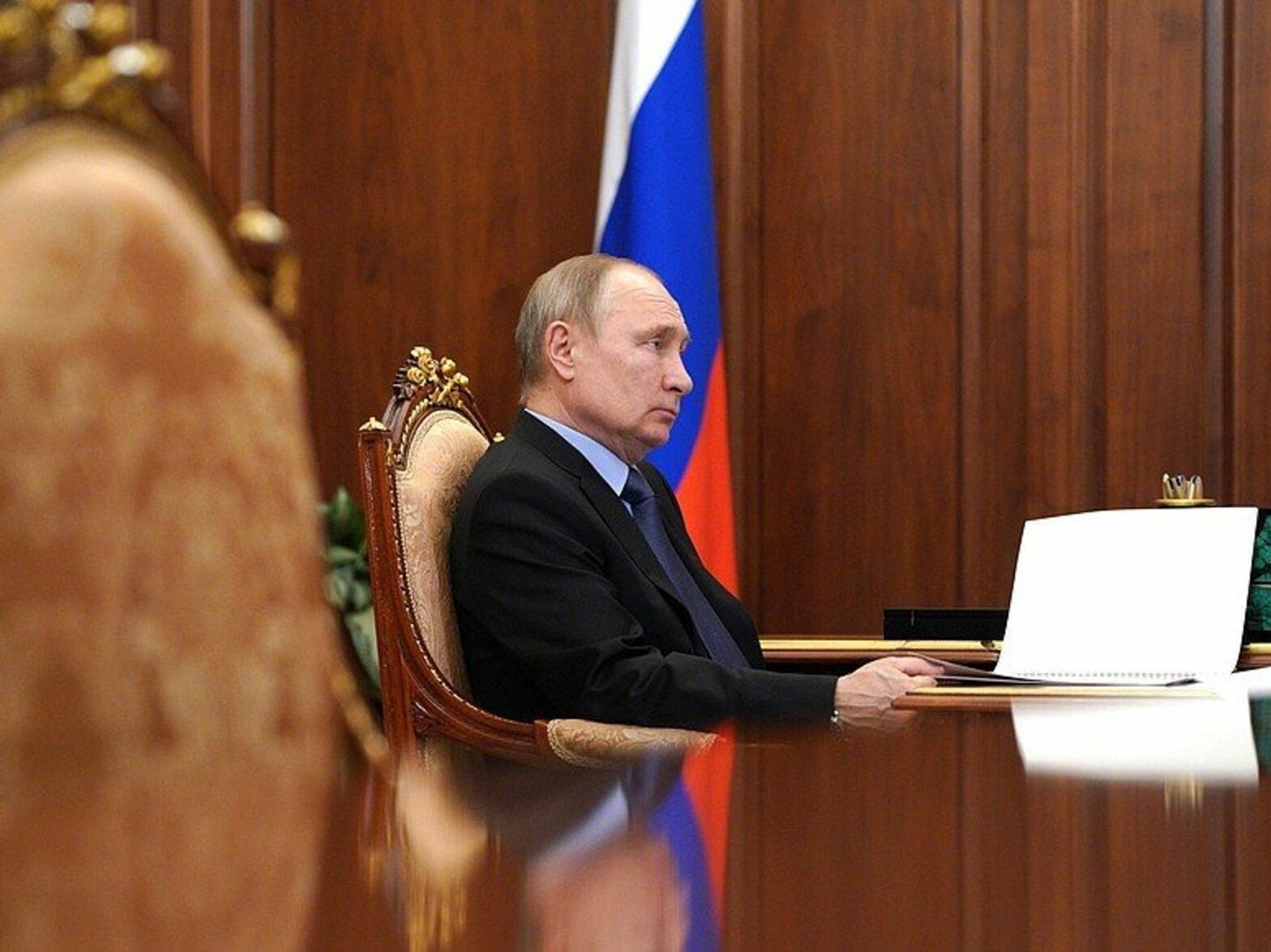
Even if Russia’s Vladimir Putin and Ukraine’s Volodymyr Zelensky were willing to find a compromise on territory, their respective constitutions explicitly forbid signing off on such a deal.
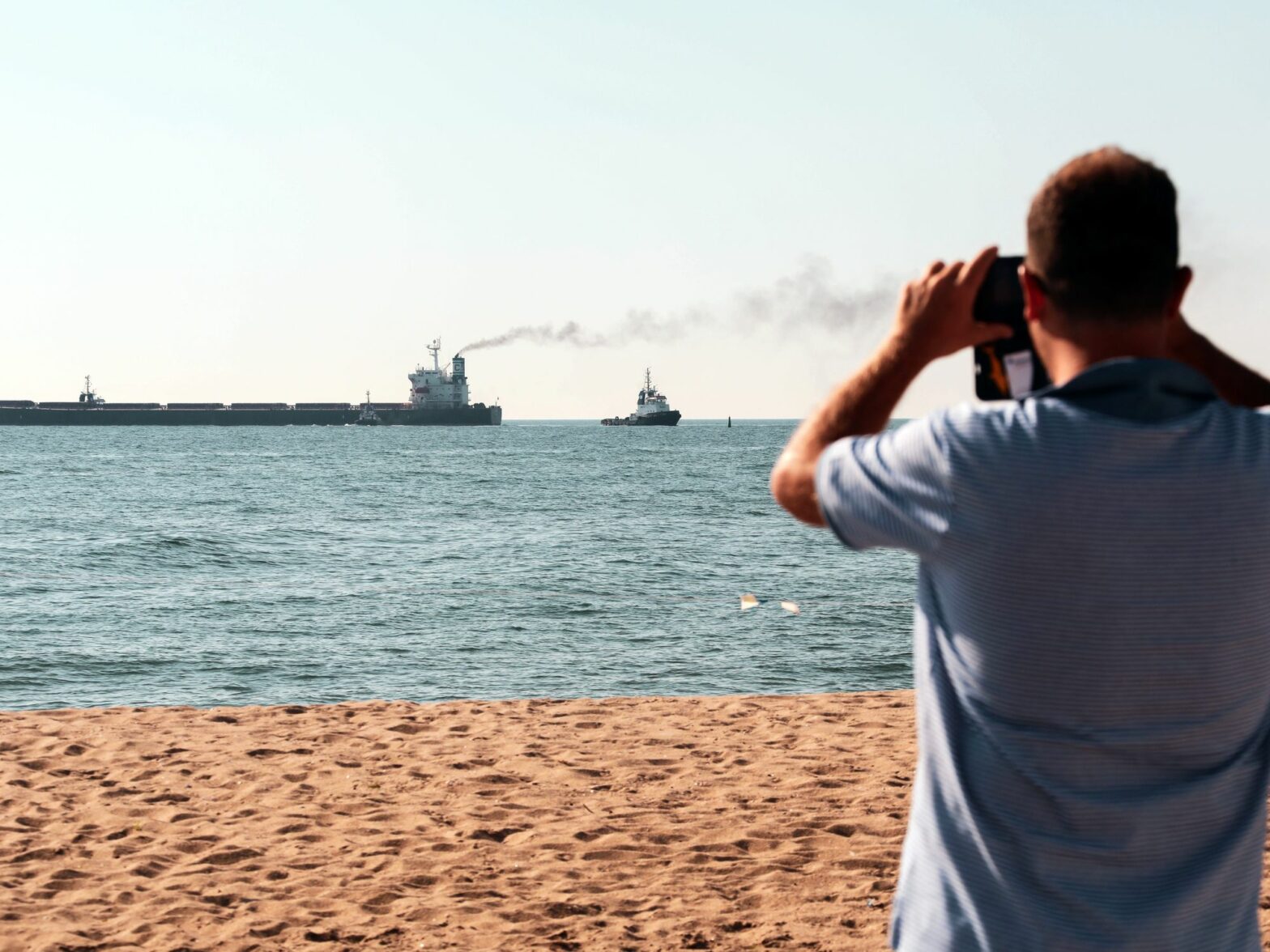
According to a new report, the world’s primary recipient of Ukrainian grain is China, and the pace of exports has exceeded pre-war levels. But the Chinese leader’s long game goes much further.
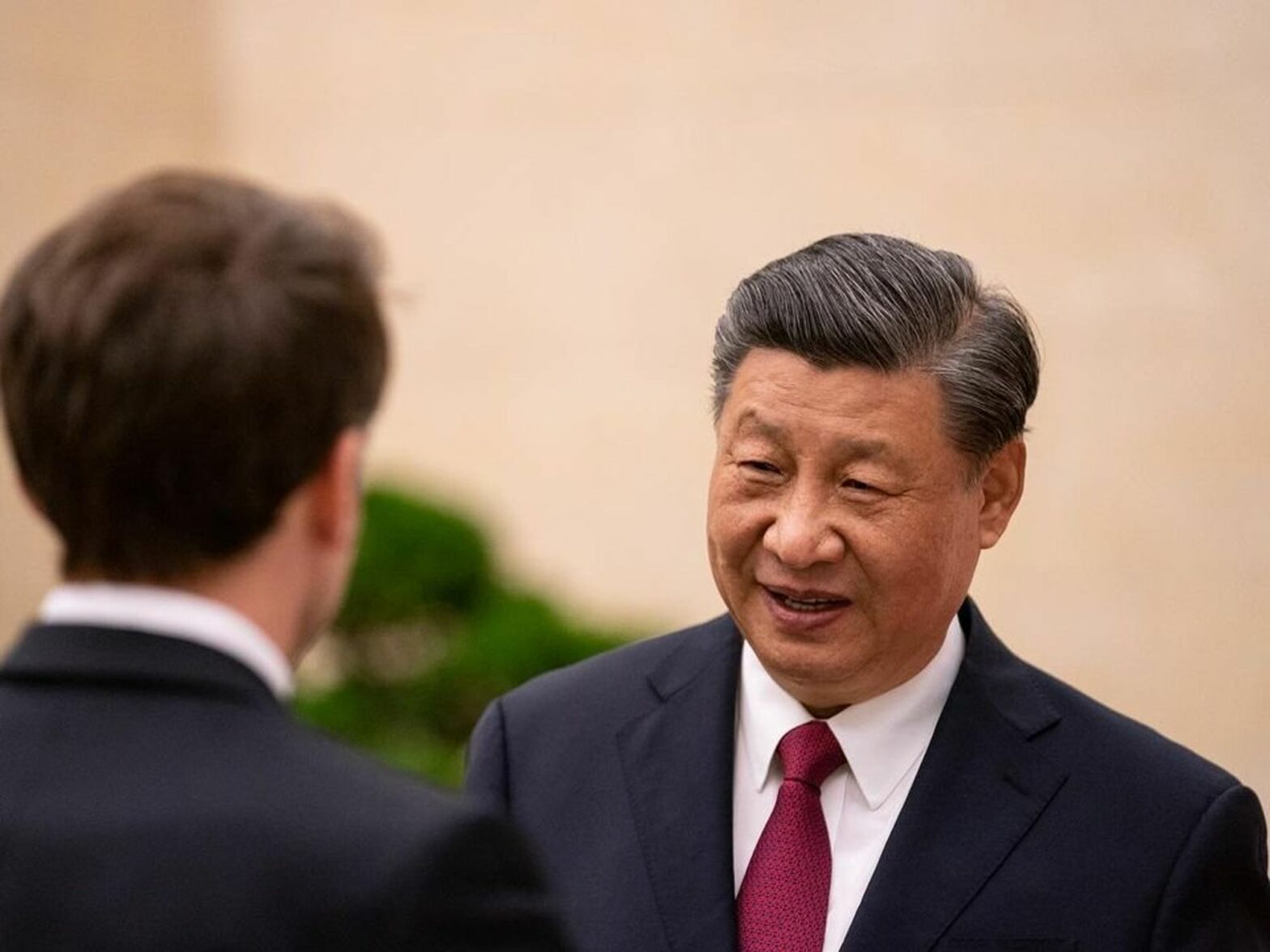
Ukraine was the trickiest part of French President Emmanuel Macron’s state visit to China. And though Xi Jinping didn’t say much, Macron made his voice clear on the war and possible arms shipments to Russia — and the West is watching closely.
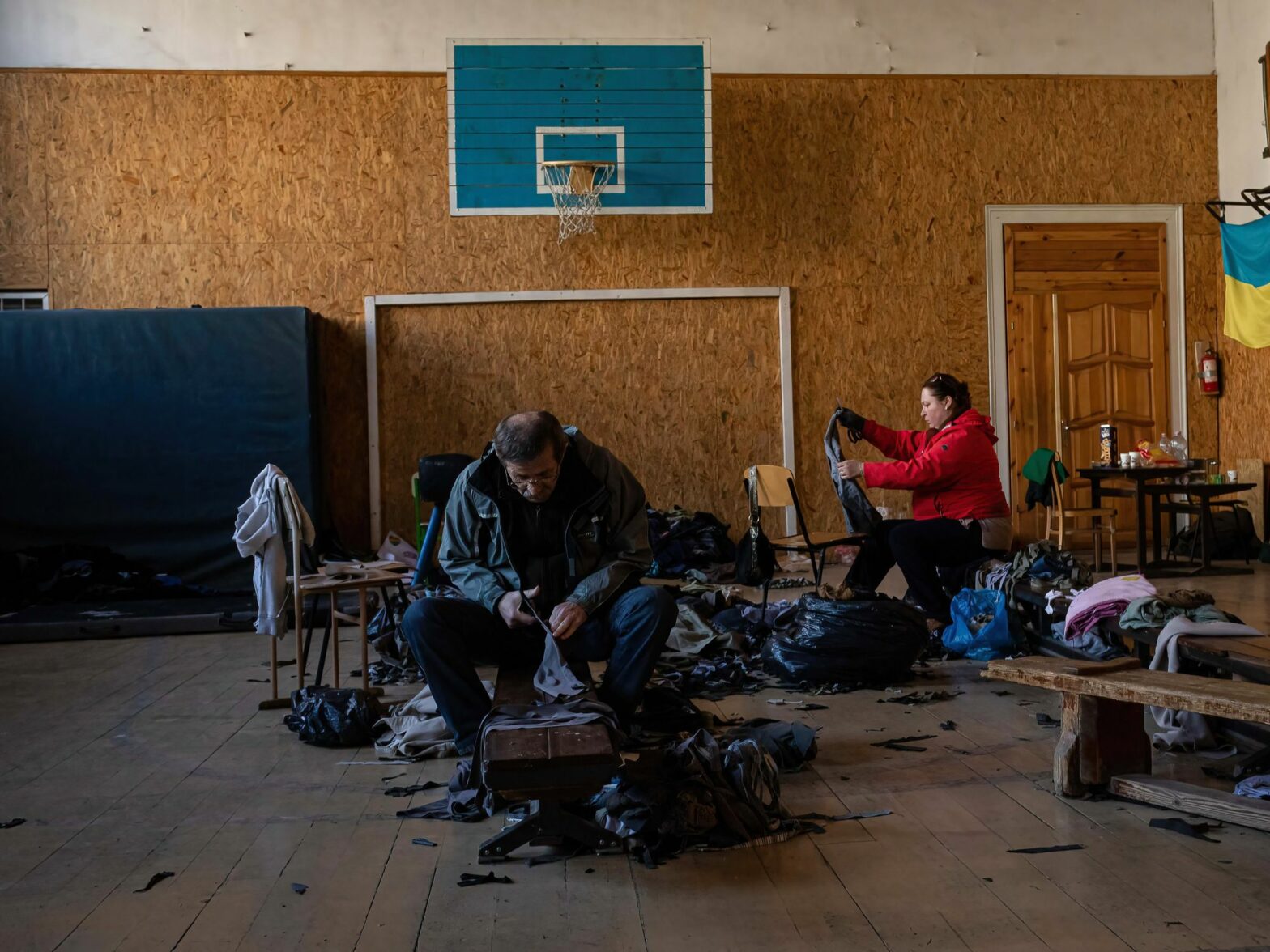
A visit to the Ukrainian region of Transcarpathia, which borders Hungary and is home to about 150,000 Hungarian-Ukrainians, where the pro-Russian stance of Hungarian Prime Minister Viktor Orban is wreaking havoc.
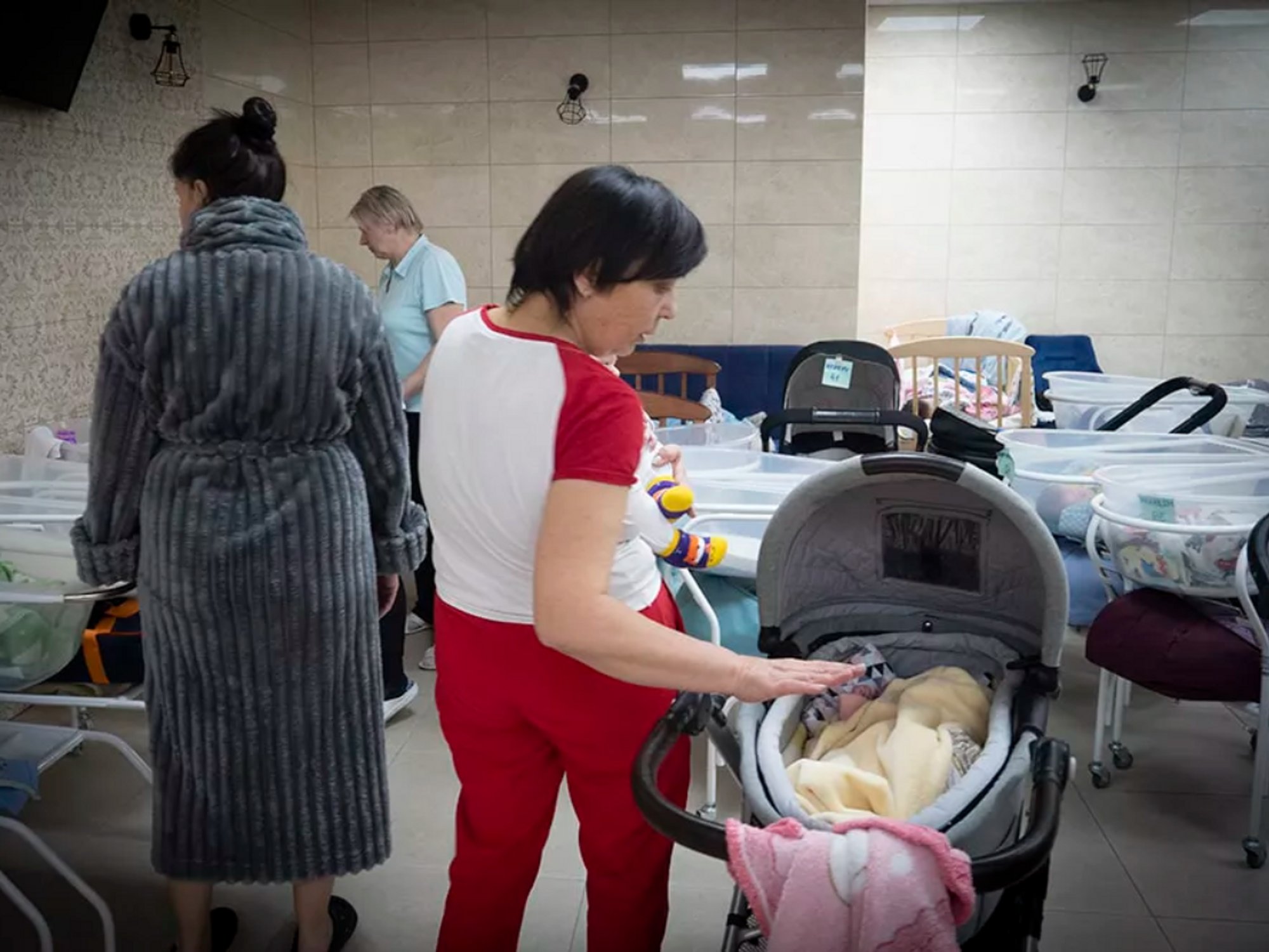
After more than a year of war, a journalist from Spanish publication La Marea returns to one of the capital’s top clinics for foreign couples looking for children. Business is better than ever, though the clinic is looking for women from other former Soviet republics to become surrogate mothers.
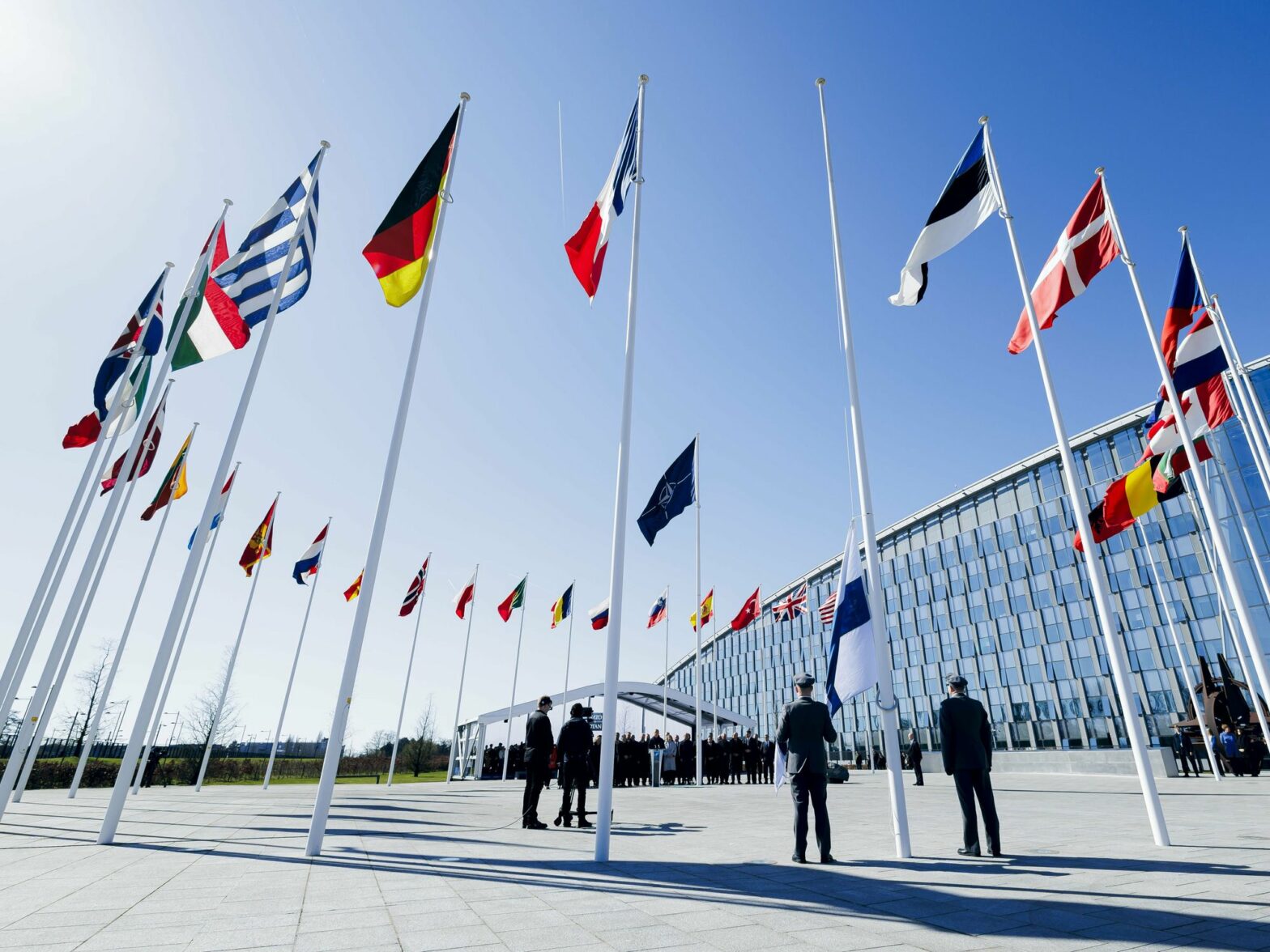
Russia’s president only has himself to blame for historically neutral Finland acquiring NATO status.
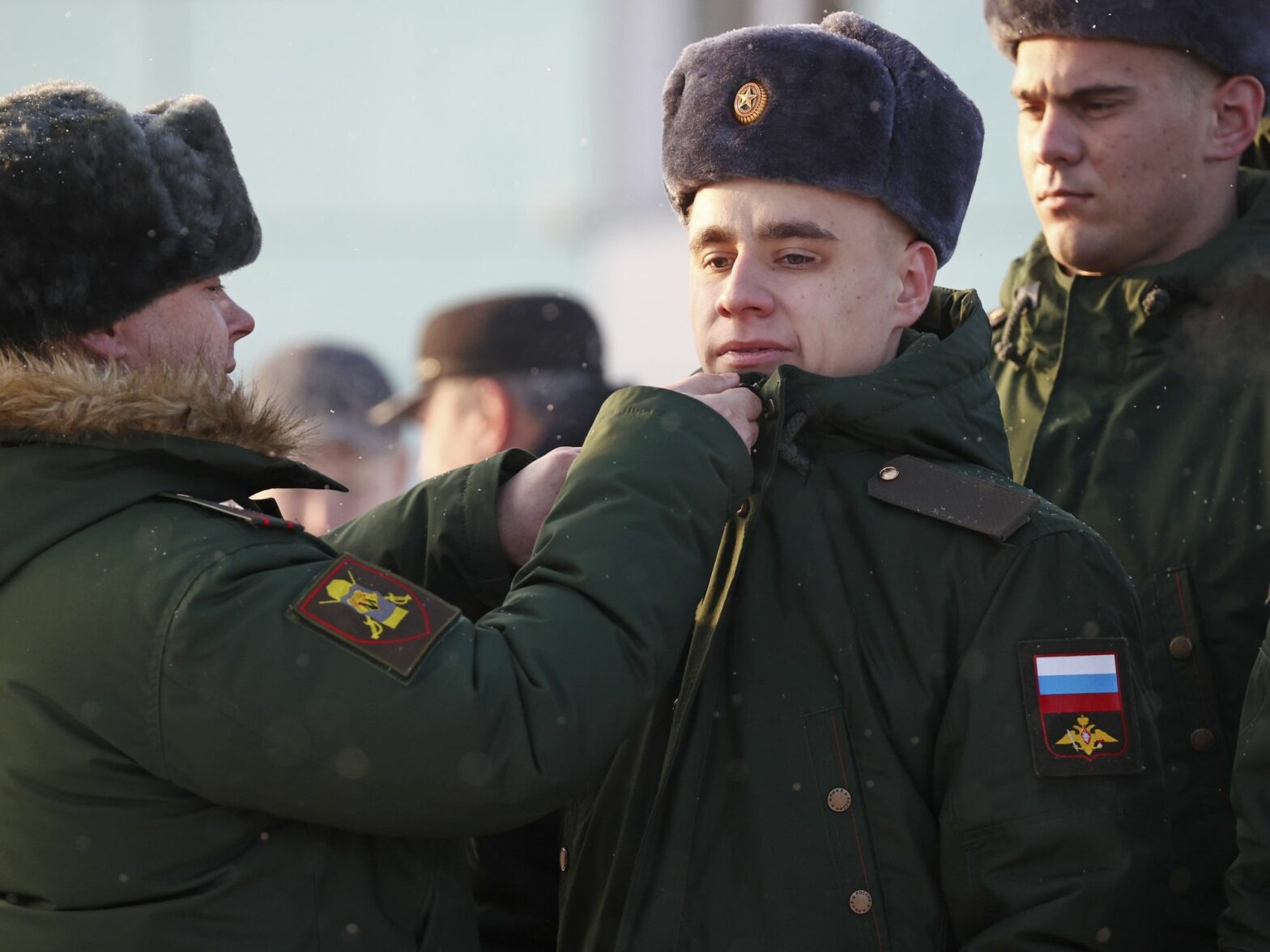
Few believe the Russian government claims that it can recruit 400,000 new troops as volunteers, even with cash bonuses. But the alternative, a nationwide draft, may be too high a risk for Vladimir Putin.
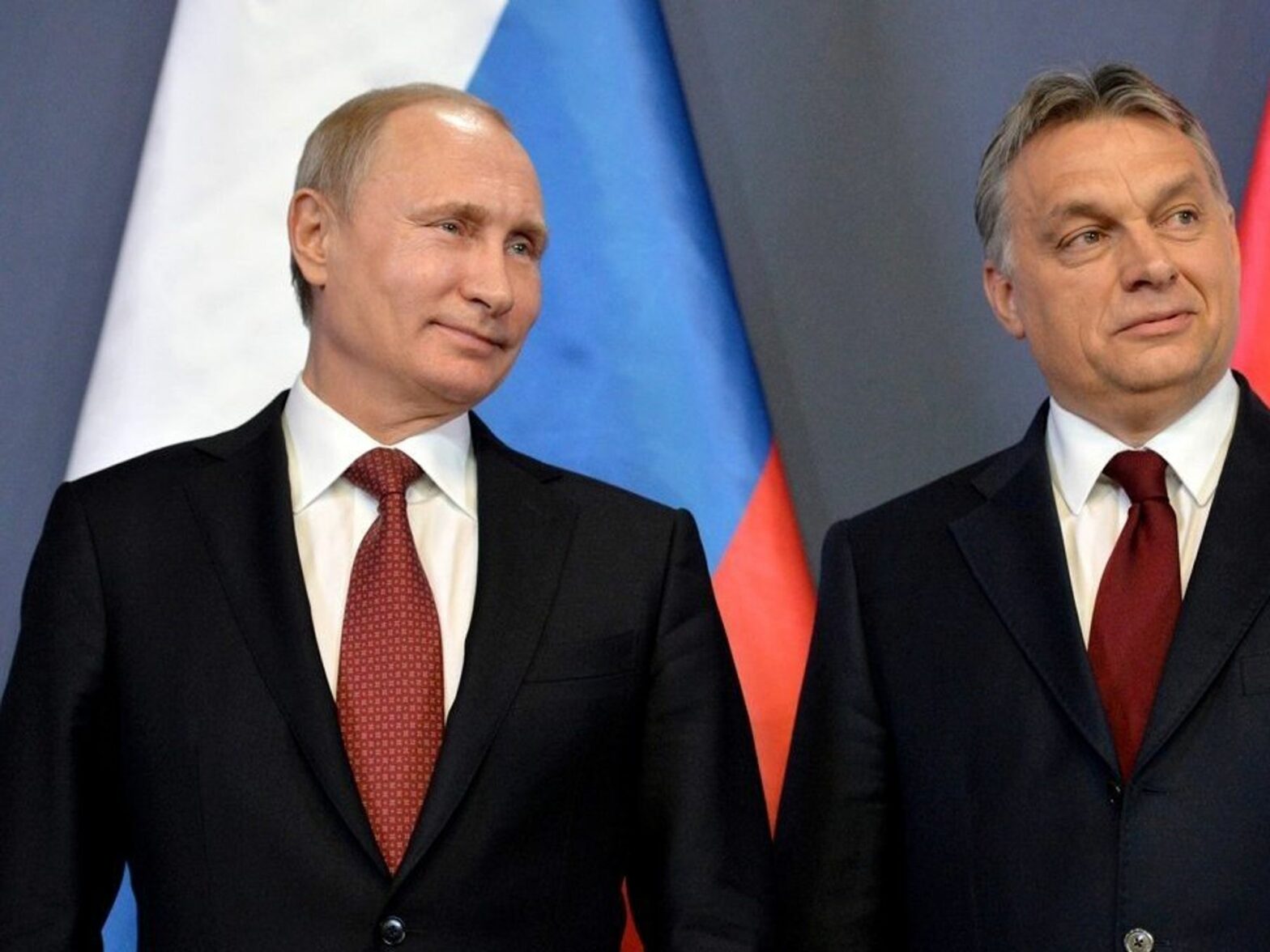
Hungarian prime minister Viktor Orbán appears to be courting Vladimir Putin, and turning his back on the EU. There is a clear strategy behind his rhetoric — but it is not any personal affinity for Russia.
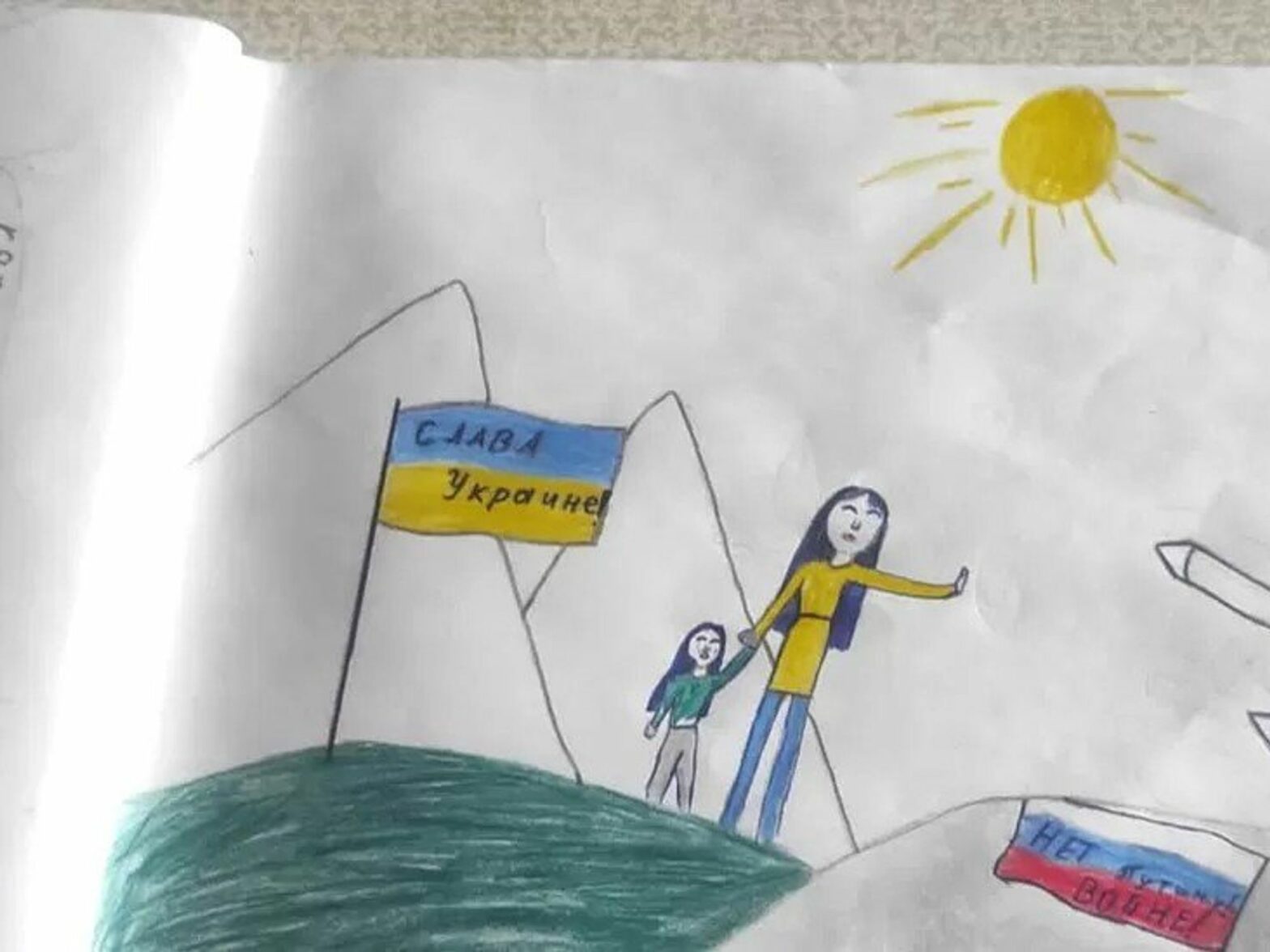
Even beyond the bloodshed of its war in Ukraine, lesser acts of aggression by the state are a clear expression of the intentions of Vladimir Putin’s Russia.

From ballet to opera to classic literature, Russia has turned its culture into an instrument for its own expansion. The West must fight back, Ukraine’s culture minister Oleksandr Tkachenko writes in an op-ed in German daily Die Welt. It’s time to stop supporting Russian artists and seek out Ukrainians instead.
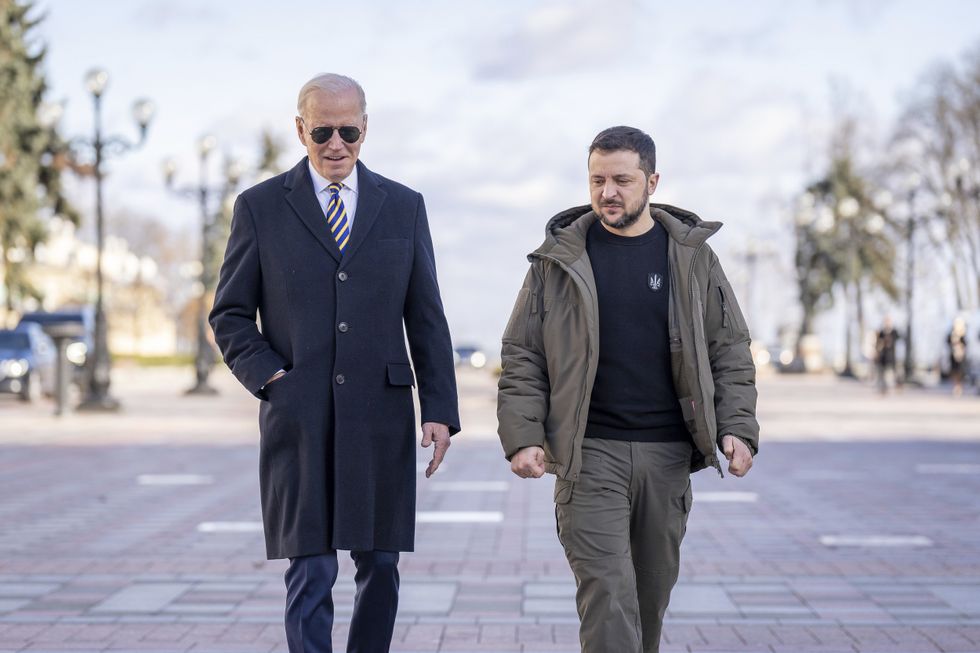
With a decisive deal with Putin out of the question, the only way to create a lasting peace is to recreate some fundamental dynamics of the Cold War.
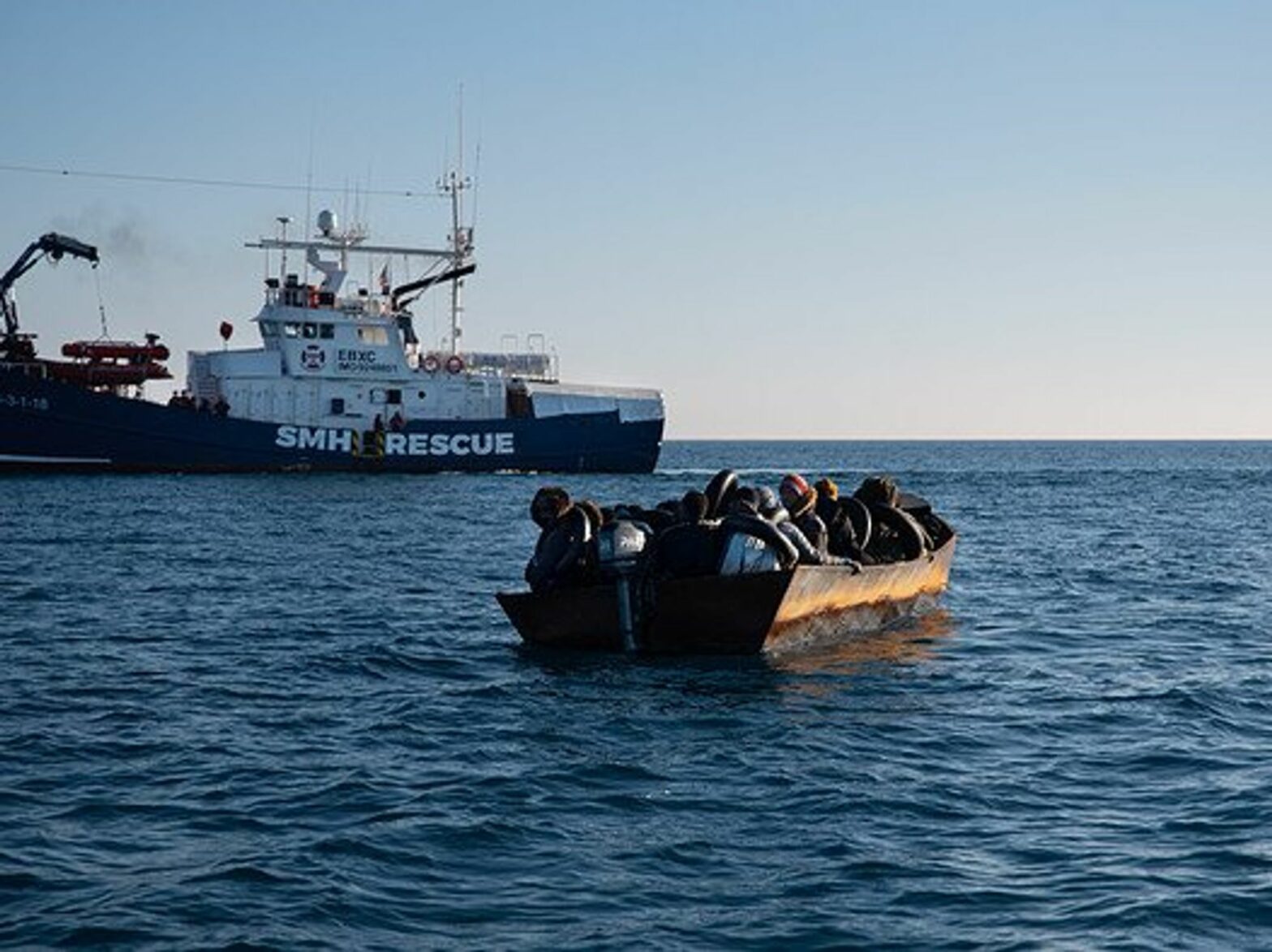
Since 2015, Europe’s strategy to stop irregular migration has focused on arresting so-called smugglers. But those steering the vessels are usually desperate migrants themselves, forced to take the helm.
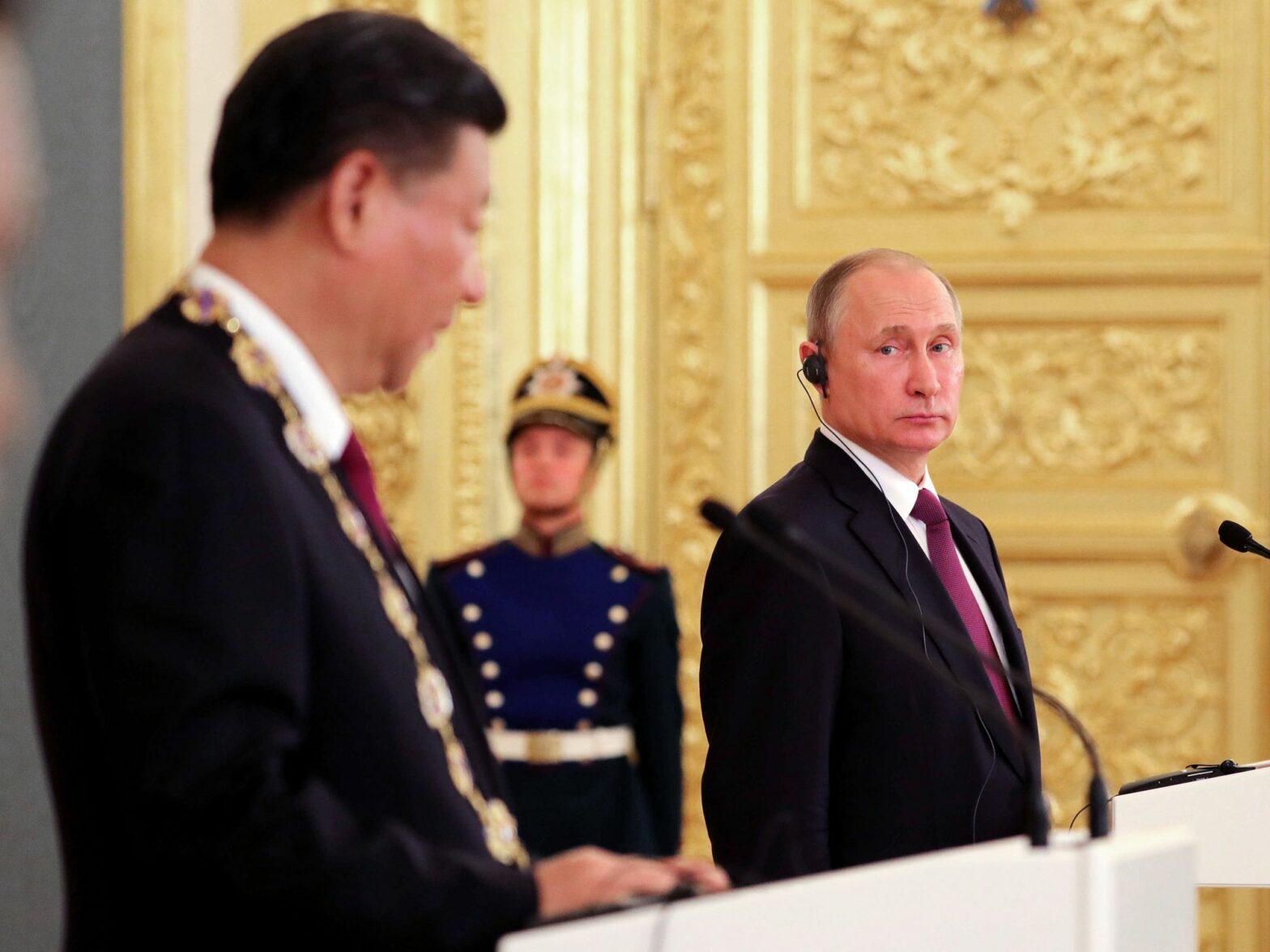
To trace Moscow’s decision to transfer nuclear weapons to Belarus, we may need to look to Beijing — and the recent summit of Xi Jinping-Vladimir Putin
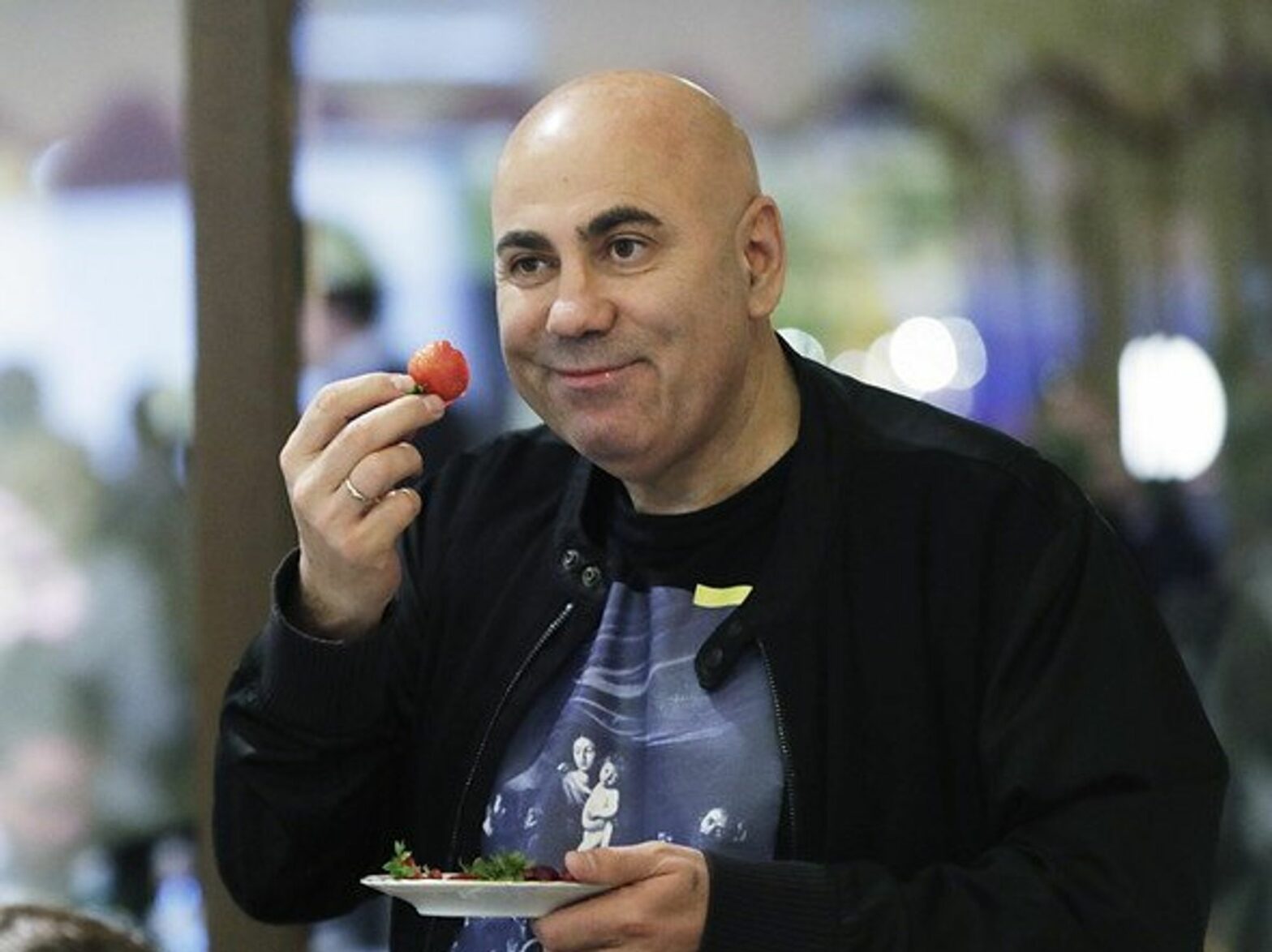
What does Russia’s ruling class really think of Putin? A leaked audio recording of Russian producer Iosif Prigozhin and Russian billionaire ex-senator Farhad Akhmedov criticizing Putin has been verified by Russian intel service FSB, offering a peak into the anger toward the Kremlin’s war.
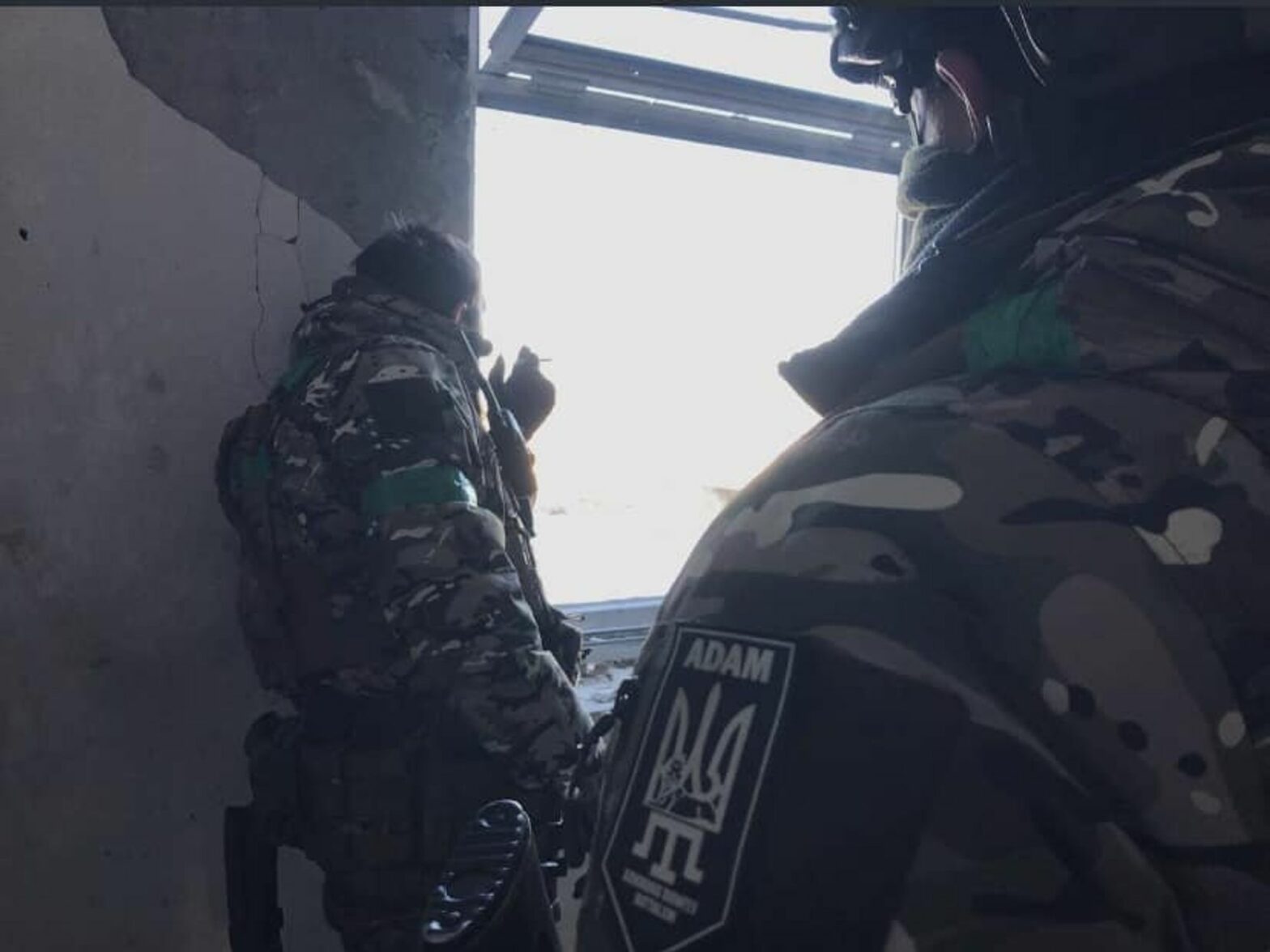
Thousands of foreign soldiers are fighting alongside Ukraine. German daily Die Welt met a Chechen battalion to find out why they are fighting.
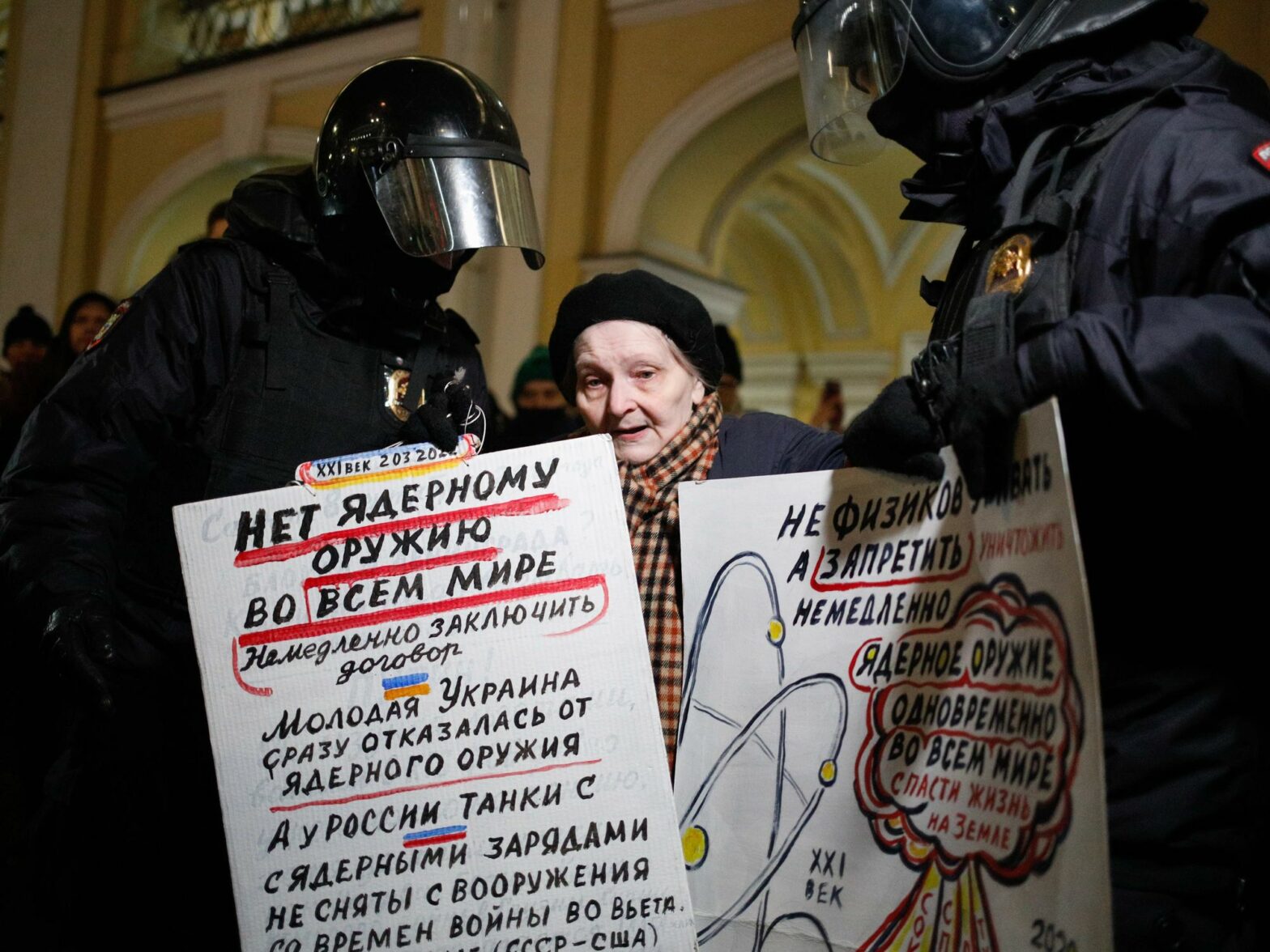
Independent Russian media Vazhnyye Istorii has obtained a major data leak from the top Kremlin information agency that reveals the scale and extent of anti-war protests across the Russian Federation.
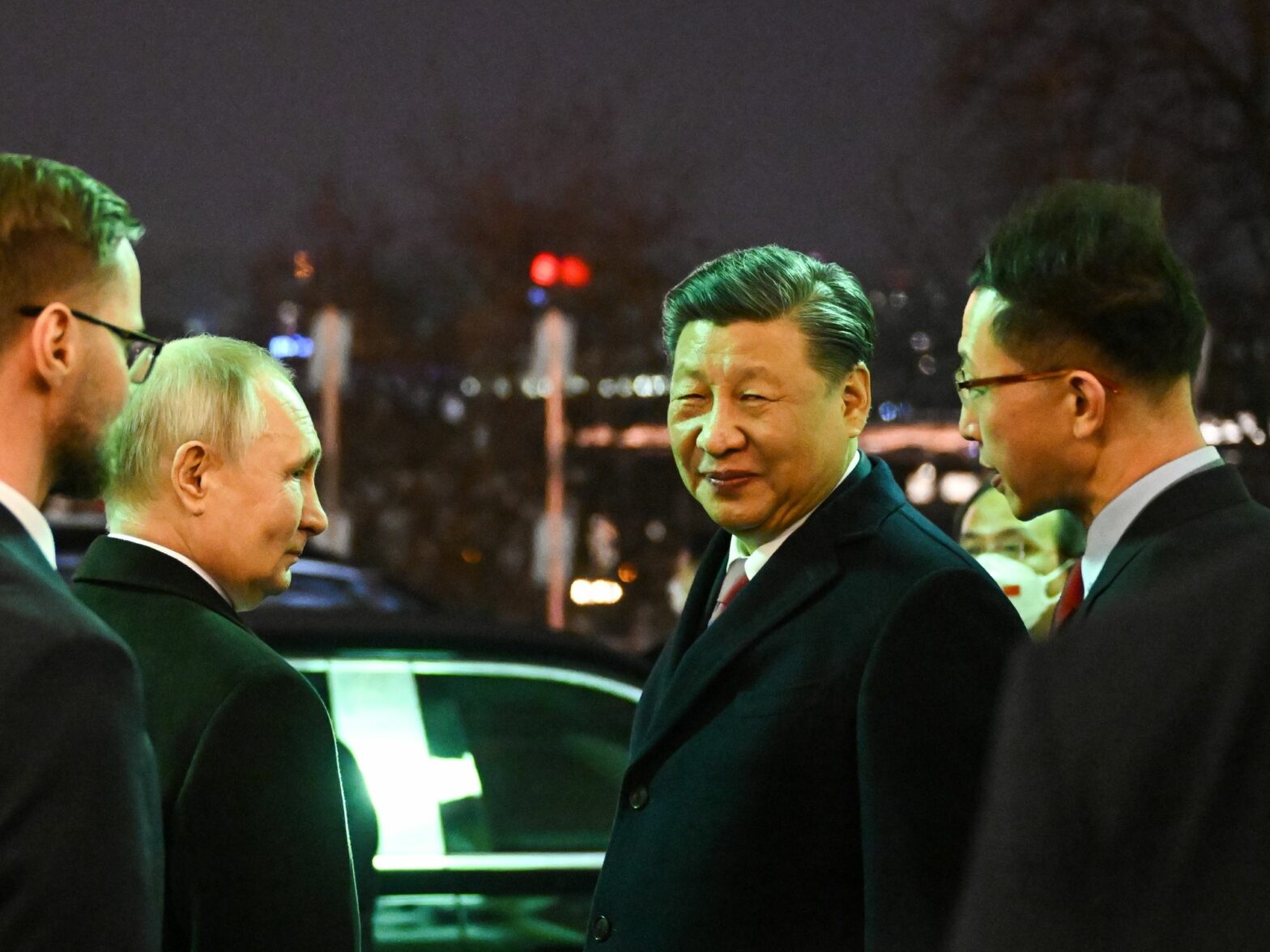
China has adopted a stance of pro-Putin neutrality since the start of Russia’s invasion. But this is not an alliance of equals. China has the upper-hand and sees the opportunity to present itself as an alternative world leader.
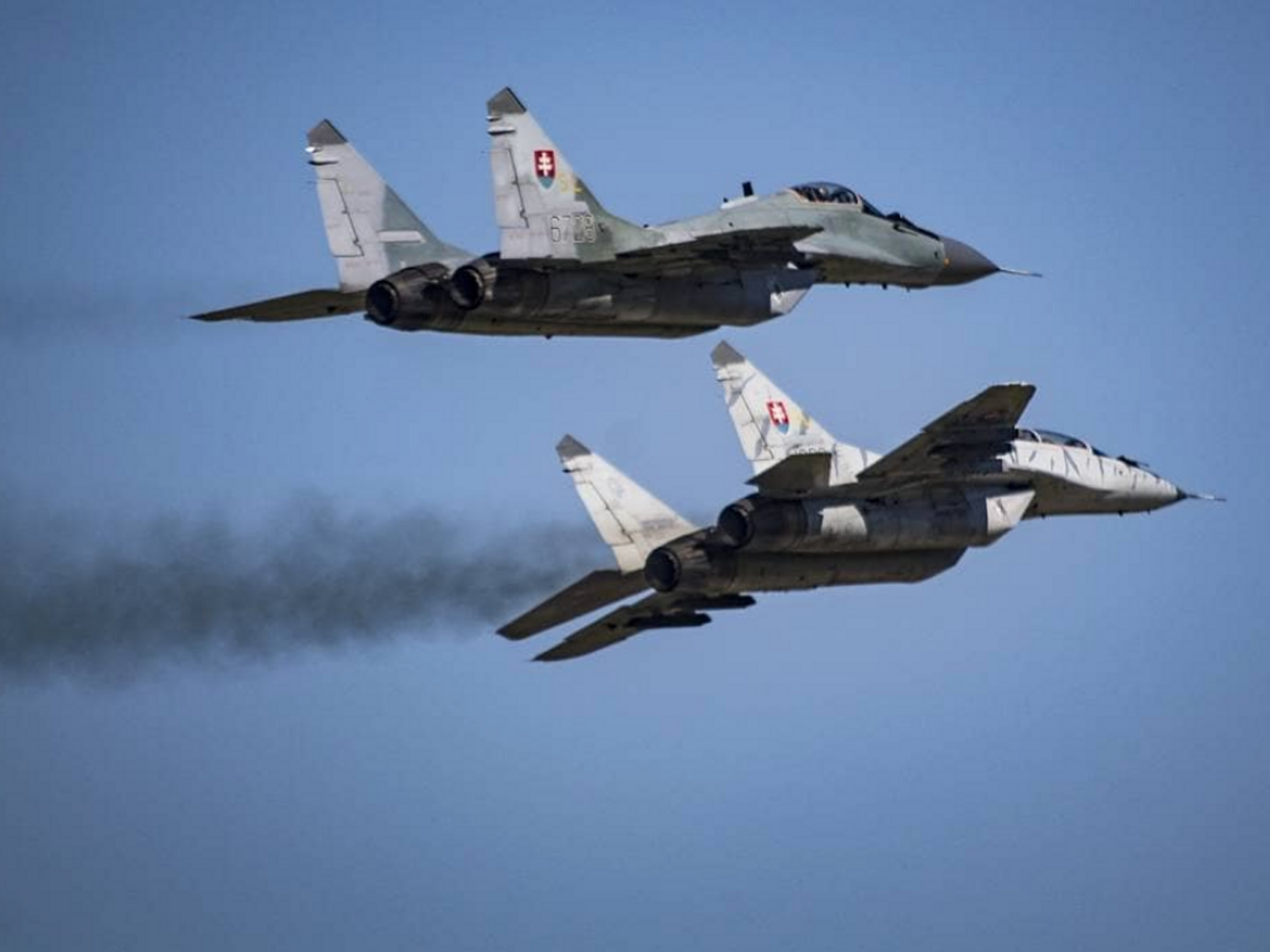
A bloc of eastern European countries has distanced themselves from Western Europe — Germany in particular — by sending Soviet era jets to Ukraine, part of growing push to supply the country with Western-made fighter jets.
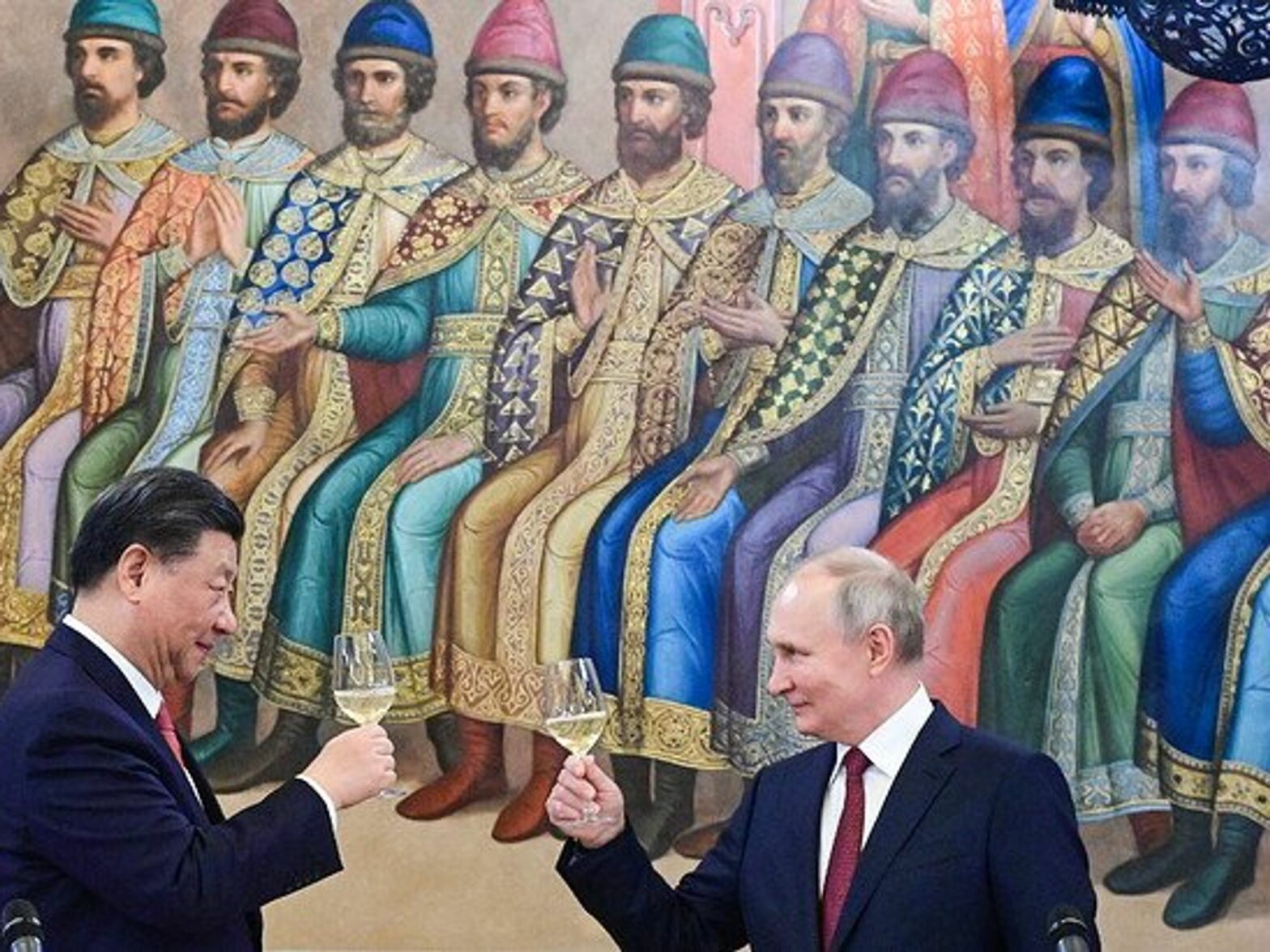
Chinese President Xi Jinping’s visit to Moscow was a much-needed favor Vladimir Putin. But make no mistake, Beijing is there to serve Beijing — and holds virtually all the cards.
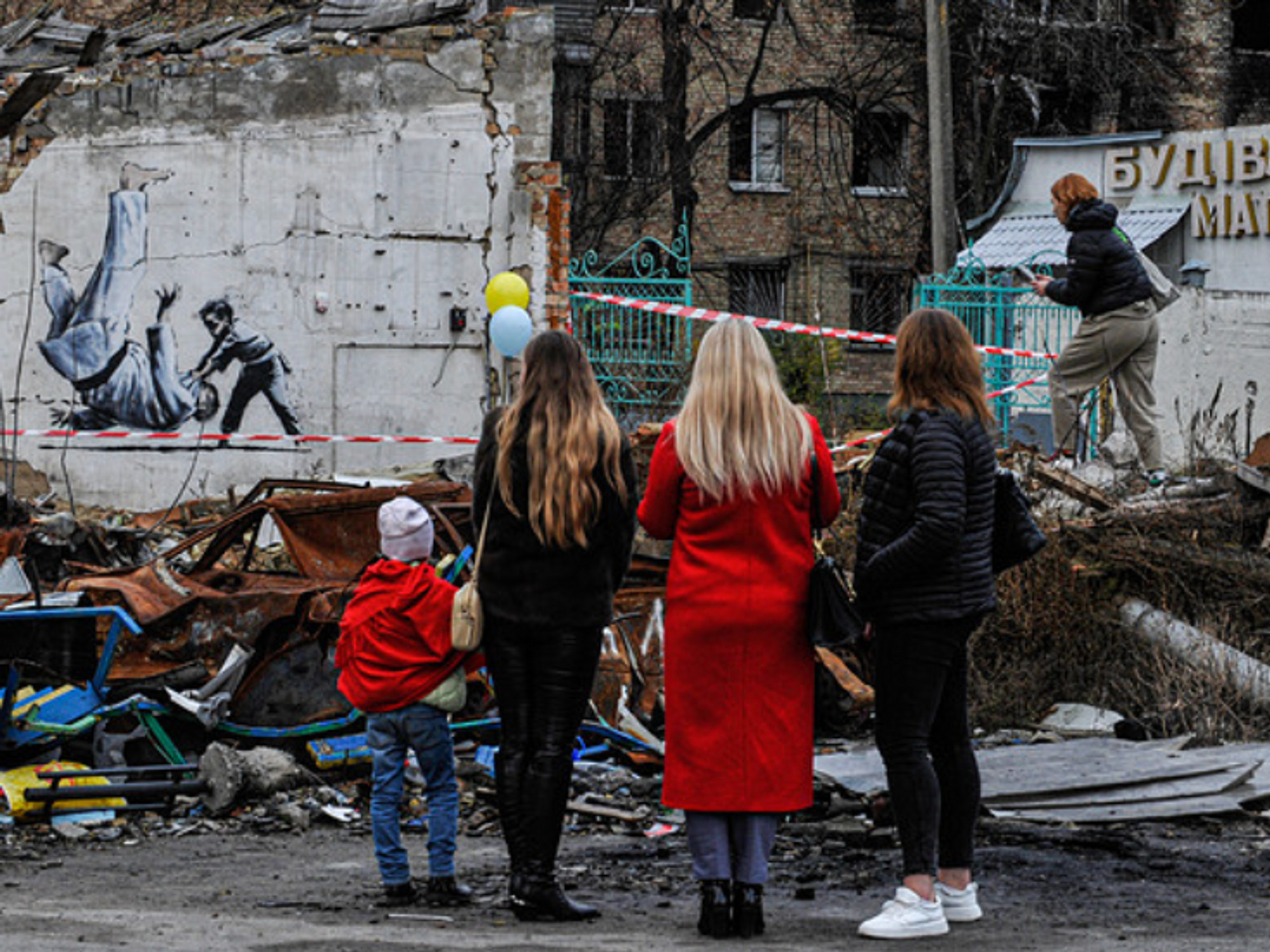
With the right support, Ukrainians are ready to return, even to new parts of the country where they’ve never lived.
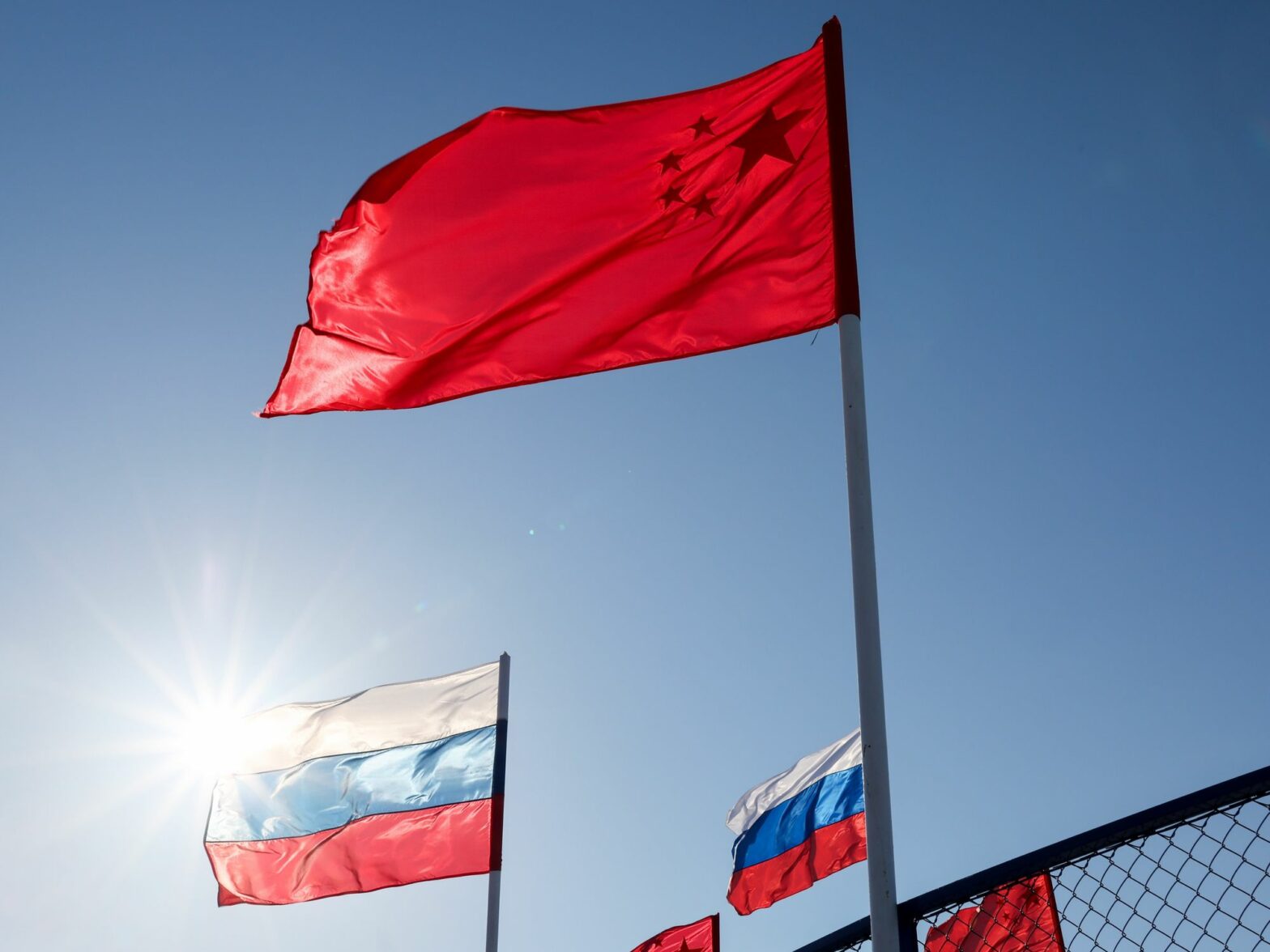
As the Chinese government puts together what it calls a peace plan for Ukraine, it’s also considering sending weapons to Russia. The Biden administration warns China will “pay a real price” if it helps Russia, but Beijing’s real goal is to weaken the United States.
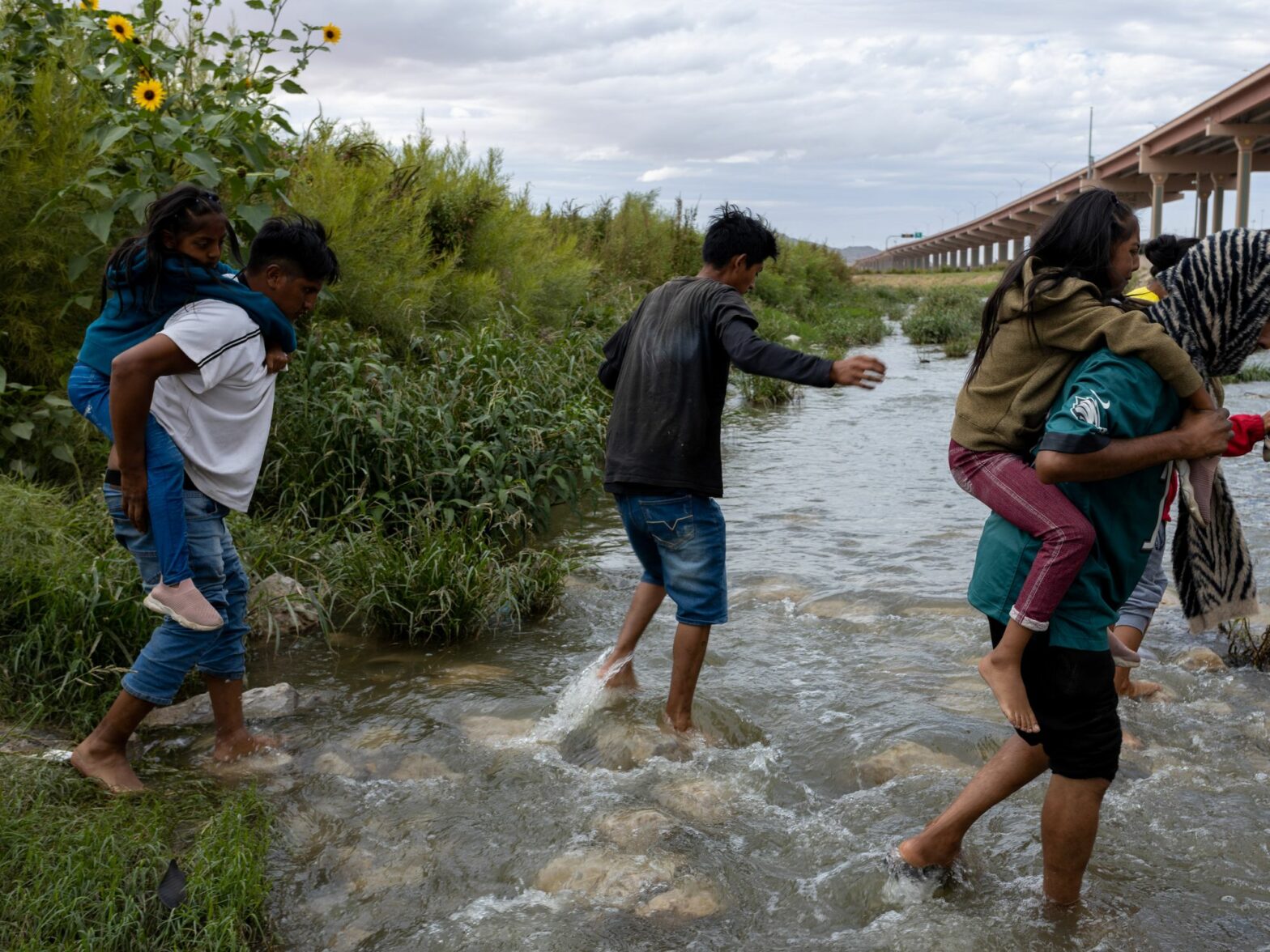
With dimmed hopes of a transition from the economic crisis and repressive regime of Nicolas Maduro, many Venezuelans increasingly see the United States, rather than Latin America, as the place to rebuild a life.
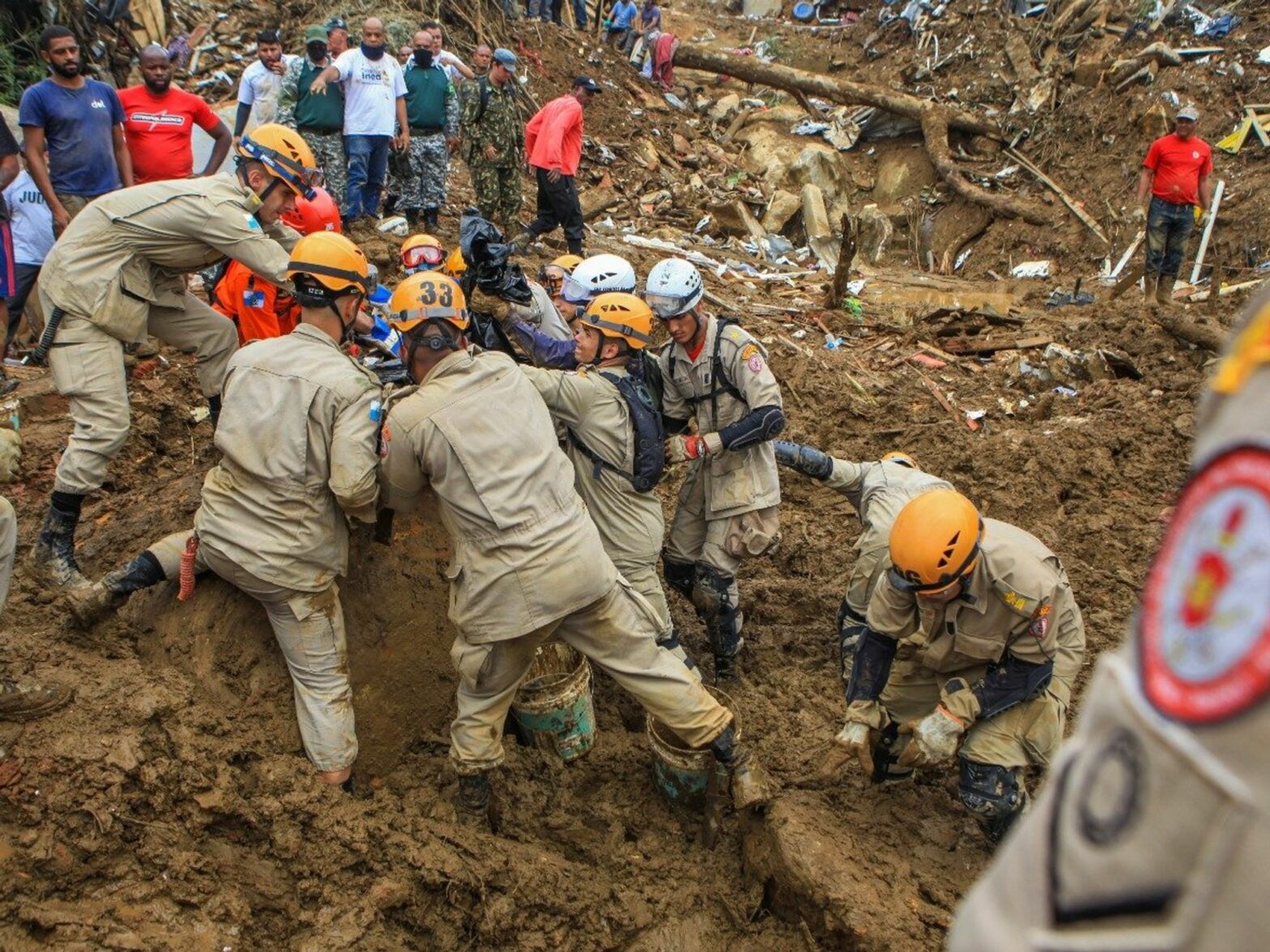
Rain often brings deadly flooding and property damage to neighborhoods around Brazil, where people are organizing to address the worsening problem.
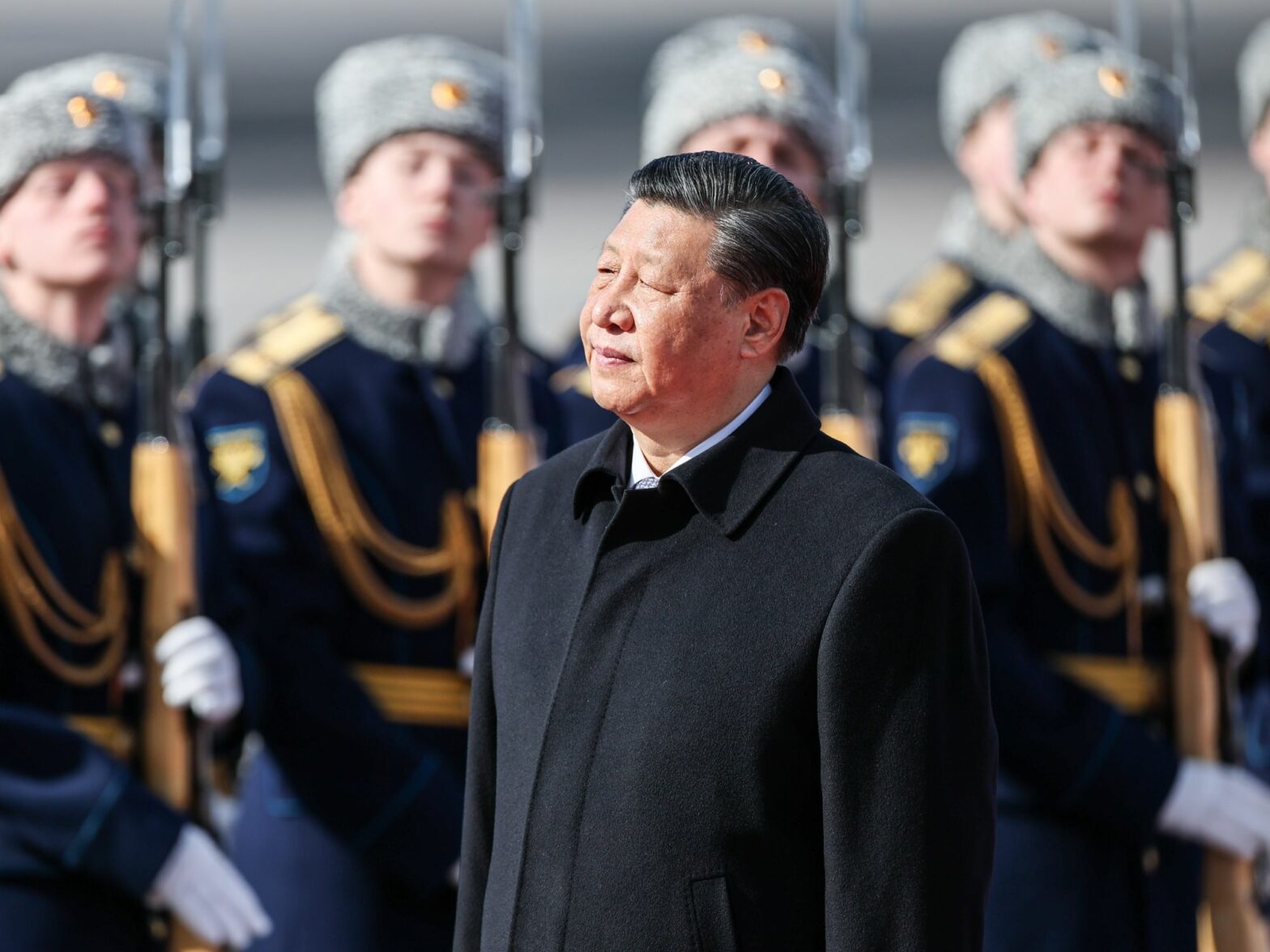
As Xi’s closely watched visit to Moscow begins, China and Russia may seem like strategic partners, but it has ultimately shown to be a marriage of convenience. And both countries are naturally competitors, wary if the other grows stronger.
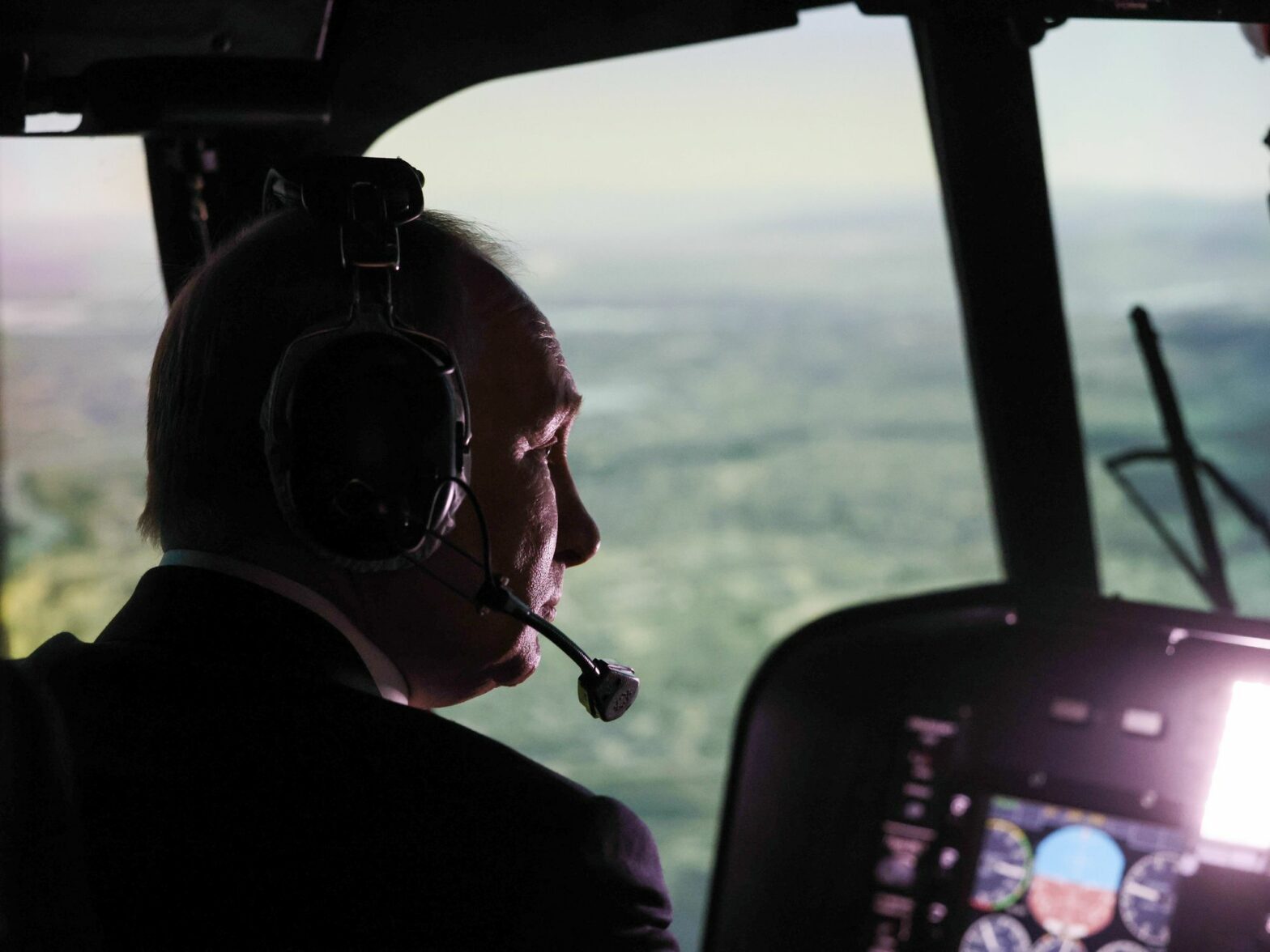
The war crimes arrest warrant issued by the Hague puts the pressure on the Russian president. Would that prompt him to follow through on his past threats to use nuclear weapons? An extensive investigation by independent Russian publication Project.Media into Putin’s life finds that he has other priorities closer to home.
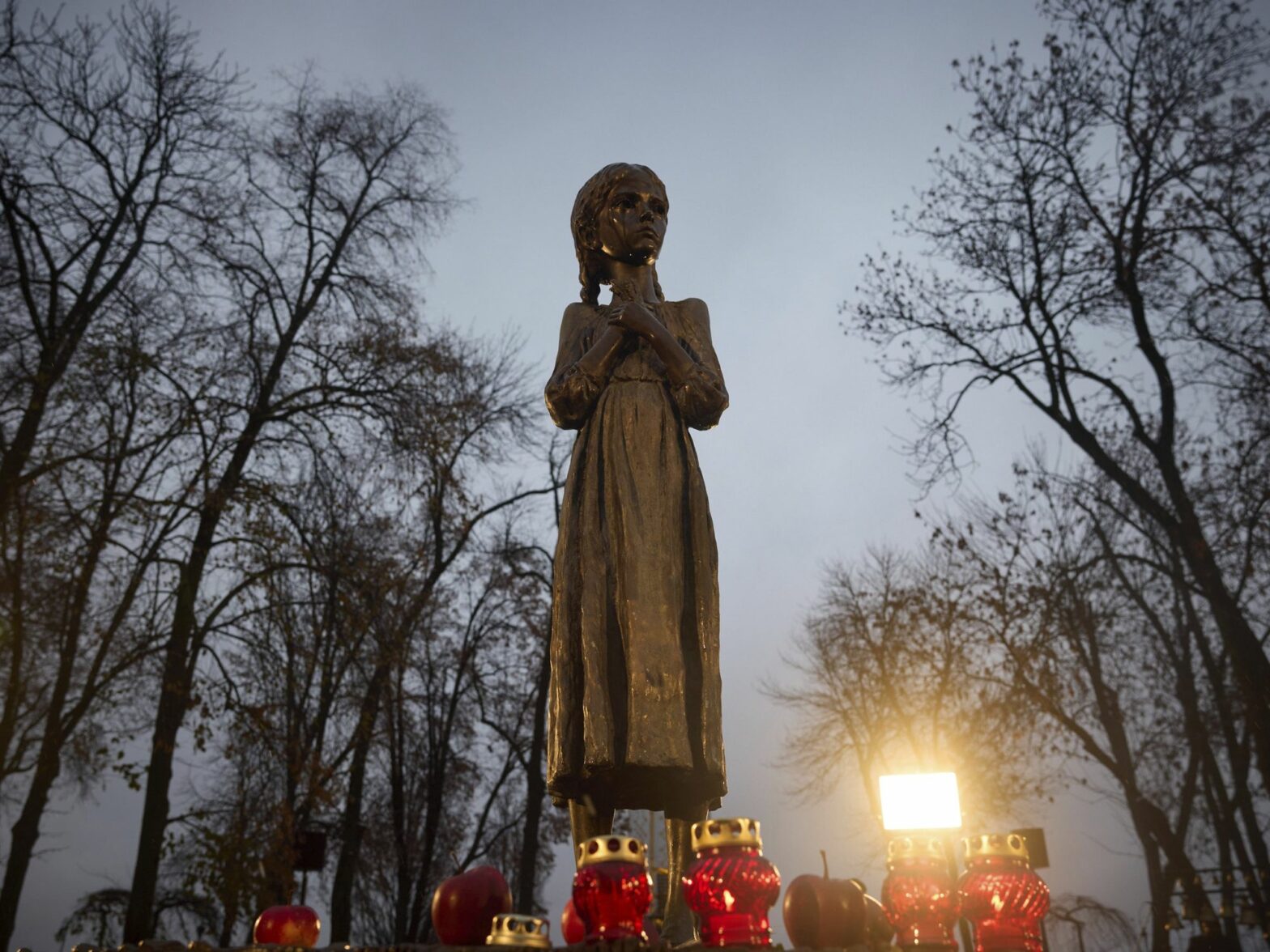
Ukraine and countries around the world recognize the Holodomor, the famine which killed millions of Ukrainians in the early 1930s, as a genocide caused by Soviet authorities. But Russia still refuses to admit responsibility. A new study uses agricultural records and mathematical modeling to show that the famine clearly targeted Ukrainians.
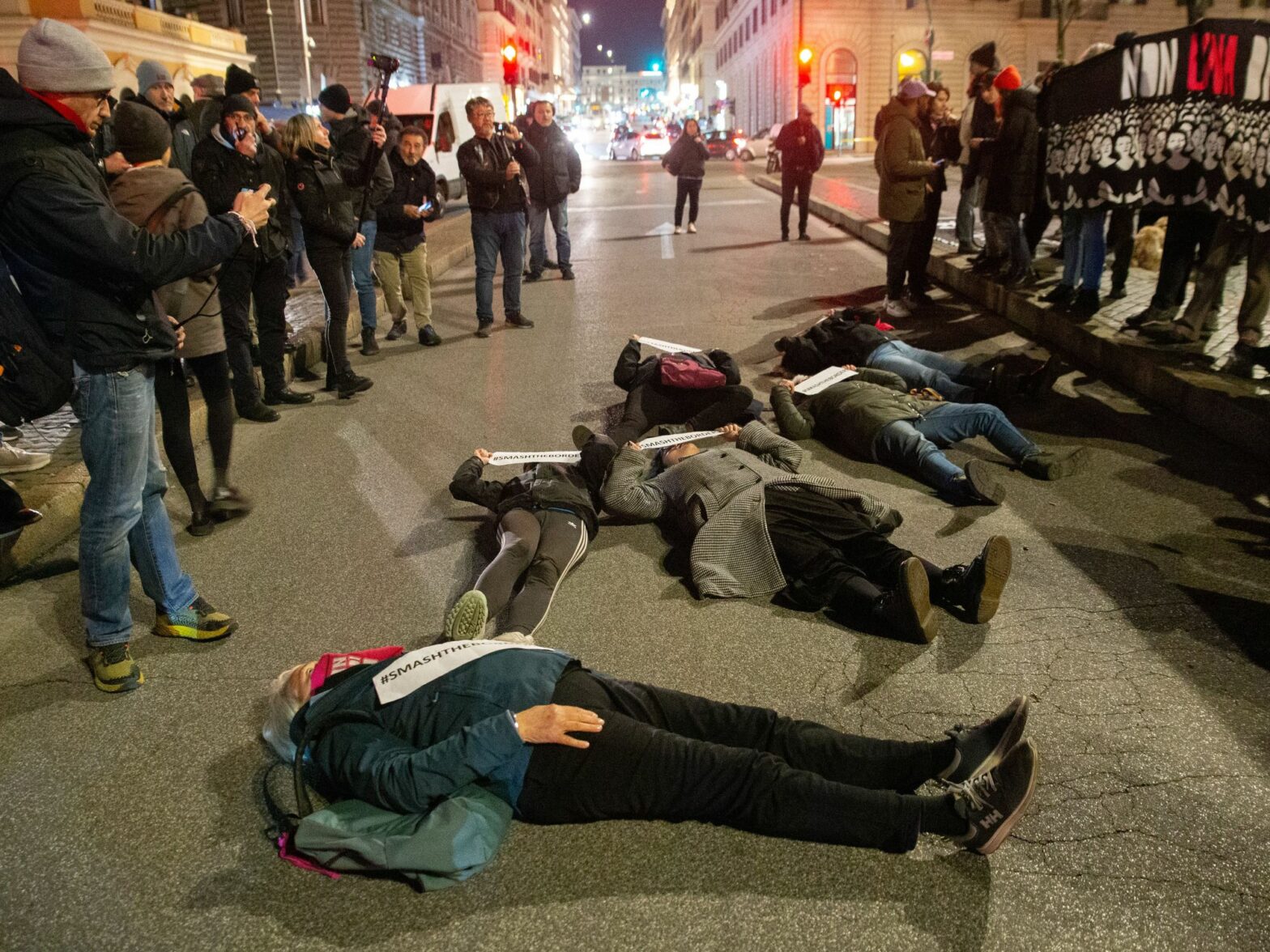
The Italian Defense minister has blamed an uptick in illegal immigrant arrivals in Italy on the Russian mercenary group, which has a strong presence in Africa, with the risk that it could divide the Western alliance. Wagner chief Prigozhin is having none of it.
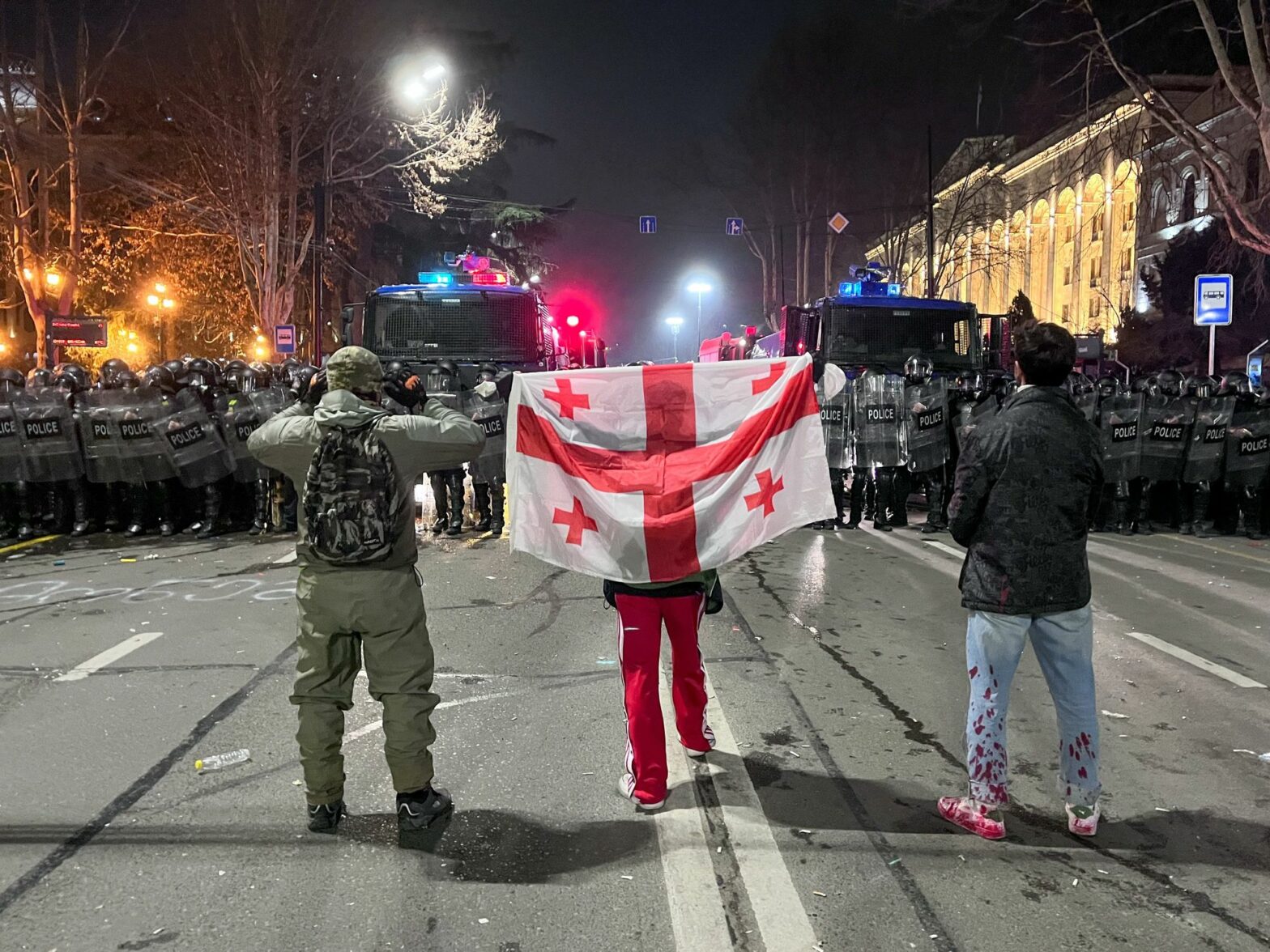
Protesters in Georgia blocked the adoption of a Russian-inspired “foreign agents” law, leading to threats from the Kremlin. Writing for La Stampa, Georgia-born political scientist Nona Mikhelidze explains why the events put Moscow on edge.
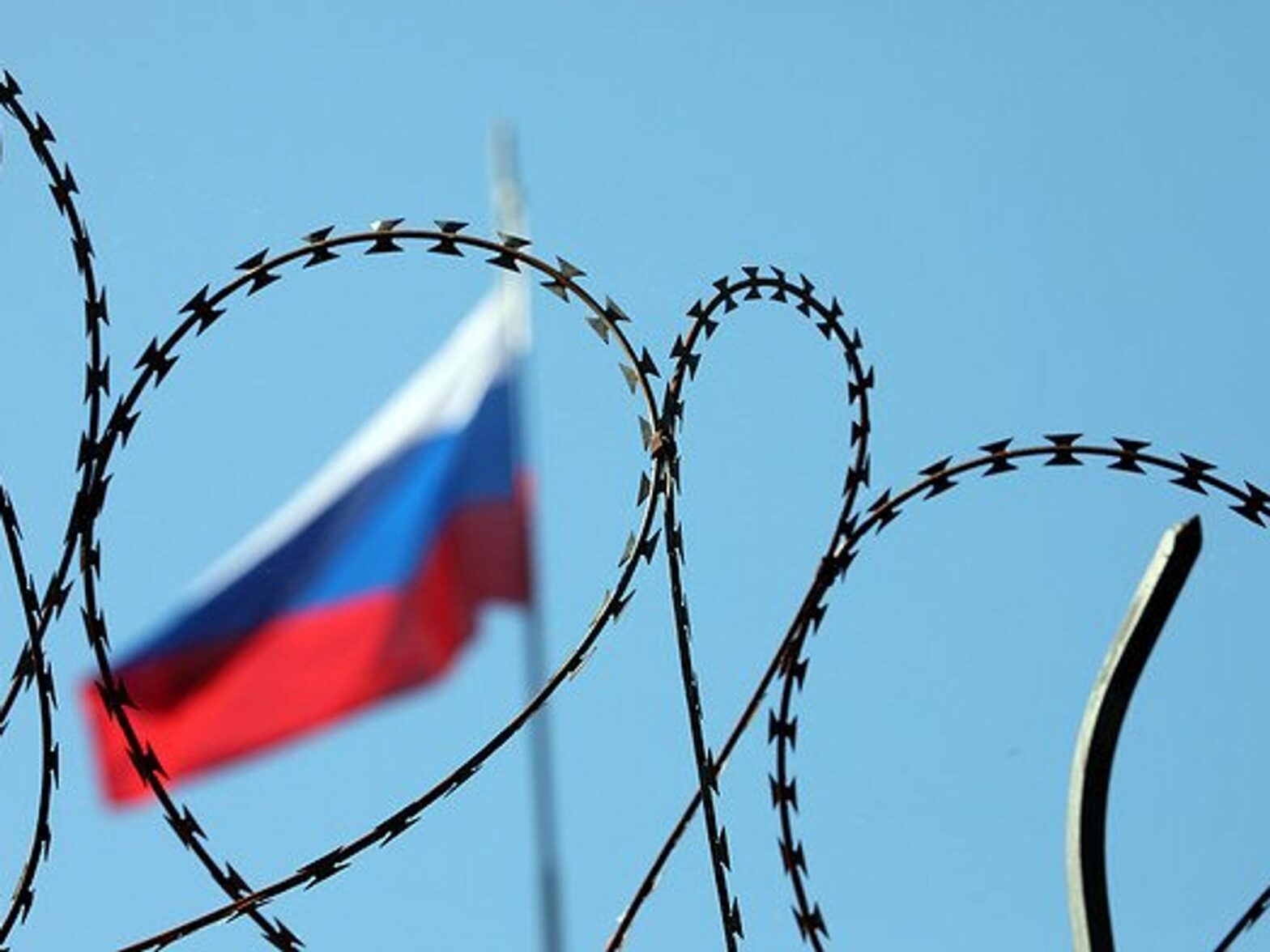
If Russia’s invasion of Ukraine hadn’t gone so badly, the Kremlin had two possible plans for governing the country under the Russian flag.
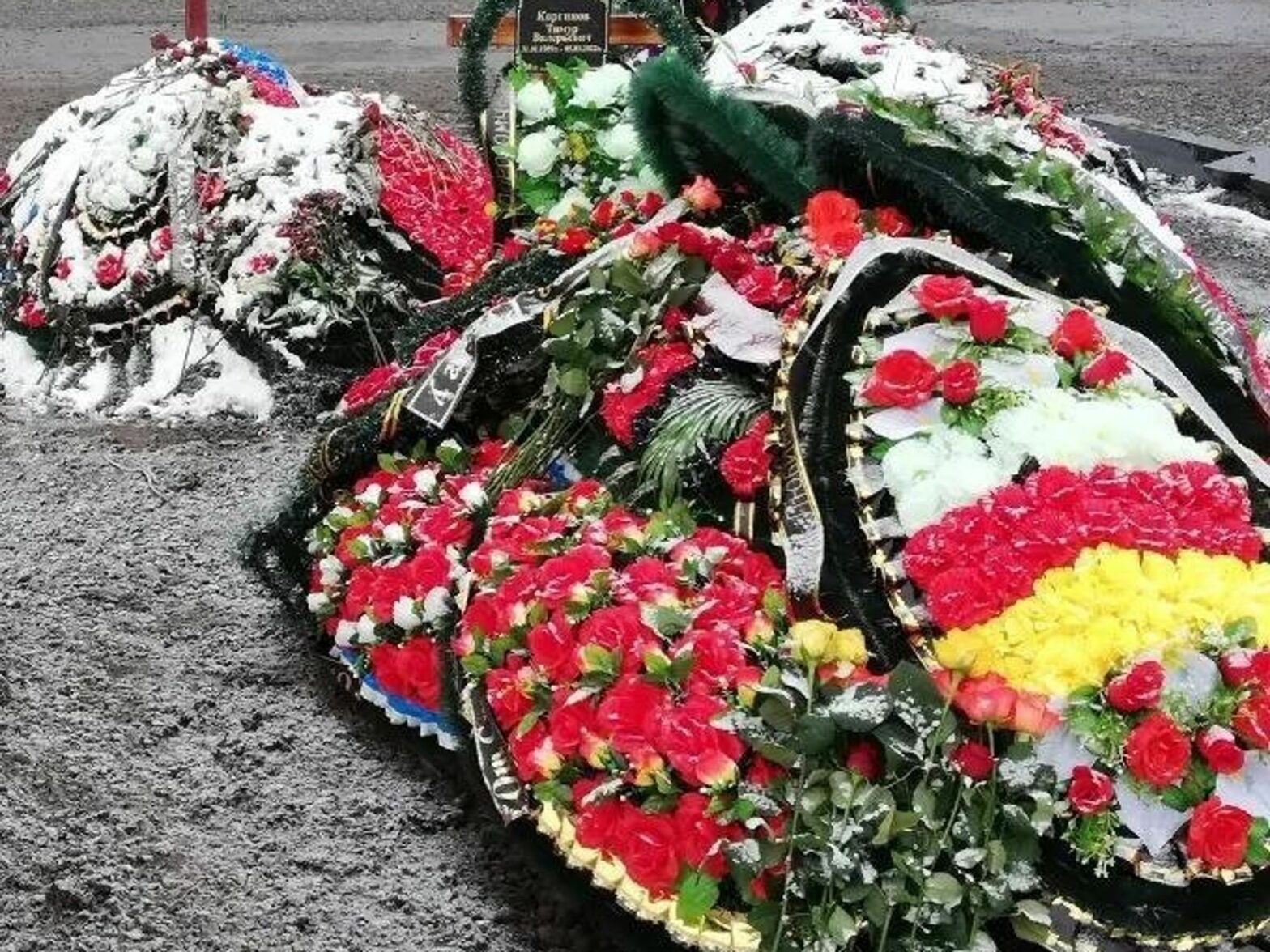
This is the other side of the Kremlin’s “special operation” in Ukraine. The human cost of the Russian side remains unclear. The reportage takes place in the capital of one of the poorest regions of Russia, in the heart of the Caucasus, where a growing number of soldiers are buried.
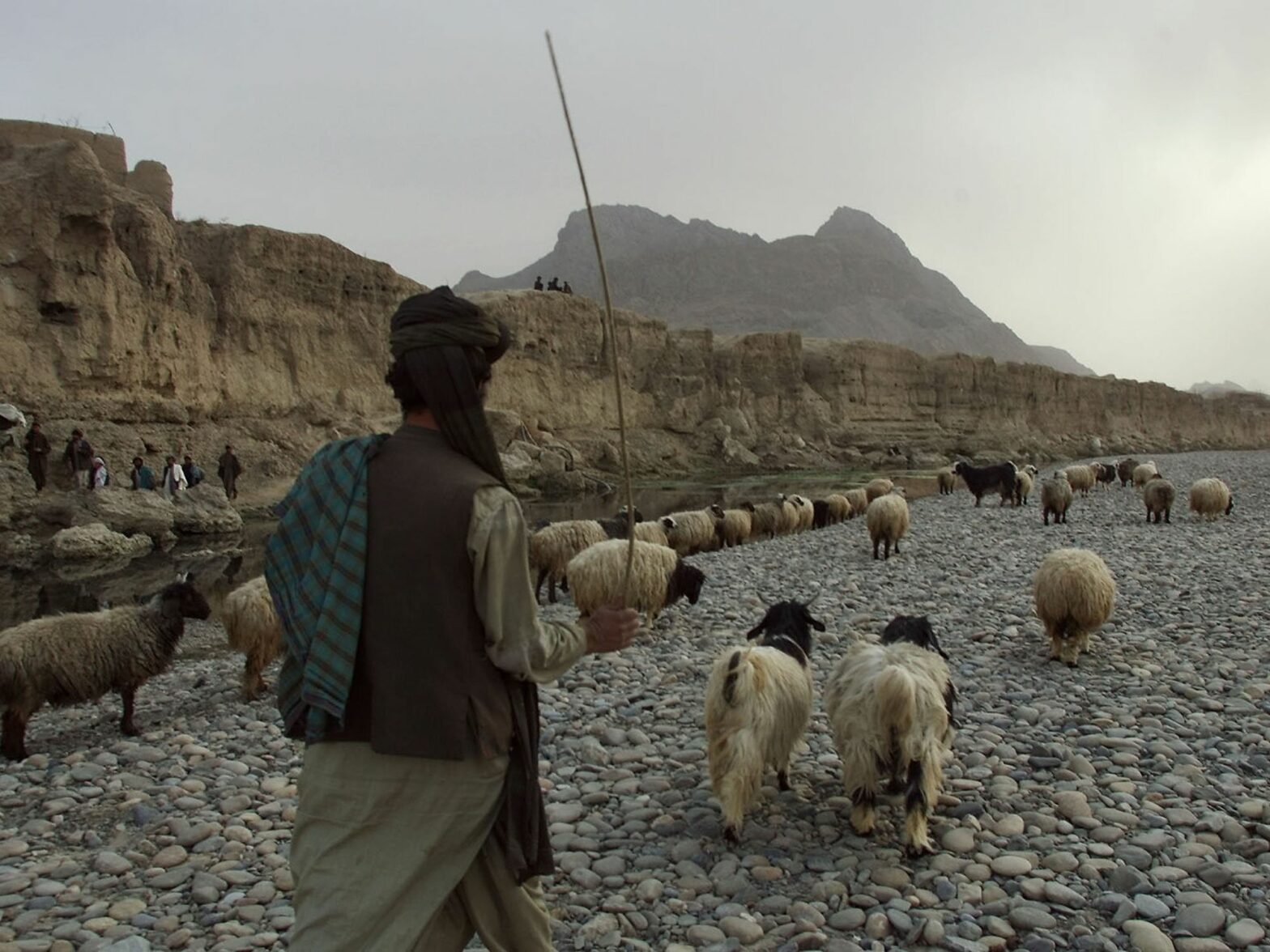
Amid a severe drought, Afghan scientists are asking the international community to engage with the brutal regime.
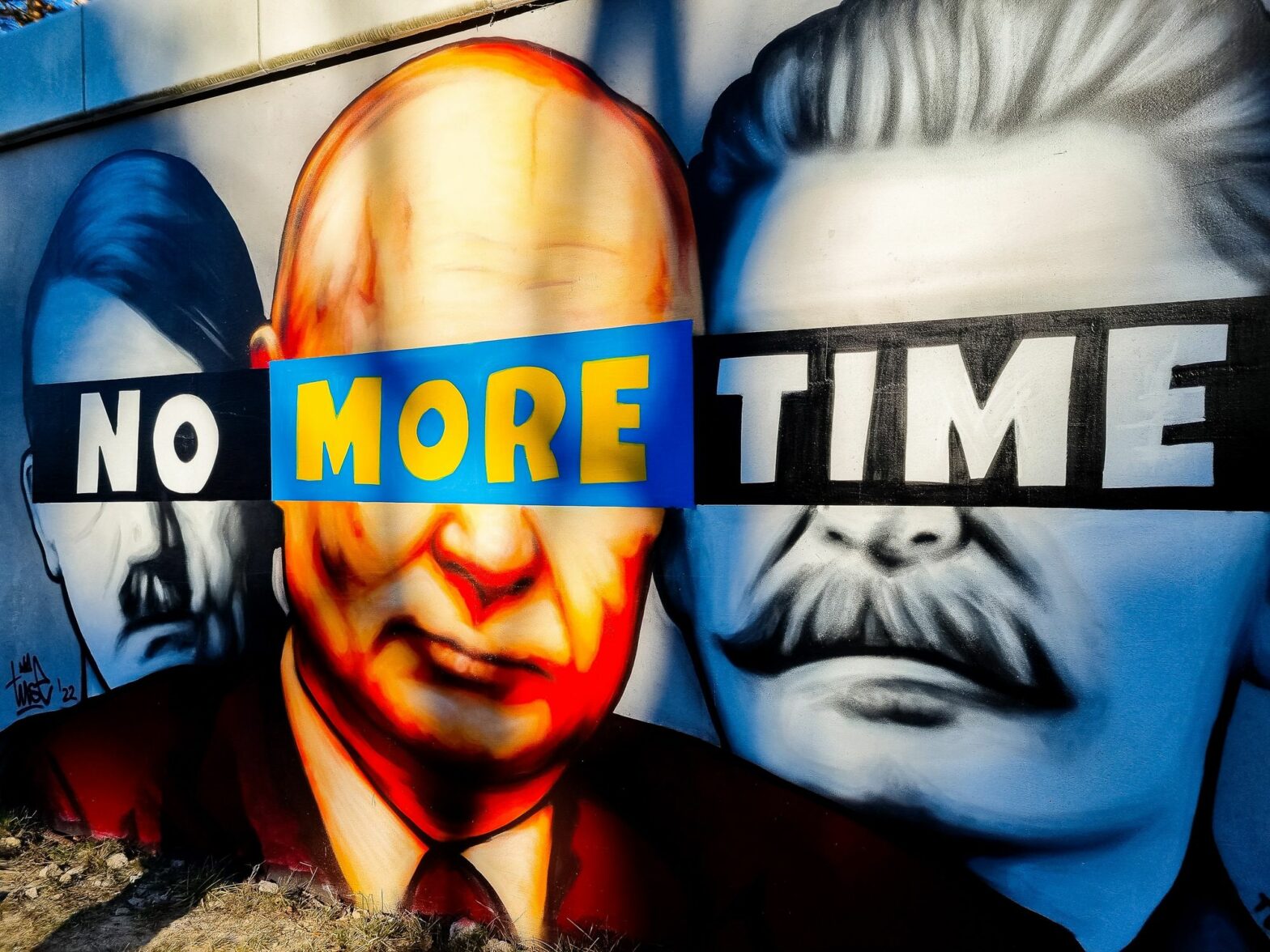
Russian President Vladimir Putin is often compared to Stalin, the Soviet leader responsible for the deaths of millions. In the West, it’s not a compliment. For Putin, it’s encouragement. Meanwhile, some Russian nationalists ask if he’s “Stalin enough.”
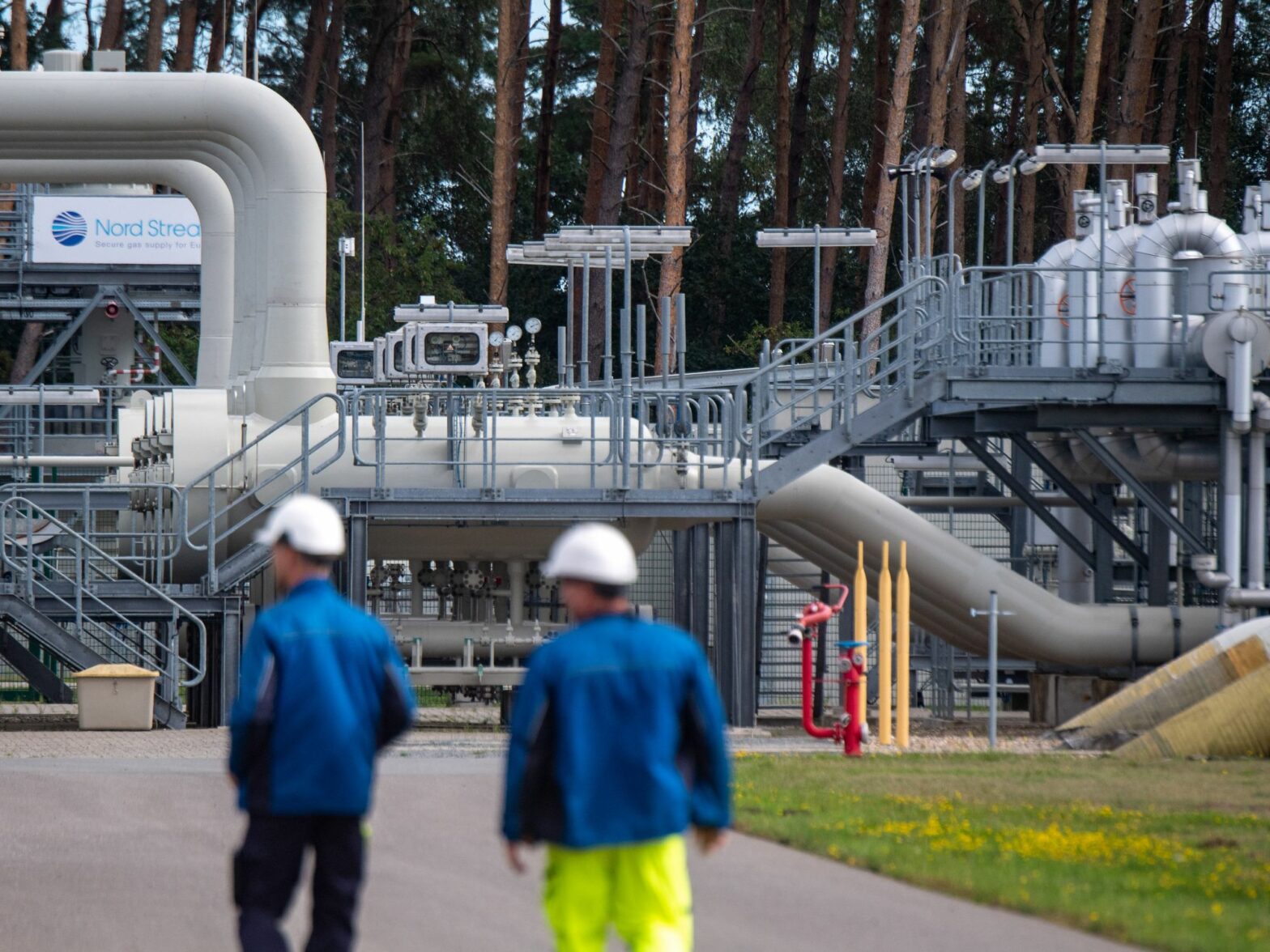
A new report blames the attack last September on a pro-Ukrainian outfit. It is hardly the last word on the case, but a good sign that the truth will come out in the end, which is crucial to maintain support in the West.
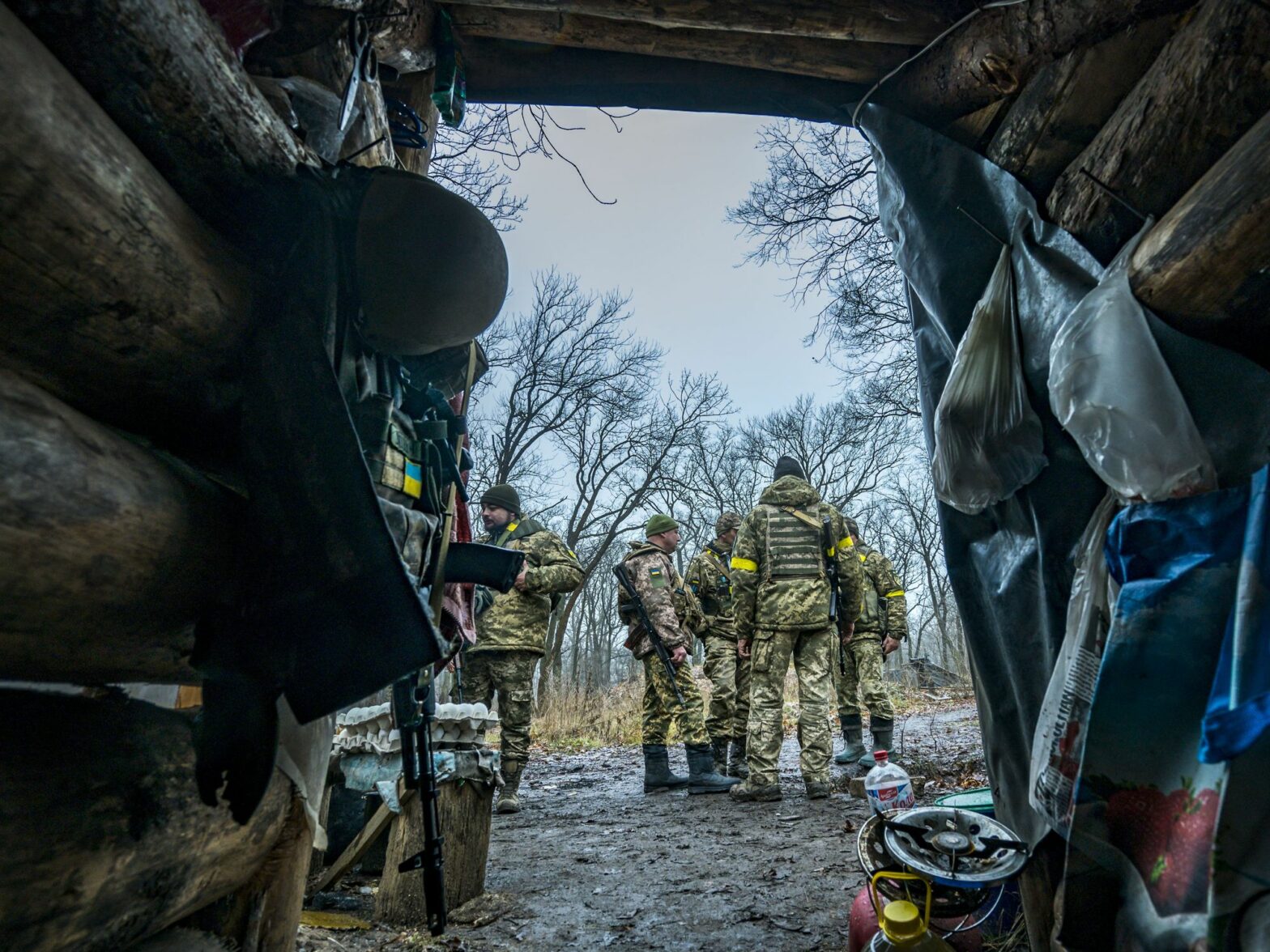
A 39-year-old fighter codenamed “Alaska,” a member of the Ukrainian Battalion 243, has decided to share his story in the battles of Bakhmut and other key frontline positions in eastern Ukraine over the past six months.
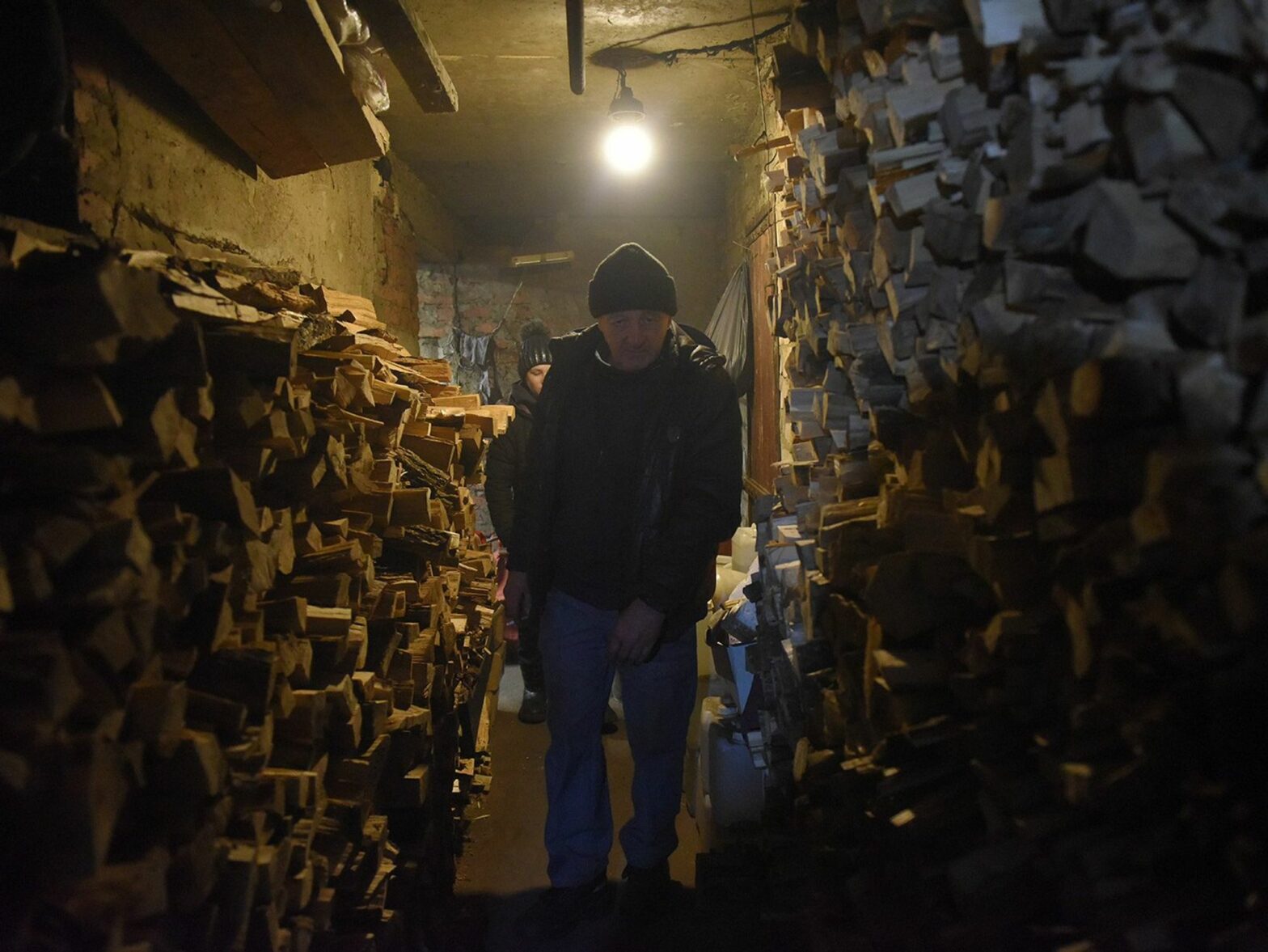
Russian shells hit frontline cities Siversk and Lyman every day, but some people are refusing to abandon their homes. Life has gone underground. A year since the beginning of the Russian invasion, a reporter from Ukrainska Pravda meets people surviving in basements — their towns destroyed, but still alive.