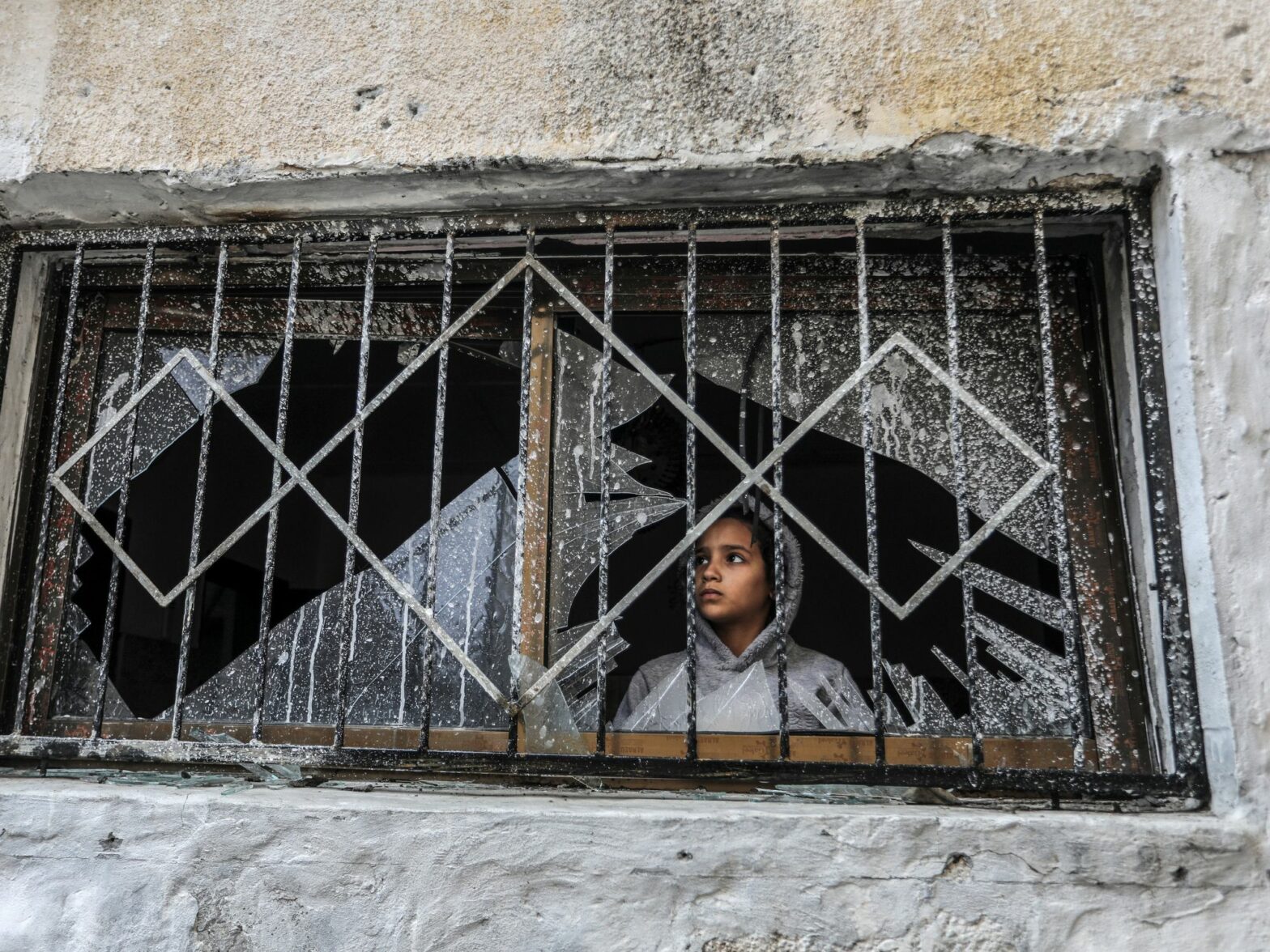
Launching a ground invasion in the south of Gaza, where residents have been forced to flee, will be virtually impossible for the Biden Administration to accept.
 Worldcrunch
Launching a ground invasion in the south of Gaza, where residents have been forced to flee, will be virtually impossible for the Biden Administration to accept.
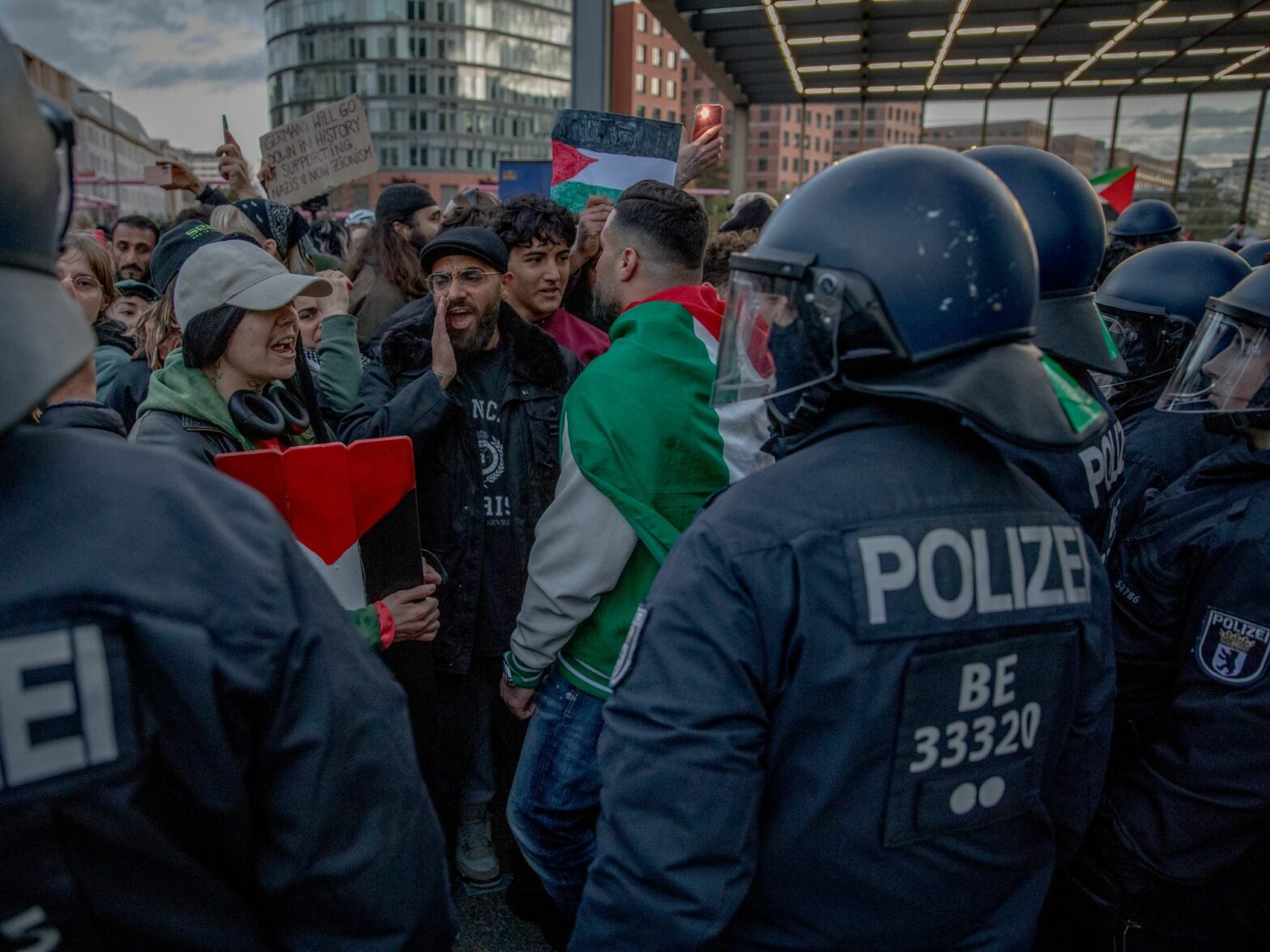
The debate over the war in Israel is raging on social media. In this divisive atmosphere, it is impossible to call out anti-Semitism in Muslim communities or on the right wing without being applauded by all the wrong people. What Germans are failing to acknowledge is how much the country’s own history has to do with this.
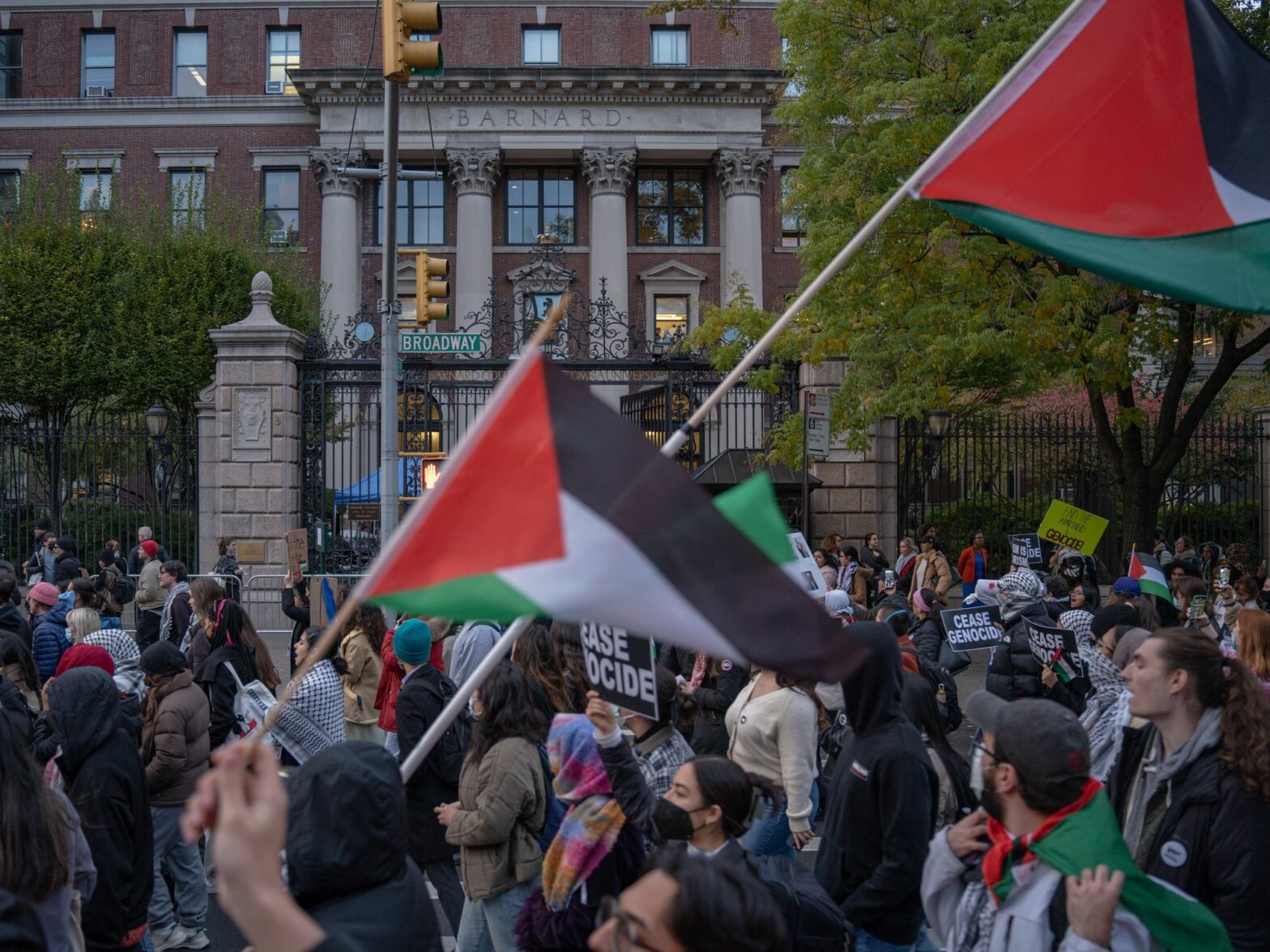
Taking the U.S. and France as leading indicators, with different histories and relationships inside the Middle East, Israel should be very worried about maintaining the support of its Western allies. The criticism of Israel and calls for immediate ceasefires are coming not only from the streets, but also inside the halls of power.
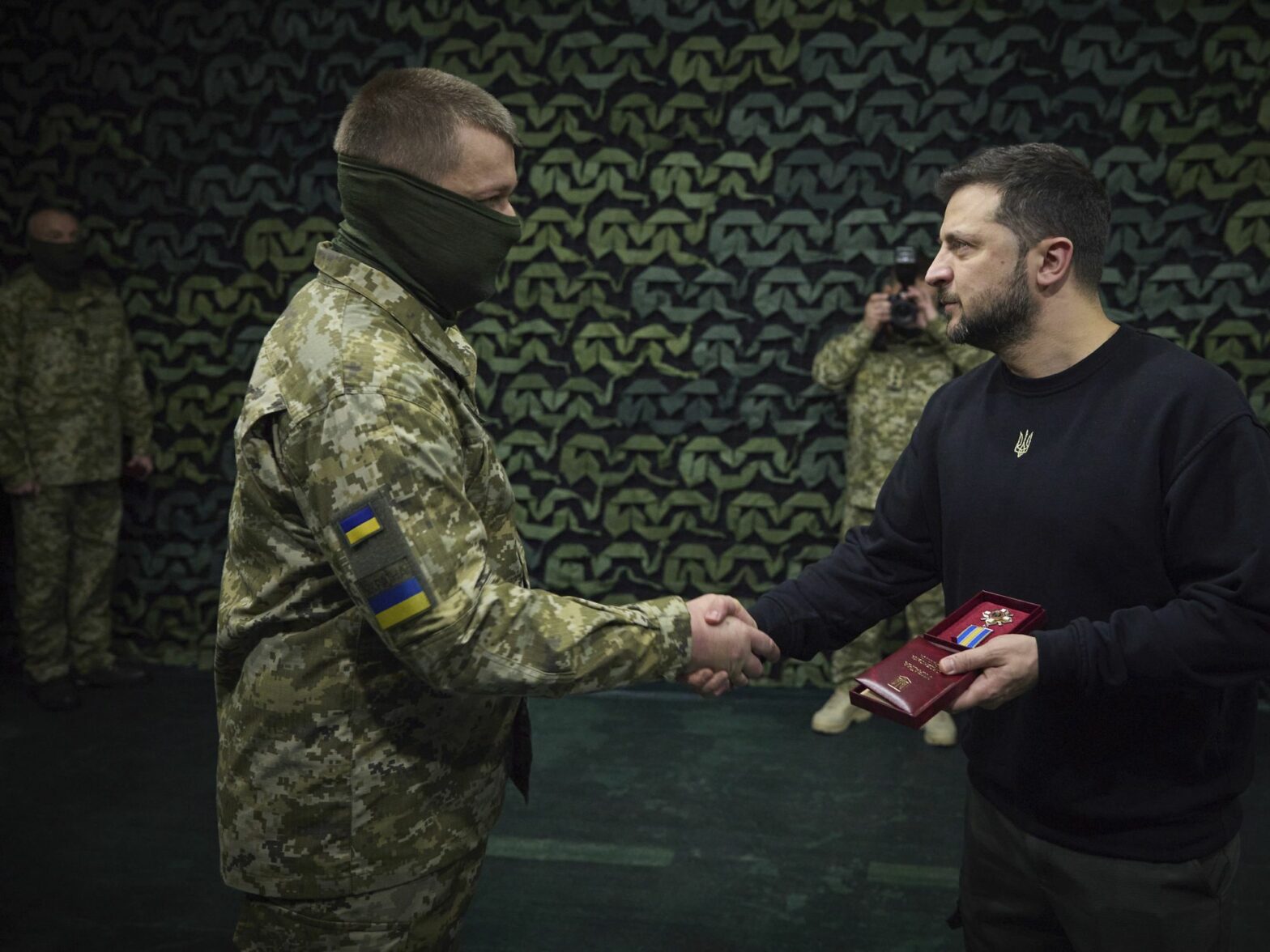
Some of the Ukrainian Armed Forces units are at only 70% of their intended strength. But President Zelensky is unwilling to raise the question of mass mobilization. The result is a parallel reality, with more recruitment coming from rural areas and lower classes, and some urbanites feeling victory is not too far, and their sacrifice is not needed.
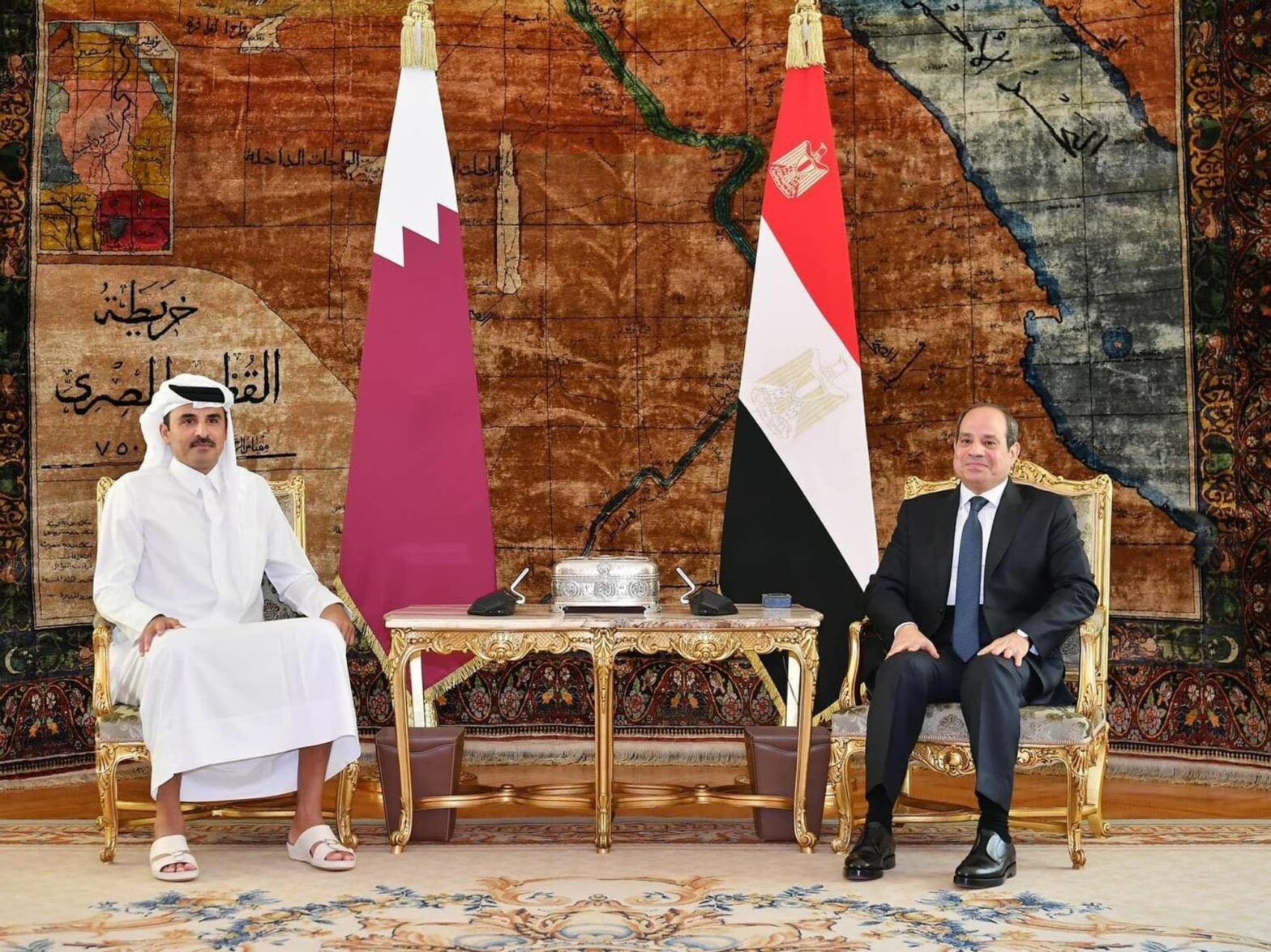
Perhaps even more pivotal than Qatar, Egypt is accelerating its efforts to mediate between Hamas and Israel.
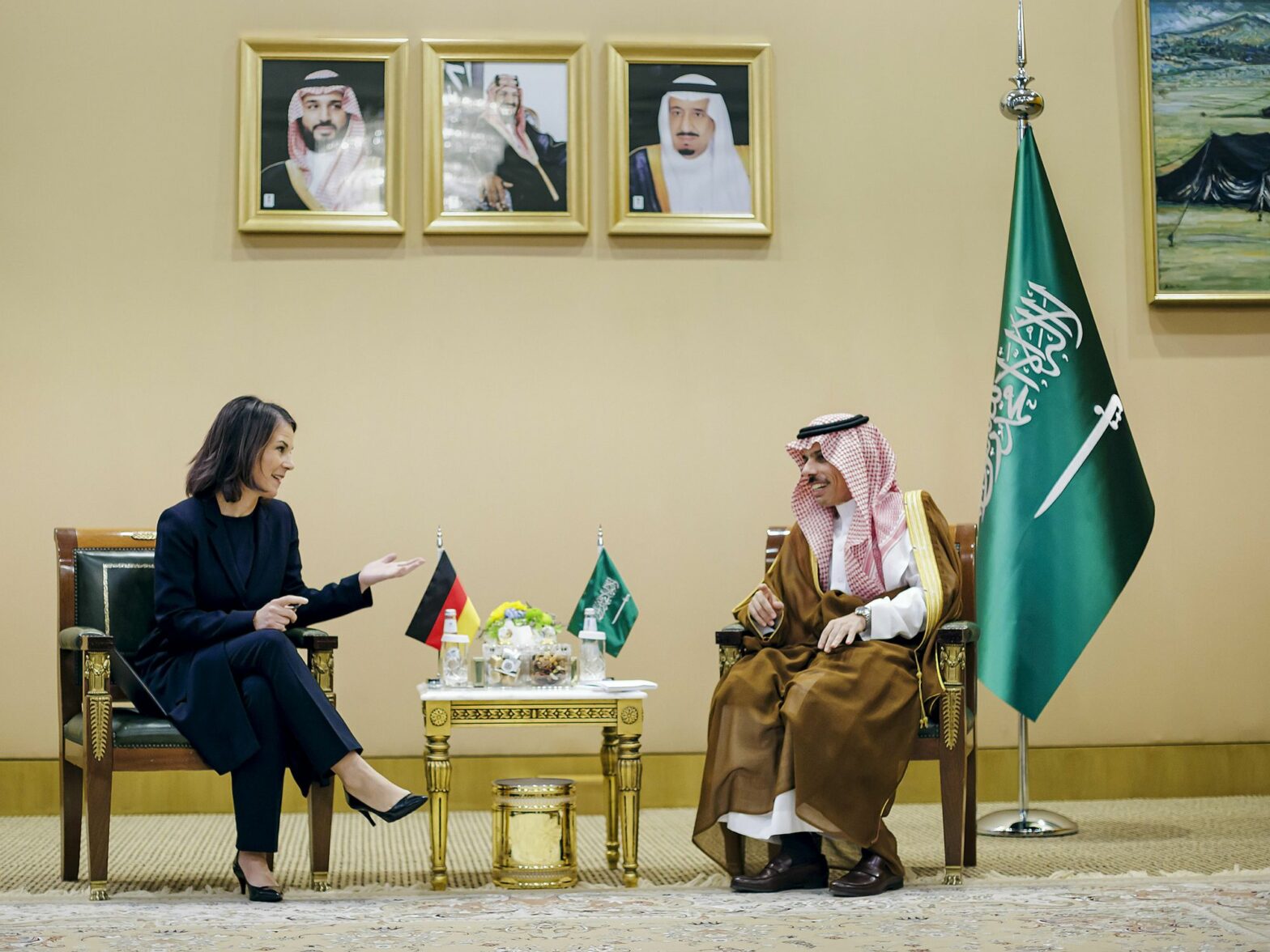
Can Europe play a role in the current conflict in the Middle East? During the recent visit to the region by German Foreign Minister Annalena Baerbock, it appeared clear that Gulf States are in a much better position to negotiate a possible solution.
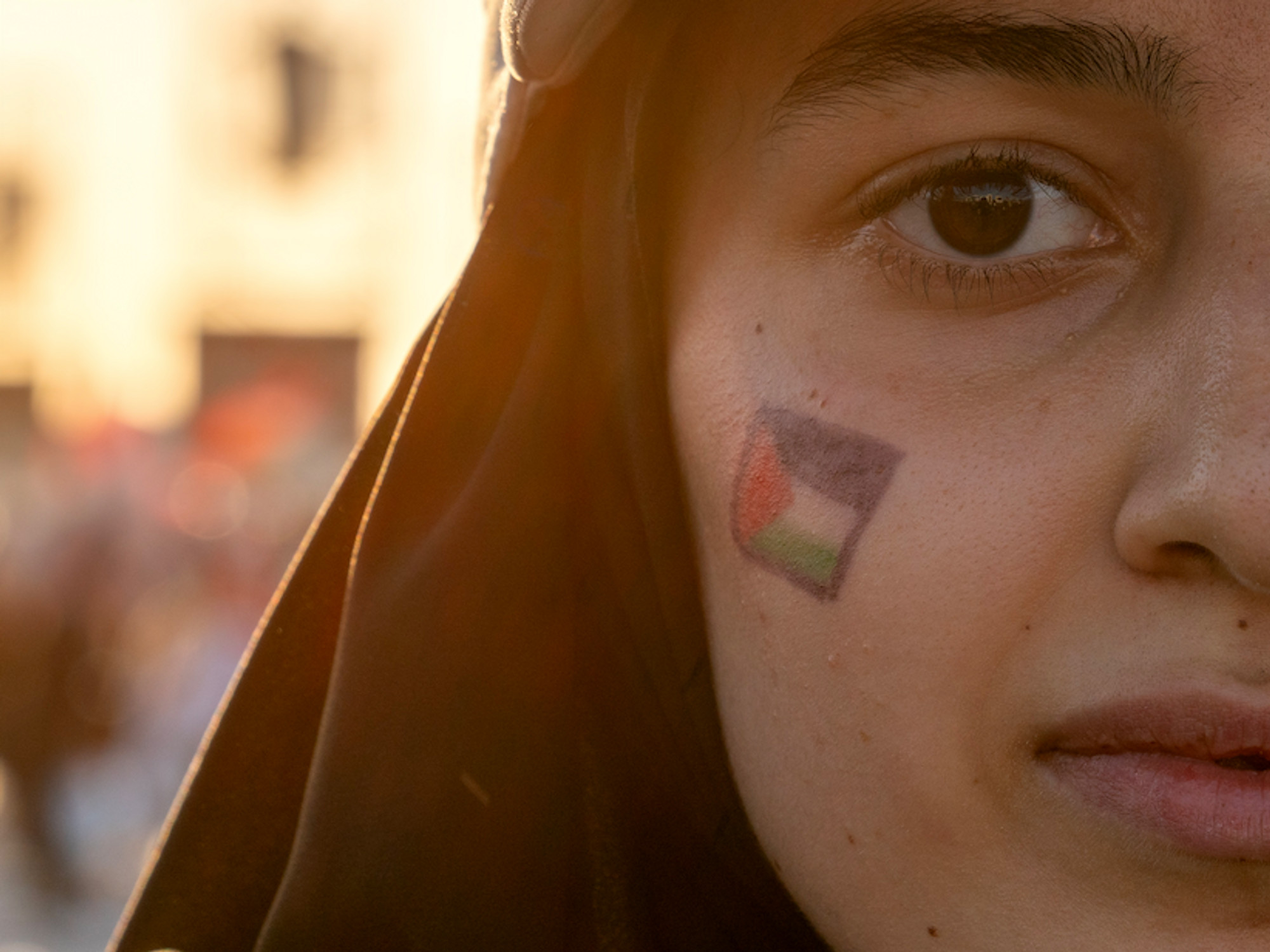
Palestinians are suffering under the Israeli regime and relentless bombardment of Gaza, yet the Western world, also known to be the “civilized” world, continues to support Israel. Turkey’s complex relationship with Islamic and Middle Eastern countries as well as with the West brings back the most fundamental questions about the past and future.
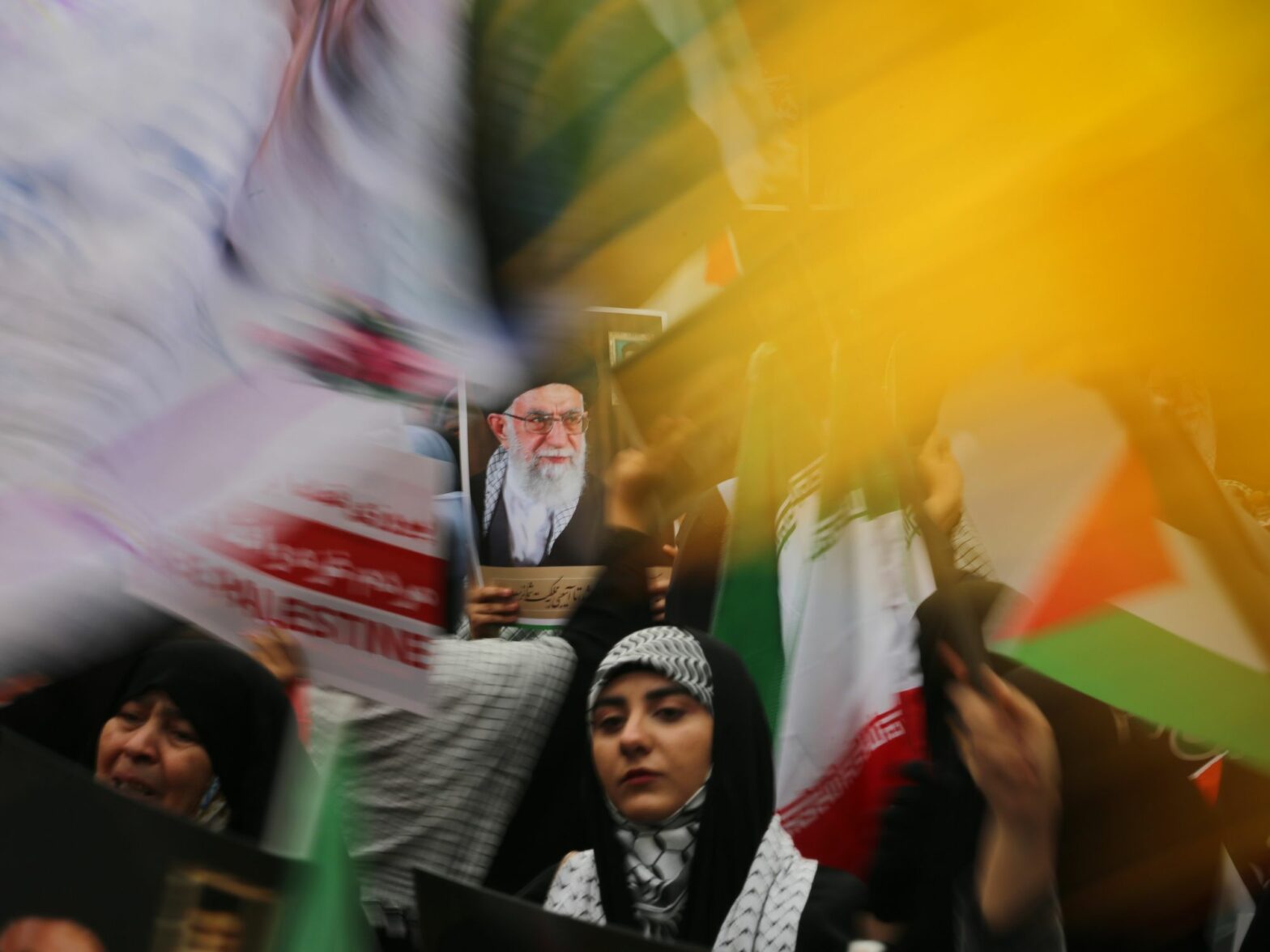
Iran’s revolutionary regime insists it wants Israel destroyed and has threatened a regional war, but its actions are ambivalent, suggesting it may fear a regional war that would hasten its demise. As a result, it may decide to stop supporting Hamas in Gaza.
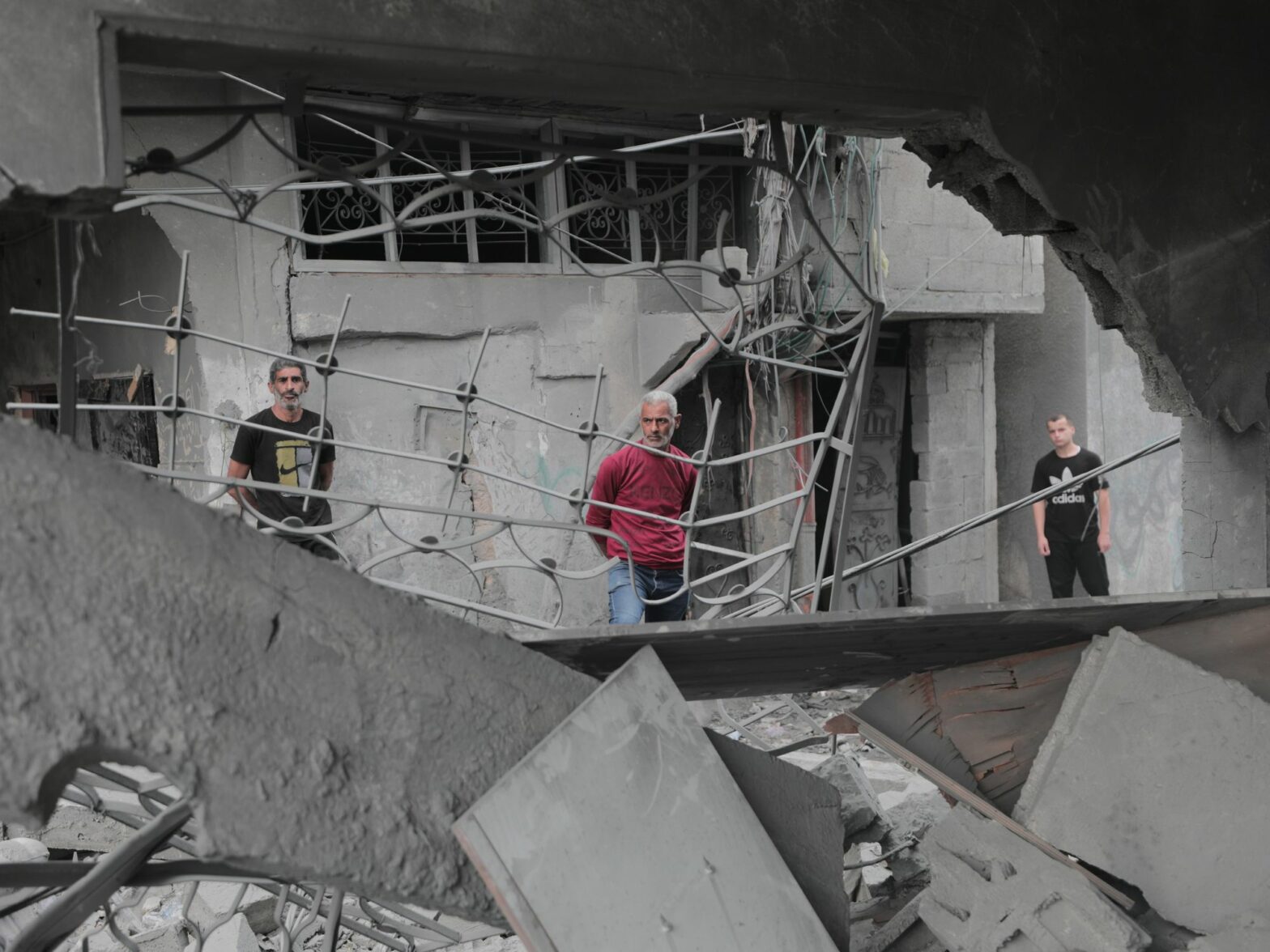
Washington, Moscow and Beijing can all, in different ways, emerge stronger from the war in Gaza war, says French geopolitical expert Dominique Moïsi. The U.S. has been more present in the Middle East since Oct. 7 — but so has Russia, while China is keeping relatively quiet.
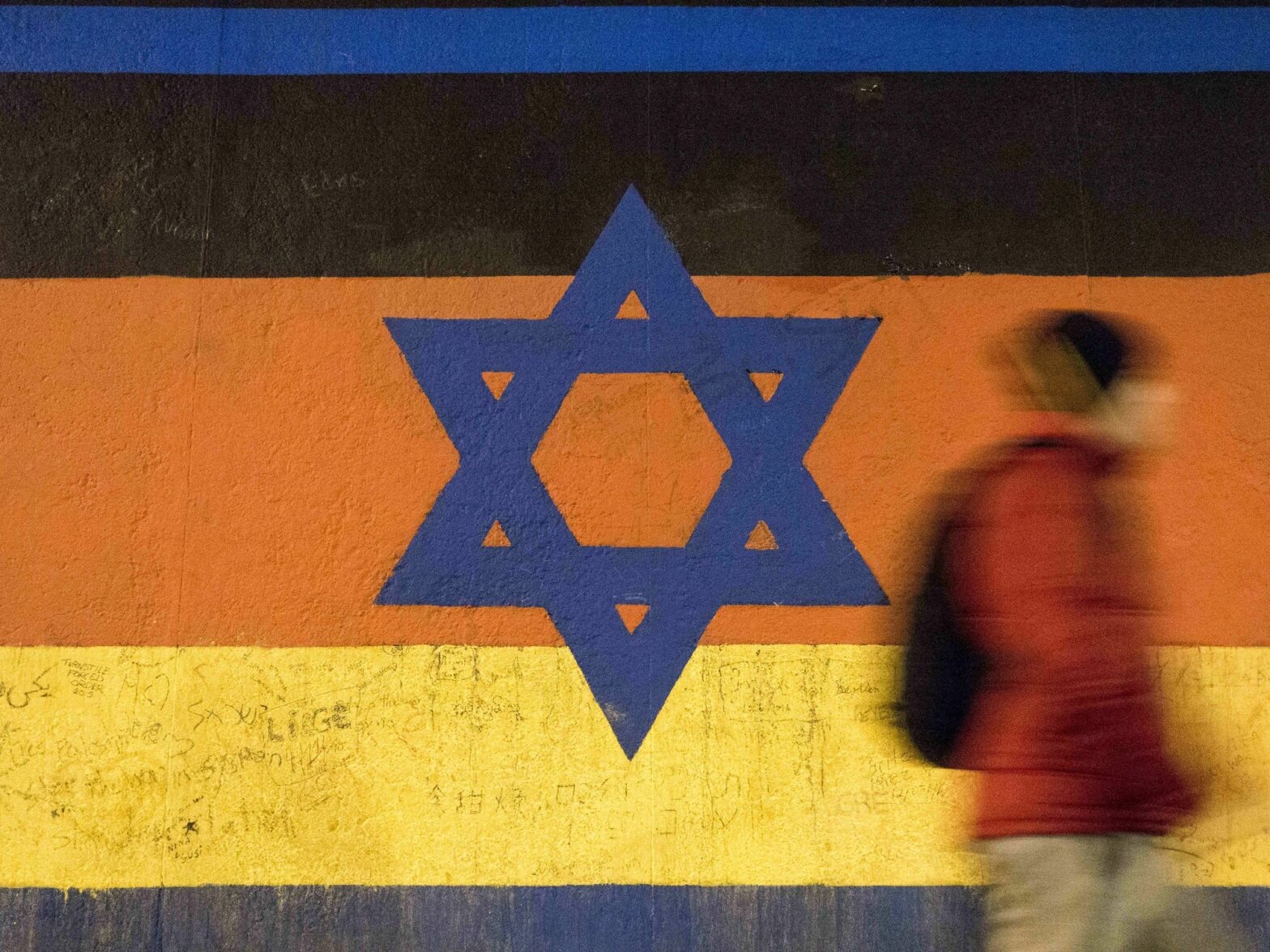
The post-War generation in Germany was shaped politically by one question: Why didn’t our parents prevent the Holocaust? Nowadays, as baby boomers are retiring, the inner political wrestling seems to have fallen out of time, because anti-fascism has long changed sides.
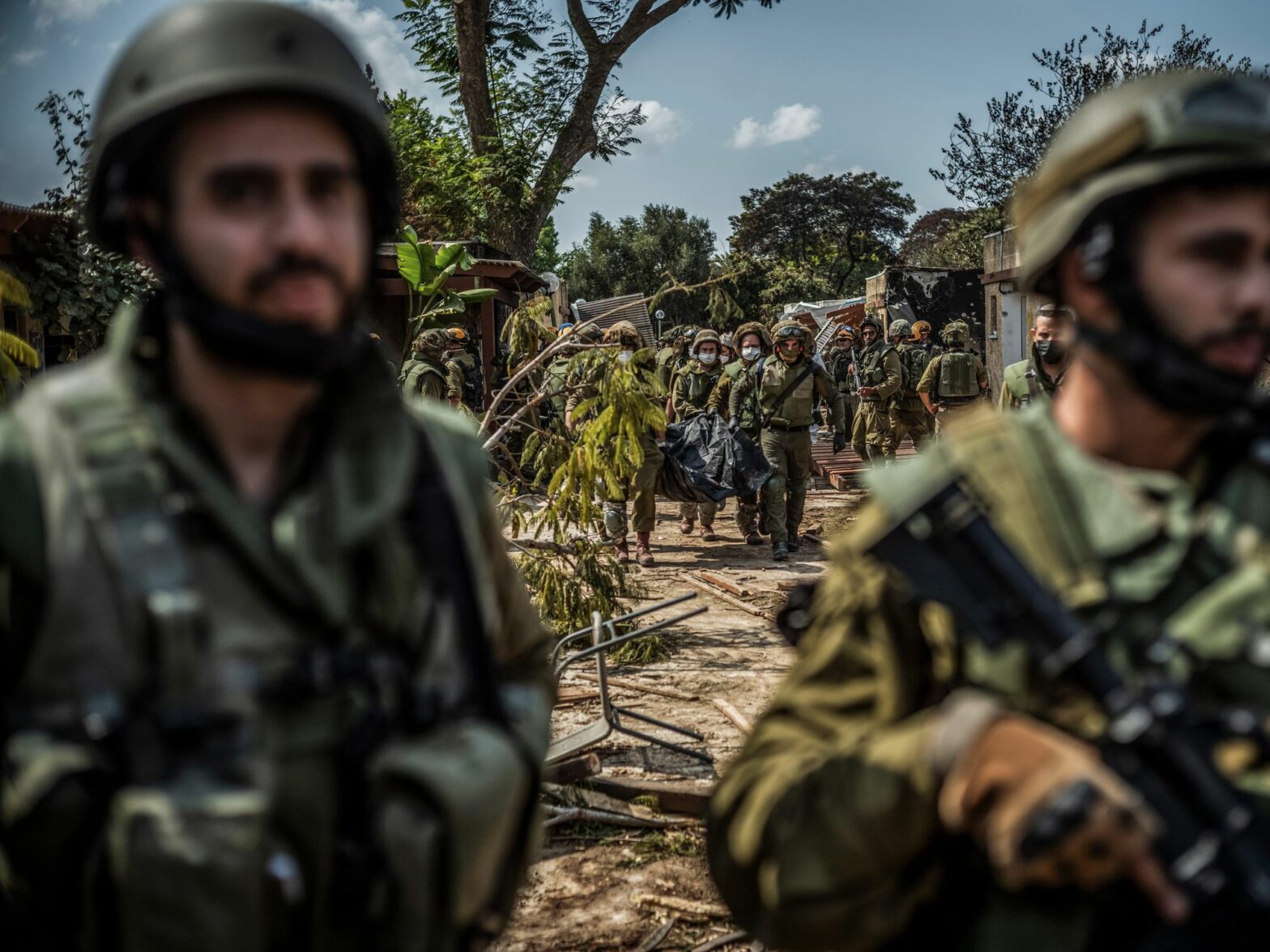
Public sympathy for Hamas terrorists has precedents. Algeria’s liberation in the 1960s from French colonial rule is viewed by history as a wholly just cause, despite horrific attacks against civilians. What does the analogy tell us about Israel’s current situation?
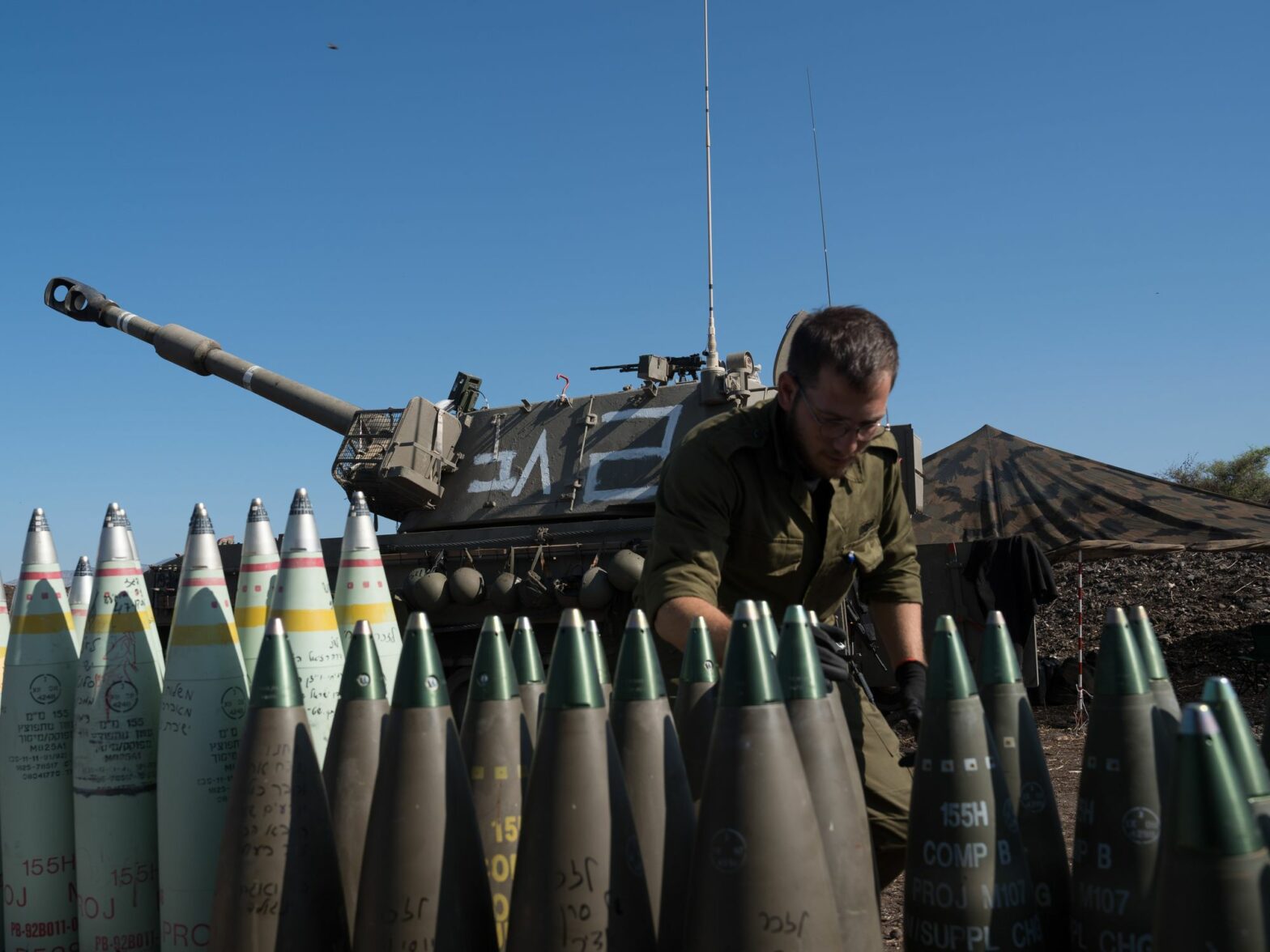
Israel has reacted sharply to the French president’s criticism of the IDF continued bombing of civilians in Gaza. France is the first country to break with Western unanimity on Israel since October 7, which explains the virulence of the reaction.
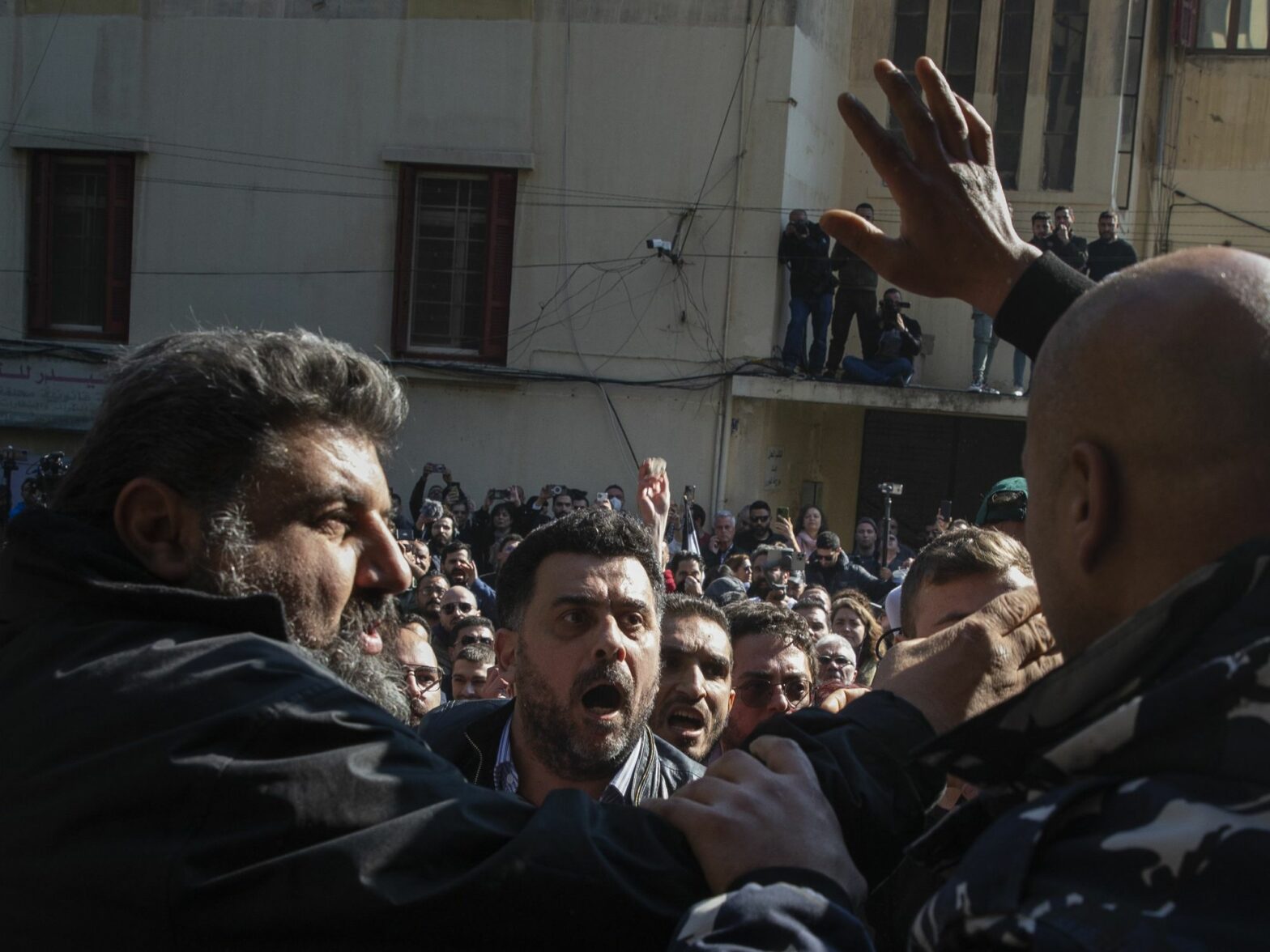
A ghost state, an economy in ruins … Lebanon has still not recovered from the explosion at the port of Beirut a little over three years ago. With war looming on its southern border, the country teeters near total collapse.
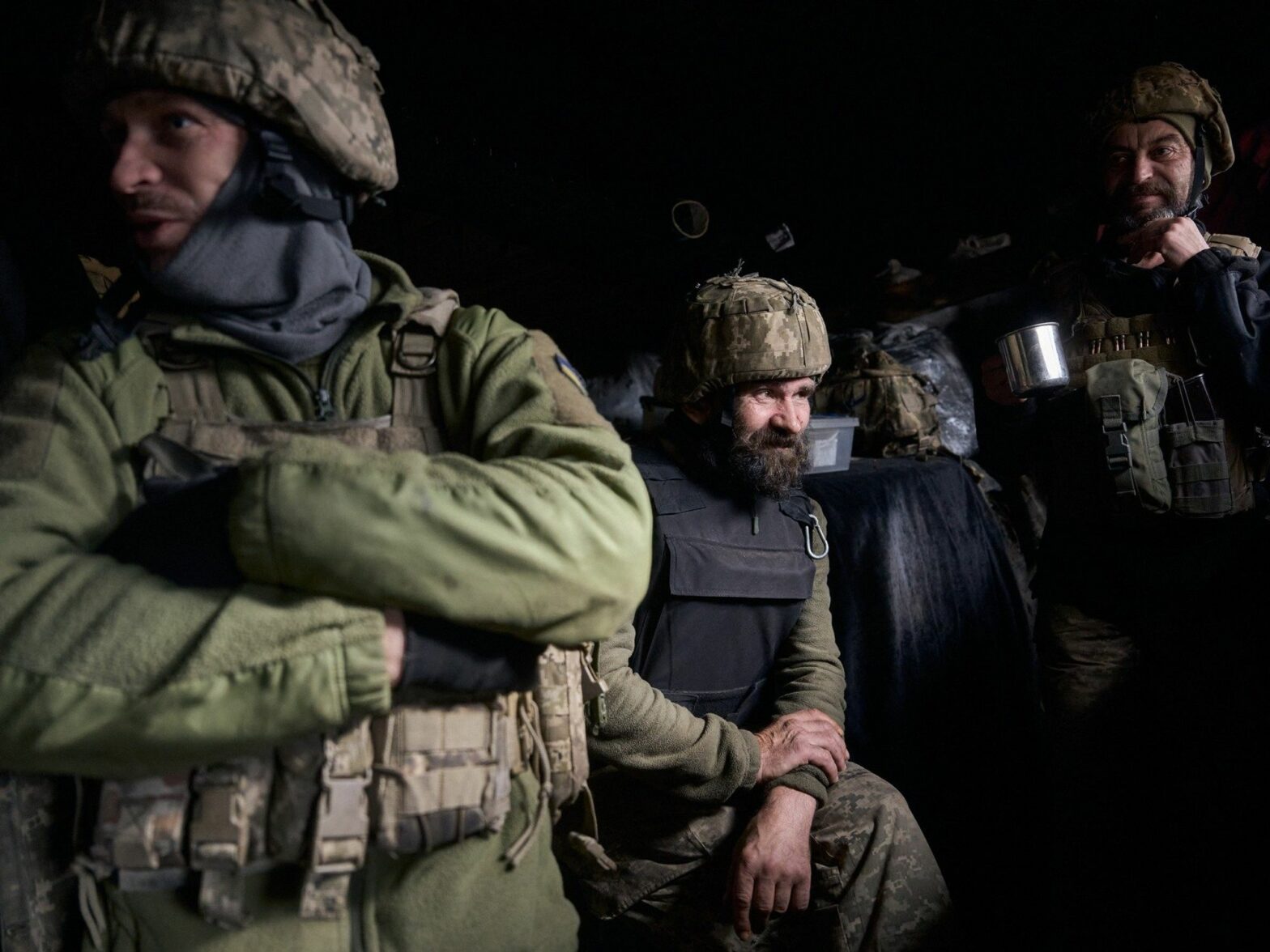
Last winter, many Ukrainians believed the only factor delaying the war’s end was the weather. A year later, the country faces a very different situation, with a stalled counteroffensive ahead of the coming cold days creating fertile ground to lose precious national unity.
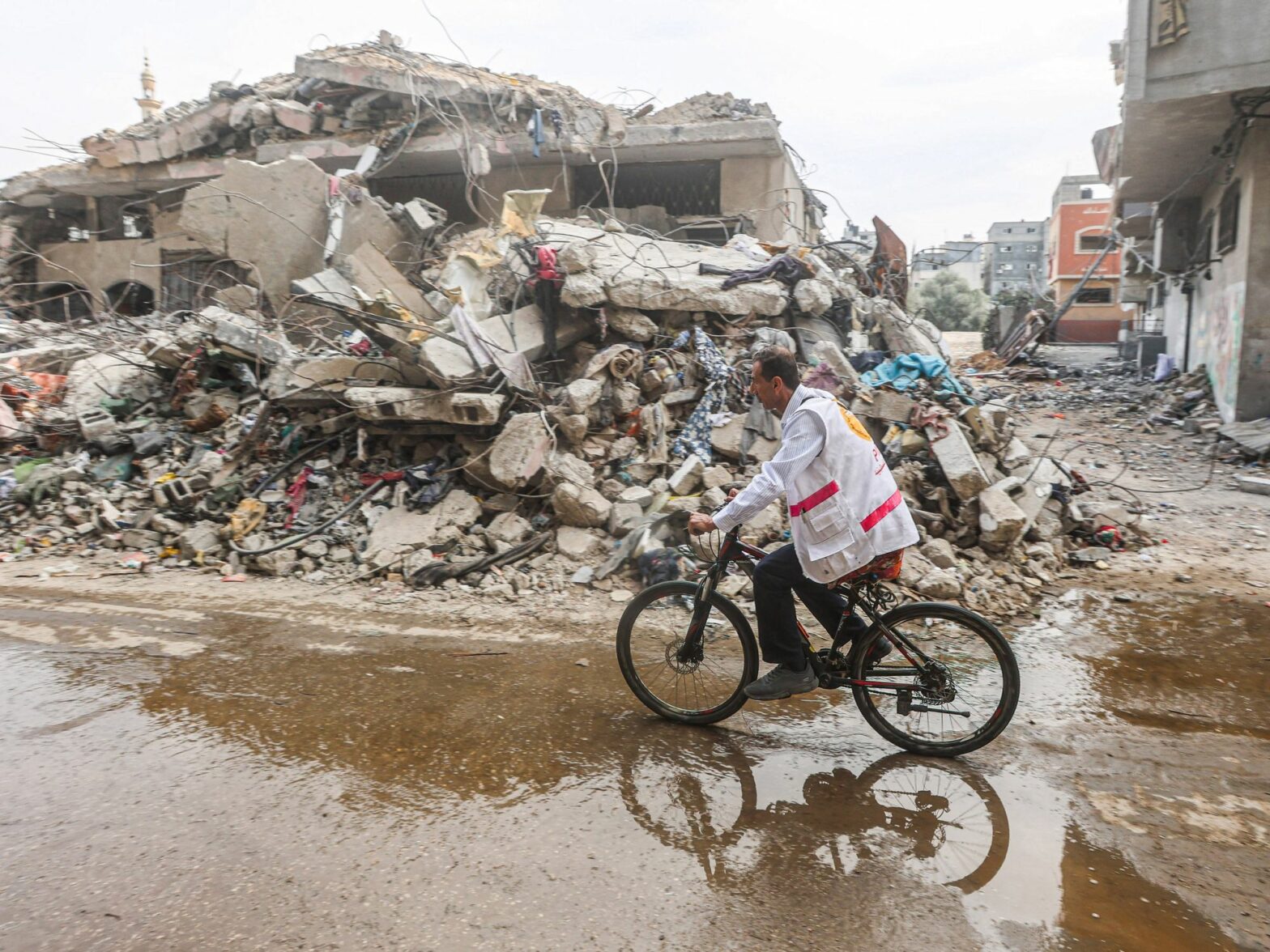
The health situation in Gaza is becoming more and more dire as Israel continues to bomb the enclave. Egyptian media Mada Masr takes a look at the history of the Palestinian health care system.
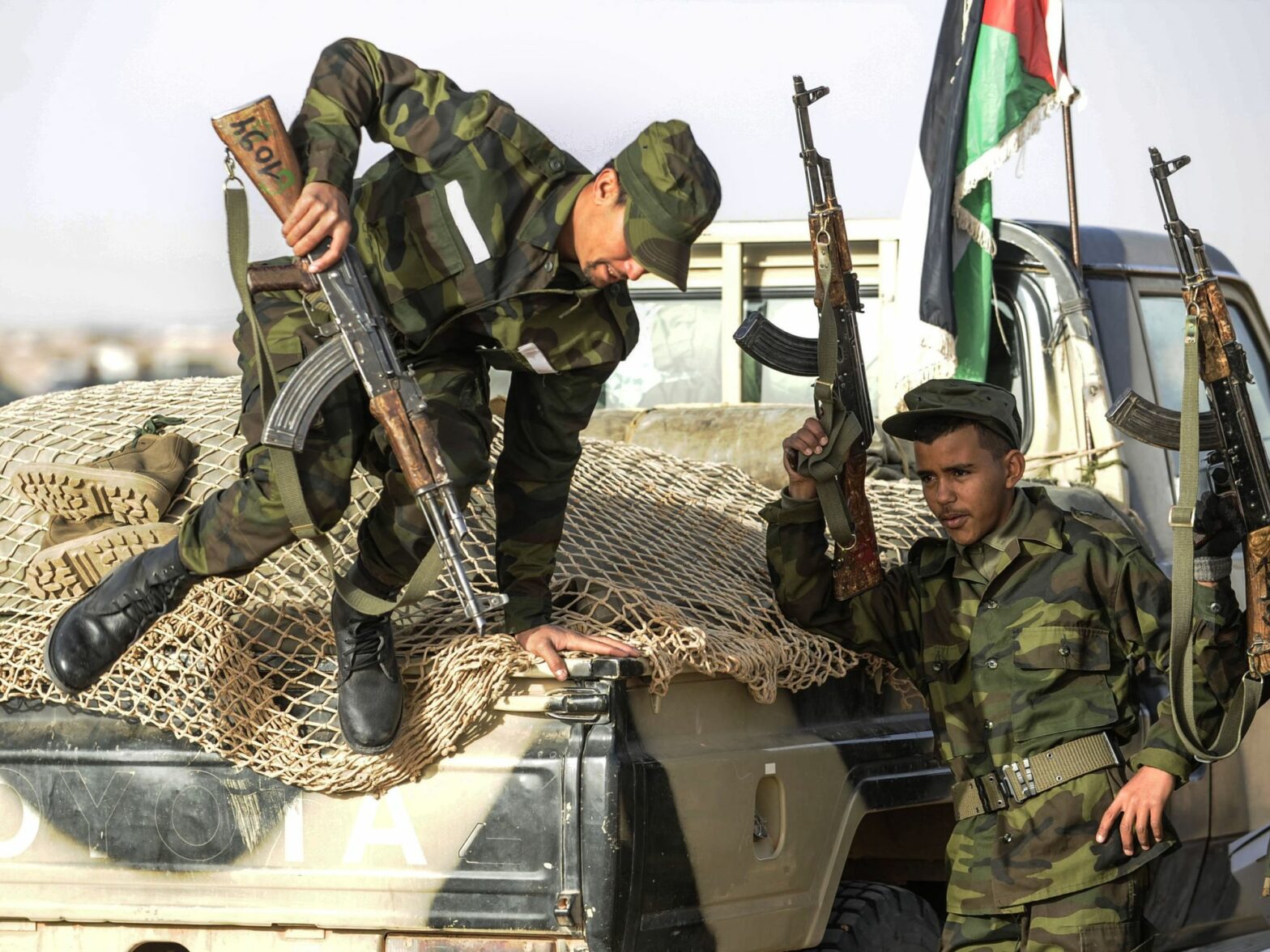
Germany’s Die Welt newspaper has had access to information from secret services that reveal Iran’s trail of support of anti-Israel terrorist groups that go as far as the Sahara. A militia is developing there that supports Hamas — and aims to plot deadly attacks against Israel and its interest wherever possible.
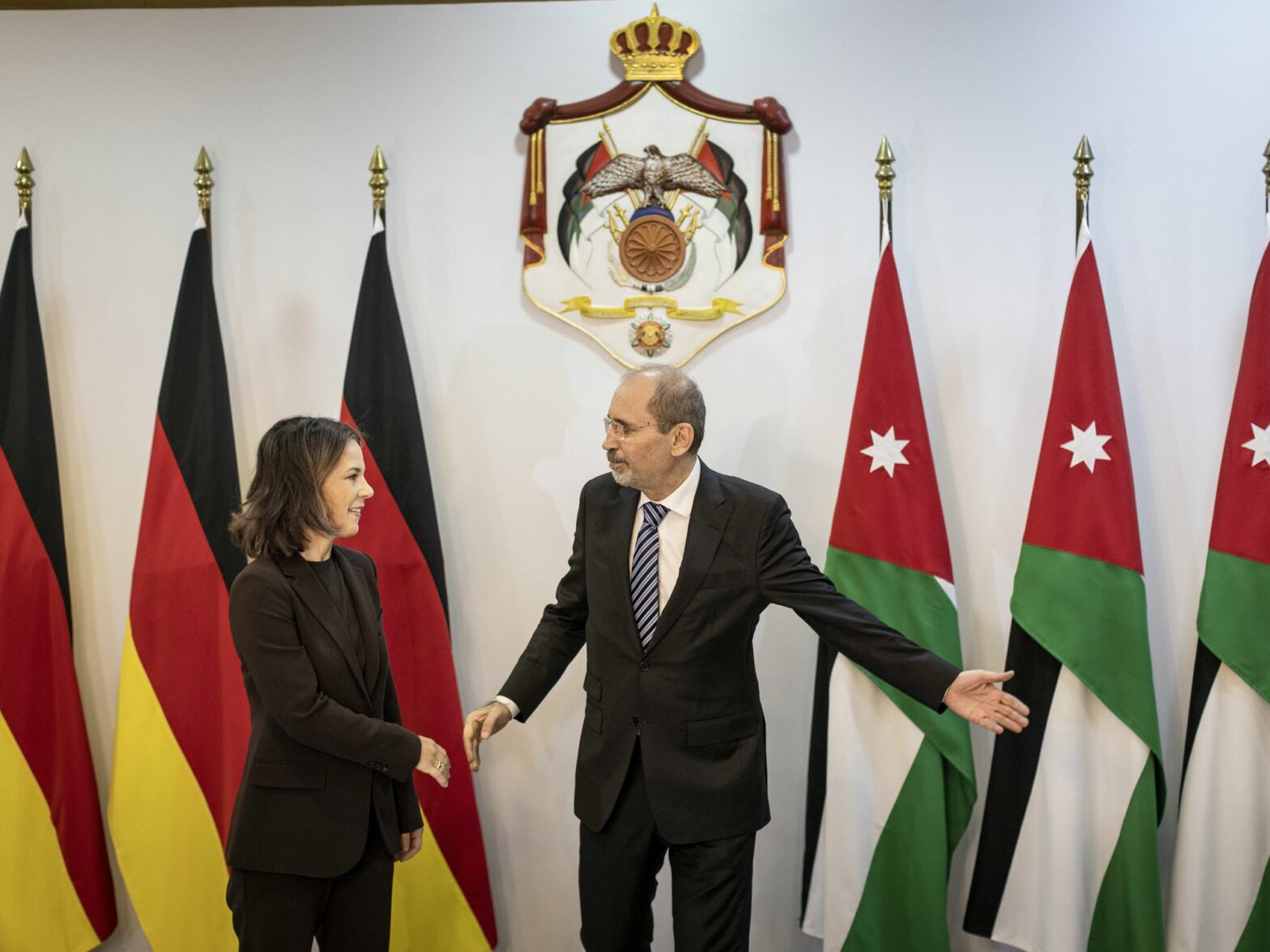
In Qatar, Egypt, Paris or on the phone, negotiators are busy trying to secure the release of hostages, push for “humanitarian pauses”, and prepare for the political aftermath of the war. Meanwhile, the war rages on in Gaza.
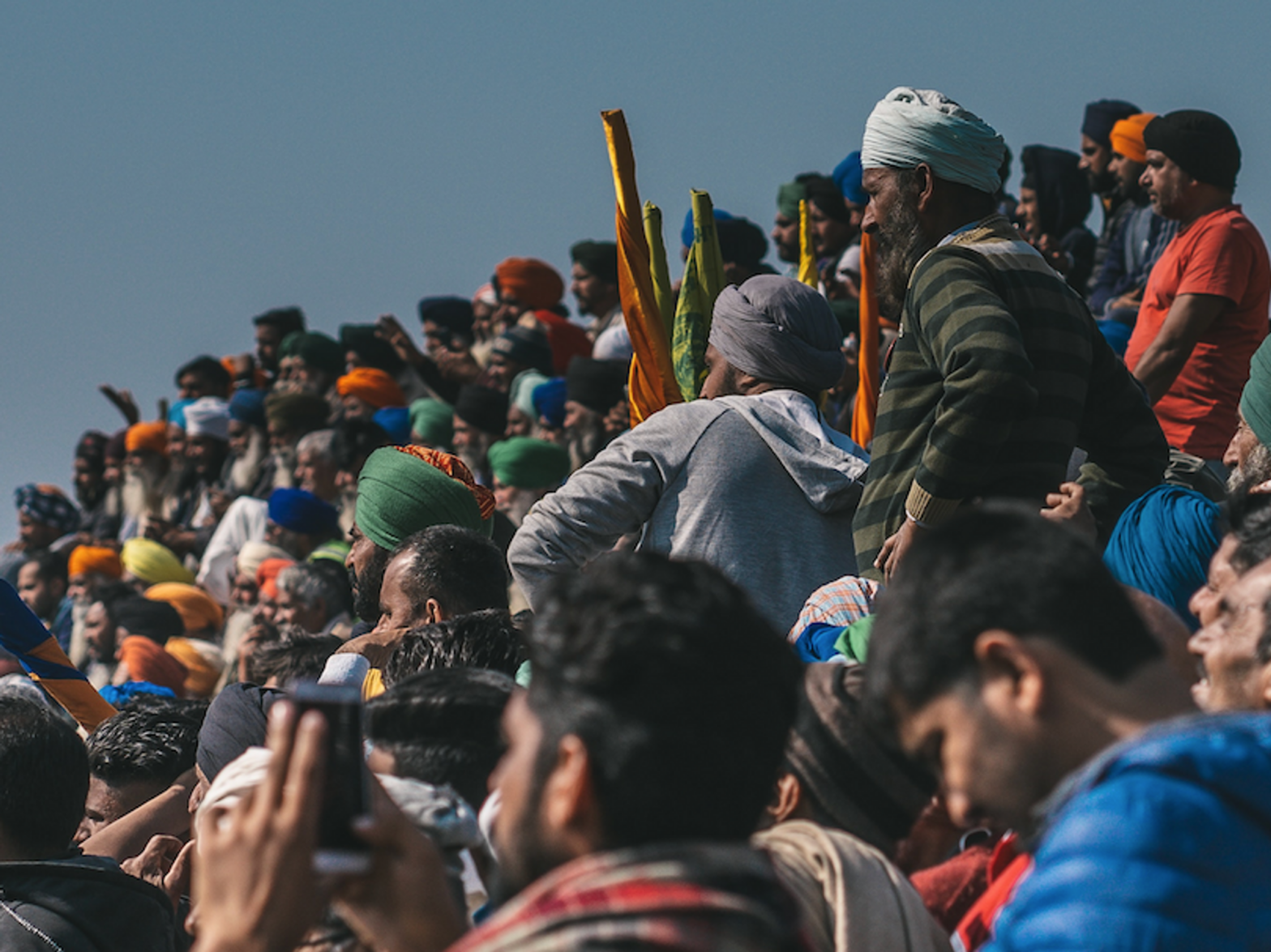
At the moment, a two-state solution to end the conflict between Israel and Palestine seems impossible. But should a miracle occur, there is one example that, although not perfect, could serve as a model to build a multi-ethnic, multi-religious and multi-cultural federation: the ethno-federal democracy of India.
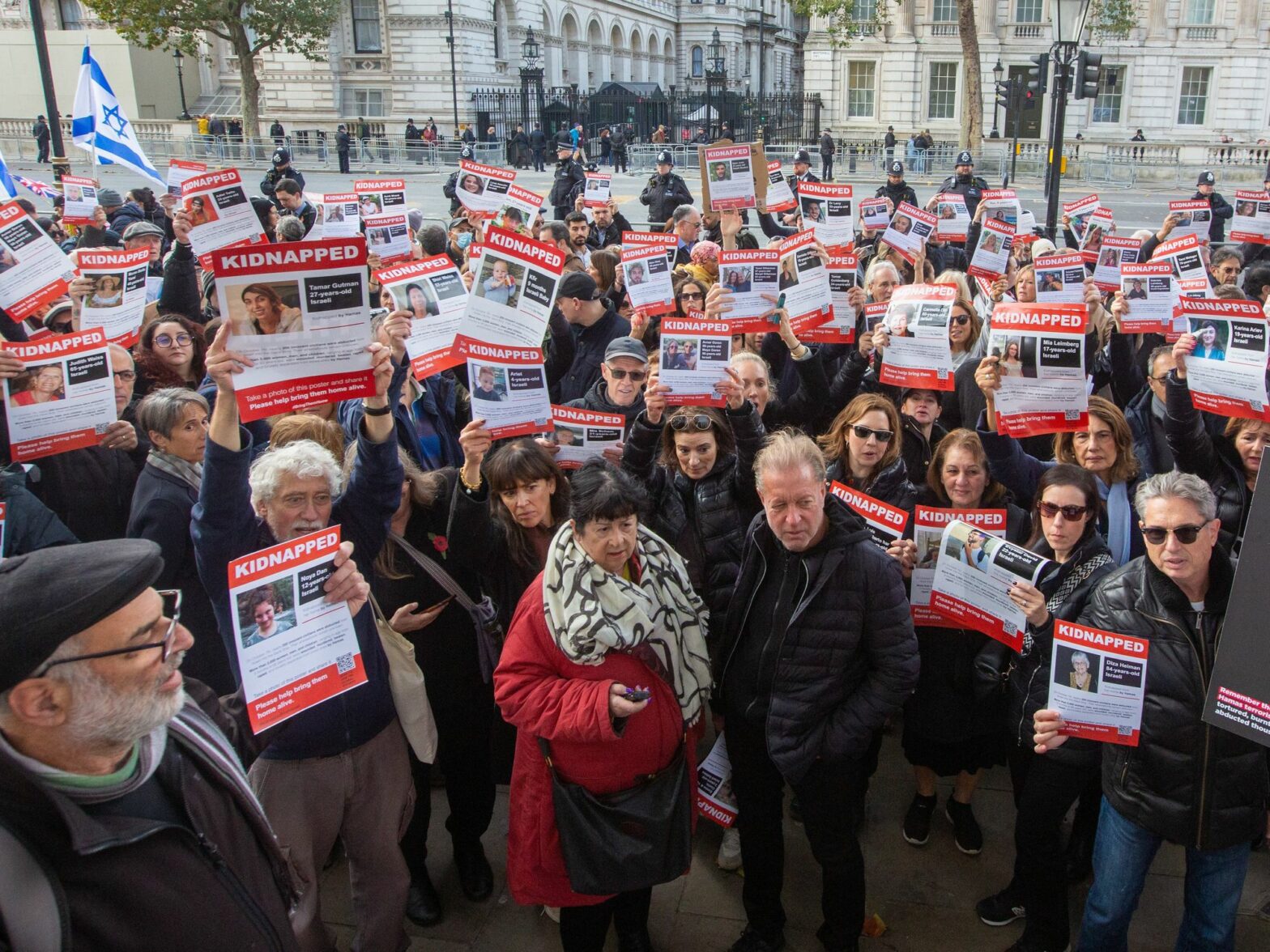
The Palestinian Islamic Jihad’s military wing, the al-Quds Brigades, has said it is prepared to release two hostages held in Gaza if conditions on the ground permit. A spokesperson for the al-Quds Brigades said it is ready to release two Israeli hostages, a woman and a boy, for humanitarian and medical reasons. He added that […]
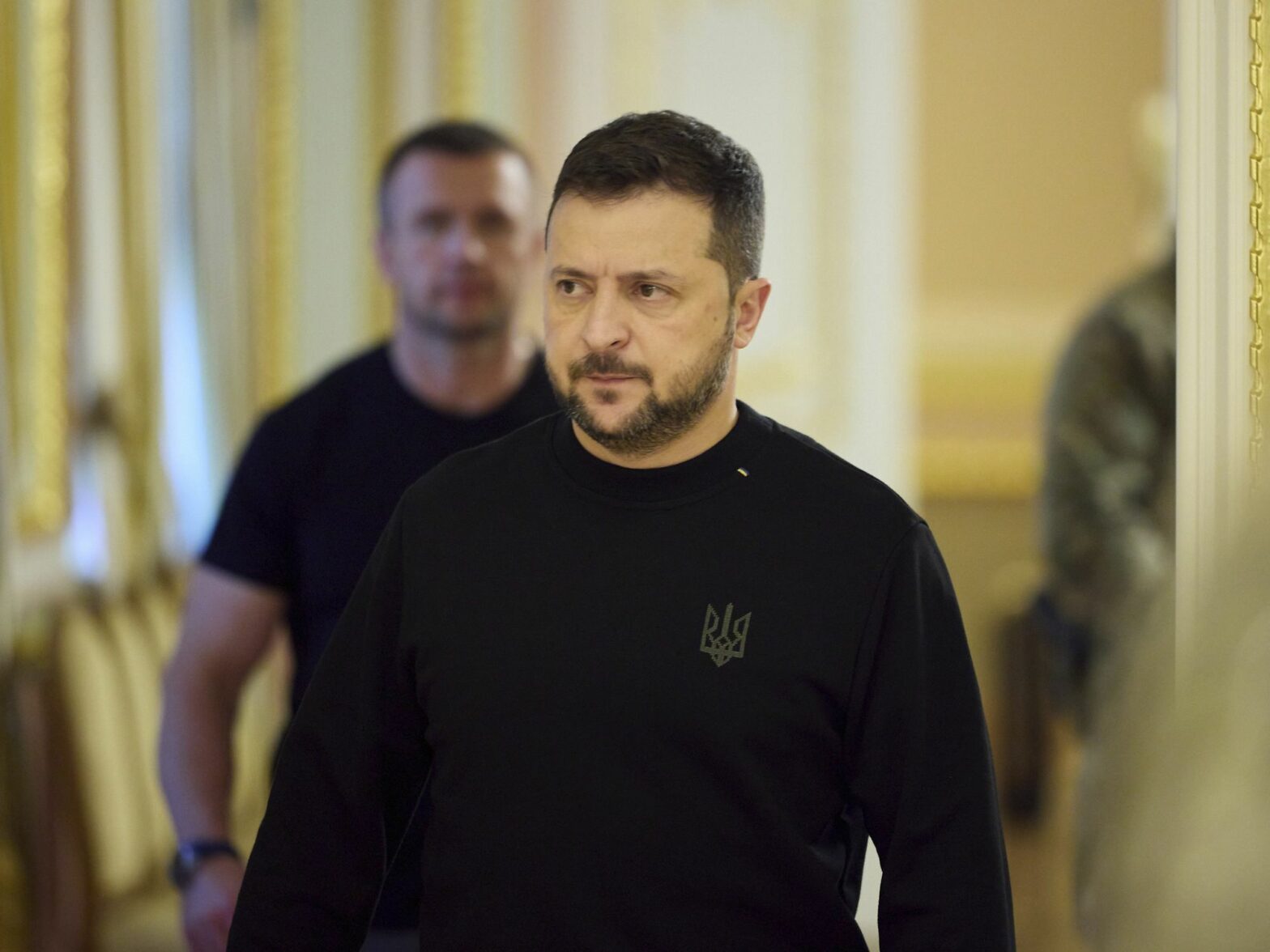
After the postponement of Ukrainian President Volodymyr Zelensky’s planned trip to Israel, there are voices now saying it should be cancelled outright. What’s the price of Ukraine publicly declaring its support for the current actions of the Israeli government and military?

Qatar is leading negotiations for one to two day humanitarian truce in exchange for the release of up to 15 hostages held by Hamas.
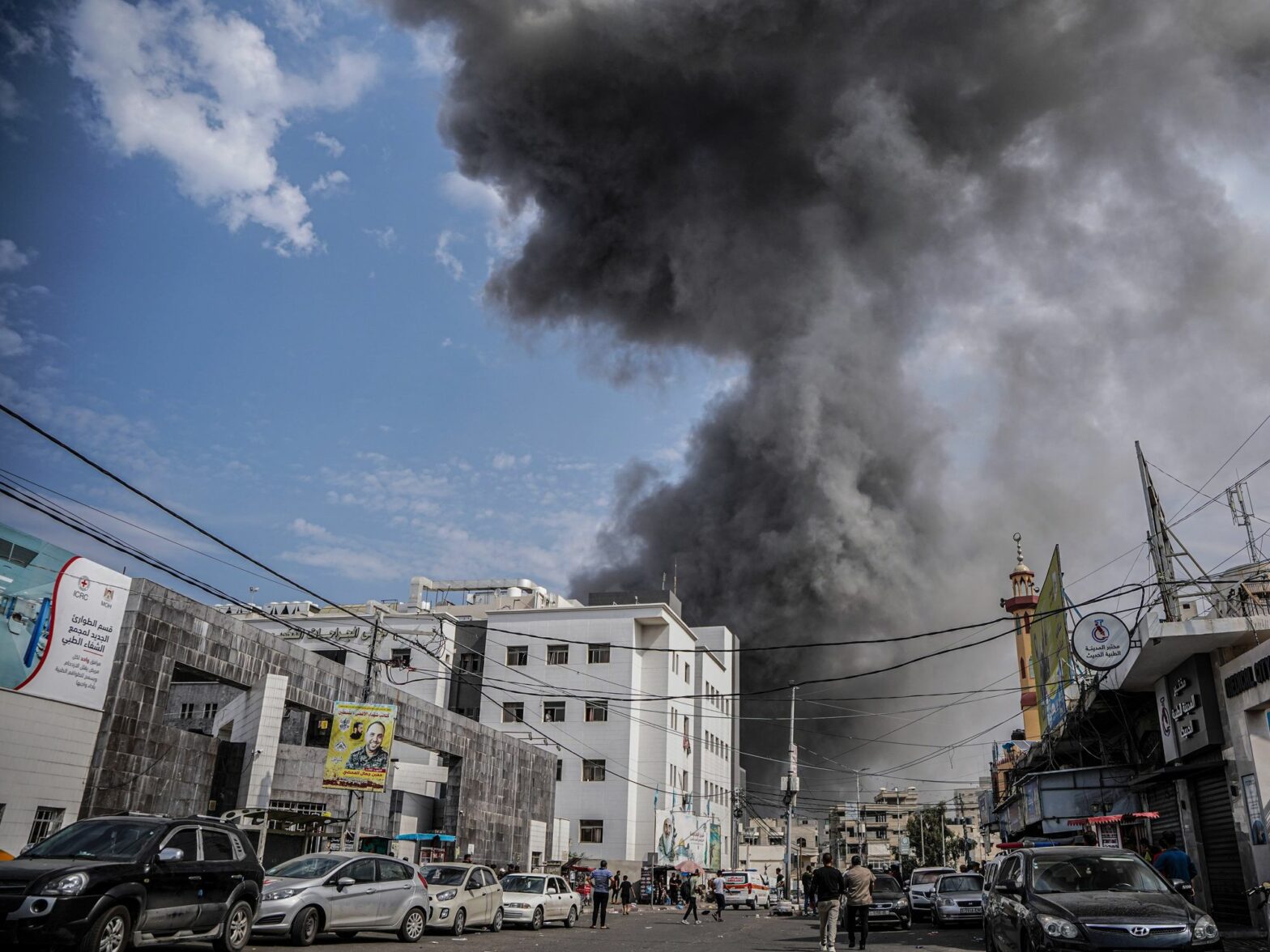
Prime Minister Benjamin Netanyahu and other top Israeli officials have referred to Hamas militants as “the new Nazis.” But as horrific as the Oct. 7 massacre was, what does it really mean to make such a comparison 80 years after the Holocaust? And how can we rightly describe what’s happening in Gaza?
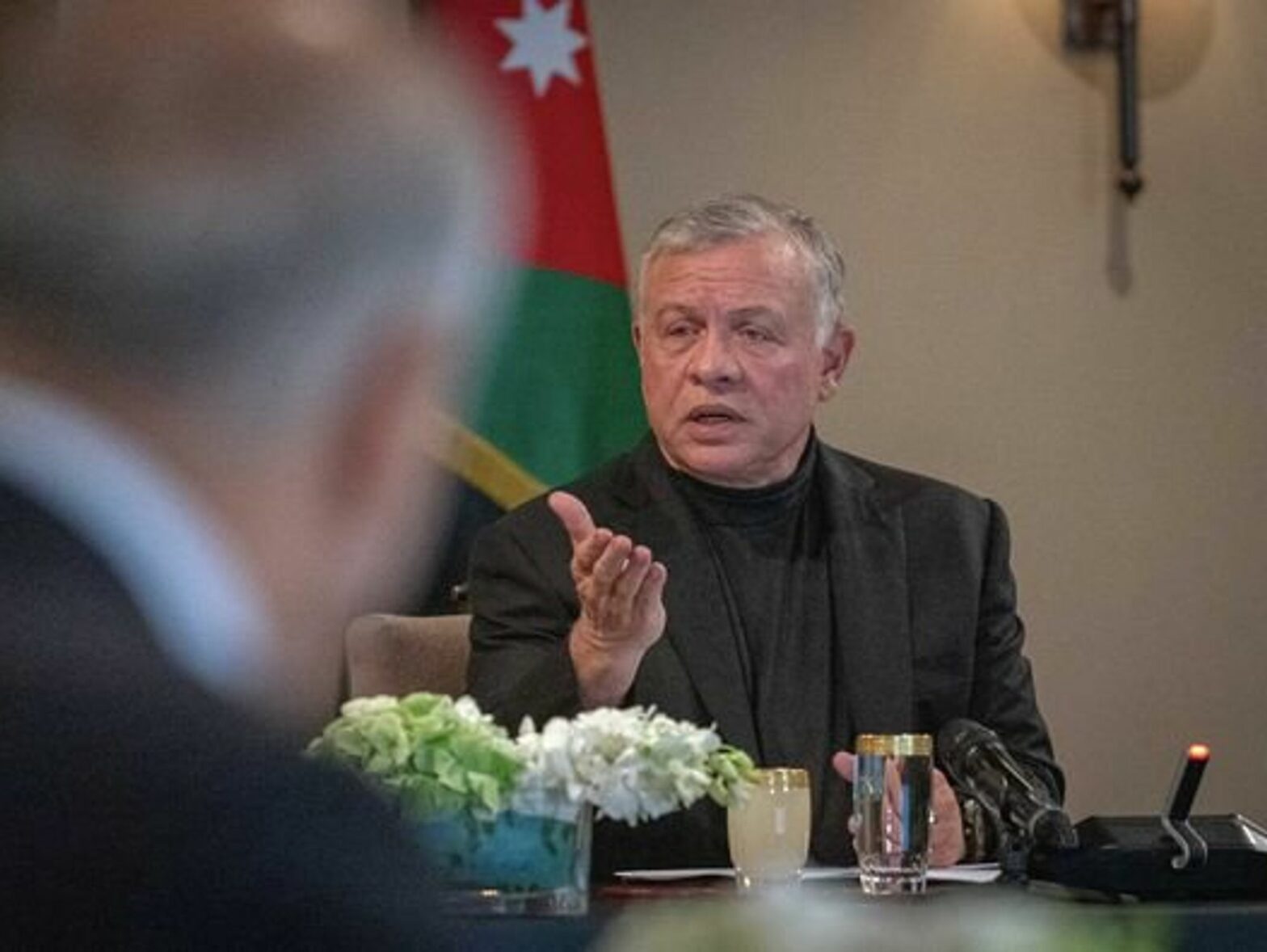
As the war in Gaza grows bloodier by the day, the search for potential mediators in the region is crucial. Jordan is uniquely situated with a special relationship with the Palestinians, decades of peace with Israel, and the nation’s king with a historic standing in the Muslim world.
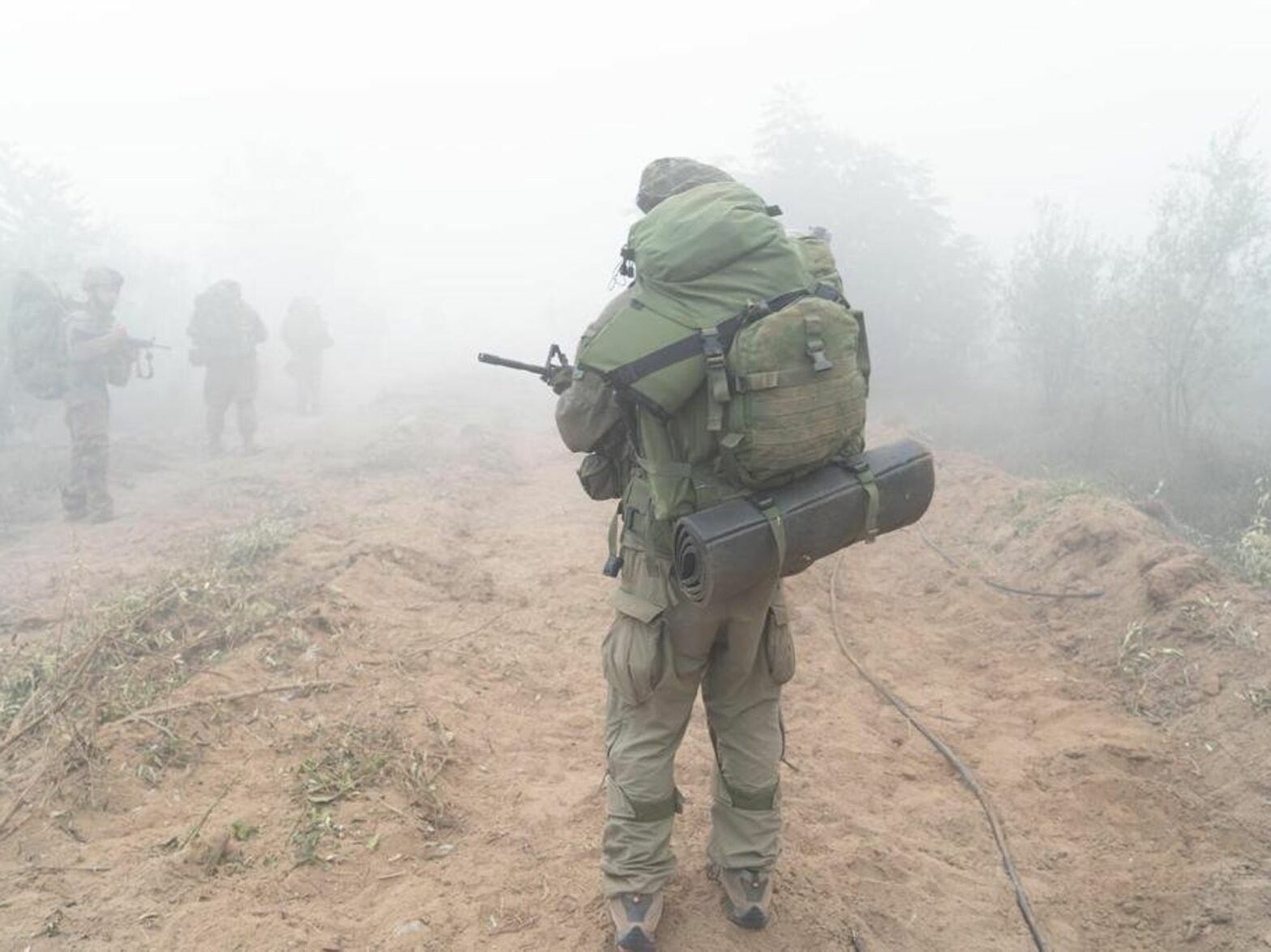
Prime Minister Netanyahu’s mention of “indefinite” control of security in Gaza does not sit well with Washington. Biden has a growing number of reasons to start pushing back against Israel’s war and post-war aims.
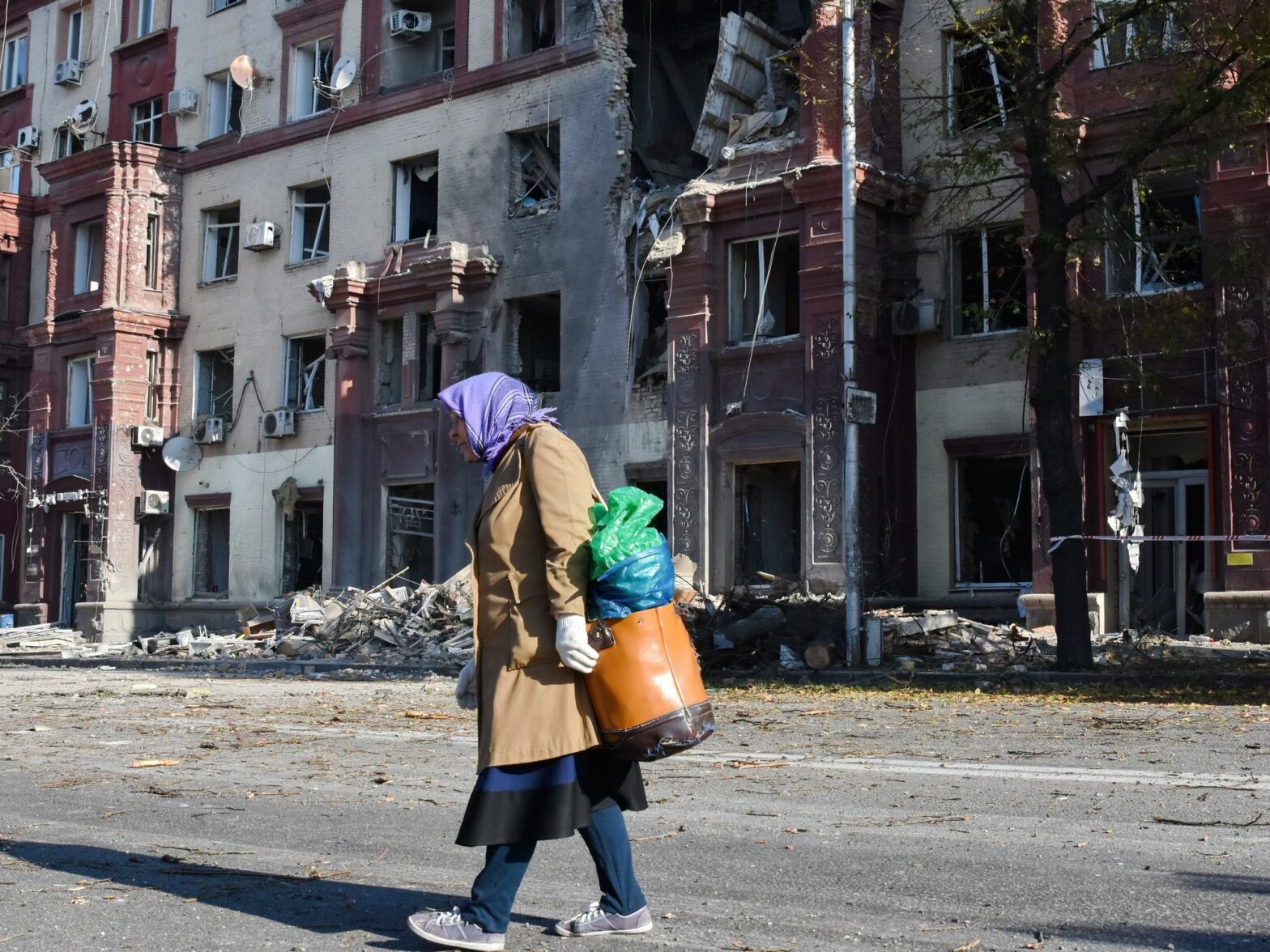
The country is scrambling to shore up production and distribution amid the inevitability of continued Russian attacks, questions around the pace of restoration of damaged facilities, and the possibility of a harsher winter than last year’s.
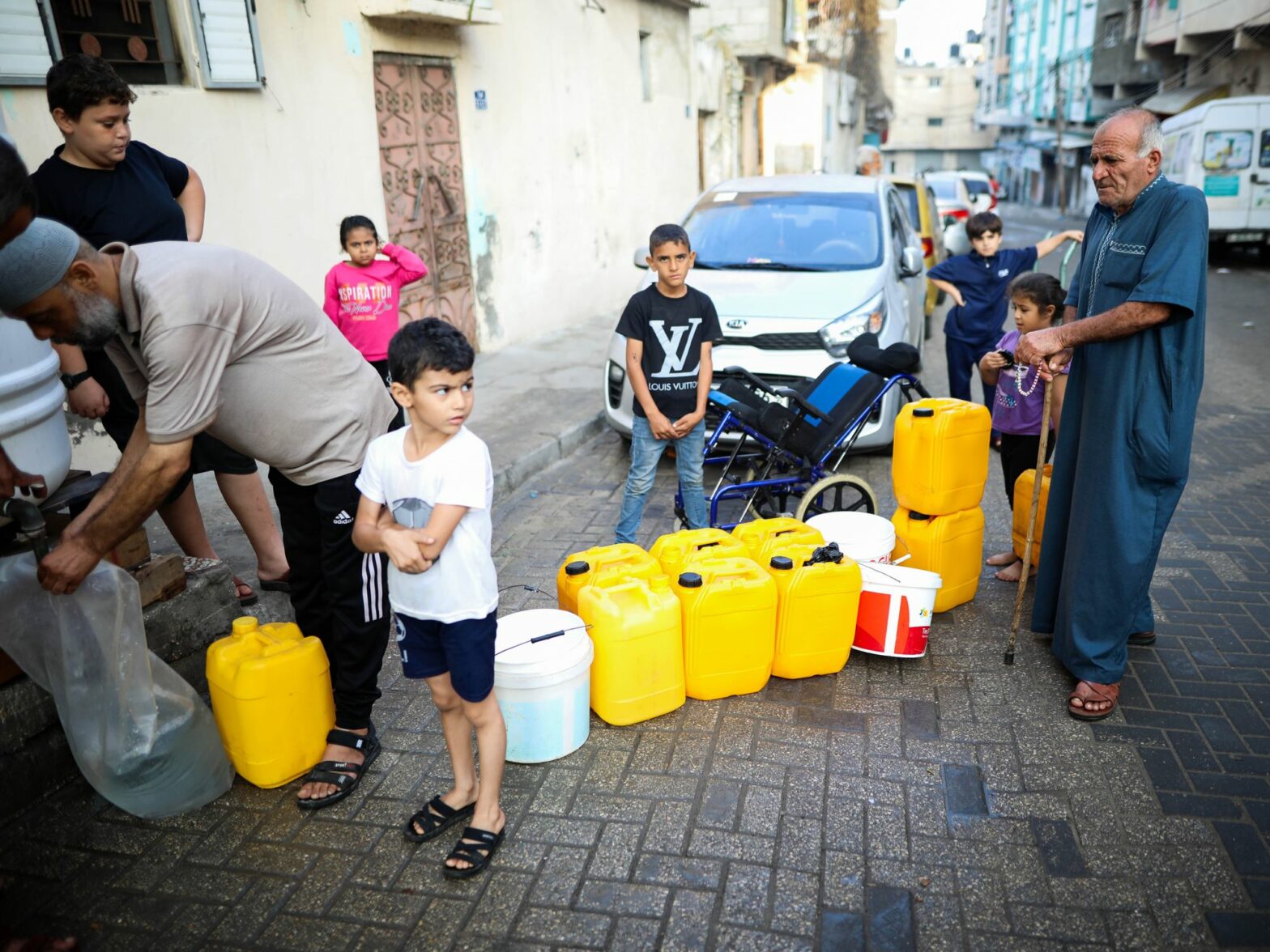
Shortages of water, which have ultimately long been controlled by Israel, have long been a brutal reality for the Palestinians of Gaza. Now with the ongoing bombing and siege campaign, the daily search for water has become central to the struggle to survive.
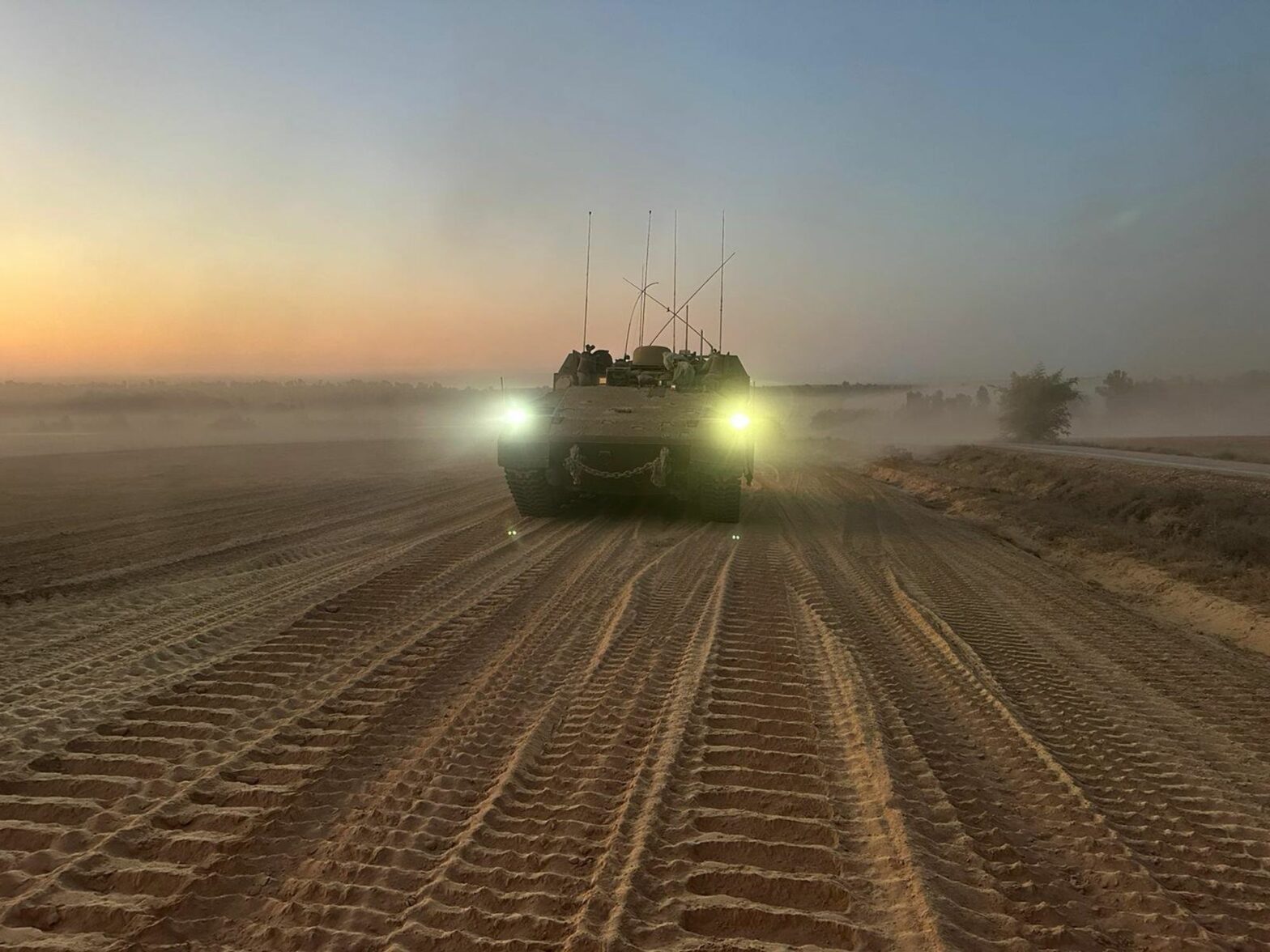
Marking one month of war in the Middle East, French political commentator Pierre Haski takes stock of three major geopolitical consequences.
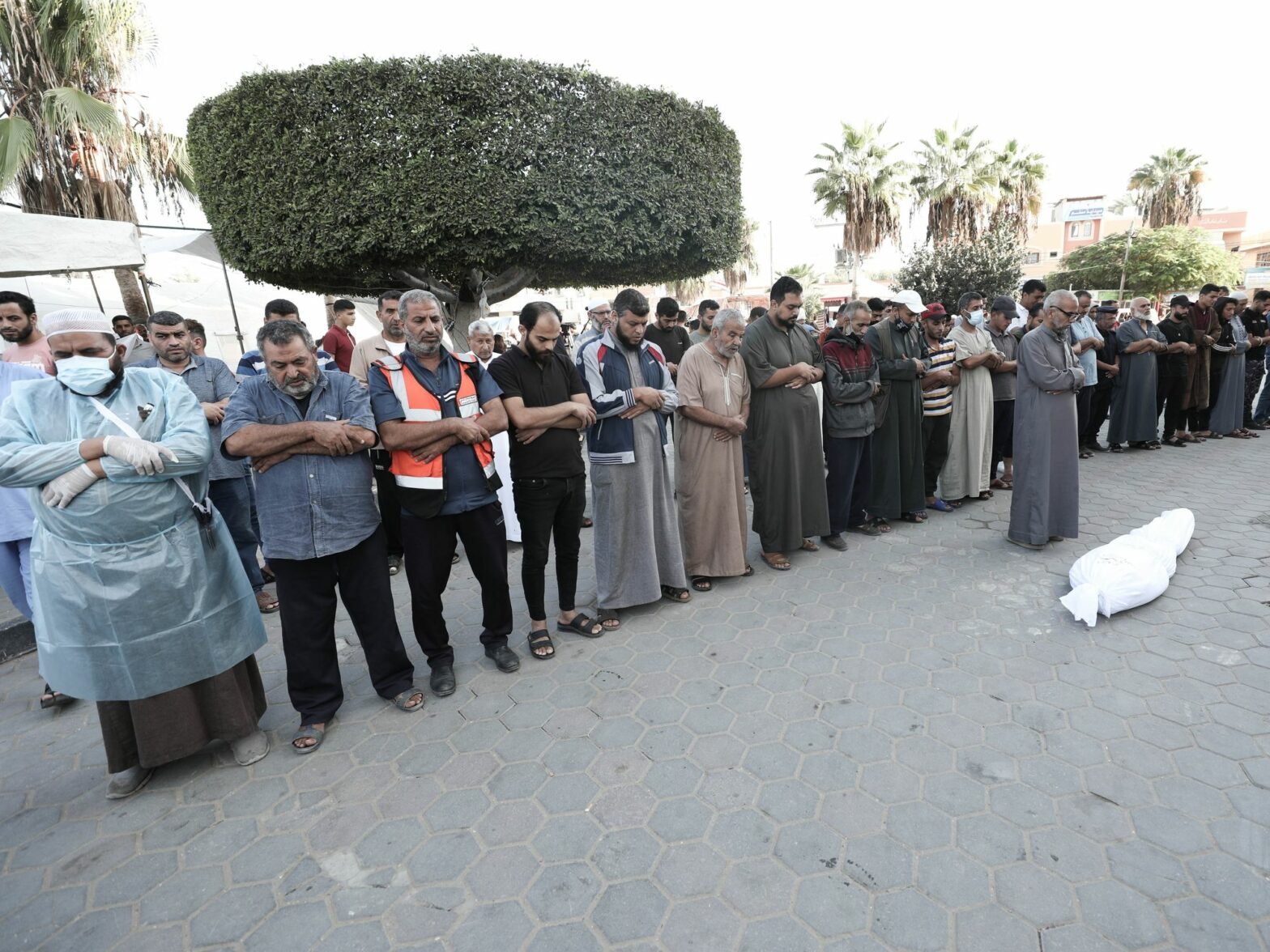
As the death toll in Gaza reaches 10,000, Israel has launched what may be its most intense bombardment, as ground offensive continues to accelerate. All of this as U.S. Secretary of State Blinken says he’s trying to get Israel to limit the civilian casualties.
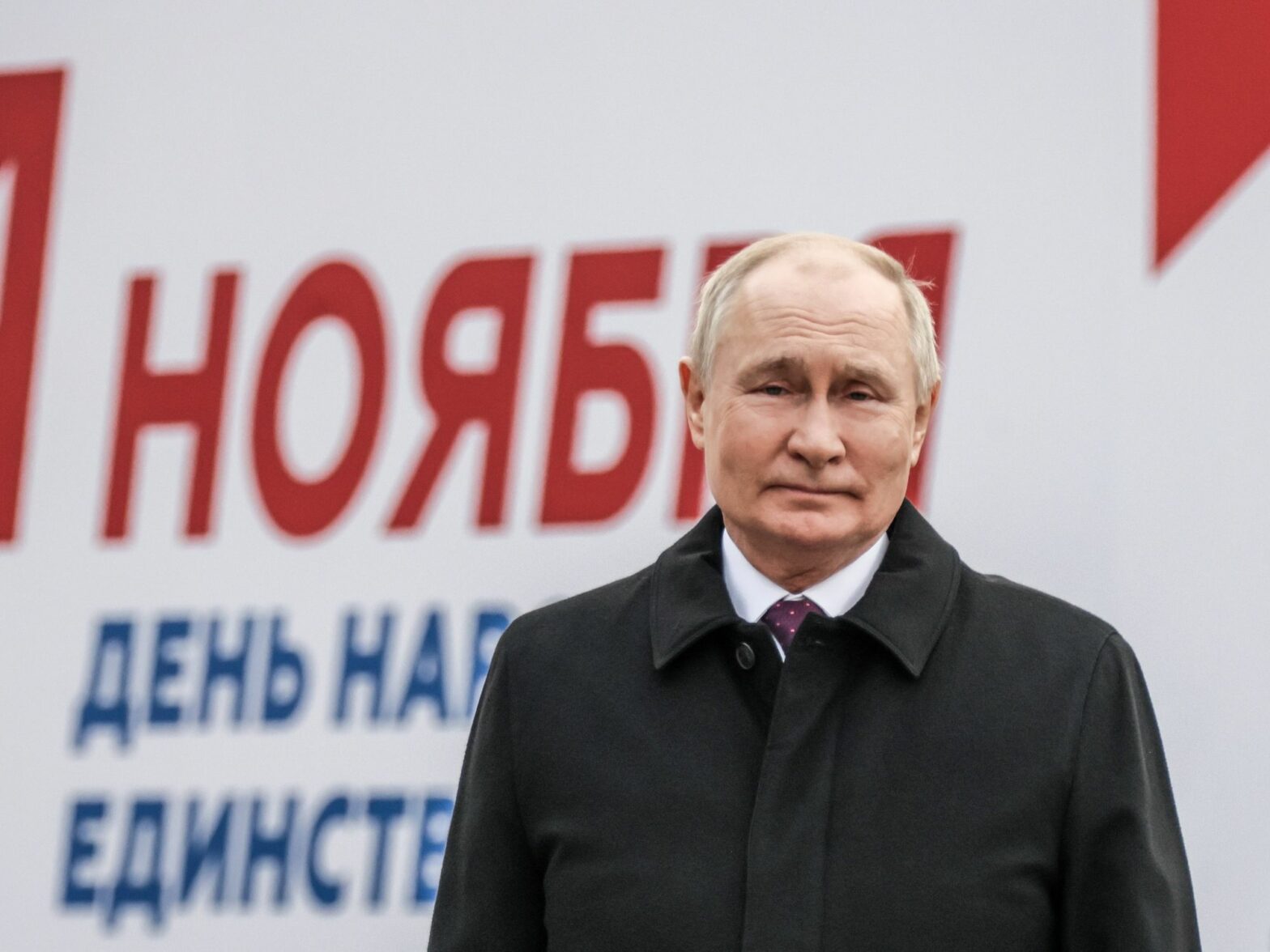
A report Monday from Reuters tells us what all knew: Vladimir Putin will seek a fifth term in Russia’s March 2024 presidential elections. But he needs a high turnout and overwhelming support to seal the legitimacy of his war in Ukraine.
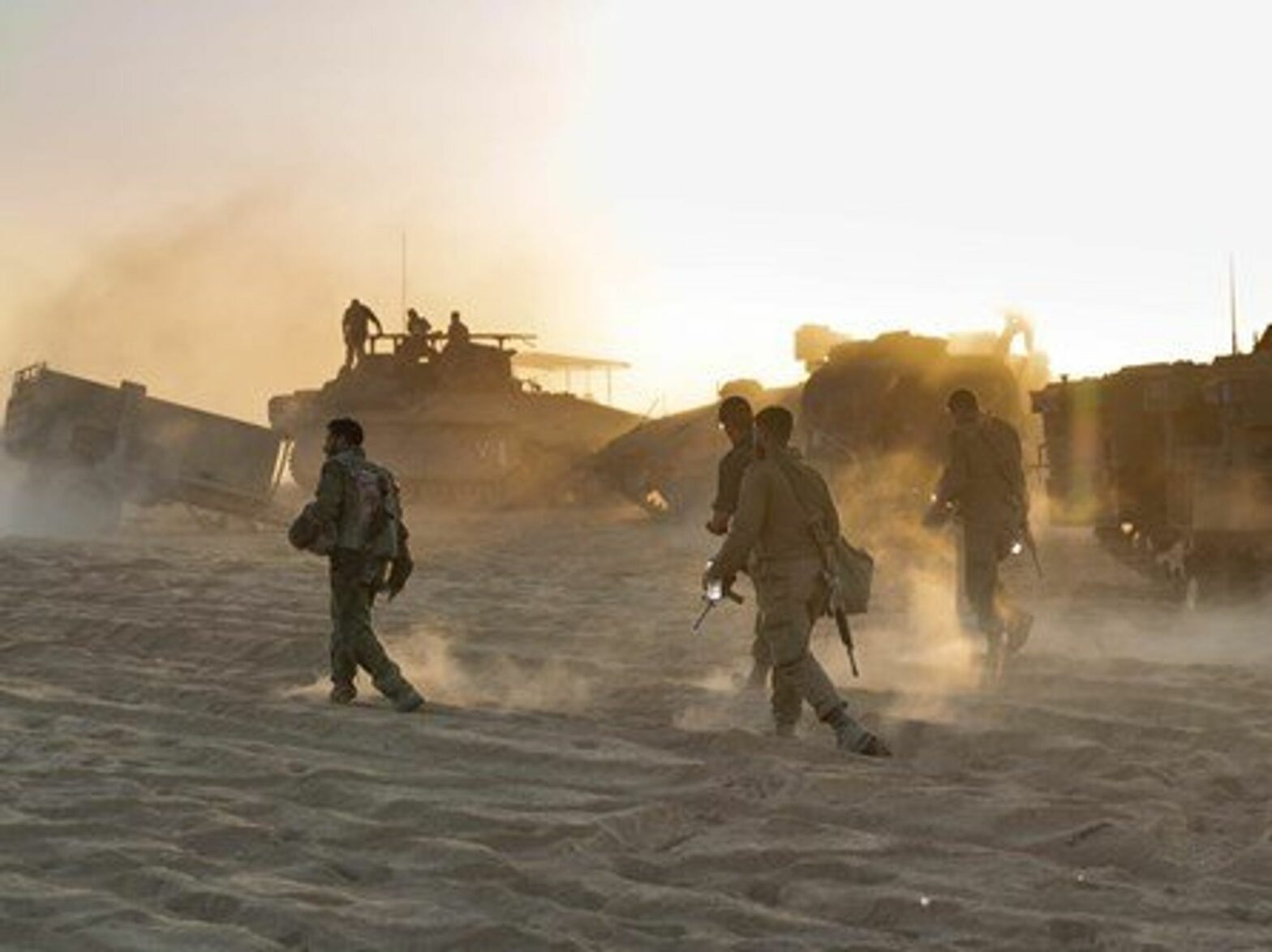
Calls for a “humanitarian pause” are multiplying as the war rages on for almost a month, but the West is careful not to talk about a ceasefire, which Israel totally rejects. Where does that leave us in a search for a way out?
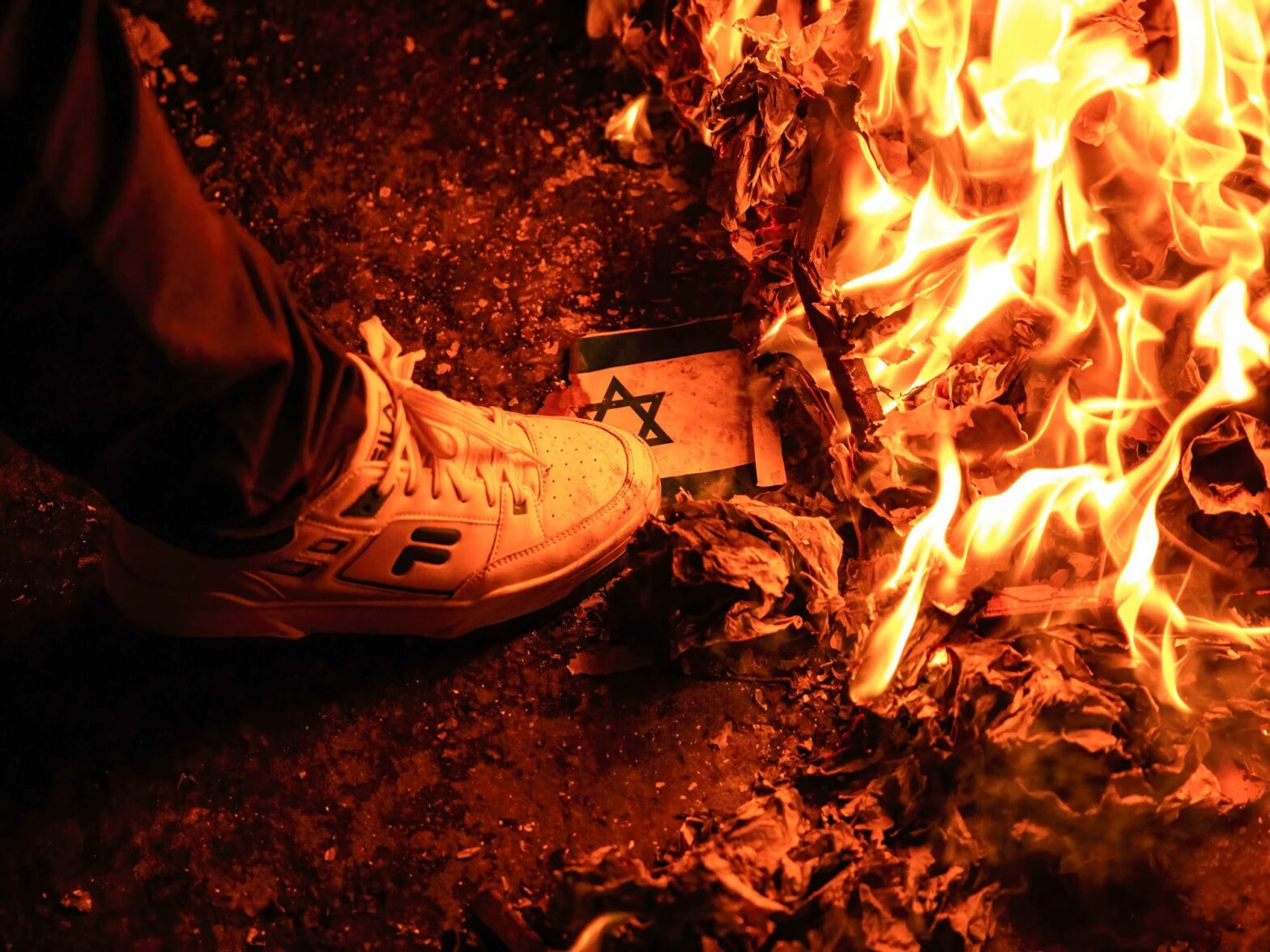
Sectors of the political Left around the world have practically lauded the Oct. 7 Hamas attack on Israel — finally barely bothering to hide their good ol’ fashioned hatred of the Jews, rather than hiding behind anti-Zionist rhetoric. Something evil has been re-released.
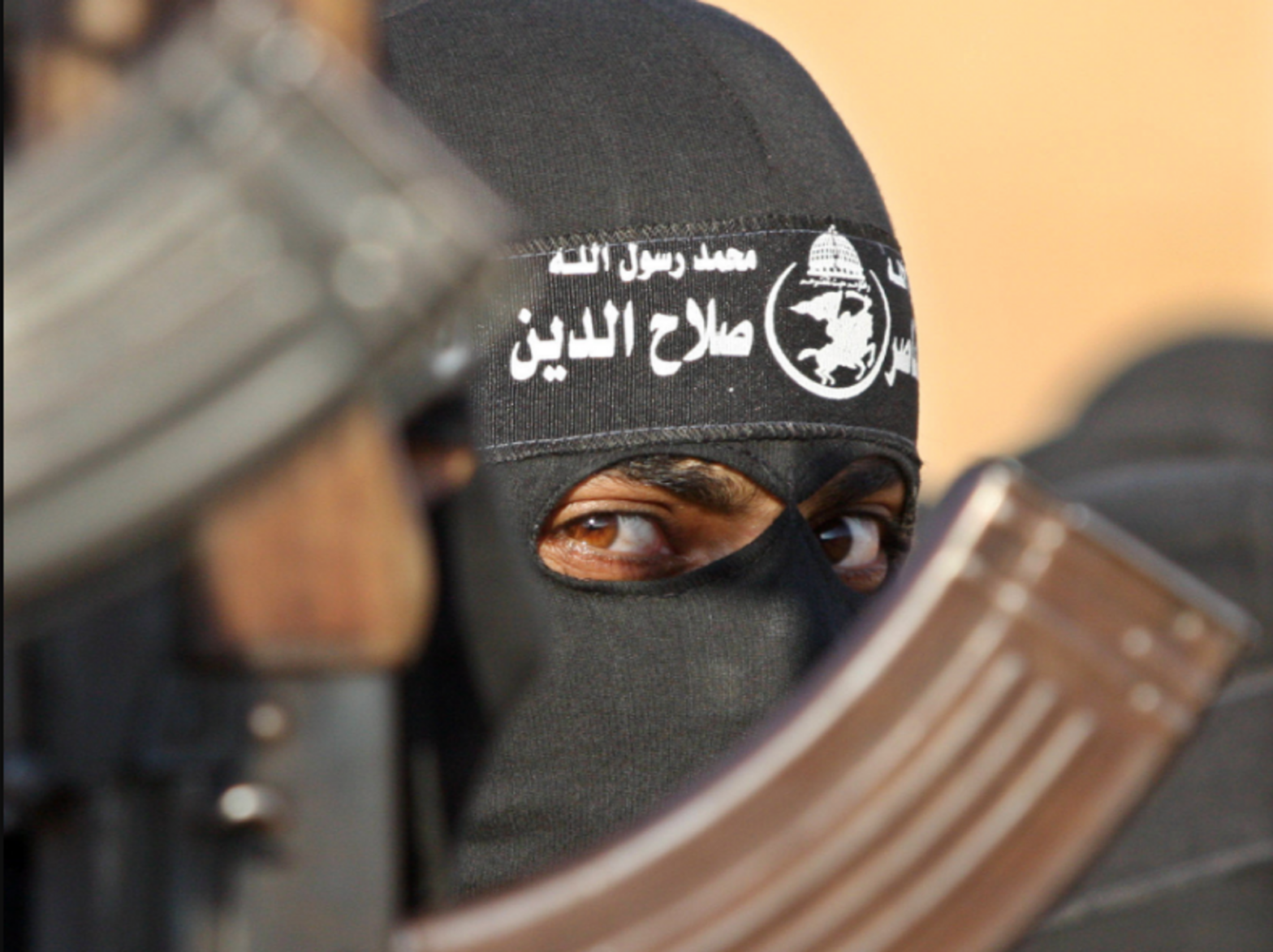
Russia is largely discrediting itself as a viable leader in diplomacy after siding so plainly with Hamas.
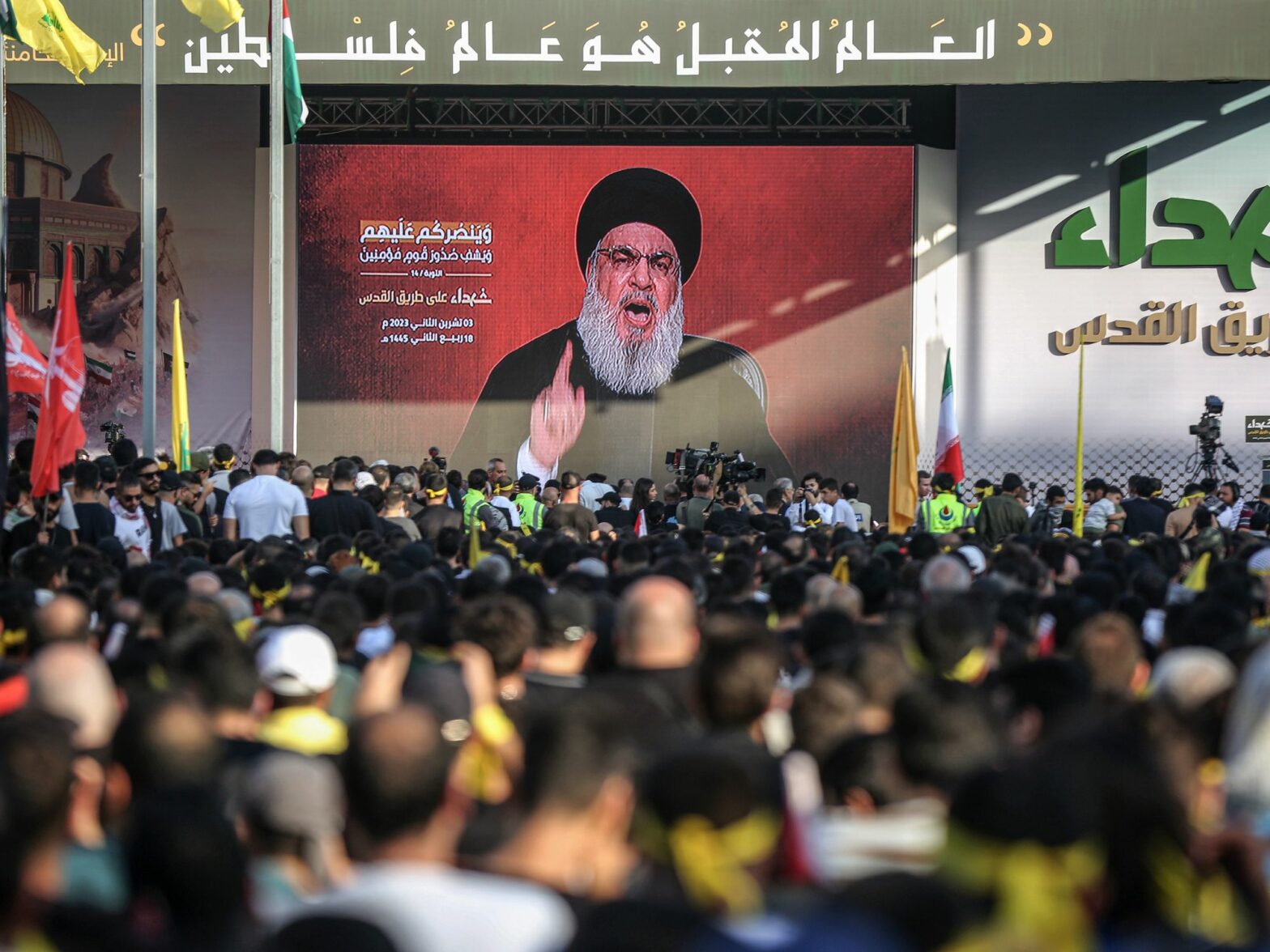
Here are six key points from Hezbollah Secretary General Hassan Nasrallah’s long awaited speech, including a threat to Israel that it was a “realistic possibility” that the war along the Lebanese border is about to escalate.
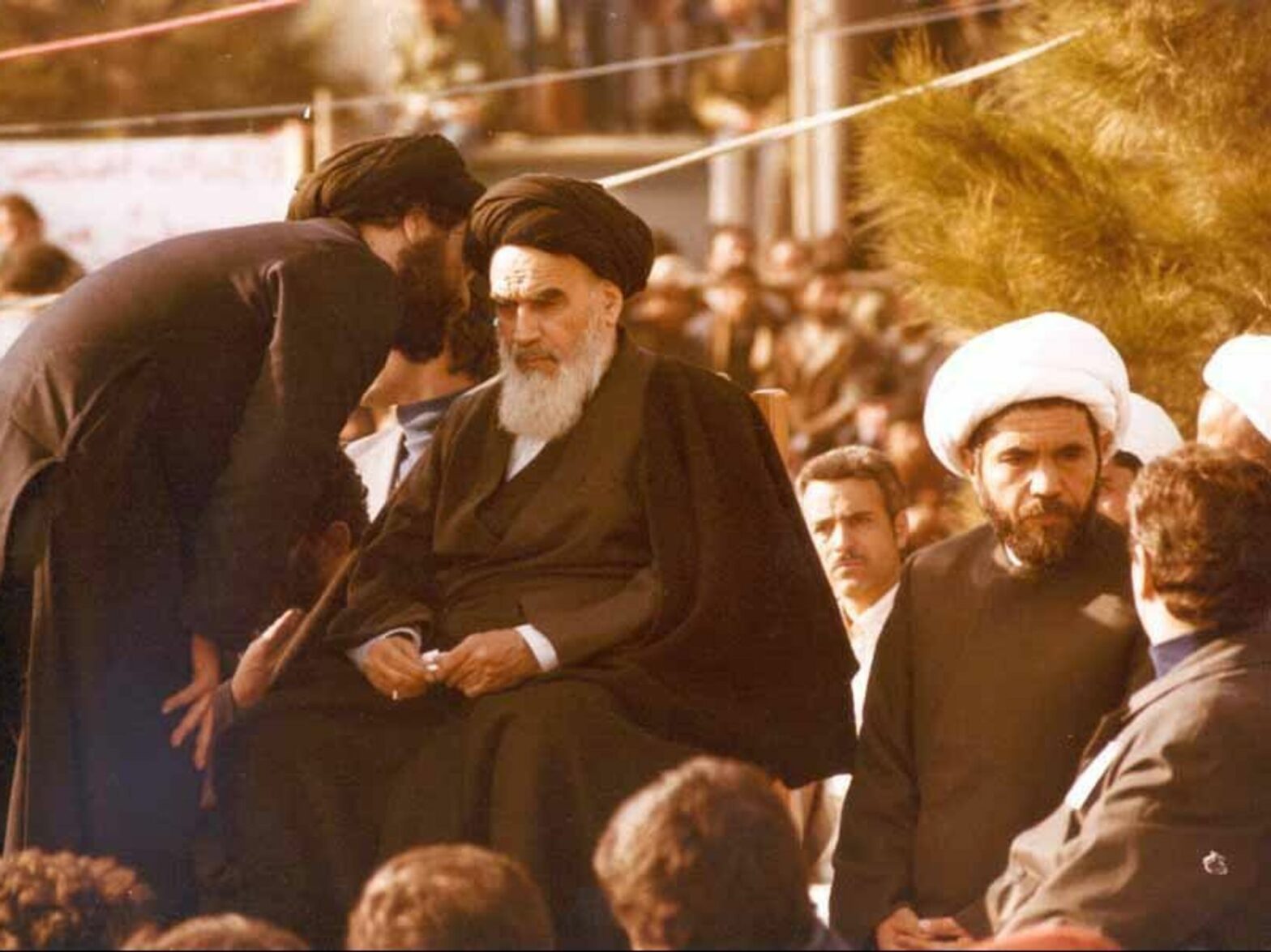
Whom should we blame for the death and destruction in Gaza: terrorists, Israel or ‘warmongers’ beyond them, notably the Tehran regime that envisaged, decades ago, a regional war as the prelude to spreading its “Islamic revolution.”
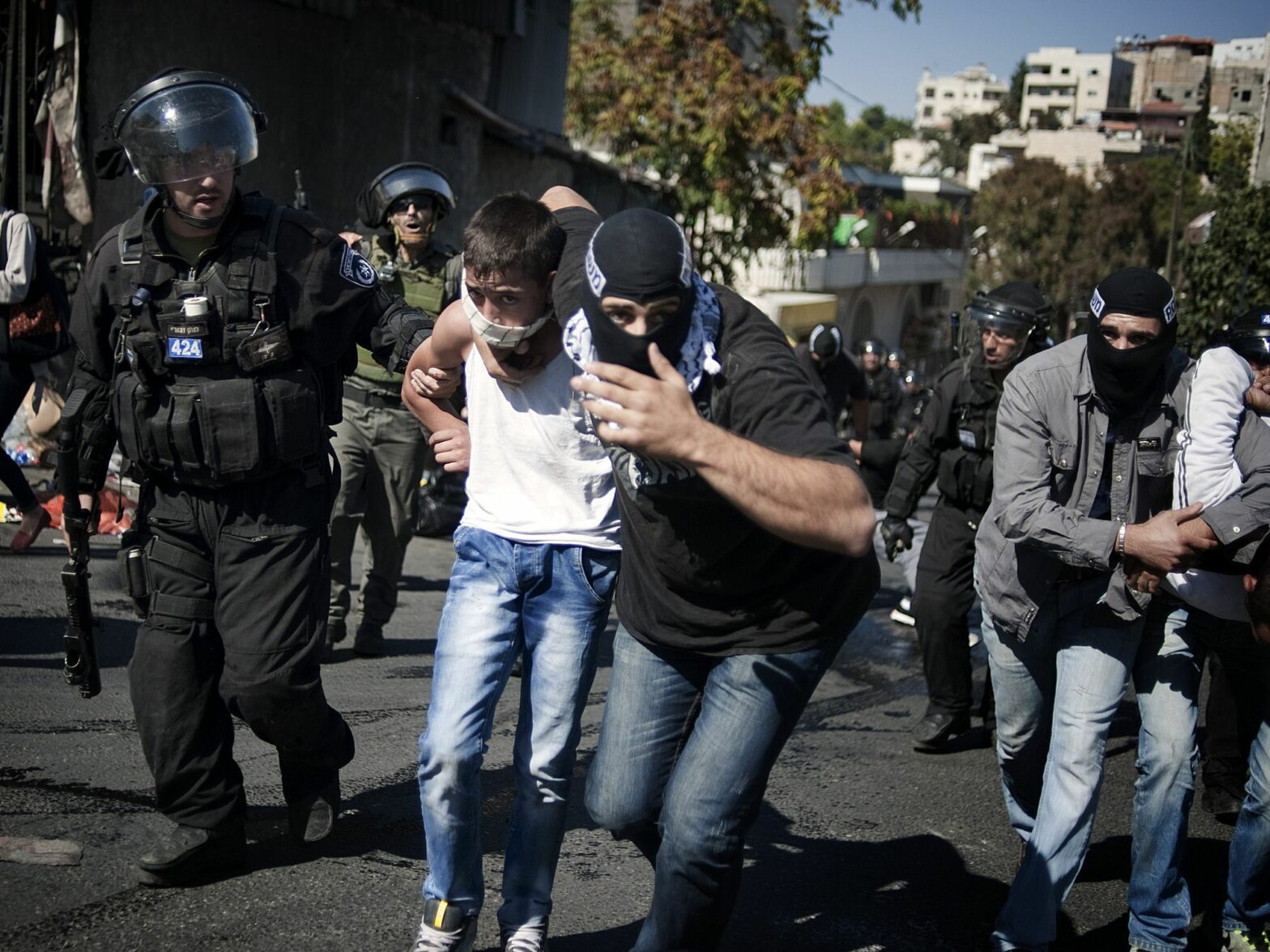
The number of Palestinian prisoners in Israel’s jails has doubled since the Hamas attack of Oct. 7. Some ask if the roundups of Palestinians is a tactic to win the release in an exchange with Hamas for the 200 hostages held in Gaza.
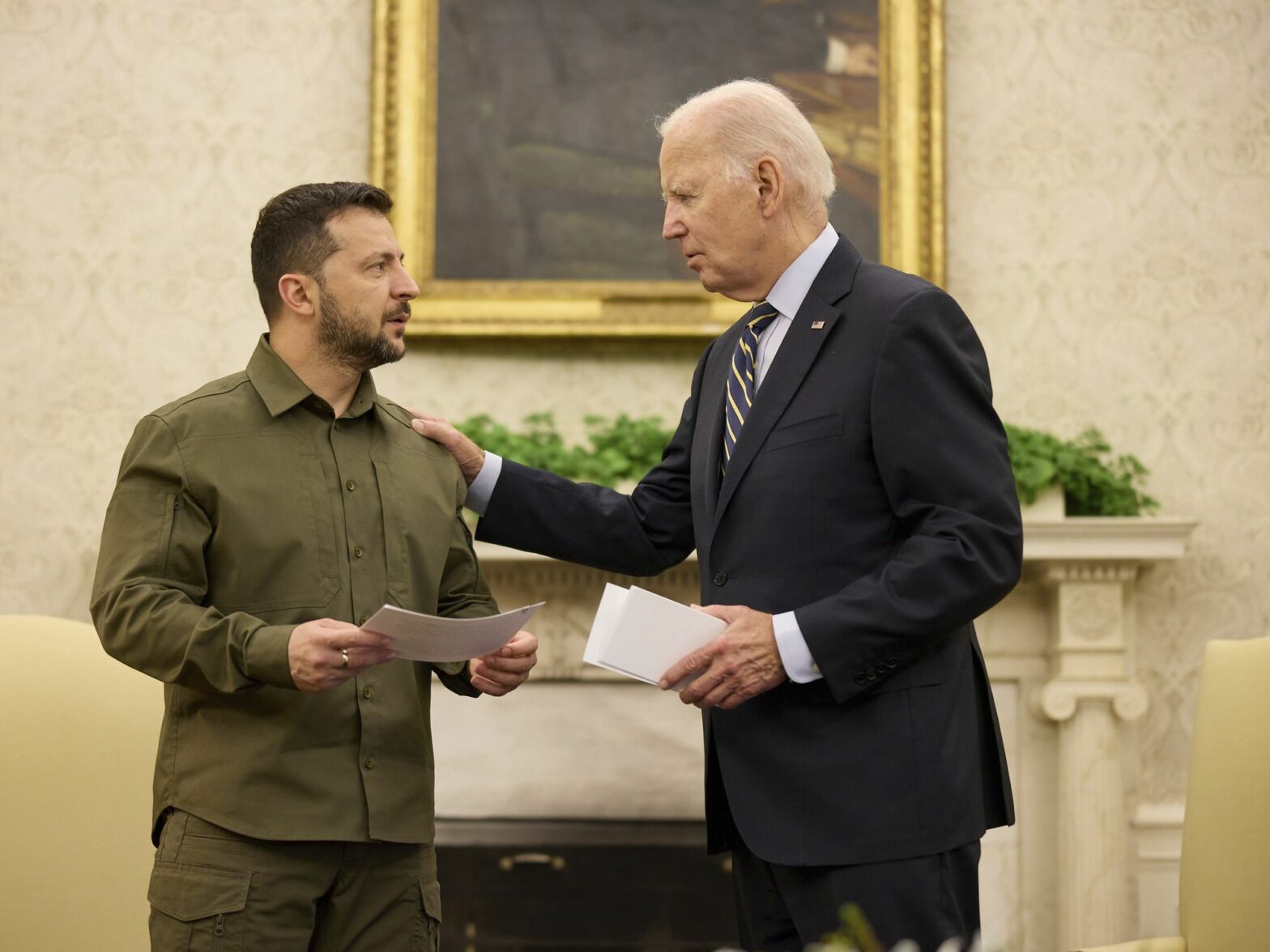
With the Middle East burning and domestic politics splintering, Ukraine is now just one of multiple priorities for the West. For President Zelensky, it’s time to move past the narrative of the past two years.

Russia has introduced new history textbooks criticized for replacing facts with propaganda. Students preparing to teach history are torn between “patriotic” and “liberal” narratives, even as they refuse to accept the state’s version without debate.
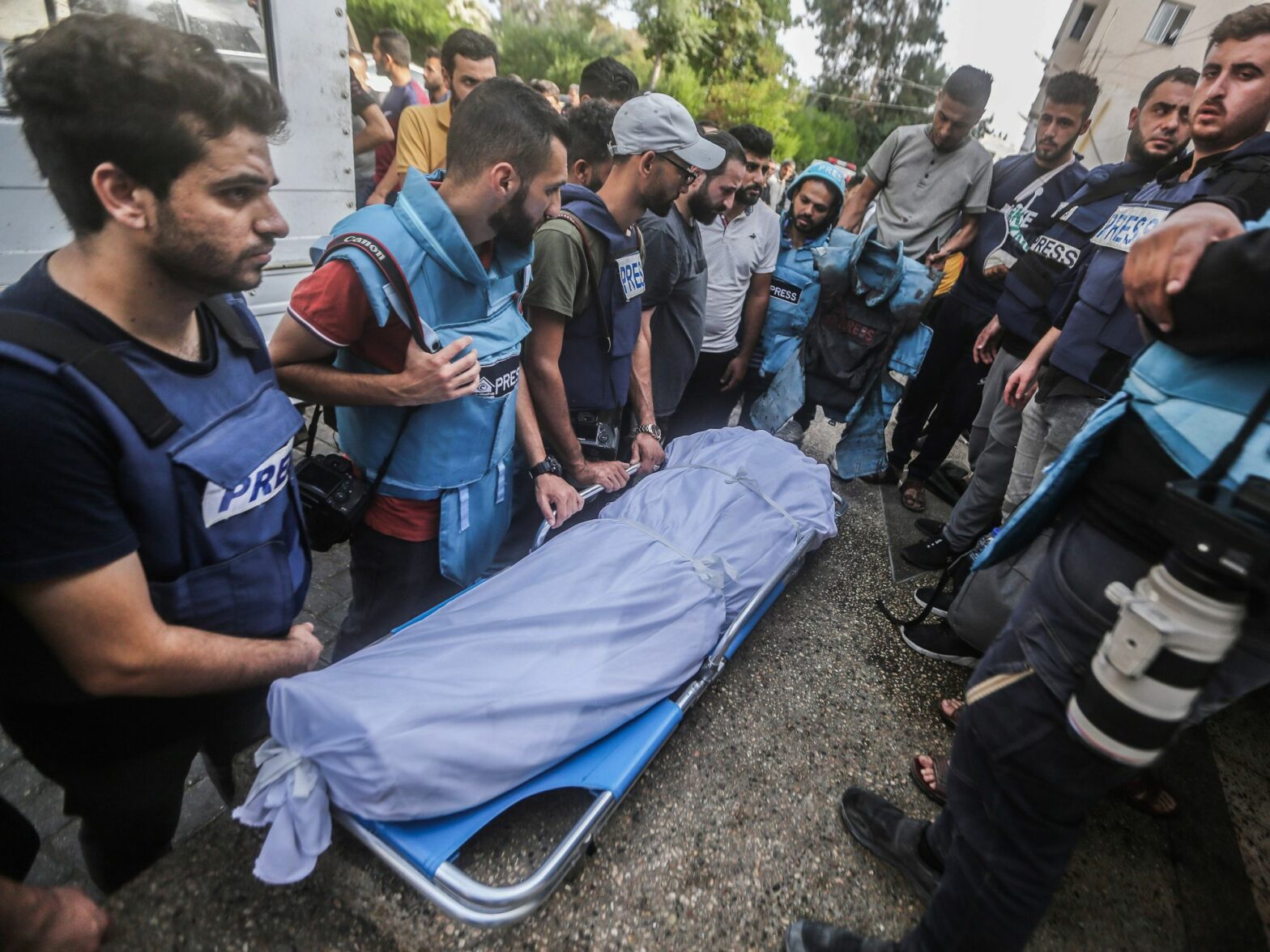
Journalist Noor Swirki writes about what its like for Palestinian journalists working from Gaza, with everything on the line, every night and day.
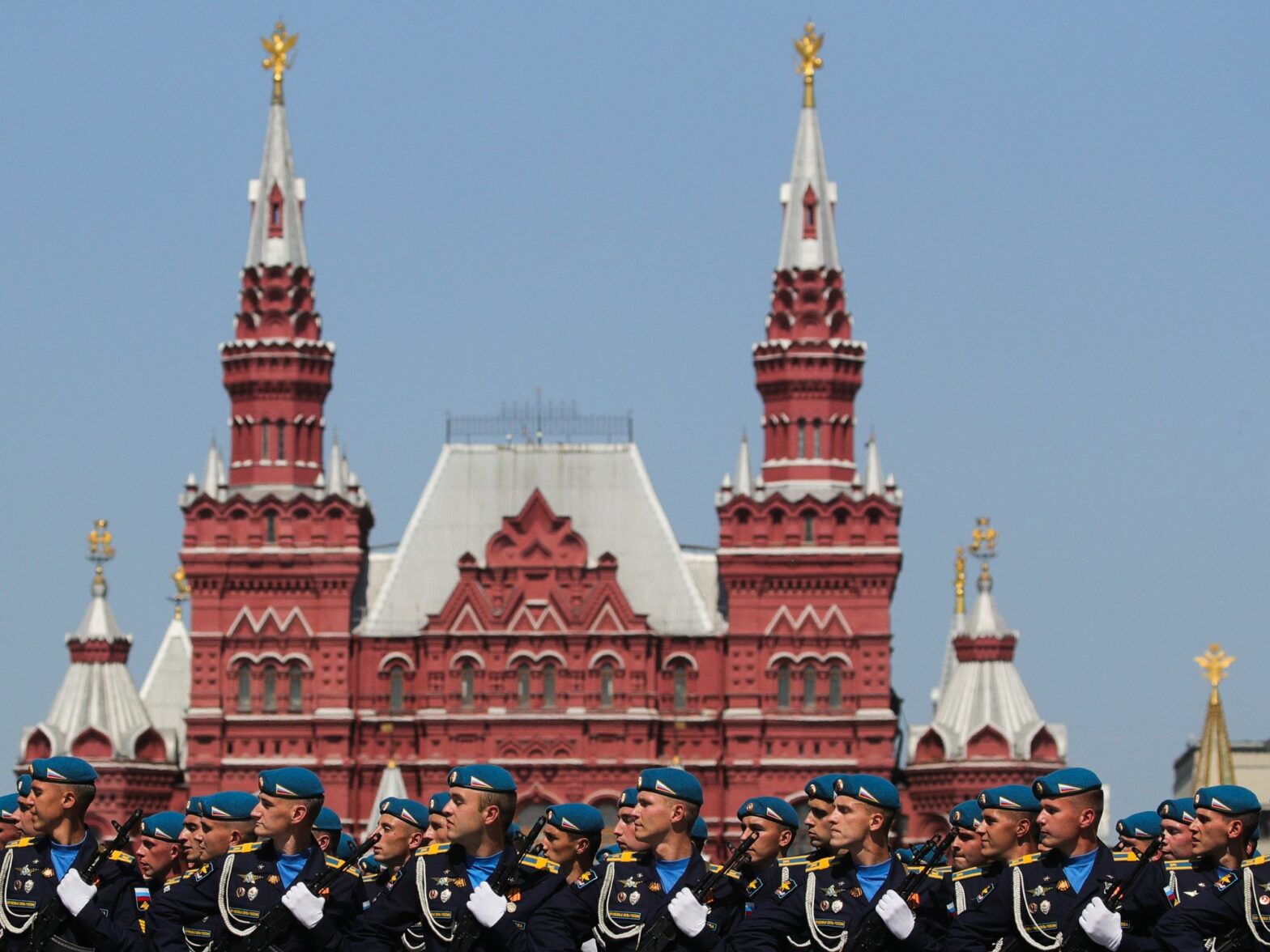
Russian ambitions to expand its empire have existed for centuries. But are they doomed to be this way forever? Janusz Onyszkiewicz, the former defense minister of Poland, digs into the history — and the future.

As Russian casualties in Ukraine mount, a Ministry of Defense-supervised mercenary company is recruiting women for combat roles, for the first time ever.