
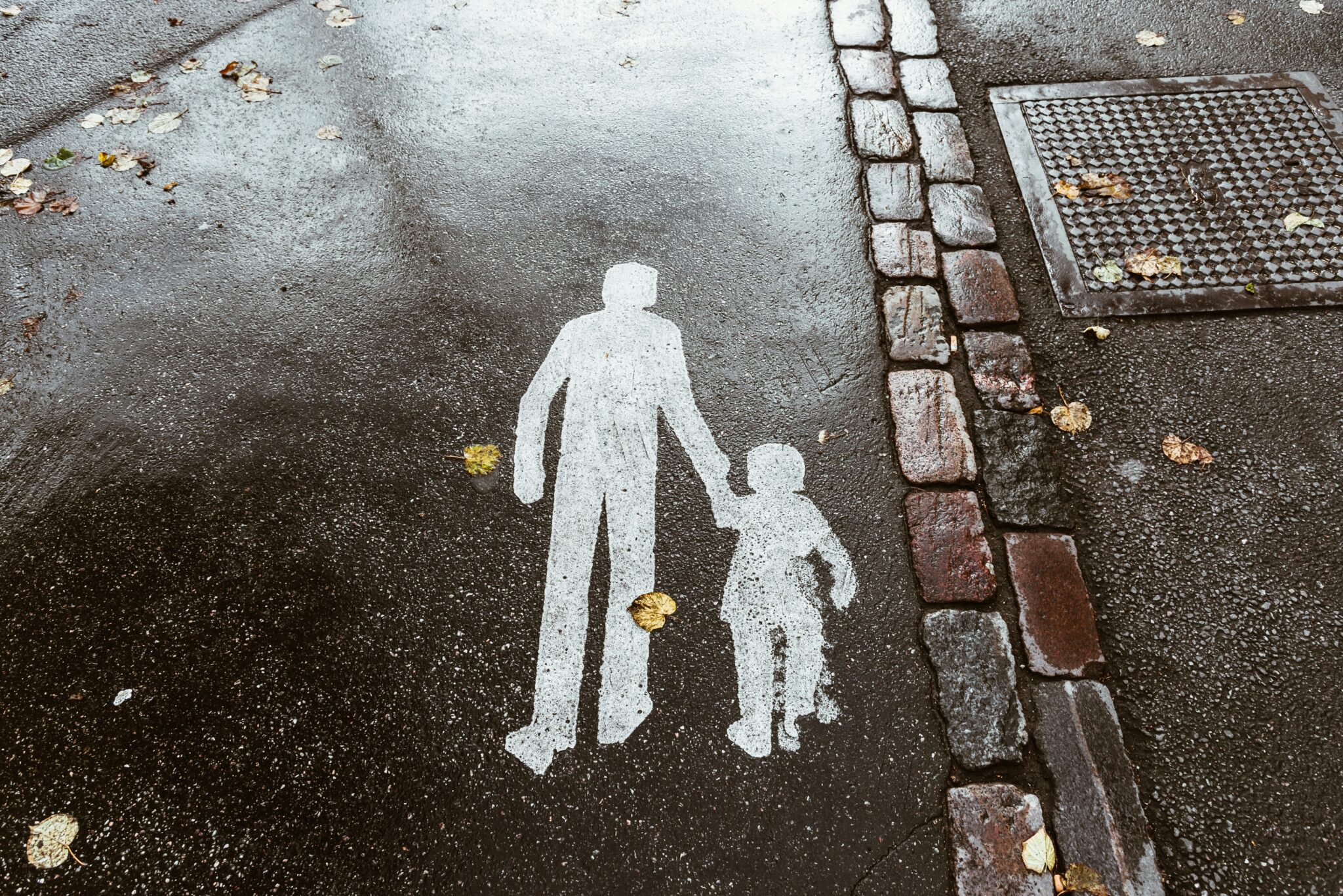
Today, I’m traveling with Irene. In order to spend two nights away, we left our two kids behind with a babysitter and some friends, plus a summer camp run by other friends in a community space.
Just putting that down into writing makes the guilt creep in — this tug-of-war between thinking of myself, of us as a couple, versus the ingrained impulse to always put the kids first. I could write endlessly about the emotional weight of this guilt — compared with the rational conviction that this trip is necessary for us, and by extension, is good for our kids.
It’s our first proper getaway in Greece. The only other trip we’ve taken together lately was for work. Funny how work-related travel comes with less guilt and more social approval than a trip taken just for pleasure.
Since late last year, Irene and I have been doing couples therapy, in addition to our own individual sessions. These are our walking sticks on the trail we’ve been navigating for nearly 13 years: a nomadic life, far from family and old friends, raising two multicultural kids.
Come August, we’re moving to the U.S. for ten months. Irene has a fellowship there. It is an incredible opportunity, but it hasn’t been easy. Nor was planning this three-day, child-free escape. We figured that if we didn’t do it now, we wouldn’t get another chance for at least a year. So, we went for it.
One thing we’re certain of: we’re not burdening this trip with grand expectations. Daily life brings enough pressure as it is. This is a moment to recharge, sleep, shuffle the deck, and deal a new hand — without waiting for some crisis to force us into “fixing” things.
Redefining what it means to be a mother
The latter comes to mind as I read an article featuring nine women discussing the ups and downs, as well as the surprises, that came after they separated or divorced.
Not long ago, a friend of mine — an accomplished professional and mother of two teenagers — told me: “Before I separated, my biggest fear was: what the hell will I do with so much time to myself after 14 years as a couple? It terrified me to have free time.”
That fear crops up again and again in the article. In fact, I noticed three recurring themes that also match what I’ve heard in conversations with other separated moms:
1. Personal rediscovery and autonomy. After the separation, many women use the time without their children to explore new facets of themselves — such as hobbies, friendships, sexual identity, or simply enjoying solitude and self-care. They learn new skills, explore their own sexuality, and reconnect with friends or activities they had set aside due to the burden of motherhood.

2. A transformed sense of motherhood and connection with their children. Shared custody redefines what it means to be a mother. While it’s painful at first to be away from the kids, many say the time they do have together becomes more intentional and meaningful. You don’t have to be present 100% of the time to be a “good mom.” In fact, that space can deepen the bond and mutual trust.
3. Stronger support networks and friendships. Separation often brings a renewed sense of connection with friends — especially with other women and fellow moms. These friendships become emotional lifelines, helping women process grief and rediscover joy outside the nuclear family. Many mention that female friendships have grown deeper and more meaningful — sometimes more so than romantic relationships.
So many questions keep bubbling up. One above all: why does it often take a separation for us to finally live the way we want? Maybe a psychologist can explain that one. If you’re reading this and you are one, feel free to reach out.
Gendered pressure
The stories reveal how deeply gender roles and traditional expectations are baked into how women experience parenting and family life. Society often equates womanhood with sacrifice and caregiving. But after separation, many women find the freedom to focus on their own growth, finally shaking off the pressure to always put family above self — a pressure that, let’s be honest, is gendered.
Some men suddenly had to face the everyday tasks they used to overlook.
That said, some of these same experiences apply to separated men, though they often play out differently. I know this because I talk to a lot of men who are divorced — or who’ve been wanting to separate for years.
Let me make this clear: I want to hear from divorced or separated men. I’m working on a piece, and I’m inviting you to share your stories.
I believe it can be useful for others to read about men who, after separating, found themselves lonely on weekends because their friends didn’t adjust to the new reality — no invites, no plans, with or without the kids.
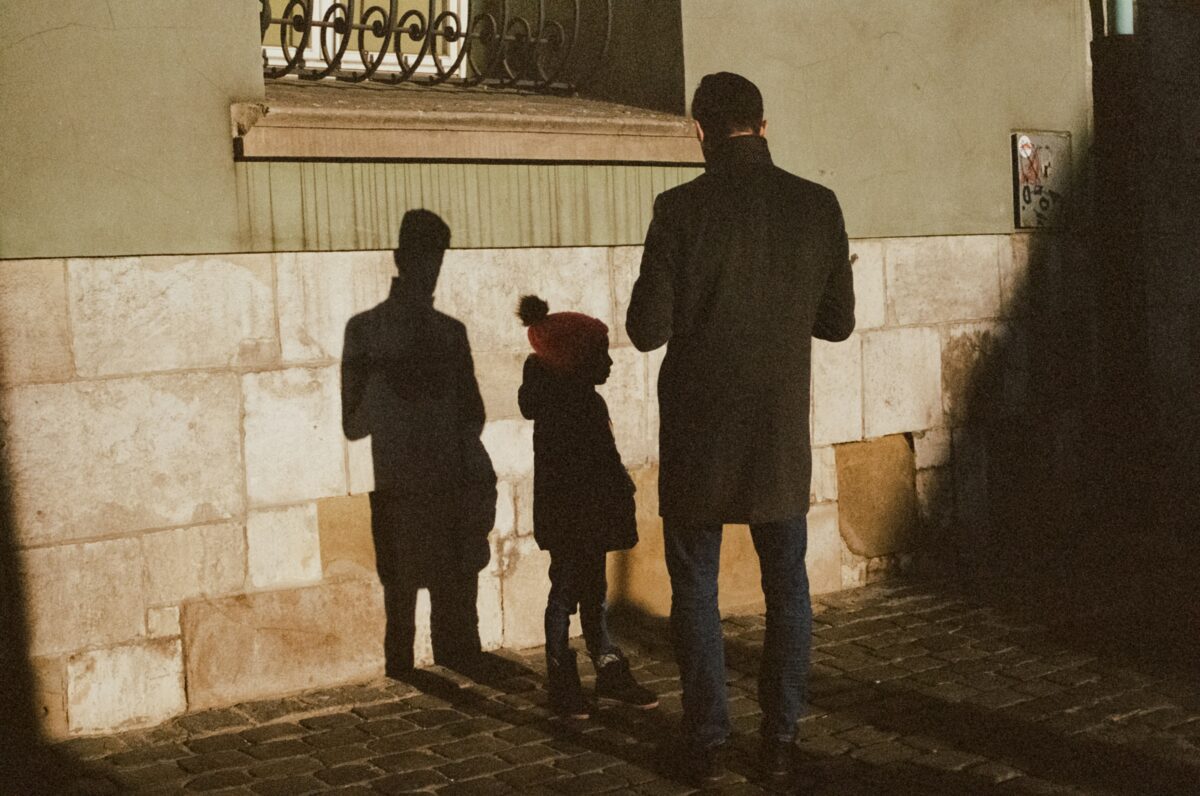
Stories of men in the open
Some men suddenly had to face the everyday tasks they used to overlook. Some finally learned the names of the other parents at school when they joined the group chats. Others jumped straight into a new relationship that didn’t work out — and only then realized the real issue wasn’t about being in a couple, but something deeper inside themselves.
Did it hurt not to be seen as a responsible father, in a world where care is often still tied to motherhood?
These are first-hand accounts. I’ve heard them privately. But now I want to bring these stories out into the open, for an article.
What challenges did you face? What did you discover? What surprised you?
Did it change the way you parent? Did you feel pressure to “prove” yourself as a capable dad? Did you doubt your parenting? Did it hurt not to be seen as a responsible father, in a world where care is often still tied to motherhood? Did you feel alone? Isolated?
I understand that putting your name out there can feel uncomfortable — we can make it anonymous. What matters most is the story: what you lived, and how you’re living it now.
And if this isn’t your story, maybe you know someone else who has a story to share, so feel free to pass this along.