

HAMBURG — The beach is a vast playground where almost anything goes. Life on the sand can be carefree and aimless — and then at some point, almost inevitably, someone starts digging. Either right near the water’s edge, or by hauling in buckets of water. Mixed with sand, it is shaped into a castle, a mountain, or a labyrinth of tunnels, pressed into snowballs, or boiled into porridge.
The effort required to achieve just the right consistency is essential: mud is malleable, not as fleeting as water, but softer than stone, something in between. Mud and silt share that quality. Both are soft and quickly warmed by the sun. Like mud, they belong to the realm of transition and ambiguity. “This in-between state arouses desire in a binary world,” says Hamburg cultural scientist Hartmut Böhme.
Even though digging and building can seem to have a purpose, namely to create a solid, beautiful structure that might withstand water, there is equal satisfaction in watching a powerful element destroy what has been made. It can make children feel momentarily omnipotent.
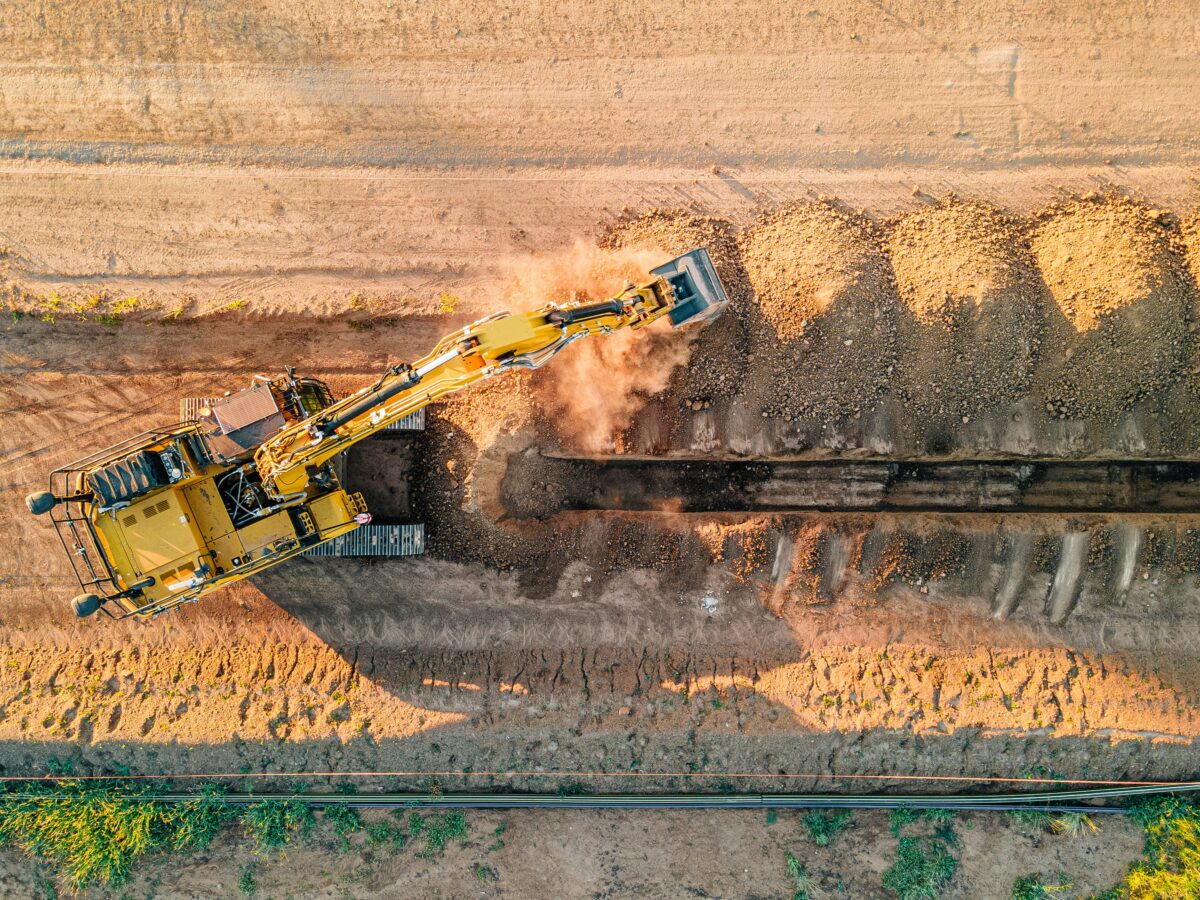
“They play God,” says Böhme. “The grandiose ego as ruler of both creation and destruction.” Men who drive excavators in their free time and move enormous masses of earth feel something similar, only with a machine that is larger and motorized.
Feeling of power
“Penetrating something with a device,” Böhme explains, “is clearly phallic in orientation. An excavator gives us a feeling of power.”
“Digging is therefore also a process of truth”
Unlike digging in sand, digging in a garden has a purpose: to loosen and turn the soil to make it fertile for plants. The thin layer of topsoil is essential for our survival, as it is where our food grows. In earlier times, people dug for roots or for water. Once they settled, they worked the ground to sow seeds or grains. Those who tend a vegetable garden today often do so partly because the steady, repetitive rhythm of digging, hoeing, and raking has a calming effect.
With every spade of earth, we not only turn something over, but also bring something hidden up from below. We uncover and examine it: Is the soil fertile or clogged with stones?
Unearthed testimony
“Digging is therefore also a process of truth,” says Hartmut Böhme. Heidegger called this the work of uncovering. What is unearthed becomes testimony: fossils, petrified remains, fragments of pottery. They are traces of the past, and when we bring them to light we learn what would otherwise remain hidden.
But we do not only bring the past to the surface; we also extract resources such as coal, gold or oil. For this, we often must dig deep, and the farther down we go the more dangerous it becomes. Water can create hidden underground cavities that turn into traps.
Hardly any animal digs deeper than five meters. Depth, invisible to the eye, carries an aura of secrecy and menace. The earth is, after all, our grave. In some cultures, the dead are dug up five years after burial, their bones cleaned and pieced back together. The skeletons then join a great celebration, reintegrated into the community. For our longing for resurrection is profound, and we are reminded with every shovelful of dirt and sand.