Following police violence against young people protesting in Pisa, the Italian government remains entrenched in its silence by merely promising investigations. But perhaps the issue is that the government perceives teenagers as a threat?

 Worldcrunch
Following police violence against young people protesting in Pisa, the Italian government remains entrenched in its silence by merely promising investigations. But perhaps the issue is that the government perceives teenagers as a threat?
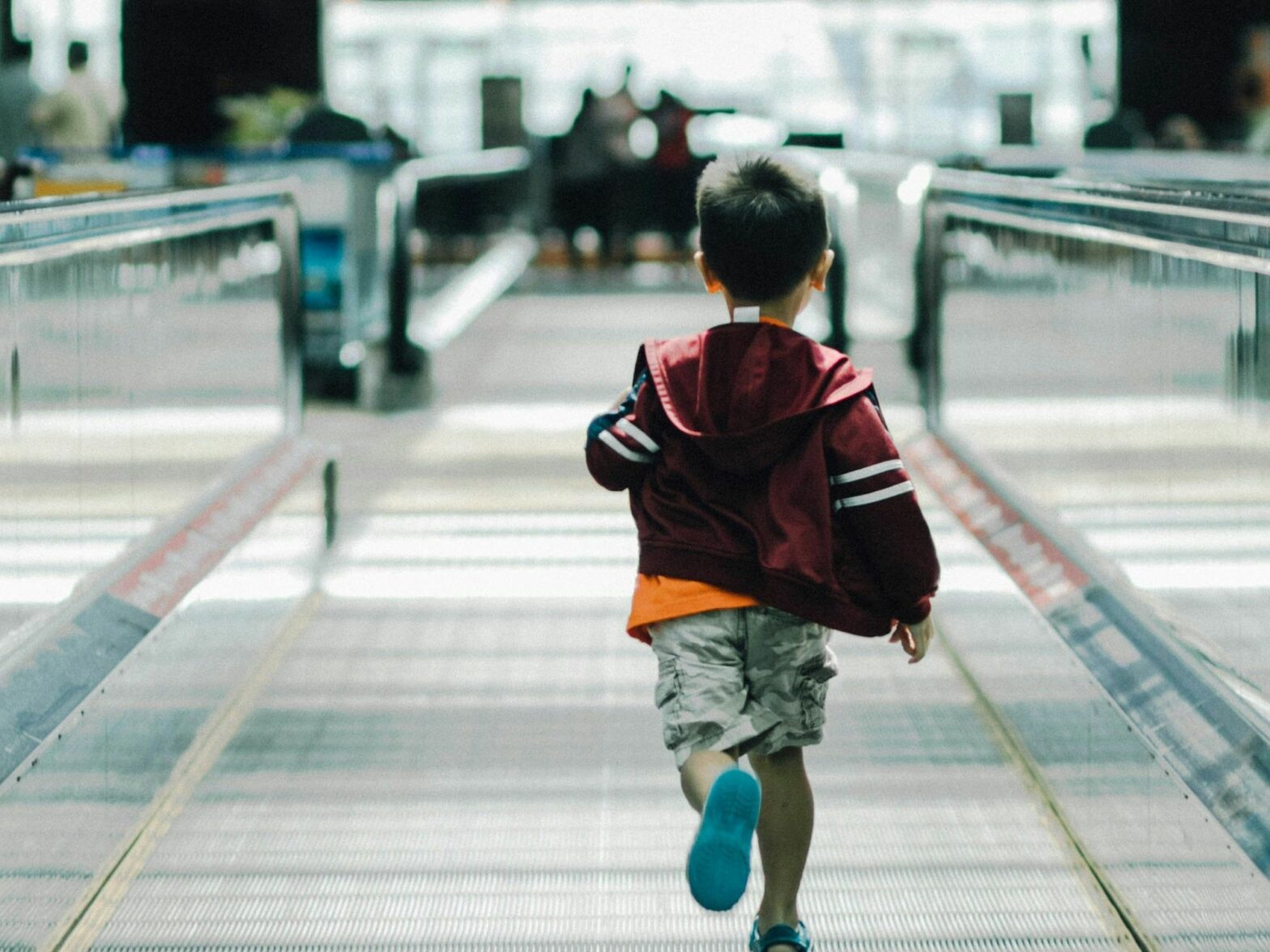
Taking an international trip with small children can be a source of stress, but that shouldn’t overshadow the larger life lessons of such an adventure.
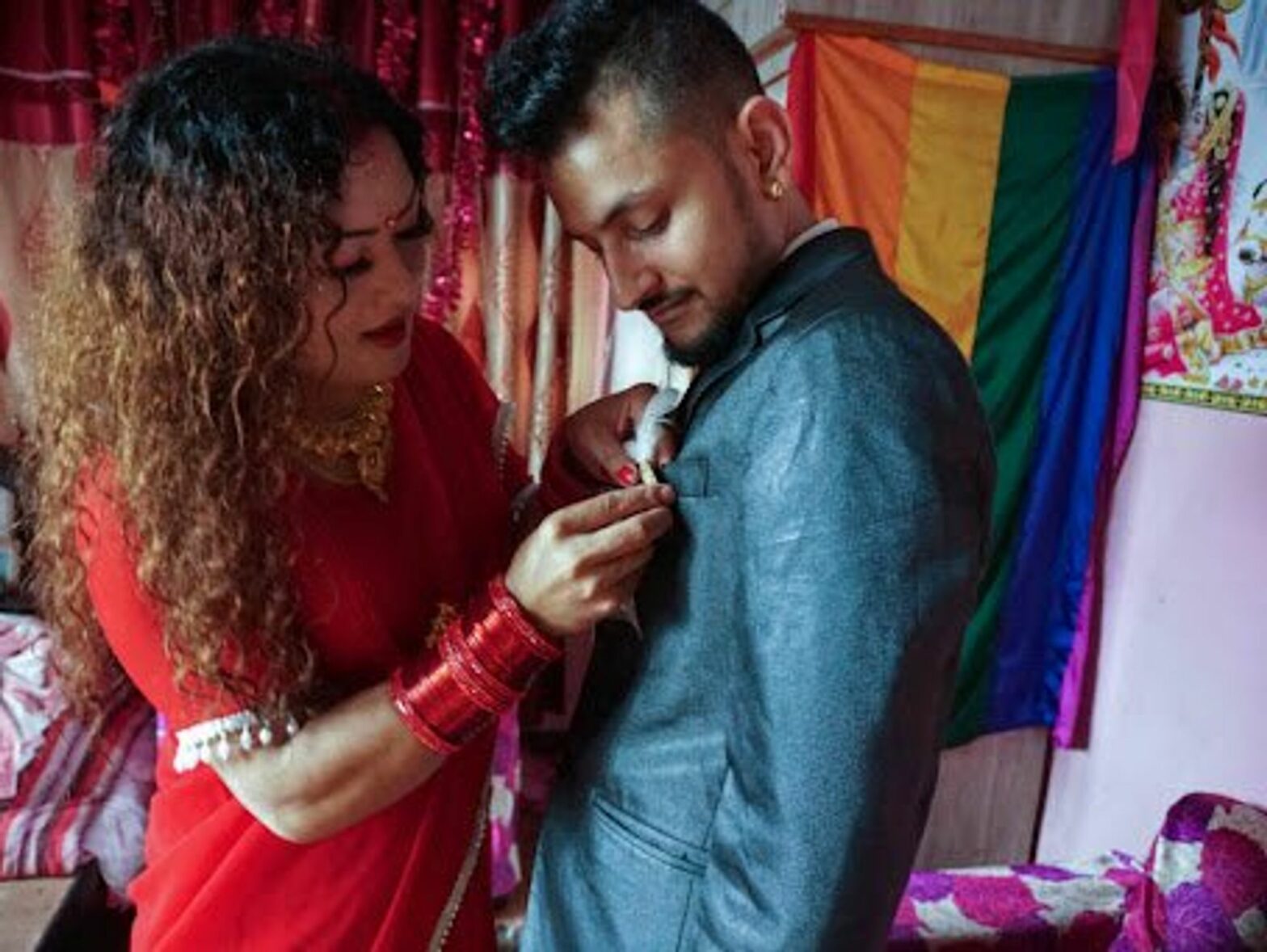
The country long seen as a beacon for LGBTQ+ rights in South Asia still has no law recognizing same-sex marriage. Here’s how two couples broke through the bureaucracy — and why hundreds of others still wait to say “I do.”

Long hidden and even seen as shameful, menopause is finally making its way into the public sphere in France, and elsewhere. Celebrities, journalists and sociologists are now talking about it openly, and brands are offering solutions to help reimagine what this physical and psychological change means to some women.

A recent spike in gang violence in Rosario in central Argentina is prompting comparisons to the old breeding ground of Colombian drug lord Pablo Escobar. But where would organized crime be, without the quiet connivance of a host of social and political actors?

Their creations have been worn by international celebrities, such as Beyoncé and Zendaya. Their techniques have been used by major fashion houses, including Dior, Chanel and Balenciaga. With Indian designers Gaurav Gupta and Rahul Mishra making their mark on red carpets and runways around the world, Les Echos reports on the country’s rising luxury fashion industry.

Following the announcement of Colombia’s first rare earths mining project, Climate Tracker reports on the incomplete licenses, unreal expectations, bad relationships with indigenous populations and suspicion of planted minerals that surround the venture, which seeks to extract minerals critical for the energy transition.
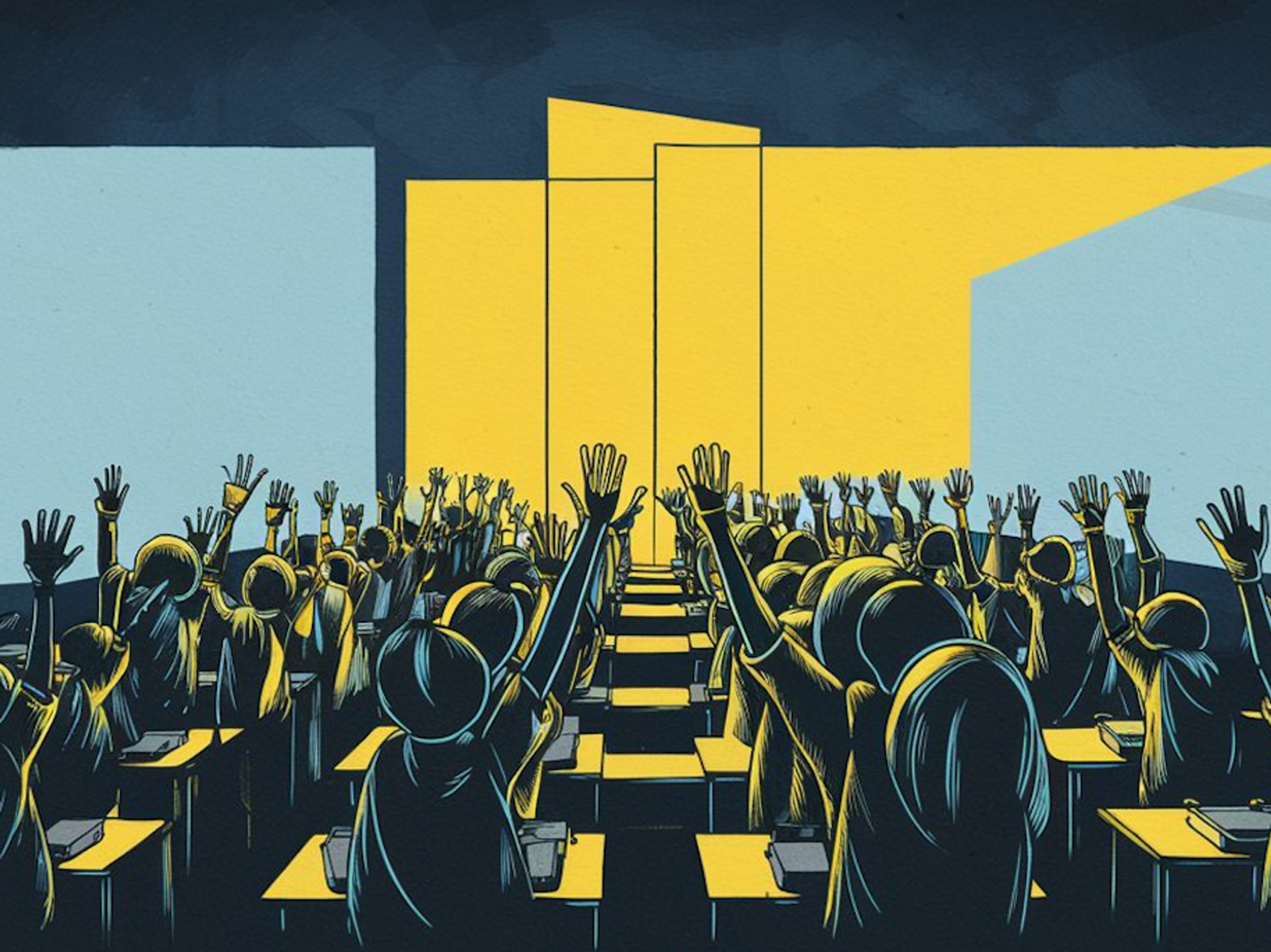
Sweden recently announced that the country’s schools will remove digital technology from classrooms because of poor student performance. Some ask how useful is digital learning. But it also poses the question: is “digital de-escalation” even possible?
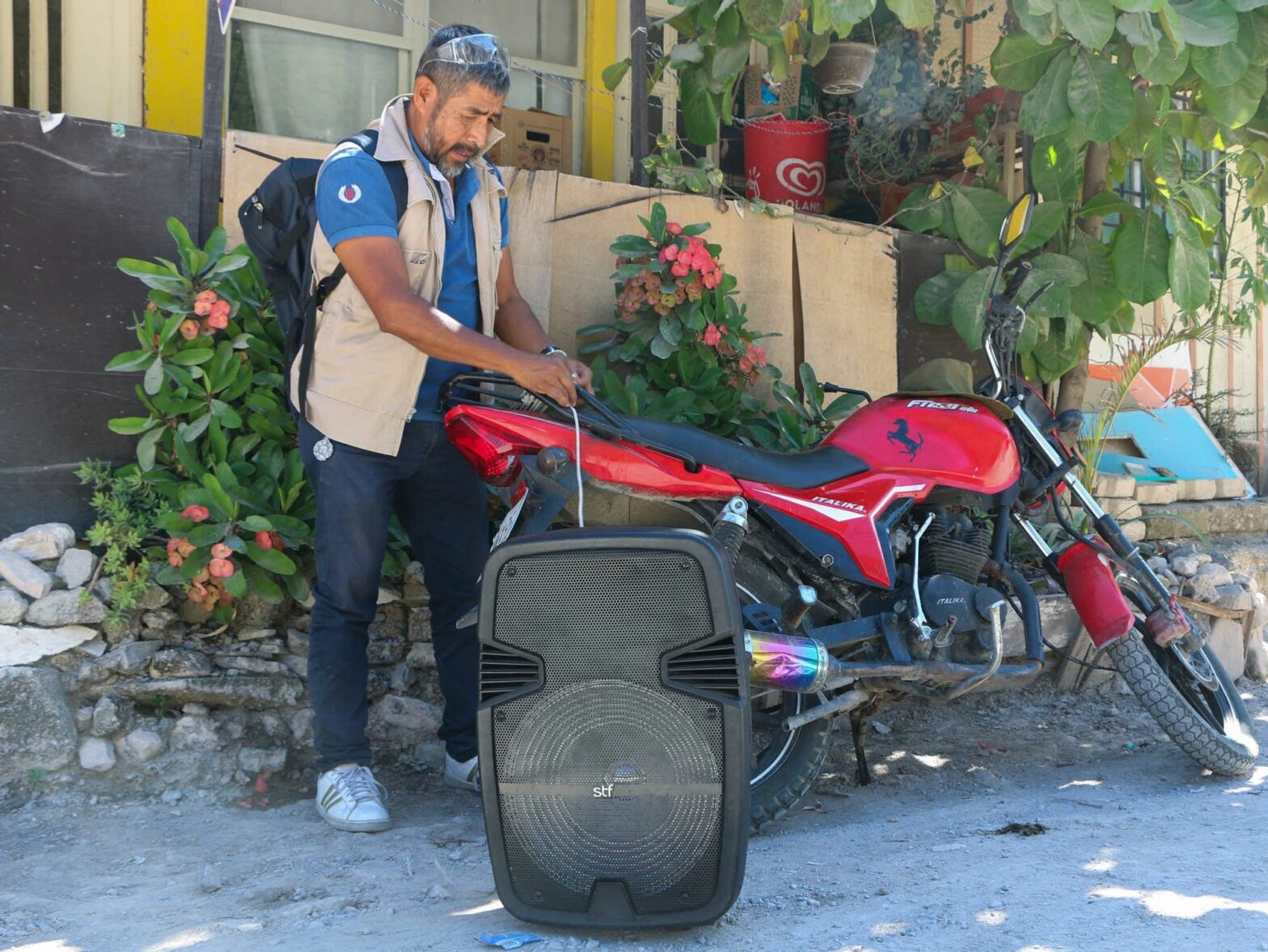
In Chilpancingo de los Bravo, 14.5% of the population lags in their education. David Teliz Martínez hops on his motorcycle with a microphone and speaker to lure them back to the classroom.

The late Nobel Prize-winning Colombian author’s sons have published his draft novel Until August against his will. Yet no work of art is ever really finished. And excerpts and fragments are suited to our anxious times.
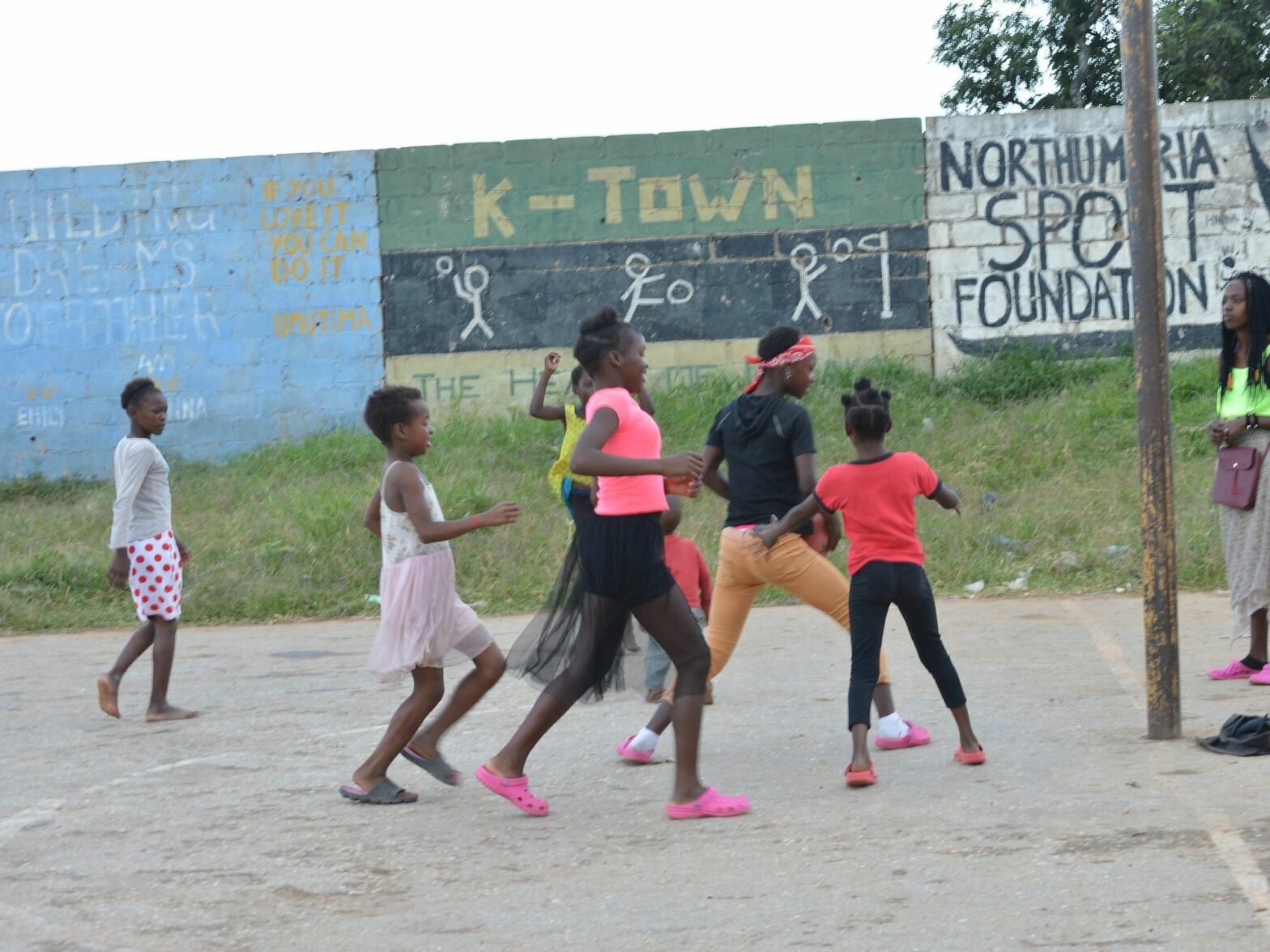
Despite legal prohibitions, several African countries continue to suffer high rates of child marriage. Now, tribal leaders are teaming up with civil society, taking as many routes as necessary to find solutions.

A kind of remote working already existed across the European countryside in the early 14th century. Daniele Rizzi considers what the pre-industrial putting-out system can teach both modern workers and modern bosses.

Despite the lack of tangible evidence that the Chinese-owned social media platform poses a security risk, the recent vote at the House of Representatives in favor of banning TikTok from the U.S. shows that none of this matters, when it’s China we’re talking about.

On paper, the river-rich Karnali province is perfect for hydropower. In reality, the disaster-prone and far-flung region struggles to turn on the lights.

Something is awry with daylight savings time. Can research and policy changes help us reset the clocks?
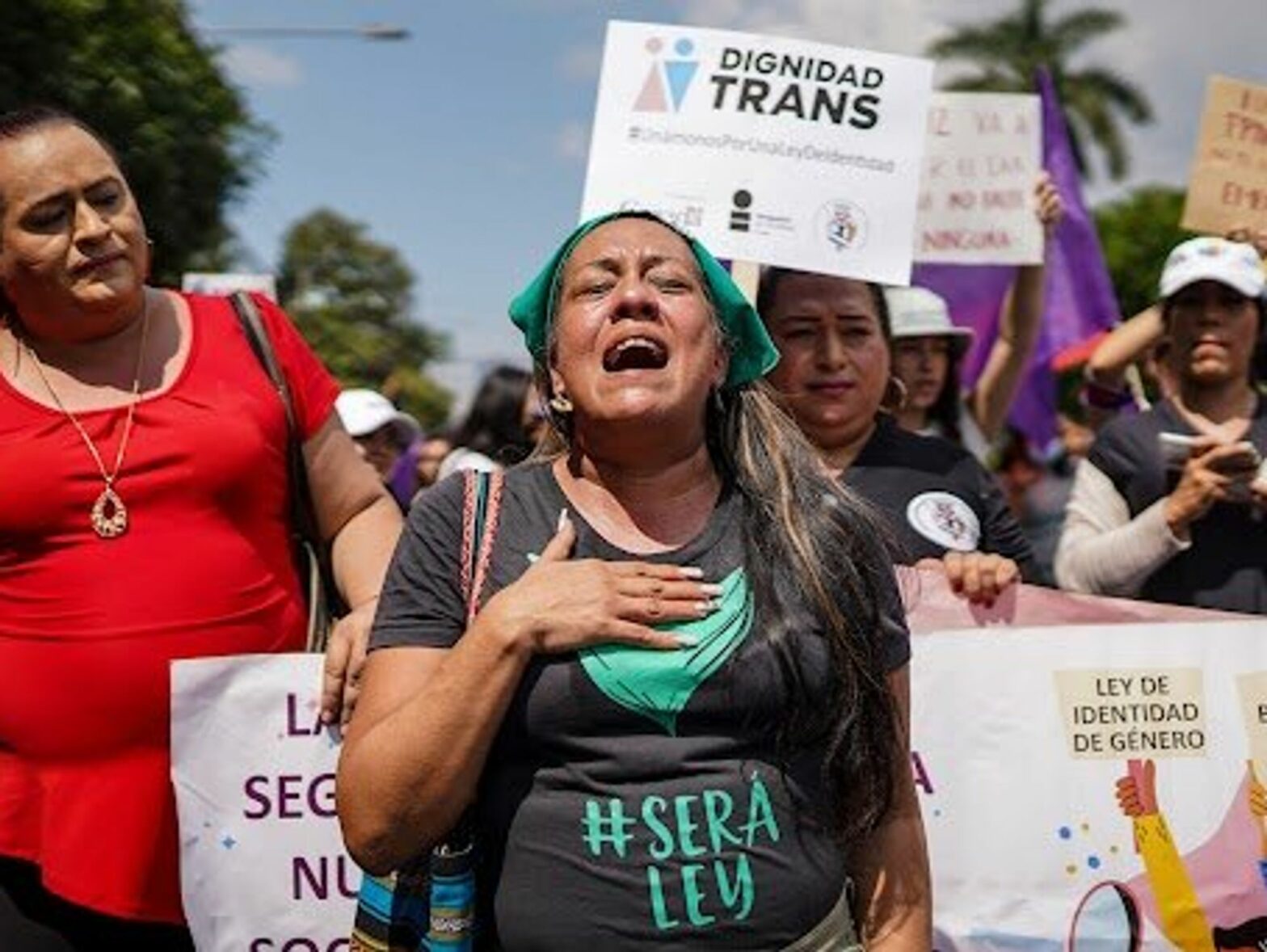
Although the last Salvadorian woman imprisoned on charges linked to abortion was released in December, 11 similar cases are currently pending in the country. Human rights activists acknowledge the progress made, and the work that remains to be done to overturn strict anti-abortion laws.
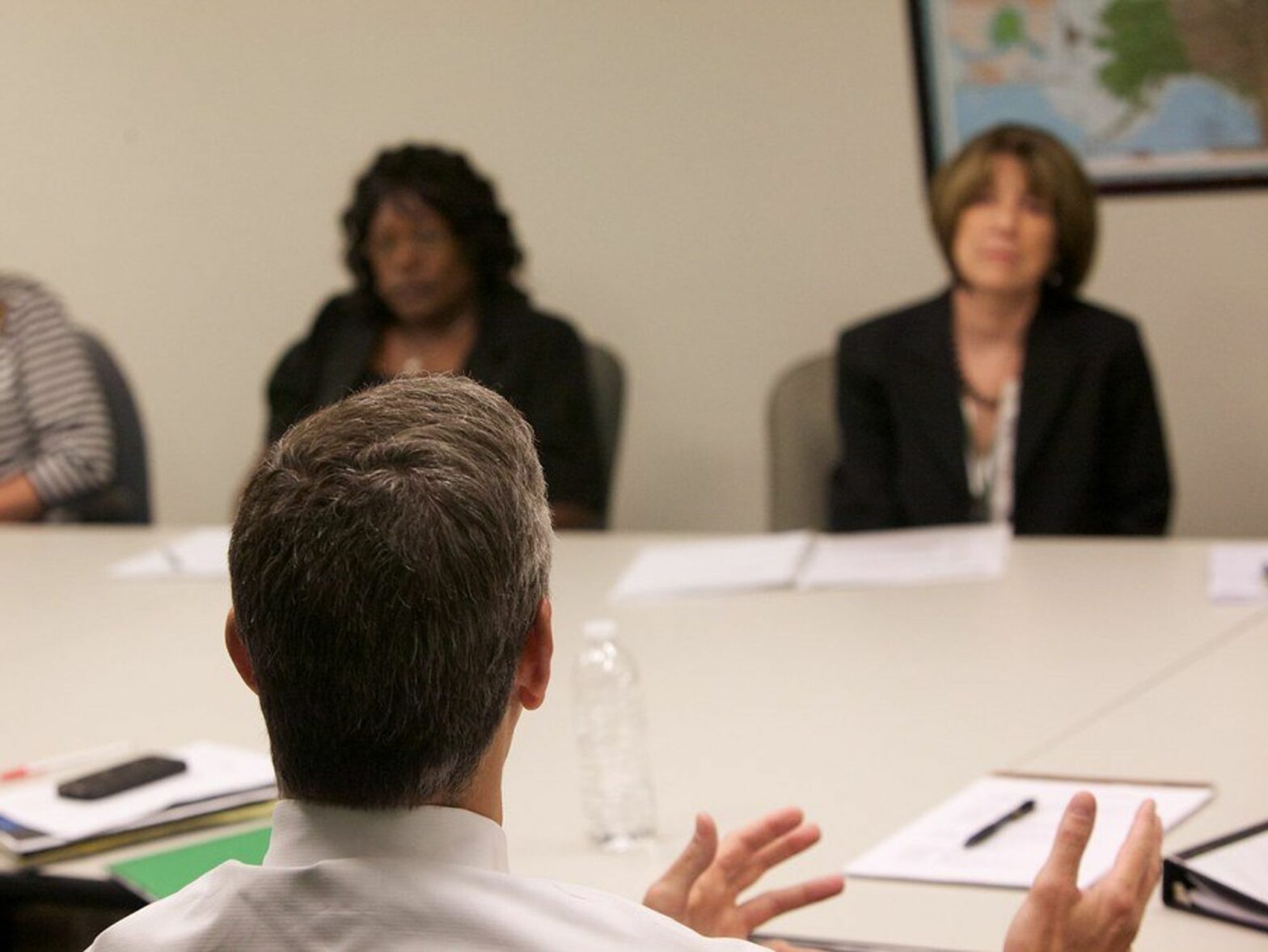
A new study published by LinkedIn Actualités in France, shows a notable gender difference in how companies decide who gets to work from hom. What factors explain this gap? They may (or may not) surprise you.
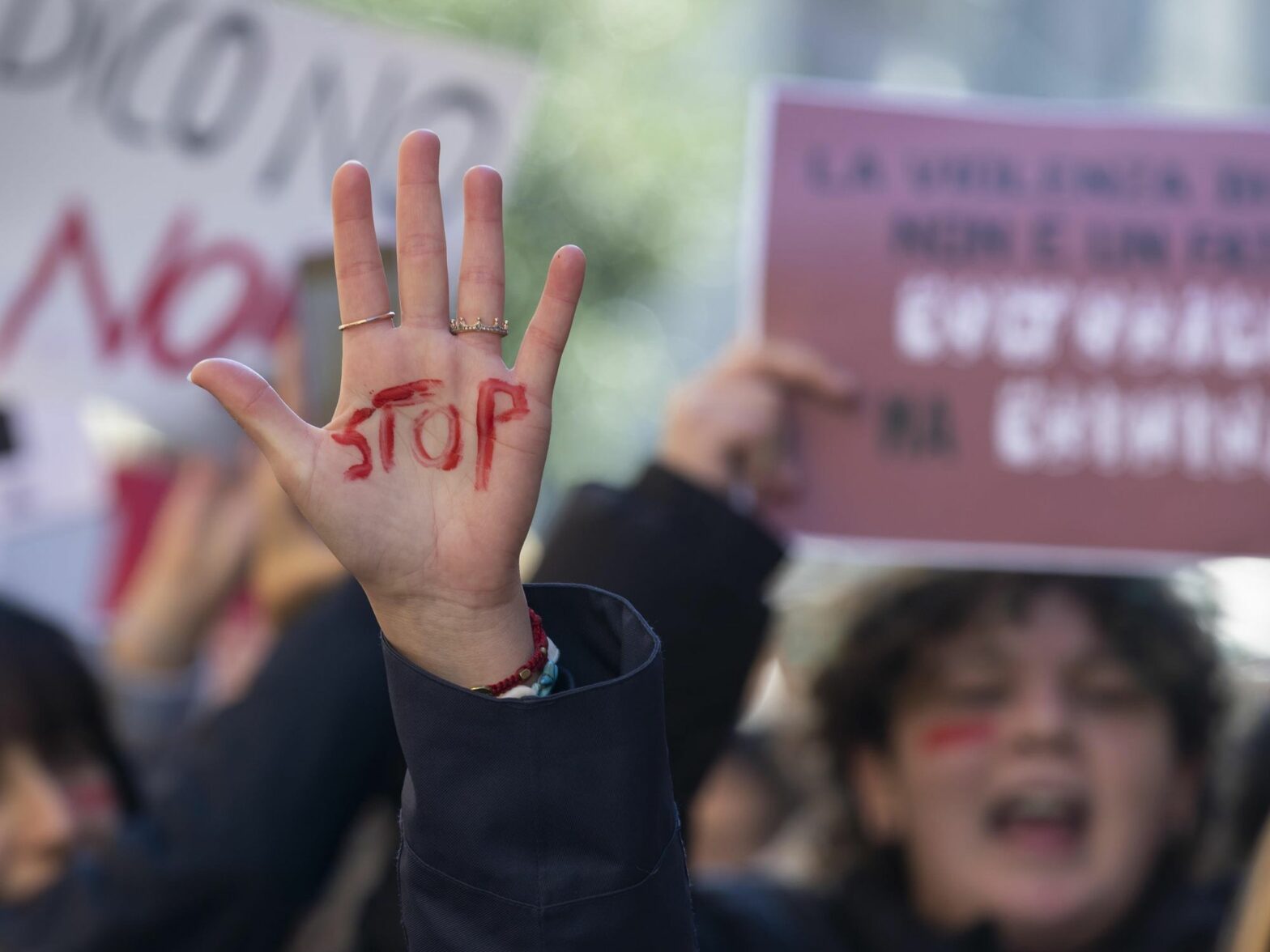
International Women’s Day this year shines a light on the reality that the plague of violence against women is not only physical, but also comes in the form of economical subjugation. One Italian woman shares her struggle.
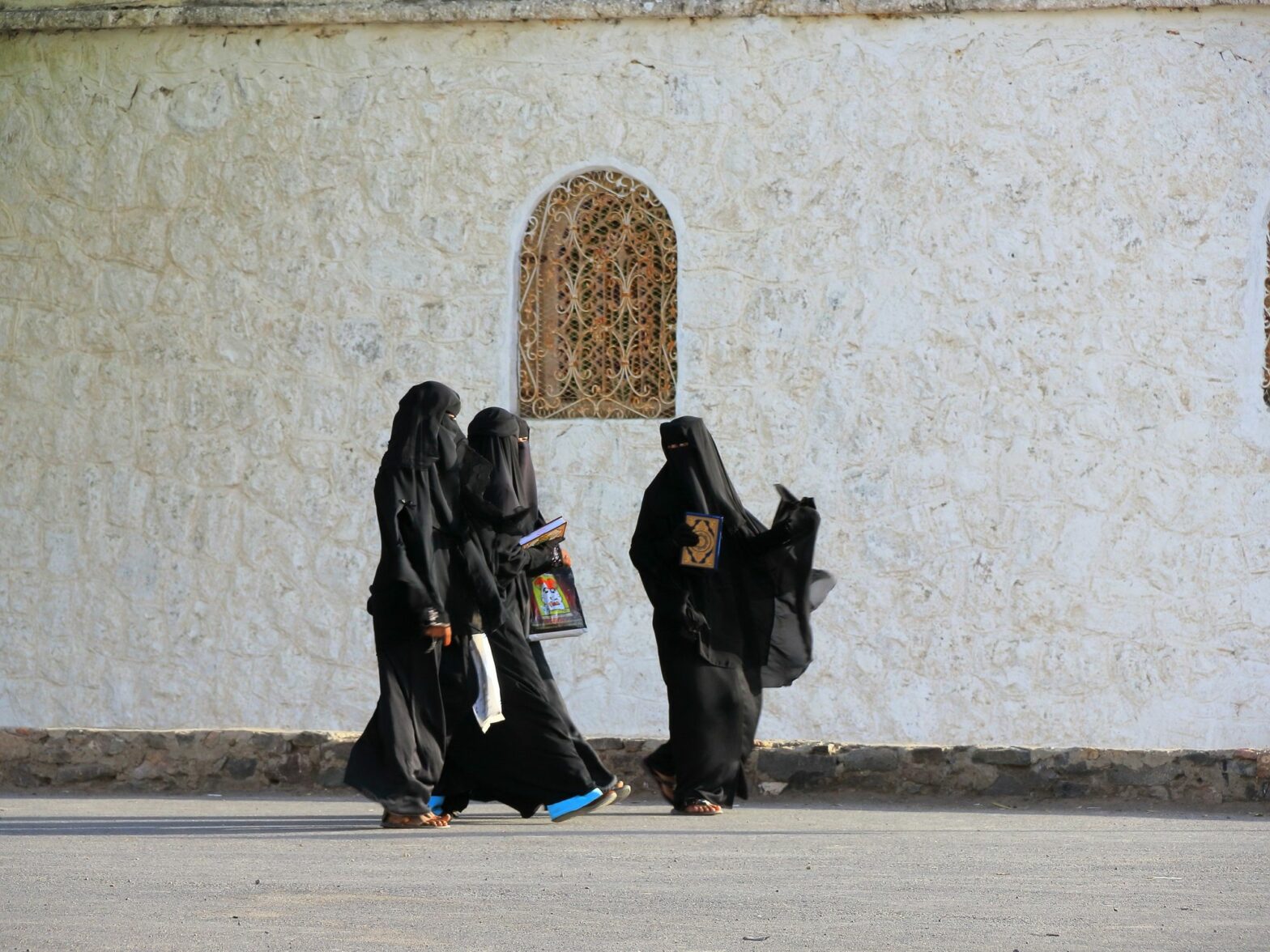
Using the methods of the Islamic regime in Tehran, the Yemeni fundamentalist insurgents have imposed repressive laws to control women’s movement and behavior.

Oscar-nominated ‘The Zone of Interest, tells the’ story of the Auschwitz commander in surprising ways, but fails to address the true inhumanity of Nazism, says Die Welt’s film critic.

Lawyer Marco Rogert is taking vaccine manufacturers to court, suing them for damages on behalf of thousands of clients. On the surface this is about compensation. But dig a little deeper and you discover failings by the authorities, an alleged conspiracy – and lawyers raking in millions in fees.

The nomination of three non-English films at this year’s Academy Awards reflects demographic changes in the movie industry and within the Oscars’ institutions themselves.
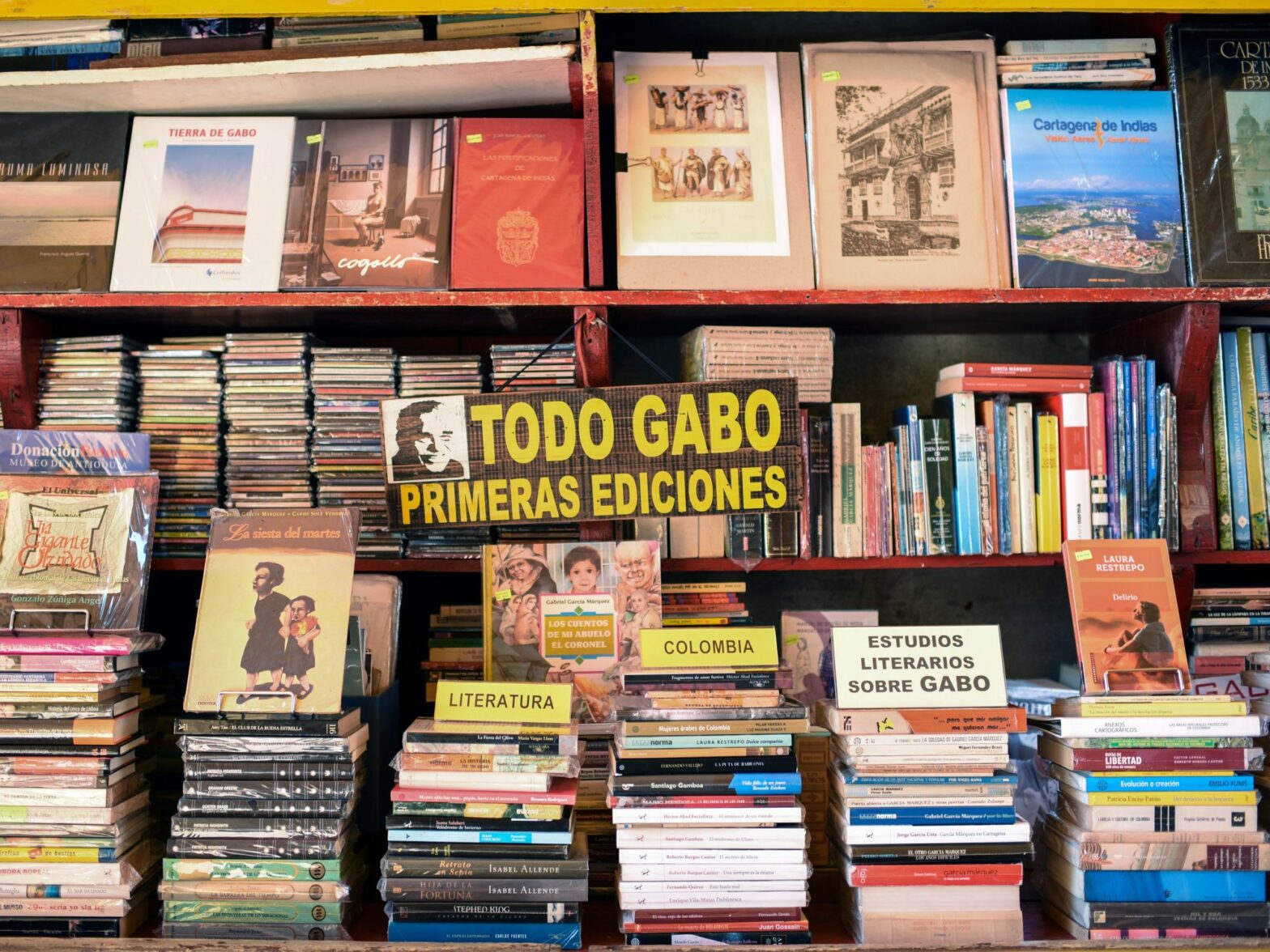
The release of “En agosto nos vemos” as a posthumous novel by Gabriel García Márquez would have horrified Colombia’s Nobel laureate, who had described it as useless and wanted it to be “destroyed.”
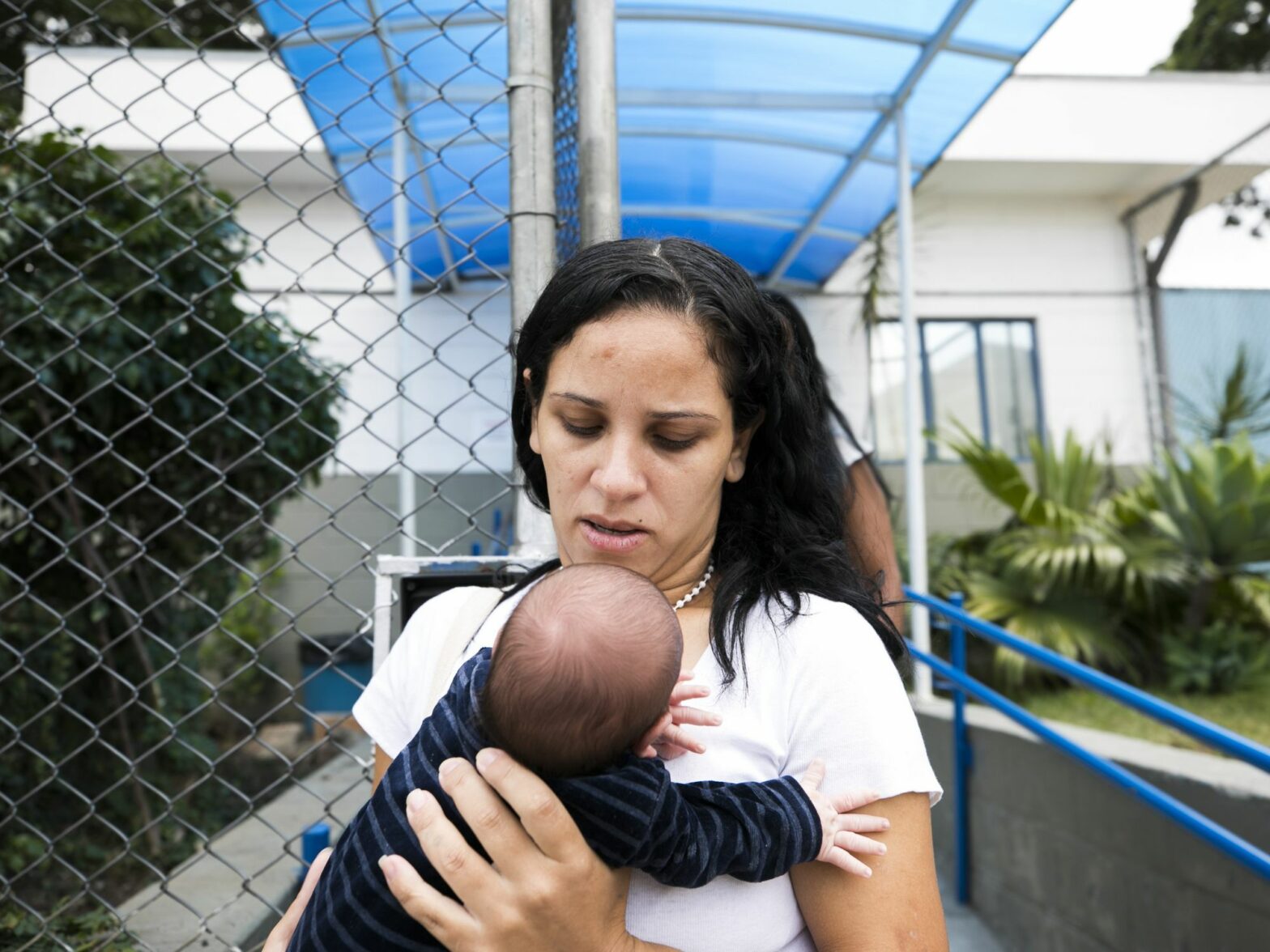
Children and teenagers whose parents are in prison report depression, anxiety and a drop in school performance. New laws meant to protect them are not properly applied.

Breakdancing will make its debut as an Olympic sport at this summer’s Paris Games. Les Echos meets with French dancers of various styles and from different generations, all passionate about this hip-hop dance form.
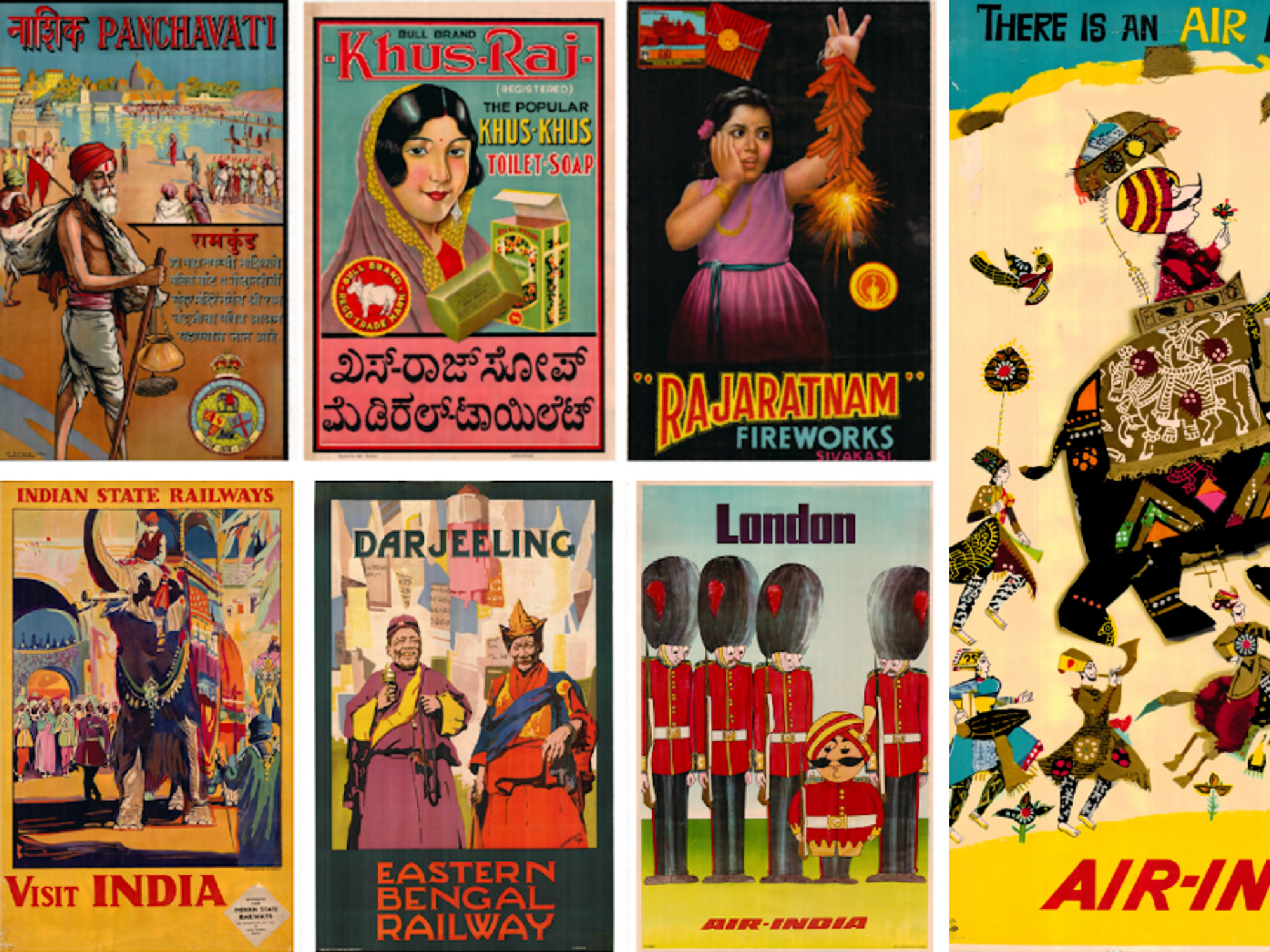
An exhibition of Indian commercial posters from the 1920s to the 1960s at Le Méridien in New Delhi offers a “time capsule” into the rapidly evolving society of that time.

Child psychiatrist Joseph Knobel Freud, a Barcelona-based descendent of Sigmund Freud, says modern parents are far too loose.

Many international authors are available in other languages only after they are translated for the U.S. market. While this allows for wider circulation of work, it still determines the fate of many foreign authors, while sometimes losing their idiosyncrasies. Some publishing houses in Europe are trying a different approach. Will they be able to emancipate Europe from U.S. literary hegemony?

The phenomenon of retranslation is both paradoxical and inherent in every culture but it’s also a true source of vitality for literature, as well as pleasure for the readers.

France is now officially part of the global “no sex” trend, notes French philosopher Gaspard Koenig, who sees a troubling connection between a rising neo-Puritanism and fears of World War III.

An Argentine writer in Sweden was shocked to see pets as quiet and orderly as people there, quite in contrast with pet owners at home. Did that say all there is to say about the contrasting states of two countries?

In countries and communities where sexuality is often kept under wraps, more and more women are taking up their microphones, pens and keyboards to talk about intimate issues without filters.

“Meatfluencers” are telling their followers to eat a carnivorous diet — ideally including raw liver and animal testicles — to cure so-called “diseases of civilization.” Yet even the Roman legionaries and German soldiers they hold up as examples of masculinity might have had something to say about that.
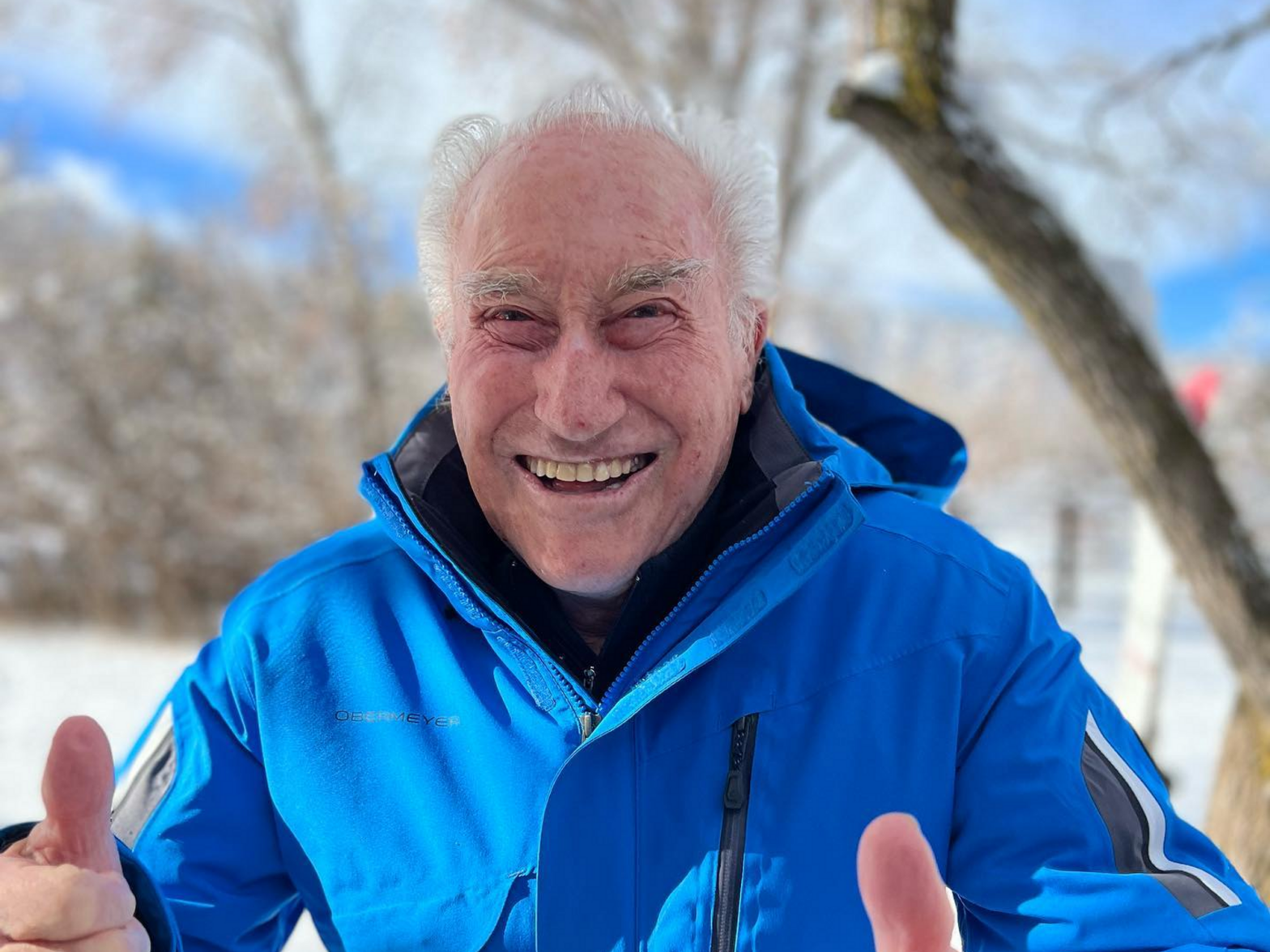
Aspen, a former mining town in Colorado, is arguably the most fashionable winter sport destination in the U.S. That is largely thanks to one man: Klaus Obermeyer, originally from southern Germany, the inventor of the down jacket and one of the best-known pioneers of the skiing world. He is now 104 years old – and still on the slopes, where German daily Die Welt reached him.
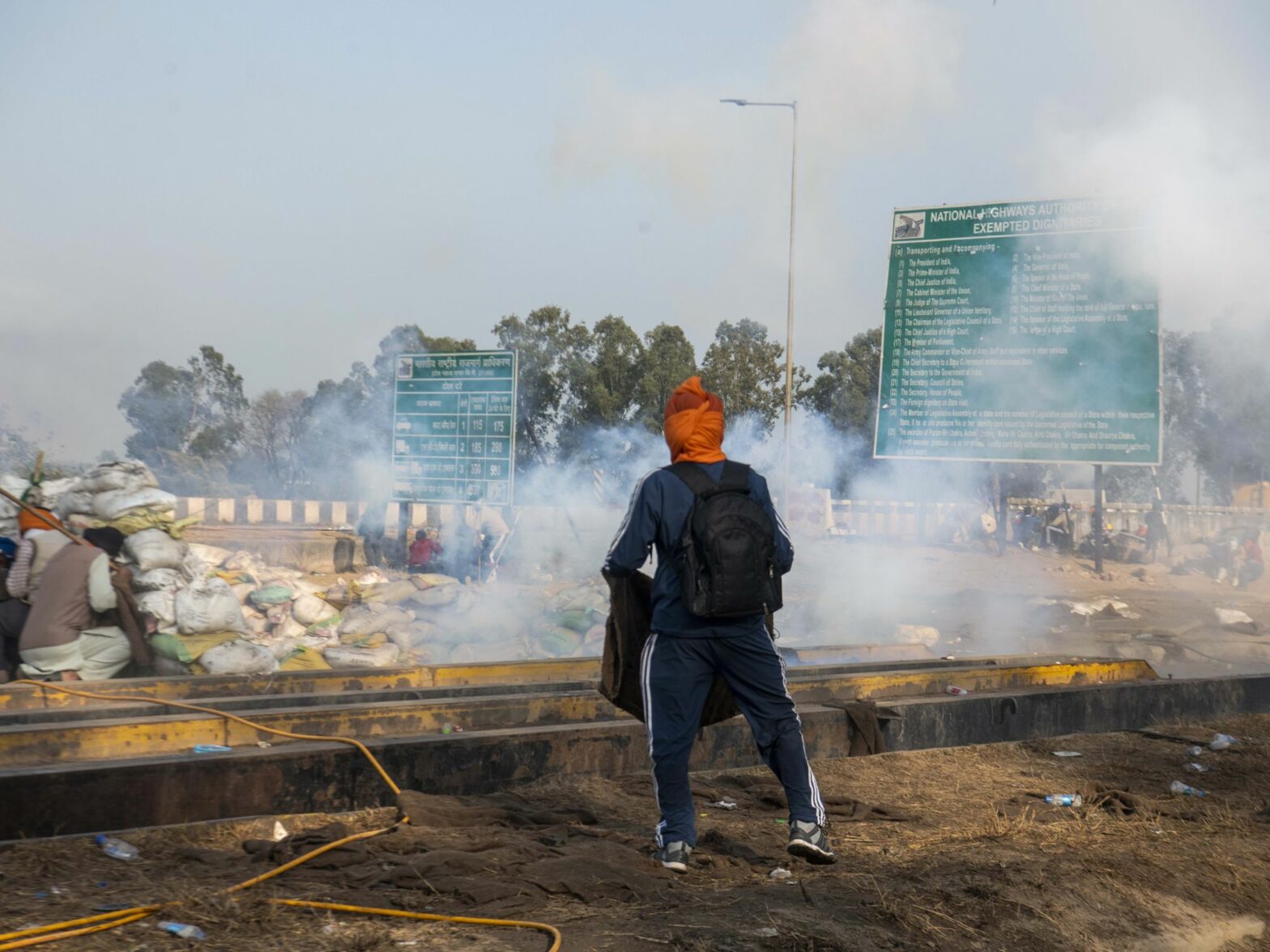
While men take center stage in the fresh round of Indian farmers’ protests, the difficulties experienced by female agriculture workers are still largely overlooked.

The Italian Ministry of Transport promoted a commercial to raise awareness about the dangers of texting and driving, and all is good except for the part where it forgot rule number one of road safety.
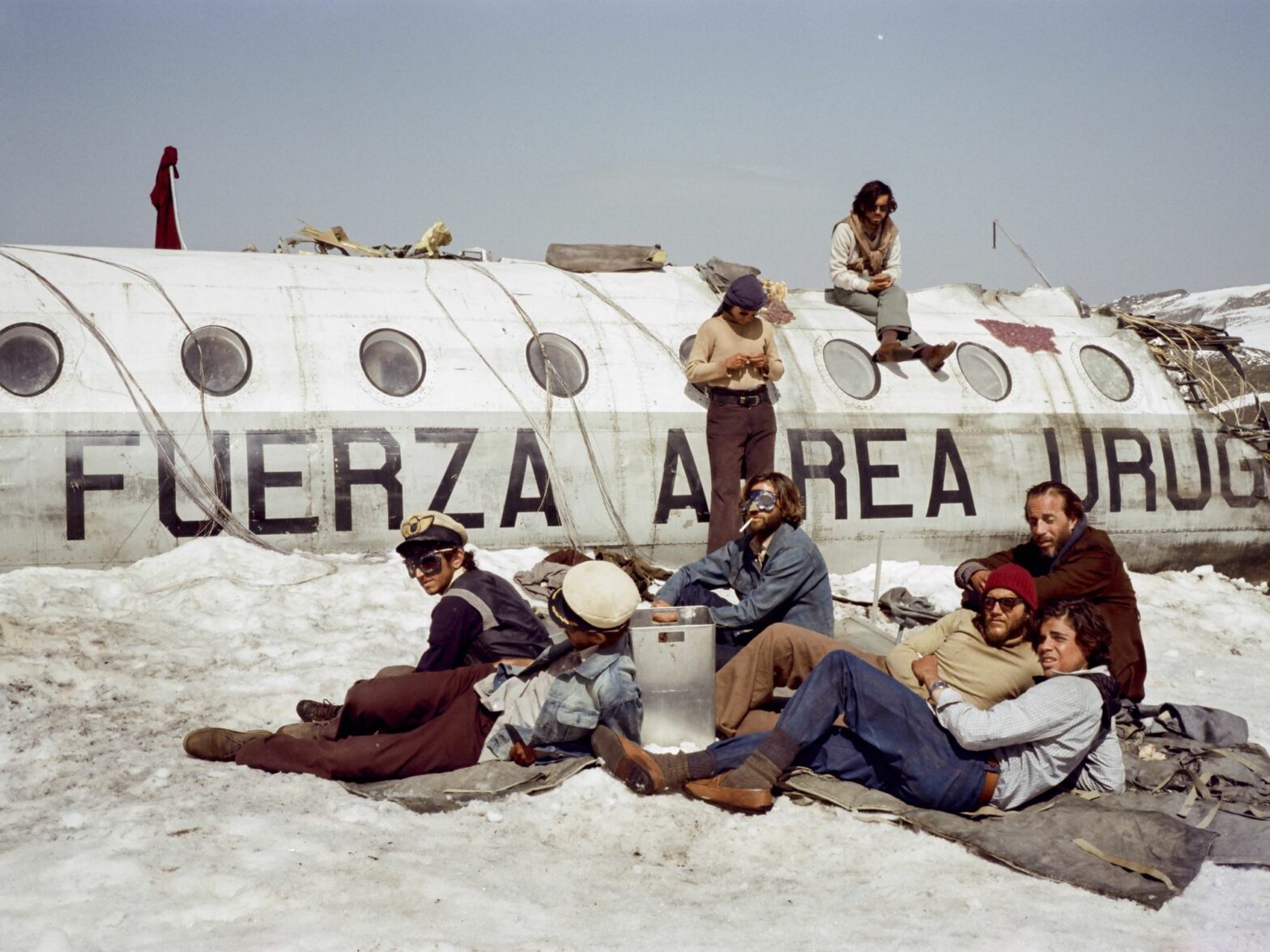
Based on a true story, Society of the Snow, offers an example of a well-managed community in the face of extreme hardship. The film, which is nominated for Best International Feature Film at this year’s Oscars, highlights that morality and friendship are necessary to survive.

Women are used to getting advice about how they’re dressed, their unattended glass — and their route to get back home on Saturday night. This is what rape culture looks like. “Text me when you get home” is part of the silent sisterhood pact that we cherish, but also wish we didn’t need.

The visiting American writer pieces together how the French culture of comics (bandes dessinées) mixes with their deepening love of Japanese anime’.
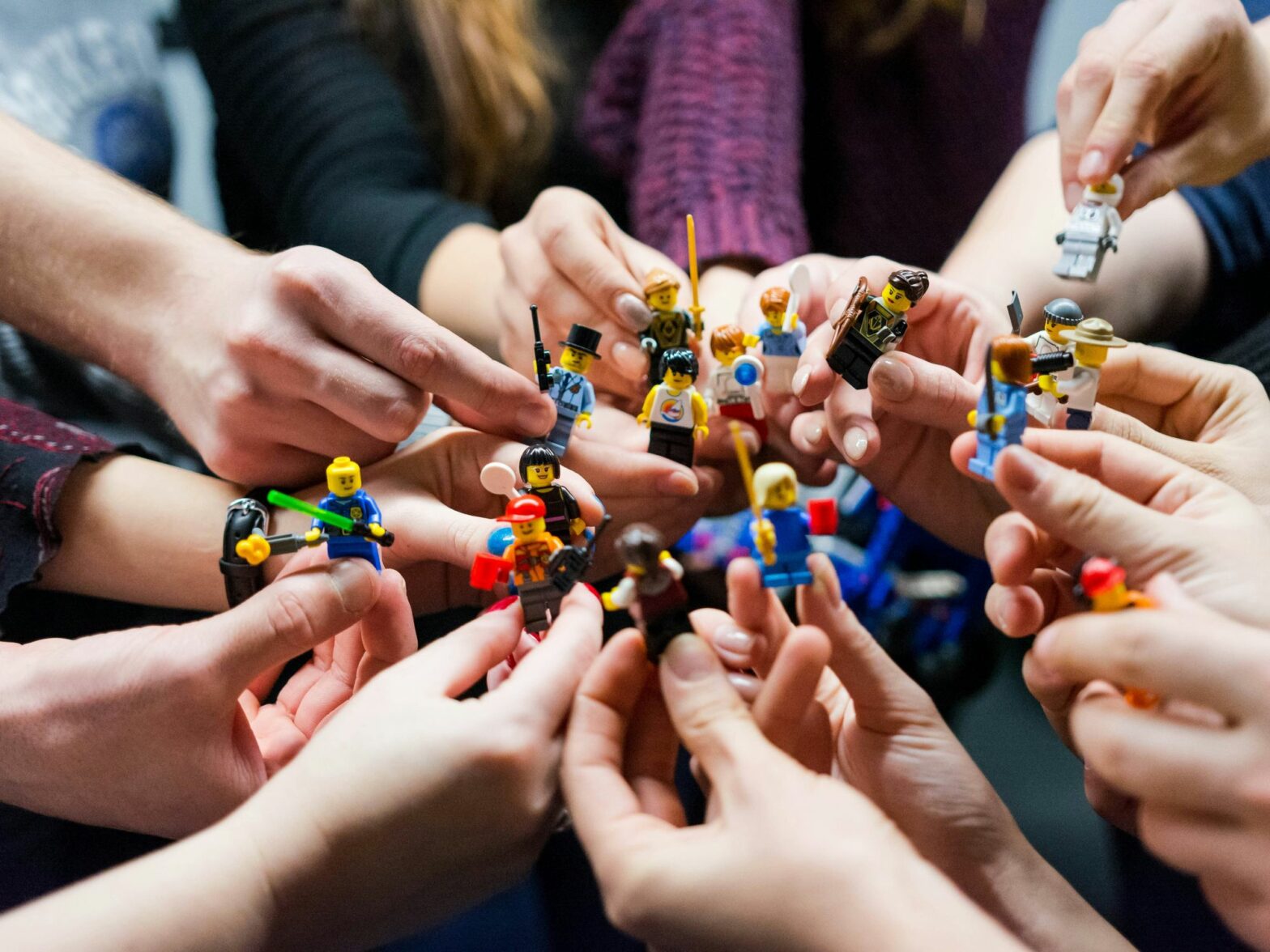
The surge in toy sales sparked by the COVID-19 pandemic has tailed off, and the industry is now in a serious crisis. LEGO, Mattel and others see a potential lifeline in a new target: adults who play. The “escape into the inner child” could become a market worth billions.