
-OpEd-
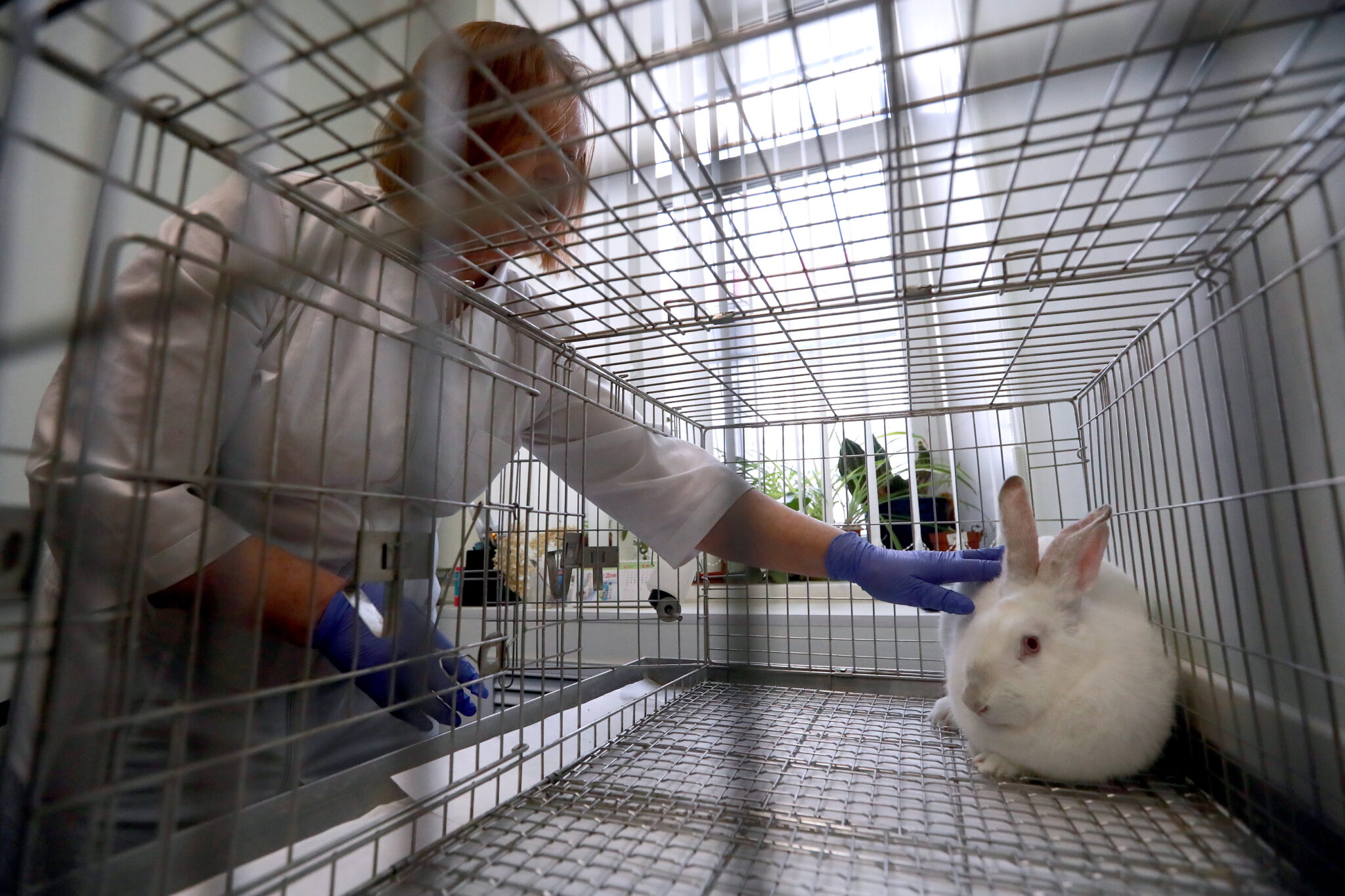
BERLIN — When it comes to human health, the need for animal testing seems obvious: new drugs have to be tested. But when it comes to basic research, many people view things differently: Why should animals be subjected to stress if there is no immediate practical use on the horizon?
This common question misses the point of basic research. The goal is not immediate application but rather understanding the fundamental principles and mechanisms that underlie behavior, health or disease. Without those insights, there would be no foundation for applied research: no vaccines, no pain treatment, no cancer therapies, and no chance of future breakthroughs.
A good example is the brain: It is one of the most complex organs, made up of around 86 billion nerve cells and an immense number of connections between them, the synapses. But there are also other cell types, like glial cells, which have become a growing focus of research.
For several years now, we have known that glial cells are involved in brain development, information processing, aging and a number of neurological diseases. That makes them potential targets for new therapies. Without direct research, their role might never have come to light. And in many other areas of brain science, we have only just scratched the surface.
An essential tool
“What I cannot create, I do not understand,” physicist Richard Feynman once said. That quote sums up a central challenge in brain research: We still lack a complete understanding of many core issues, such as the origins of consciousness, the effects of stress and trauma, or the exact workings of decision making. These are questions we still cannot answer with computer simulations or lab-grown cells alone.
Methods that leave out animal testing also run up against their limits when it comes to studying illnesses like Parkinson’s, Alzheimer’s, multiple sclerosis or depression. To grasp how genes, neural circuits, neurotransmitters and behavior interact, we still need living, behaving organisms.
Animal testing is, for now, an essential part of the toolkit in brain research. In fact, it is only thanks to animal studies that we have been able to develop new, non-animal models such as organoids or computer-based simulations in the first place. But these promising alternatives still depend on a deep understanding of biological systems — and in many areas, we are not there yet.
No simple answer
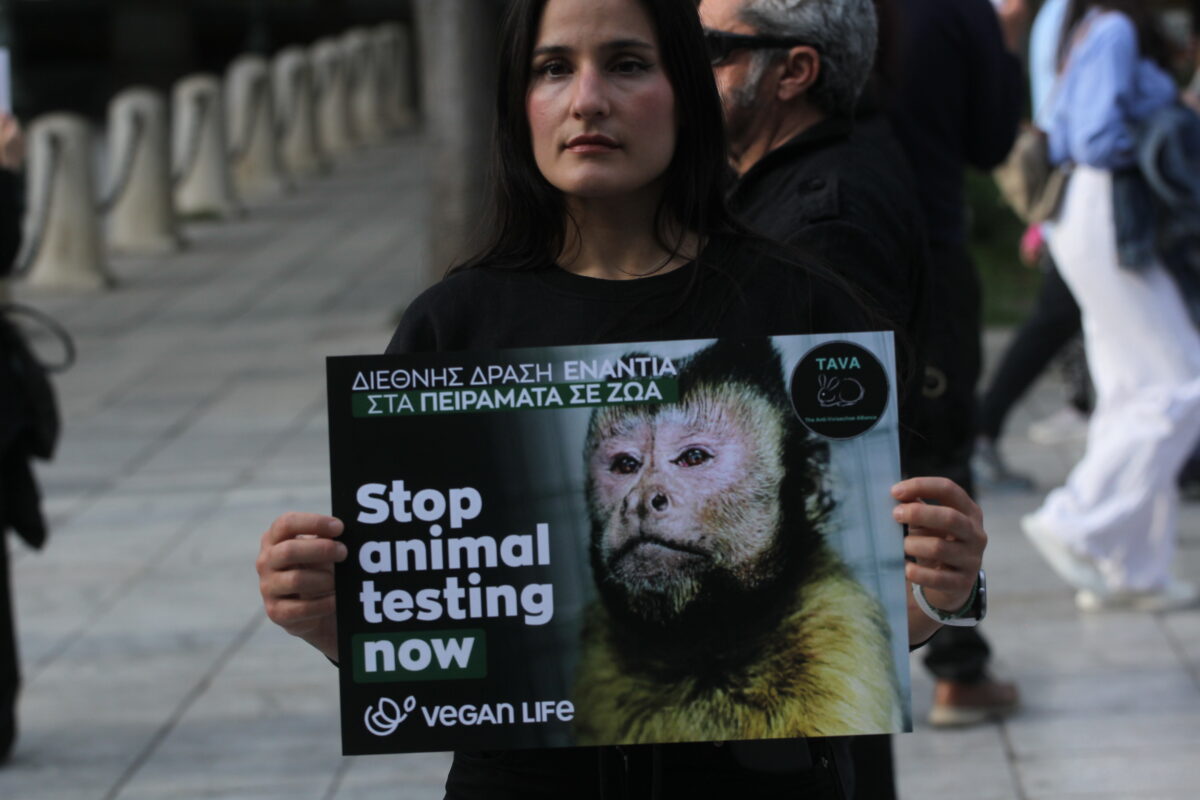
In Europe, animal testing is subject to strict ethical and legal standards. Every experiment has to go through several levels of review. Researchers must demonstrate scientific value, and they are required to reduce animal suffering as much as possible. If an alternative to animal testing exists, it must be used. Still, the ethical question remains: Can we justify using animals to gain scientific knowledge?
Would we be willing to forgo scientific and medical knowledge?
There is no simple answer. This is a broader societal issue that also touches on how we treat animals used for food, clothing, or medicine. We also have to consider the implications of an outright ban on animal testing: Would we be willing to forgo scientific and medical knowledge coming from countries where it remains legal?
Banning animal testing in research would seriously undermine scientific and medical progress. What we need is a public conversation that is grounded in facts, guided by responsibility, and open to scrutiny. Science must take a more active role in this debate. But the public and policymakers cannot afford to ignore that animal testing is still essential.