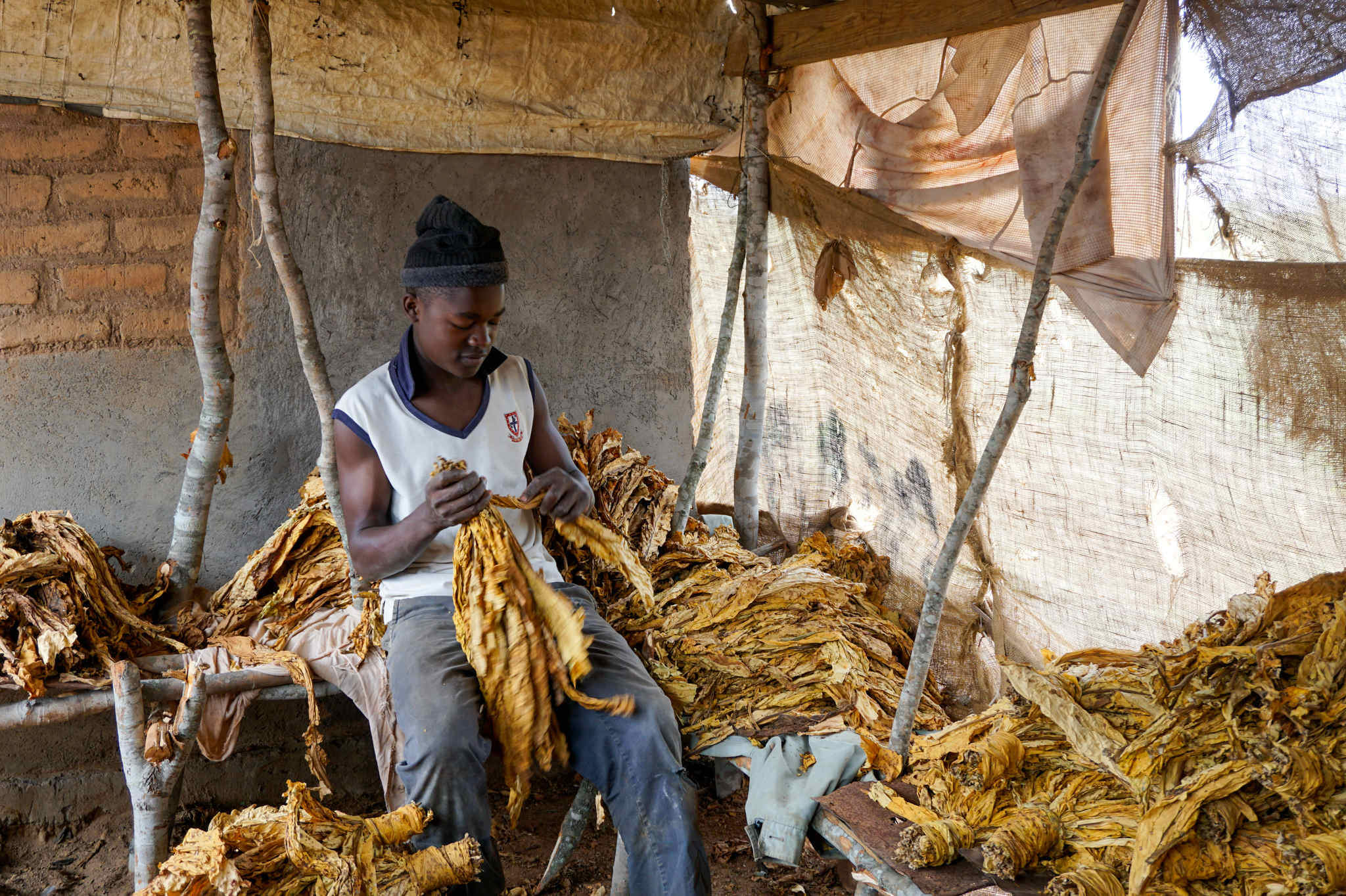
Land reforms gave Zimbabweans farms — but contract tobacco deals have handed power to private companies.
 Worldcrunch
Stay updated with comprehensive news on Zimbabwe from Worldcrunch. Discover insights on Zimbabwean politics, economic strategies, societal issues, and cultural landmarks with translations from top international sources. Highlights include Harare, Zimbabwean history, and cultural events.
Land reforms gave Zimbabweans farms — but contract tobacco deals have handed power to private companies.

From elephant ivory crucifixes to rhino horn handles for Muslim ceremonial daggers, sacred wildlife products fuel an overlooked driver of the illegal trade. This unbridled demand is pushing some species toward extinction, forcing faith leaders to reconcile devotion with biodiversity conservation.
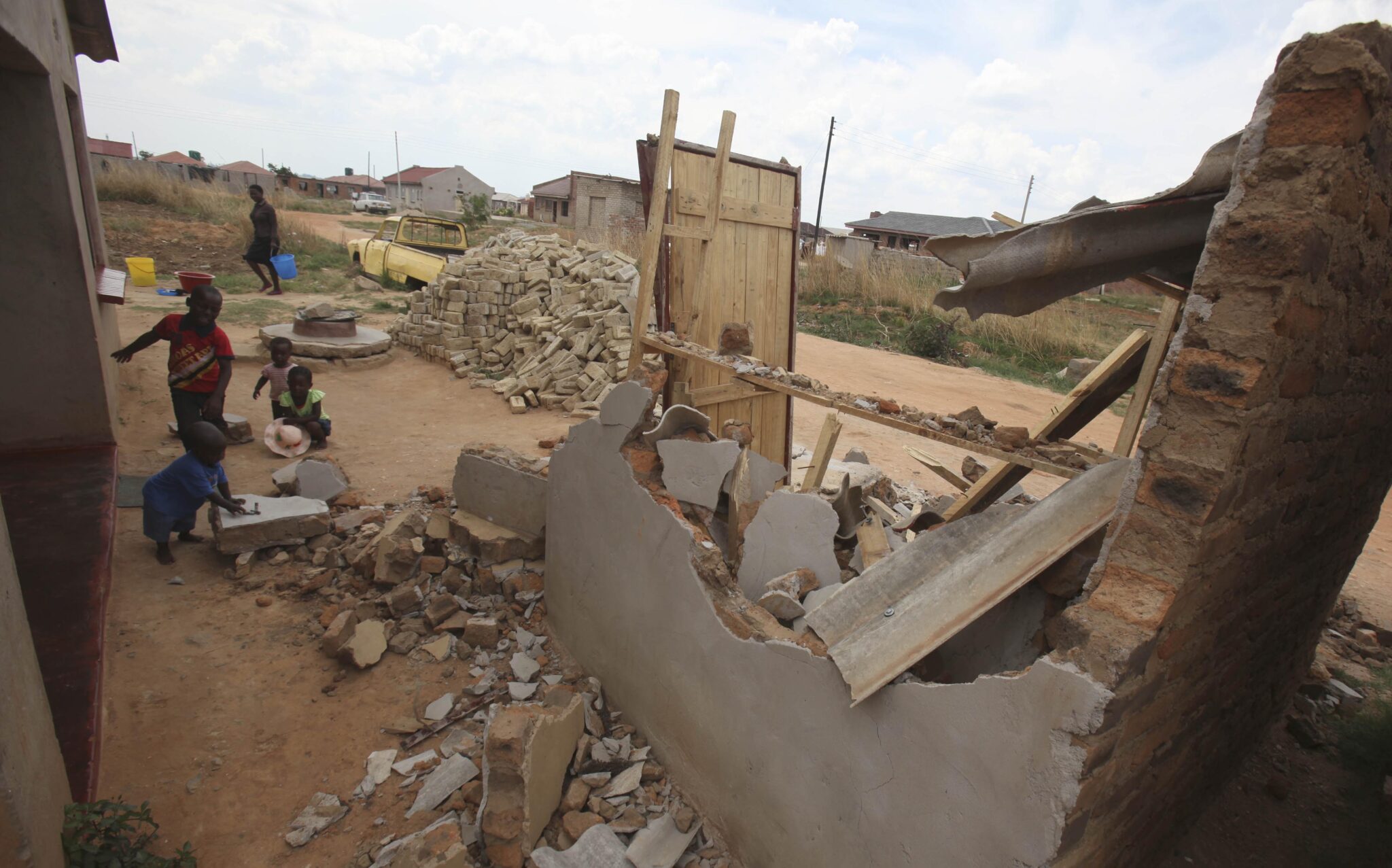
With Chinese bank loans overdue, Harare charges residents for major upgrades that were never completed.

Neither conflict nor harmony, the concept of “coexistence between humans and wildlife has been a meaningful goal. But in reality, it is being misused or superficially invoked to the benefit of neither person or animal.
As Zimbabwe prepares to host a global wetlands summit, its own wetlands are disappearing at an alarming rate.
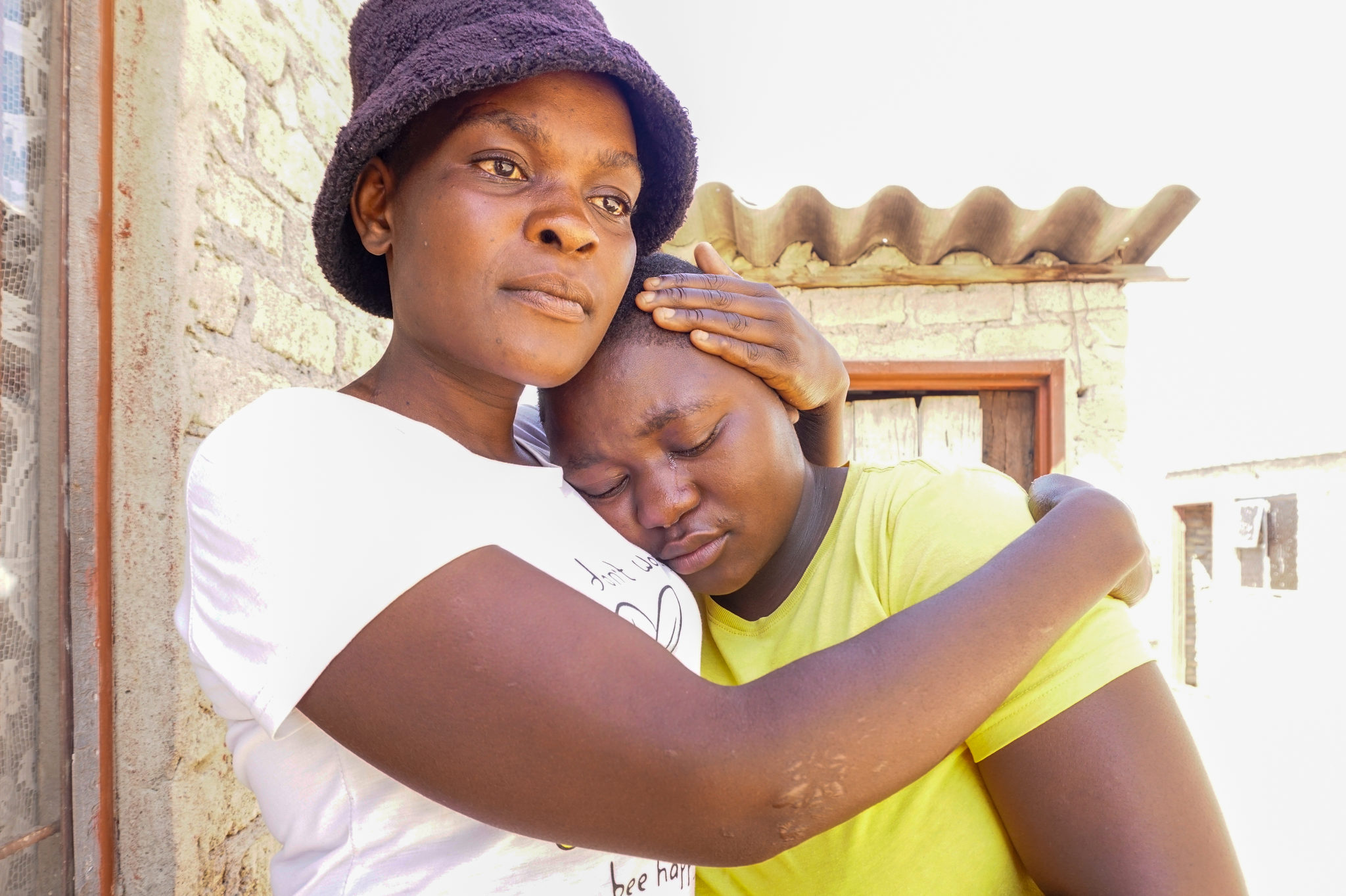
A shortage of pathologists and a culture of corruption have made mortuaries sites of extortion and grief.
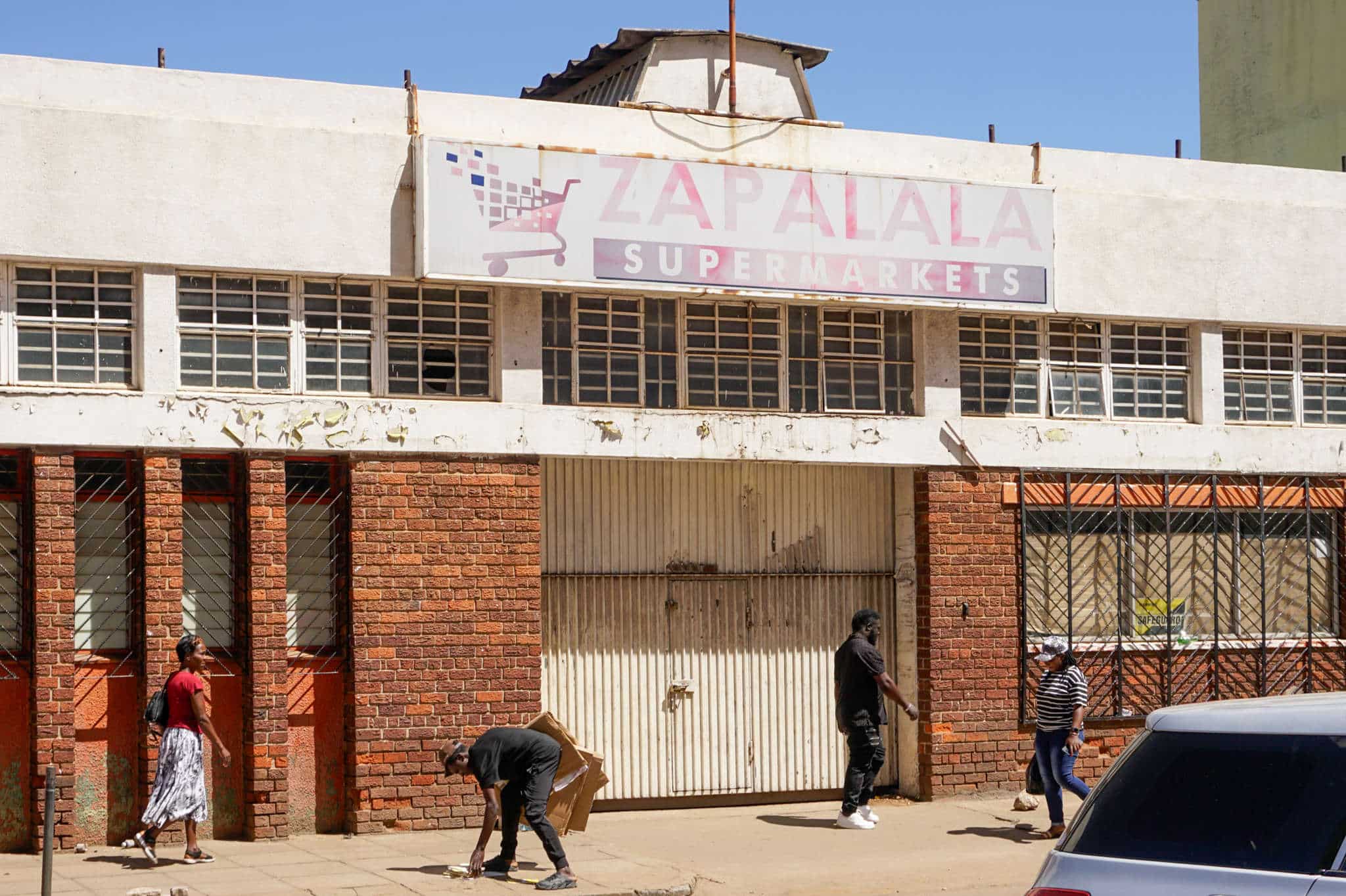
The price of doing business in Zimbabwean gold — the country’s latest currency — is too steep for many retailers, who can’t compete with an informal market still churning on U.S. dollars.
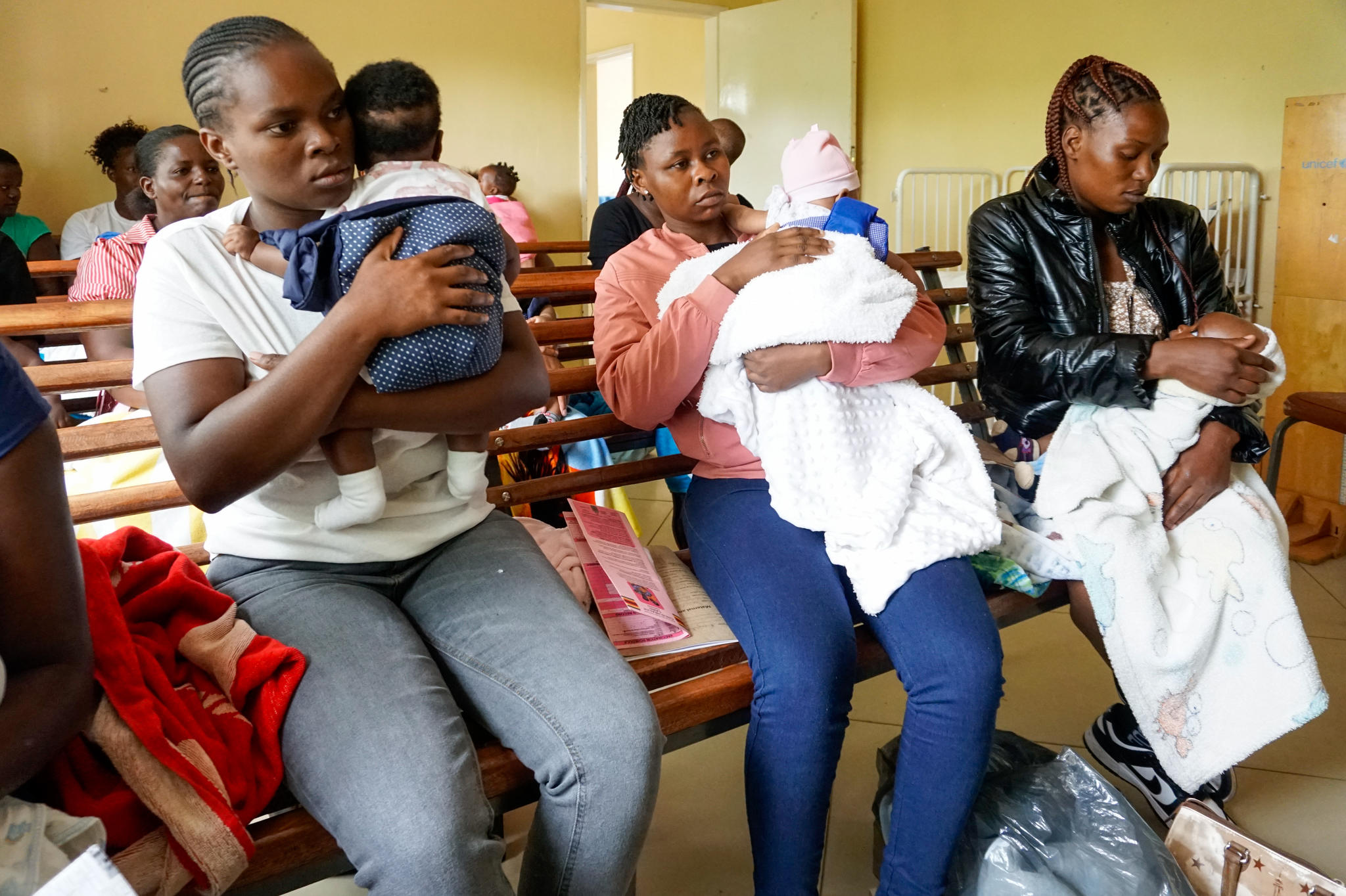
The quiet return of maternity fees and the black-market sale of essential documents put extra burdens on mothers as they struggle to navigate a broken system.
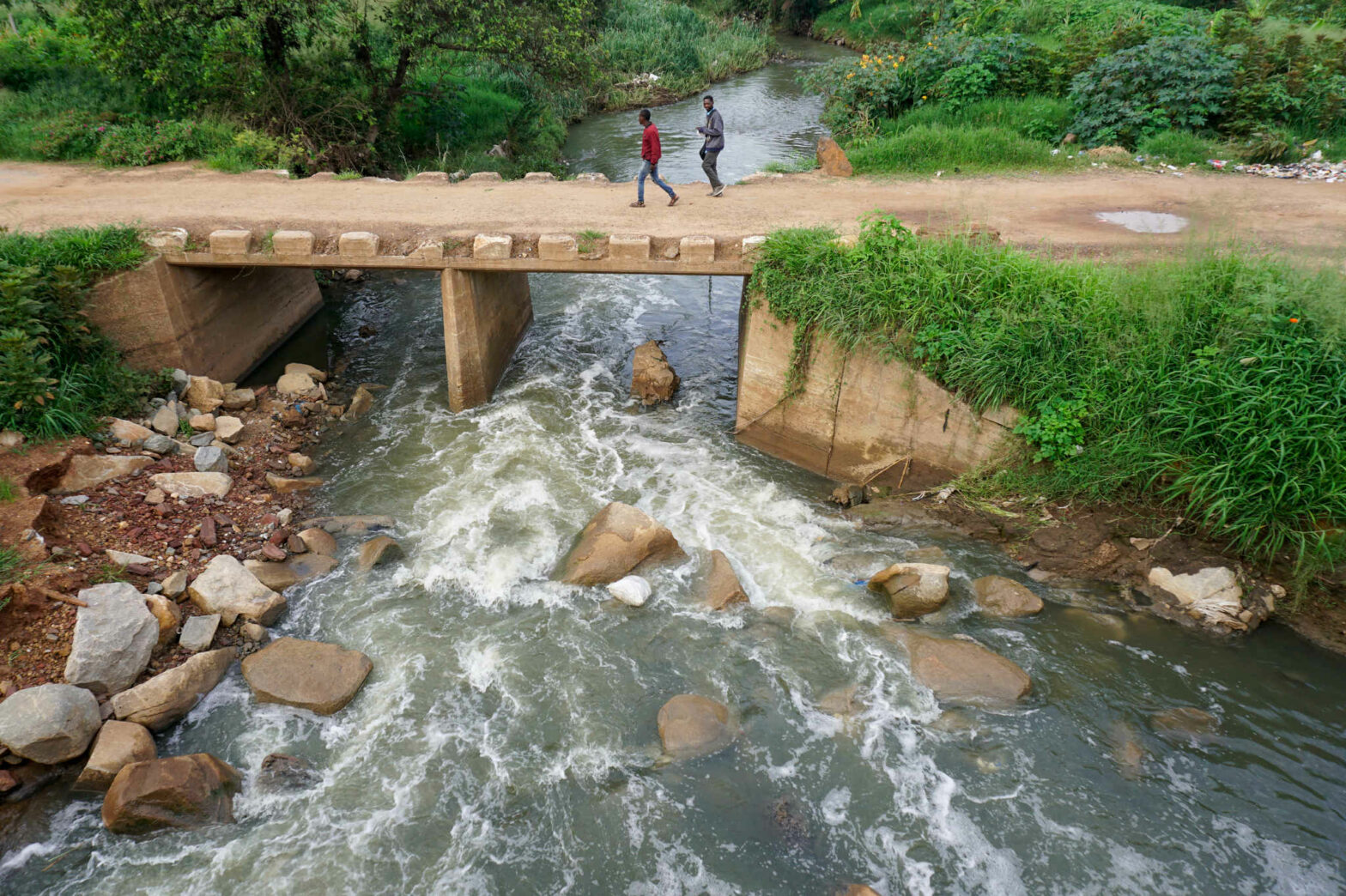
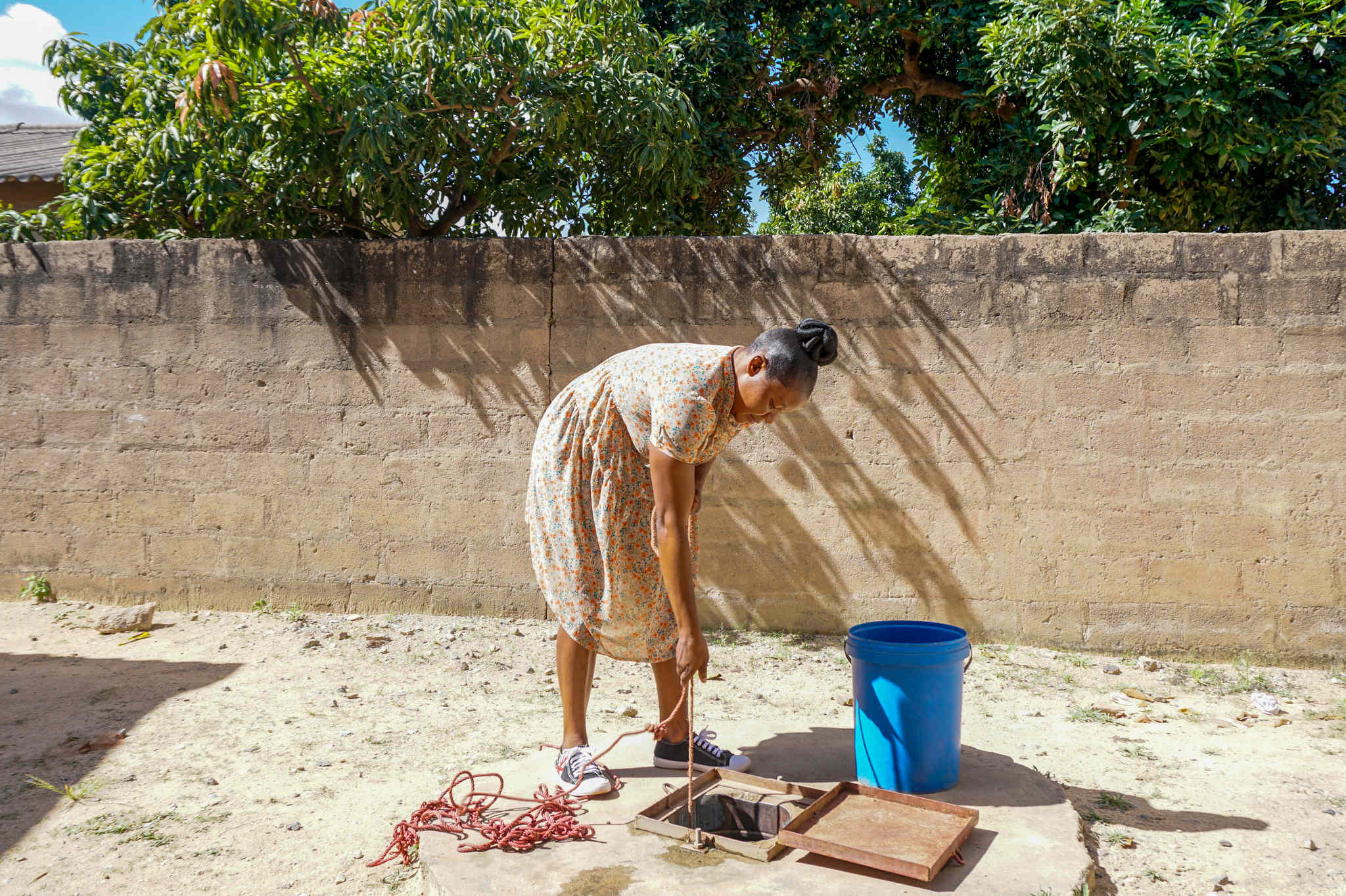
Residents spend as much as 20% of their income on water, yet what comes from their taps is green, dirty and undrinkable. Now, privatization looms, threatening even higher costs.
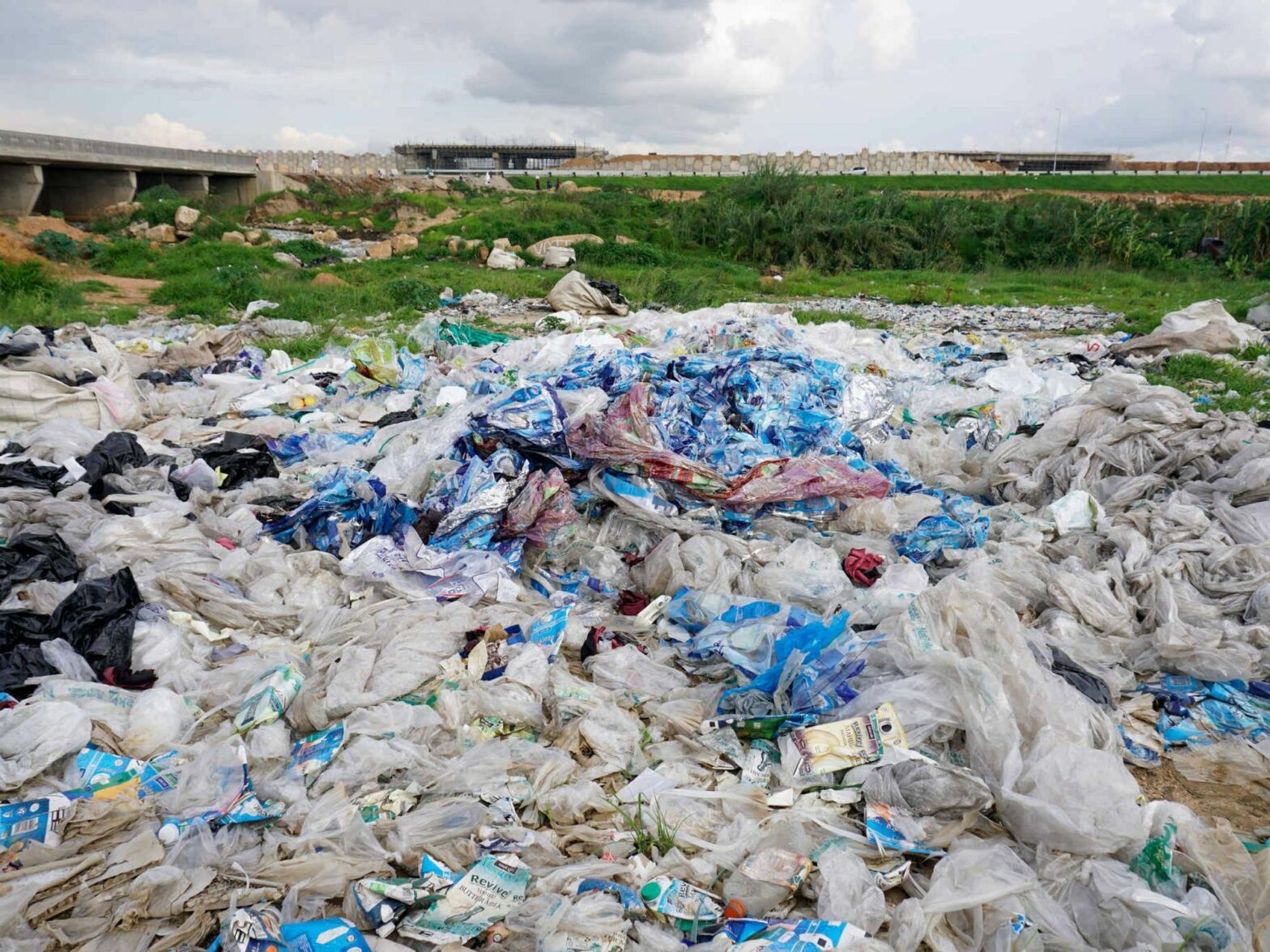
Piles of Chinese-made plastics are now an inescapable part of Zimbabwe’s landscape, and corruption is making it impossible to clean up the mess.
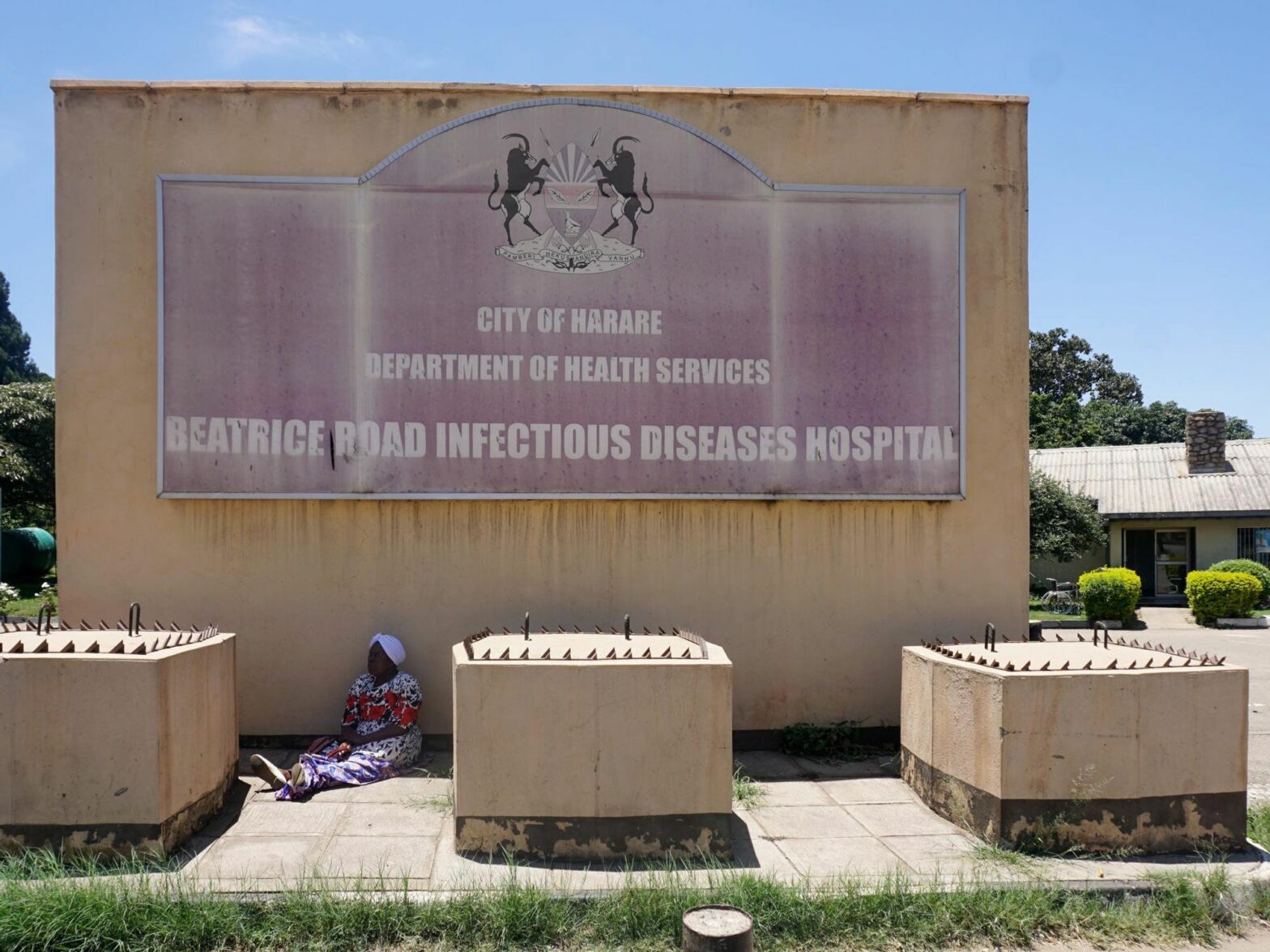
The sudden halt of USAID funding threatens the country’s fragile TB and HIV response, putting thousands of patients at risk.

A new program that settles paternity disputes has become the most popular television show in Zimbabwe. Not everyone is happy.
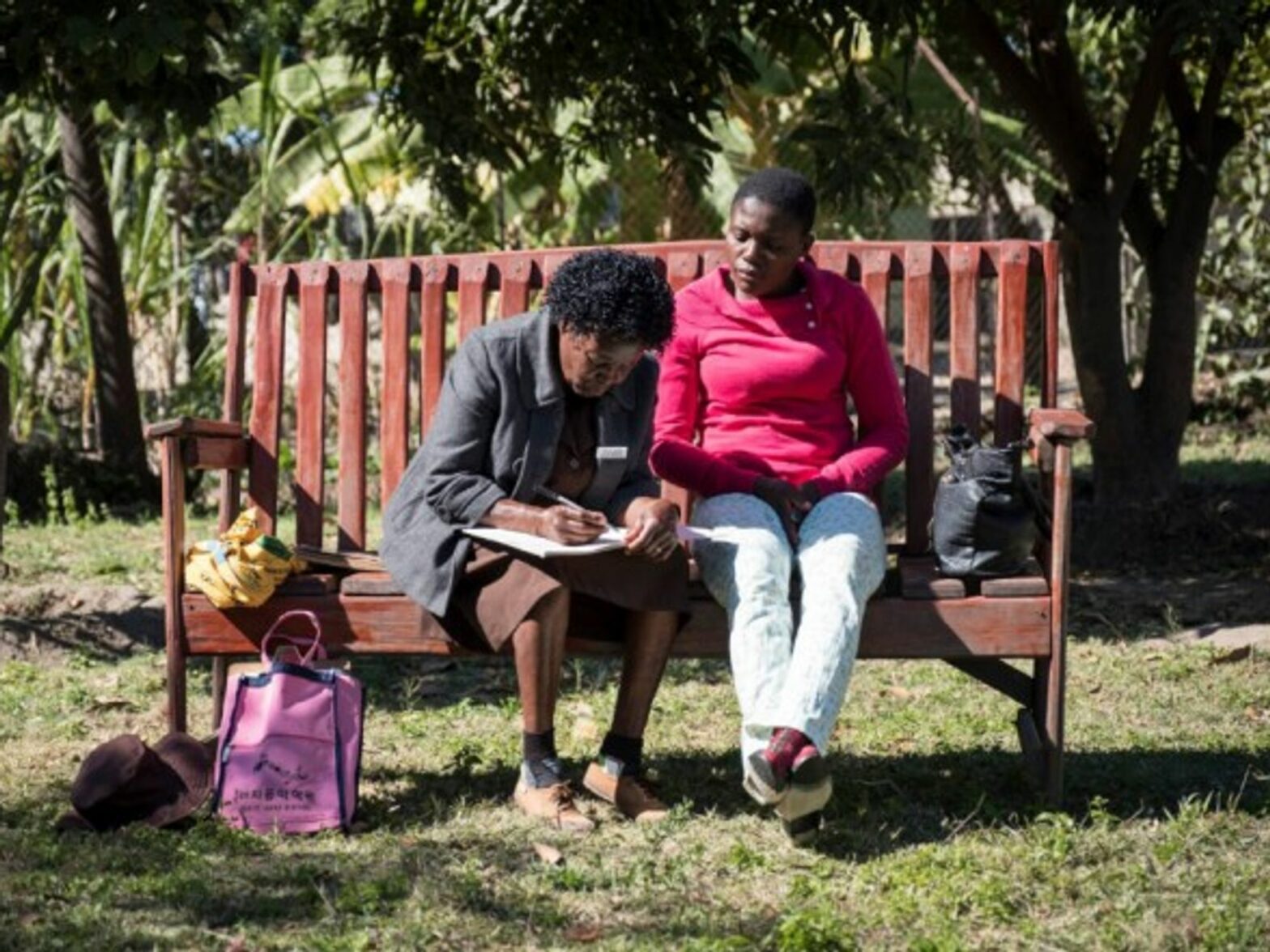
In the absence of qualified staff, grandmothers from the Friendship Benches program offer free listening and advice to patients suffering from depression.
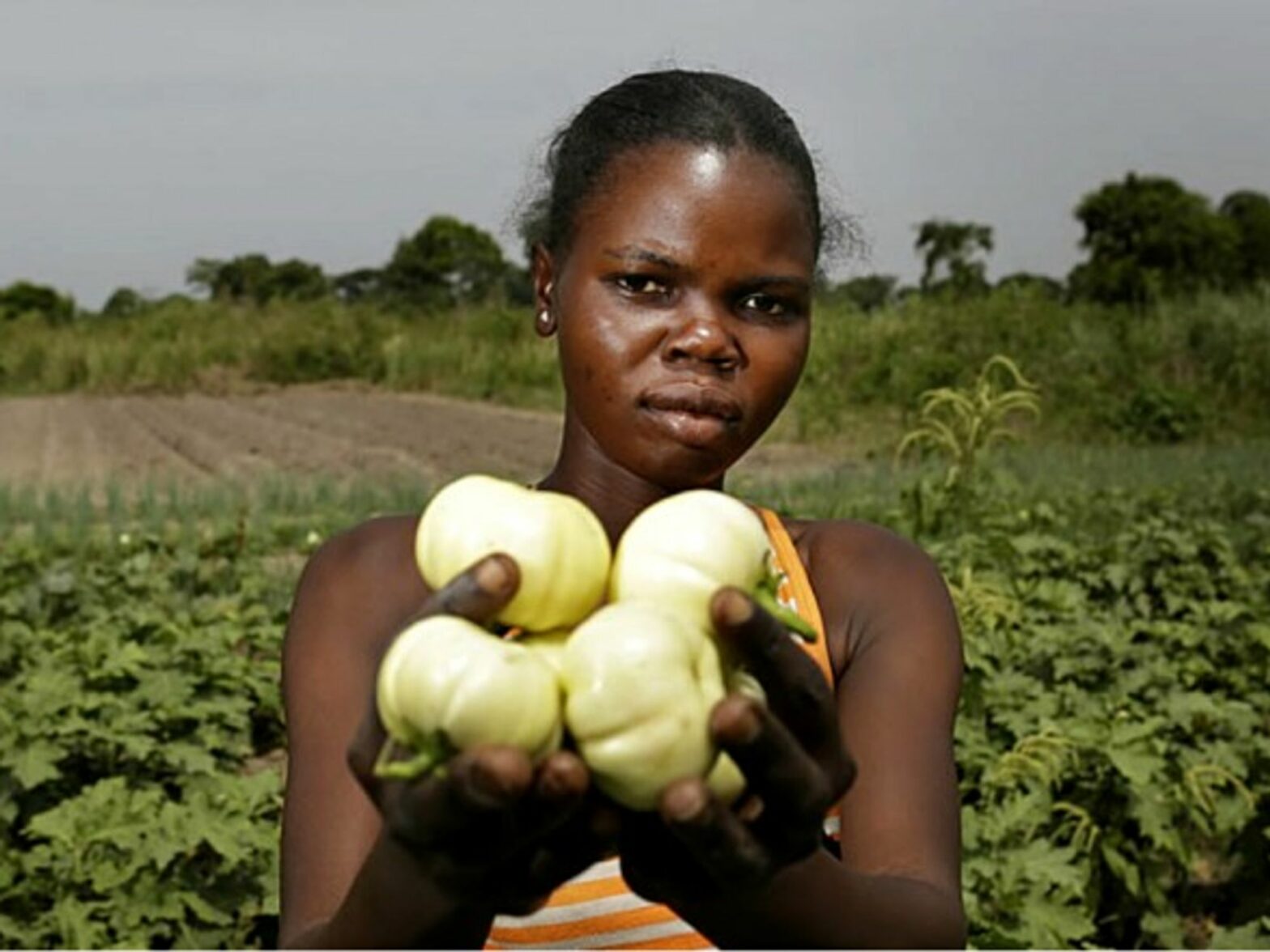
Catering specifically to women – particularly in rural areas – is not only good for gender equality, it is good for business.
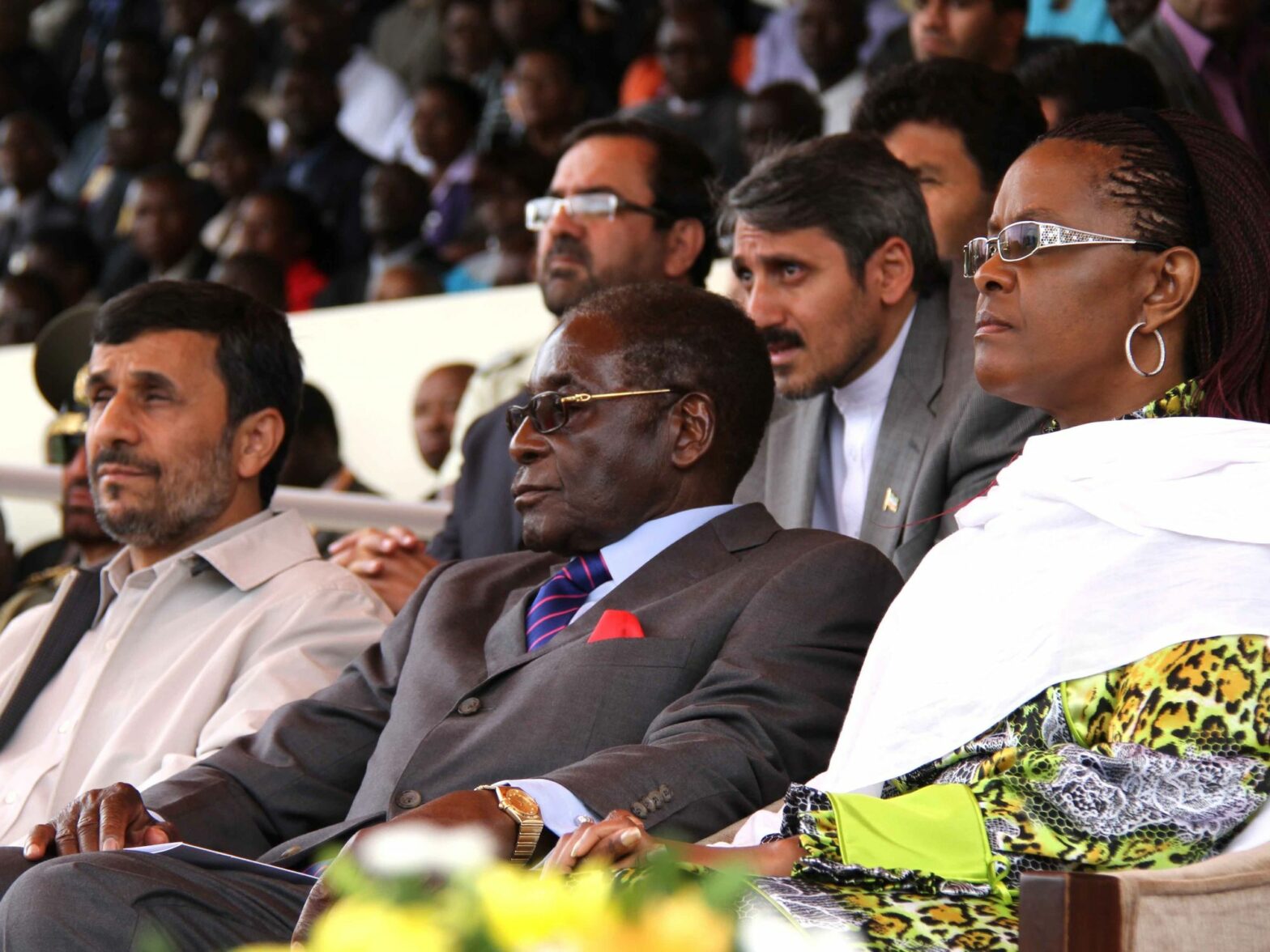
His political career began as a struggle against racist oppression and continued until achieving his country’s independence. But the newly re-elected leader, 89, is epitomized by violence and corruption.