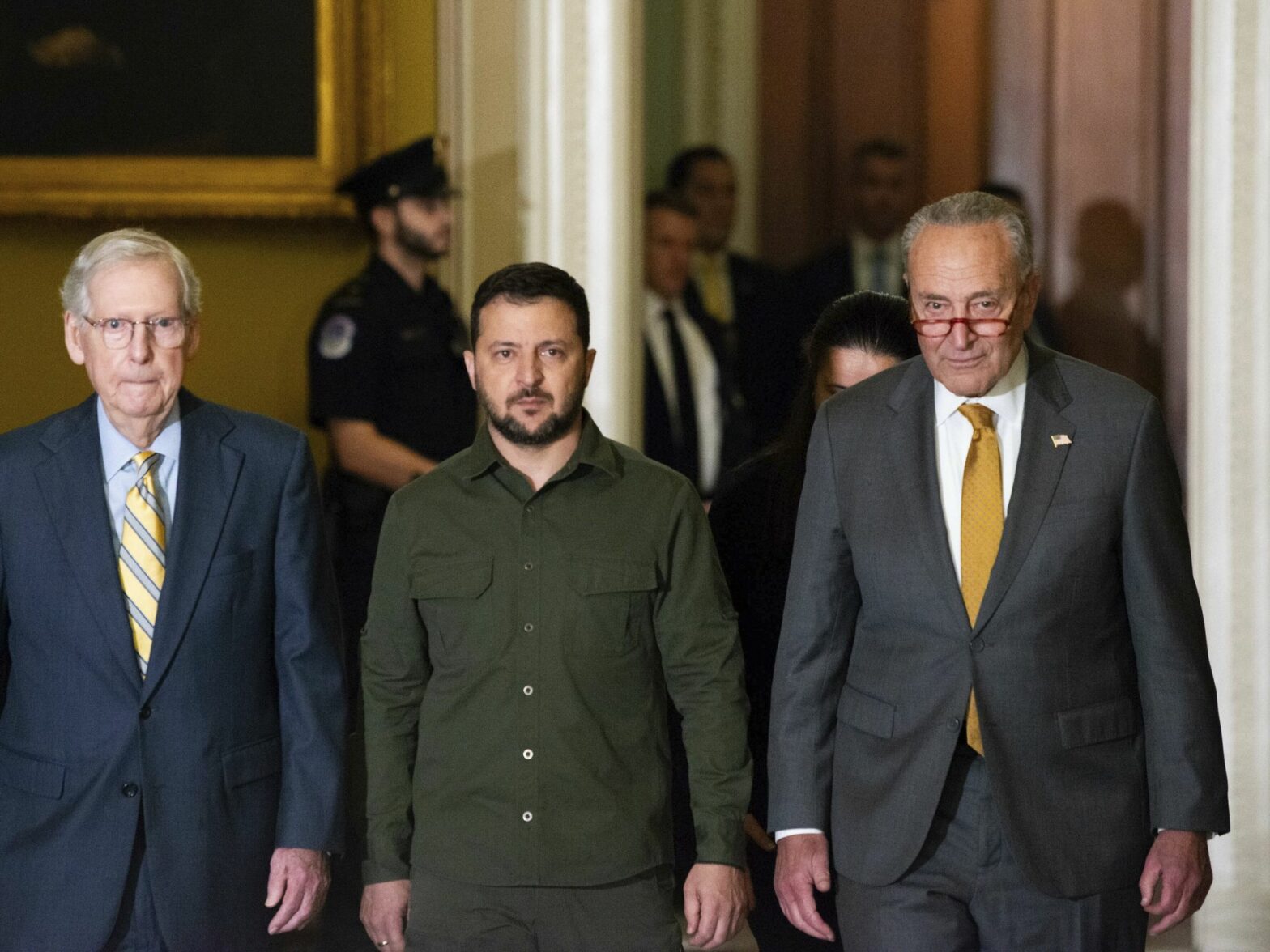
With the Middle East burning and domestic politics splintering, Ukraine is now just one of multiple priorities for the West. For President Zelensky, it’s time to move past the narrative of the past two years.
 Worldcrunch
Embark on a journey through the vast and diverse landscapes of the United States with Worldcrunch, where a rich tapestry of cultures and histories unfolds. Our exclusive reports and in-depth analyses unveil the unique stories that define this nation. Explore the dynamic history, cultural vibrancy, and contemporary narratives shaping the United States with Worldcrunch, your window to the captivating tales of this influential and diverse country.
With the Middle East burning and domestic politics splintering, Ukraine is now just one of multiple priorities for the West. For President Zelensky, it’s time to move past the narrative of the past two years.
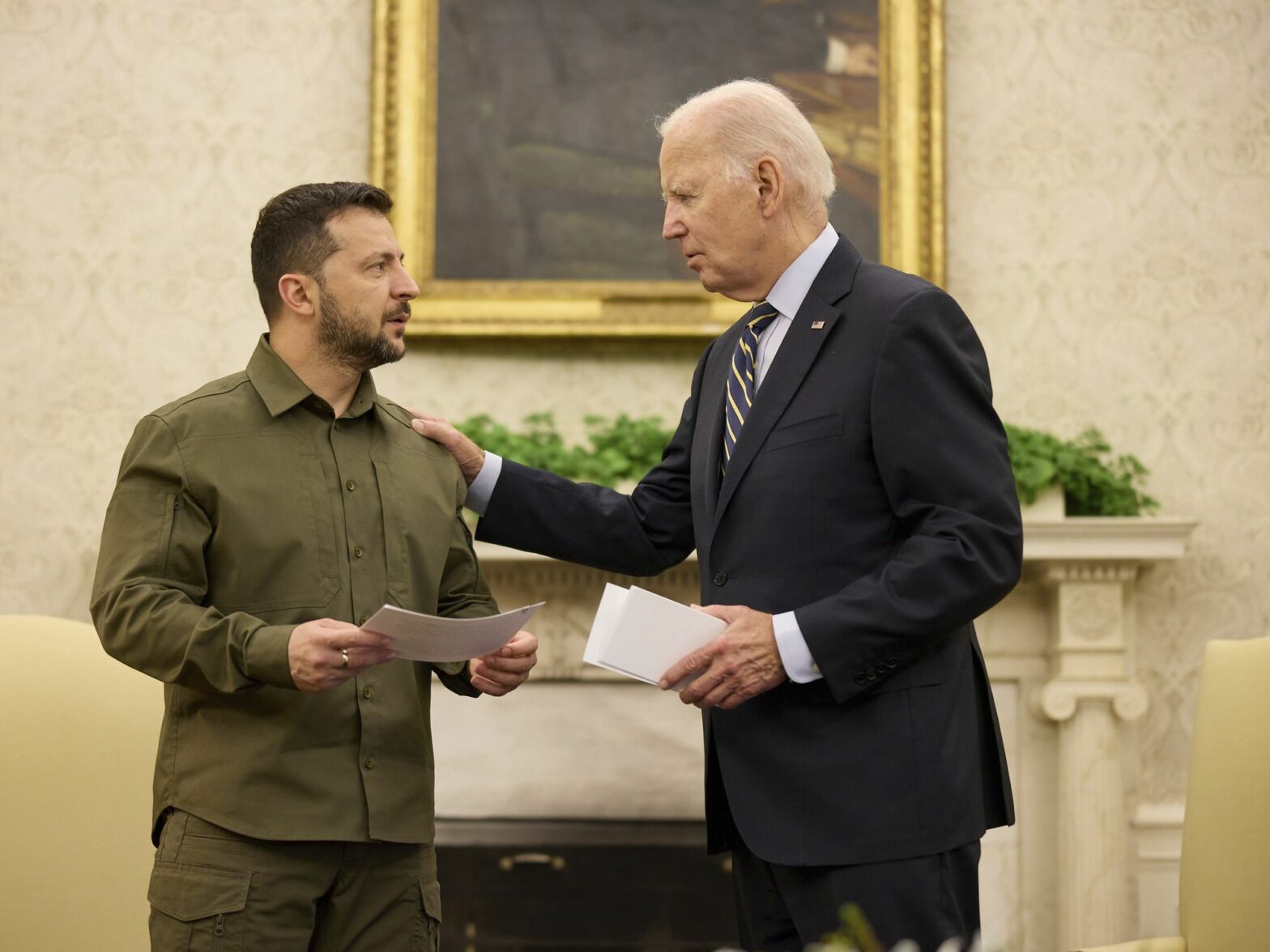
Congress and President Biden averted a shutdown, but thanks to a temporary deal that doesn’t include new aid for Ukraine’s war effort. An analysis from Kyiv about what it means, in both the short and long-term.

The Russian Orthodox Church has long supported Russia’s ongoing war effort in Ukraine. Now, clergy members in other countries are suspected of collaborating with and recruiting for Russian security forces.
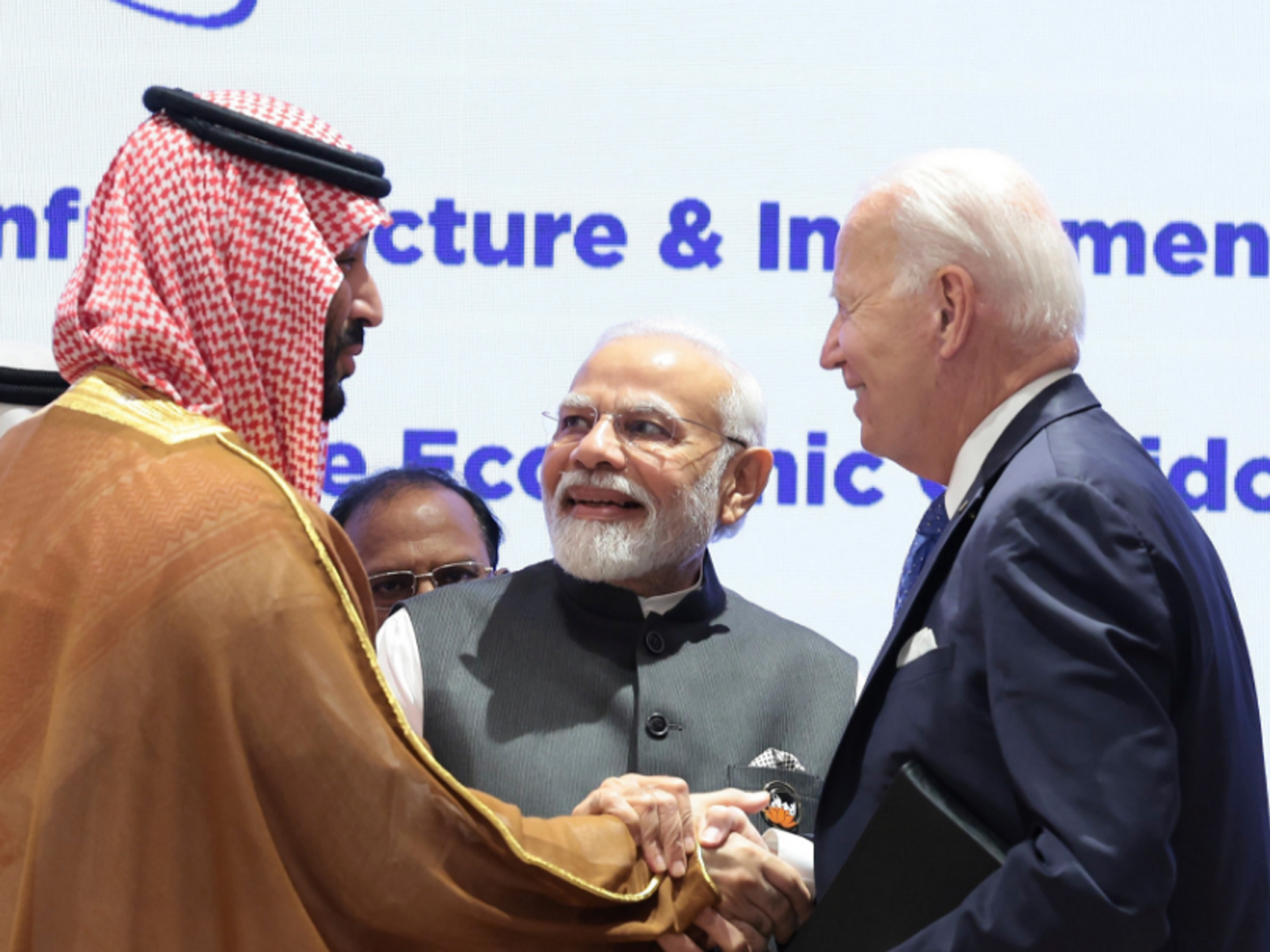
The U.S. and Europe are seeking to rival China by launching a huge joint project. Saudi Arabia and the Gulf States will also play a key role – because the battle for world domination is not being fought on China’s doorstep, but in the Middle East.
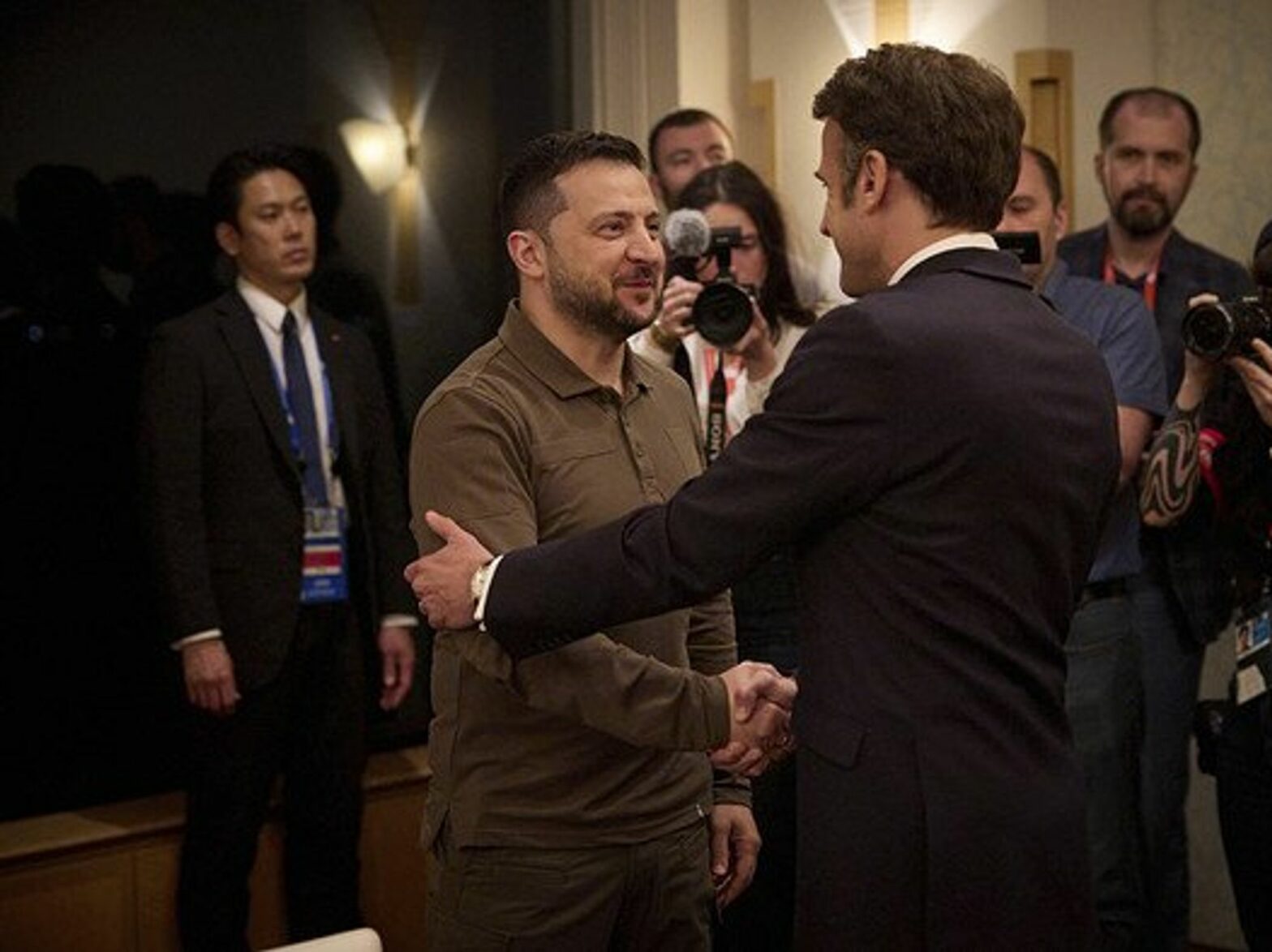
It’s undeniable that questions are being raised in the West about the cost of supporting Ukraine in its defense against Russia’s invasion. But no time soon will Western powers turn their backs on Kyiv. And the U.S. in particular has one big extra reason to work against a Russian victory: China.

The U.S. Congress recently held a public hearing about “Unidentified Aerial Phenomena” (previously known as UFOs), partly because of intense public interest on the matter. But what is it that makes Americans so prone to believe in aliens and conspiracy theories?
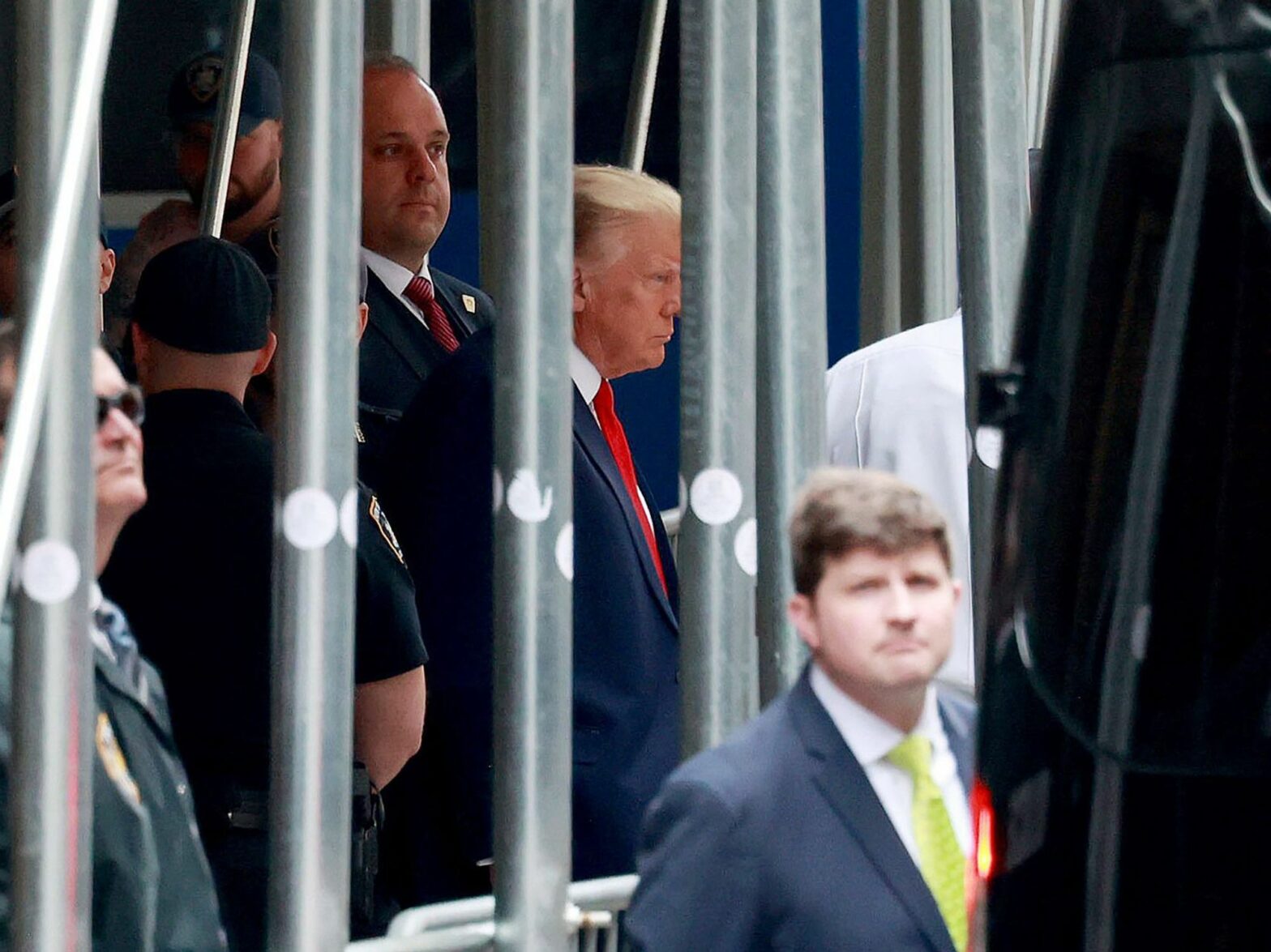
The third indictment against Donald Trump raises the legal dispute between the United States and its former president to a new level. While Trump cries foul play, drawing shameful comparisons with Nazi persecution 1930s Germany, the consequences of the trial can’t be predicted.
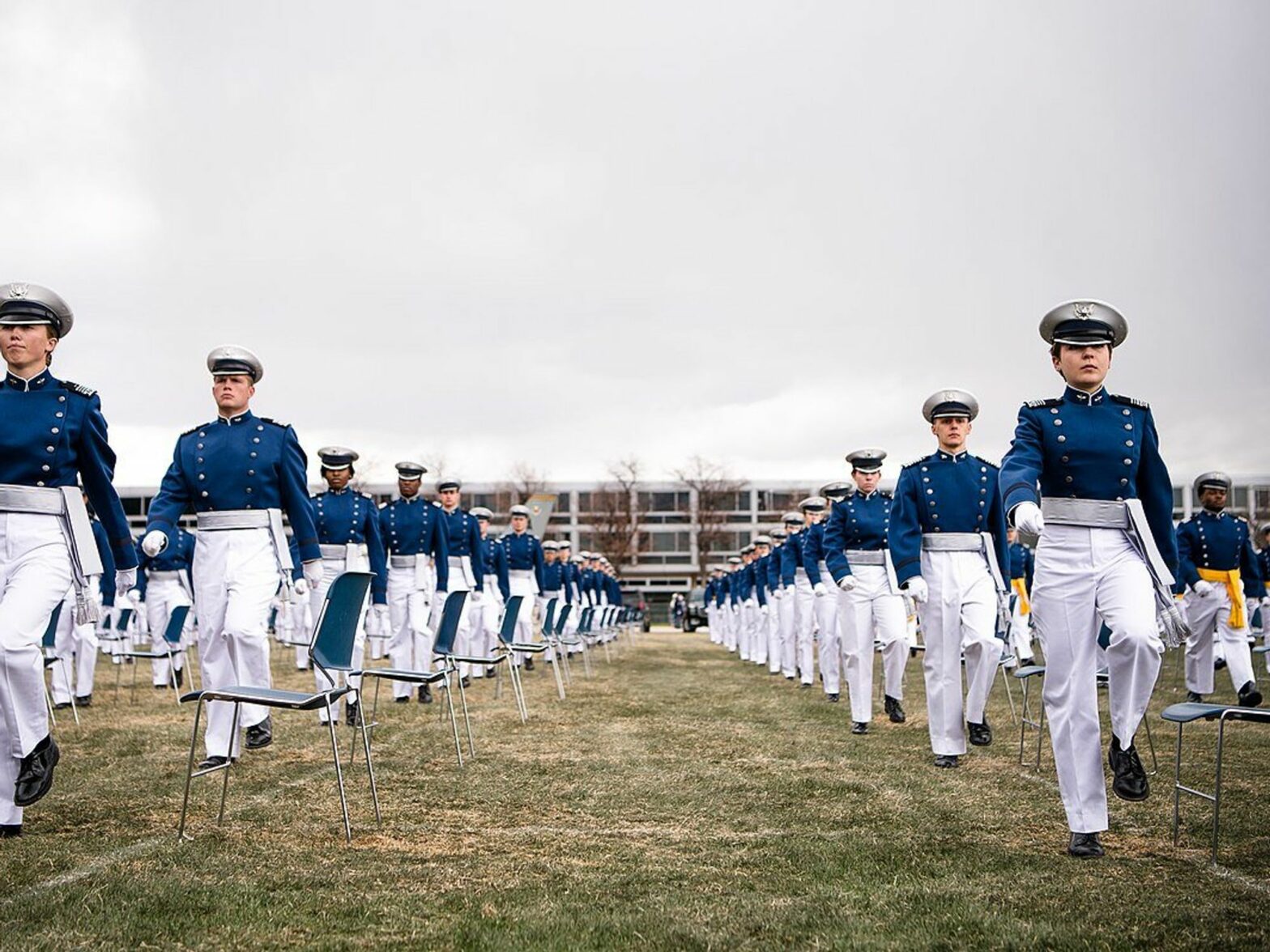
Created by Donald Trump four years ago, the new U.S. military branch embodies the strategic importance of space defense. Faced with competition from China and Russia, Washington is renewing its commitment (and drastically increasing the amount of money it devotes) to space — marking quite the reversal of fortune for Space Force, which not so long ago was the target of pastiche and mockery.
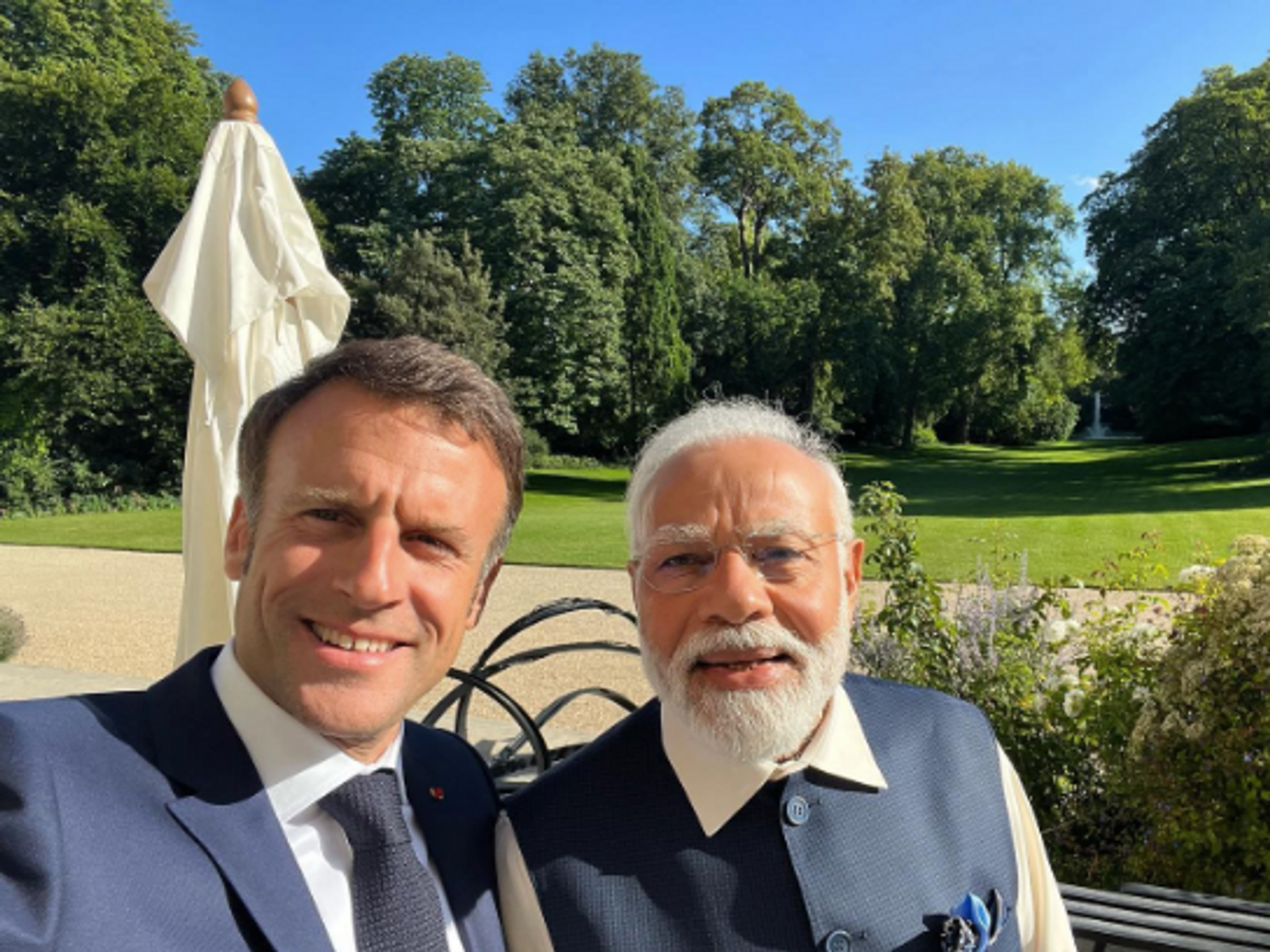
Indian Prime Minister Narendra Modi was received warmly in the U.S. and in France — visits which must have provoked some jealousy in Turkey, where President Recep Tayyip Erdogan, who faces many of the same anti-democratic criticisms as Modi, can’t expect the same kind of red-carpet welcome in Washington.
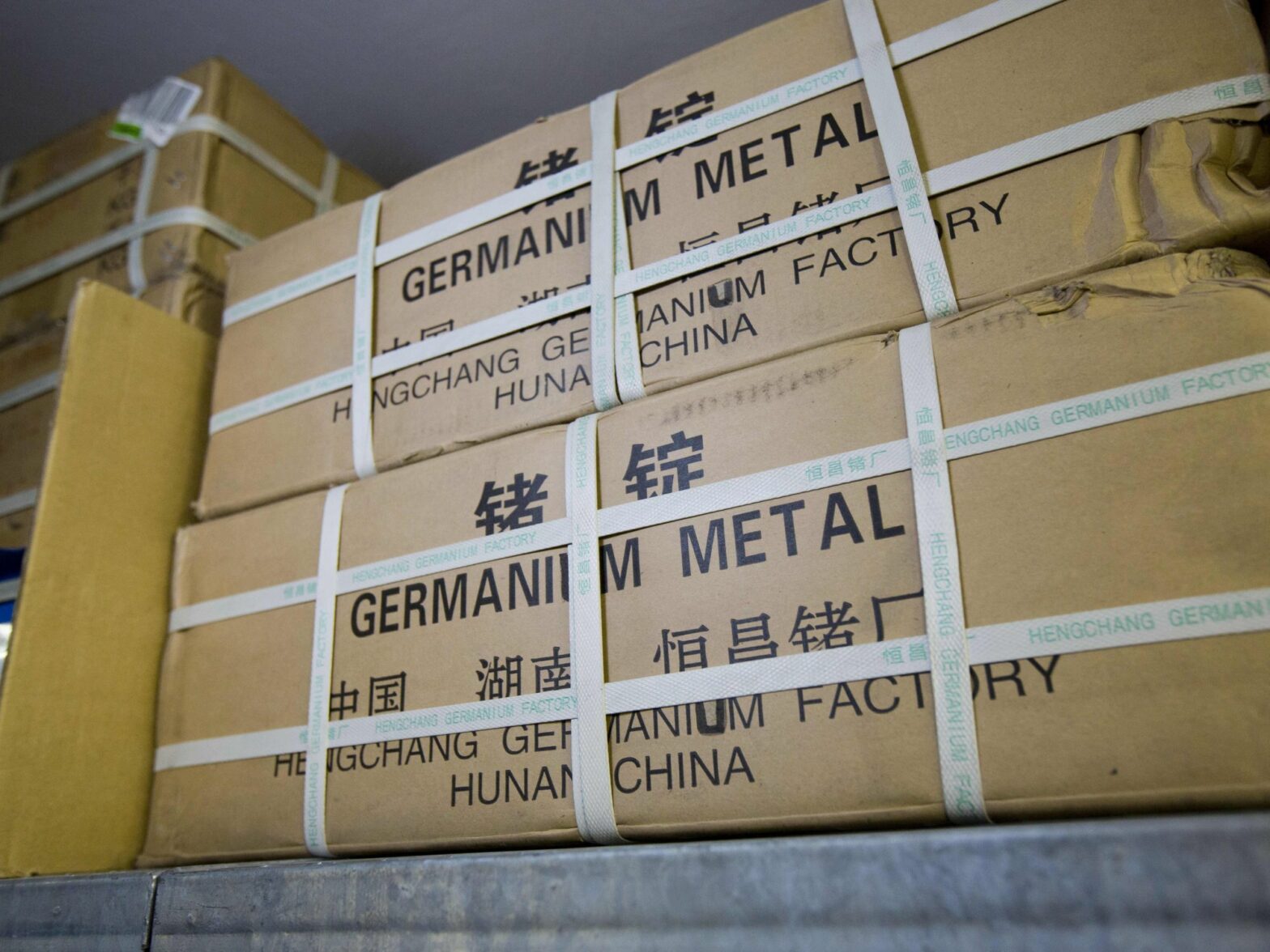
Beijing recently placed an export ban to the U.S. of two key metals. The move is a retaliation for U.S. bans of Chinese tech. The question remains of whether the superpowers can compromise before a total tech war breaks out.
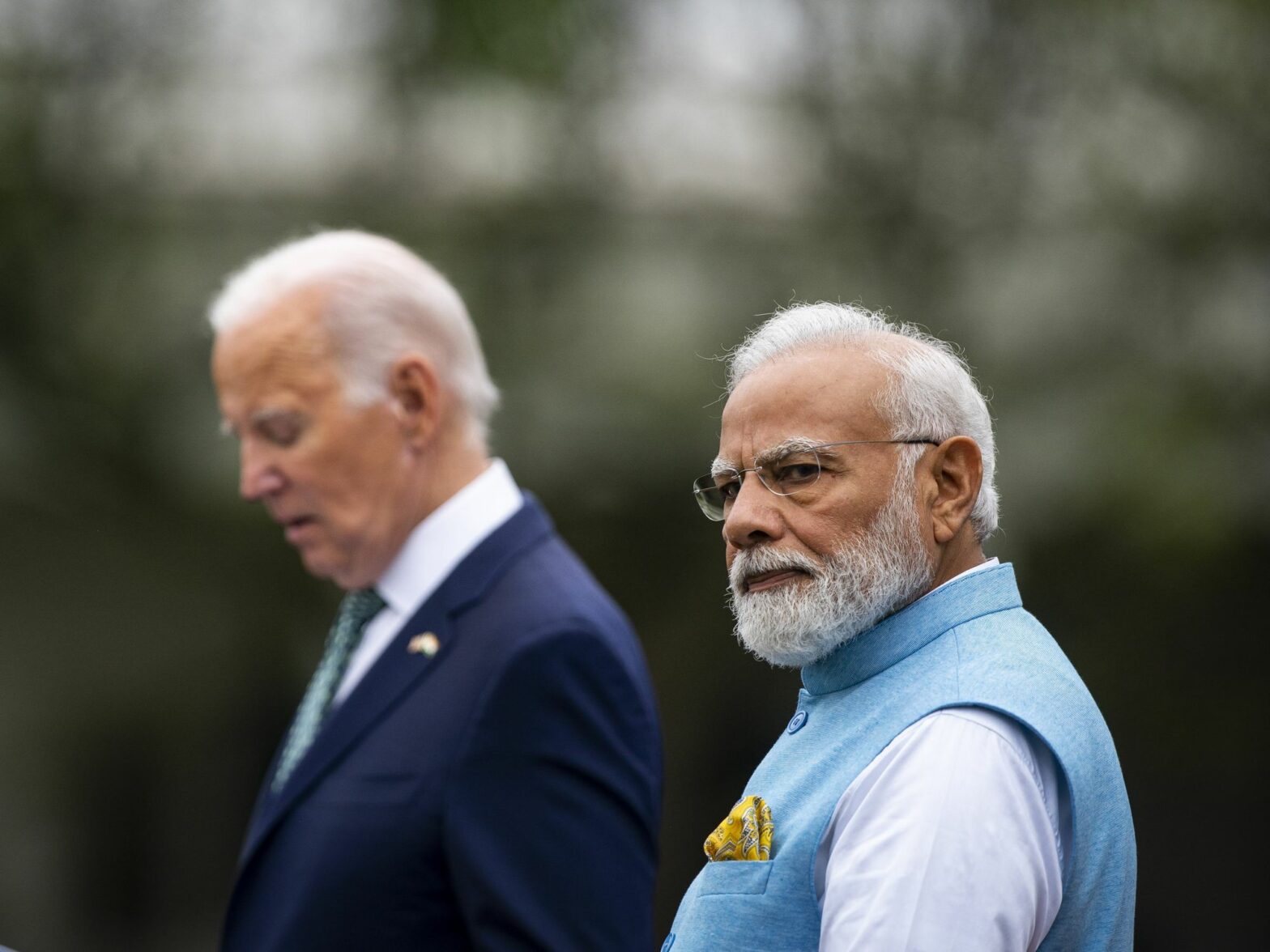
Indian Prime Minister Narendra Modi’s triumph during his state visit to the U.S. is part of a well-honed strategy of realpolitik and geo-economic opportunism. How the West responds says a lot about where the world is heading.
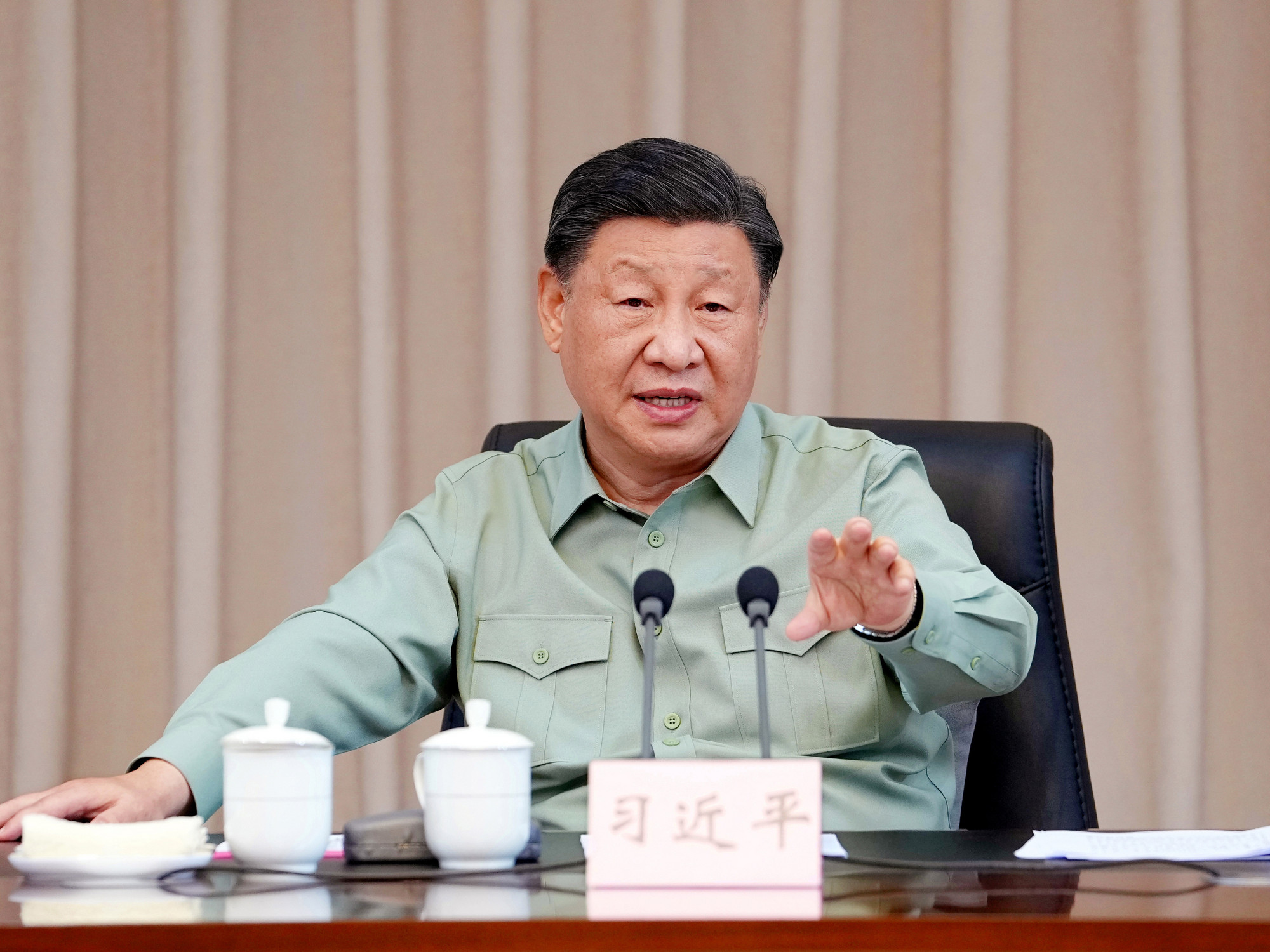
The U.S. Secretary of State is visiting Beijing — but even if it’s a sign of de-escalation, tensions remain high between the two sides, and it’s clear the détente has yet to arrive.

A diplomatic genius for some, a war criminal for others, Henry Kissinger has just turned 100. An opportunity for Dominique Moïsi, who has known him well, to reflect on the German-born U.S. diplomat’s roots and driving raison d’être.

Amid the summit hosted at the White House, and warning from AI experts, the world can’t simply leave the machines to their own devices.
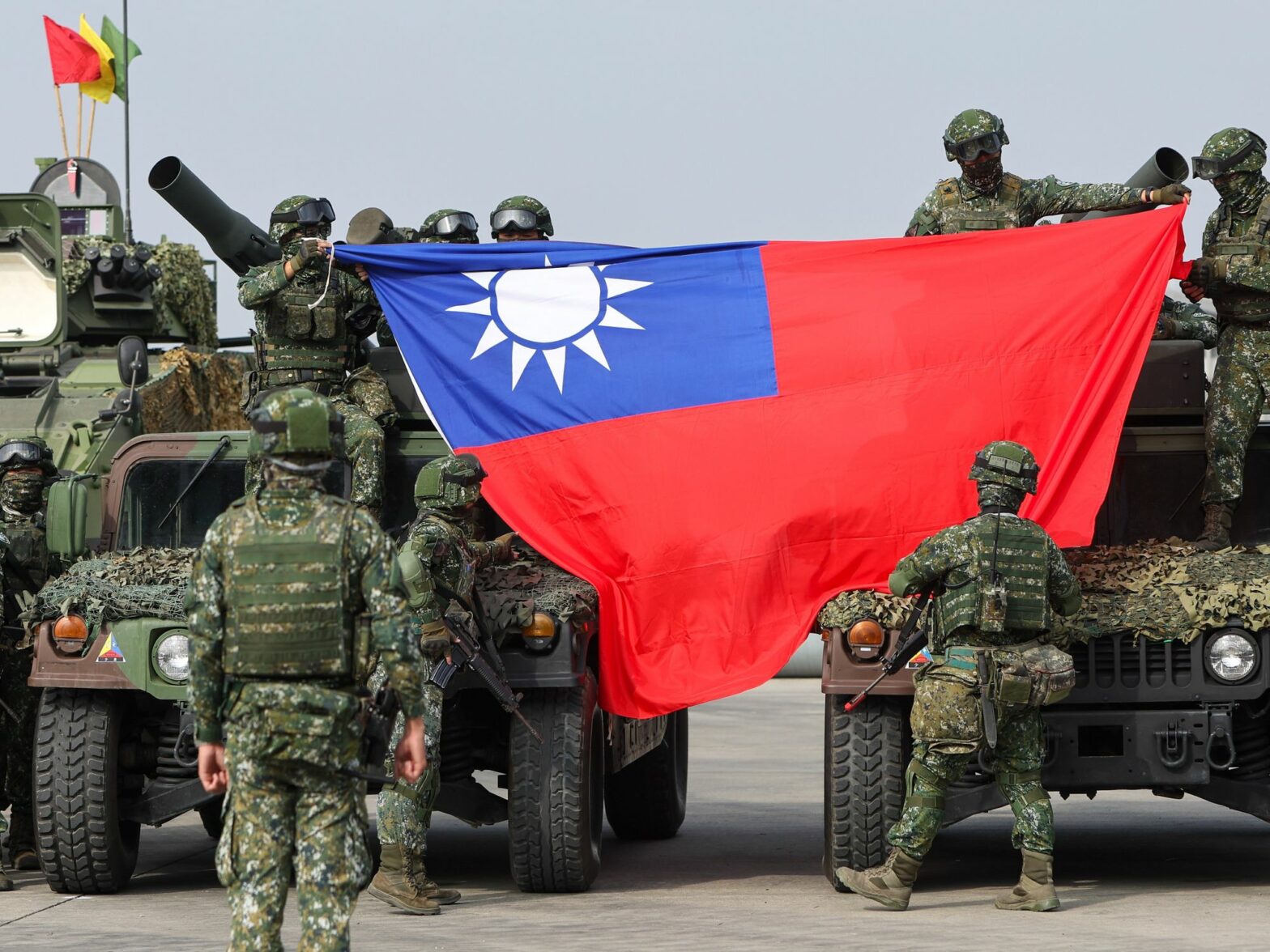
The Chinese military’s encirclement of Taiwan is above all a political move, not a tactical one. War is unlikely for now: Beijing still has other cards to play in the crisis. But if these fail, anything is possible.

A school in the US is suing social media giants for damage done to children’s well-being. But fining tech giants is a feeble response to their attacks on society’s welfare.
Sure, financial instability in the U.S. and the weaponization of the dollar have raised crucial questions about how long the dollar can remain the world’s de-facto currency. But France’s leading business daily says don’t expect major changes any time soon.

Right-wing reaction to the globalized, liberal order is starting to look less dispersed and more systematic, like 20th-century political movements like socialism and communism.
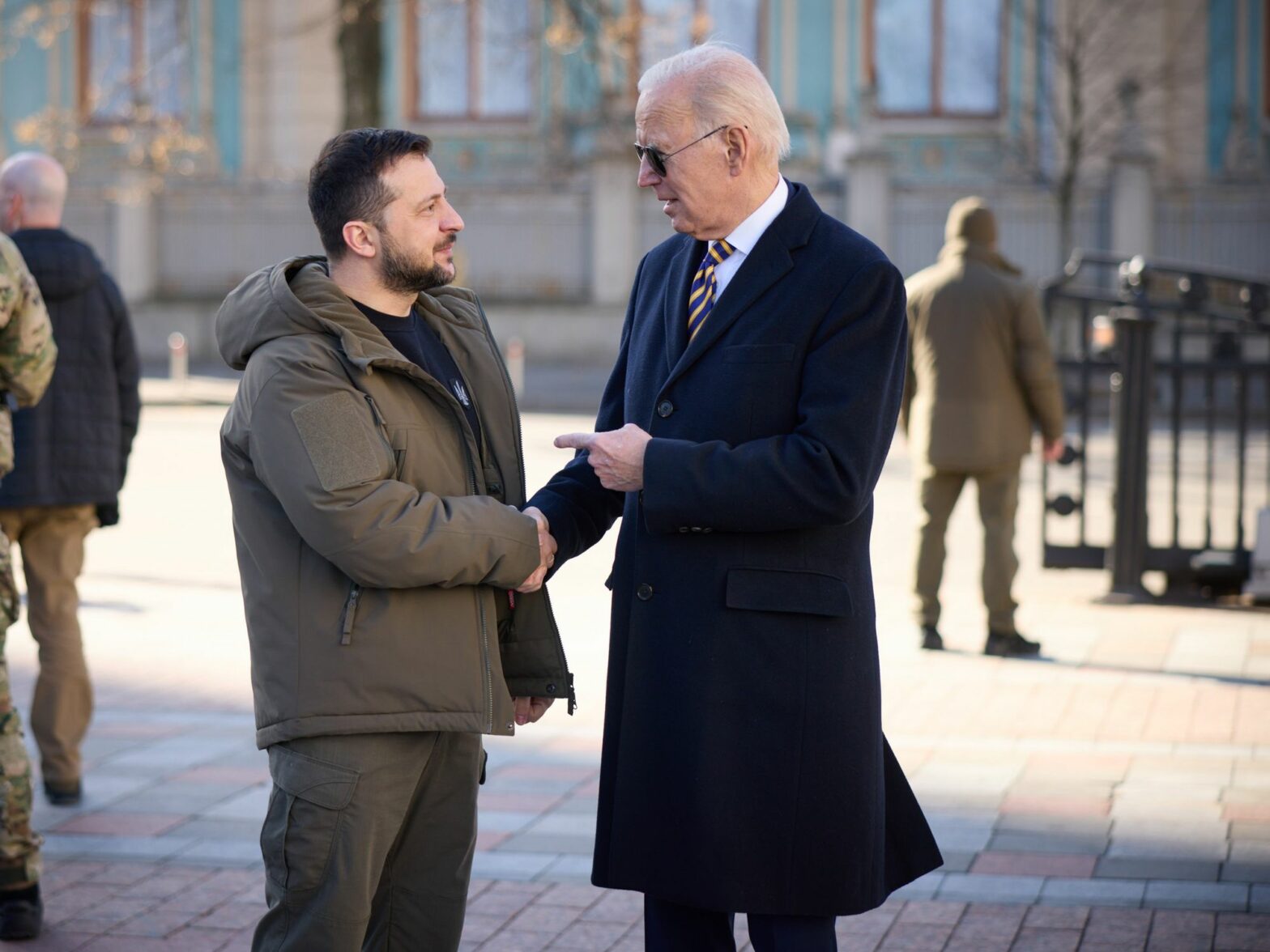
In the inevitable race for symbolic victories on the eve of the Ukraine invasion’s first anniversary, Joe Biden scored a major victory with his surprise visit to Kyiv. Meanwhile, one year on, Vladimir Putin has yet to visit his own country’s troops on the front line.
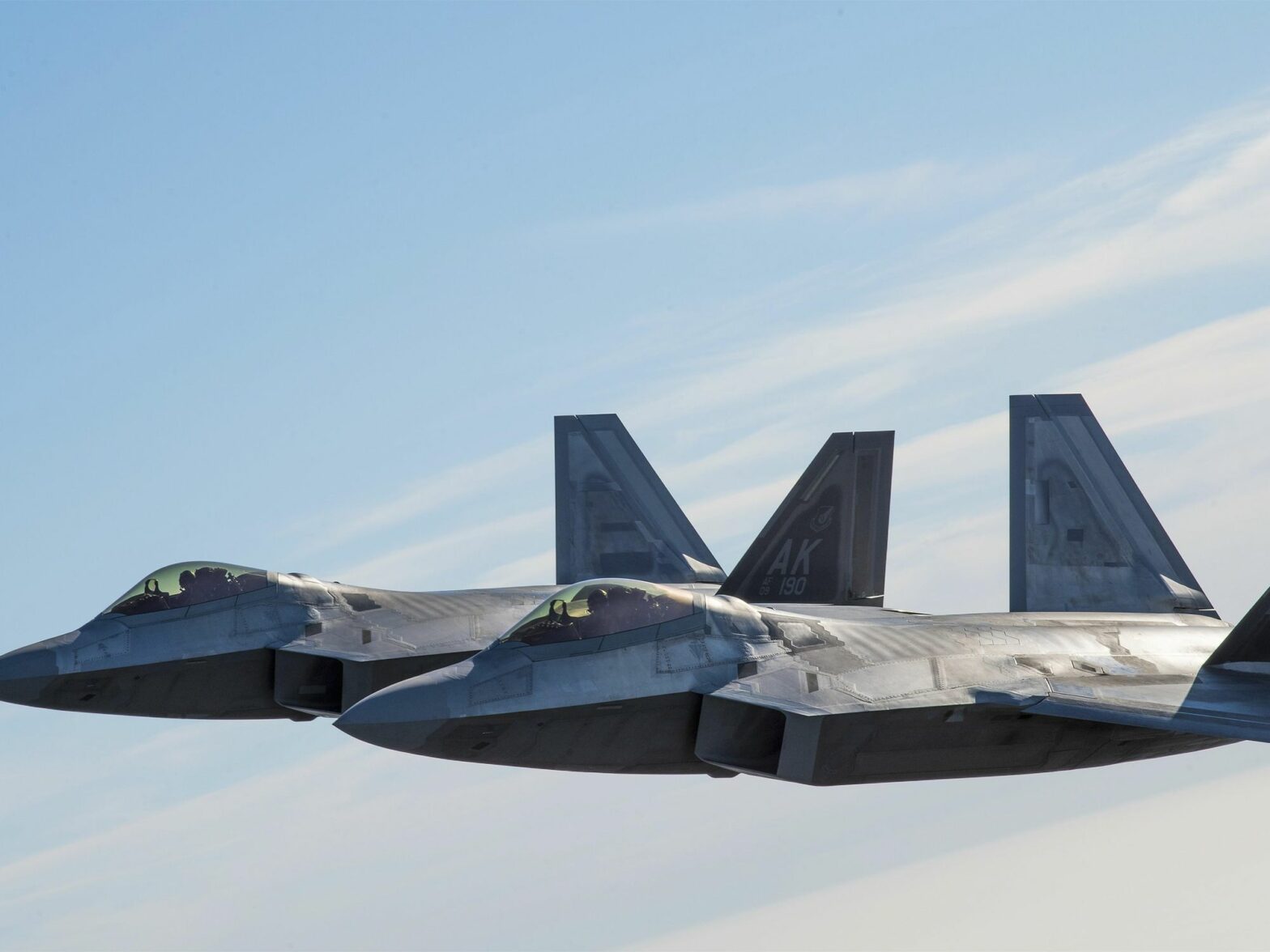
Let’s call it the “war of the balloons”: Four unidentified flying objects have now been shot down by fighter jets in one week over North America. But the mystery of the details should not hide the bigger picture of how far U.S.-Sino relations have sunk in the past 10 days.
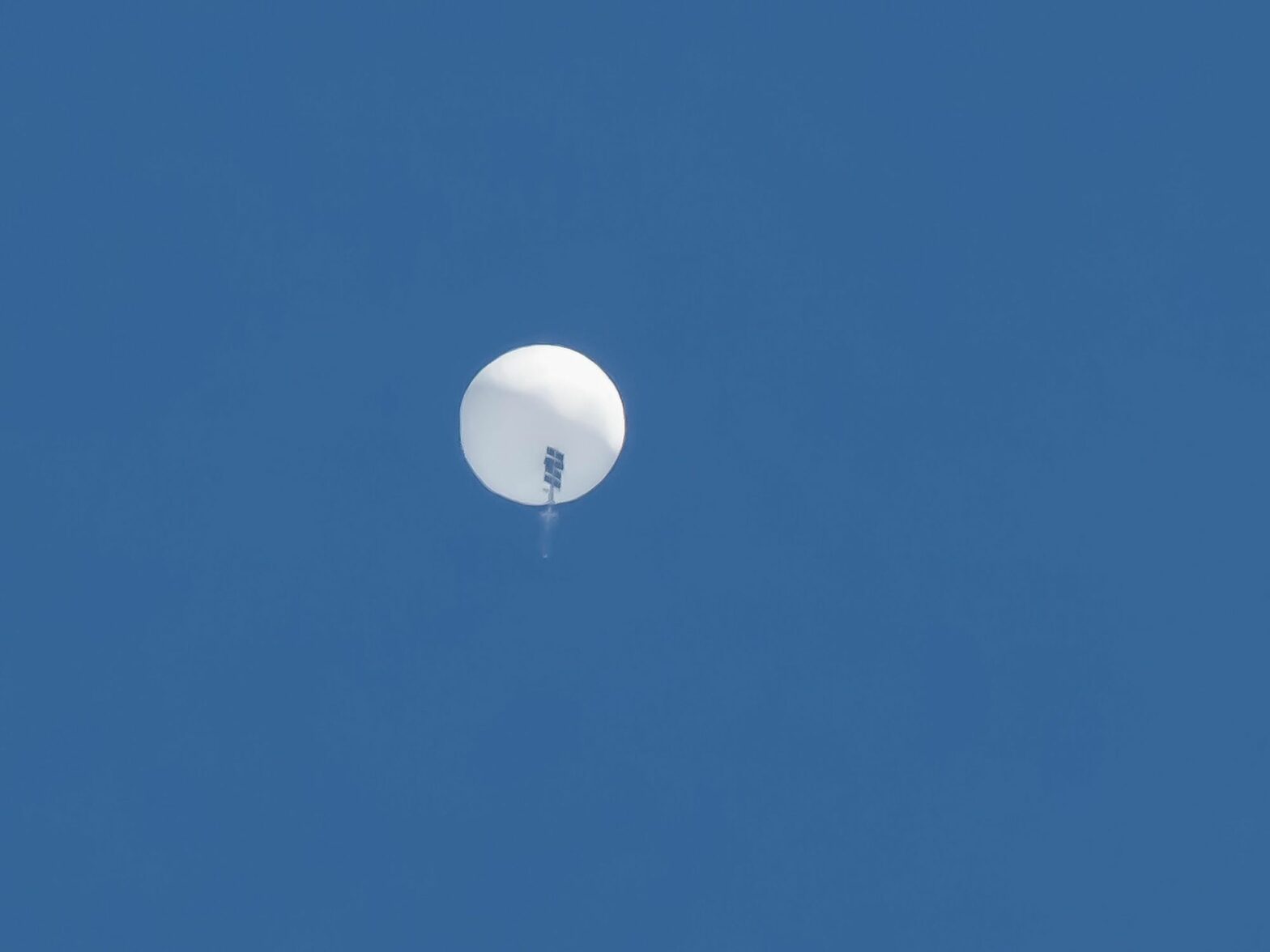
The Chinese spy balloon spotted over the U.S. and shot down on Saturday has suddenly brought once-distant fears into America’s backyard, which could set off a kind of “butterfly effect” of a small incident that leads to a much more dangerous showdown.
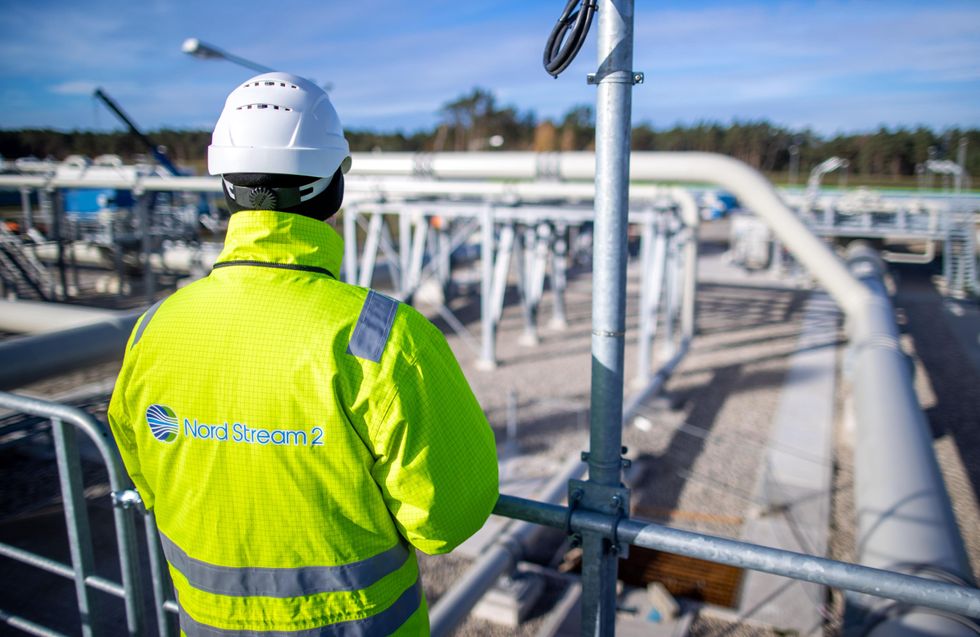
The United States expects Germany to put a halt to the Nord Stream 2 gas pipeline in the event of a Russian invasion of Ukraine. But the Americans are not mentioning the fact that they themselves import plenty of oil from Russia.