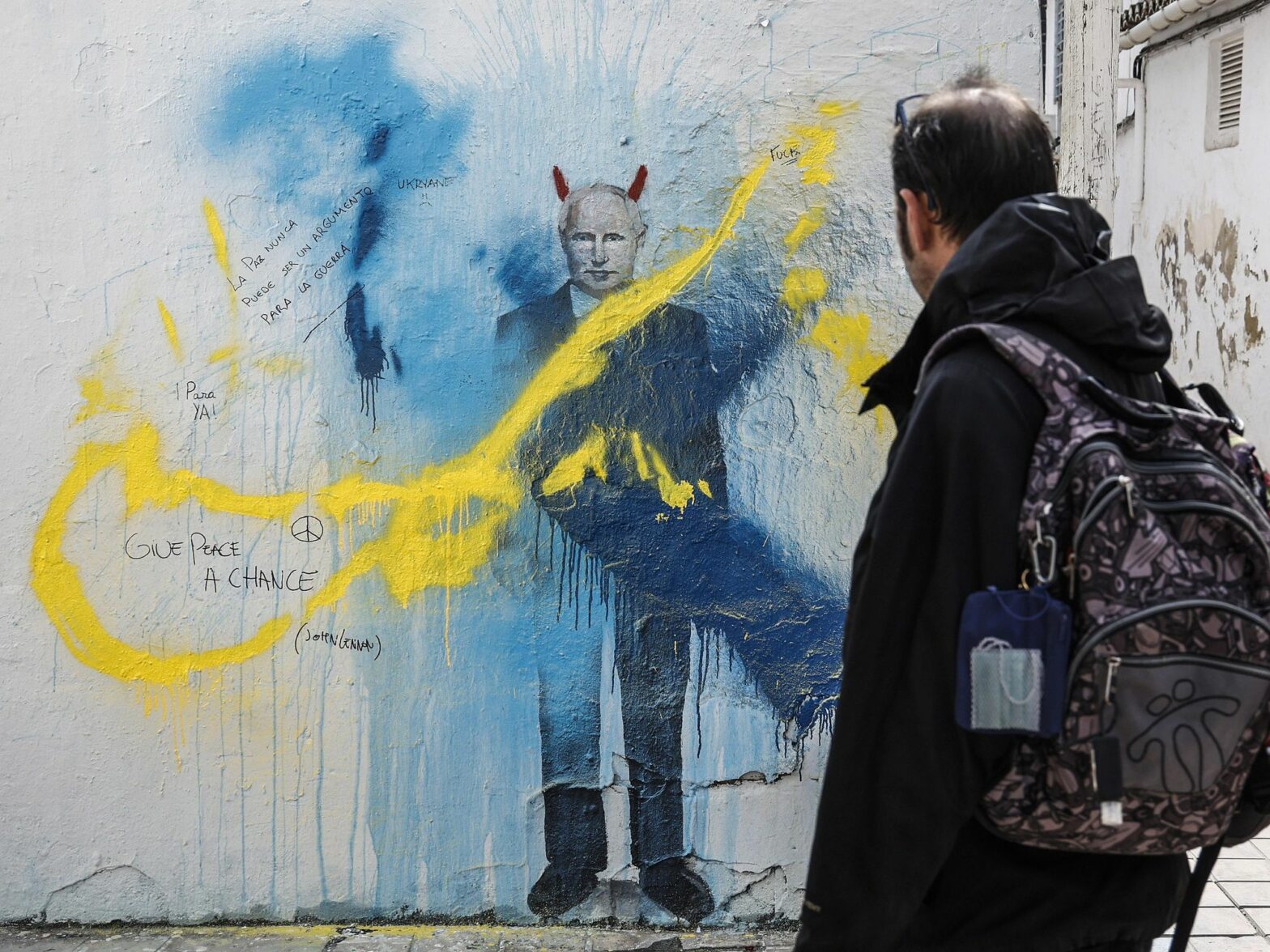
French philosopher Gaspard Koenig’s view on Russia’s unprovoked invasion of Ukraine and its targeting of civilians leads him to a notion explored by Immanuel Kant, and so mocked by post-modernity.
 Worldcrunch
Stay updated with comprehensive news on Russia from Worldcrunch. Discover insights on Russian politics, economic strategies, societal issues, and cultural landmarks with translations from top international sources. Highlights include Moscow, Russian history, and events like the Moscow International Film Festival.
French philosopher Gaspard Koenig’s view on Russia’s unprovoked invasion of Ukraine and its targeting of civilians leads him to a notion explored by Immanuel Kant, and so mocked by post-modernity.
In an attempt to shore up its failing economy, Russia is trying to blackmail the West and asking to be paid in rubles for its natural gas. However, such a move is unlikely to help Moscow in the long-term. And the important question still remains of how the EU will manage without Russian gas.
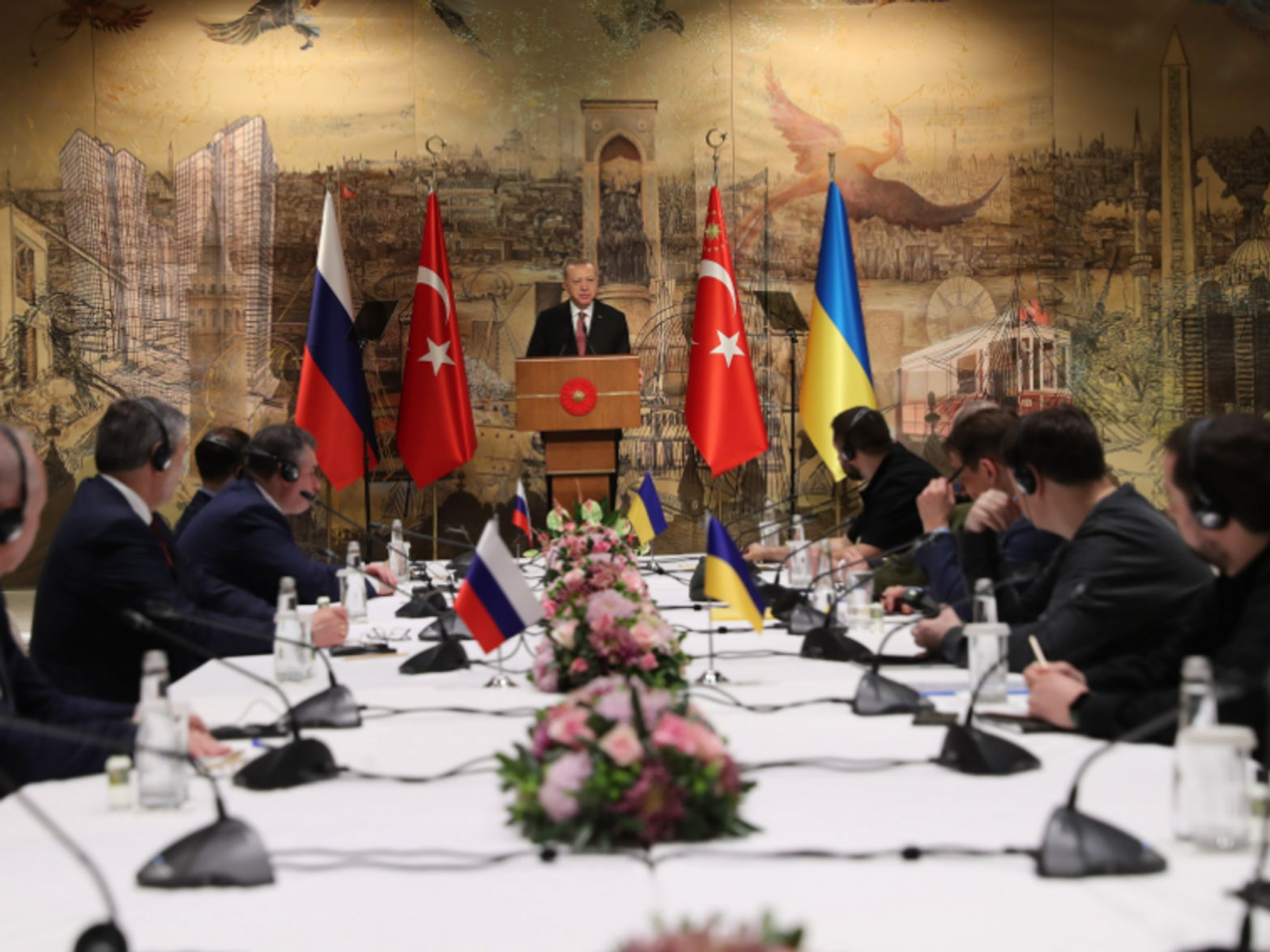
After more than a month of fighting, a fresh round of negotiations between Russia and Ukraine has begun in Istanbul in the hope that progress can be made. Following weeks of fruitless talks in Belarus, negotiations were hosted by the Turkish president, Recep Tayyip Erdoğan, who made a short opening statement telling both sides: “The world is waiting for good news, and good news from you.” Stay up-to-date with the latest on the Russia-Ukraine war, with our exclusive international coverage. Sign up to our free daily newsletter. The very fact that talks have moved from Belarus, a key Russian ally, […]
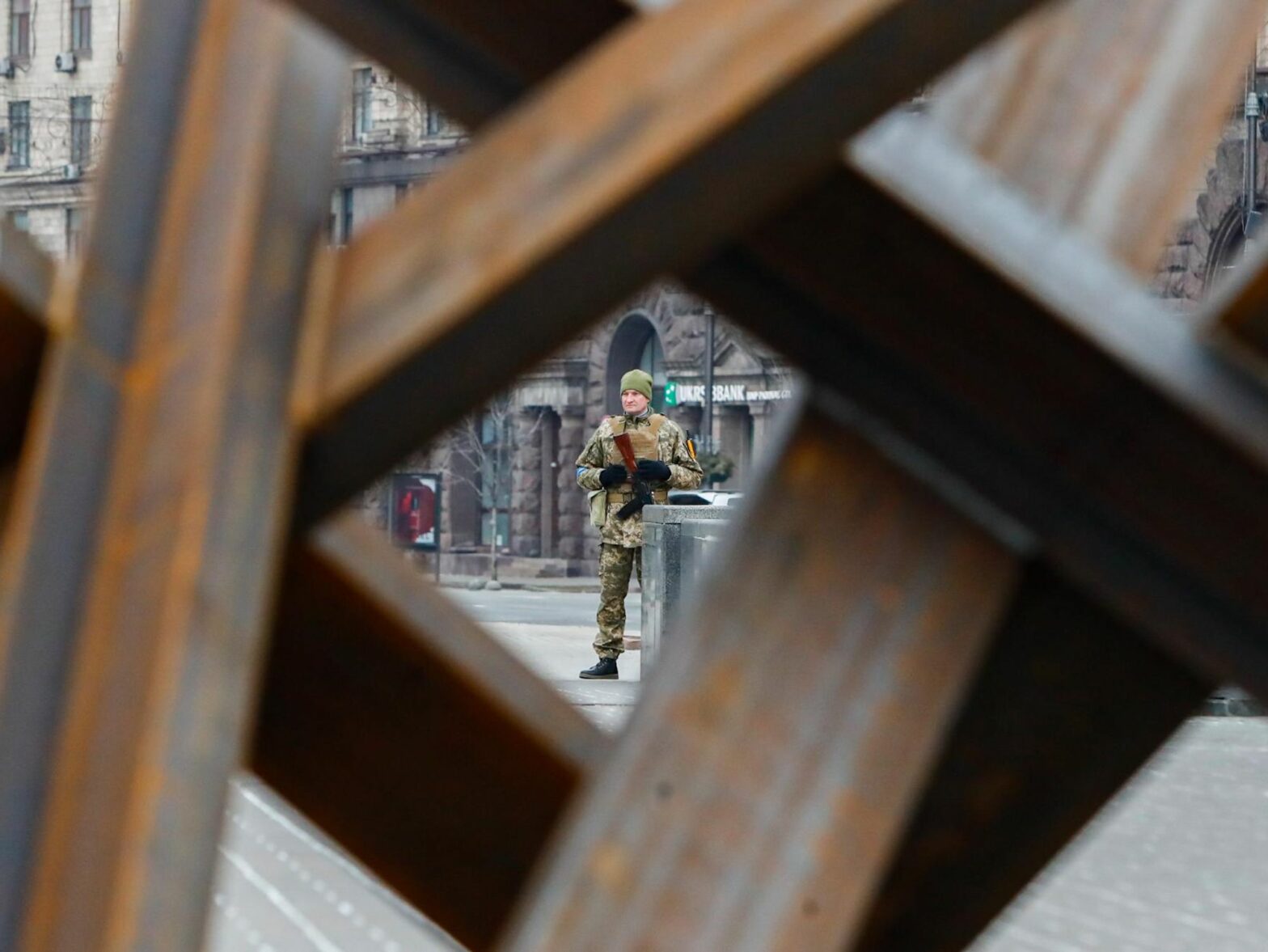
Since day one of the war in Ukraine, military theorist Martin van Creveld has been analyzing the problems facing Russia. He recognized Putin’s supposed retreats as the deceptions that they are. But the current situation is even more complex than it appears.
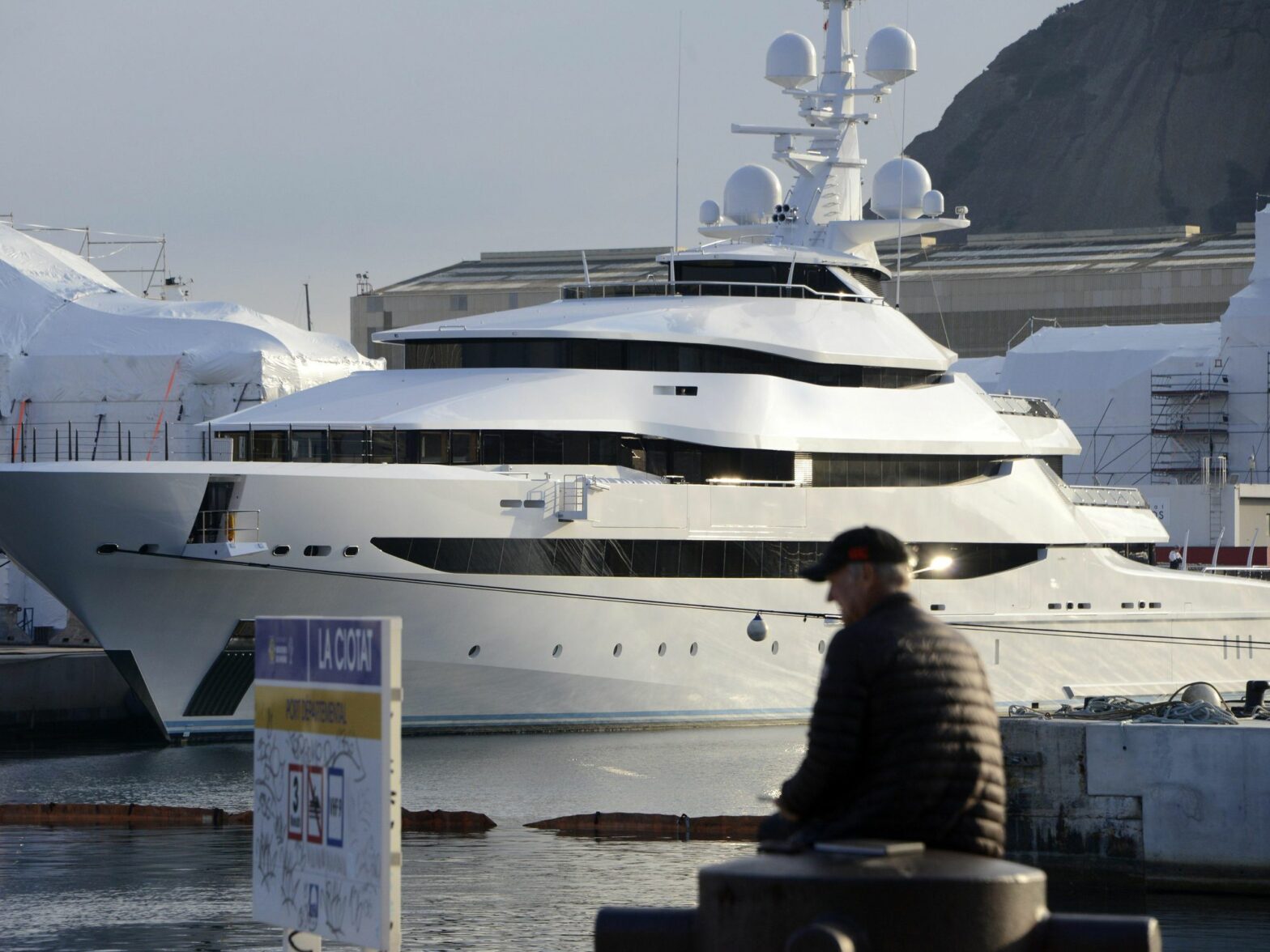
Chalets in Courchevel, villas on the Cap d’Antibes peninsula, yachts and valuable paintings are in the sights of the Ministry of Economy’s task force. But in this game of cat and mouse through a maze of offshore companies, nominees and trusts, oligarchs are often one step ahead.
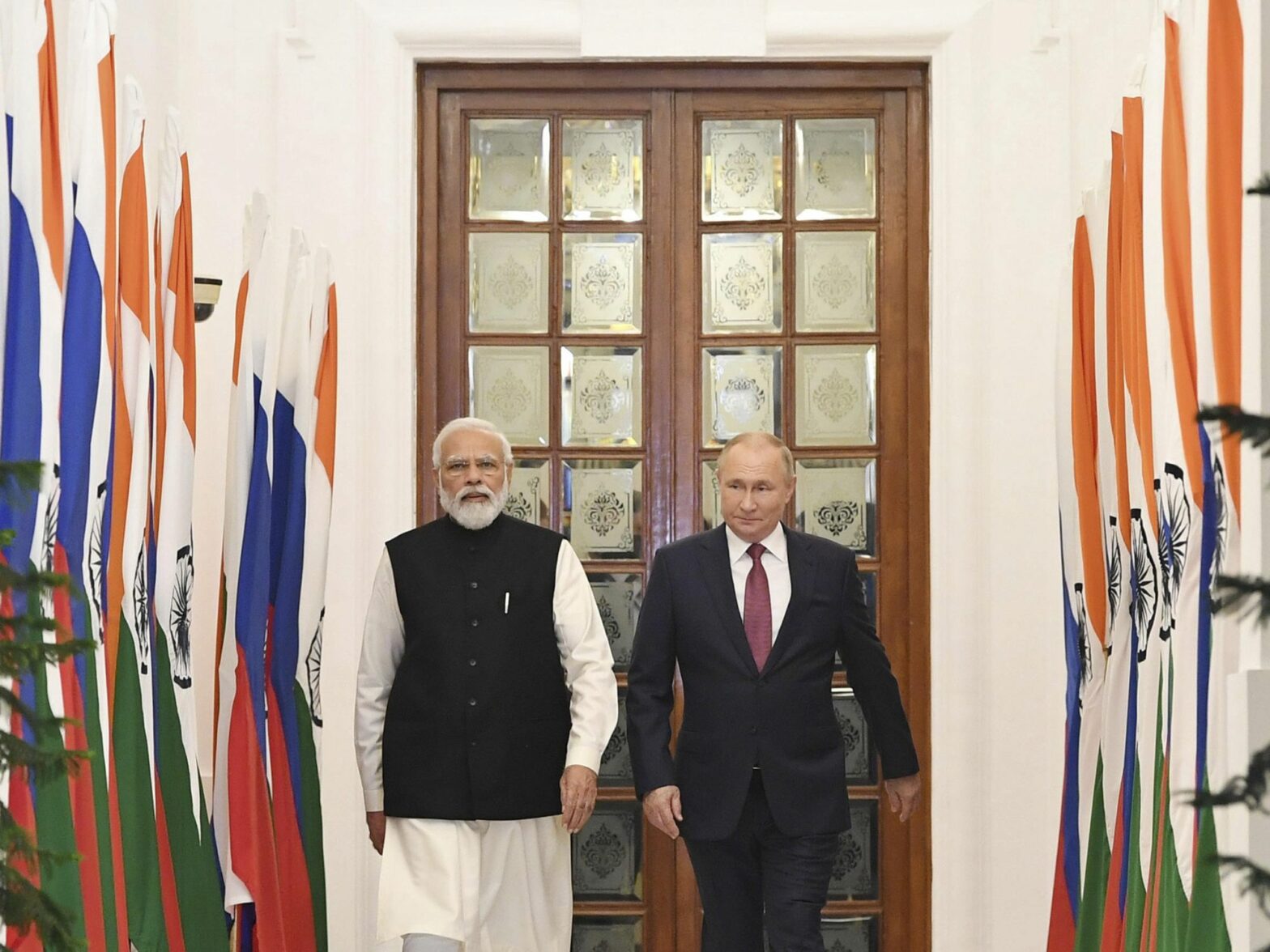
Prime Minister Narendra Modi has not called out Russia for its unprovoked invasion of Ukraine, but not because he wants to help broker a peace. Rather he only has domestic concerns in mind.
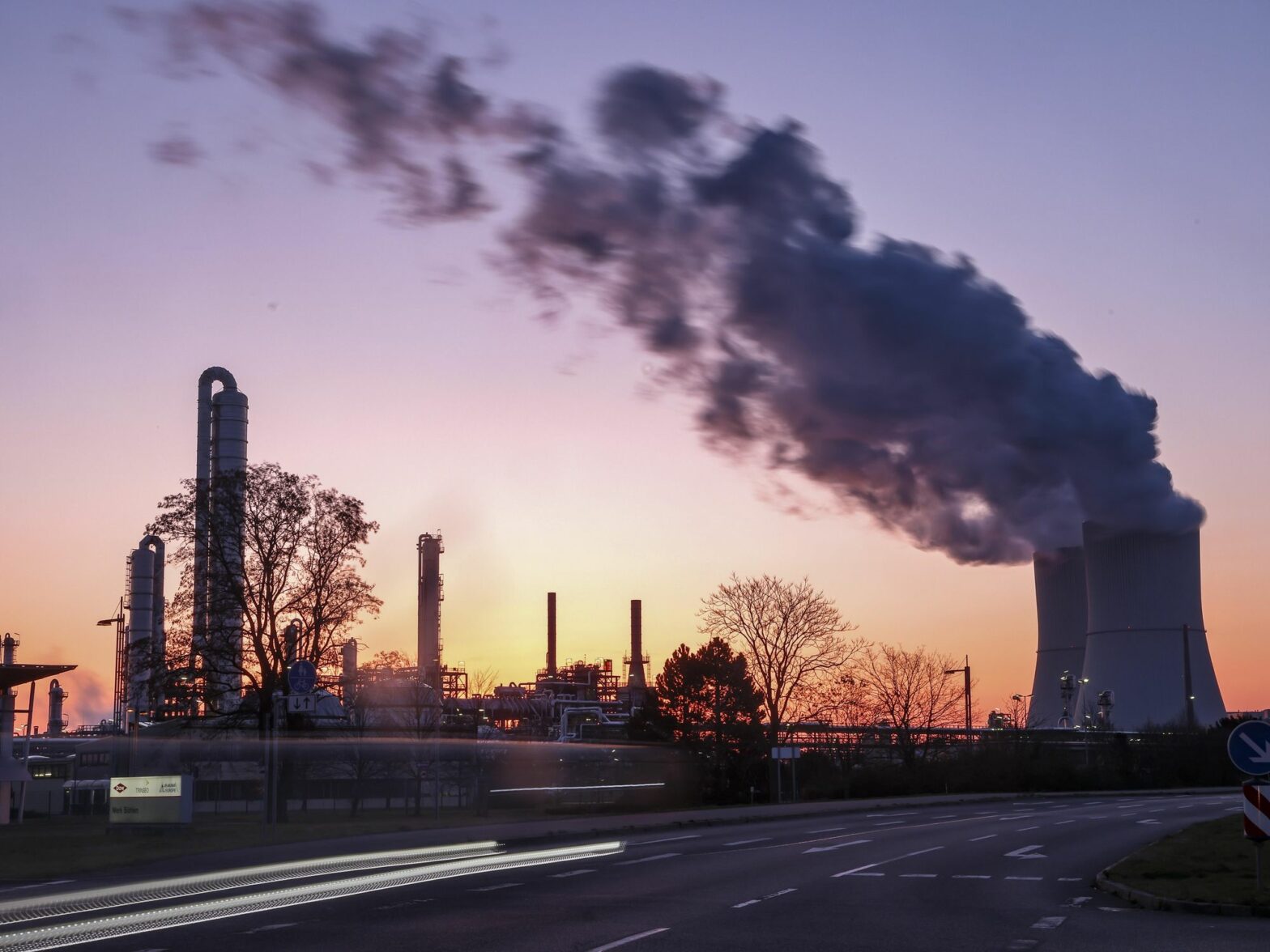
The European Commission is busy trying to get Europe to be completely independent from Russian natural gas by the end of the year. It won’t come without hardships, including for consumers and the climate. Die Welt has details on how it will happen, and what it will cost.
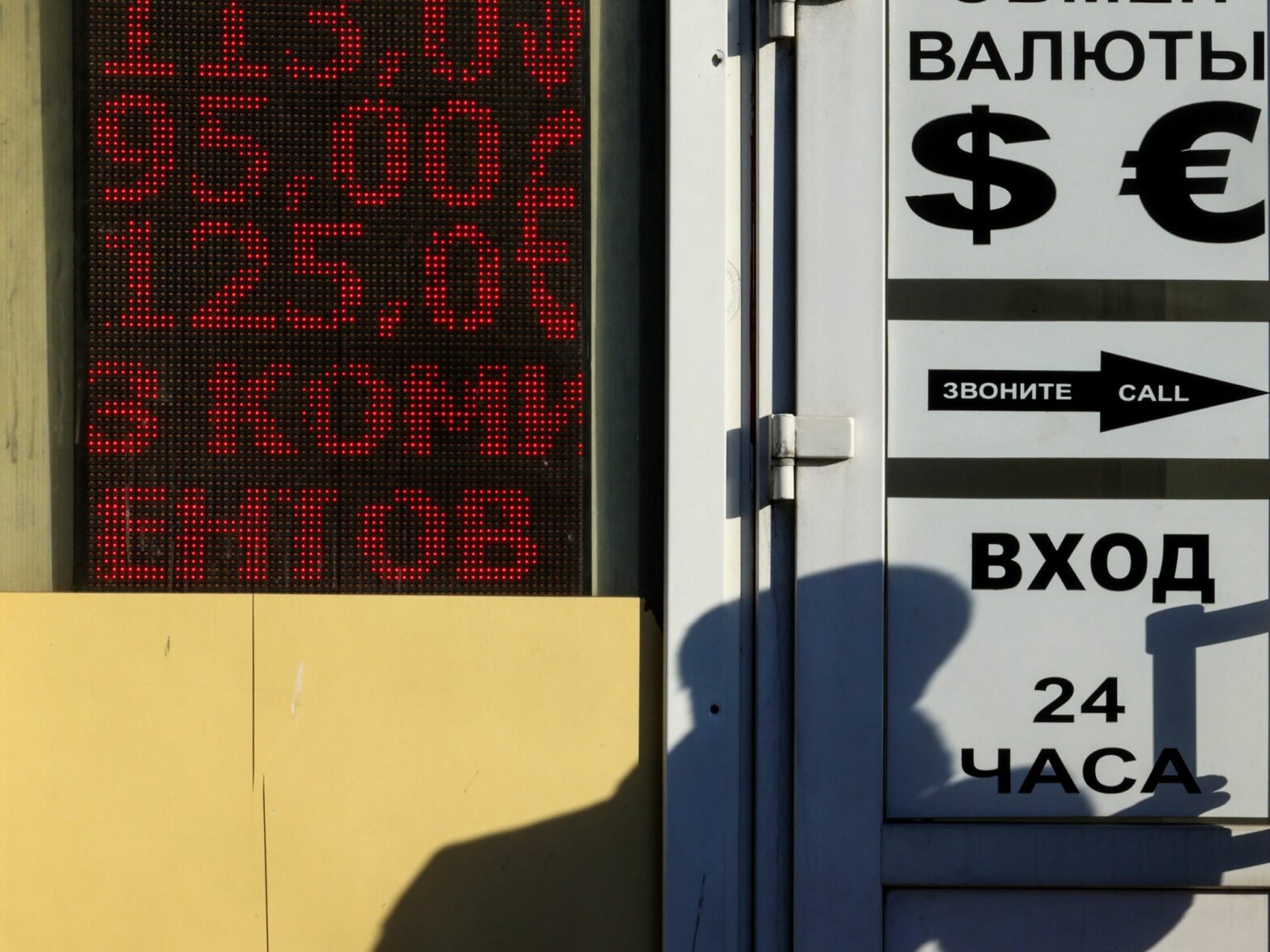
French firms TotalEnergies and Renault announced they were, over time, suspending their activities and halting production in Russia after being widely criticized for their inaction since the invasion of Ukraine. But leaving Russia doesn’t have the same cost or the same consequences for all companies. And we should calculate in who will profit later.
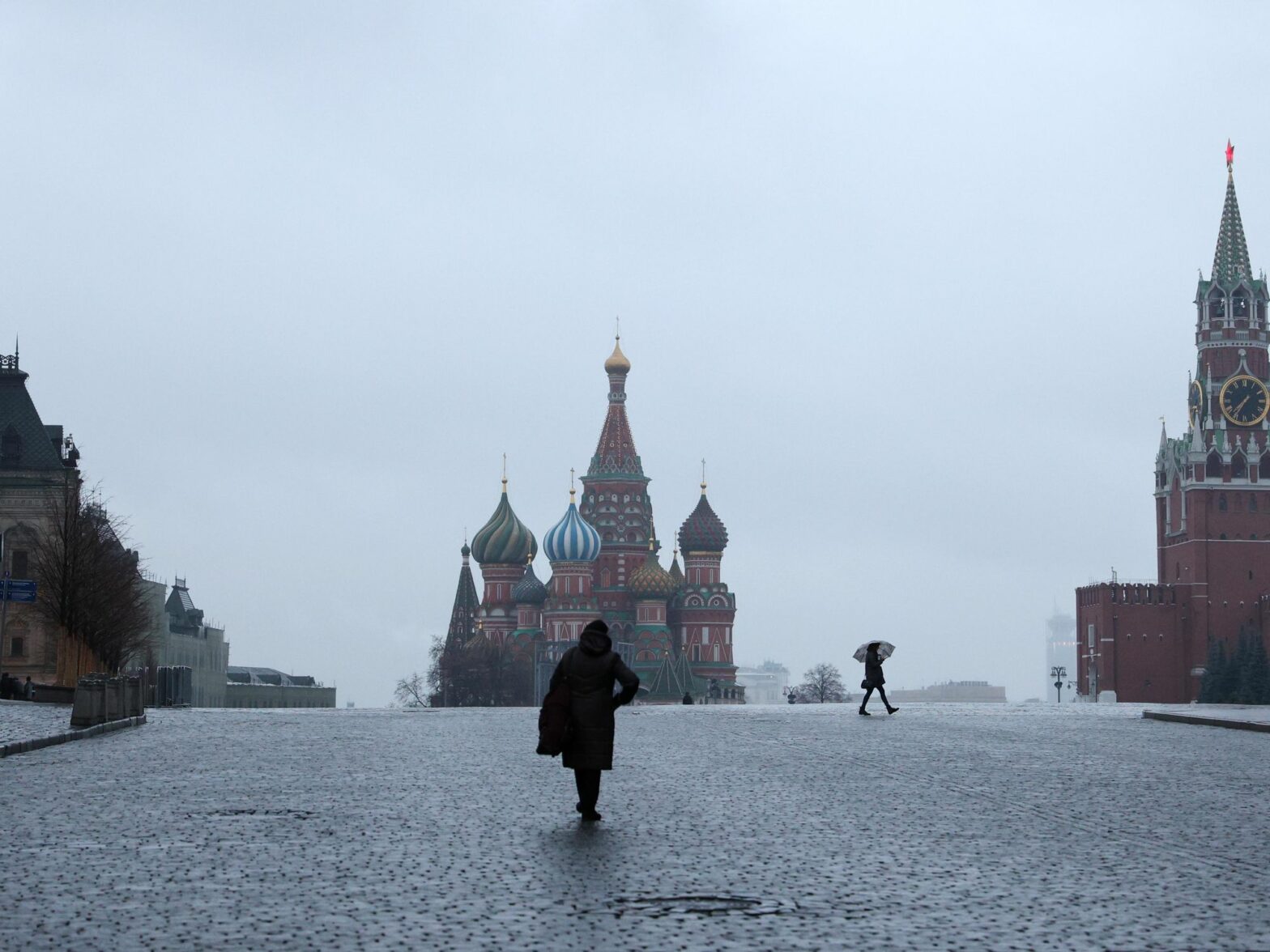
Like from a Pushkin tale, Soviet embargo, or even a COVID lockdown, Russia is at home when it is proudly or despondently cut off from the external world. And after a post-Soviet pause of opening up, here we are again, says Russian writer Yury Saprykin.
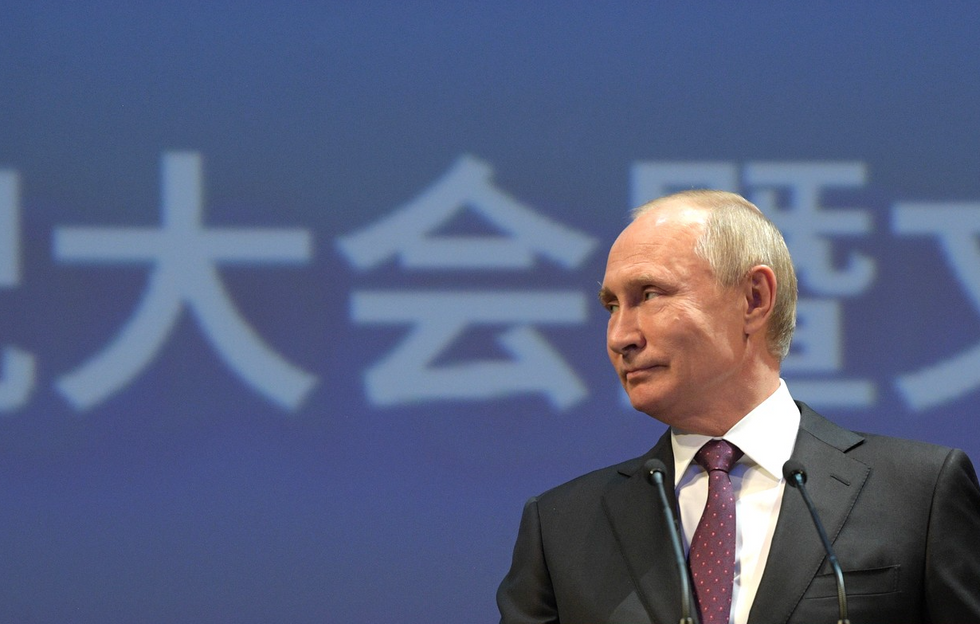
Putin may seem an irrational actor, but he is clearly staging a wider war against the West and the U.S. Even if Russia couldn’t survive an urban guerrilla battle in Ukraine, it has China’s silent support.
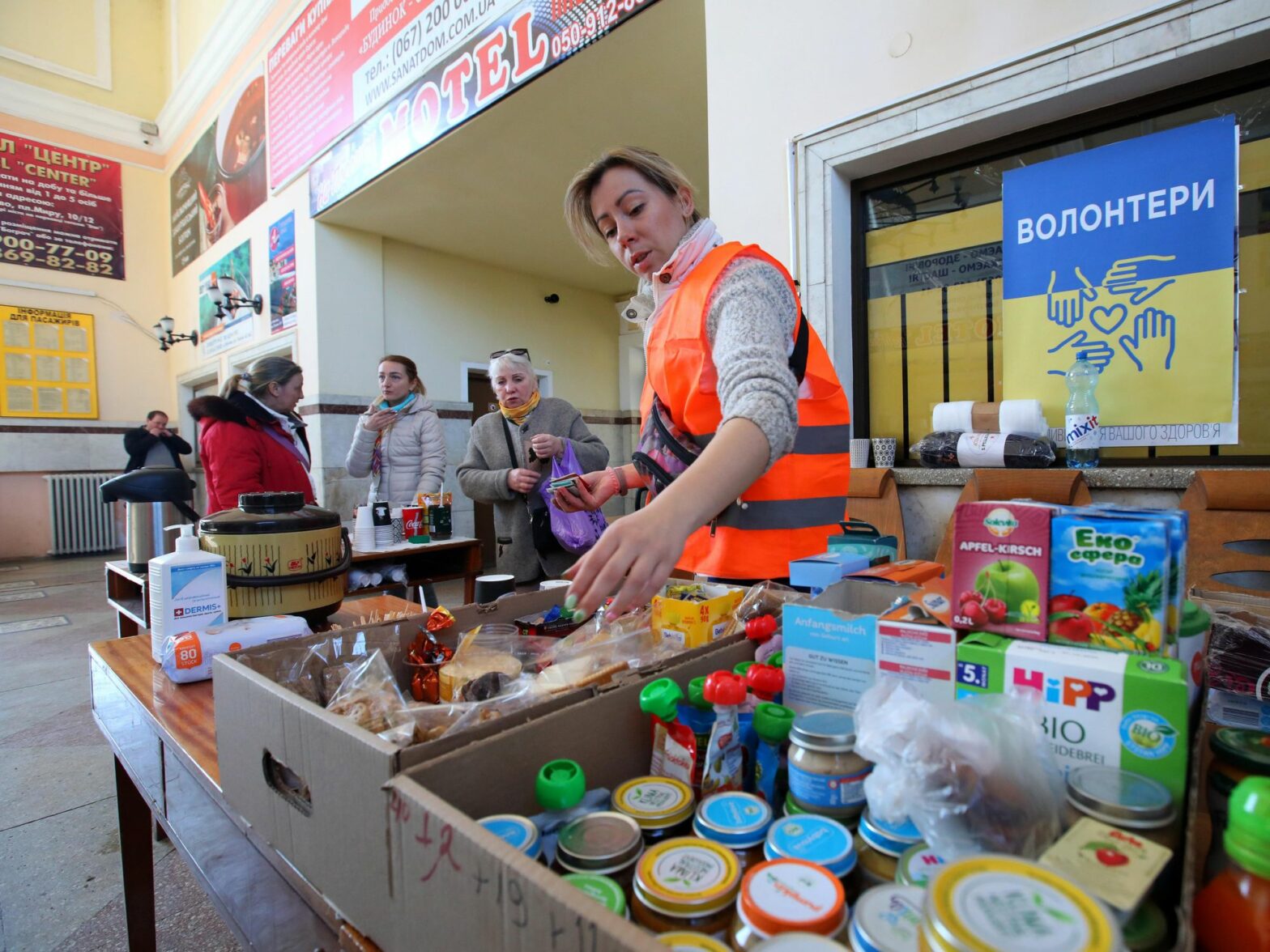
In an interconnected world, we are faced again with the negative implications of the so-called “butterfly effect” when a localized conflict can have far-reaching consequences and trigger lasting crises. For our world’s broken food systems, the war in Ukraine should be a wake-up call.
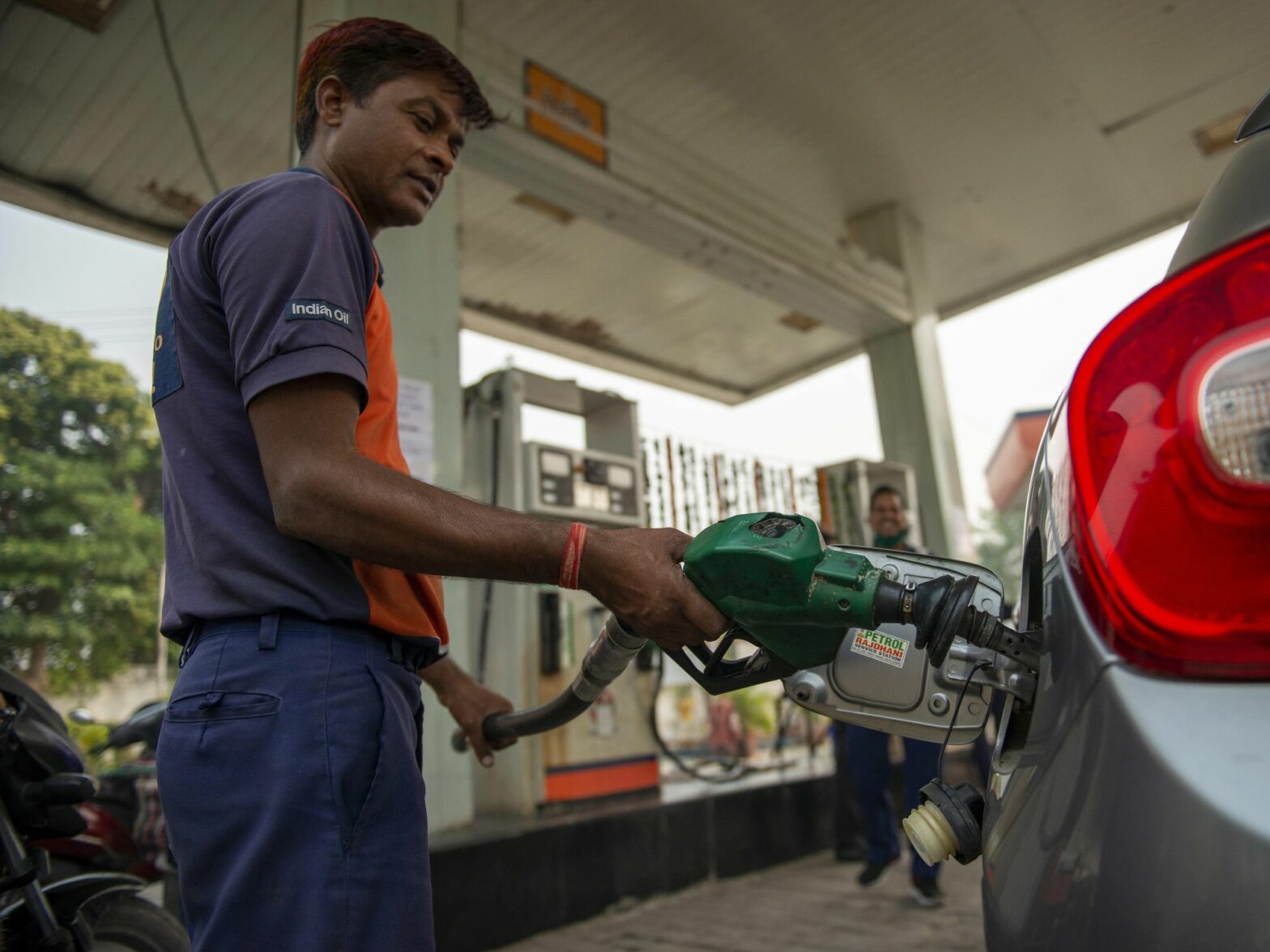
While the strategic issues are still being debated, the Indian government has dismissed the moral issue by concluding a cheap oil agreement with Russia. But are Indian consumers prepared to accept the true cost of discount Russian oil?
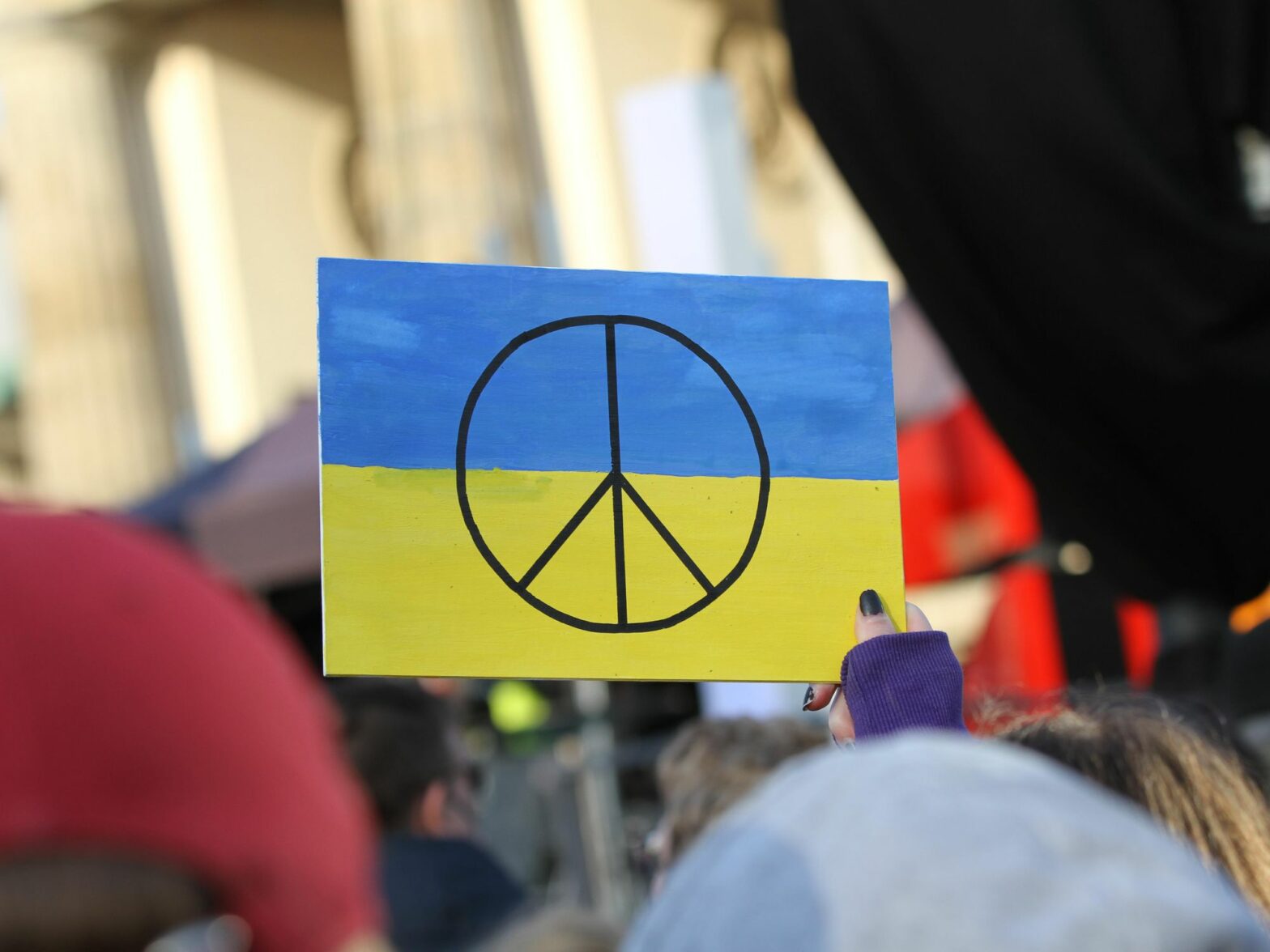
The war continues to rage as negotiations sputter. However, the search for a compromise that’s honorable for both parties is the only way to avoid escalating violence. There is a way to build the proverbial “golden bridge” of retreat for all.
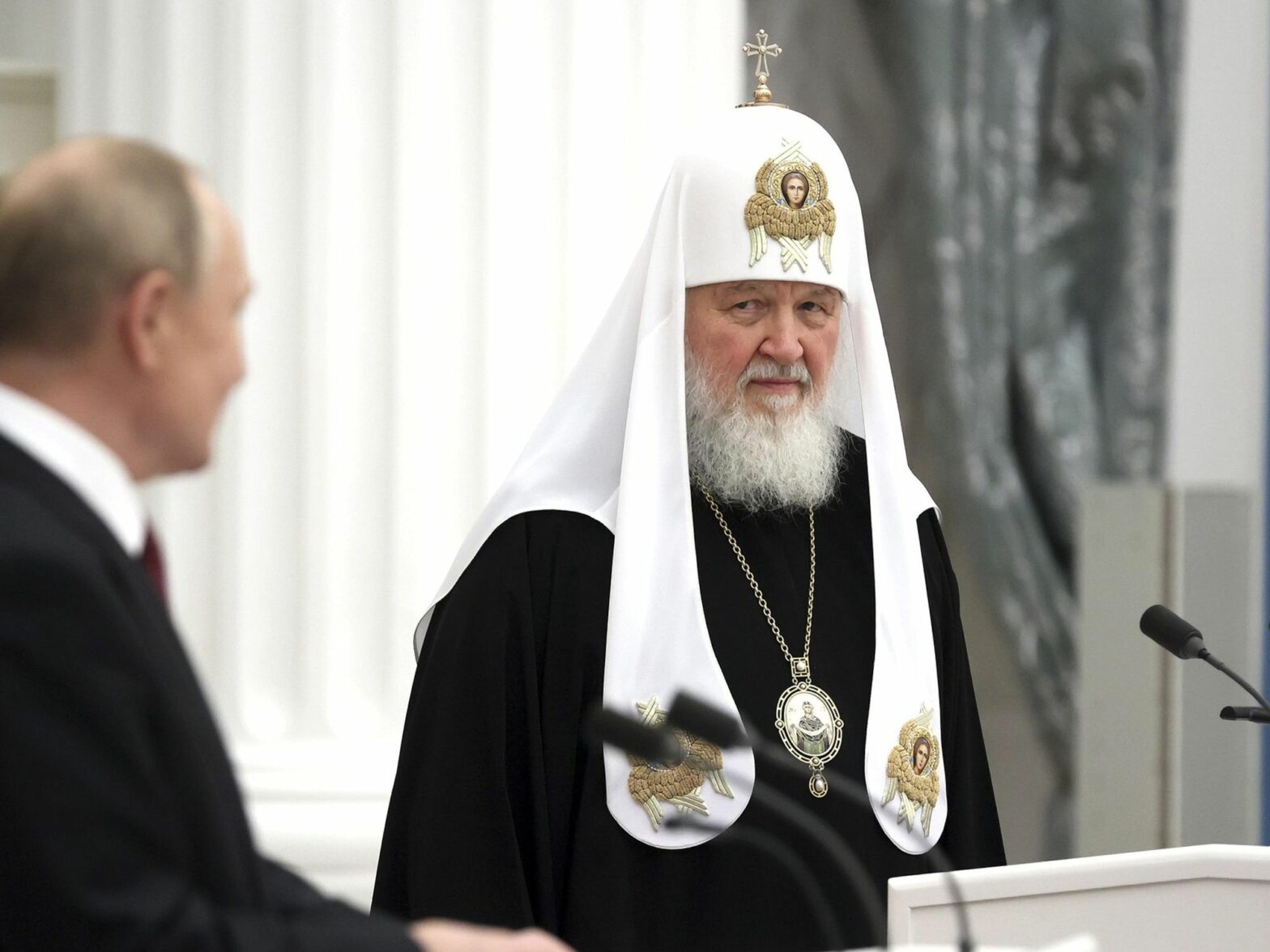
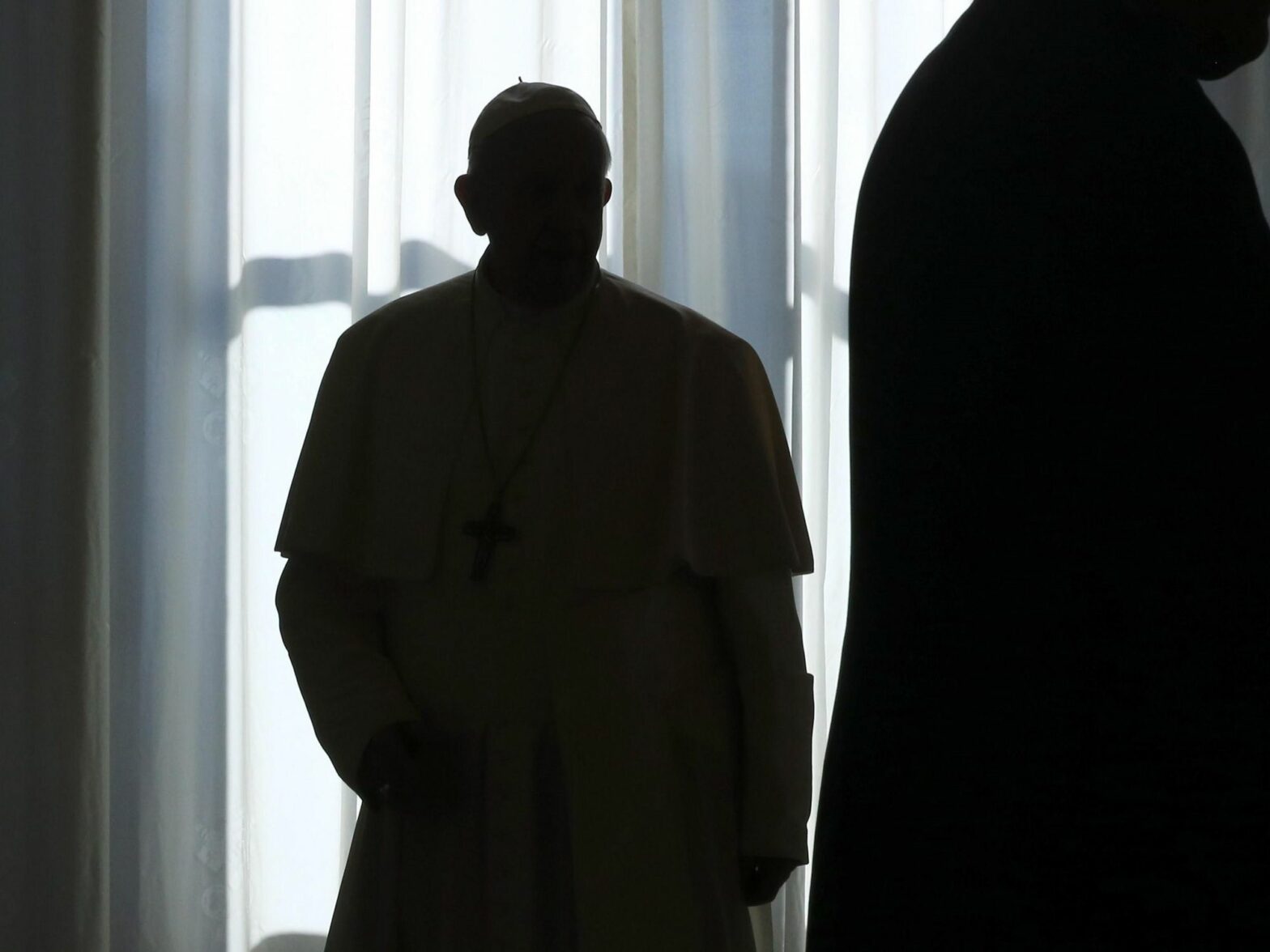
Patriarch Kirill I has offered Putin a religious justification for his invasion of Ukraine, while Pope Francis stands firmly with the Ukrainian people. The leader of the Russian Orthodox Church is a close ally of Putin’s, and has surprising links to the KGB.
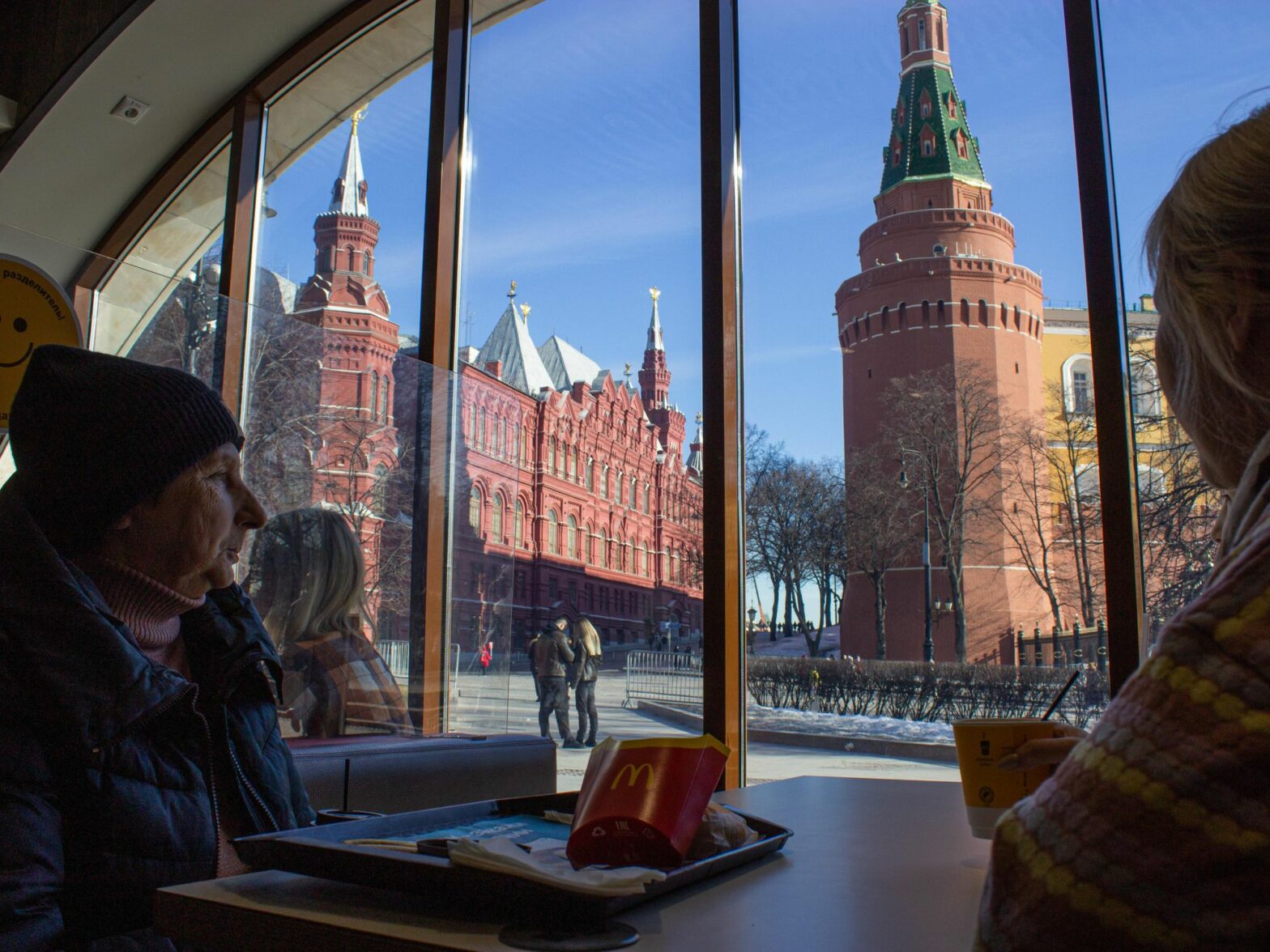
Western freedoms in Russia are only partially appealing, since historically, Russians never had them. Instead, the Russian people are patient, stoic and often irrationally devoted to their cruel motherland.
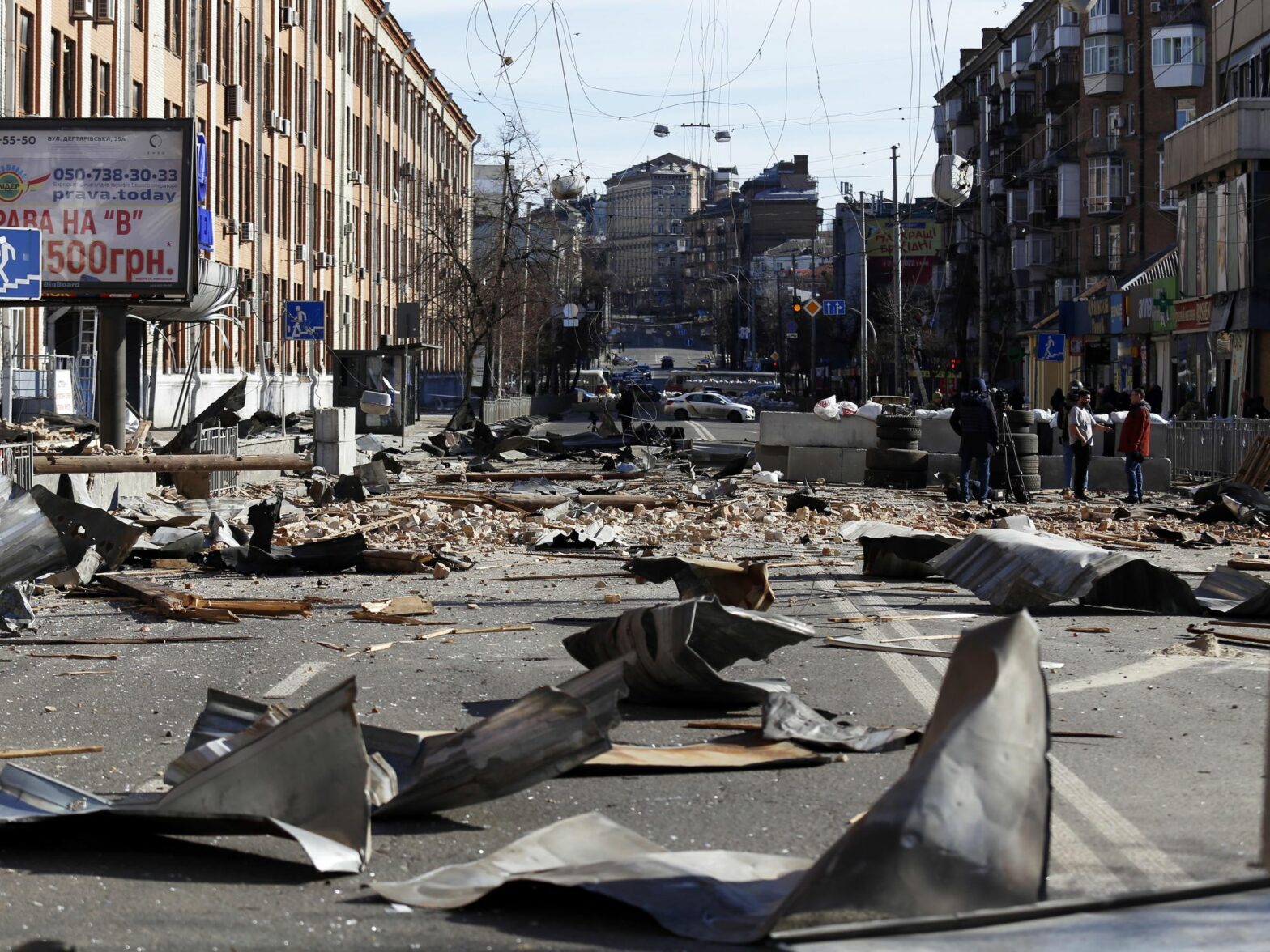
The Kremlin is increasingly focused on the destruction of infrastructure in Ukraine. The government in Kyiv will be entitled to reparations. Russia should know now: the more it destroys in Ukraine, the less it will get back from its foreign billions.
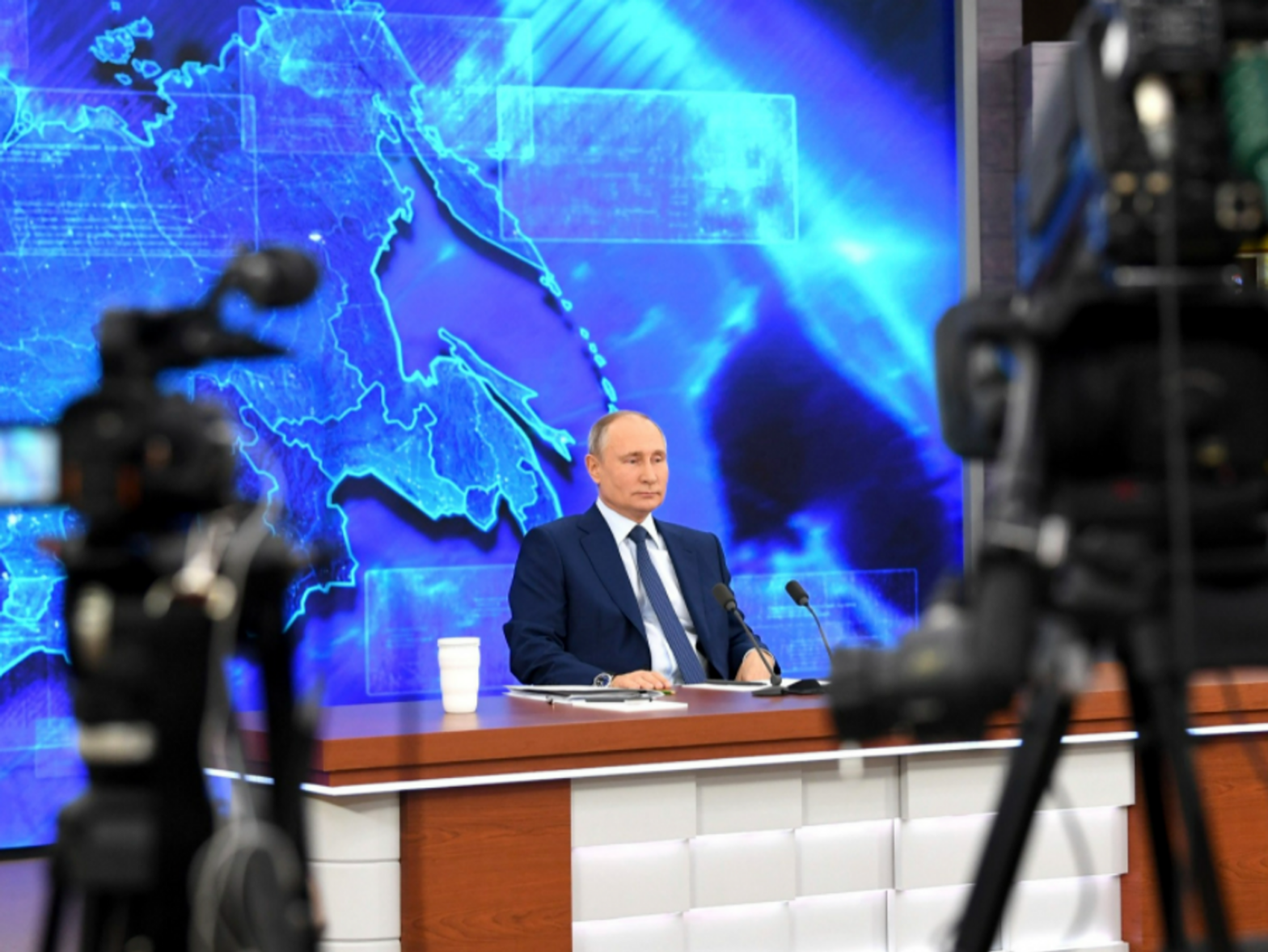
The message from state-controlled media in Russia is clear: we are a peace-loving country constantly provoked by the West. The coverage is very different to the war hysteria before the annexation of Crimea and hides how the Kremlin benefits financially from tensions in Ukraine.
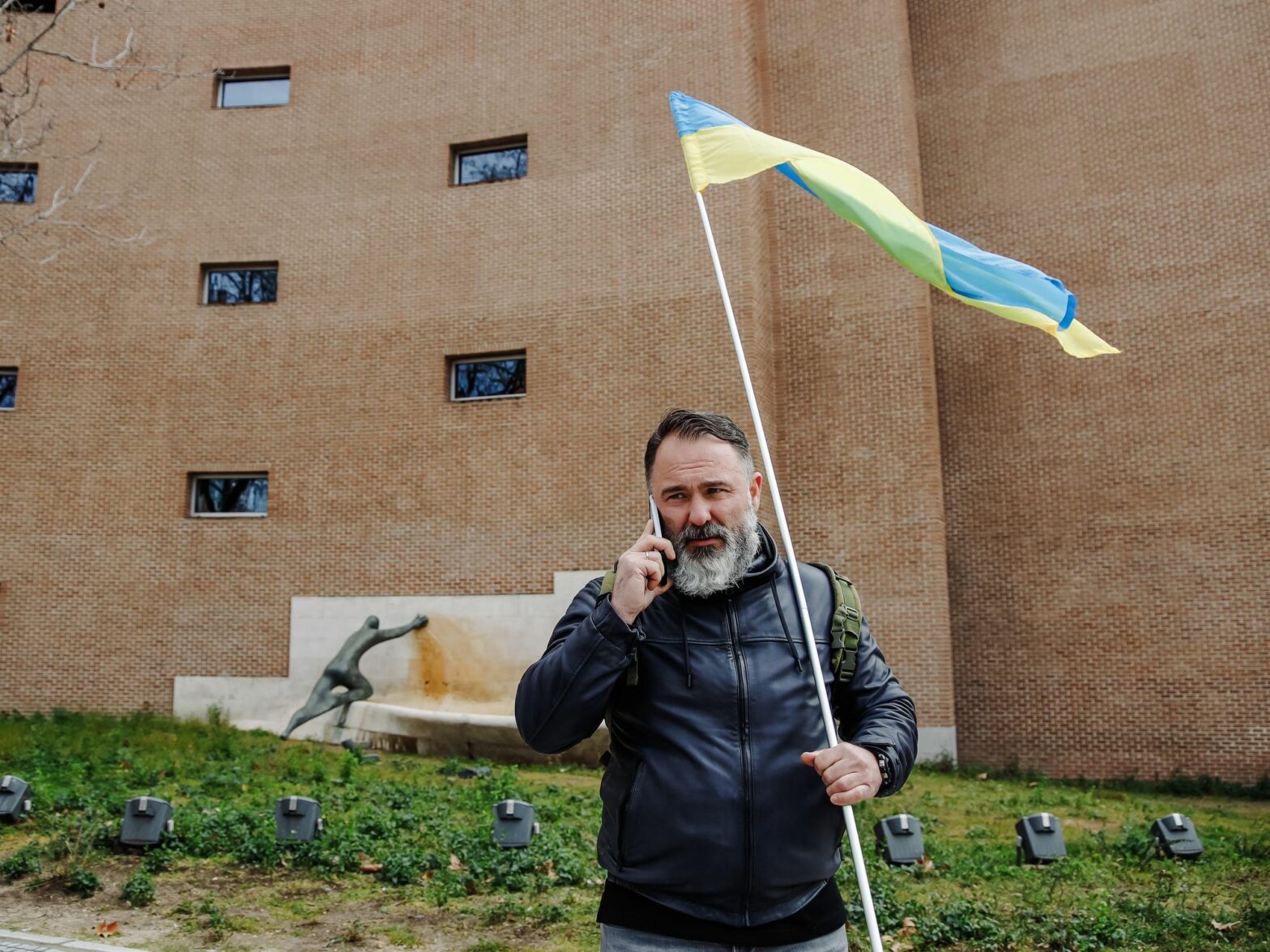
Ukrainian President Zelensky’s belief that Russia’s invasion has nullified both European and global security should not be taken lightly. Everything must be rebuilt — and must happen much faster than Western leaders seem prepared to do. A view from Kyiv-based news media Livy Bereg.
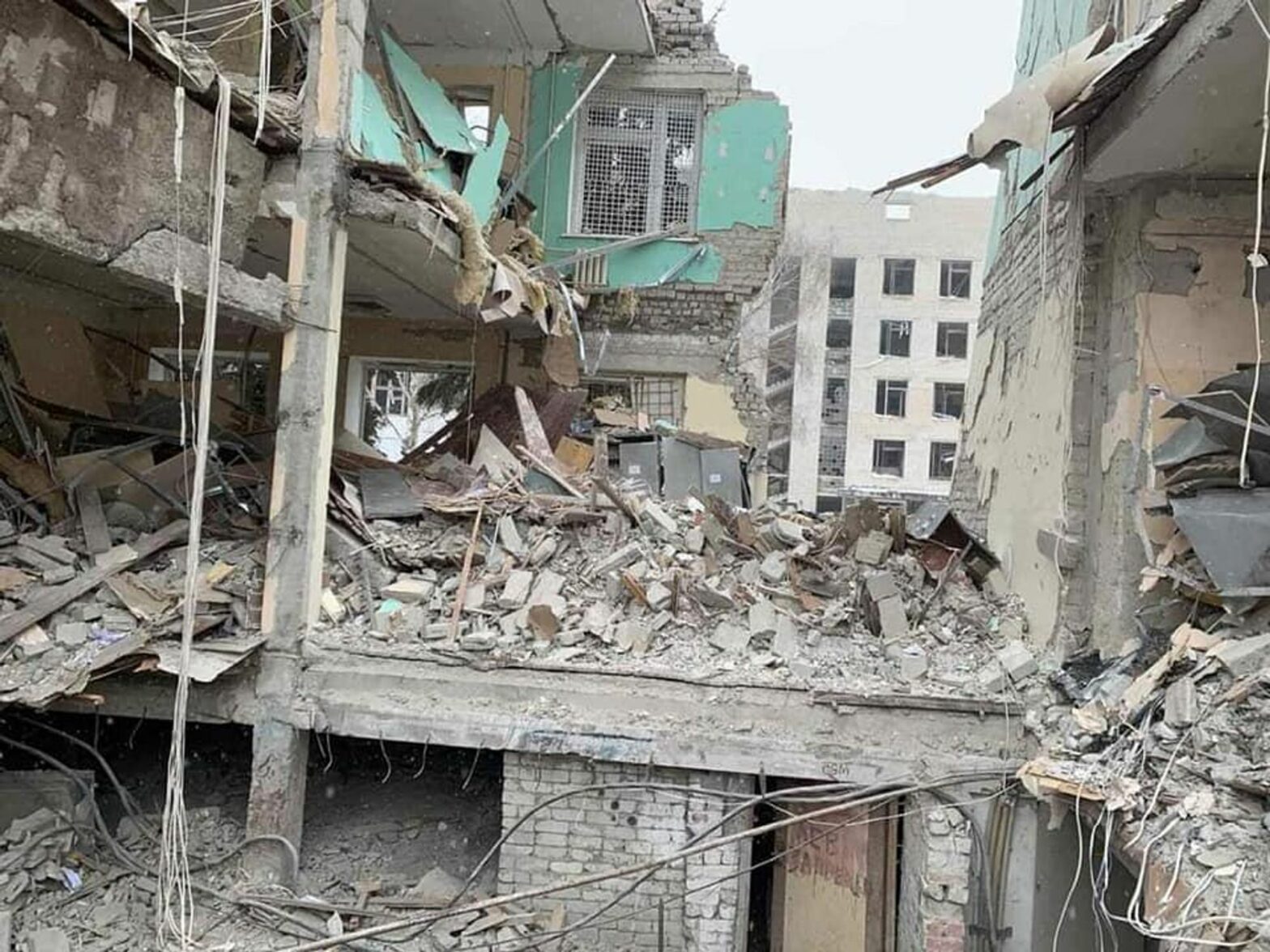
Putin is increasing his attacks on Ukrainian civilians and may be preparing to use chemical weapons. But these horrific tactics are not new — they were perfected by the Russian army during a brutal war in Syria.
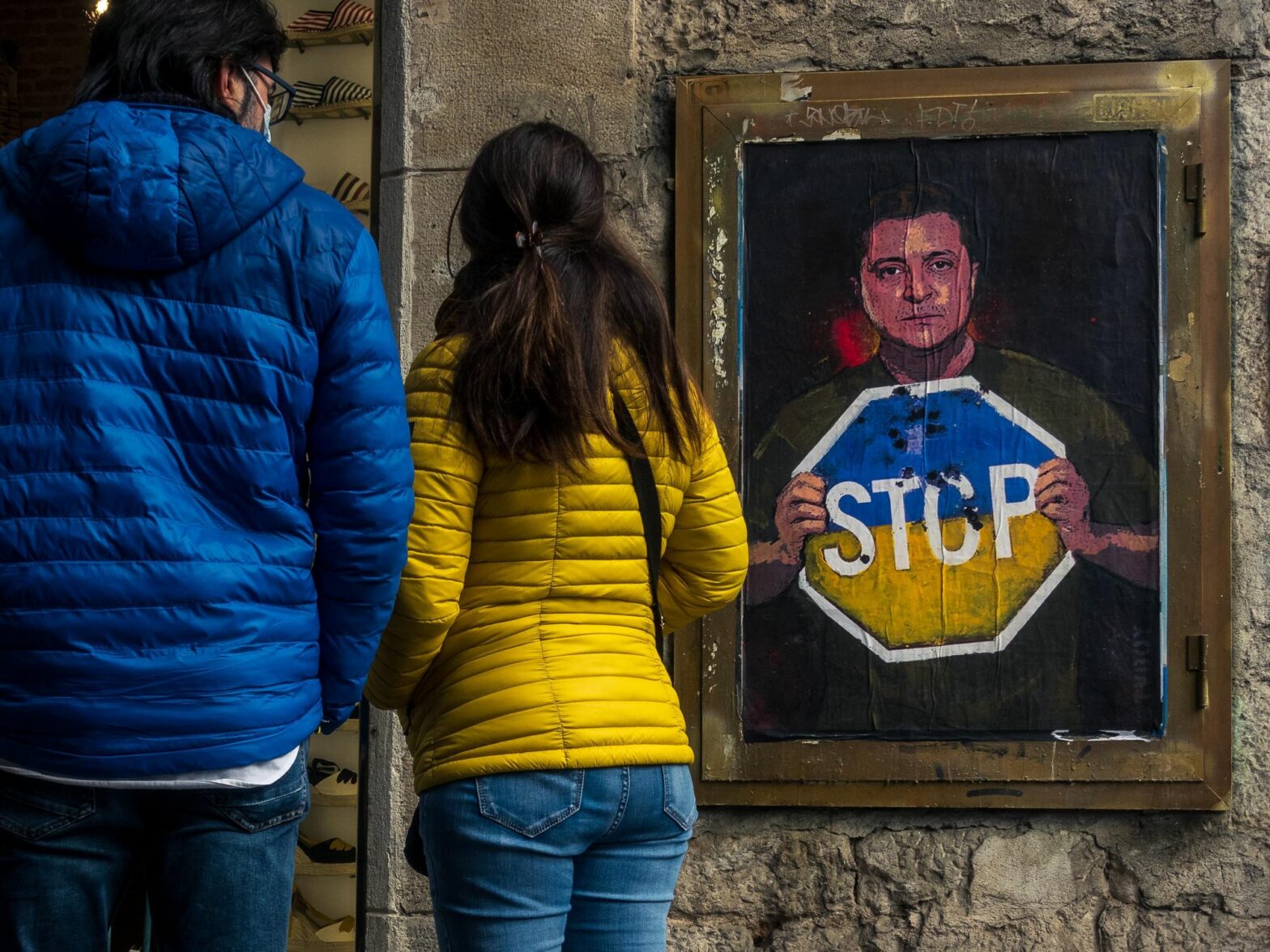
Ukrainian President Volodymyr Zelensky seems ready to accept death on the battlefield — but he would be doing his people an even greater service if he fled Ukraine to establish a government-in-exile.
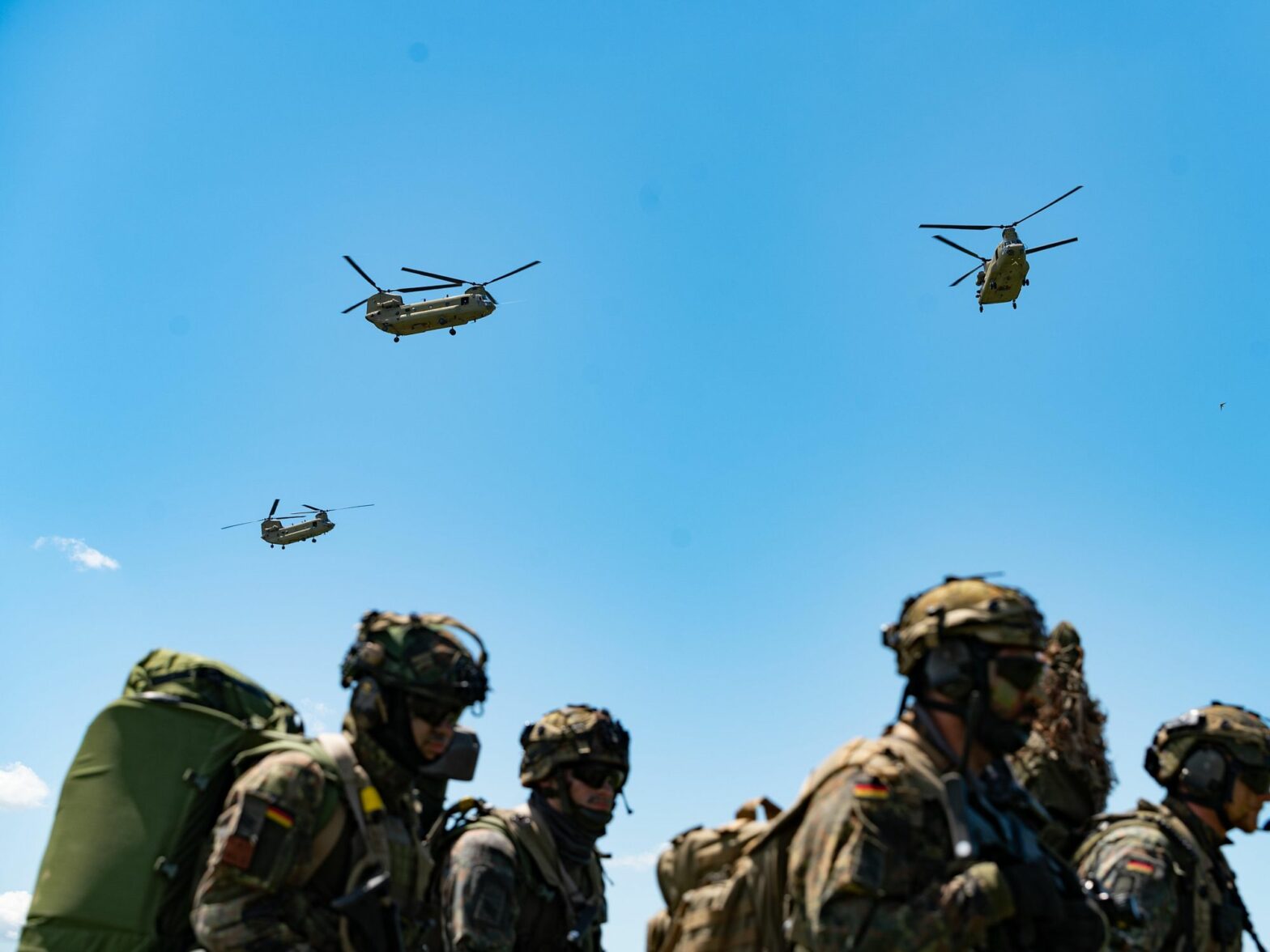
Since Russia’s annexation of Crimea, NATO has reinforced its presence eastward — but the Baltic countries and Poland were the prime beneficiaries. But Romania, which shares the longest border with Ukraine, may be the country most directly in Vladimir Putin’s path.
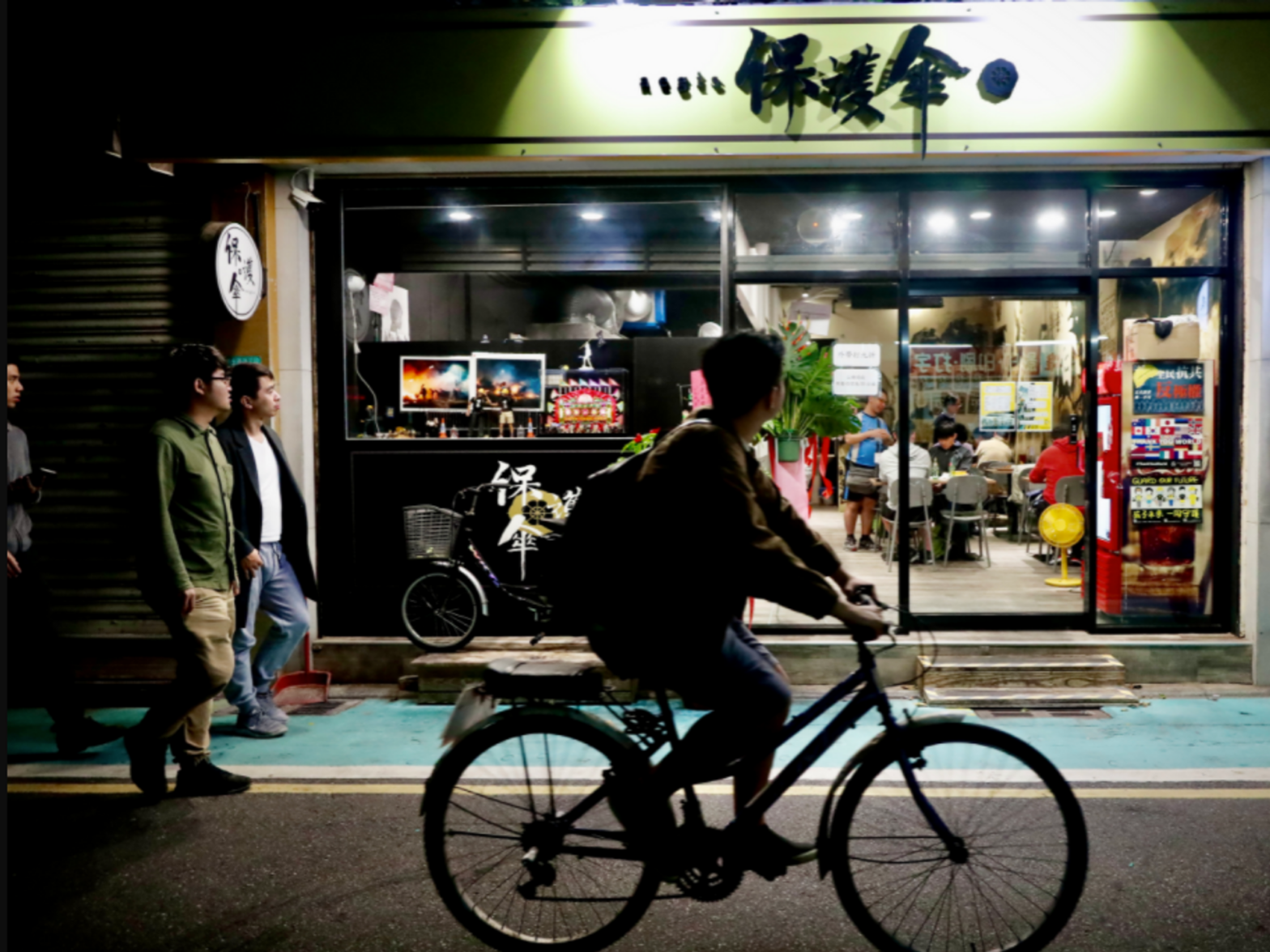
China is already profiting from the West’s economic divorce from Russia. But its biggest interest may be to learn from Russia’s experience of invading a land it claims for itself.
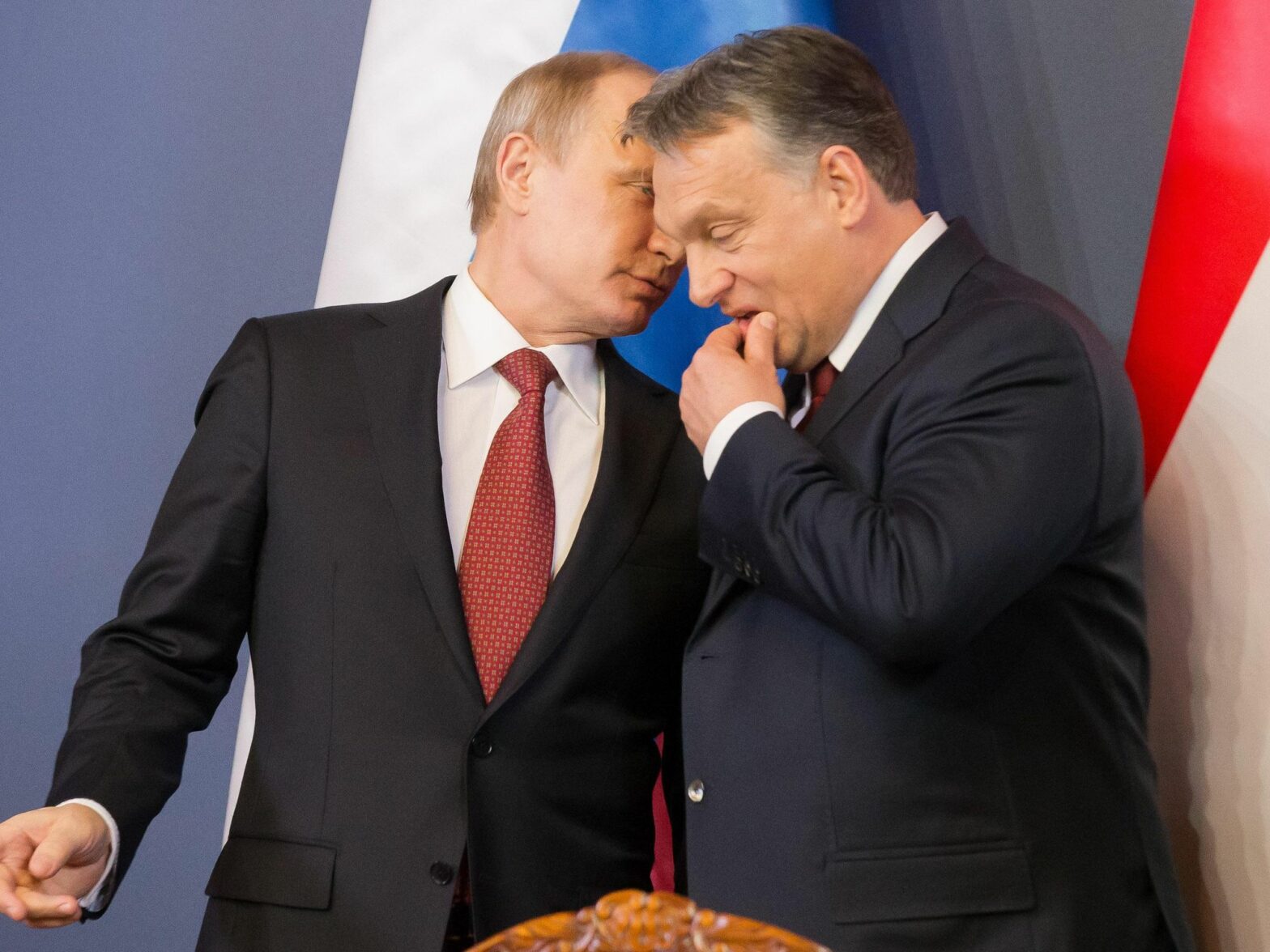
Hungarian Prime Minister Viktor Orbán is trying to keep the EU and NATO happy without upsetting Vladimir Putin. The war in Ukraine has upped the stakes in Hungary, where tense elections are just a few weeks away.
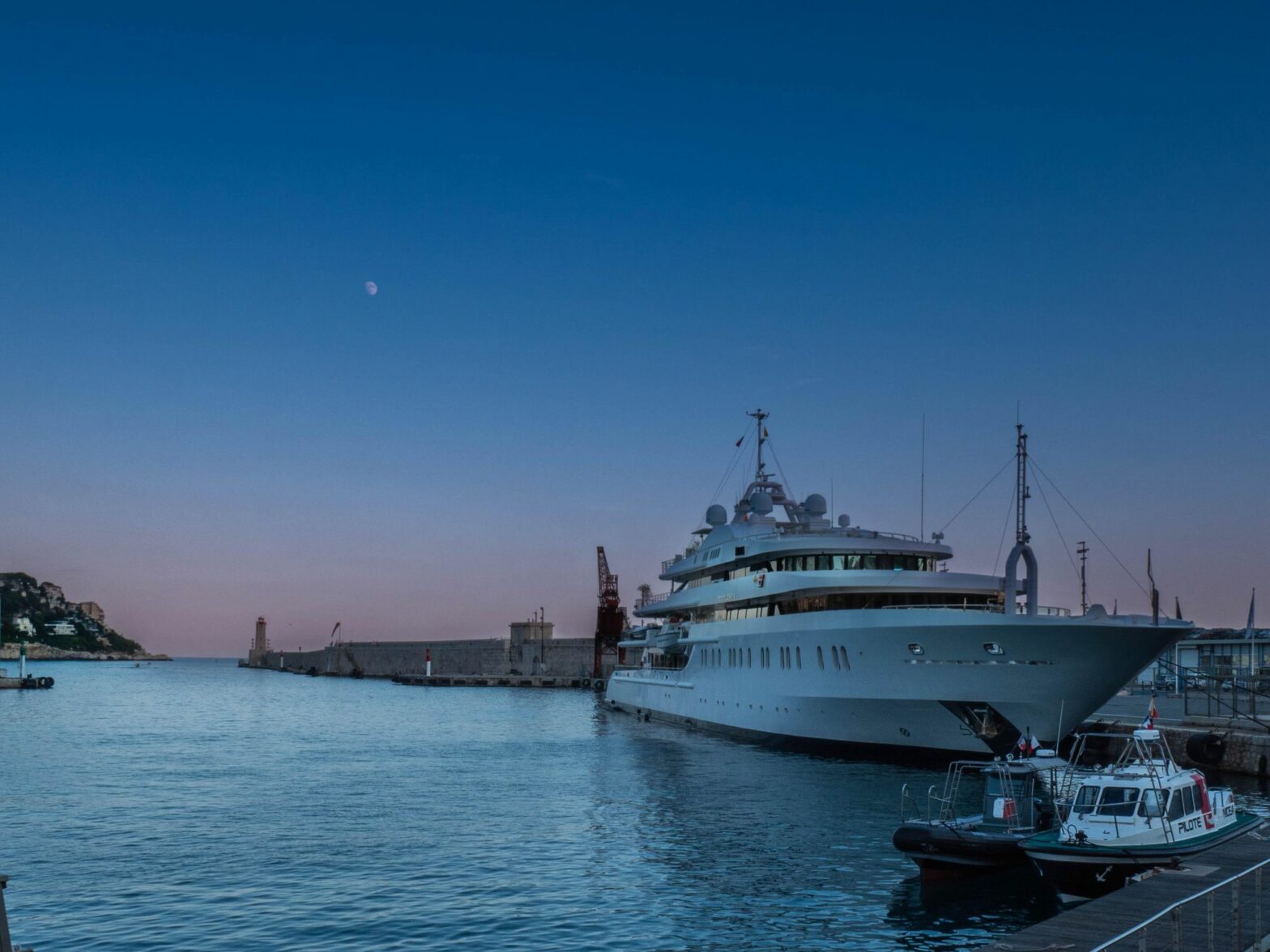
The likely defection of Russian tourists this summer is clouding the prospects of tourism professionals in the South of France, whose activity is still recovering from the pandemic. An emblematic snapshot of the after-effects of Putin’s invasion of Ukraine.
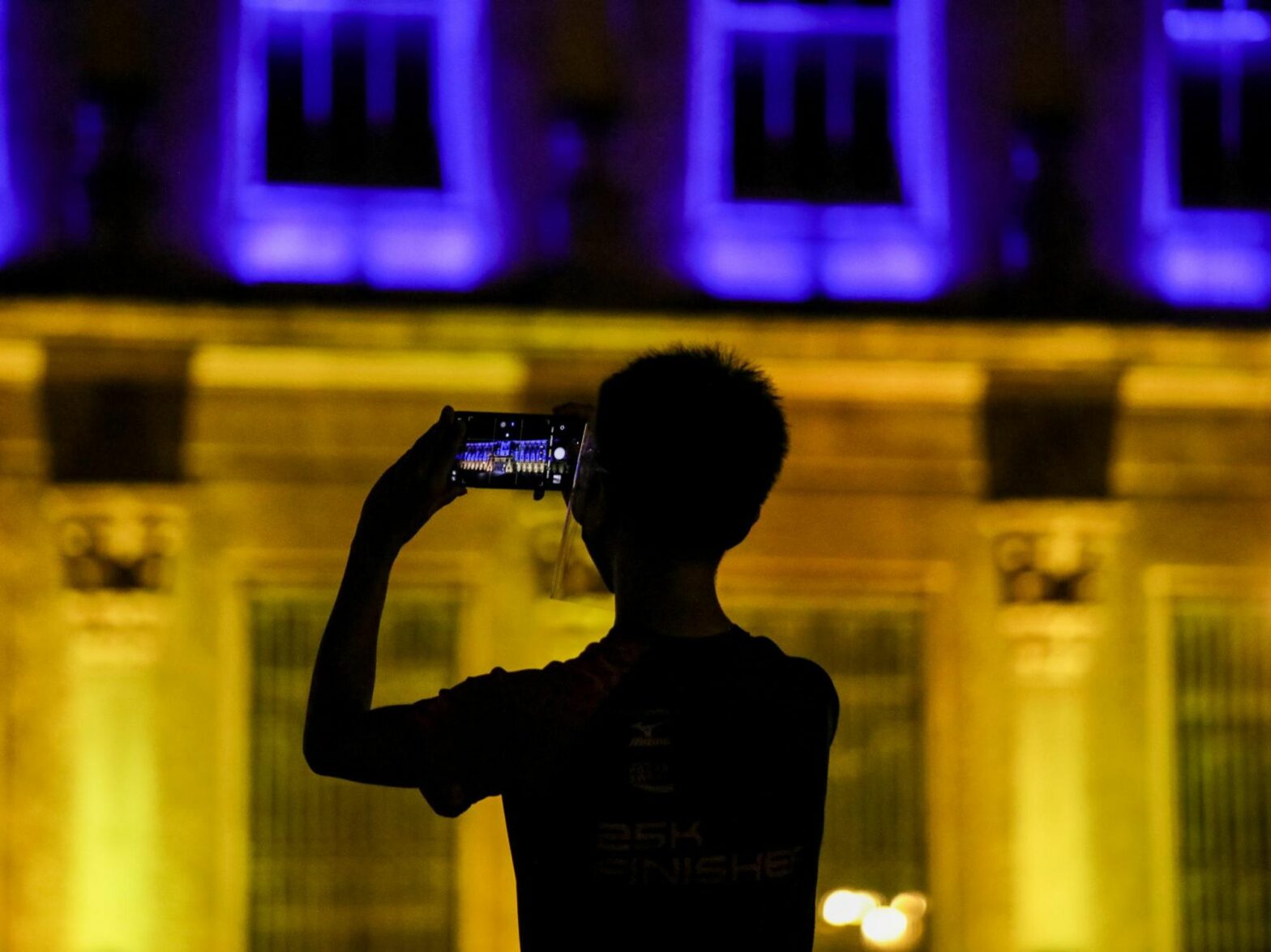
Western countries want to isolate Russia on the world stage. But for many Asian countries, the war in Ukraine is distant geographically and economically, and represents an existential debate between dictatorships and democracies.
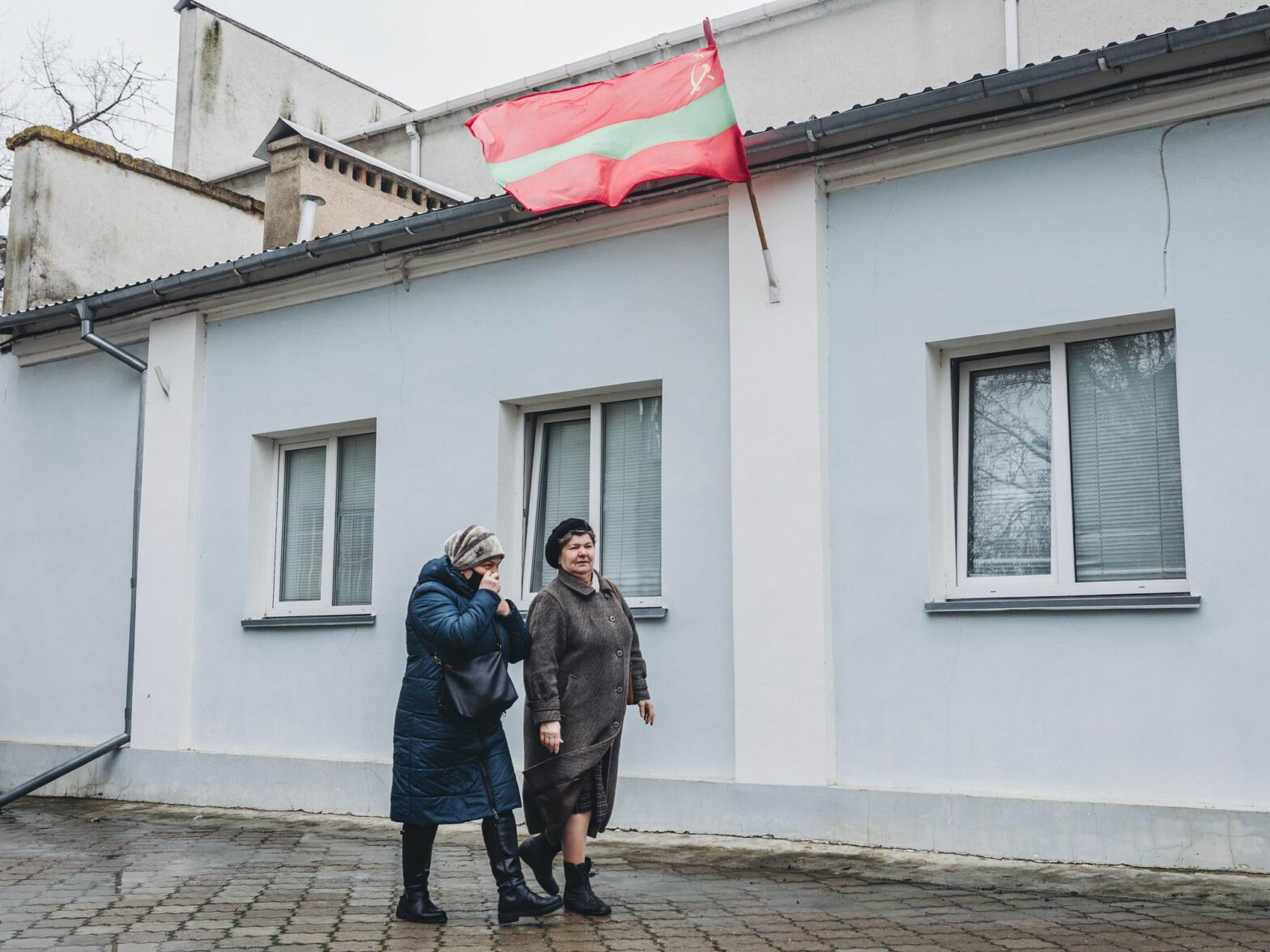
An exclusive visit inside Moldova’s breakaway pro-Russian republic of Transnistria, which many fear may be the gateway to the next war after Ukraine in the strategically important target.
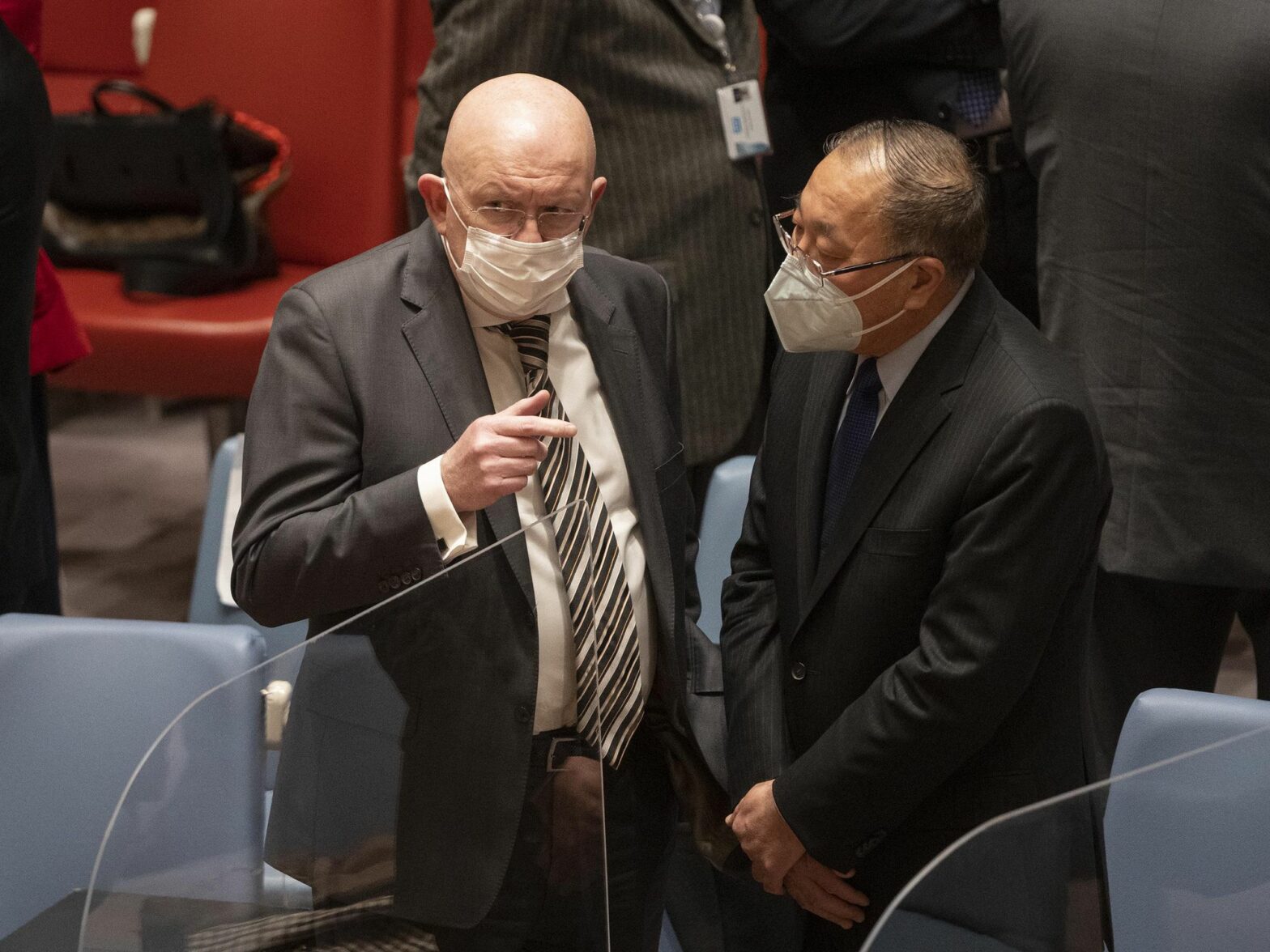
China did not expect a protracted and bloody war in Ukraine, which is causing global upheaval and thus major problems for Beijing’s interests. There are growing signs that the Chinese government’s policy of “strategic neutrality” is reaching its limit.
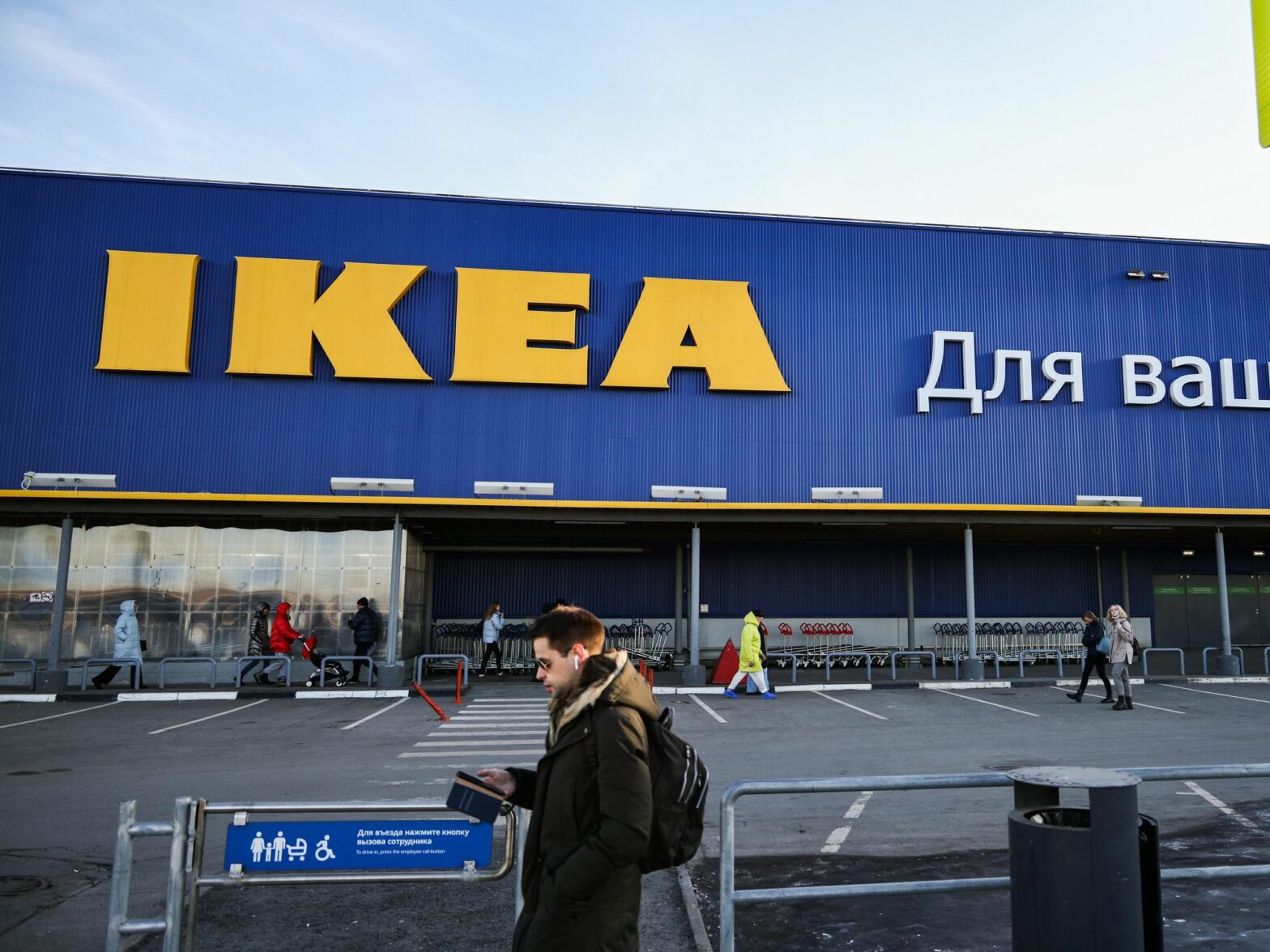
More than 300 companies have announced plans to close stores, reassign staff or stop selling products in Russia since the Feb. 24 invasion. These decisions fit in with a recent trend of companies listening to customers, though the geopolitical factors are a new twist.
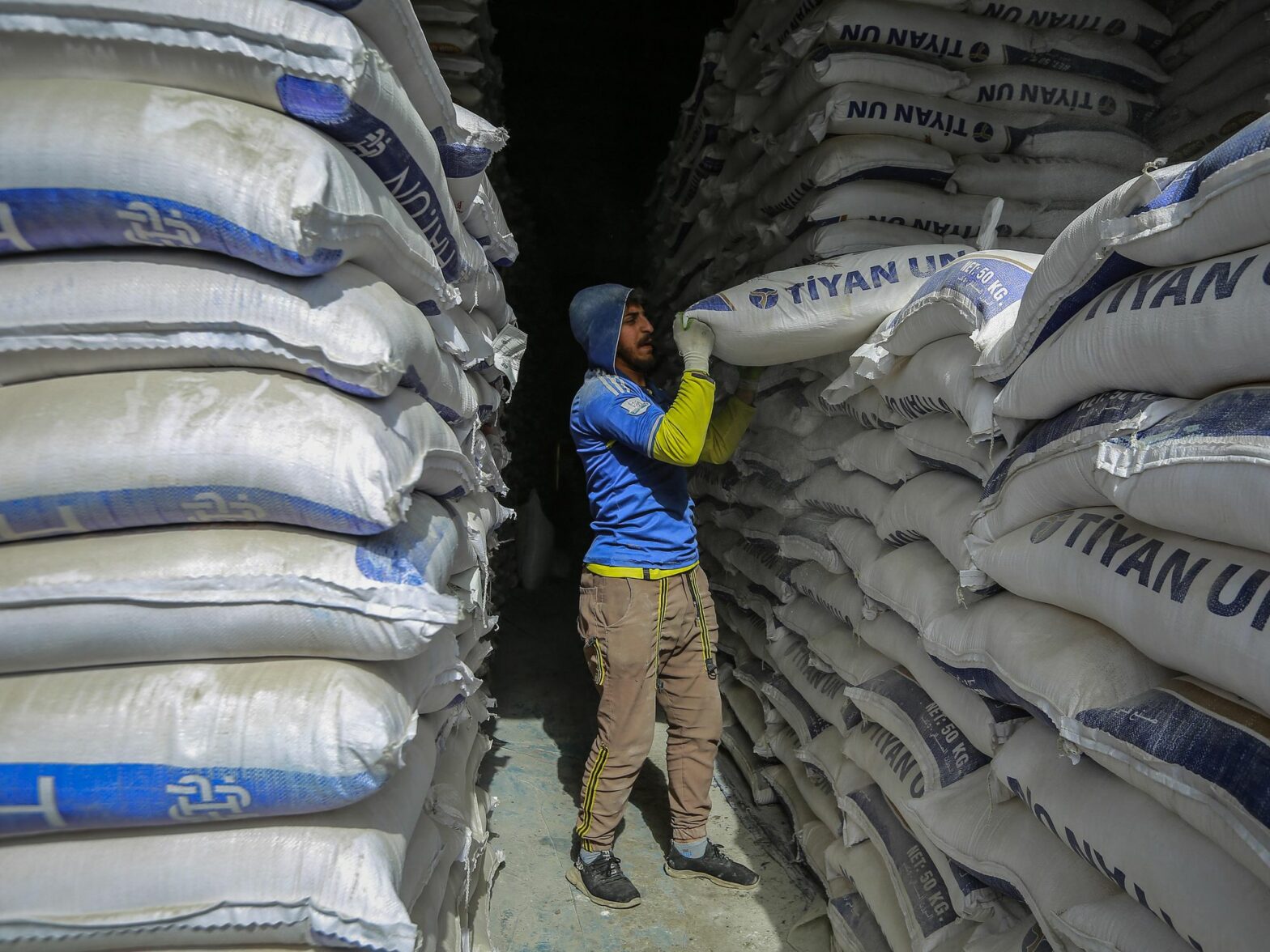
First, the COVID-19 crisis, and now the need to respond to Russia’s invasion of Ukraine, are forcing countries to confront the risks of global interdependence. In its place comes a rush to establish national autonomy for crucial resources, from masks to oil and gas. But at what price?
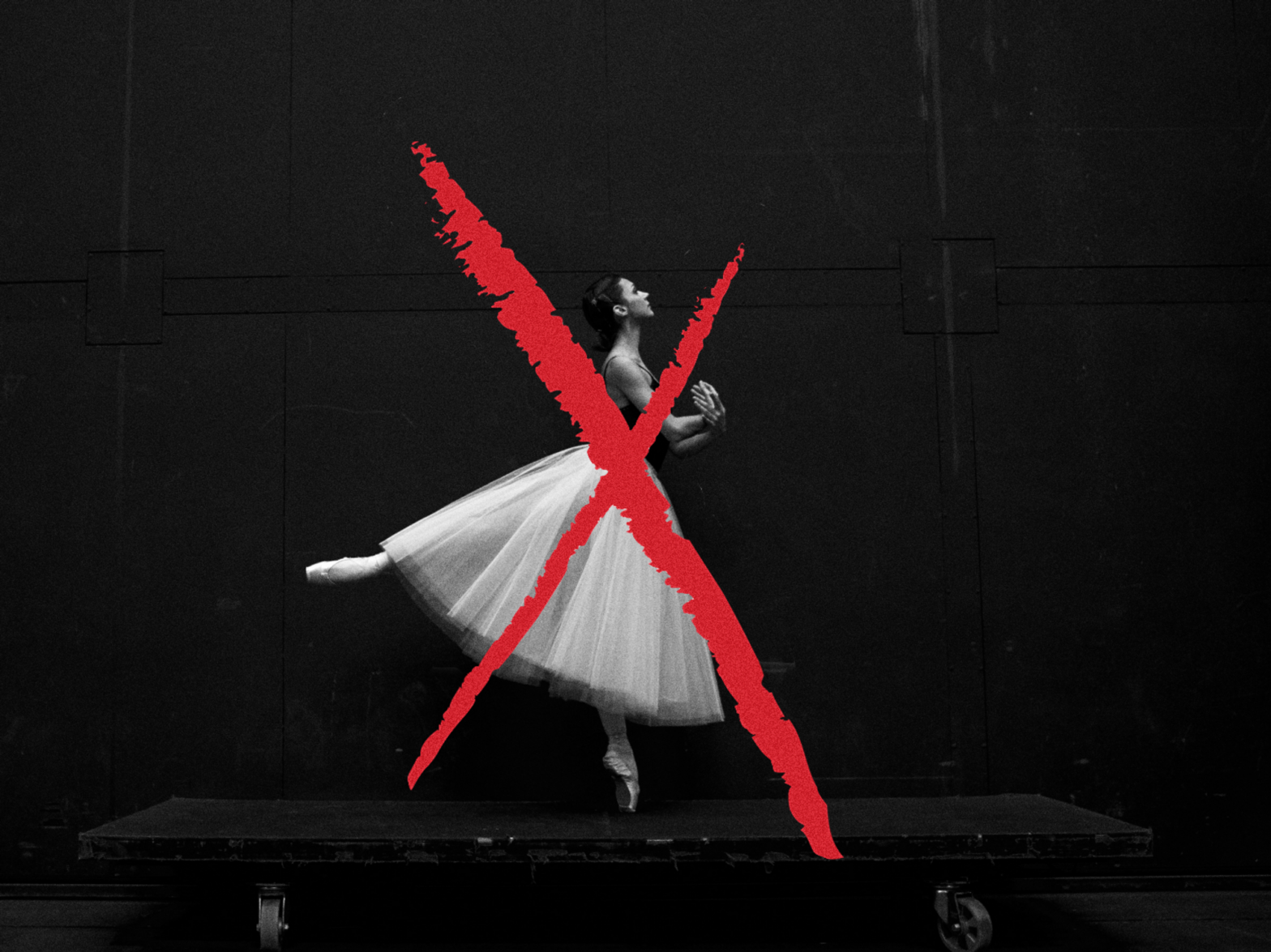
From Tolstoy and the Bolshoi Ballet to Russia Today, the West is banishing Russian composers, artists and media. But is banishment of culture the right move in times of war?
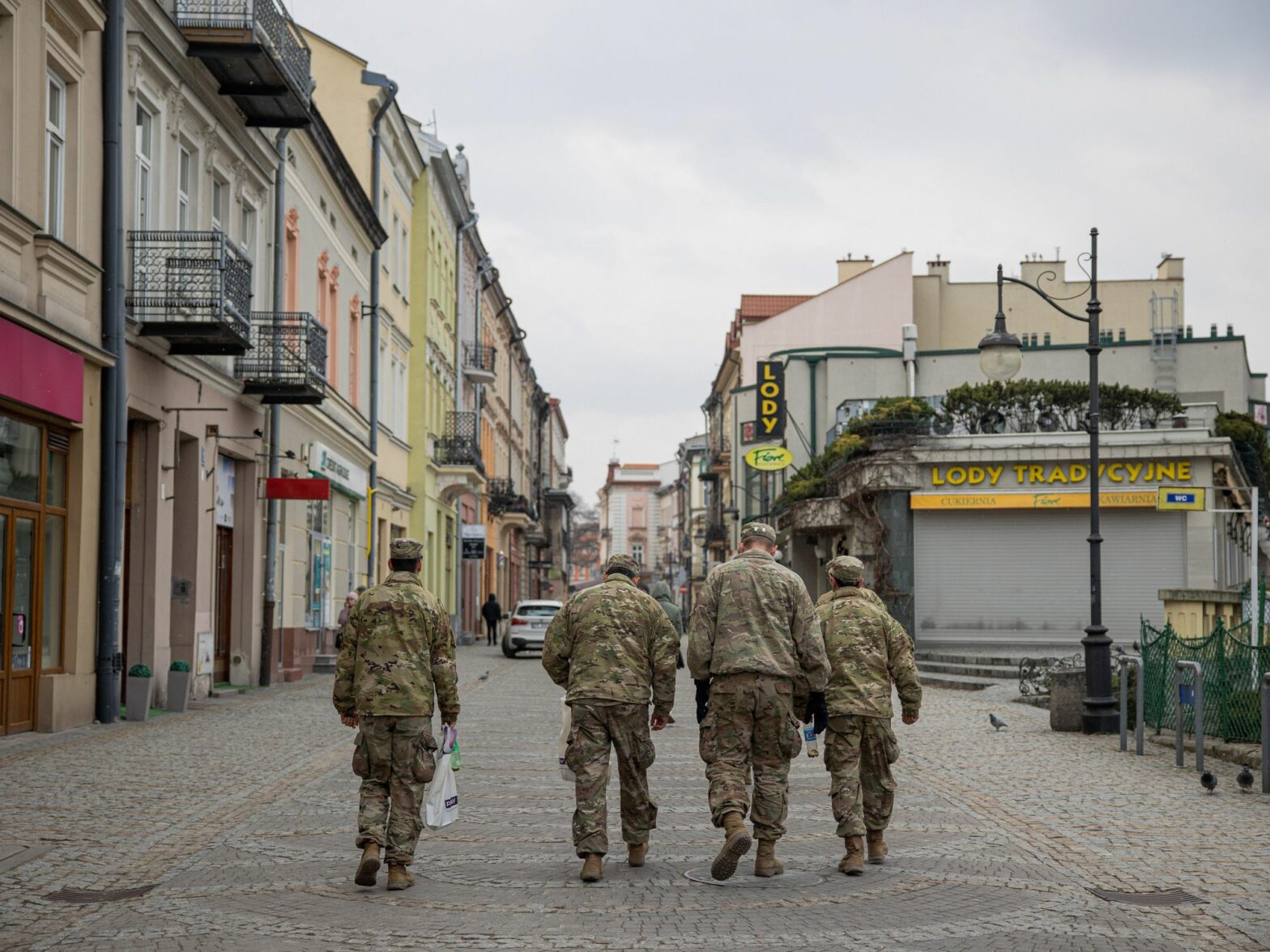
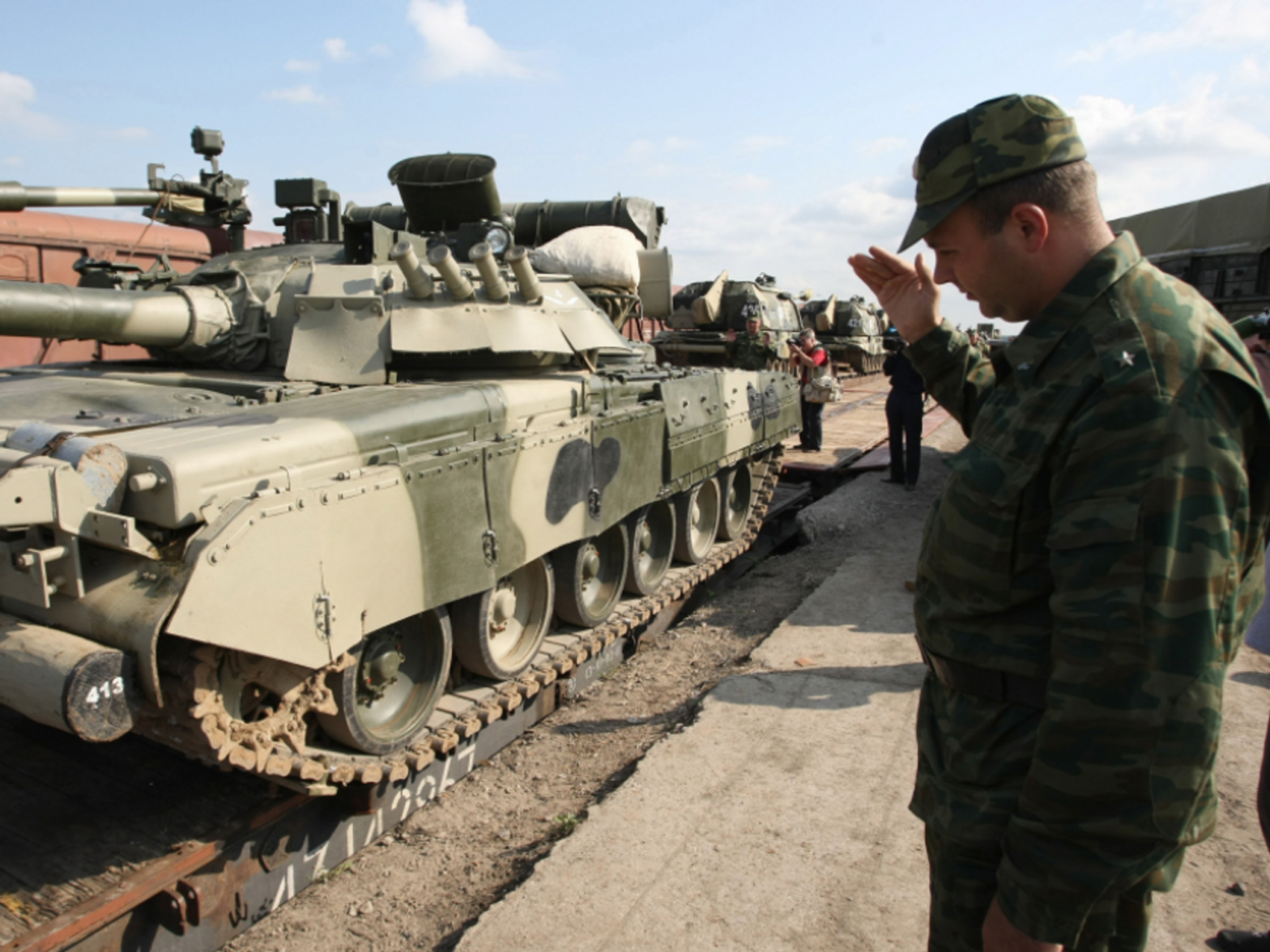
Putin says he wants to “denazify” Ukraine, but his true goal is bringing the country back into Russia’s sphere of influence as part of an all-Russian nation. To achieve that, he will try to turn it into a second Belarus, with a puppet ruler who has a familiar face.
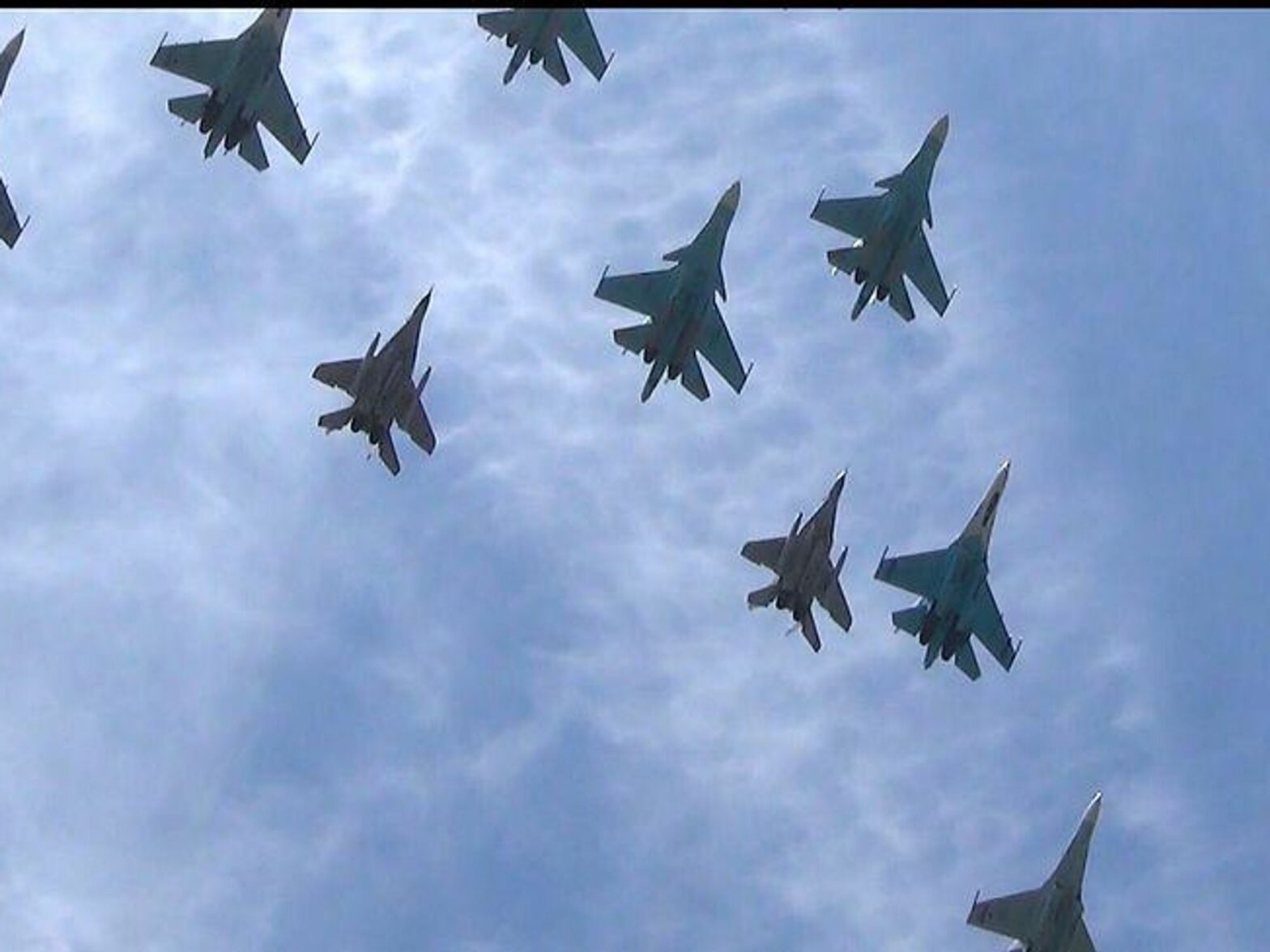
Ukrainians are pleading with the West to establish a no-fly zone to stop the destruction of their country. But that would be a high-risk option. Now the U.S. is considering delivering fighting jets, but that could also escalate the conflict. What else can be done?
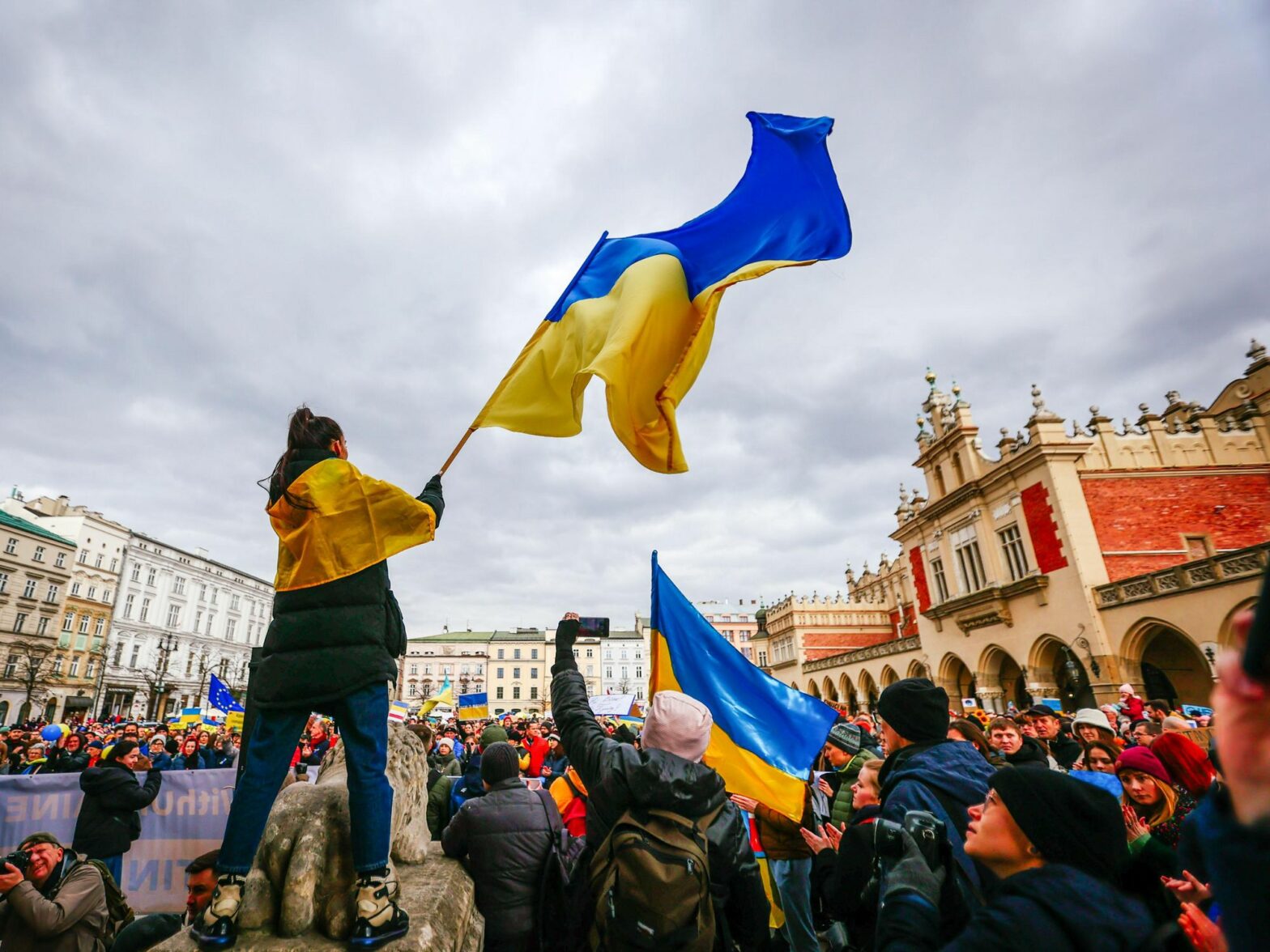
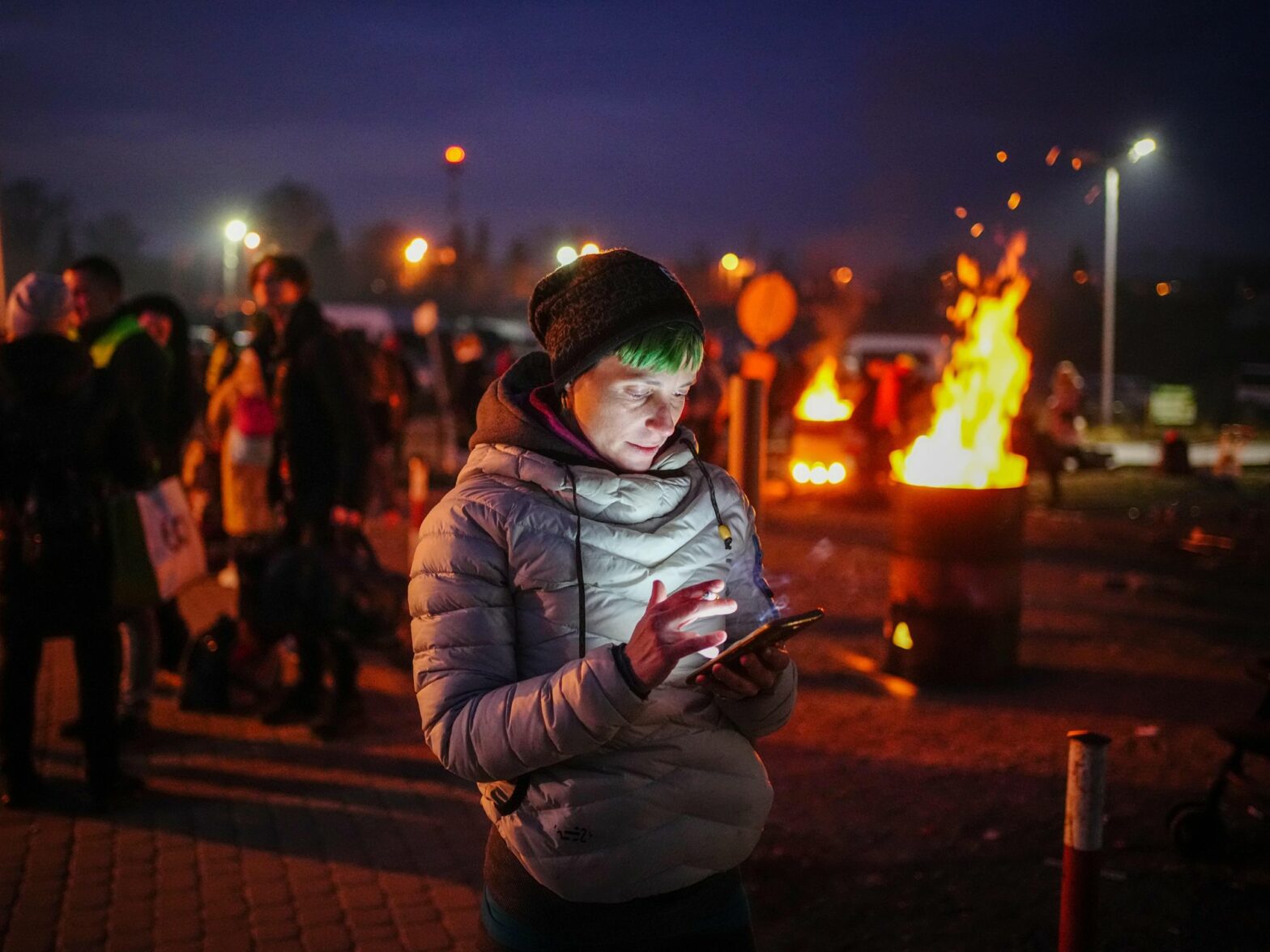
The EU is planning to ban state broadcaster Russia Today and news agency Sputnik. But how is the network reporting on the war in Ukraine? And will banning them potentially affect Russians more than Europeans?
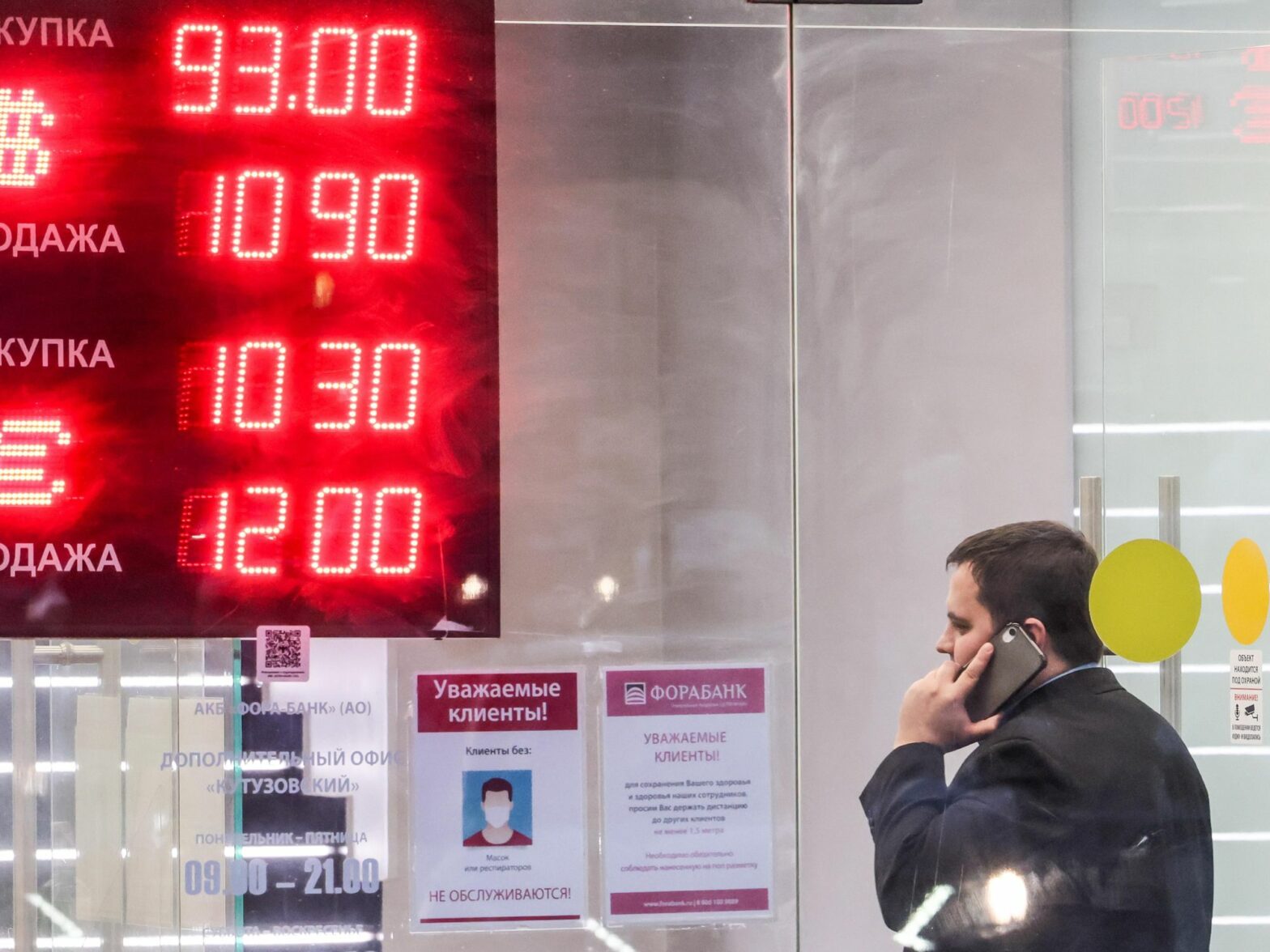
By deciding to invade Ukraine, the President of Russia did so believing that money would protect his country. By trying to prove him wrong, the West is facing its own potential crash.
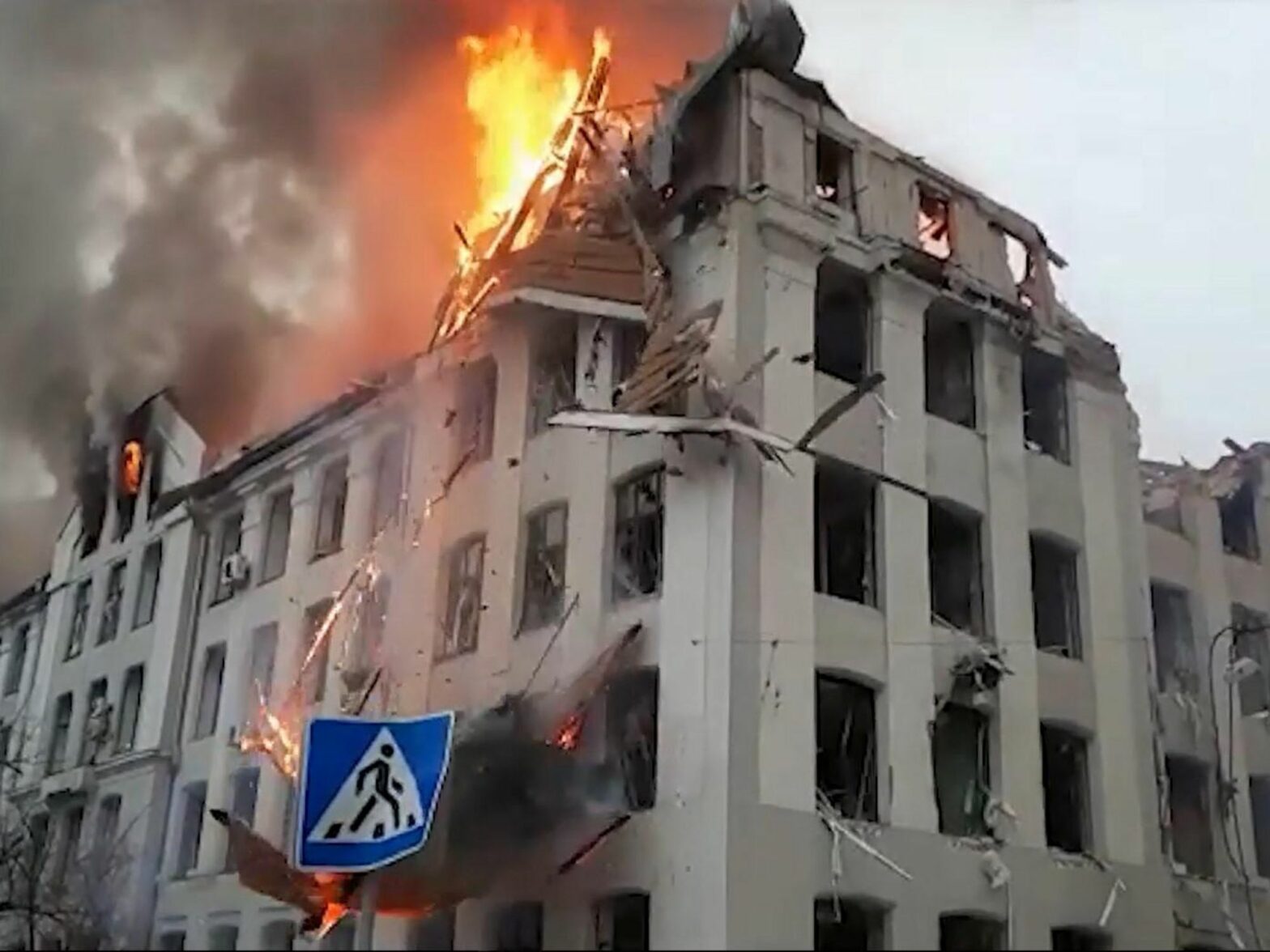
A top analyst at one of Moscow’s most prestigious research institutes comes down clear and strong: Russia’s military invasion of Ukraine will leave the country isolated on the world stage, with grave consequences for the country’s future.
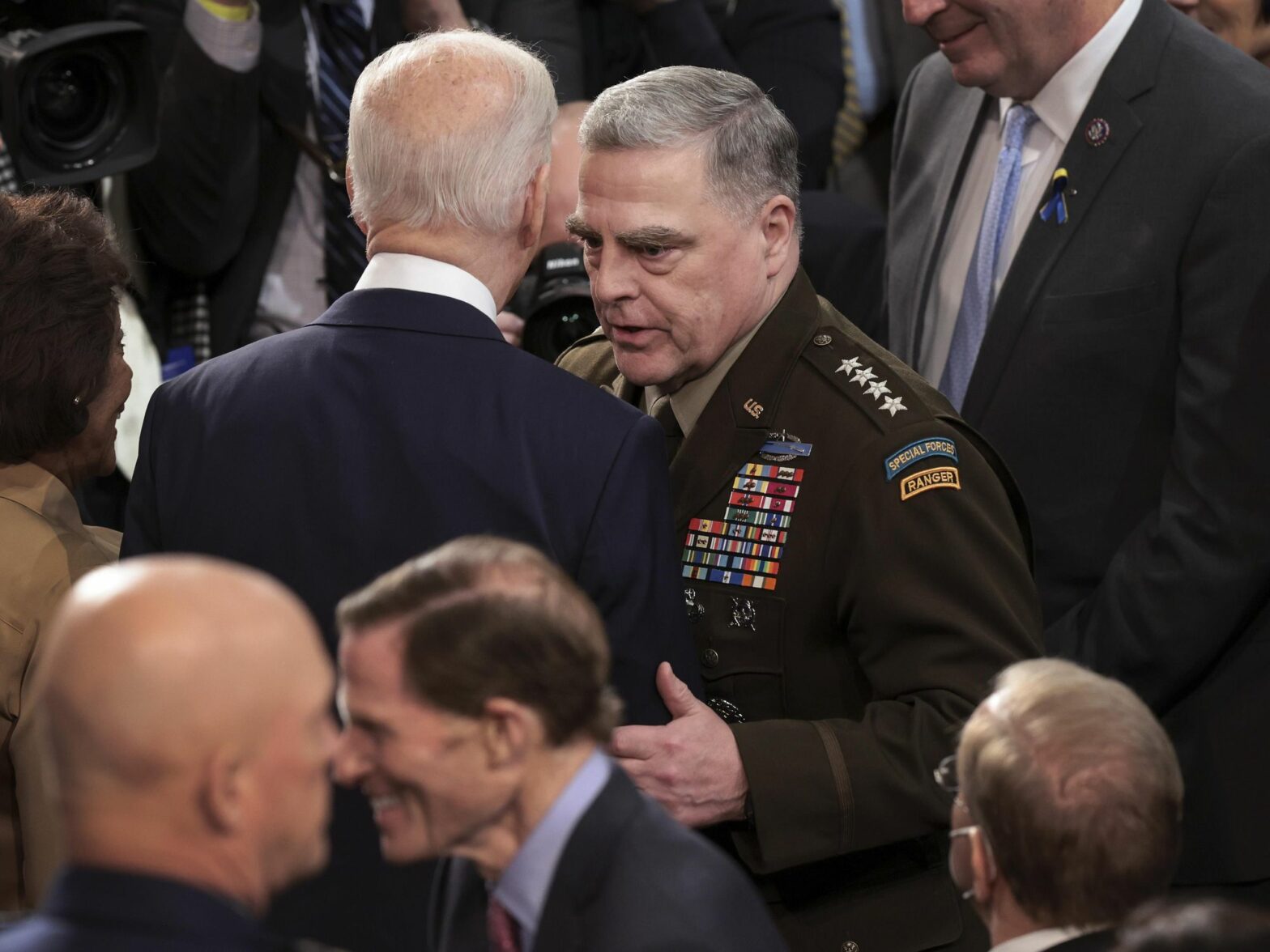
Less than a week after Russia’s invasion of Ukraine triggered a new cleavage in international affairs, U.S. President Joe Biden outlined a vision for confronting Moscow as necessary for the pursuit of America’s ambitions at home and abroad.
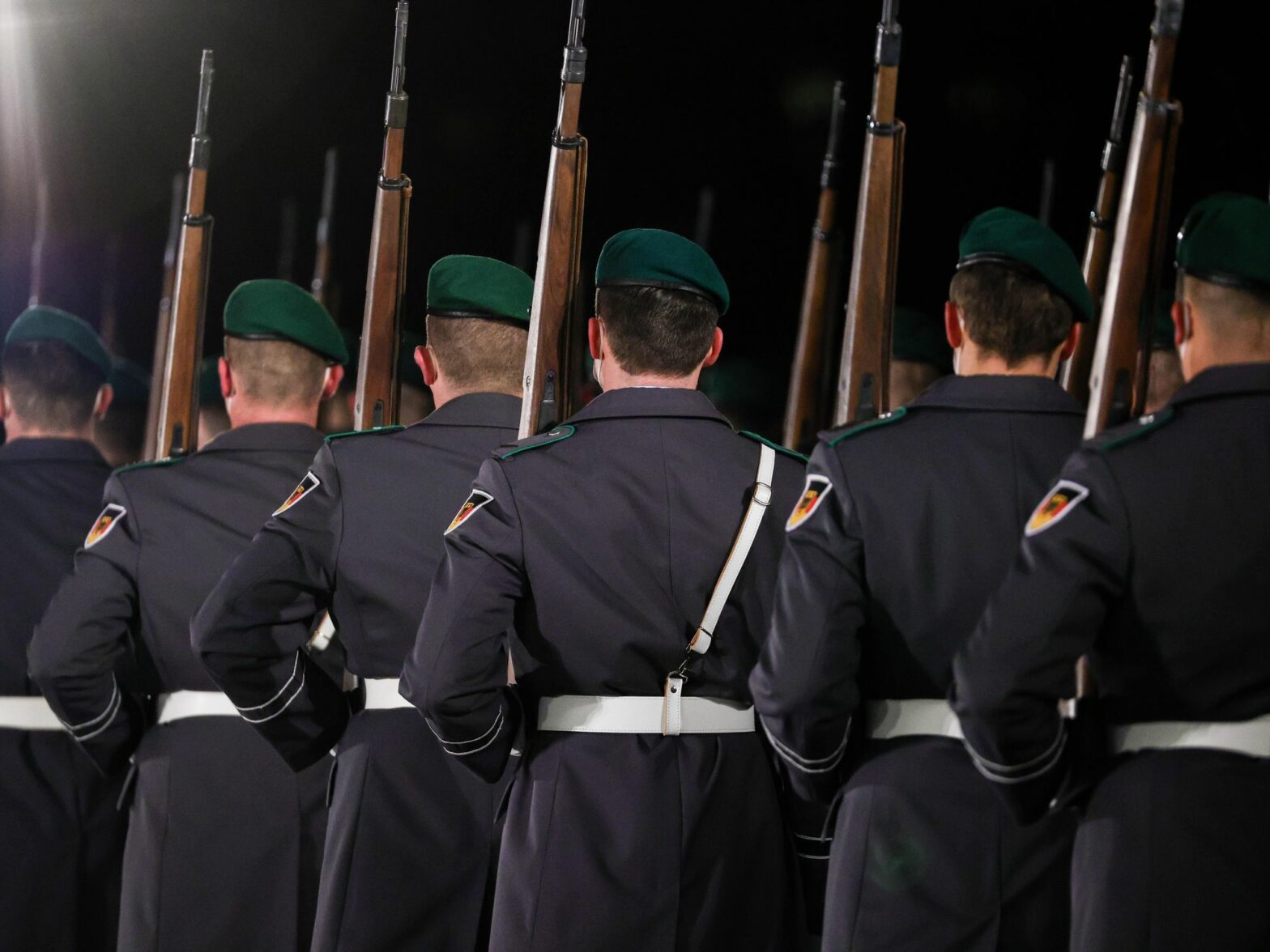
For decades, burdened by its history, Germany refused to face the harsh realities of foreign policy. Now, suddenly spurred by the Ukraine crisis, the German government is ready to once again show strength — long-awaited good news, for all.