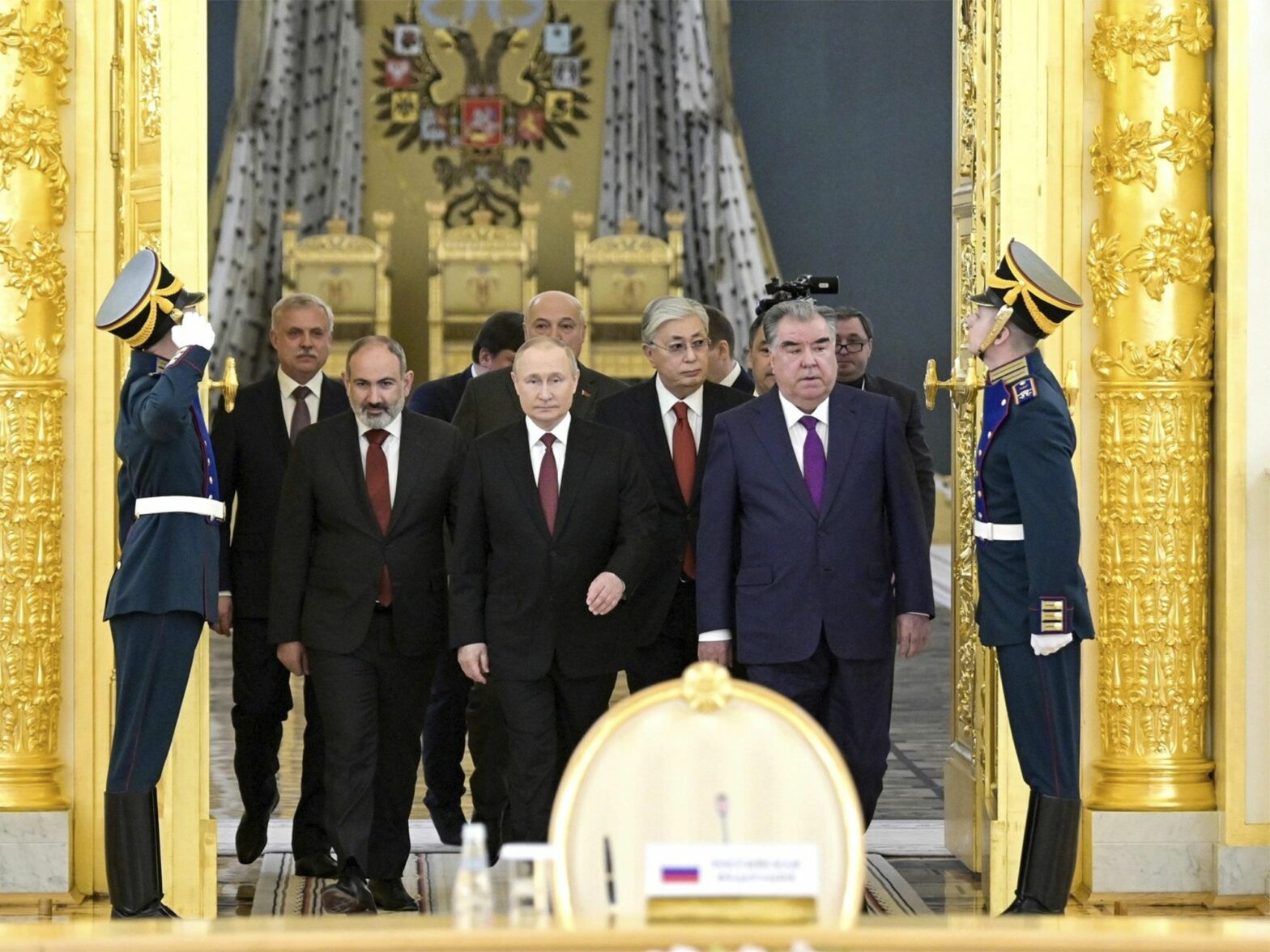
Analysts have closely followed whether Belarus, a loyal Kremlin ally, will invade its neighbor. But even though the Belarusian president toes the Kremlin line, he is unlikely to want to get in over his head in Ukraine.
 Worldcrunch
Stay updated with comprehensive news on Russia from Worldcrunch. Discover insights on Russian politics, economic strategies, societal issues, and cultural landmarks with translations from top international sources. Highlights include Moscow, Russian history, and events like the Moscow International Film Festival.
Analysts have closely followed whether Belarus, a loyal Kremlin ally, will invade its neighbor. But even though the Belarusian president toes the Kremlin line, he is unlikely to want to get in over his head in Ukraine.
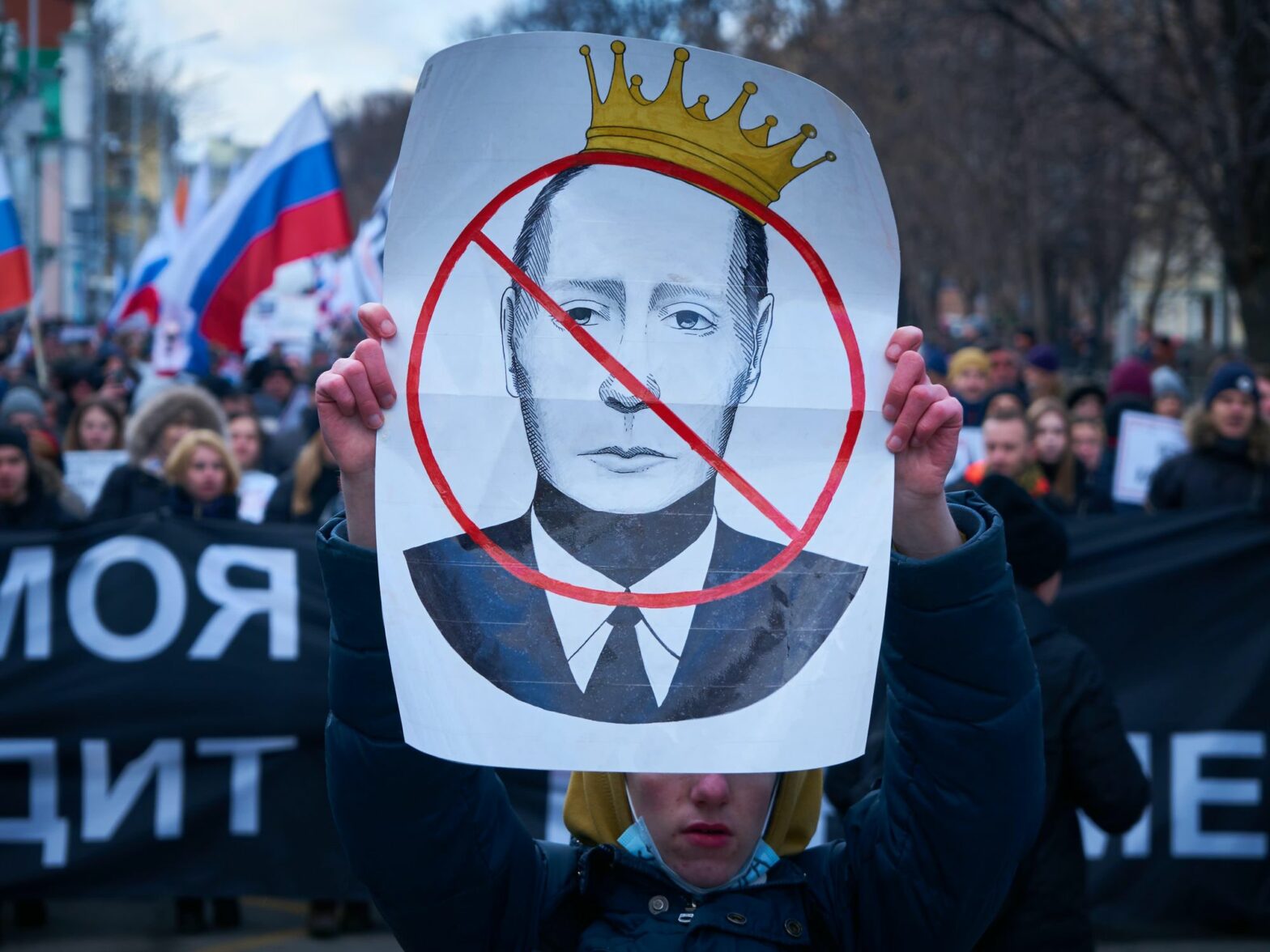
French President Emmanuel Macron is making a point of keeping an open dialogue with Putin, hoping to avoid a world war at all costs. But he needs to get his historical comparisons (and world wars) in order.
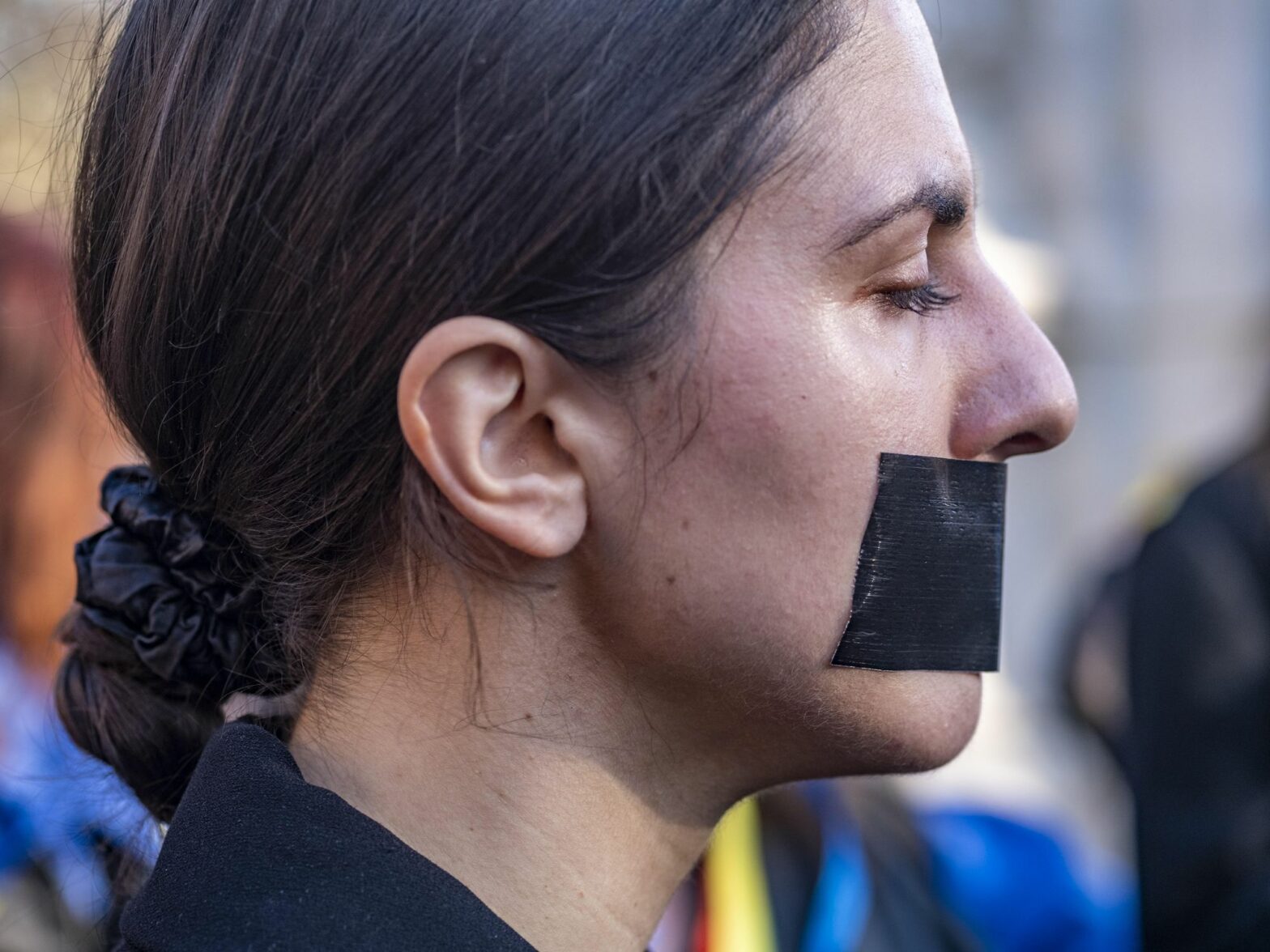
English Professor Jacob Edmond takes a look at the creative ways that Russian journalists, writers and artists are turning forced silence into powerful statements.
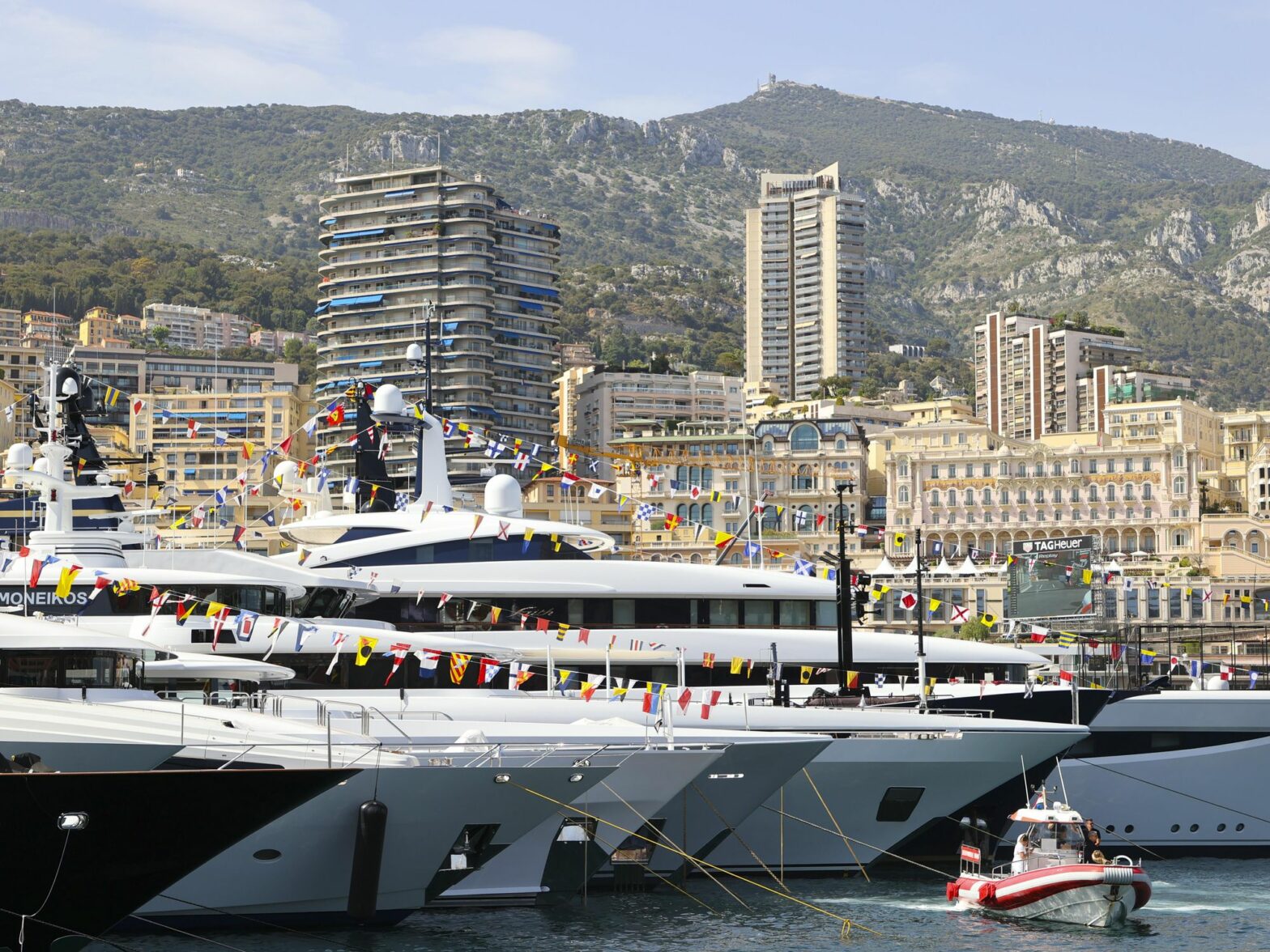
According to the EU Commission, the amount of confiscated Russian assets has doubled since April, German daily Die Welt reveals, including yachts, real estate, artwork and more.
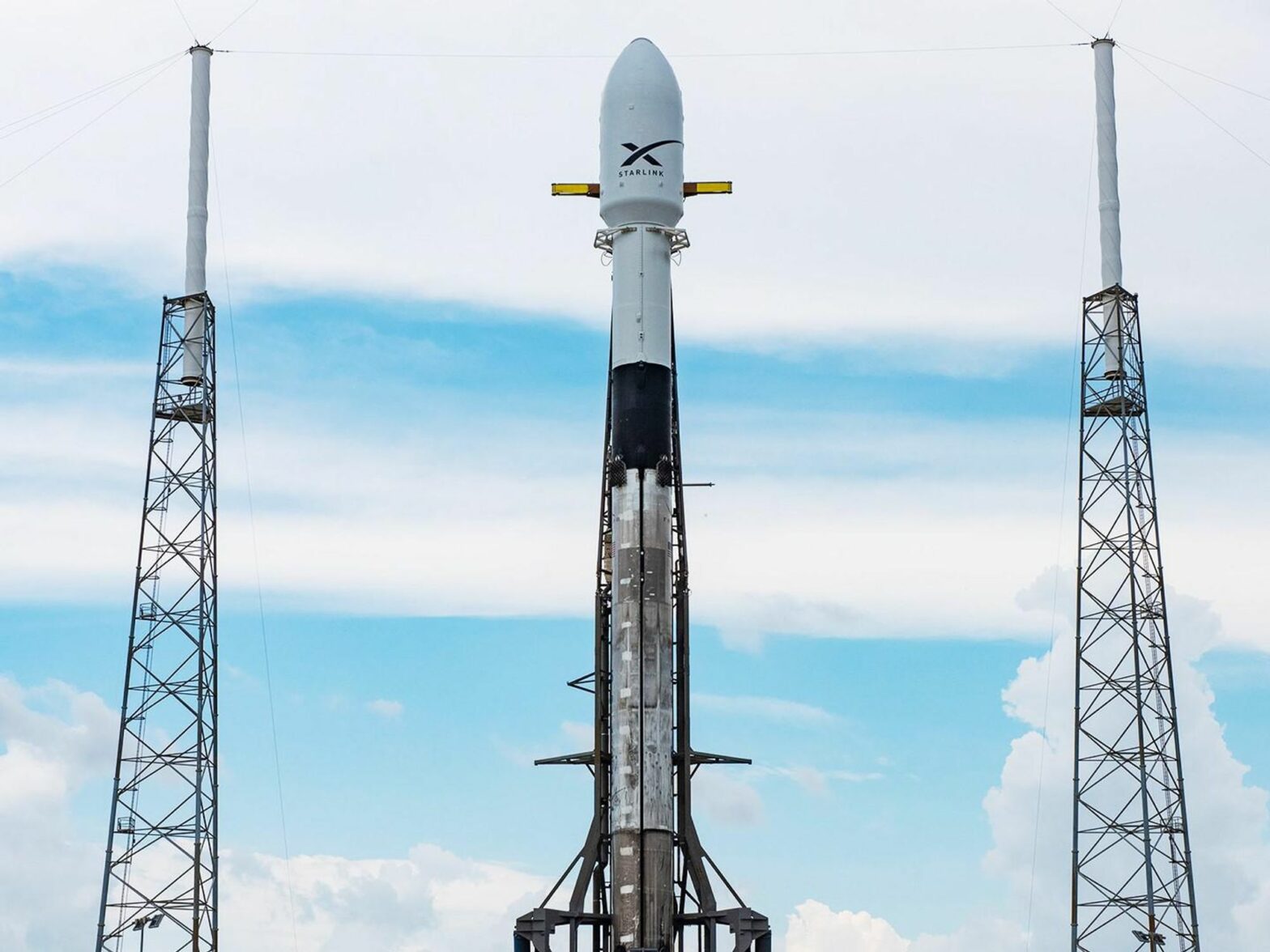
Wars on the ground are increasingly being won and lost up in space. Without a constellation of satellites, notably the Starlink fleet delivered promptly by Musk, Ukraine would not have been able to hold off Russia in the first weeks of the invasion. But there’s more work to be done for the West to stay ahead.
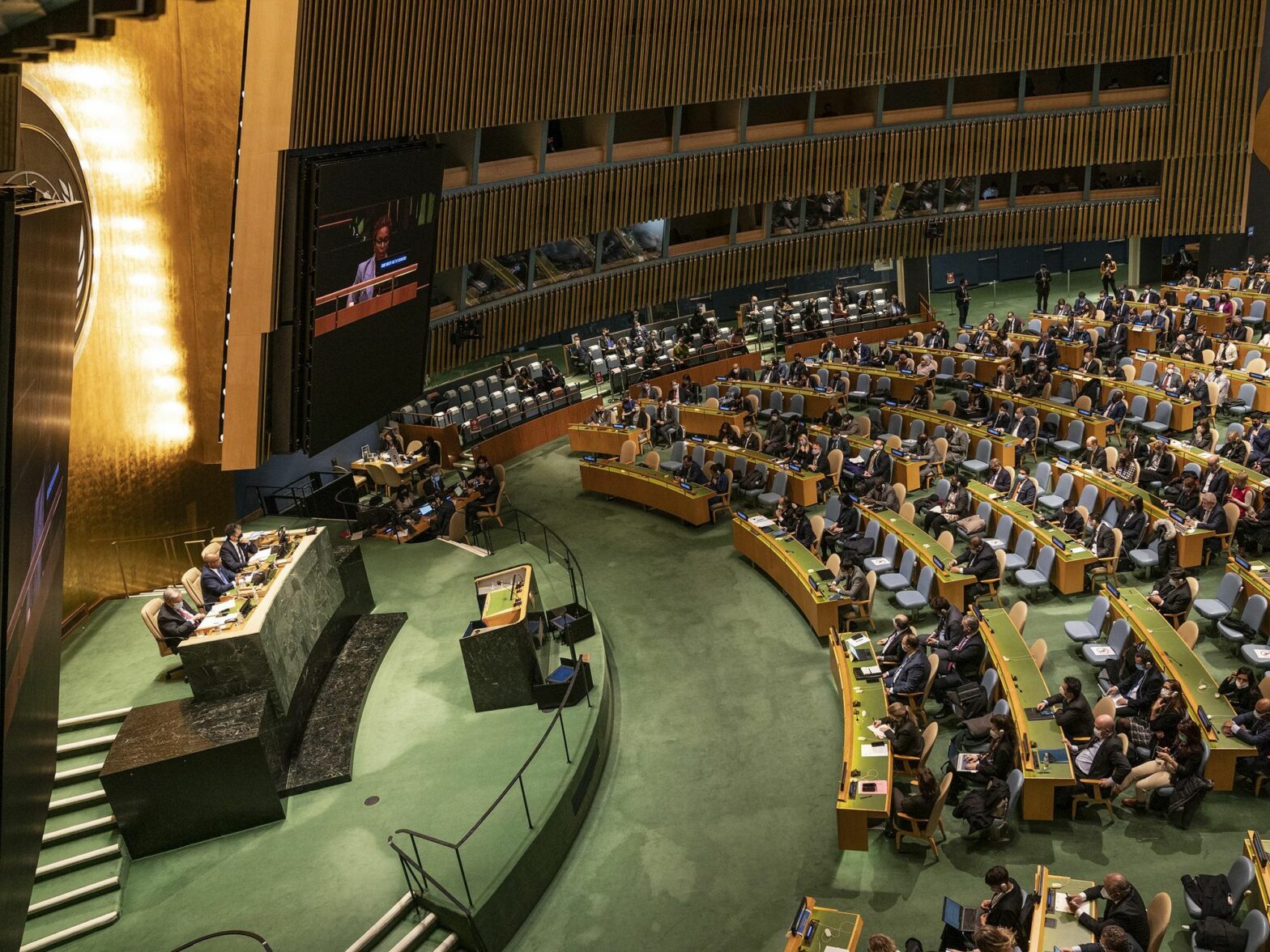
With a passion that recalls the aftermath of World War II, politicians and commentators are demanding a global order that takes seriously the rules of the United Nations Charter — notably on respect for sovereignty and fundamental human rights.
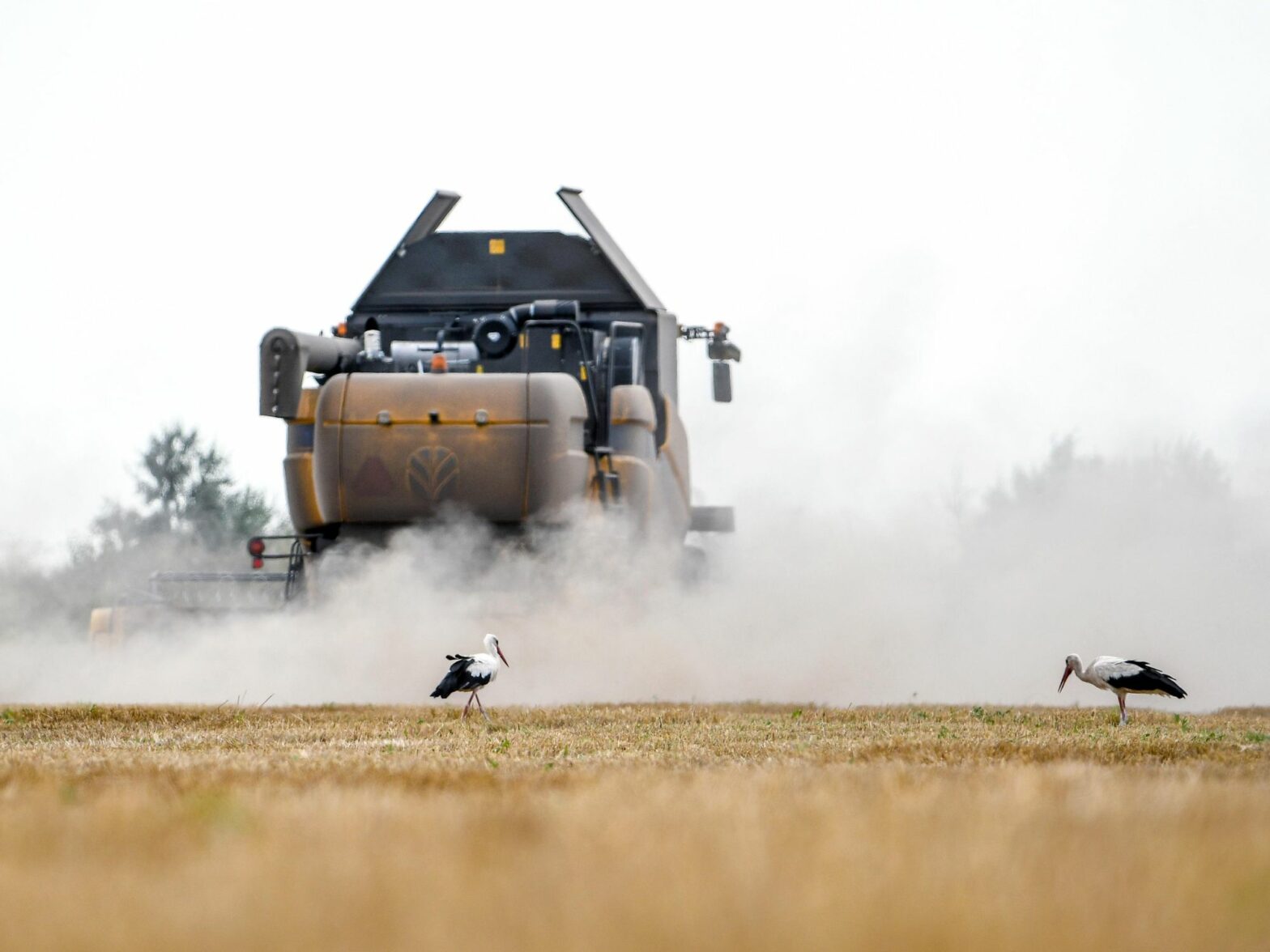
For many countries, the global food crisis has already begun. As enough food to feed the world for several weeks remains trapped in Ukraine, Russia and Turkey met to discuss the problem. But they cannot solve it alone, says independent Russian media Kommersant.
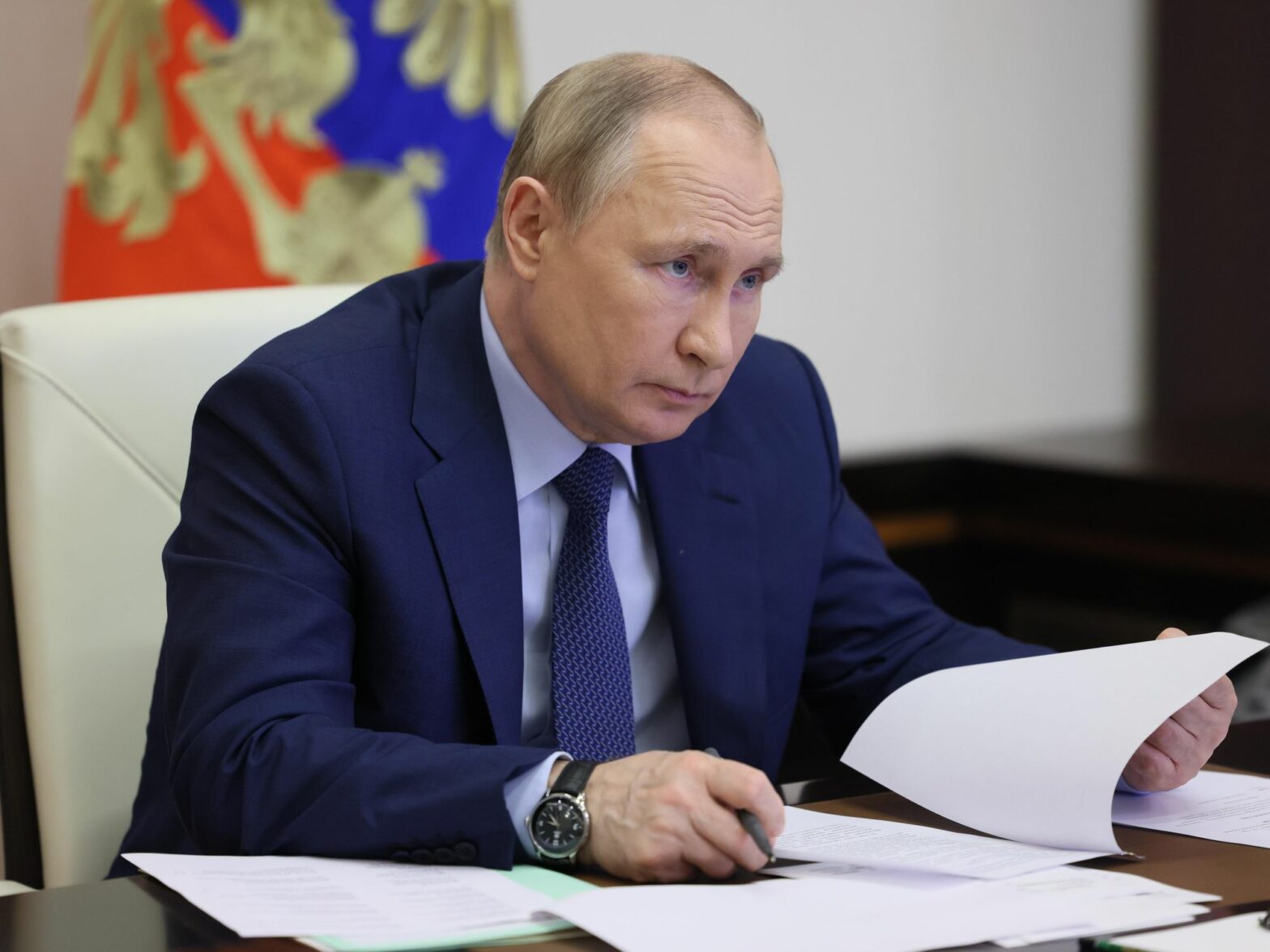
Polish-born French writer Marek Halter, who fled the Nazis to the USSR, has known Vladimir Putin for 30 years. Halter sent the Russian president a long letter on May 18, and later shared a copy of it with Les Echos. In the letter, he lays out the path for Putin to renounce the war without undermining Russia’s standing.
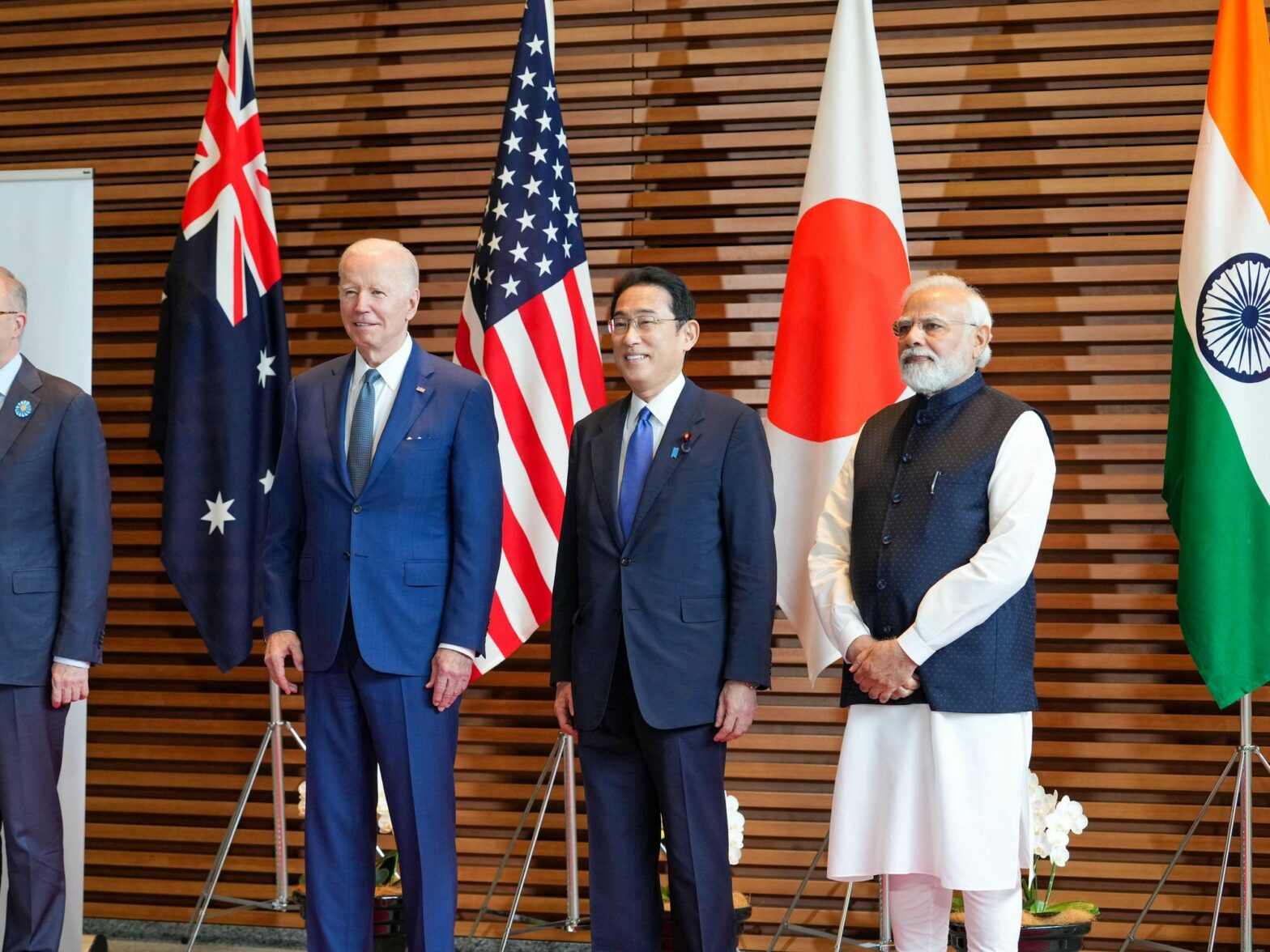
Russia’s invasion of Ukraine changed the rules of diplomacy. As Russia and China show budding unity, the world’s diplomats must look at the effects of Eastern Europe on East Asia — and Taiwan specifically.
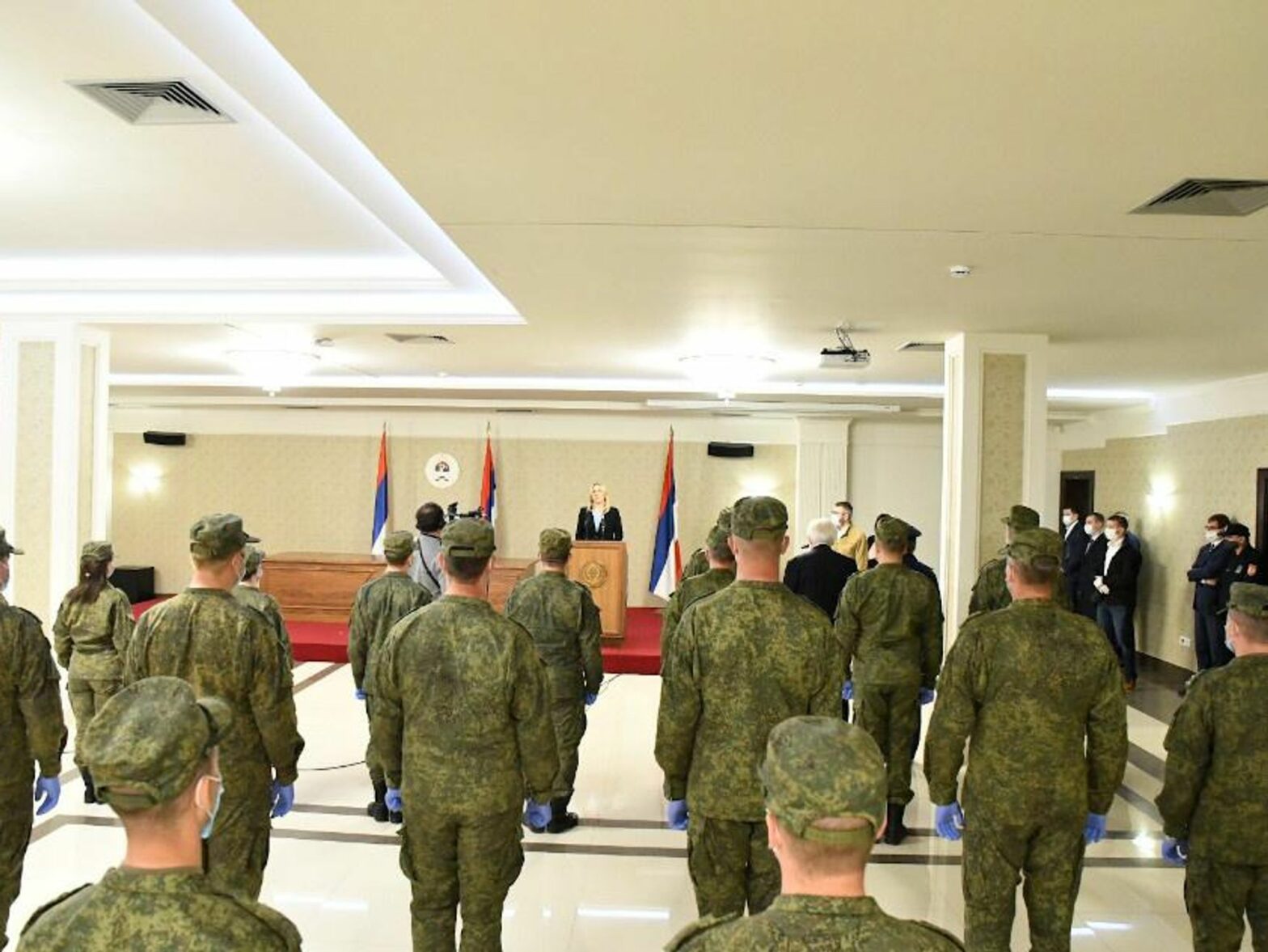
Even with no end in sight to the war in Ukraine, Russia may be plotting to destabilize the Balkans by the end of this year. The target? Bosnia and Herzegovina, which may be already close to splitting.
The war in Ukraine is hastening the fall of major world powers Russia and the United States. There can only be one true victor from their protracted battle — China — and far too many risks for the rest of us.
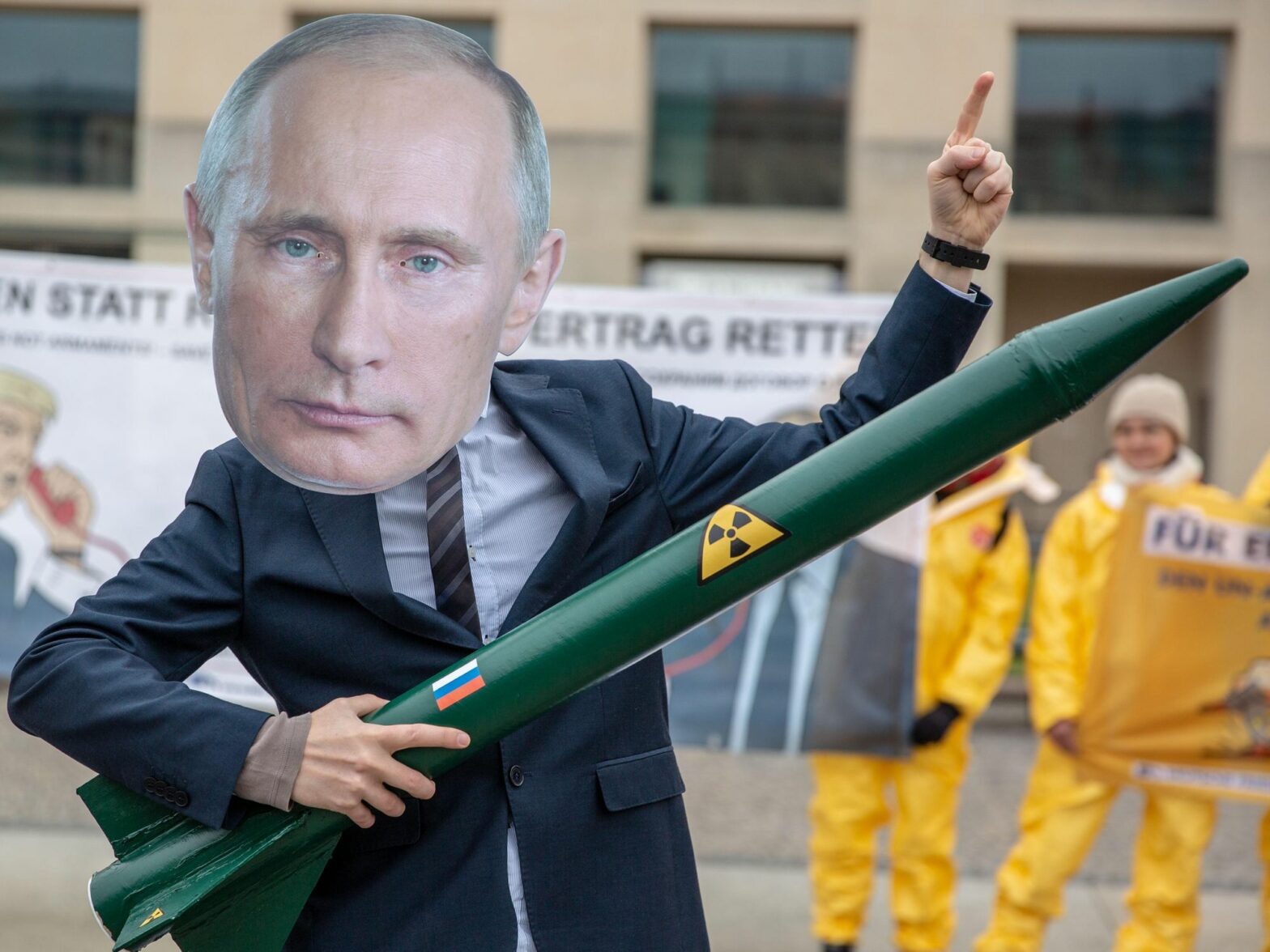
The risk of the Kremlin launching a tactical nuclear weapon on Ukraine is small but not impossible. The Western response would itself set off a counter-response, which might contain or spiral to the worst-case scenario.
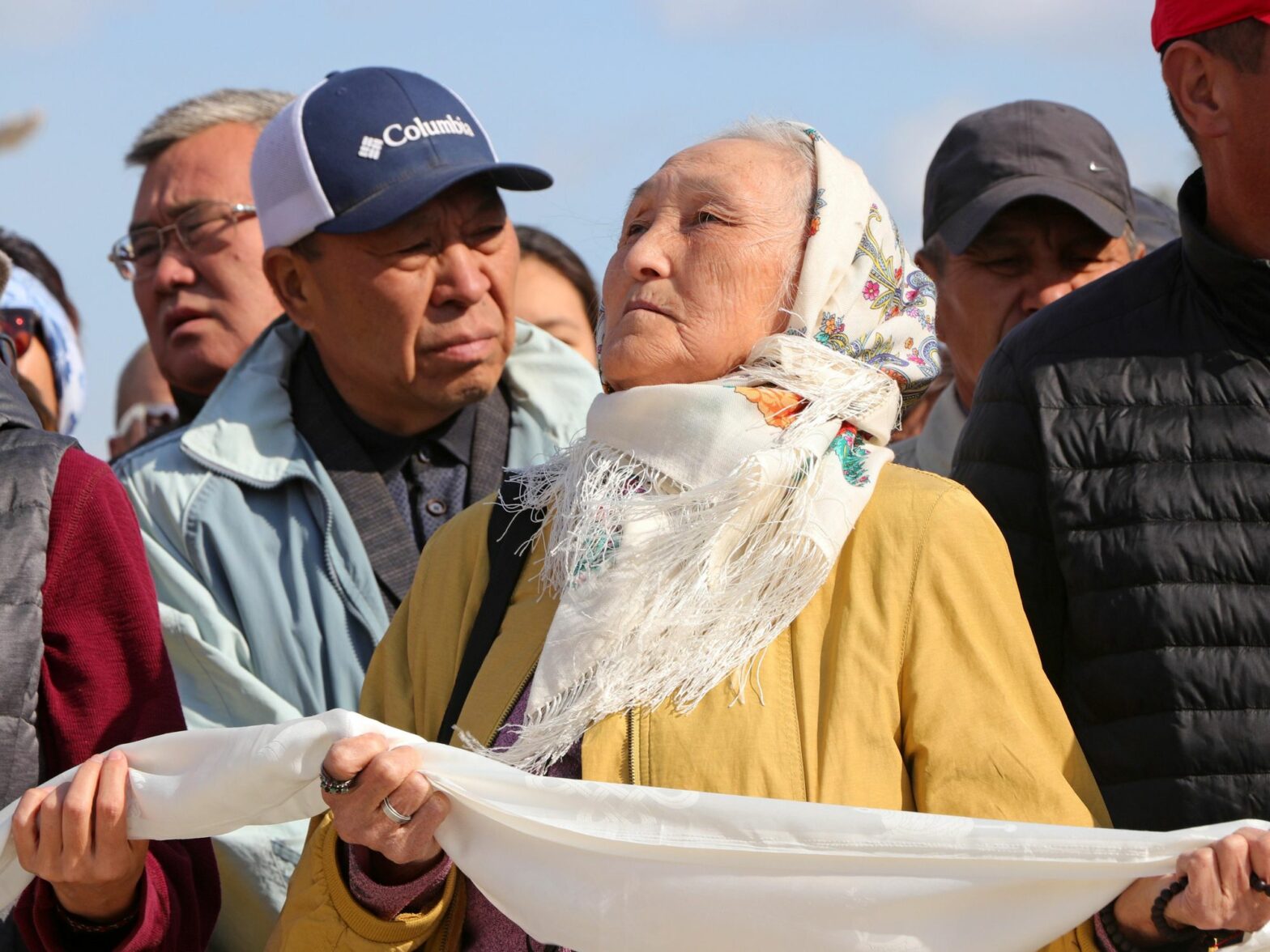
Far from being a unified state, Russia is full of federal subjects — many of which have spawned separatist movements. Moscow, far from Siberia or the Caucasus and focused on Ukraine, is finding it harder to contain them.
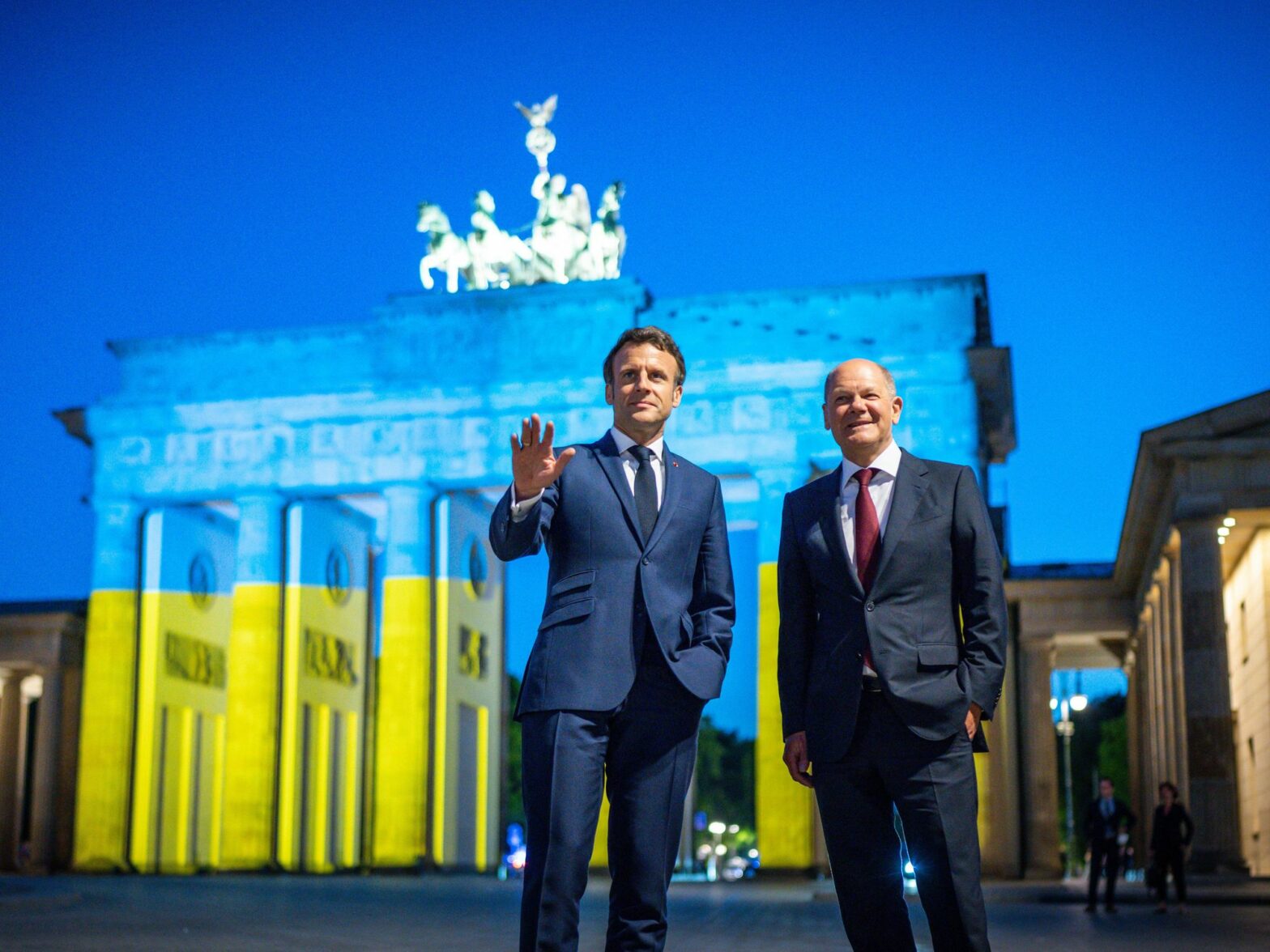
French President Emmanuel Macron has proposed a new European Political Community, with support from Germany’s Olaf Scholz, that would include Ukraine in a second-tier union. No, this is not about European “core values” — it’s just the latest attempt by the EU’s two biggest players to be sure not to upset Vladimir Putin.
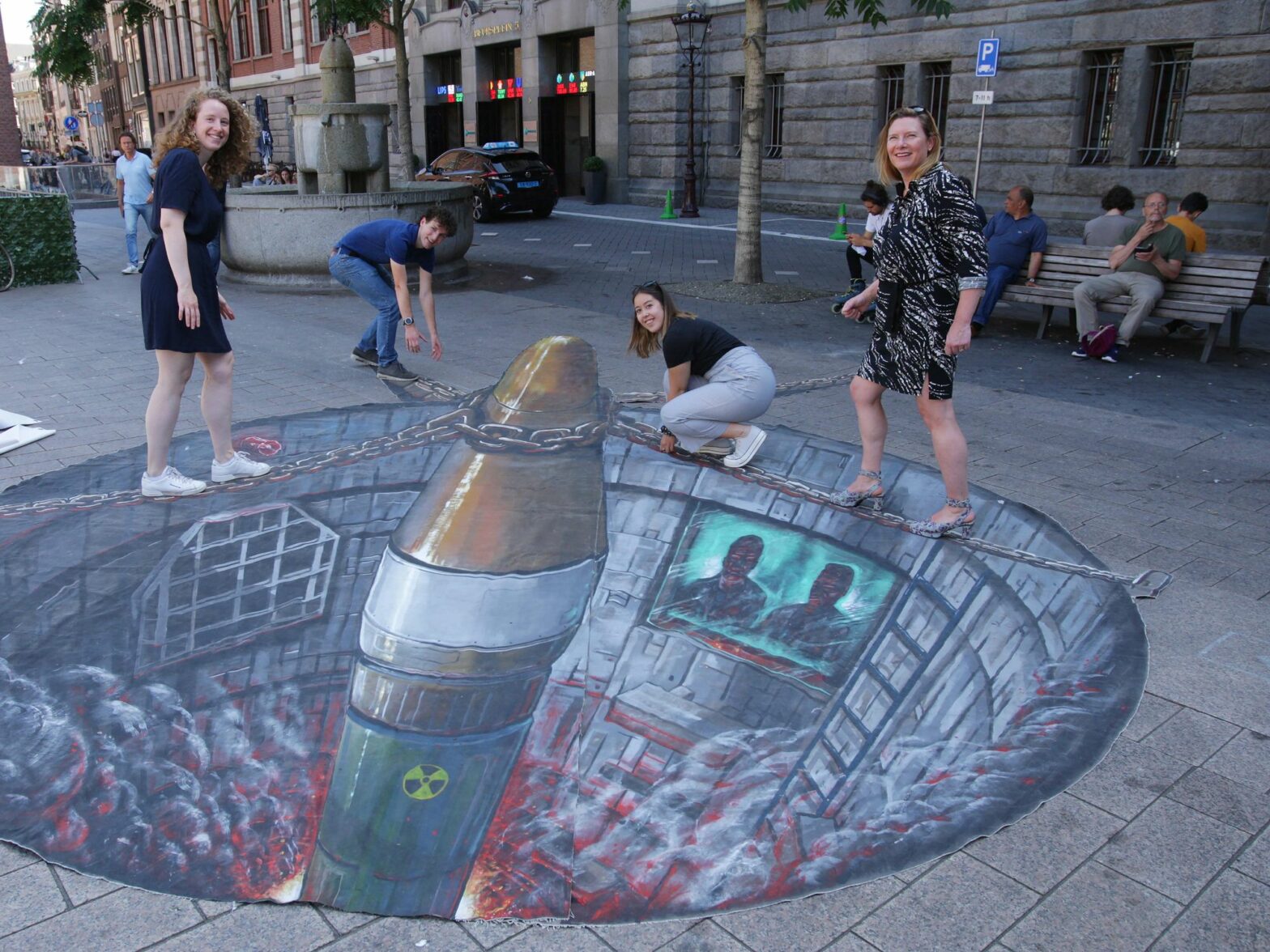
Baby boomers who grew up under the threat of nuclear armageddon warn against a nuclear escalation of the war in Ukraine. But the younger generations are not cowed by Putin’s blackmail. And that’s a very good thing.
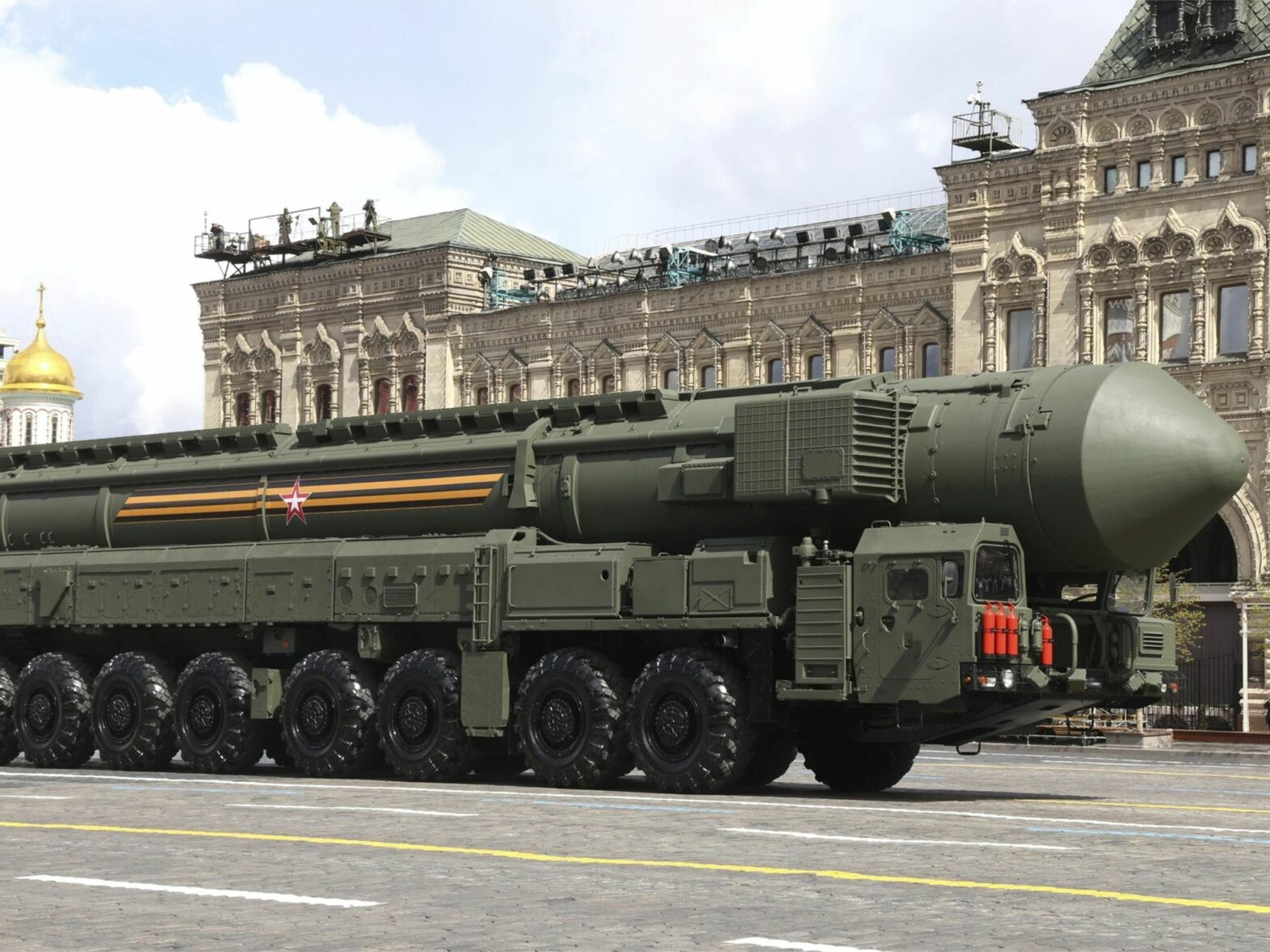
Russian propaganda plays on the revival of the West’s fear of a nuclear attack, especially knowing how close European capitals are to Moscow’s atomic warheads. But Europe must remember the lessons of the Cold War and not play into Putin’s hands.
Despite legal threats or worse, a notable minority of Russians, from students to elected officials, are finding ways to oppose the invasion of Ukraine. Meanwhile, many others have left the country since the war began, creating a brain drain that could last for many years.
The European Union has prepared the sixth package of sanctions against Russia, which includes restrictions on Russian oil imports, as well as disconnecting more Russian banks from the SWIFT bank circuit. The effectiveness of these measures are not always visible, but they are real … and potentially fatal .. for the Russian economy.
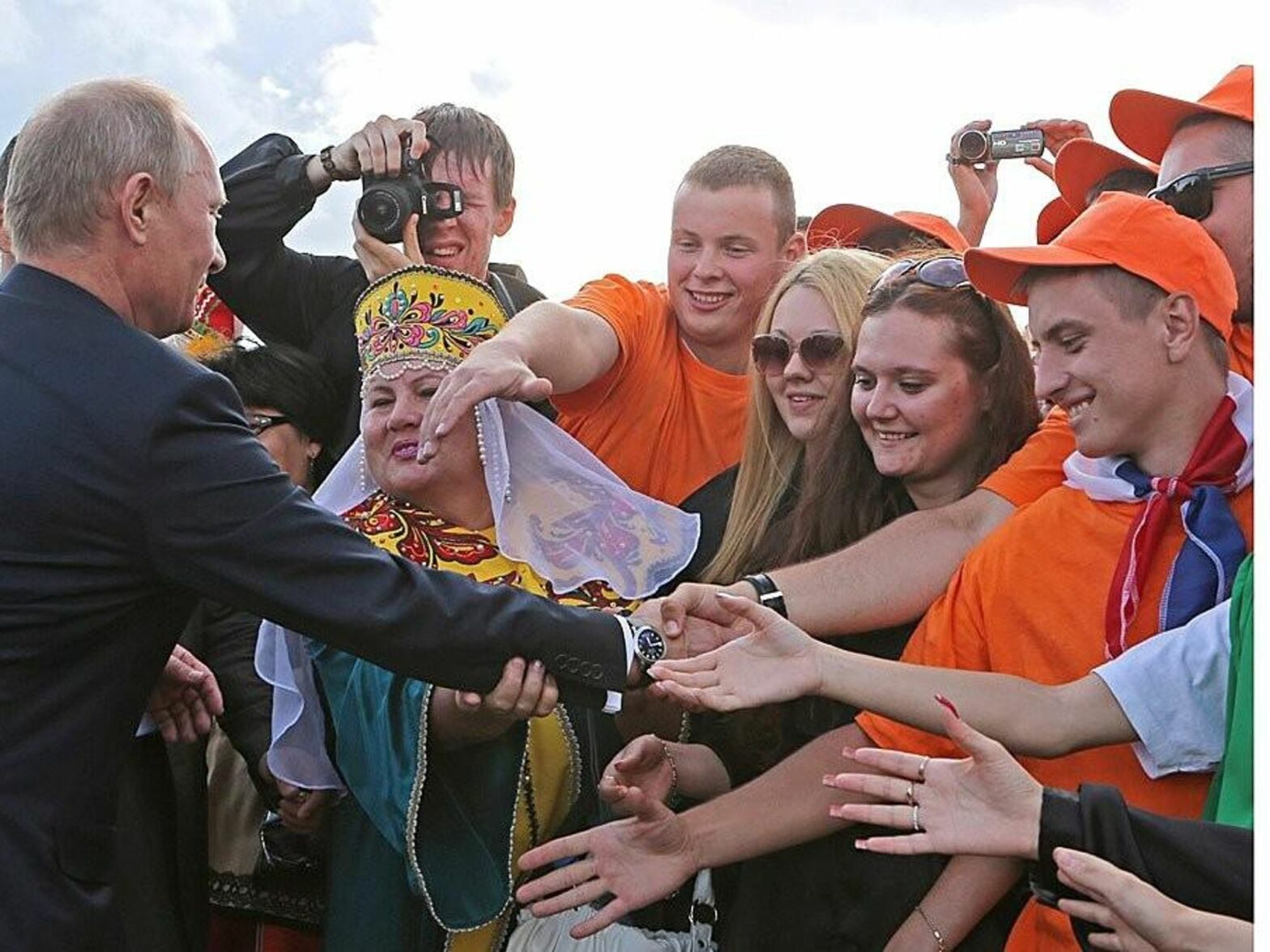
In the agricultural region of Mordovia, south of Moscow, people live in their own reality, far from Western news and the bloodshed of Ukraine. And Vladimir Putin is like a father.
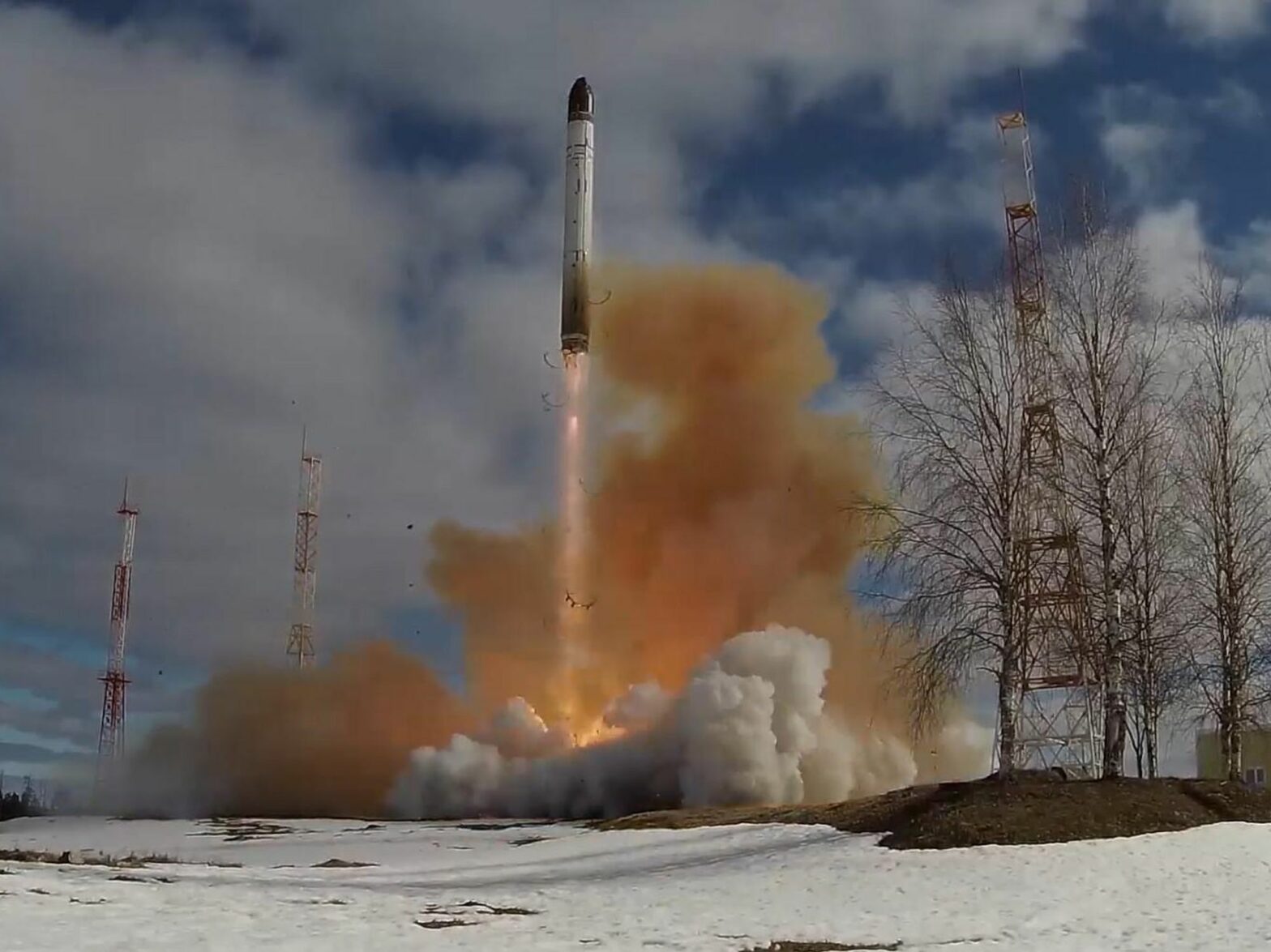
While Western countries are increasing their military support to Kyiv, Russian President Vladimir Putin threatens to use his new hypersonic missiles. He thereby makes the threat of a nuclear war in Europe a little more concrete.
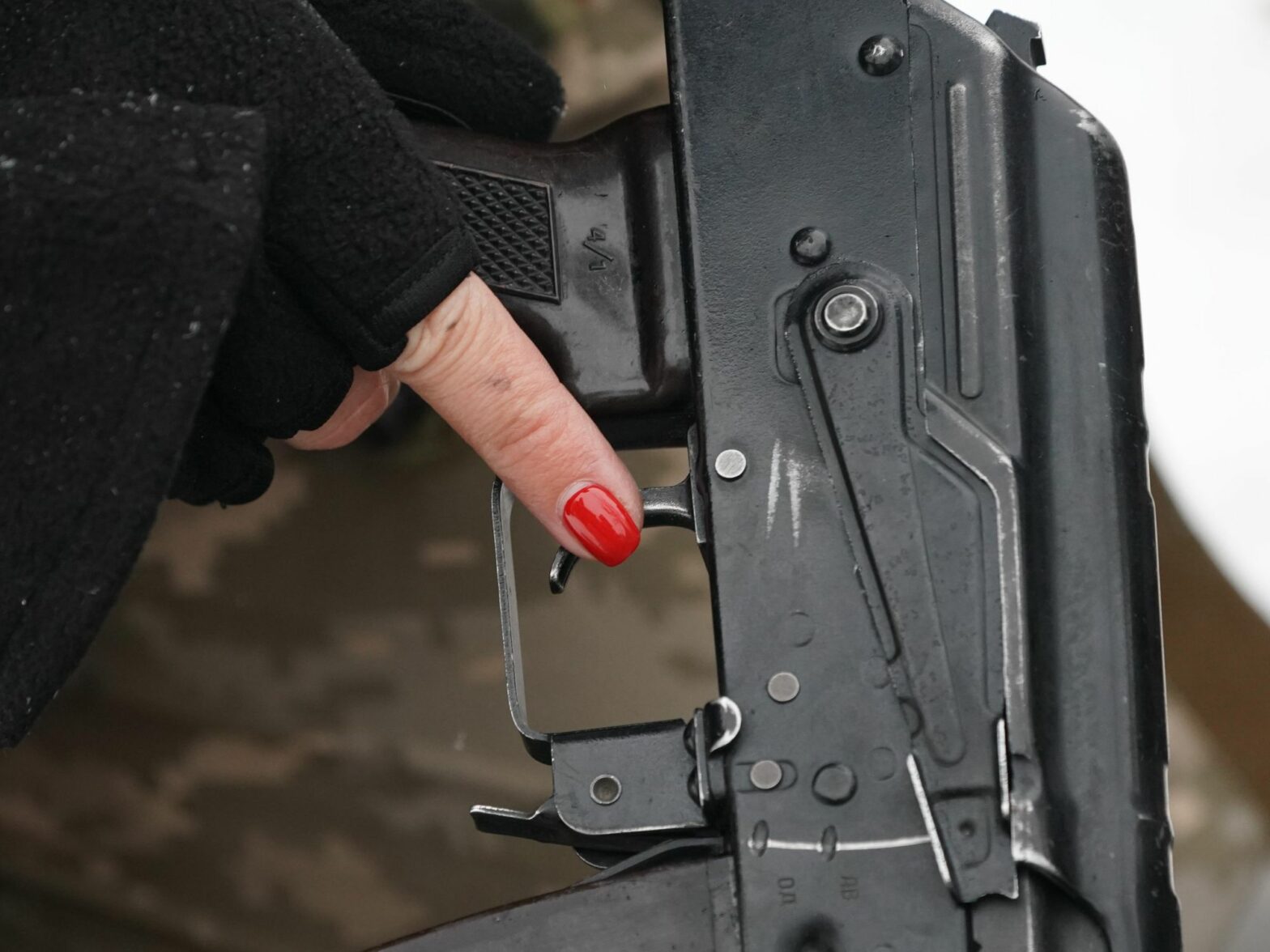
In Poland, the support for the war effort against Russia is linked not only to history but to an aggressive male-dominated narrative, tinged with tales of martyrdom and acceptance of sexual violence.
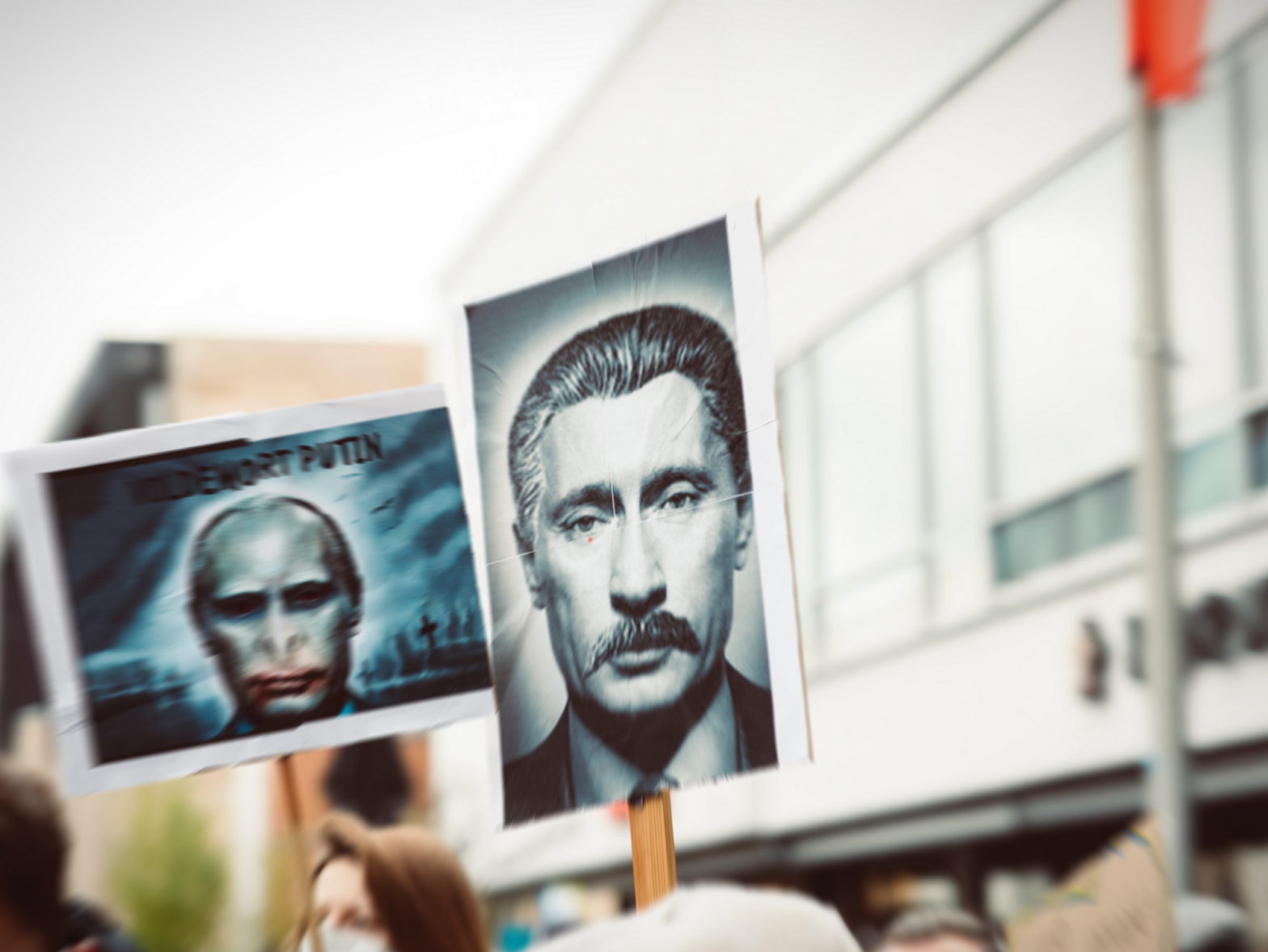
The war in Ukraine has set off the dynamics of a new Cold War: a standoff between democracy and authoritarianism, whatever the ideological stripe. Faraway parts of the world will be affected by what happens on the ground in Ukraine.
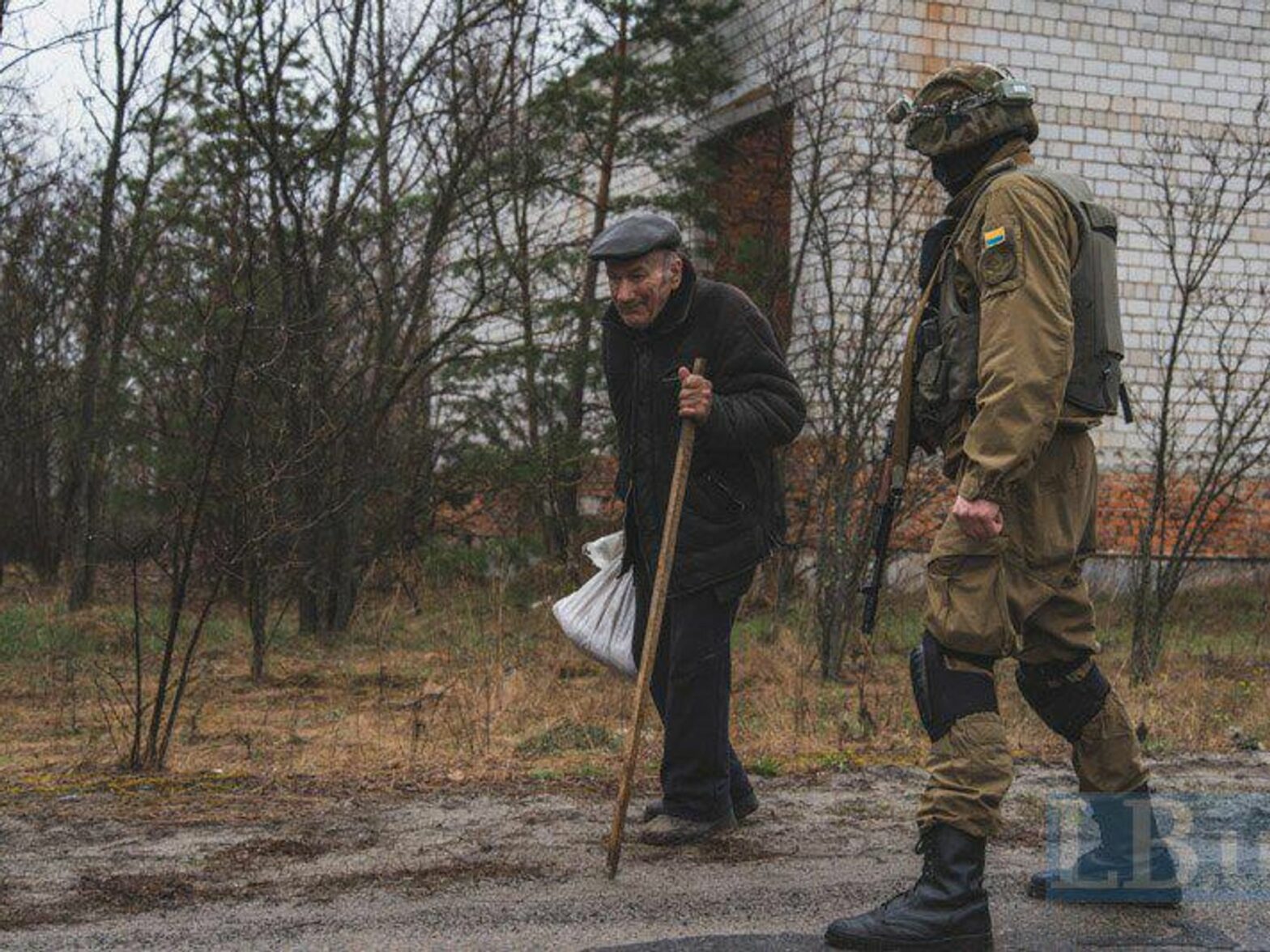
Humanitarians and the Ukrainian army are offering assistance to the inhabitants of Ivankiv and its surroundings after they suffered bombings and occupation from the Russian troops in the early stages of the invasion.
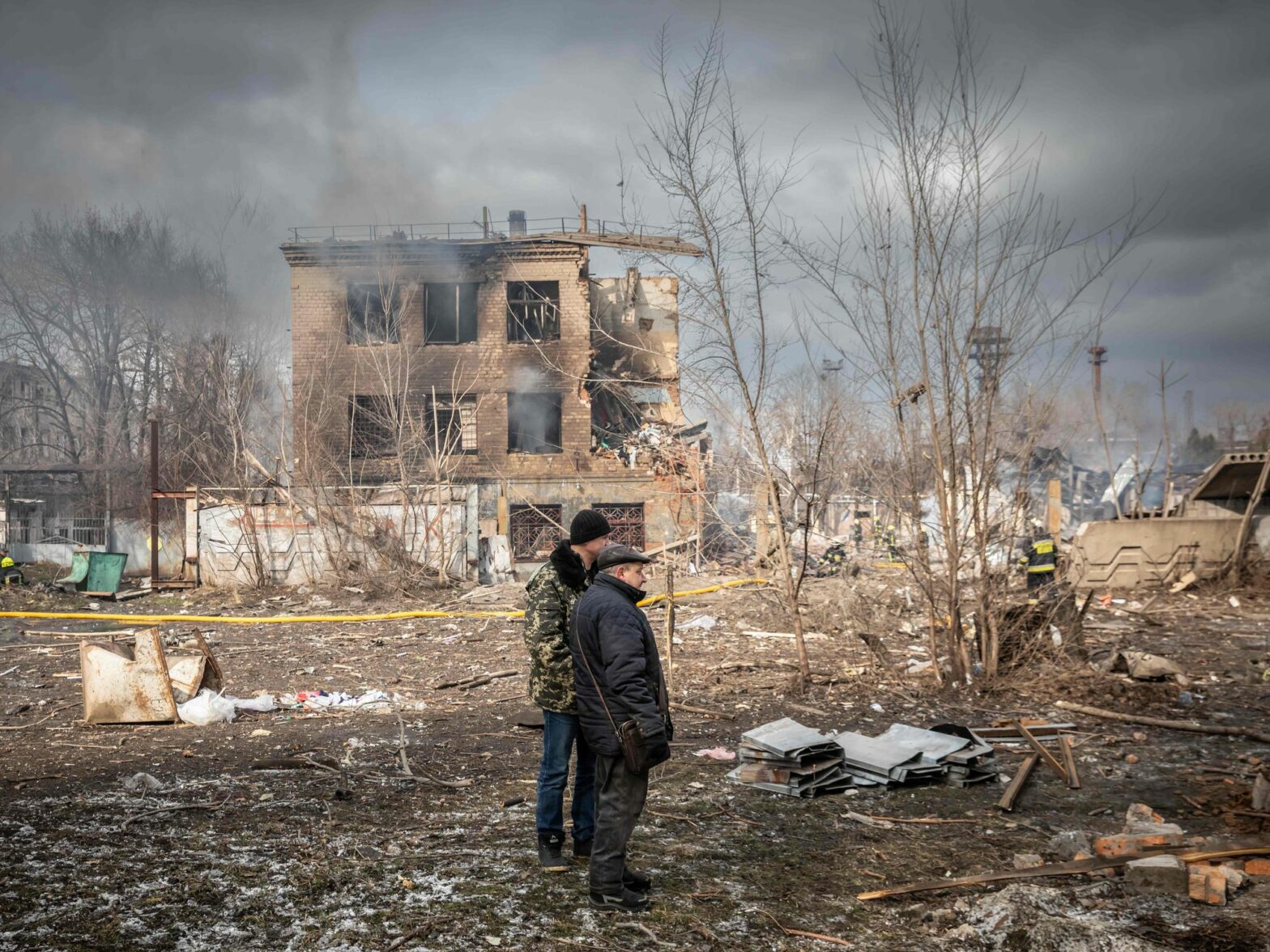
In Ukraine, those who do not want to fight on the front or who want negotiations cannot say so publicly for fear of accusations of being traitors.
It’s a different kind of “migration” indeed, from Instagram to VKontakte, after U.S. social media were banned in Russia. It’s yet another kind of difficulty for Russians trying to continue with daily life.
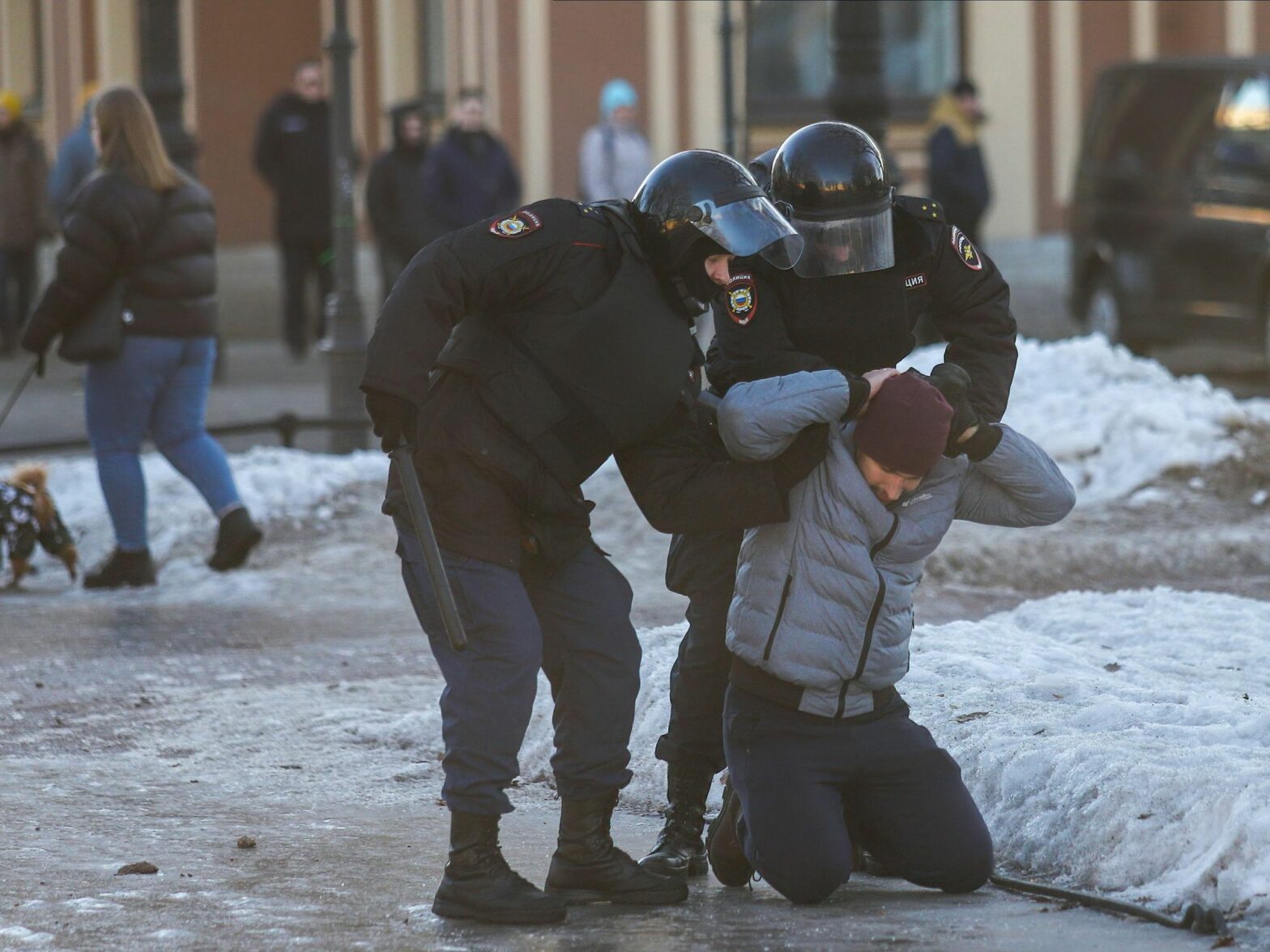
Marina Ovsyannikova’s anti-war protest on Moscow’s state television made world headlines. Her story, and her new column in Die Welt, have prompted both admirers and critics. She insists on embracing all those ready to find the courage to take the risk to challenge Vladimir Putin.
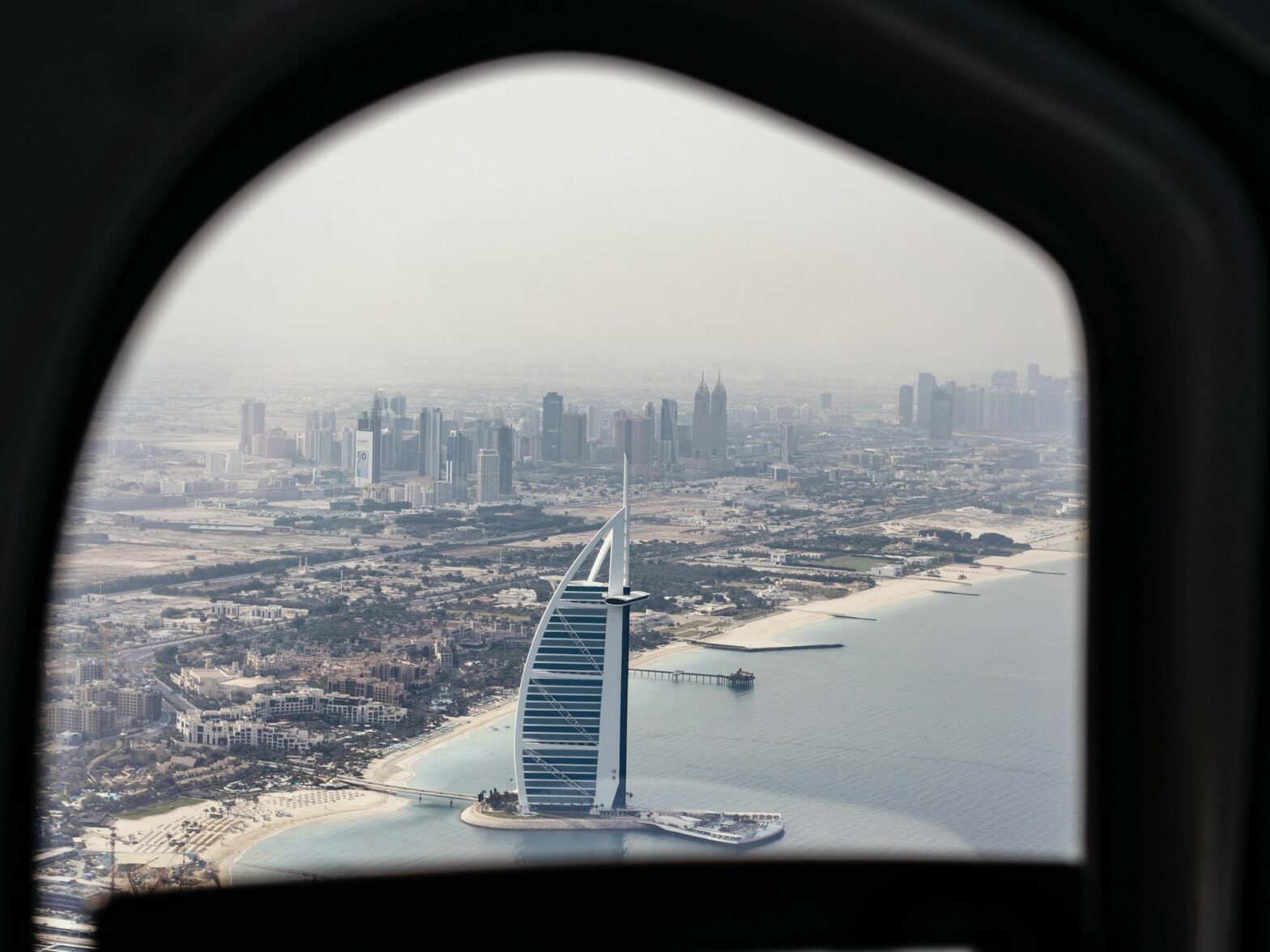
Hit with Western sanctions, Russian oligarchs are racing against time to relocate their assets to tax havens. They turn to private banks where transactions, opaque as they are in the UAE for instance, make it almost impossible to trace funds.
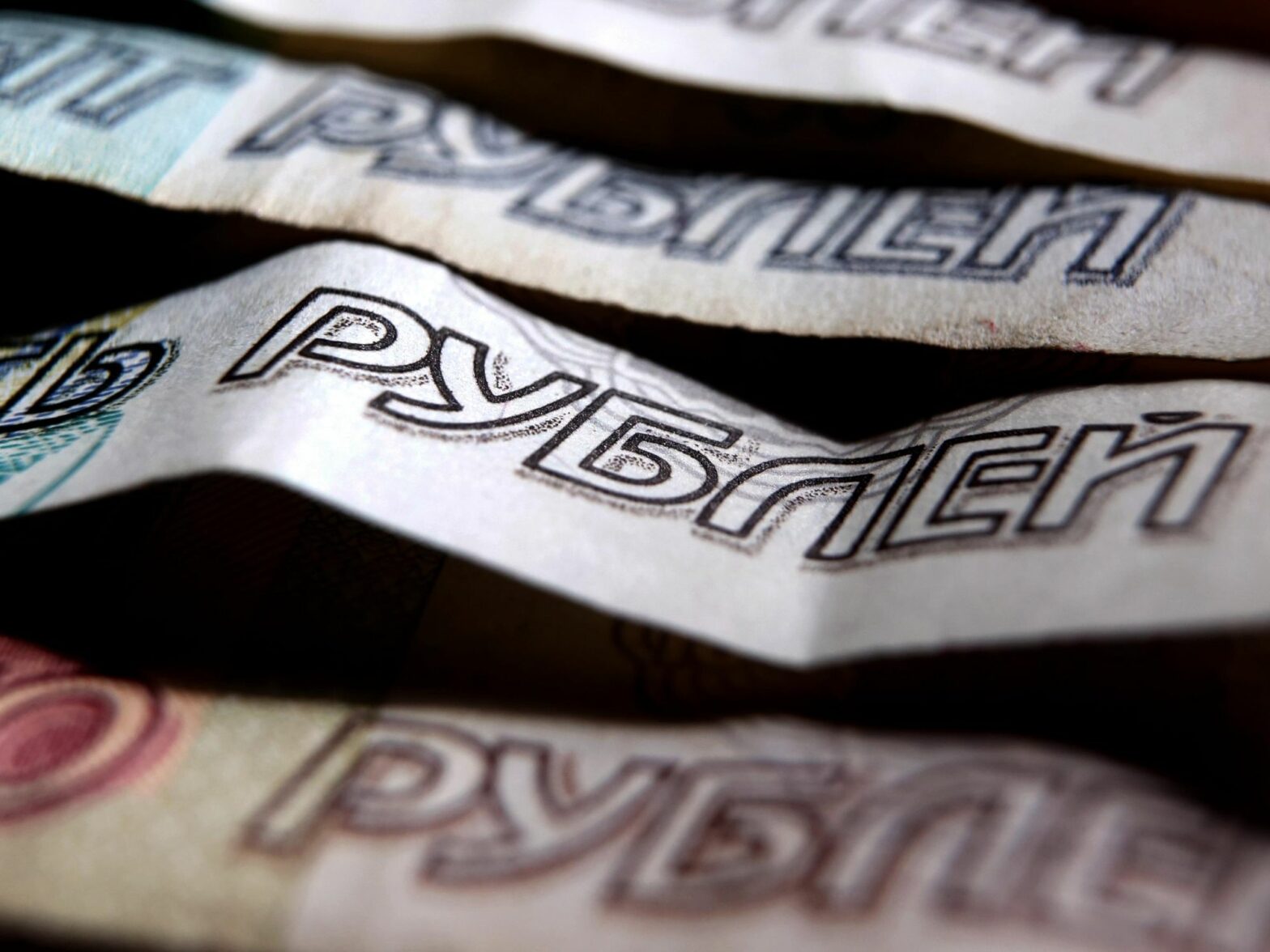
A default would be one of the clearest signals that the sanctions are having their intended effect on the Russian economy. But its impact on Russia’s ability to wage war in Ukraine may be another story.
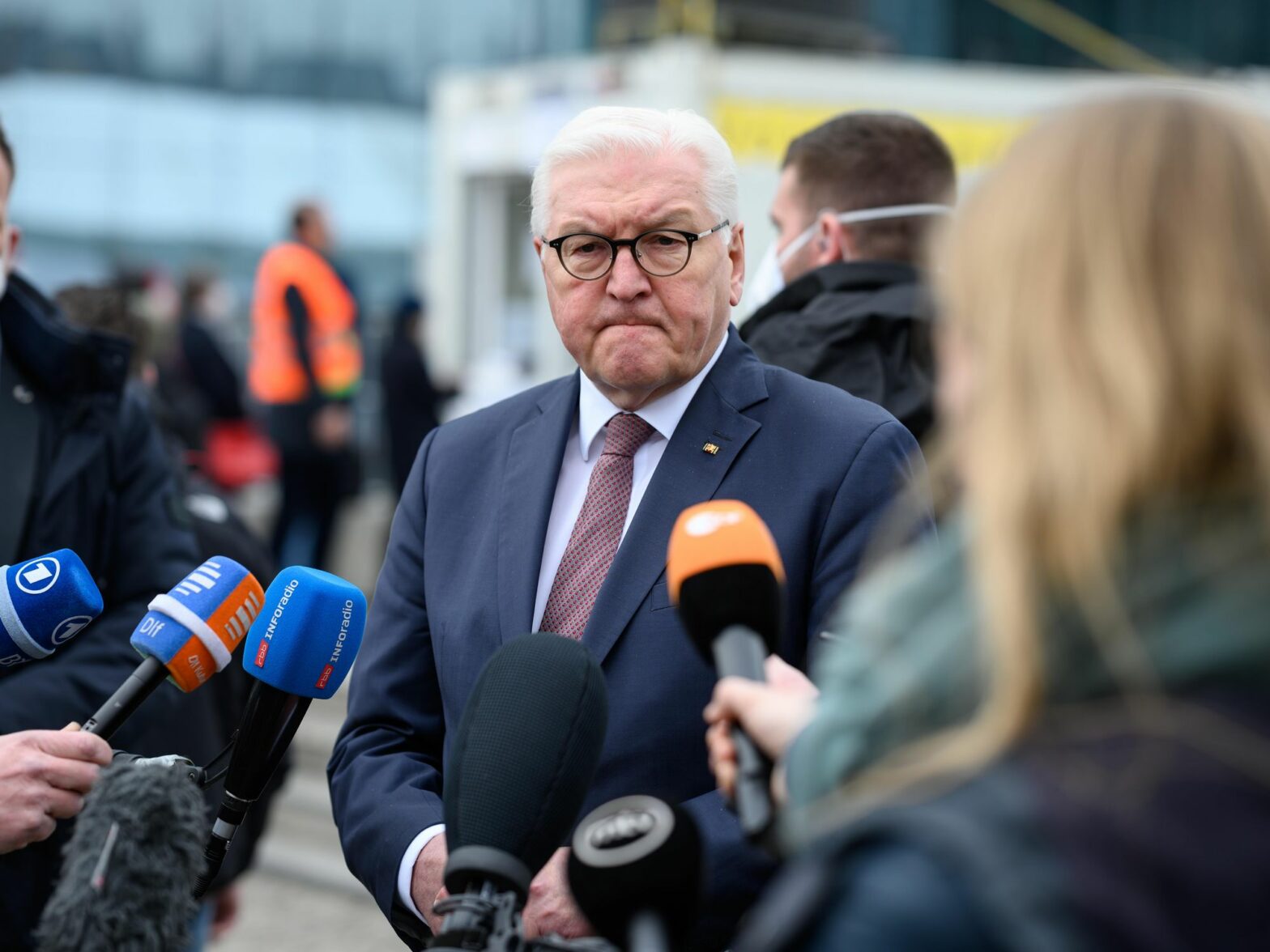
Why was German President Frank-Walter Steinmeier disinvited to the Ukrainian capital? The case is being used by the German elite for their own benefit, or rather, for Russia, whose economic and political treasures in Europe are guarded by the same Steinmeier.
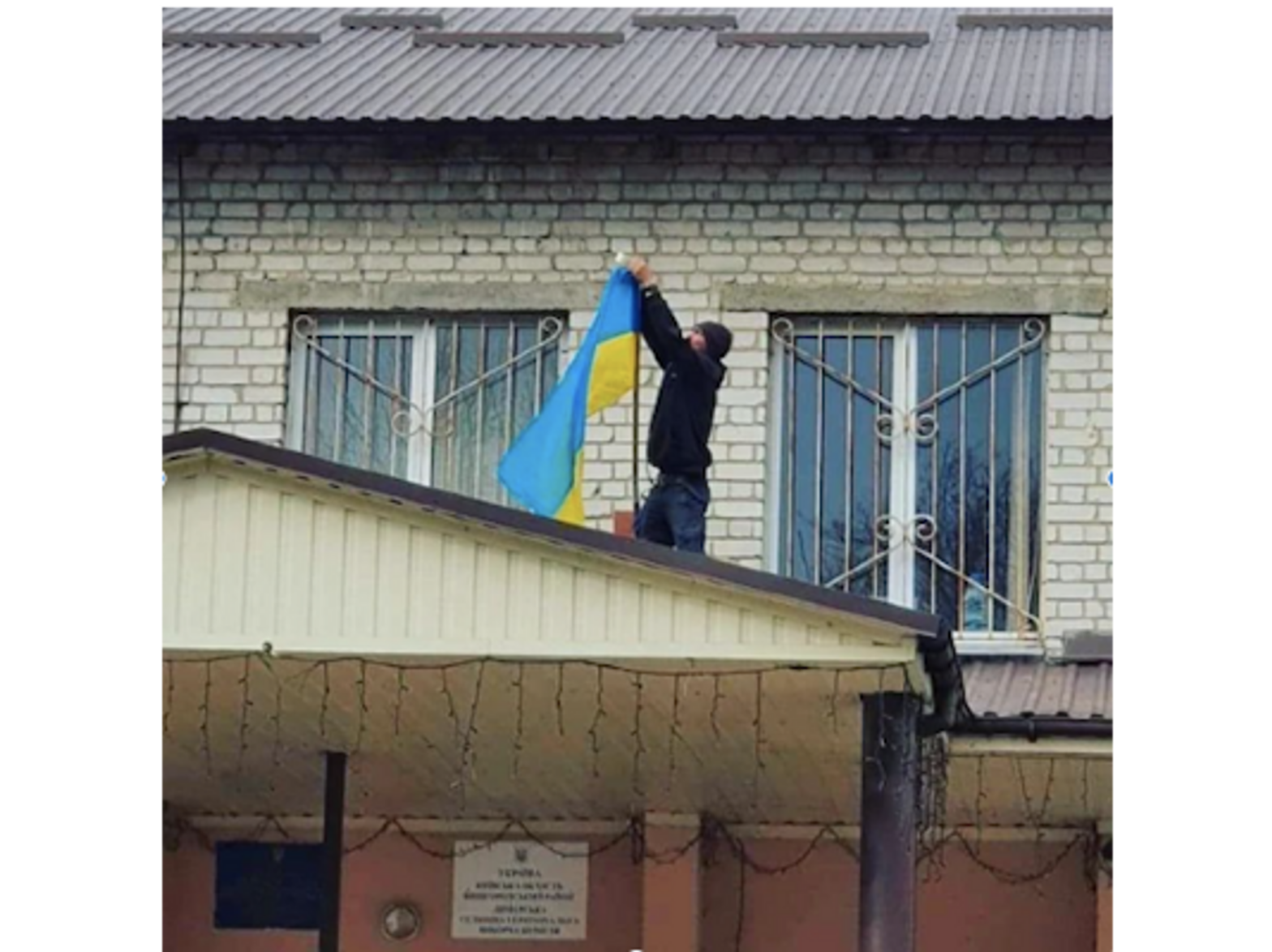
This is the story of Olga Simonova from Dymer, 50 kilometers north of Kyiv, which was occupied by the Russian army as a base for their assaults to the south. It was a time of great fear and uncertainty, as Simonova is still assessing the damage and searching for those who have disappeared.
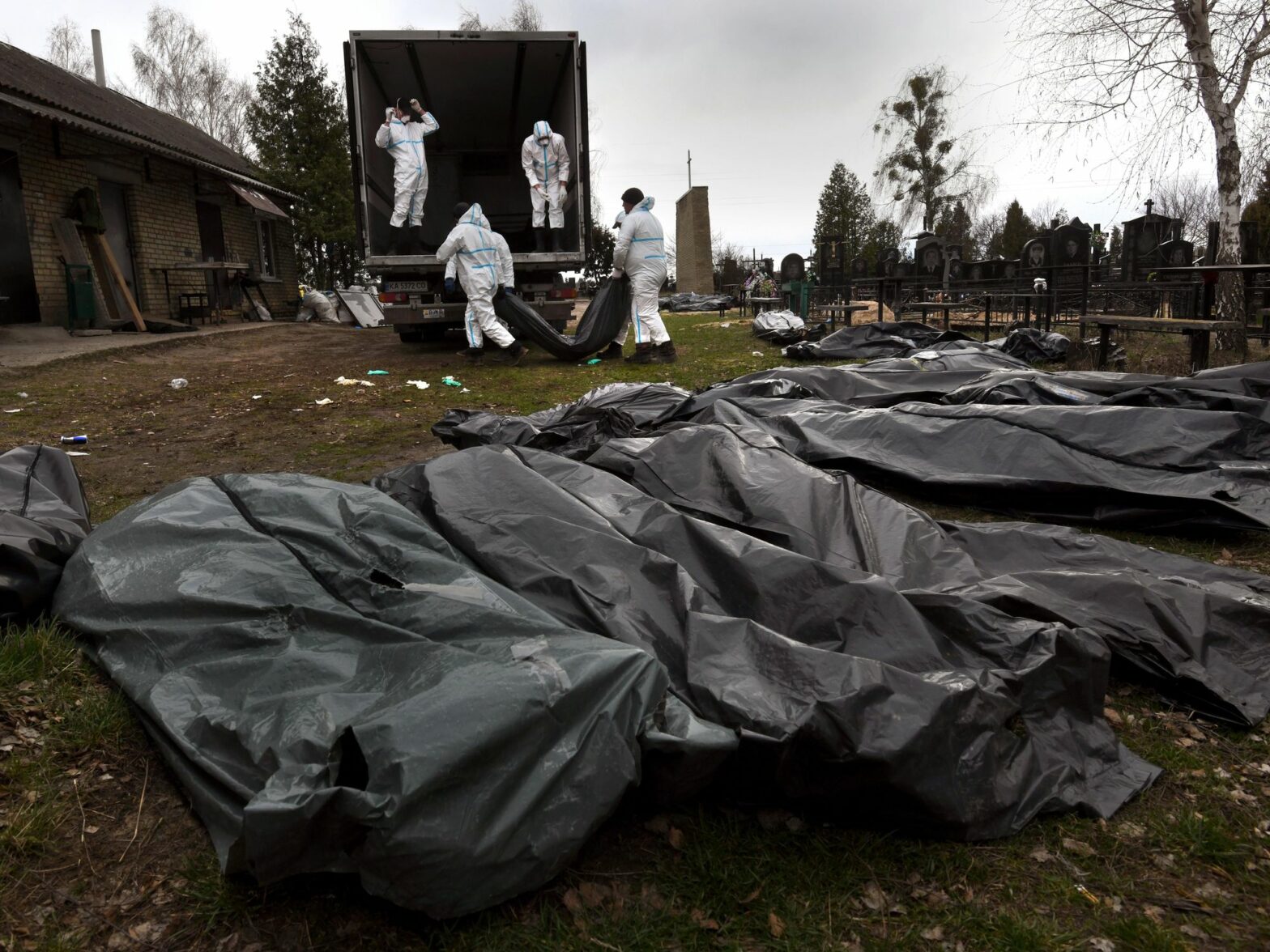
The revelations of the alleged war crimes in Bucha are making Russia’s war more complicated for the leaders of China, who could have supported a victorious Moscow without hesitation, but a humiliated Moscow is a different matter. Xi Jinping and Vladimir Putin’s shared ambitions of a new world order is at stake.
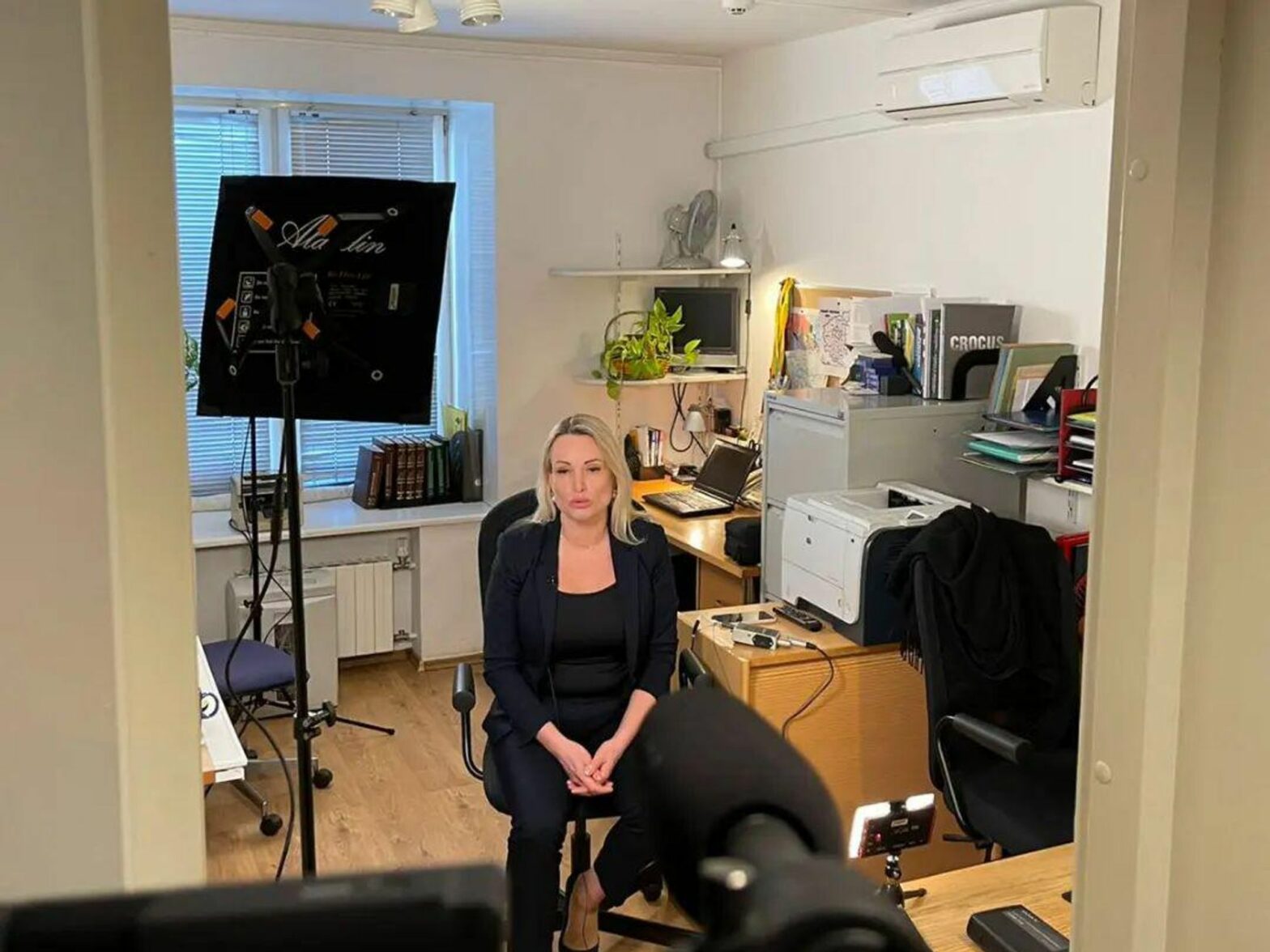
Ever since journalist Marina Ovsyannikova protested on live Russian television against the war in Ukraine, her life has changed radically. Now that includes writing for leading German daily Die Welt. In her first article, Ovsyannikova explains what drove her action, how police have targeted her and why the Kremlin’s propaganda works on so many of her fellow Russians.
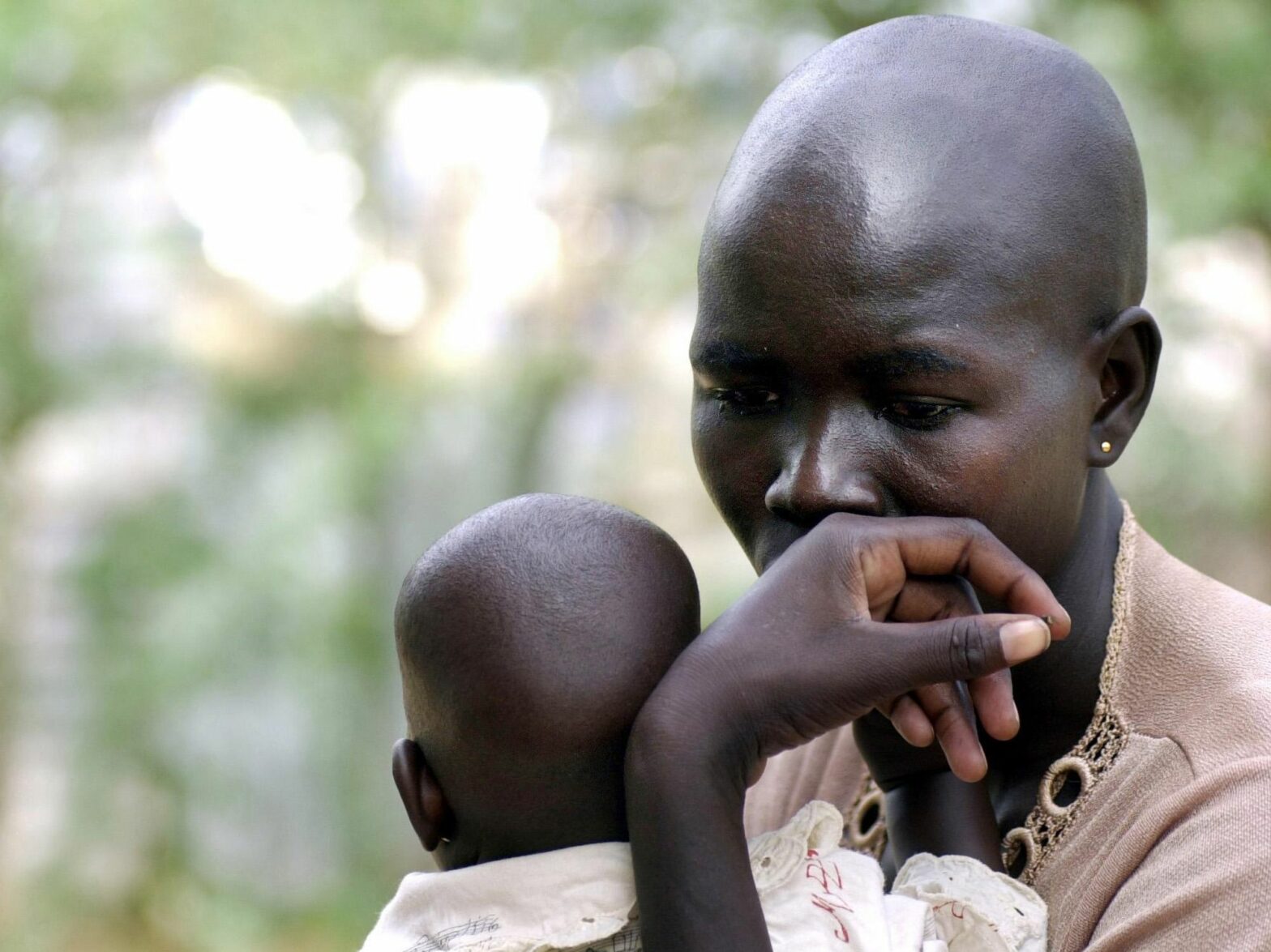
The way armed conflicts have been represented in fiction for decades could explain the racism that has been revealed in Western media coverage of the war in Ukraine compared to multiple conflicts over the years in Africa.
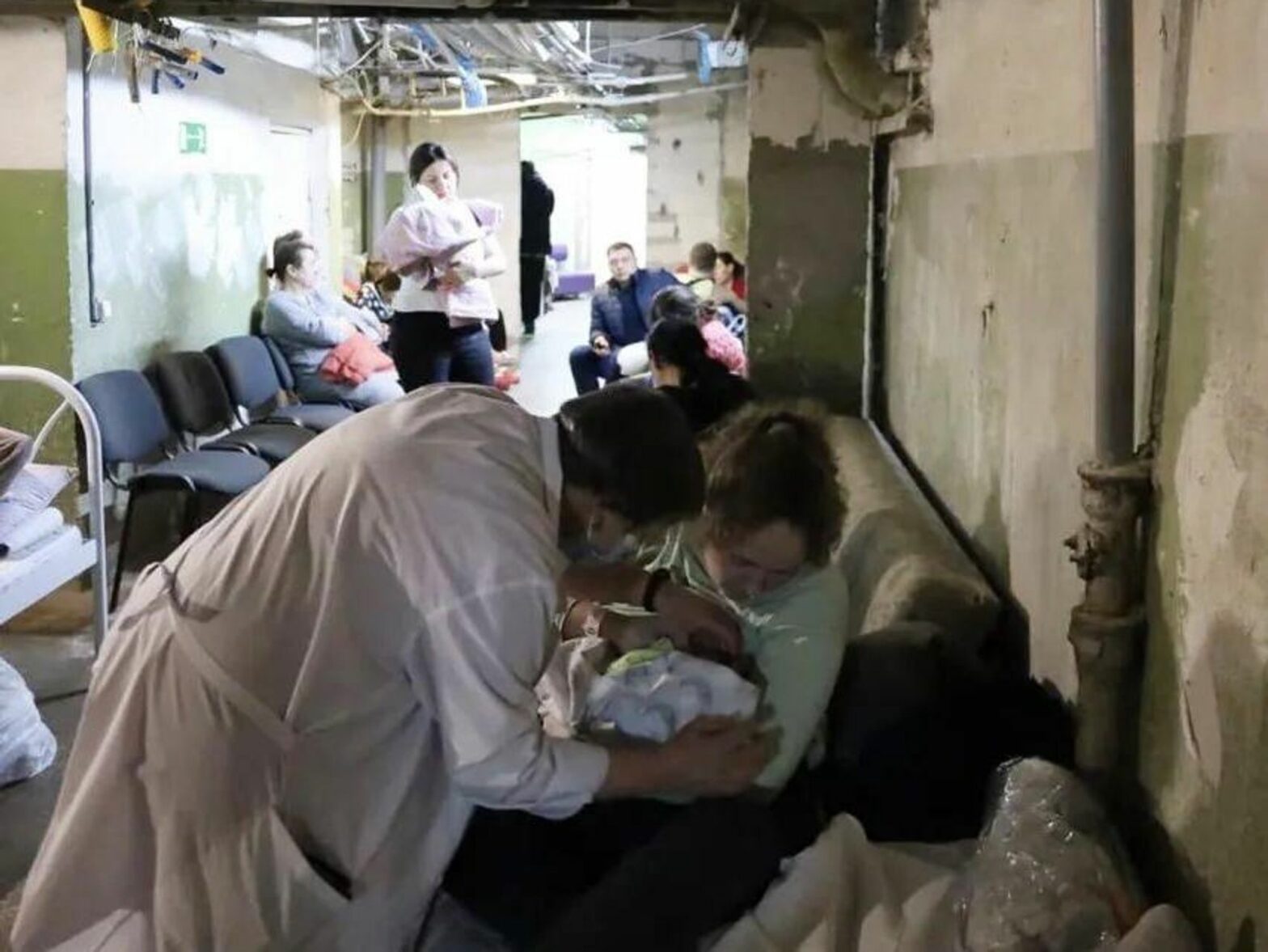
BioTexCom is responsible for more than half of the 2,500 surrogate babies born annually in Ukraine. This is how, in the middle of the war, the surrogacy company continues to function.
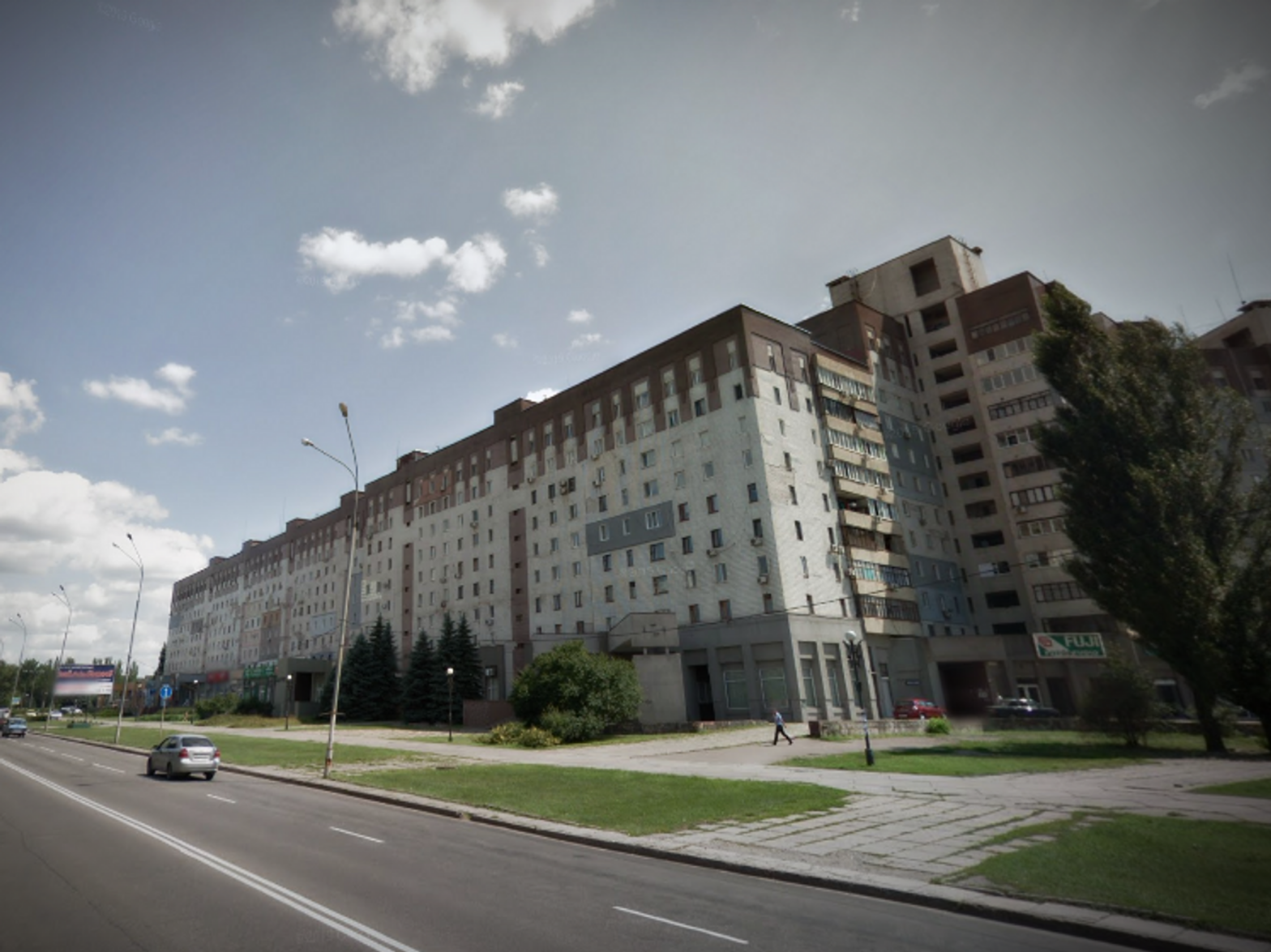
The 44-year-old’s parents still live in the same apartment in Kryvyi Rih, where Russian troops attacked in the early days of the war before retreating. But with Putin’s focus shifted eastward, the people who grew up with Zelensky brace for more attacks.
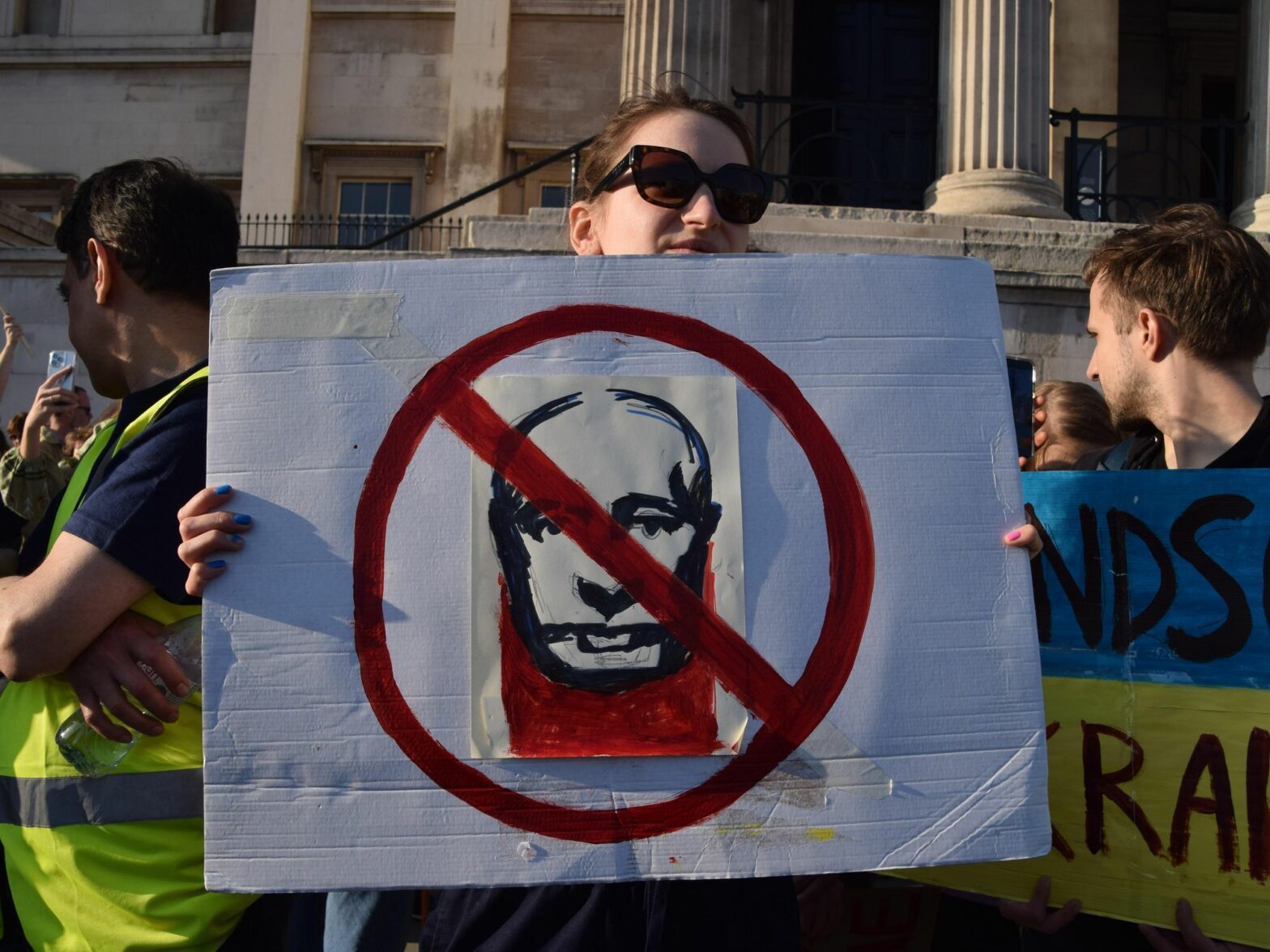
Russia’s President Putin may speak of denazifying Ukraine, but his words and actions — from the Mariupol maternity hospital to the atrocities of Bucha to Friday’s missile attack on the Kramatorsk railway station — show that he’s taken up the mantle of Europe’s line of fascist dictators. Take a look at those today who still lend him support.
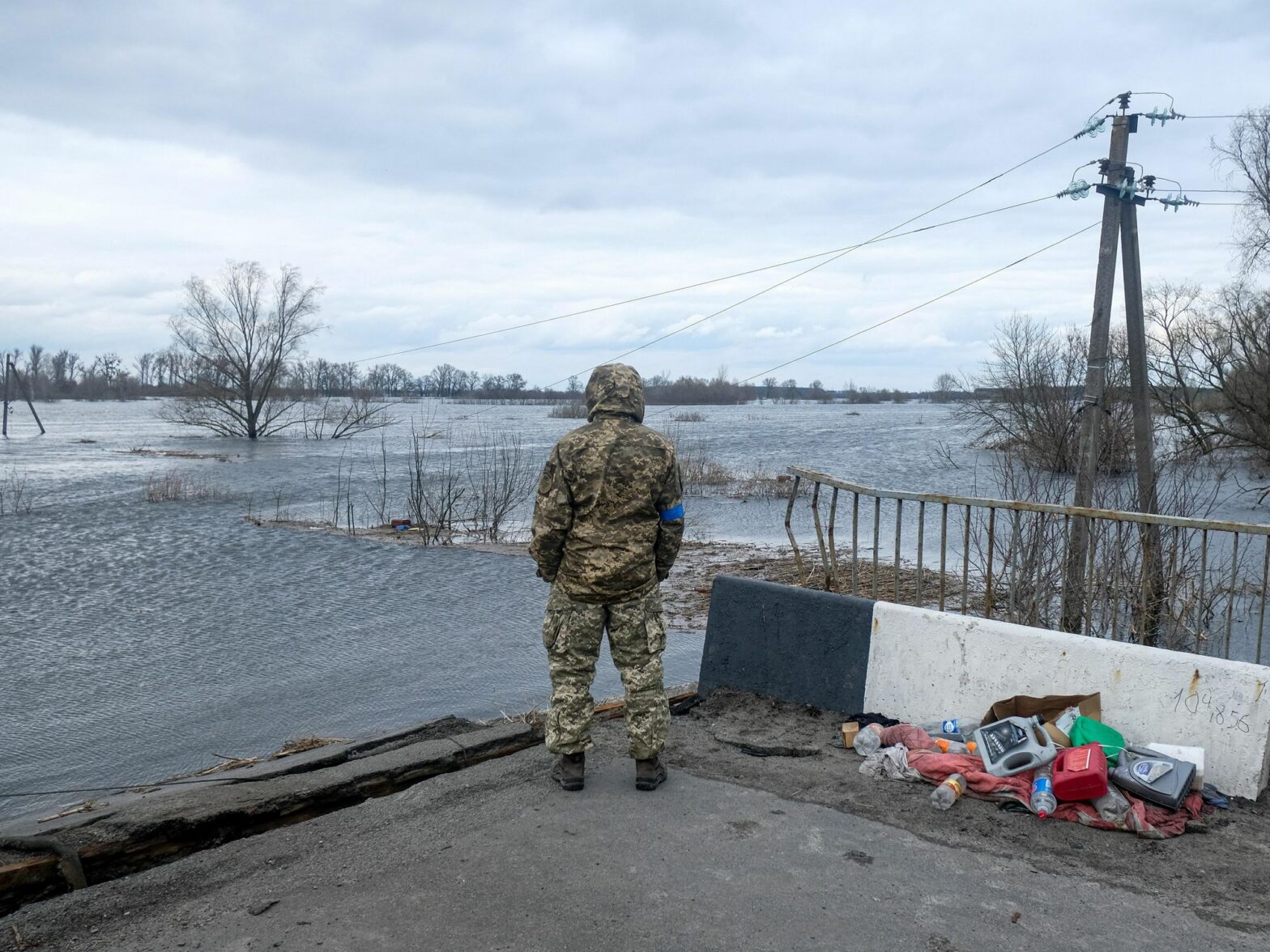
Vladimir Putin’s original plans for conquest of Ukraine have not changed. By pulling back from Kyiv and flirting with negotiations, he is trying to buy time to reorganize for a longer war that require Ukrainian forces to hold their ground in the eastern Donbas region.
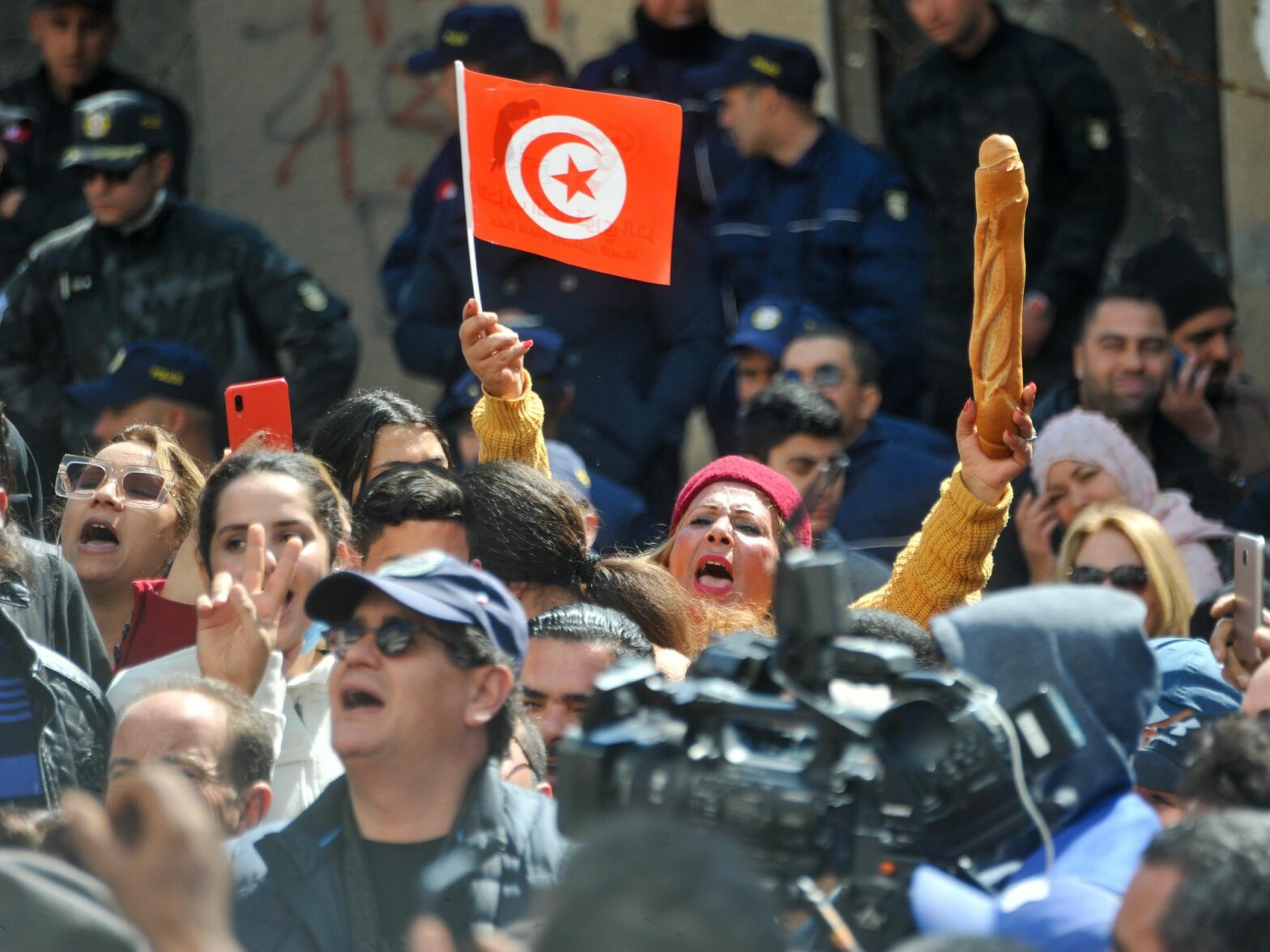
Rising tensions in wheat productions, explosion of oil prices, fear of the unknown, could the Ukraine war lead to a popular Arab uprising similar to the one in 2011?
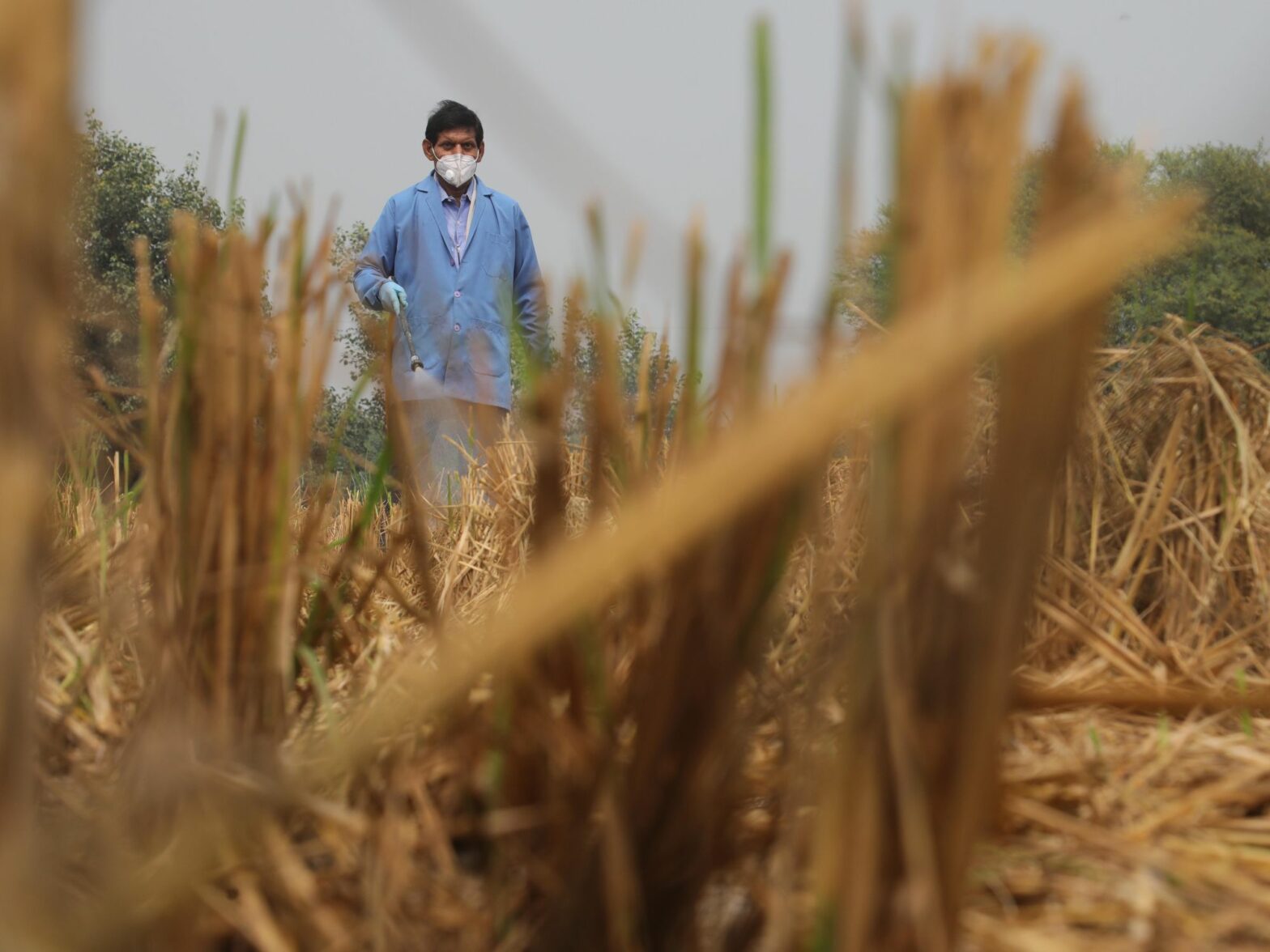
There is no country that has more hungry mouths to feed than India, which faces not just food inflation that is roiling the global markets but also vulnerability to fertilizer production costs.
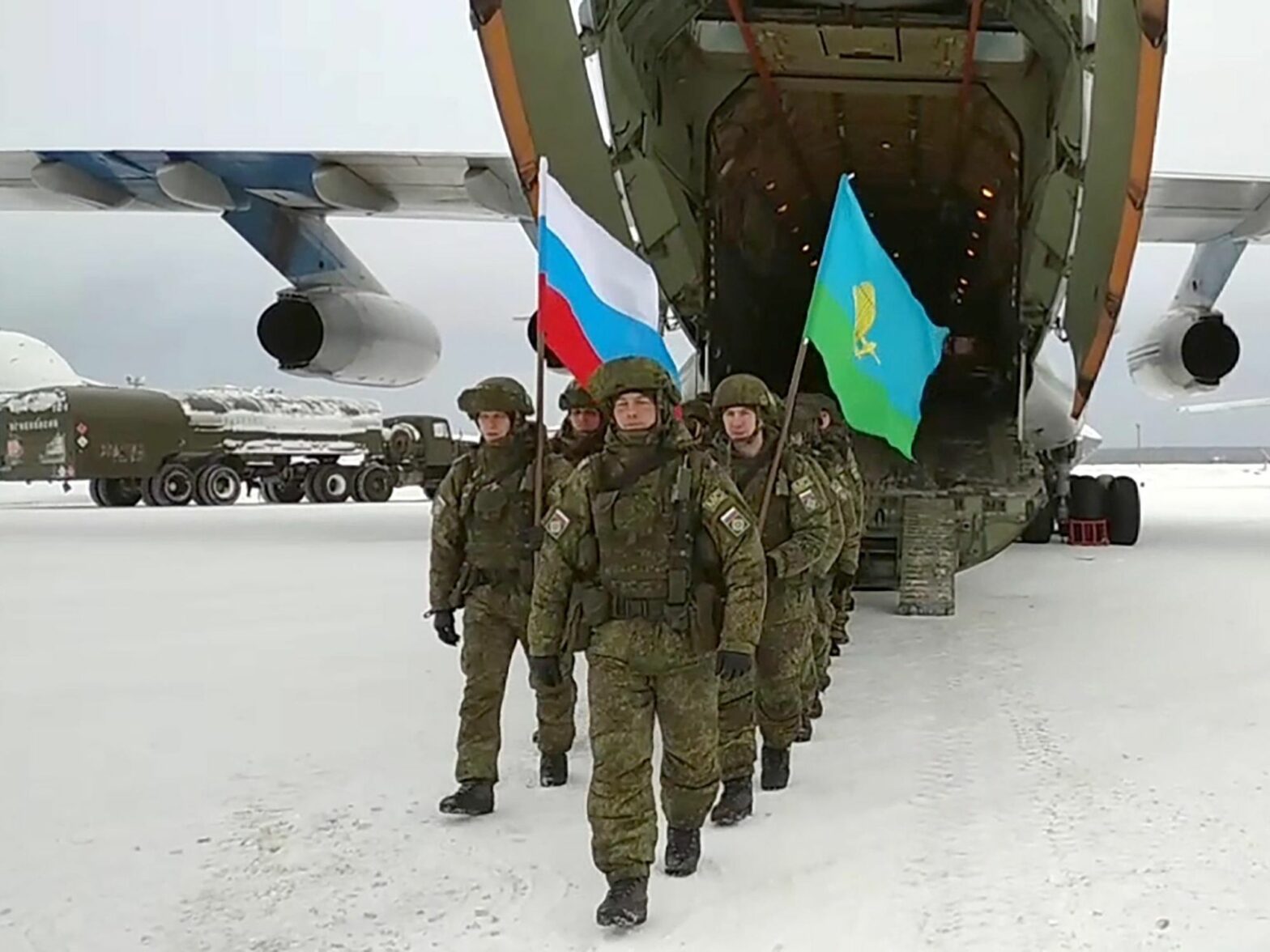
For Vladimir Putin, invading Ukraine was the first massive step in reviving the power of Soviet times. His war has done the opposite. Kazakhstan is the first former Soviet republic to distance itself from Russia and turn to the West. But the Central Asian country may not be able to free itself of Russian influence as quickly as it would like.