What explains why 51 years after Pinochet’s coup, Chile has elected someone who is nostalgically fond of dictatorship? The far-right candidate focused on immigration and insecurity, with rhetoric inspired by Trump and Milei.

 Worldcrunch
Stay updated with comprehensive news on Chile from Worldcrunch. Discover insights on Chilean politics, economic developments, societal issues, and cultural landmarks with translations from top international sources. Highlights include Santiago, Chilean history, and cultural events.
What explains why 51 years after Pinochet’s coup, Chile has elected someone who is nostalgically fond of dictatorship? The far-right candidate focused on immigration and insecurity, with rhetoric inspired by Trump and Milei.
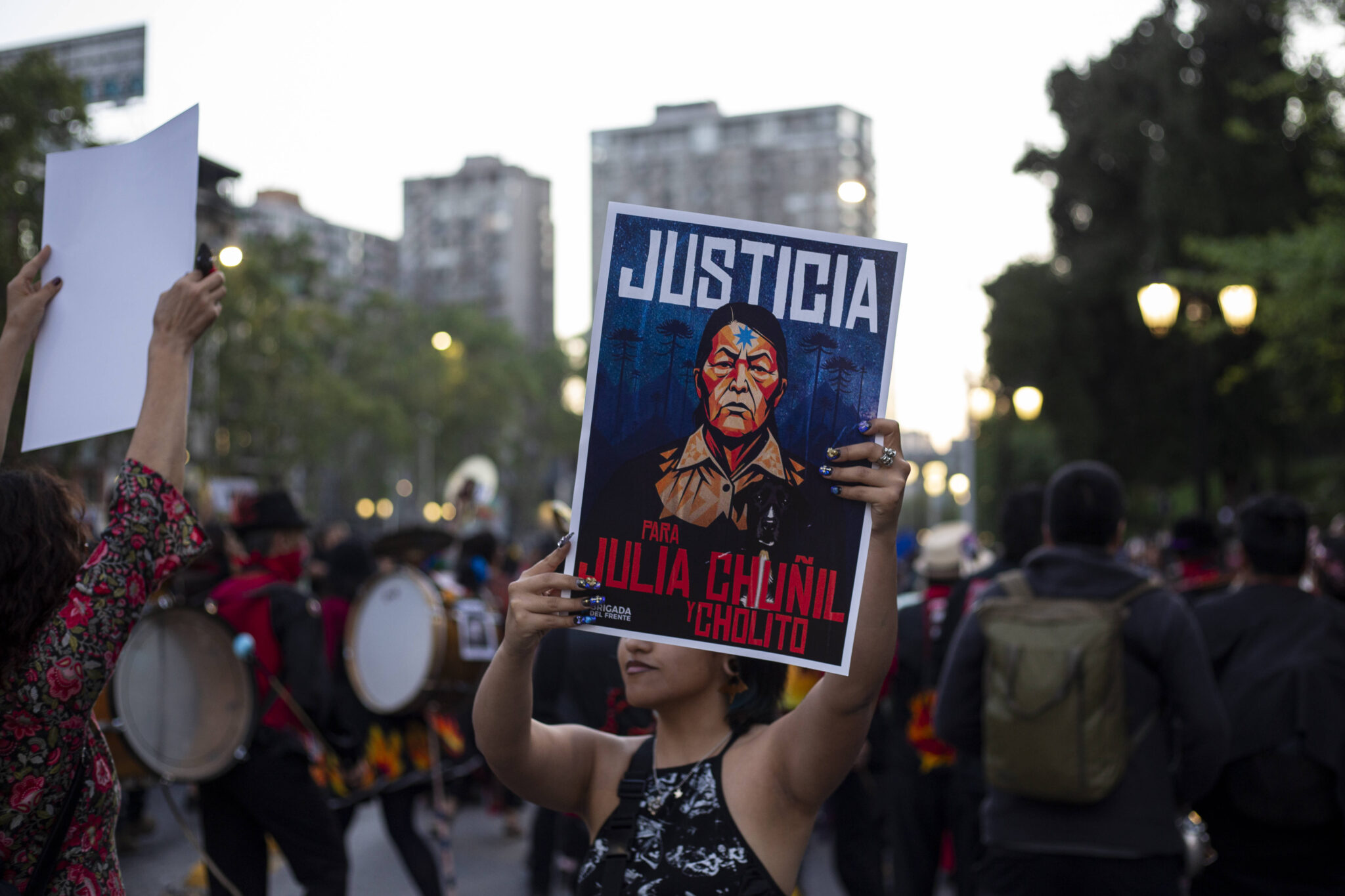
In 2024, there were 146 murders and long-term disappearances of environmental and land activists, according to a report by the NGO Global Witness.
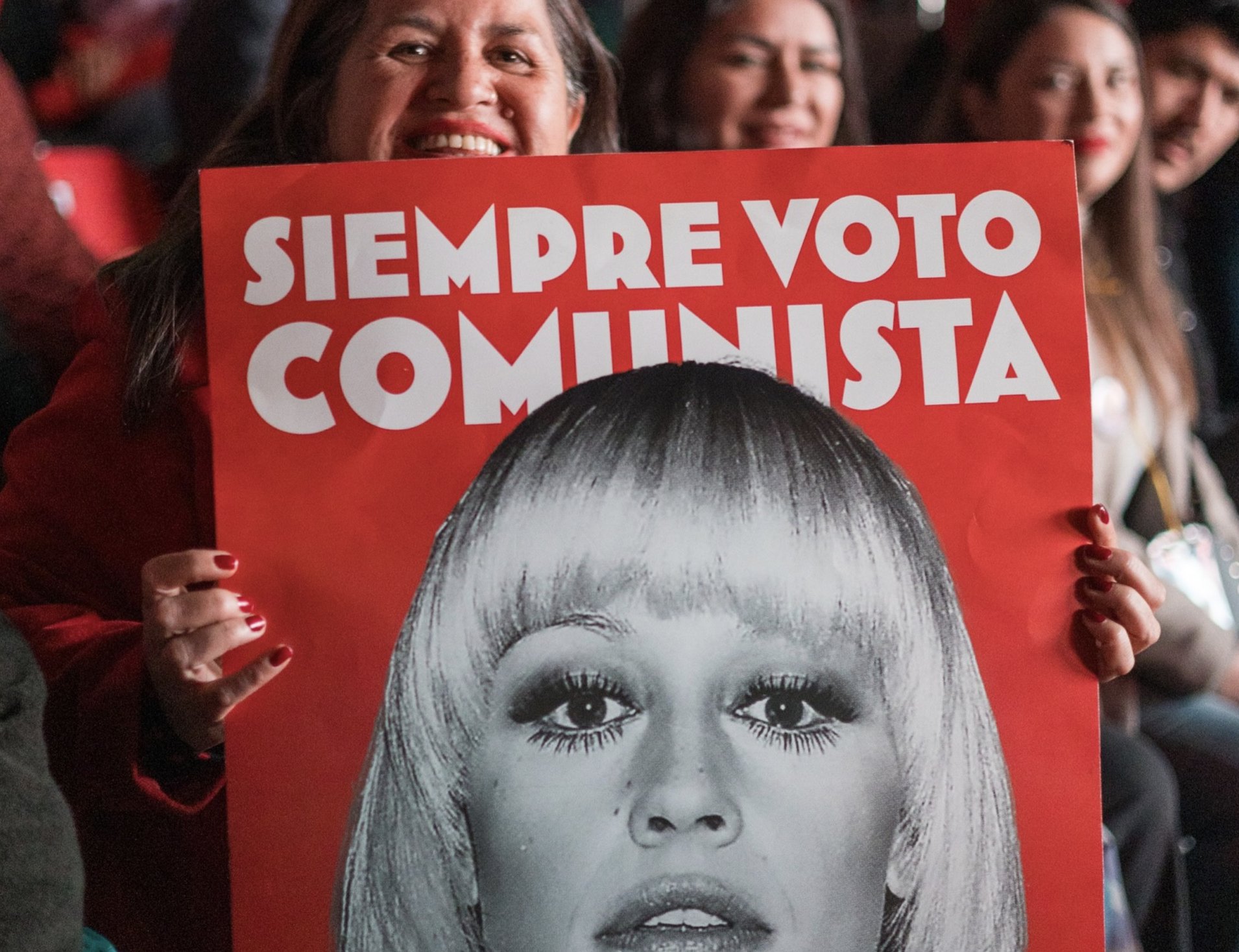
In Chile’s heated presidential race, Communist candidate Jeannette Jara has turned to an unlikely but beloved figure to rally support: Raffaella Carrà, an iconic Italian showgirl who once defied dictators and danced her way into leftist hearts.

Chilean winemakers are promoting their celebrated wines in several key markets for consumer spending power: the United States and China are already saturated with every kind of wine. But now India must be a focus despite crushing tariffs.
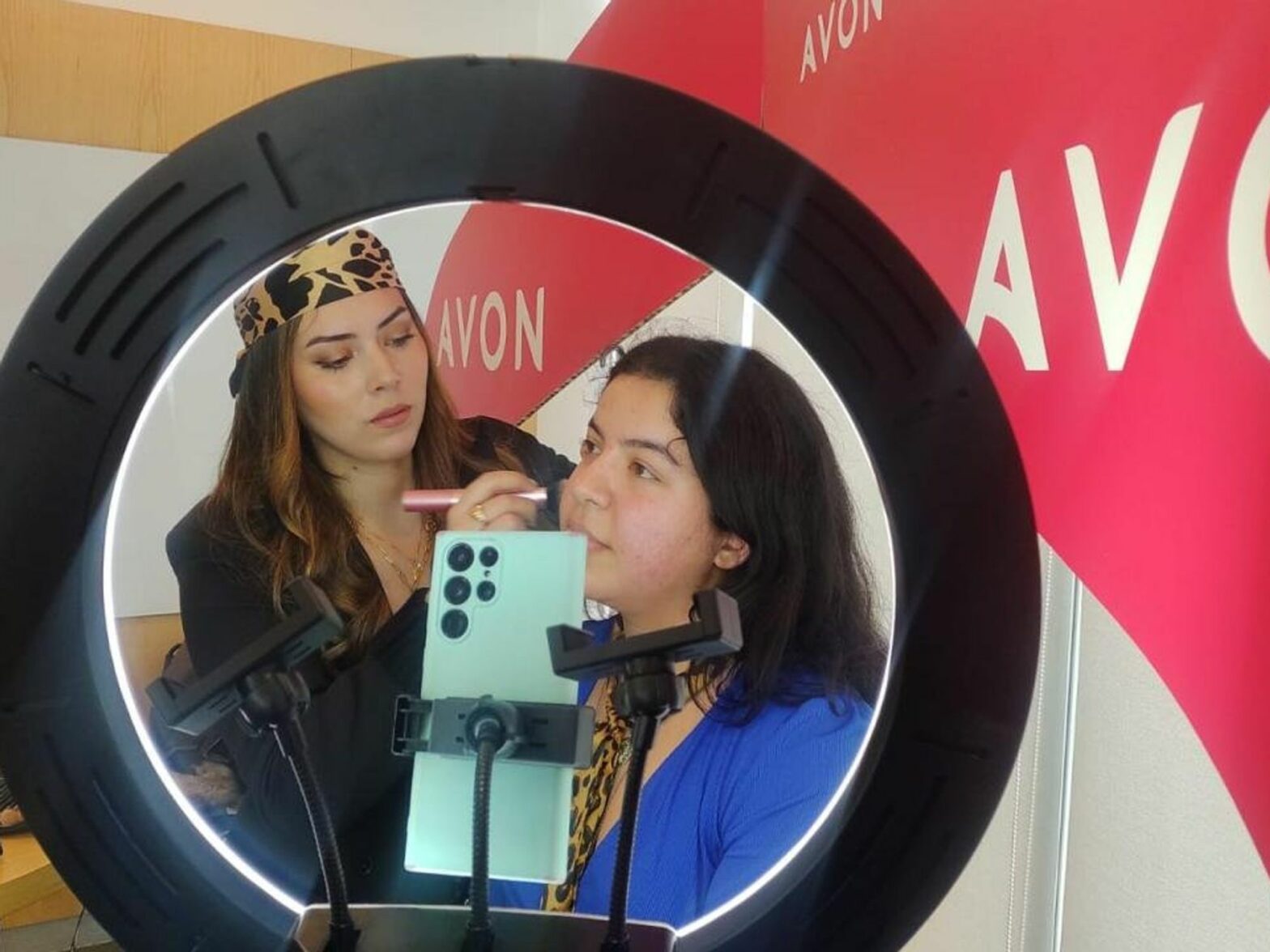
The 157-year-old cosmetics firm is banking on the “personal touch” and enterprise of its familiar women sales representatives to see it through the multiple threats of online retailing, changing tastes and global economic tumult.
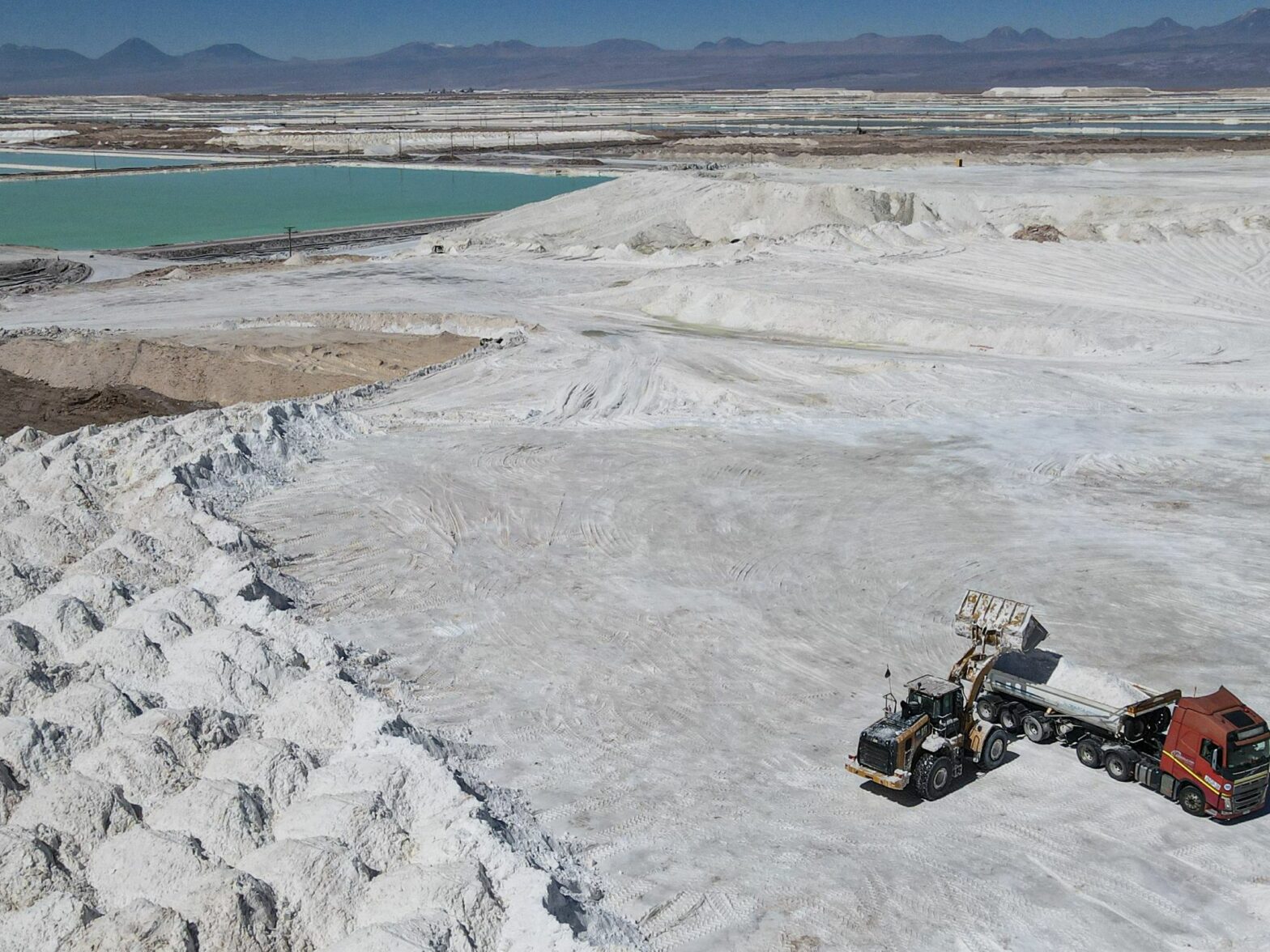
The search for clean energy is essential in an age of alarming climate change. Lithium extraction represents a great opportunity, but the maltreatment of communities affected by this extraction must be considered if we want to interrupt the vicious cycle of wealthy countries exploiting resource-rich countries.

The cold arrogance of Henry Kissinger extends from Santiago de Chile half a century ago, where he helped orchestrate the violent overthrow of the leftist President Salvador Allende to his view today on Russia’s would-be “sphere of influence.”
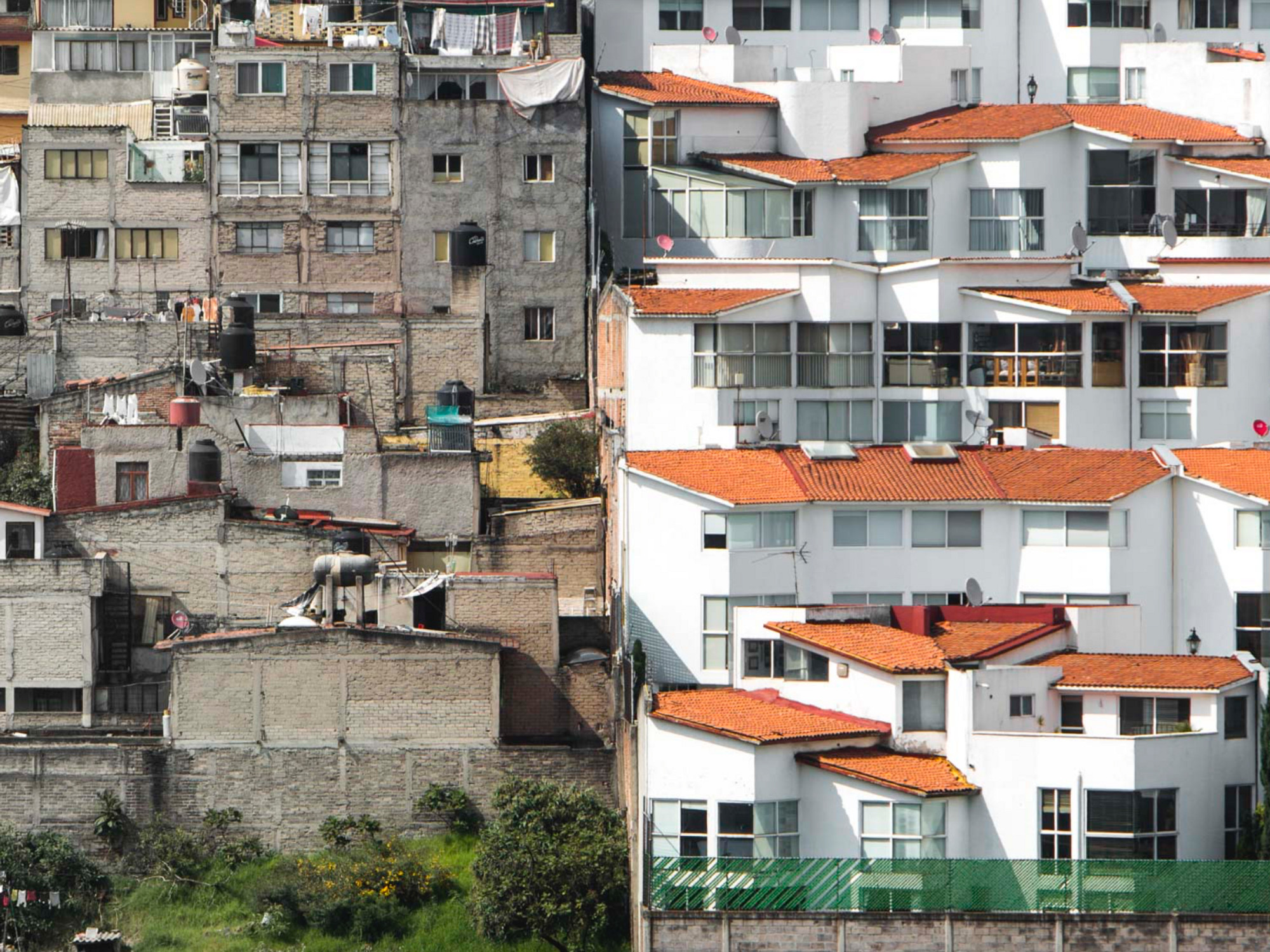
Gentrification is affecting many Latin American cities. As residents push back, there are worries that existing residents and cultures alike will be erased.
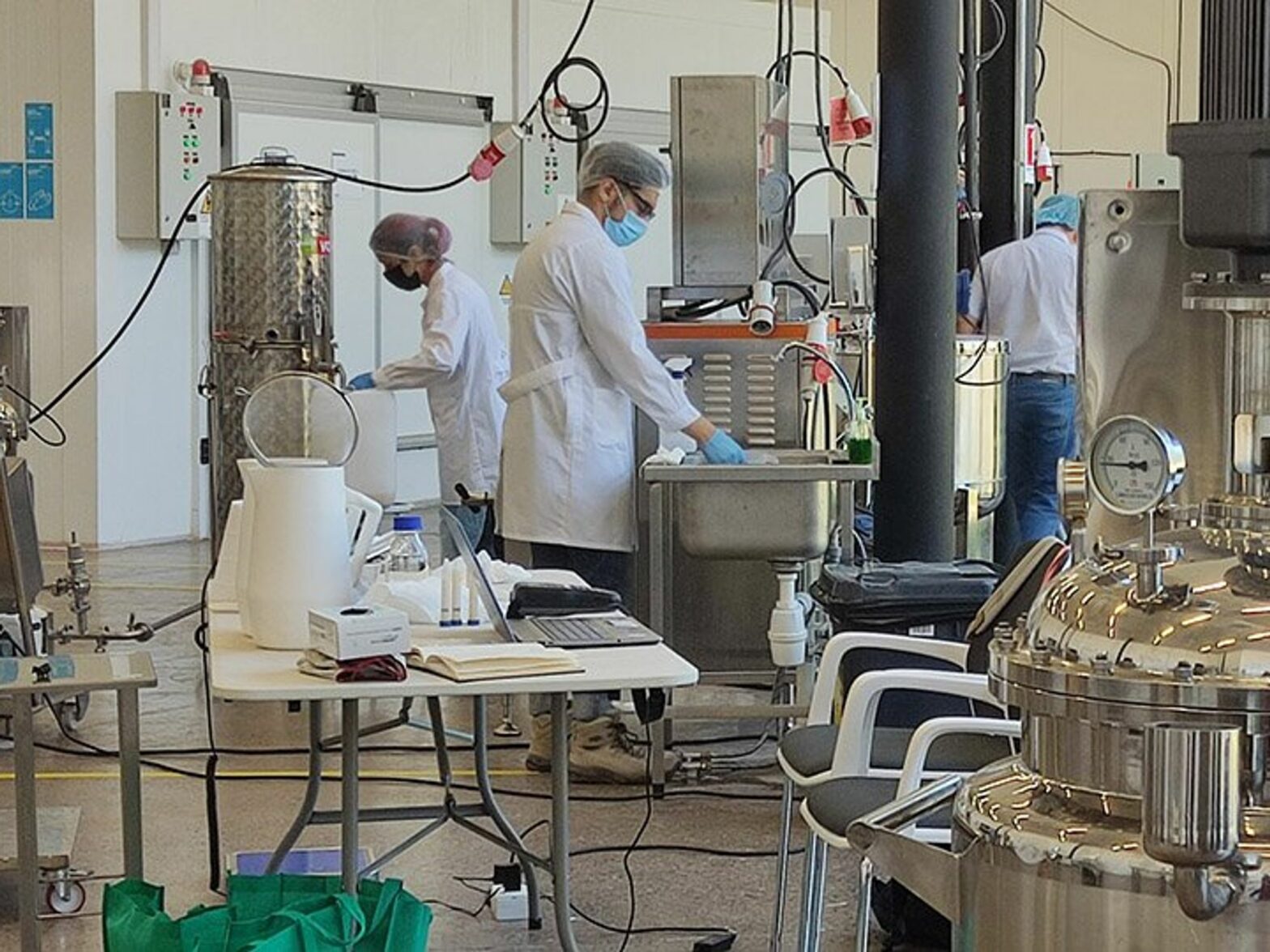
Chile’s CeTA agency tests innovative food prototypes for startups and firms, helping to curb production costs and pushing for evolution in the context of climate change.
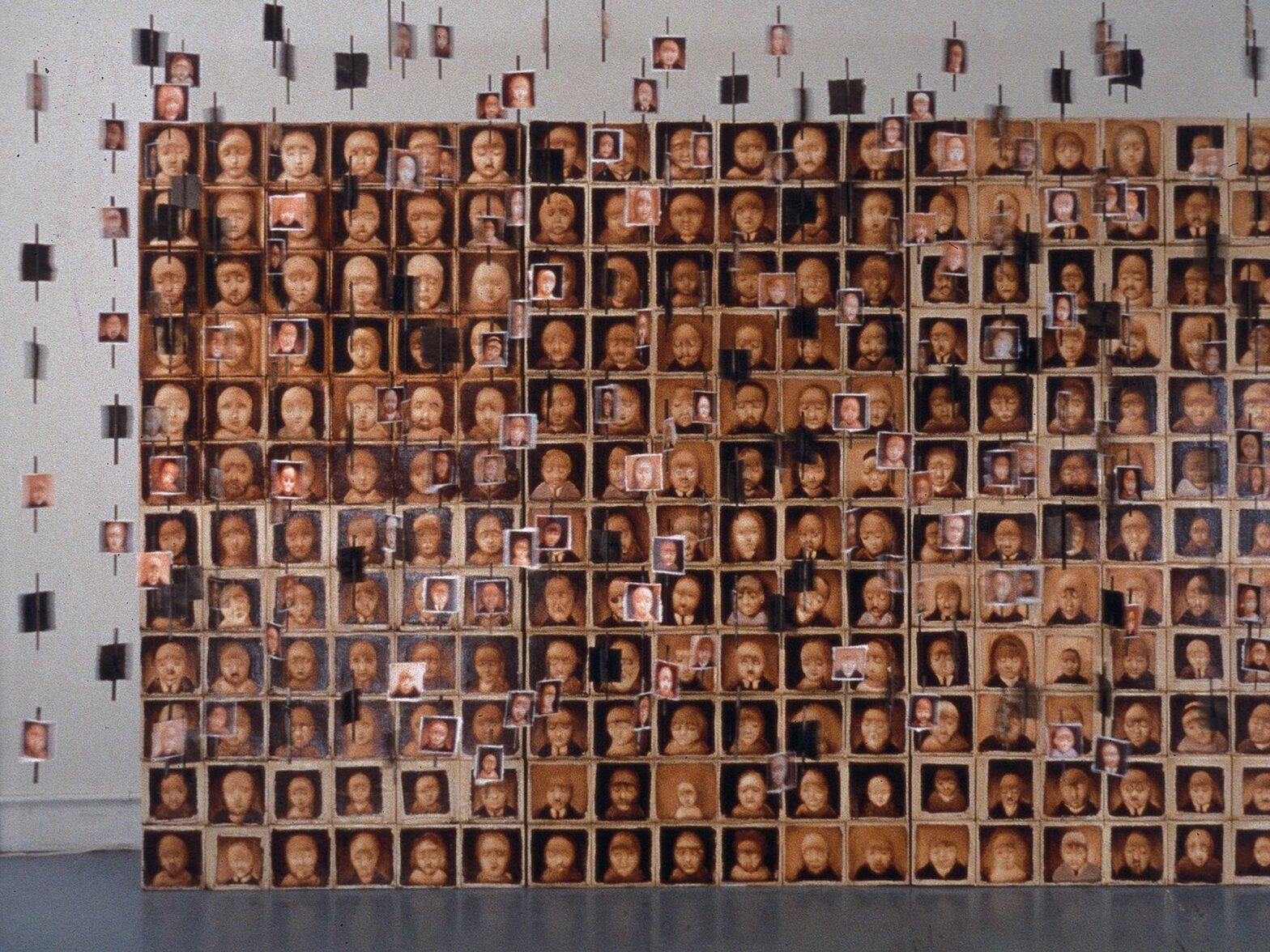
The government of Chile’s young new president, Gabriel Boric, has begun to develop the National Plan for the Search for Victims of the Dictatorship, half a century after the coup.
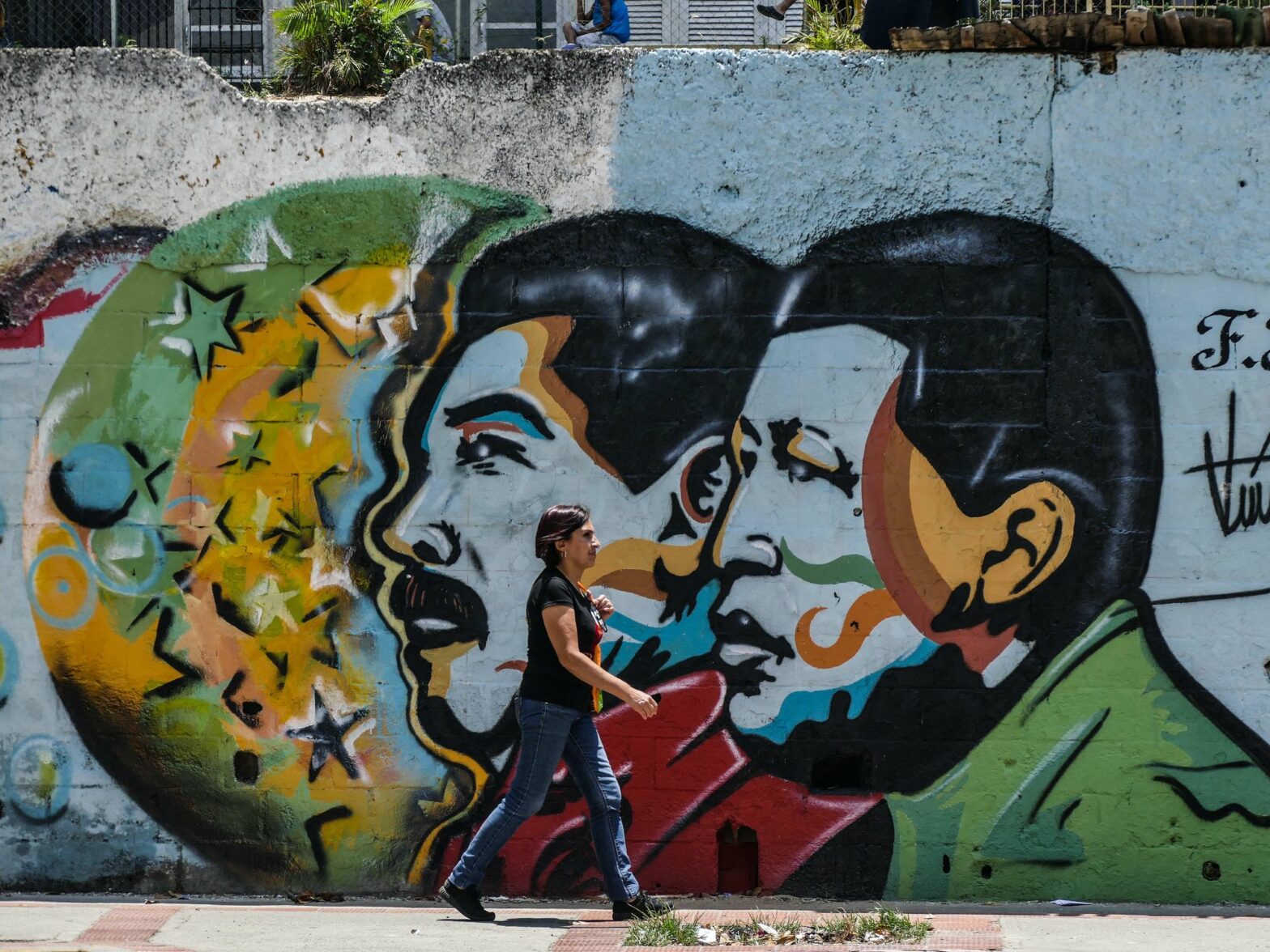
The Left is constantly being hailed as the resurgent power in Latin America. But there is no unified Left in the region. The “movement” is diverse — and its divisions are growing.

An overwhelming majority of Chileans quietly but very clearly voted to reject a draft constitution, which it feared would lock the country into a radical socialist mould.
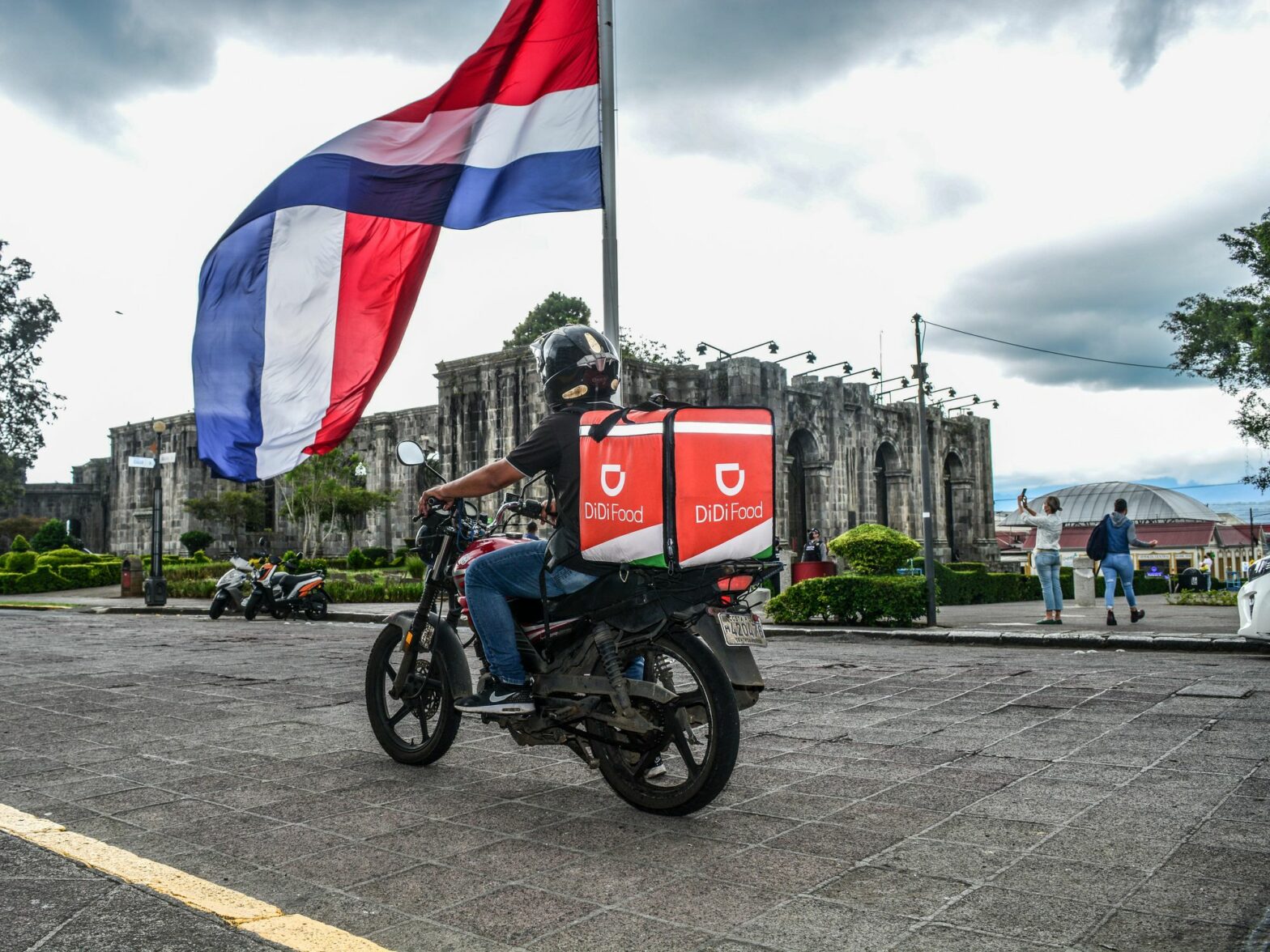
Didi Food, a delivery startup that struggled in East Asia, has found a growing market in Latin American cities, where appetite for home deliveries has yet to be fully satisfied.

After becoming Chile’s youngest president in December’s elections, former student activist and socialist Gabriel Boric has disappointed his most radical voters. Will they prolong the social unrest and creative chaos that have smashed the country’s fame as a conservative backwater?

It may sound like science-fiction, but firms are already developing prototypes for this cheaper alternative to the helicopter. And for Latin America in particular, the sky’s the limit for what Flying cars can bring.

The recent electoral victory of a youthful leftist in Chile has inspired the left in Latin America and around the world. But the country’s unique political and economic history means it is not necessarily a model for the rest of the world.

Wealthy Latin Americans have been among the most active home buyers in Miami, which now may be creating a “tough” sellers’ market perceived by some as simply a haven for assets threatened by instability in home countries.
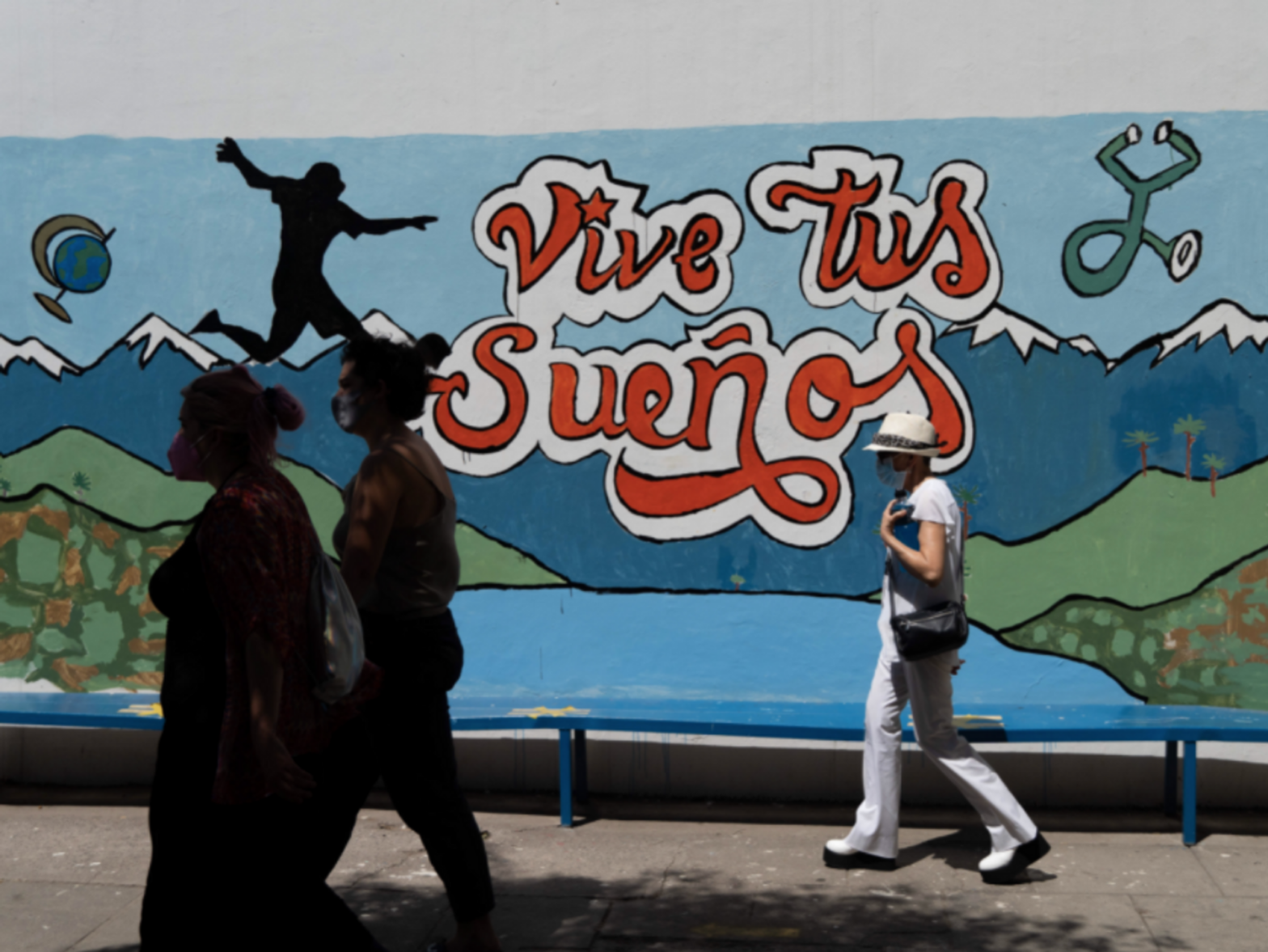
Will Chile’s president-elect Gabriel Boric and his team lead the country toward a European-style social-democracy in partnership with business, or will the country turn sharply left if traditional economic powers resist their reforms?

Airlines are eyeing premium economy seating options to woo money-conscious business class travelers, and possibly weary economy passengers, back to air travel.
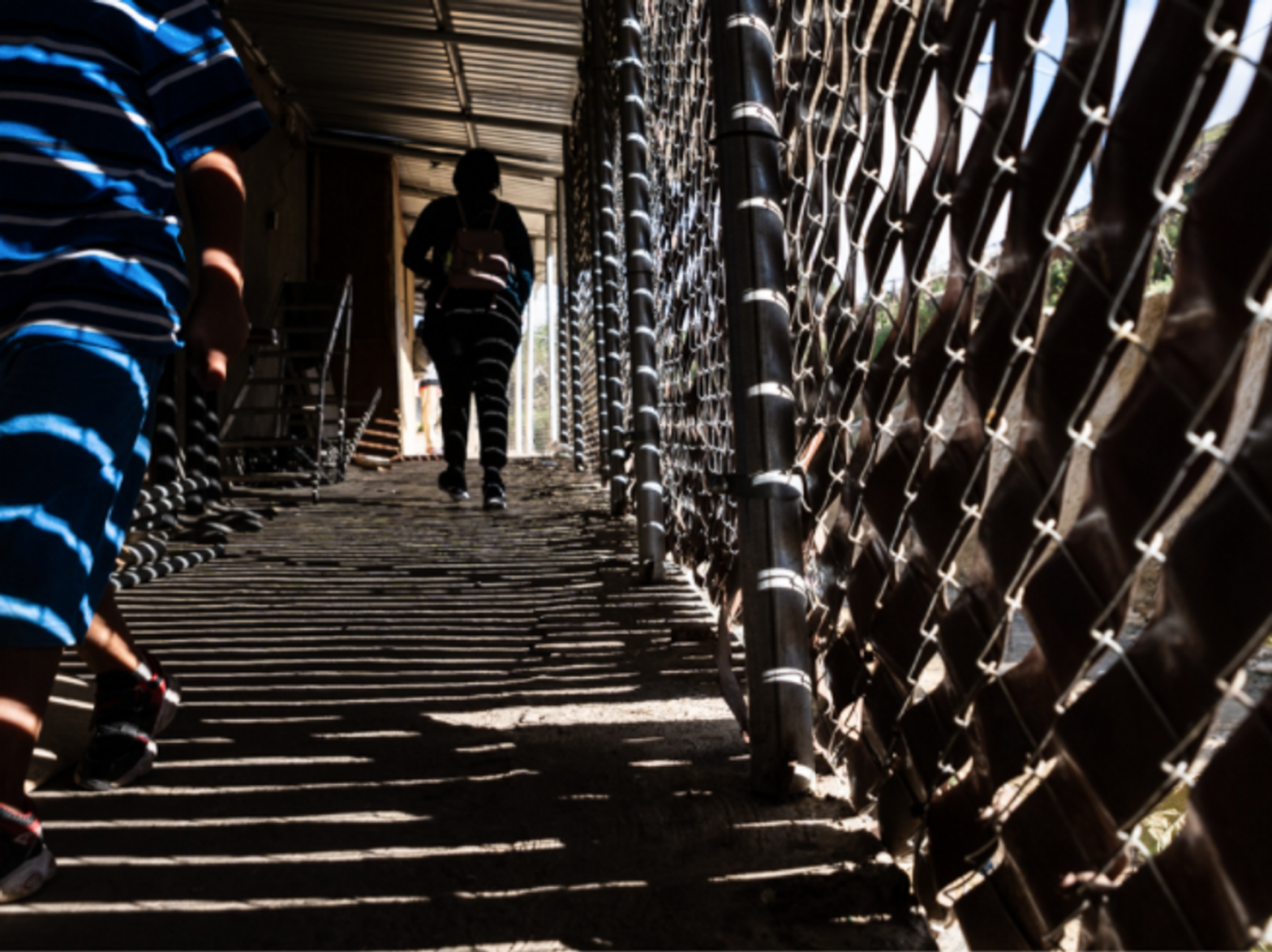
Shella Jean was part of a new migration path from Haiti to the relatively prosperous nation of Chile. But she has since left behind her “Chilean Dream” on a perilous journey northward toward the U.S.-Mexico Border. This is her story.
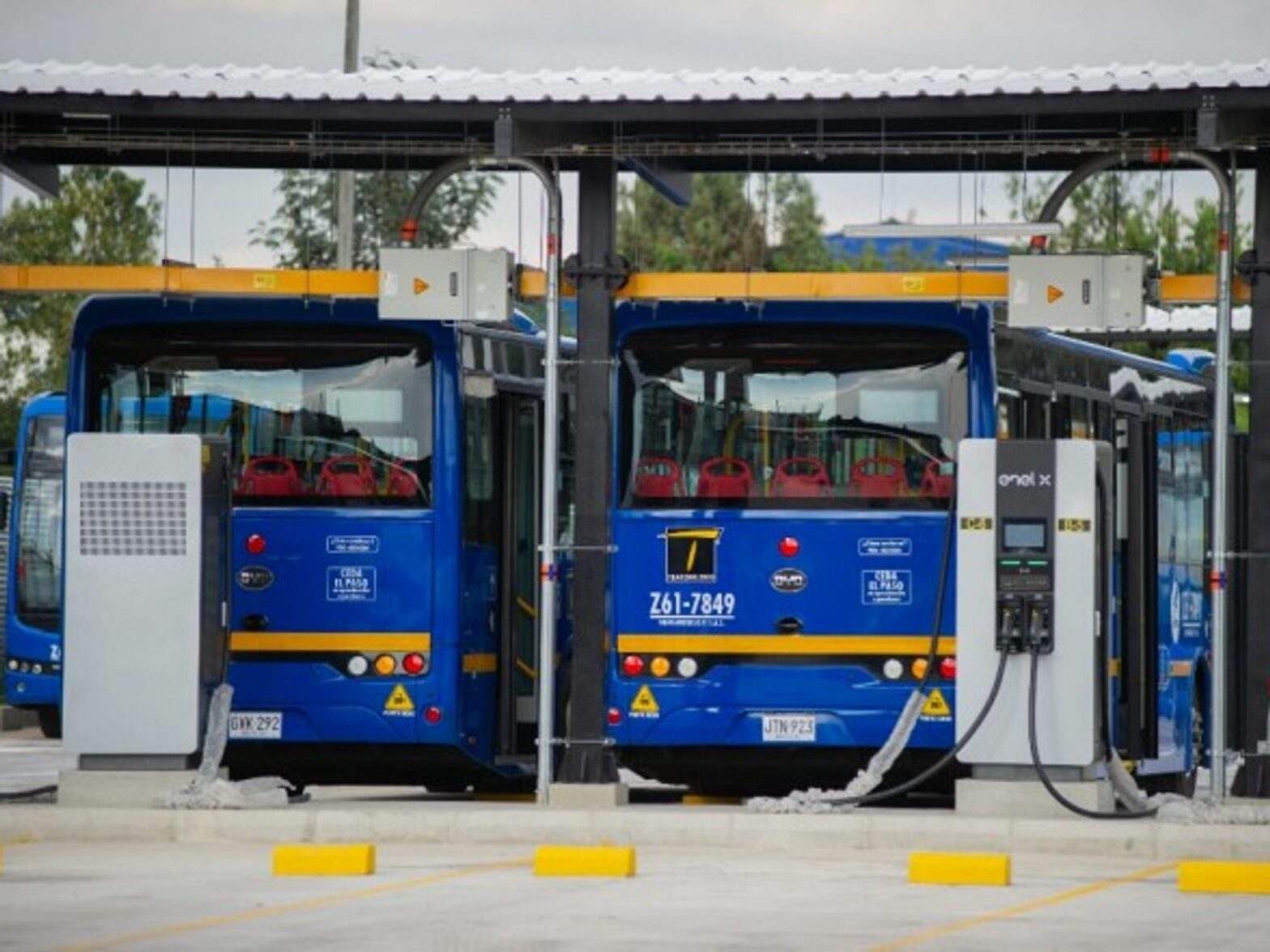
Electric vehicles are a novelty with promise in Latin America and are already expanding in several of its city bus fleets.

Institutions tasked with training the next generation of business leaders are realizing that sustainability matters, and making significant adjustments to their curriculae.

The social explosion of 2019, a referendum the following year, and last month’s ‘mega election’ have pushed the country in a whole new direction. But is there any method to the madness?
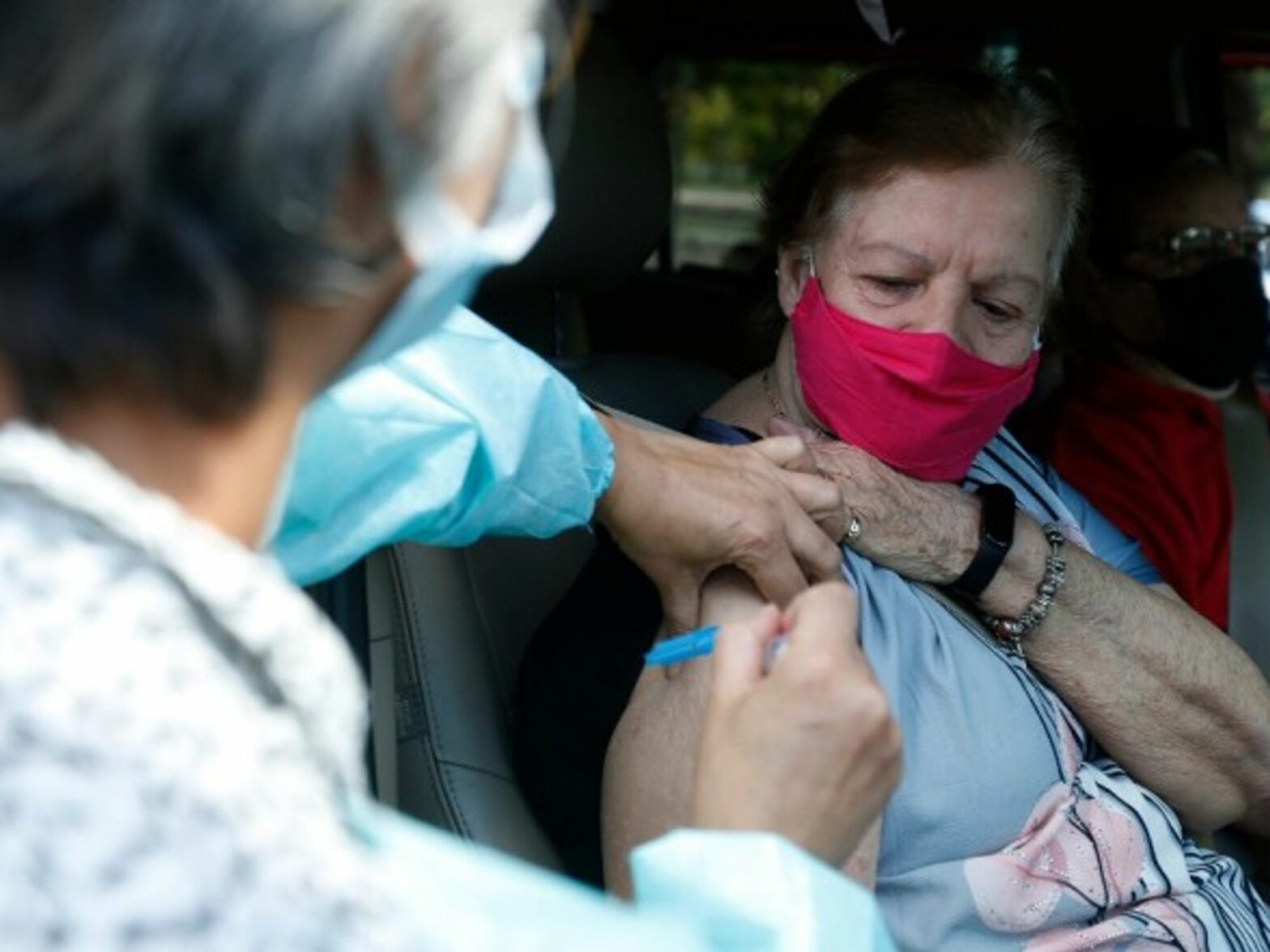
People around the world and around Latin America are wary of the vaccination campaigns to fight COVID-19. But there is a particular hesitancy toward the vaccine solution arriving from China that by now should be discarded, along with stereotypes.
The 18-year-old was doubled over in pain, but her parents thought it was just a case of exam-time nerves. She survived… and then some!
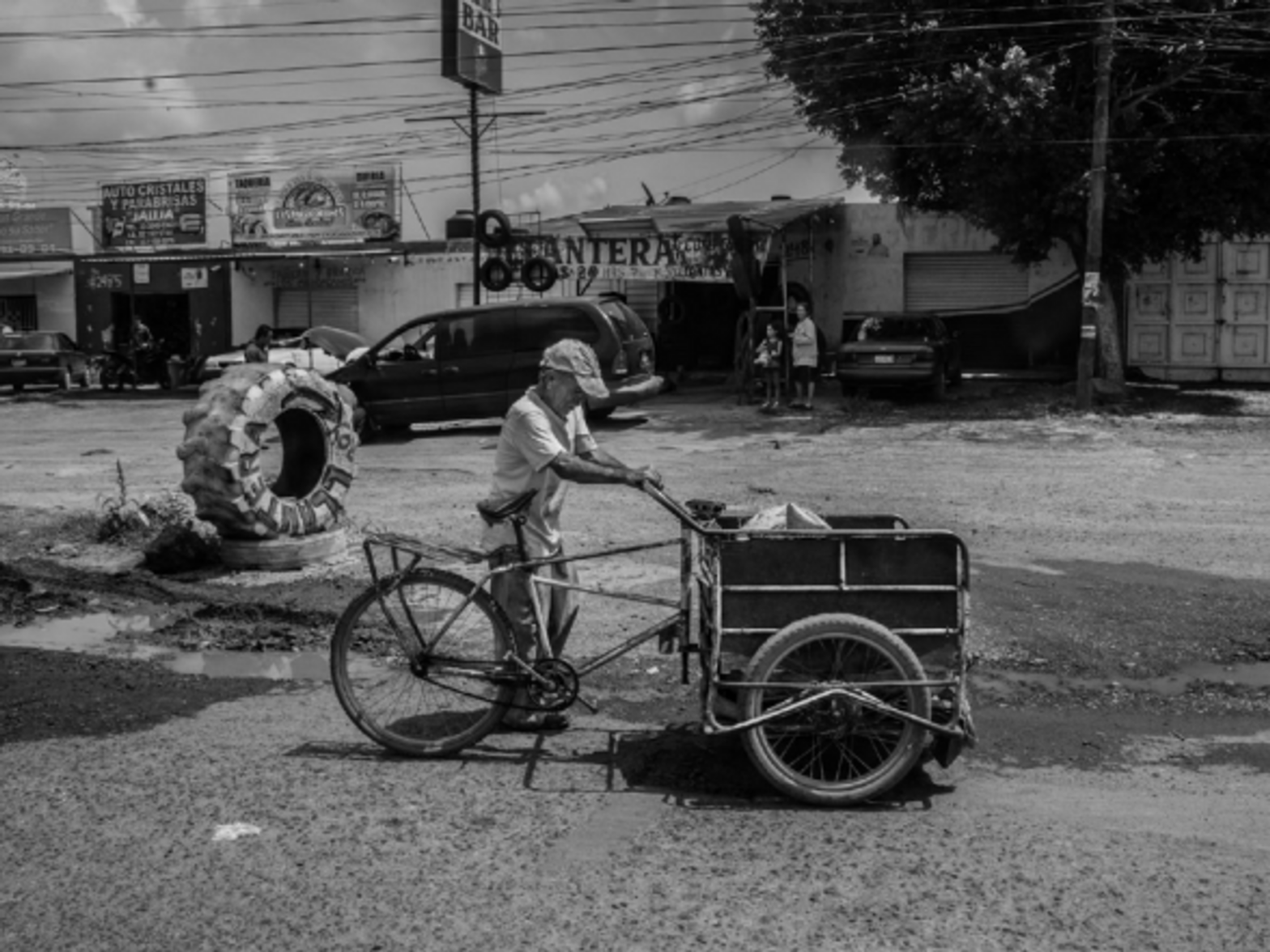
The pandemic has prompted financial authorities to take a more relaxed approach to debts. For Latin America, overspending in response to the crisis may take them back to the poverty pits of the past.
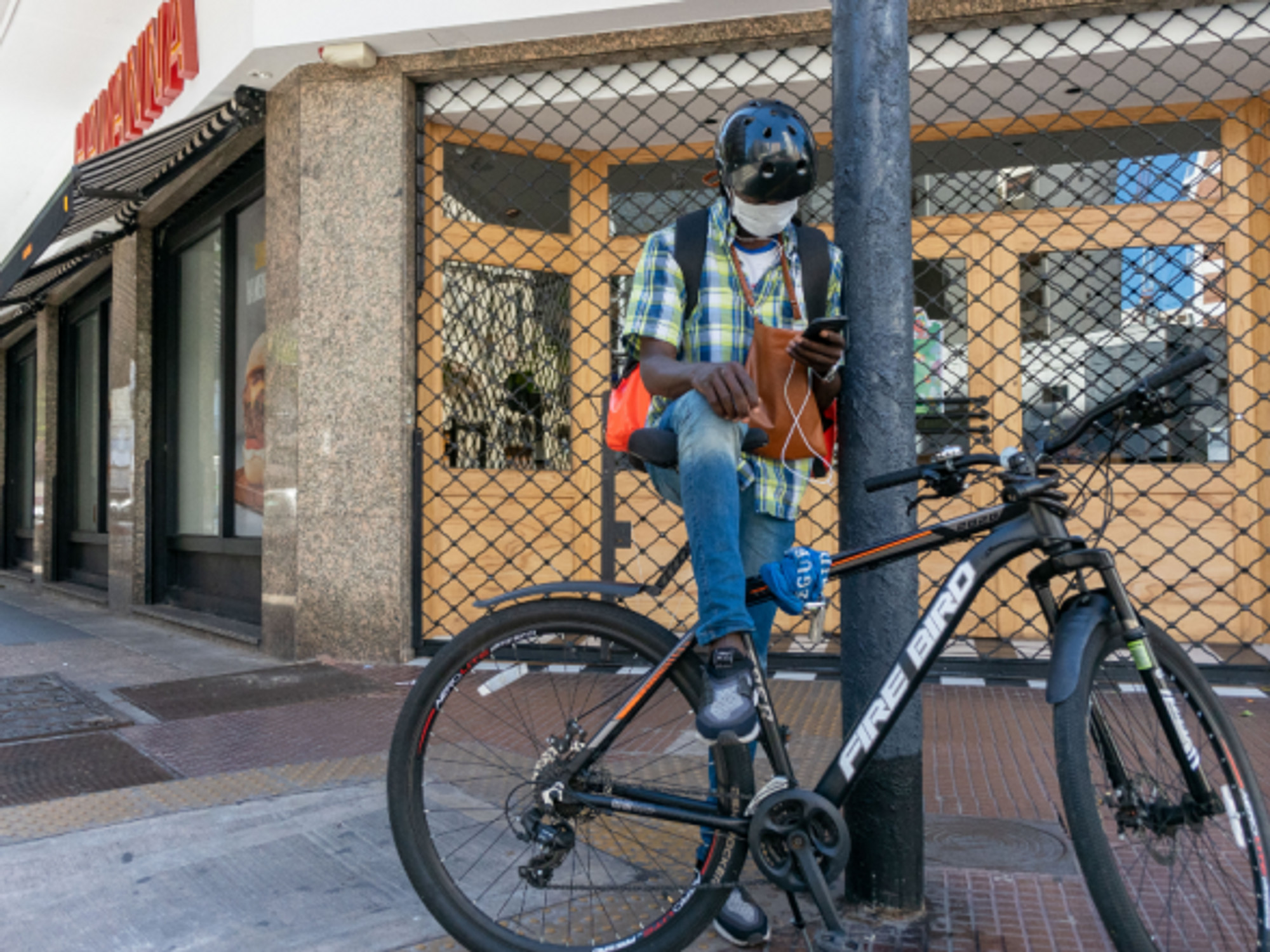
Countries like Argentina, Chile and Mexico have begun charging a value added tax (VAT) on digital purchases. But that may just be the tip of iceberg, especially if governments can reach a regional consensus.
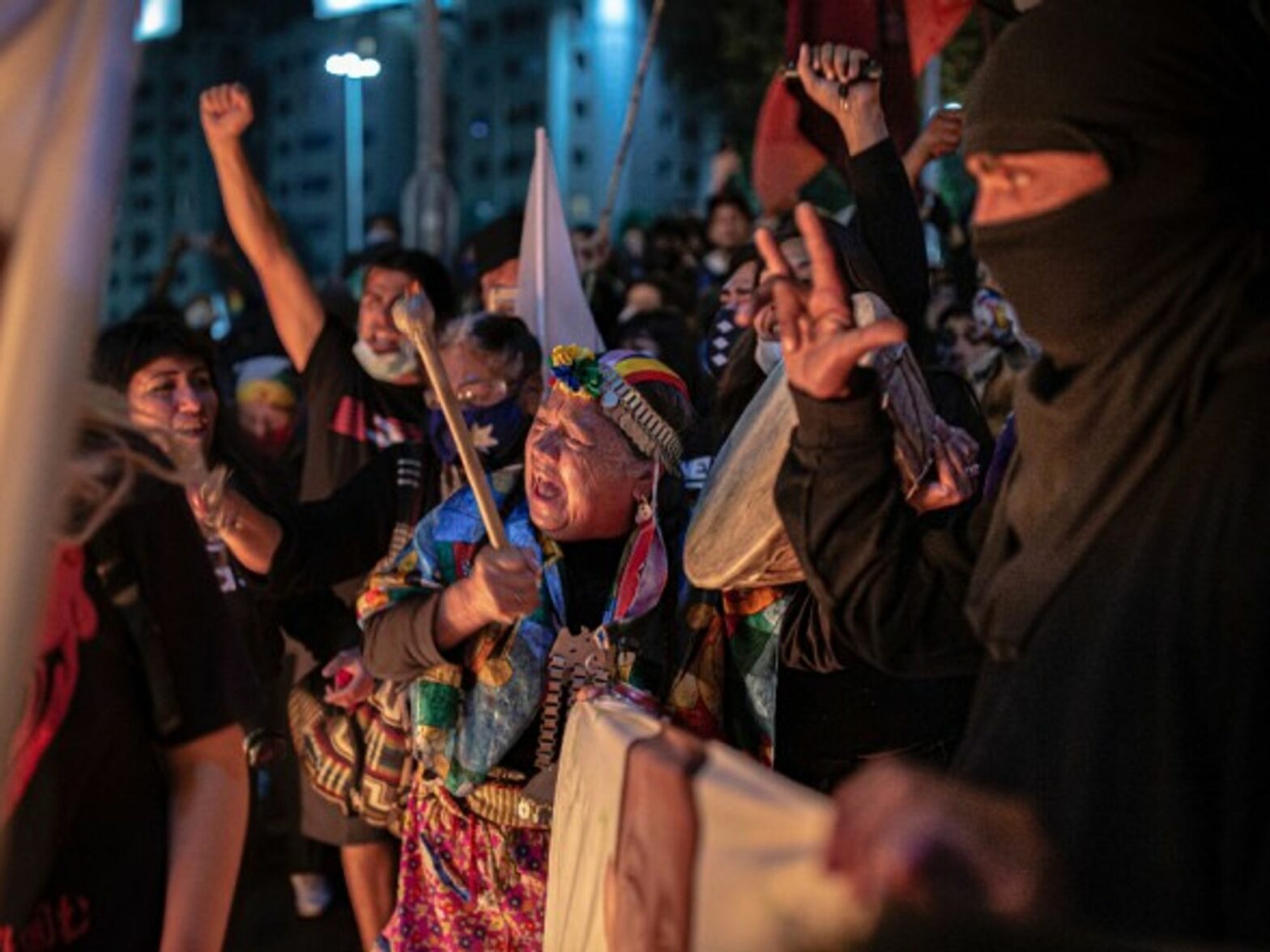
Forging a new constitution to replace the one from the Pinochet era is necessary for Chile to move forward. But it alone cannot solve tough socio-economic problems plaguing the nation.

-Analysis- LIMA — Last August, U.S. President Donald Trump’s administration published its Western Hemisphere Strategic Framework paper, which designated the Western Hemisphere — North and South America — as a “geo-political priority for the United States.” National Security Adviser Robert C. O’Brien, who presented the document, insisted the region was incredibly important to the United […]
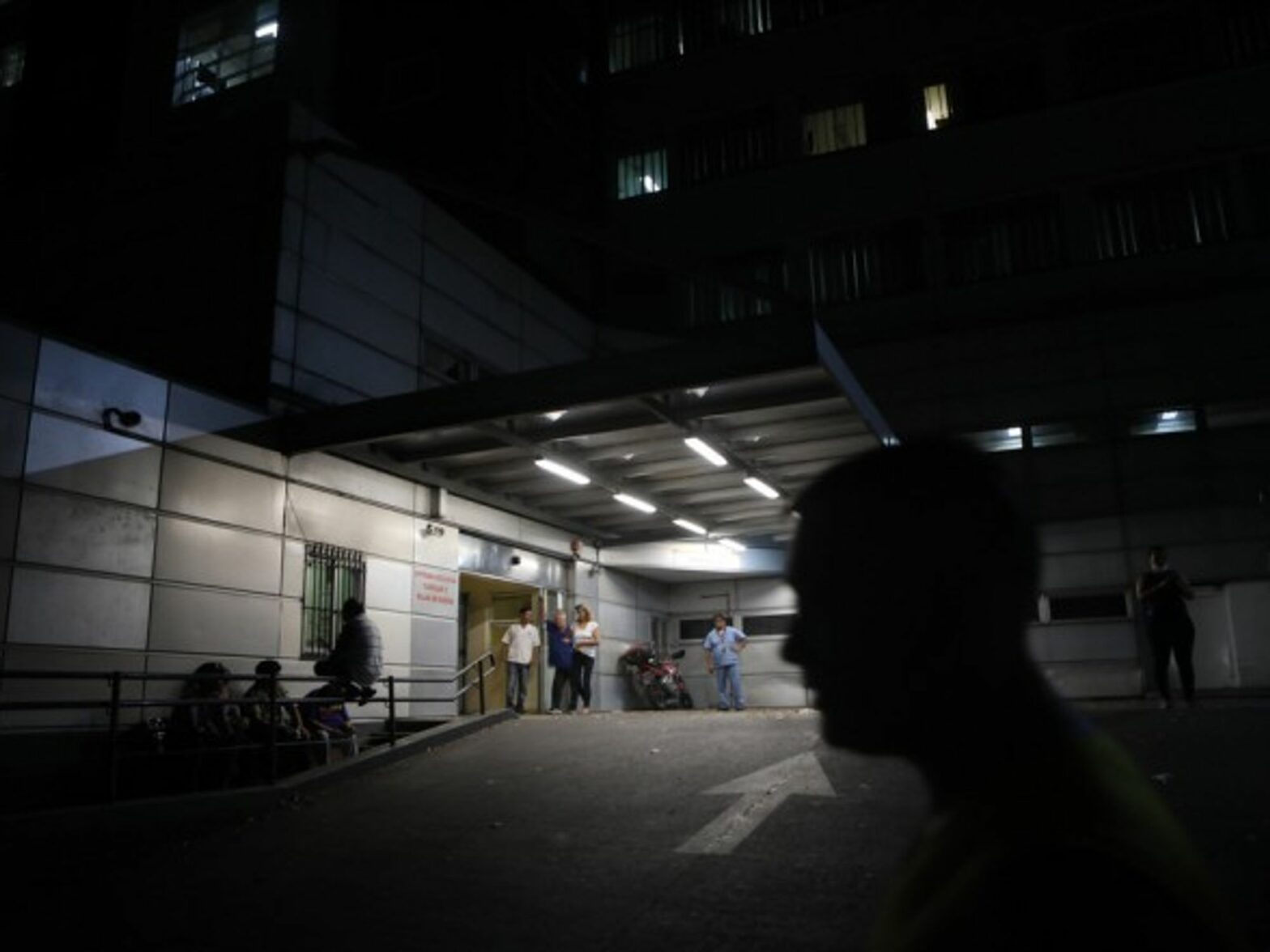
Even the region’s top hospitals were caught off guard by the pandemic. However, some proved adept at adapting and are looking at ways to better prepare for the next big crisis.
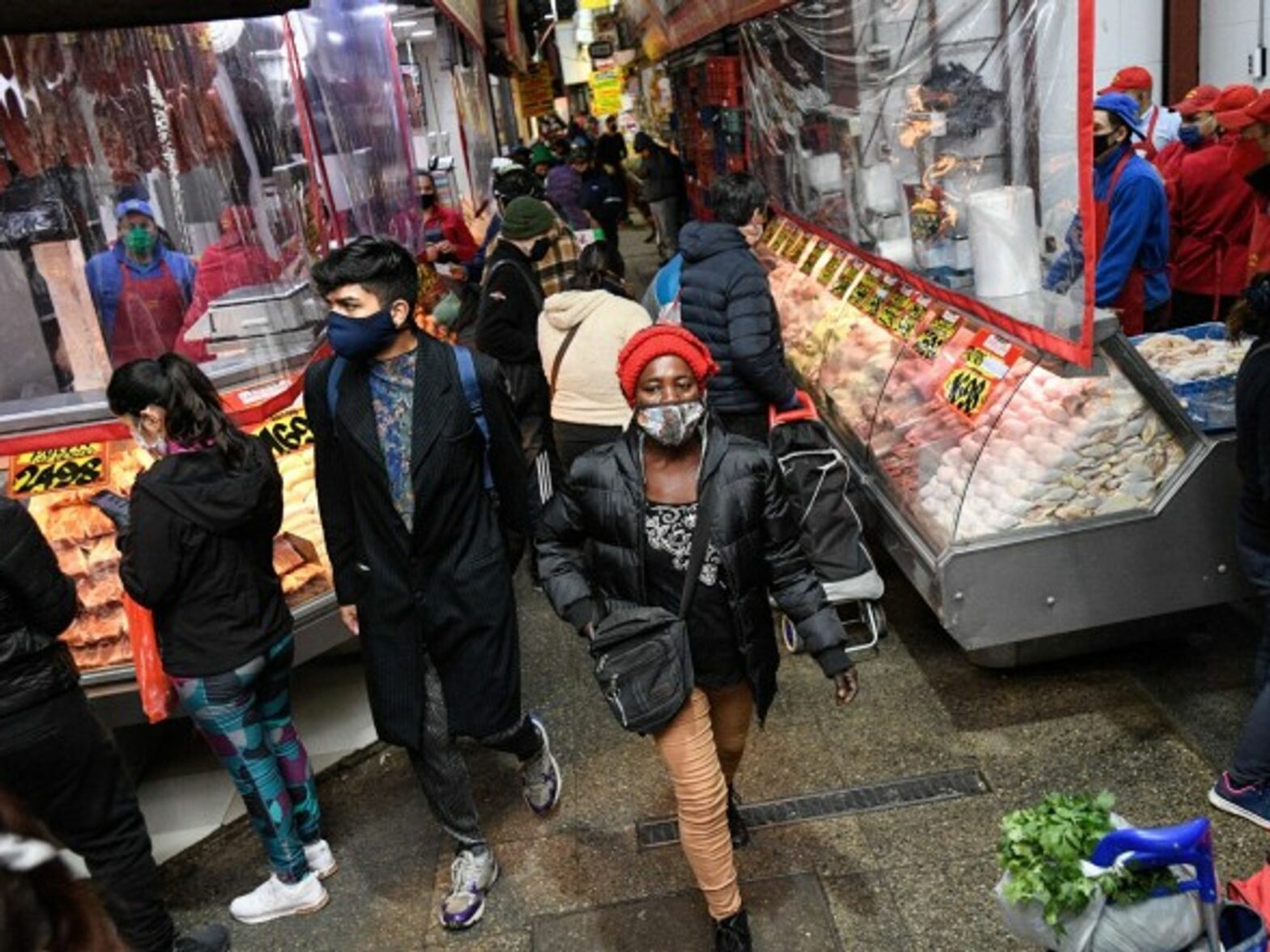
Consumer habits shifted dramatically as people sheltered in place. In-person shopping is picking up again, but everything’s still in flux for sellers, who will have to adapt or say ‘adios.’
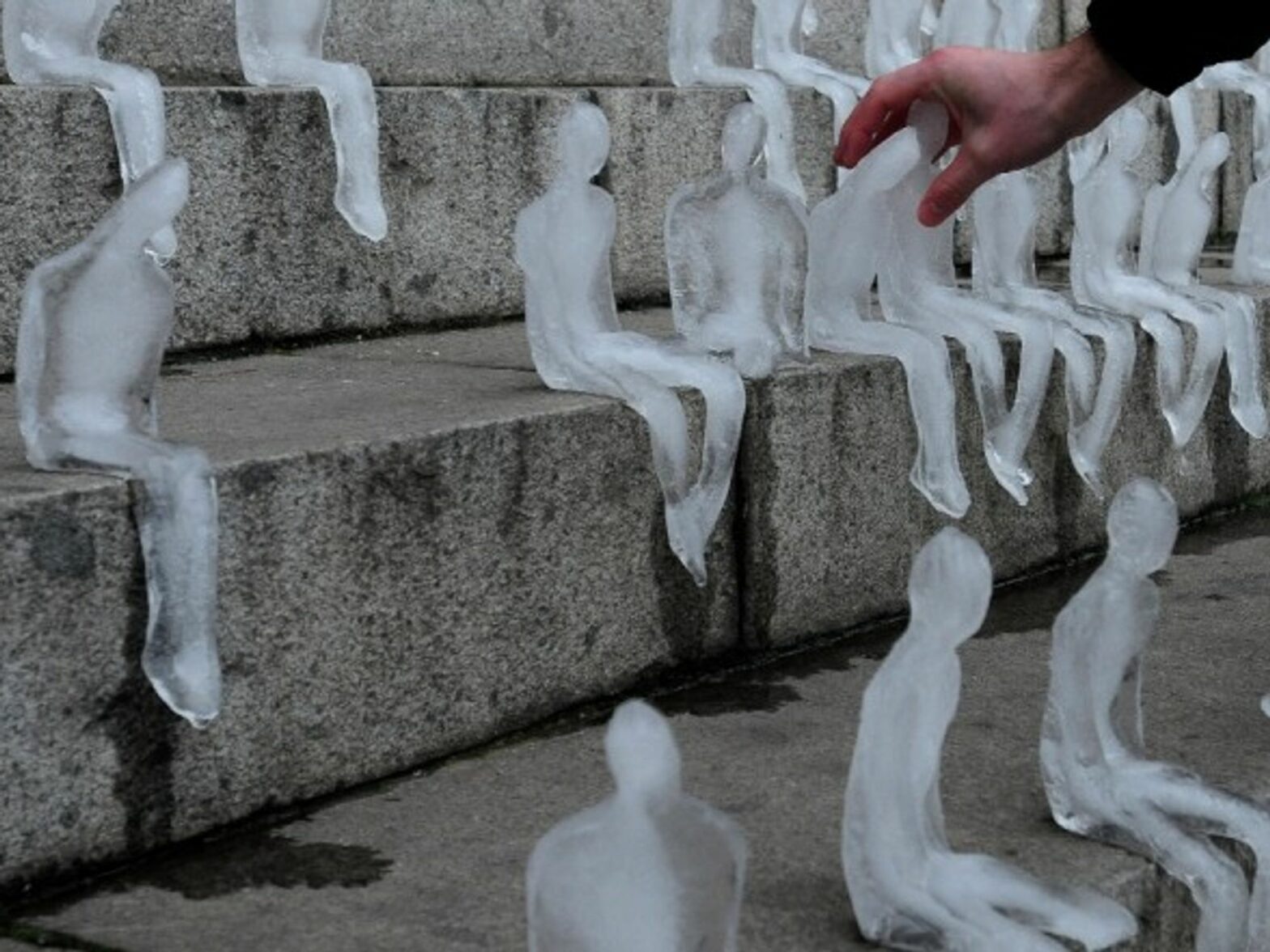
There are important lessons to be learned from how the world mobilized to contain the novel coronavirus.
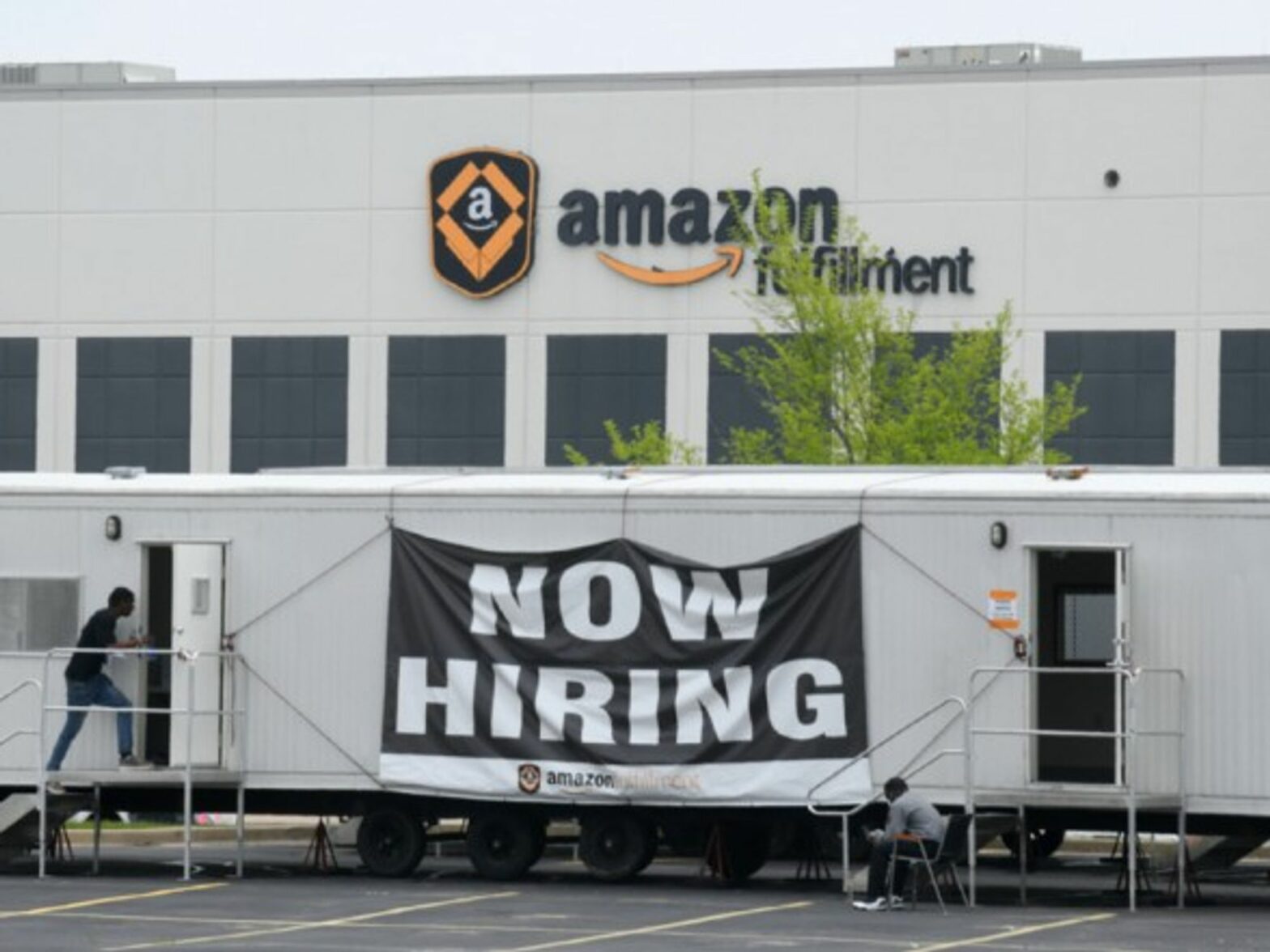
The pandemic will stress existing trends toward digitalization and wealth concentration — others will pay the price.
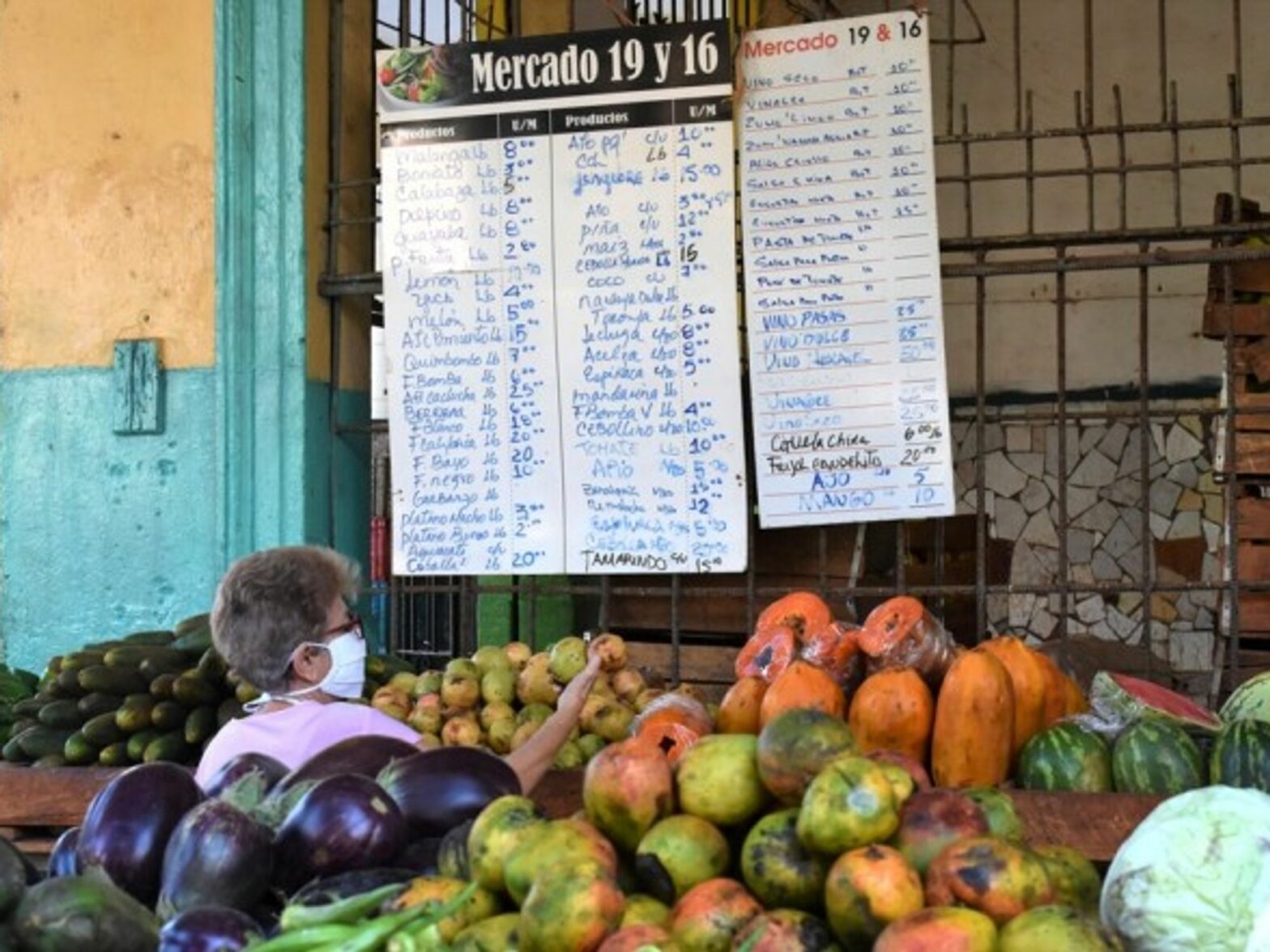
Governments around the region are taking measures to contain the outbreak. But they also need to face the economic fallout, IMF official Alejandro Werner warns.
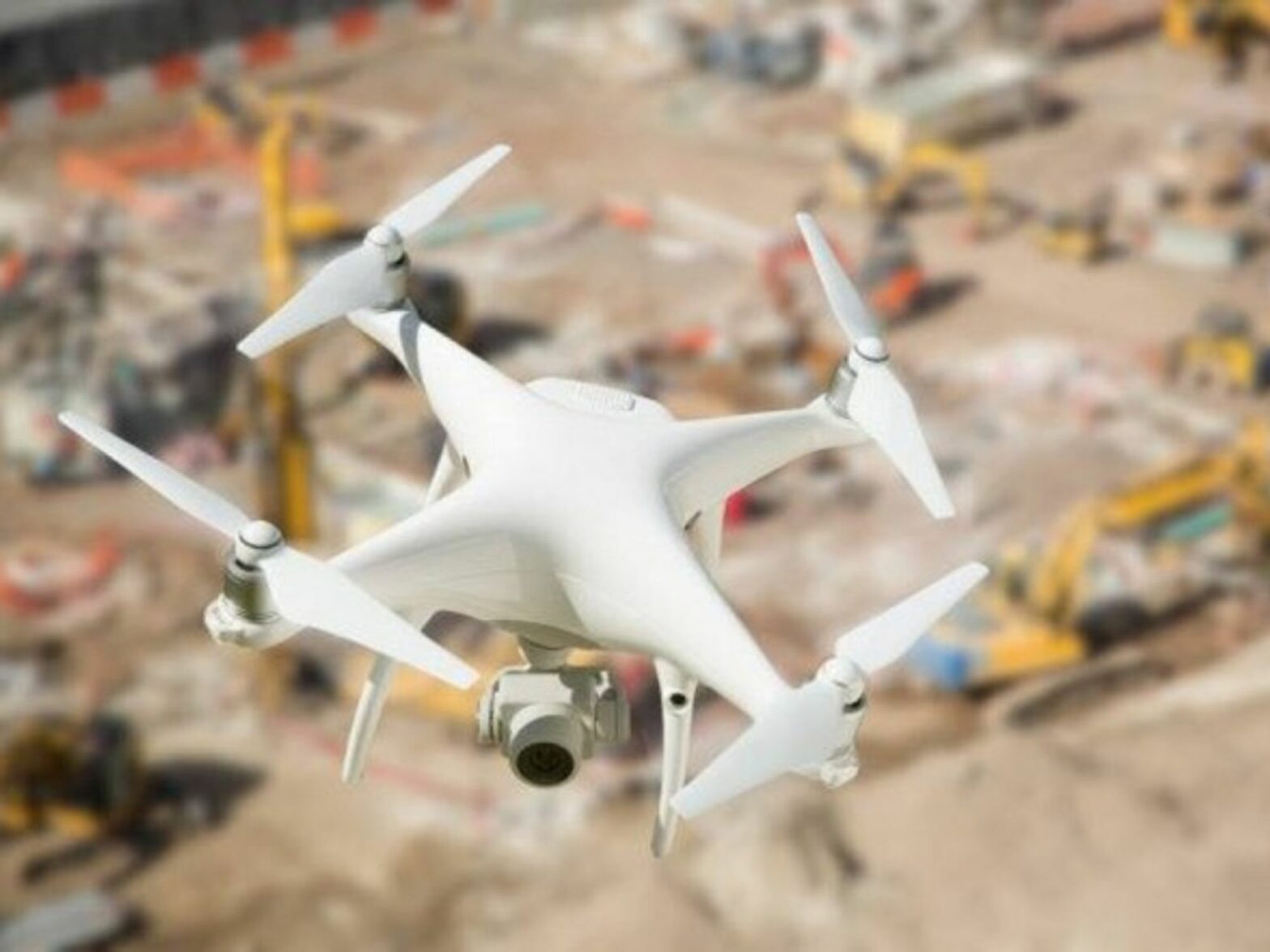
New technology is allowing firms and governments to maintain, check and optimize assets and operations at minimal costs.

Big data can provide firms with real-time information on consumer and social trends, but only if combined with the human factor.
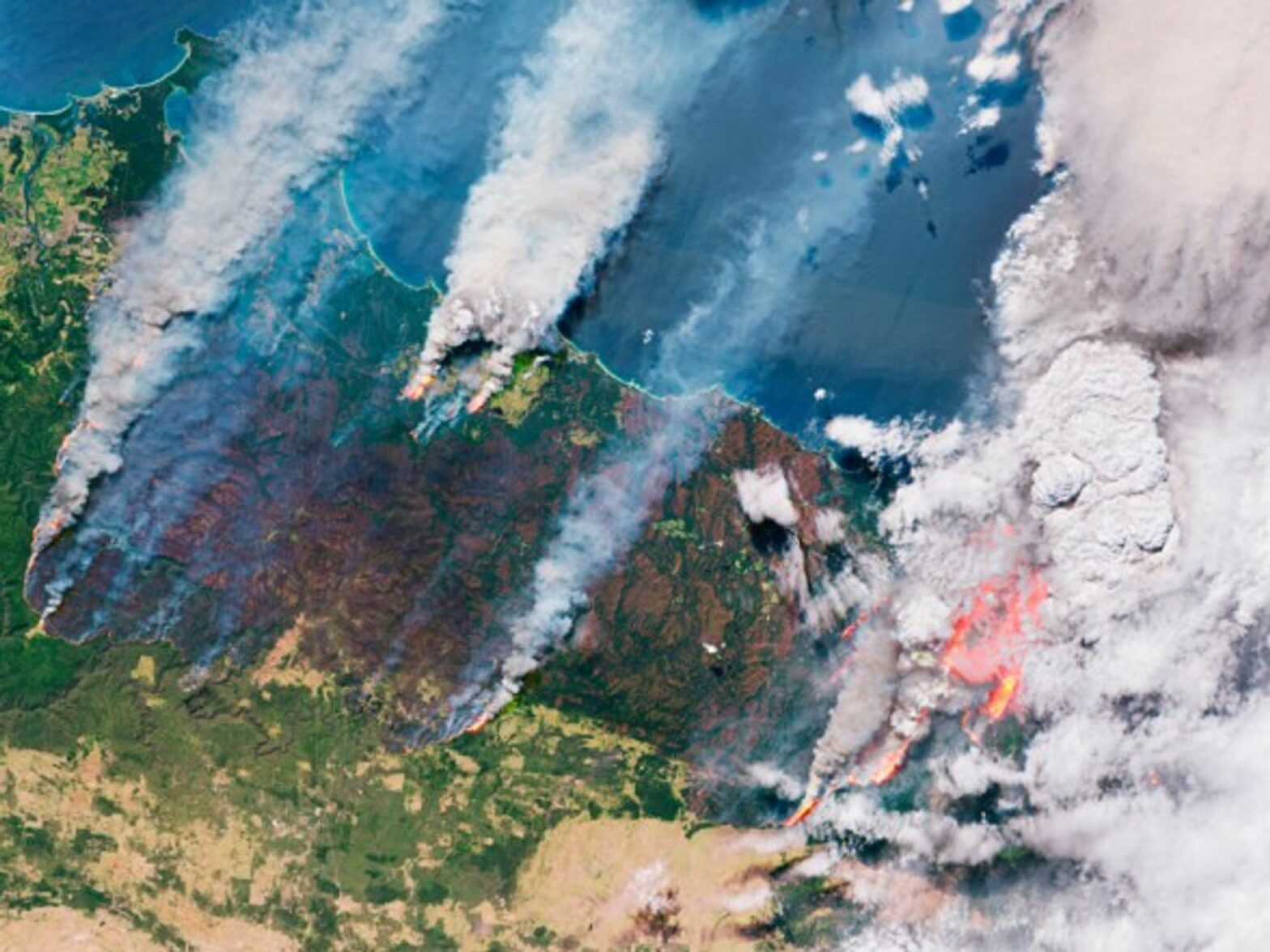
From the apocalyptic Australian fires to the killer drone strike on Iran’s top military commander, these are troubling times indeed.

The finance mechanism for sustainable infrastructure, energy and industry may be the ultimate key to curbing, and partly reversing, the harms of climate change.

A Chilean startup develops an application to take office workers into a meditative ‘happy space’ for a few minutes in a work day.

Corporations usually try to stay clear of controversy. But there may be benefits, in some cases, to taking sides.