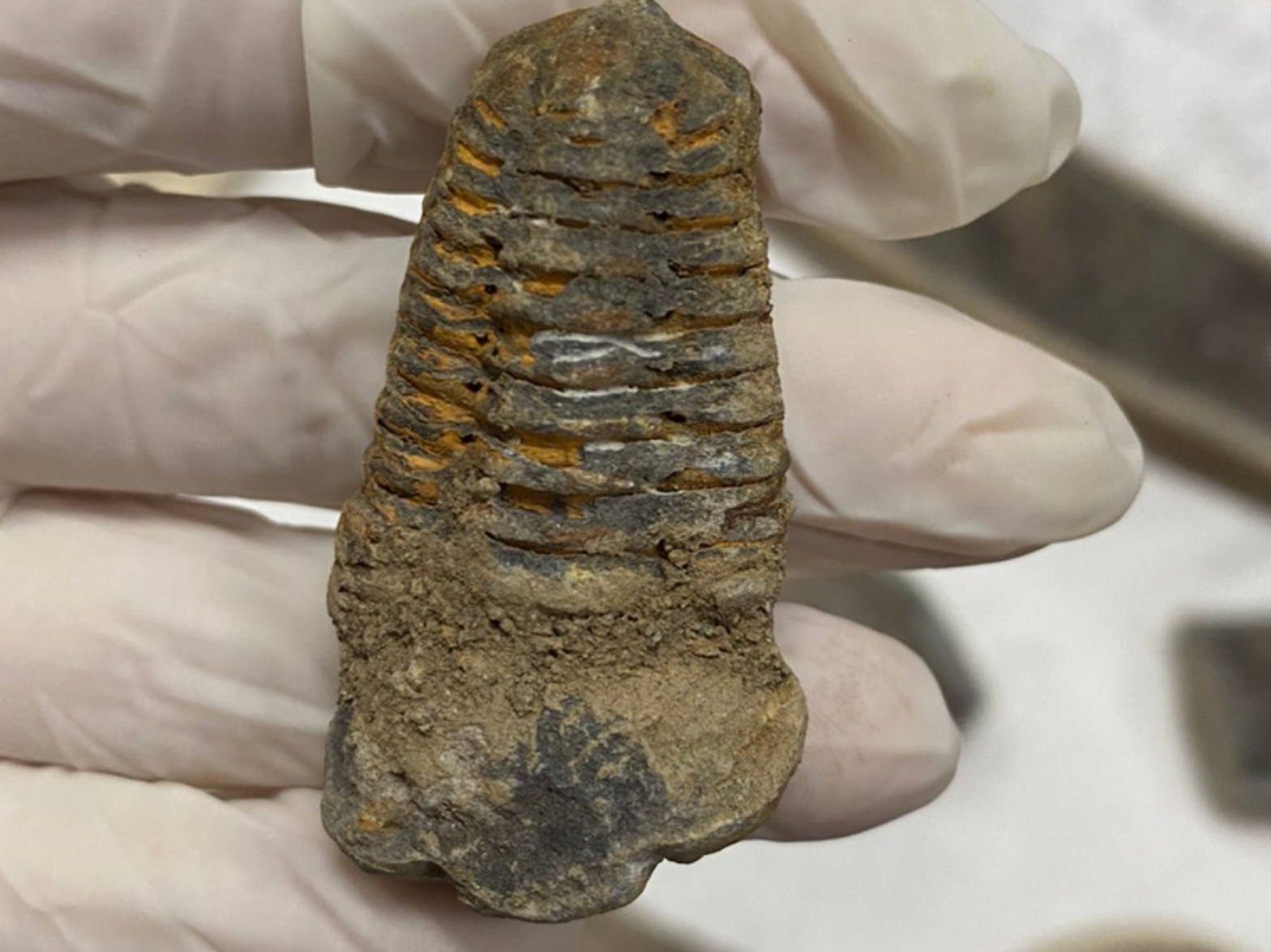
Some 88% of fossils from the Araripe Basin northeastern Brazil, one of the world’s richest paleontological sites, are housed in foreign museums — a historical and cultural heritage Brazilian authorities and researchers are working to repatriate.
 Worldcrunch
Stay updated with comprehensive news on Brazil from Worldcrunch. Discover insights on Brazilian politics, economic developments, societal issues, and cultural landmarks with translations from top international sources. Highlights include Rio de Janeiro, São Paulo, and events like the Rio Carnival.
Some 88% of fossils from the Araripe Basin northeastern Brazil, one of the world’s richest paleontological sites, are housed in foreign museums — a historical and cultural heritage Brazilian authorities and researchers are working to repatriate.
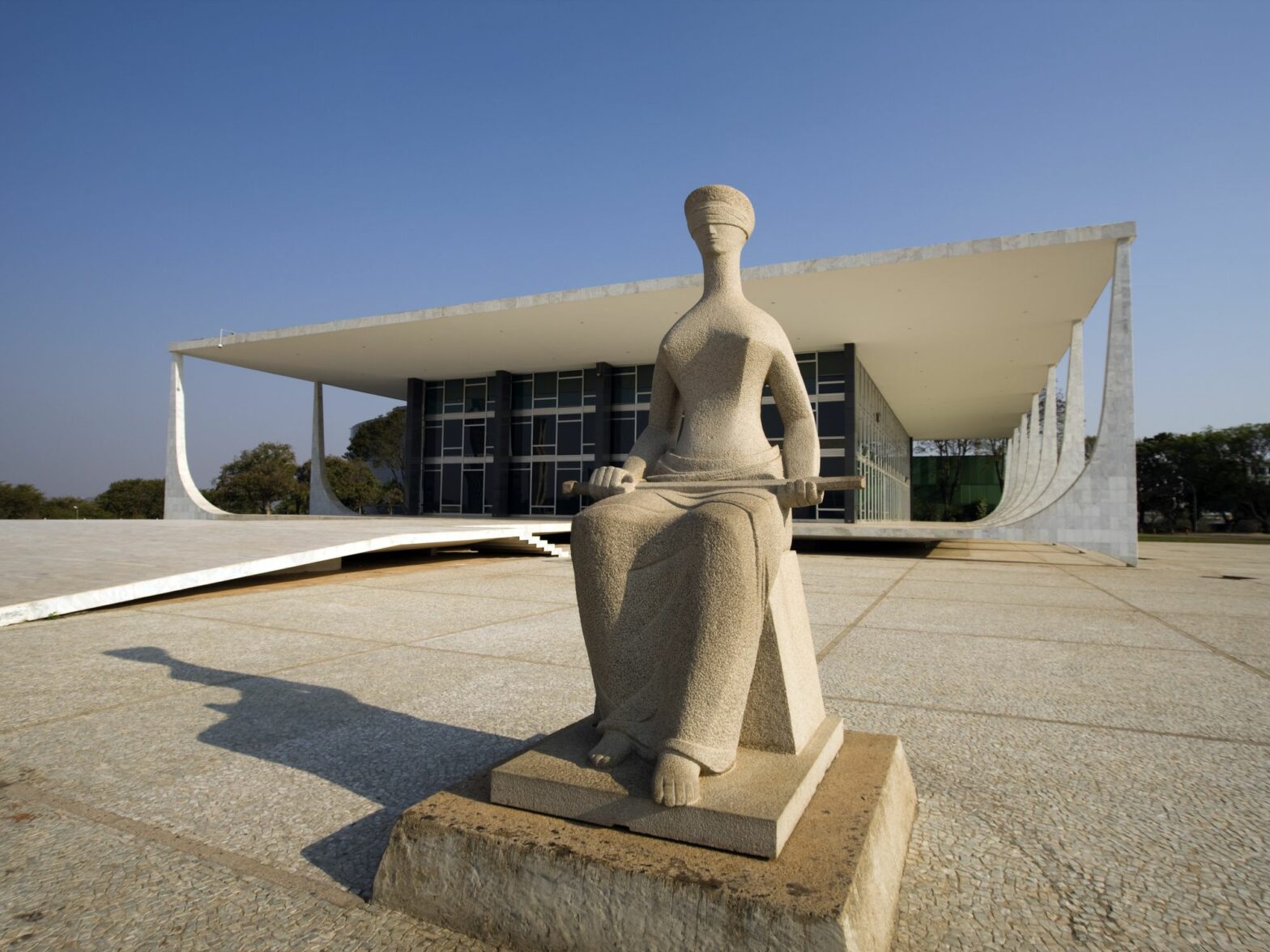
Laws in the late 1990s ended bans on women from wearing pants in Brazil’s courts and legislature, a practice that de facto has continued in many place. Female judges and legislators discuss how dress codes hinder women’s access to power, and the battle to change habits.
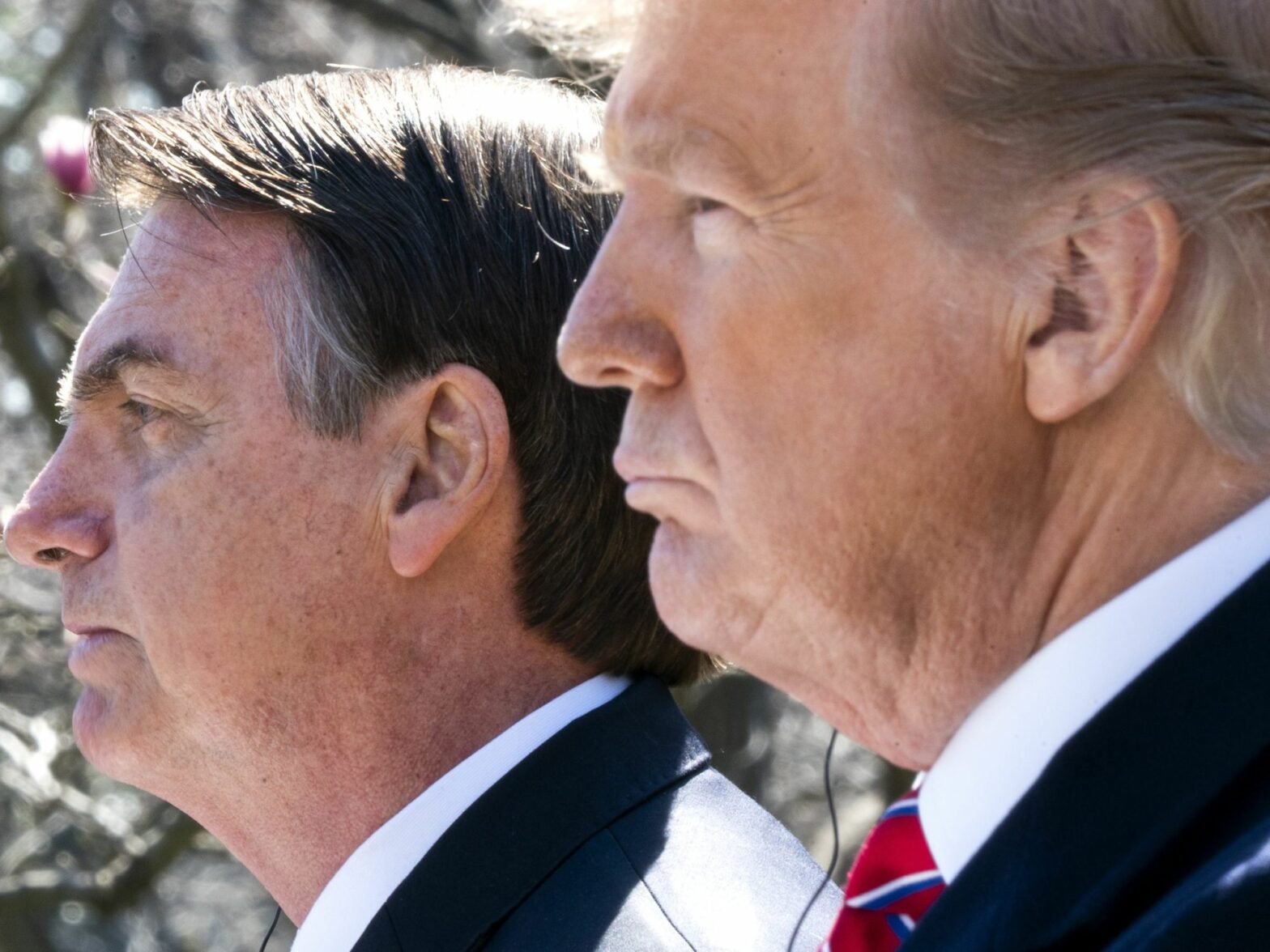
Natalia Viana, editor-in-chief of Agência Pública, draws a comparison between Trump and Bolsonaro, who survived an assassination attempt in 2018. The path to victory for the Democrats is narrowing with every passing day.
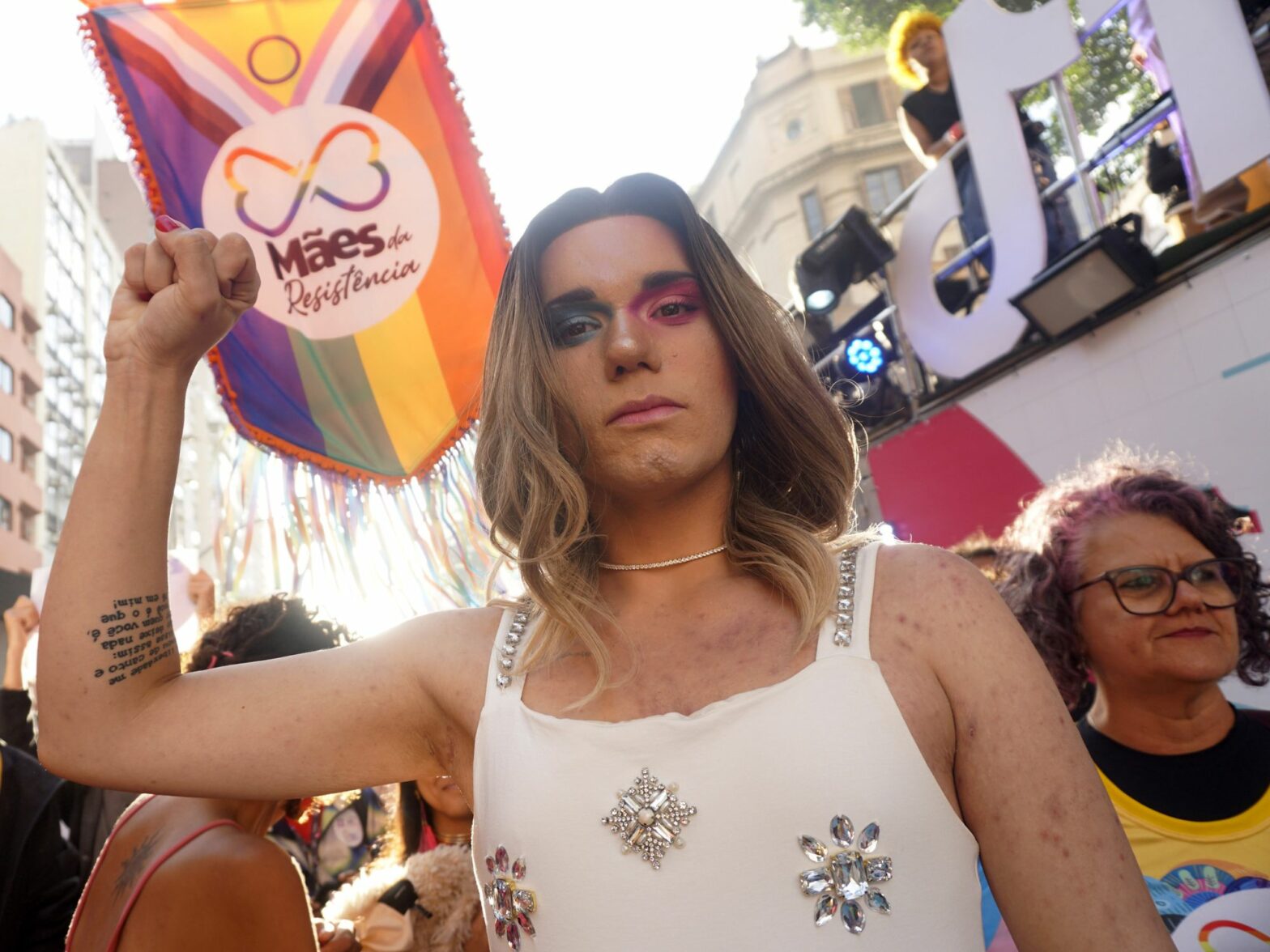
Brazil’s public health system has offered free access to the transsexualization process since 2008. But difficulties in accessing hormone therapy, transphobia among public health officials and the high cost of private care are pushing some trans women to self-medicate, even with animal hormones — with dangerous side effects.
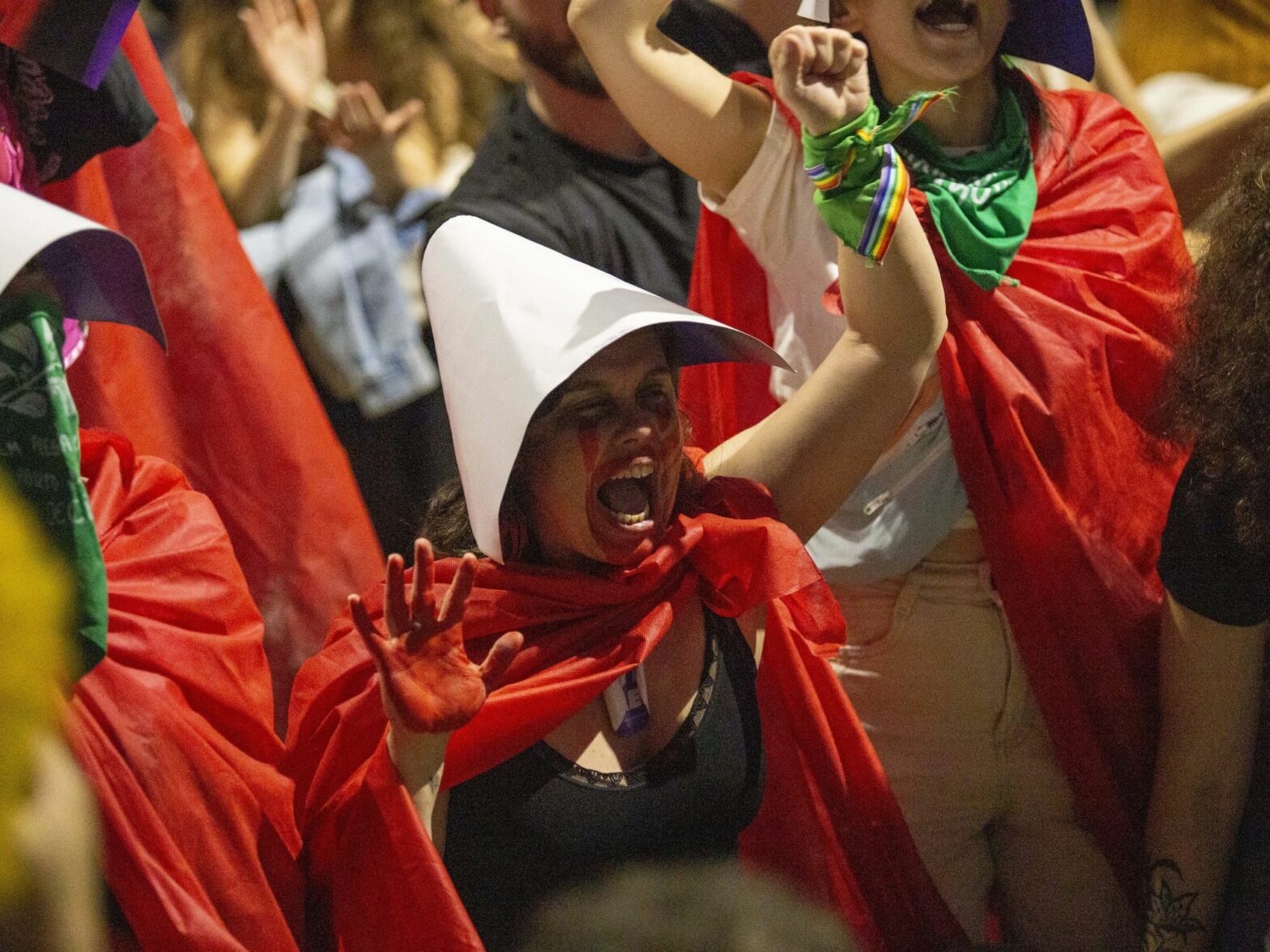
Brazil may become the last in a long list of countries to restrict legal access to abortion. However, the consequences here would be devastating for girls aged below 14, who represent more than 60% of victims of rape.
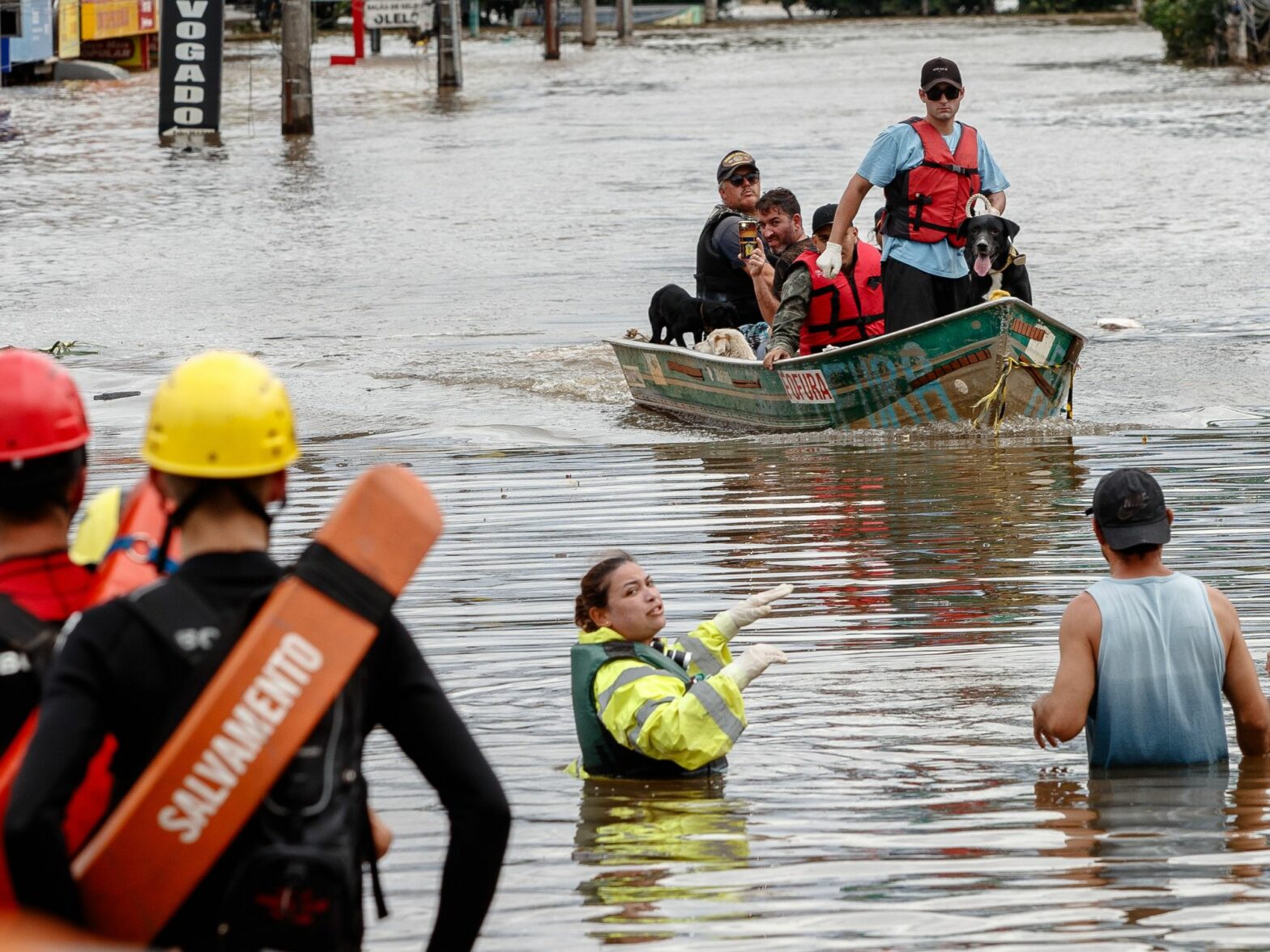
The deadly floods in southern Brazil are unprecedented but not unexpected. Ahead of the October local elections, Brazilians must remember that politicians have ignored scientists’ predictions and weakened legislation that could have helped deal with climate change.
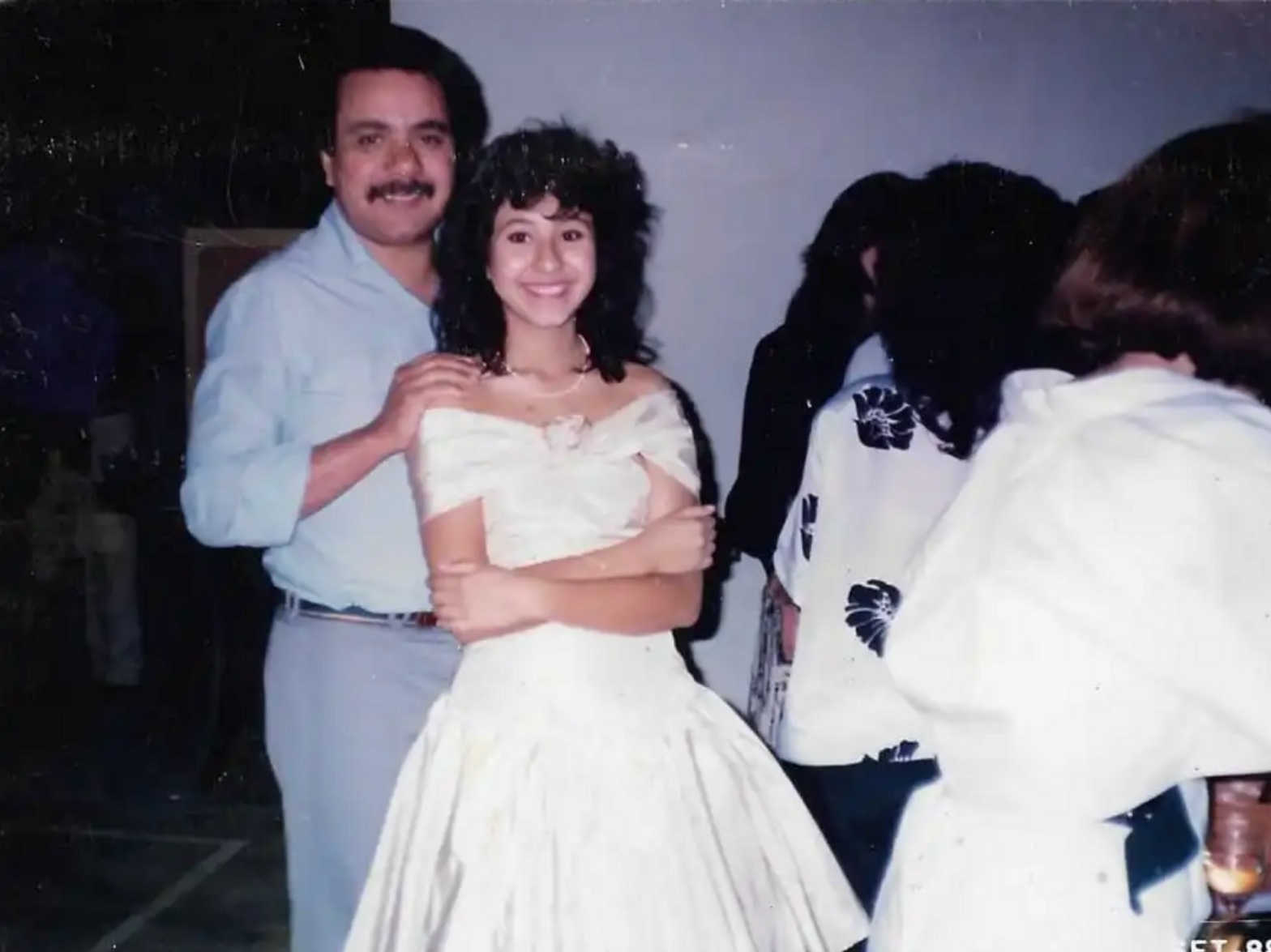
Brazilian journalist Ludmila Pizarro grew up surrounded by idealists who were targeted and tortured during Brazil’s brutal dictatorship. But it wasn’t until she started researching a story to mark 60 years from the beginning of the dictatorship that she learned the details of her father’s own ordeal. For Agência Pública, she reconstructs the story of her family’s past.
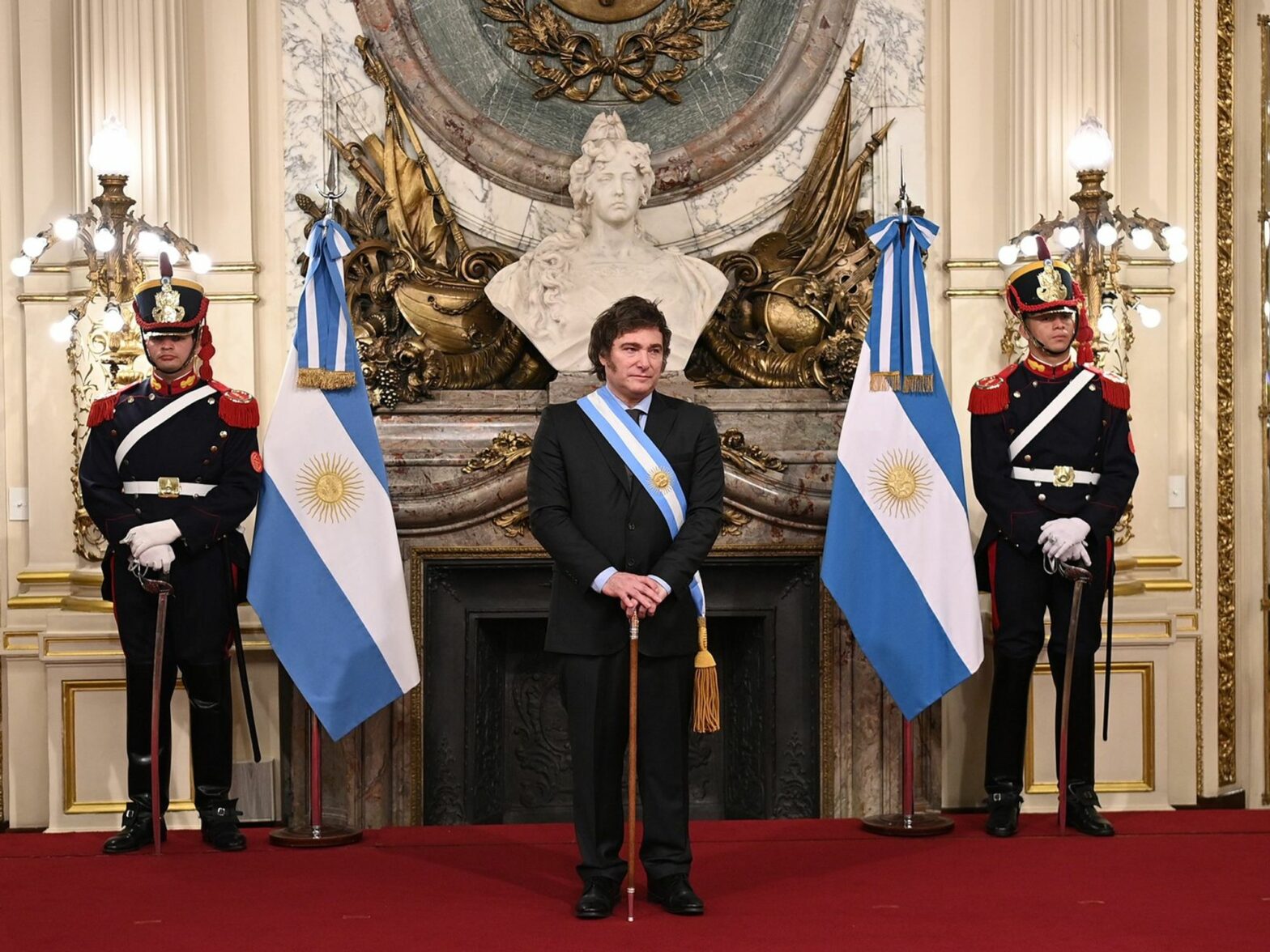
It’s the most insipid kind of historical revisionism. Both in Argentina and Brazil, far-right leaders are denying the countries’ history of human rights abuses during the brutal dictatorships of the 1960s and 70s, and using it to rally support around their causes.
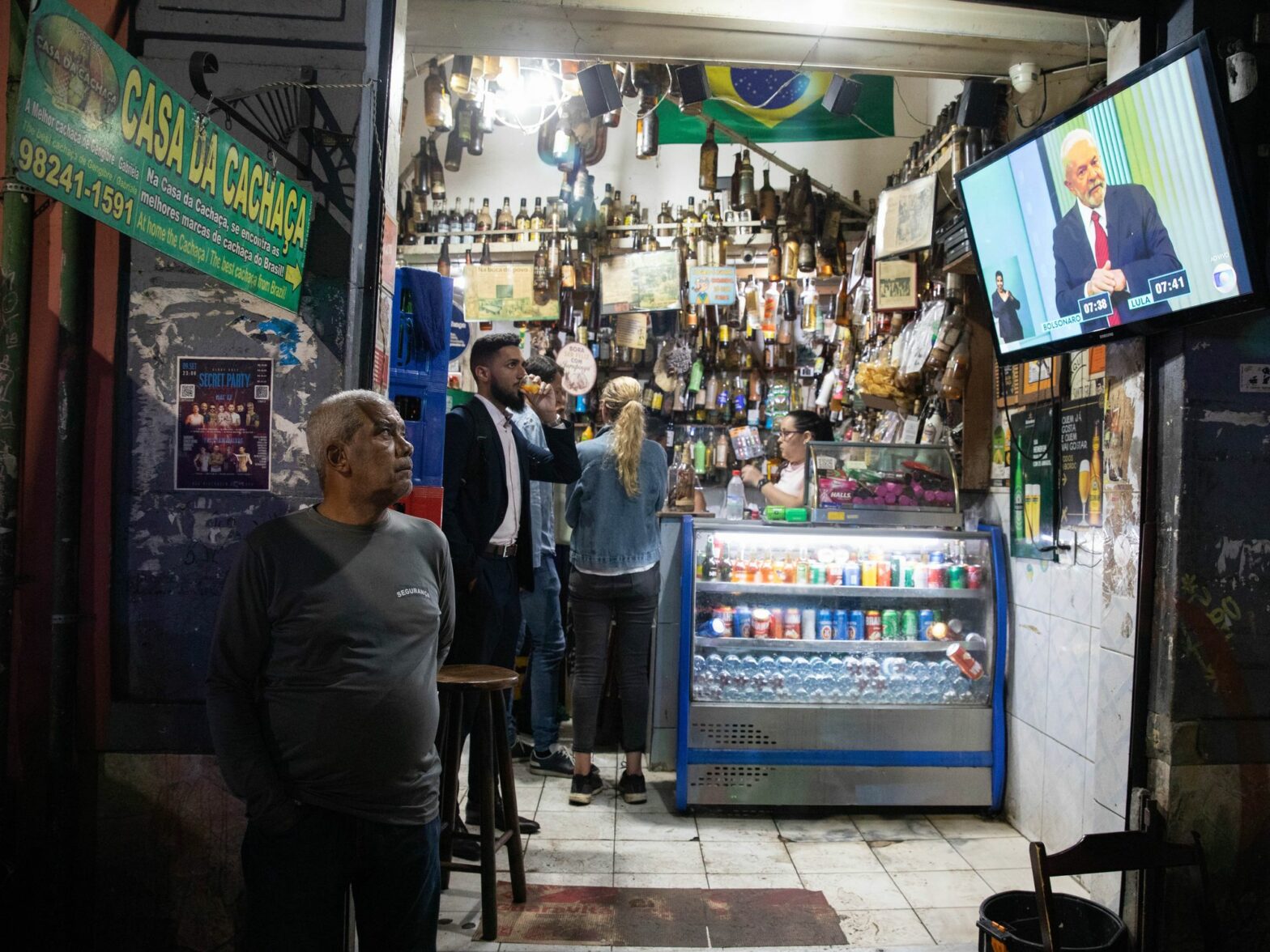
Uncertain economic conditions and divisive posturing in favor of the Global South may send Brazilian President Lula da Silva’s middle class voters back to the Right, where his predecessor Jair Bolsonaro is maneuvering between criminal charges and a return to the presidency.
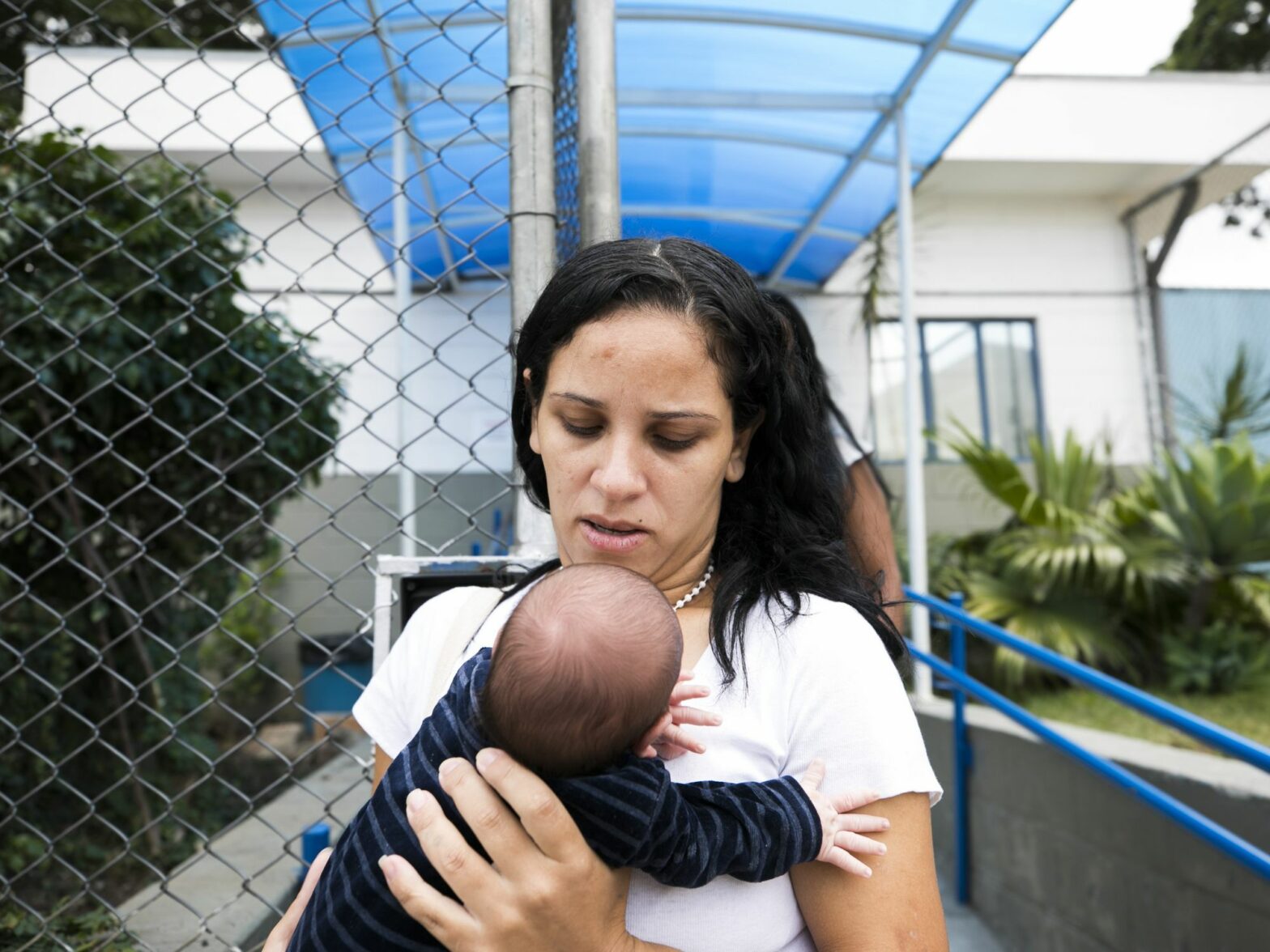
Children and teenagers whose parents are in prison report depression, anxiety and a drop in school performance. New laws meant to protect them are not properly applied.

Amid a mounting sense of urgency about the threat of climate change, our smartphones’ human and environmental consequences are back in the spotlight — and so are the solutions to minimize their impact.
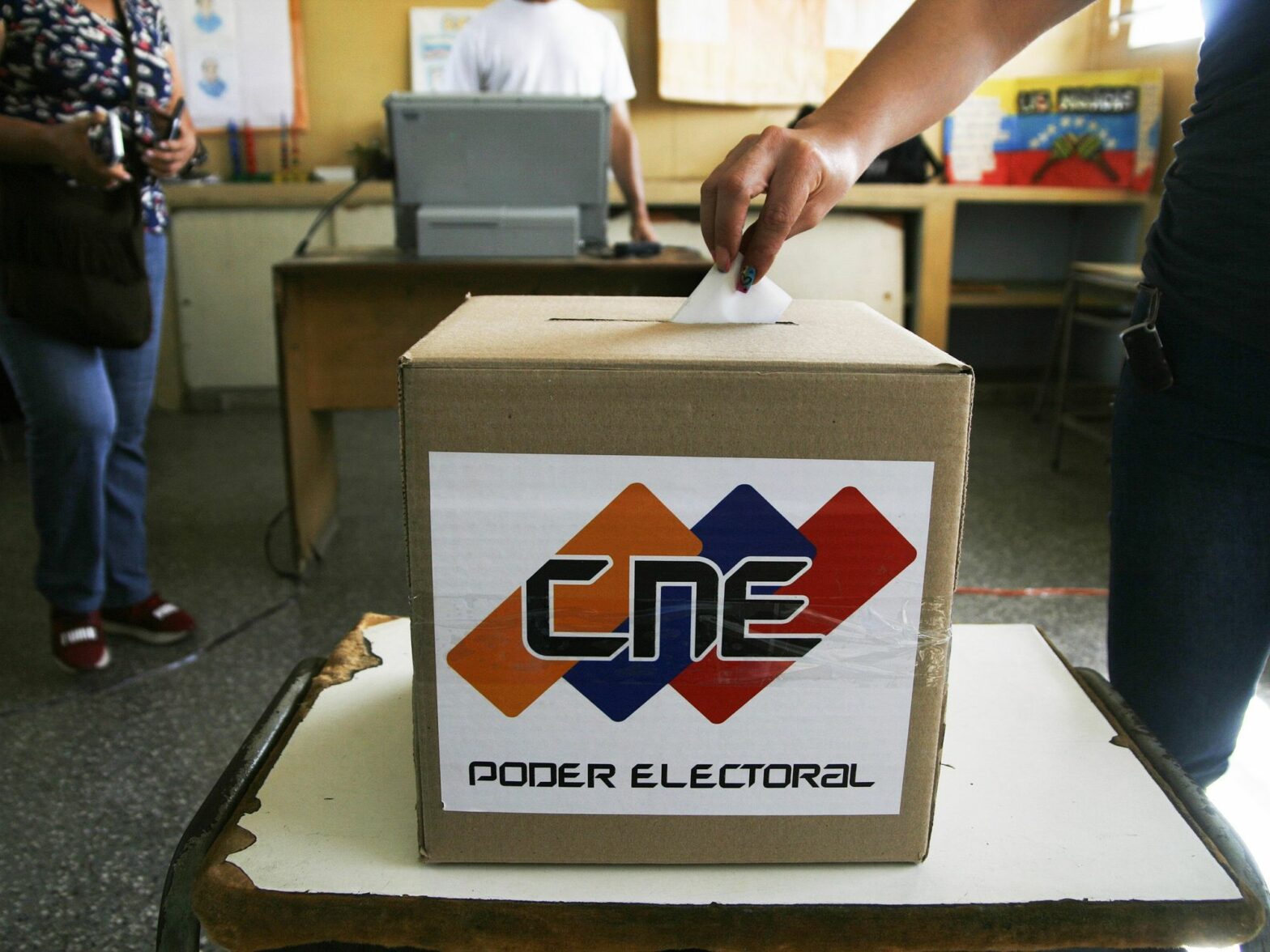
A democracy is not just the vague and dangerously malleable promise of popular rule. It is instead an institutional regime or “republic” that defines and protects the rights of the people, and of individuals.
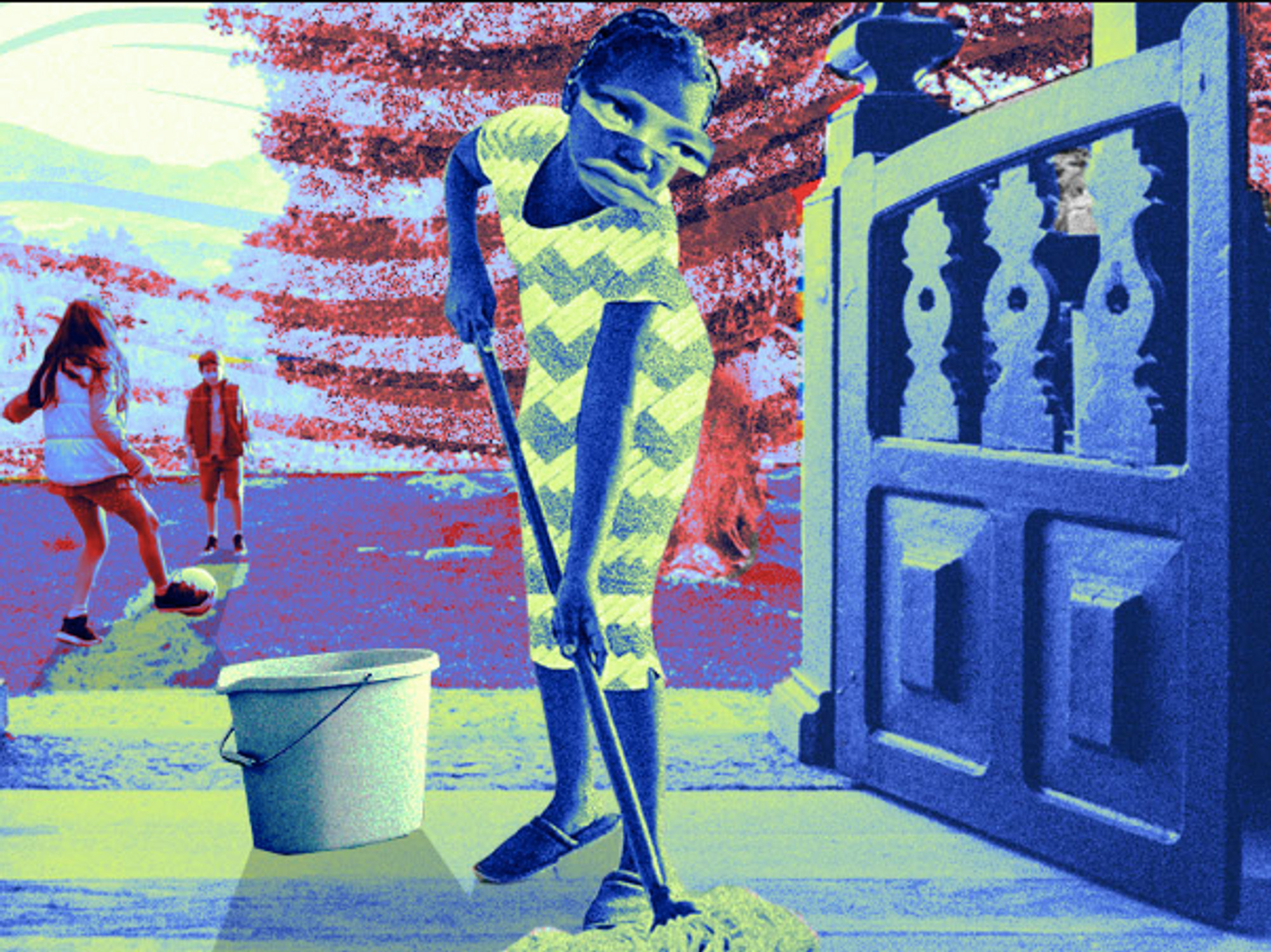
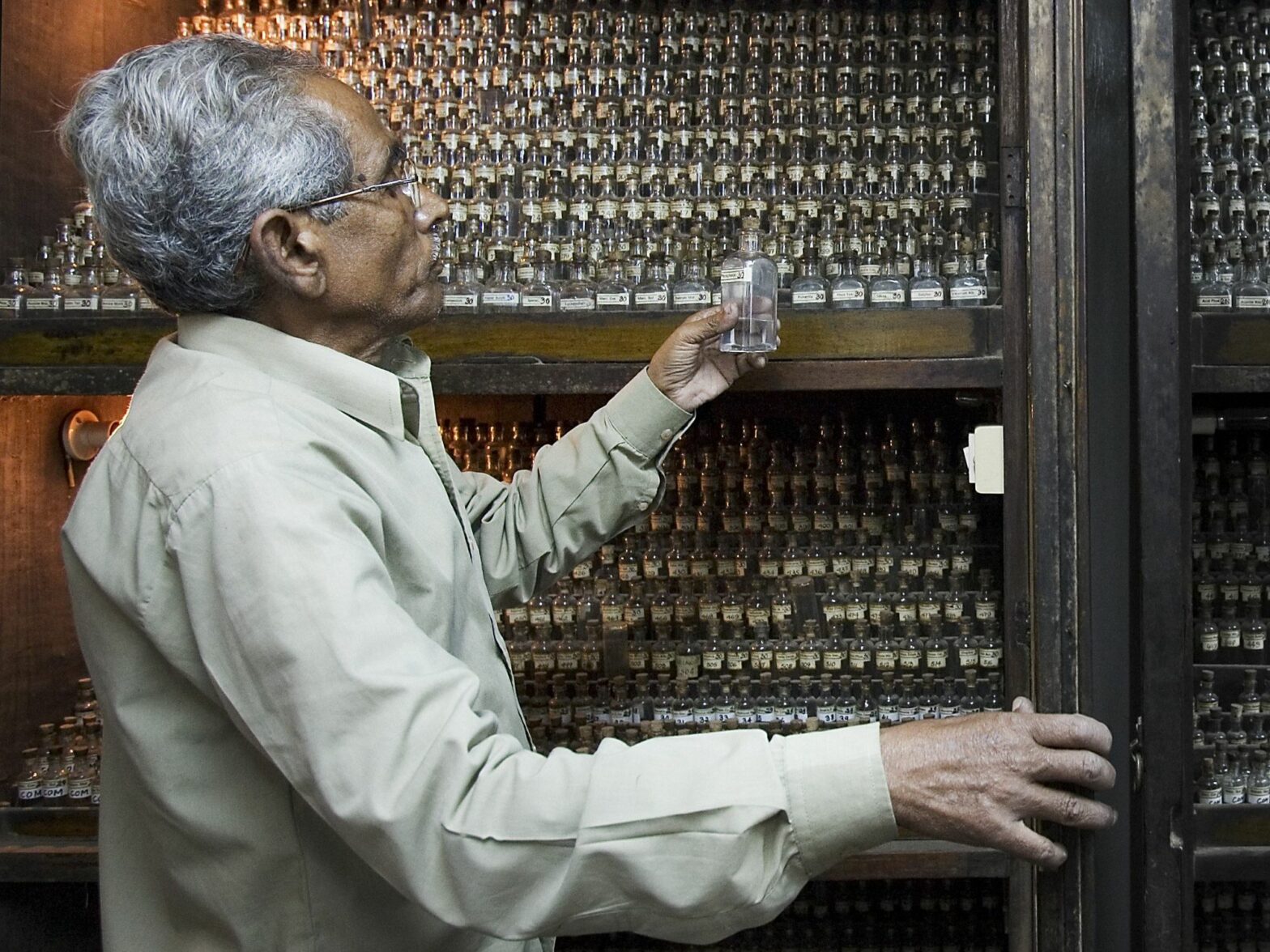
The World Health Organization has long walked the uneasy tightrope between evidence-based and traditional medicine. It is time to dismantle this unrealistic balance.
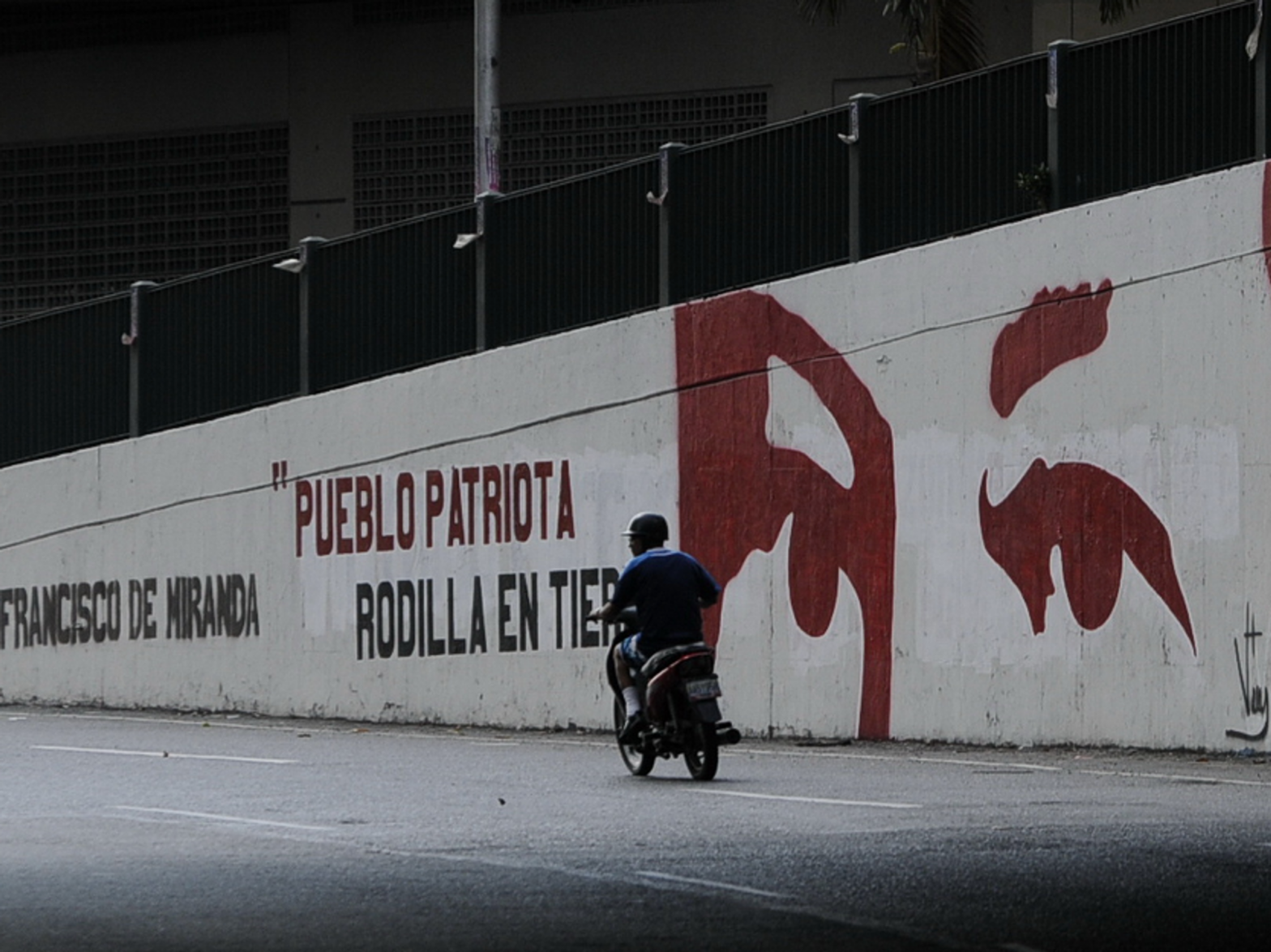
The Biden administration’s exploration to lift sanctions on Venezuela, hoping to gently push its regime back on the path of democracy, might have taken its cue from Brazilian President Lula’s calls to stop demonizing Venezuela.
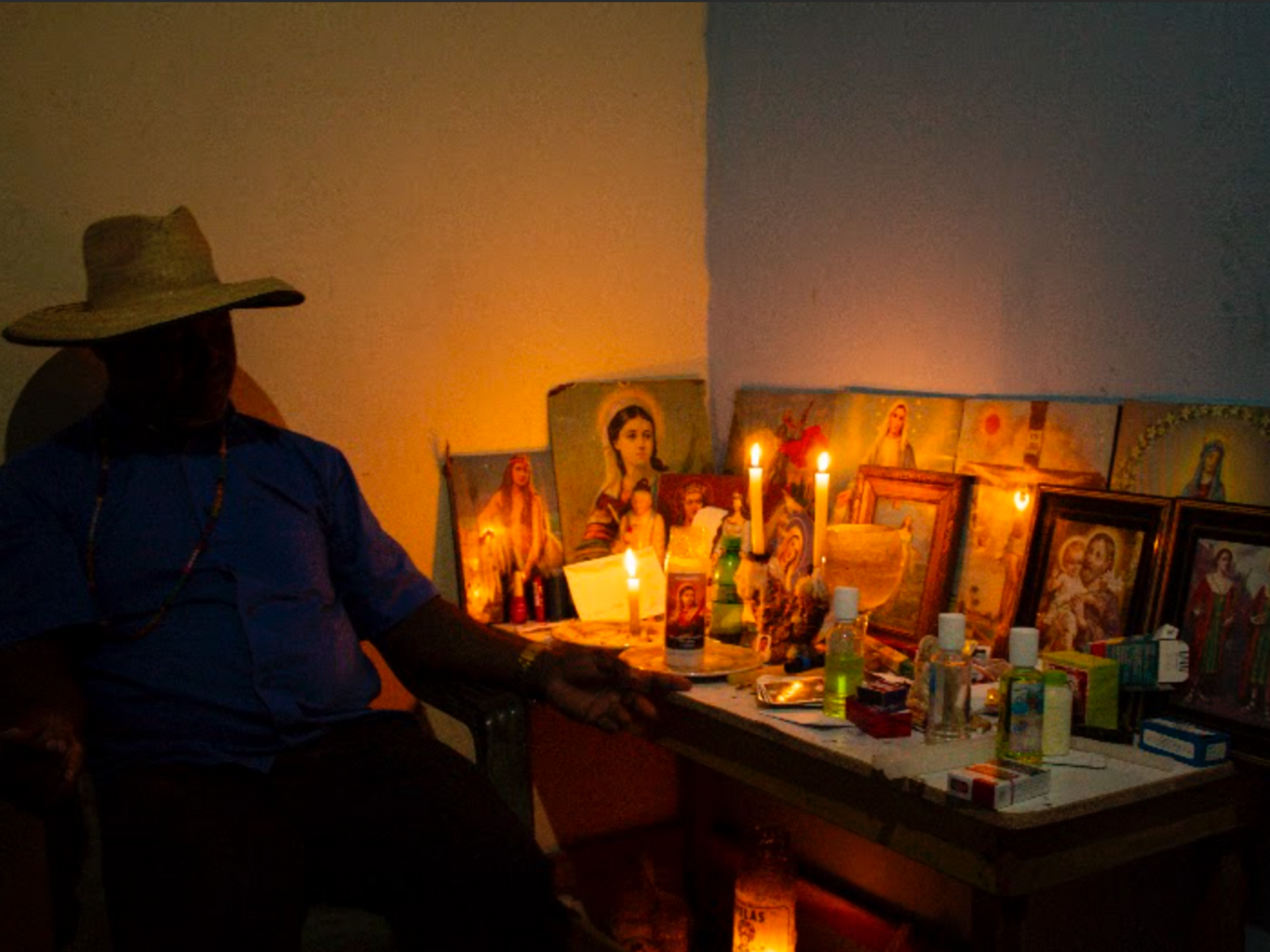
Followers of the Afro-Brazilian Umbanda religion in four traditional communities in the country’s northeast are resisting pressure to convert to evangelical Christianity.
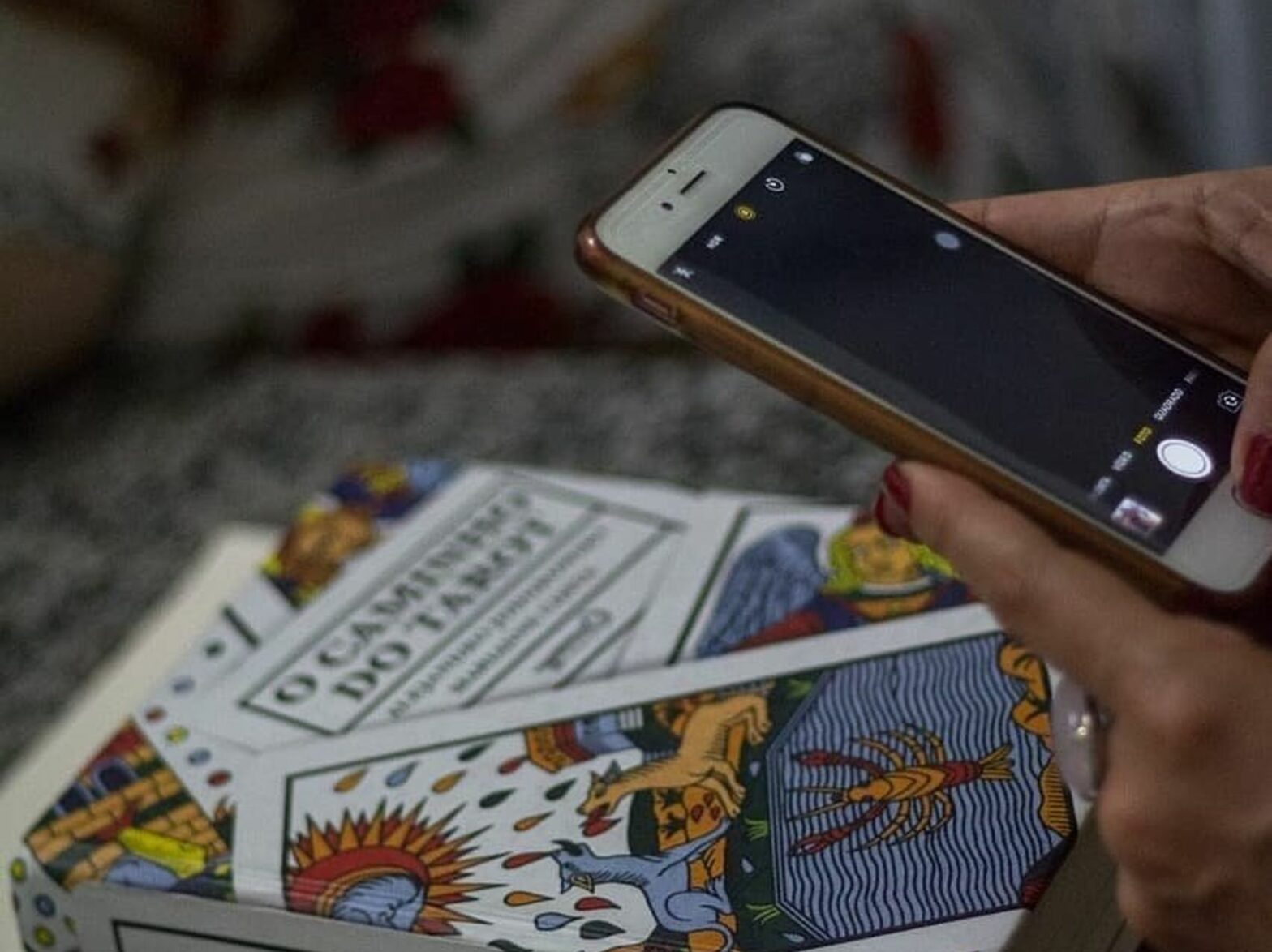
For the new generation of tarot readers in Brazil, the art of reading the cards aims not to guess the future, but to promote a deep search for self-knowledge.
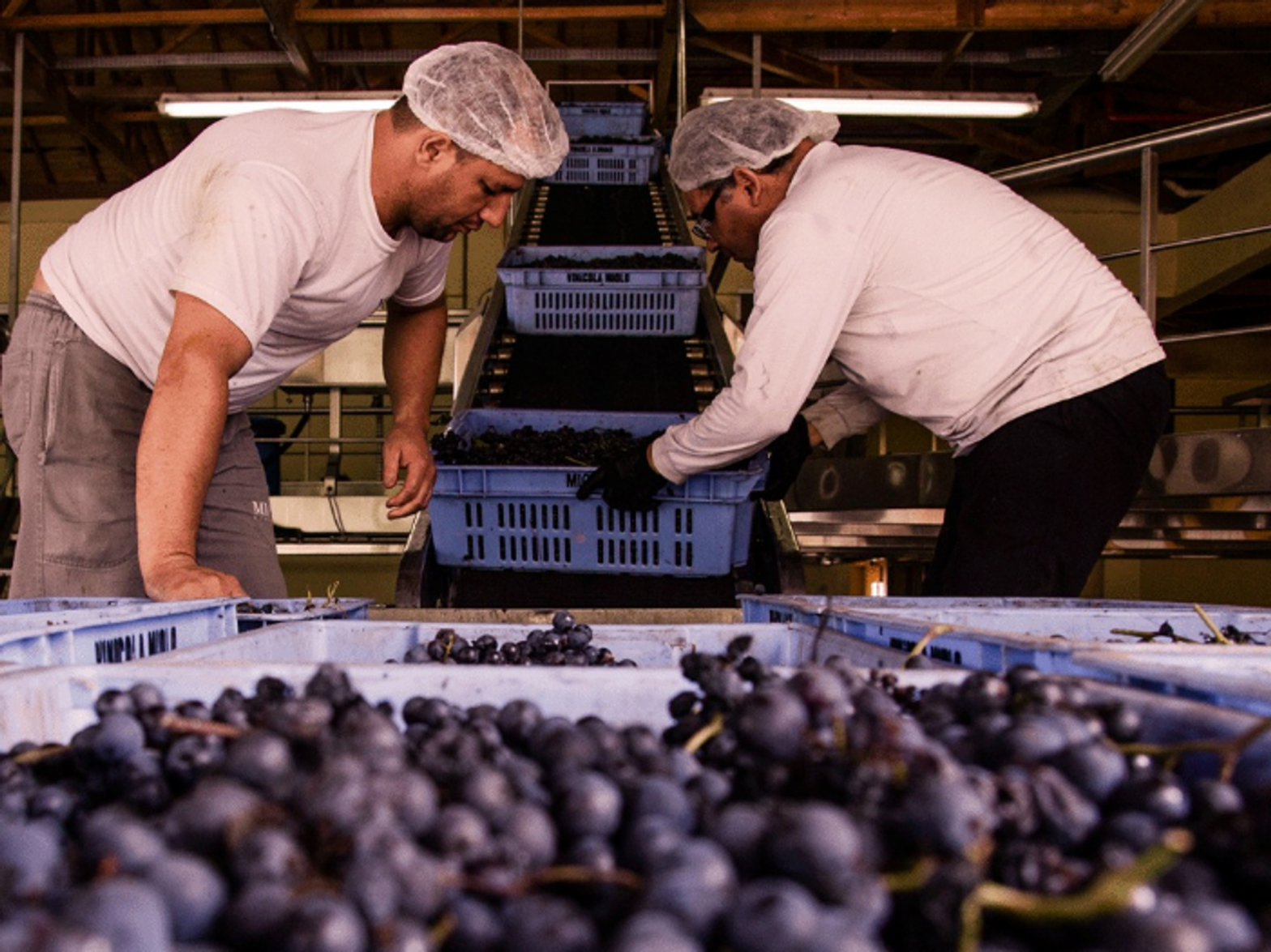
Surprising as it may seem, Brazil is also seeking a future in wine. Driven by legendary families and ambitious new winemakers as ambassadors, the country is eager to play in the same league as its famous South American neighbors.
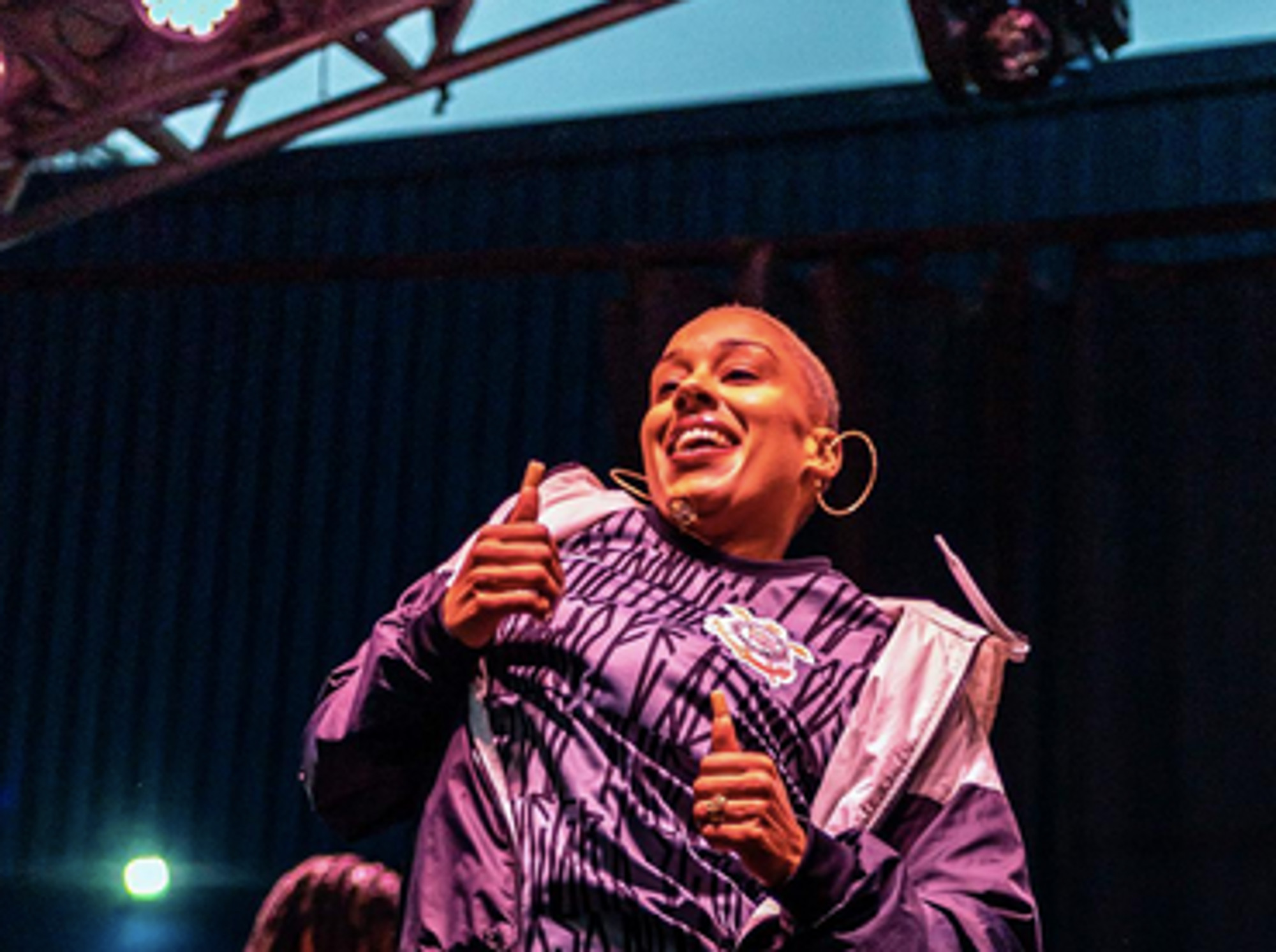
Funk is a music genre that originated in Rio and is inspired by social consciousness. Women have been overlooked in the genre, but a new generation of women funk artists are changing that.
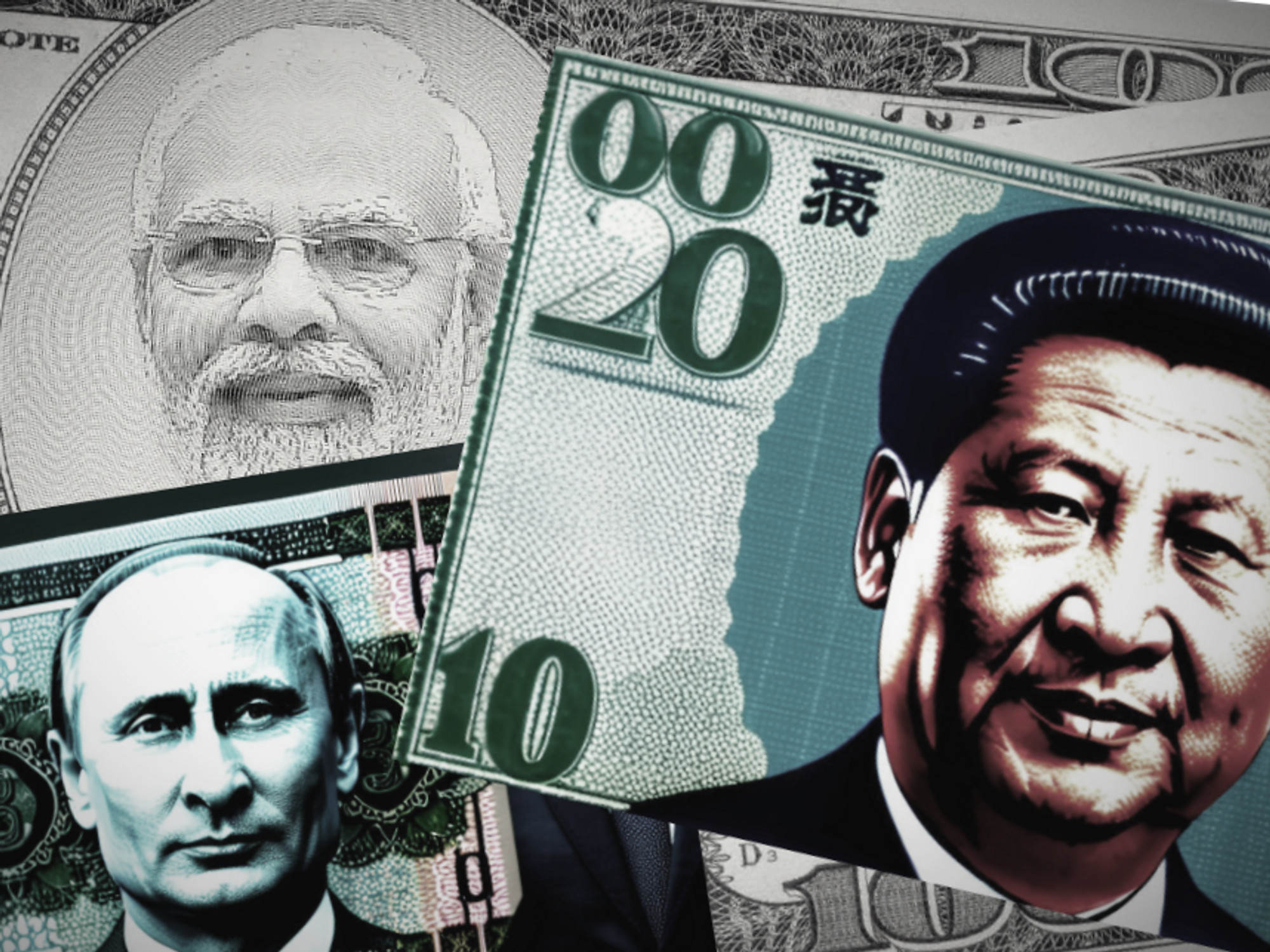
The creation of a new common currency will be one of the main questions on the agenda at the BRICS summit in South Africa in August. But there are still many obstacles to overcome before breaking free from the almighty dollar.
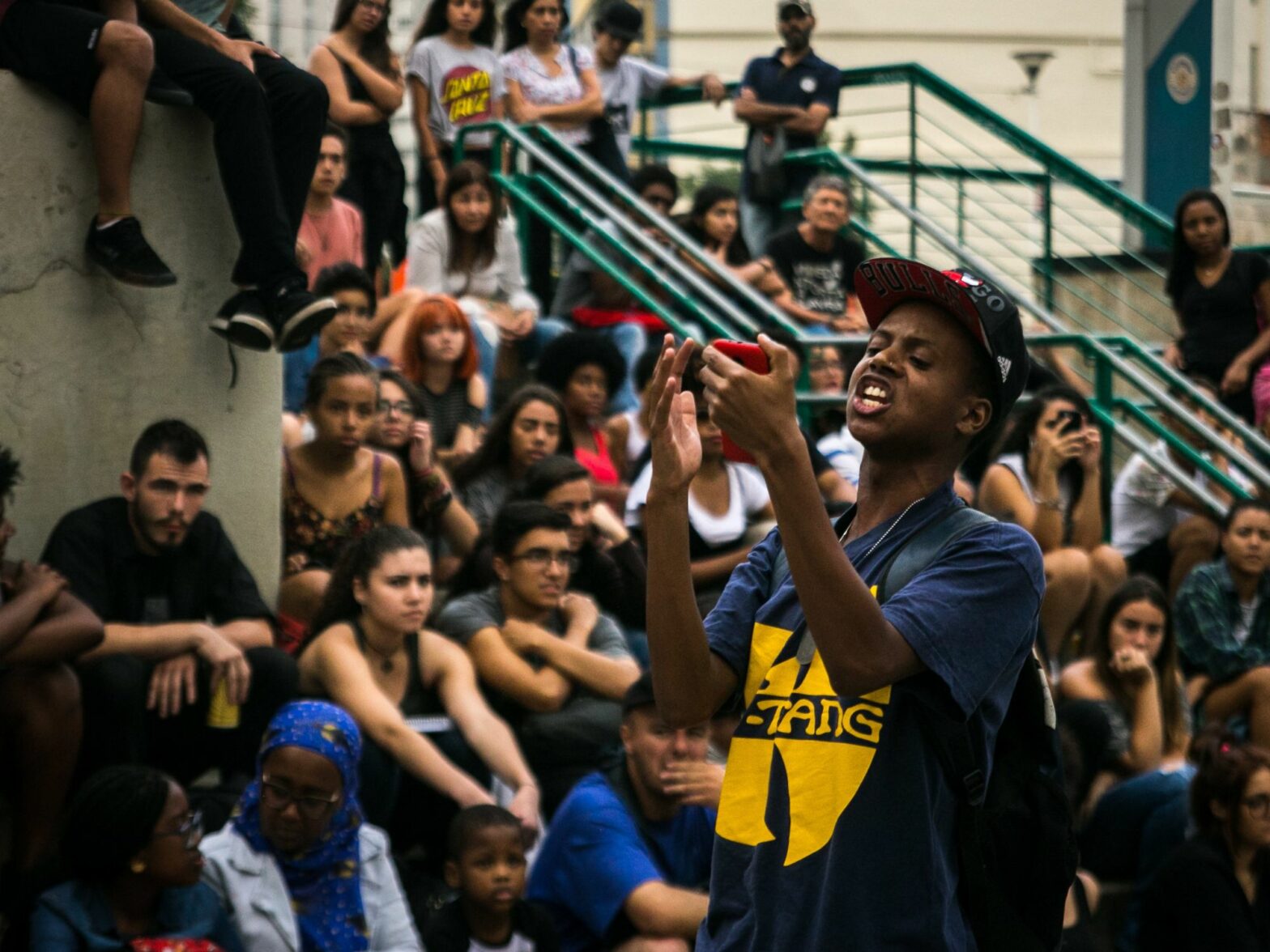
São Paulo is 400 years old, but the outlaying areas beyond the historic center are relatively new. They were born out of poverty and have given rise to resistance and culture, especially through music.
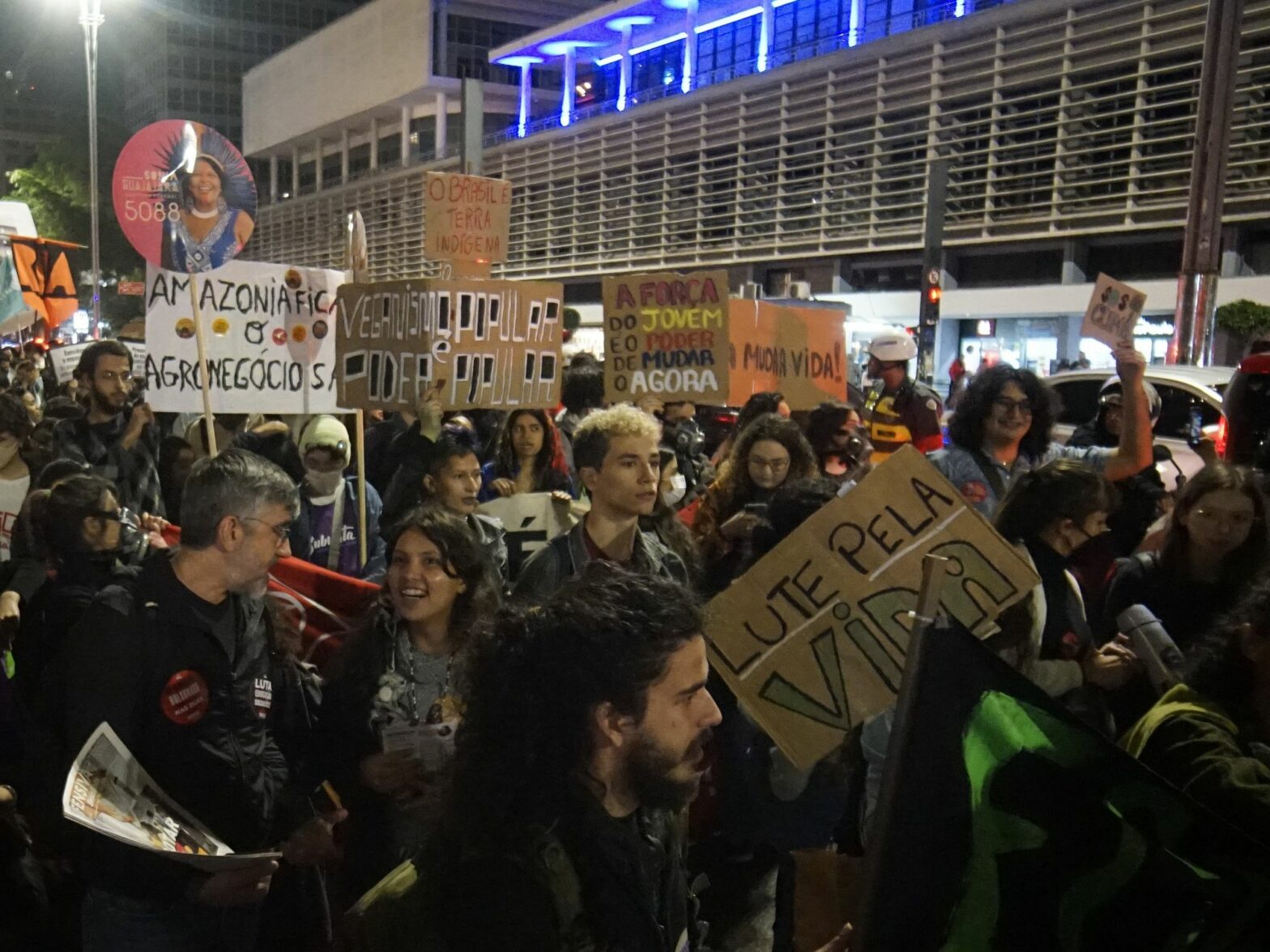
As Brazil’s President Lula da Silva wields limited power over parliament and his multi-party cabinet, he may be unable to fulfil many of this campaign promises, including protecting the environment.

Identical twins Mayla and Sofia were 19 when they became the first twins to transition together. Now, two years later, and living separately, the two Brazilian trans women talk with Argentine daily Clarín about how family support and their love for each other have helped them through hard times.
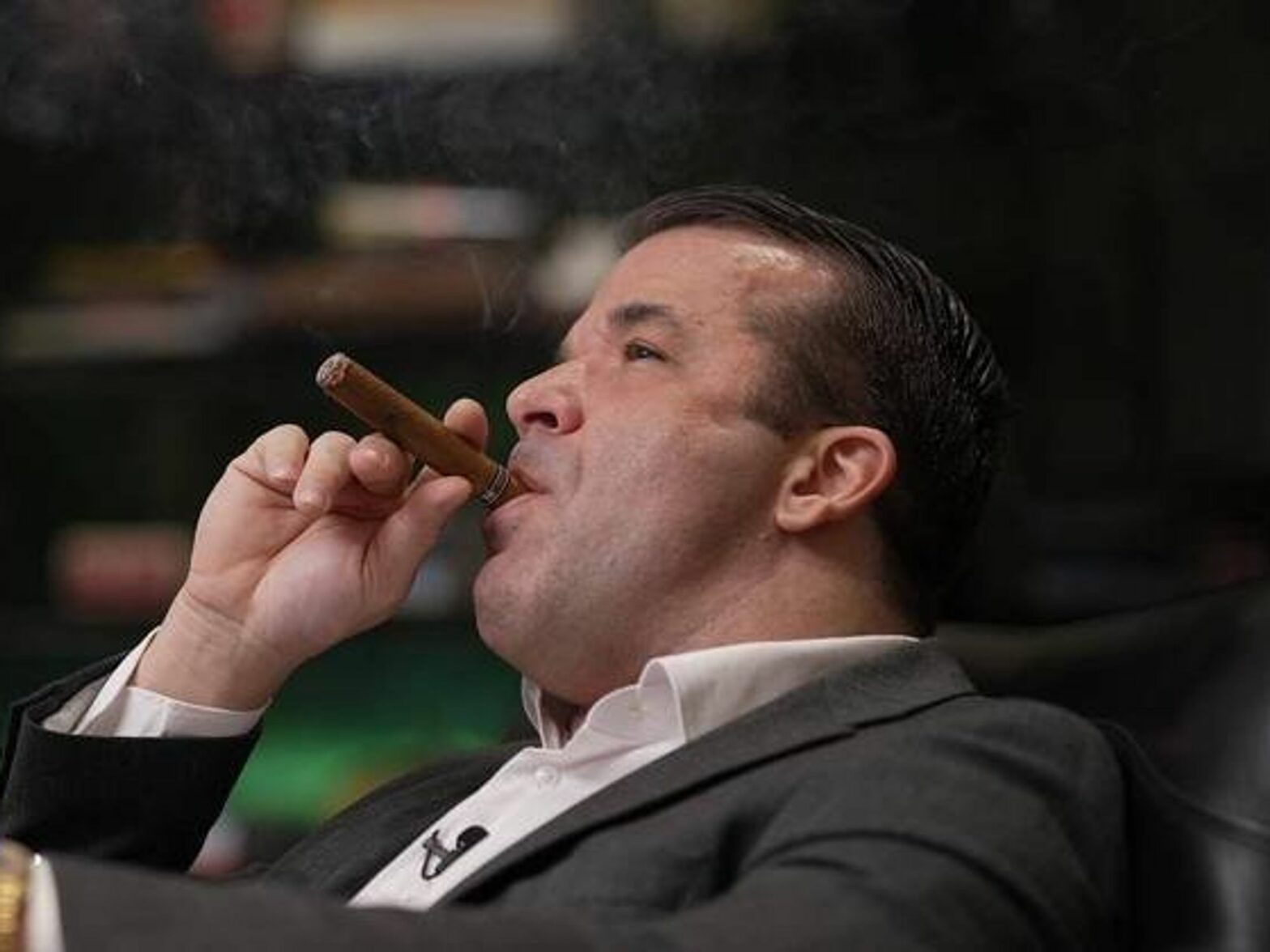
Here’s the Brazilian media spectacle of brazen masculinity, white privilege — and, finally, an arrest.

The Brazilian singer Nega Jaci has performed a new version of the well-known samba “Mulheres,” by Martinho da Vila, adapted by two Brazilian women to remove the sexist tone of the original lyrics.
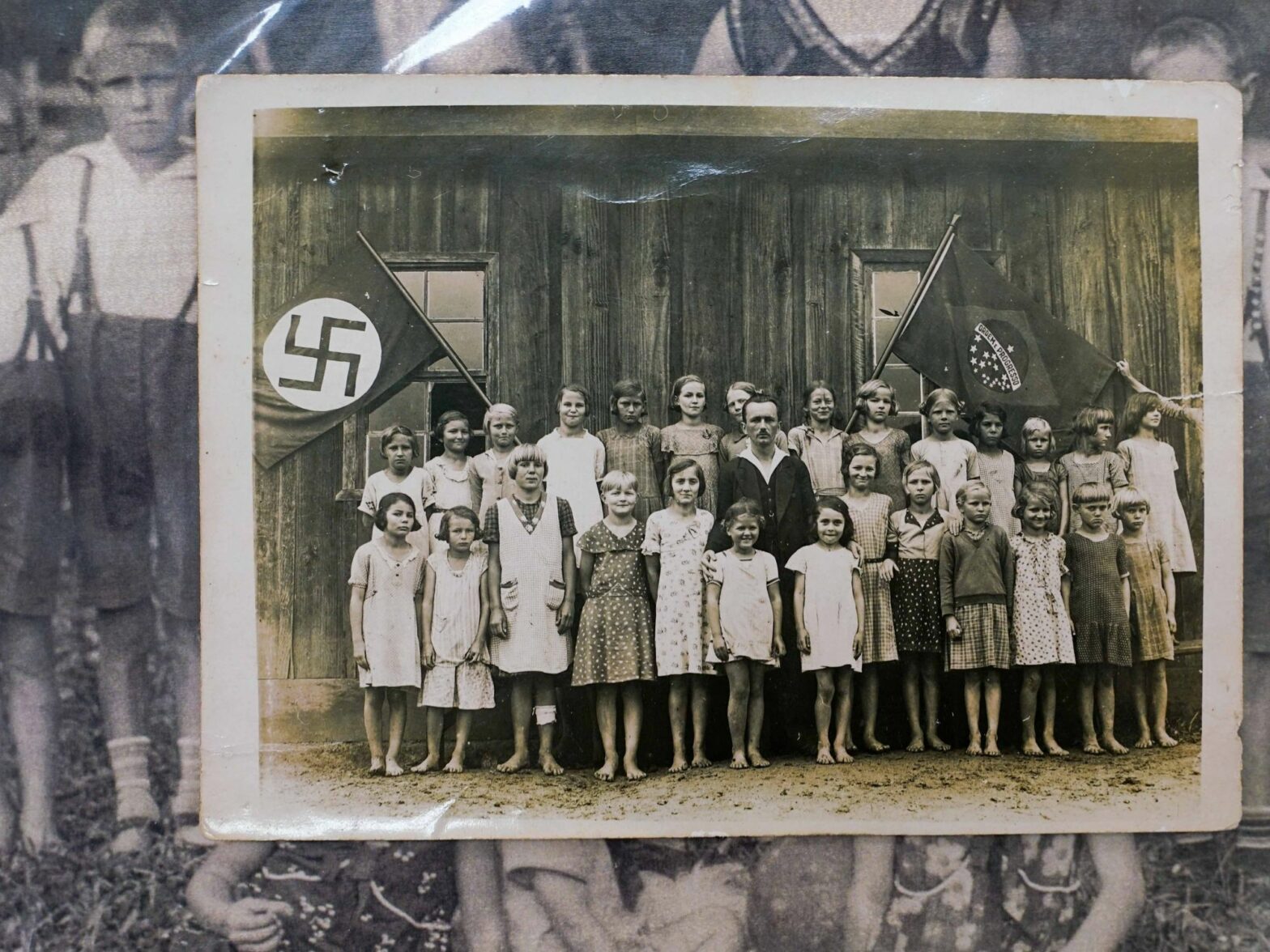
In a small town in southern Brazil, photos of Nazi flags and Hitler supporters are displayed in the entrance hall of a publish building. An investigation by independent media Agência Pública looks into how the Santa Catarina state, a bastion of support of former president Jair Bolsonaro, has a long history of extremist groups and hate speech.
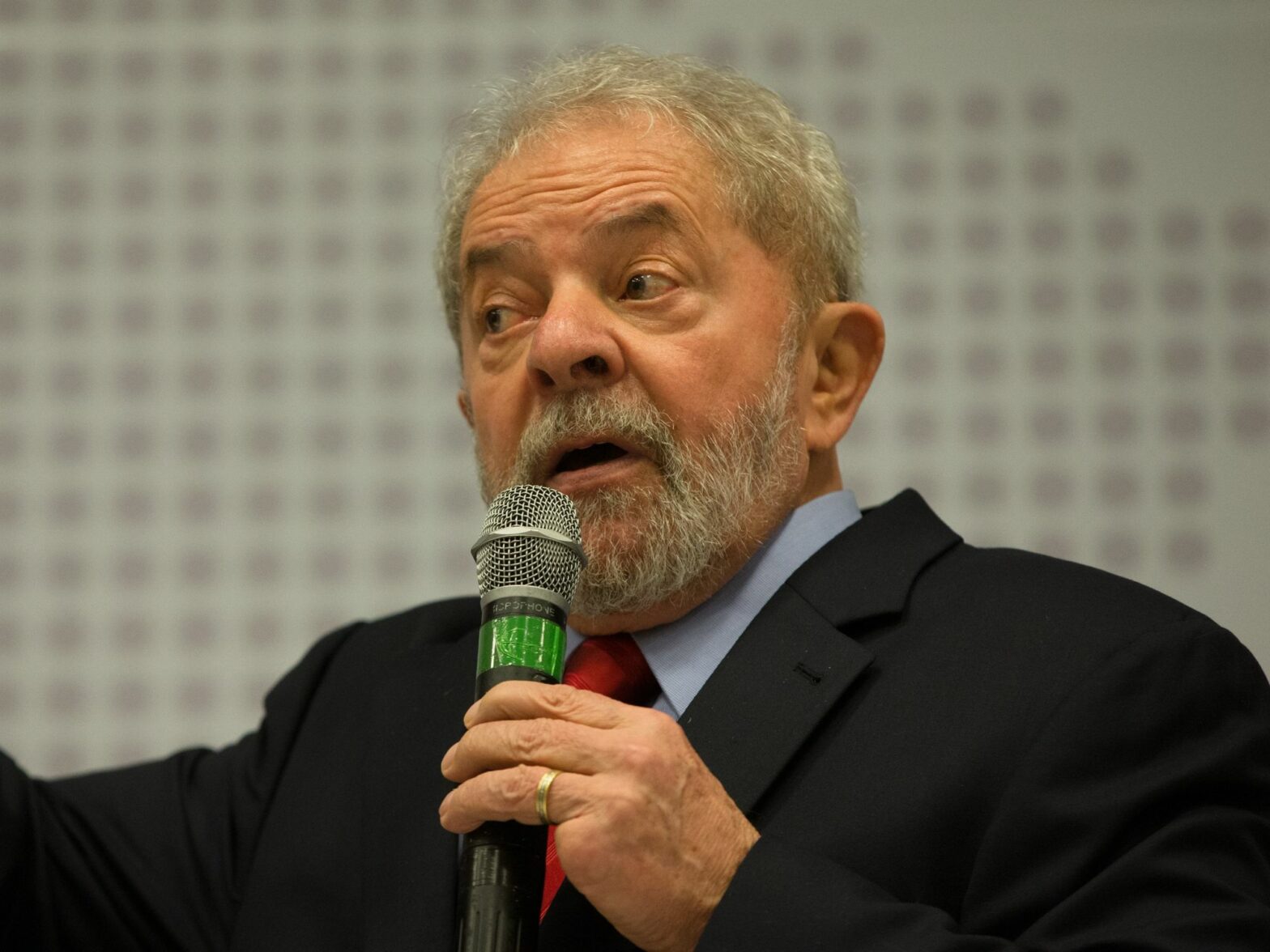
Though he campaigned for his return to the Brazilian presidency as a pro-Western reformer, since coming into office Lula da Silva has reverted to the classic positioning of a 20th century Latin American leftist.
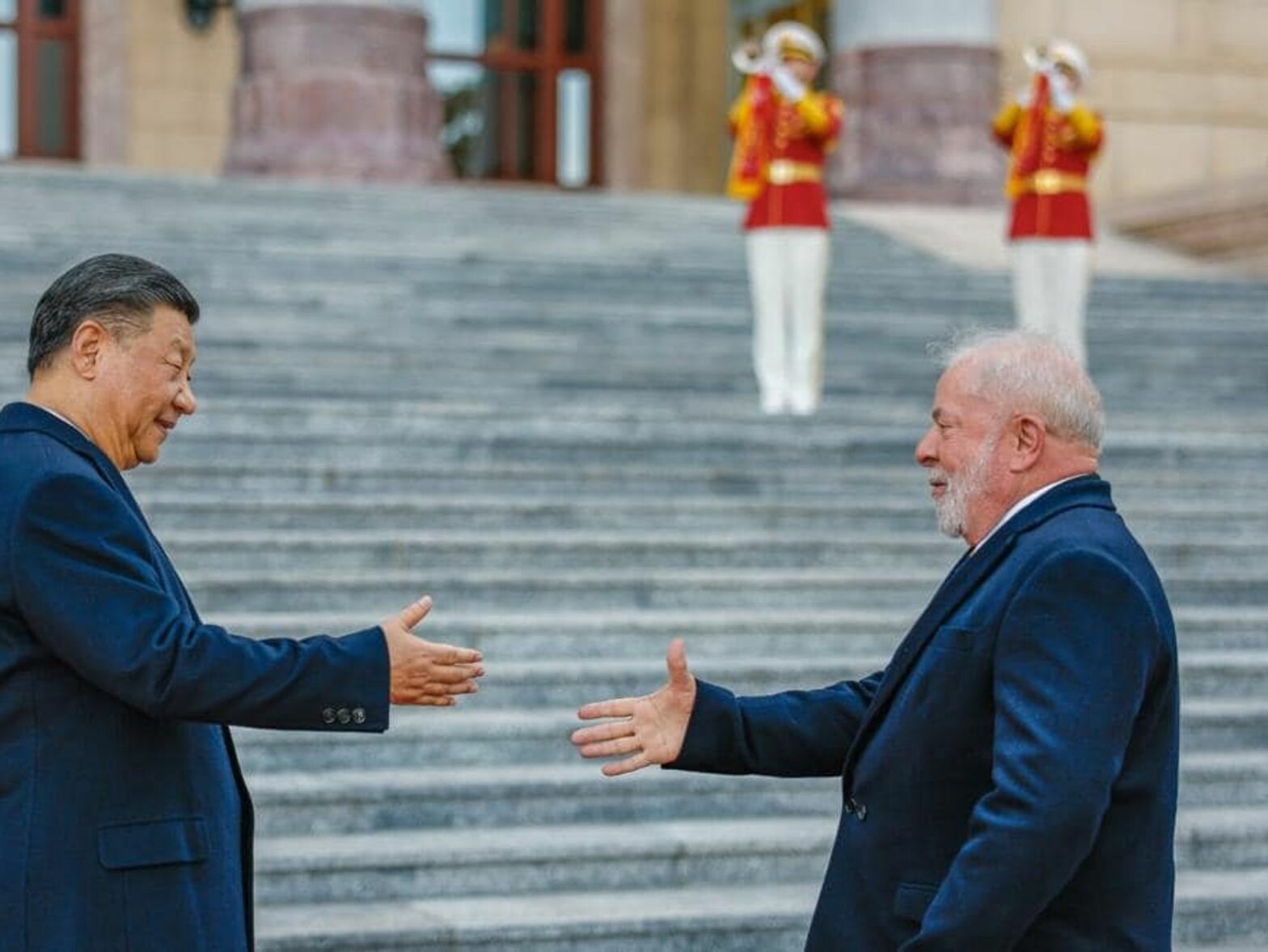
The Brazilian president, back in power after more than a decade later, has not lost his vision of a post-Western world in which the BRICS would occupy a central place. Lula’s visit to Beijing puts such a vision front and center on the global agenda.
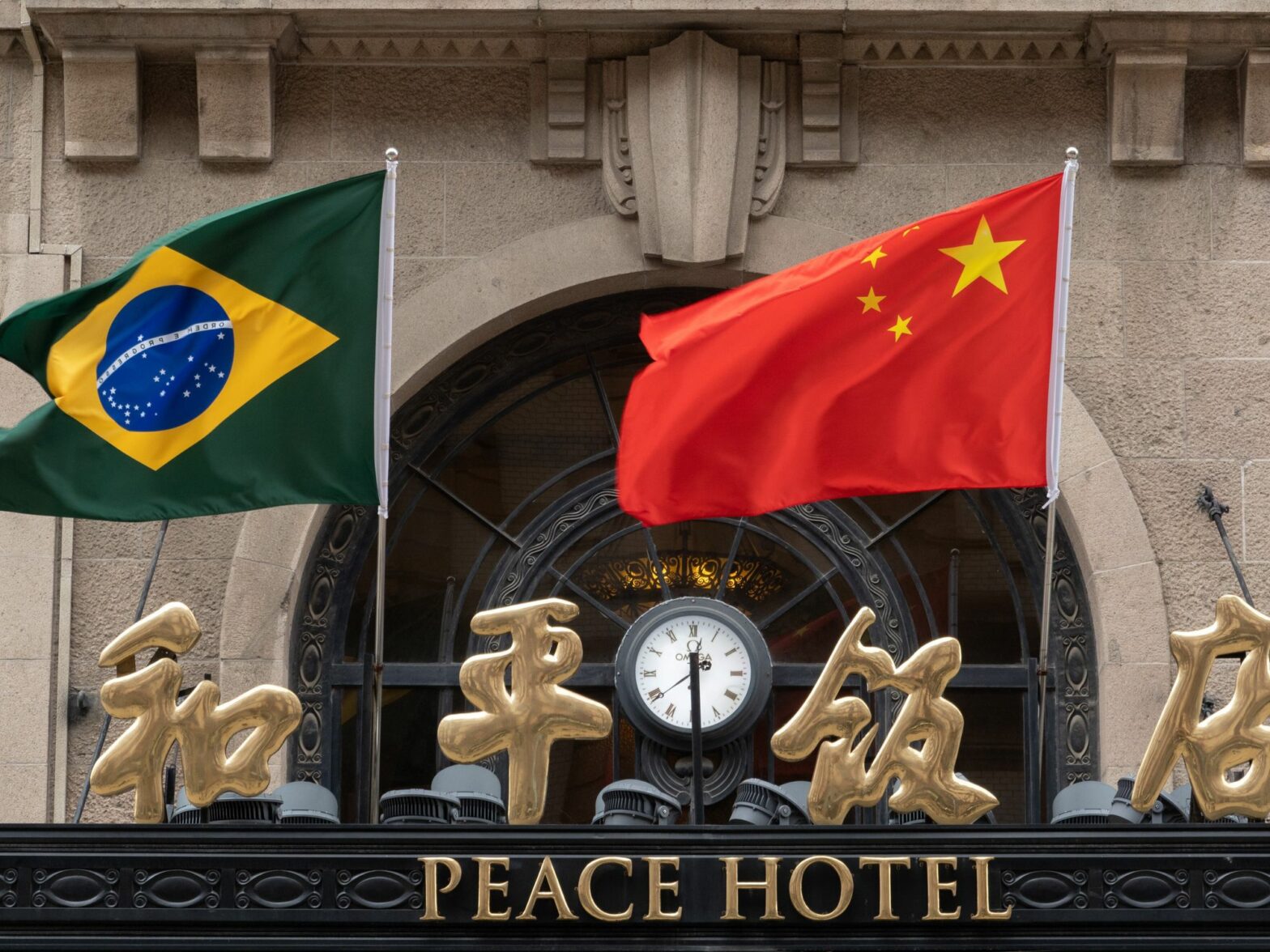
Brazilian President Lula da Silva is sticking to Brazil’s favored policy of diplomatic non-alignment while visiting China, hoping to win his country all the business and export deals he can sign.
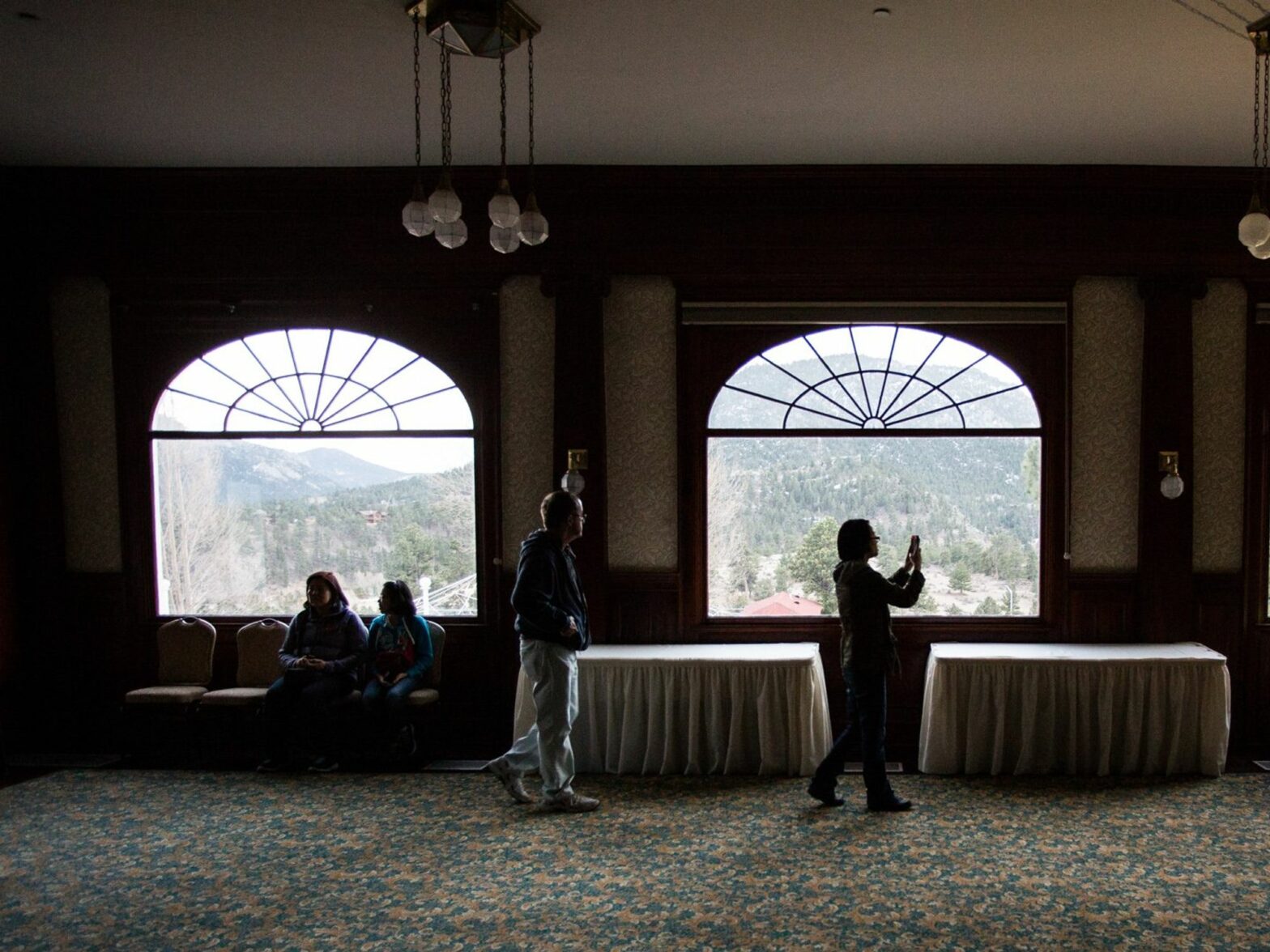
The rise in popular culture of ghost hunting has had a big but strange effect in Brazil. YouTubers and bloggers aim to create a bridge between Brazilian popular spiritism and American ghost-hunting.
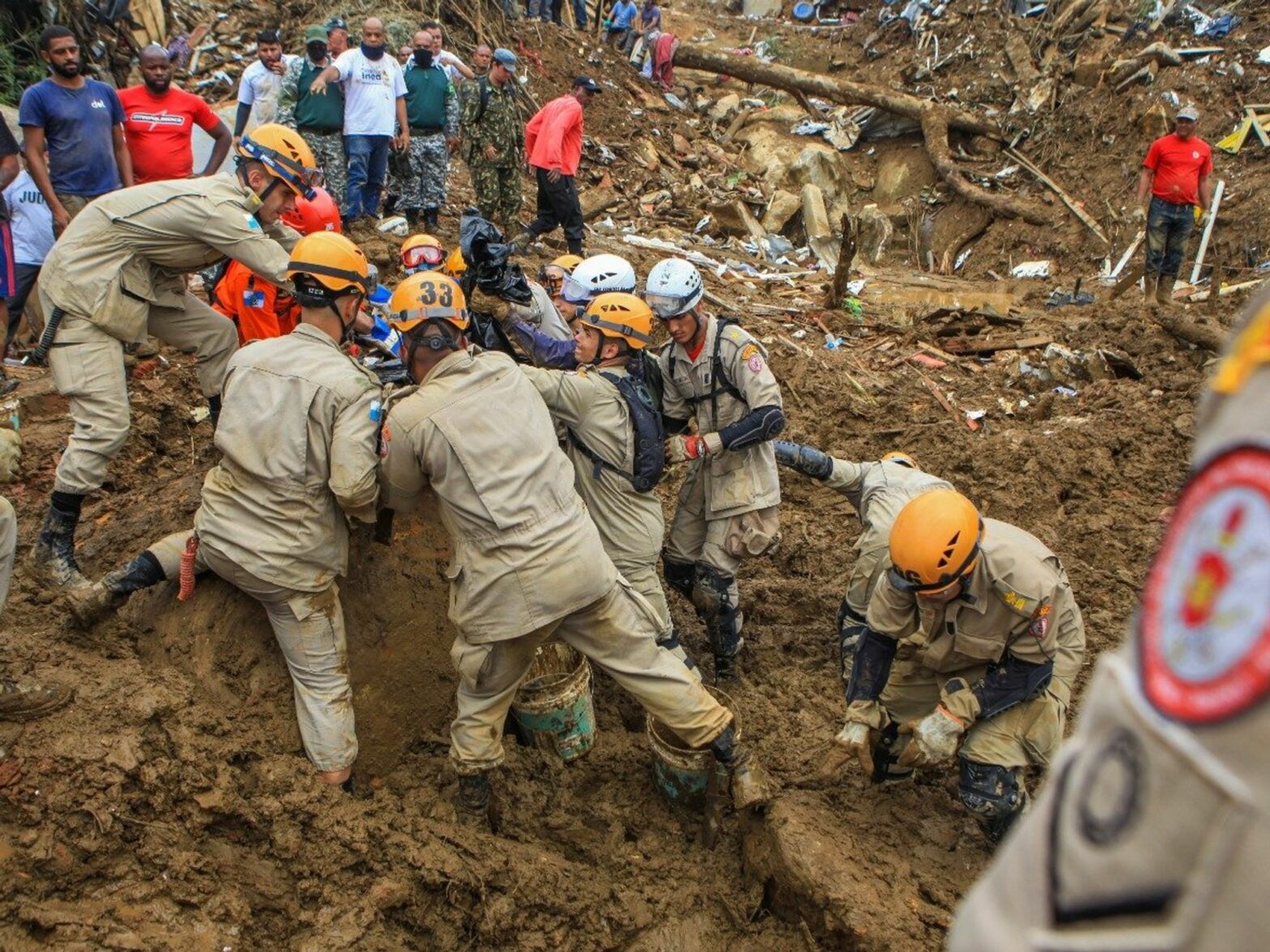
Rain often brings deadly flooding and property damage to neighborhoods around Brazil, where people are organizing to address the worsening problem.
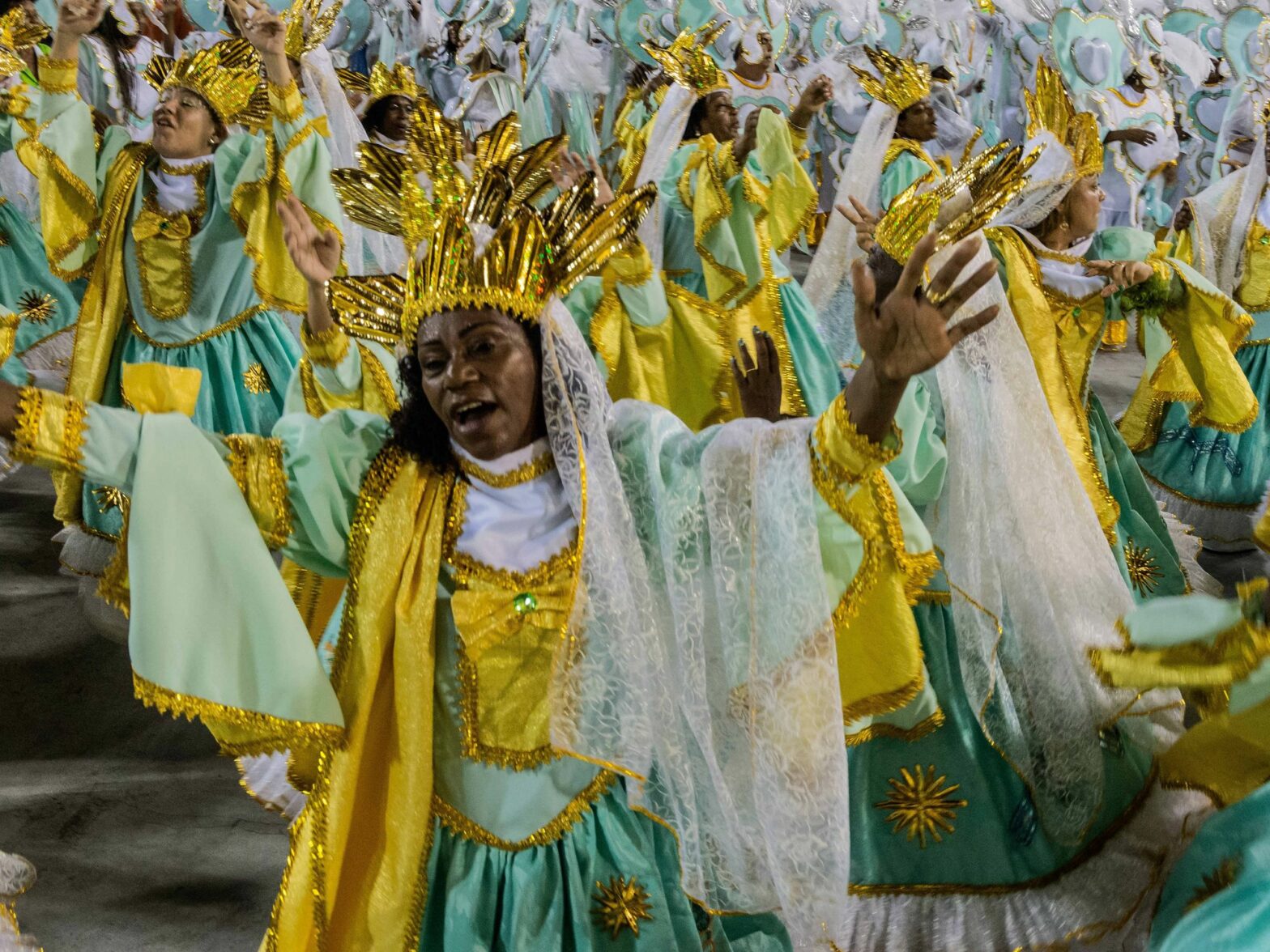
An evangelic group has threatened to take legal action against a samba school because of its mix of religious iconography at the 2023 Carnival festivities. A Brazilian secular institute has a response.
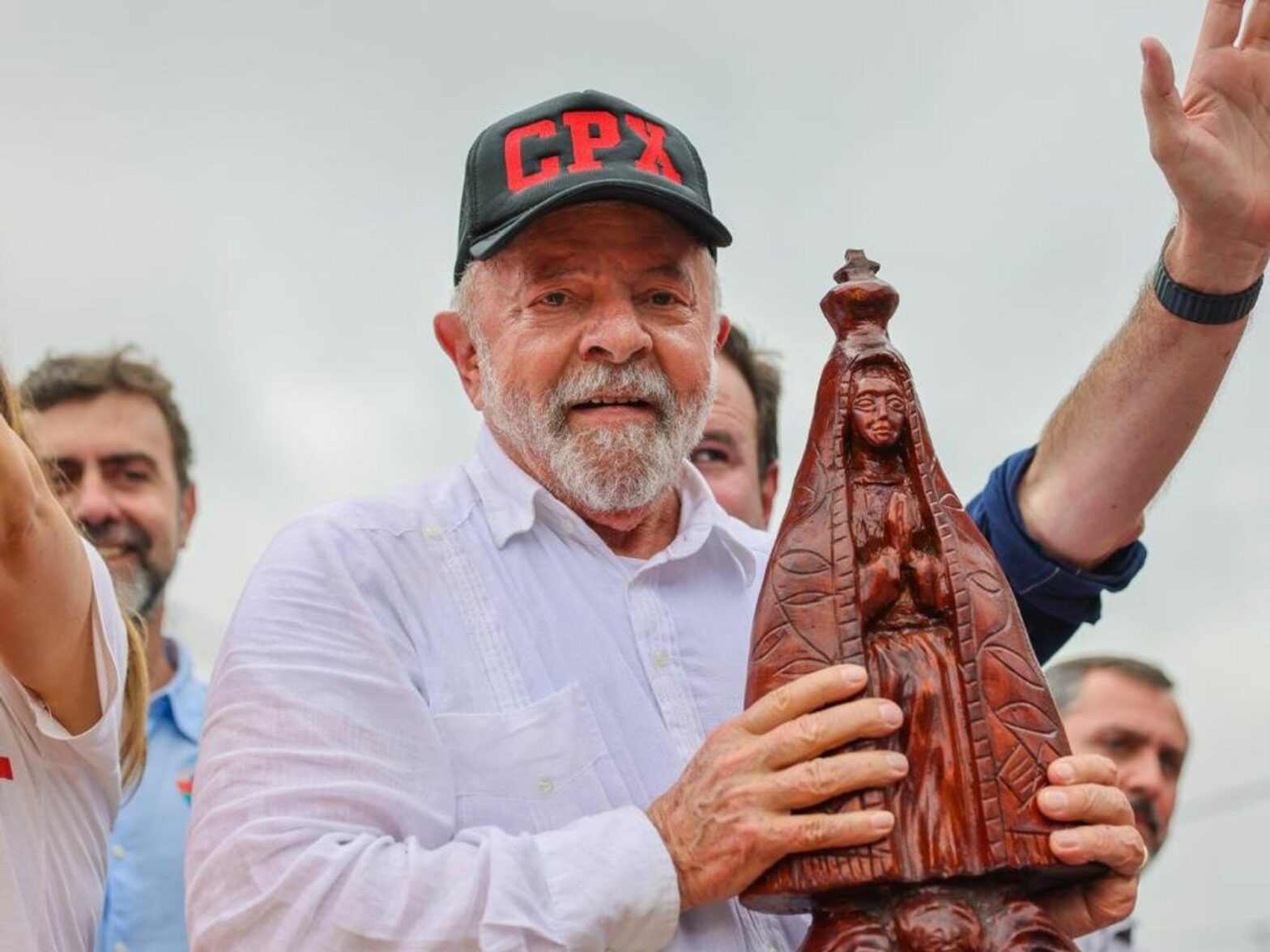
Before Lula’s re-election in Brazil, fake news spread widely online about “gay kits” in schools and Marxism in schools. Here’s how Brazilians can use the moment to convince moderate voters of the dangers of disinformation.
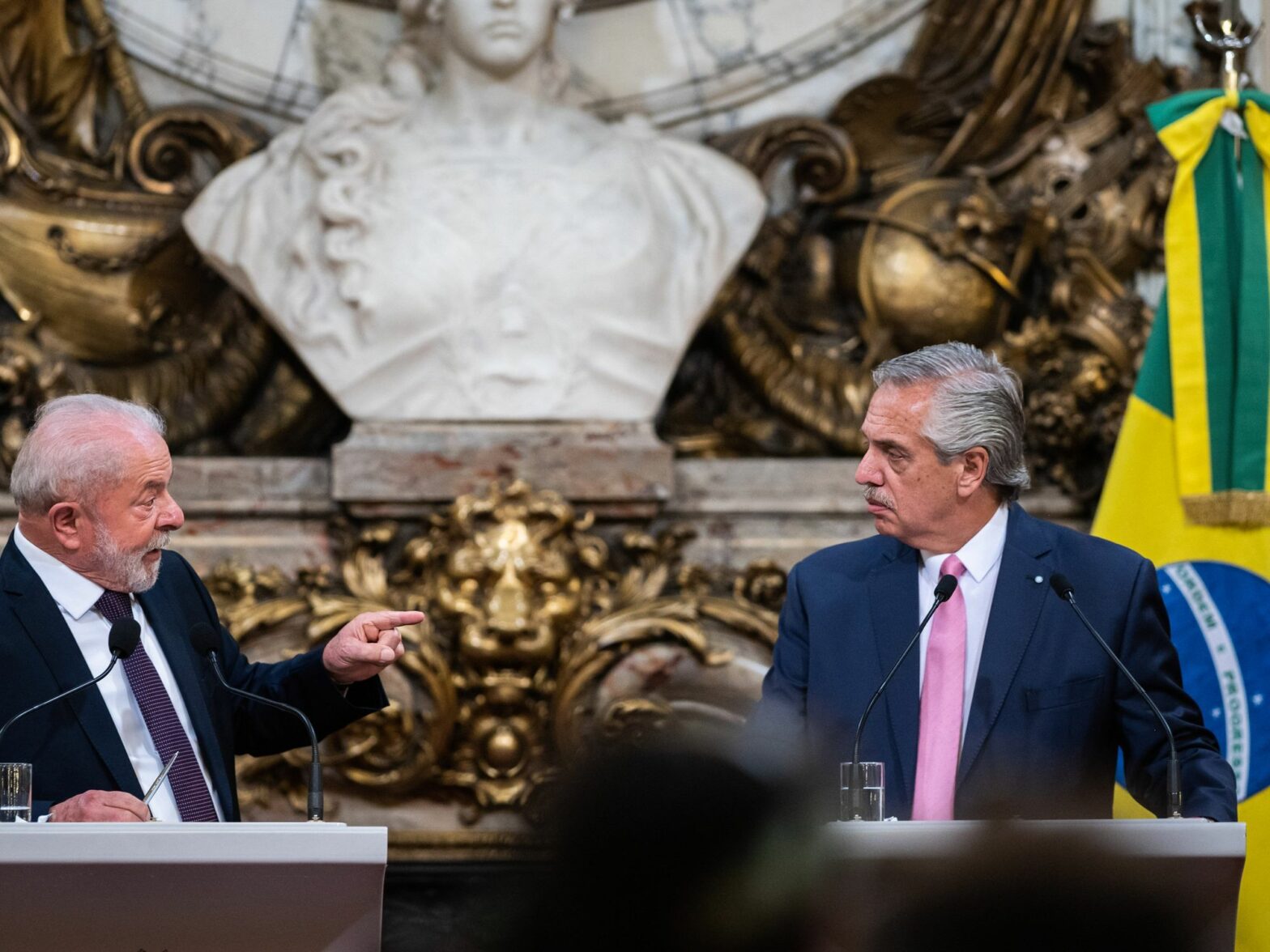
Brazil and Argentina have raised the idea of a shared currency for the South American trading zone. But few believe this is possible without more economic harmonization in the region.
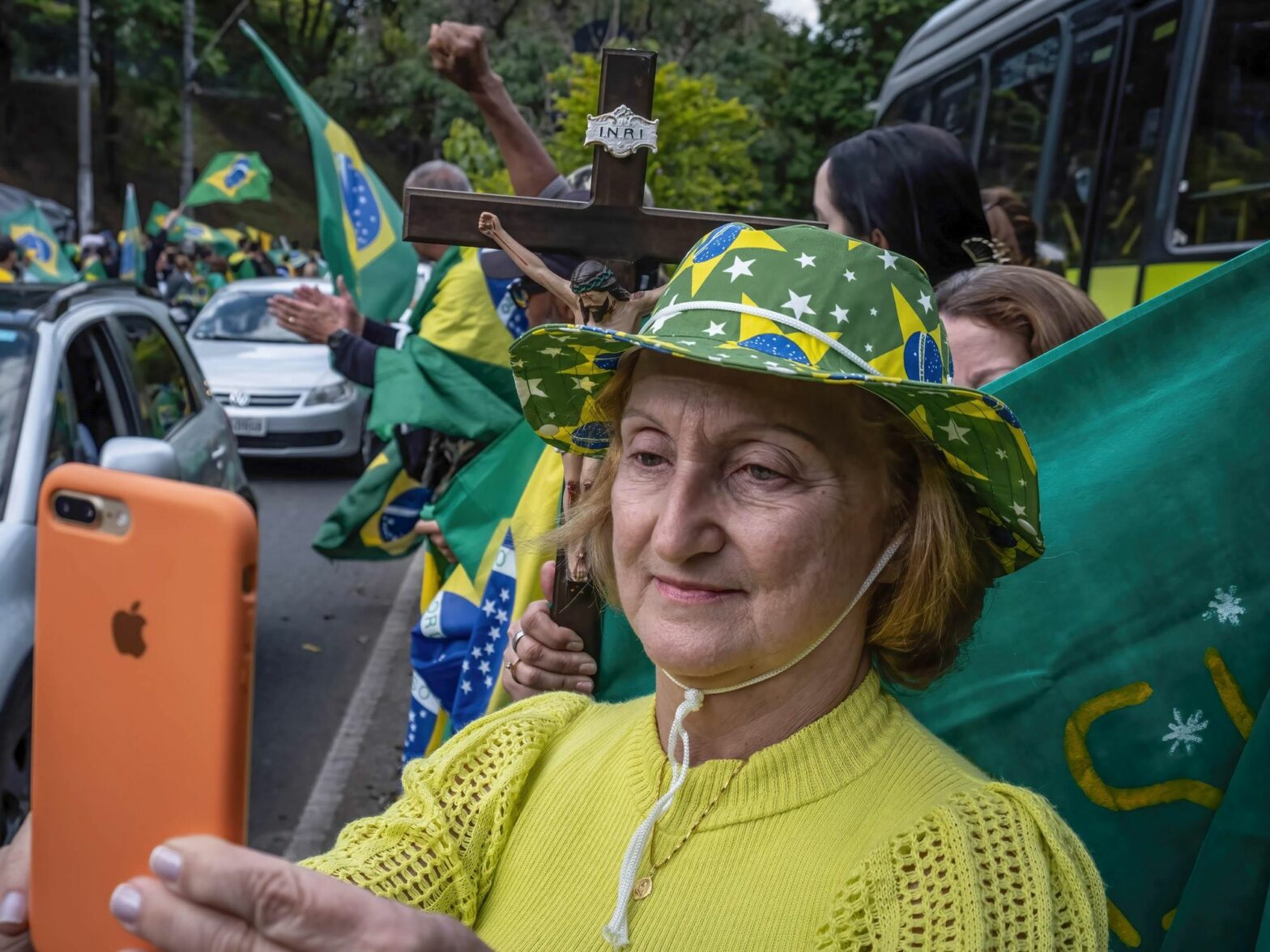
Older demographics are particularly vulnerable (and regularly targeted) on the WhatsApp messaging platform. We’ve seen it before and after the presidential election.
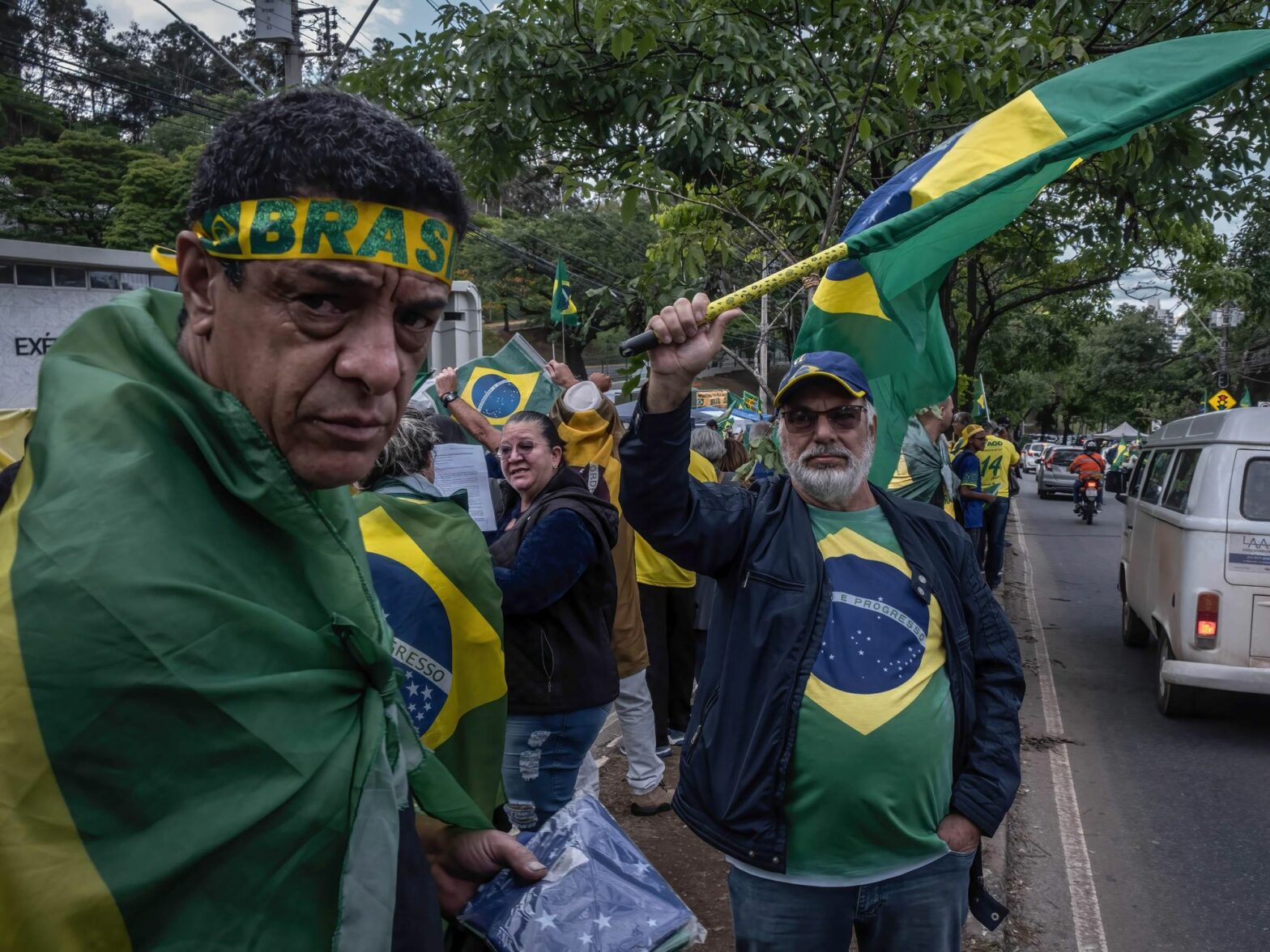
Taking inspiration from events in the United States over the past four years, rejection of election results and established state institutions is on the rise in Latin America.
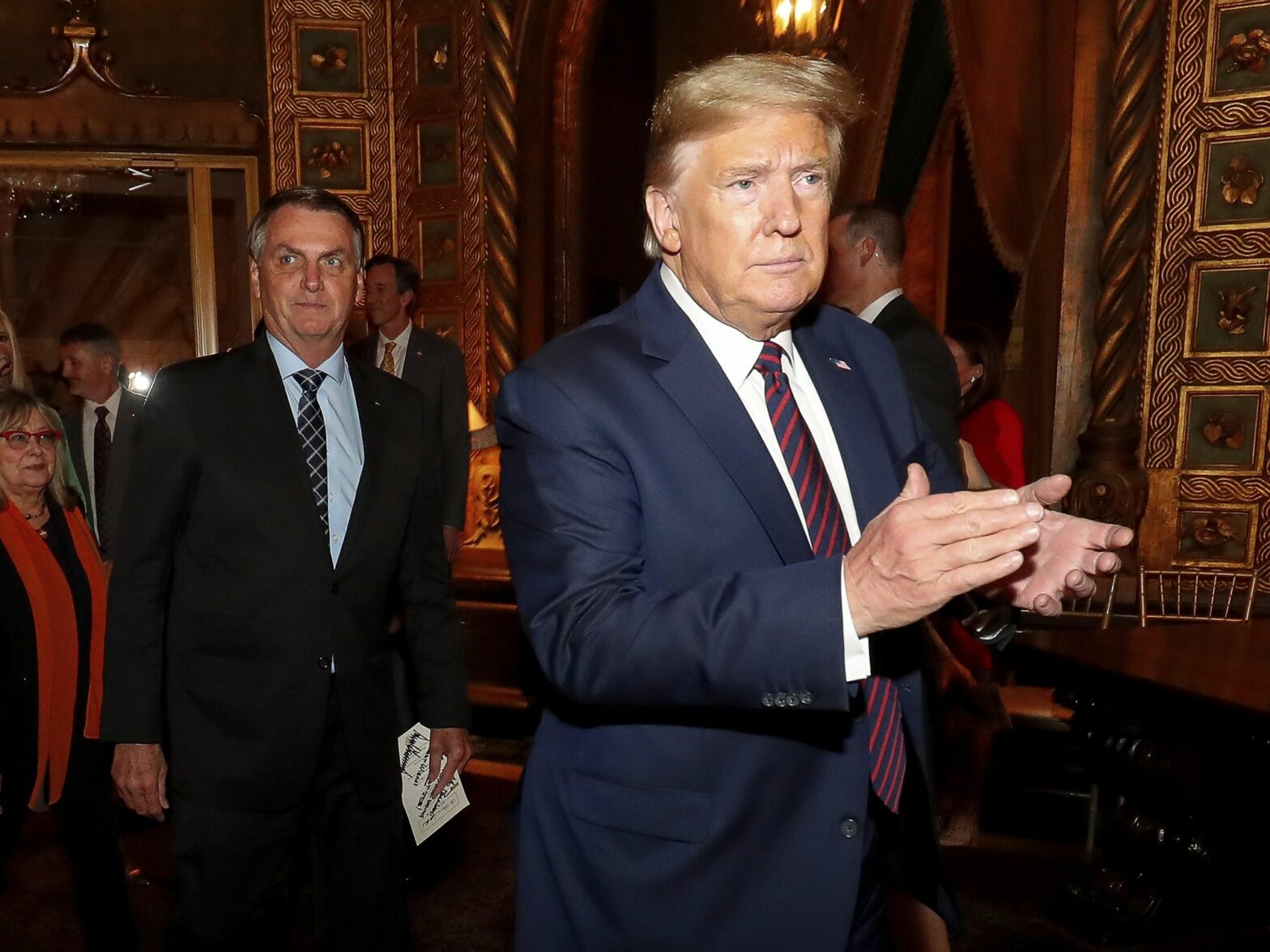
Emulating the Trump-inspired attack on the U.S. Capitol, the assault of a right-wing mob on government buildings in Brasilia took its cue from former president Bolsonaro’s longstanding contempt for democratic institutions.
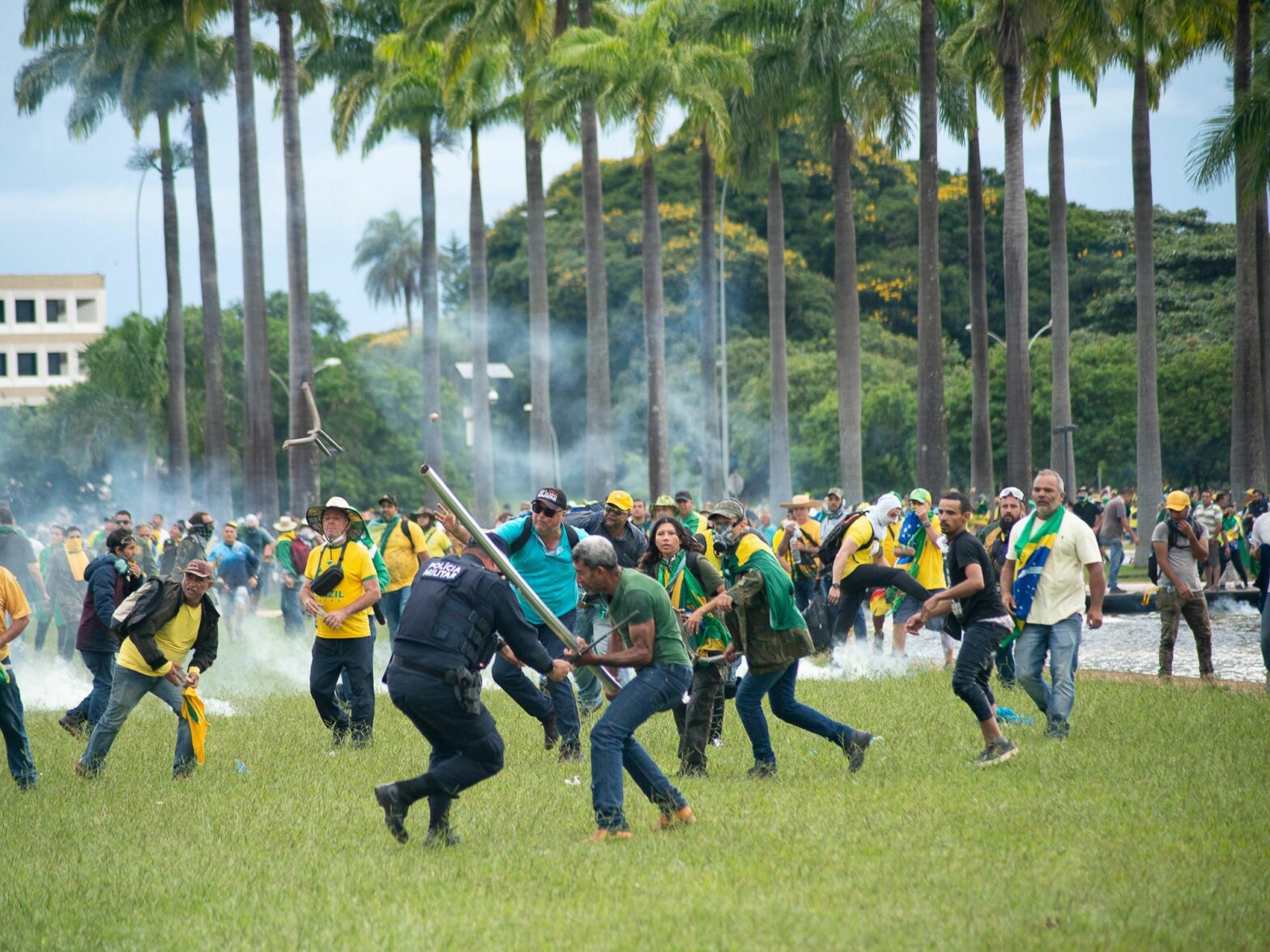
What do we make of the echos from the U.S. Capitol assault on Jan. 6? Will Lula be able to heal Brazil’s democratic institutions?
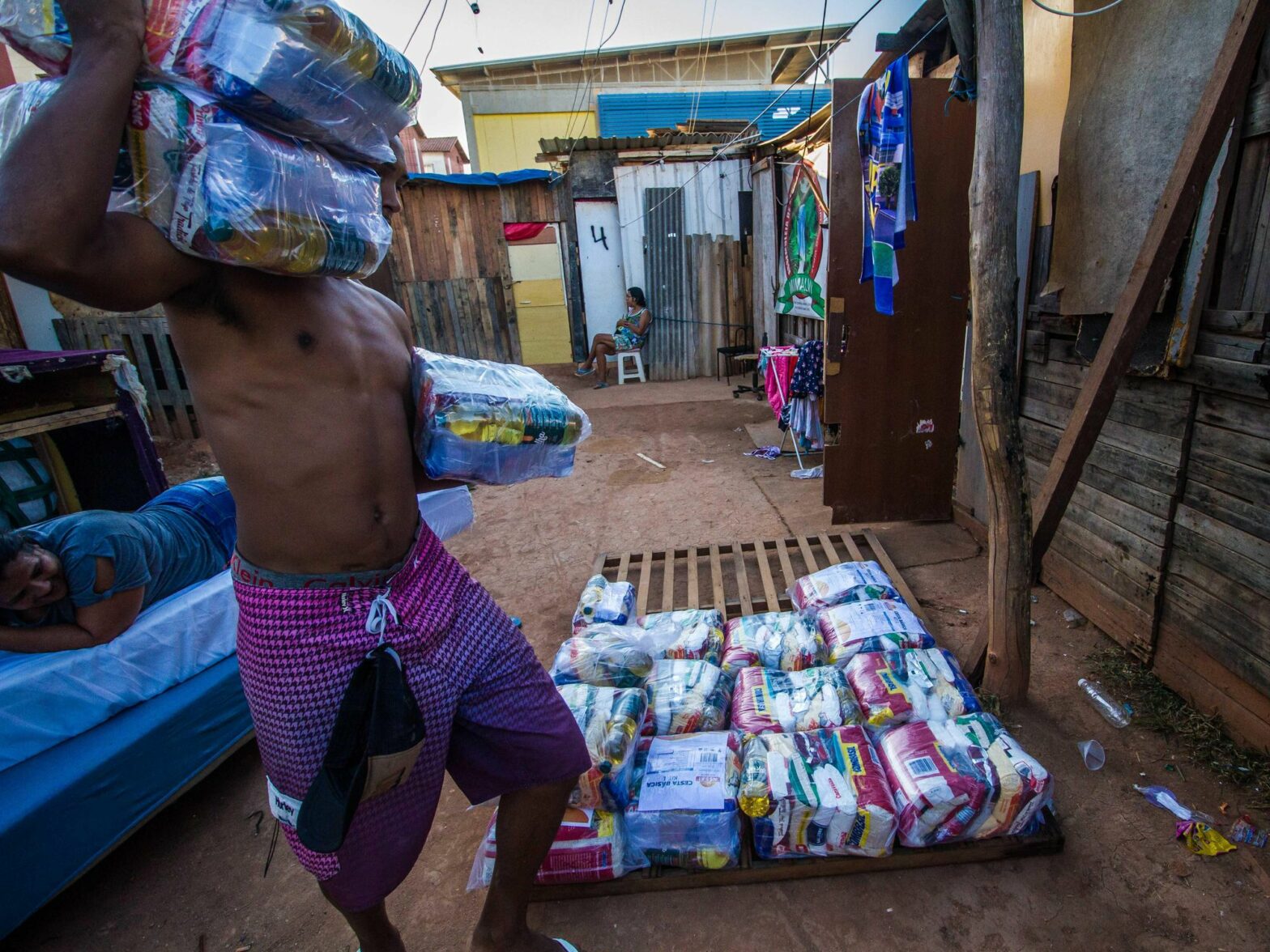
The fight against hunger should be a top priority in Brazil — provided it’s addressed as a whole. And to do that, the country needs to face its structural racism issues, an issue newly-reelected President Lula da Silva vowed to tackle.
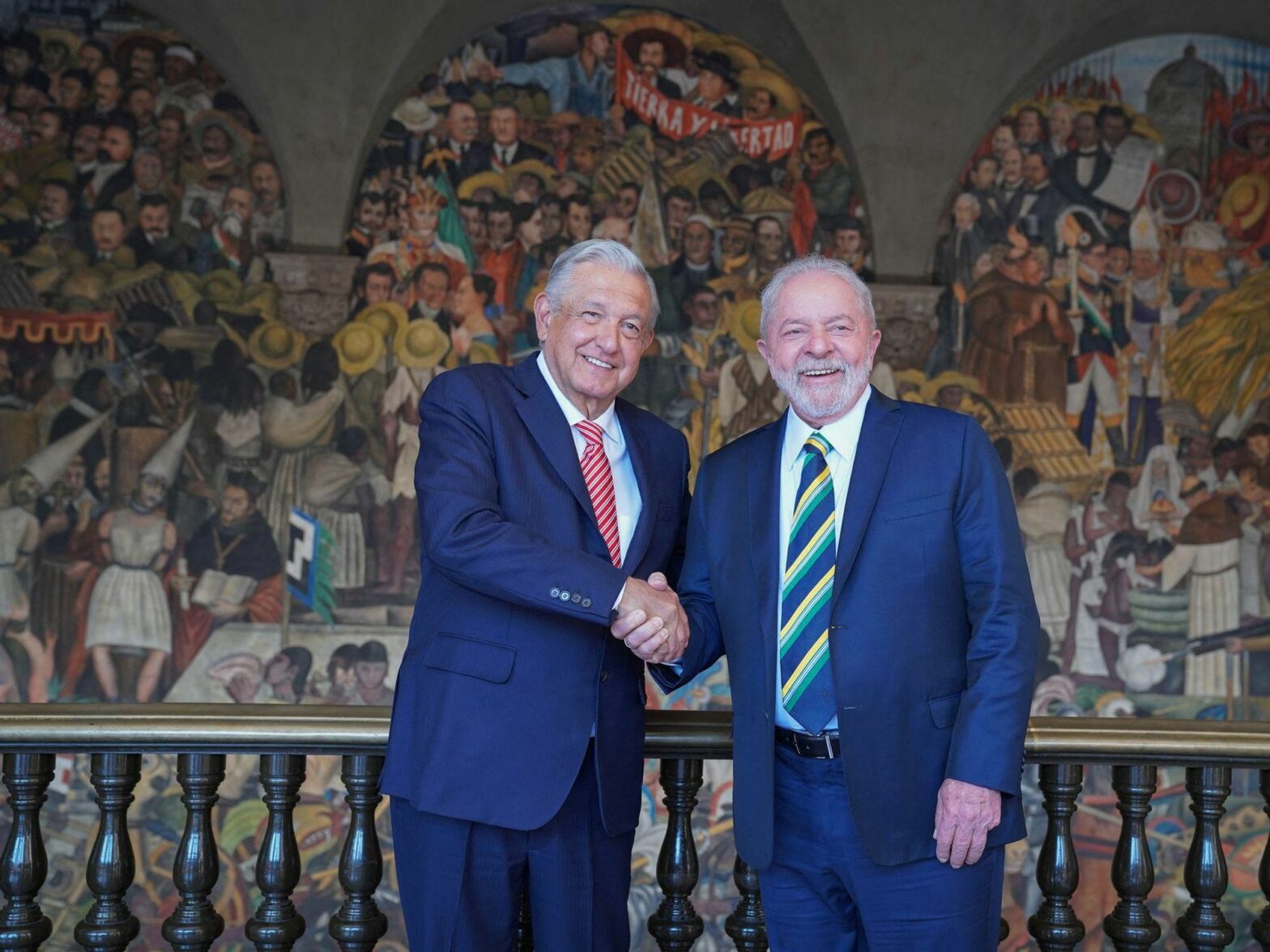
The election in Brazil of Luis Inácio Lula da Silva (Lula) is being hailed by some as the confirmation of Latin American around a shared leftist project, yet even the left can’t agree with itself. It’s a story that goes back centuries, and can only change with a commitment to move beyond ideology.