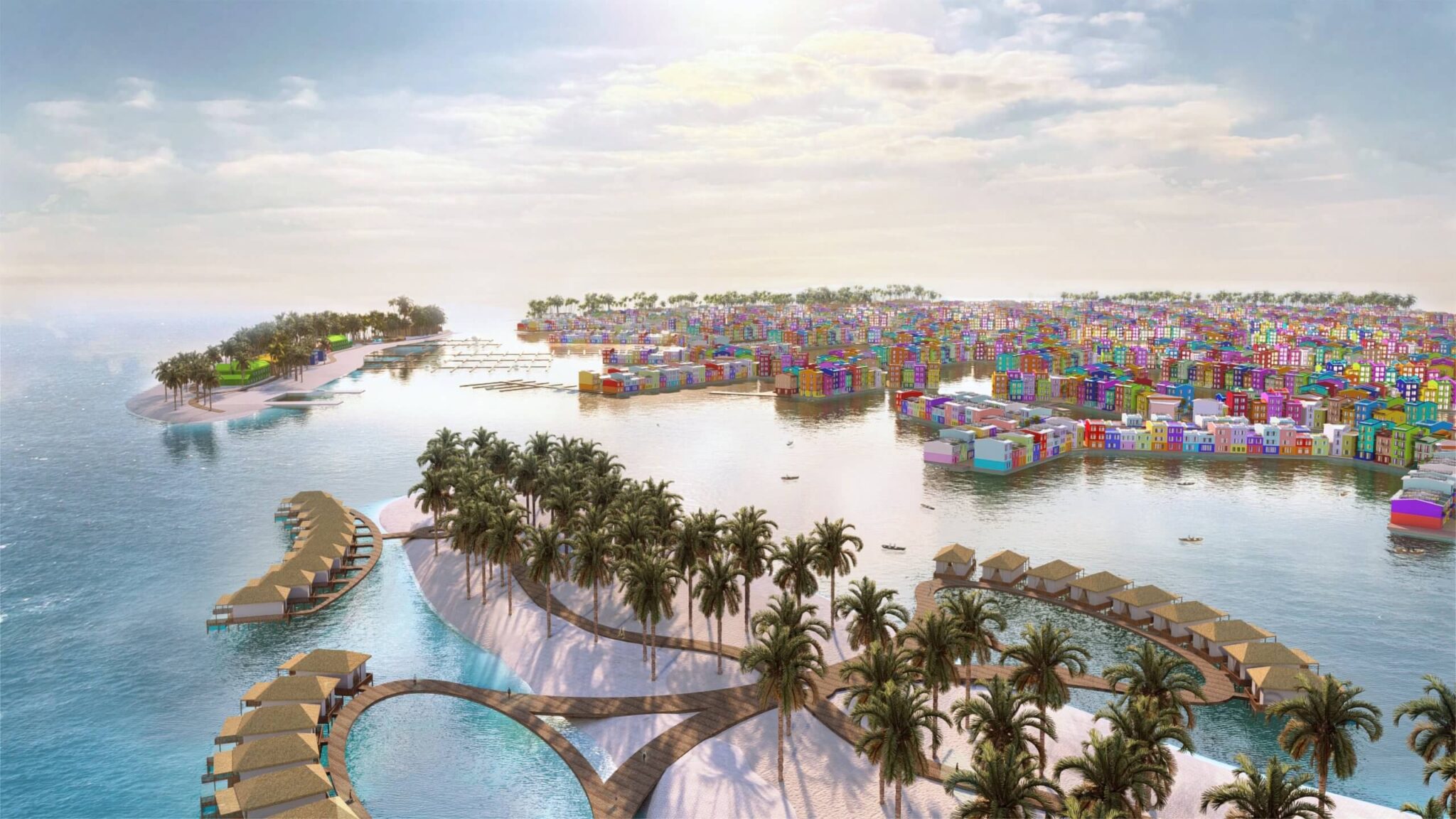
Threatened with extinction by rising sea levels, the archipelago is building the world’s first floating city to house its population — with a little help from Dutch experts.
 Worldcrunch
Threatened with extinction by rising sea levels, the archipelago is building the world’s first floating city to house its population — with a little help from Dutch experts.
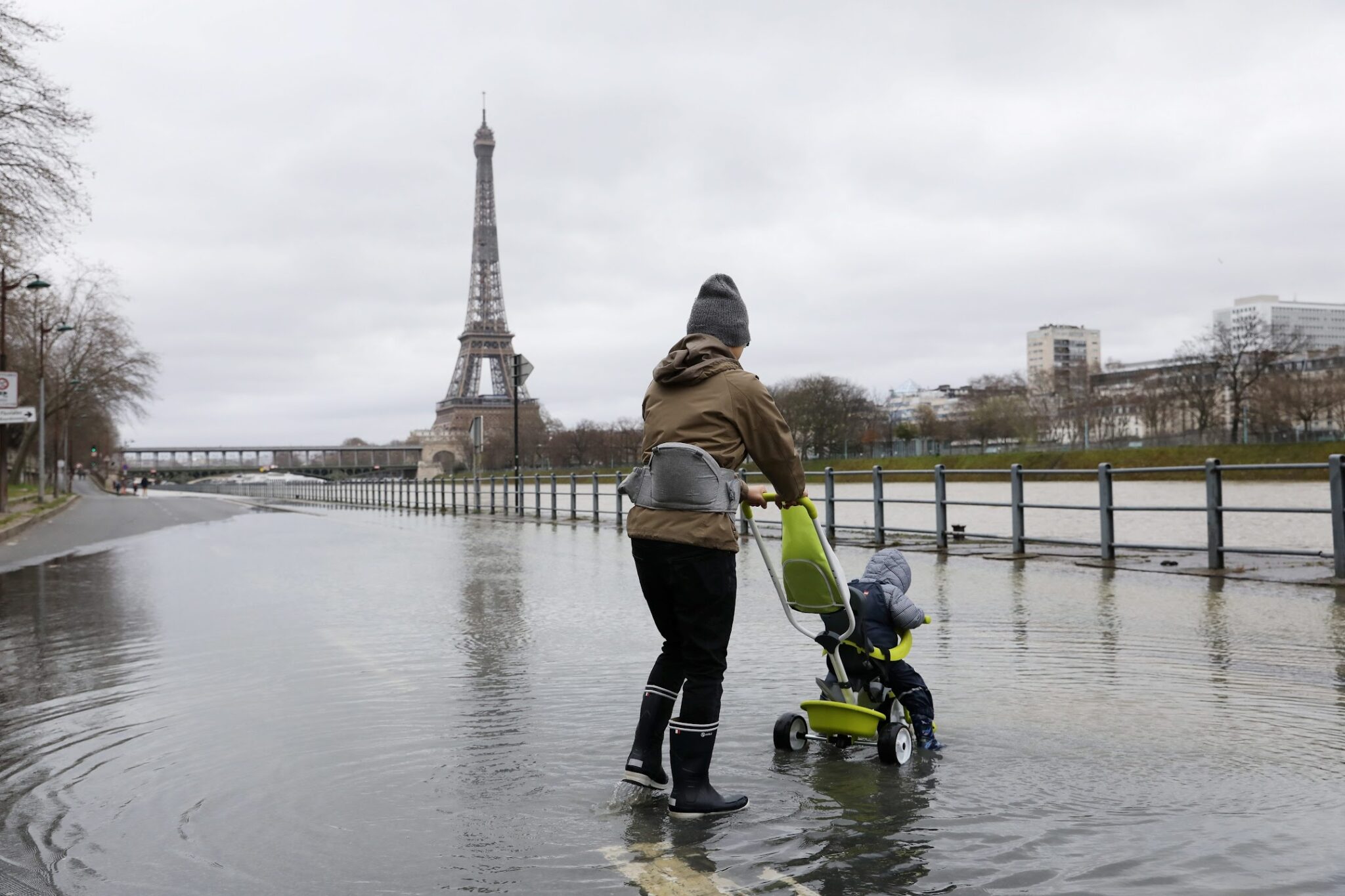
As floods become increasingly frequent across France and the risk to the capital grows, Paris City Hall conducted a large-scale “real-life” simulation of a Seine River flood on Monday, October 13.
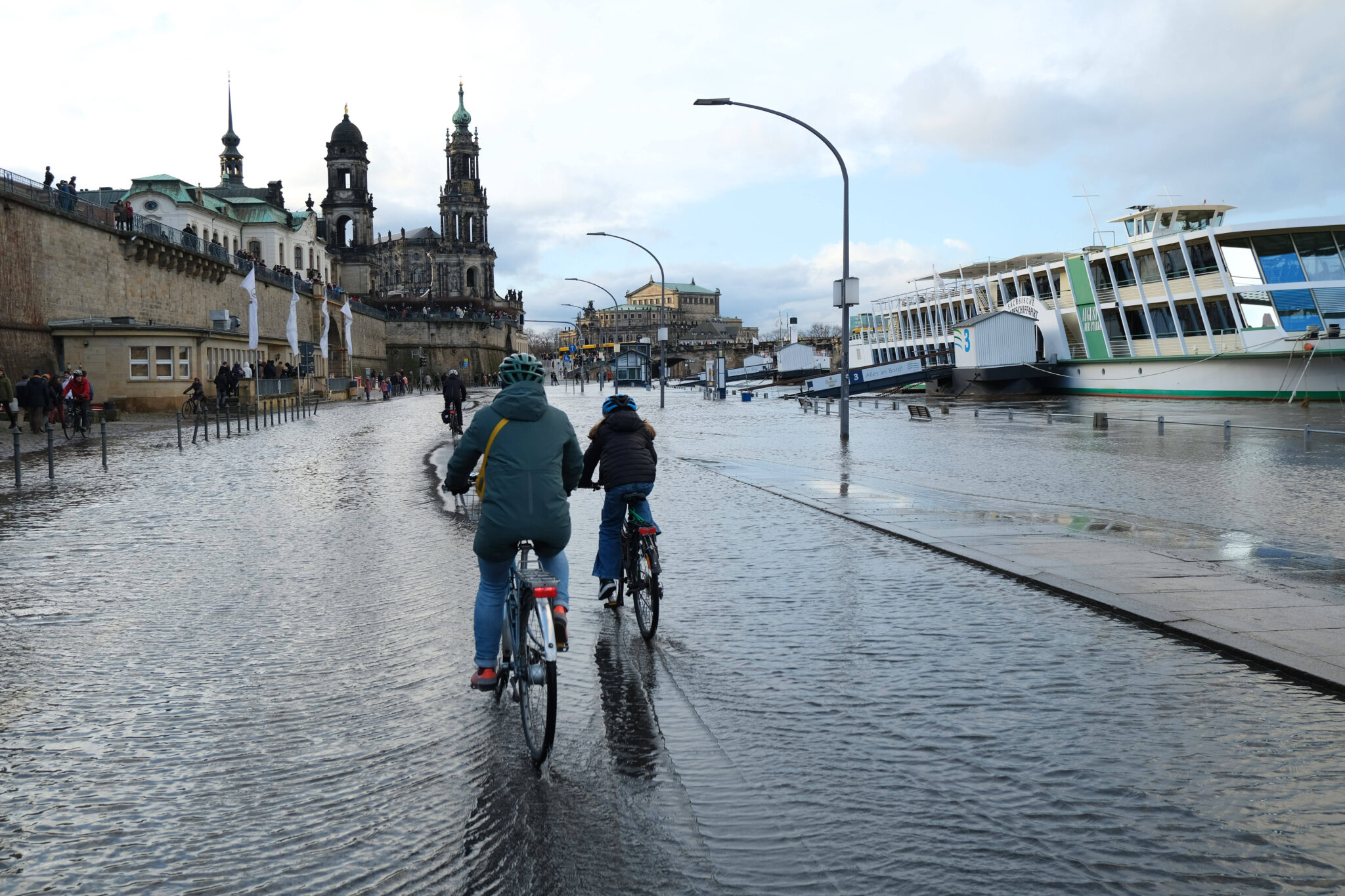
German scientists warn global warming is accelerating faster than expected, raising the risk of a 3 °C rise by 2050 and forcing Europe to confront unthinkable adaptation plans.
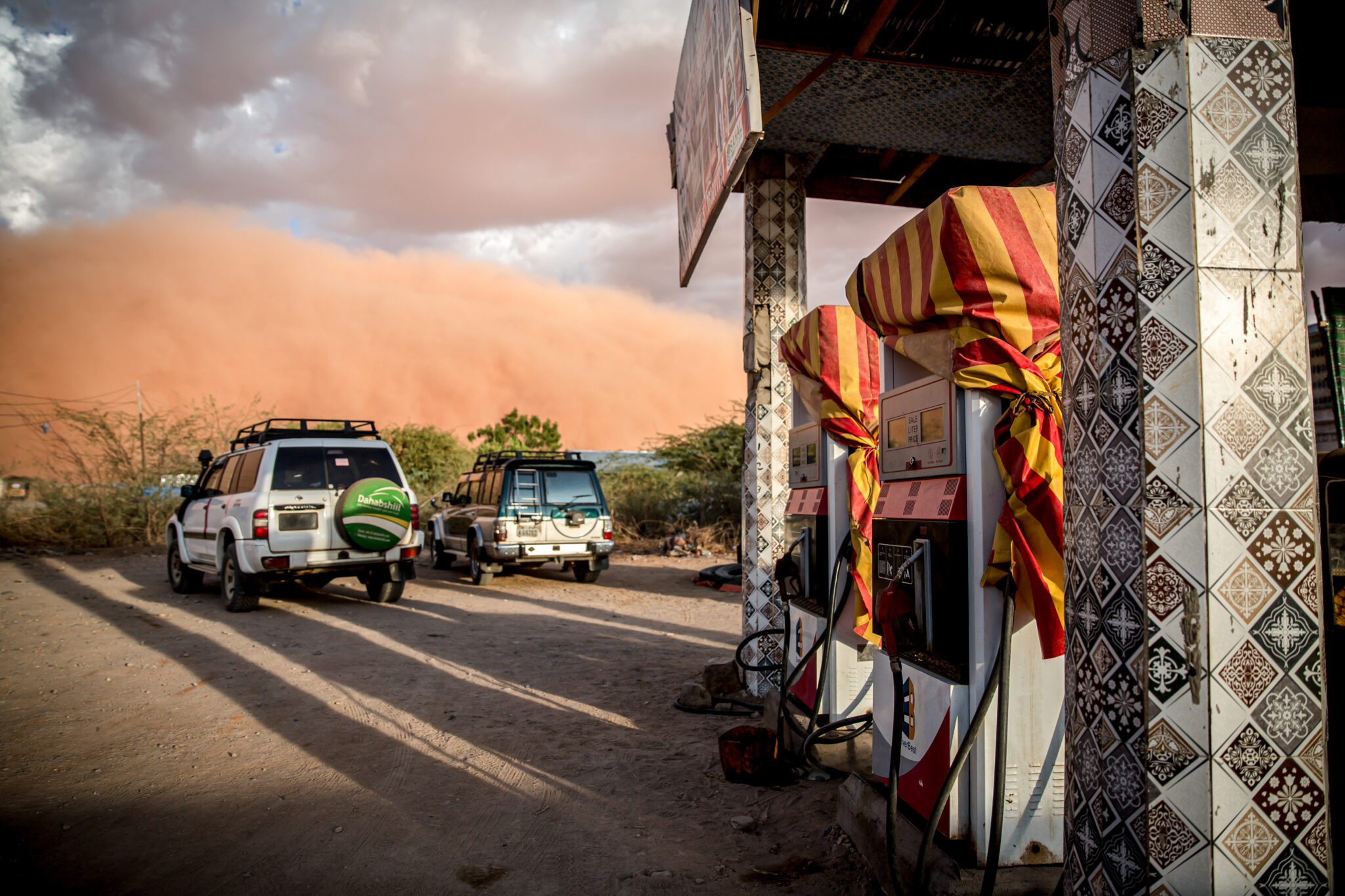
China is positioning itself as the world’s champion for renewable energy and has been heavily investing in the sector for the last 20 years. In order to support its renewables sector and consolidate the supply chain, it has also been financing mega-projects that exploit natural resources such as coal and oil — particularly in Africa.
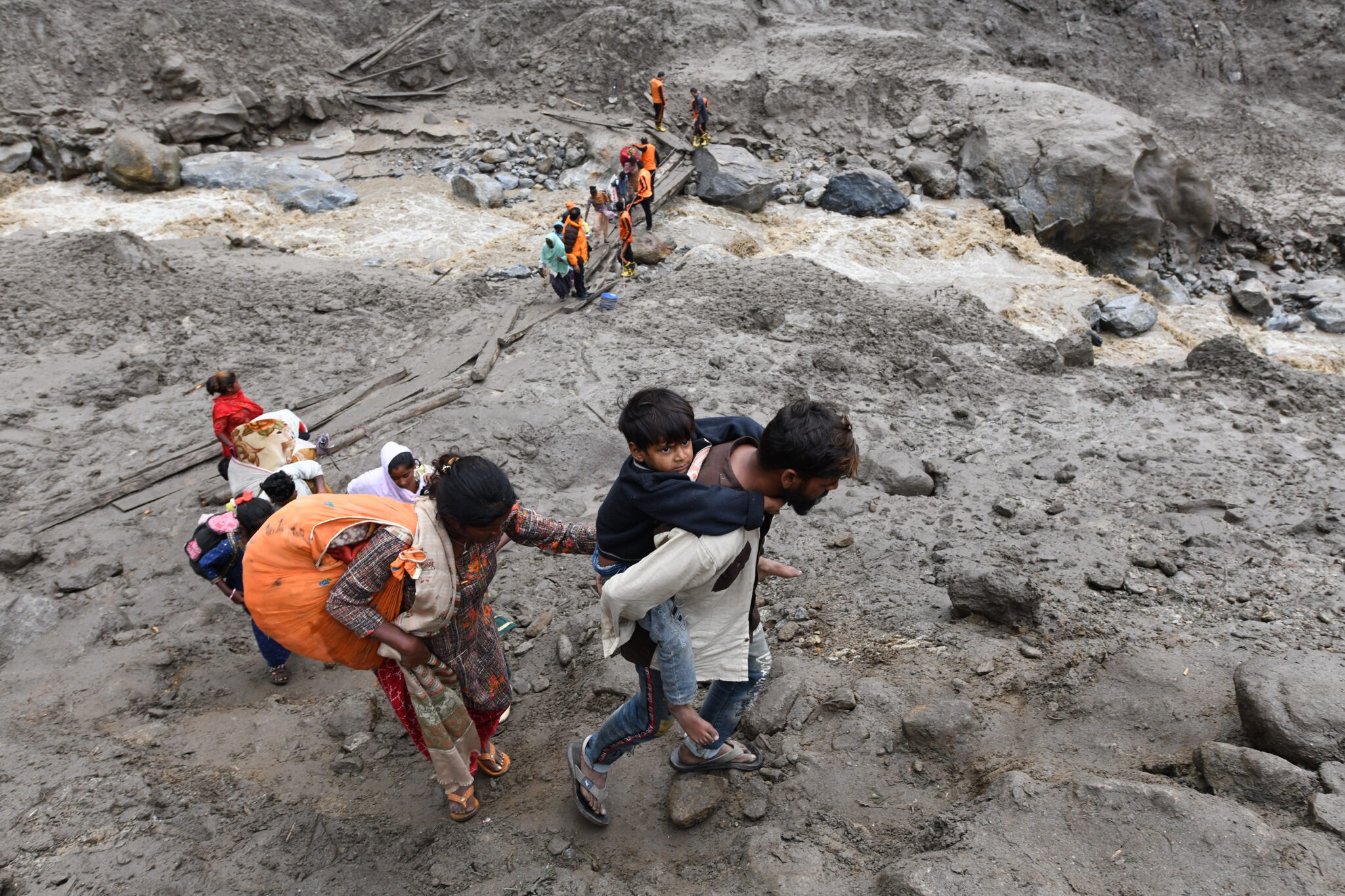
The Himalayas, once celebrated as a sacred and resilient landscape, are now collapsing under the weight of reckless development, corporate exploitation, and political neglect. What we call “natural disasters” in Himachal Pradesh and Uttarakhand are, in truth, human-made tragedies — preventable catastrophes born of greed, denial, and the systematic erasure of ecological wisdom.
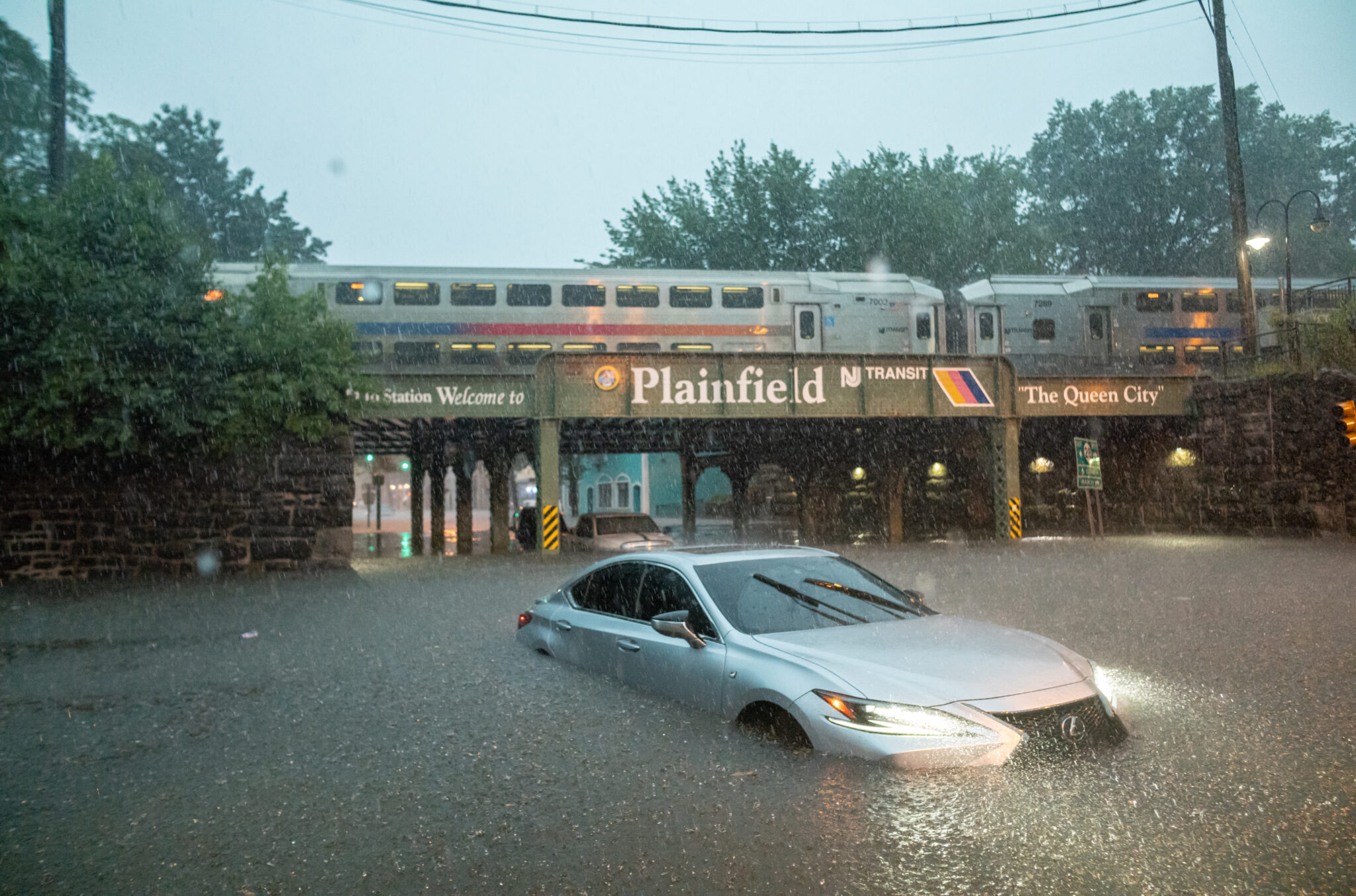
As climate threats increase, thousands of communities become at risk of floods and other natural disasters. Americans have witnessed deadly flooding this month in Texas, New Jersey and New York. Here, we look at those communities around the world that have been relocated after a disaster, or are thinking of changing location to avoid further risks.
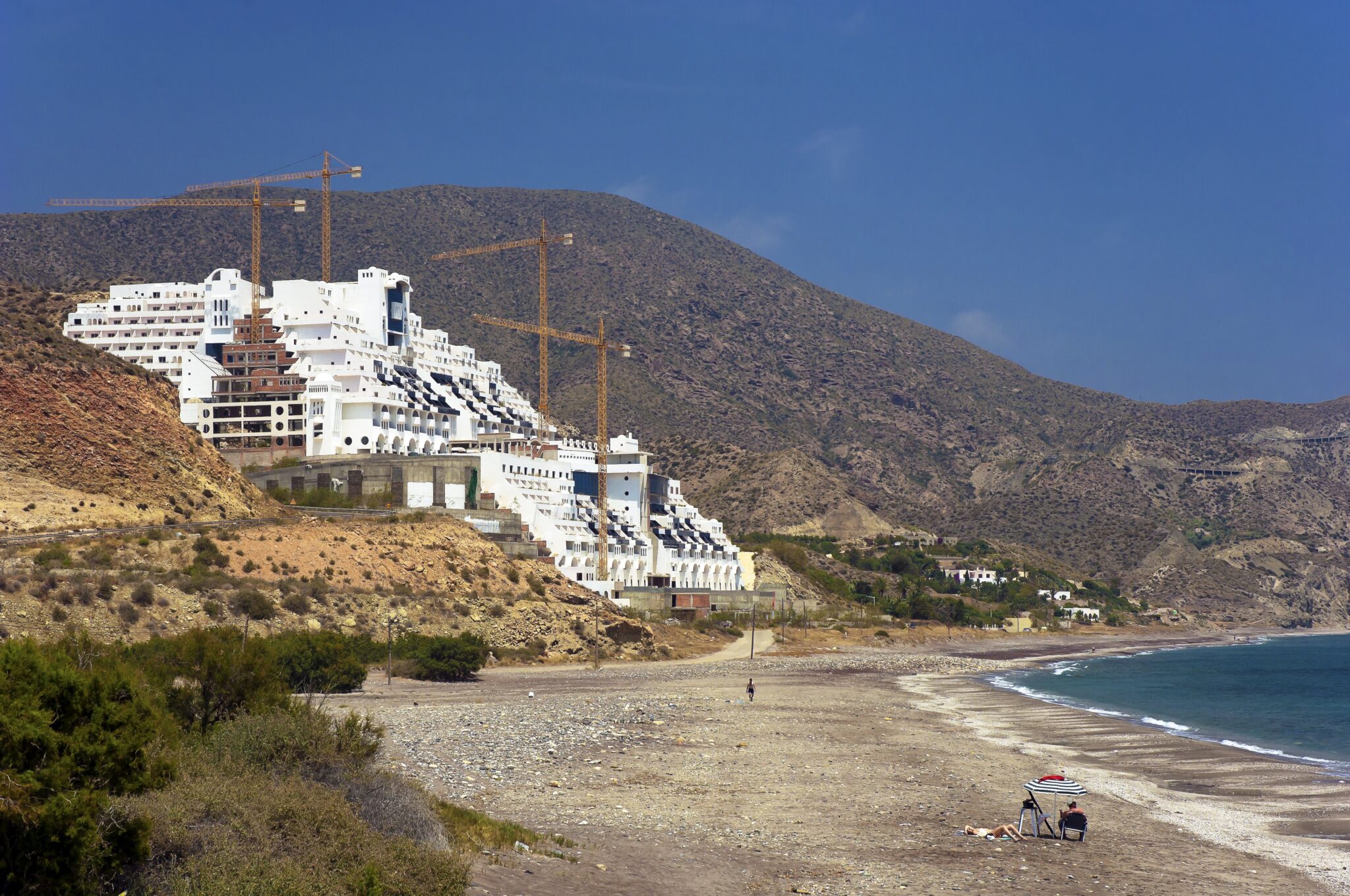
Spain’s coastline is shrinking, caught in a relentless battle between rising seas, legal disputes and private interests. Thousands of homes now stand precariously close to the waves, some awaiting demolition, others clinging to legal loopholes. As nature advances, the struggle for land — and survival — intensifies.
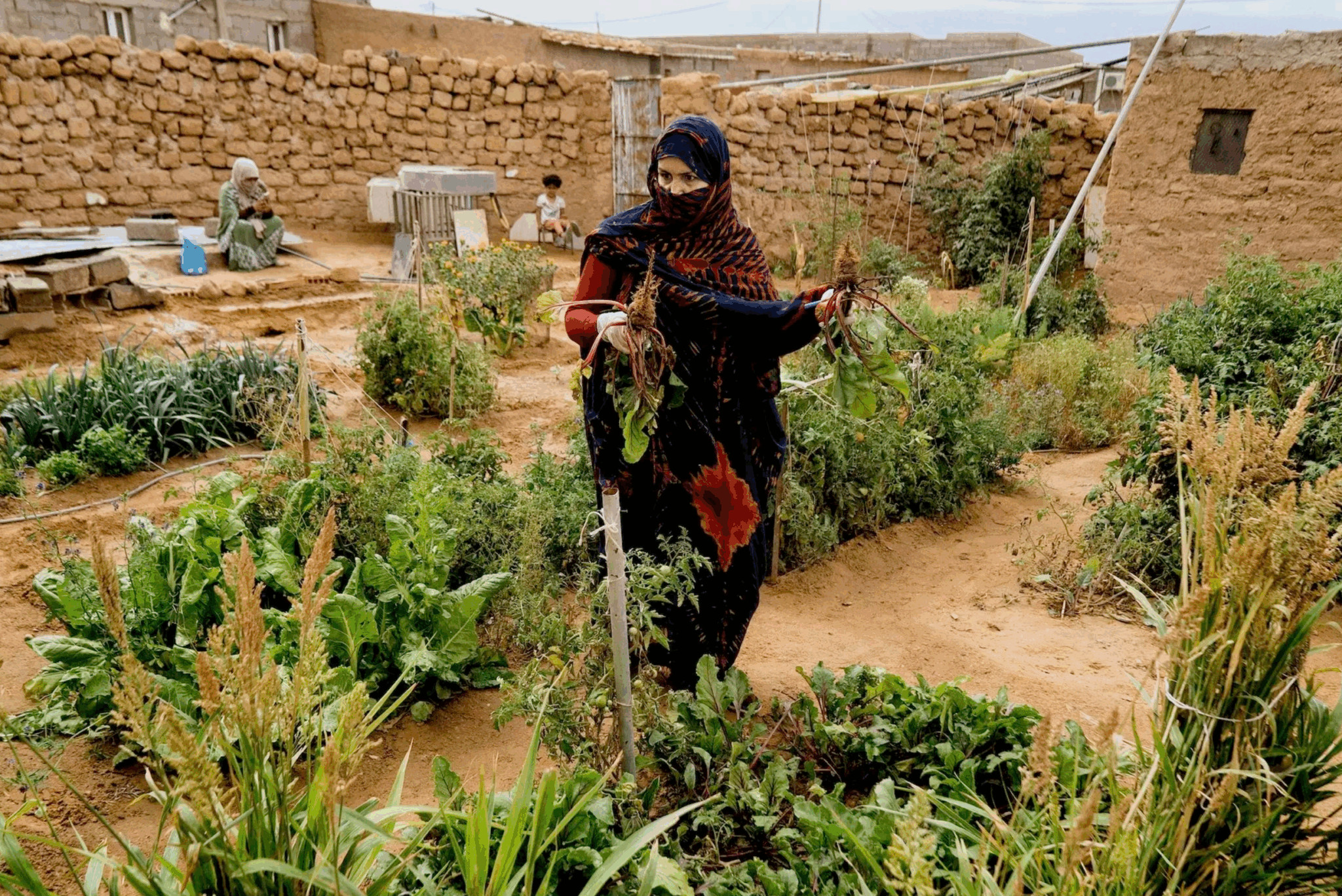
In Western Sahara, a small green revolution is being led by women in the harshest of conditions. Their goal: to build a network of gardens in the desert.

Every day, thousands of liters of water that would have gone down the drain are now being reused to clean streets and water gardens in Loures. Fighting climate change — one drop at a time.
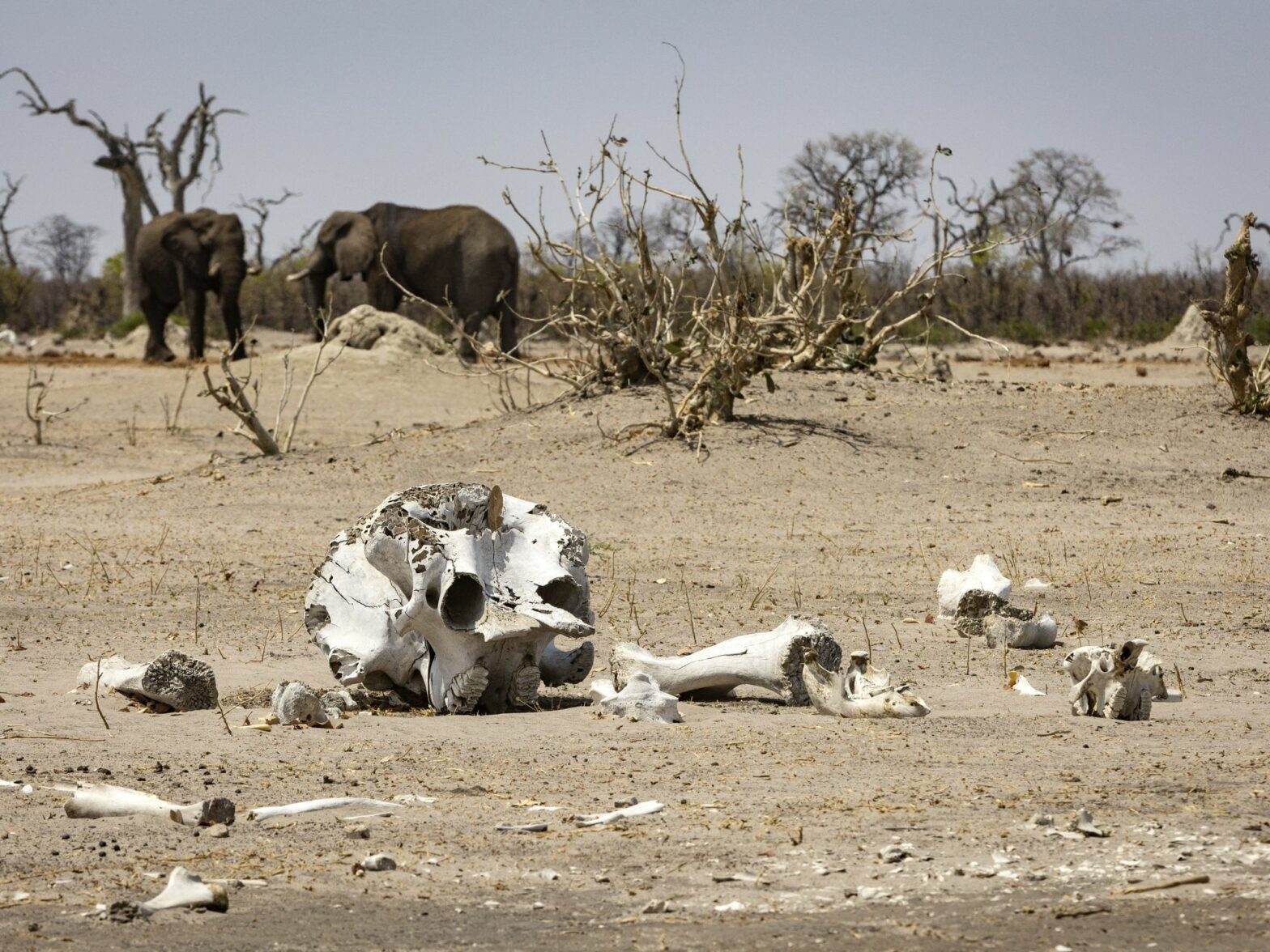
In Botswana’s Okavango Delta — declared a UNESCO World Heritage Site in 2014 — warming trends over the past two decades are approximately twice the global average.
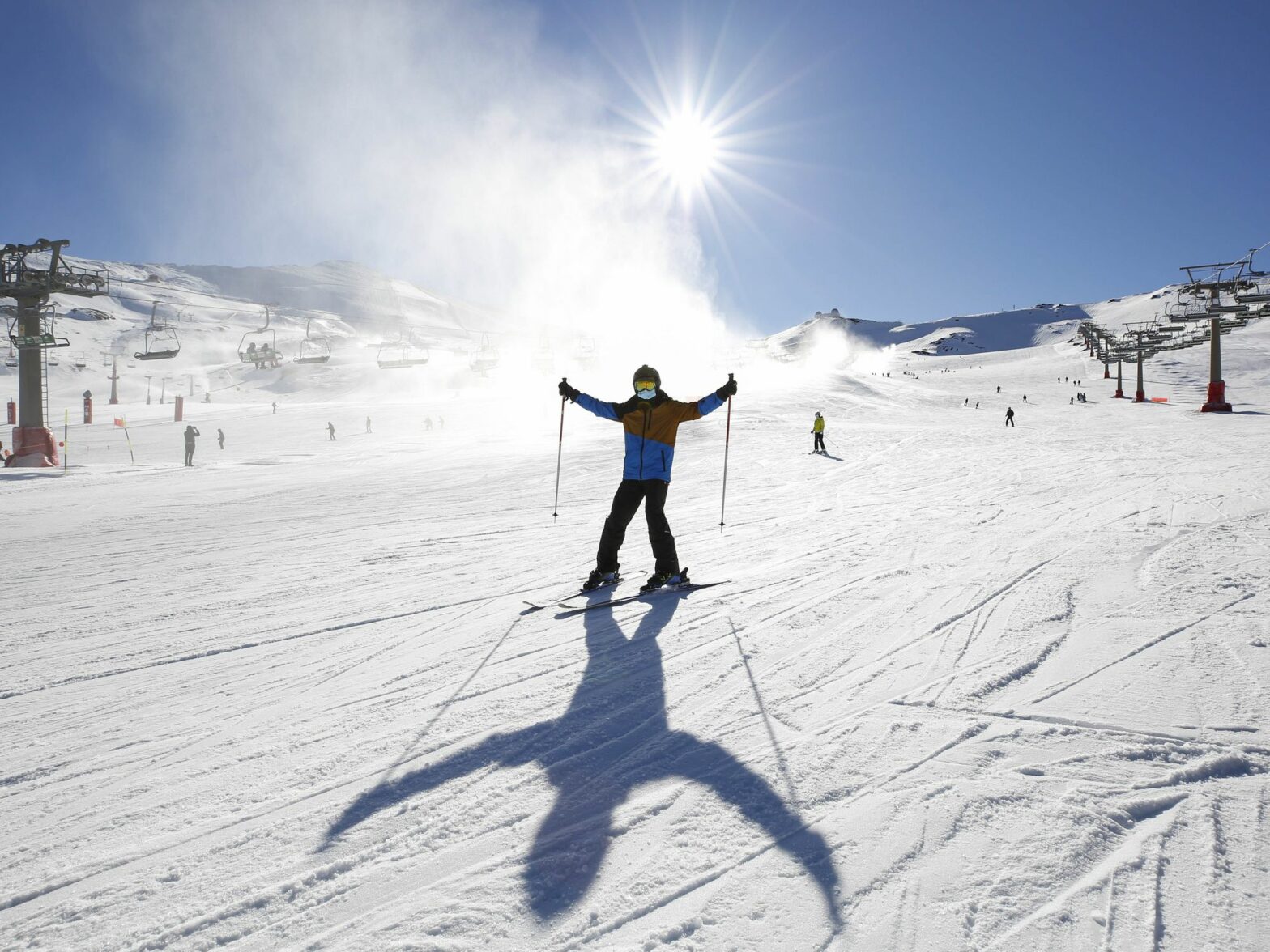
As ski seasons grow increasingly shorter and irregular, the Cetursa company and Andalusia Regional Government are asking to extract twice as much water from the Monachil River to produce more artificial snow for the Sierra Nevada resort. The official argument is that this will have no environmental impact. Experts disagree.
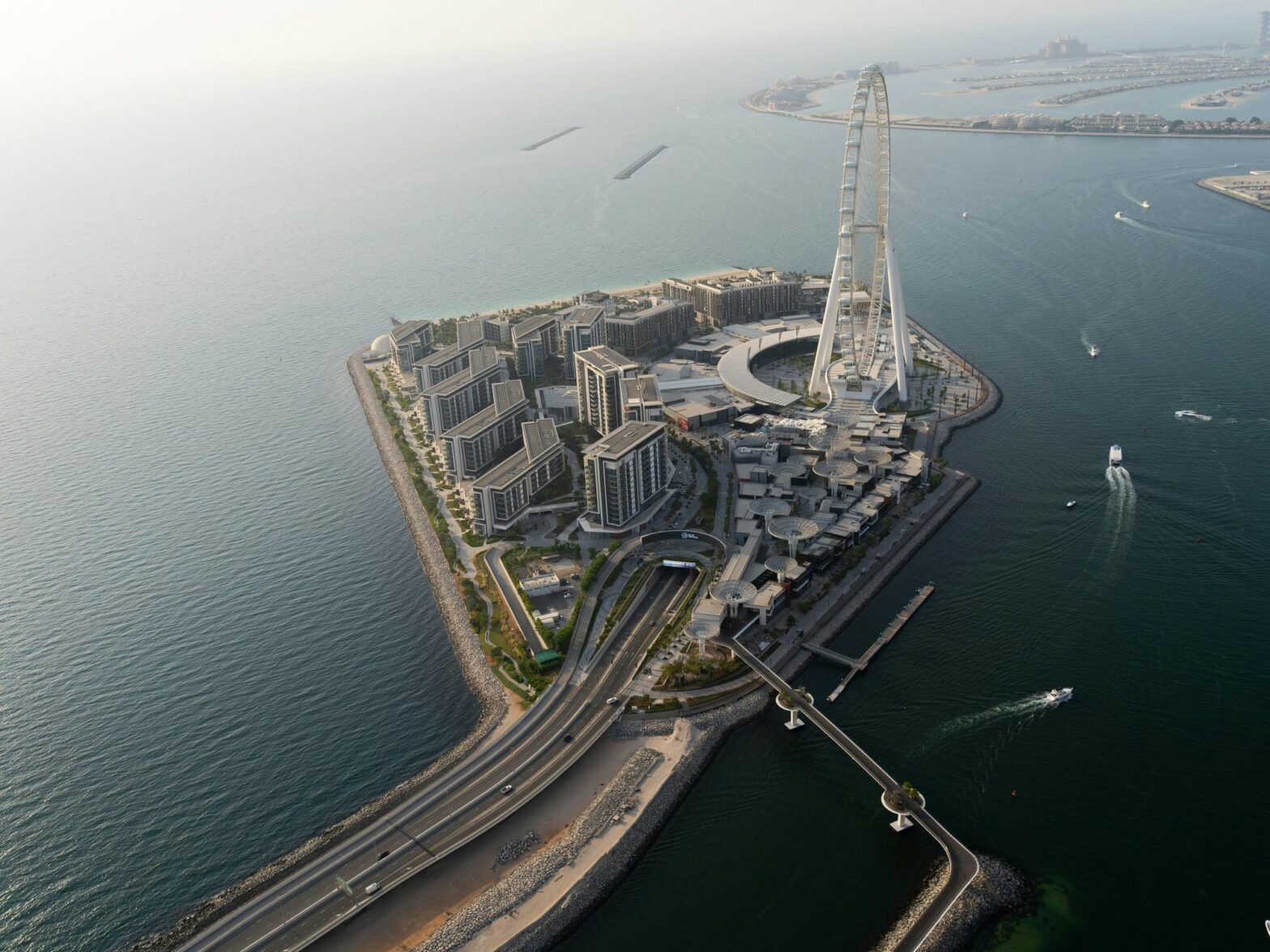
Used as military bases, airports, residential areas, or platforms to drill for resources, artificial islands are growing — despite warnings that sea levels are rising. A deep dive into the phenomenon of why we are building more islands — and what an islander mentality is.
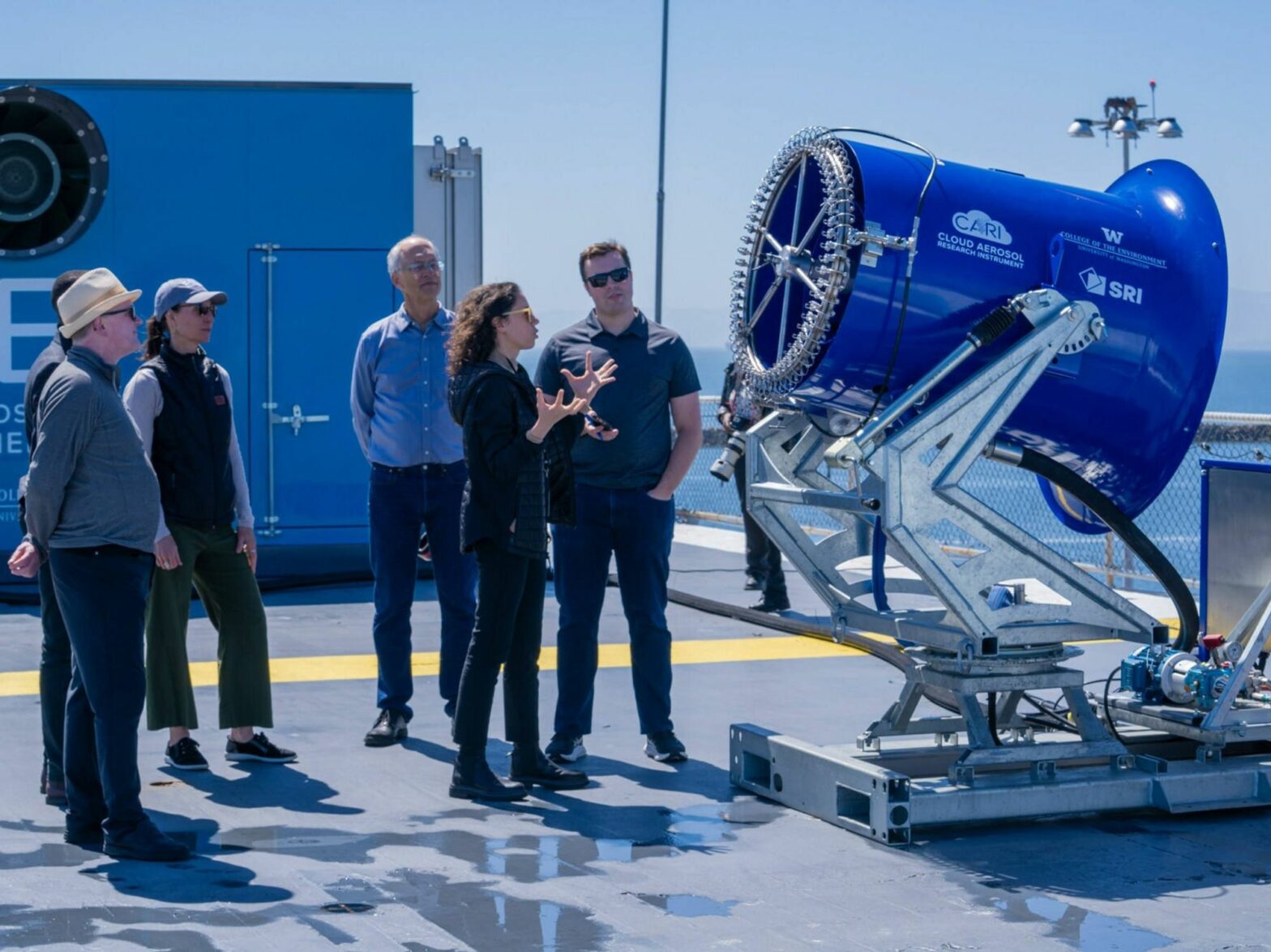
Scientists and companies increasingly support blocking some sunlight to avoid the worst impacts of global warming.
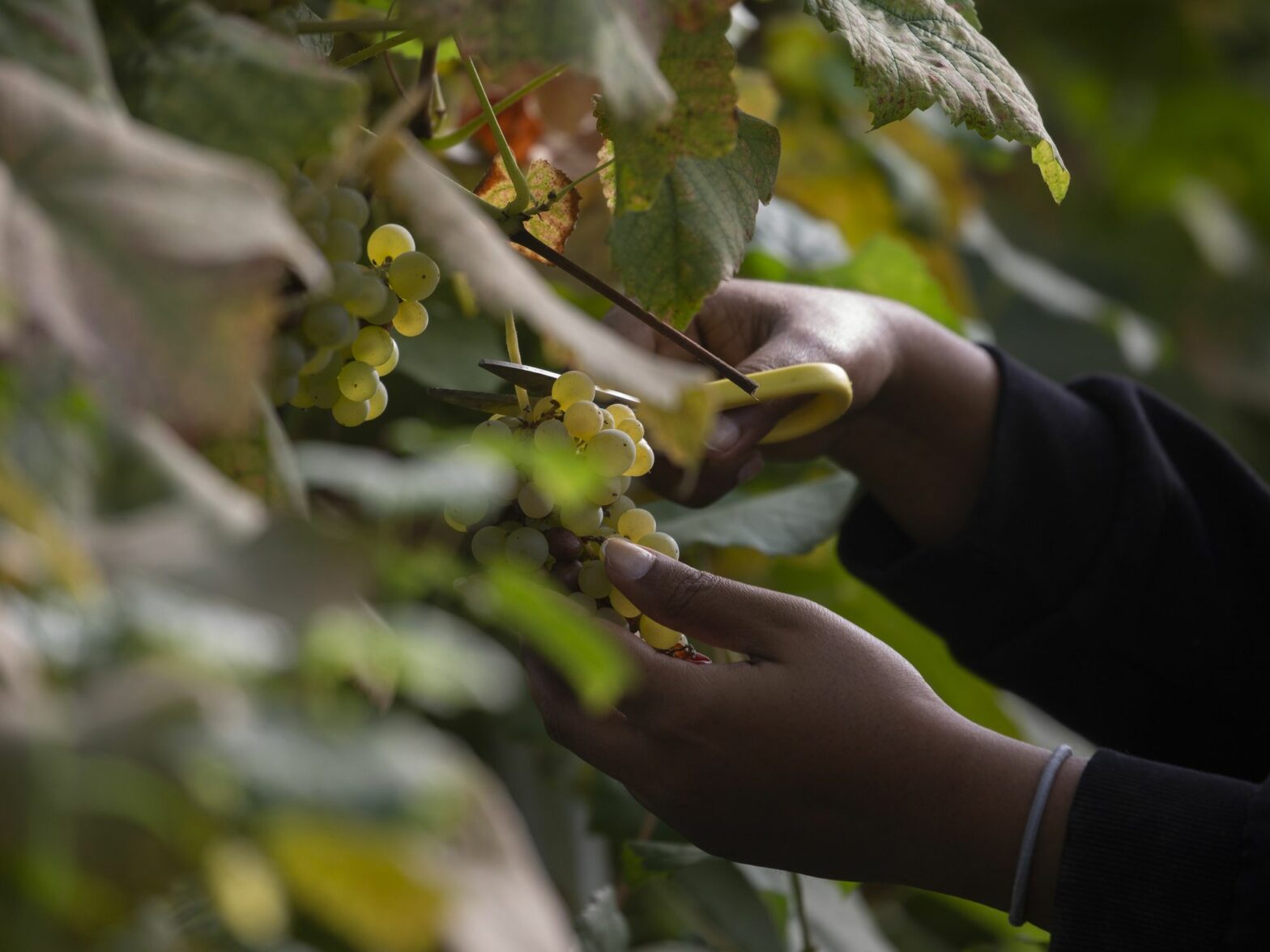
Over the past two decades, global warming has allowed the wine industry to grow in unexpected latitudes. In Sweden, some winemakers are experimenting with hybrid grapes, while others are giving a chance to traditional grapes, and taking advantage of a more stable climate.
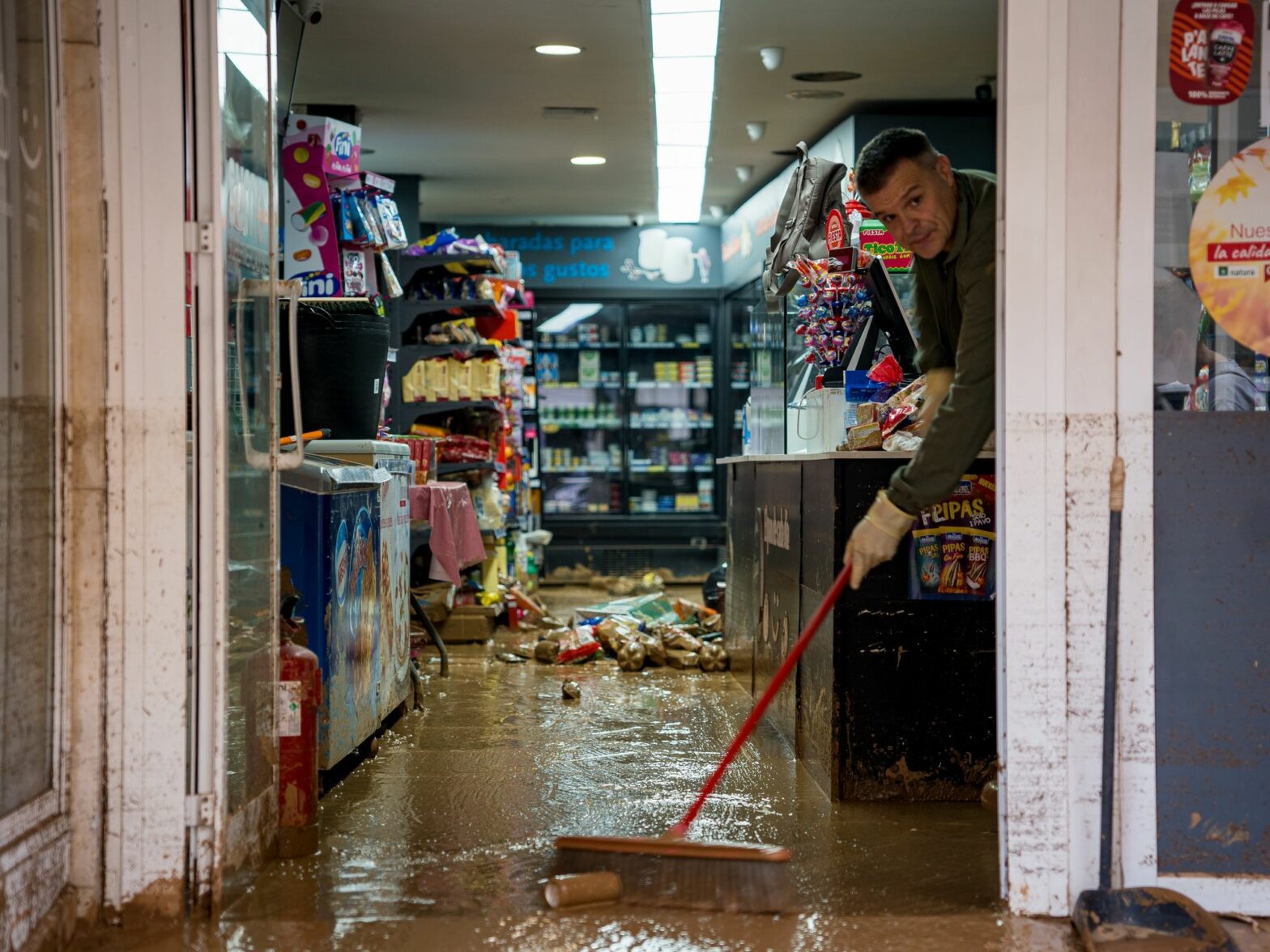
The city of Valencia has not been affected by the natural disaster that caused more than 200 deaths in eastern Spain, but the region’s capital city is not the same. And the population is struggling to find a new balance.
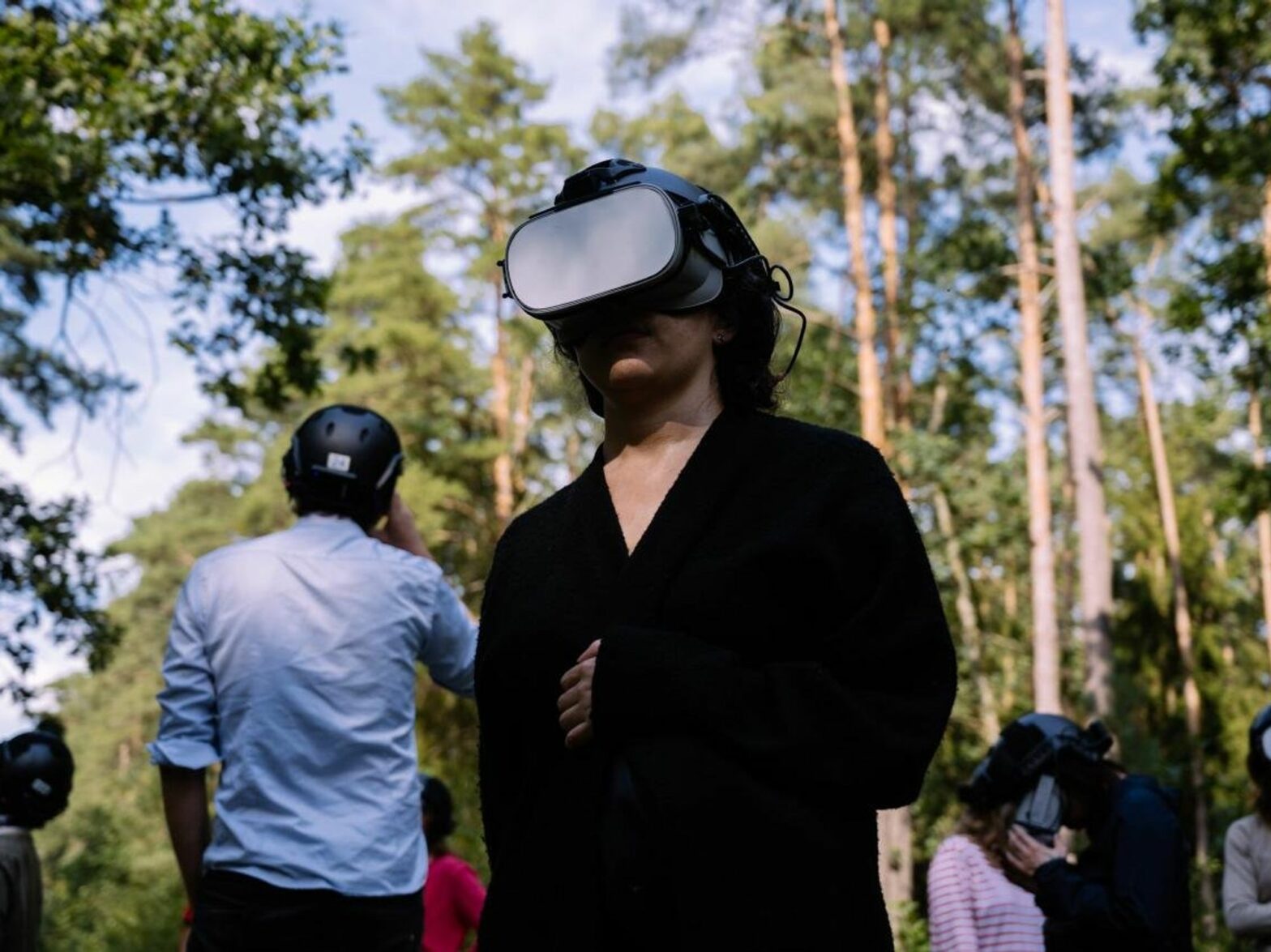
The International Festival of Performing Arts Temporada Alta is hosting the Spanish premiere of this European project that explores our links with nature and the landscape.
The Vilcabamba, the Atrato or the Whanganui have achieved recognition as living entities with rights. More and more rivers are achieving this type of legal protection (and respect). In Spain, the Tins was the first river to have its rights recognized.
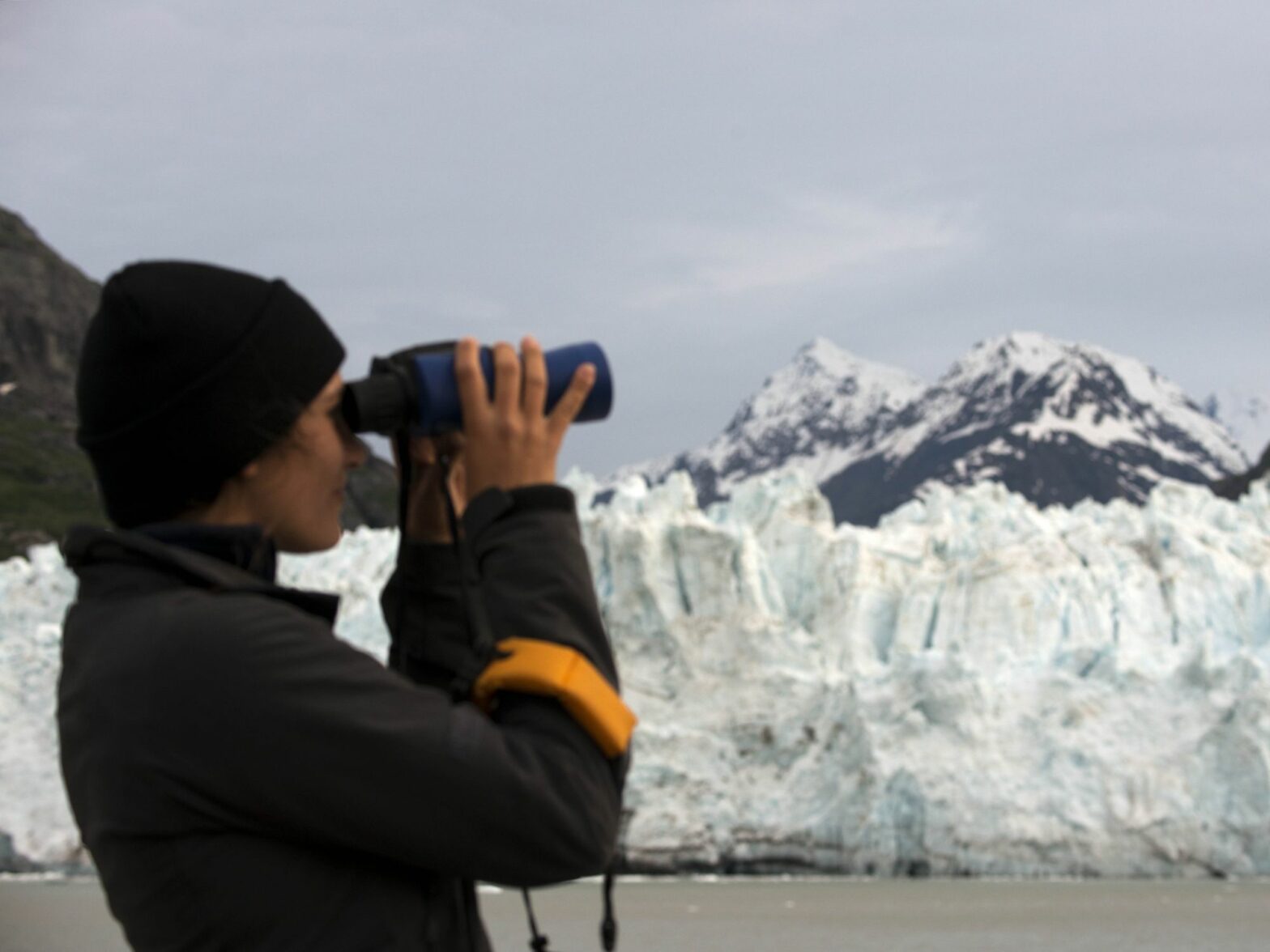
A research project is collecting ice cores from glaciers and icefields before they melt way. The aim is to study both the past and possible future of humanity’s impact on the world’s climate.

Eco-disaster fiction has changed since Soylent Green, one of Hollywood’s first eco-disaster films, came out in 1973; there has been an evolution from catastrophic fatalism to a certain optimism, with TV series like The Last Of Us.
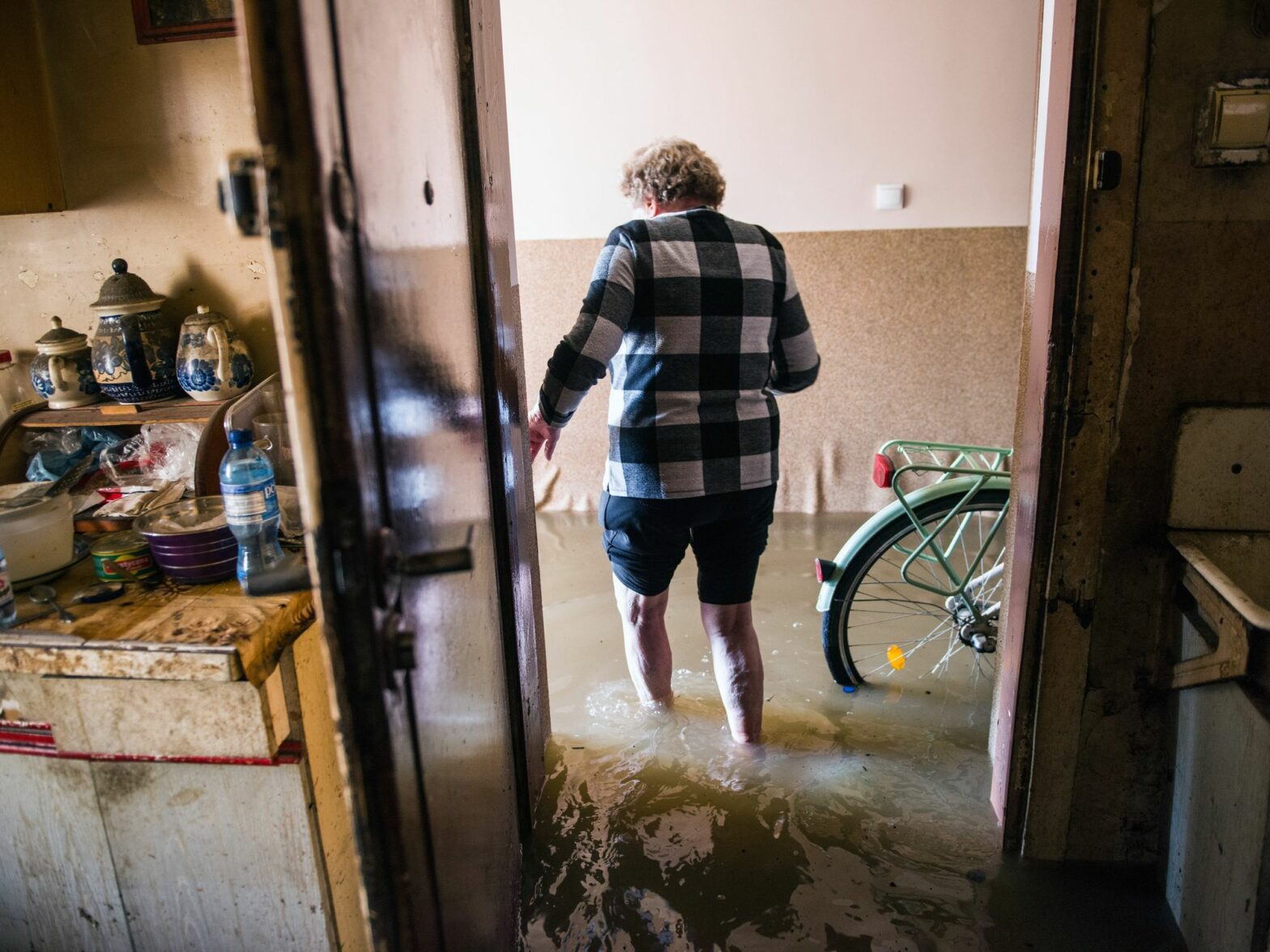
Along with much of central Europe, Poland has experienced large scale flooding that has impacted the country’s infrastructure, budget, and sense of safety. Will this tragedy change the way Poles view climate change?
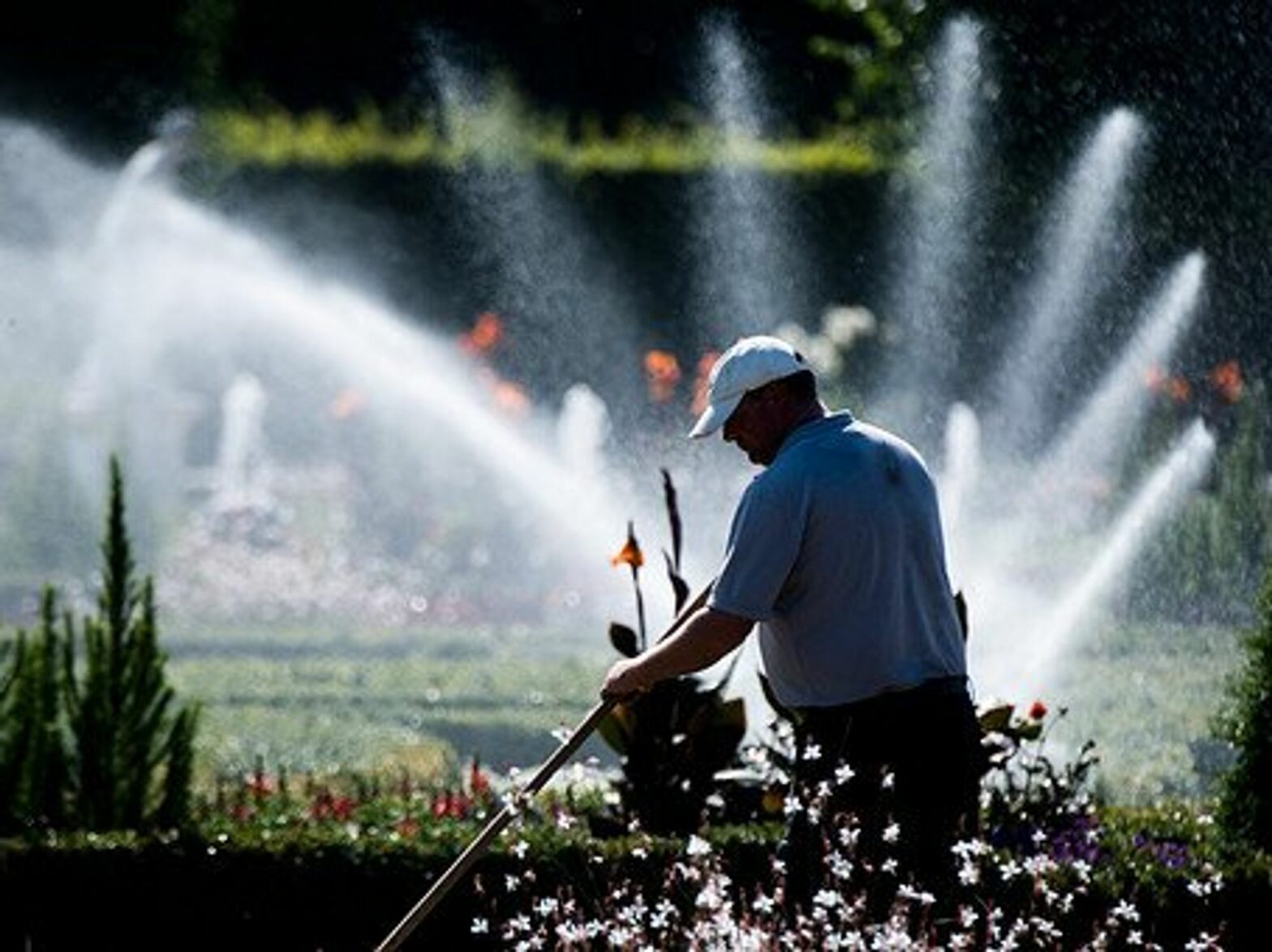
A house surrounded by an immaculate green lawn conquered the post-war United States and has become a Western ideal. But climate change is prompting homeowners — as well as institutions such as botanical gardens — to create yards that are adapted to the local climate and biodiversity.
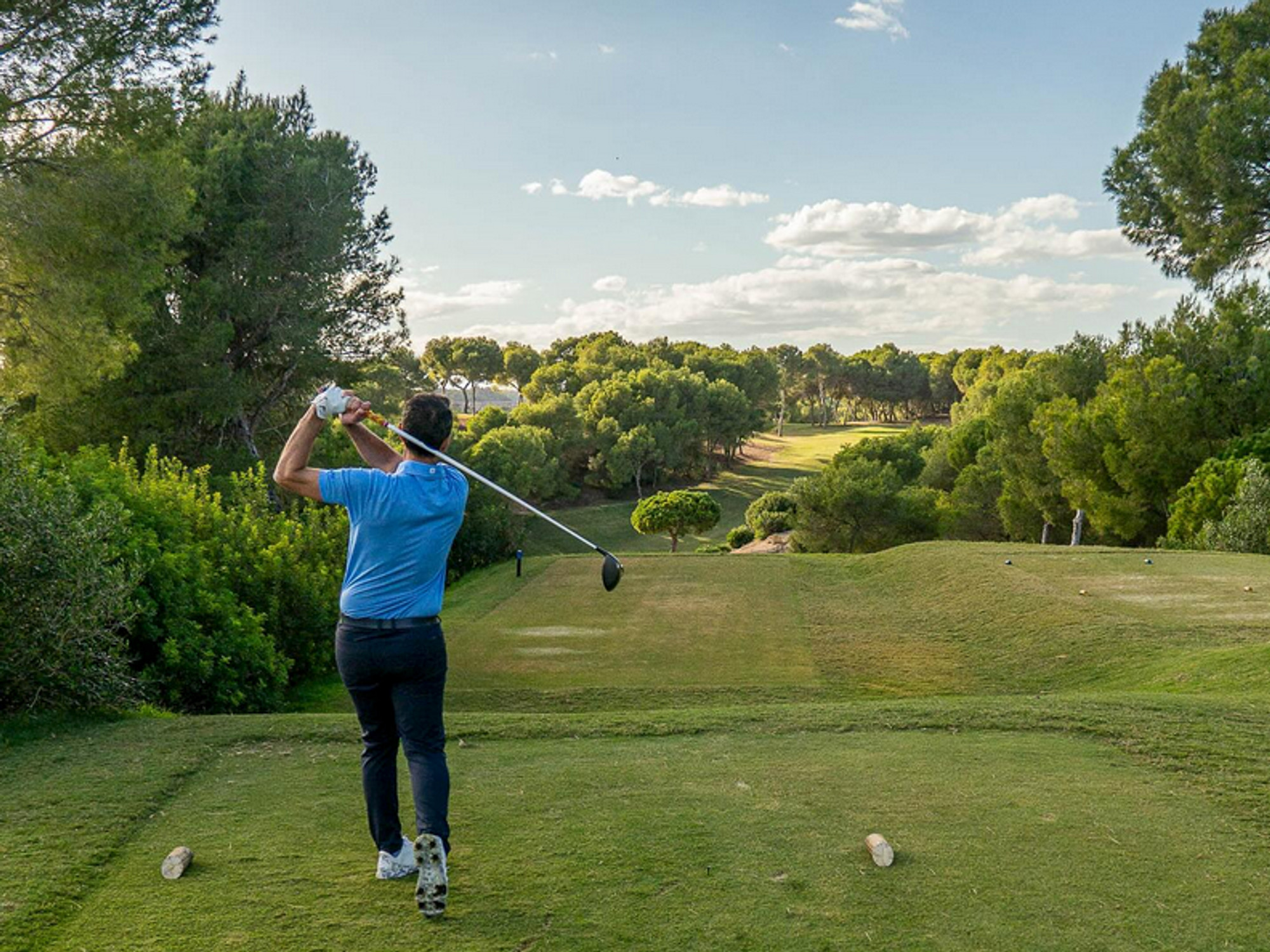
The golf industry claims it generates 225 million euros each year in Murcia, or 0.8% of the southeastern Spanish region’s GDP, which is also the driest in Spain.
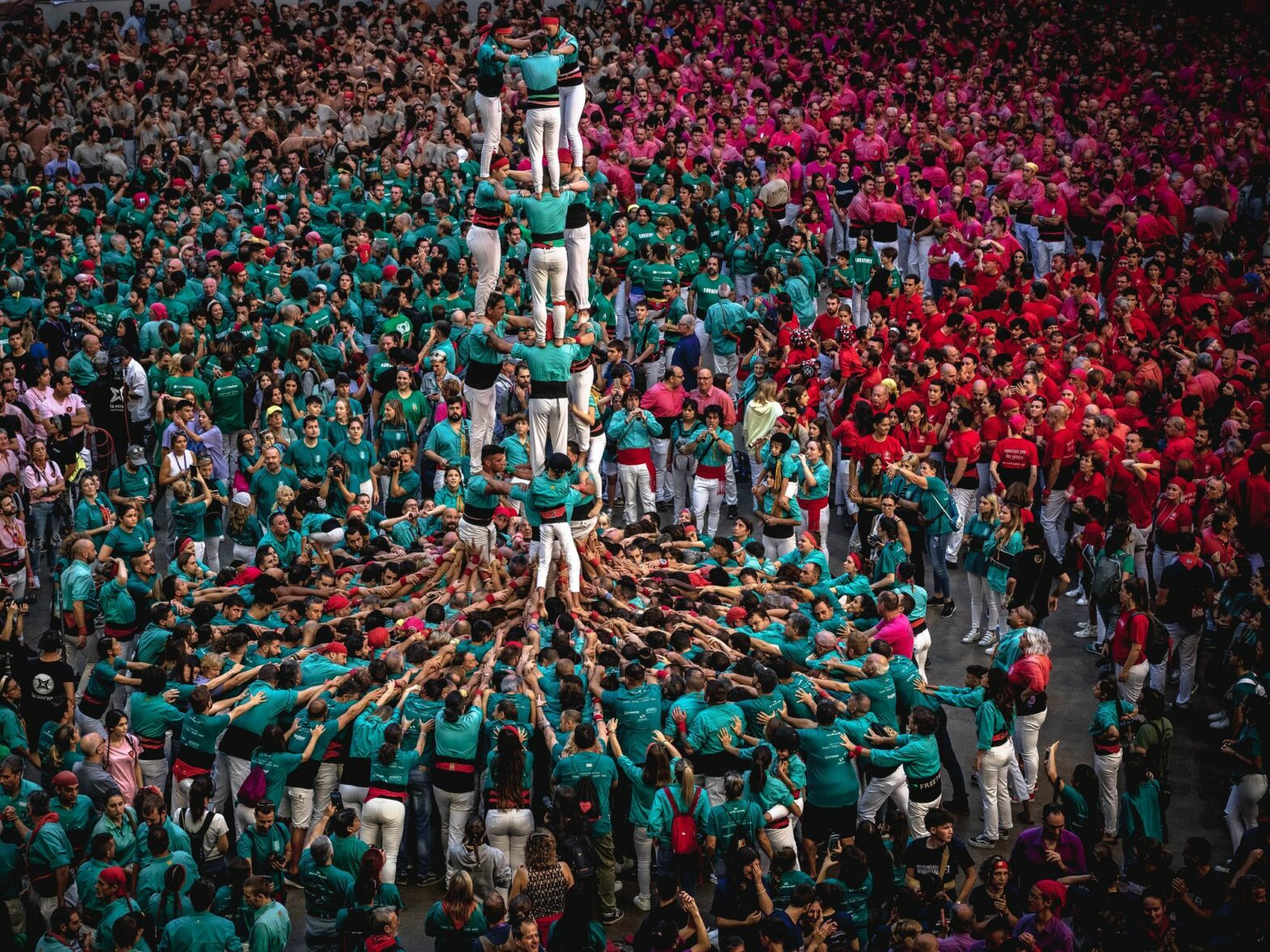
Increasingly extreme temperatures are forcing summertime cultural events and festivals, from concerts to Spain’s traditional castell human towers, to adapt to a new climate reality.
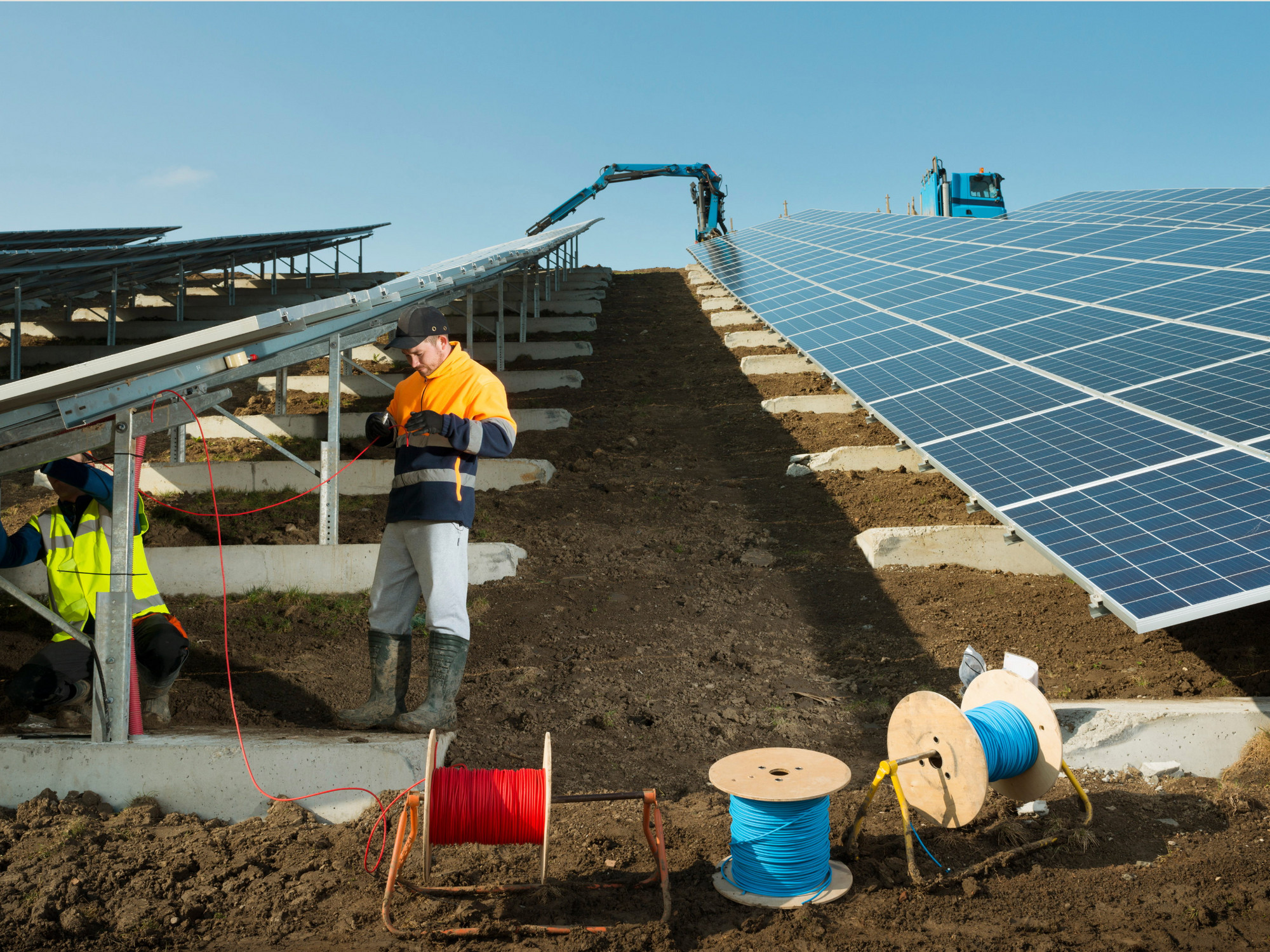
The global fight against climate change is essential, but the solutions are not universal. Measures must account for the local realities of the Global South, where economic development is equally important and where the imposition of strict environmental standards by the North has devastating social and economic consequences.
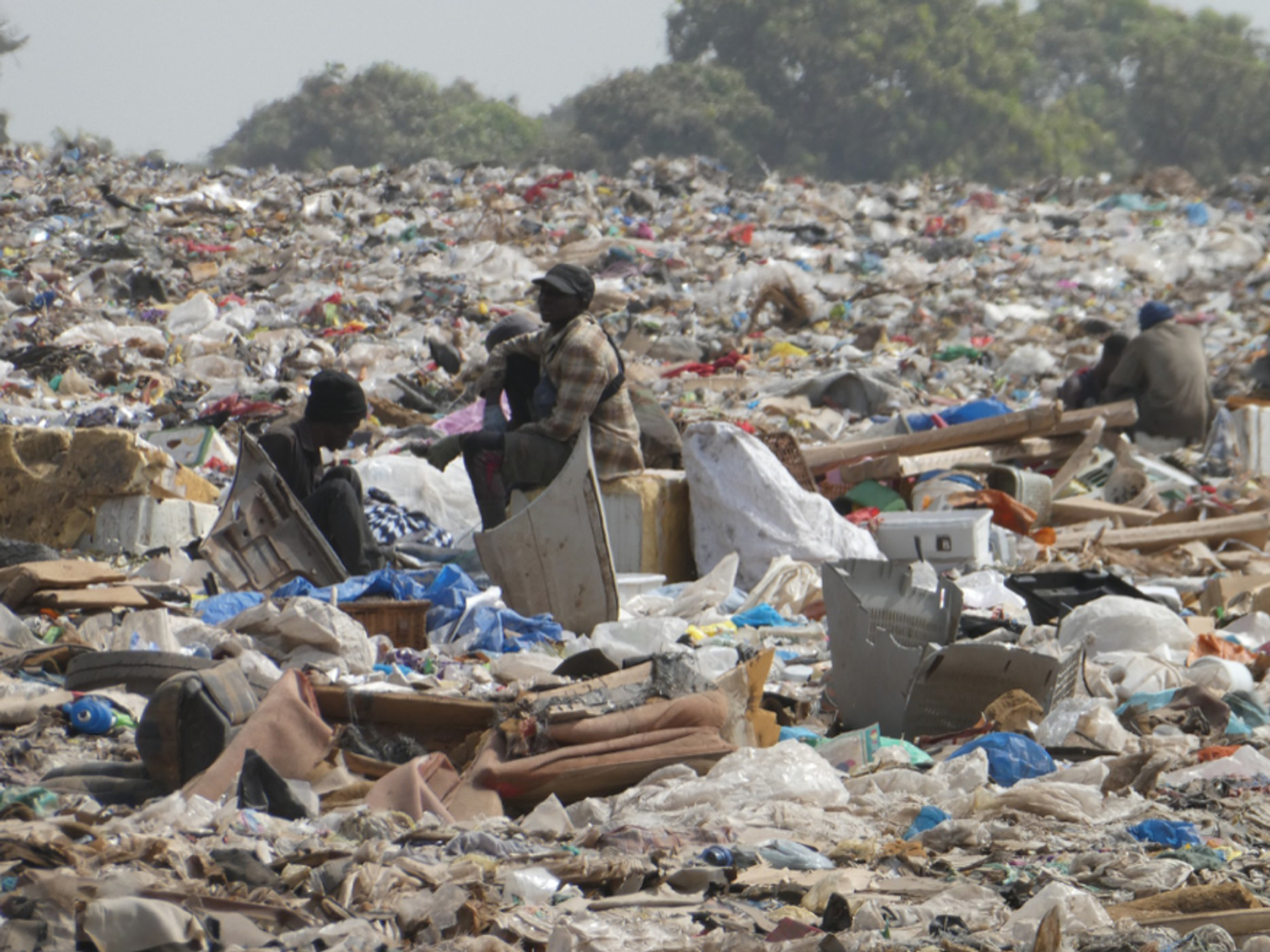
The smallest country in Africa, Gambia is a net importer of plastics. About 84% of this waste is not managed properly, with dire consequences for the people and the environment.
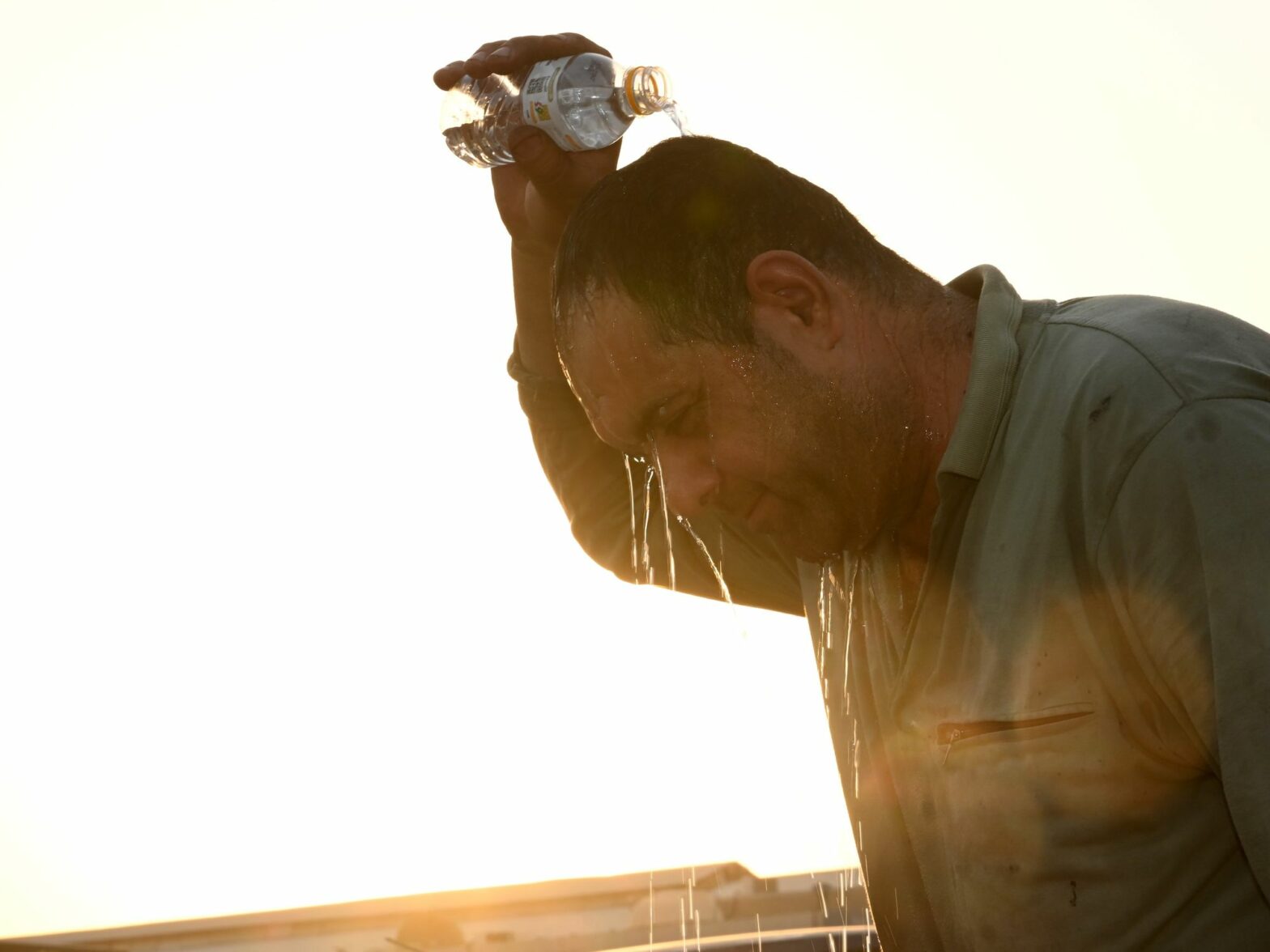
Climate change has become an inevitable issue in the Middle East and North Africa — which may soon experience 200 days of extreme heat annually — and with those changes come questions of environmental justice.
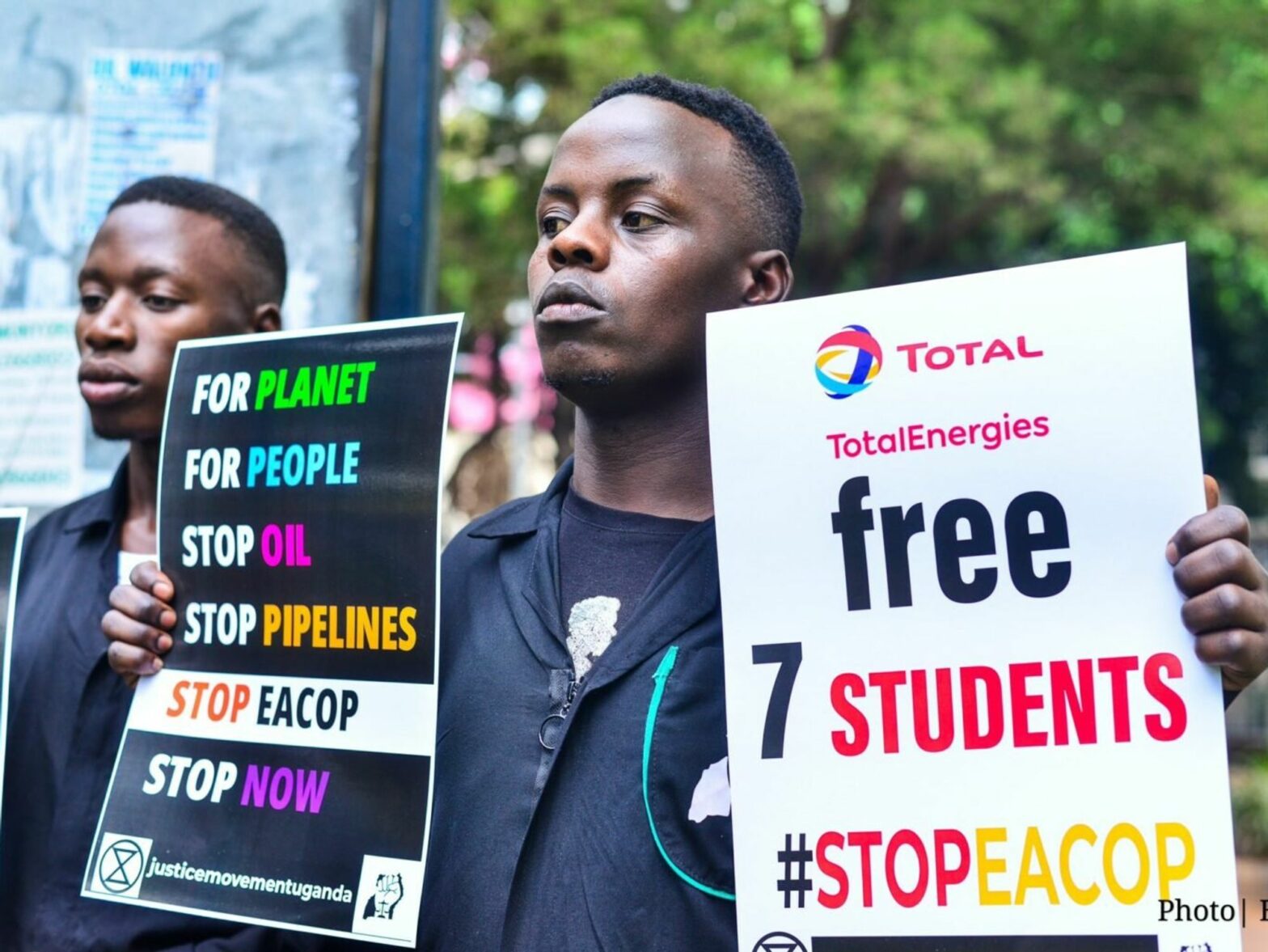
Oil development in Uganda and Tanzania, driven by the French multinational TotalEnergies, is met with opposition from local communities and social and environmental activists. The projects are surrounded by allegations of threats and human rights abuses.
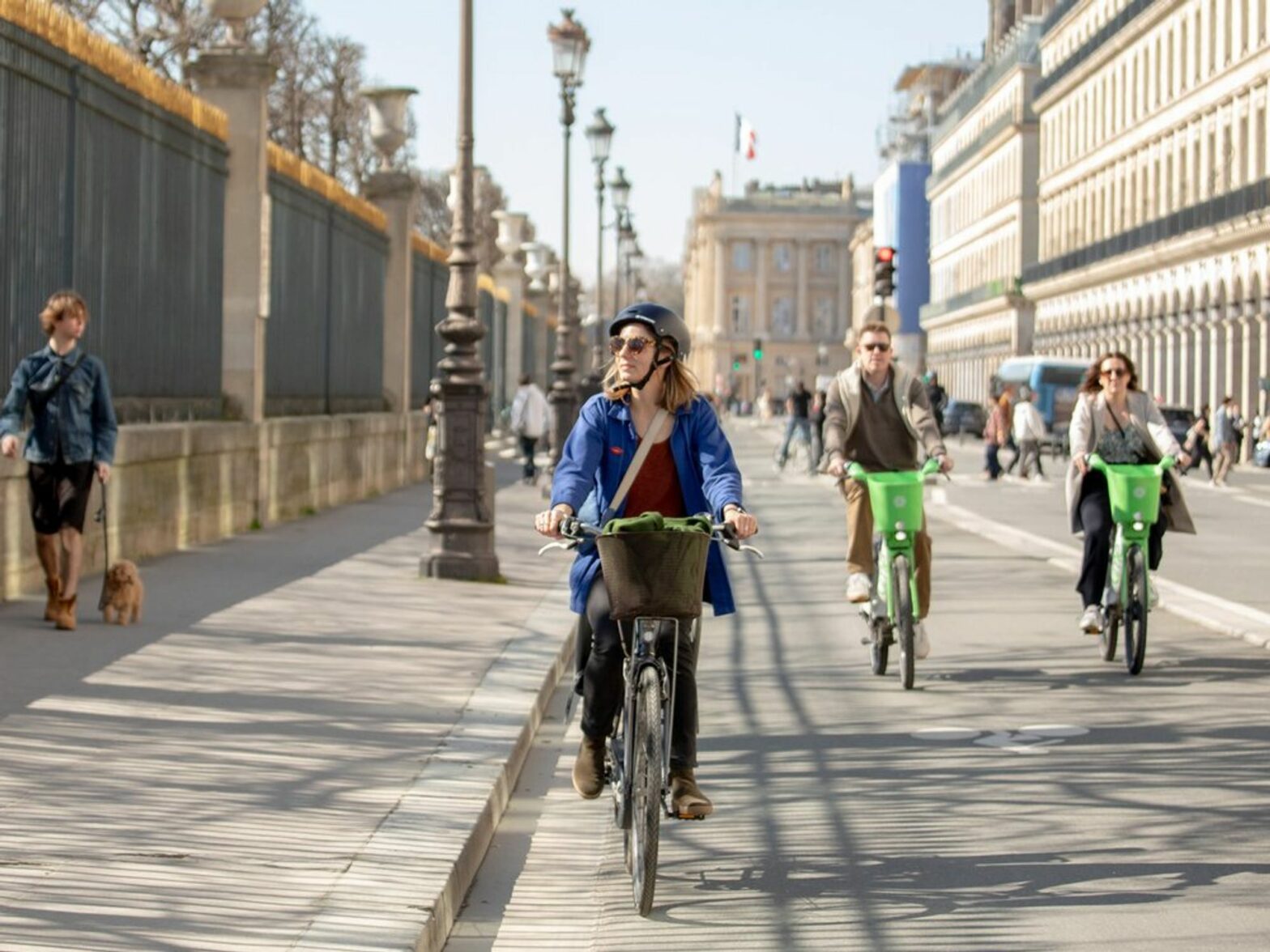
Mayor Anne Hidalgo made waves last week for swimming in the Seine following a historic effort to clean up the Parisian river. But her biggest environmental footprint is in trying to reshape Paris for a more pedestrian future.
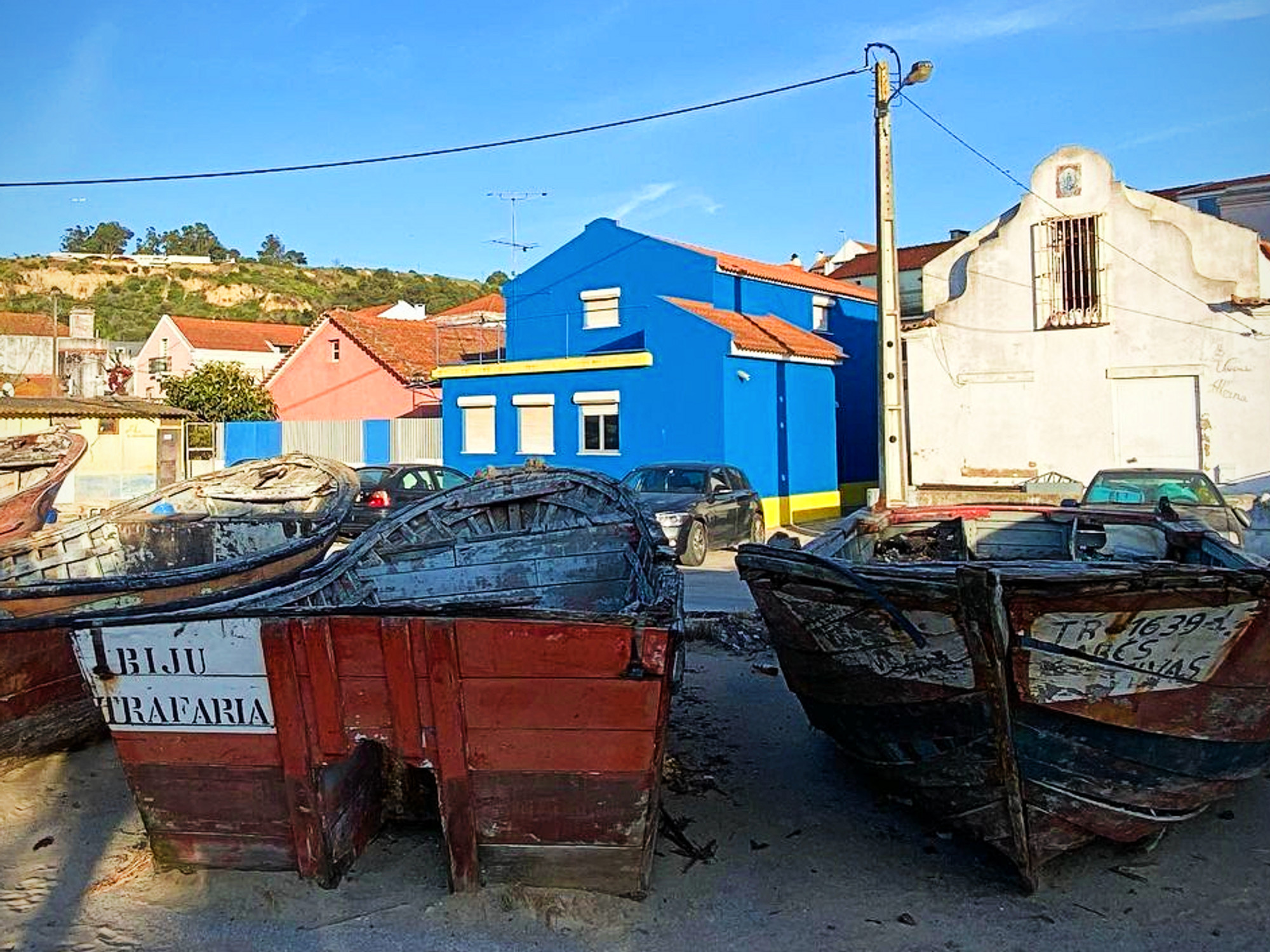
Floods have had a regular presence in Segundo Torrão, near Lisbon. But they are now threatening the lives of residents, as well as the survival of the local community.
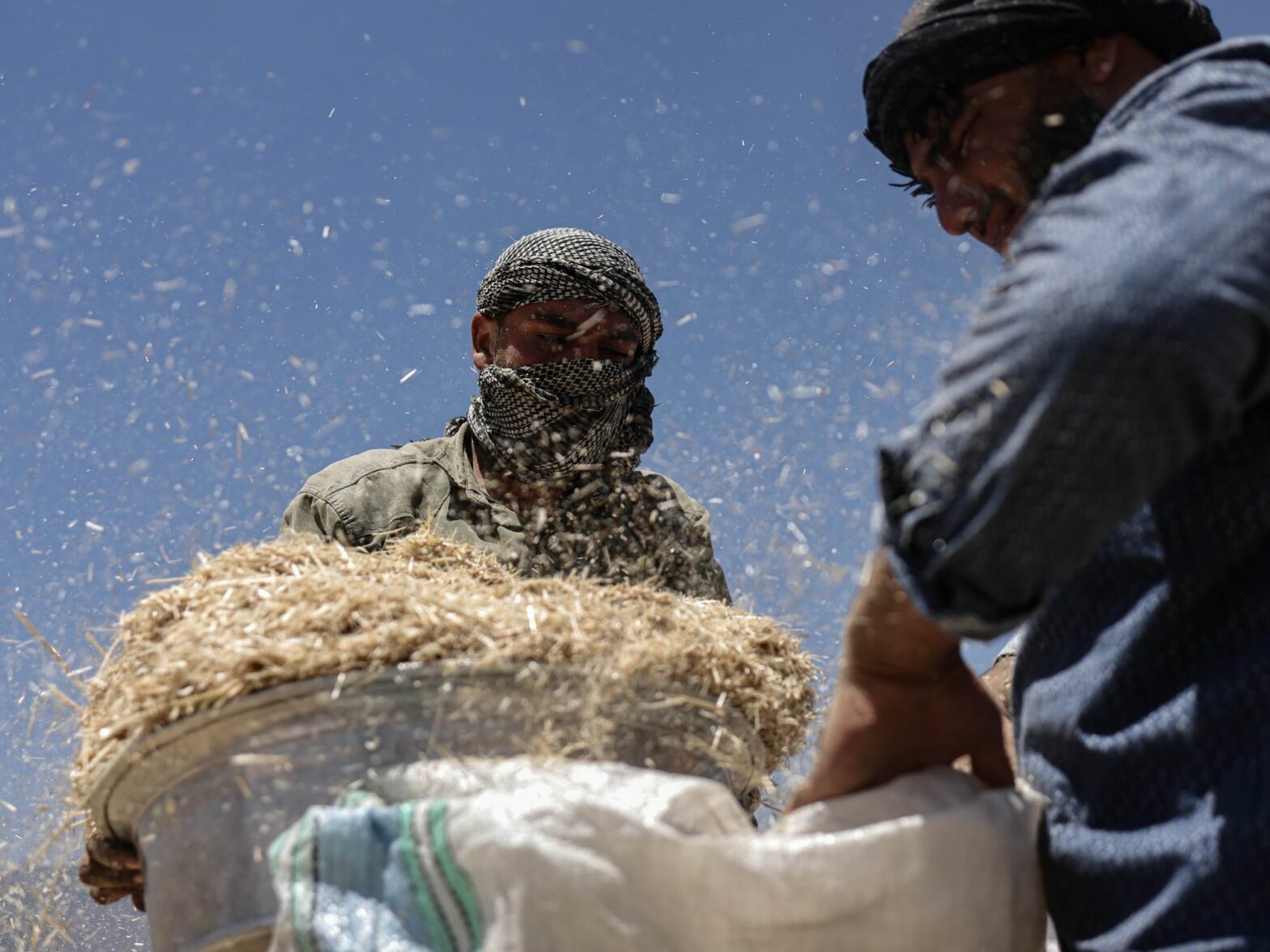
The production of wheat, a staple food in Syria, fell dramatically this year due to the effects of climate change. The poor harvest has left wheat farmers, already suffering from decades of conflict, struggling to rebuild their lives.
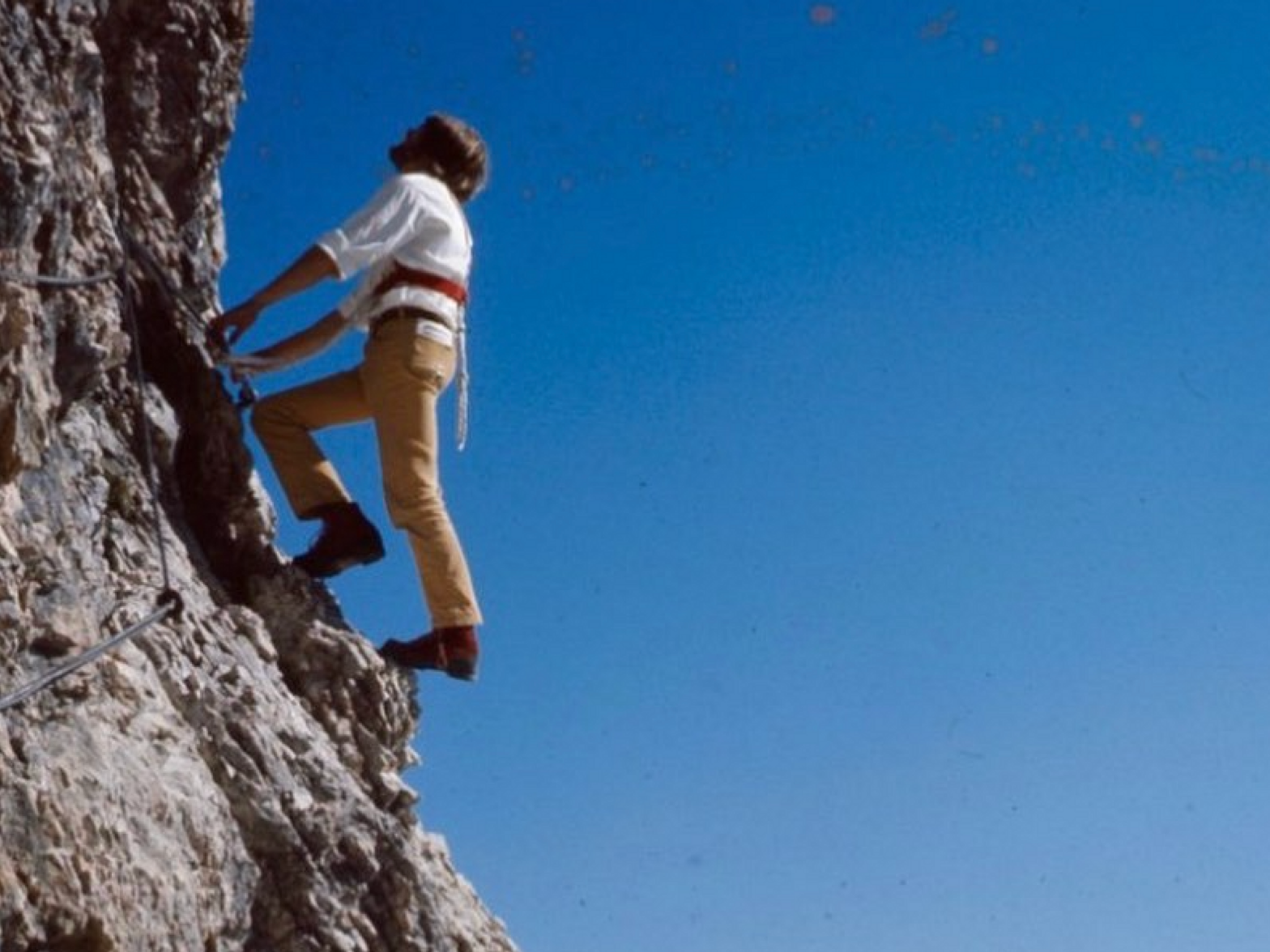
At the age of 79, the Italian-born, German speaking Reinhold Messner is a climbing legend, who was the first climber to ascend all fourteen peaks over 8,000 metres (26,000 ft) above sea level — without supplementary oxygen. Today he keeps moving, and thinking.

The story of food is a story of coexistence with nature and of memory. A publishing trend focuses on how the food we eat impacts the planet, and how we can find new recipes and ways of consuming food that are more climate conscious.
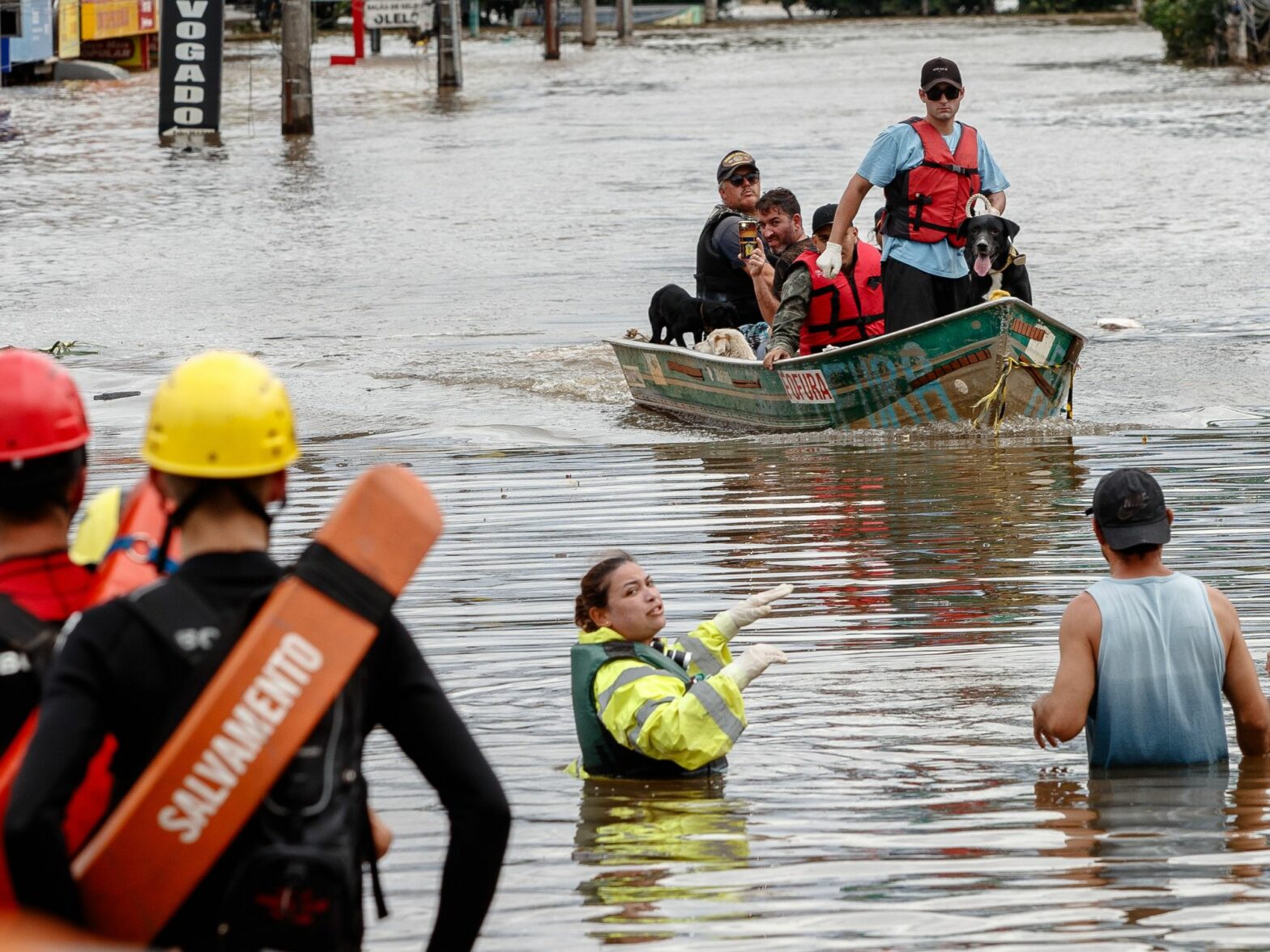
The deadly floods in southern Brazil are unprecedented but not unexpected. Ahead of the October local elections, Brazilians must remember that politicians have ignored scientists’ predictions and weakened legislation that could have helped deal with climate change.
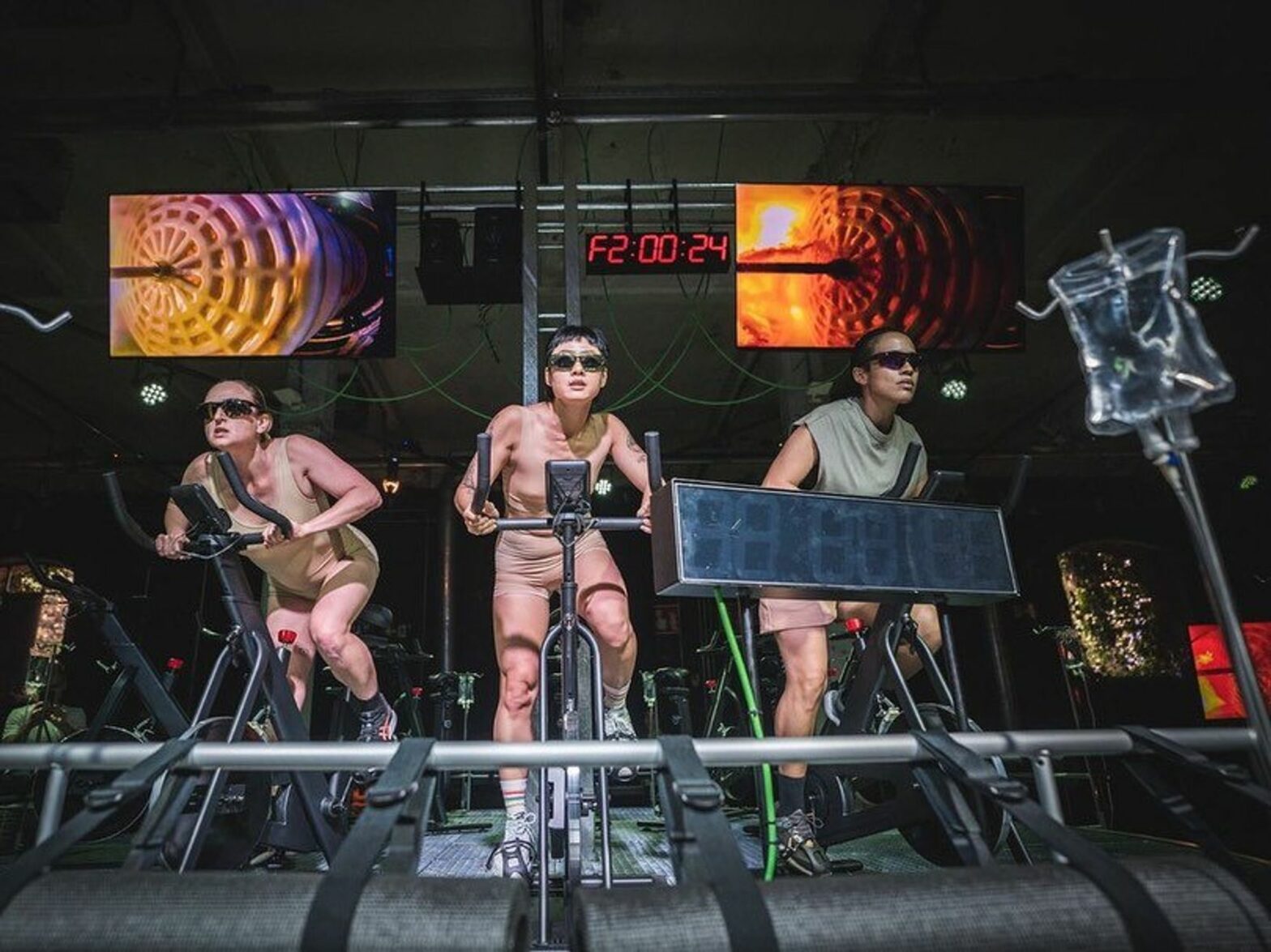
Presented at Madrid’s Matadero cultural center until late July, “Climate Fitness, Rituals of Adaptability” features five works that invite visitors to question the social and economic structures that have led to the climate crisis and consider other possible futures.
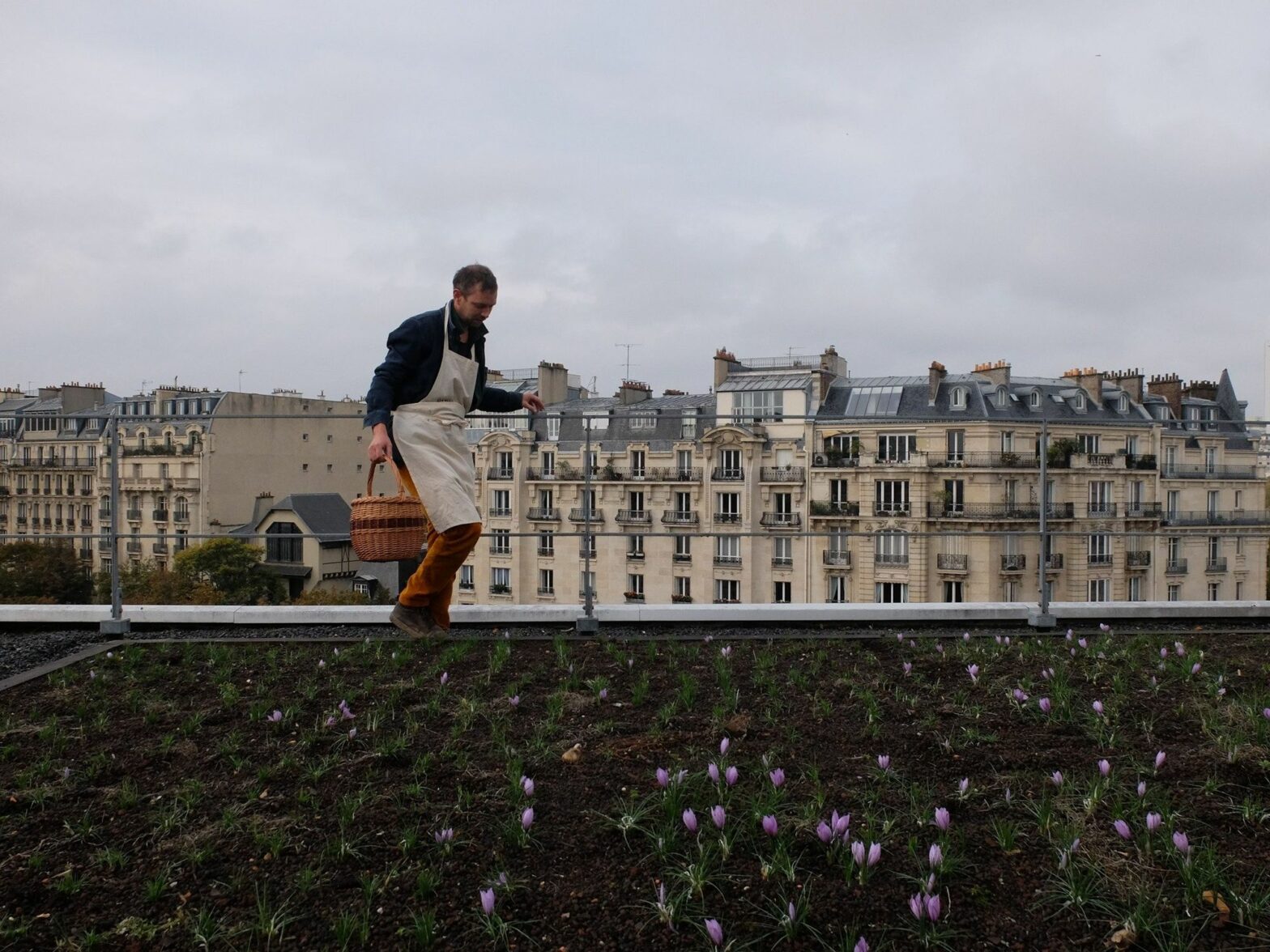
How can we make the city both more dense and more liveable? By opening up its rooftops! At a time of land scarcity and global warming, this vast reservoir of largely unused land is the focus of much interest.
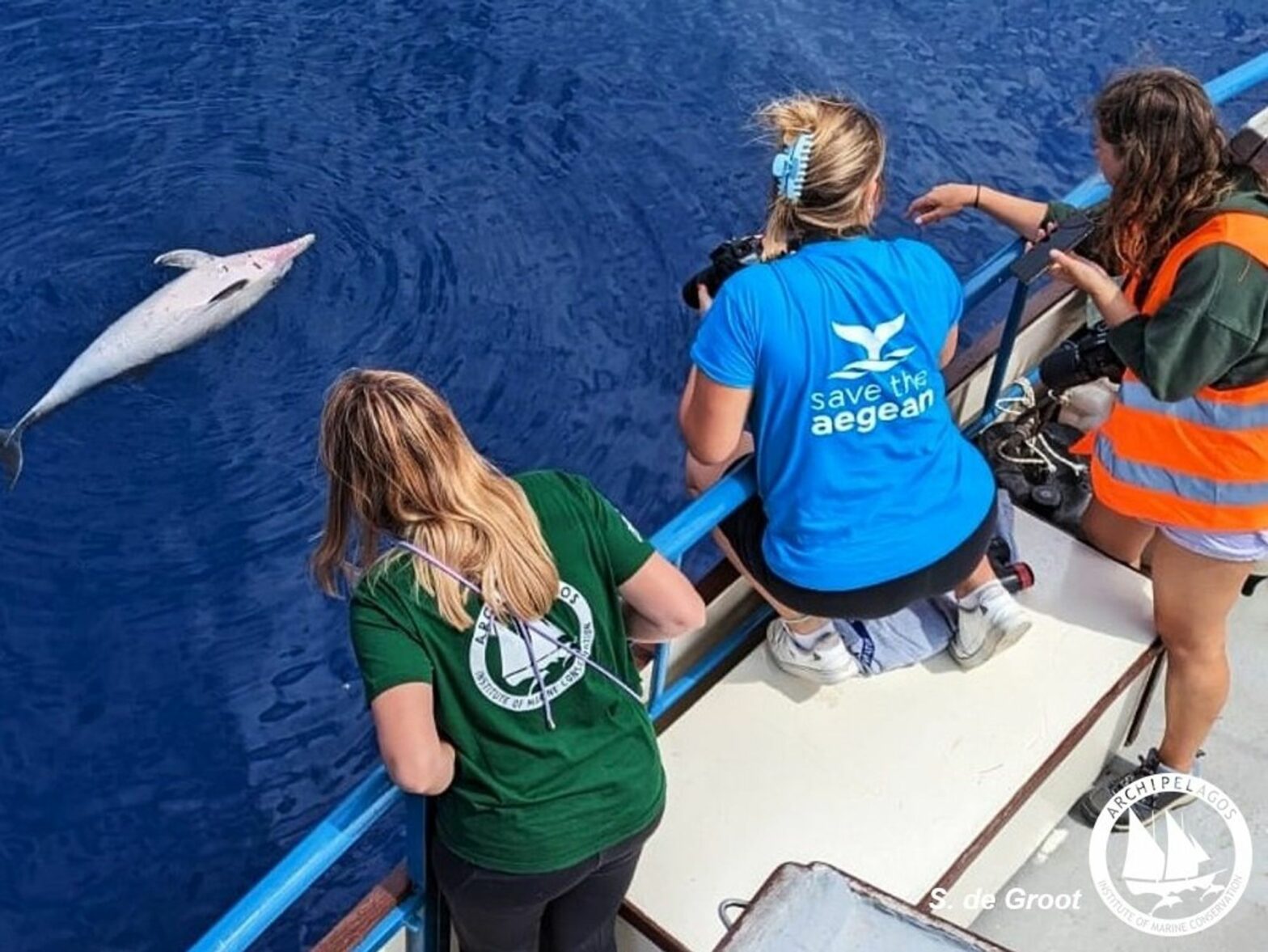
For more than 20 years, the Greek NGO Archipelagos has been monitoring the unique ecosystems and desertified areas of the Aegean Sea, the arm of the Mediterranean between Greece and Turkey. A ride along on the association’s main ship, the Aegean Explorer, reveals the effects of climate change, plastic pollution and industrial fishing.
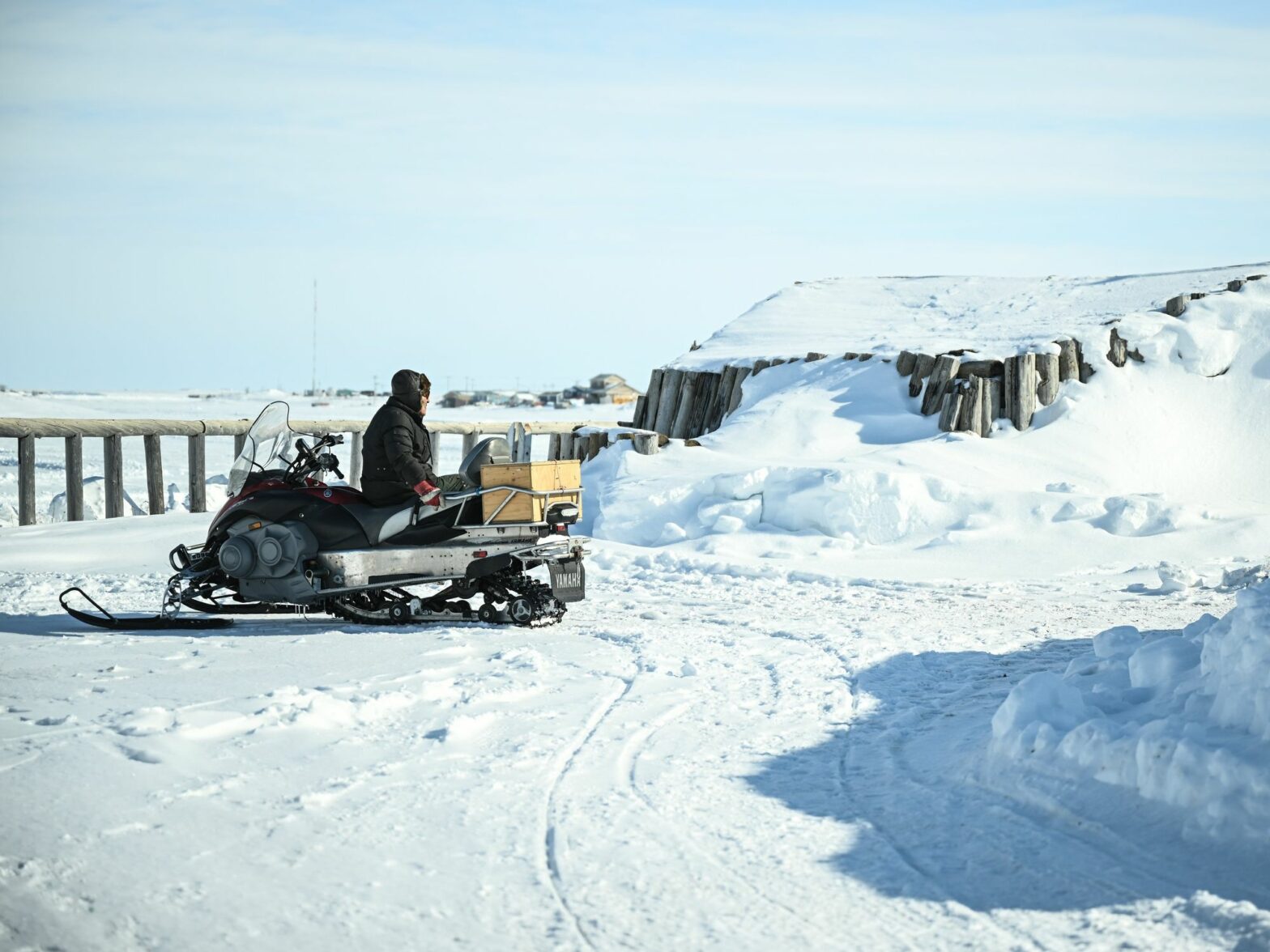
In the Canadian Arctic, two ambitious research initiatives try to strengthen climate data through community engagement.
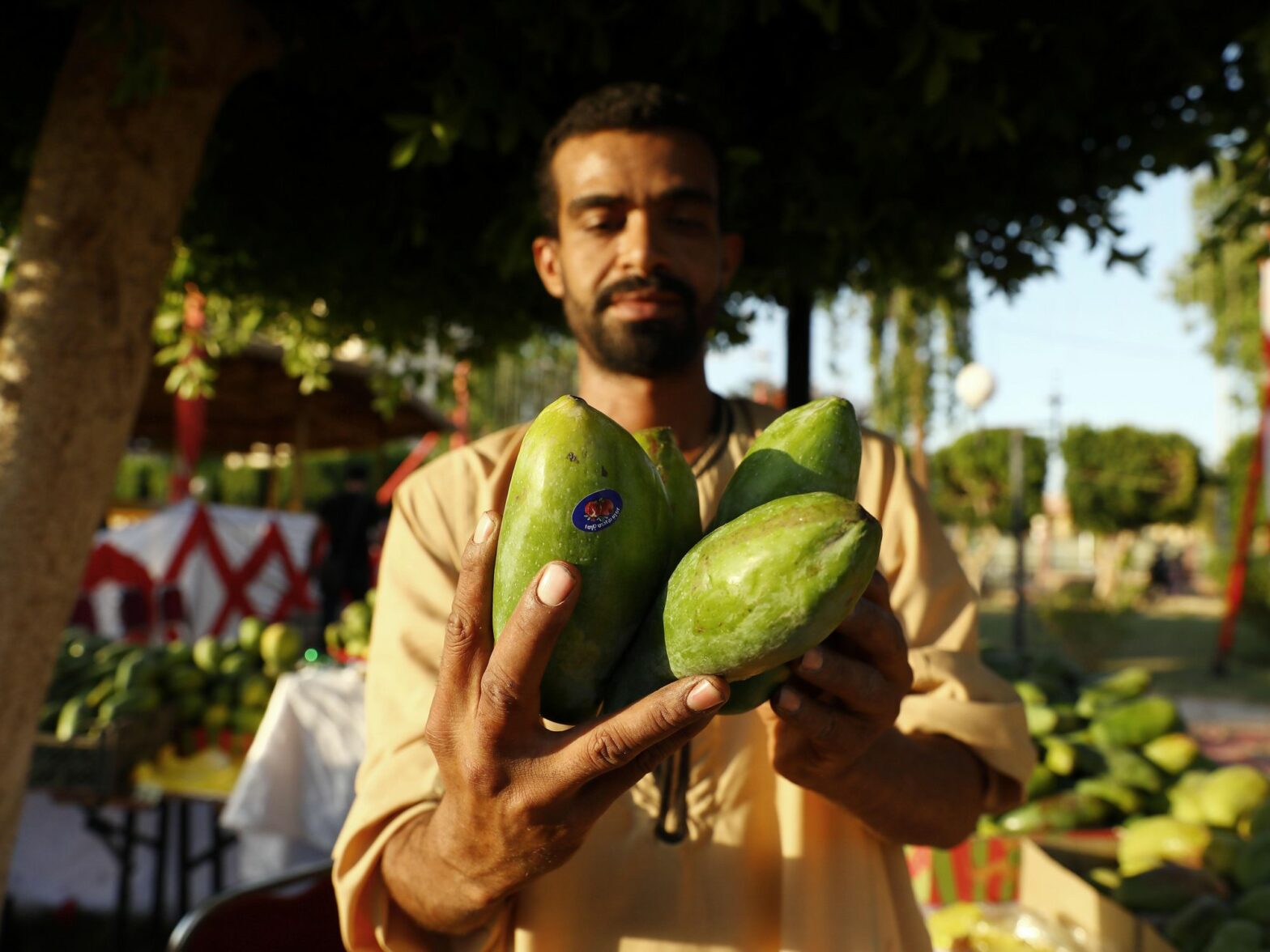
ISMAILIA – Every year during the month of July, crowds gather in the mango farms of Ismailia, in northeastern Egypt, to pick the delectable summer fruit during its relatively short harvest season. But this year, as a result of erratic weather patterns throughout March and April, the usual bountiful mango harvest was severely affected with […]

The global warming we have been warned about is here, and it will, with its calamities, change so many ideas about what we need to live well.