The Macron government says France needs to work more — and it has a point. The French people disagree — and they’re not wrong. Here’s why, and how to bridge the gap.

 Worldcrunch
The Macron government says France needs to work more — and it has a point. The French people disagree — and they’re not wrong. Here’s why, and how to bridge the gap.
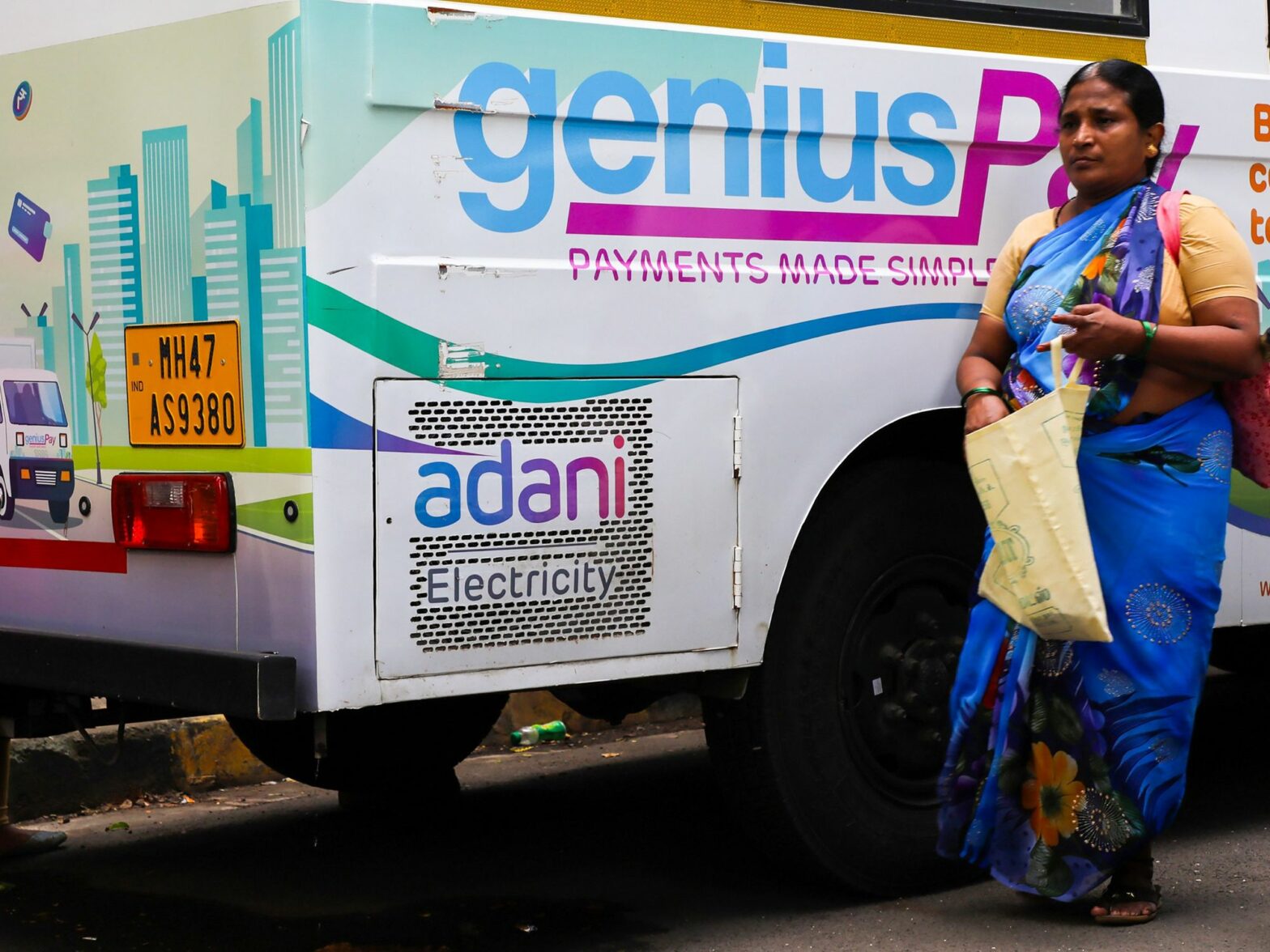
India operates in the gap between what society considers morally acceptable and what is legally permitted. While instances of blatant corruption can still shock, the idea of corruption in India is not condemned in its totality.
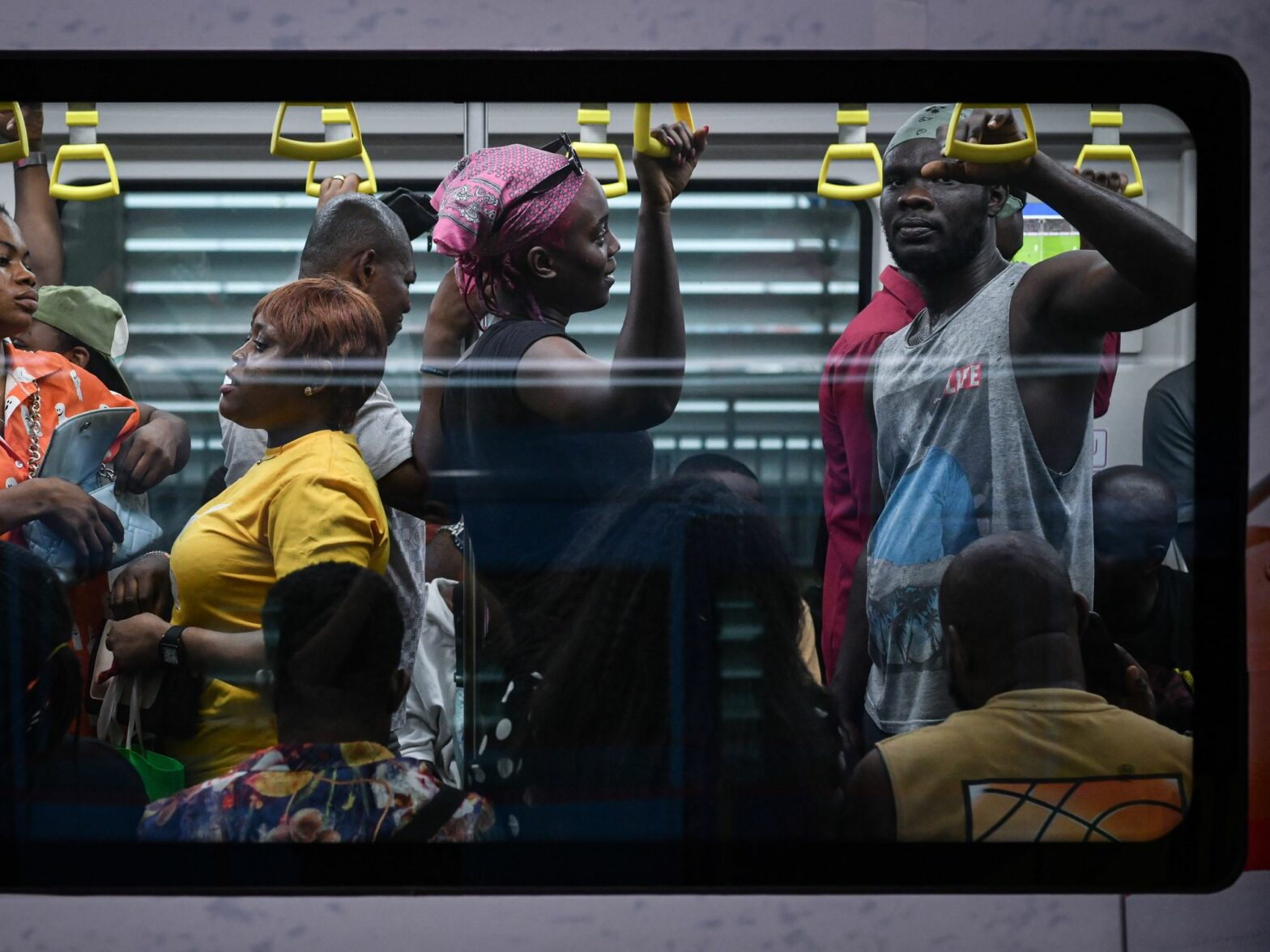
With a population of more than 200 million, Nigeria is facing a series of crises: an economy at its lowest, endemic corruption and insecurity throughout a large part of the country. Despite the challenges it faces and its history of military coups, the country is holding firm, but for how long?
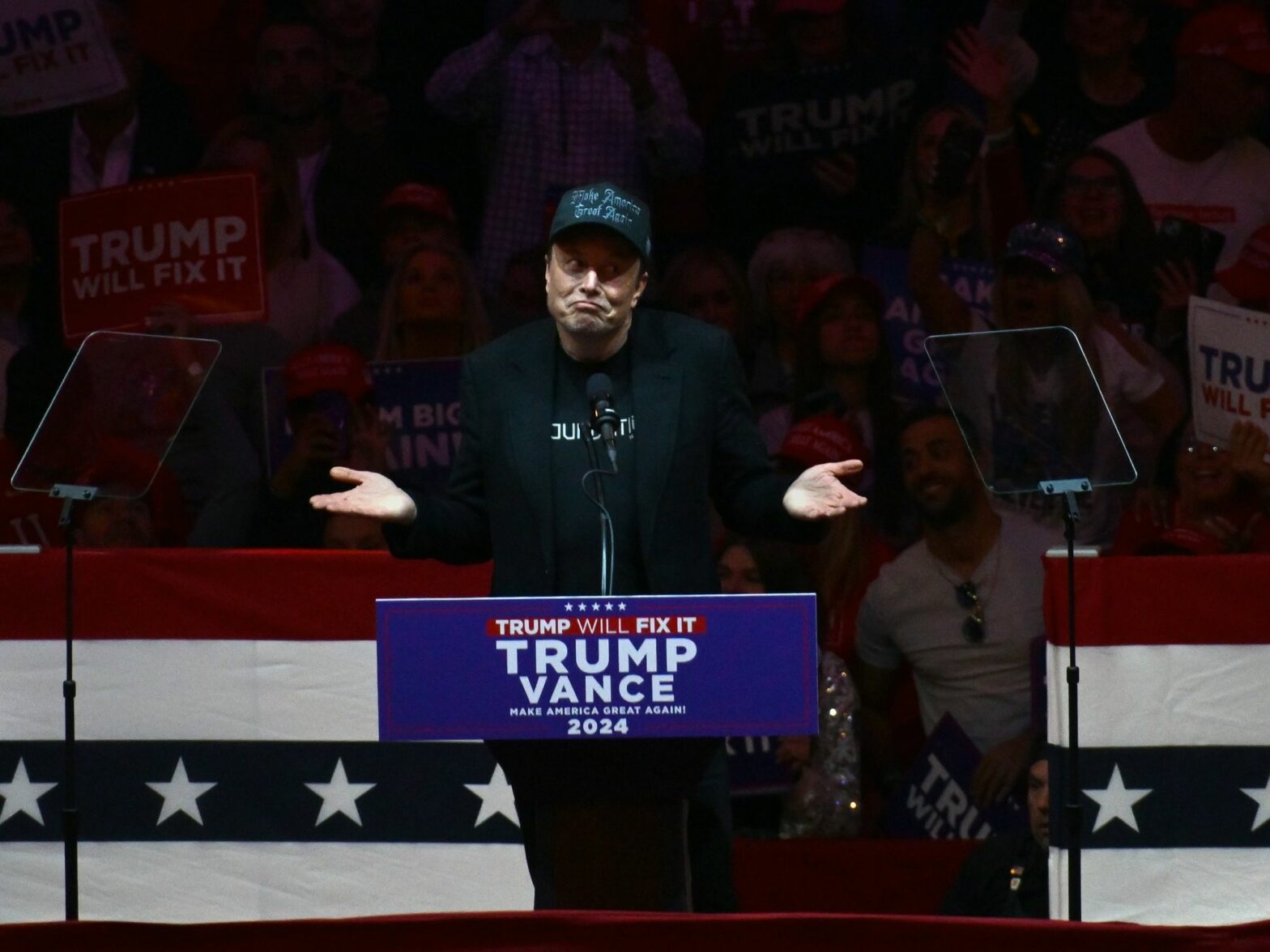
U.S. President-elect Trump has tasked billionaire businessman Elon Musk with making the government cost-efficient. That may be an admirable objective, but the ideology driving it is wrong-headed… and dangerous.

Malaga has announced plans to ban the registration of new holiday accommodation in up to 43 neighborhoods of the city, joining a long list of Spanish municipalities fighting mass tourism and its impact on real estate and rent prices.
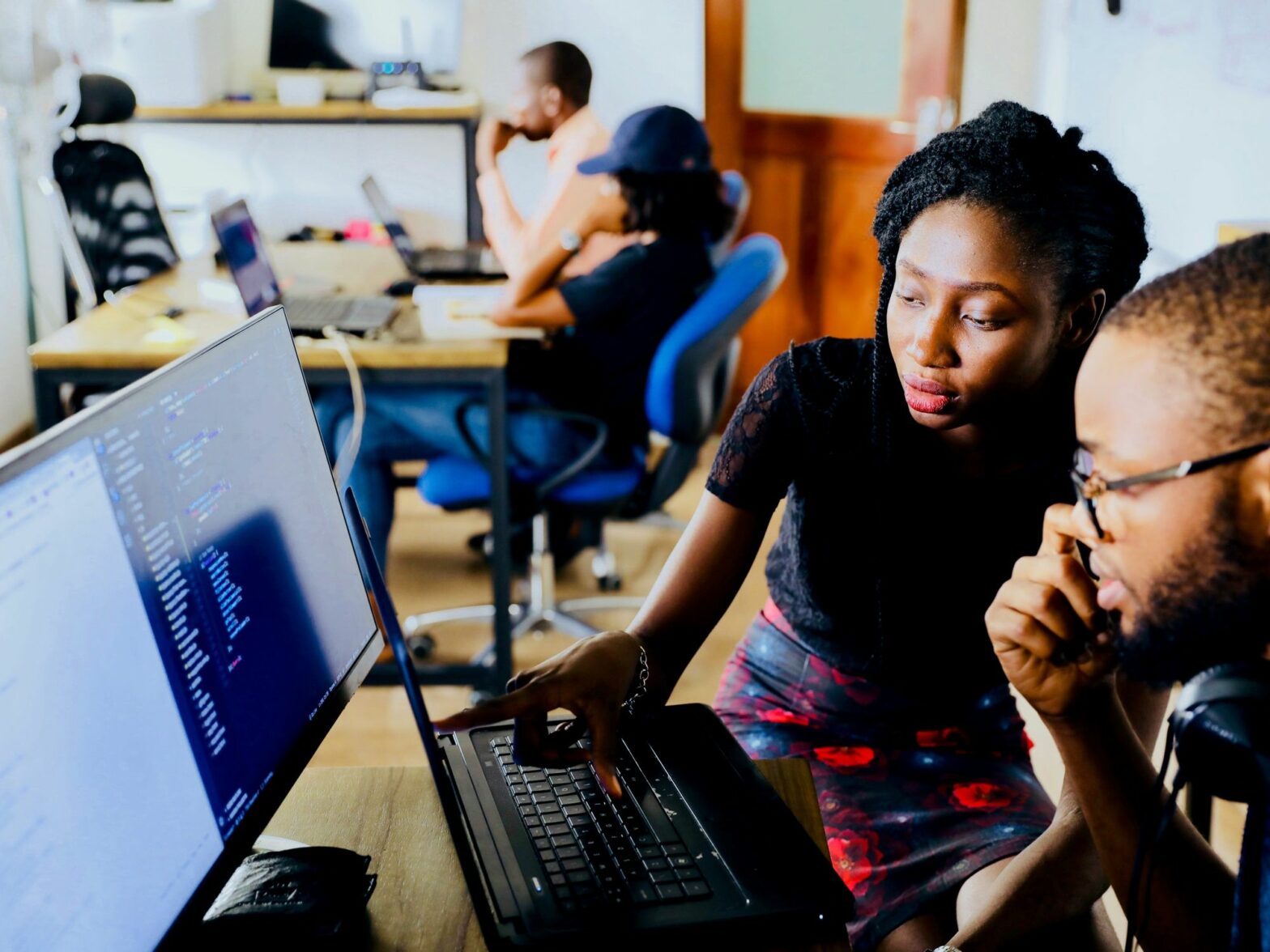
AI could offer a great new way in to the global economy for sub-Saharan Africa. Yet with some 20 million jobs needed to be created annually to absorb the massive influx of young people in the labor market, AI could also create new unemployment.
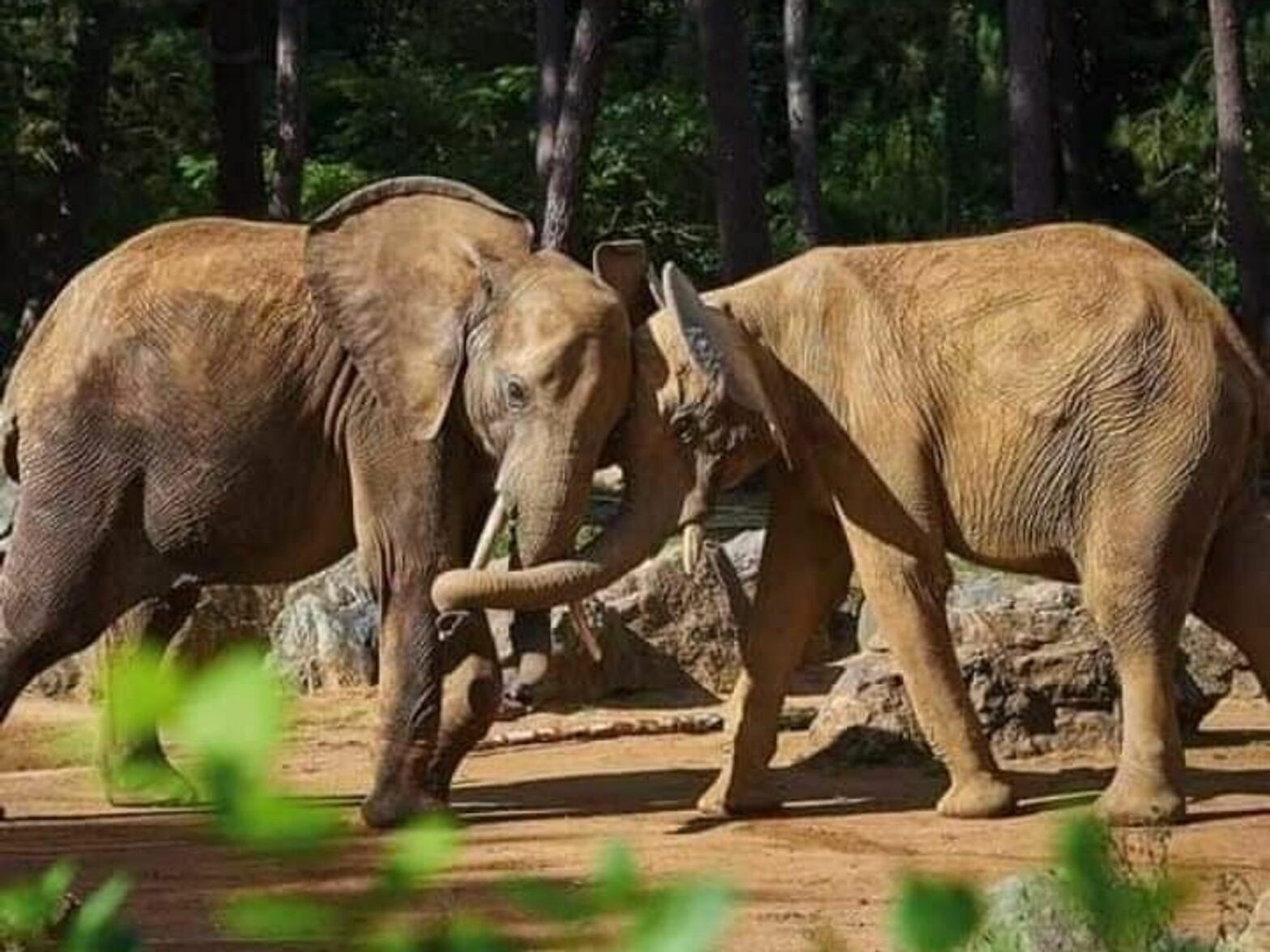
Tunisians are among the largest group of people migrating to Europe due to the lack of decent living conditions in the North African country. But now even animals are being pushed to the brink by the neglect and mismanagement of resources.
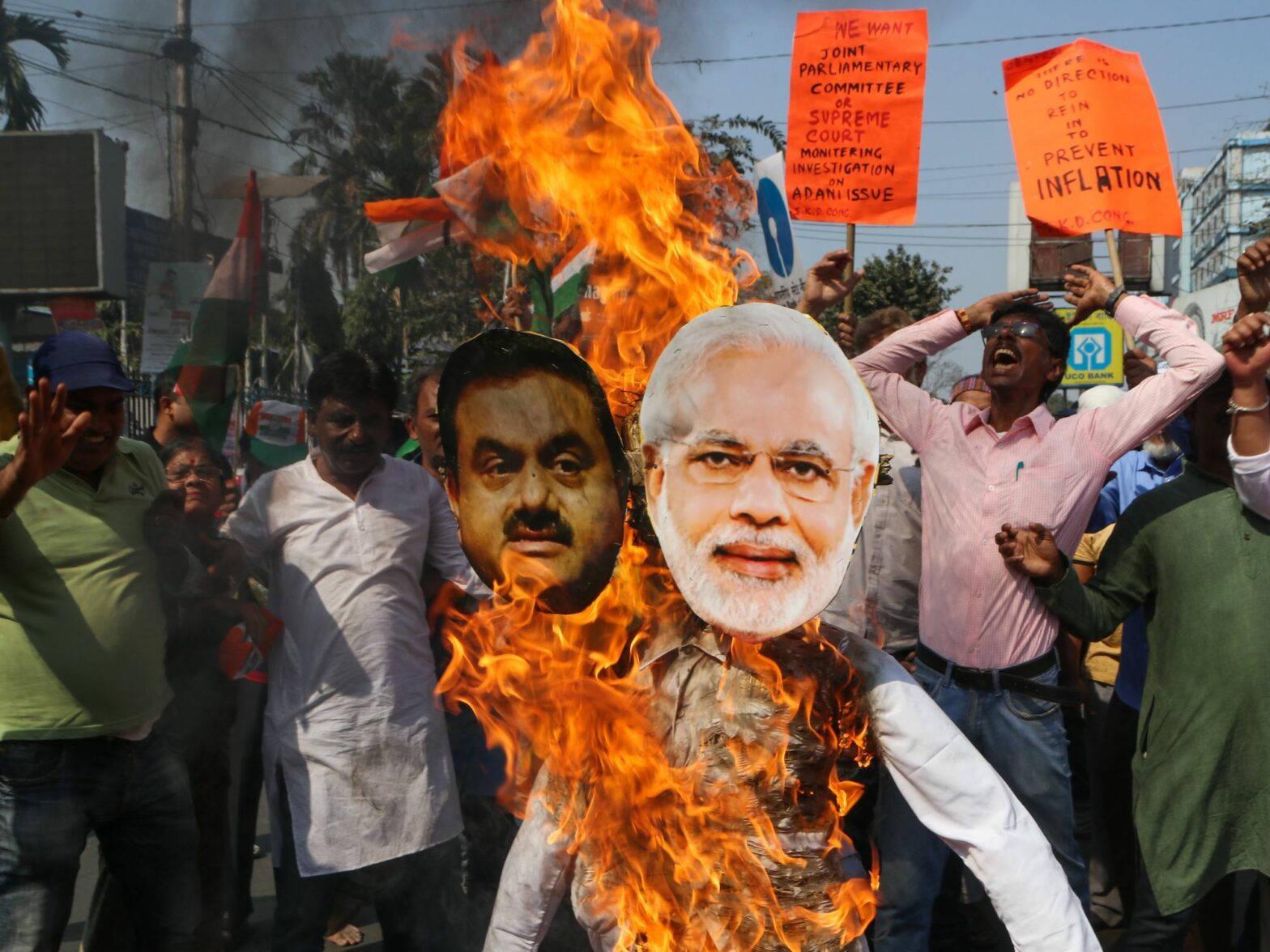
As Indian billionaire Gautam Adani faces U.S. indictment, the implications for his longtime support Prime Minister Narendra Modi’s administration are significant — all the while raising concerns about India’s sovereignty and the costs of protecting influential business allies.
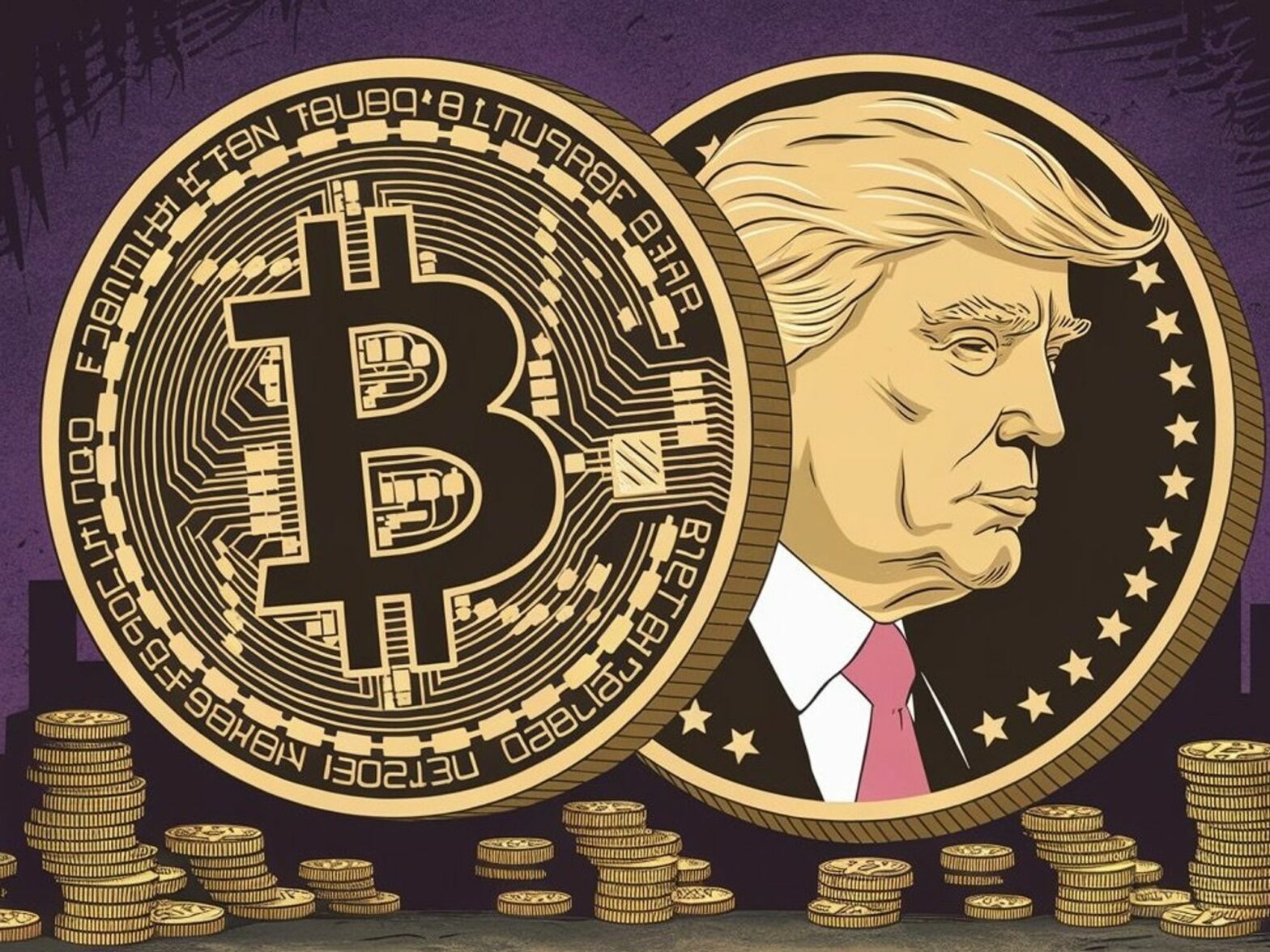
With a pro-crypto agenda and substantial backing from industry investors, Donald Trump’s presidency is poised to reshape the landscape of digital currencies, promising a future where Bitcoin and other cryptocurrencies thrive under favorable regulations and government support.
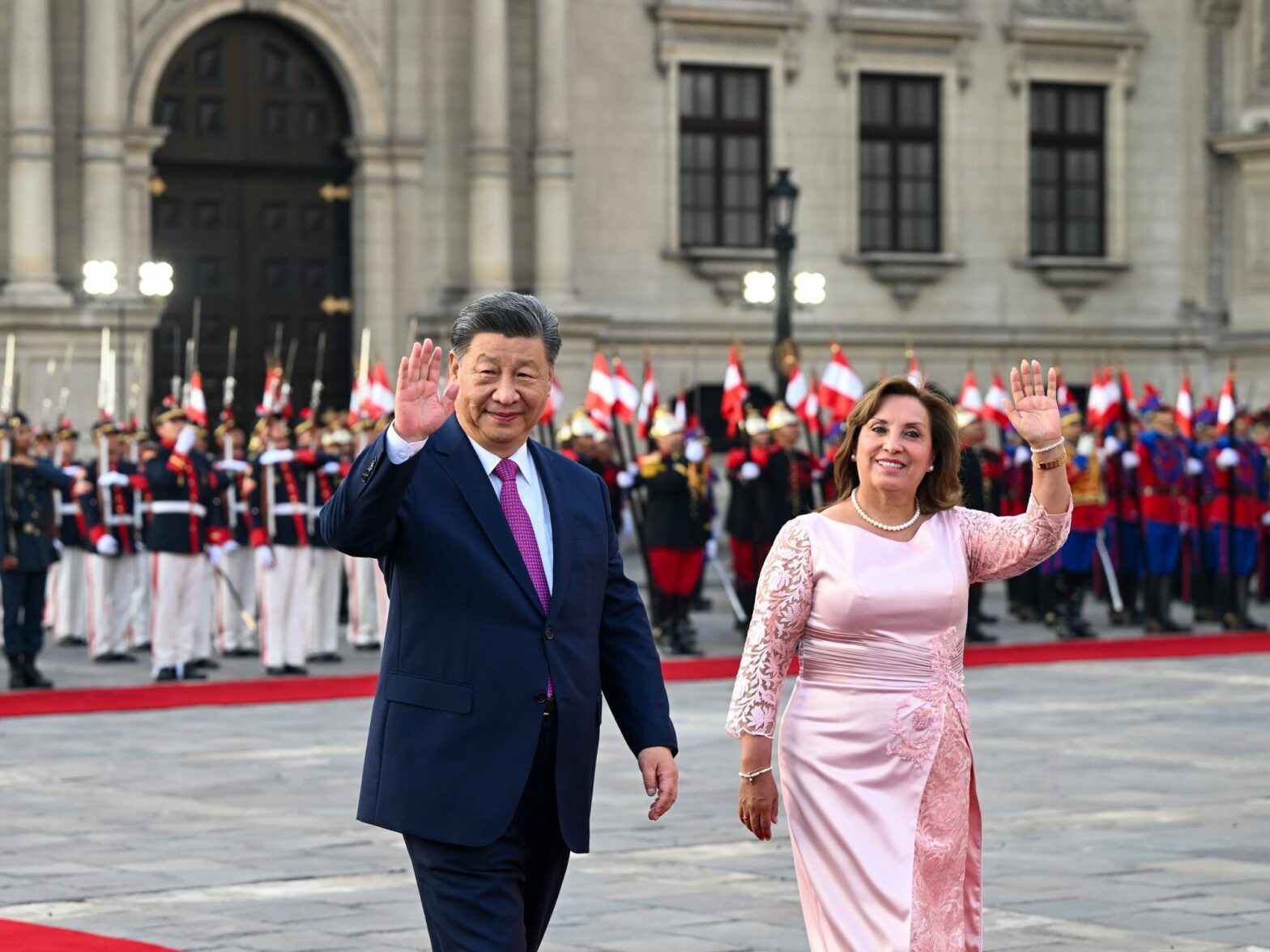
China has become Latin America’s leading partner, under the nose of the United States, which is busy elsewhere. Xi Jinping inaugurated a Chinese-built megaport in Peru, underscoring Beijing’s growing influence in the region — and the looming showdown with the future Trump administration.
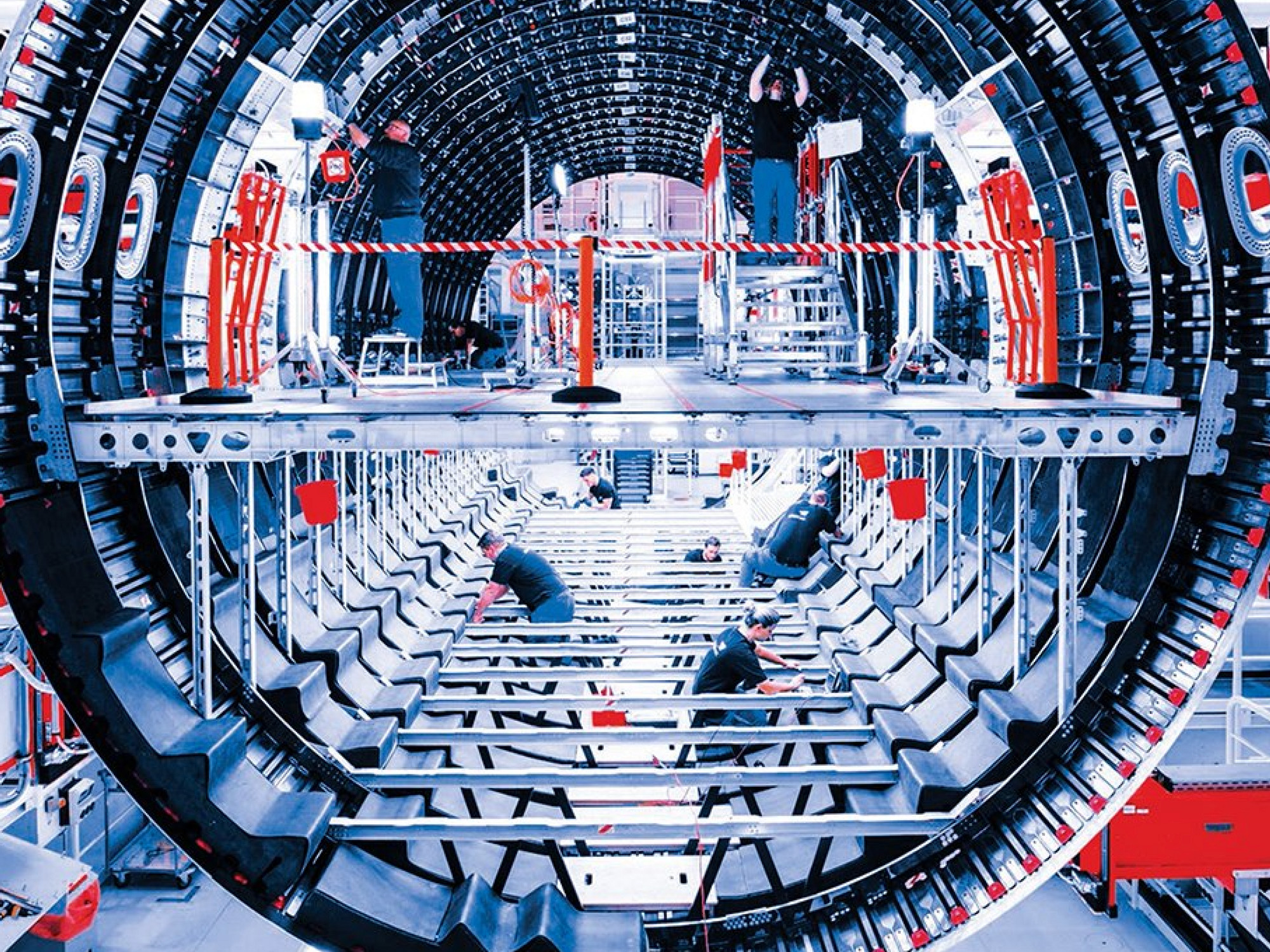
The United States seeks to strengthen its competitive edge over the European Union through broad deregulation. While this poses a genuine risk, it also presents Europe with a chance to step up and fill a void, globally.
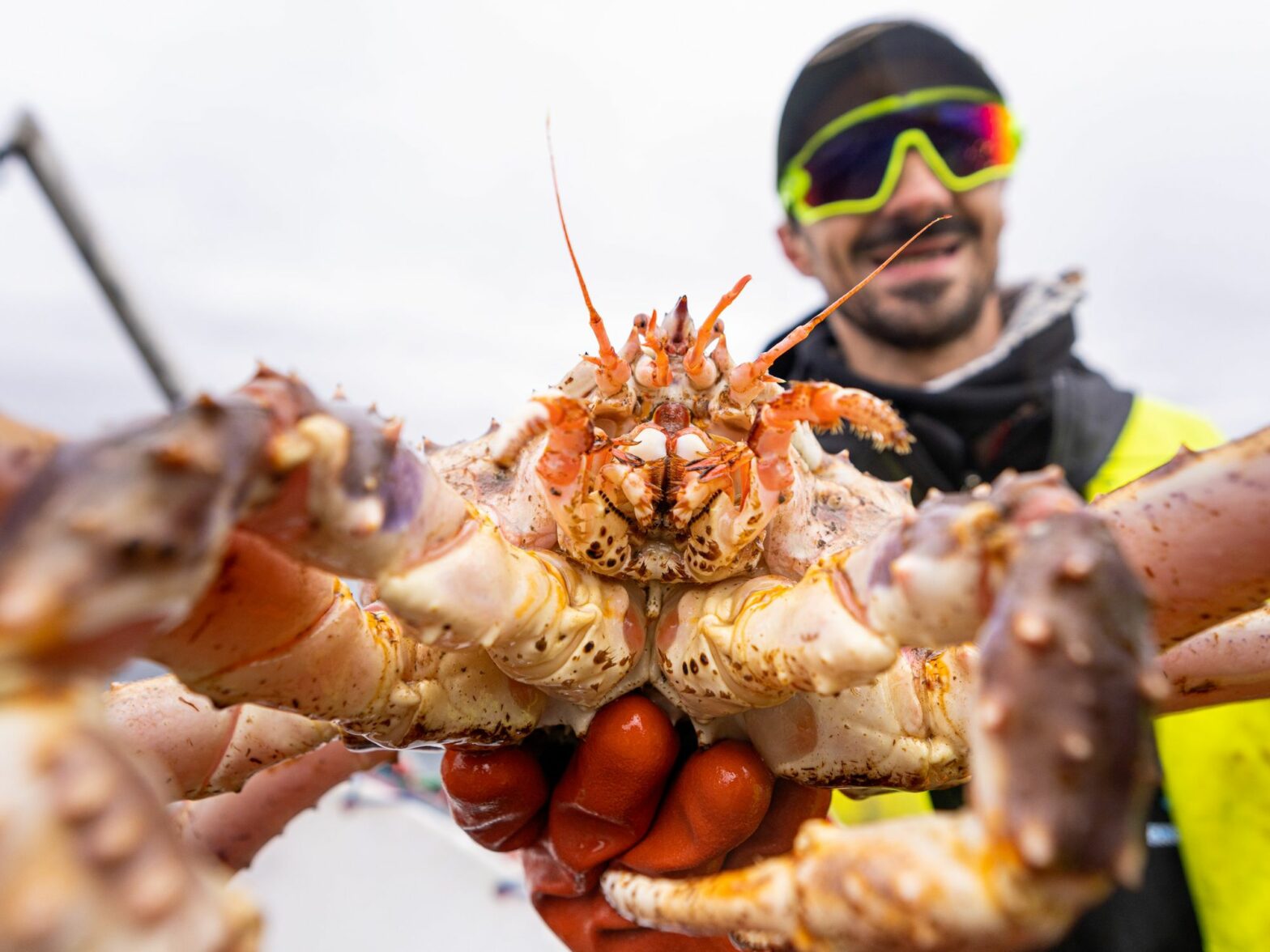
For the past two decades, Norway has developed an industrial and tourist sector around the king crab, a giant crustacean whose leg span can exceed two meters. But this boon for the economy of the great Norwegian north is now in more than a pinch.
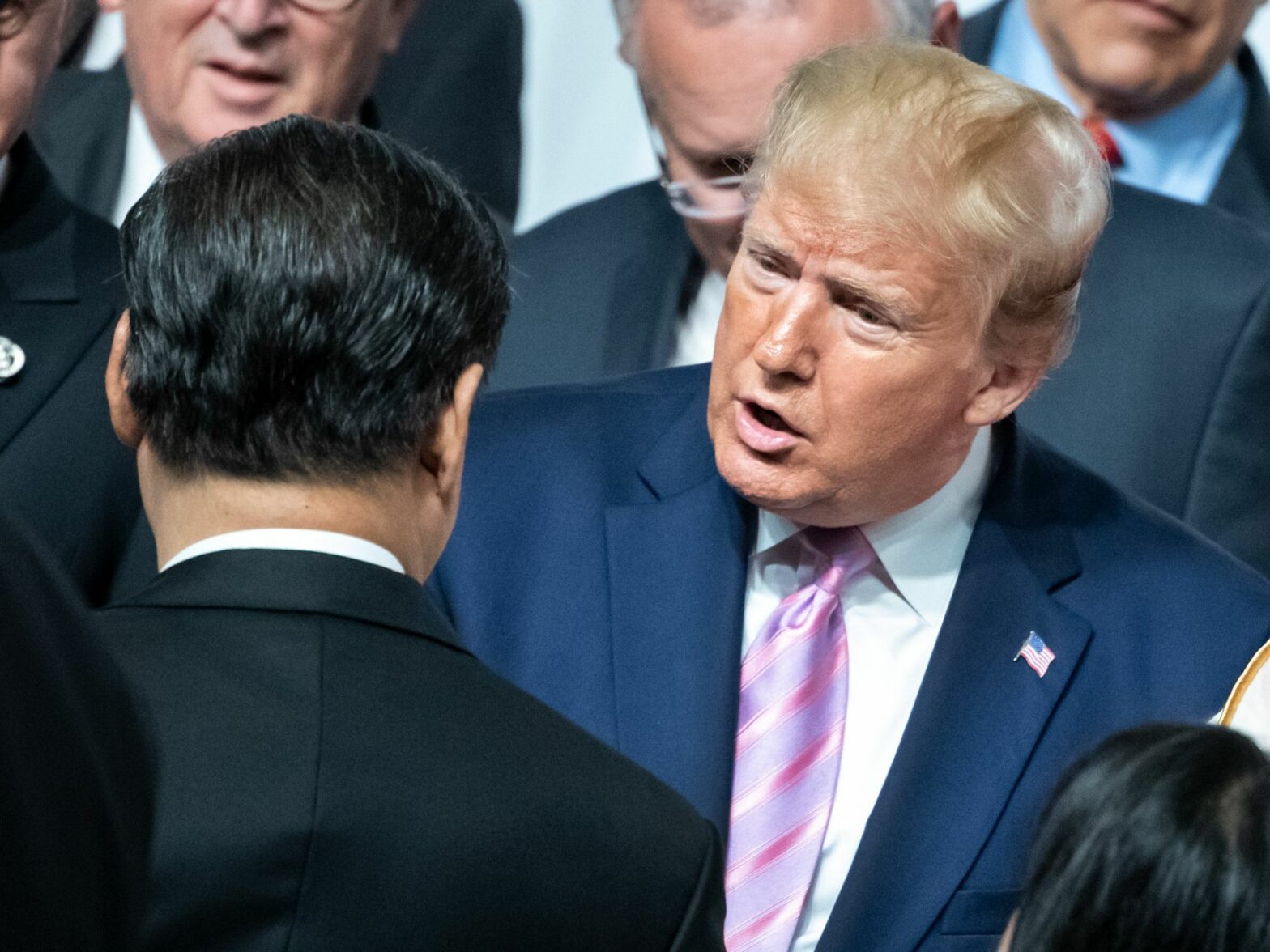
Many experts are counting on Trump’s economic policies to be a disaster. But that doesn’t have to happen: he could leave the economy to his advisors, and focus his attention on consolidating power.
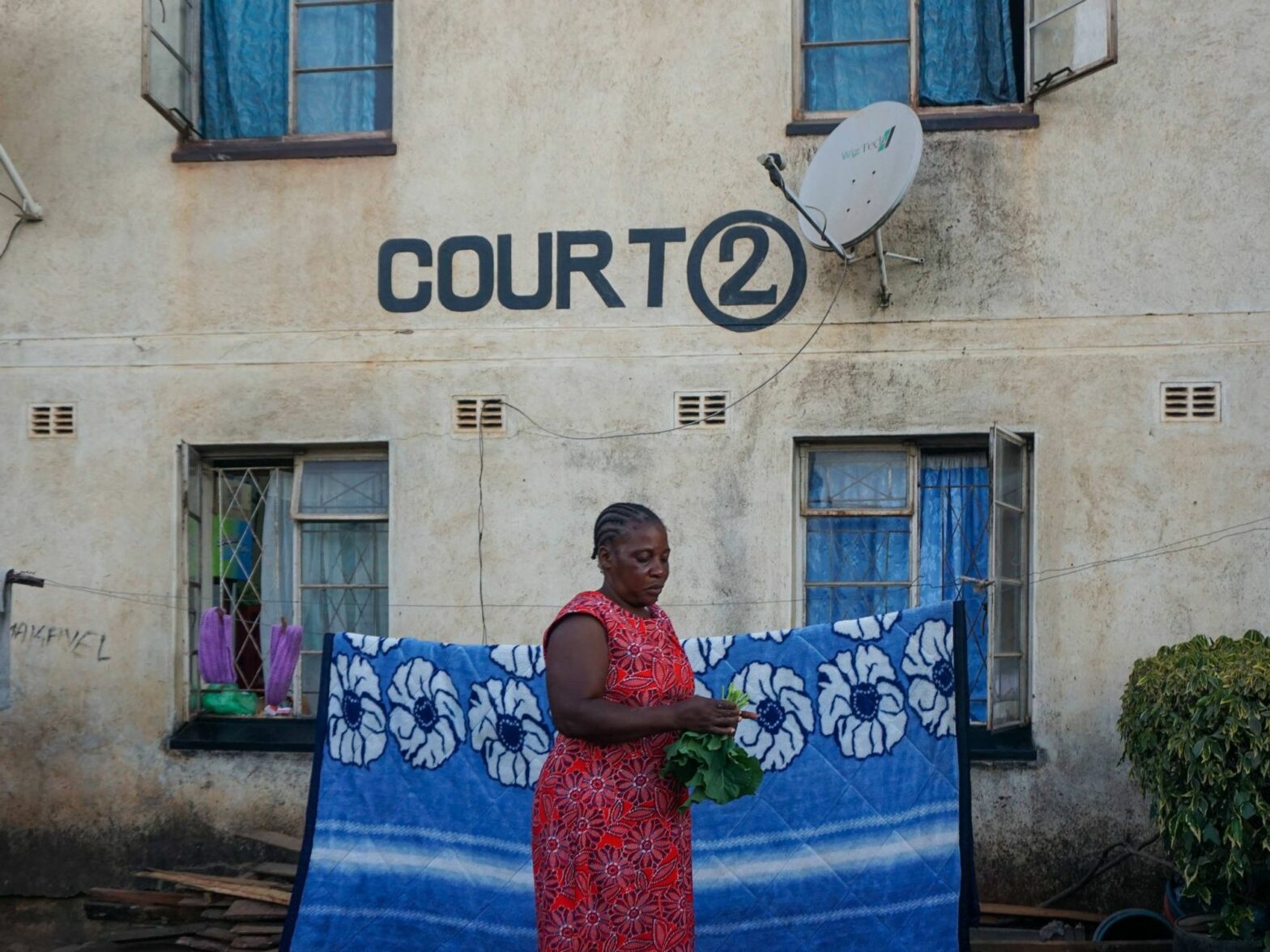
A rent-to-own program aimed to help black citizens obtain property in a post-colonial world. Decades later, many homebuyers are still waiting to call their house their own.
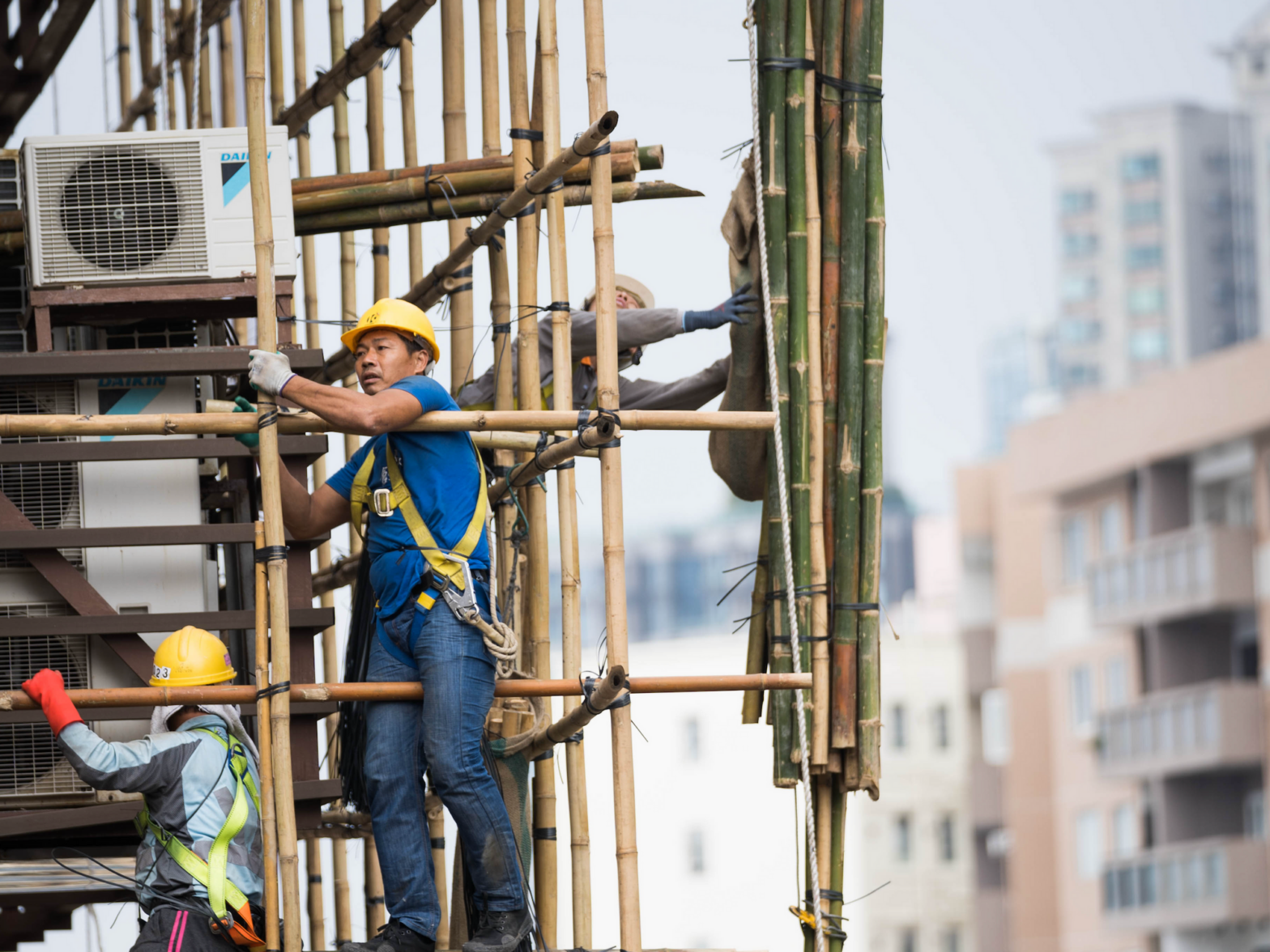
China’s economy is doing badly. The party leadership will not tolerate criticism of its course, but is looking for ways out of the crisis. These five problems could hinder China’s growth for a long time.

A $2.4 billion project to exploit lithium deposits in Serbia’s Jadar Valley could cover 90% of Europe’s current lithium needs. But the plan has sparked protests across the country and created an unlikely coalition of opposition, which President Aleksandar Vučić’s government has sought to suppress.
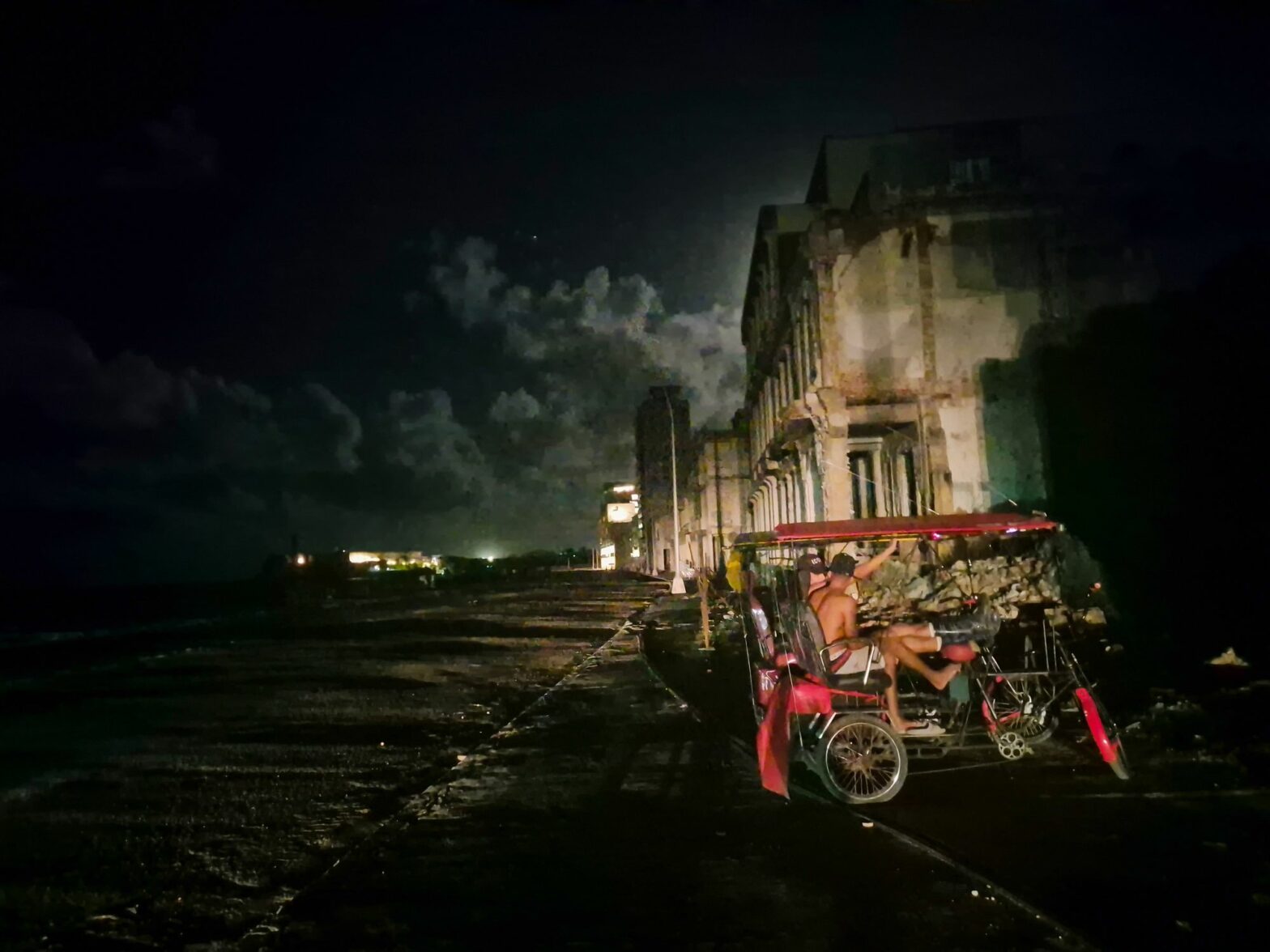
Cuba’s current energy crisis is a dramatic illustration, symbolic and otherwise, of the overall downfall of a country that could have followed the successful models of its Asian cousins. Faced with a socioeconomic dead-end, record numbers of Cubans are fleeing the country.
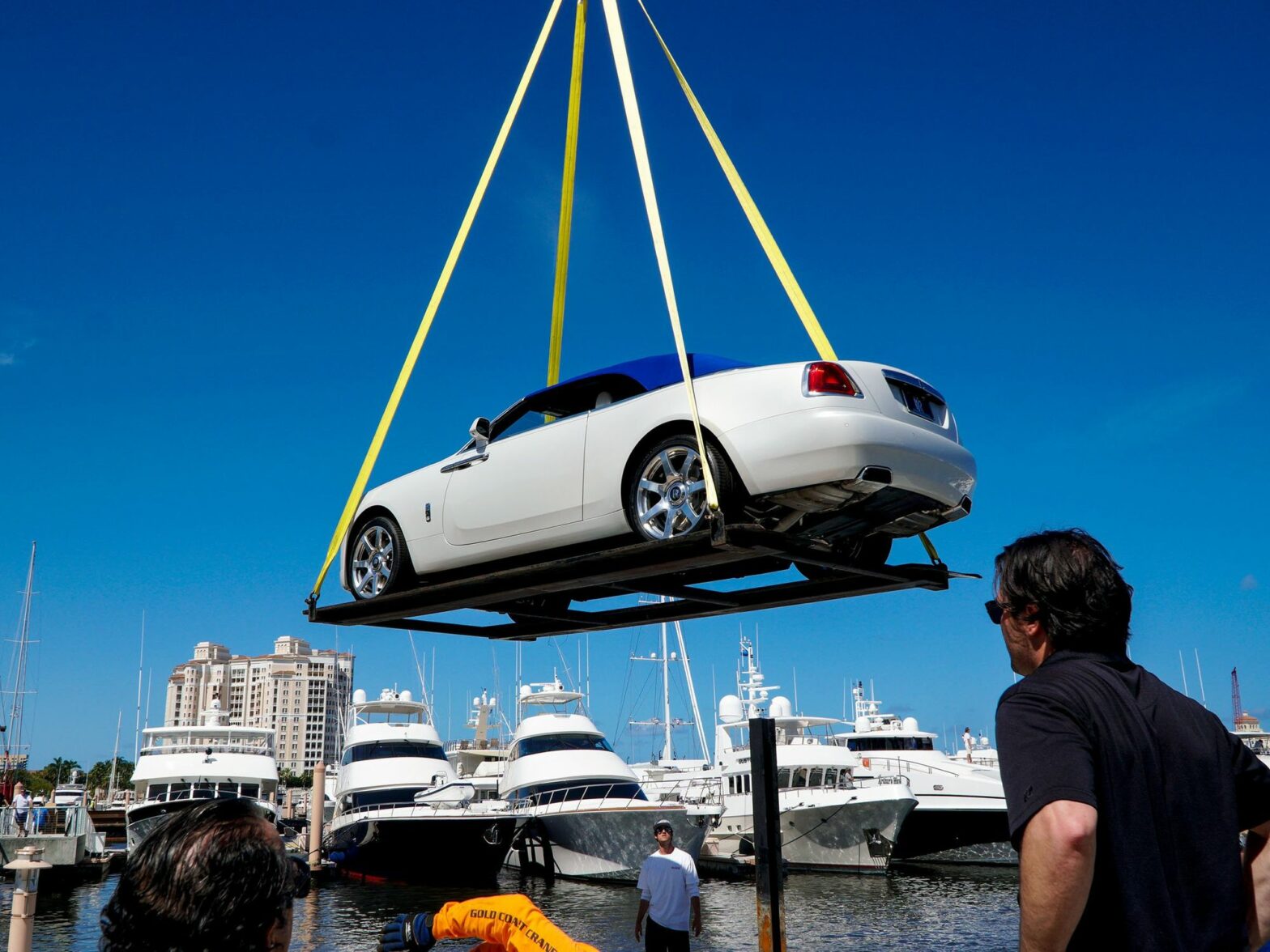
Since Donald Trump made Mar-a-Lago his permanent home, the super-rich enclave of Palm Beach, Florida, has become the heartbeat of the MAGA movement — and its fundraising campaign. Heike Buchter, U.S. correspondent for the German daily Die Zeit reports on the billionaires there who support him and his tax policies.
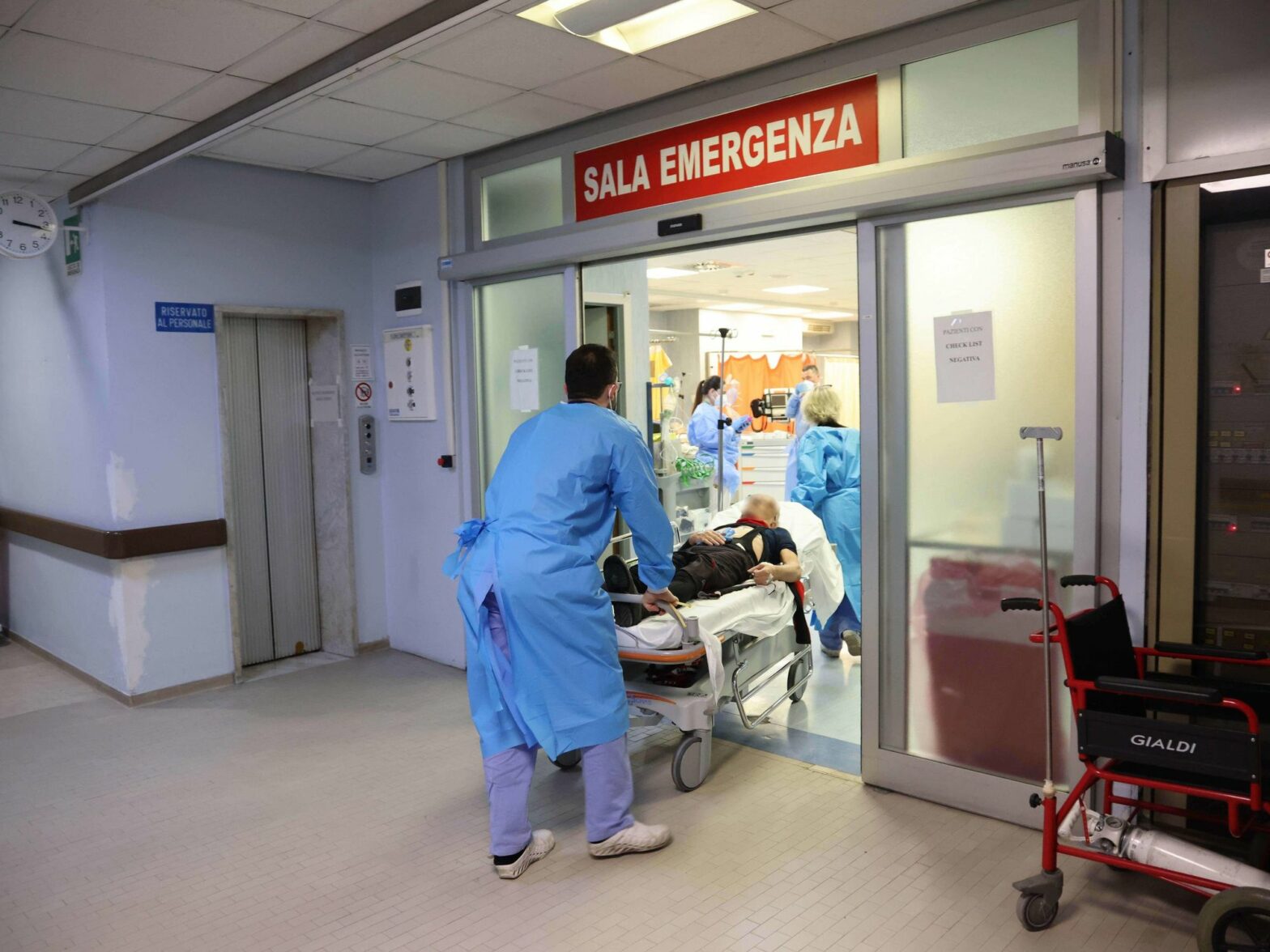
Years of budget cuts and a sluggish economy have pushed Italy’s public healthcare system to the brink. As doctors and nurses flee the country in search of better pay, it is in communities along the border with Switzerland where the cracks are most visible.

China’s real estate crisis is hitting small, unattractive cities like Shaoguan hard. This city of 3.3 million residents in the far south of the country has a stock of empty apartments that could take 10 years to sell.
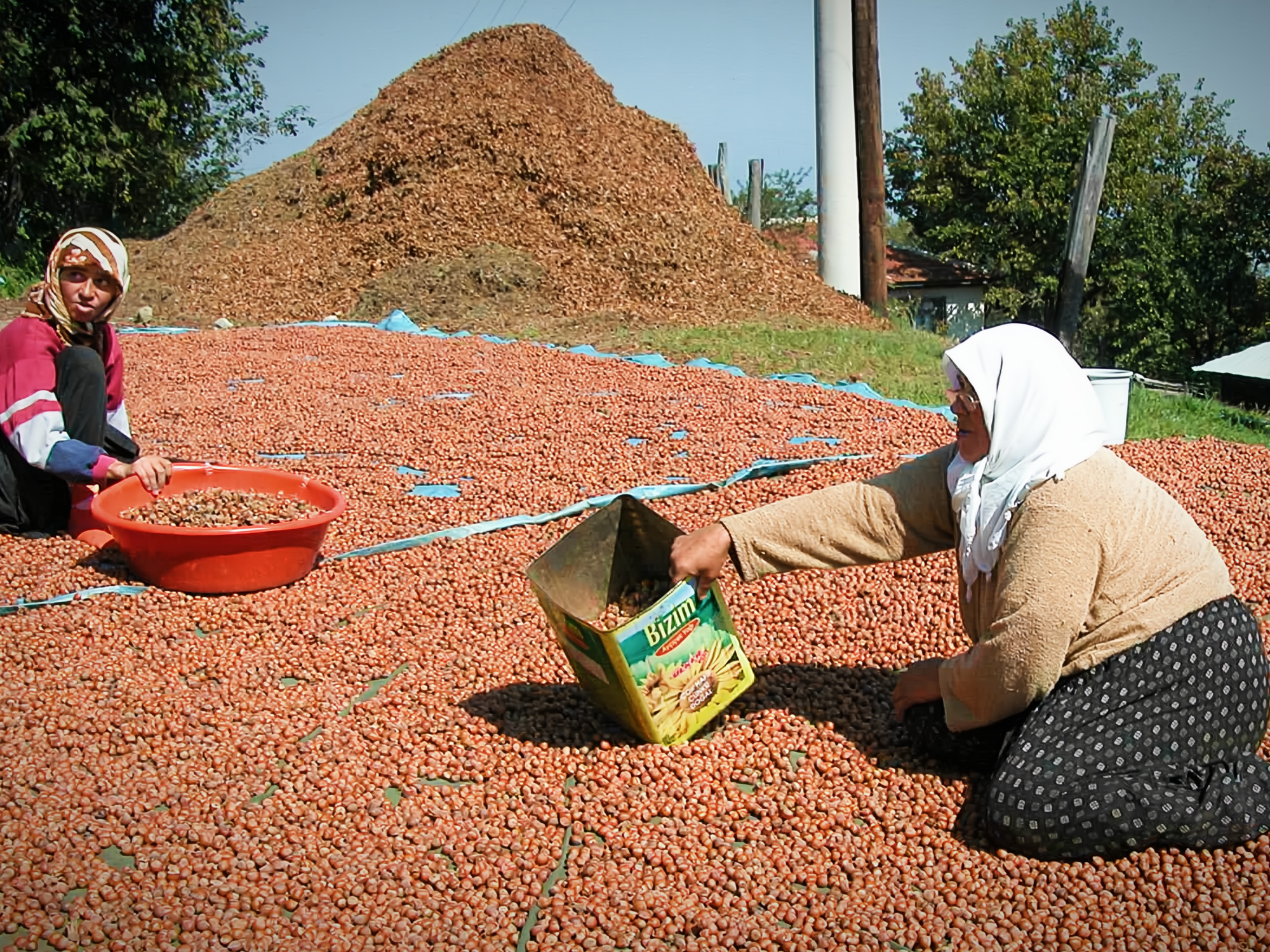
Turkey is the top world producer of hazelnuts. Yet, very little trickles down to its producers, and to Turkey in general. One Italian company, in particular, reaps the rewards of its harvest.
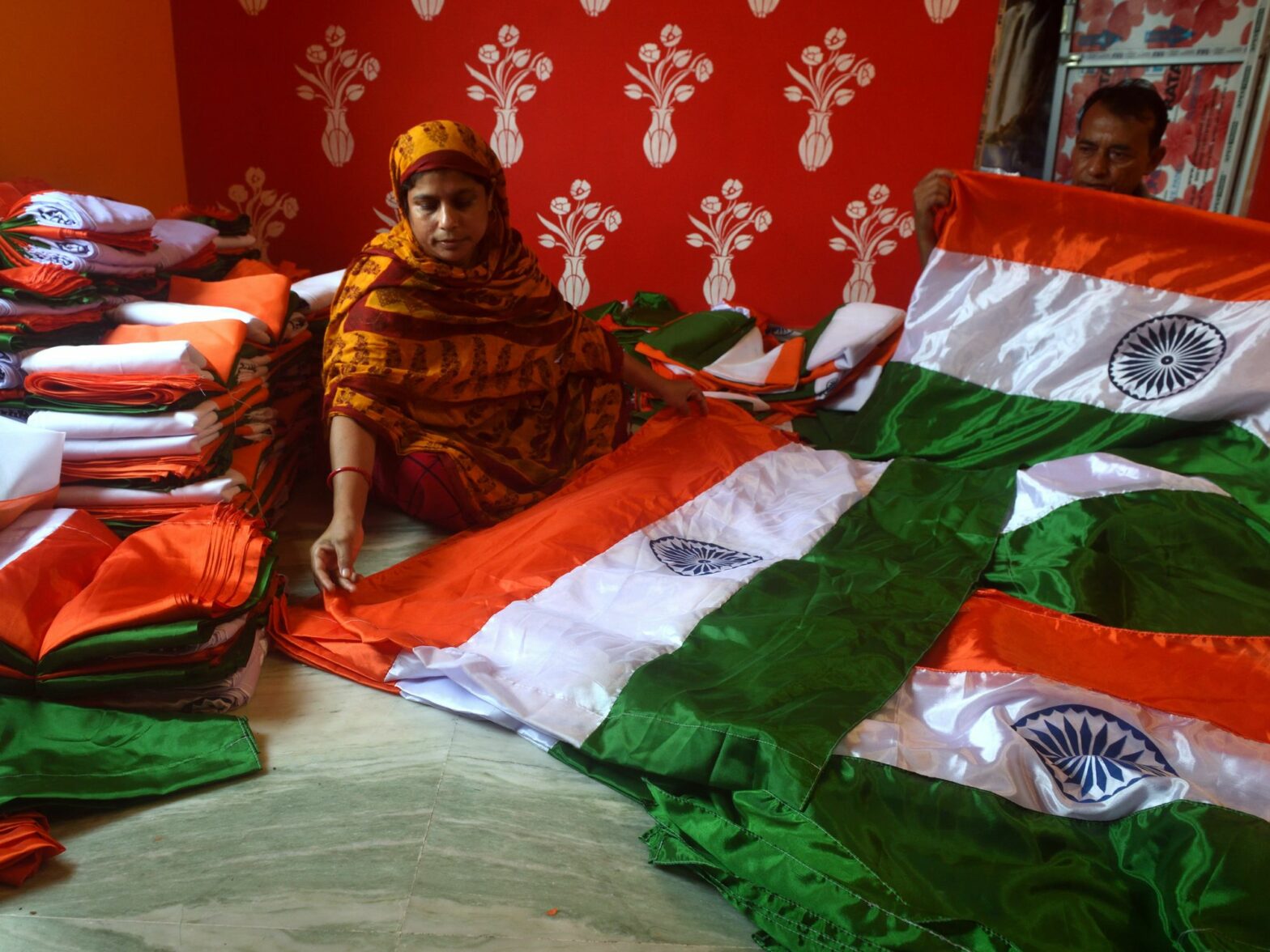
Ten years after the launch of the Modi’s “Make in India” program, India’s industry problem has deepened — just like its dependence to China.
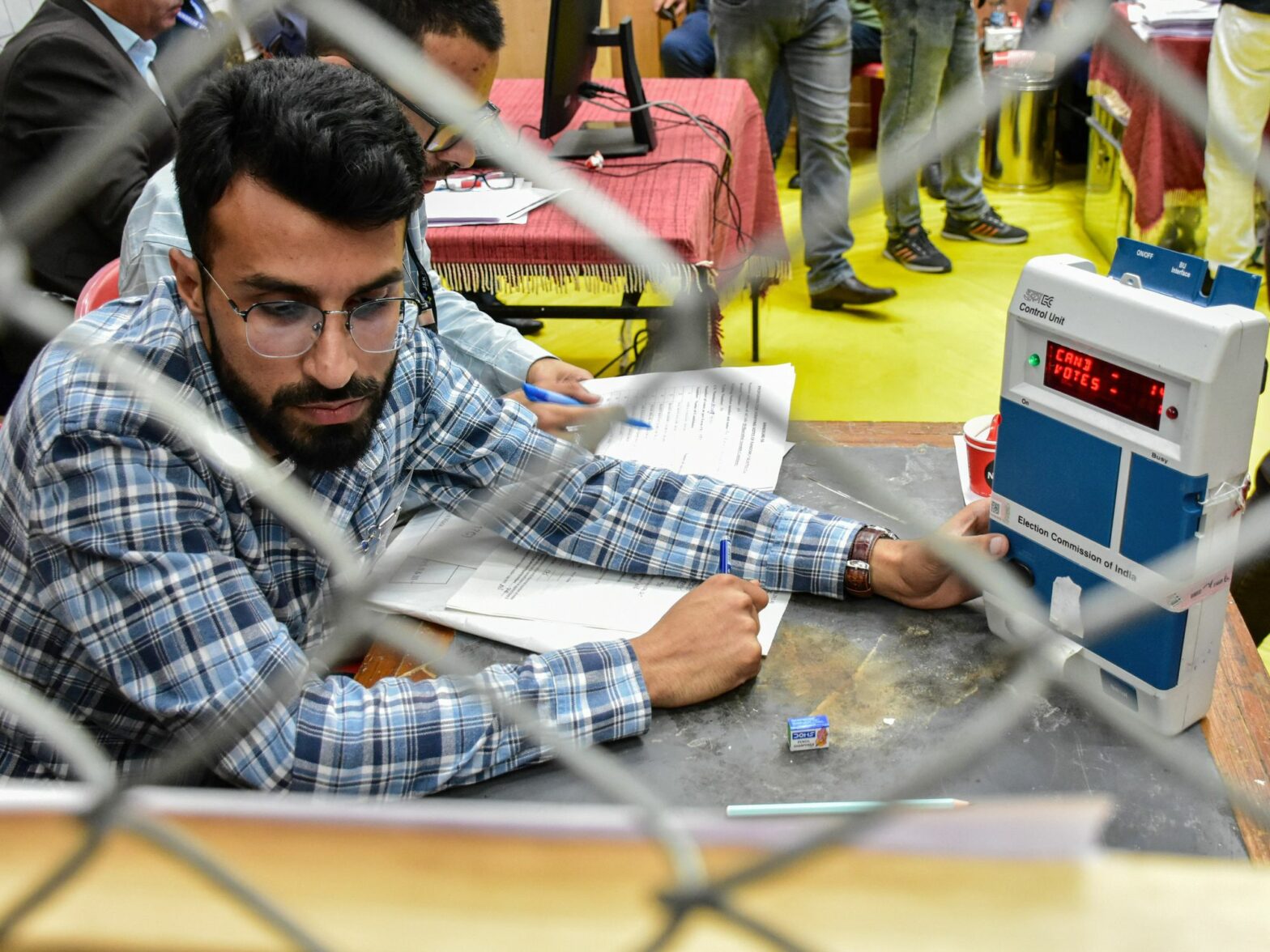
Honoring the research of Daron Acemoglu, Simon Johnson and James Robinson marks a comeback for the importance of public institutions in economics.
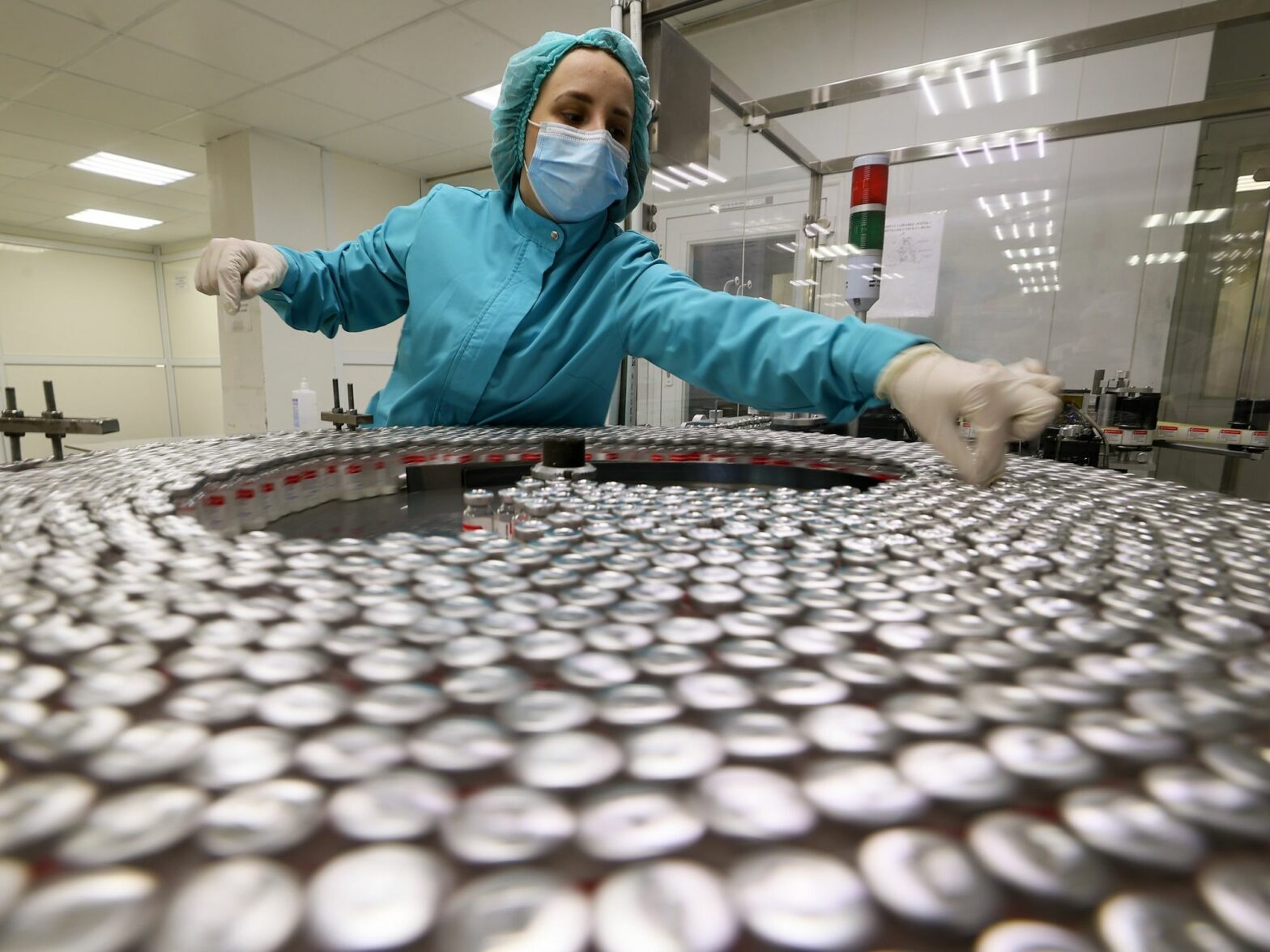
Millions of people could die from antibiotic-resistant germs in the near future. But there are very few new antibiotics in the research pipelines of the big pharmaceutical companies, which are focused on developing more profitable drugs. What is behind this blatant injustice — and what can be done about it?
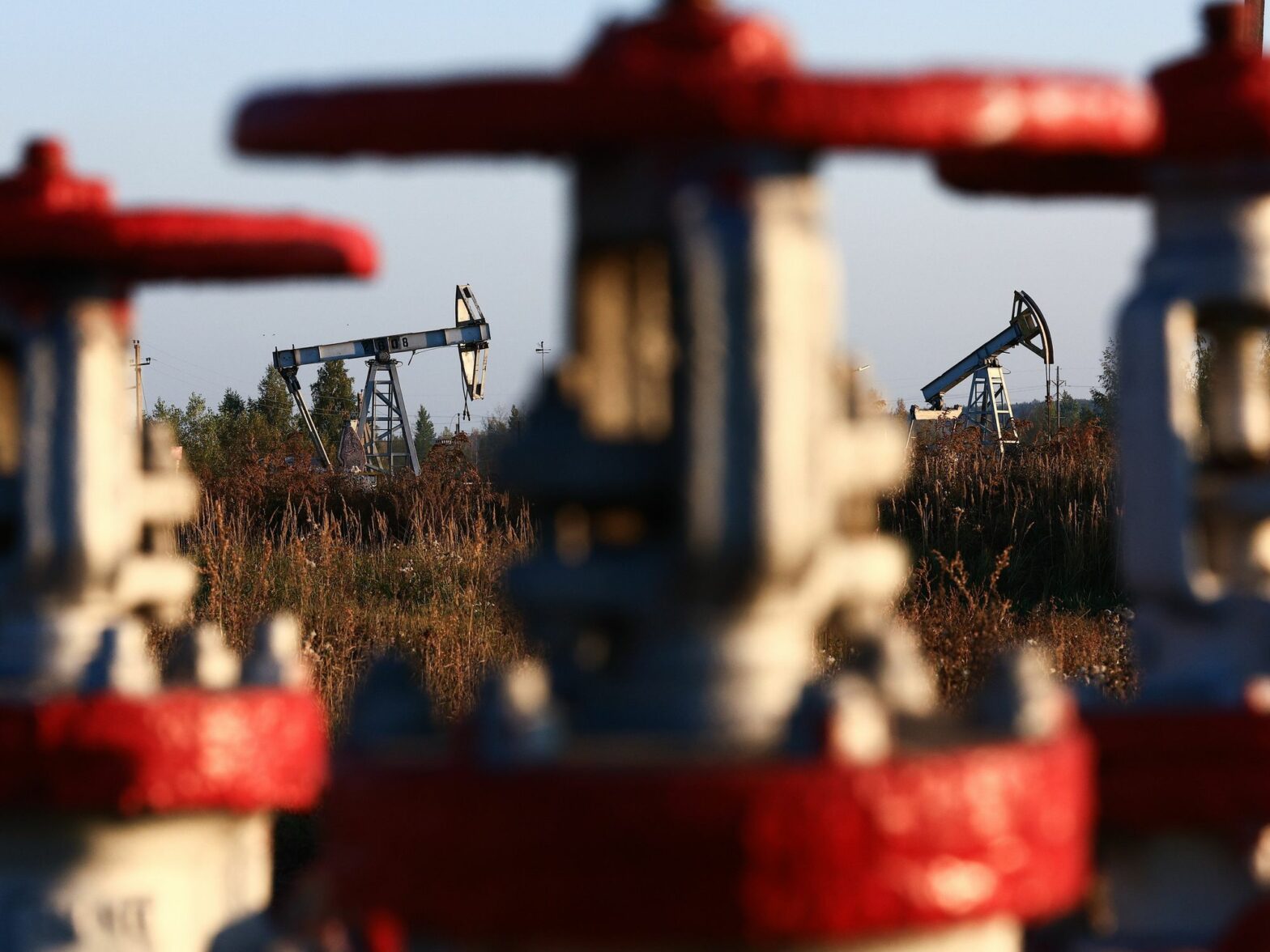
Since the end of the 20th century, the idea has spread that there’s a fundamental link between energy prices and Moscow’s ability to carry out military aggression. After all, low energy prices were one of the factors behind the economic collapse of the USSR.
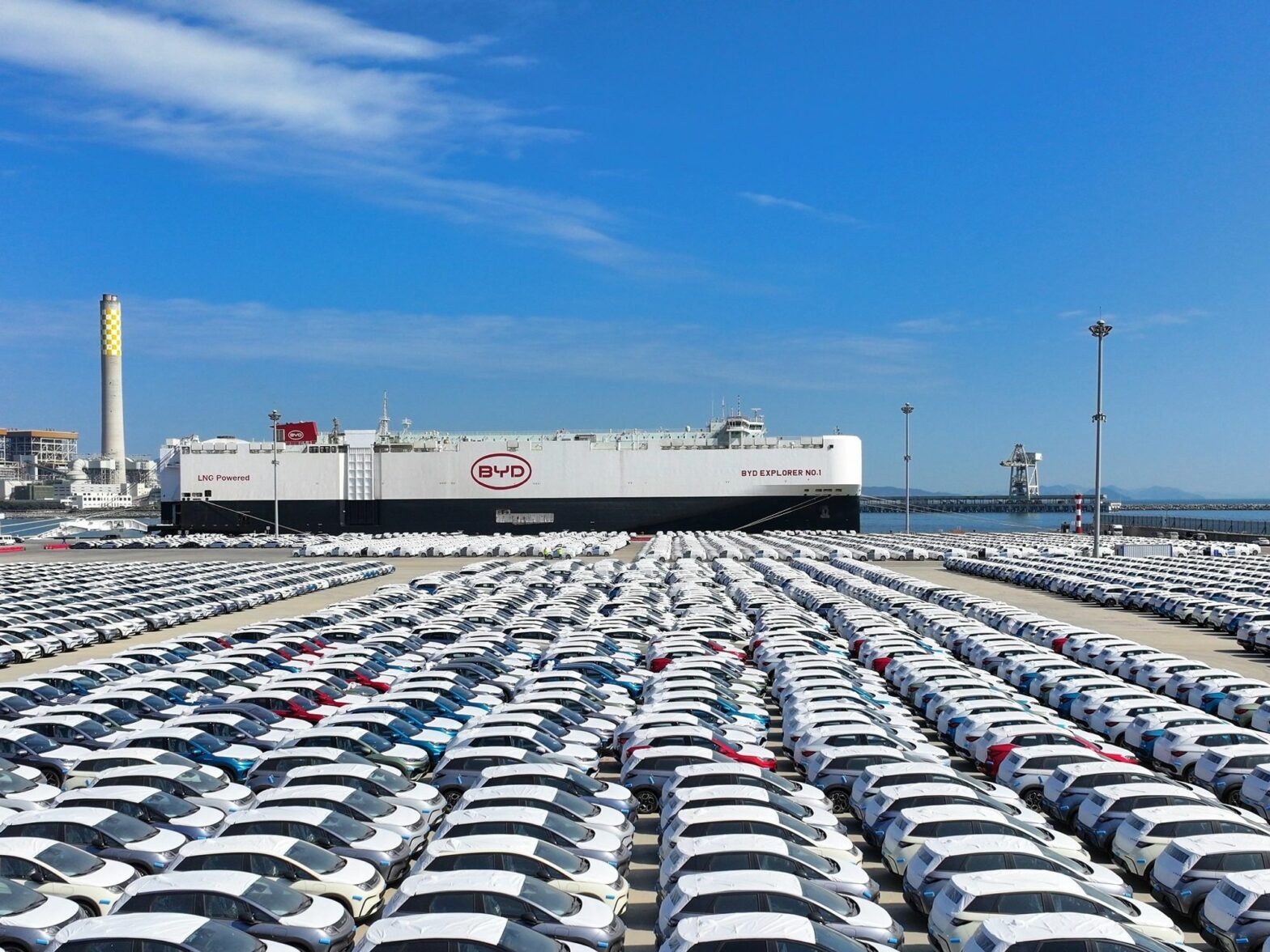
Germany is trying to avoid tariffs on Chinese electric cars because it is interested in selling its own cars to China — and wants to avoid direct confrontation. But the European Union has decided to impose new tariffs. All of this may wind up as a full-fledged new trade war between China and Germany.

The offspring of Russia’s elite were used to luxury loft apartments, expensive cars and carefree living. So how did Putin’s successive drafts of new troops impact them? As independent Russian news platform Vazhnyye Istorii found out, life essentially continues as normal.
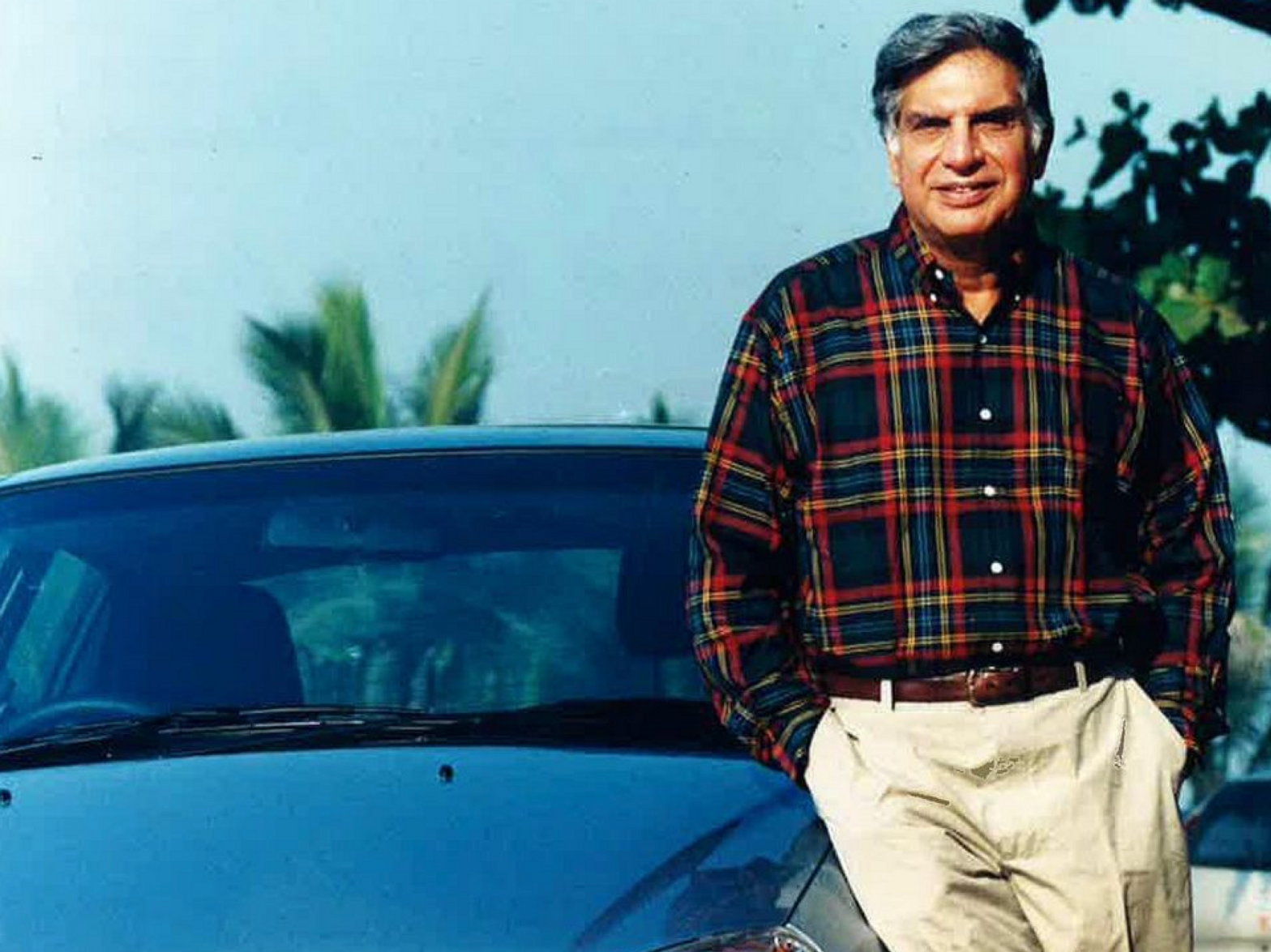
The “titan” of Indian business, Ratan Tata, has died at 86. Under his leadership, the Tata Group evolved into a global powerhouse, renowned for its integrity and expansive reach.
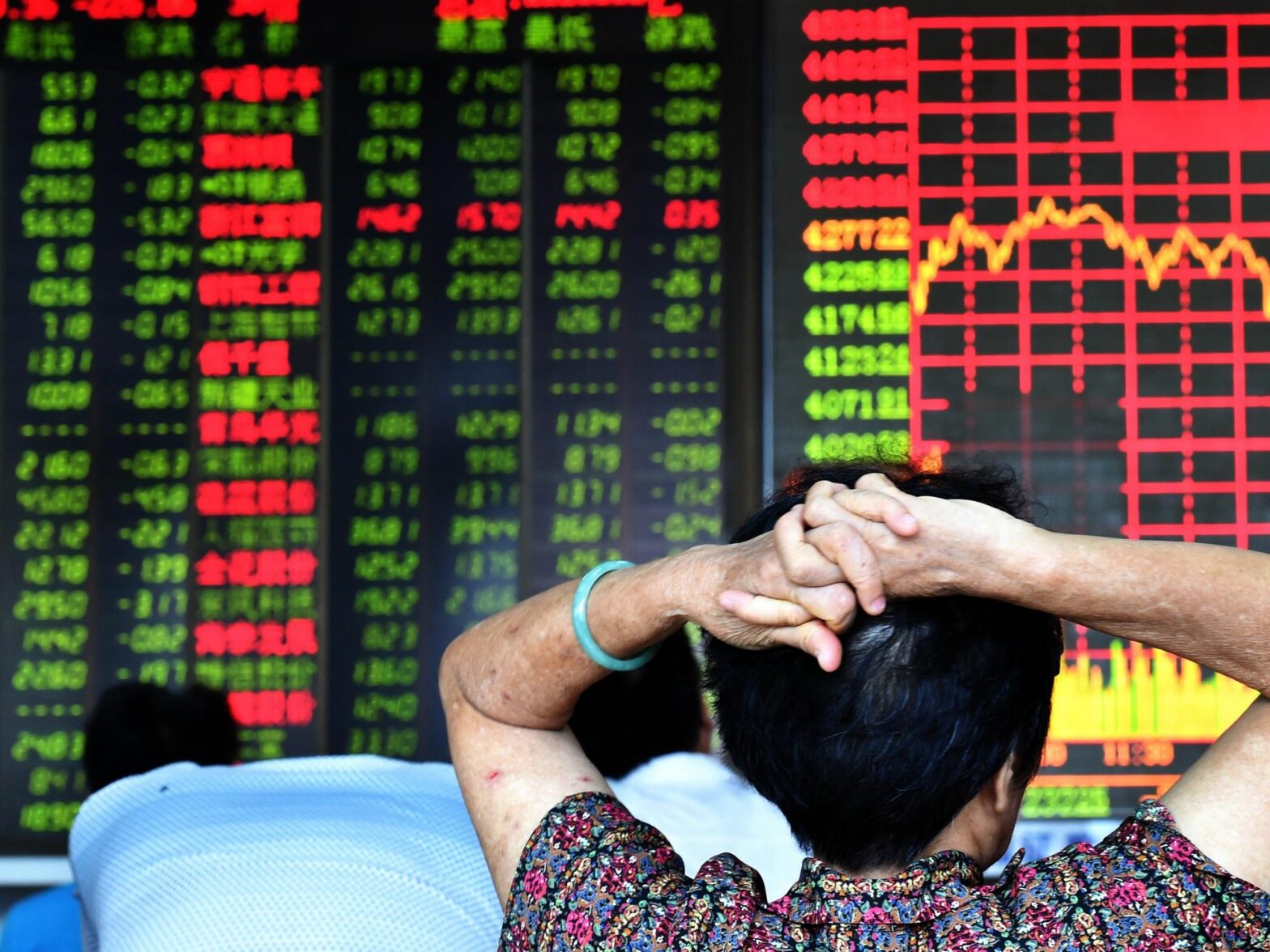
The Shanghai stock market soared following the announcement of an economic recovery plan, but then ran out of steam. It’s a symbol of the Chinese people’s wavering confidence amid mounting crises and Xi Jinping’s grab for absolute power.
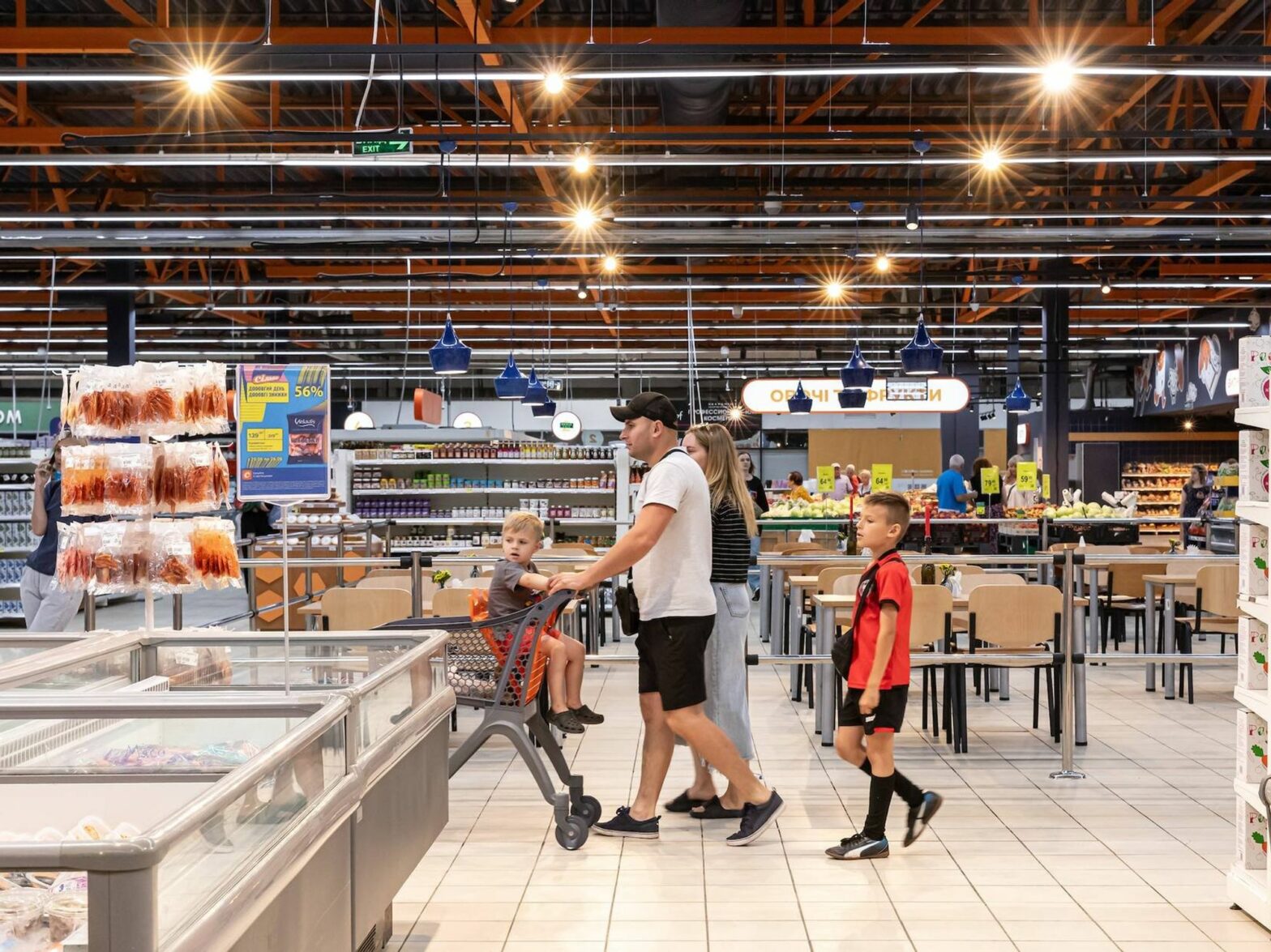
Founded by four amateur musicians with a passion for rock, Ukraine’s largest holding company, which includes supermarkets and banks, has paid a heavy price for the war. But that has not stopped Fozzy Group from using its economic power to serve its threatened homeland.
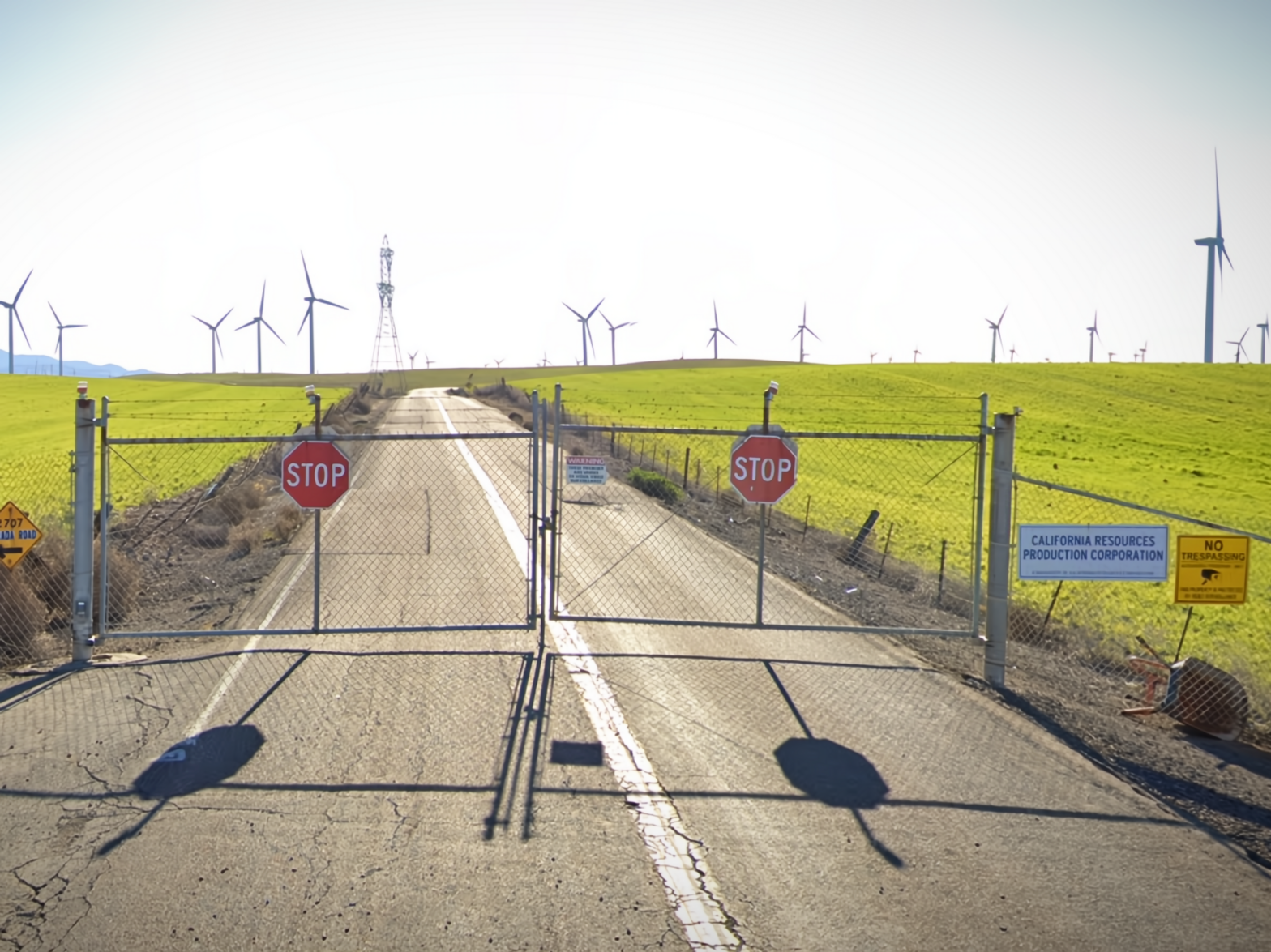
Tech’s biggest fortunes are funding a project to build a new city of 400,000 people just an hour outside of San Francisco. But the residents of the region’s most rural county are resisting.
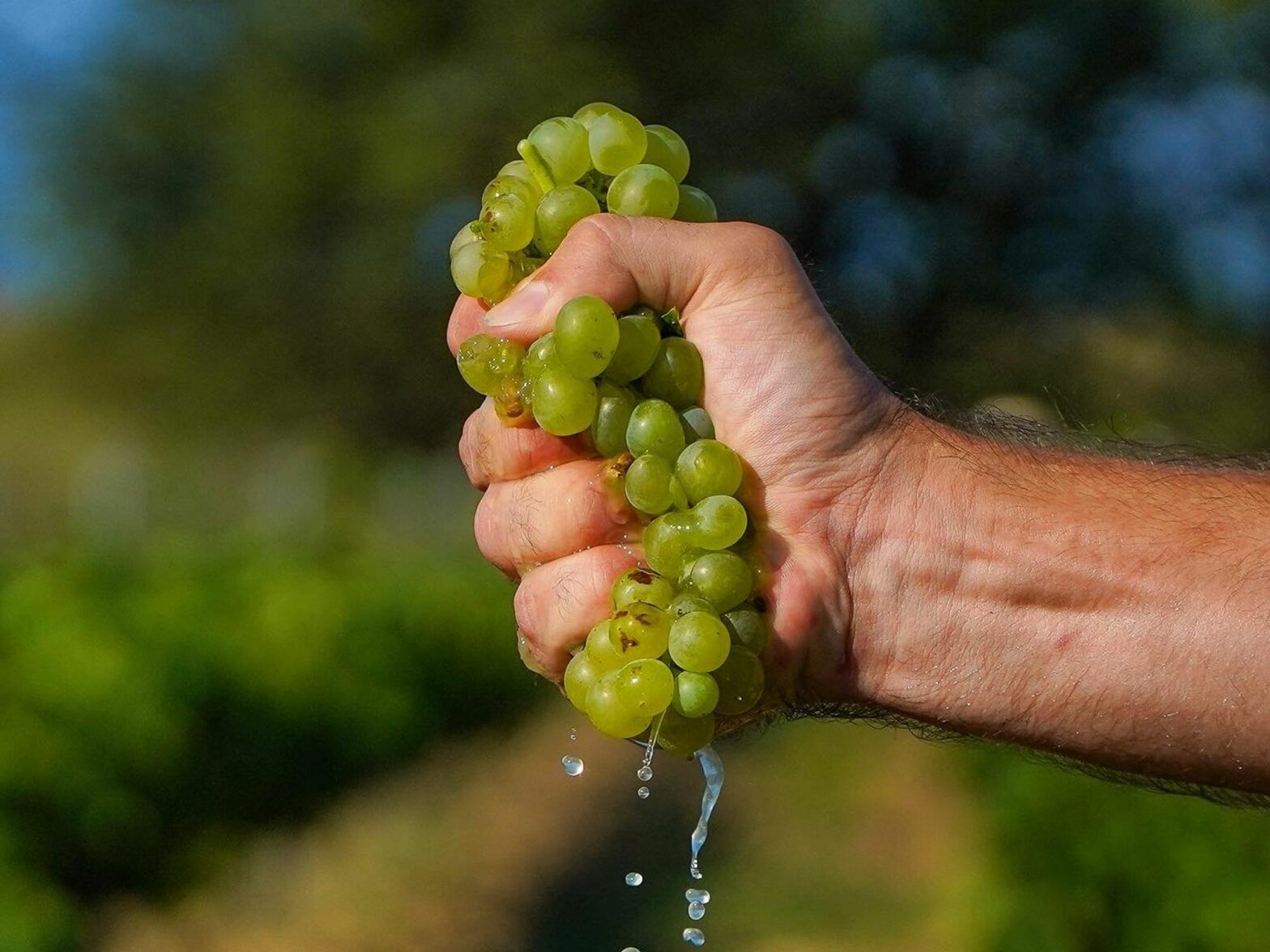
While wine consumption is declining and operating costs increasing, winegrowers also face increasingly frequent and extreme climatic hazards. Is this the last straw? As the sector is preparing for a new uprooting plan, some winemakers are looking into ways to adapt to the new market needs and climatic conditions.
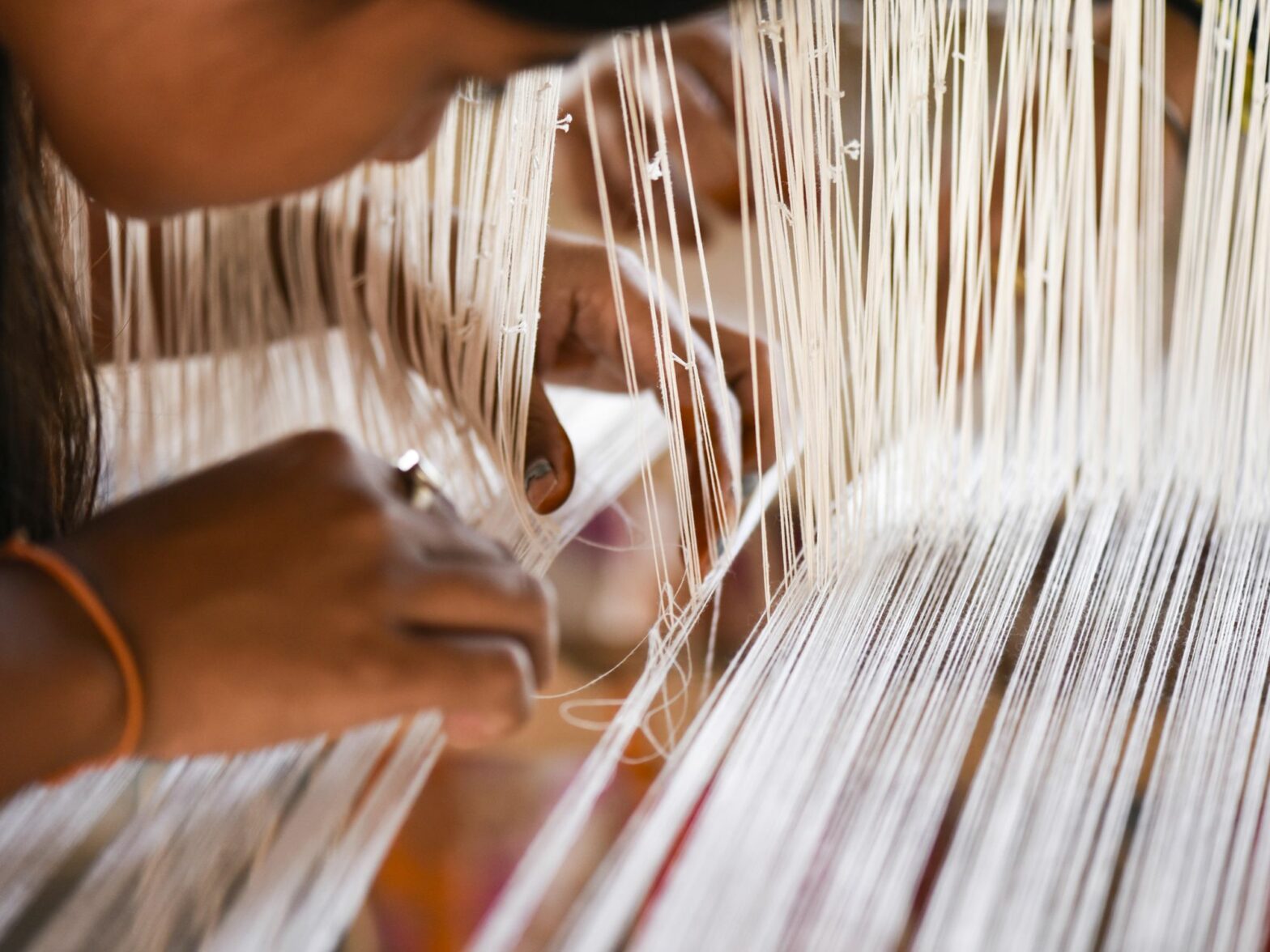
Women who are garment workers for well-known European labels face frequent gender-based violent harassment, caste-based discrimination, wage theft, forced termination, and other forms of labor and human rights violations. The laws simply don’t help.

Many young Vietnamese pay huge sums to get a training position in Germany. Only very few of them have any idea what they are getting themselves into. It’s a troubling twist to the eternal struggles of the immigrant journey.
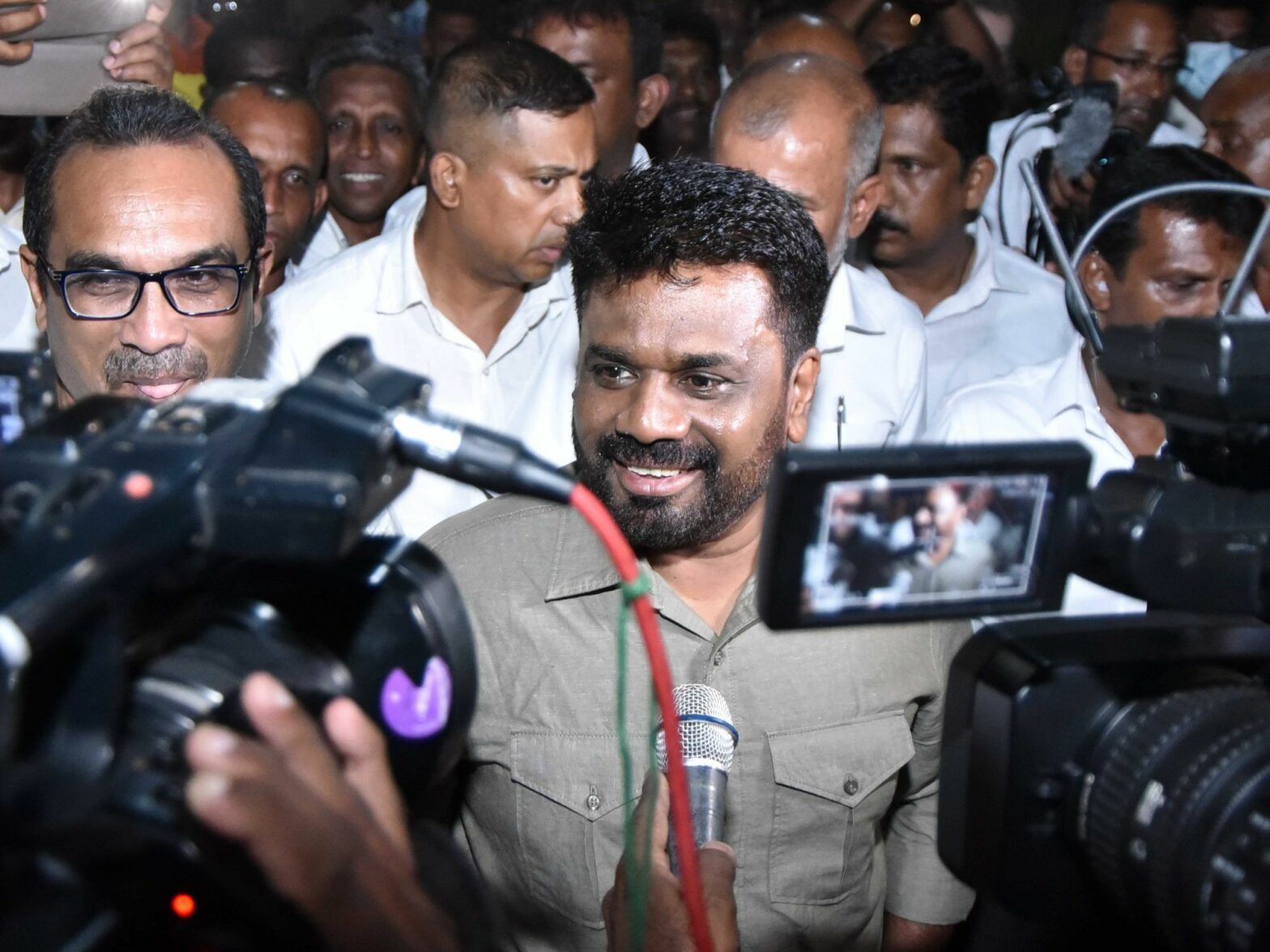
The outgoing Sri Lankan government had signed an agreement in secret for the Indian conglomerate Adani to build a wind farm in the north of the country. Now the newly elected President Anura Kumara Dissanayake arrives with plans to scrap the massive project.
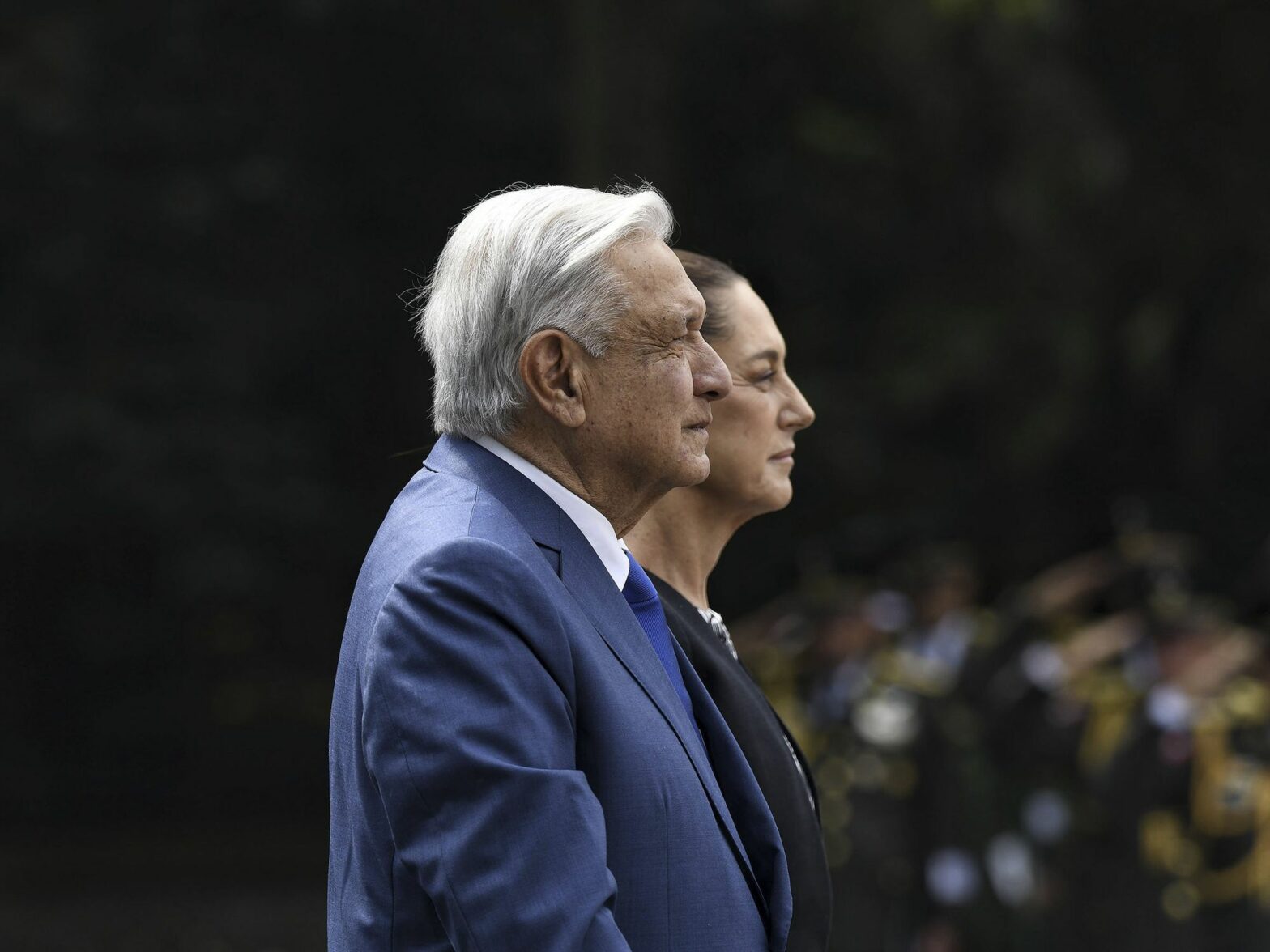
Mexico’s ruling party has reformed the constitution, forcing judges to run for office, supposedly to make them accountable to the people. But given the country’s history and singular problem with crime, it may turn them instead into ordinary politicians vulnerable to bribery and mob terrorism.
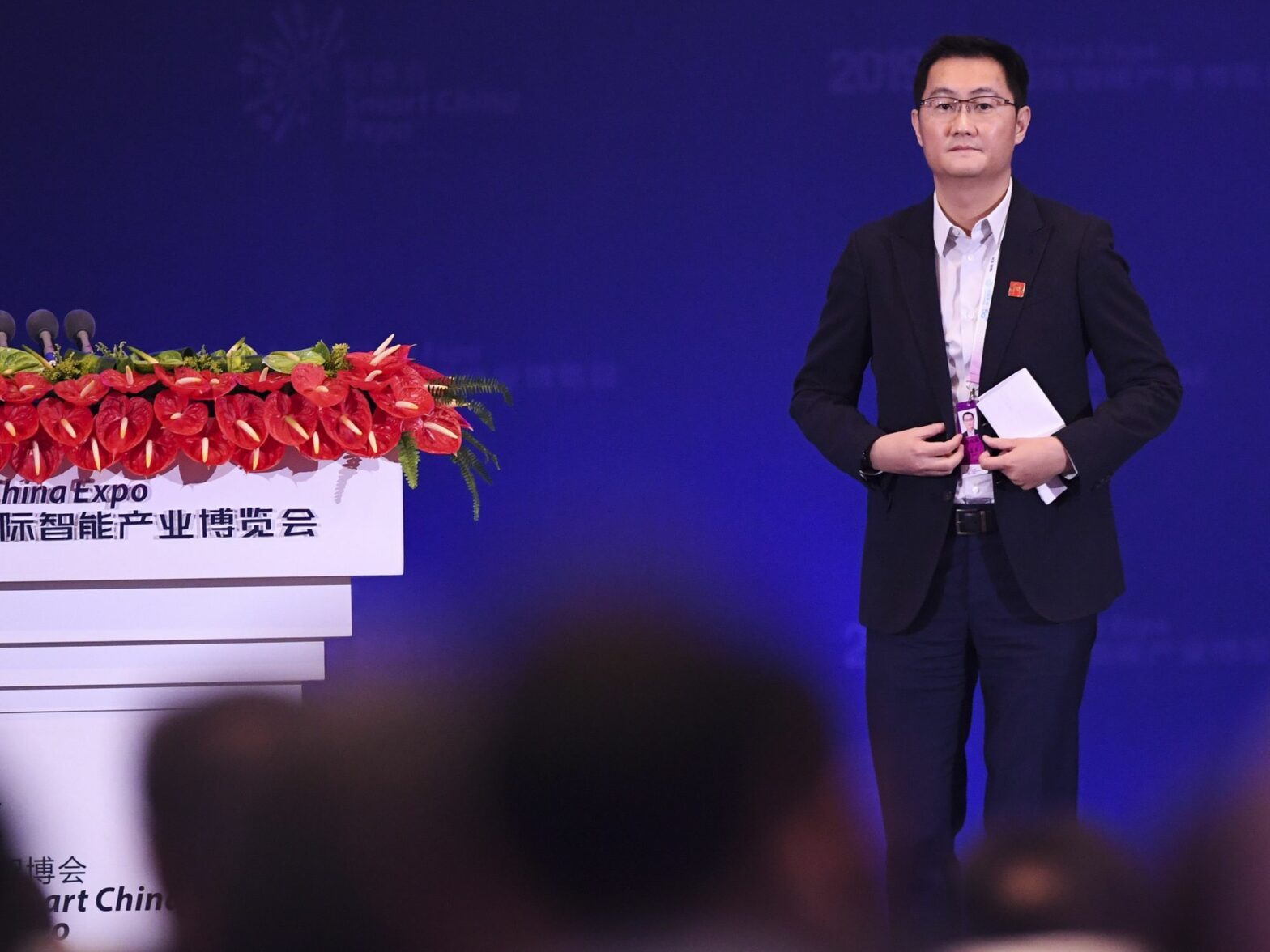
The resurgence of China’s richest tech billionaire might seem like a positive signal of a more permissive market environment. But it’s worth remembering that Beijing remains the ultimate authority to regulate and mobilise market resources.

New reports indicate that luxury sales in mainland China have fallen by approximately 10% so far this year, and talking to those who used to buy European brand bags and clothes, it’s going to be virtual austerity for the foreseeable future.
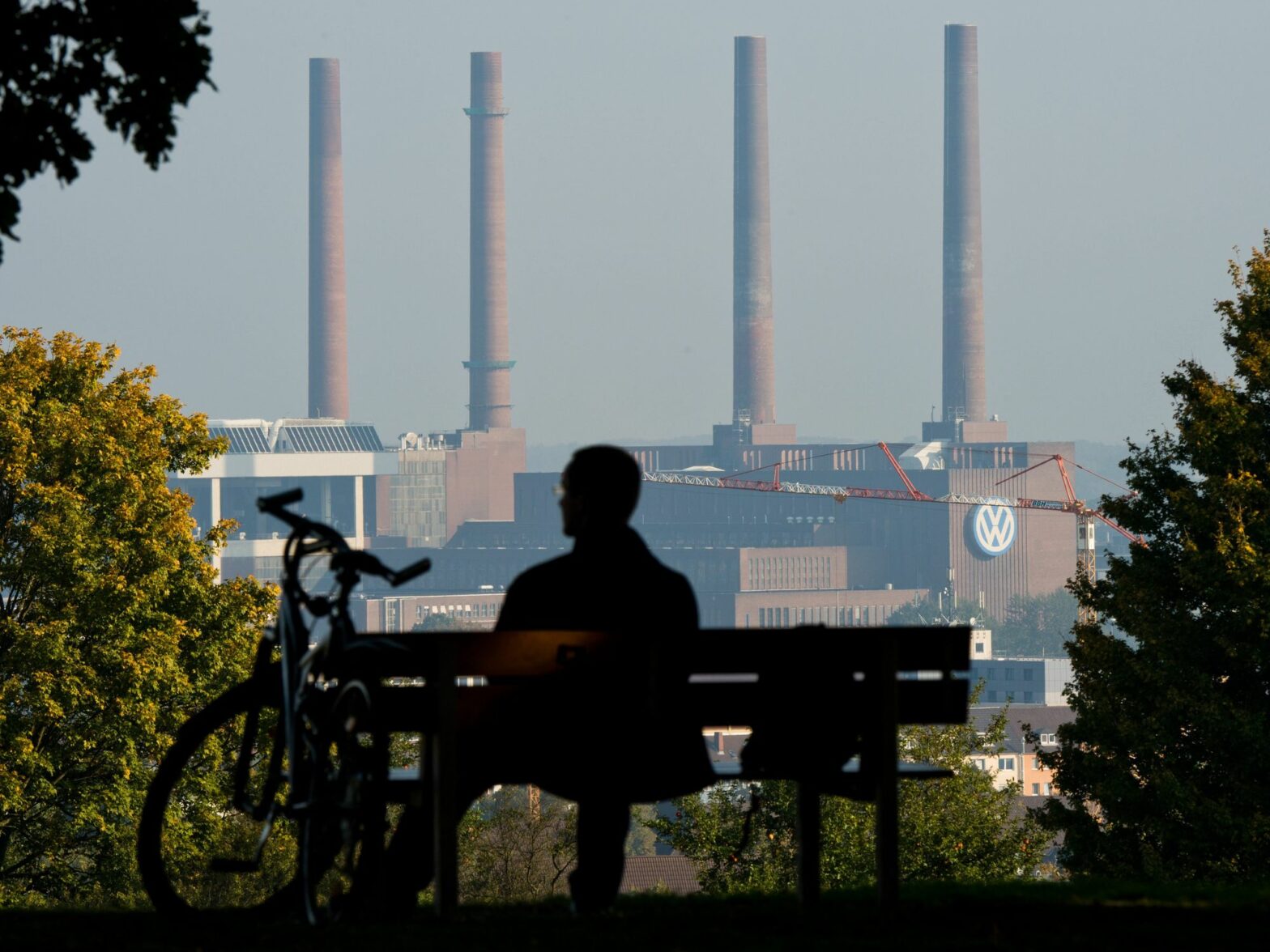
No place says Volkswagen like Wolfsburg. The city and the brand live in symbiosis, and for a long time, this has been beneficial to both. Now, the times of prosperity might be over. A visit to the quiet and historically prosperous corner of western Germany.
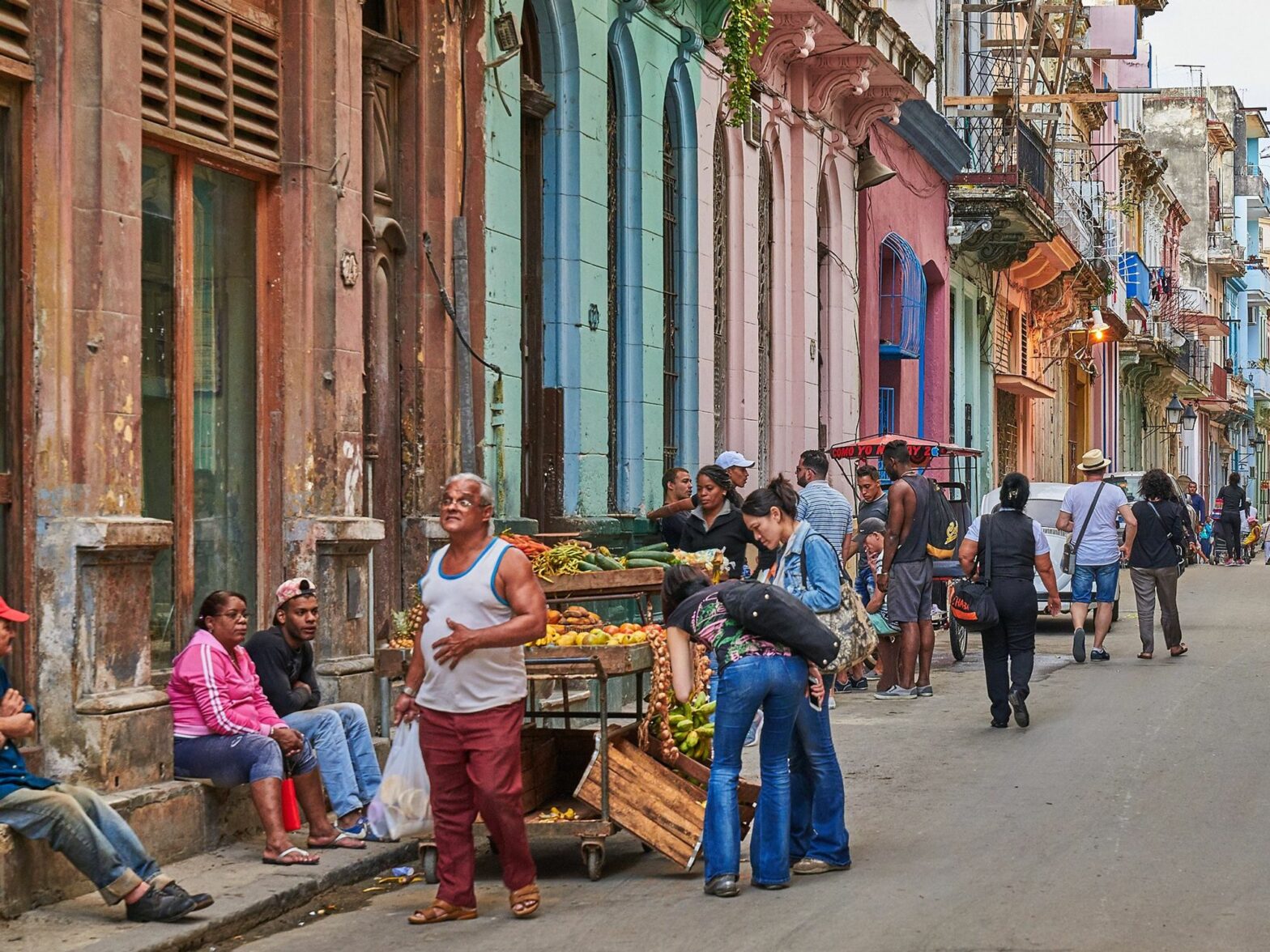
Cuba is approaching a state of economic collapse and has turned to the UN for food assistance for the first time in its history. While Havana blames the U.S. embargo for its economic woes, the reality is quite the opposite.