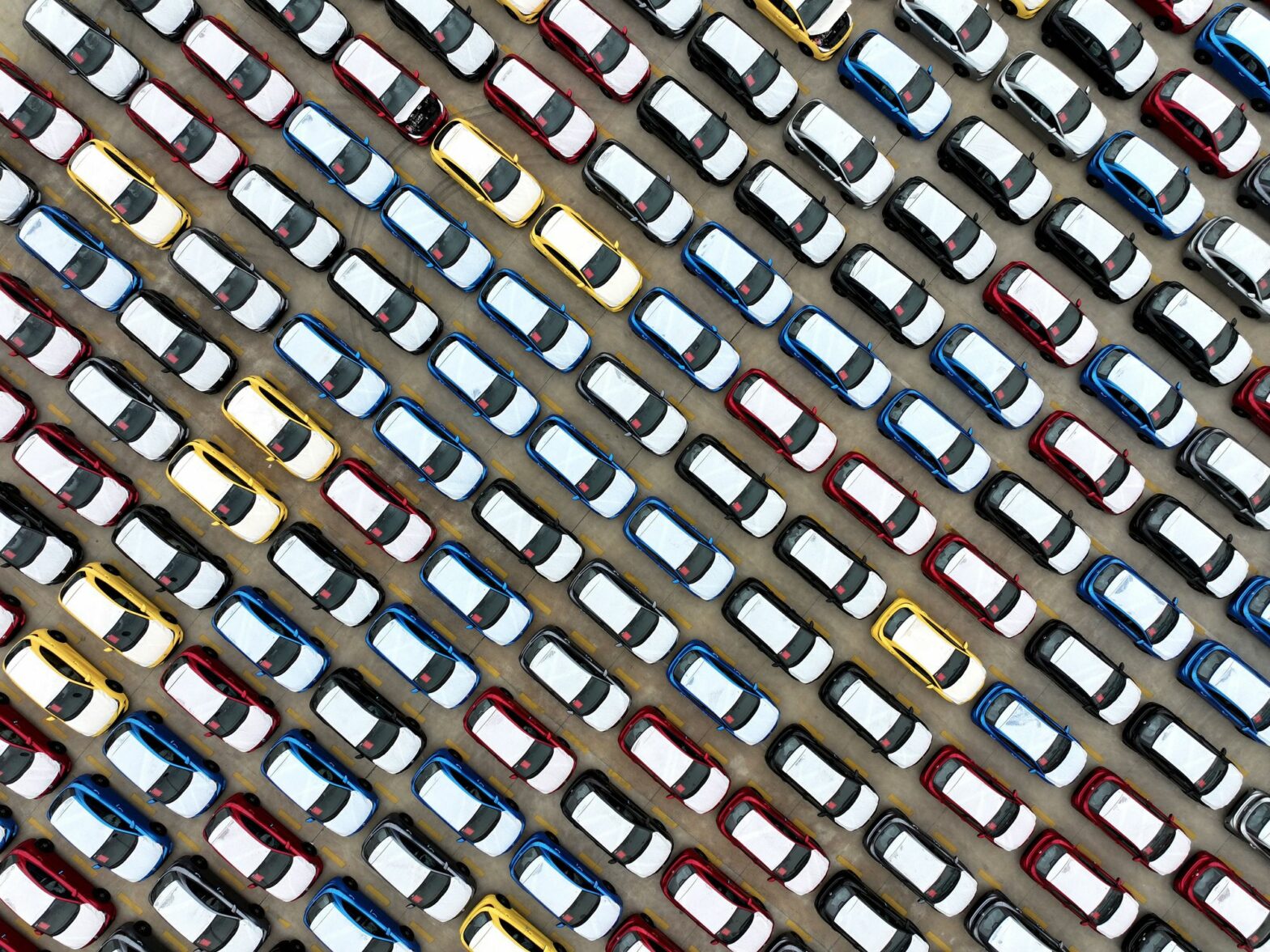
The car industry is in shock, with the announcement from Washington of 25% tariffs on auto imports to the United States. Here’s what every car owner and business needs to know about how this crucial industry will be affected around the world.
 Worldcrunch
The car industry is in shock, with the announcement from Washington of 25% tariffs on auto imports to the United States. Here’s what every car owner and business needs to know about how this crucial industry will be affected around the world.
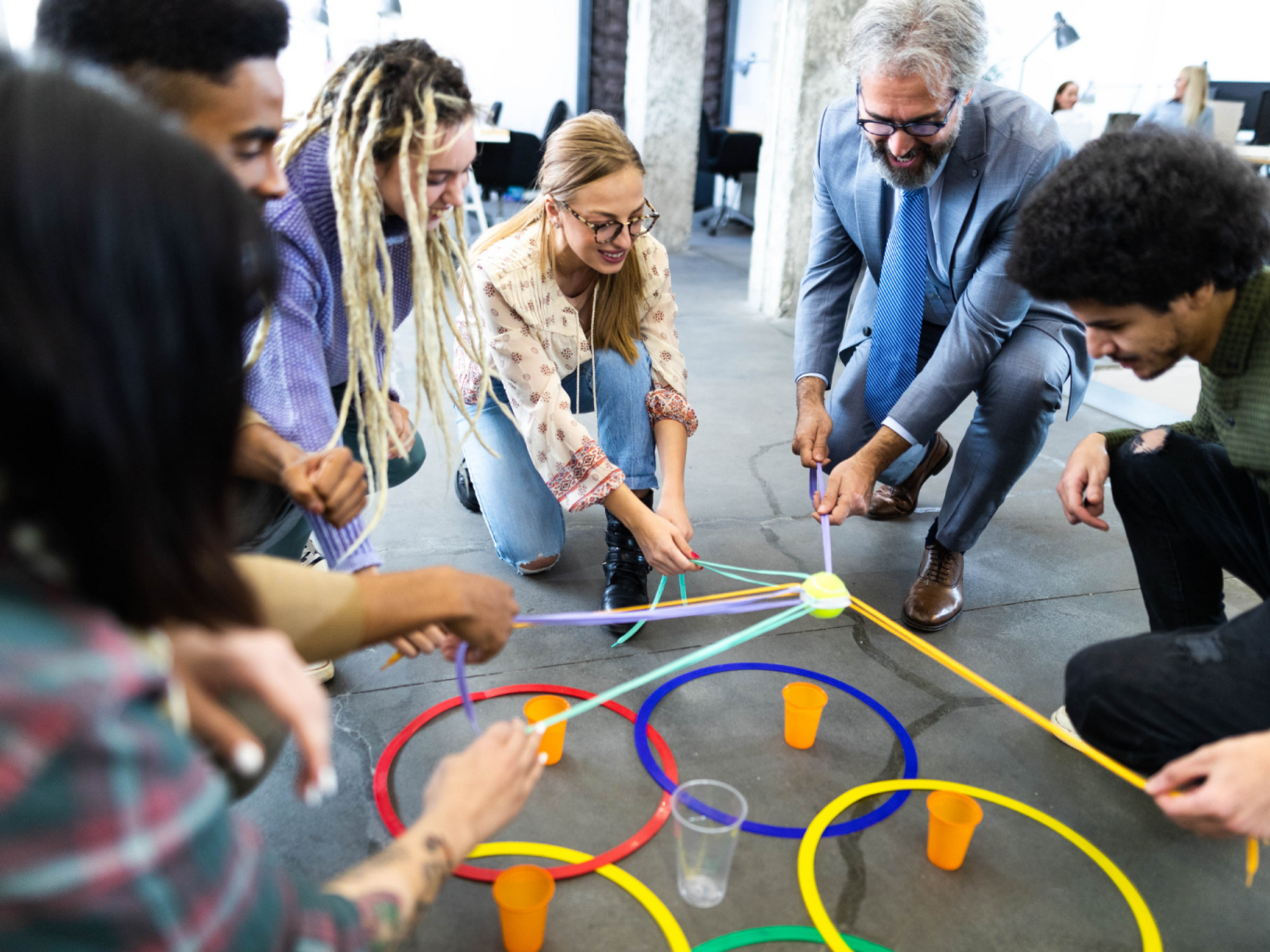
Since the 1980s, the American tradition of team building has found its way into French companies. Consider it a bonafide clash of cultures, and attitudes.

Europeans may see seizing Russian assets as a financial and moral boost, they should resist the idea to avoid a triple boomerang effect.

In a not-so-distant future, Latin Americans will find they too were wealthy like their overbearing northern neighbor, only their “capital” consisted of art, music and resilience, combined in one of their biggest assets home-bred superstar Shakira.
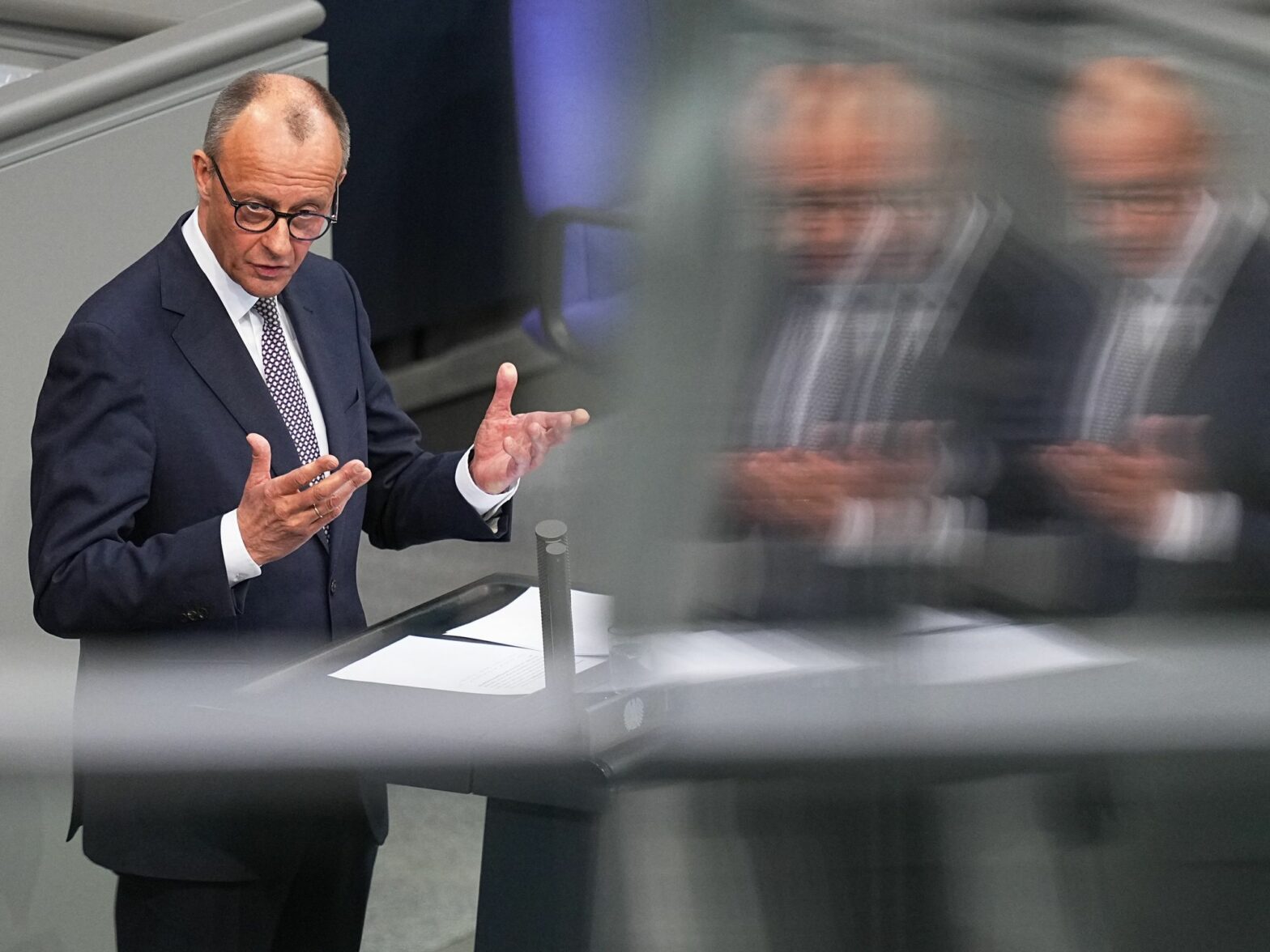
Germany has finally decided to start spending. Is this going to save its stagnating economy? The new fiscal package is the biggest economic policy test in post-War German history. Now it’s crucial that the government avoids any mistakes.
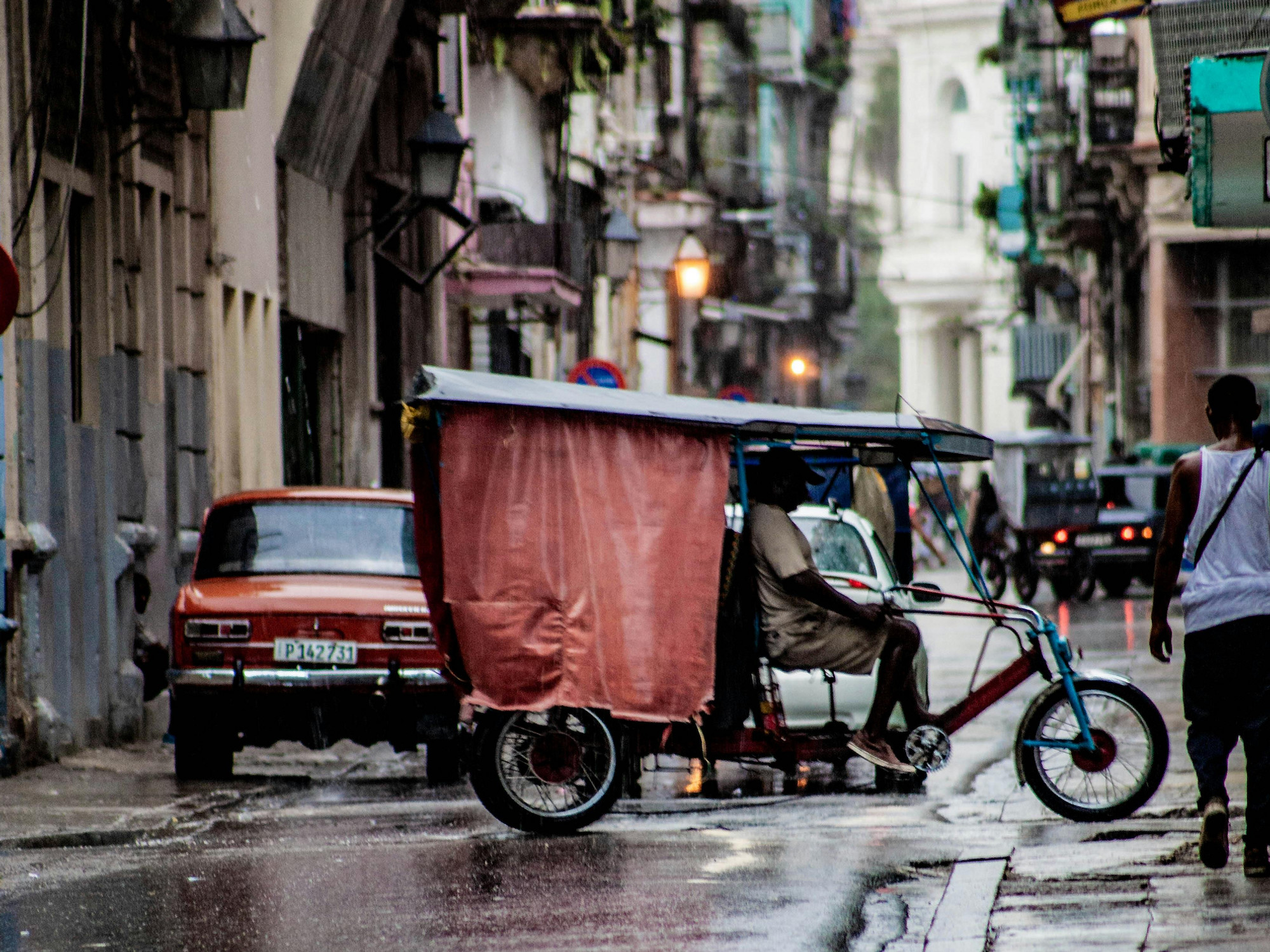
Certainly things don’t work in communist Cuba, but this neither justifies the embargo that has all but strangled it for decades, nor the obsession with sweeping a singular experiment in governance and social welfare into the globalized banality of our time.
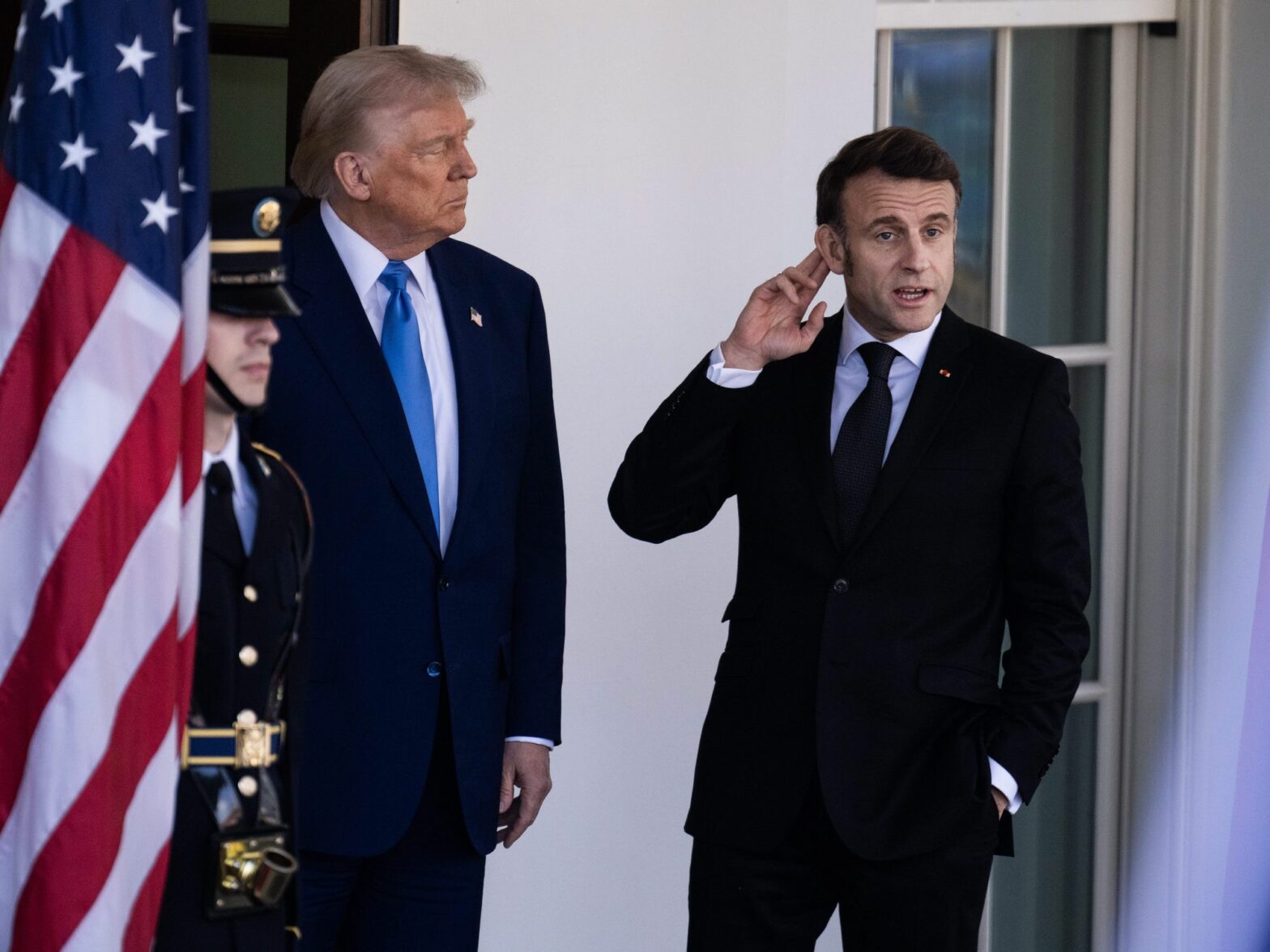
Will Trump be the American Gorbachev? It’s now or never for Europe to catch up with the United States’ economy, if the European Central Bank is willing to show the way, says economist Nicolas Goetzmann.

Following U.S. President Donald Trump’s flurry of tariffs on Canadian, Mexican and Chinese products, Europe is expecting similar announcements. France, whose wines and spirits are a traditional target in trade conflicts with the EU, is particularly at risk. Its cognac is already being targeted by China.
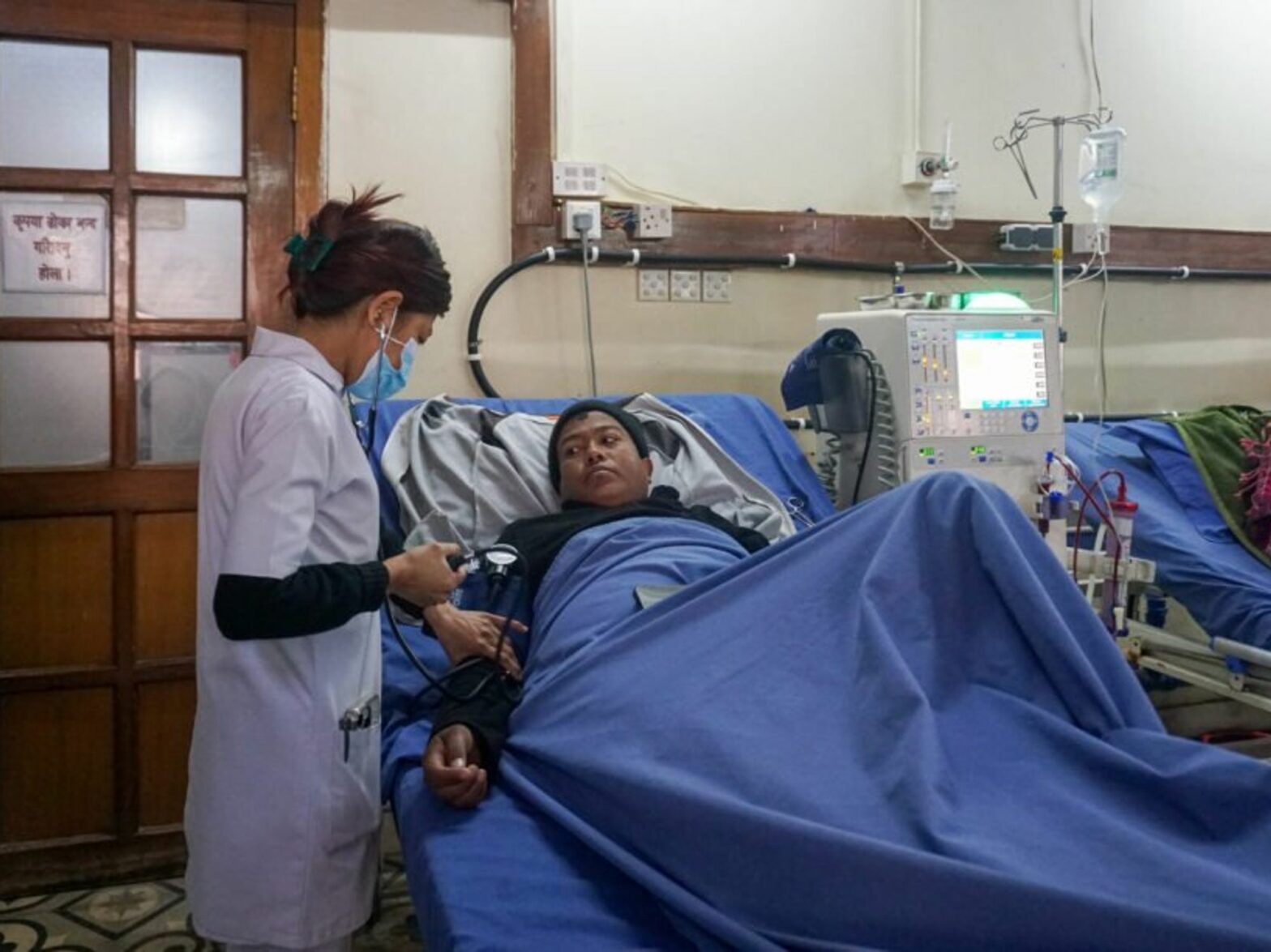
One-third of the dialysis patients at the country’s National Kidney Center came for treatment after working abroad, often at jobs with grueling hours and few water or bathroom breaks in stifling heat.
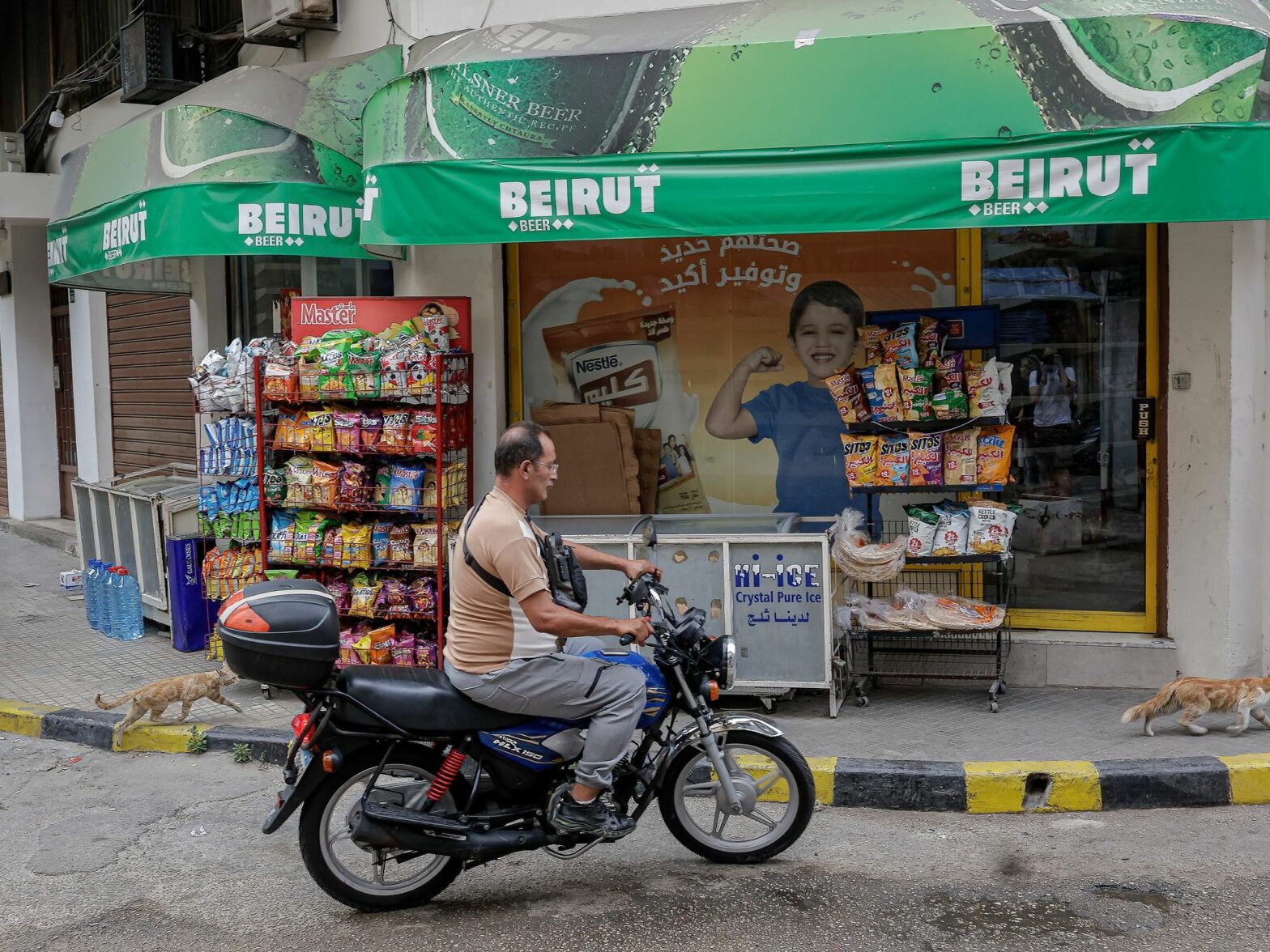
The Saudis could regain the political and financial clout they once enjoyed in Lebanon, which was lost for two decades to Hezbollah and its foreign patrons. Could that restore a measure of prosperity to a country brought to its knees by decades of civil war and the unwelcome interventions of Tehran and Damascus.

From restoring the fire-ravaged Notre-Dame Cathedral to the Olympic Games, from industrial chimneys to nuclear power plants, rope access technicians are in demand everywhere. Meet the professionals in the thick of it.
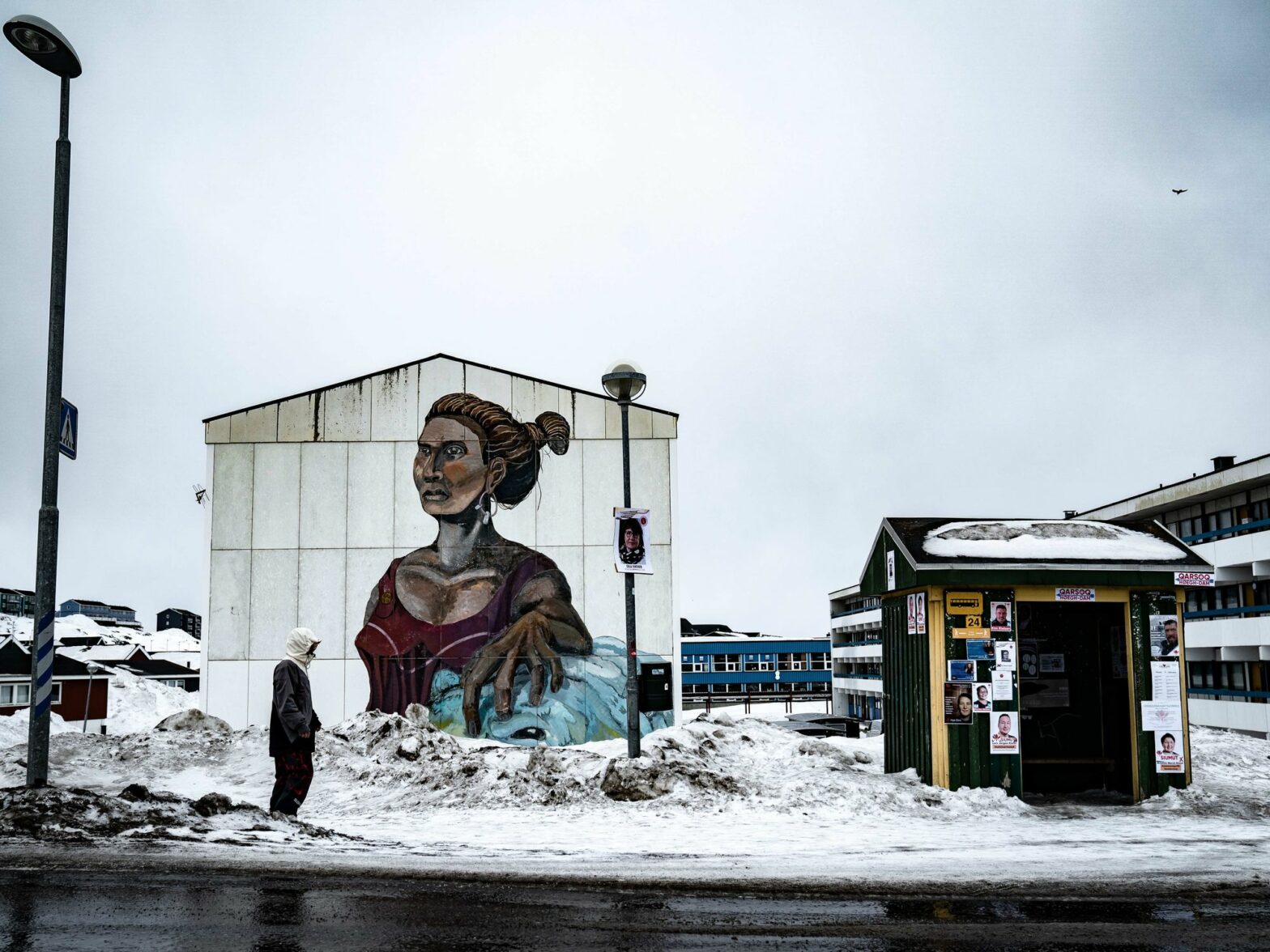
Greenland’s soil is packed with valuable resources, yet many of its people struggle to make ends meet. The world’s highest suicide rates, school dropouts and alcohol abuse are also part of Greenland’s reality. These issues are central to the March 11 general election.
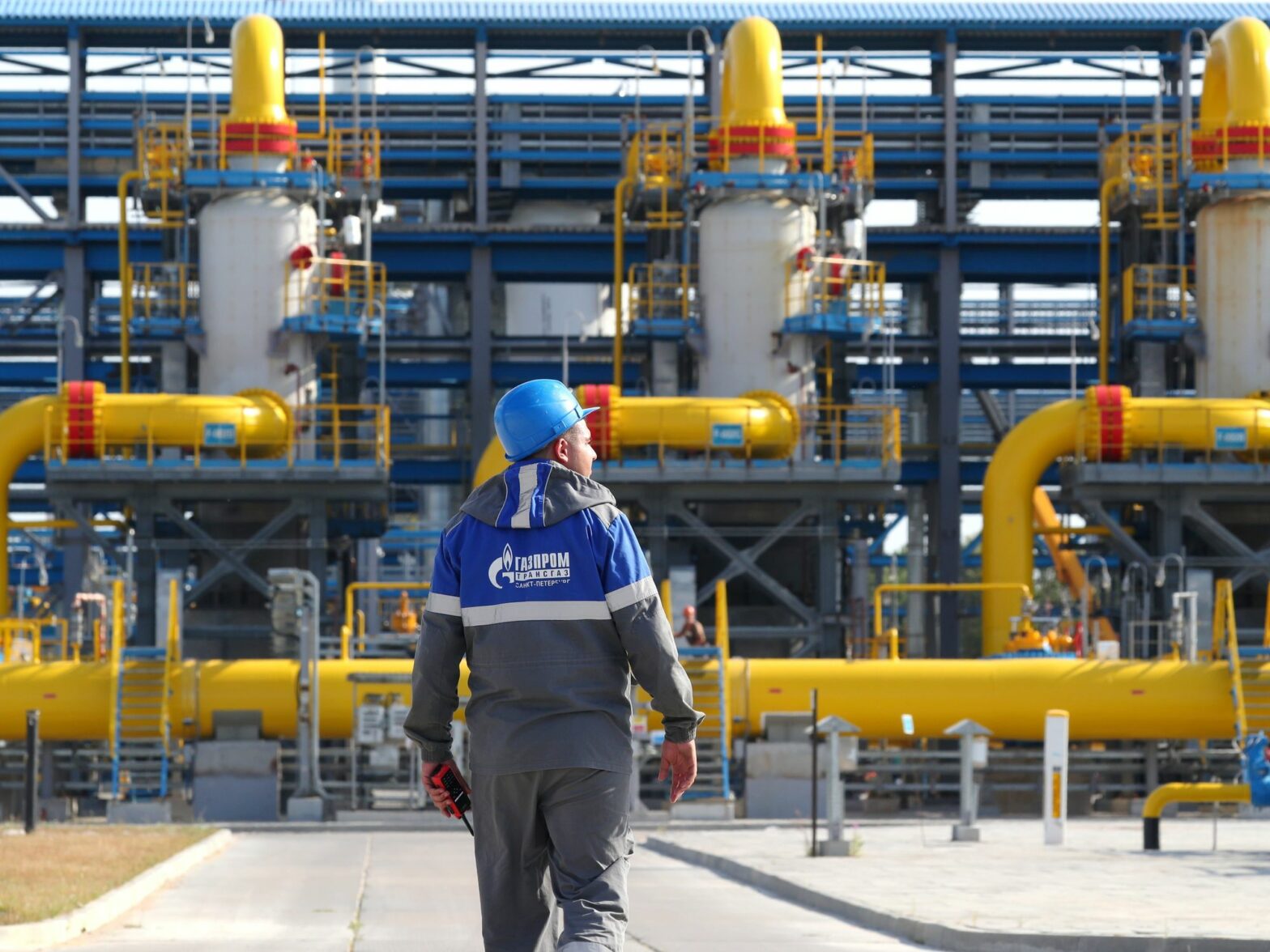
Unthinkable just a few months ago, the return of Russian gas to supply European countries is now being advocated by some on the continent. But the move faces both political and technical barriers, and its medium-term benefits are not clear.
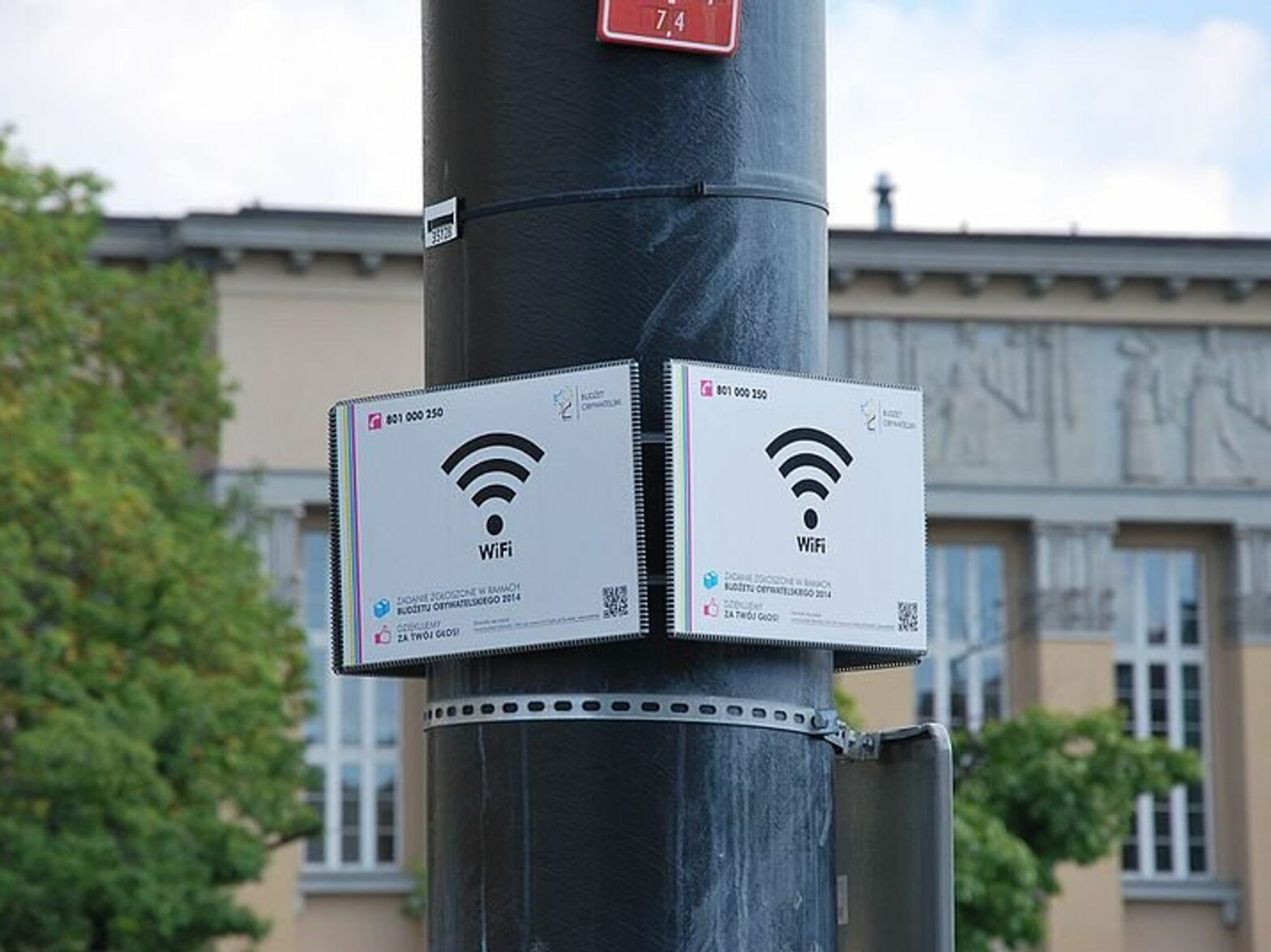
Whether it’s to narrow the digital divide or to attract tourists, foreign businesses, remote workers and digital nomad influencers, it might be time to offer free internet access across society. Here are some of the places leading the push.
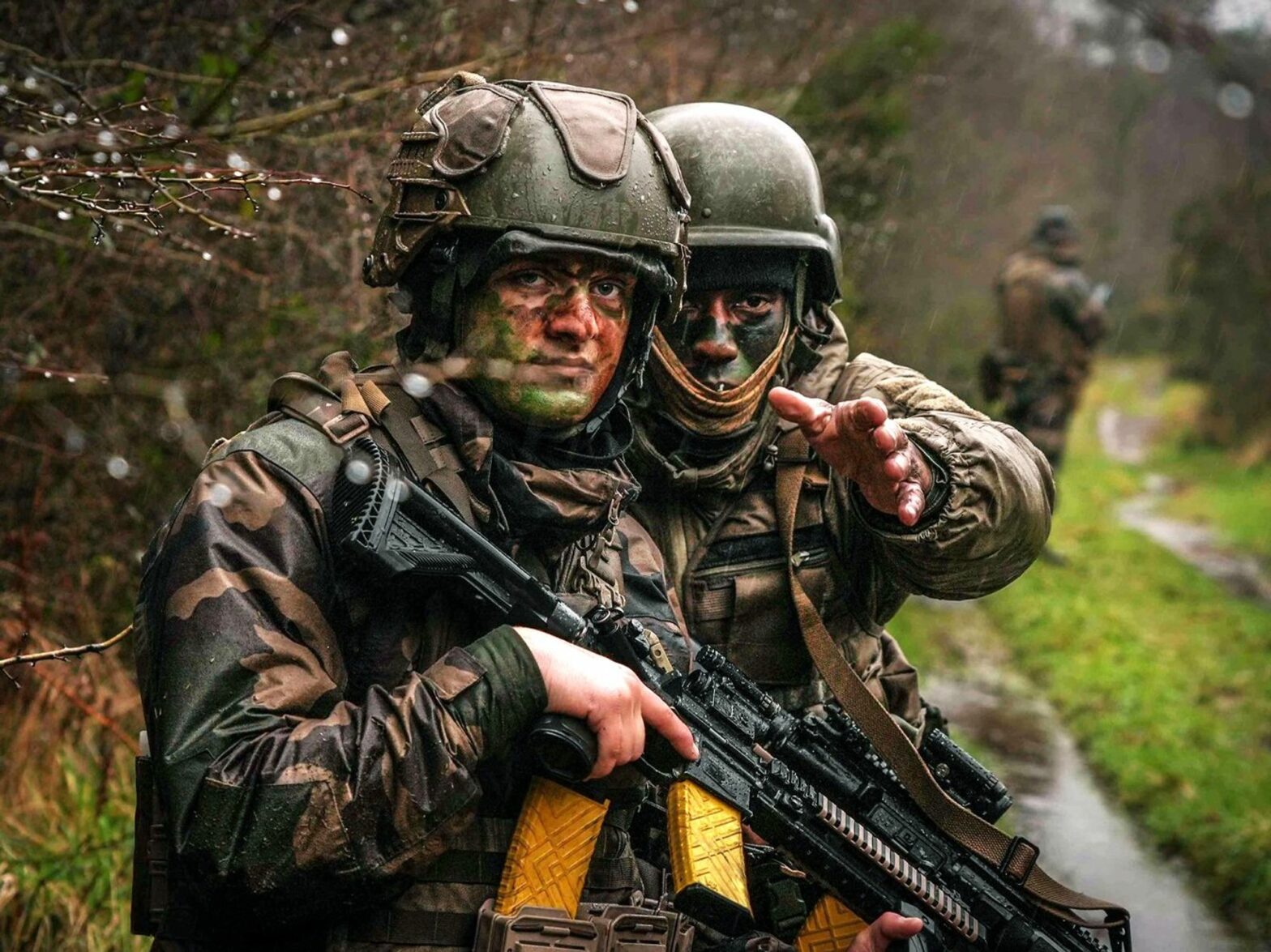
Now that the U.S. has relinquished its role as “leader of the free world,” Europe is on its own. But that doesn’t mean it’s out of options, writes former German diplomat and ambassador Hans-Dieter Heumann.

Washington once promoted an open, unrestricted internet, and criticized Beijing’s efforts to control its citizens’ access. But the recent “sell or ban” controversy over ByteDance’s social media platform TikTok shows that the United States may now be siding with China when it comes to digital sovereignty. Is internet freedom dead — and if so, who killed it?
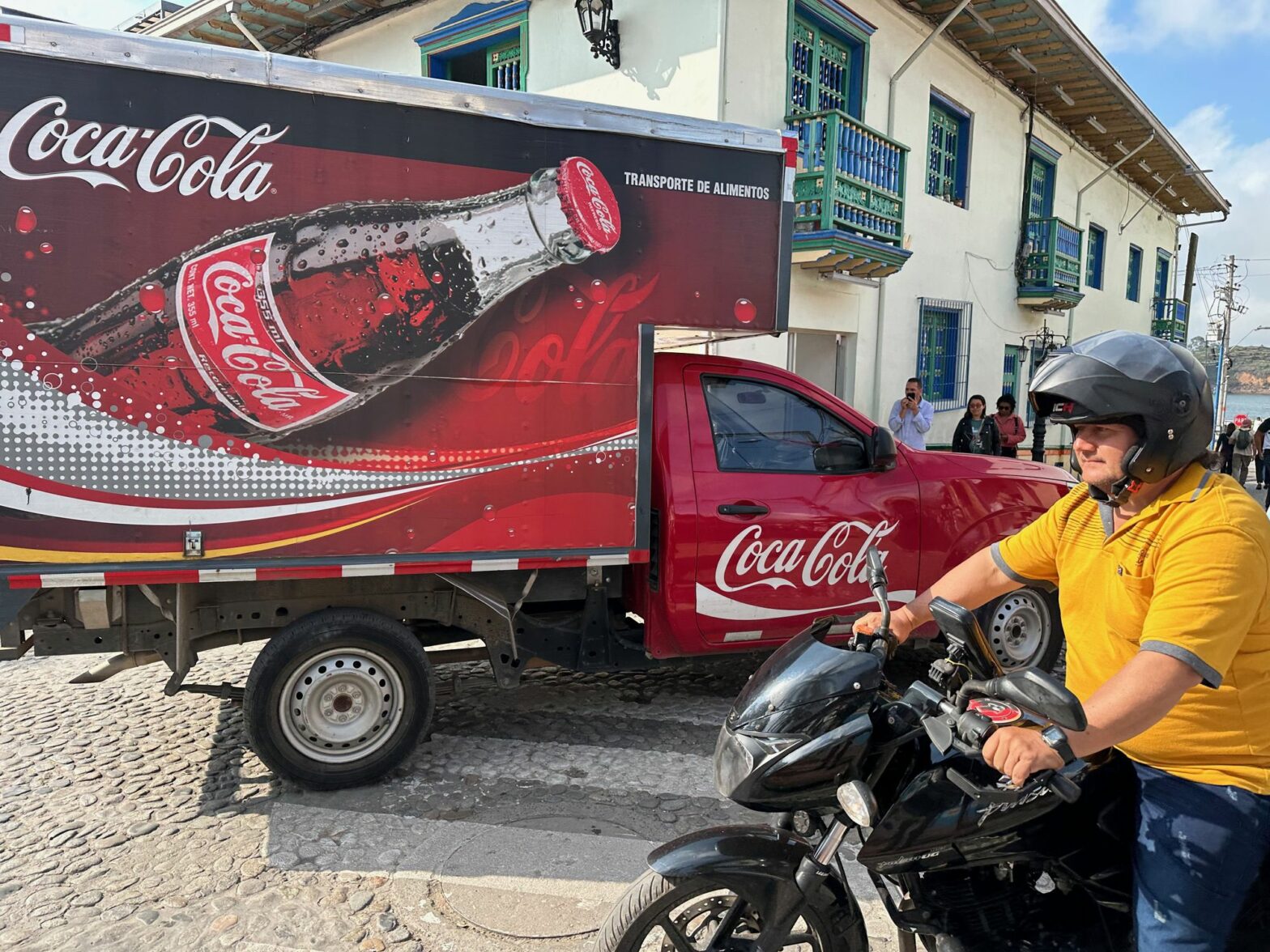
Colombian writer Mauricio Restrepo Posada says U.S. President Donald Trump is not only hostile to Latin America and the Third World, but also to the entire planet, including his fellow citizens. Faced with this monster who wants to own the planet, there is little ordinary global citizens can do — except for the firm decision not to buy U.S.-exported products.
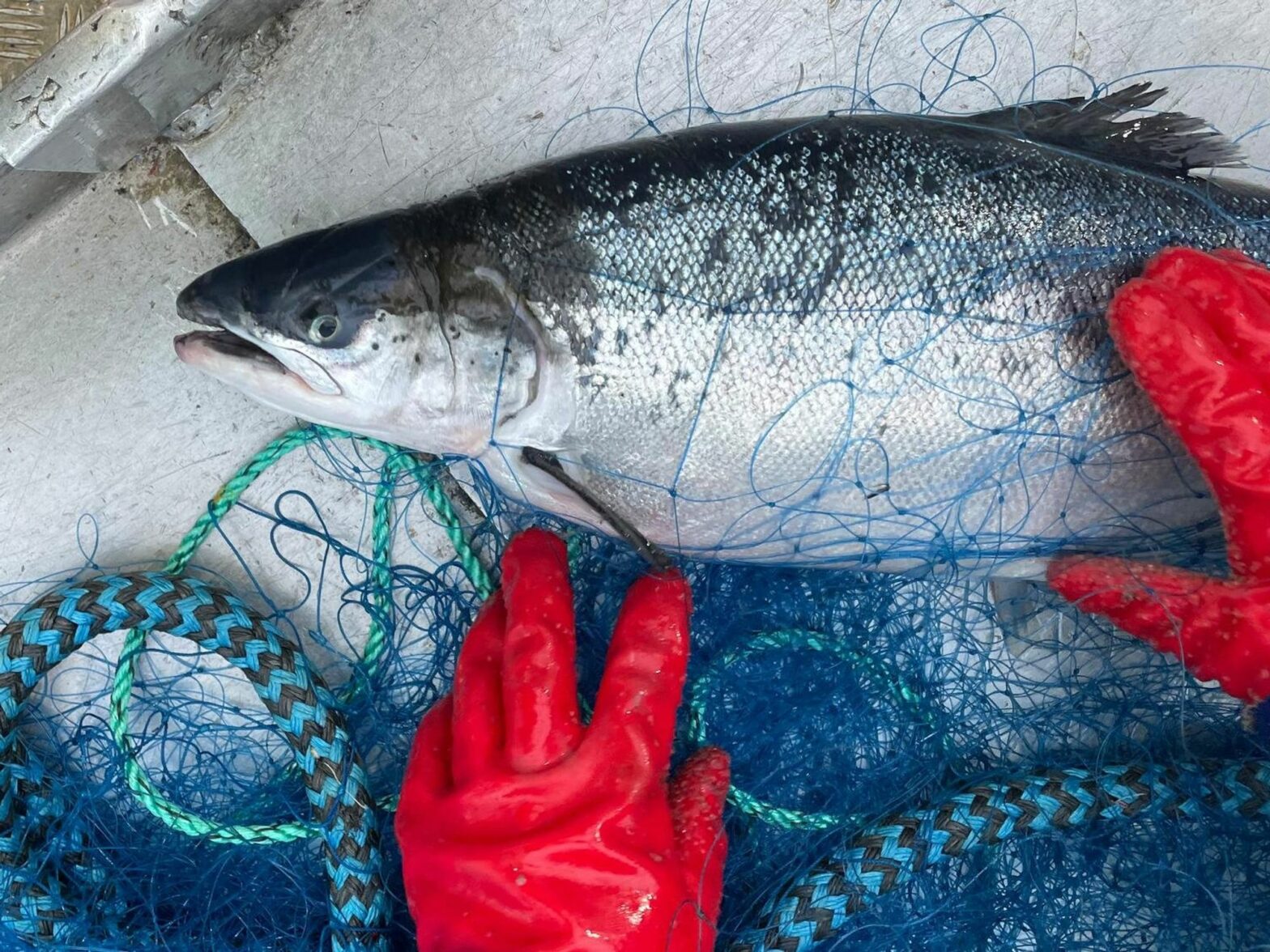
When 27,000 farmed salmon escape from a Norwegian aquaculture facility, it sets off a high-stakes chase that could determine the fate of wild salmon populations. With a bounty on each fish, local fishermen set out to recapture them — both for profit and to protect the fragile ecosystem.
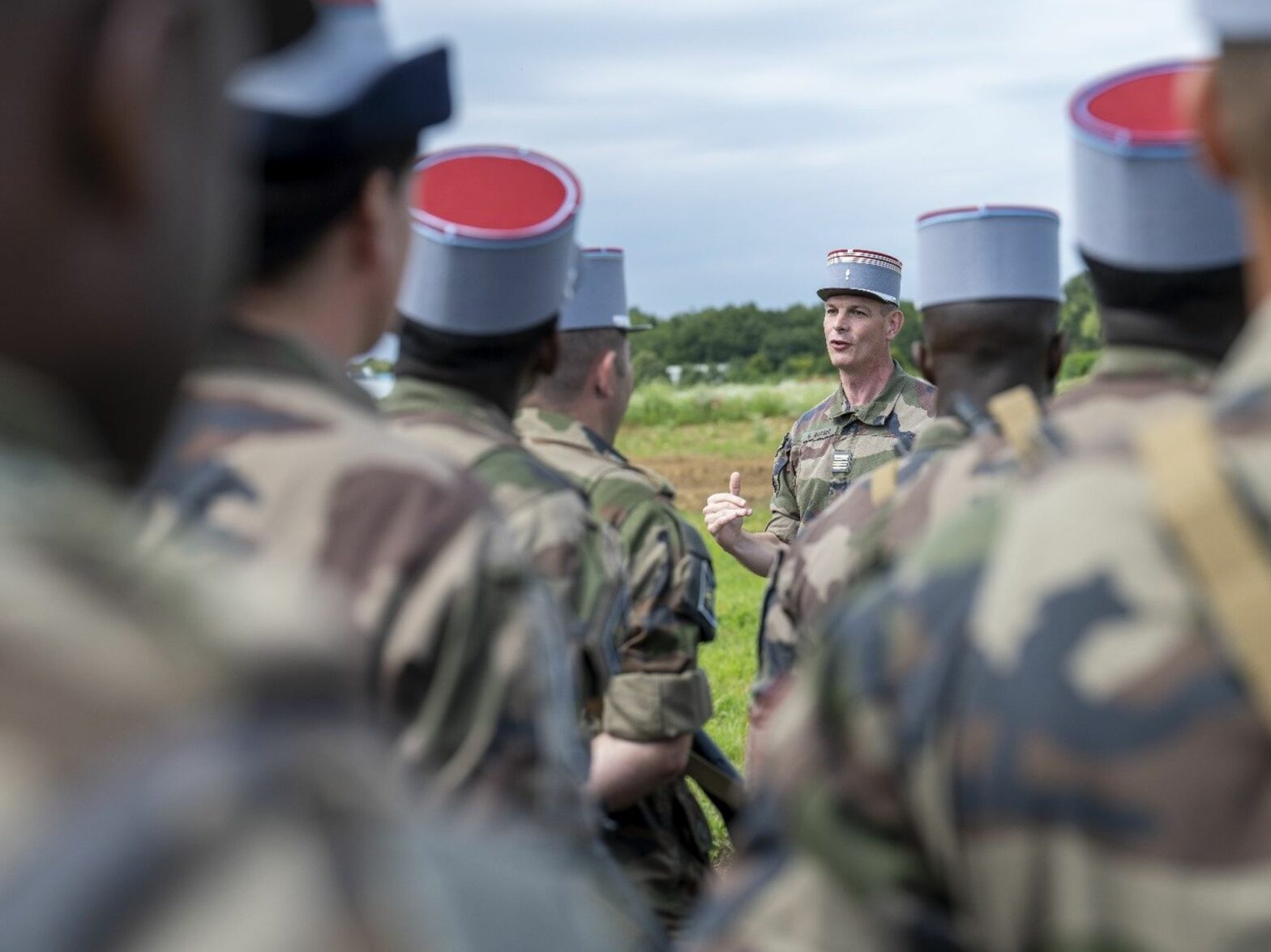
French business analysts note that for companies, like nations, the current context is decidedly VUCA: volatile, uncertain, complex and ambiguous, to use a U.S. military strategy acronym. To succeed in Trump’s cut-throat commercial world, companies will need to acquire skills more common in matters of war and peace, than in traditional business operations..
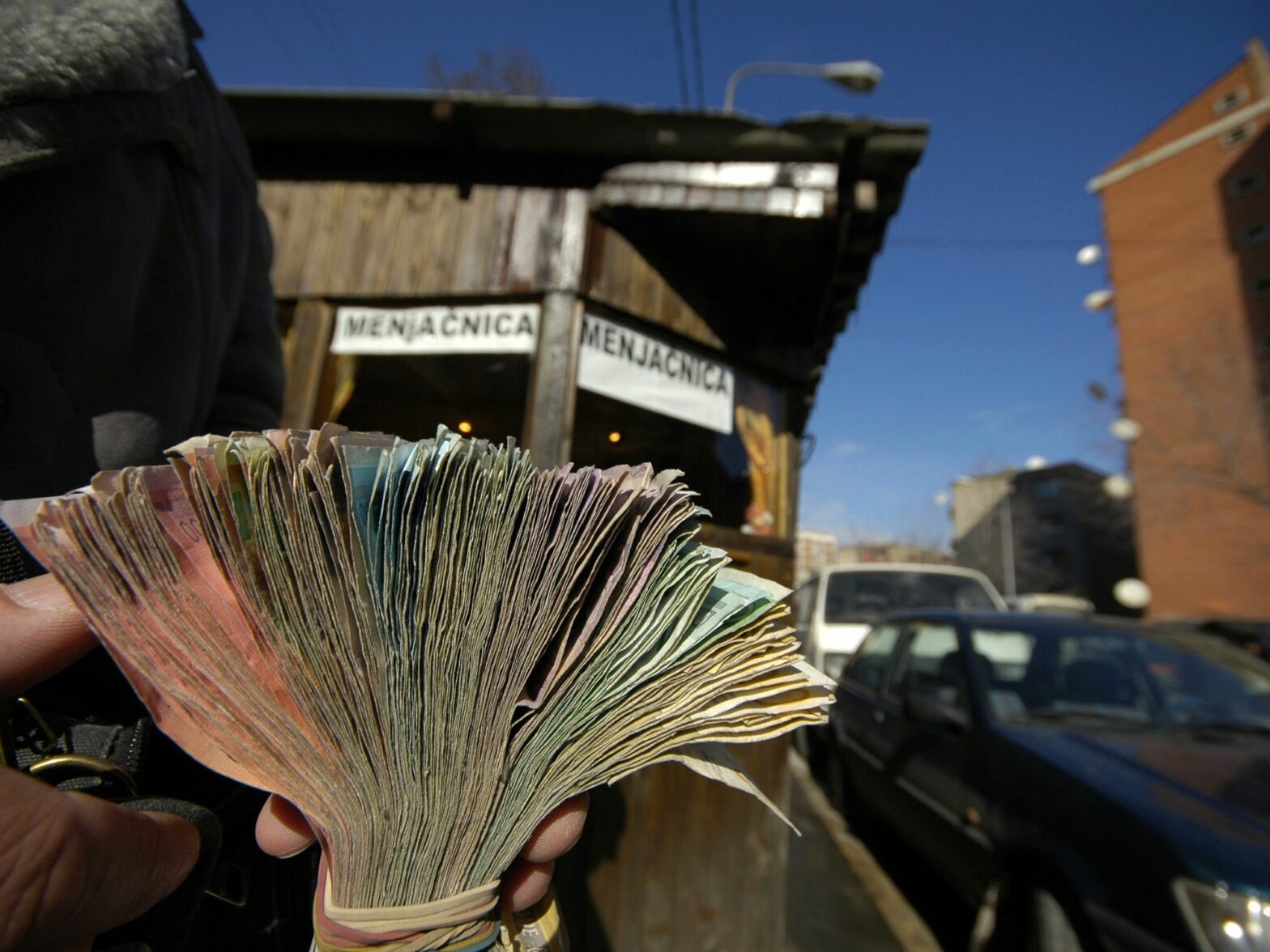
Determined to assert its sovereignty over regions still under Serbia’s illegal control, Kosovo Prime Minister Albin Kurti is pushing hard to enforce the euro as its official currency — risking a dangerous escalation in a region already scarred by war and ethnic conflict.
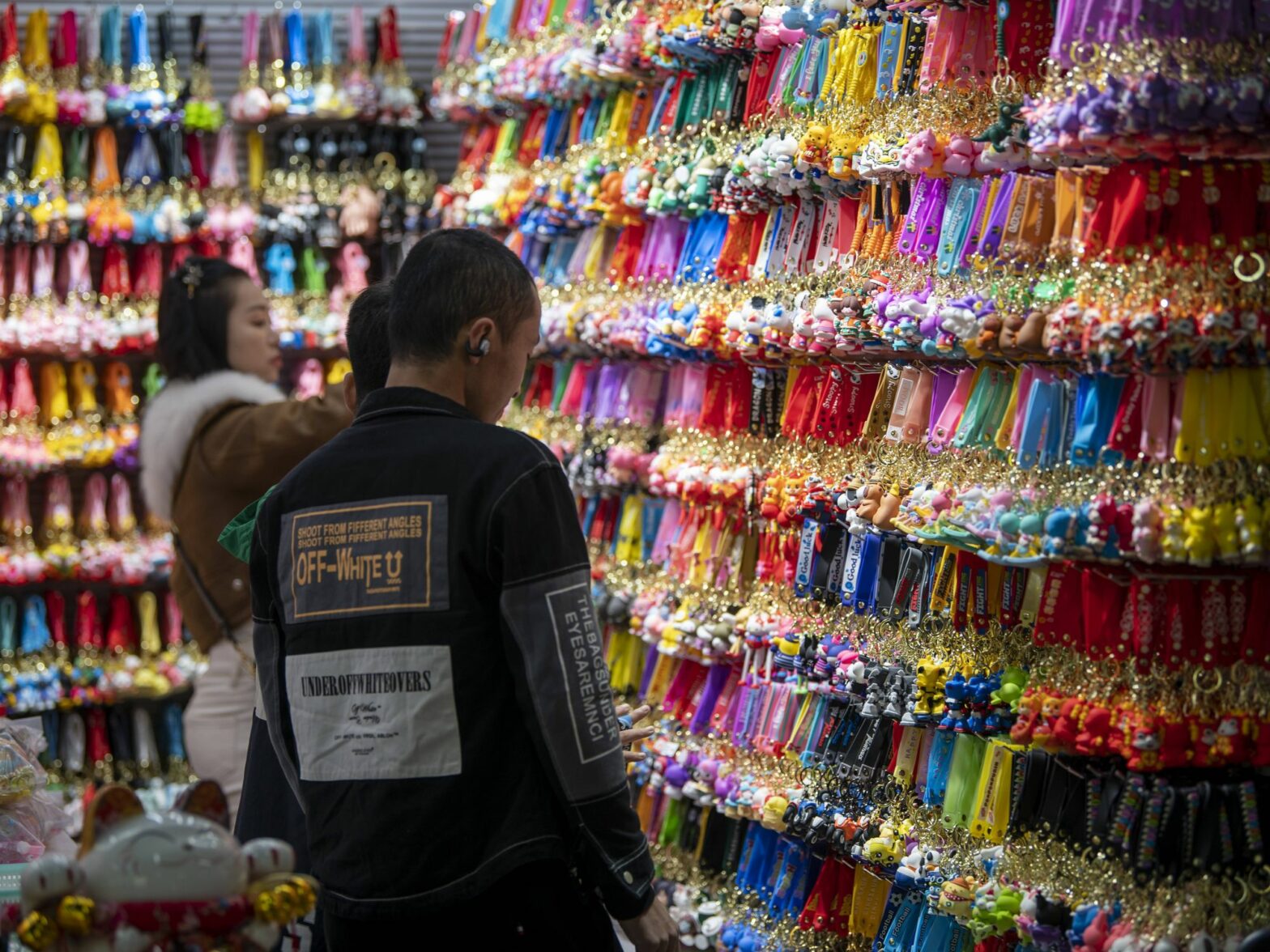
The 75,000 wholesalers in the export manufacturing hub of Yiwu say they have been moderately affected by the tariffs imposed by U.S. President Donald Trump, which he has just announced he will double. Many had already pivoted to developing countries to sell their goods.
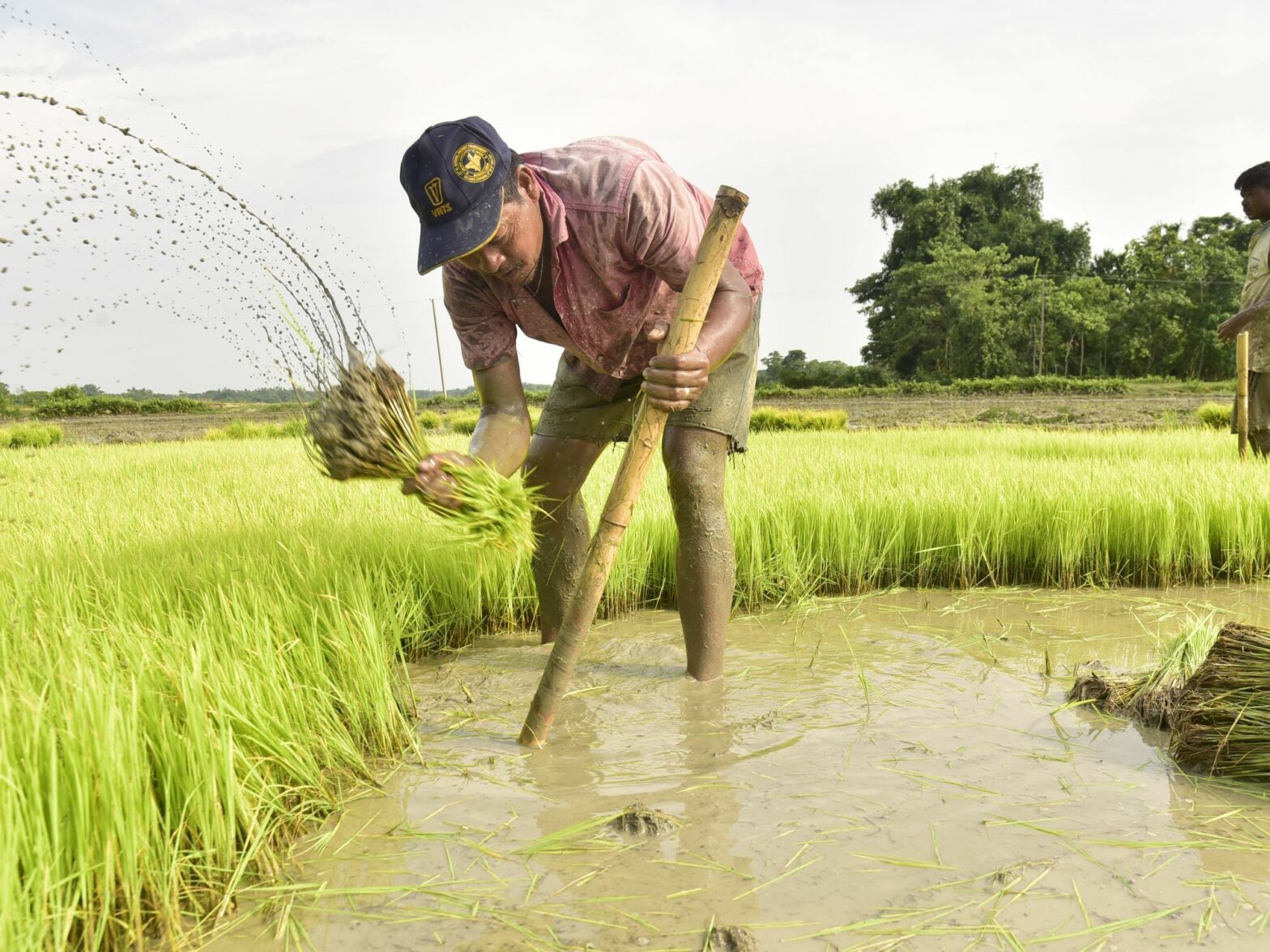
The looming threat of reciprocal tariffs between the U.S. and India could have devastating effects on various export sectors, leading to potential disruptions in global trade and food inflation.
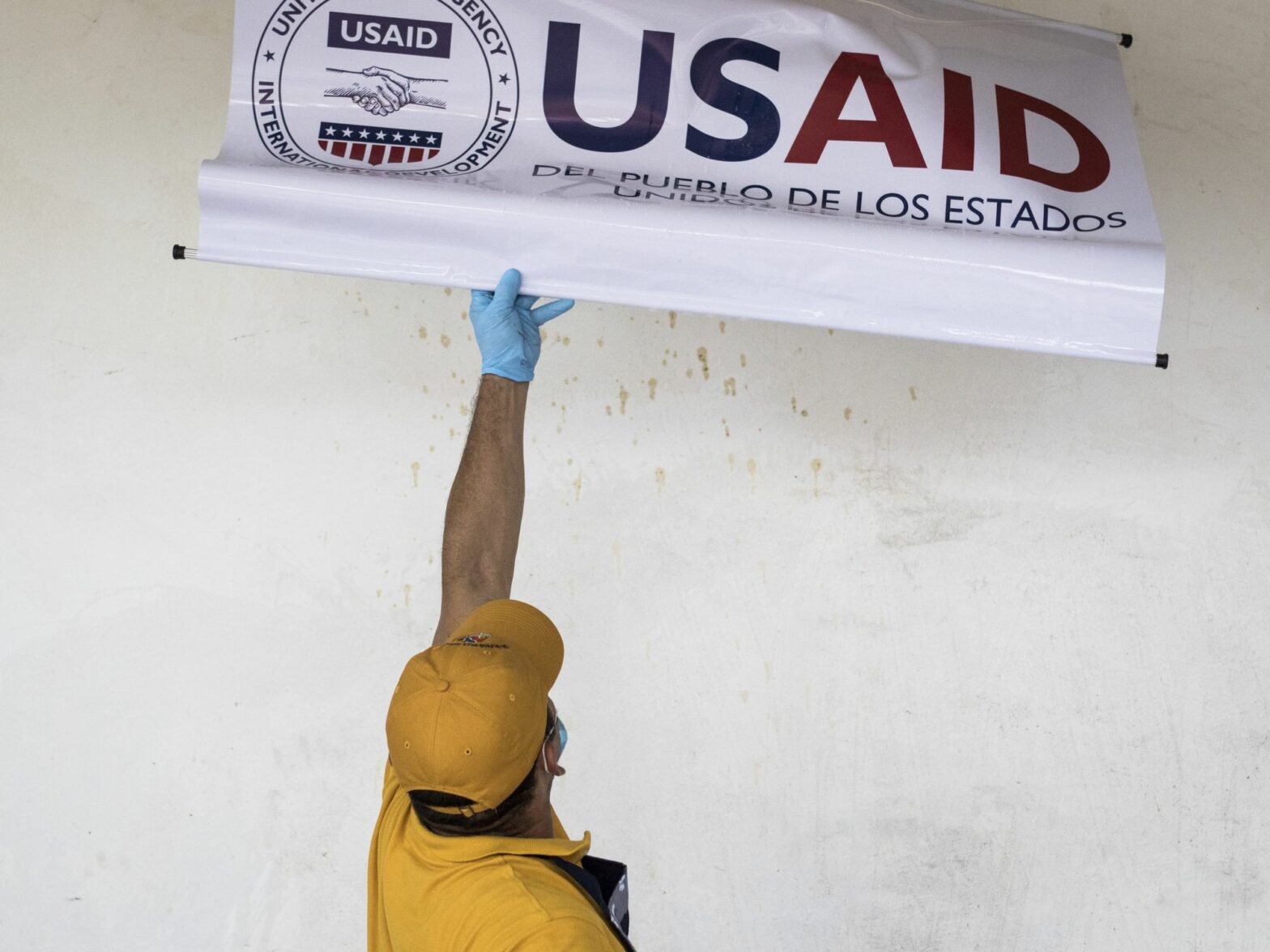
Launched in the 1960s, USAID was effectively about exercising political control in Latin America and other countries. So why the fuss now that U.S. President Donald Trump has done away with the agency? We should be more concerned about what’s coming next.
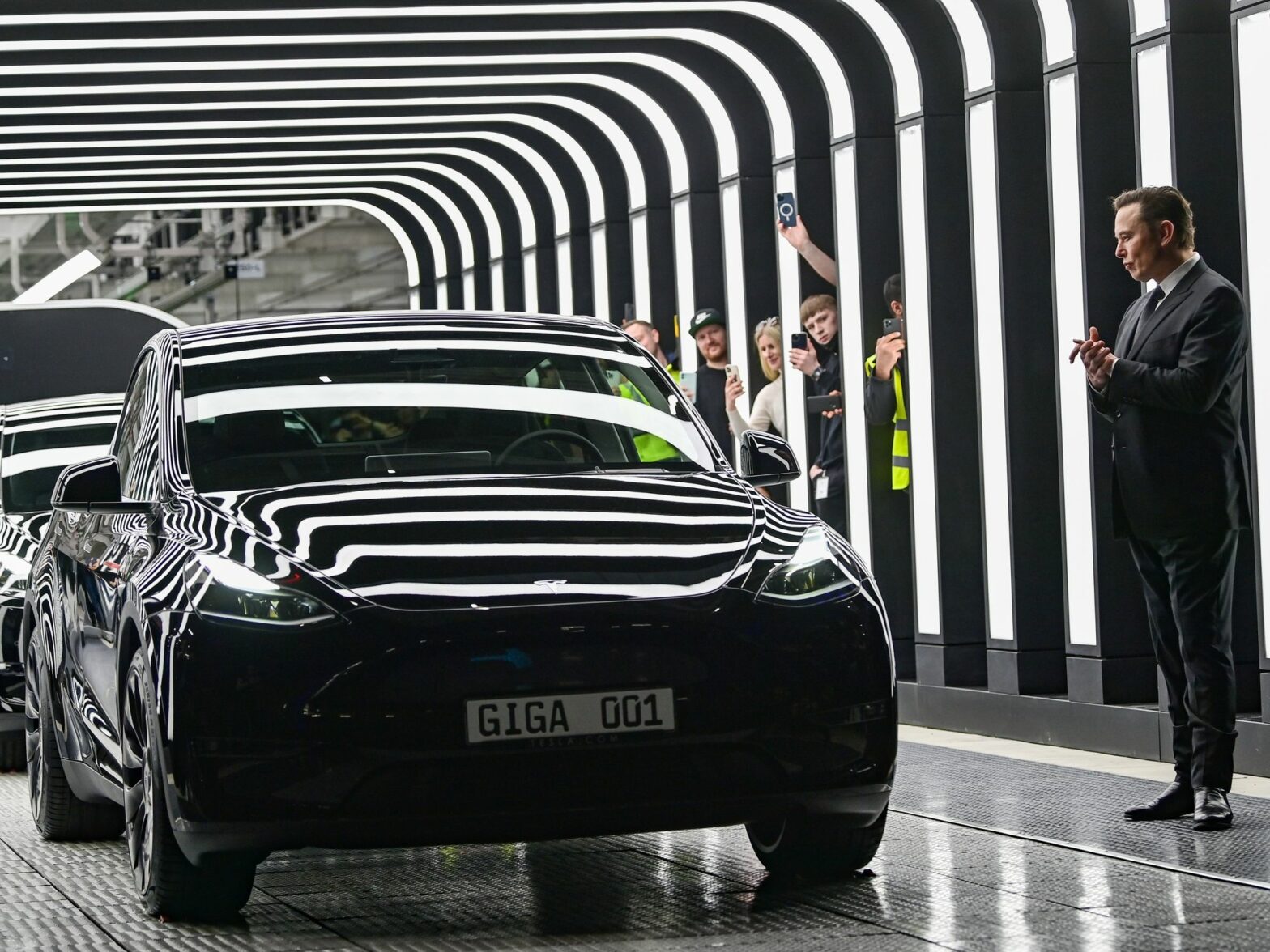
Demand for the U.S. automaker’s vehicles is waning, with sales of new Tesla cars almost halving in Europe in January 2025. While this is partly due to its CEO Elon Musk’s cahooting with President Donald Trump, there are also other factors at play.
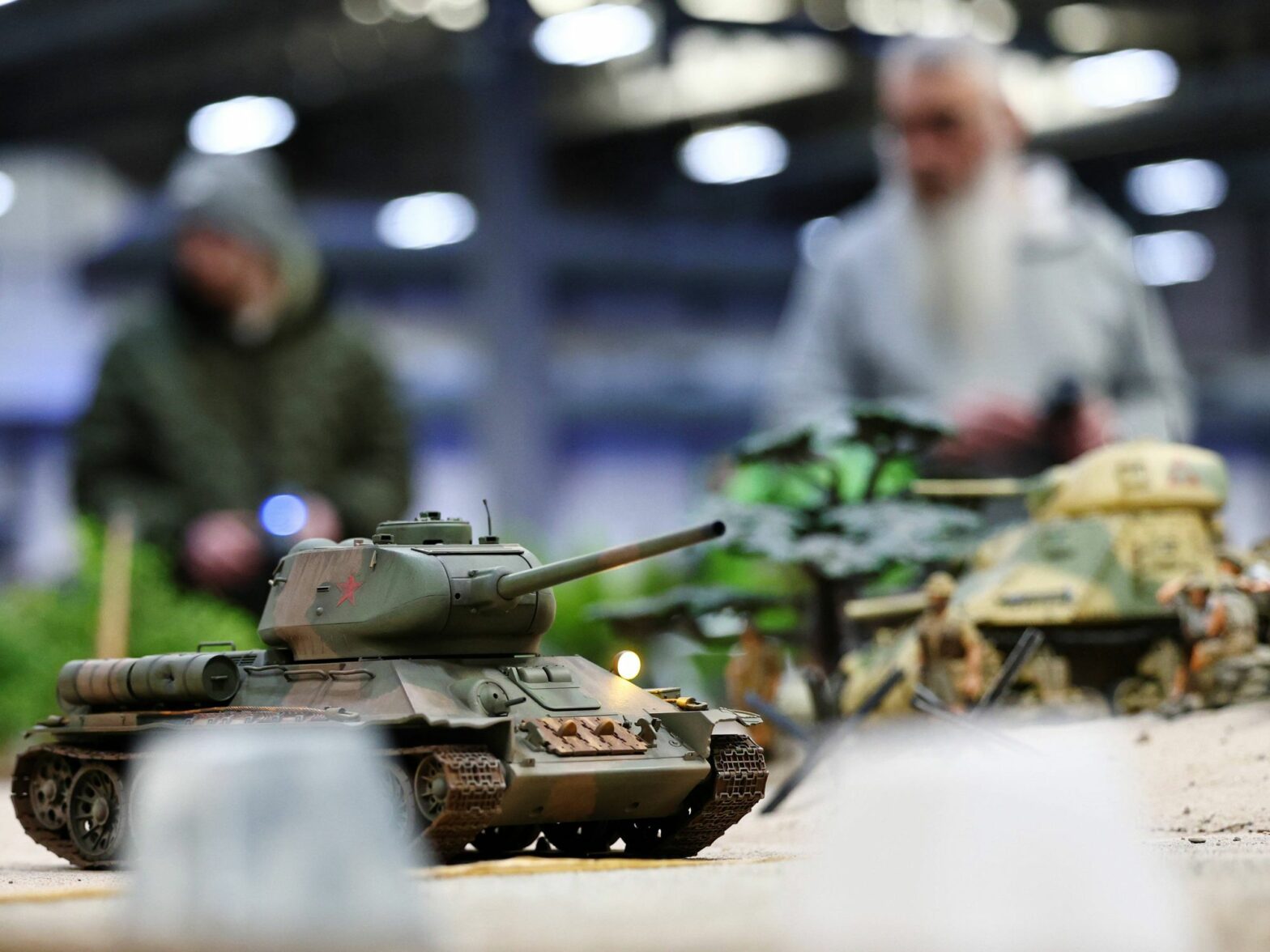
It is now clear that Germany needs to invest a lot more money in defense. Friedrich Merz, who is likely to be Germany’s next chancellor, has yet to come up with a plan to do this.
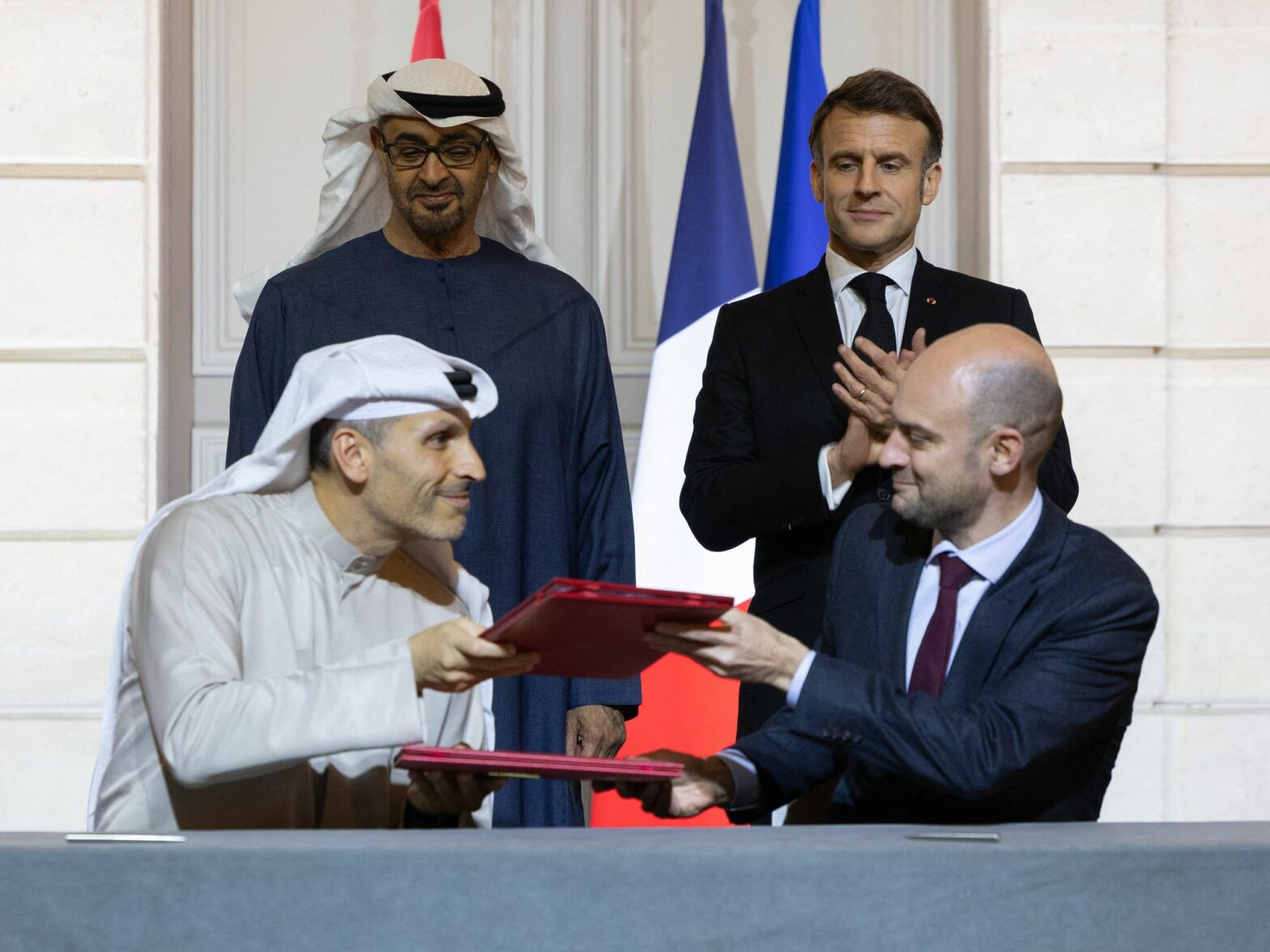
Breaking through where no one expected it, the UAE is becoming a major power in AI. MGX, Abu Dhabi’s dedicated fund, has just joined Donald Trump’s gigantic Stargate project. It’s a new golden age for the Gulf.
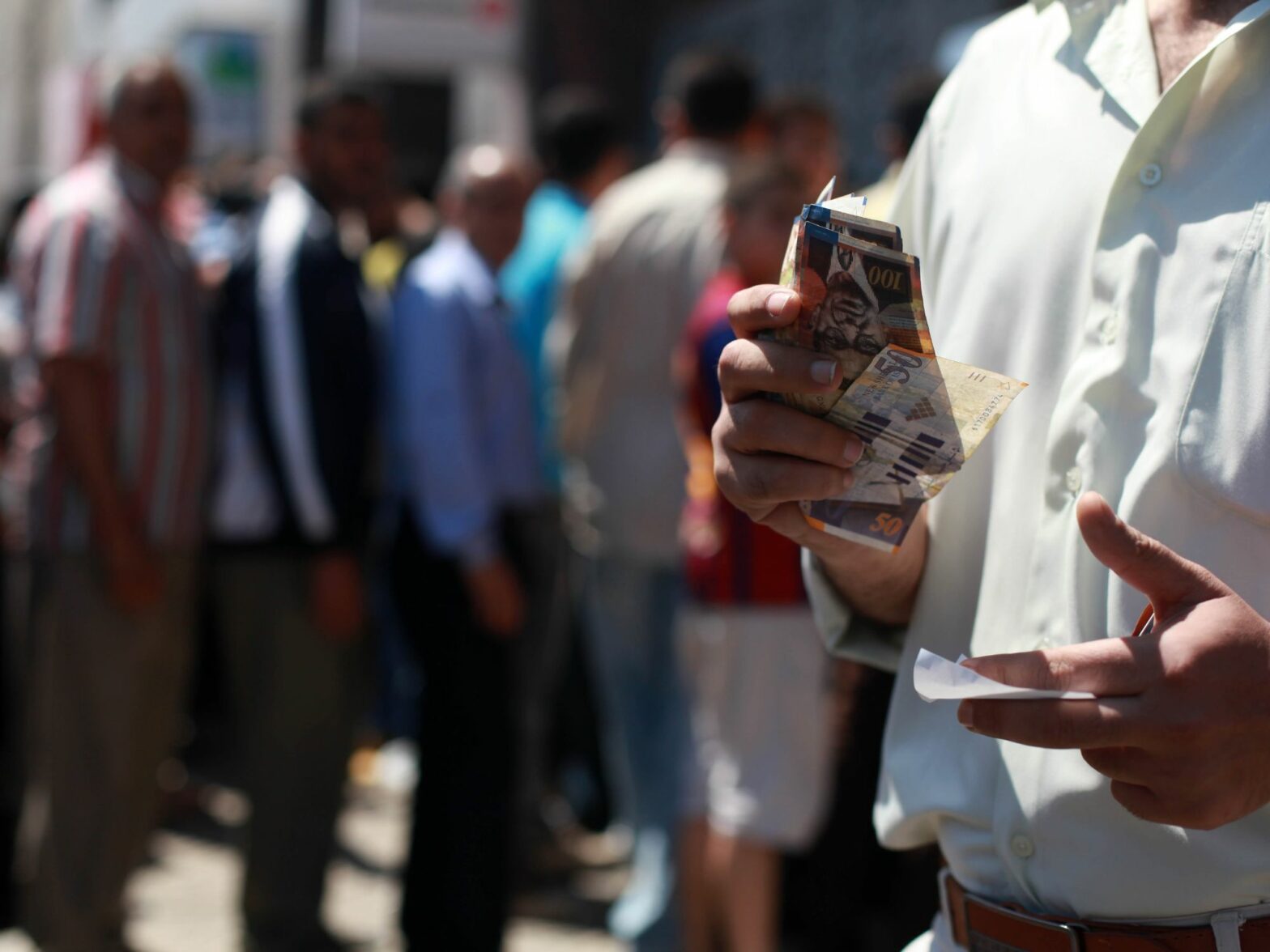
With many of Gaza’s banks and ATMs destroyed, Palestinians are turning to money brokers to obtain cash — and paying commission fees of up to 30% . While the practice is criminalized under the Palestinian law, many say agencies in Gaza are not taking action against the brokers, allowing their businesses to flourish.
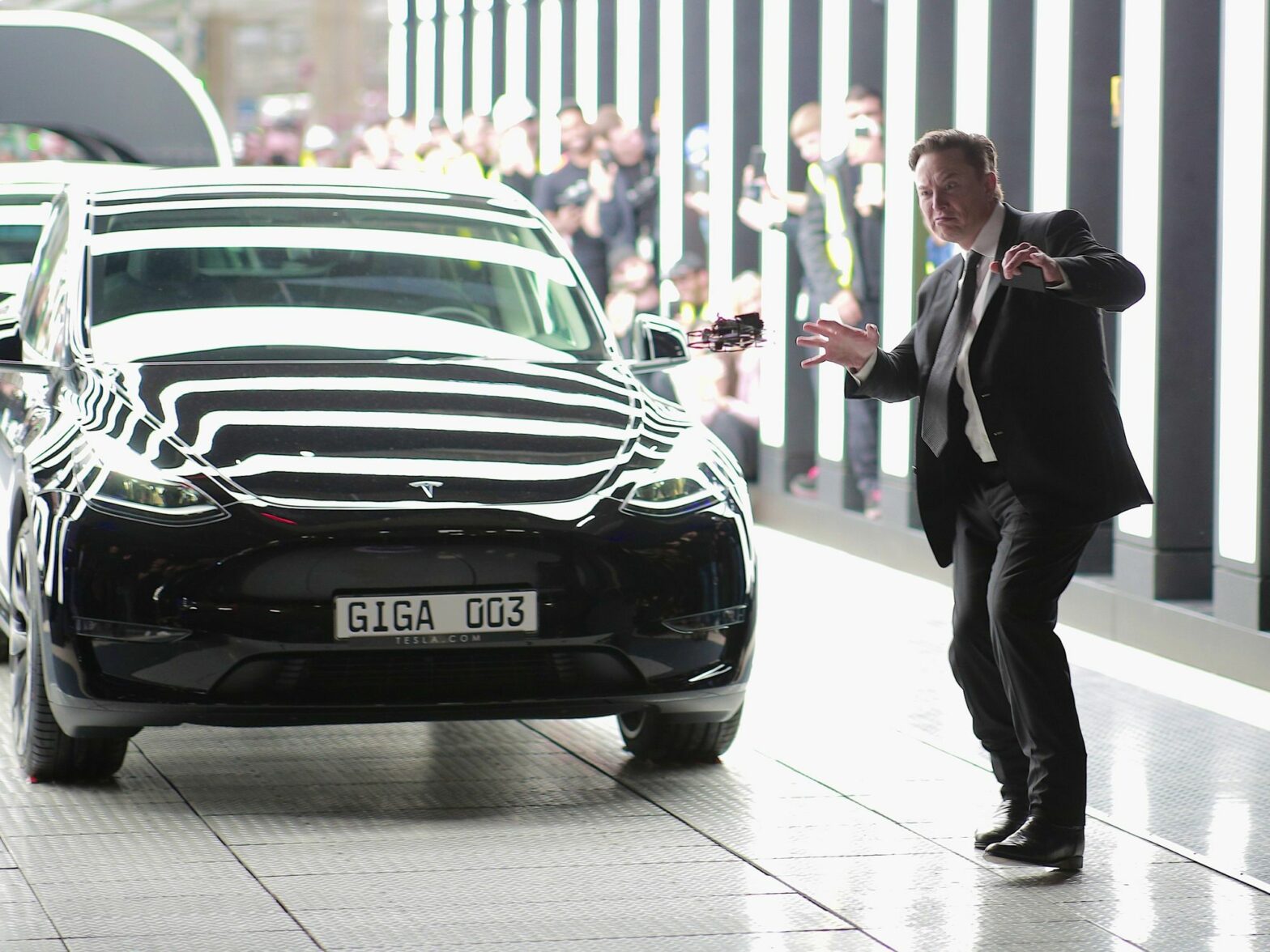
The U.S. automaker is struggling with a severe drop in sales. This is, of course, partly due to its CEO Elon Musk’s cahooting with President Donald Trump. But there is something else going on.

The Industrial Revolution transformed Valentine’s Day by mass-producing greeting cards, turning a personal tradition into a commercialized industry. It’s a shift that not only changed the way emotions were expressed, but also gave rise to the concept of “manufactured intimacy,” which continues to define the holiday today.
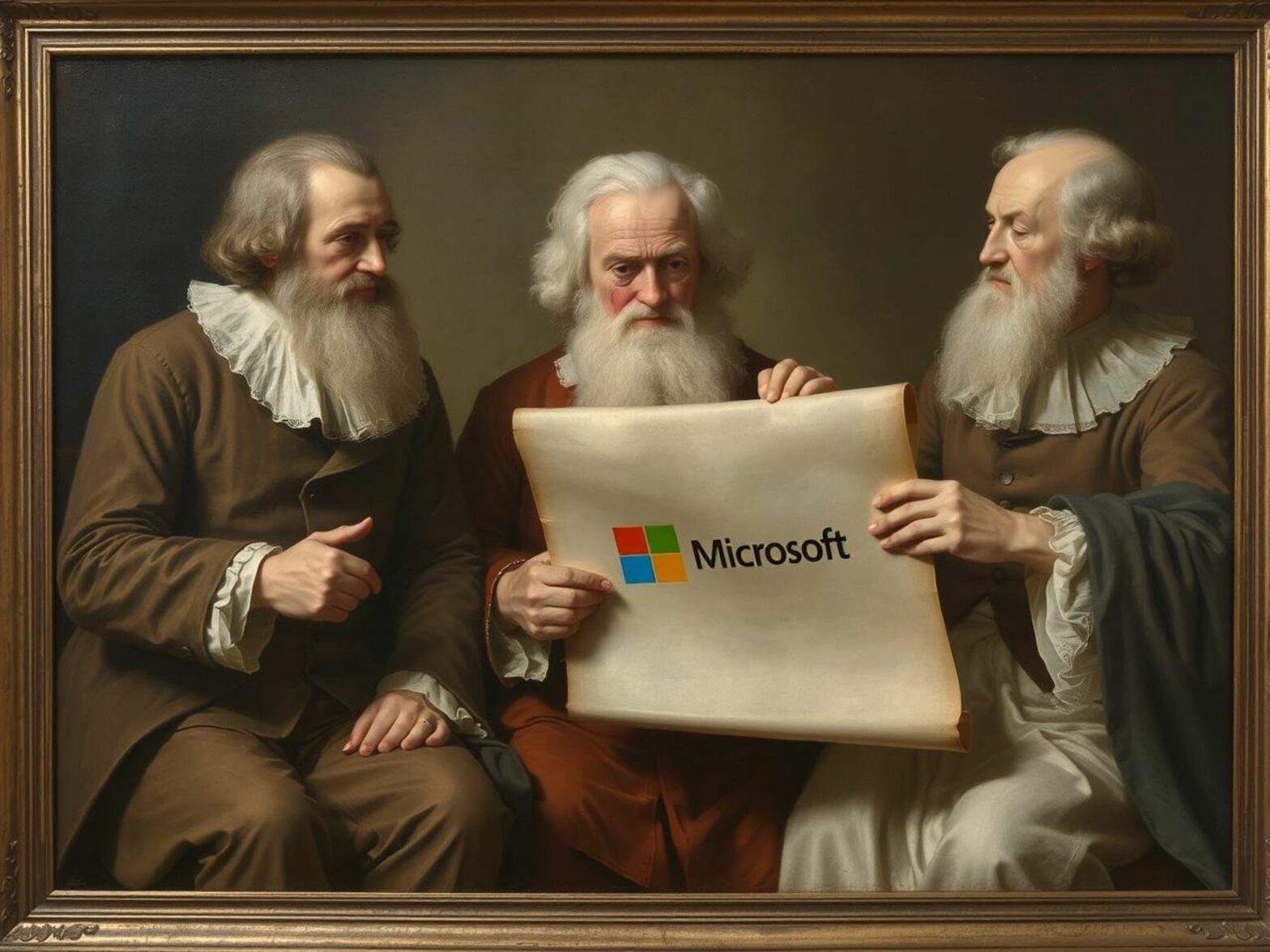
French author and philosopher Gaspard Koenig recently updated his Word software only to discover that the Copilot generative AI chatbot wants to do his writing for him. A real “existential threat…”?
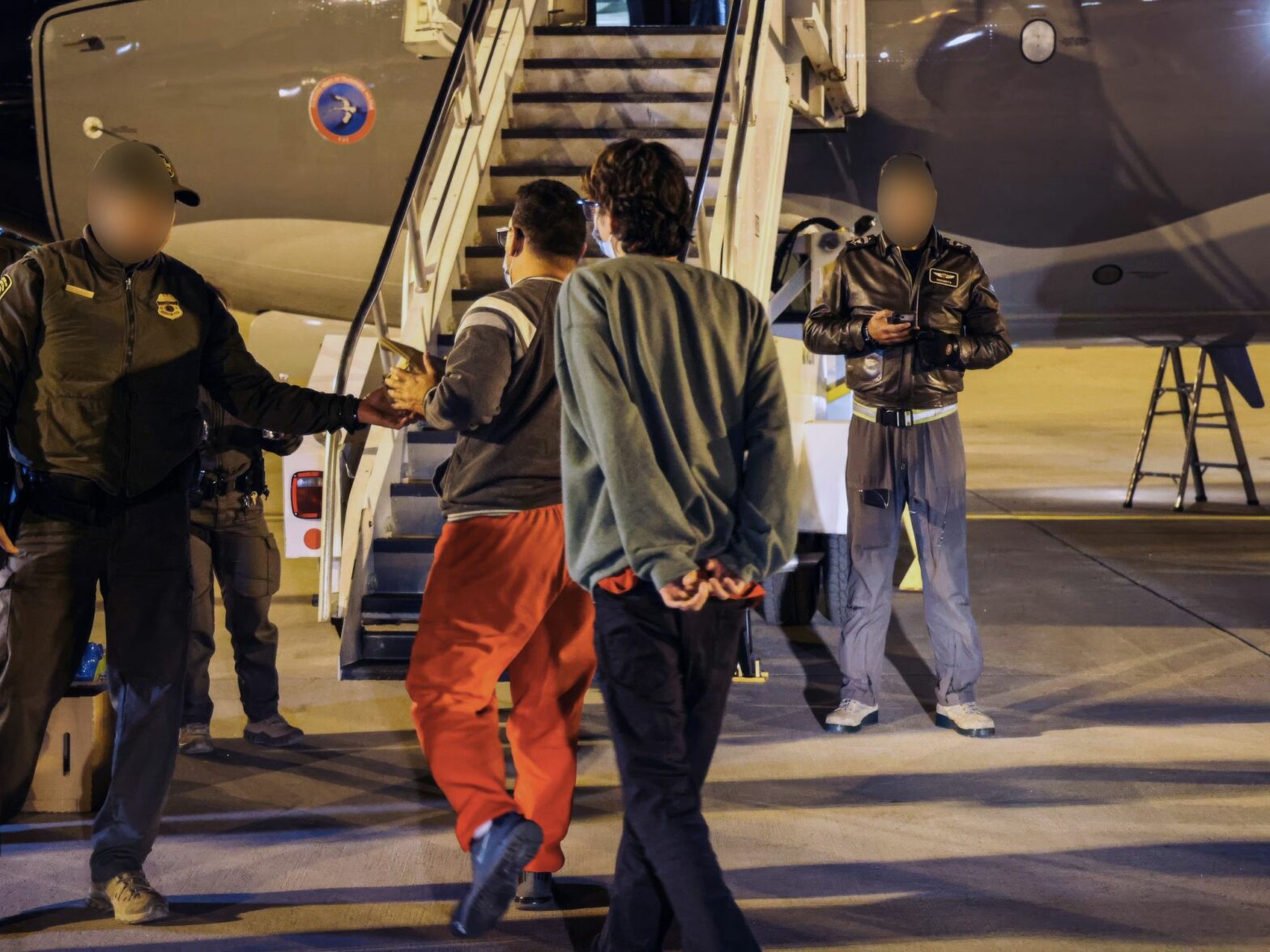
The U.S. is largely to blame for exploitative migration policy. But while Colombian President Gustavo Petro is upset that the United States is handcuffing the Colombians it deports, he and many other South American presidents are not as upset by the mistreatment that makes people leave their home countries in the first place.
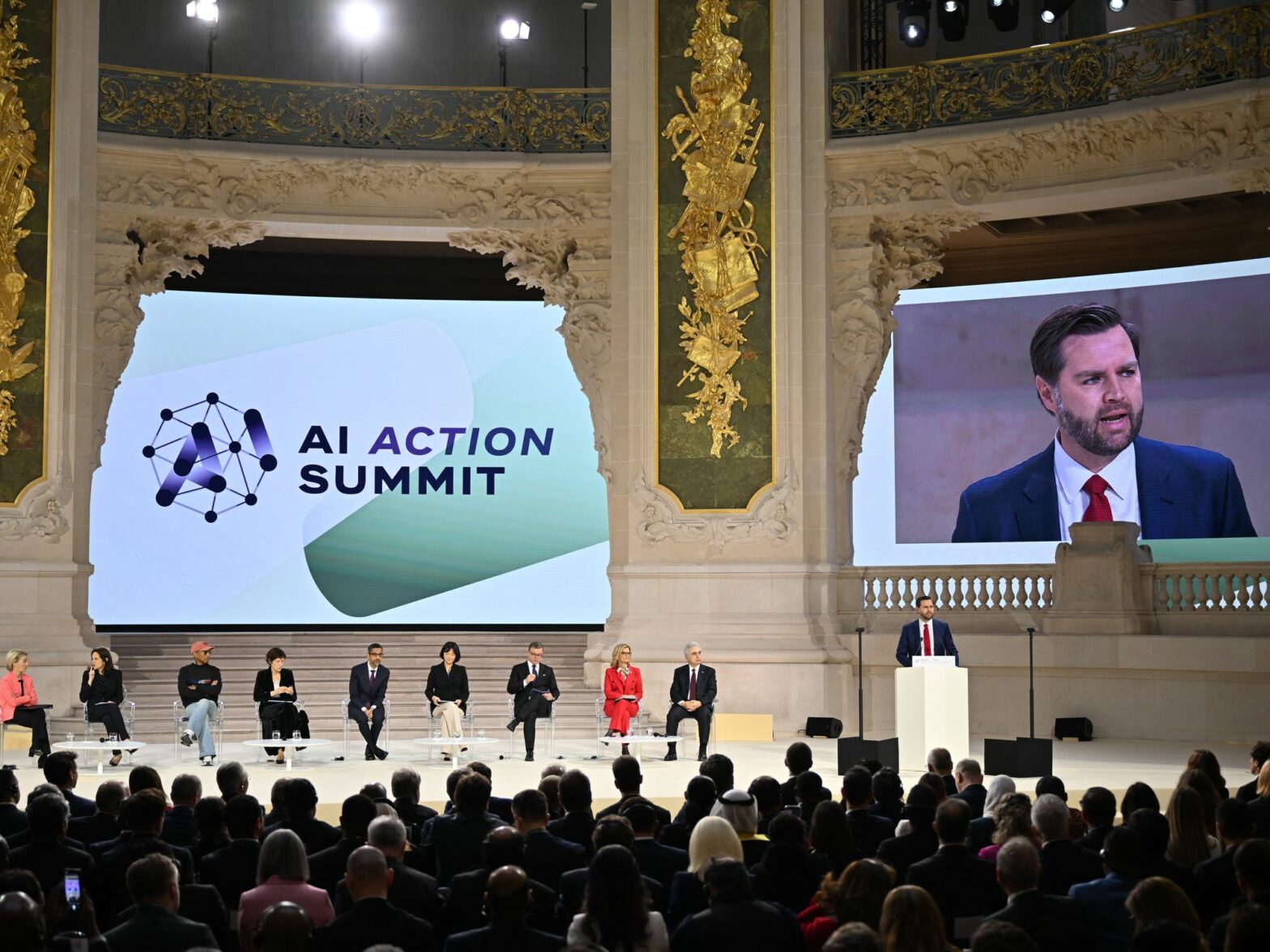
The United States did not sign the Paris AI Summit Declaration, with Vice President JD Vance taking a stand against what he called the EU’s “excessive regulation.” It’s yet another sign of the Trump administration’s rejection of multilateralism — Washington now seems to believe in the survival of the fittest.
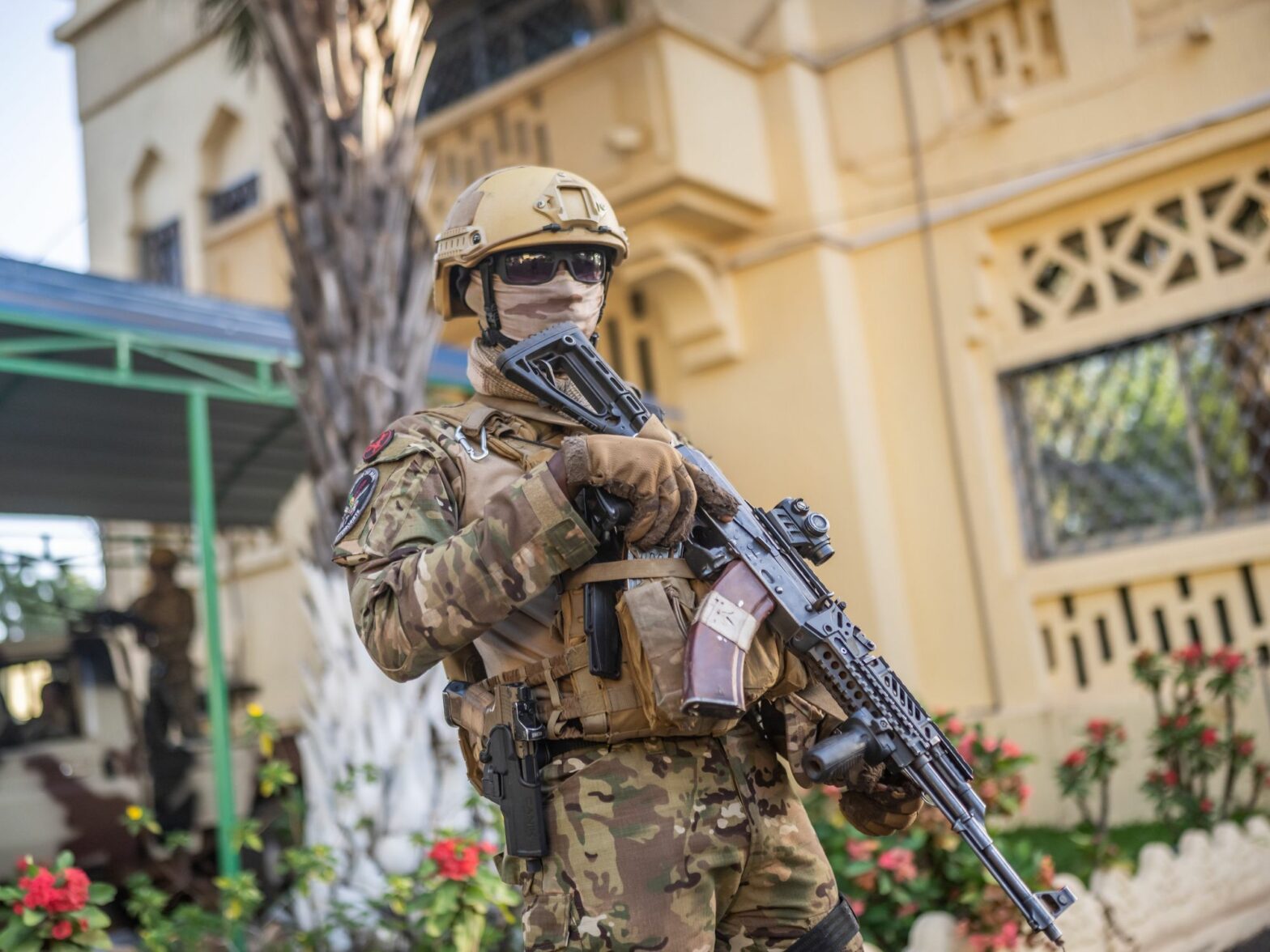
Burkina Faso, Mali And Niger, three military-led Sahel countries, recently withdrew from the ECOWAS regional bloc and established a new military alliance to tackle jihadist violence in the region. But the new forces’ prospects for success are slim.

Following U.S. President Donald Trump’s flurry of tariffs on Canadian, Mexican and Chinese products, Europe is expecting similar announcements. France, whose wines and spirits are a traditional target in trade conflicts with the EU, is particularly at risk. Its cognac is already being targeted by China.
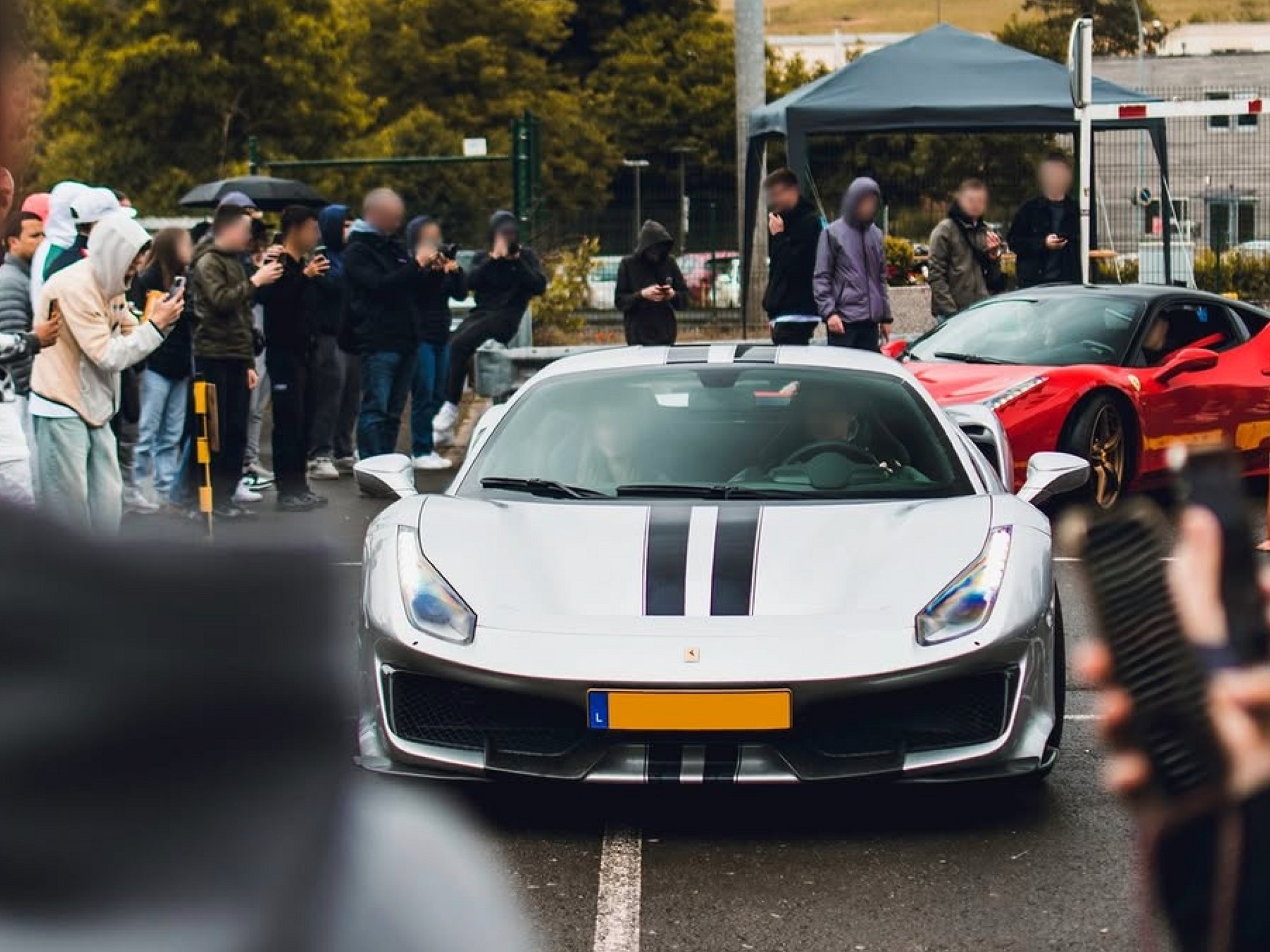
Luxembourg is Europe’s luxury car capital, boasting one high-end ride for every 13 residents. Luxembourgers’ love for high-powered engines remains strong, even as the crackdown on carbon emissions intensifies. Take a ride through roads where roaring engines still rule.
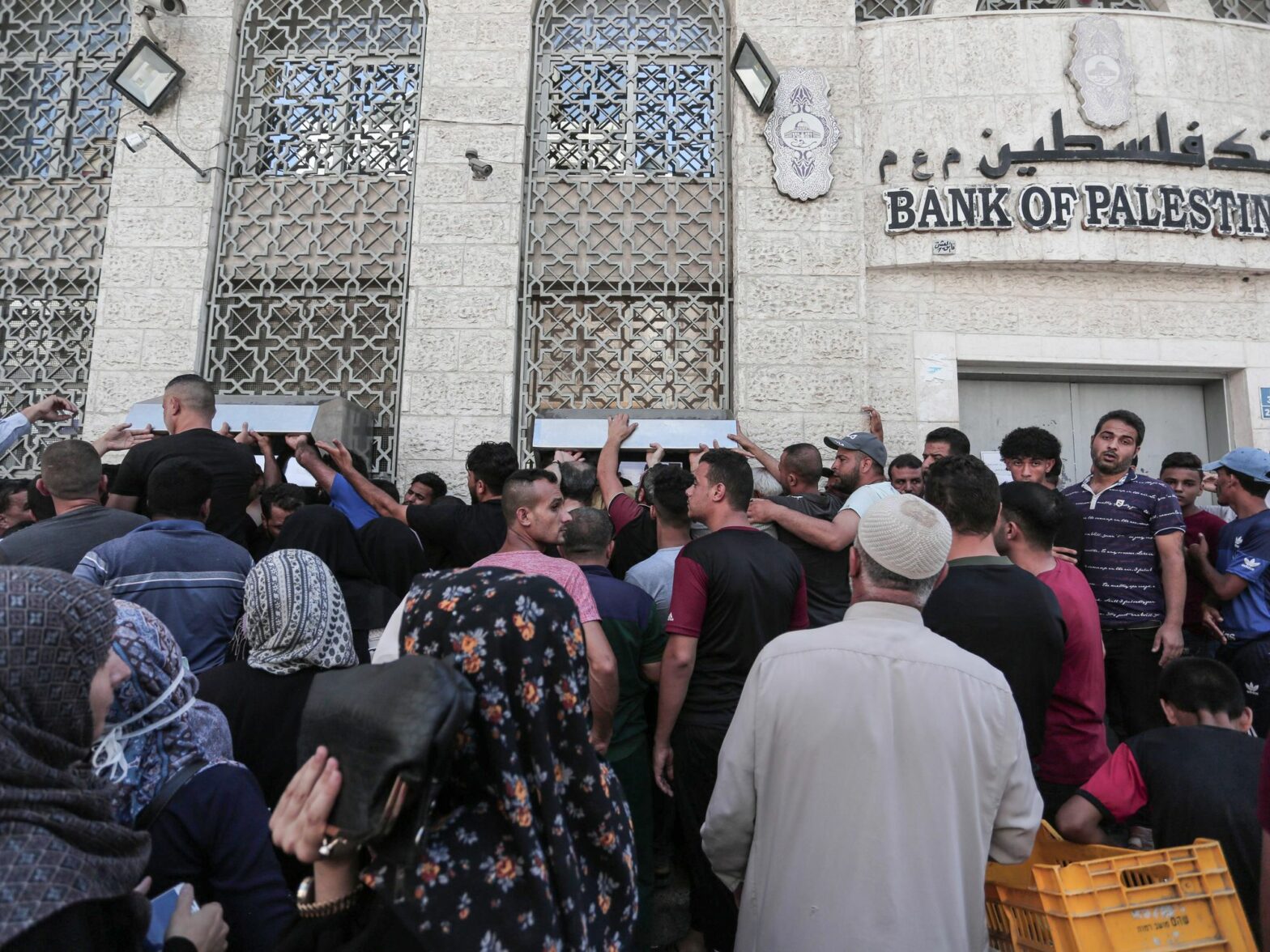
With many of Gaza’s banks and ATMs destroyed, Palestinians are turning to money brokers to obtain cash — and paying commission fees of up to 30% . While the practice is criminalized under the Palestinian law, many say agencies in Gaza are not taking action against the brokers, allowing their businesses to flourish.
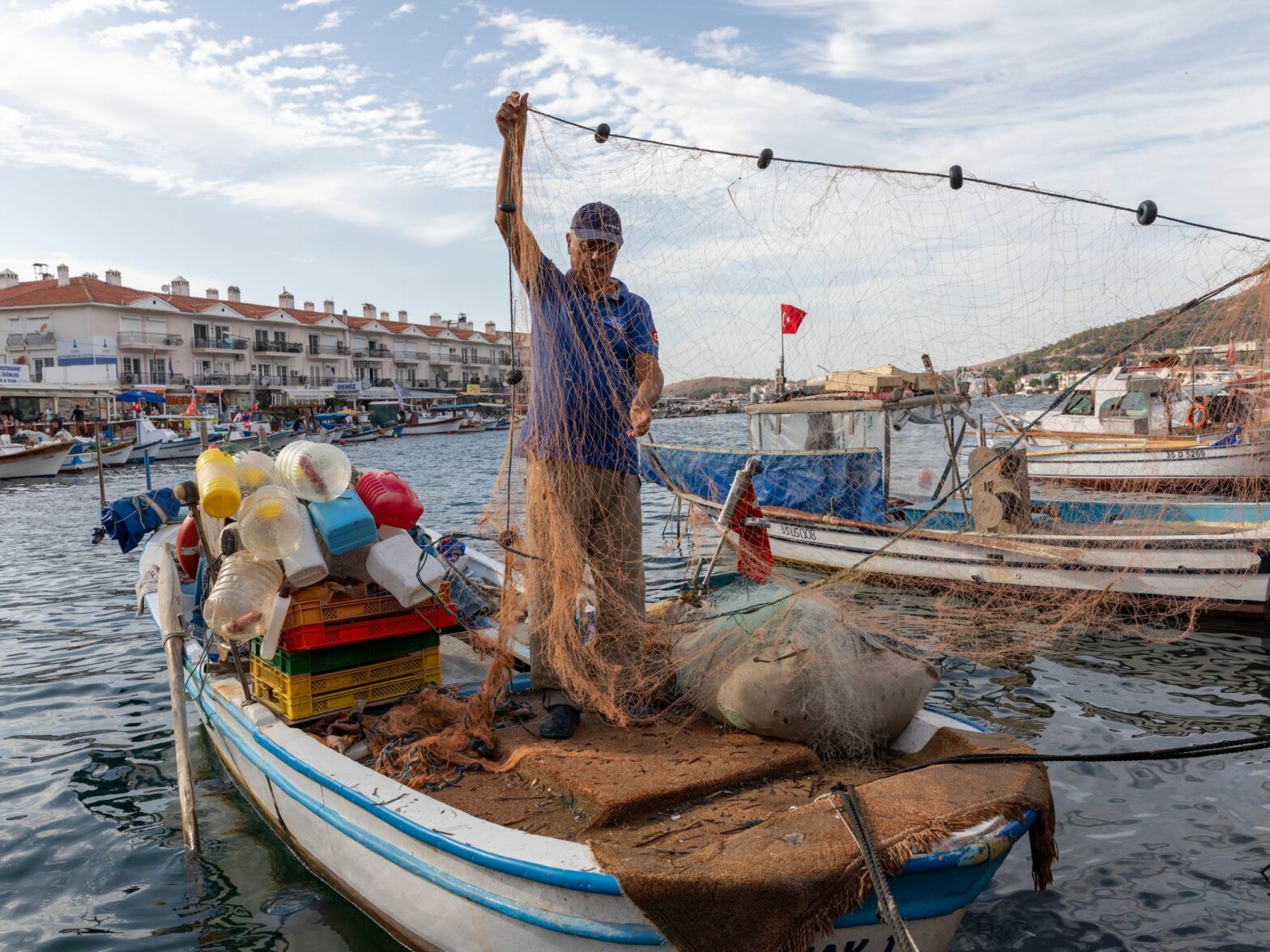
Currently, the majority of Turkey’s fish currently comes from cultivation, also known as fish farming, compared to just 10% two decades ago. The short-sightedness of this shift risks eliminating fishing output from both the farms and the open seas along Turkey’s 5,200 miles of coastline.
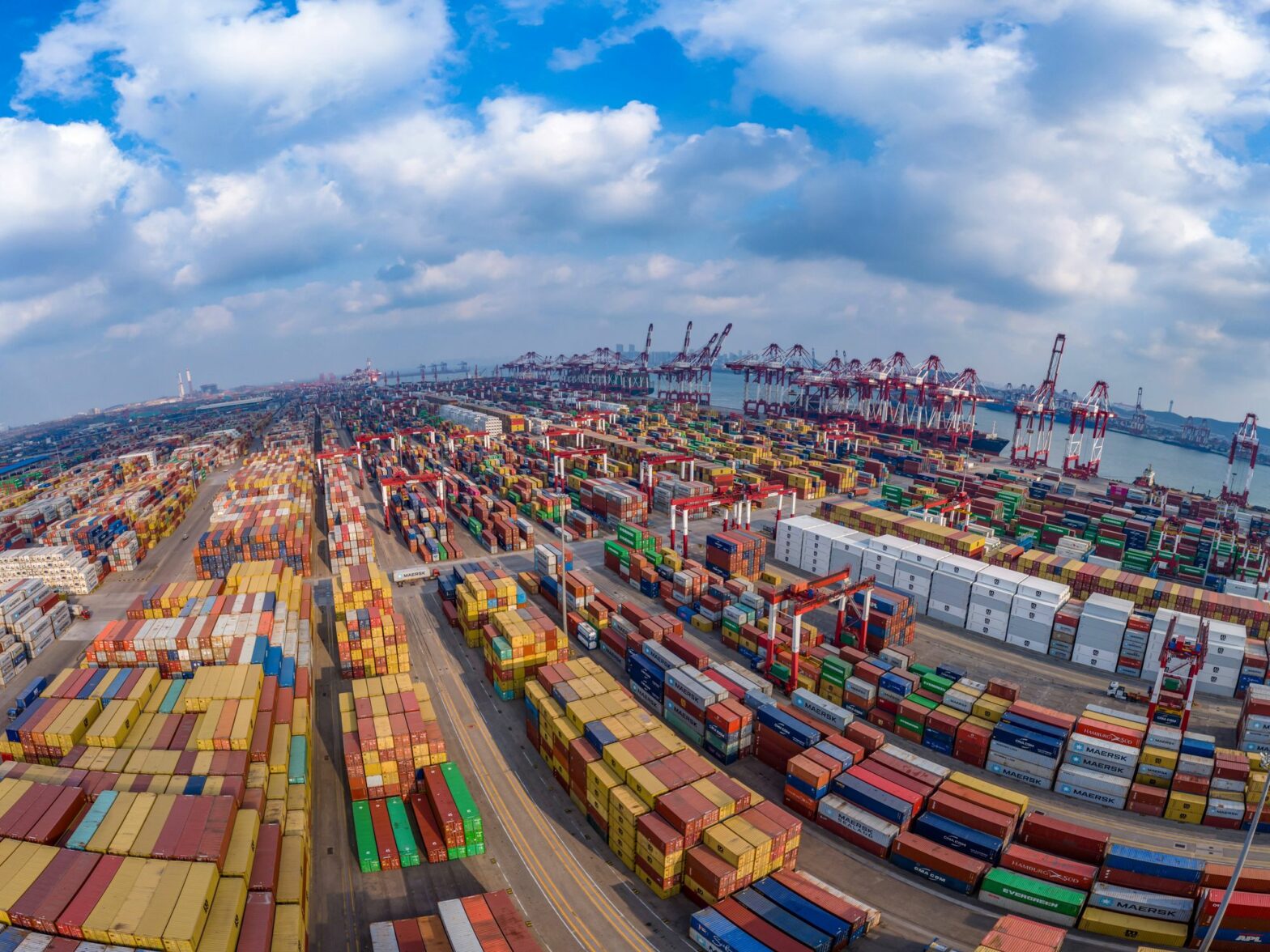
The American president had promised tariffs of at least 60% on all Chinese products. For now, it will be only 10%. Washington has other issues to negotiate with Beijing. Hitting old allies harder is part of a much different approach.
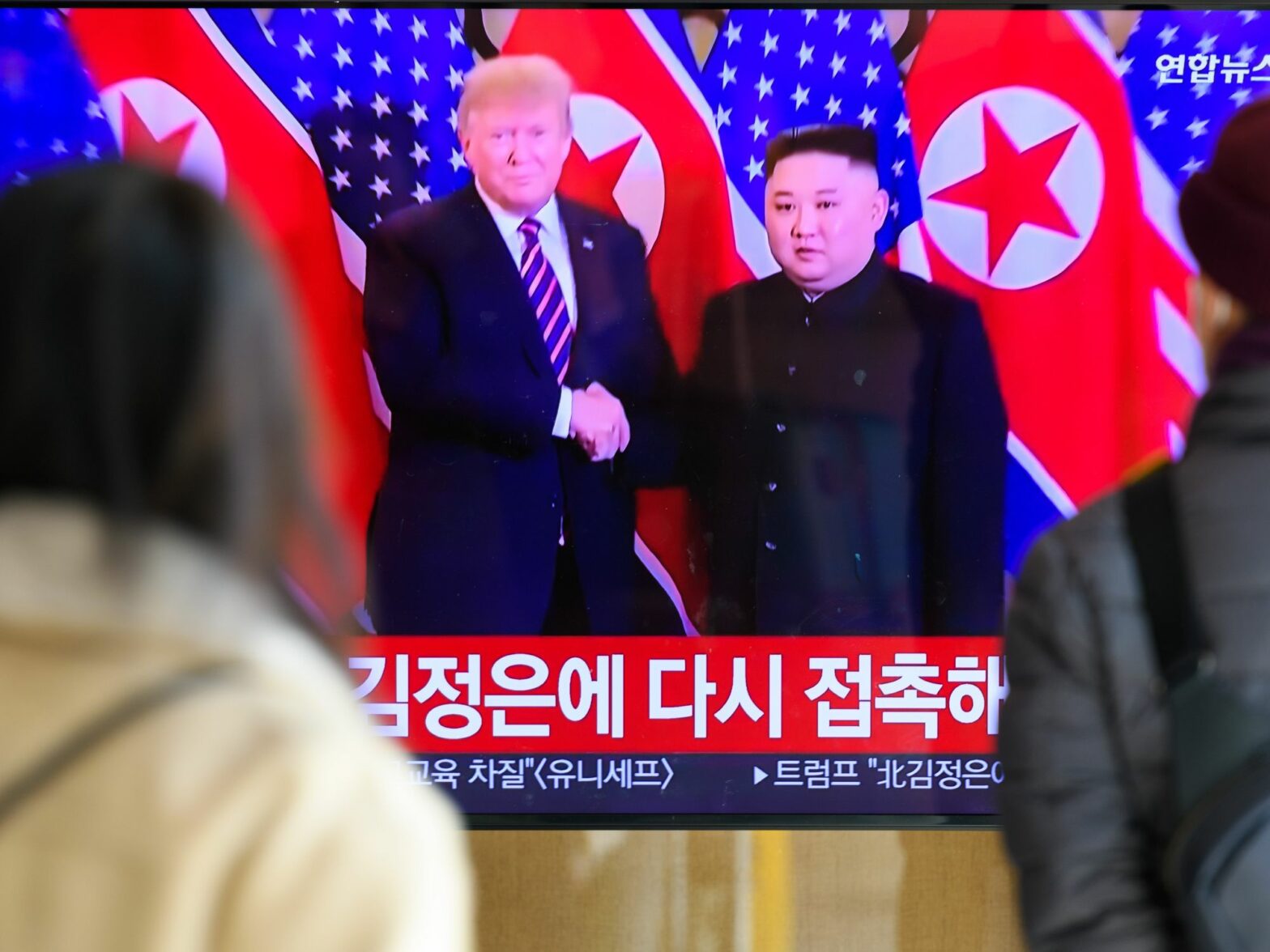
The post-liberal world needs an added dose of cautious and realistic diplomacy, and the United States remains its natural promoter. Yet there is little evidence, for now, that the Trump administration has an interest in diplomacy to keep the collective peace.
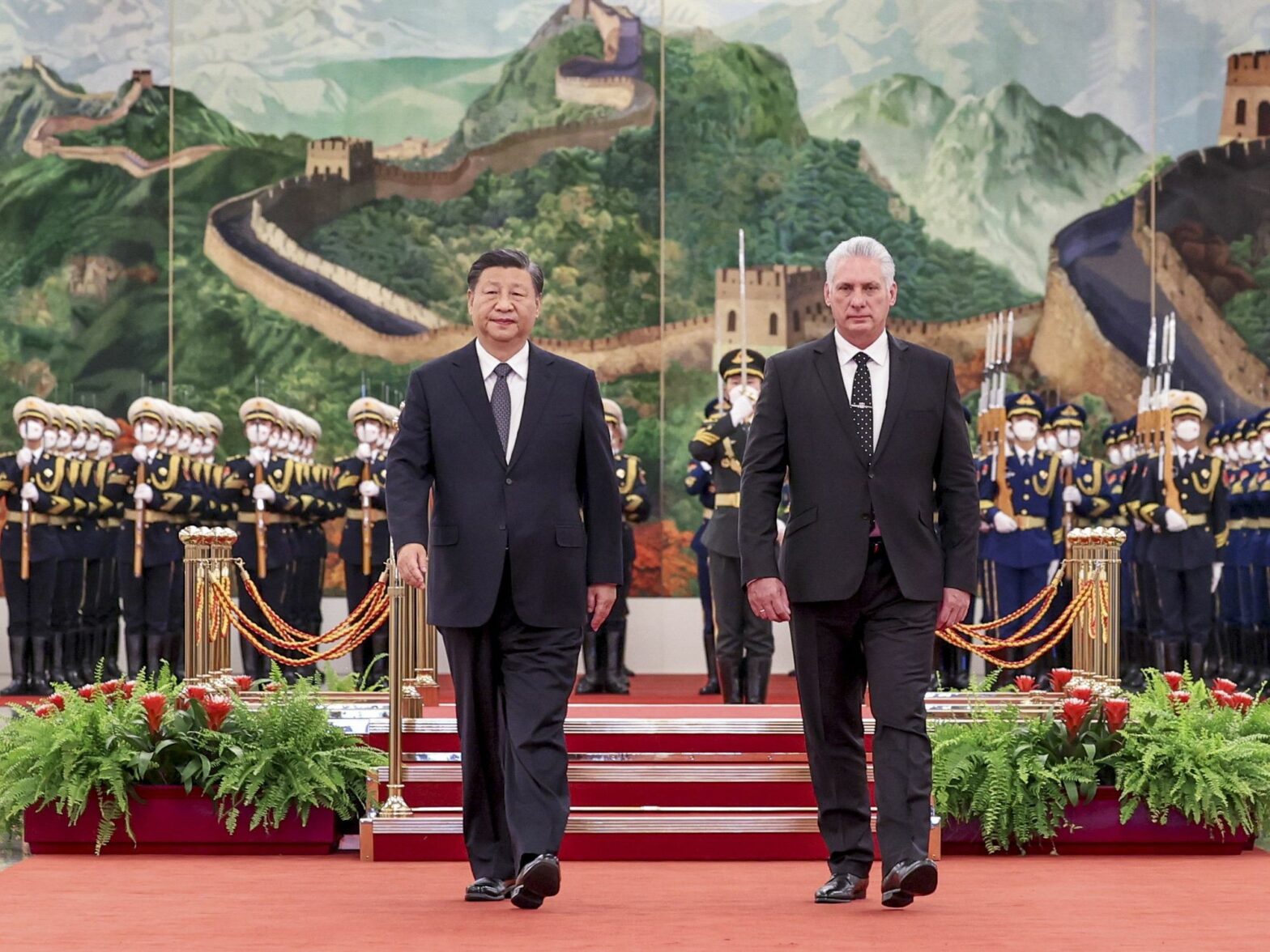
In another sign of changing power relations in the ‘post-Western’ world, the BRICS group of emerging economies could frustrate the United States’ bid to sink communism in Cuba by strangling its economy.