Could the 2020s be an era of prosperity? The pandemic has paved the way for digital, biological, and ecological revolutions.
 Worldcrunch
Could the 2020s be an era of prosperity? The pandemic has paved the way for digital, biological, and ecological revolutions.
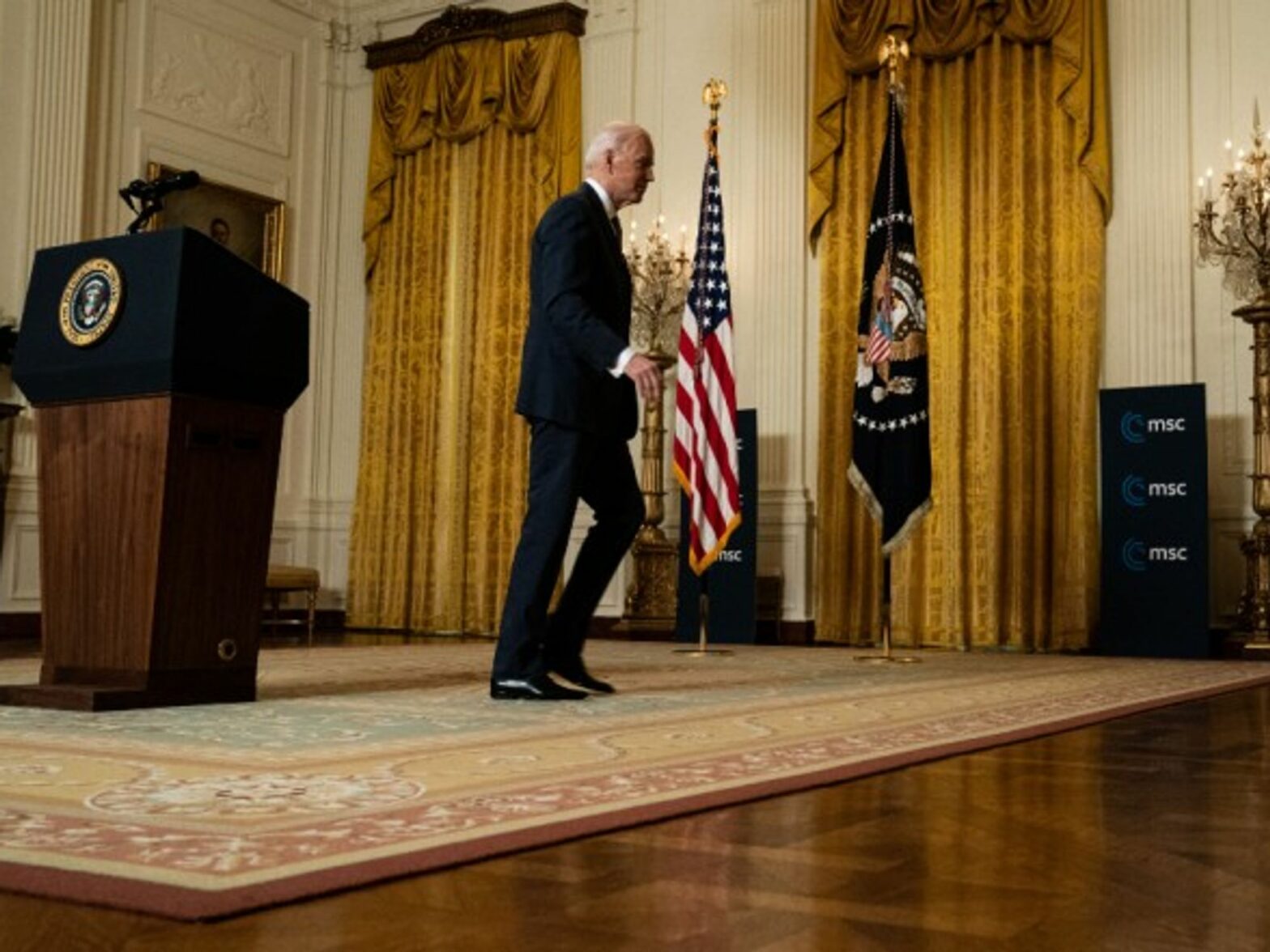
The Democrat Joe Biden may not sound as aggressive as Trump in protectionist policy to support American firms global competitors, but will broadly follow his policies.

Funds sent back by emigrants to Africa are helping residents in Zrariyeh, about 75 kilometers south of Beirut, survive Lebanon’s full-blown economic crisis.
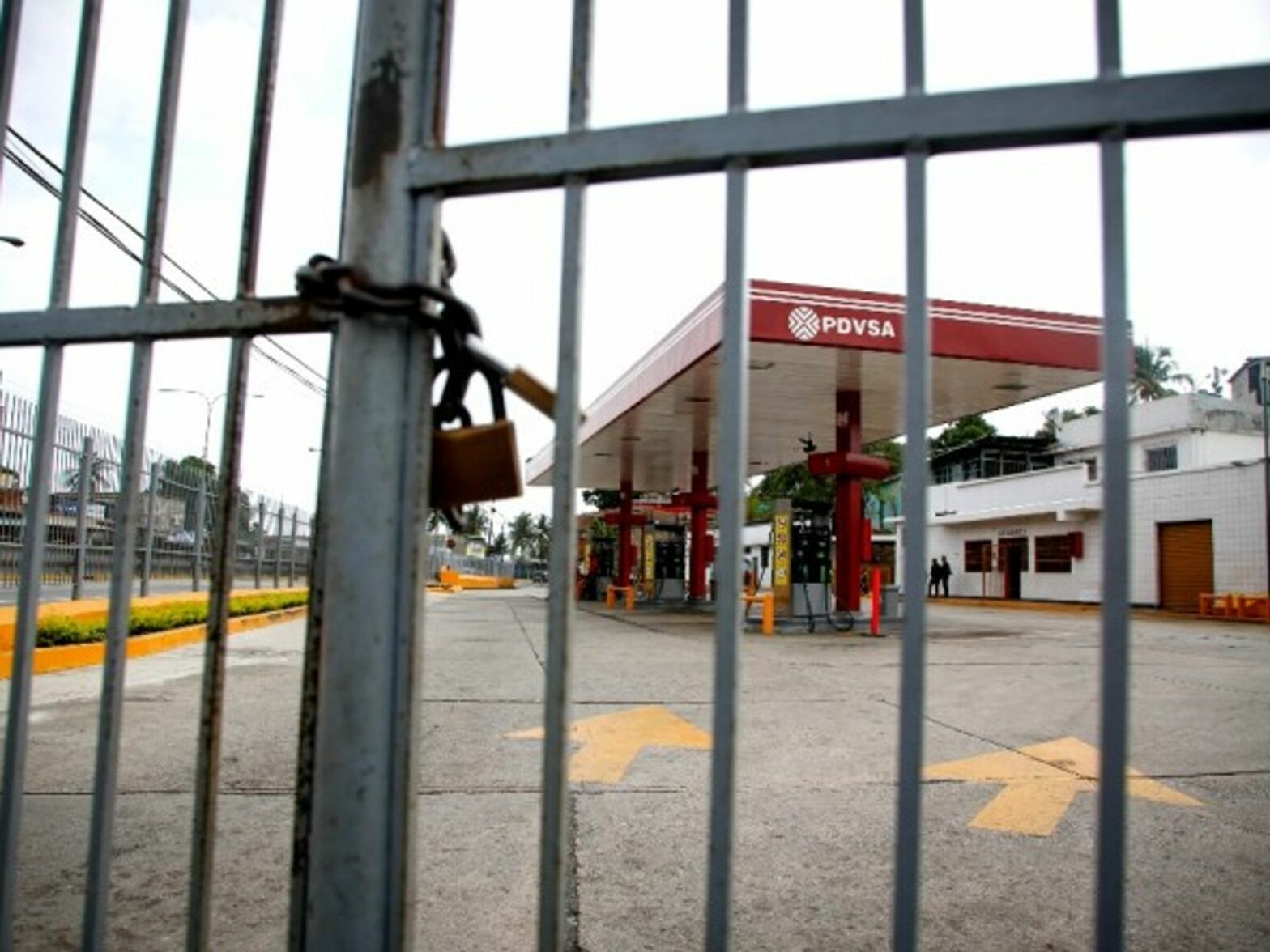
Venezuela’s PDVSA, once among the world’s most powerful oil firms, was transformed and largely gutted under Hugo Chavez and Nicolas Maduro. But the story is more complicated than it may seem.

One month after the insurrection on Capitol Hill, here are the rebels of Wall Street, a place of power no less symbolic.
The pandemic has prompted financial authorities to take a more relaxed approach to debts. For Latin America, overspending in response to the crisis may take them back to the poverty pits of the past.
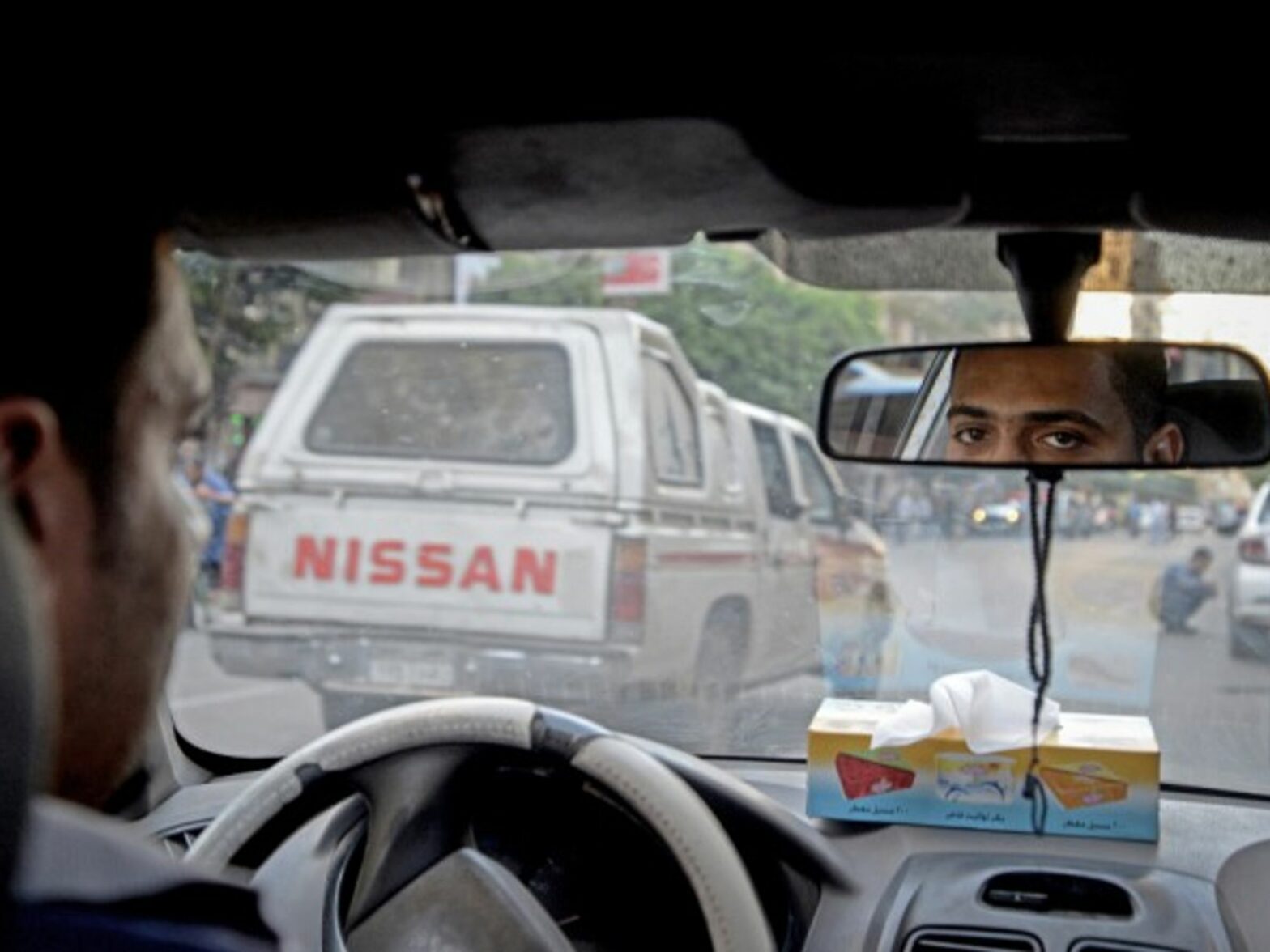
Uber launched with an excited bang in Egypt in 2014, promising work and new income for a country struggling with unemployment. But the castle of sand has disintegrated, leaving a trail of debt and frustration.
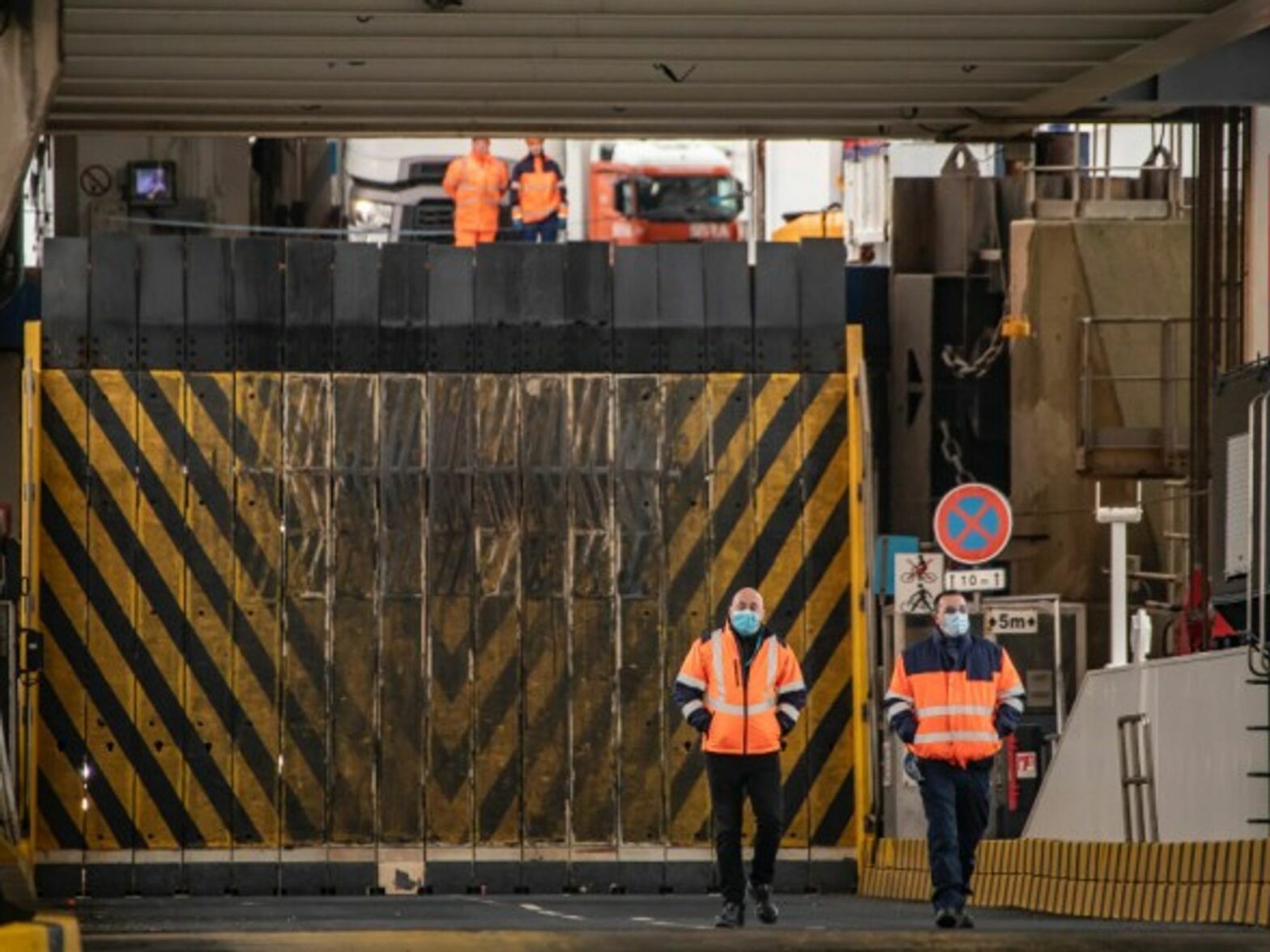
The customs border between the UK and the EU is back, with new rules and regulations, an influx of hastily trained agents, and a technology overhaul.
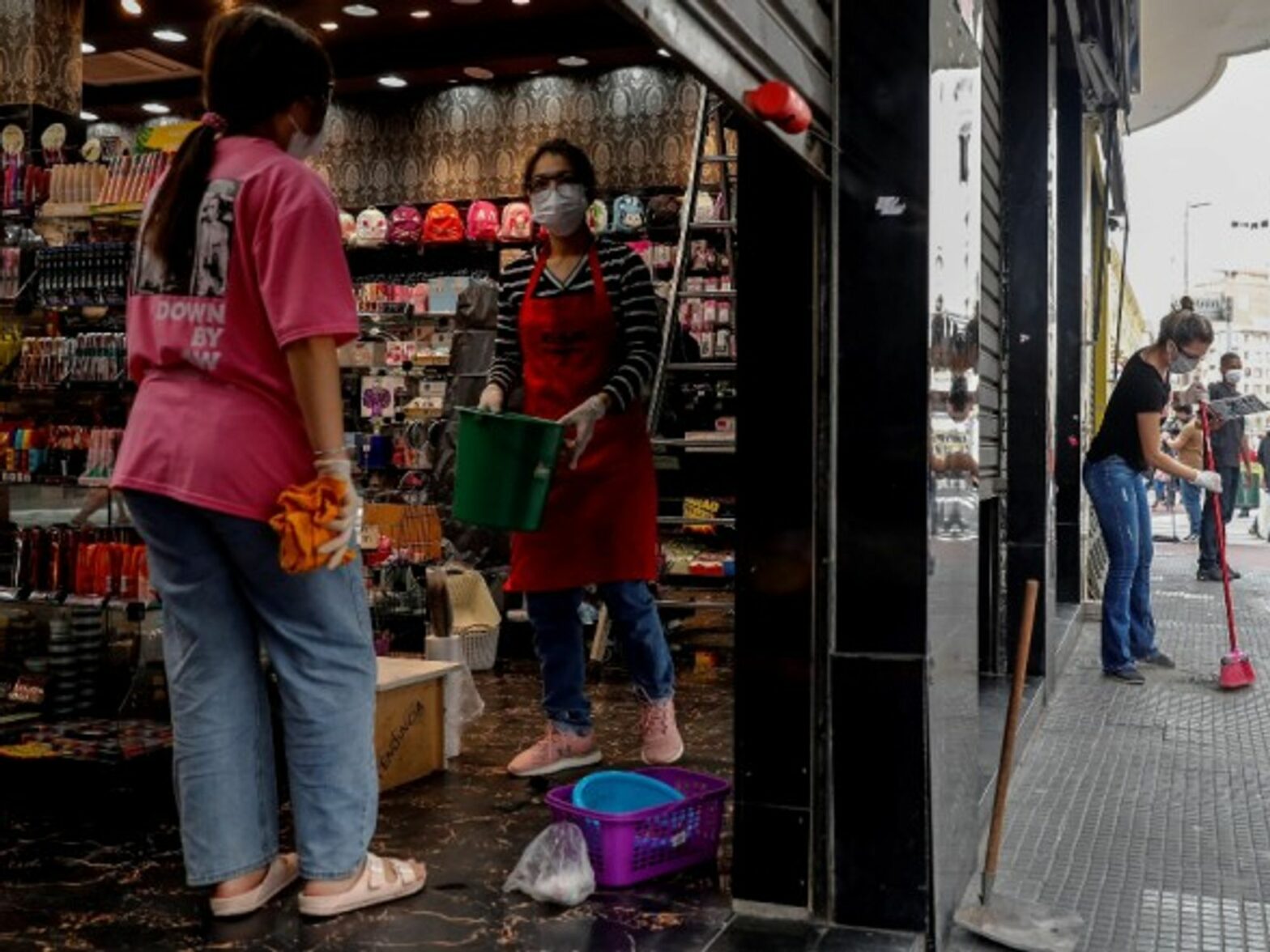
The price, however, is being paid in lost lives.

COVID Death Toll At 1.5 Million: A World United By Those We Lost WORLDCRUNCH Abidjan Postcard: Black Lives Matter, But They’re Different Here JEUNE AFRIQUE Pandemic Postcard: Nearly Alone As A Paris Museum Reopens RUE AMELOT “Joan Of Arc” In Exile: Can Tikhanovskaya Lead Belarus From Abroad? KOMMERSANT COVID-19, Address To The Nations: Faces Of […]

Consumers are convinced. Wall Street is buoyant. Demand around the world for app-based services is booming, with entire nations stuck at home during COVID-19 lockdowns and the prospect of goods and services at their door with just a click. As the so-called “Gig Economy” spreads alongside the pandemic, society has struggled to keep up. • […]
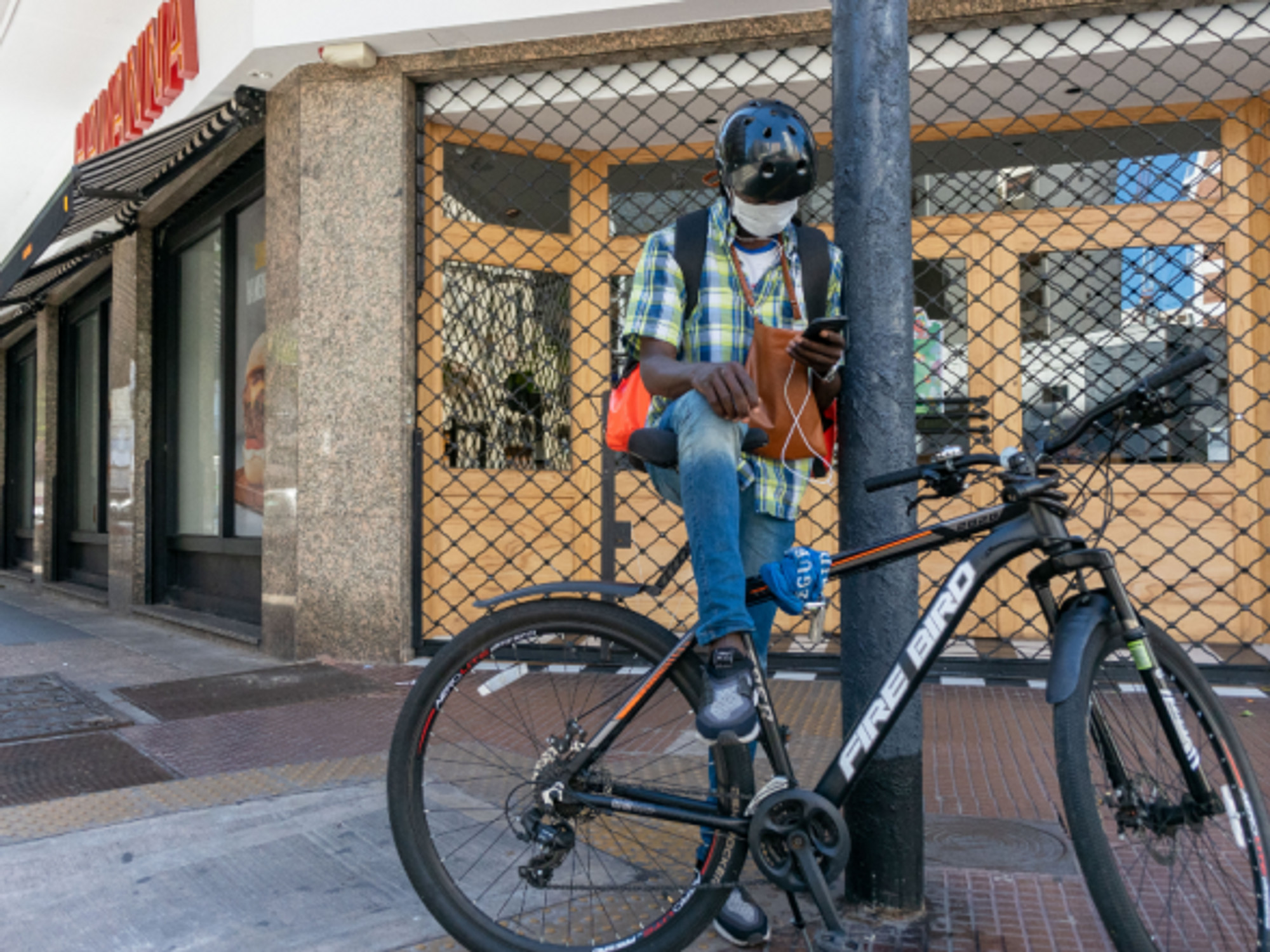
Countries like Argentina, Chile and Mexico have begun charging a value added tax (VAT) on digital purchases. But that may just be the tip of iceberg, especially if governments can reach a regional consensus.

For a number of weeks now, Beijing has been trying to regain control of its internet heroes, who are considered too dominant. E-commerce giants and their standard-bearer, Alibaba and its founder Jack Ma, are directly in the line of fire.

Why are some of society’s most crucial employees still fighting to get paid a fair wage?

Lockdowns, travel restrictions and the shift toward remote working have combined to cut global demand for oil. Moscow hopes it’s all just a passing trend. But is that really the safest bet?
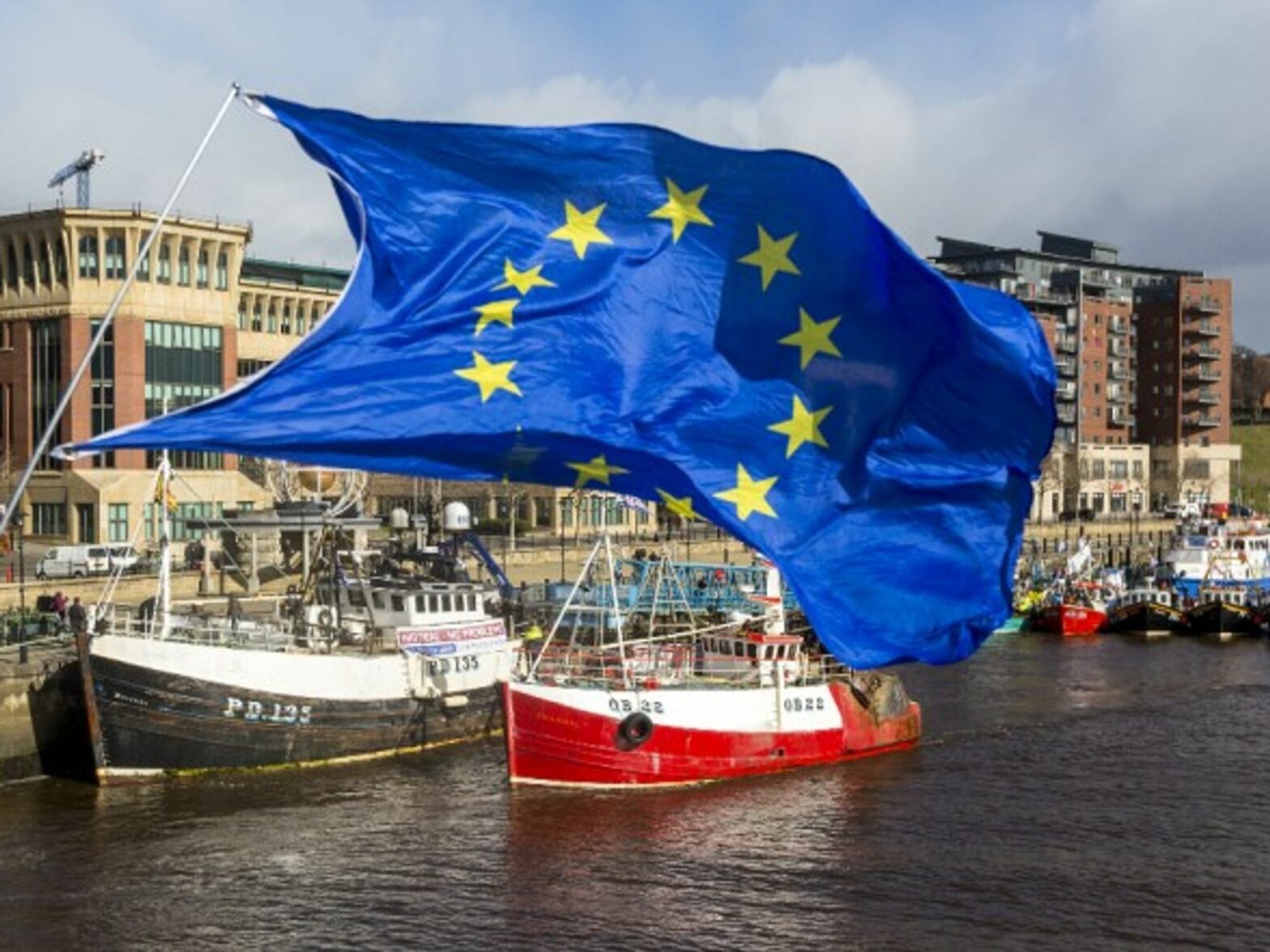
Authorities in Belgium say that regardless of how Brexit negotiations unfold, fishers from Bruges have ‘royal privilege’ to continue operating in British waters.

As the European Commission targets U.S. retail giant Amazon for alleged antitrust violations, David Barroux in French business daily Les Echos offers his own take.
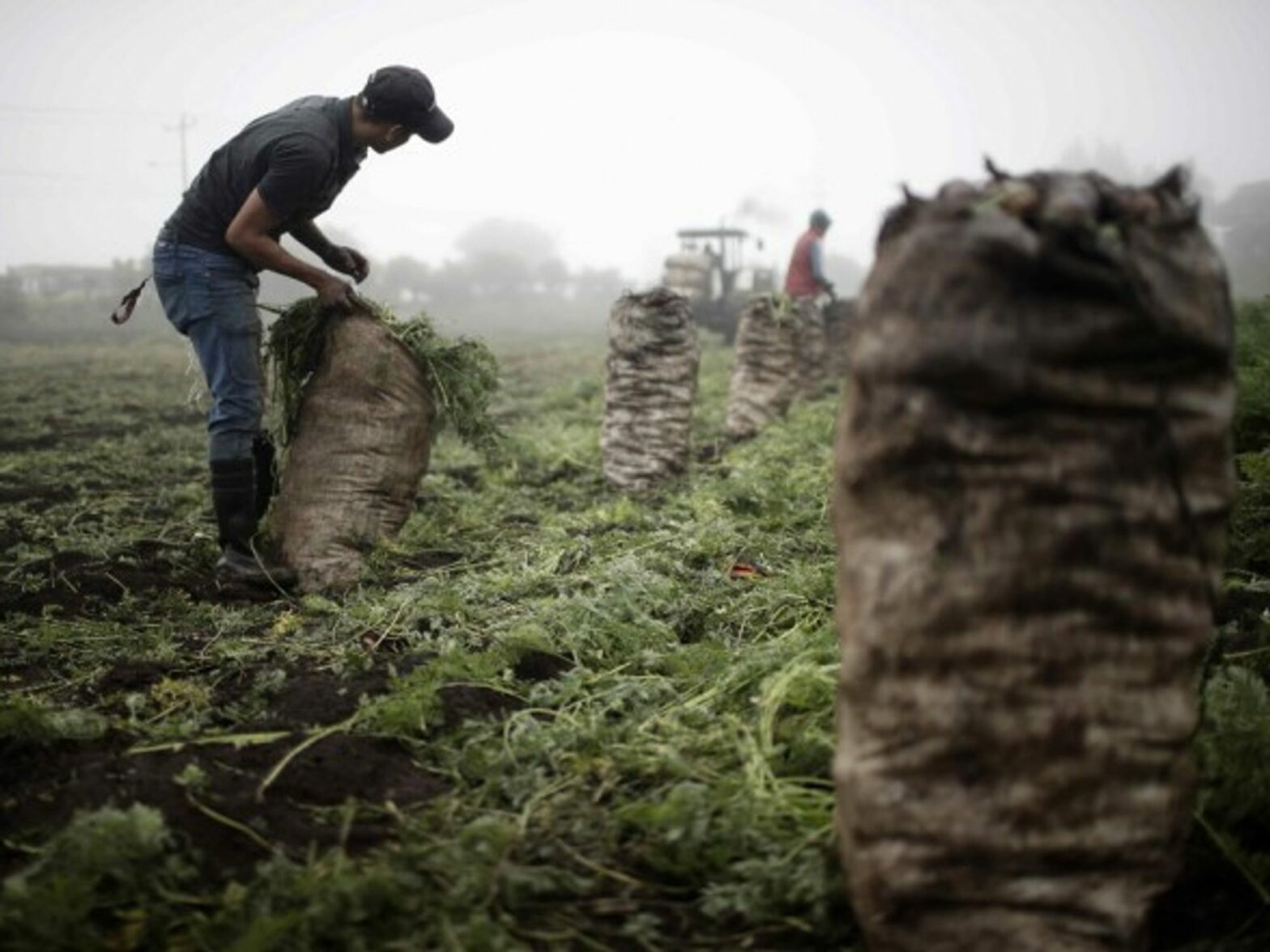
In Latin America, where half of all jobs are off the books, businesses can’t tap into the vast and potentially valuable resource of data to usher in digital transformation.
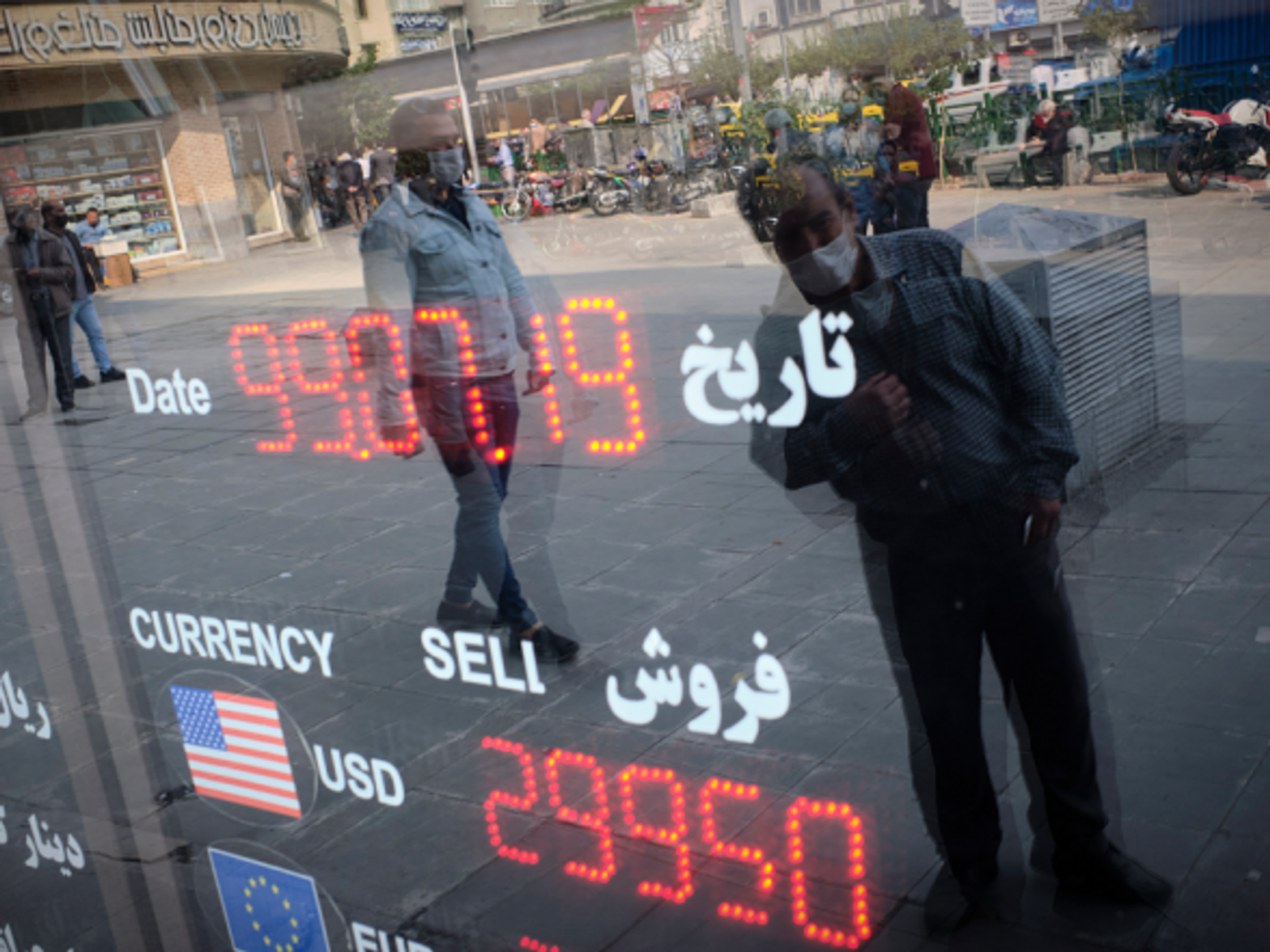
The leaders of the Islamic Republic say the economy will soon improve. But the numbers — the result of sanctions but also decades of economic mismanagament — paint a far more dismal picture.
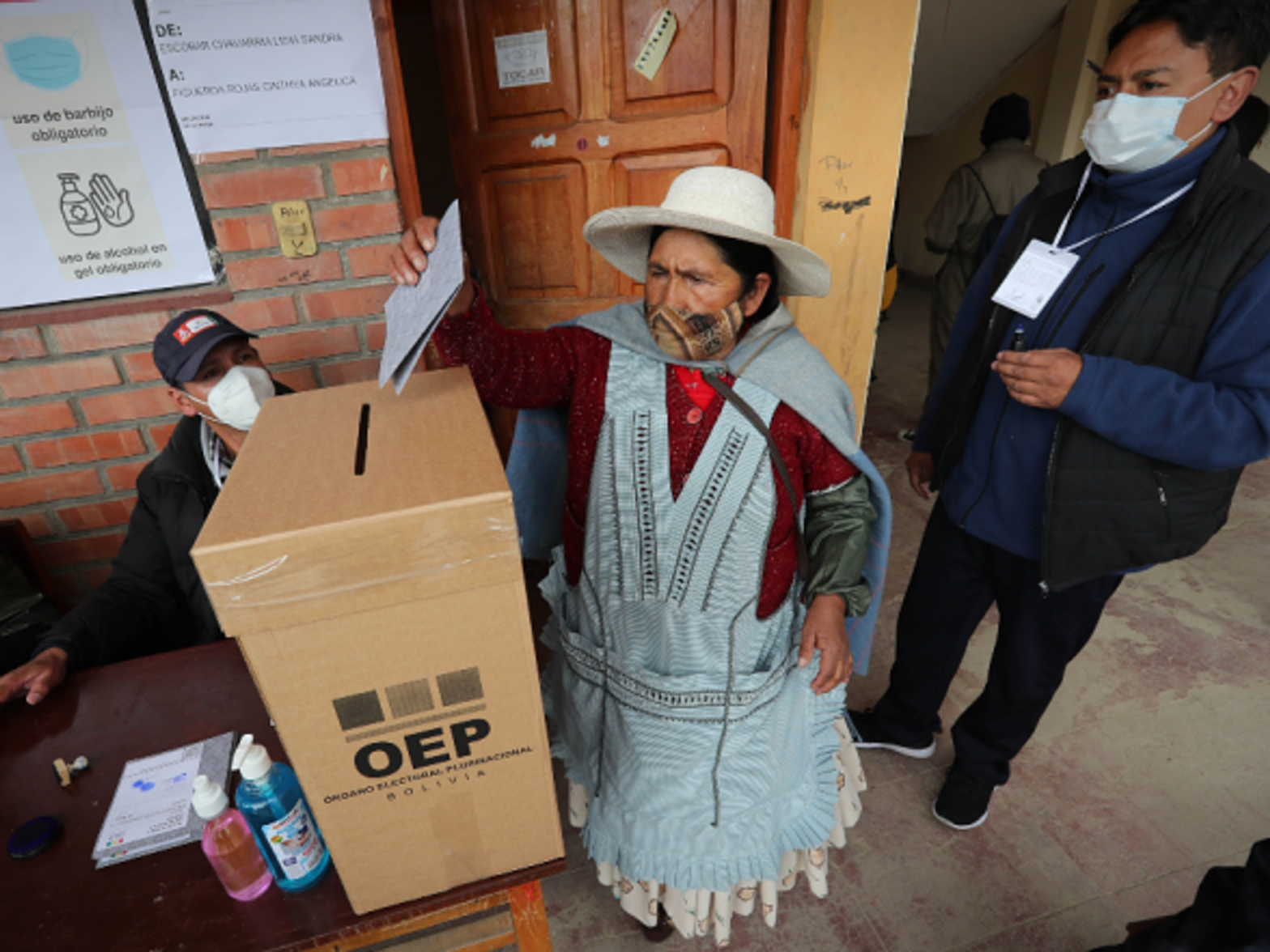
The decisive reelection of the left in Bolivia, after Evo Morales was crudely ousted, is a message to all those powers that aim to unseat the popular will.
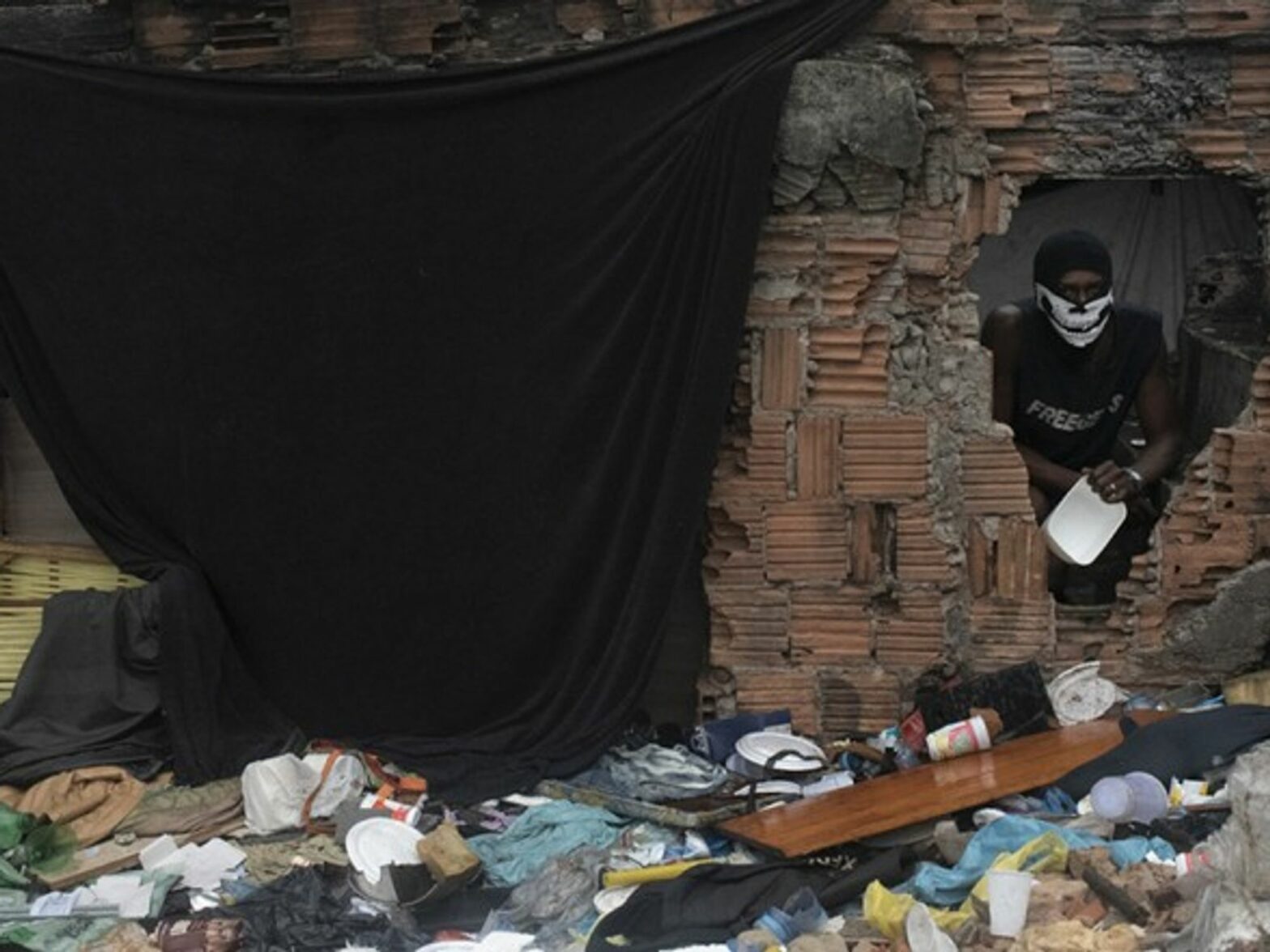
Rafaela Dutra was working in Rio de Janeiro’s tourism industry and studying to become a nurse when the coronavirus arrived. A resident of the sprawling low-income favelas in the city’s Zona Norte, she had worked in one of Copacabana’s shiny, high-rise hotels, earning up to twice the region’s minimum monthly wage of 1,200 reais ($220). […]
A new crop of Tunisian engineers are coming up with clever ways to help farmers streamline their operations and adjust to a changing climate.

Valuable pieces of art have a special appeal to people in organized crime, both as trophies — conveying power and prestige — and as a means to launder ill-gained earnings.
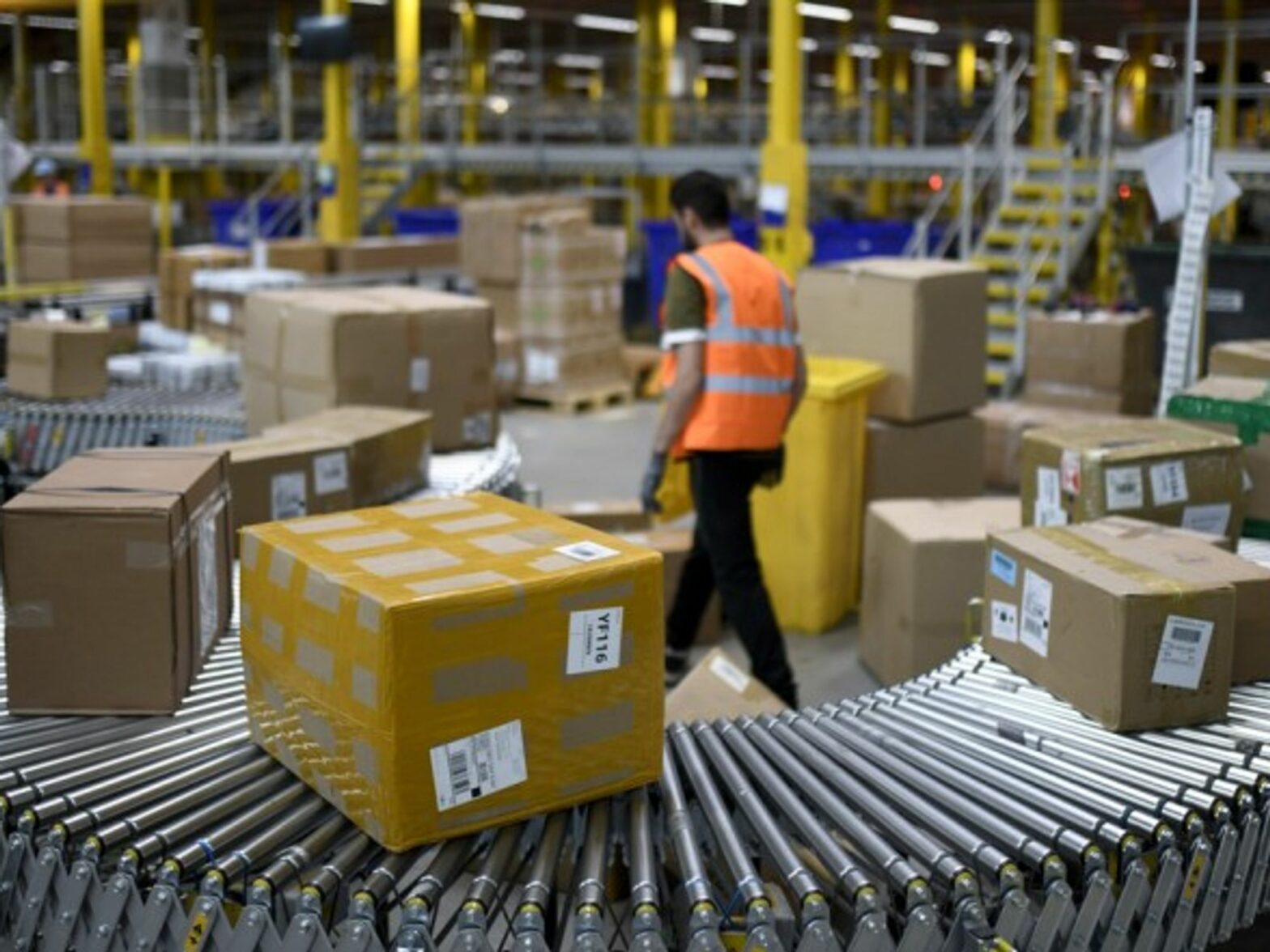
“Amazon is ‘un-Swedish”…” Yes, in my country too, you’d probably hear something called osvenskt in one of those low-budget conference halls where “patriots’ gather to drink domestic beer and worry about the Moderland. So, you’ll be surprised that slap at the U.S. e-retailer was delivered by my old Swedish Econ101 professor, 10 years ago, as […]

A recent speech by former ECB chief Mario Draghi hit close to home in his native country.
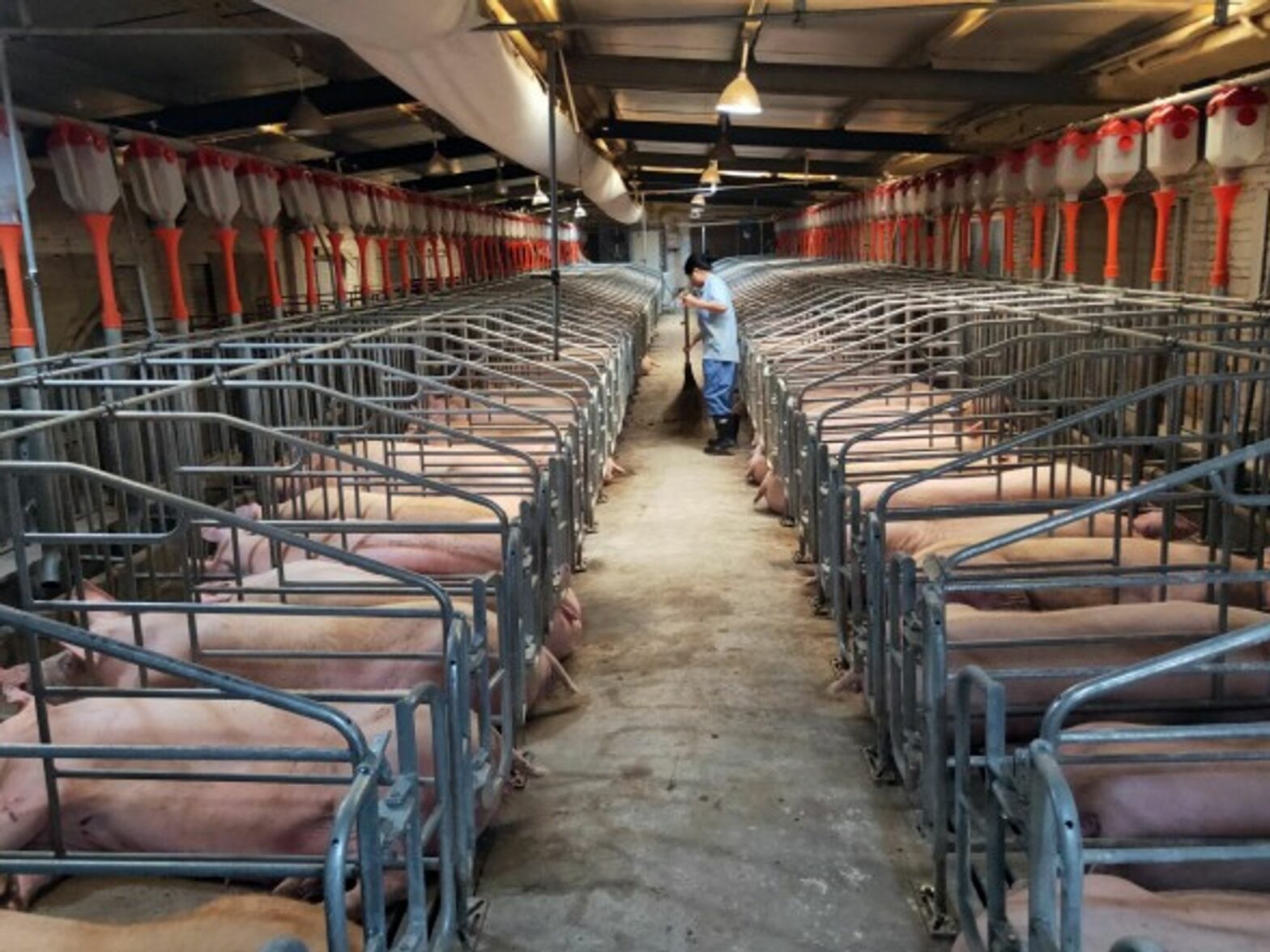
Desperate for a chance to boost the economy and create some much needed jobs, Buenos Aires is ready to sign off on what environmentalists call a ‘pandemics factory.’

Owing, it would seem, is a part of the human experience, and not just in modern times … and so is debt forgiveness.

While some countries stopped doing business with the Islamic Republic, others keep engaging in commerce but refuse to pay what they owe. What gives?
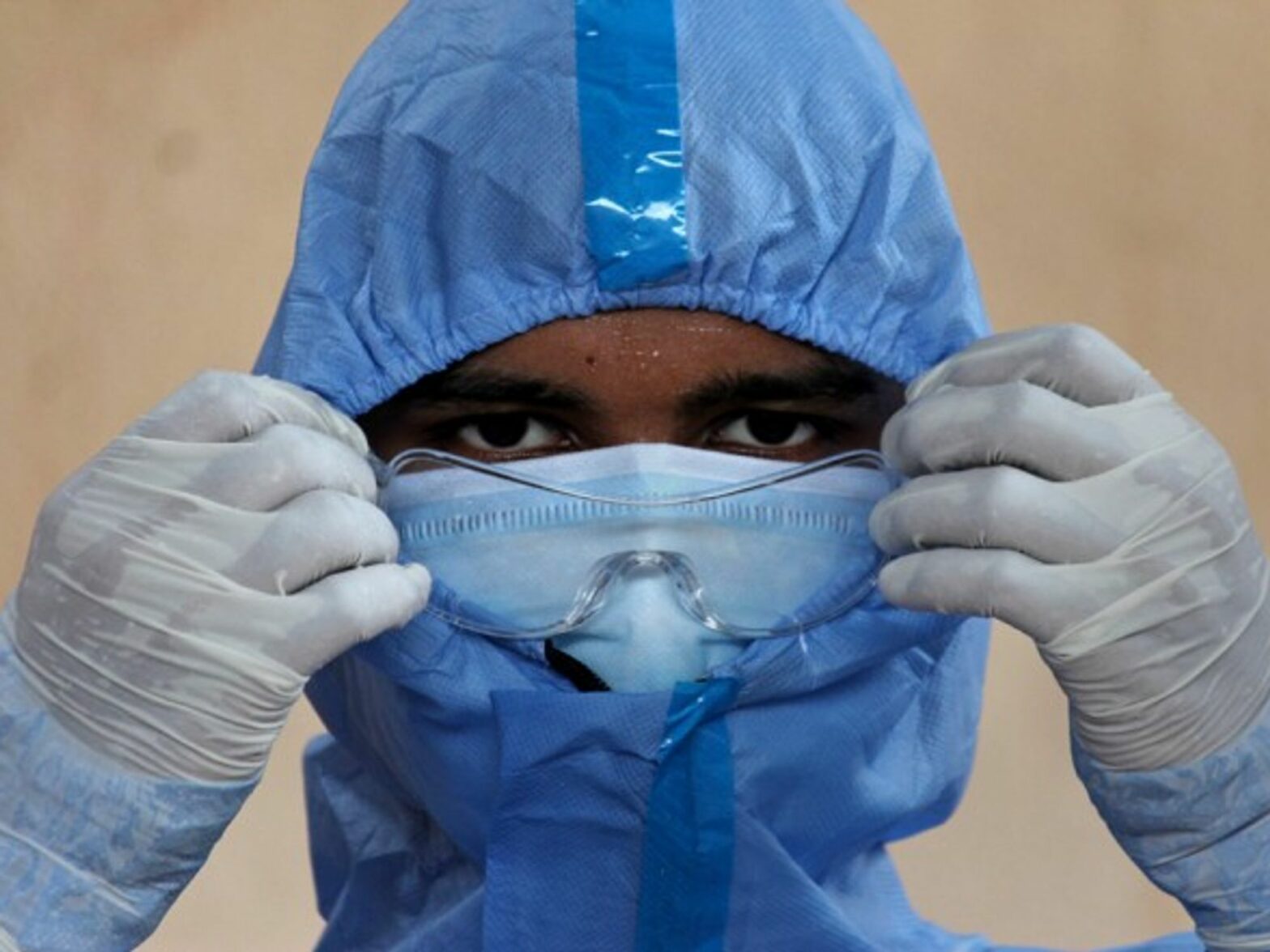
From salary cuts to protective equipment shortages, frontline workers are having to protest and plead just to get their basic dues.
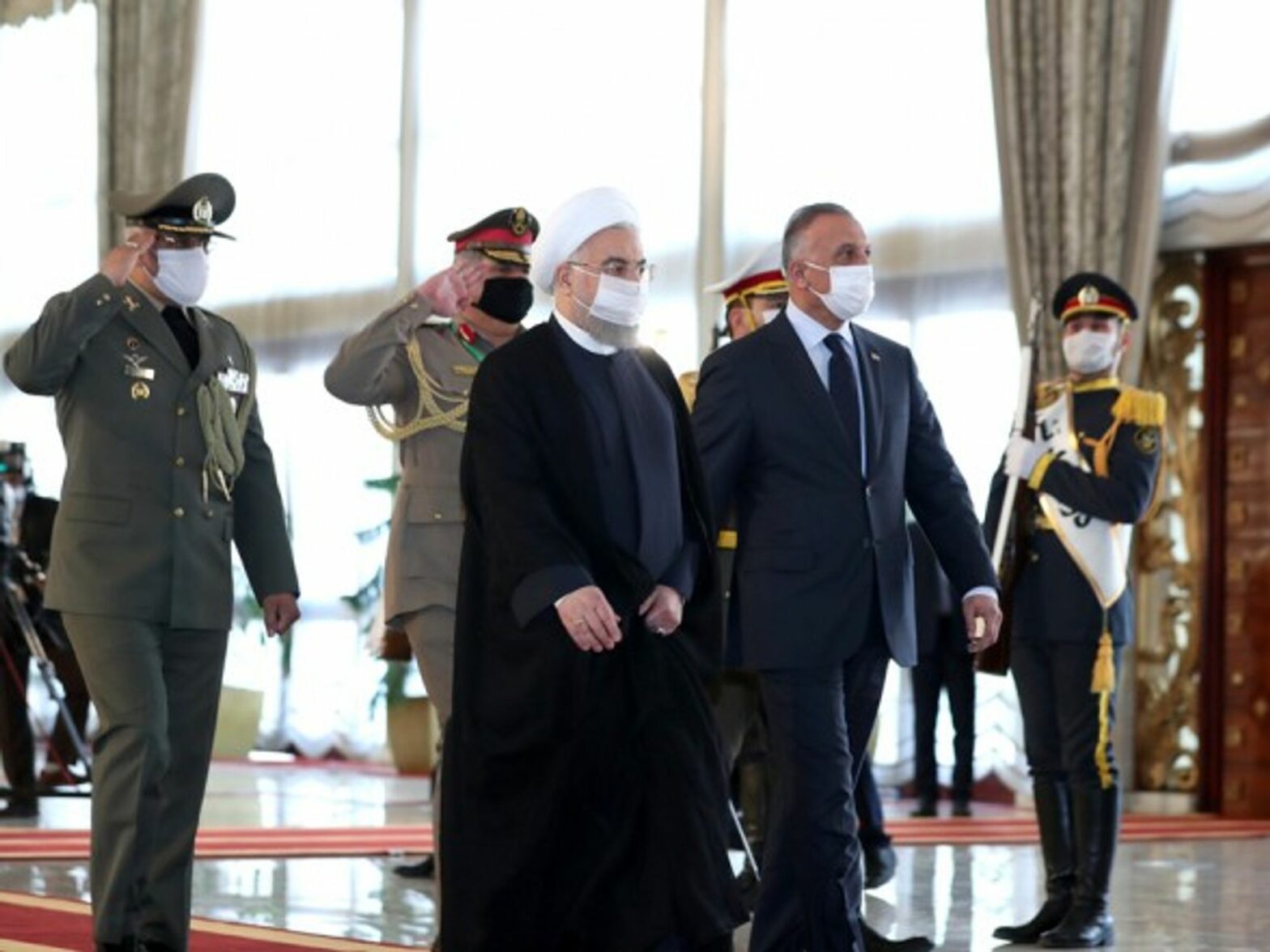
The Islamic Republic foreign minister made a series of trips recently to shore up support among his country’s few remaining allies. He returned empty handed.

Throwback ideas and the next big thing are working for some, even as many other parts of the economy slide into recession.
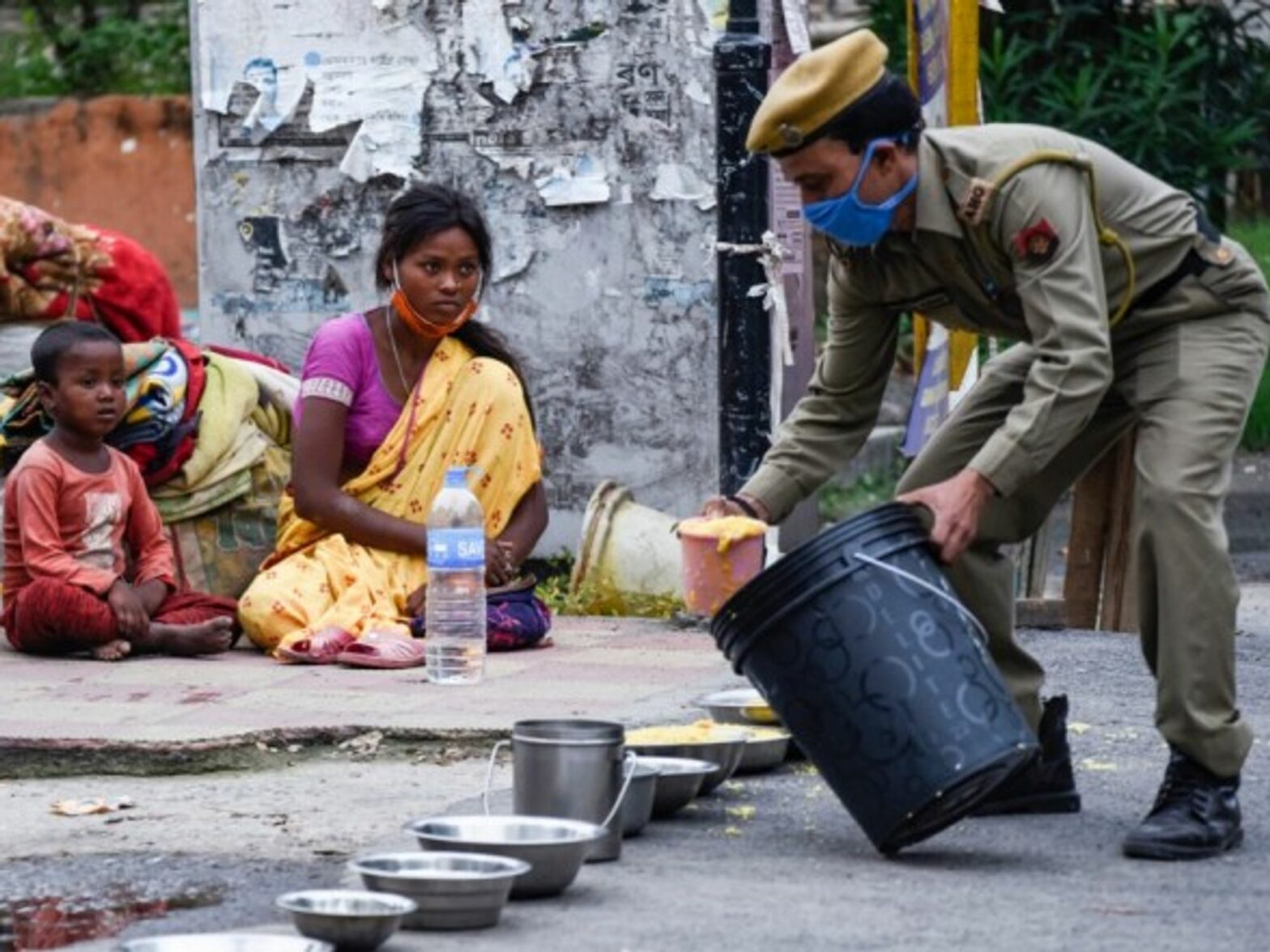
-Analysis- NEW DELHI — In a discussion on NDTV about the contents of the third tranche of Prime Minister Narendra Modi”s stimulus package for the economy, Yogendra Yadav, one of India’s most respected psephologists, called it “entertainment.” Yadav is a gentle human being who goes out of his way to avoid giving offense, above all on TV. So “entertainment” was the most civilized word he could think of. I will be a little more blunt. Not just the third tranche, but the entire “stimulus package” advertised by Modi on May 12 is a gigantic confidence trick being played upon a […]
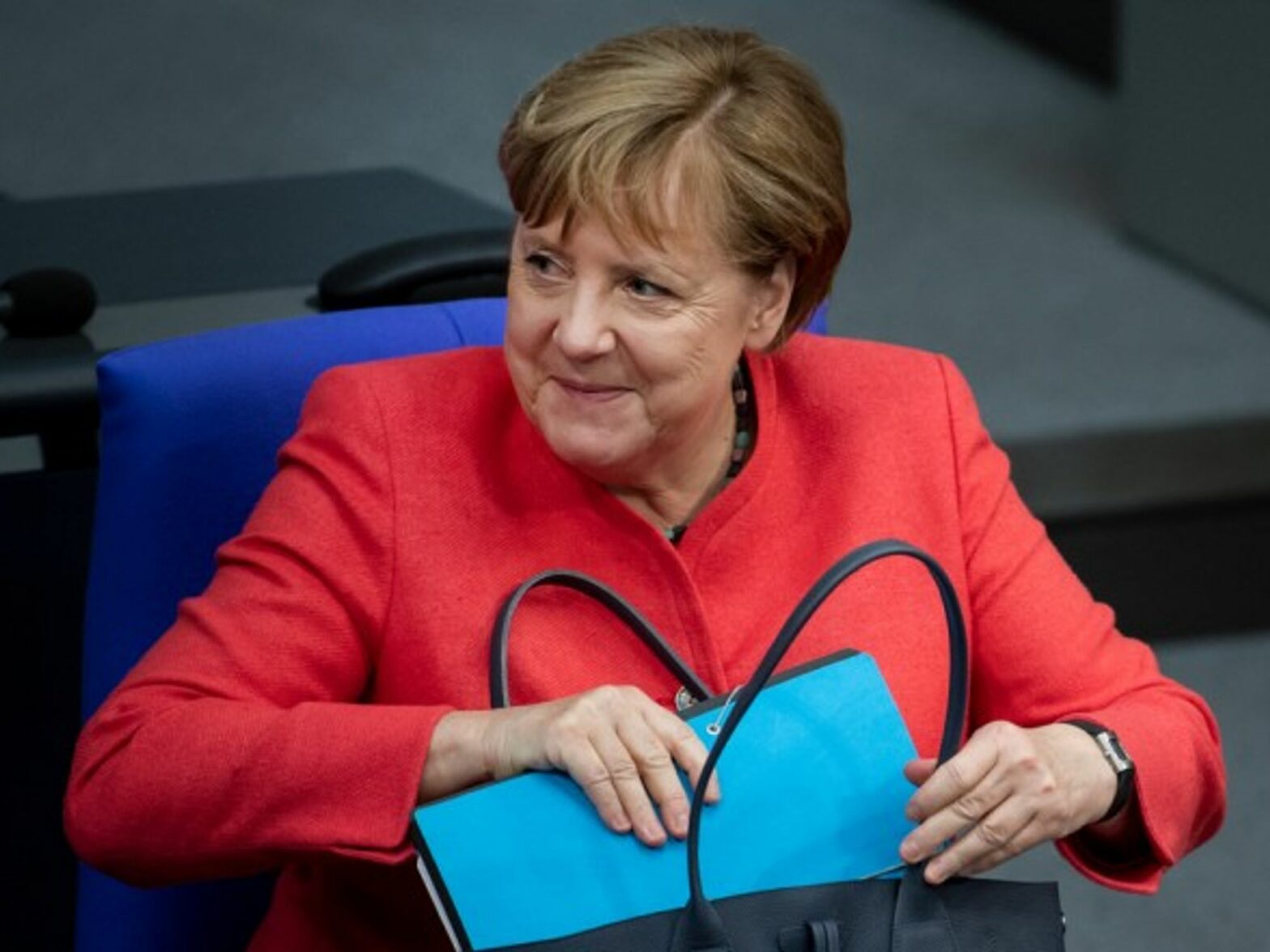
“The nation-state on its own has no future… ” Angela Merkel’s apparently ominous declaration in late May was actually part of what might be the strongest vote of confidence in recent memory to ensure the future of the European Union. After years of touting austerity and protecting national fiscal sovereignty, the German Chancellor has suddenly […]
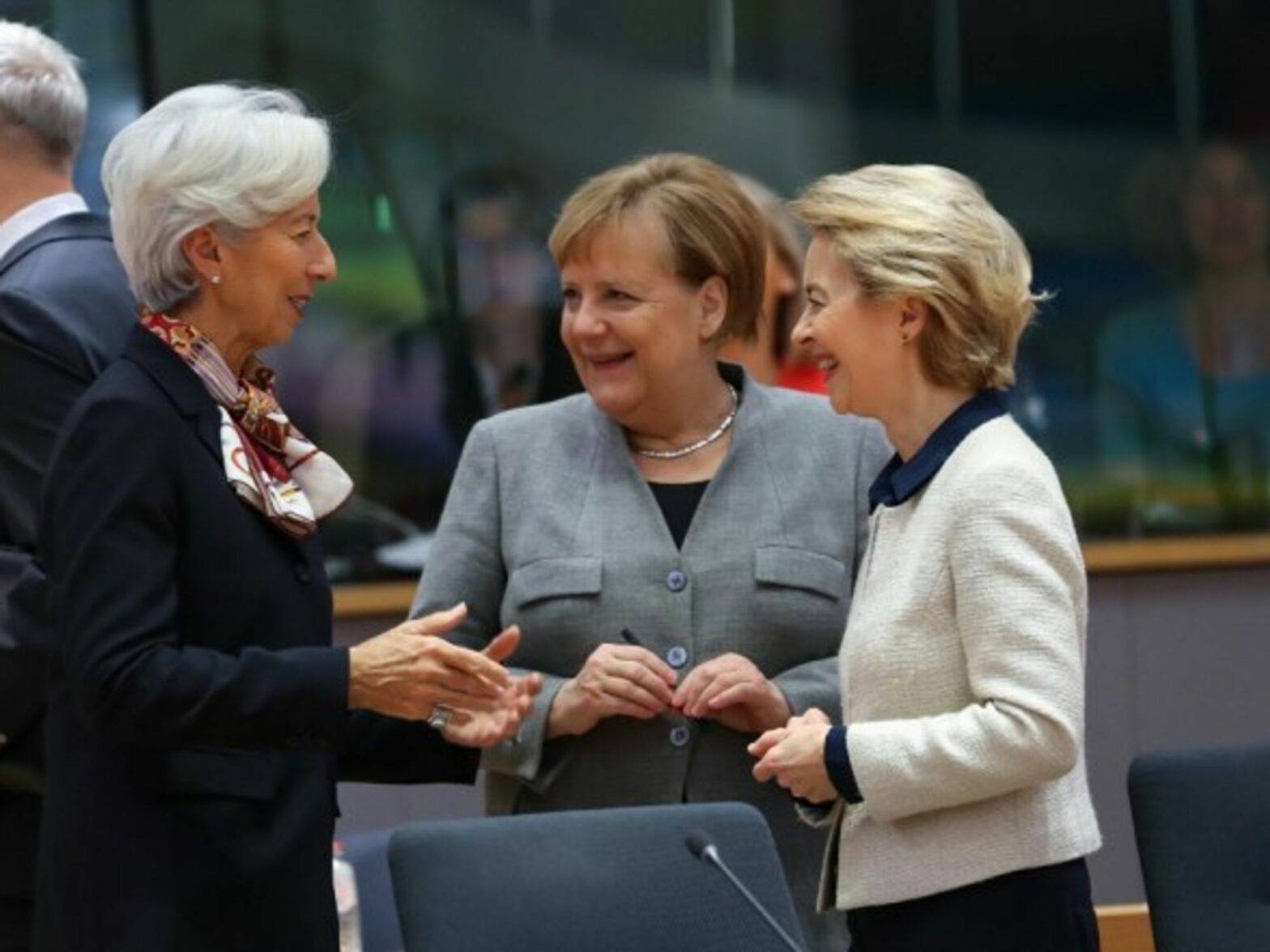
Which leaders will be remembered from this moment in history? So asks Catherine Chatignoux.

In France more than anywhere else, employees seem to find it difficult to give up teleworking to come back to the office. They have more or less valid reasons to hesitate. But employers also have their own.

Globalized supply chains may be good for businesses, but they’re not always ideal for consumers, especially when they’re suddenly disrupted.

Compared to other EU member states, Poland was barely affected by the international financial crisis or the refugee crisis of 2015. Now, the country could emerge from the coronavirus pandemic in a stronger position than before.

Germany has the resources to weather the storm, but not everyone in Europe is convinced that’s a good thing.
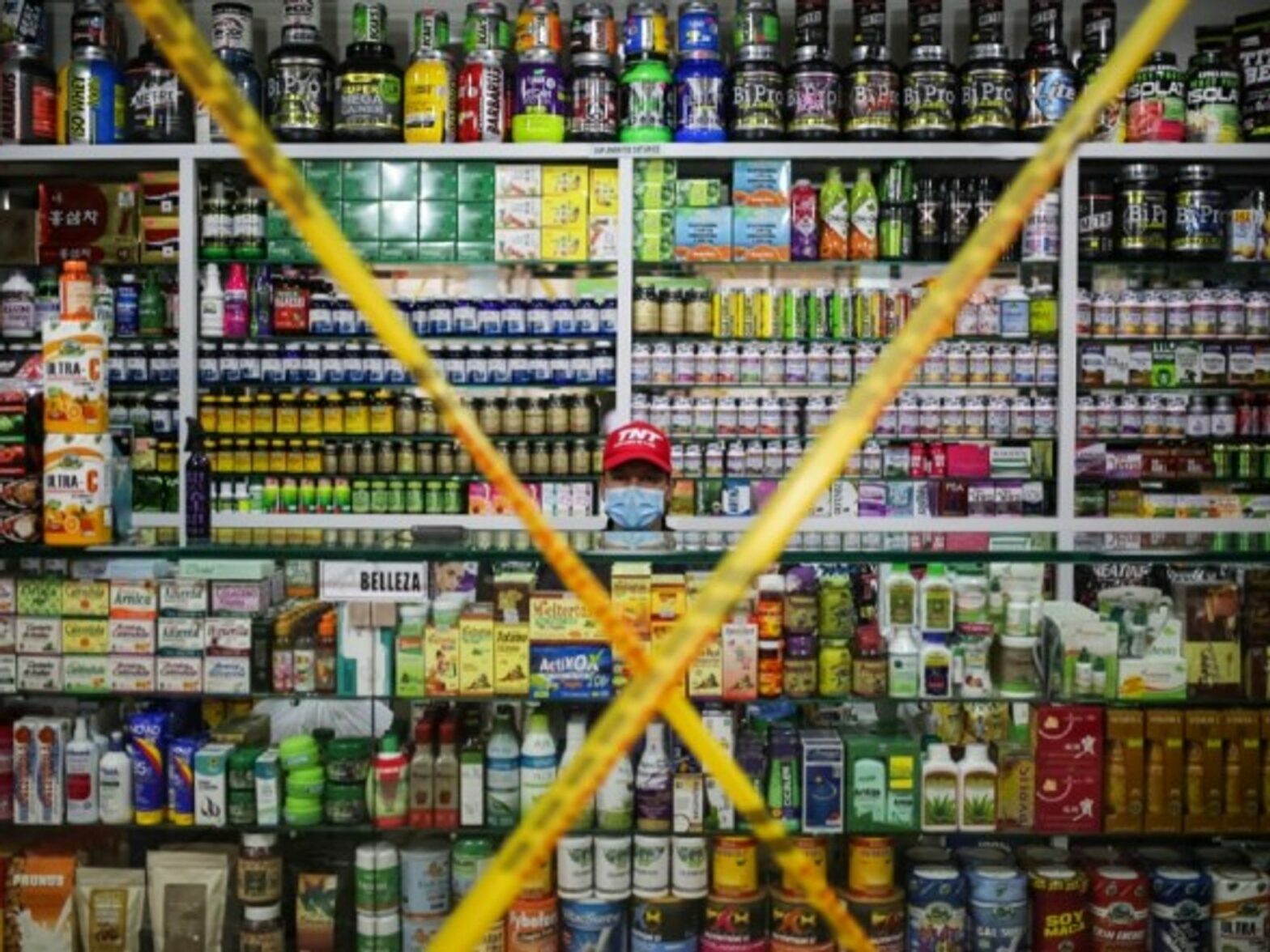
Colombia is a prime example of how overspending and indebtedness leave little room for error, and why it’s important to take a new approach moving forward.
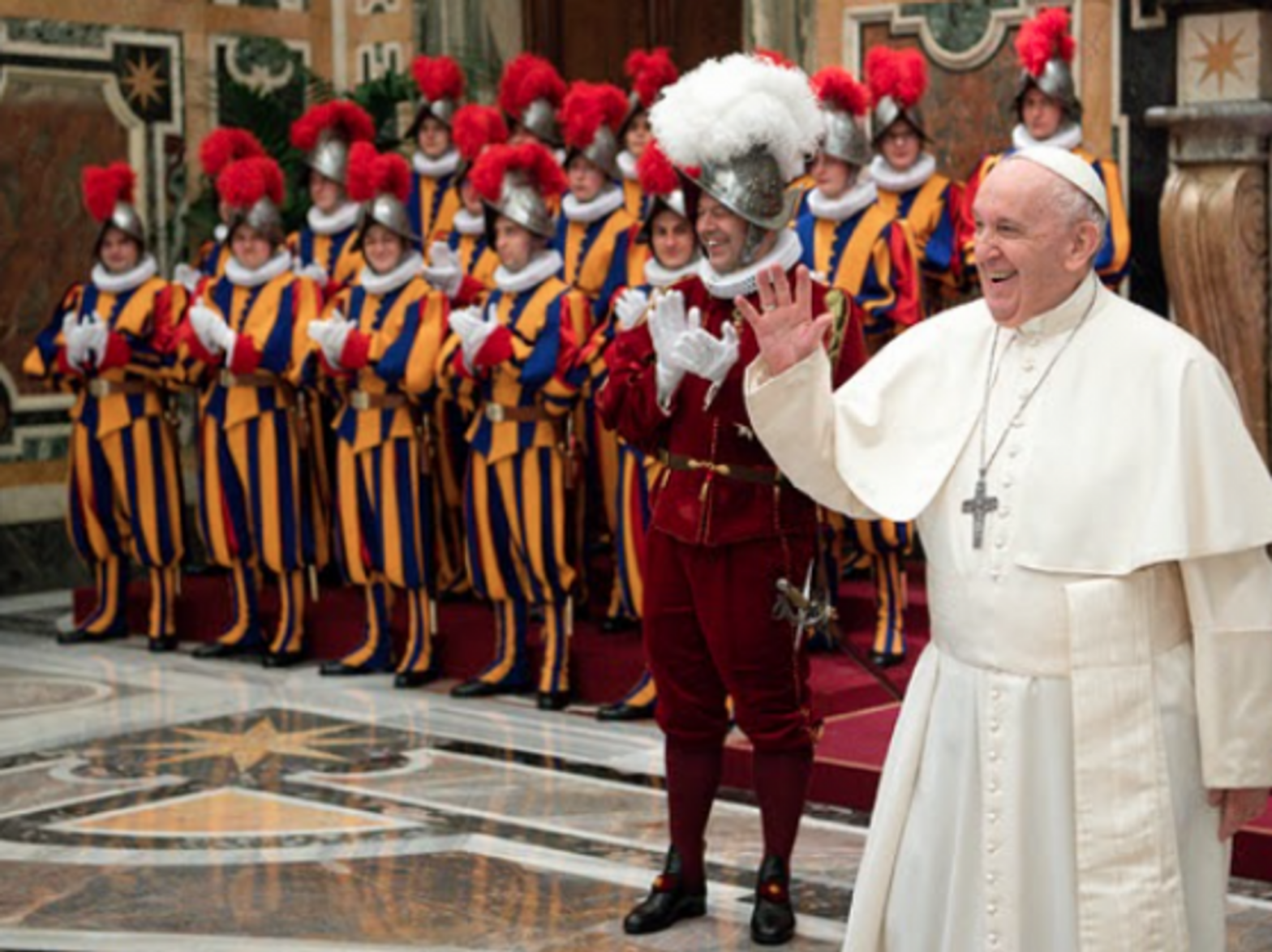
Welcome to Friday, where a shooting at a favela in Rio kills 25, the Pfizer jab shows promising results against COVID variants, and pizza vending machines arrive in Rome. We also look at how central banks are finally starting to take an interest in cryptocurrencies. • COVID-19: Pfizer vs. variants, pandemic Olympics: Two different studies […]