“I did it all because basically, I’m an idiot.”
Categories
Don’t Look Back In Depression

 Worldcrunch
“I did it all because basically, I’m an idiot.”
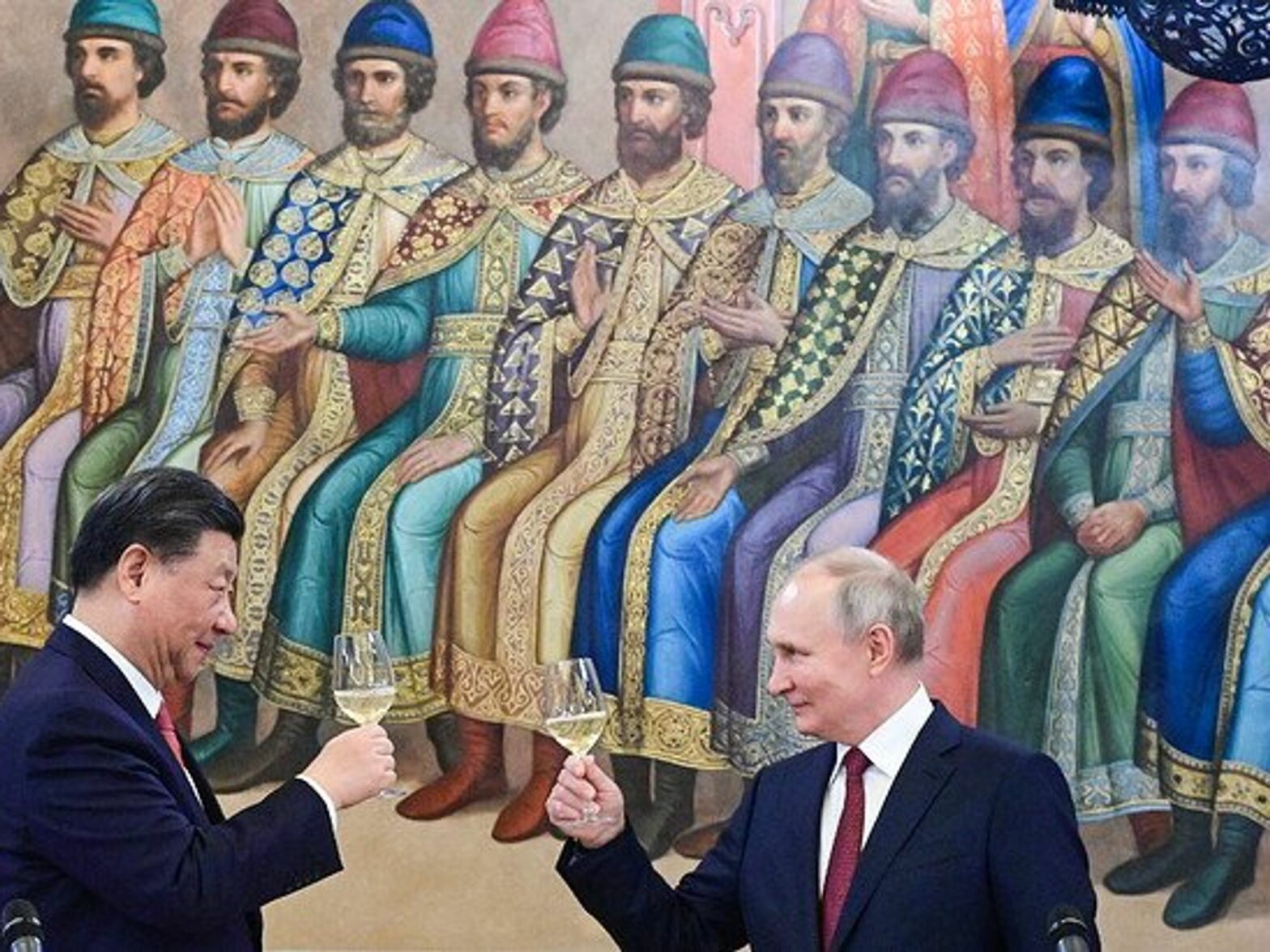
Chinese President Xi Jinping’s visit to Moscow was a much-needed favor Vladimir Putin. But make no mistake, Beijing is there to serve Beijing — and holds virtually all the cards.
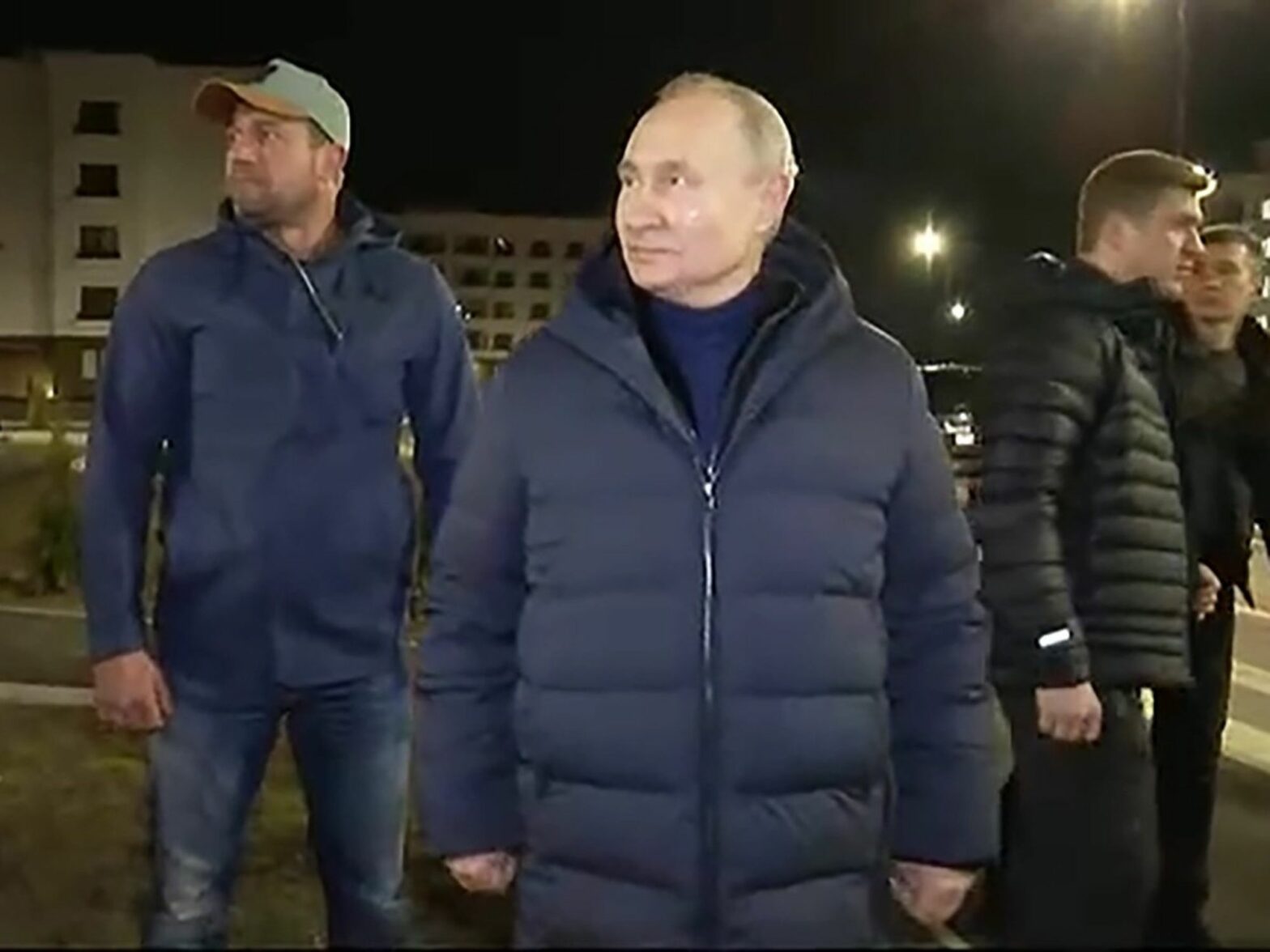
Putin really is meeting with Xi in Moscow — we know that. But there are credible experts saying that the person who showed up in Mariupol the day before was someone else — the latest report that the Russian president uses a doppelgänger for meetings and appearances.
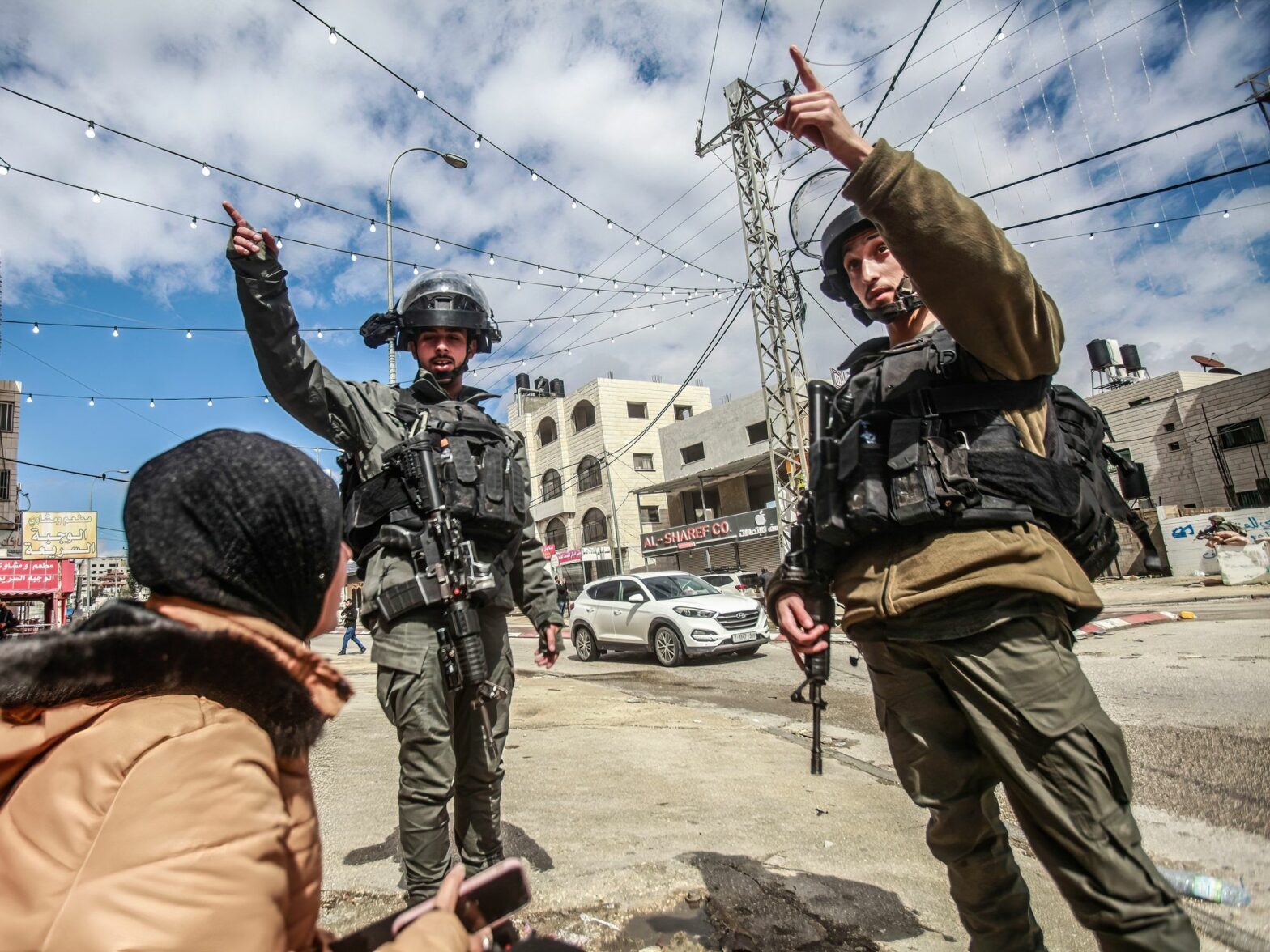
In a speech in Paris, Bezalel Smotrich, Israel’s finance minister, denied the existence of the Palestinians, sparking angry reactions in Ramallah, Amman and Brussels. But Israel’s extreme right is not afraid of provoking a violent crisis with the Palestinians.
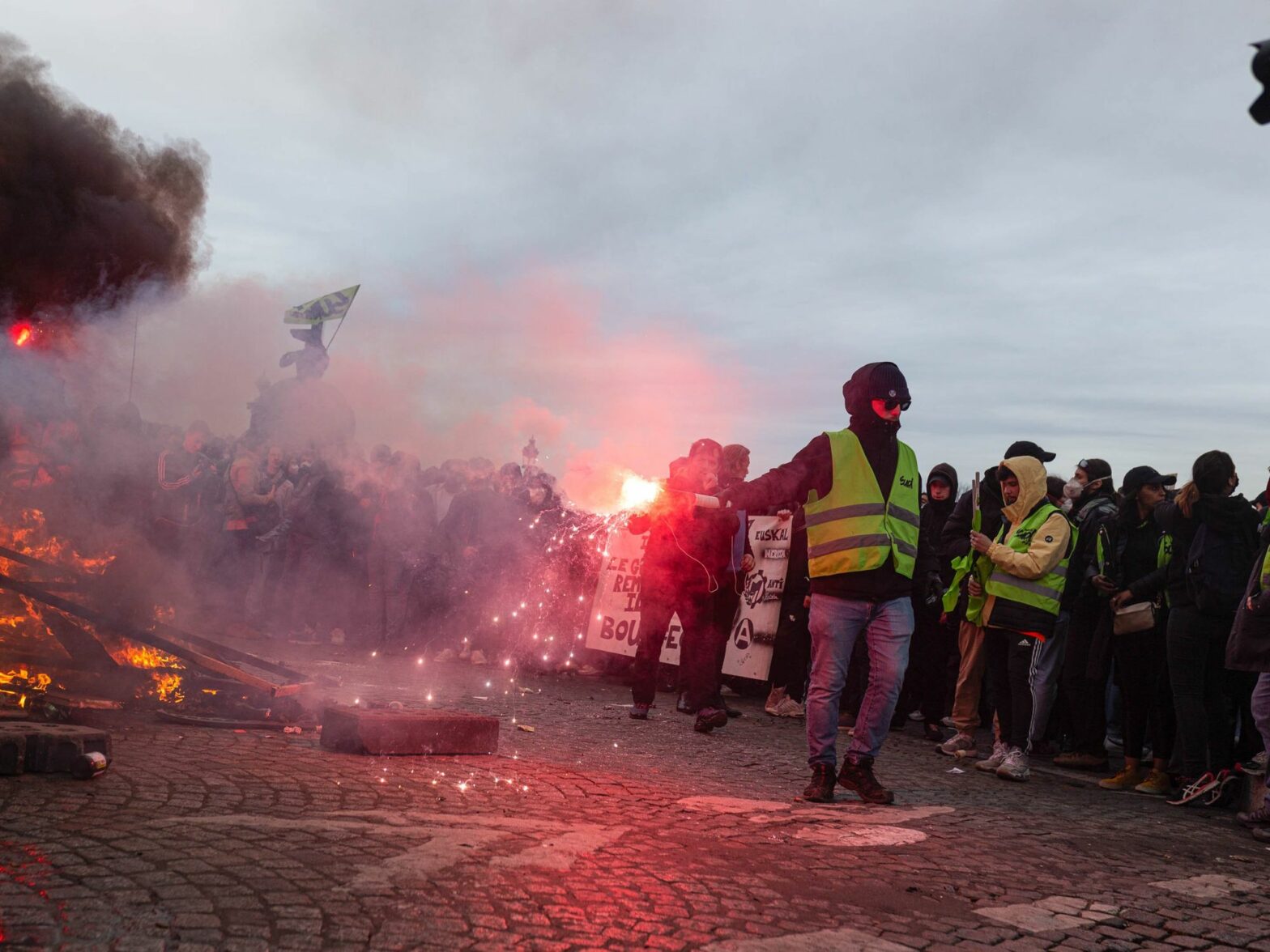
The pushing through of a bill to raise the retirement age in France has caused widespread, sometimes violent, protests. The government is worried the movement will spread, as unions warn the protests are just beginning.
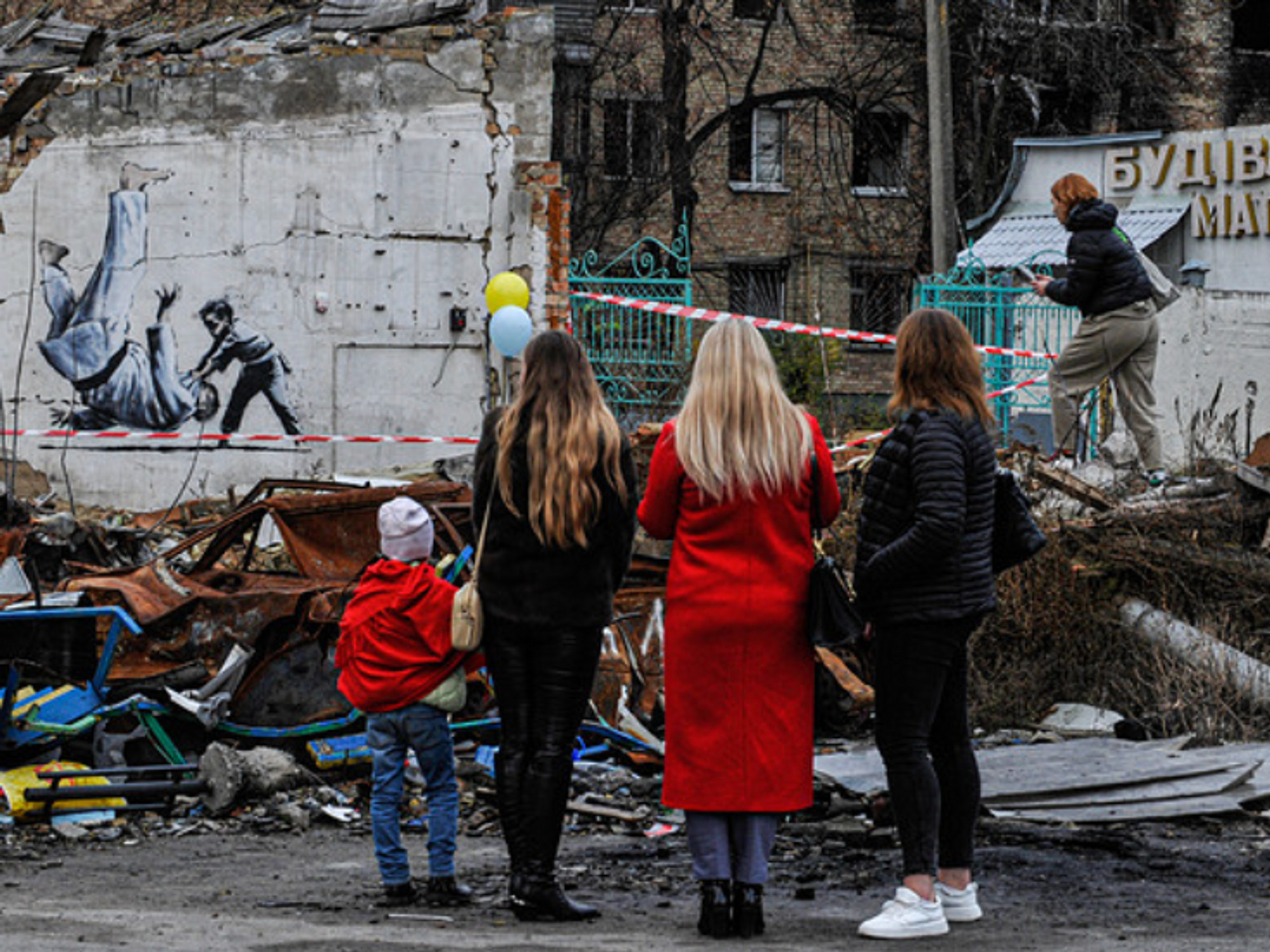
With the right support, Ukrainians are ready to return, even to new parts of the country where they’ve never lived.
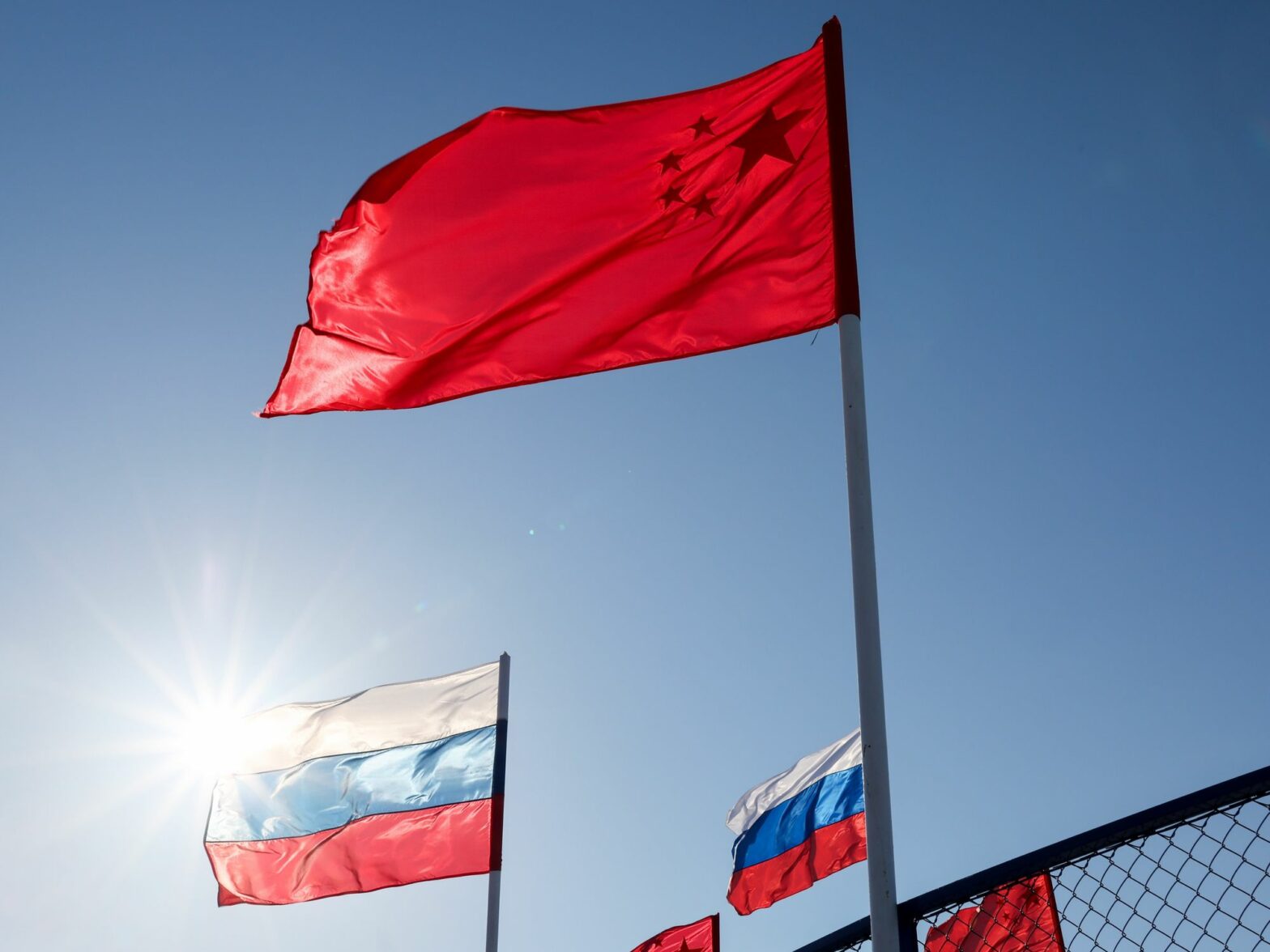
As the Chinese government puts together what it calls a peace plan for Ukraine, it’s also considering sending weapons to Russia. The Biden administration warns China will “pay a real price” if it helps Russia, but Beijing’s real goal is to weaken the United States.
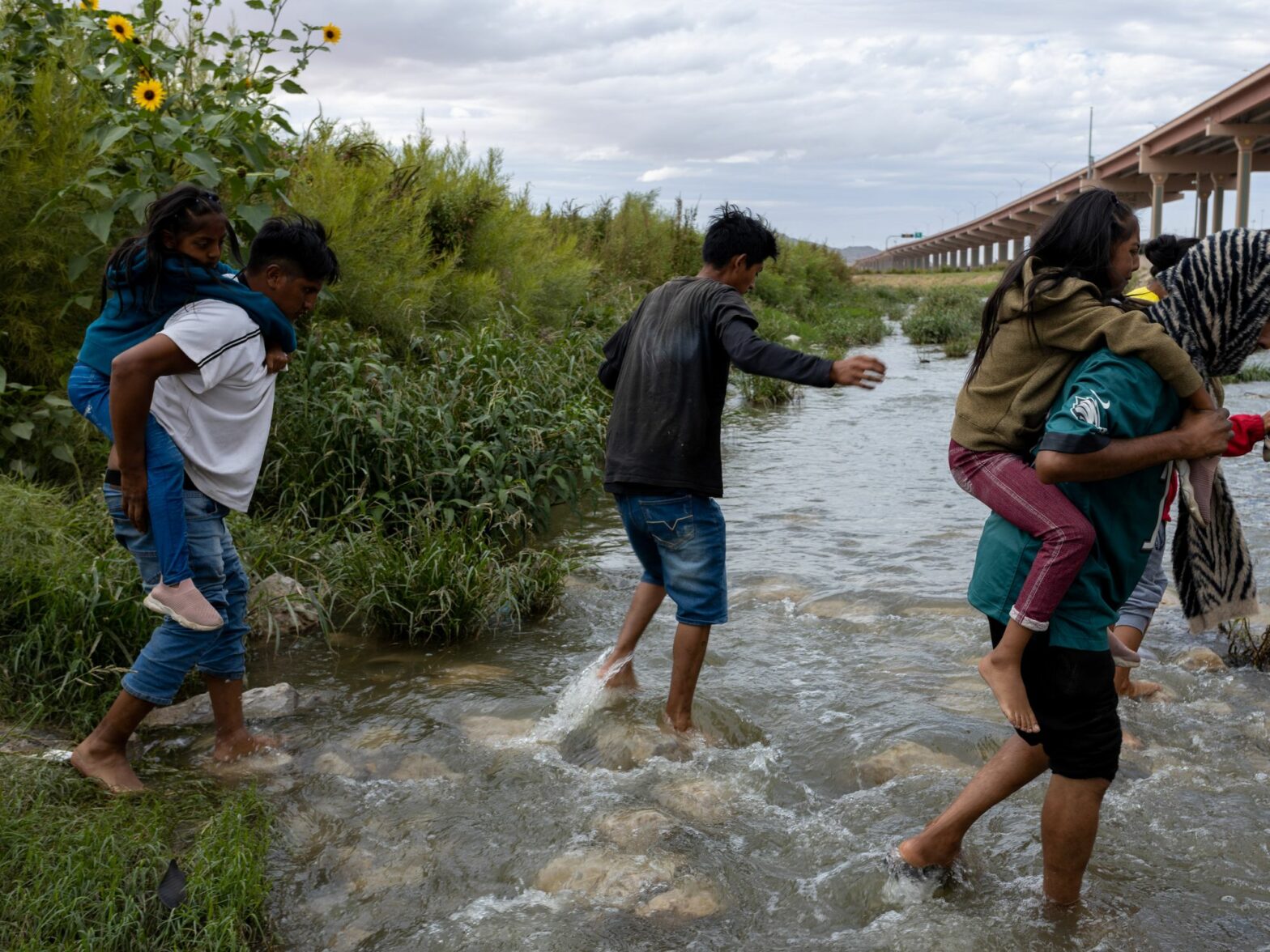
With dimmed hopes of a transition from the economic crisis and repressive regime of Nicolas Maduro, many Venezuelans increasingly see the United States, rather than Latin America, as the place to rebuild a life.
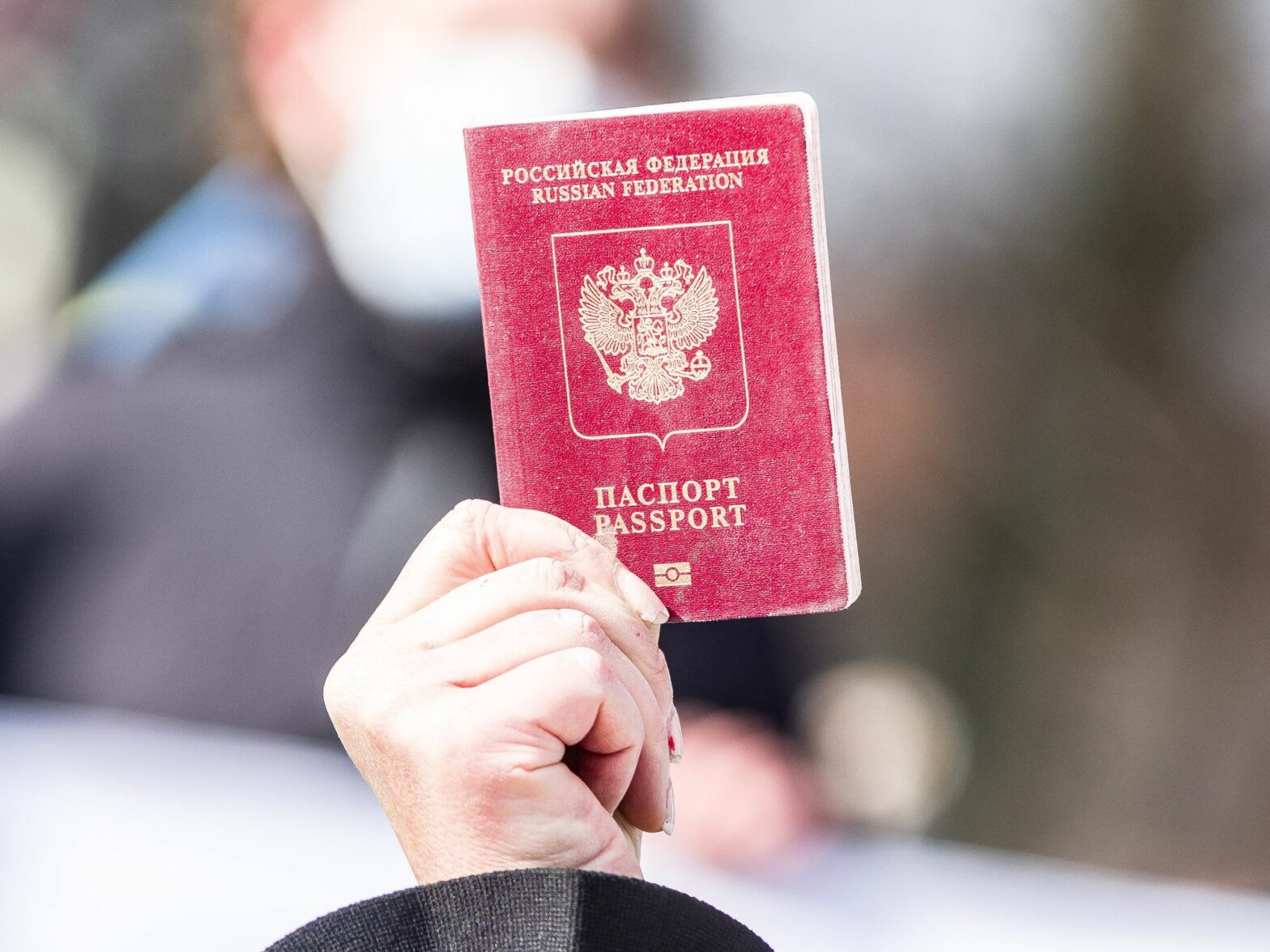
Reports have emerged of children, retirees, and workers being forced by the Russian military and occupying administration to obtain Russian Federation passports, or face prison, beating or loss of public benefits.
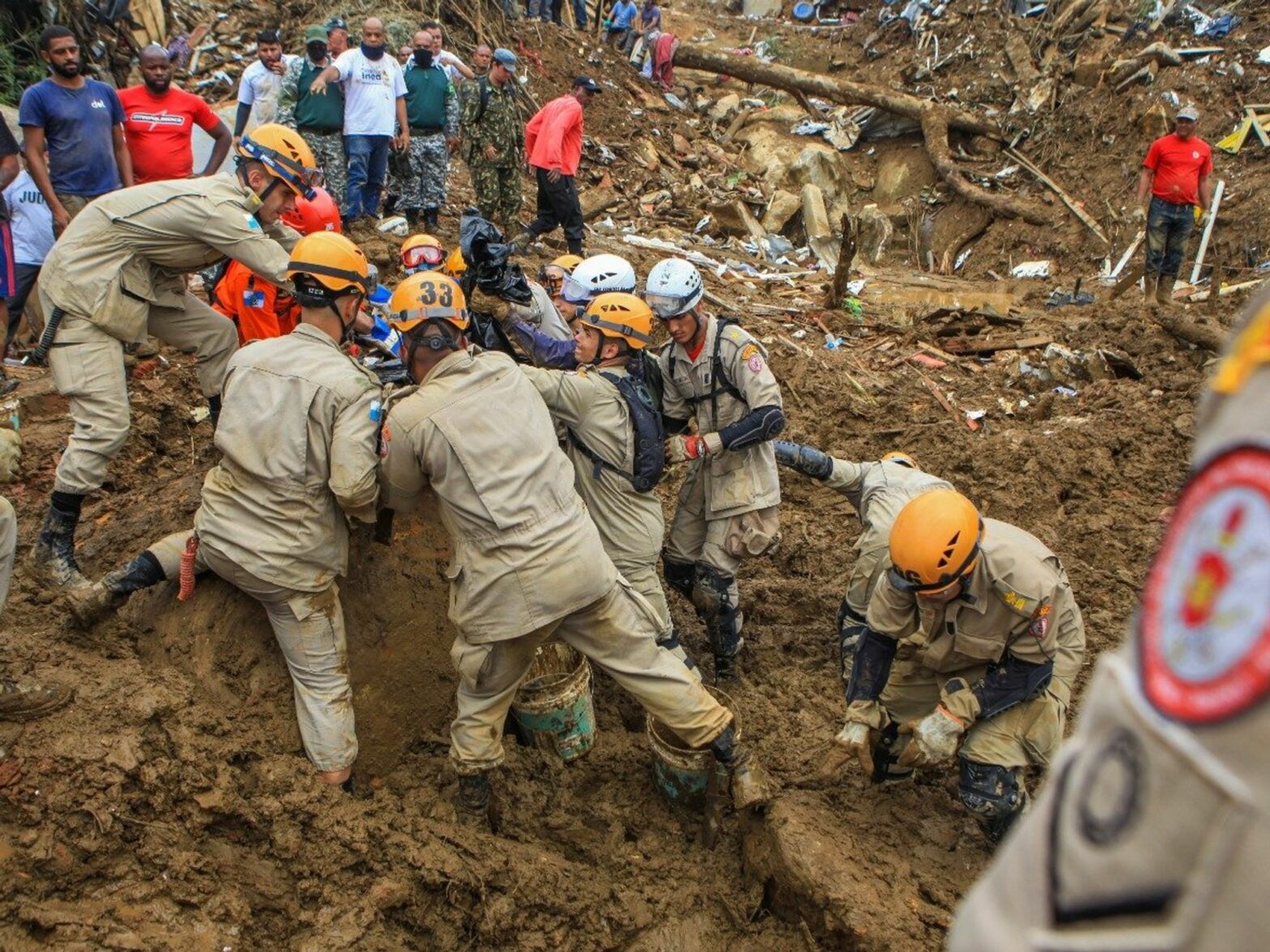
Rain often brings deadly flooding and property damage to neighborhoods around Brazil, where people are organizing to address the worsening problem.
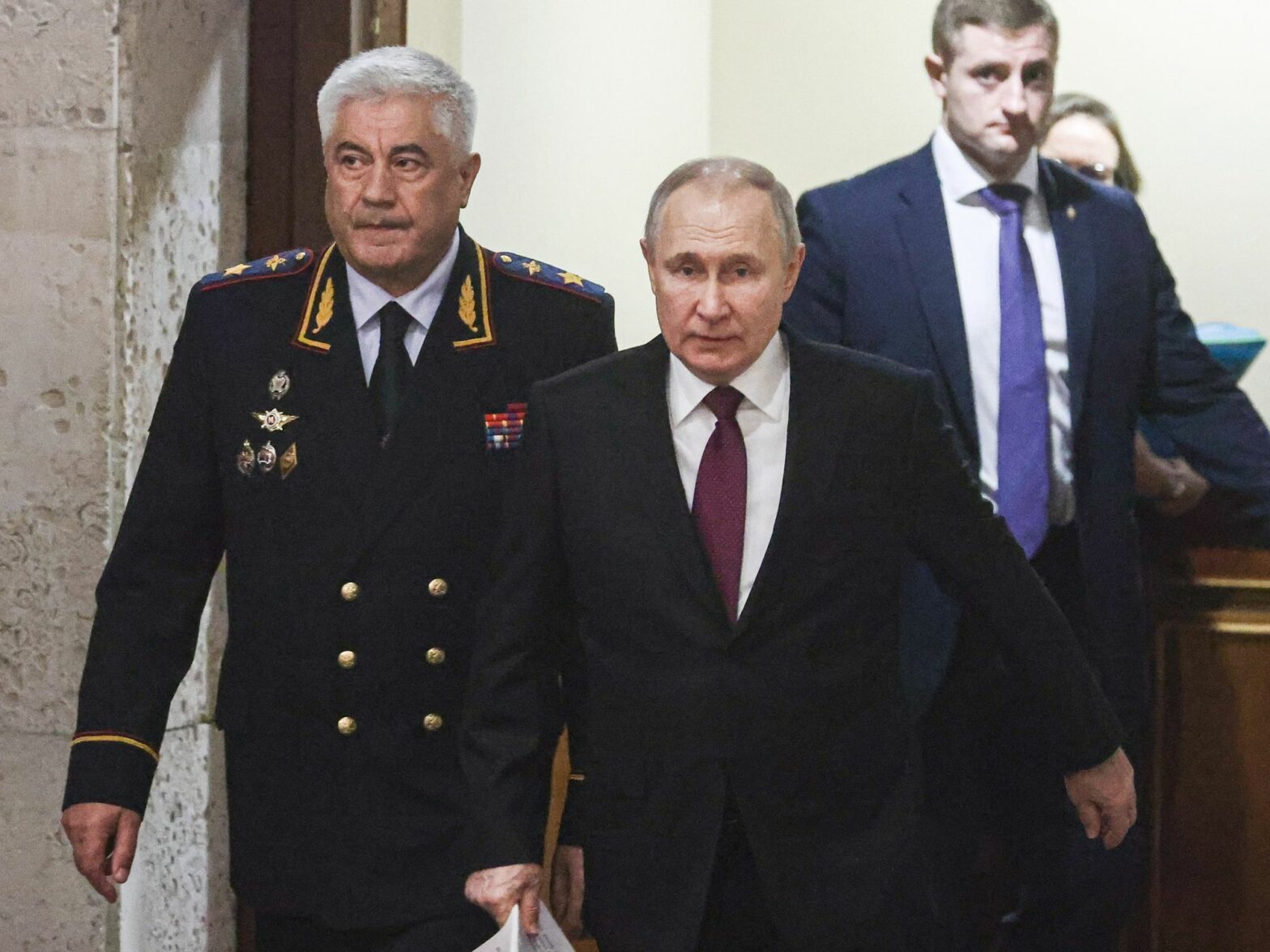
After the International Criminal Court issued an arrest warrant for Vladimir Putin, Chinese President Xi Jinping arrives in Moscow for a three-day visit. How far will he be willing to go to support Putin, a fugitive from international justice?
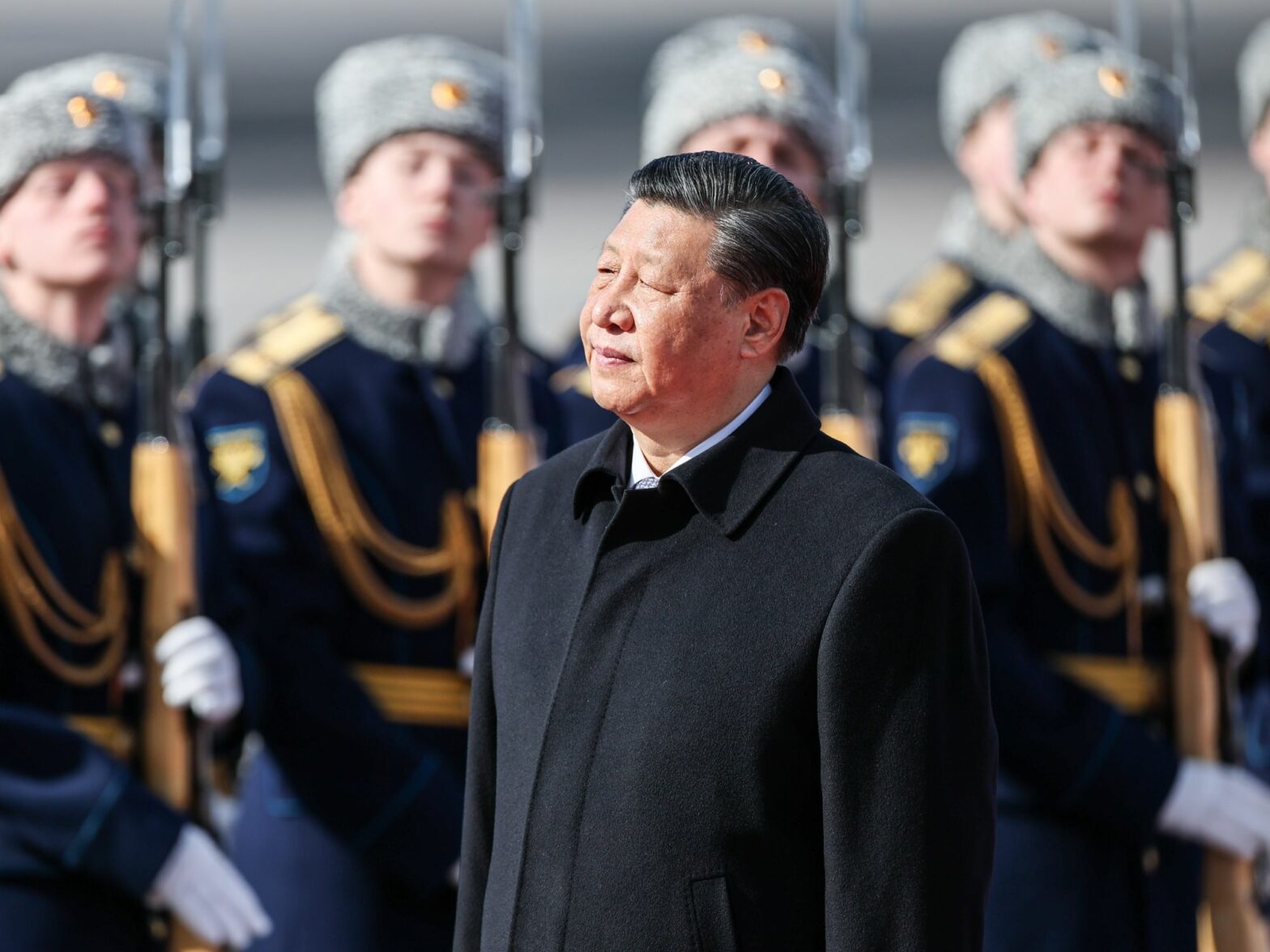
As Xi’s closely watched visit to Moscow begins, China and Russia may seem like strategic partners, but it has ultimately shown to be a marriage of convenience. And both countries are naturally competitors, wary if the other grows stronger.

We may be about to see the emergence of a new kind of religion, where flocks worship — literally — at the altar of Artificial Intelligence.

Right-wing reaction to the globalized, liberal order is starting to look less dispersed and more systematic, like 20th-century political movements like socialism and communism.

Argentine journalist Ignacio Pereyra travels to Italy alone to do some paperwork as his family stays behind. While he walks alone around Rome, he experiences mixed feelings: freedom, homesickness and nostalgia, and wonders what leads people to desire larger families.

March 18-19 OUR WEEKLY NEWS QUIZ What do you remember from the news this week? 1. Over what body of water did a Russian fighter jet collide with a U.S. drone? 2. Protests rocked Pakistan after whose attempted arrest? 3. How much did Europe’s biggest bank HSBC pay for SVB’s UK arm, after its […]
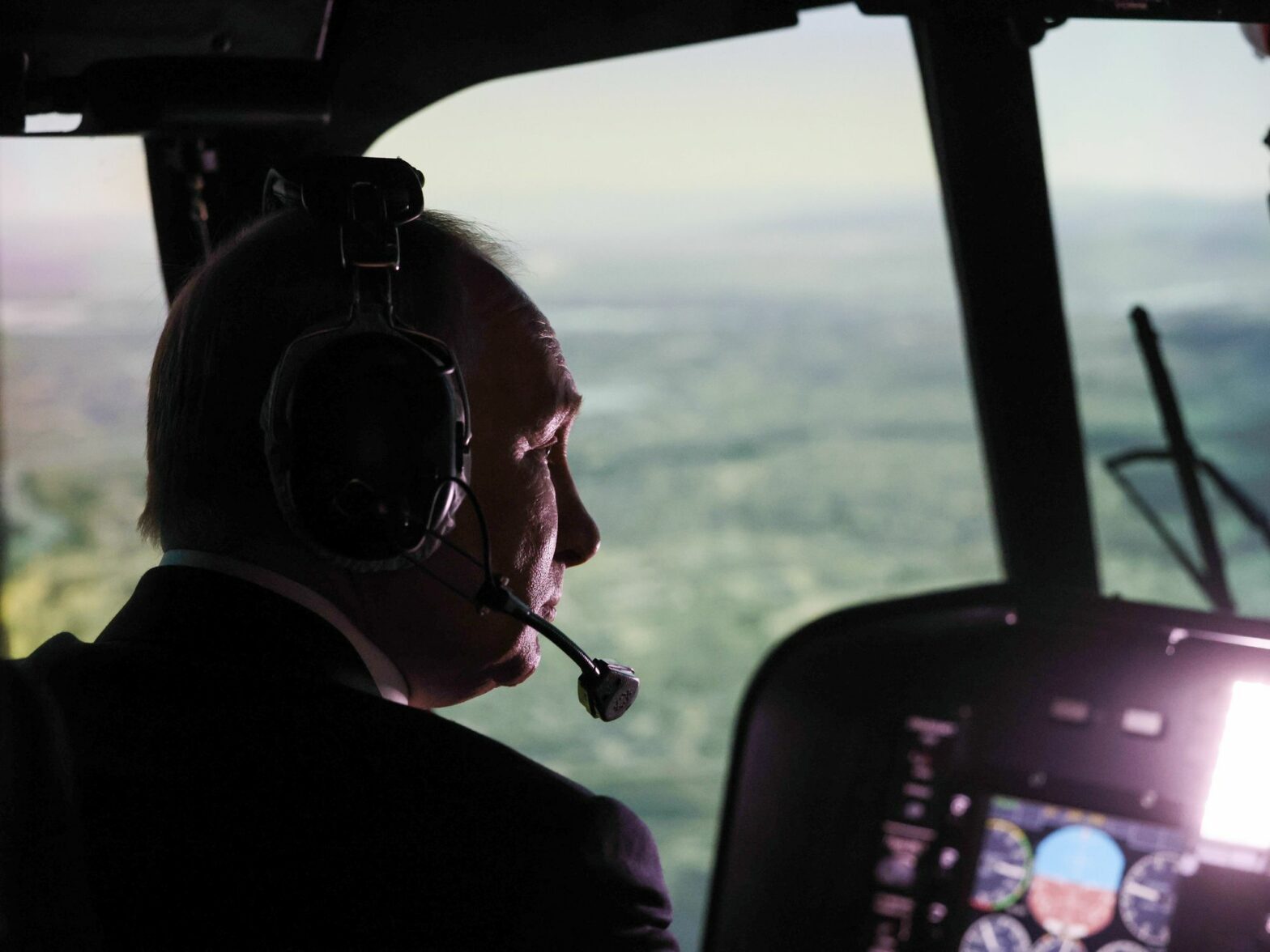
The war crimes arrest warrant issued by the Hague puts the pressure on the Russian president. Would that prompt him to follow through on his past threats to use nuclear weapons? An extensive investigation by independent Russian publication Project.Media into Putin’s life finds that he has other priorities closer to home.
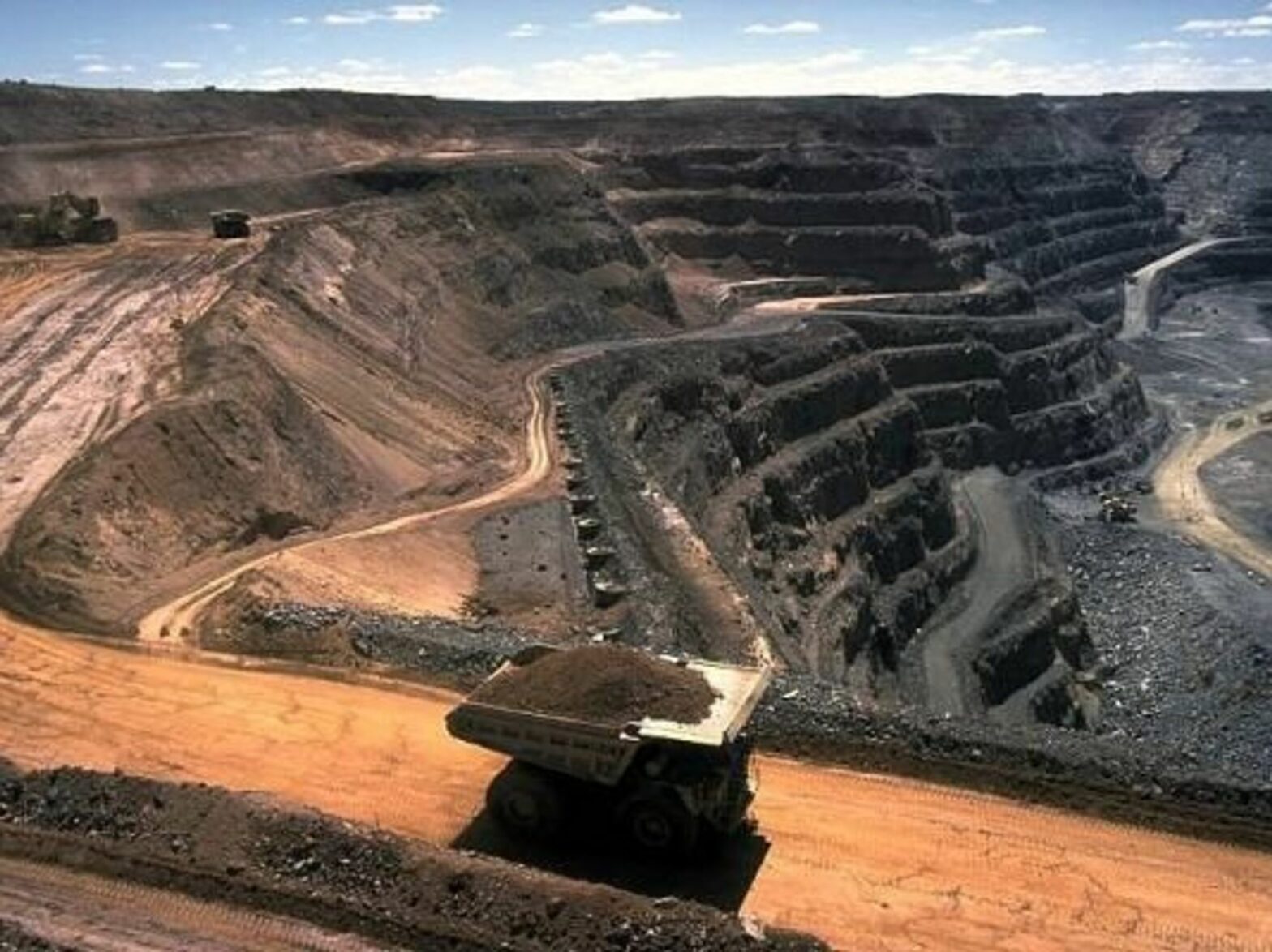
The European Union has a new plan that challenges the long-established dogmas of globalization, with its just-in-time supply chains and outsourcing the “dirty” work to the developing world.
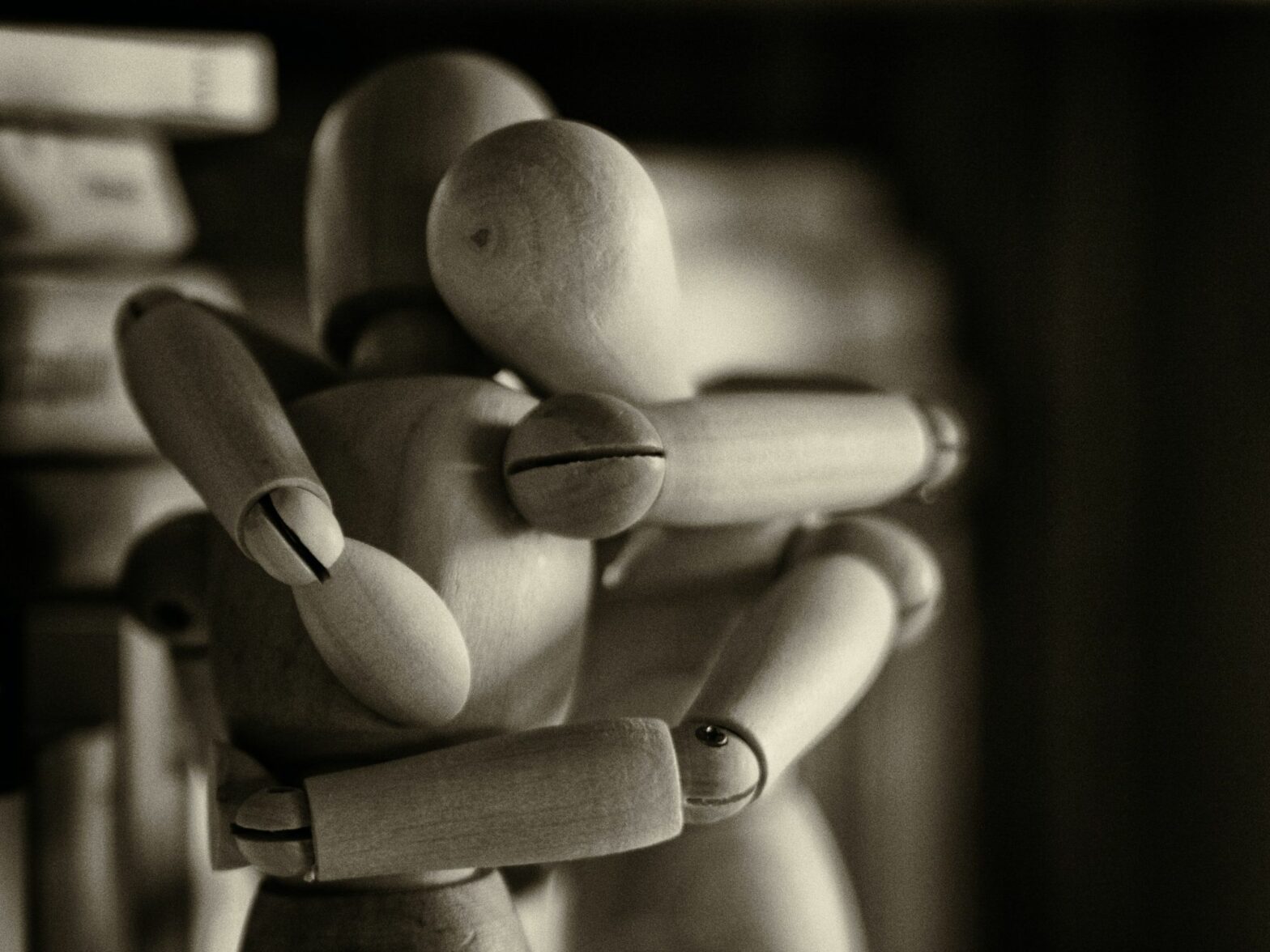
Learning to actively be more grateful to those in our lives, even when it’s hard, can change everything.

After Russian soldiers committed multiple war crimes last year during the attack on Kyiv and the surrounding region, some confessed to their crimes. But now they are being tried in Russia for spreading misinformation about the military.
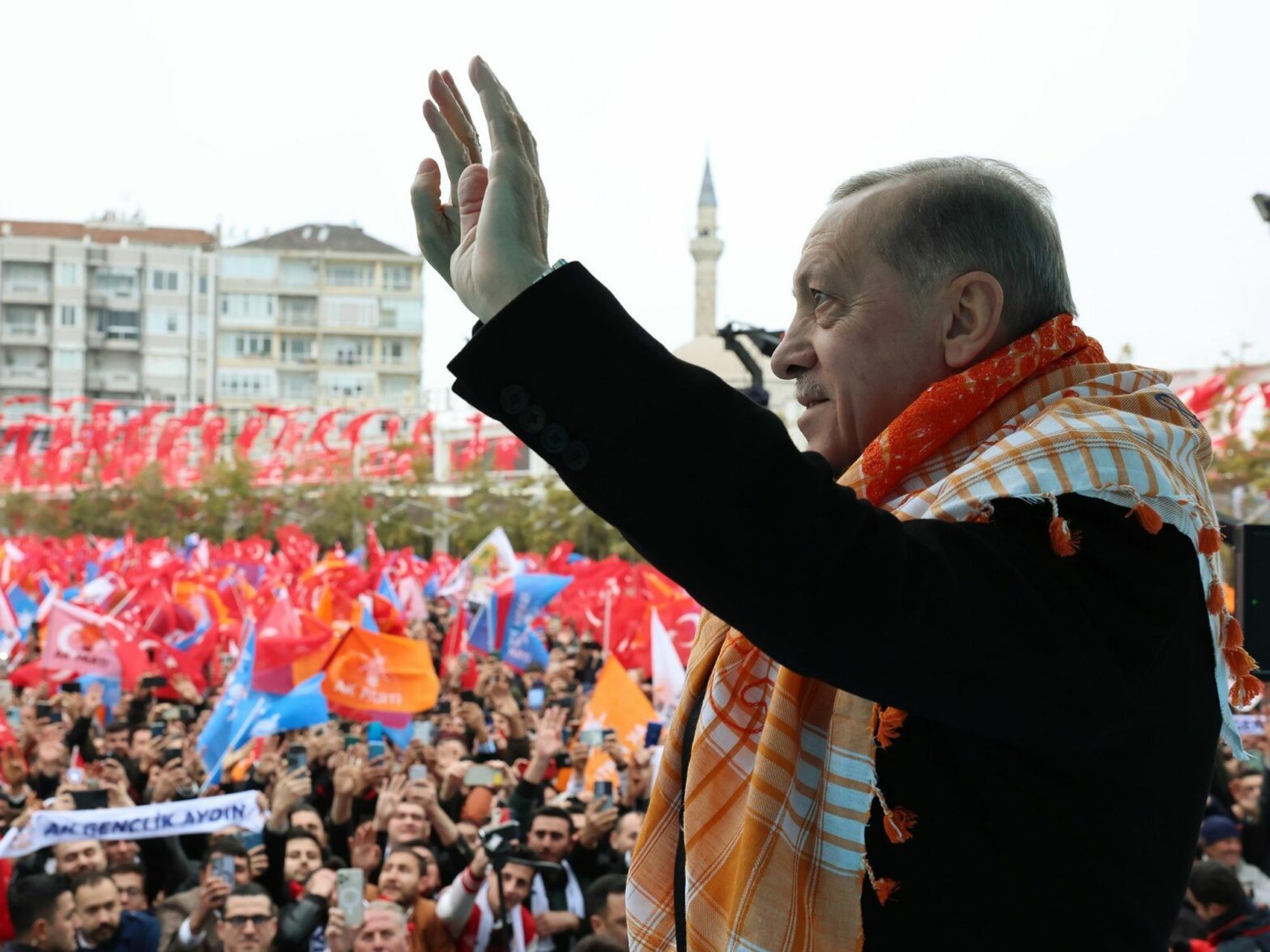
Turkey heads to the polls in May, with a newly formed opposition bloc hoping to dislodge President Tayyip Recep Erdogan. Despite some party infighting, many remain hopeful they can bring an end to Erdogan’s 20 years in power. But first, clarity from within a complicated coalition is needed.
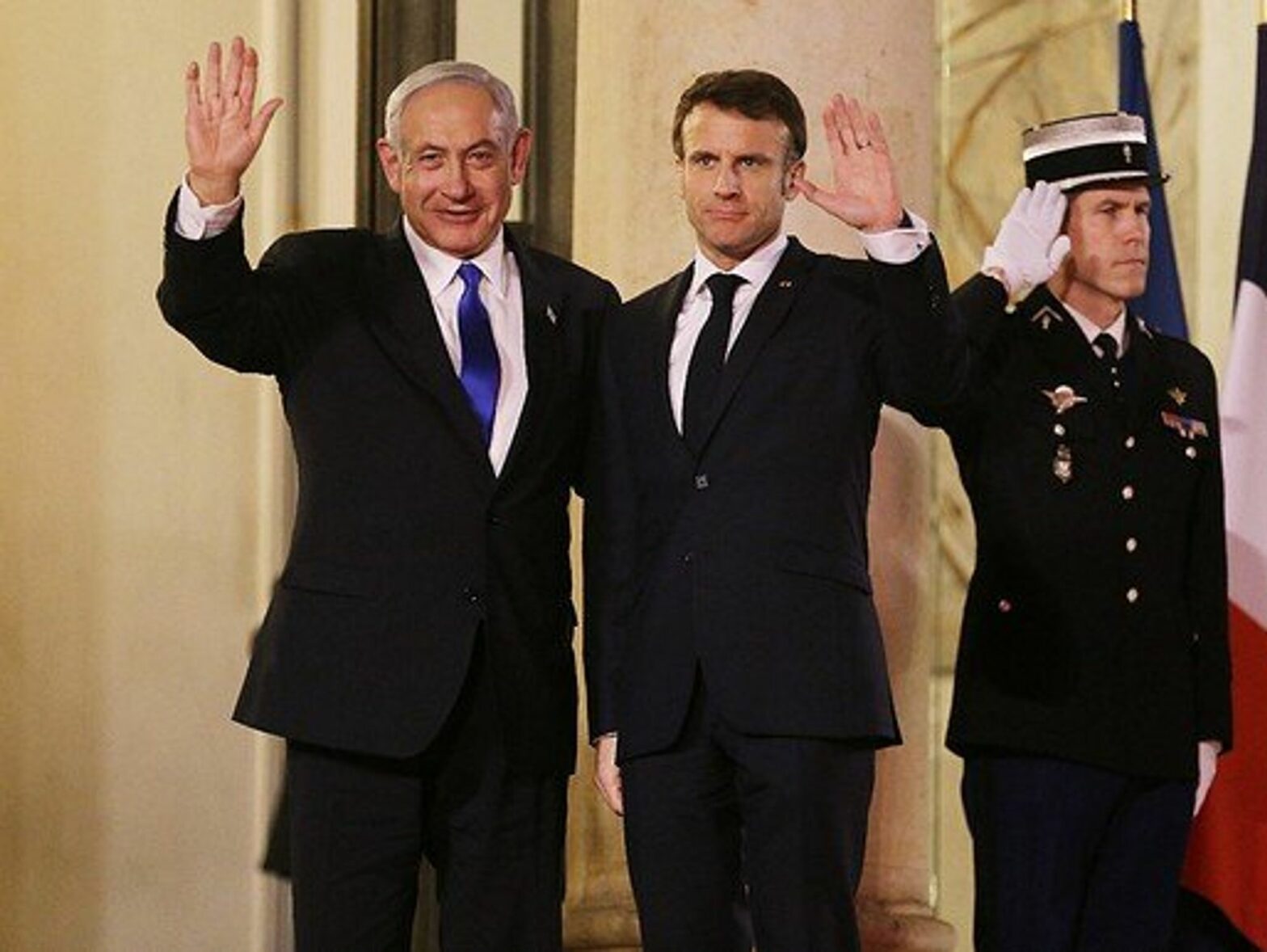
Israel’s judicial reforms by its far-right government have been met by widespread protests. Now the country risks breaking long-formed bonds with key allies in the West.

As material costs skyrocket, an old practice is becoming popular again: reusing building materials. In Germany, the first projects are already underway – and so far, results are promising as a model for sustainable cities.
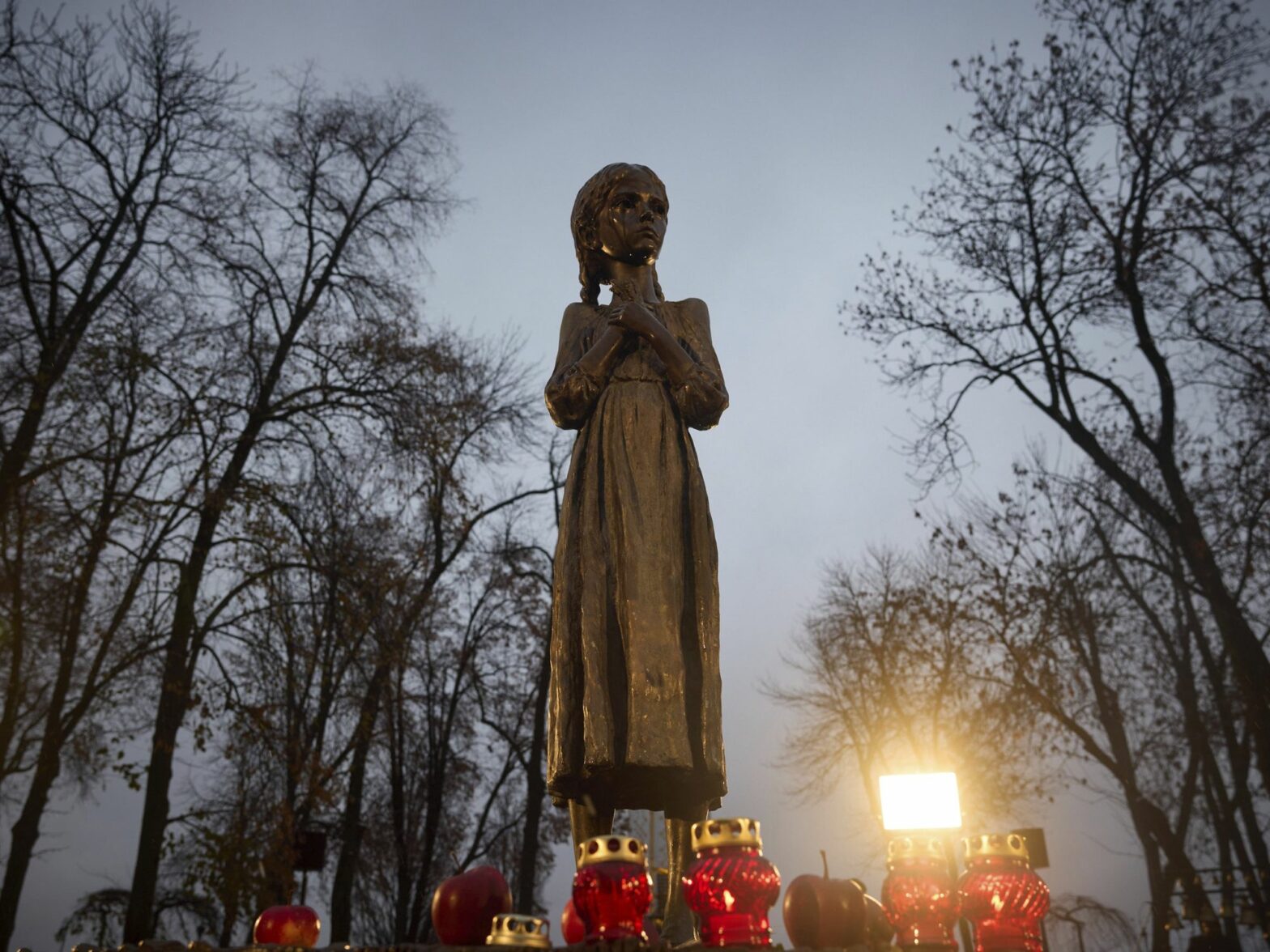
Ukraine and countries around the world recognize the Holodomor, the famine which killed millions of Ukrainians in the early 1930s, as a genocide caused by Soviet authorities. But Russia still refuses to admit responsibility. A new study uses agricultural records and mathematical modeling to show that the famine clearly targeted Ukrainians.
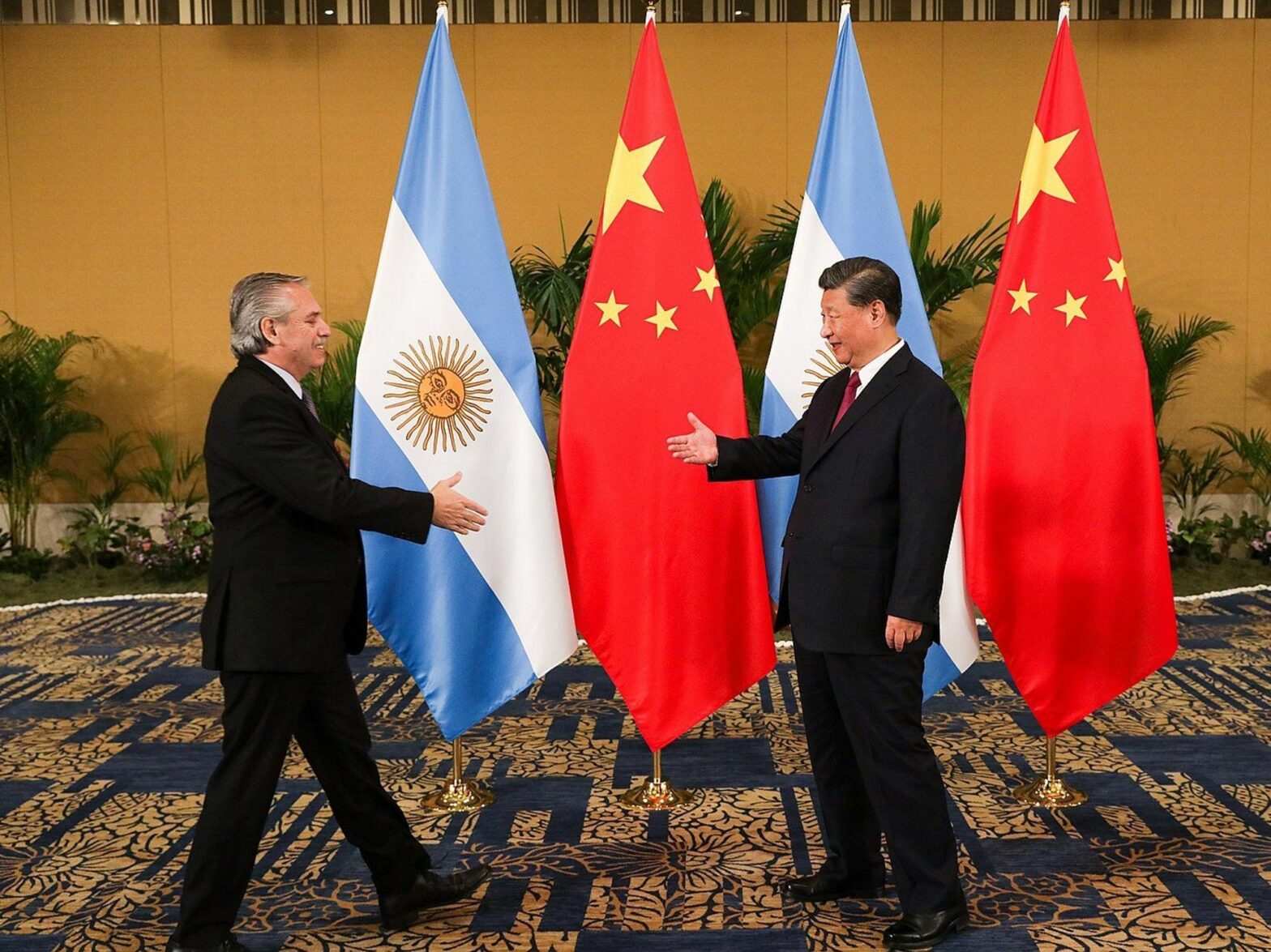
China has become one of Argentina’s most important trading partners and is increasing its military bases in the country. As China seeks to challenge the liberal world order, Argentina risks rifts with other key allies.
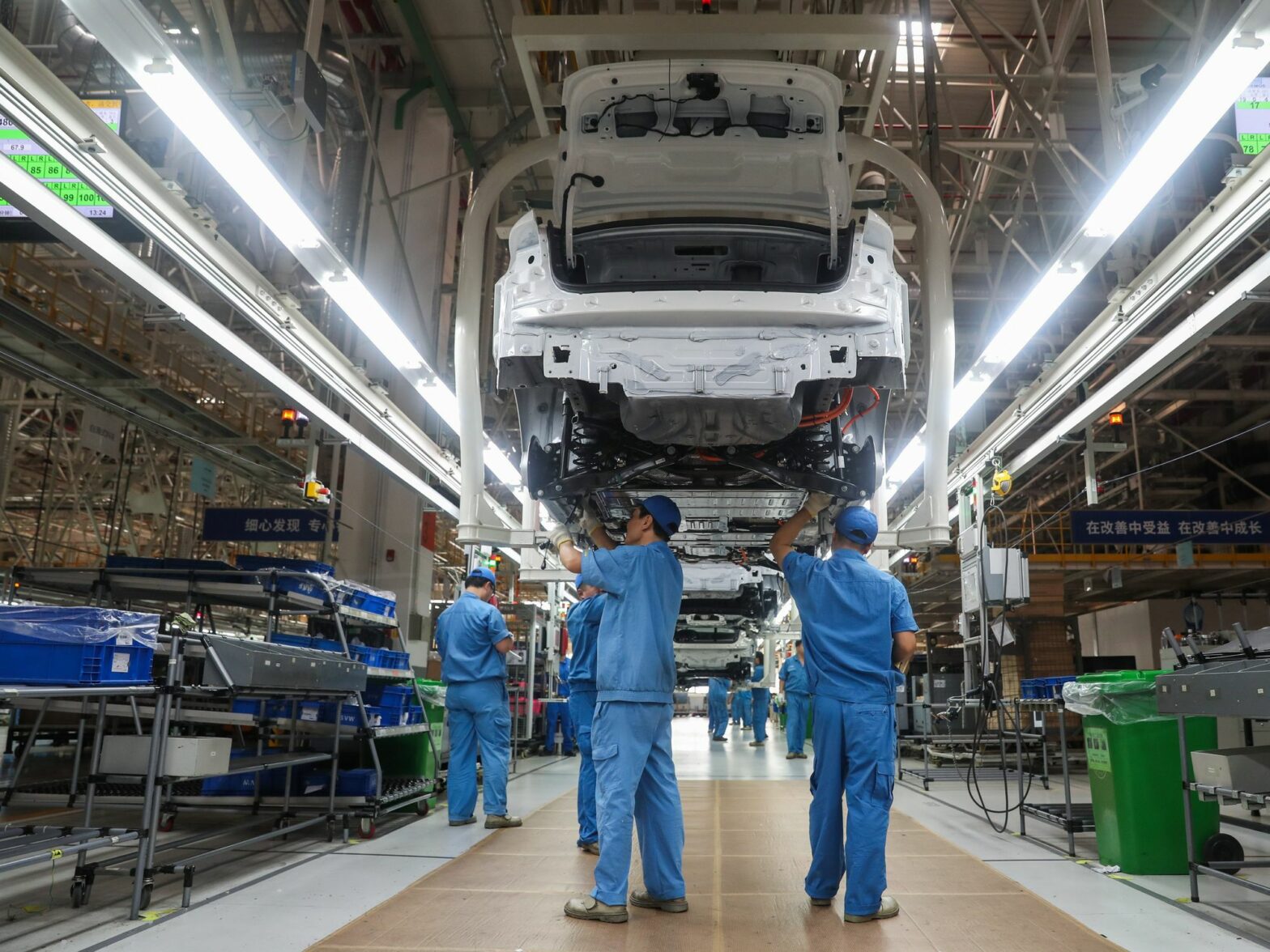
German automobile giant Volkswagen will invest billions in China to manufacture electric vehicles. It has deemed the risk of China invading Taiwan “unlikely,” a peek into the calculations that private-sector conglomerates make, just like state actors.
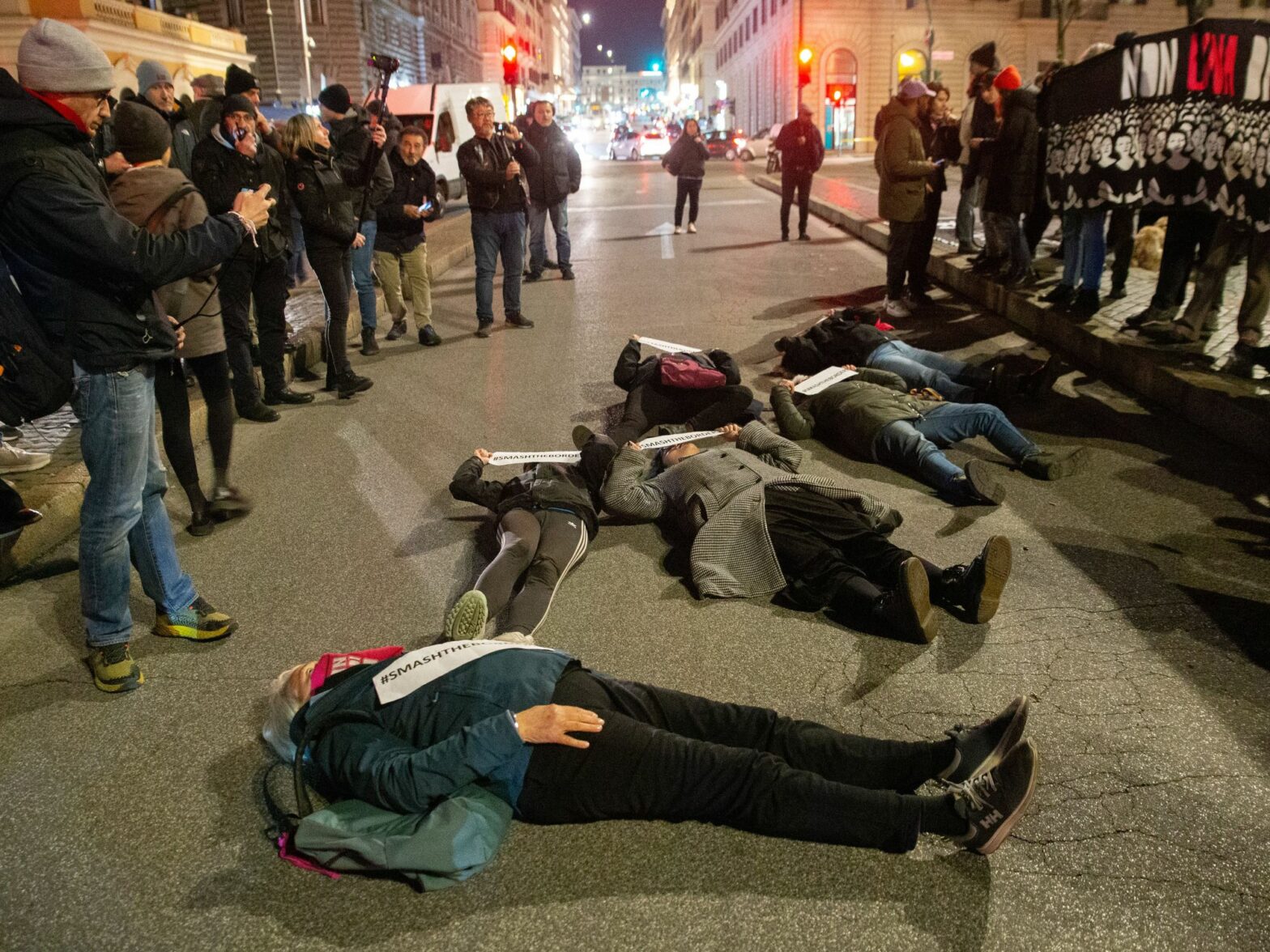
The Italian Defense minister has blamed an uptick in illegal immigrant arrivals in Italy on the Russian mercenary group, which has a strong presence in Africa, with the risk that it could divide the Western alliance. Wagner chief Prigozhin is having none of it.
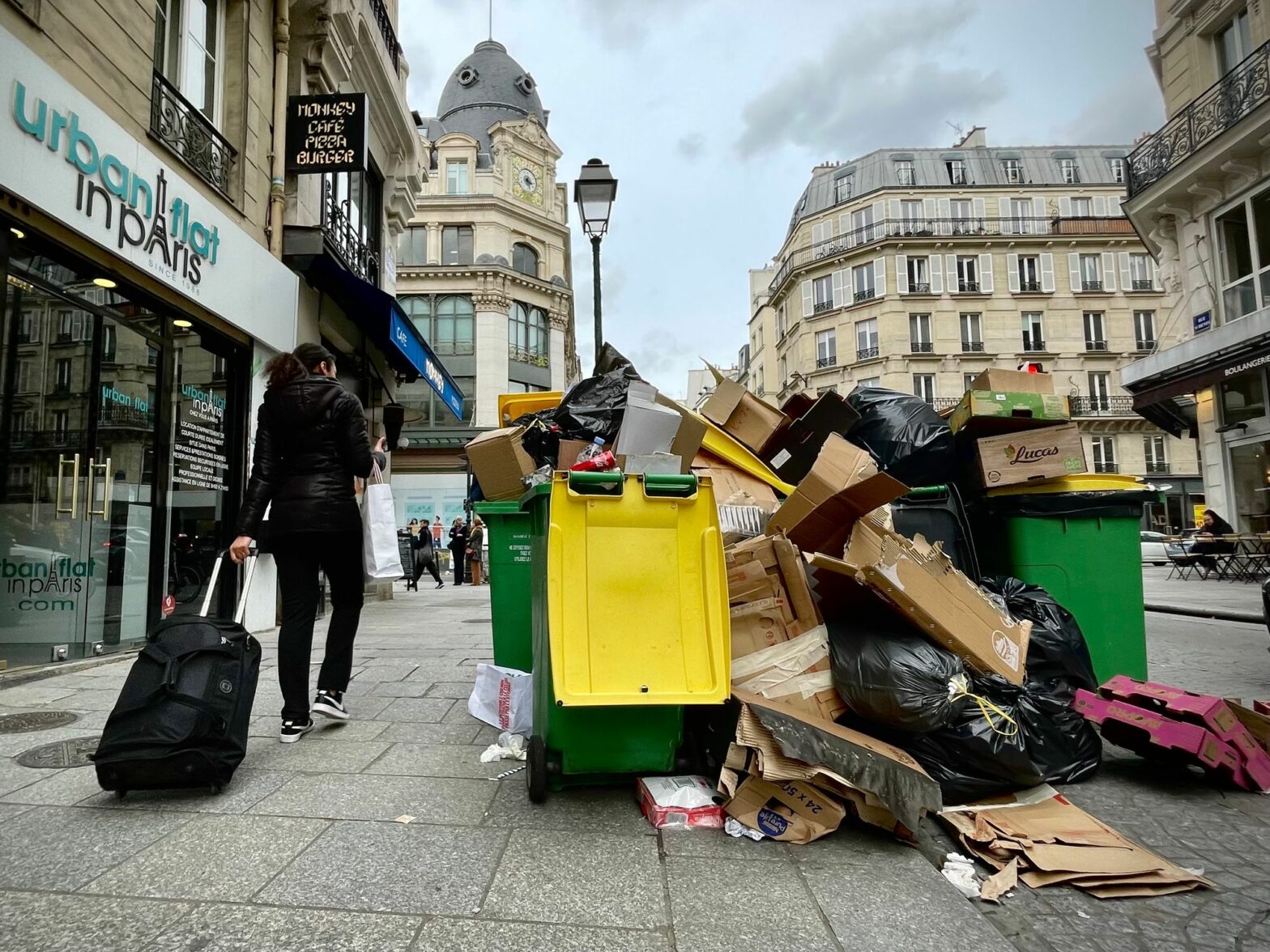
The ongoing strike of garbage collectors in France shows us why we try so hard to hide how much garbage we throw out. As trash piles up in the streets, philosopher Gaspard Koenig reminds us that it wouldn’t be so hard to recycle and compost more of it.
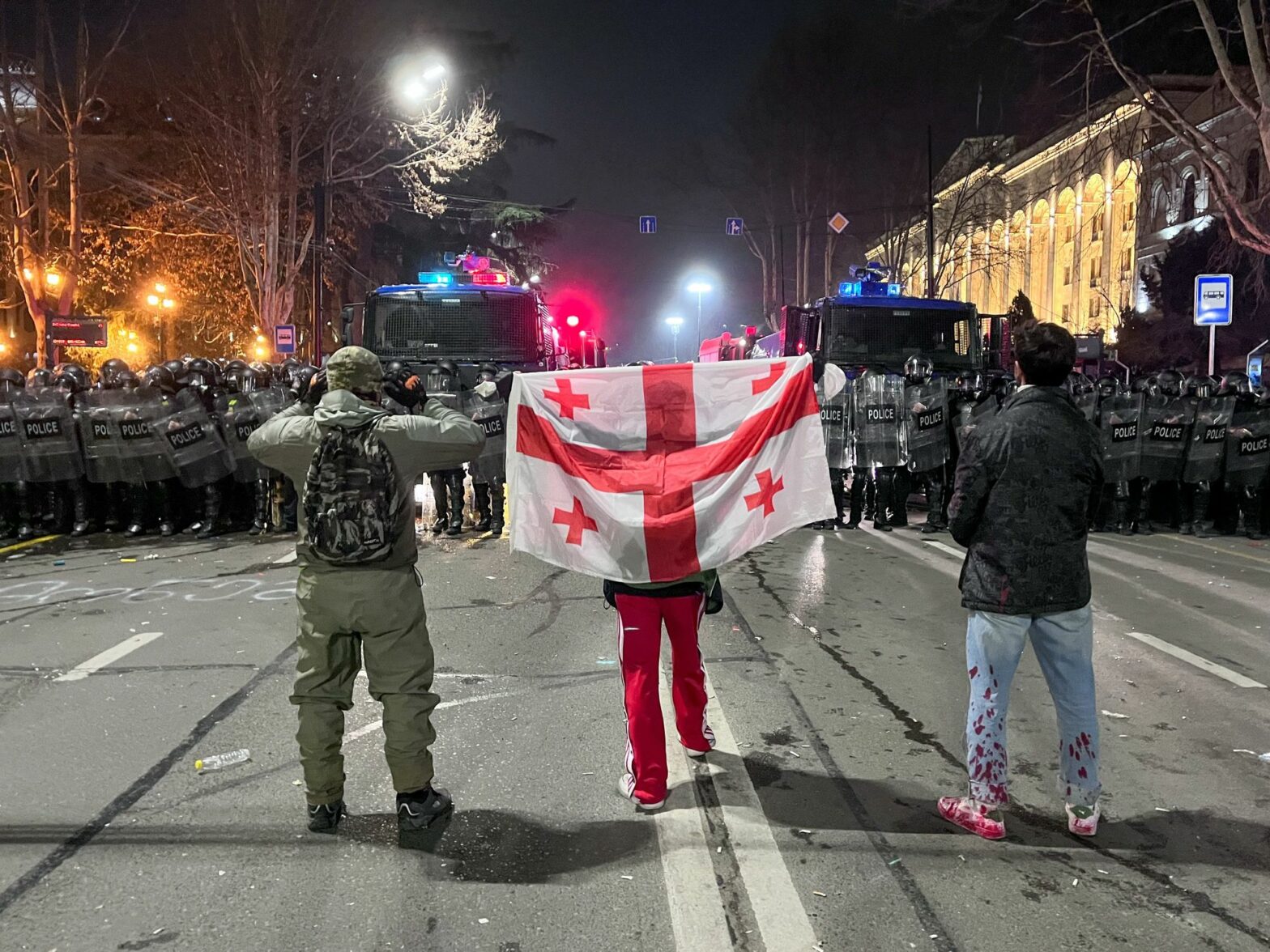
Protesters in Georgia blocked the adoption of a Russian-inspired “foreign agents” law, leading to threats from the Kremlin. Writing for La Stampa, Georgia-born political scientist Nona Mikhelidze explains why the events put Moscow on edge.

The fall of Silicon Valley Bank revives memories of Lehman Brothers’ bankruptcy. The two situations have some fundamental differences, but there is enough in common that the risks that SVB could spark a new global financial crisis is very real.
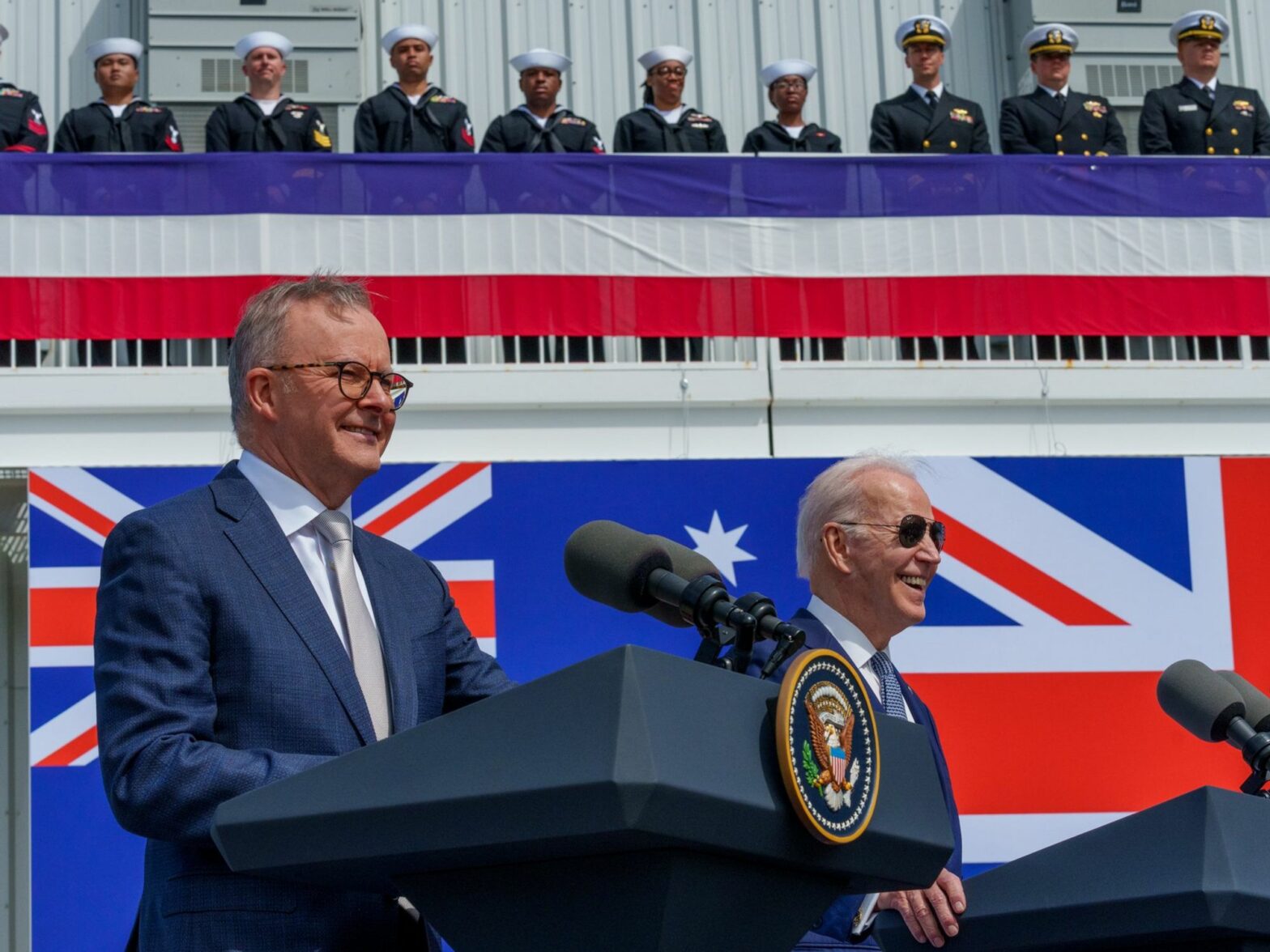
AUKUS, the security pact between the US, the UK, and Australia, is beginning to take shape. Its aim is to deter China, but it risks drawing the Indo-Pacific region into a military conflict.
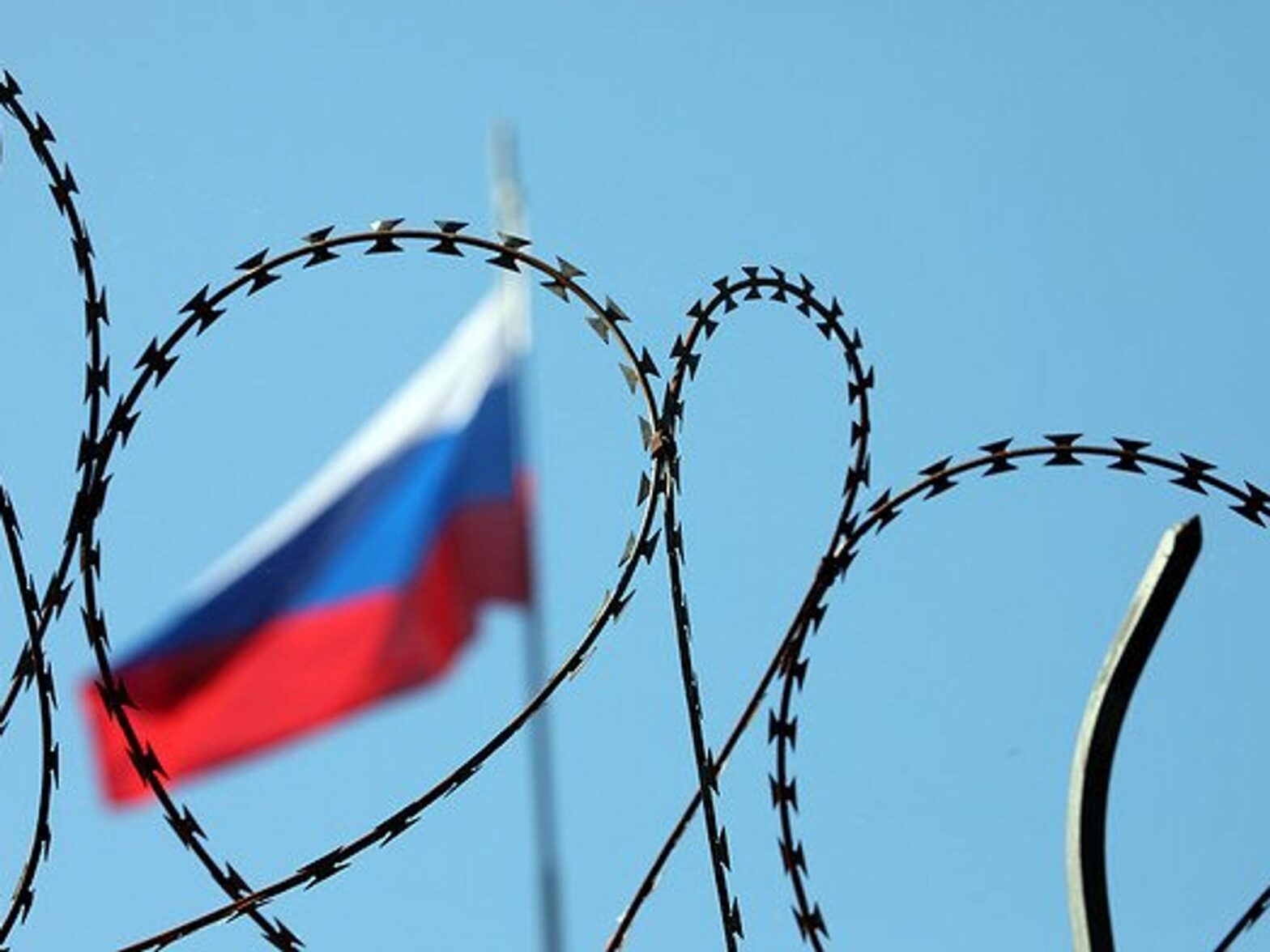
If Russia’s invasion of Ukraine hadn’t gone so badly, the Kremlin had two possible plans for governing the country under the Russian flag.
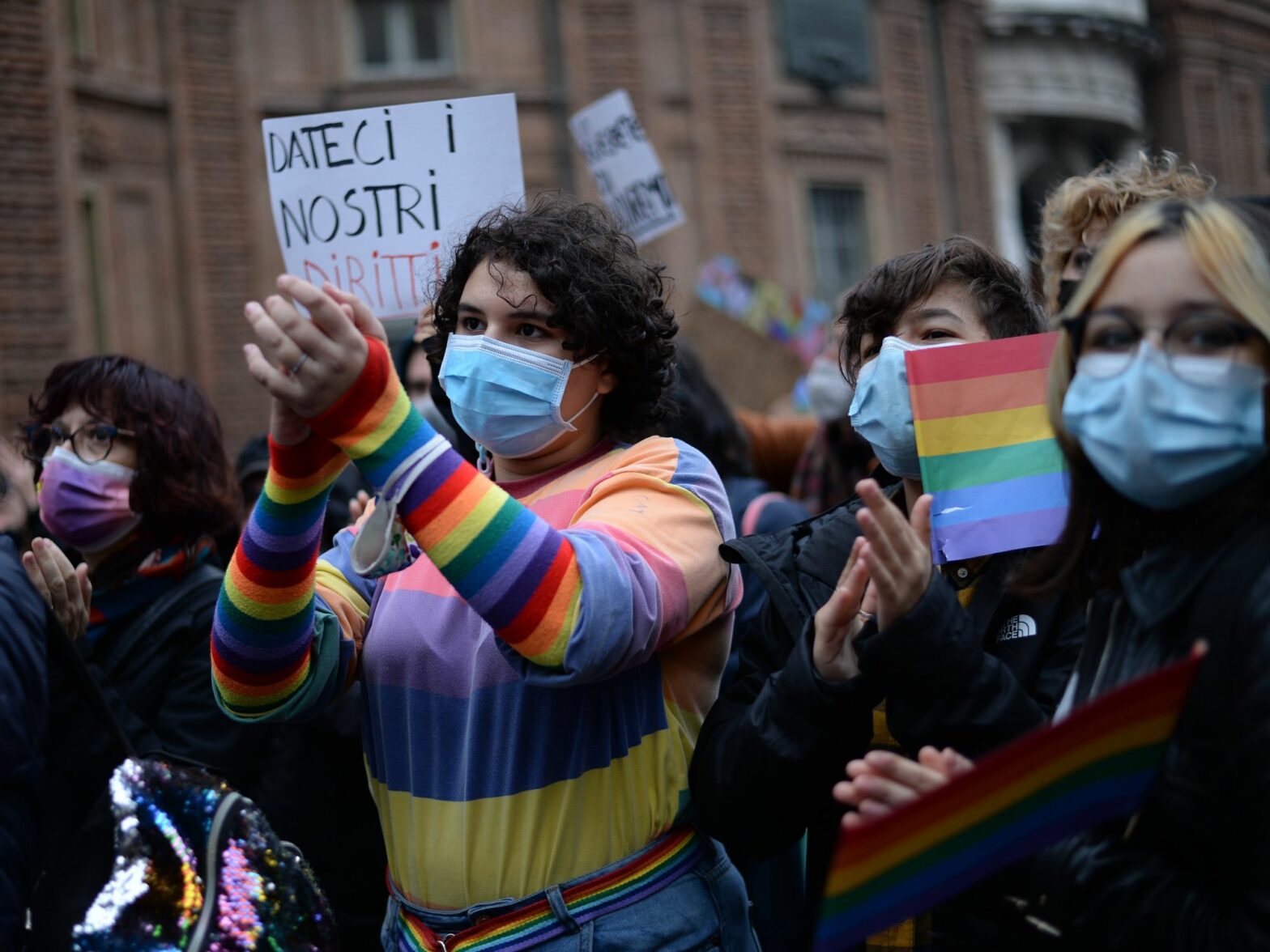
Milan will now only allow the registration of biological parents. The city had been one of the few in Italy to recognize same-sex parents, but it was overruled by the country’s conservative government.
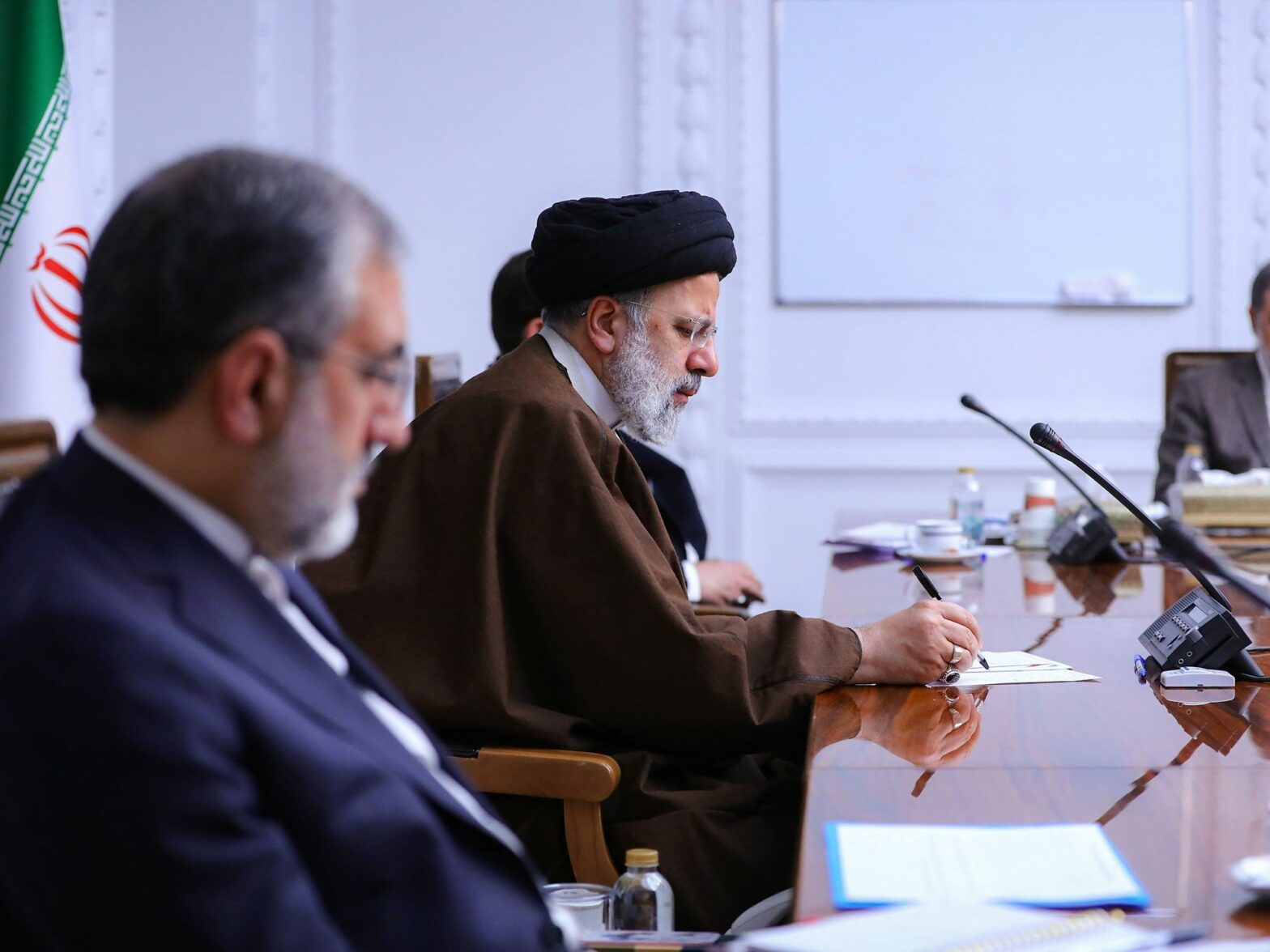
Iran and Saudi Arabia have announced they will restore diplomatic relations. The news may have proved startling — especially China’s role — but is unlikely to dispel long-standing distrust between two regional rivals.
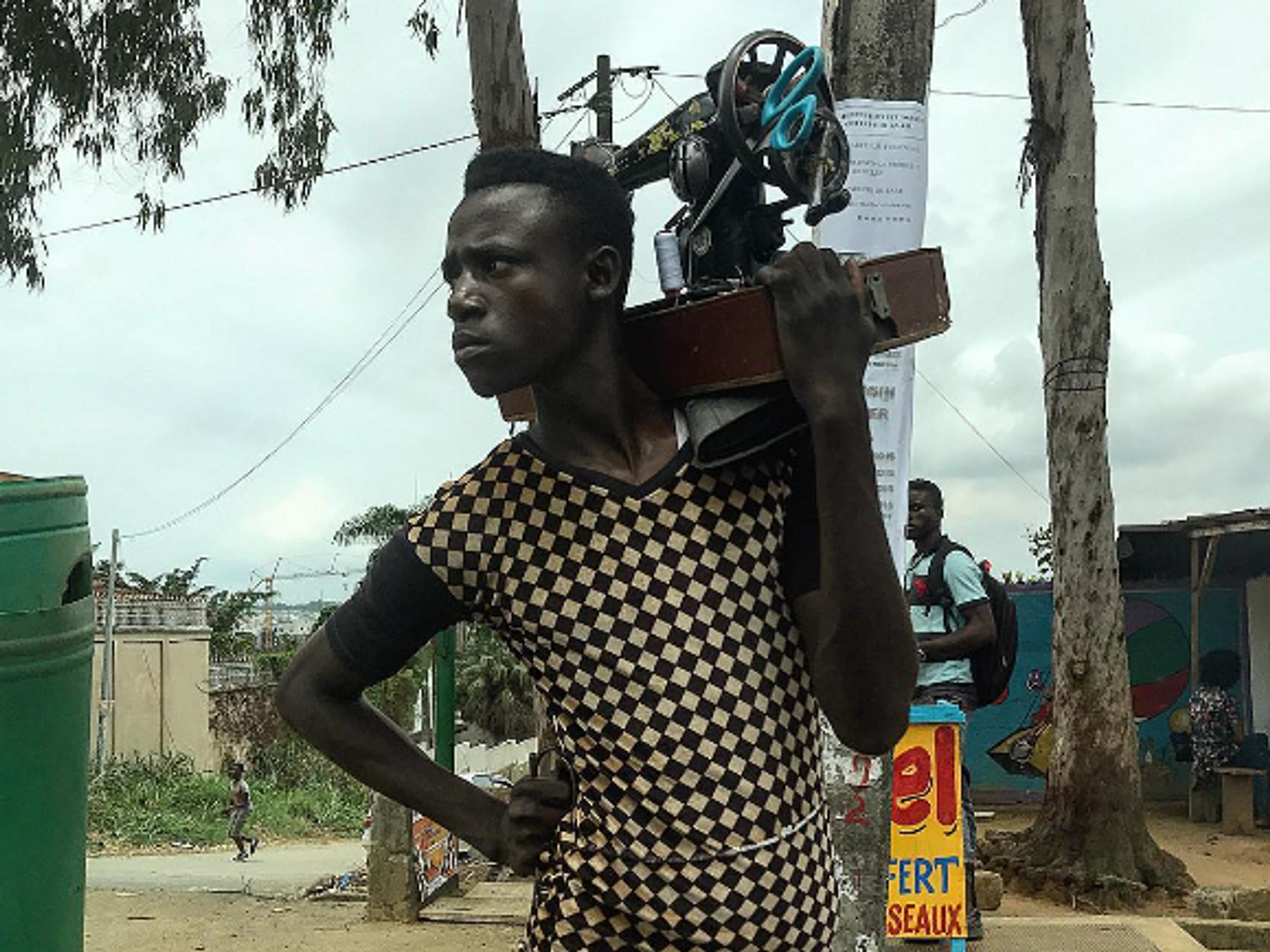
Seven days a week, the “patchers” of Burkina Faso roam the streets of the country’s capital, looking out for any clothes that might need mending.
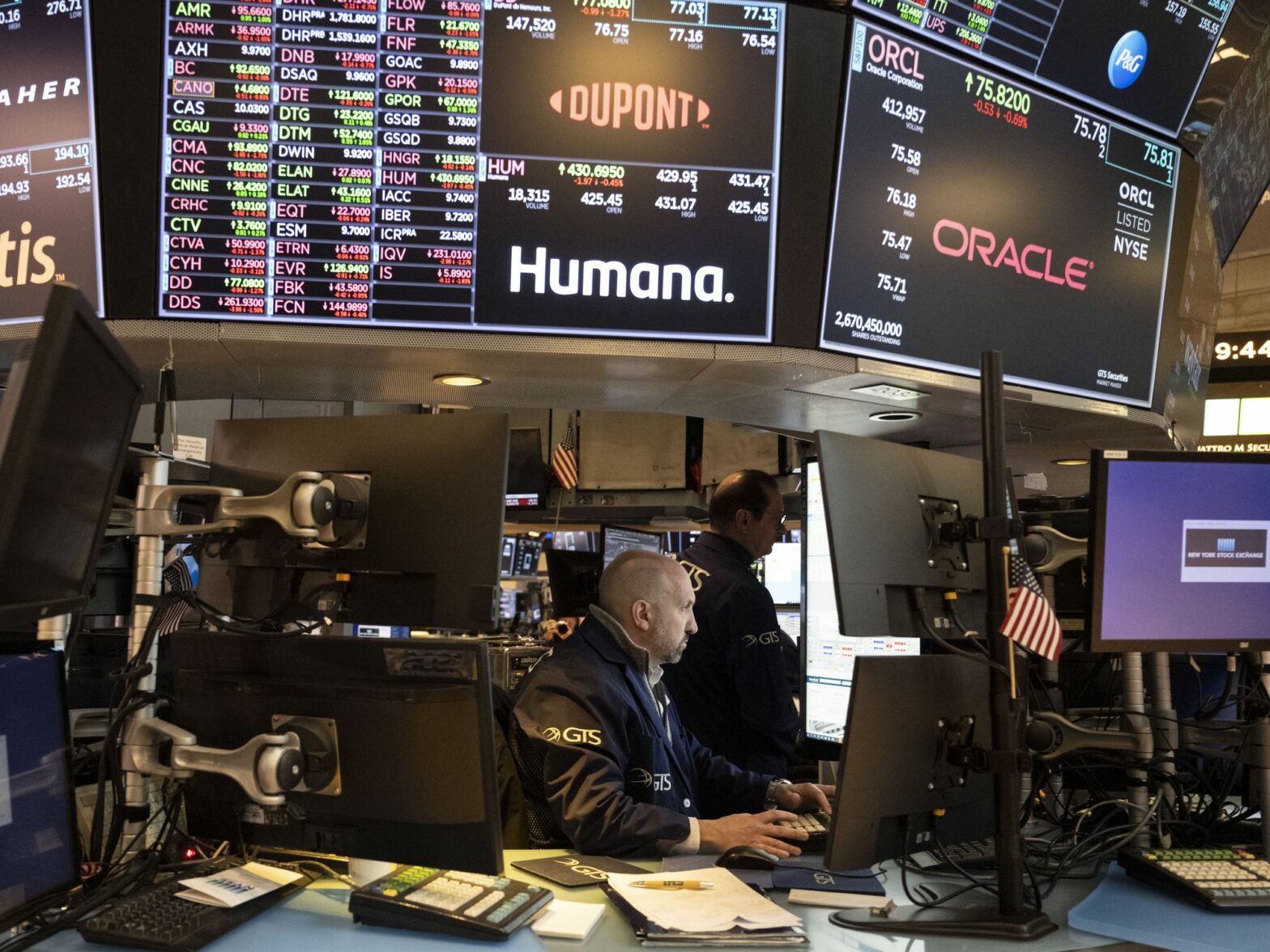
The effects of the fall of Silicon Valley Bank show the limits of the tech world, but also the current fragility of the international financial system a generation after the 2008 global financial crisis that was sparked by U.S. bank failures.
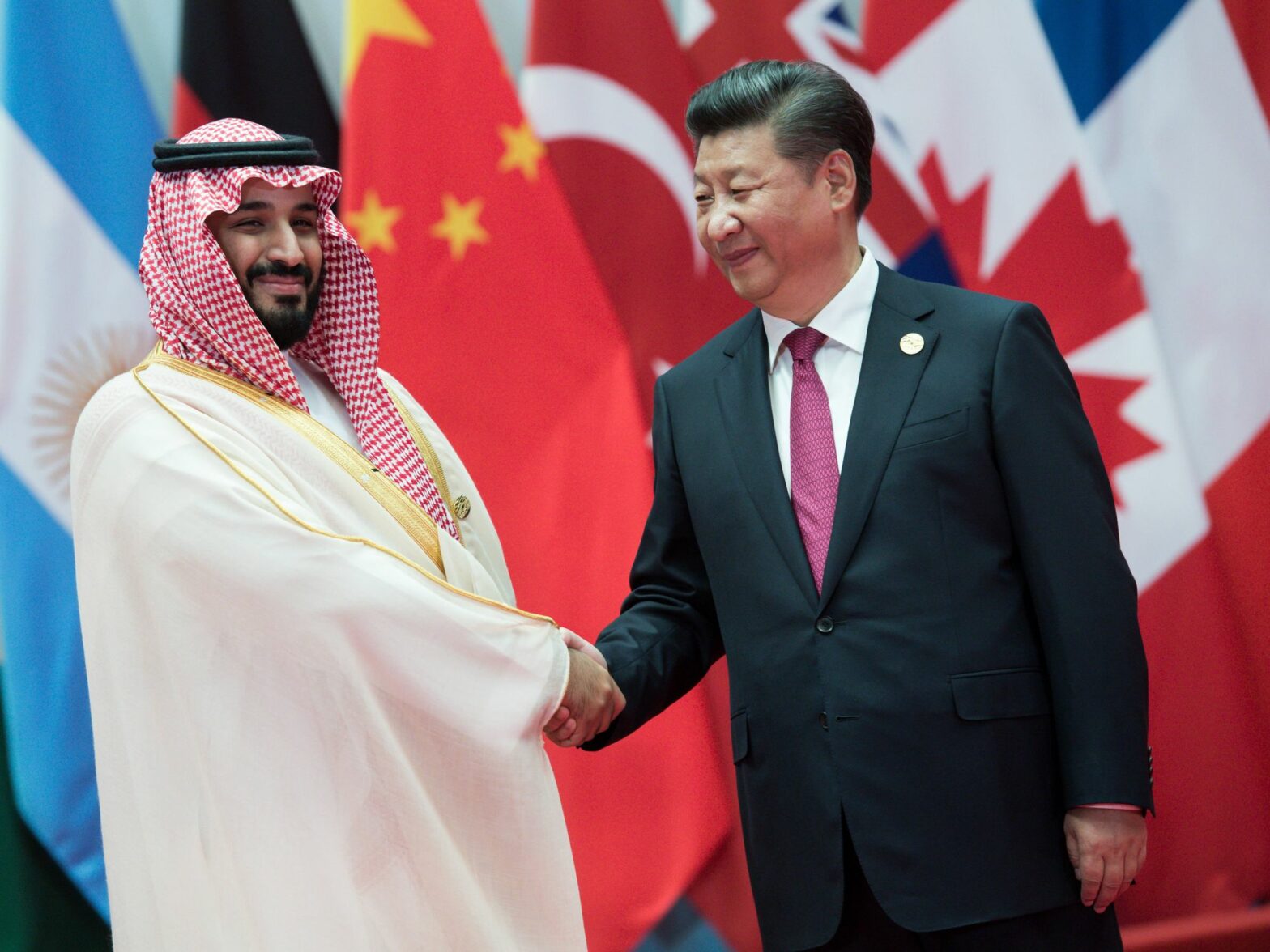
The move is seen as a coup for China in its efforts to assert itself as a global superpower, while also presenting itself as a responsible and peaceful nation in the eyes of the non-Western world. The agreement is expected to help reduce tensions in the region and revive hopes for peace in Yemen, where the two countries have been fighting a proxy war.
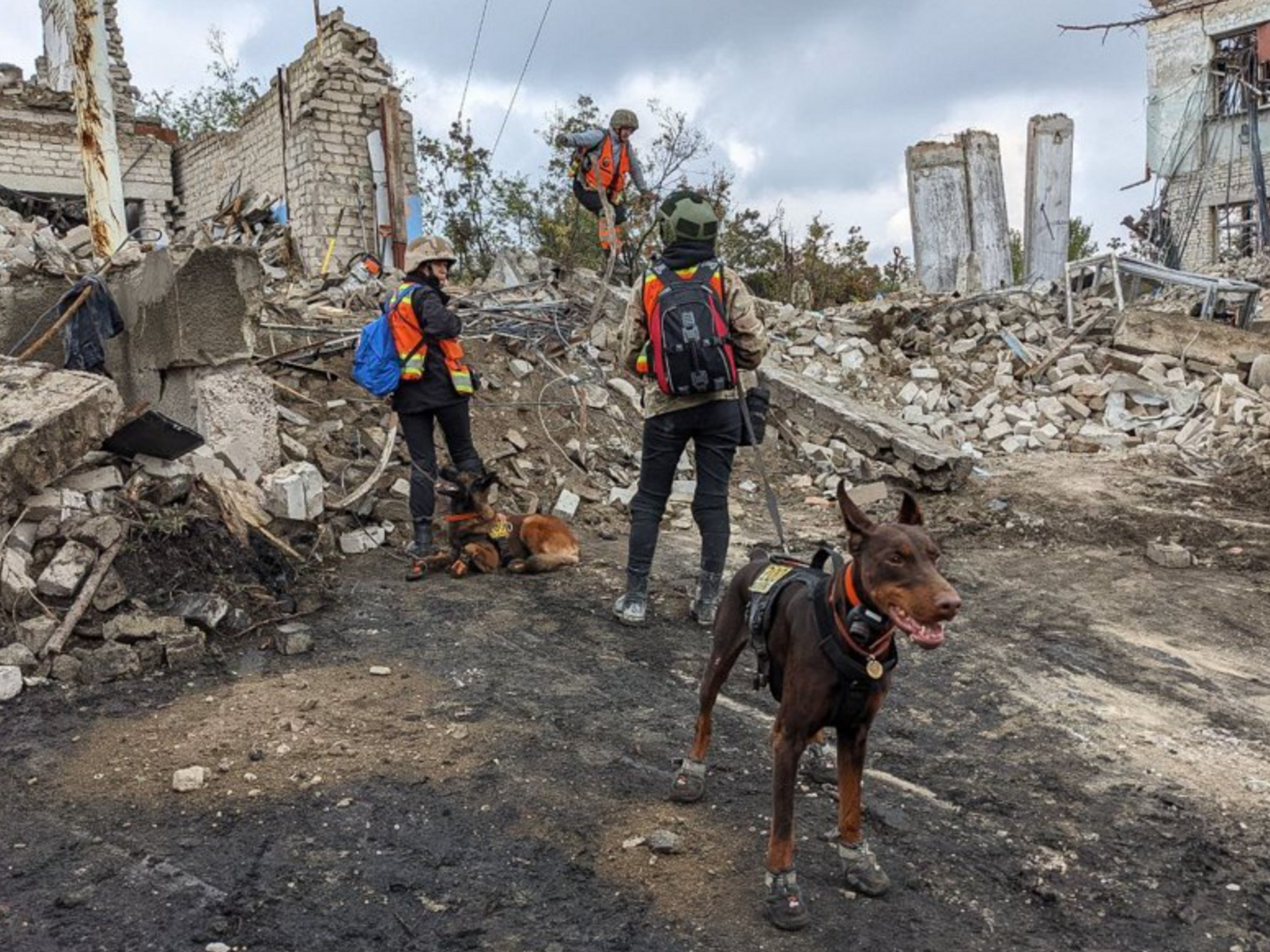
Former canine athletes forced by war to become rescuers, a squad of dogs searches for survivors in ruined homes destroyed by rockets, and for unmarked graves in liberated Ukrainian territory.

An evangelic group has threatened to take legal action against a samba school because of its mix of religious iconography at the 2023 Carnival festivities. A Brazilian secular institute has a response.

This is the other side of the Kremlin’s “special operation” in Ukraine. The human cost of the Russian side remains unclear. The reportage takes place in the capital of one of the poorest regions of Russia, in the heart of the Caucasus, where a growing number of soldiers are buried.