
-Analysis-
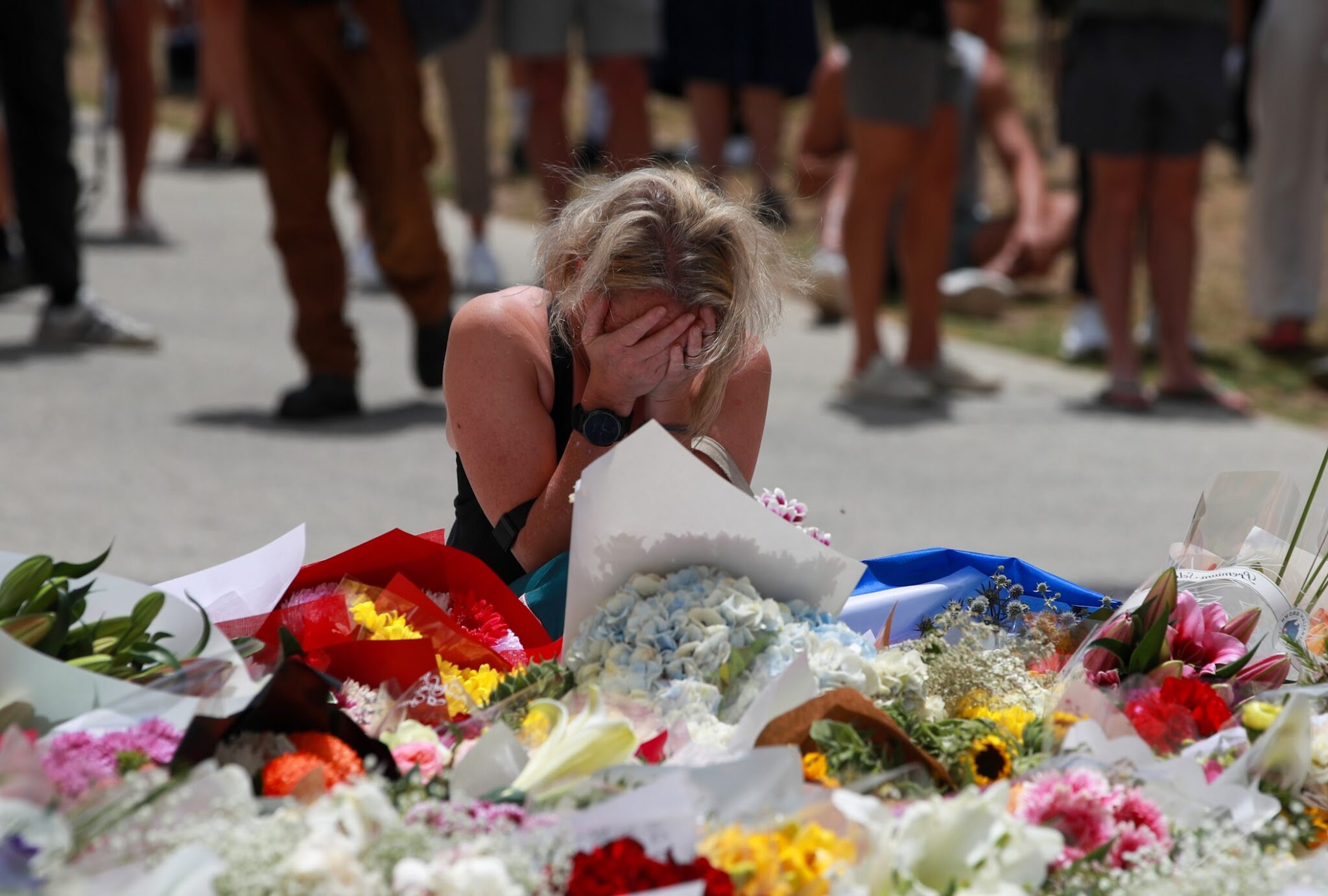
PARIS — We should always try to learn lessons from even the most tragic events. The anti-Semitic attack in Sydney is one such event, which can only be attributed to pure hatred. The practicing Jews who were celebrating the religious holiday of Hanukkah at Bondi Beach were killed for who they were: the very definition of anti-Semitism.
But where one might have hoped for a chorus of outrage and solidarity, rejecting anti-Semitism and expressing compassion for the victims, controversy instead erupted almost immediately. It’s like a Pavlovian reflex during these times of upheaval and anger-driven polarization.
The exchanges between Israeli Prime Minister Benjamin Netanyahu and his Australian counterpart, Anthony Albanese, over the past 48 hours have been marred by verbal confrontation rather than focusing on the victims and their grief.
On Sunday, Netanyahu accused the Australian leader of “adding fuel to the fire of anti-Semitism” by recognizing the State of Palestine last June, as did France and other countries. On Monday, Albanese rejected these criticisms, preferring to remind Australians that now is a time for unity.
Moral clarity
This exchange is primarily political: despite the tragic circumstances, the Israeli prime minister could not resist scoring points by attacking those who disavowed him on the issue of Palestine in June. Branding them as accomplices to anti-Semitism is an abuse of language and undermines the fight against anti-Semitism.

There are echoes of this in the French political debate, with Minister for Gender Equality and Anti-Discrimination Aurore Bergé accusing those who called the events in Gaza a genocide, of having “armed the terrorists in Sydney.” This is an even more outrageous oversimplification now that we know more about the Bondi Beach killers.
We learned the hard way in France in 2015
One of the two terrorists had been on the Australian authorities’ radar for years because of his links to ISIS, which means that his radicalization was not linked to events in Gaza or criticism of Israel. ISIS ideology is well known, as we learned the hard way in France in 2015: it is a radical jihadist group that could not care less about internal political debates.
ISIS persists
So what lessons can we learn from this? The first is that the resurgence of anti-Semitism around the world is too serious to be used as a political tool. The deaths in Sydney are forcing all public figures to carefully consider their role in tackling this scourge, which is on the rise everywhere. Regardless of political affiliation or opinion on the Israeli-Palestinian conflict, no one has the right to use hatred of Jews — or any other people — for partisan gain.
This responsibility also applies to Israeli leaders, who, by constantly dismissing any criticism of their actions — such as condemnation of what settlers are currently doing in the West Bank — as anti-Semitism, end up trivializing it. There are enough genuine anti-Semites without adding to their numbers. Not to mention those who believe that extreme violence against Palestinians also contributes to the rise of anti-Semitism.
The second lesson is that we are not yet rid of ISIS, who are attempting to resurface in Syria, and are continuing to attract followers as far afield as Australia. This is a threat that concerns society as a whole, where political divisions are making us more vulnerable.