
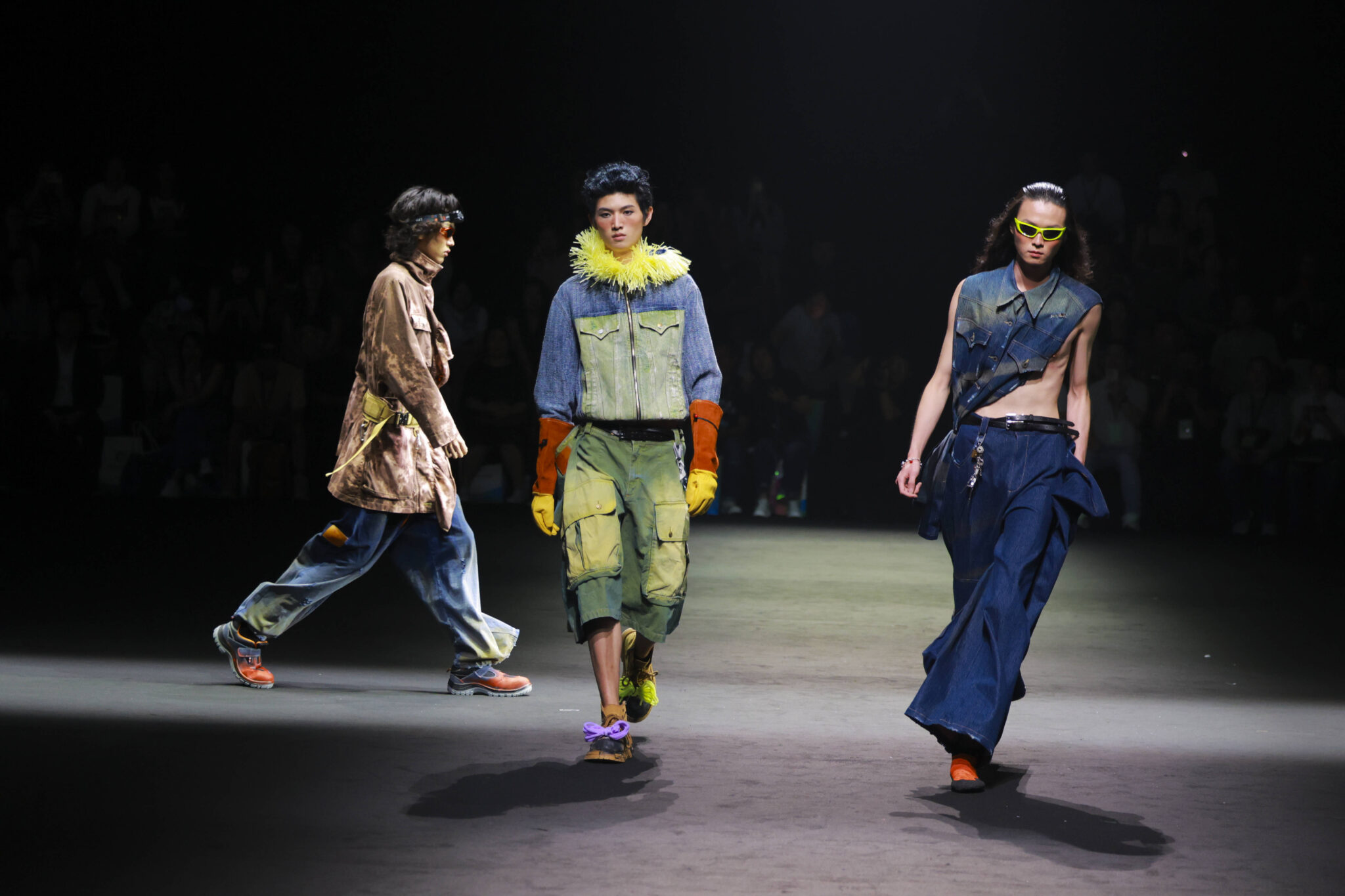
BUENOS AIRES — Most people think of fashion as the style of clothing we wear, but it goes far beyond that — especially nowadays, when globalization and consumerism tend to standardize and commodify people.
Beyond its inherent frivolity and fleeting nature, fashion shapes the way we live. Philosopher Gilles Lipovetsky described it as “a frantic search for novelty and a way of venerating the present.”
Today, almost everything is subject to fashion. What we eat, the medicines and therapies we use, the products and services we consume, the books we read, the music we listen to, the language we speak, the places we visit, the body aesthetics we adopt, the sexuality we express, the beliefs we showcase — all of it is influenced by trends.
The American photographer Bill Cunningham called fashion “armor to survive the reality of everyday life.”
This applies not only to clothing but also to cosmetic surgery, tattoos, piercings, the collective fascination with certain idols — whether artists, politicians, athletes, or influencers — as well as strict “healthy” diets, and even celebrated scientific or technological discoveries simply because they are in vogue.
The British writer, actor and model Quentin Crisp connected the obsession with fashion to identity. He said fashion is what “you adopt when you don’t know who you are.”
In our consumerist society, which Zygmunt Bauman called “liquid modernity,” we are all, in a sense, cannon fodder for trends. Behind the endless choices and temptations lies the business of selling. When our identity is uncertain or we feel personally adrift, following a fashion trend first serves to express originality, then to belong to a group that supports us.
Even in the communist system, where the state controlled production and distribution and basic goods were scarce, fashions emerged. In Romania, homeopathy became popular at the expense of conventional medicine. Homemade carrot juice was considered “the guaranteed formula” for digestion. For years, “free love” was promoted, though in practice, it largely failed.
New waves
During my decades in Buenos Aires, with a stint in Paris, I witnessed countless fads. In 1959, arriving in Buenos Aires meant playing the guitar, undergoing psychoanalysis, wearing miniskirts, and celebrating your 15th birthday with a big party.
Later, you had to read Julio Cortázar and other Latin American Boom authors, as well as Jean-Paul Sartre, Simone de Beauvoir, James Joyce; embrace French “objectivism” or “the river novel”; then join youth culture, rock and pop, hippie movements tied to the Vietnam War, The Beatles, Woodstock, and the explosion of artistic freedom at the Instituto Di Tella. Punk, goth, dark, and tribal styles followed. May 1968 in France proclaimed slogans like “It is forbidden to forbid” and “Make love, not purchases.”

In recent decades, fashion has followed political and historical movements, feminism, anti-bourgeois rebellions, and even spirituality, from Orientalism and shamanism to yoga. Today, I smile at the revival of the fashion eyeglasses, when 20 years ago everyone wanted contact lenses. Quinceañeras are back for 15-year-old Argentines. Detective and historical novels are popular. New Age and self-help trends reinterpret ancestral wisdom in a light, consumer-friendly way.
Fashion should not enslave us.
The left, historically critical of the United States, has embraced, often unconsciously, many of its cultural exports — clothing, food, drink, music. The near-uniformity of jeans, sneakers, backpacks, caps, and sportswear is striking, complemented by junk food, soft drinks, and a proliferation of vitamins and supplements.
Designing dreams
Aesthetic trends have evolved dramatically. Breast implants were just the beginning. Today, many women enhance their lips and faces with hyaluronic acid, collagen, or Botox. False eyelashes and sculpted nails, painted and decorated with rhinestones or other adornments, are all the rage.
On social media, the range of trendy “solutions” is overwhelming. In advertising, I learned that creating endless new needs matters more than fulfilling them. Ralph Lauren put it poetically: “I don’t design fashion. I design dreams.” Gore Vidal added: “Style is knowing who you are, what you want, and not giving a damn.”
Fashion should not enslave us. It depends on self-esteem, confidence, and trust in our judgment. To paraphrase Louis XIV, the Sun King: “My fashion is me.”