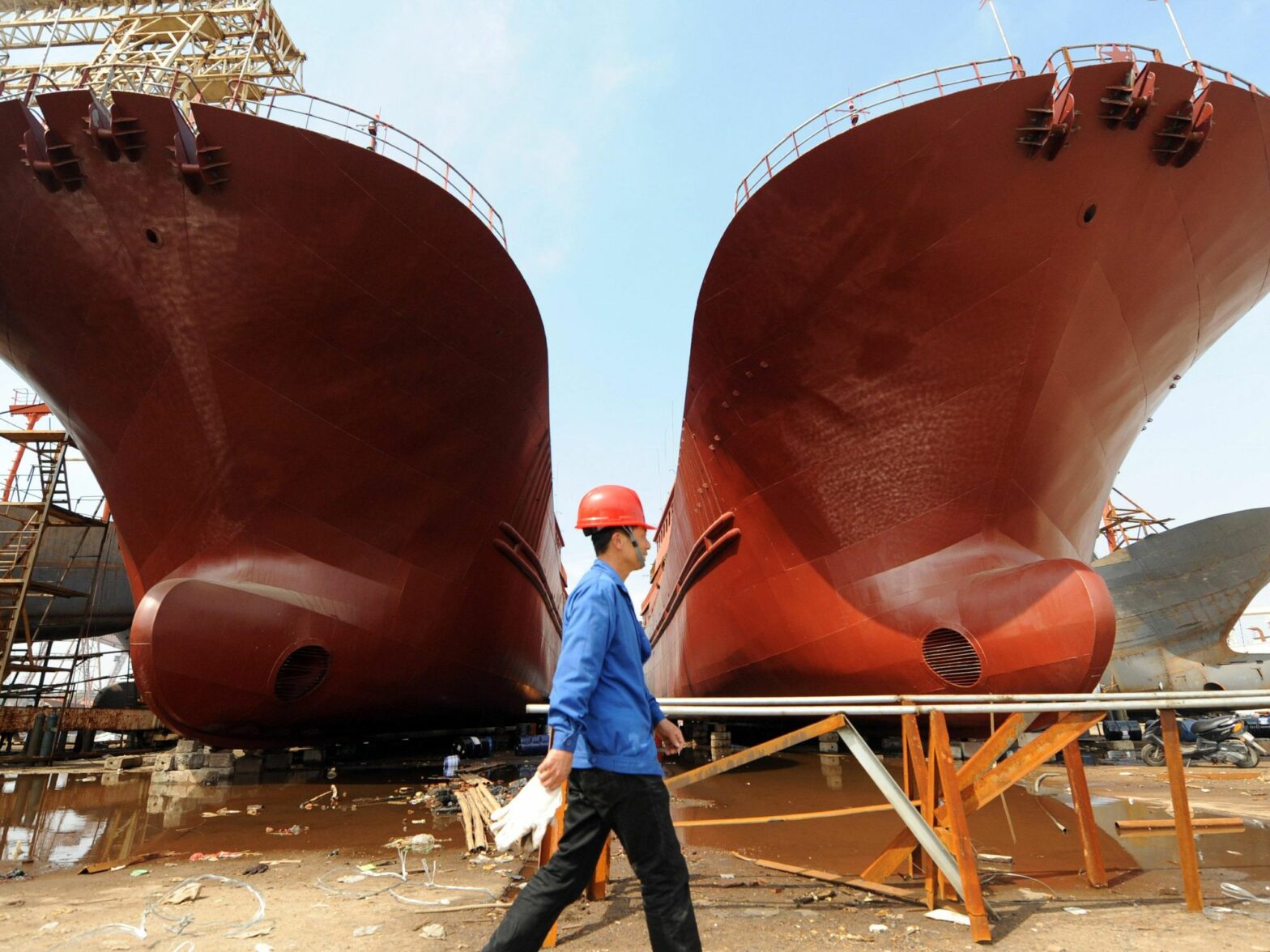
Following the escalation of the Chinese-U.S. trade war in 2018, the “Made in China” label is not as ubiquitous as it once was. Southeast Asian economies are on the rise — but their growth doesn’t necessarily threaten Chinese dominance.
 Worldcrunch
Following the escalation of the Chinese-U.S. trade war in 2018, the “Made in China” label is not as ubiquitous as it once was. Southeast Asian economies are on the rise — but their growth doesn’t necessarily threaten Chinese dominance.
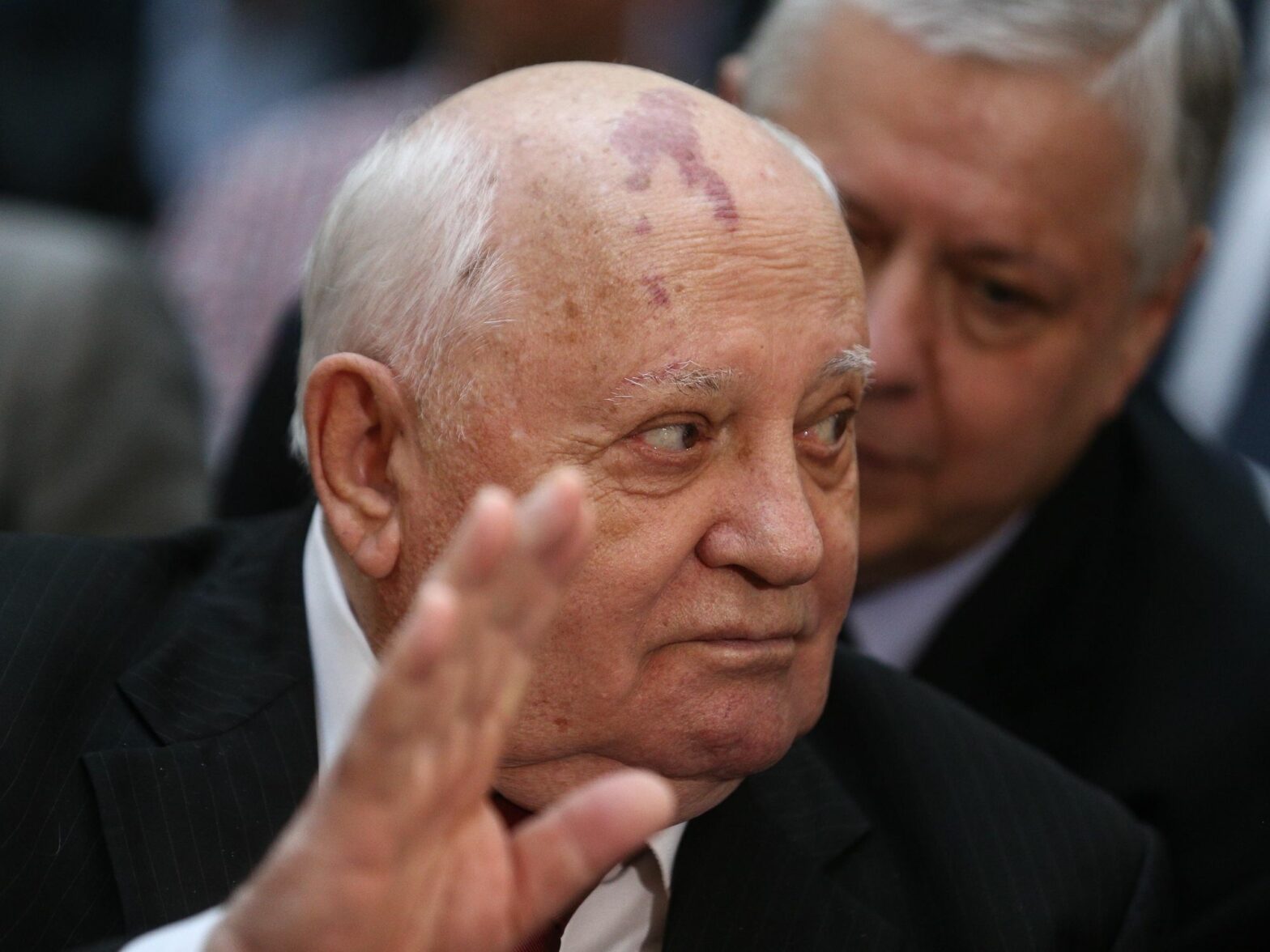
International newspapers pay homage to the last of the USSR leaders.
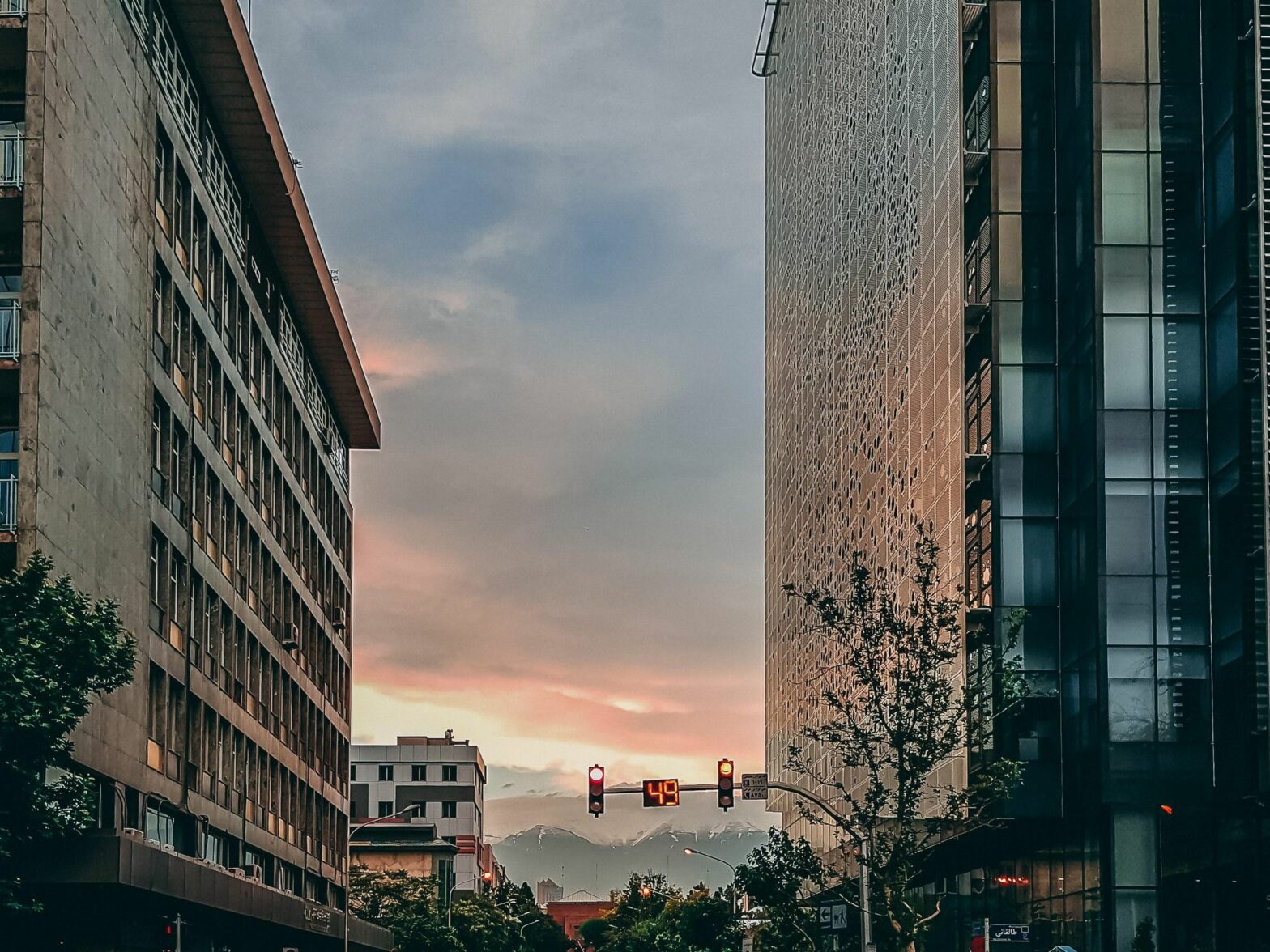
Ordinary Iranians are hoping for a speck of economic relief and nothing more, if Tehran can sign a nuclear deal with world powers that could alleviate longstanding sanctions.
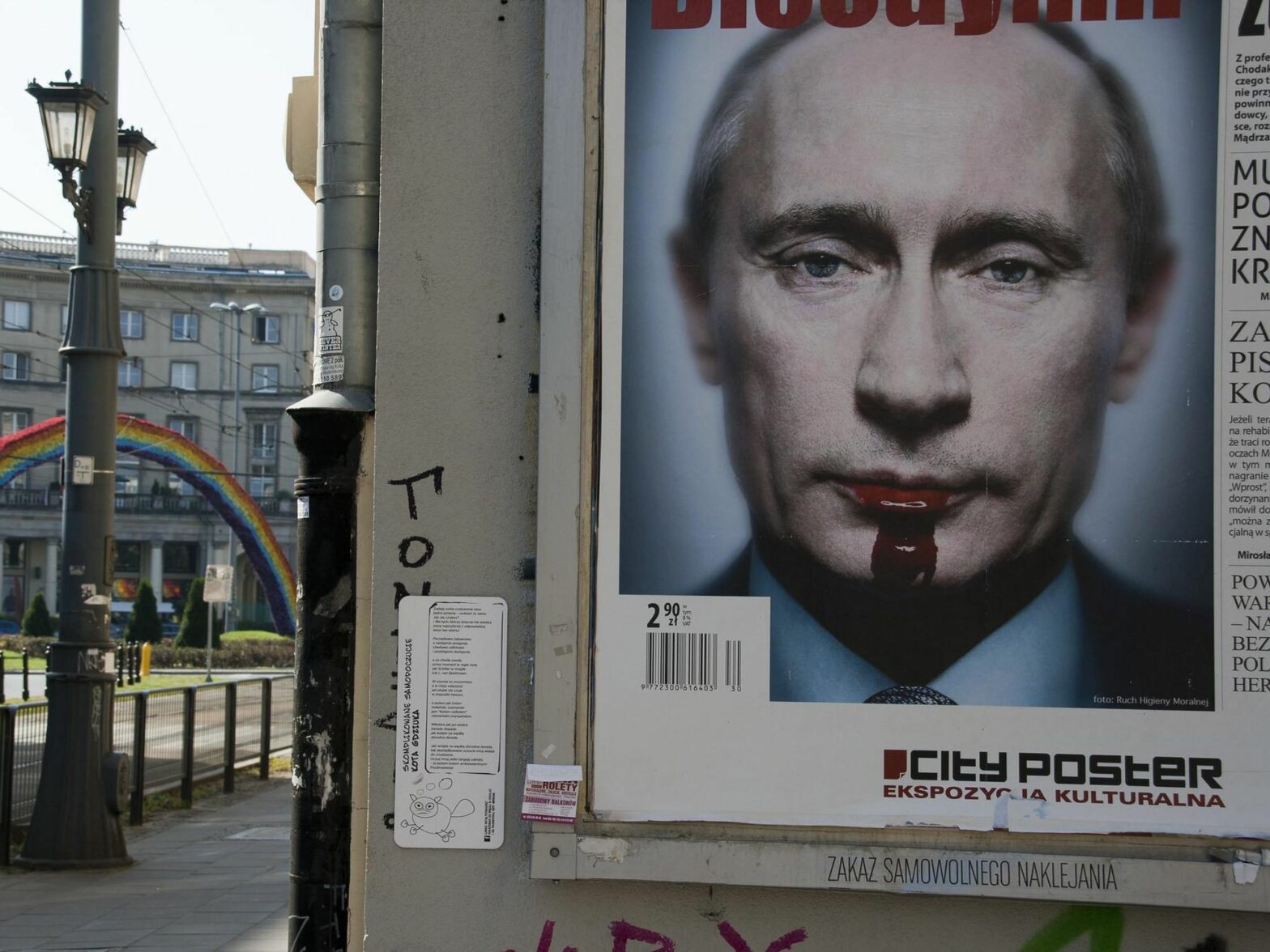
Hit by EU sanctions, Russia is working hard to spread its own propaganda through neighboring countries. A new study breaks down exactly what that disinformation campaign is saying — and whether it’s working.
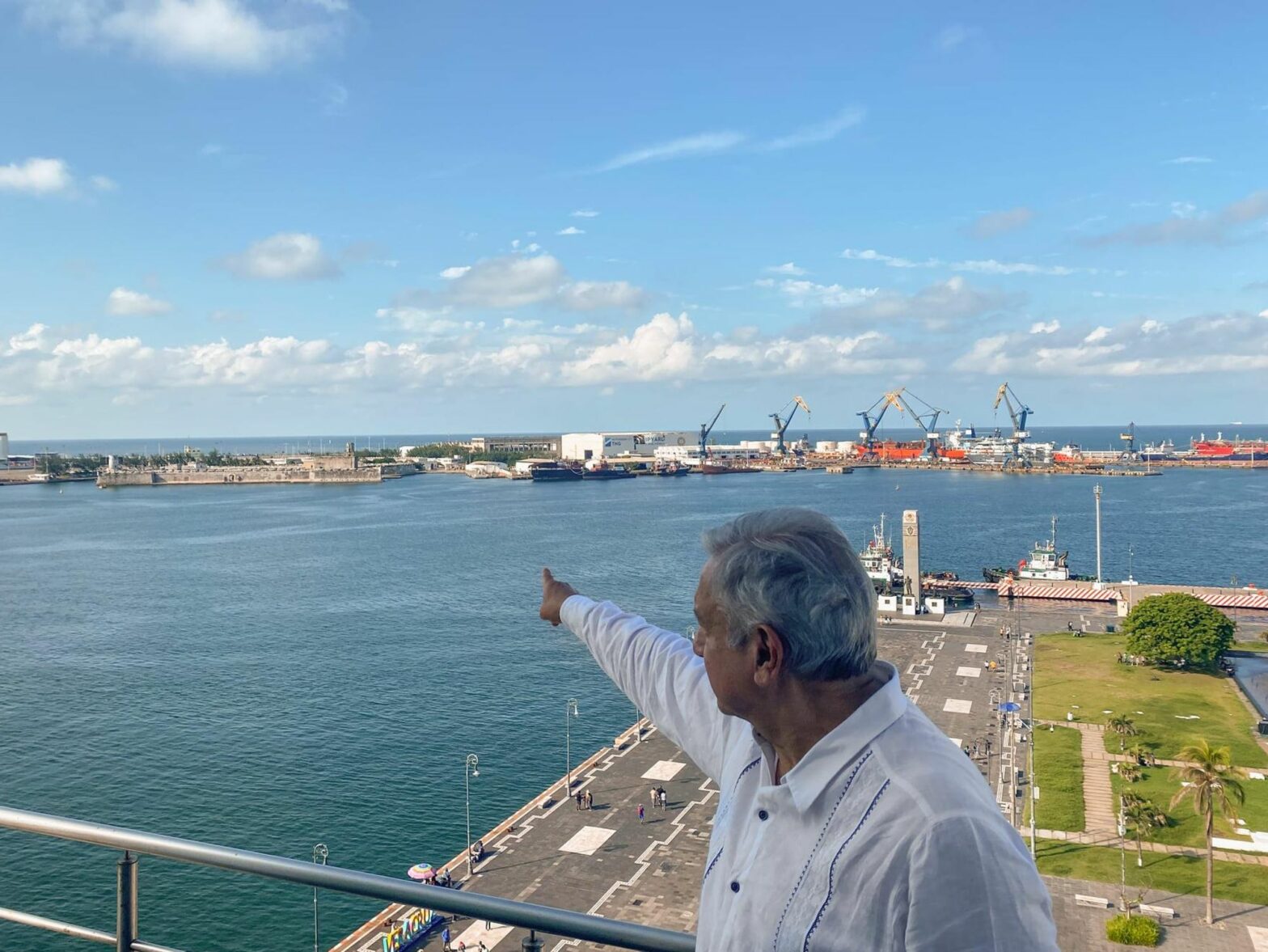
In irking Mexico’s chief trading partners with decisions affecting energy firms, the country’s leftist President Andrés Manuel López Obrador is tinkering with the free-trade pact that is the very engine and ballast of Mexico’s vast, and vulnerable, economy.
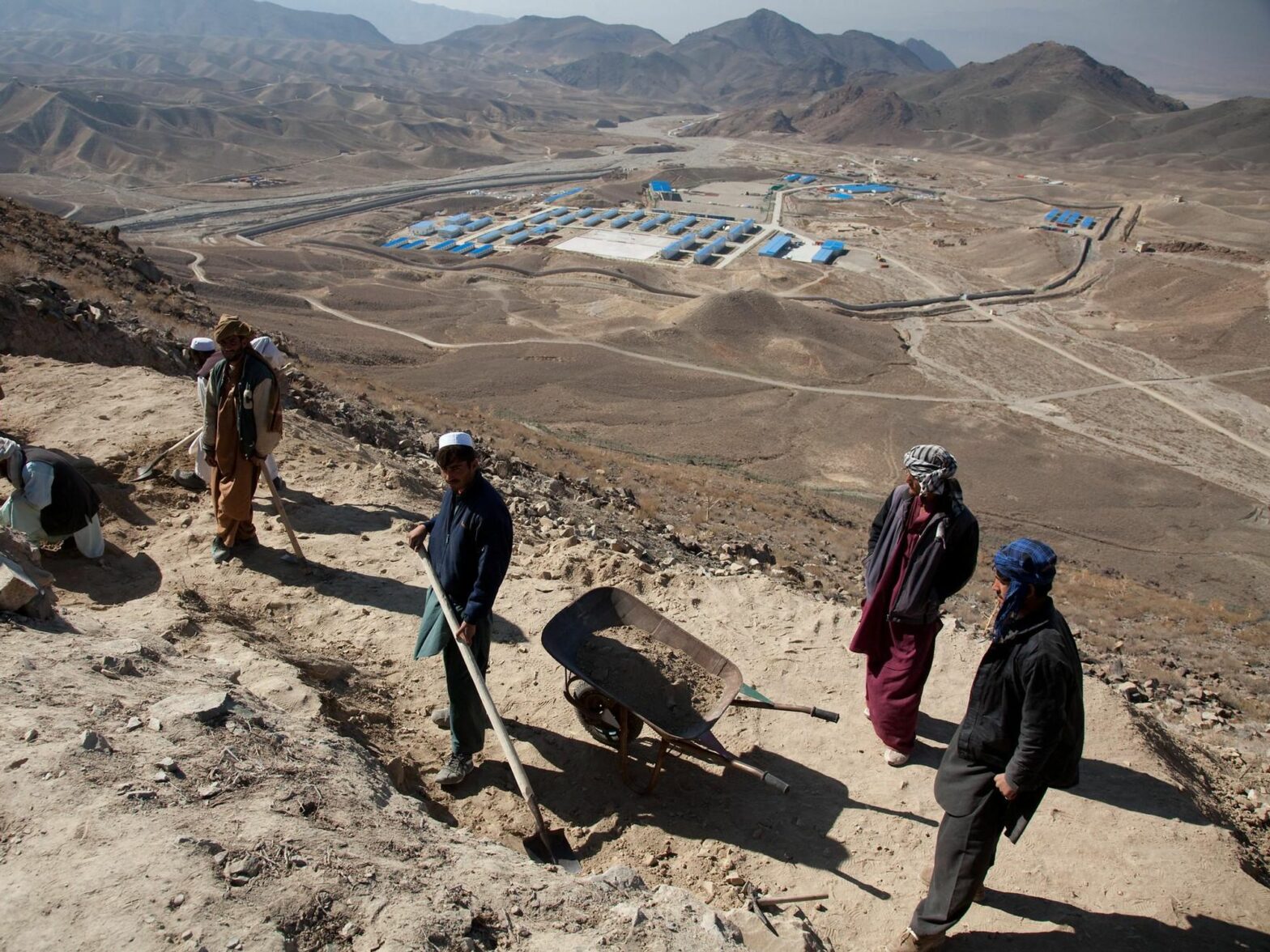
After withdrawing from Afghanistan, the U.S. left a power vacuum. The Taliban regime is officially isolated internationally, but the country has vast mineral resources — on which Beijing is keeping a close eye.
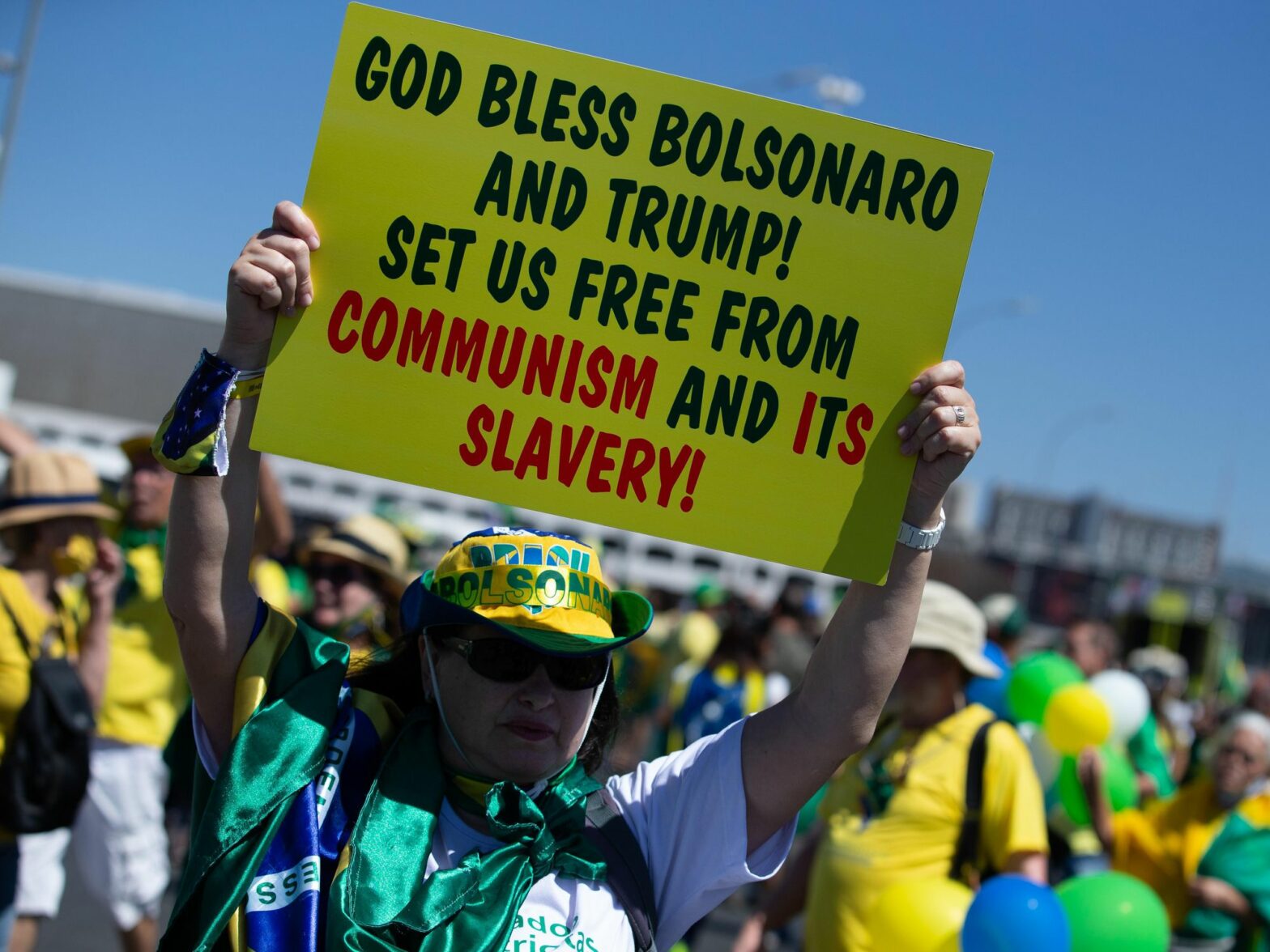
Brazil’s Agência Pública reveals that Gettr, the social network run by Donald Trump’s former adviser Jason Miller, has sponsored conservative conferences in Brazil ahead of October’s presidential elections, which Steve Bannon has called the most important in South American history.
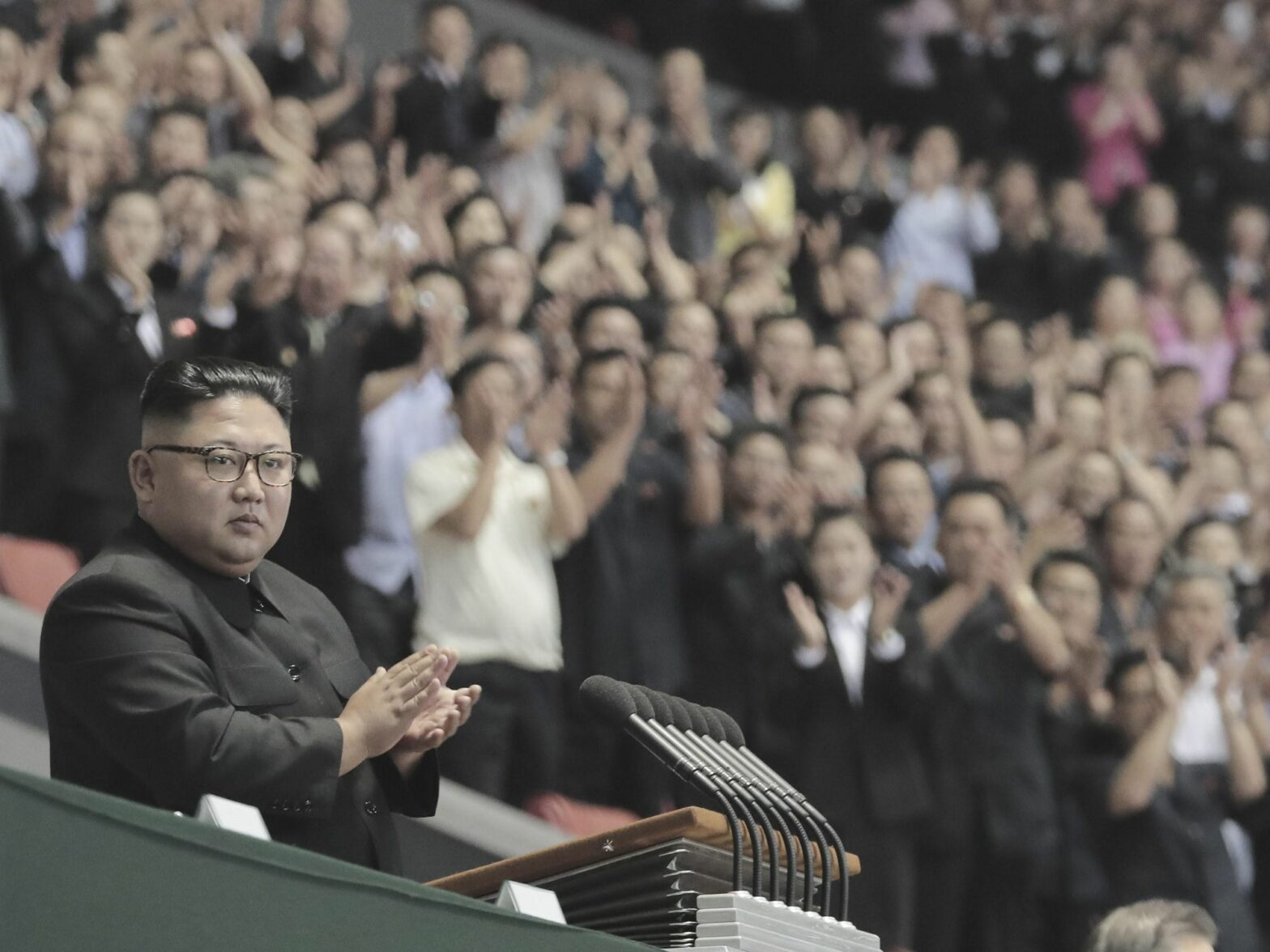
“Taiwanese would laugh at the leader worship of the North Koreans, but wasn’t that what we did in the days of Chiang Kai-shek?”
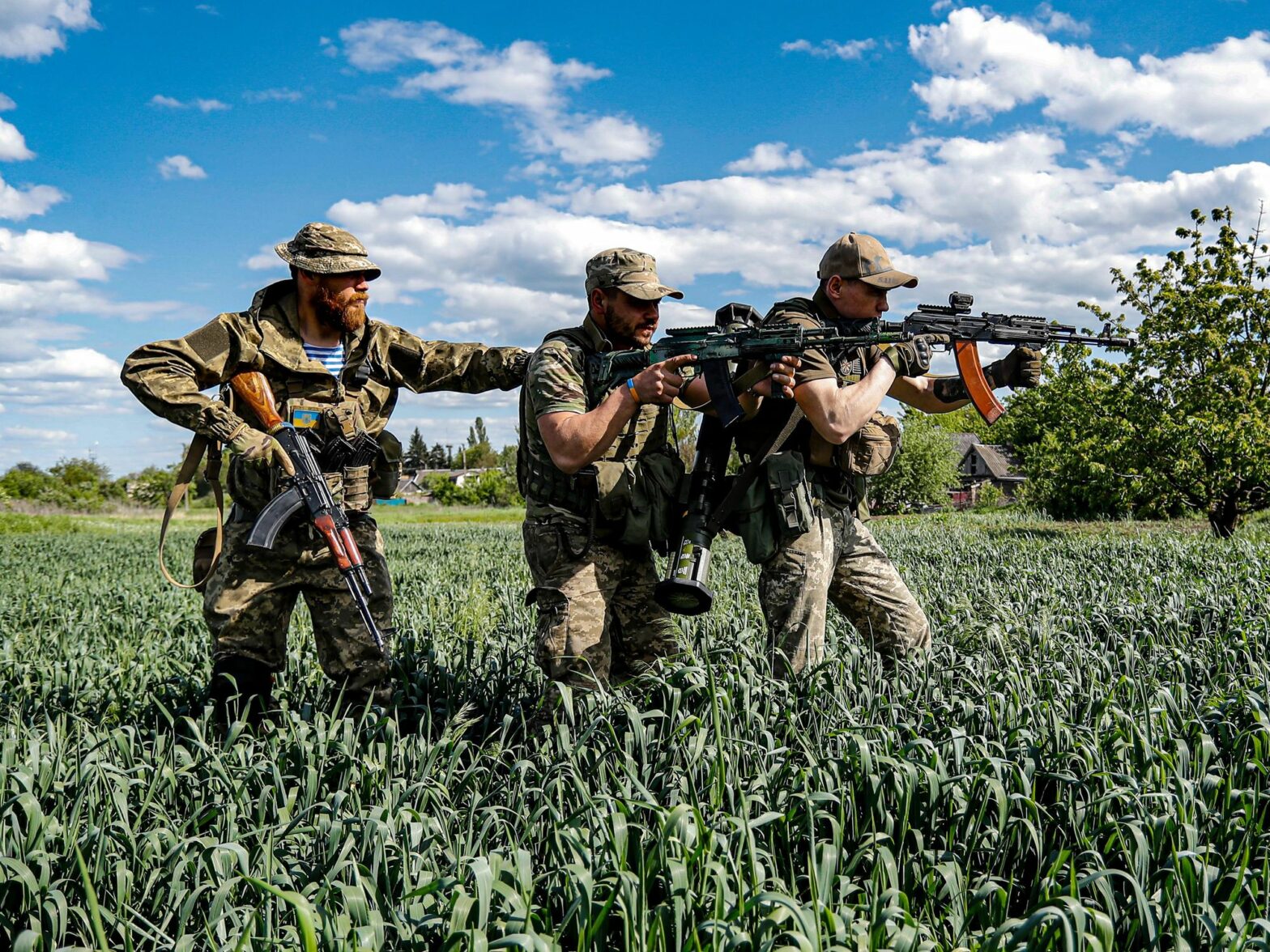
Russian troops have so far been unable to mount a decisive offensive in the east, as Ukraine records small but meaningful successes near the southern city of Kherson. This is not how Vladimir Putin had it planned.

As hostilities flare again between Serbia and Kosovo, the writer draws connections between the dissolutions of both the USSR and Yugoslavia, and the leaders who exploit upheaval and feed the worst kind of nationalism.
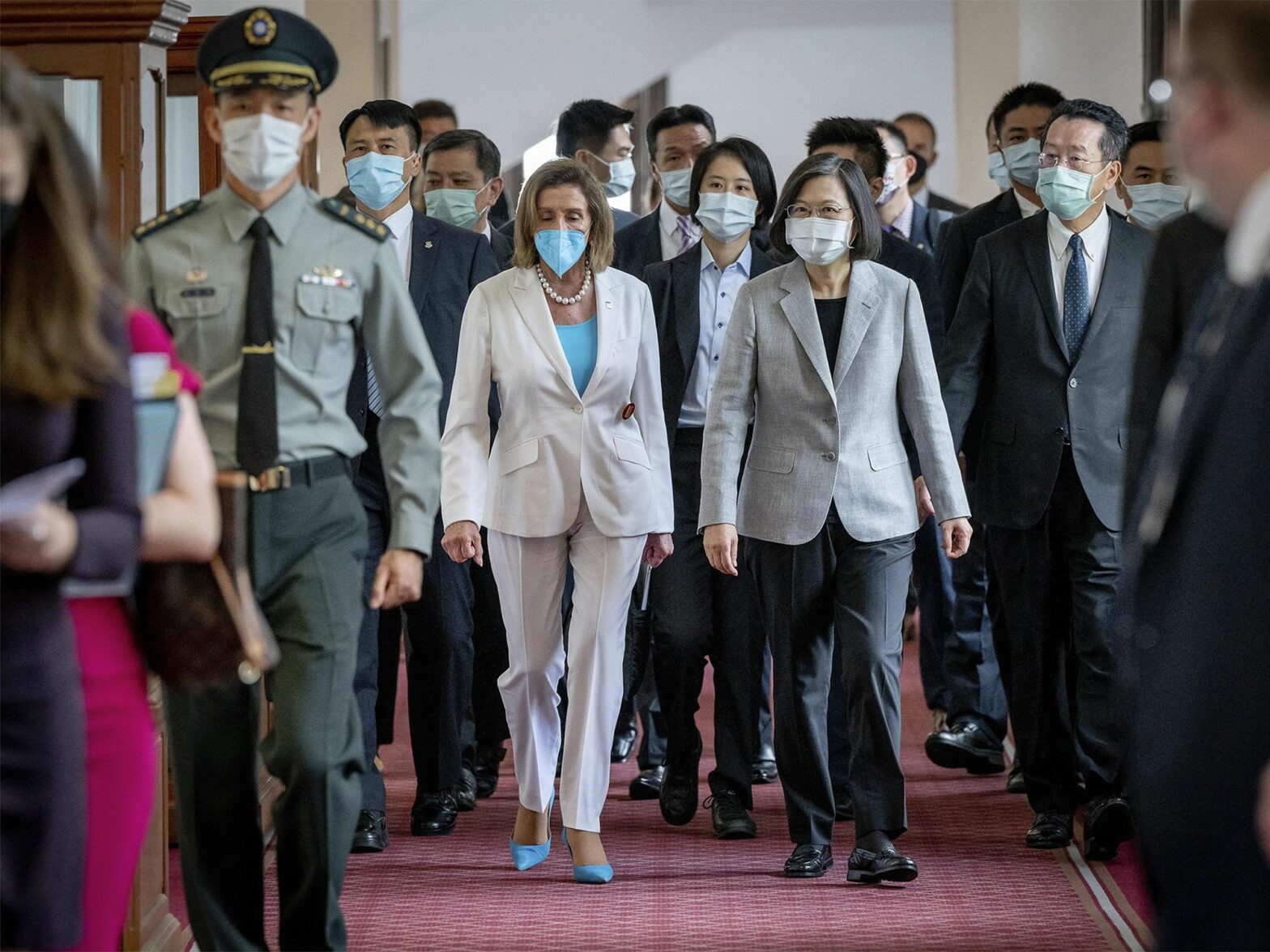
“She’s now the leader of the Western movement recognizing the existence of a democratic Taiwan, aiming to break Beijing’s “one-China principle…” A Taiwanese political scientist argues the 19-hour visit by U.S. House Speaker Nancy Pelosi will have real lasting impact.
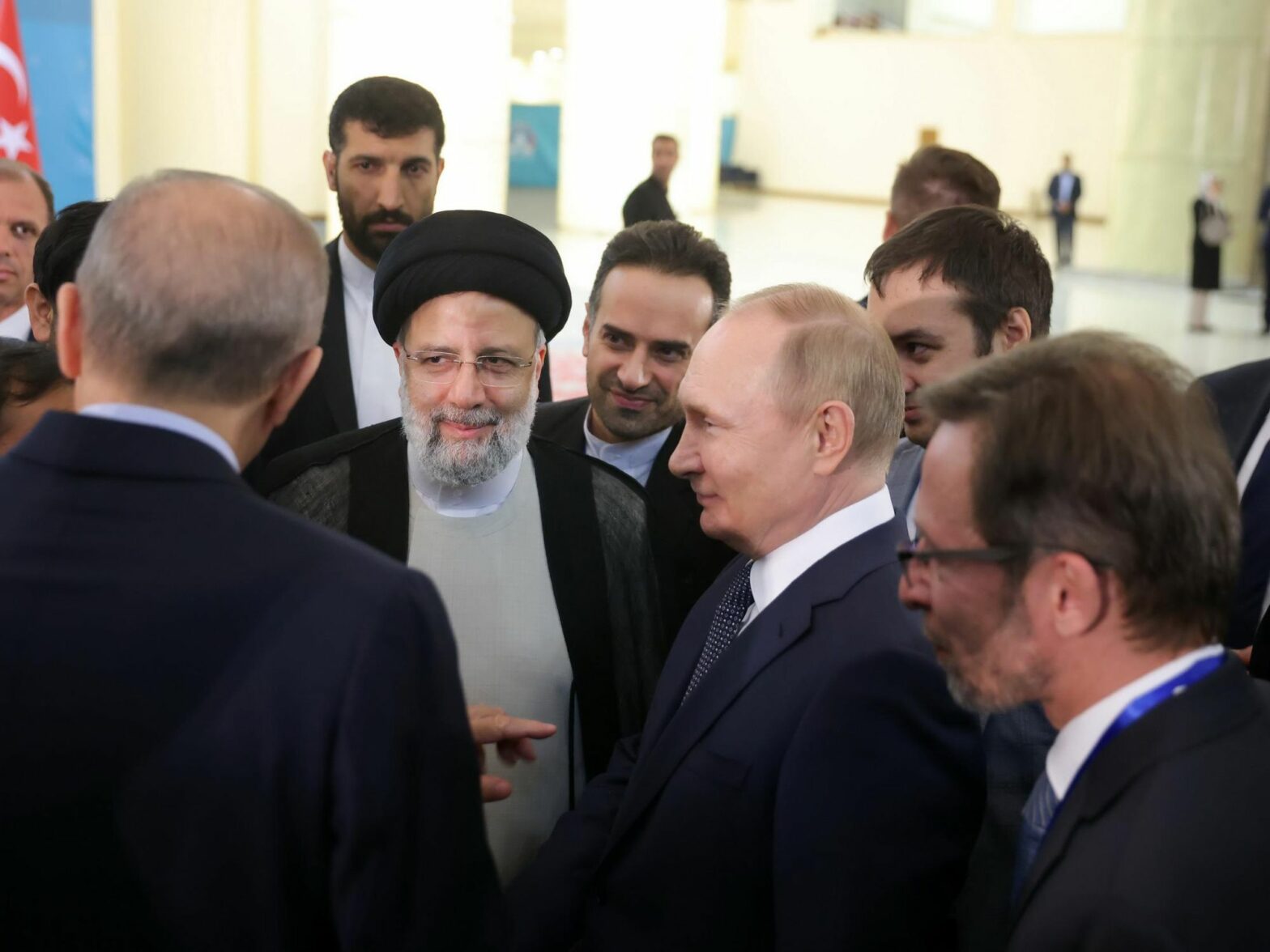
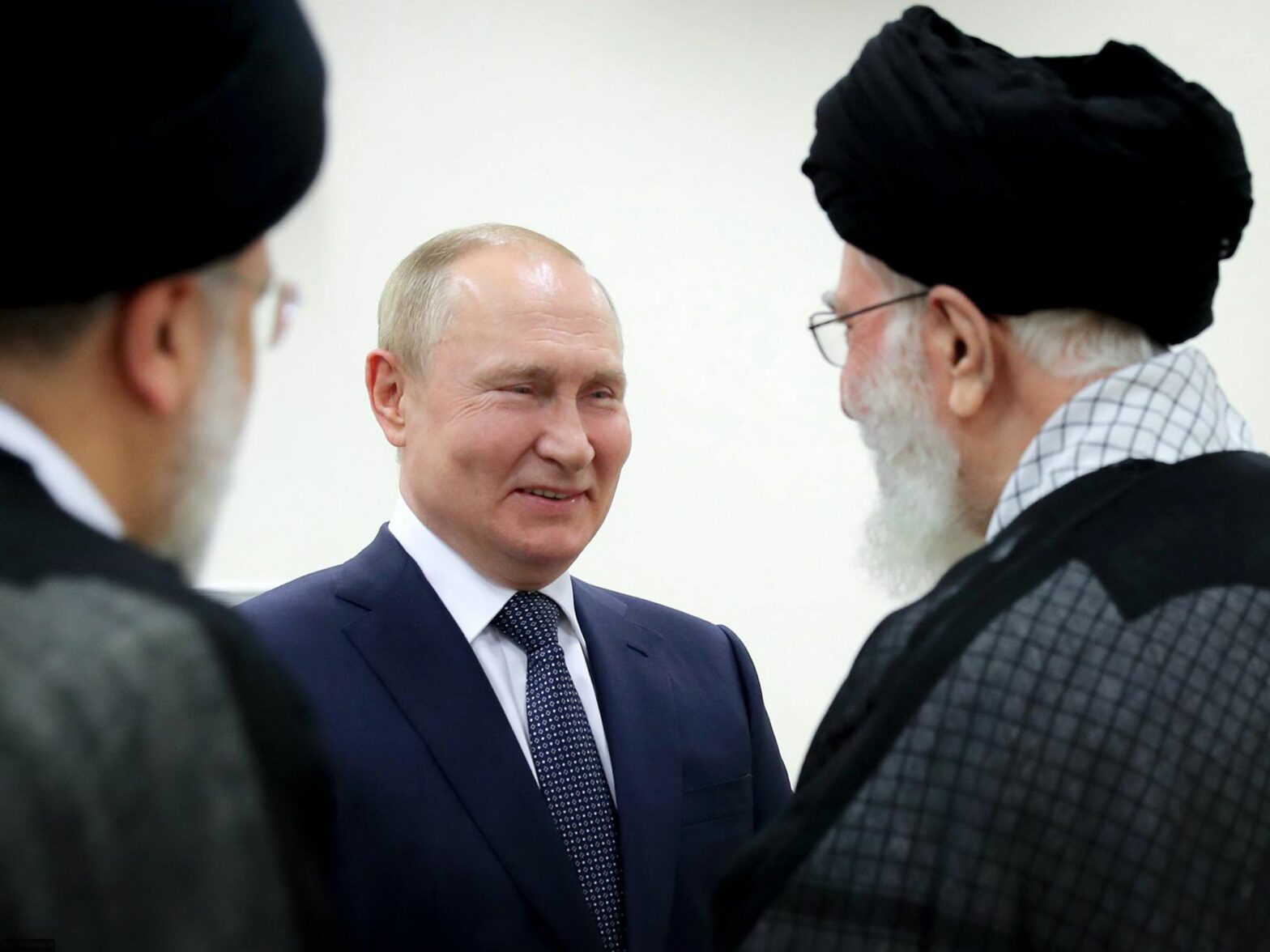
Nuclear talks between Iran and the West are stalled, as Russia signs deal with Tehran for drones. But does the increasingly isolated Iranian regime risk becoming another Russian vassal like Syria or Belarus?
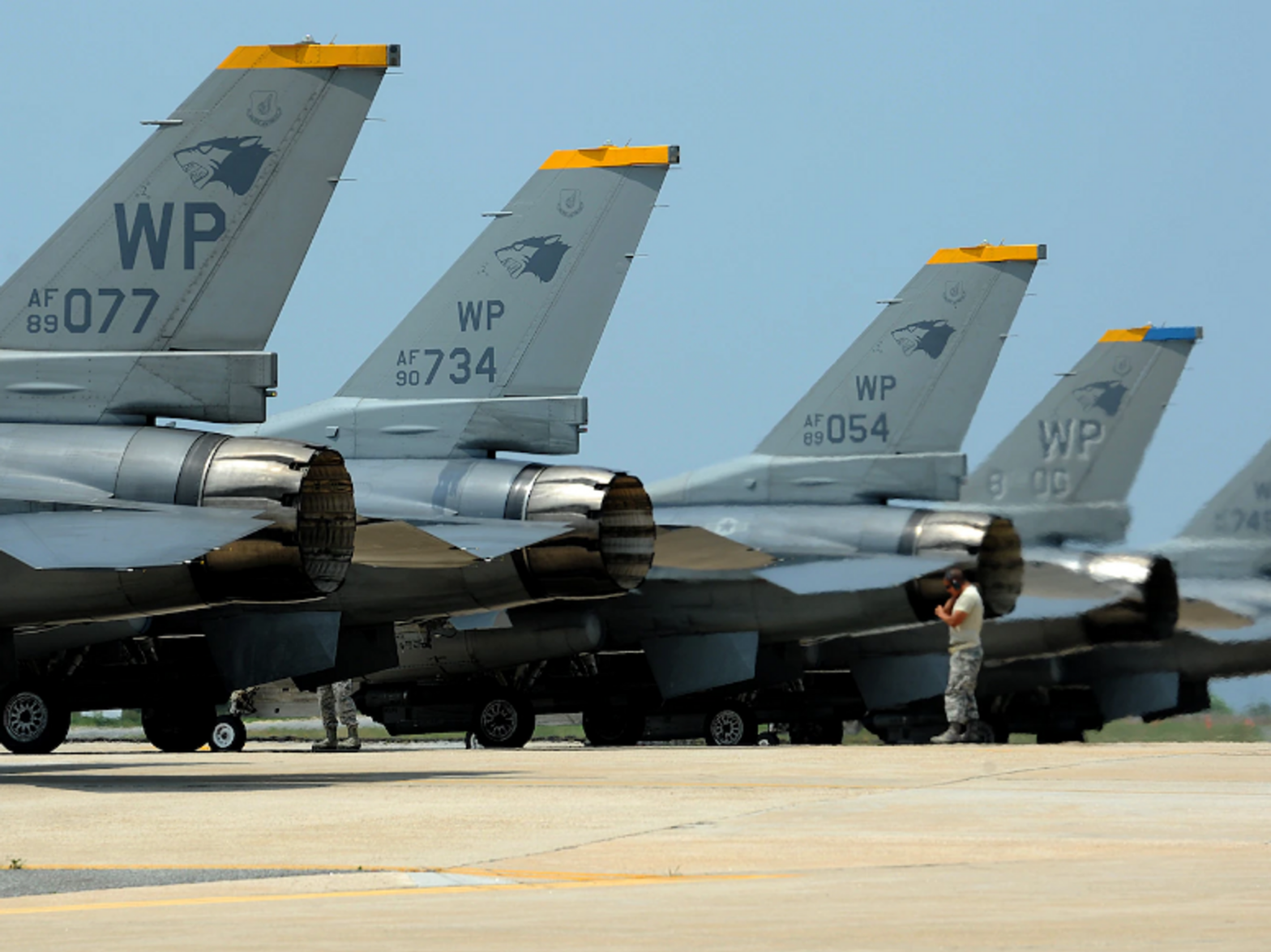
A phone call Thursday between Presidents Xi and Biden may have avoided adding tensions to U.S.-China relations, but now all attention will be back on the question of whether Nancy Pelosi lands in Taipei next month for a meeting that Beijing has been warning against and the Chinese media stirs the pot.
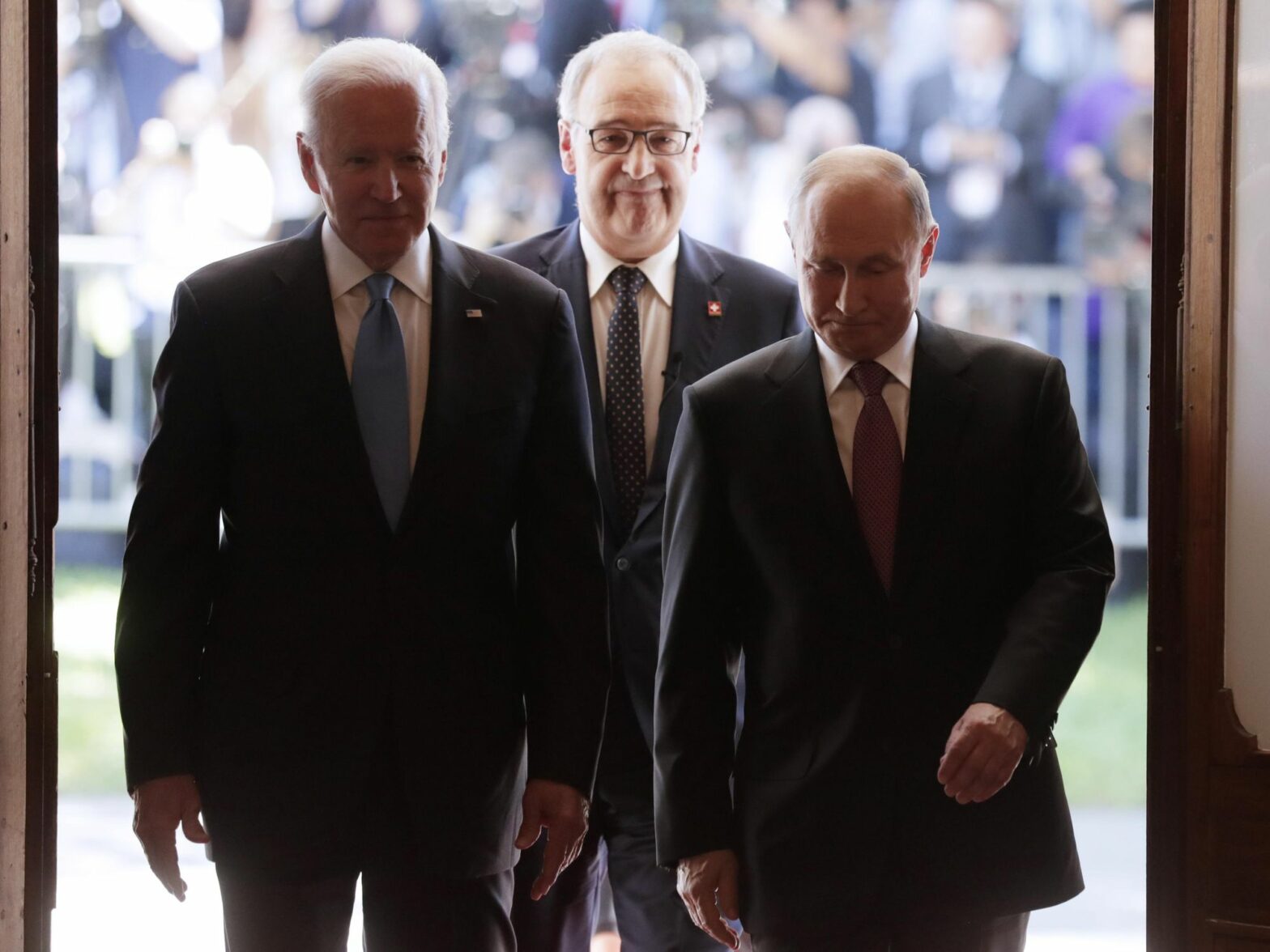
Switzerland has rejected a NATO request to take in injured Ukrainian soldiers, arguing it would compromise its neutrality. This is an old game of masking moral cowardice by a country that has profited off the Putin regime.
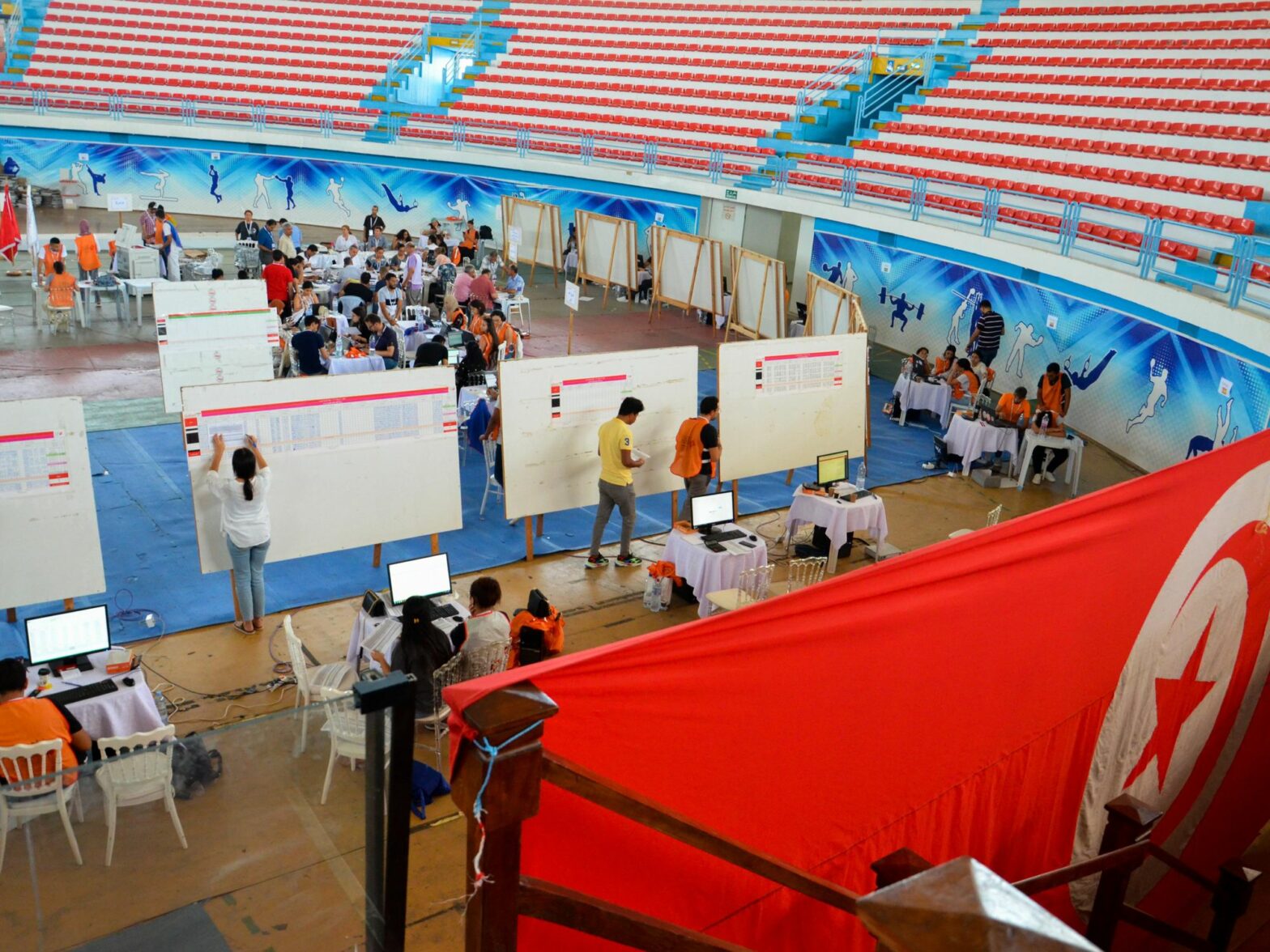
In the cradle of the Arab Spring, democracy is once again at stake.
The Ukrainian army is preparing its counteroffensive, already beginning to hit Russians hard with U.S. Himars missiles. But experts warn about keeping the expectations too high, because Russia has key advantages. A German reporter sees how Ukrainians are preparing and how far they are willing to go to regain their lost territory.
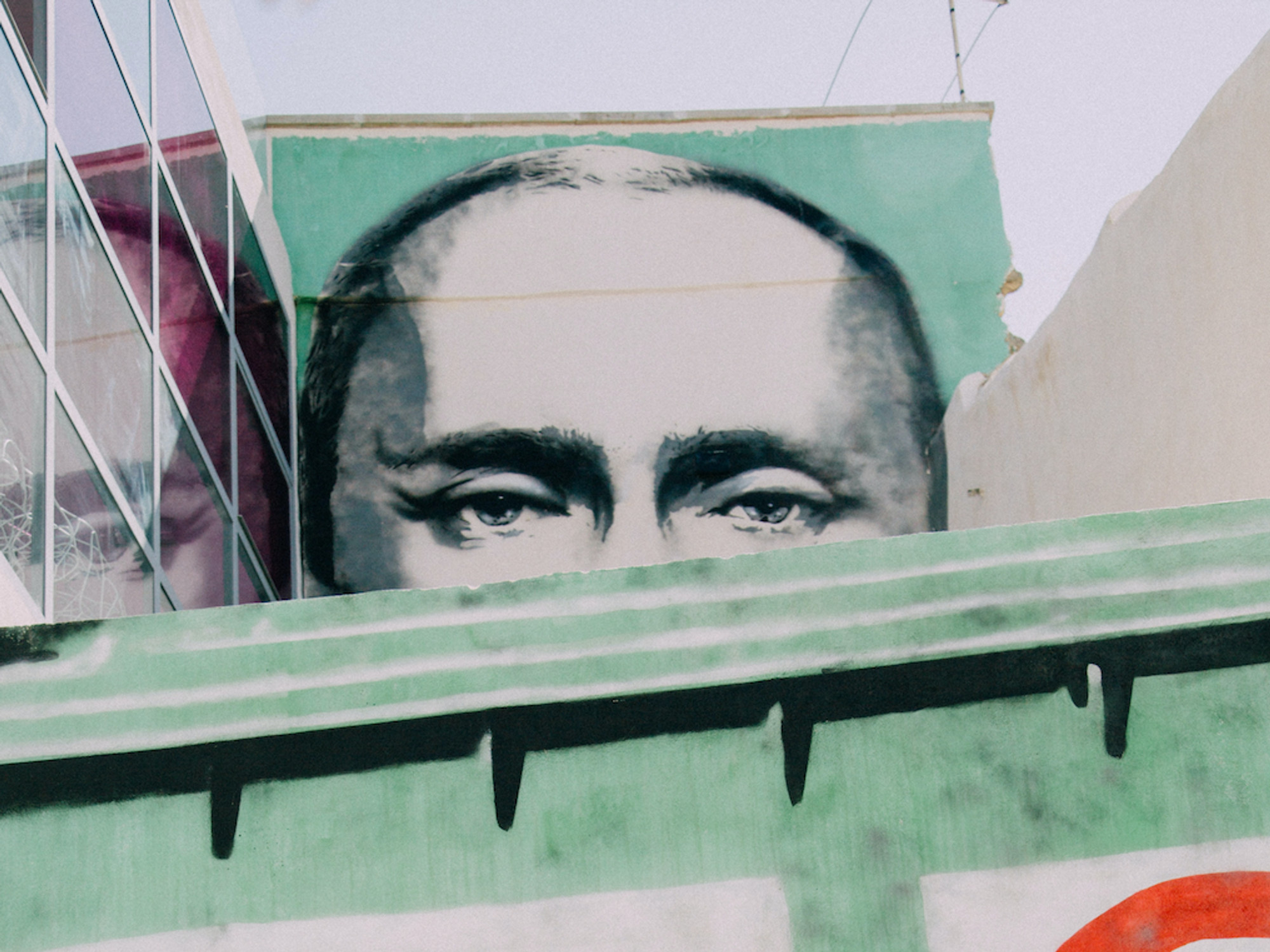
Western leaders have given mixed messages on ending war in Ukraine. They fear the fallout of a power change in Moscow, and when it comes to Putin, it may be a case of “better the devil you know.”
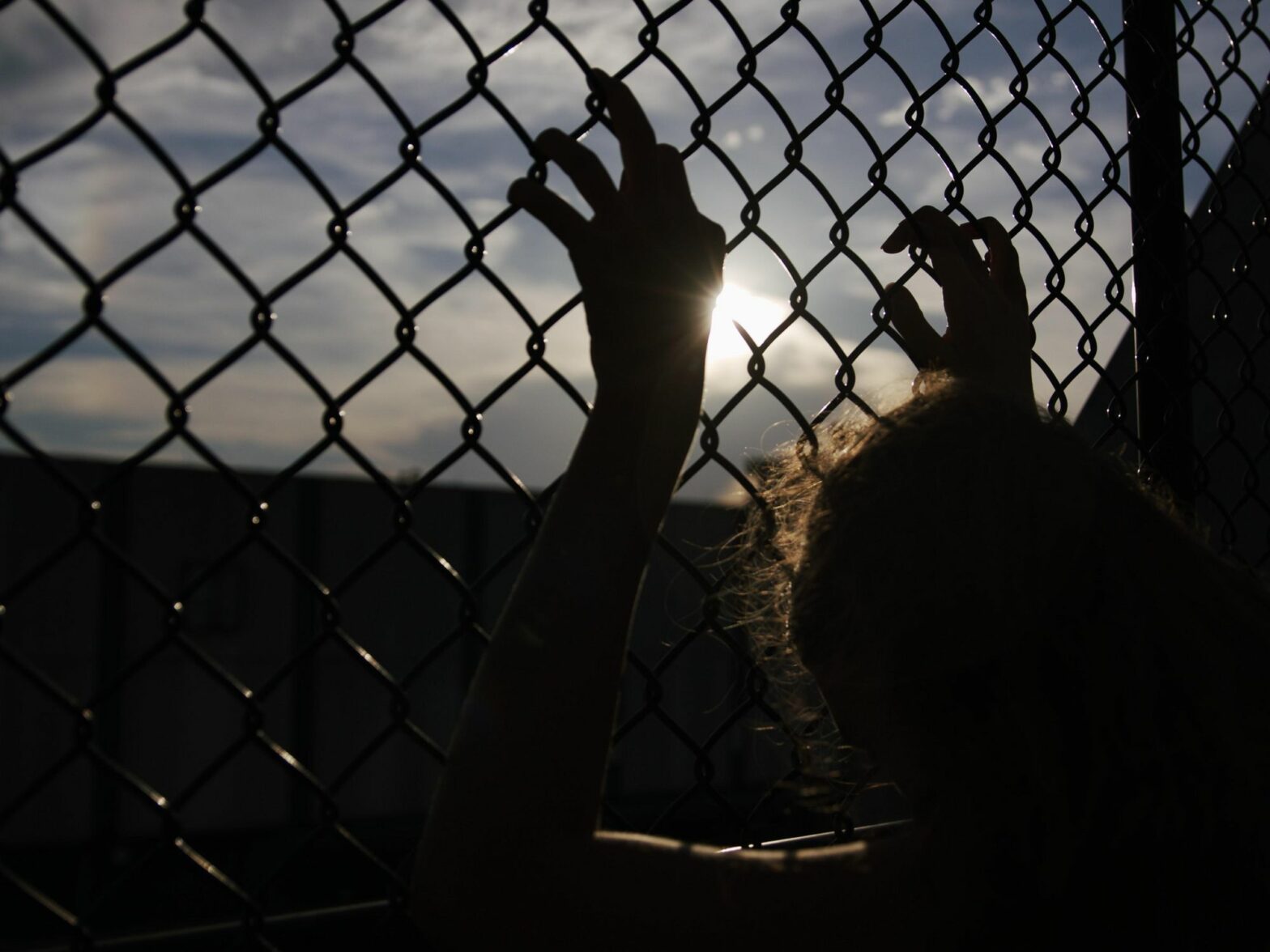
Staying in a theocracy whose rulers subjugate women was not an option, but trying to get to destinations in Europe and beyond comes with unthinkable perils of its own.
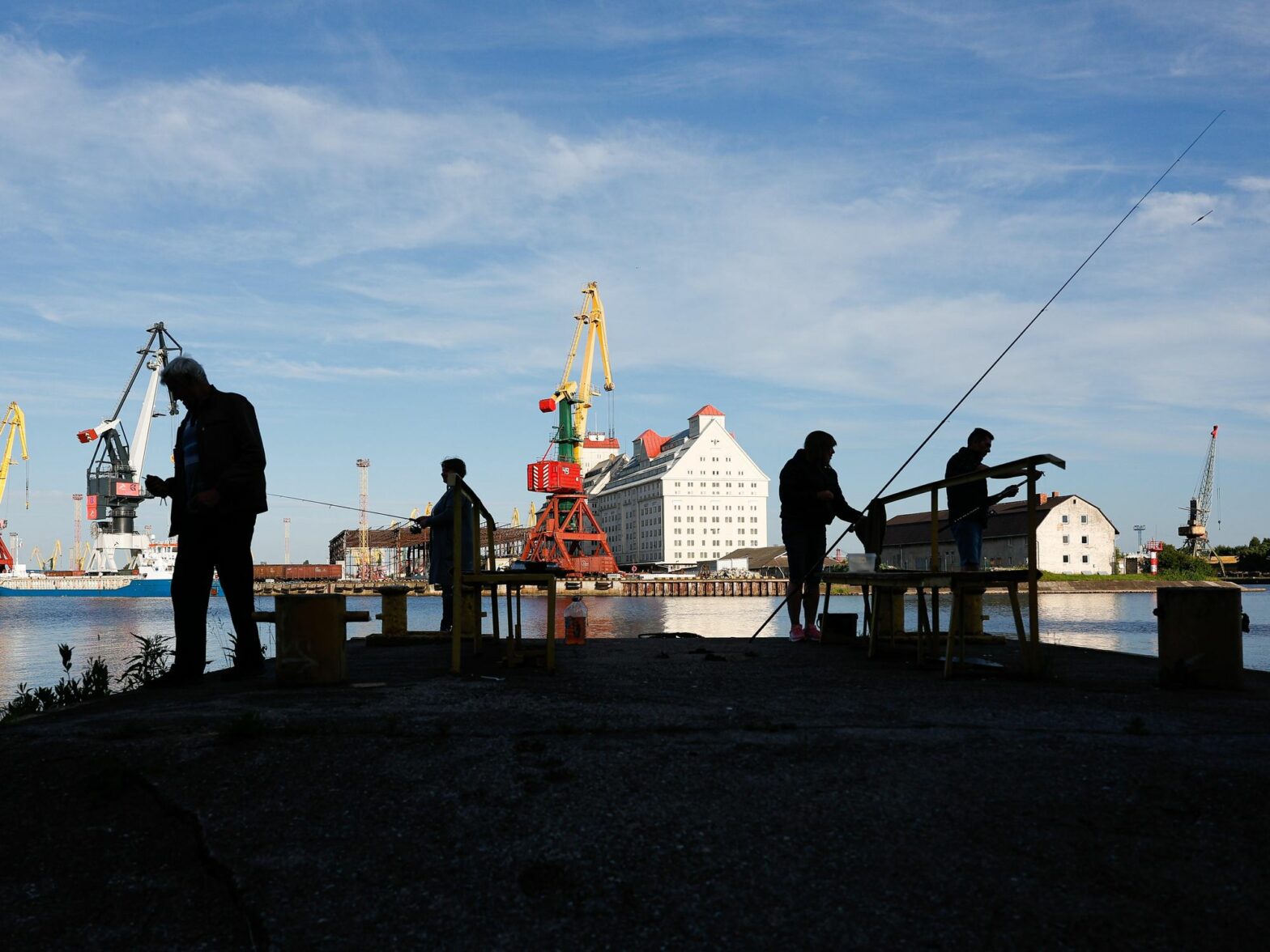
Vilnius is reportedly working out new rules with Brussels on allowing the transit of sanctioned Russian goods through Lithuania to the Kaliningrad enclave. But in the meantime, restrictions remain — and so does defiance vis-à-vis Moscow.
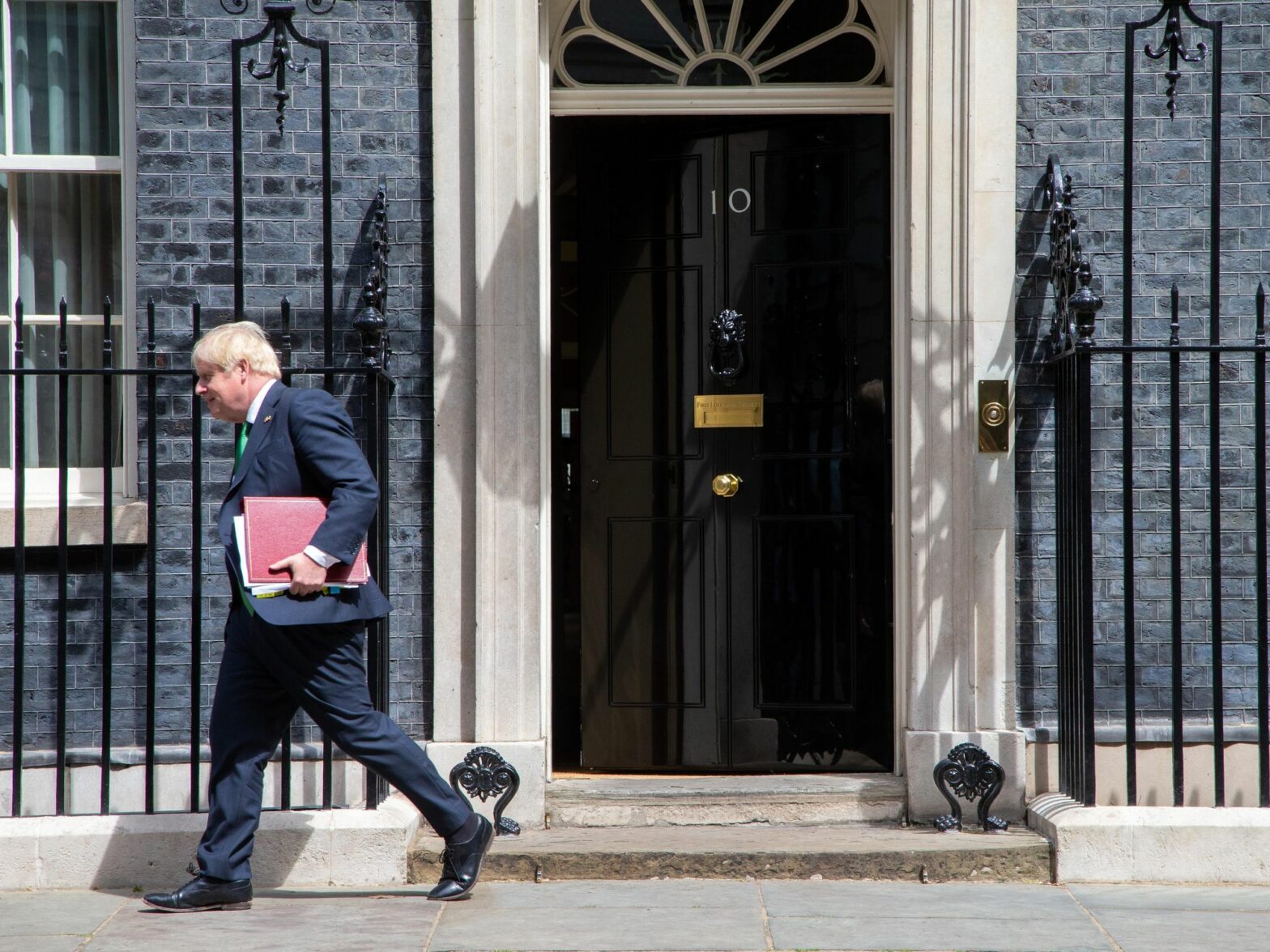
Boris Johnson’s resignation is another example of the political crises in the democratic world. But that does not necessarily mean that dictators and despots will win.
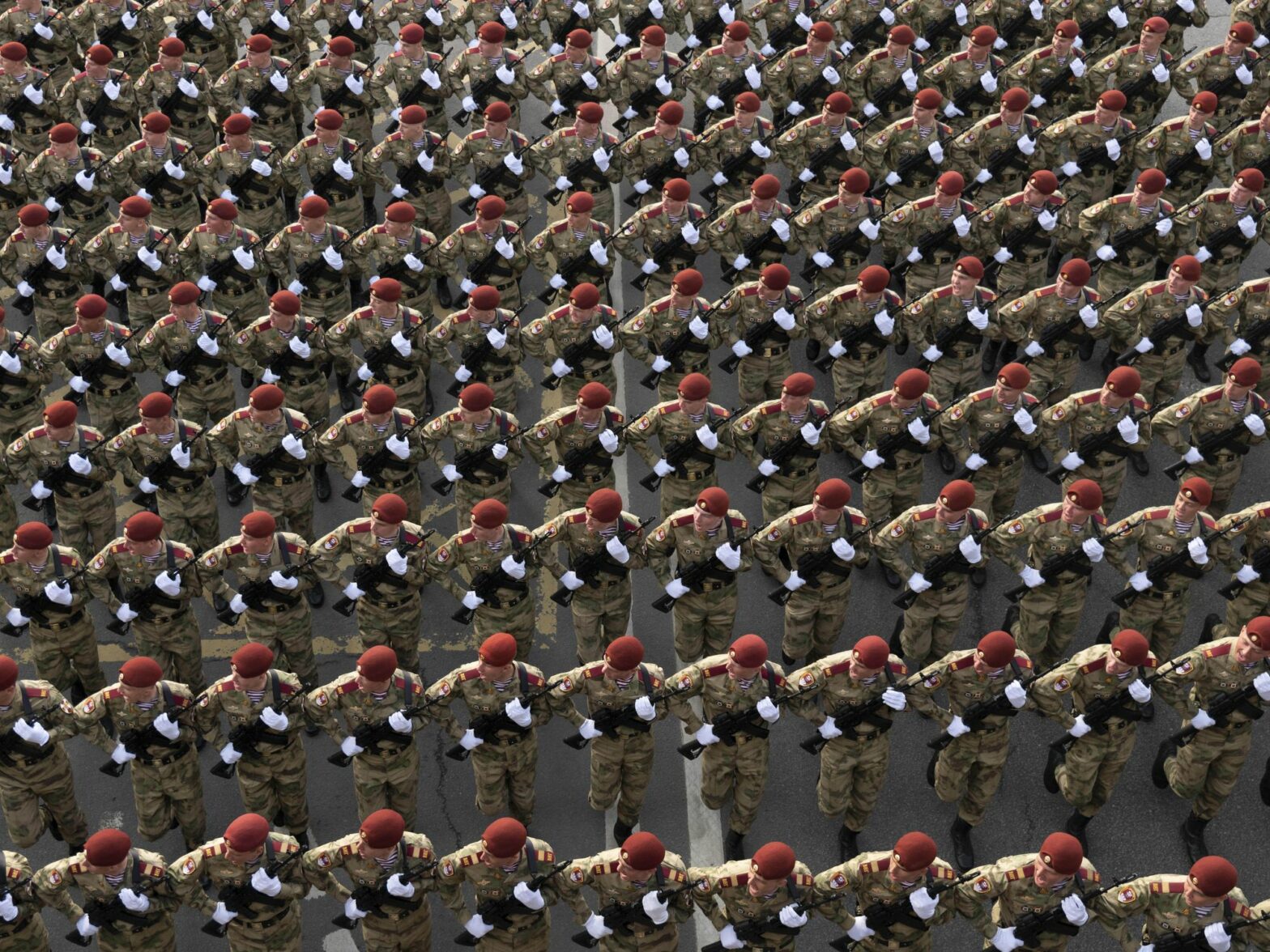
Russia’s attack on Ukraine has exacerbated tensions not only in its neighborhood, but around the planet, making the world’s hotspots even hotter.
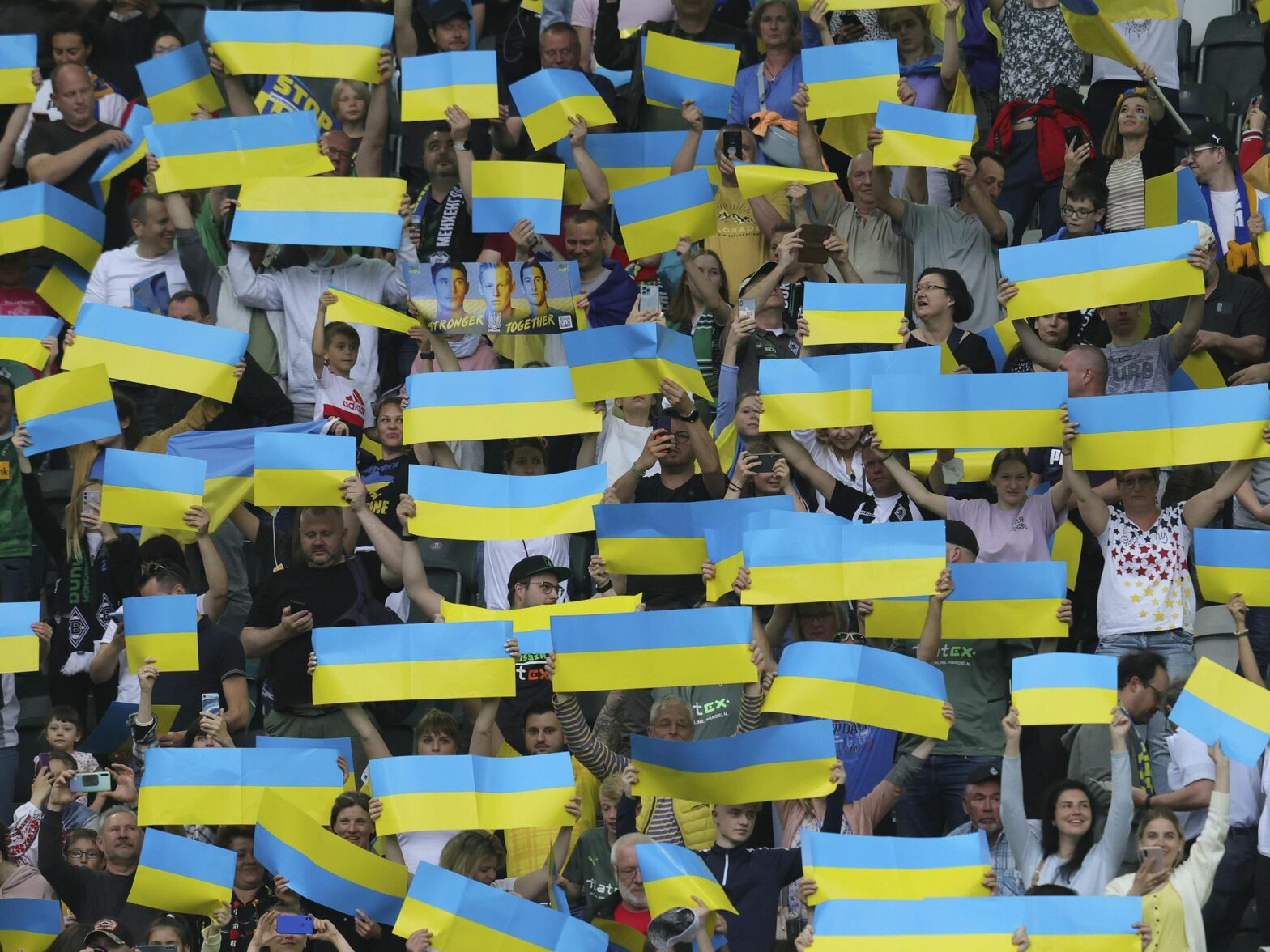
The Russian invasion of Ukraine forced the sport world to abandon its long-held political neutrality, including the Olympics and FIFA. Is this a one-off event or a sign of a fundamental shift in sport?
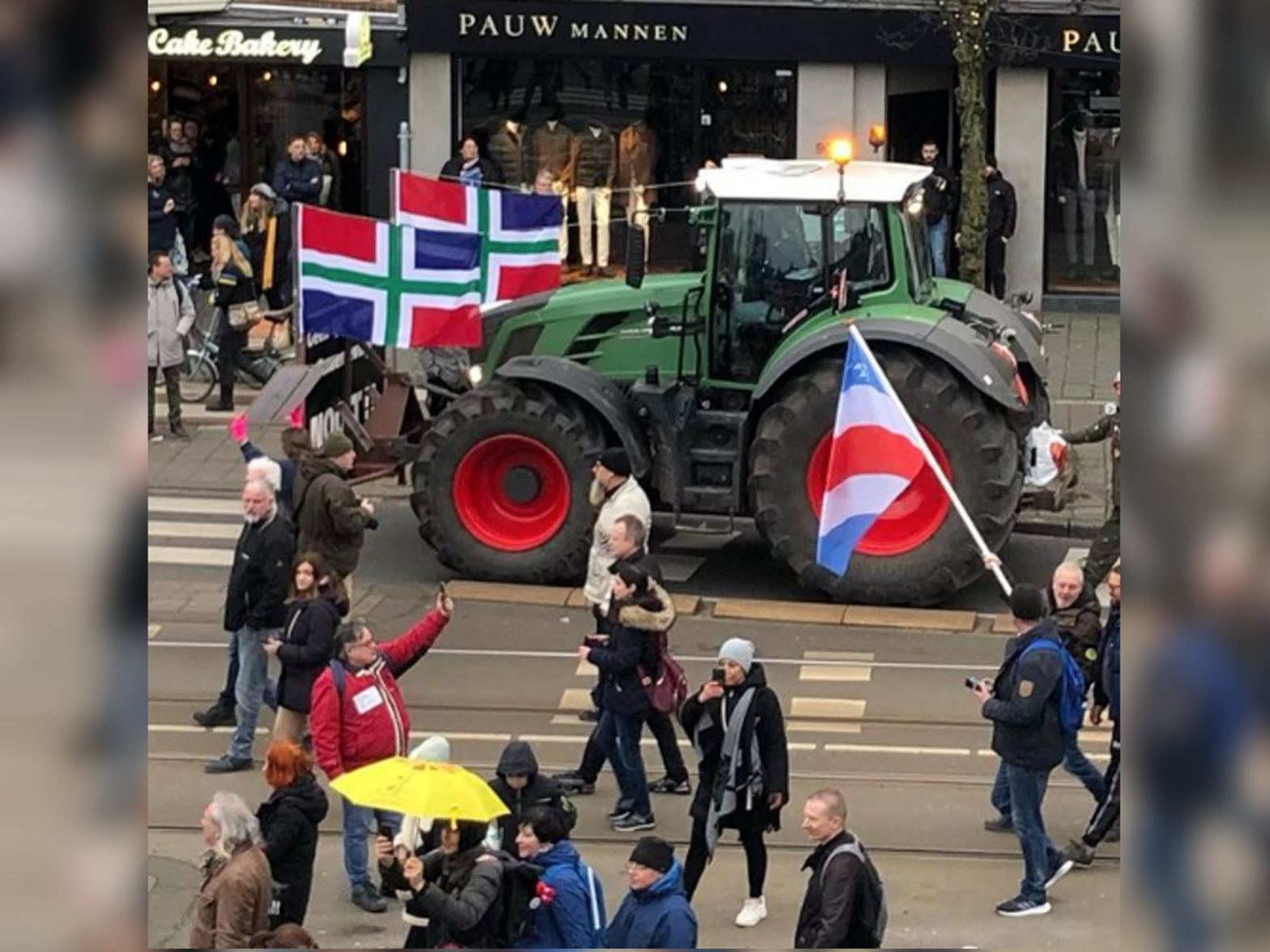
As anti-vax protests fade from public debate, “alternative media” have found an unlikely new hot topic: Dutch farmers. And across the Atlantic, some sources claim a convenient would-be connection to Canadian truckers who blockaded trade earlier this year.
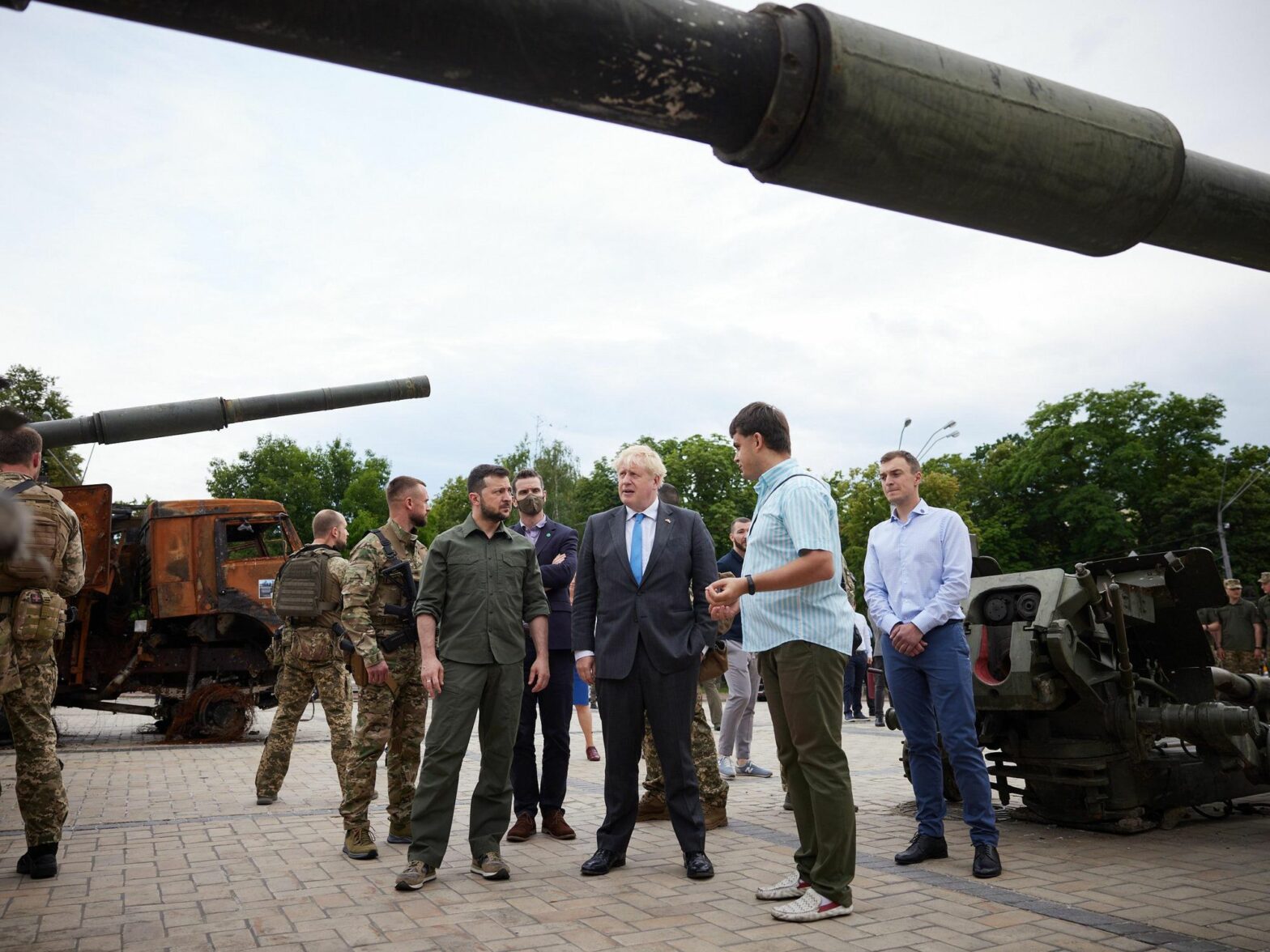
As one of the world’s most ardent supporters of the Ukrainian cause, UK Prime Minister Boris Johnson helped steer the Western response to Vladimir Putin’s invasion. Moscow has been gloating over his fall from grace. The diplomatic cards may (or may not) be shuffled by a switch at 10 Downing Street.
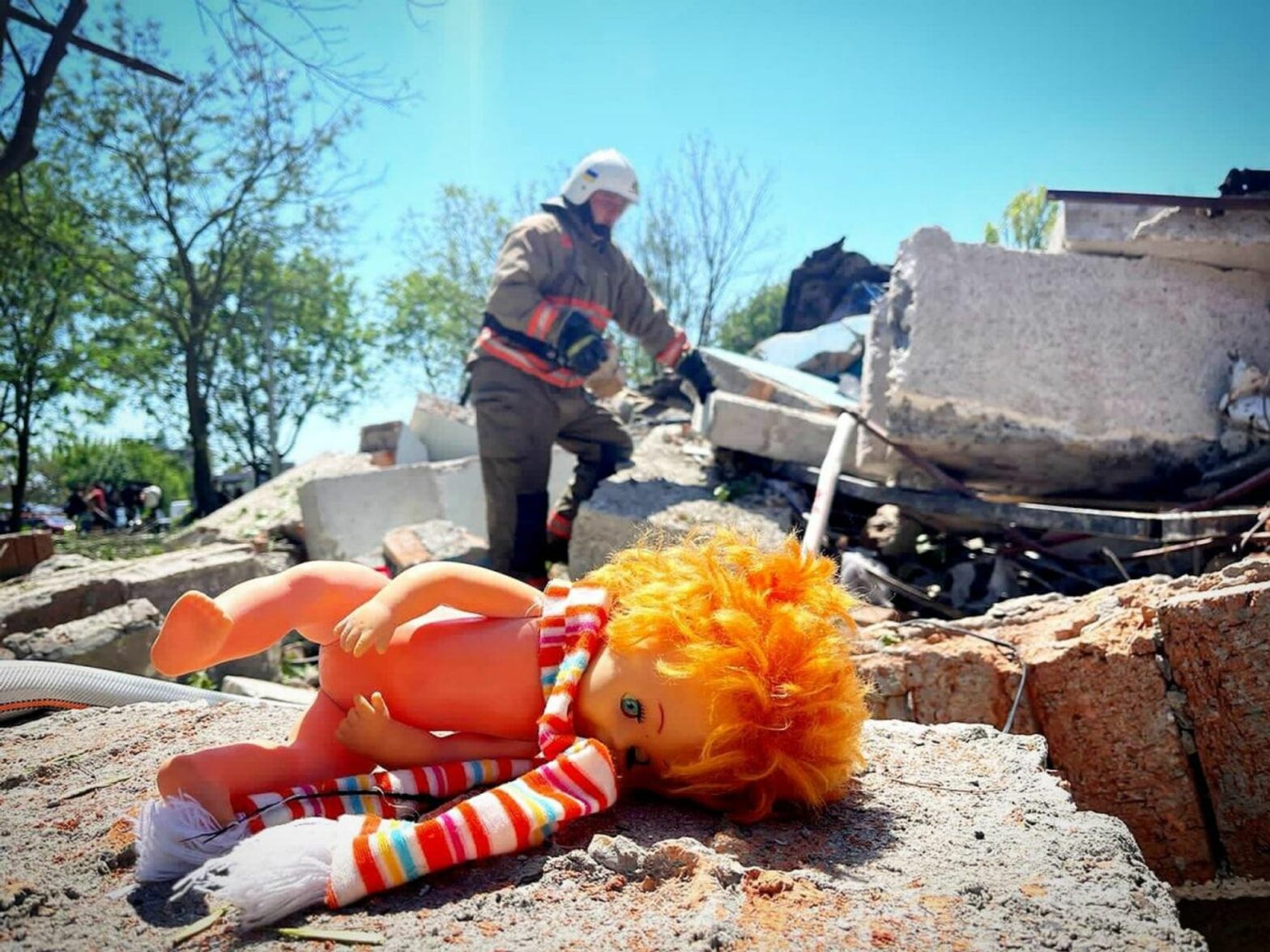
The fate of Mykolaiv and surrounding areas of southern Ukraine are crucial in the next stage of the war. A reporter visits local villages … and the troops on the front line.
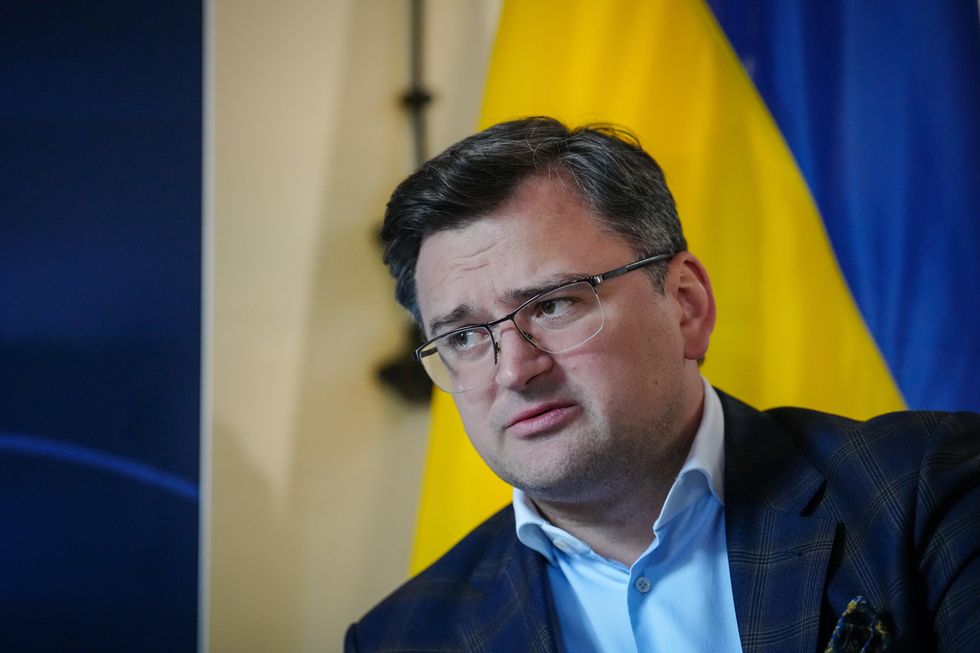
In a rare in-depth interview, Ukraine’s top diplomat didn’t hold back as he discussed NATO, EU candidacy, and the future of the war with Russia. He also reserves a special “thank you” for Italian Prime Minister Mario Draghi.
Vladimir Putin has been upfront about his desire to rebuild Russia’s influence in the region. Former Soviet states are watching developments in Ukraine closely, with many trying to ensure futures free of interference by Moscow.
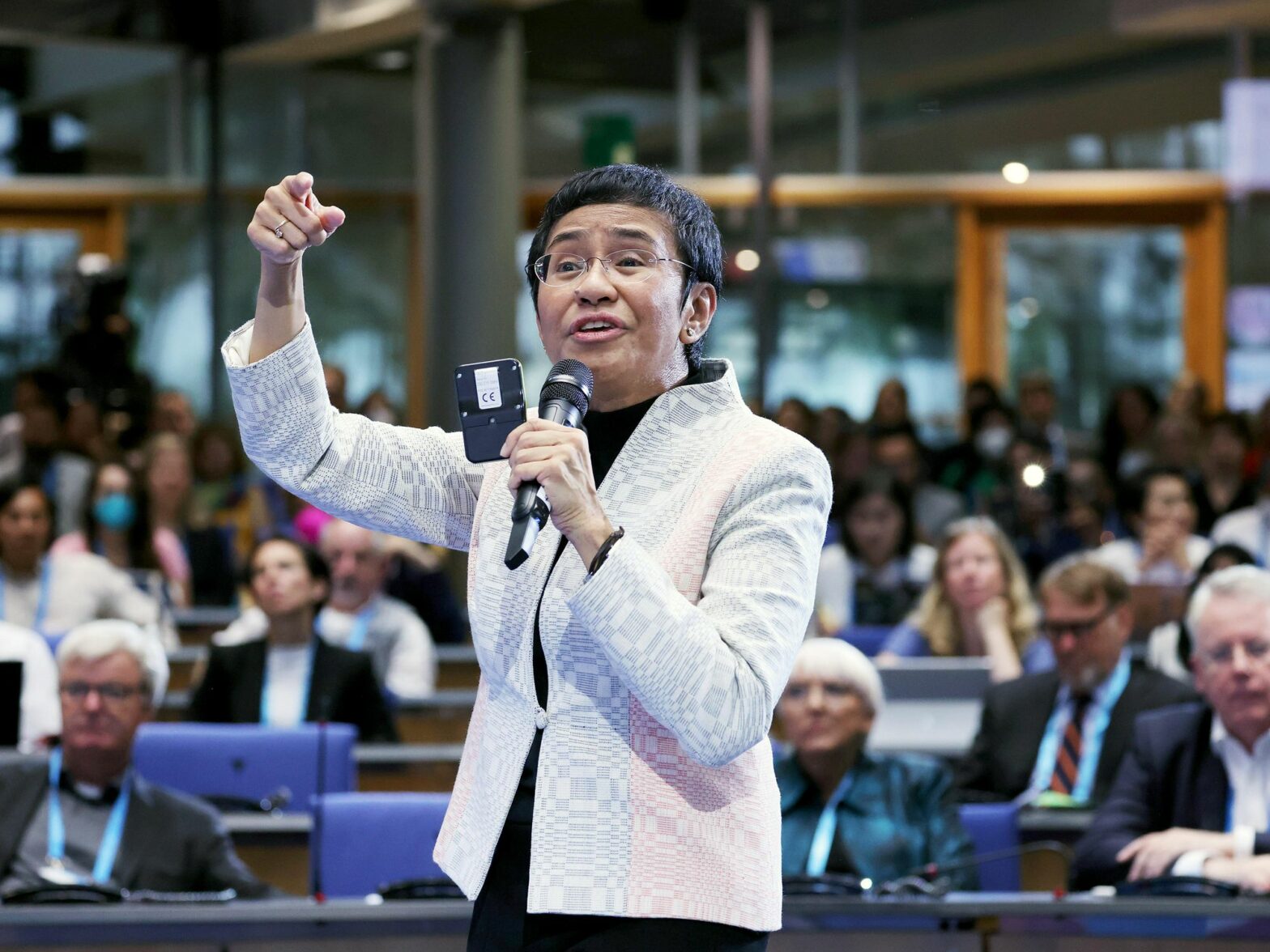
The Rappler CEO and Nobel Peace Prize winner spoke with The Wire‘s Arfa Khanum Sherwani about how journalists everywhere need to prepare themselves for the worst-case scenario of government-ordered closure and what they should do to face up to such a challenge.
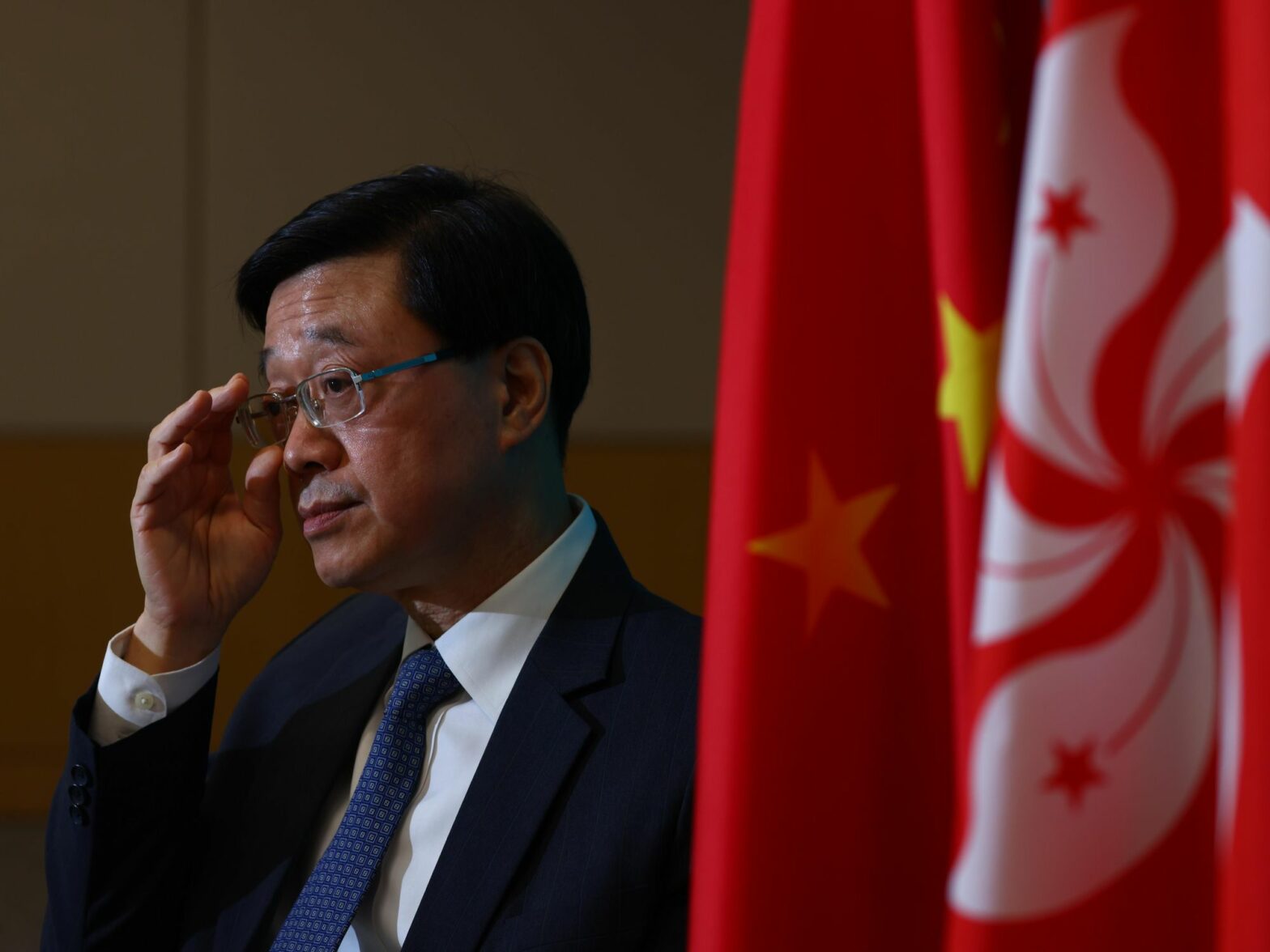
The festivities to mark 25 years since the British handover to China of Hong Kong also marked the official arrival of the new leader of Hong Kong, John Lee, who will move things even faster and closer to Beijing.
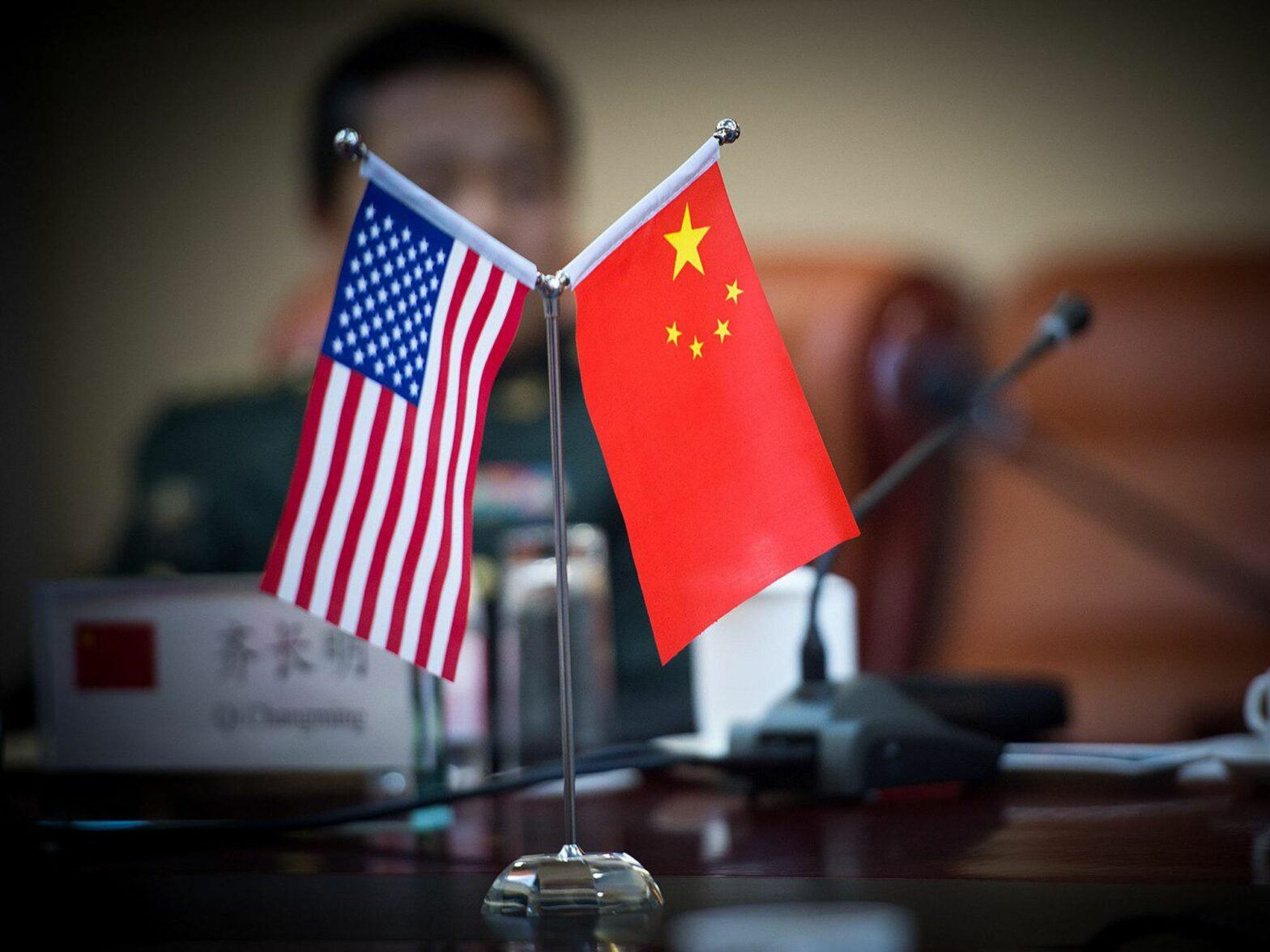
With an activist Supreme Court creating a gap between democratic rhetoric and reality in the U.S., and Russia and China eager to flex military muscle, the full-force return to hard power looks bound for dominance.
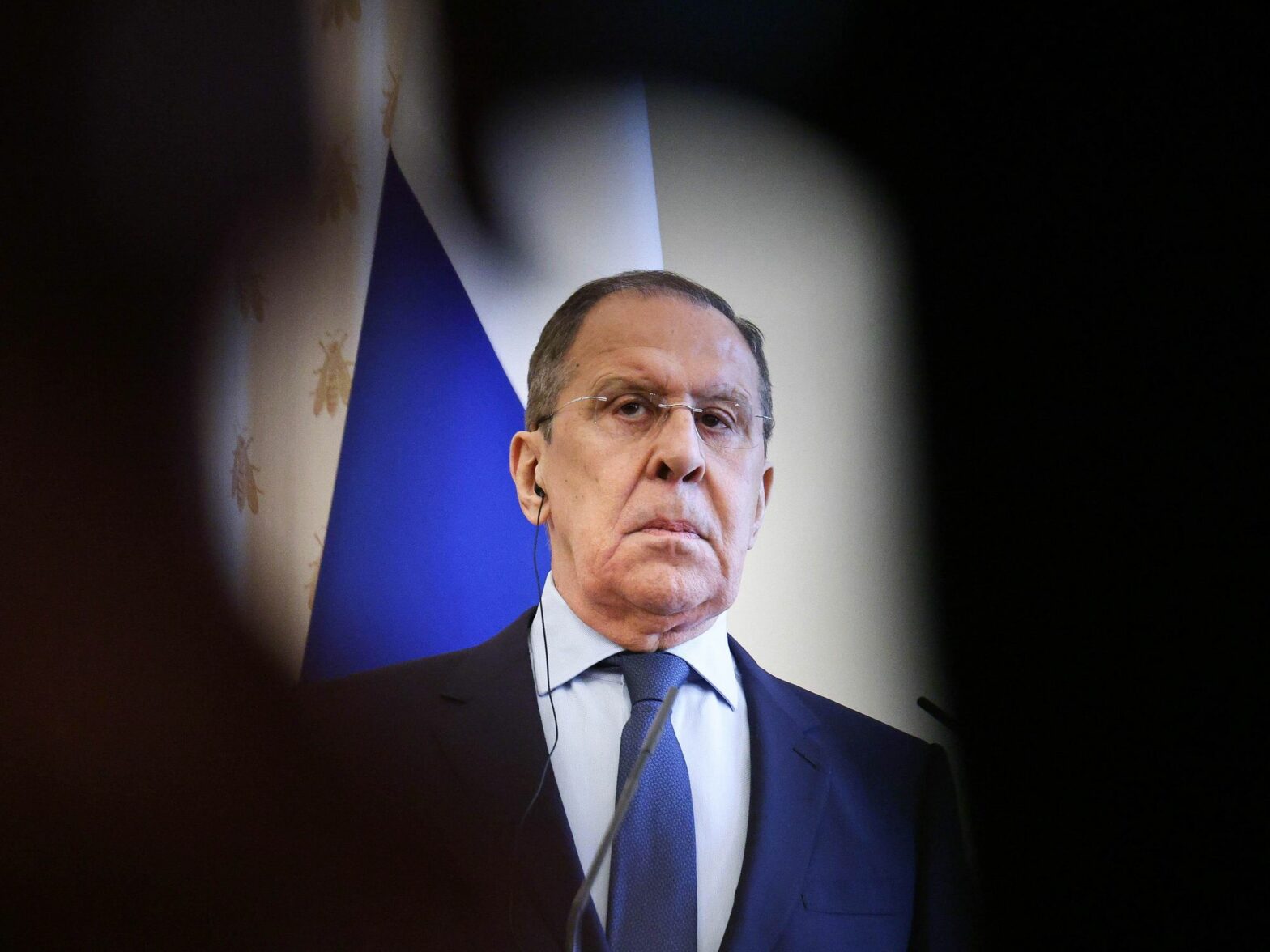
The Russian Foreign Minister, among the country’s most recognizable figures, embodies both the corruption and confusion of the Putin regime. Not everything is what it seems — and that’s the point.
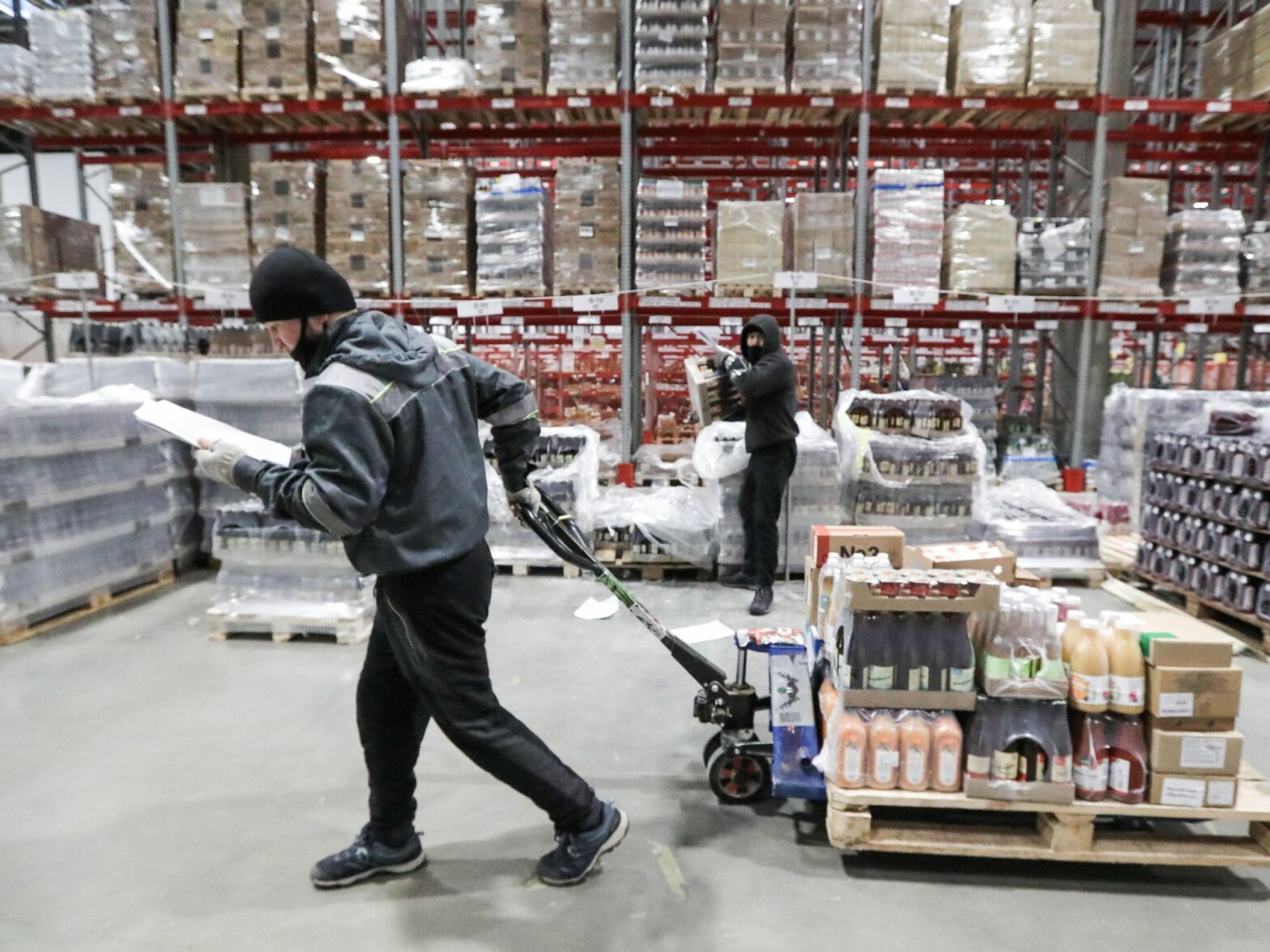
The head of the Kremlin boasted at the recent forum in St. Petersburg International Economic Forum about Russia’s economic resilience against Western sanctions. But behind the scenes, Russian business leaders tell a different story.
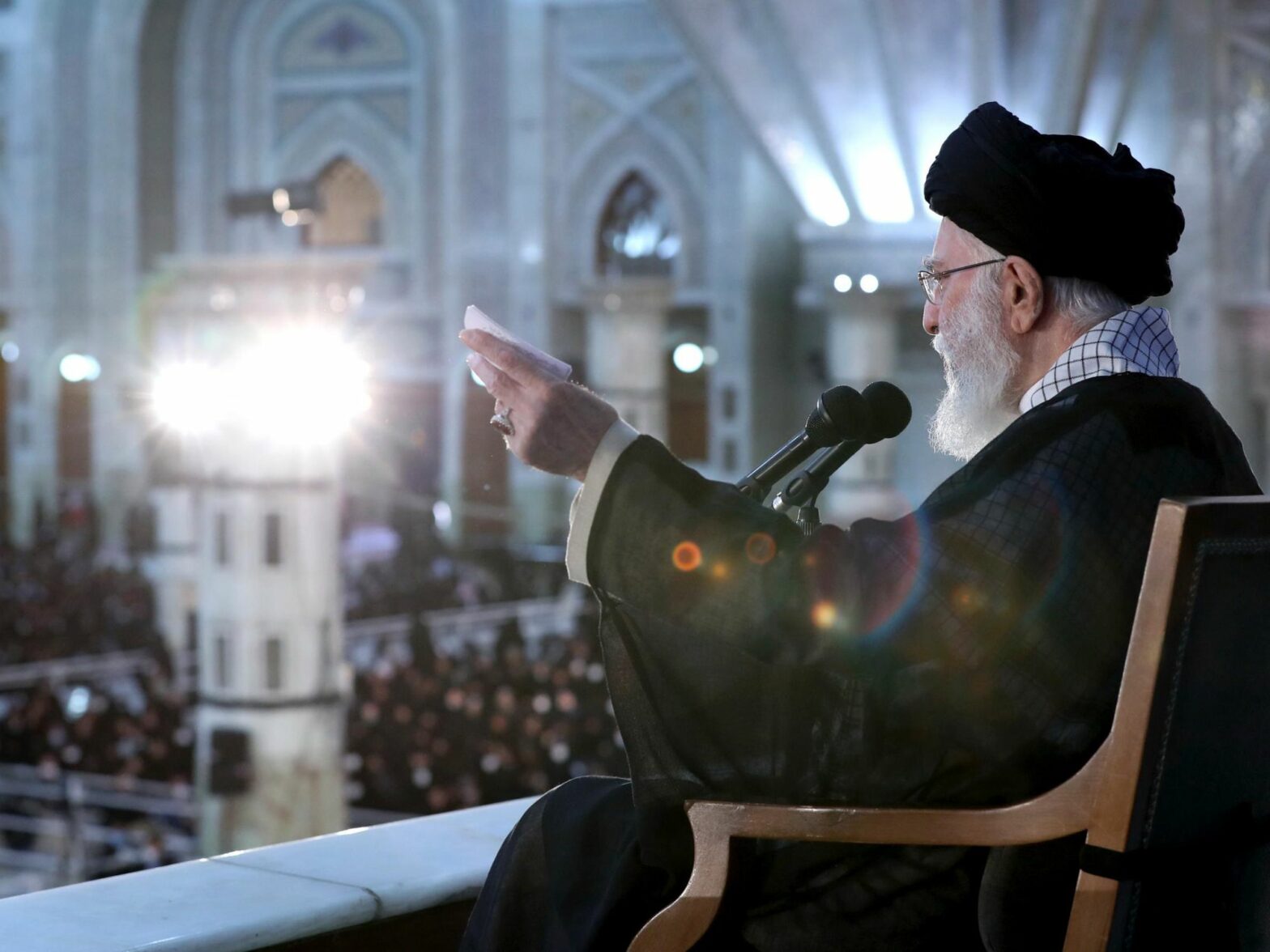
After years of ignoring or downplaying domestic protests in Iran, Western states and media have begun to imagine — and even prepare for — the still slim but growing possibility of a regime change in Tehran.
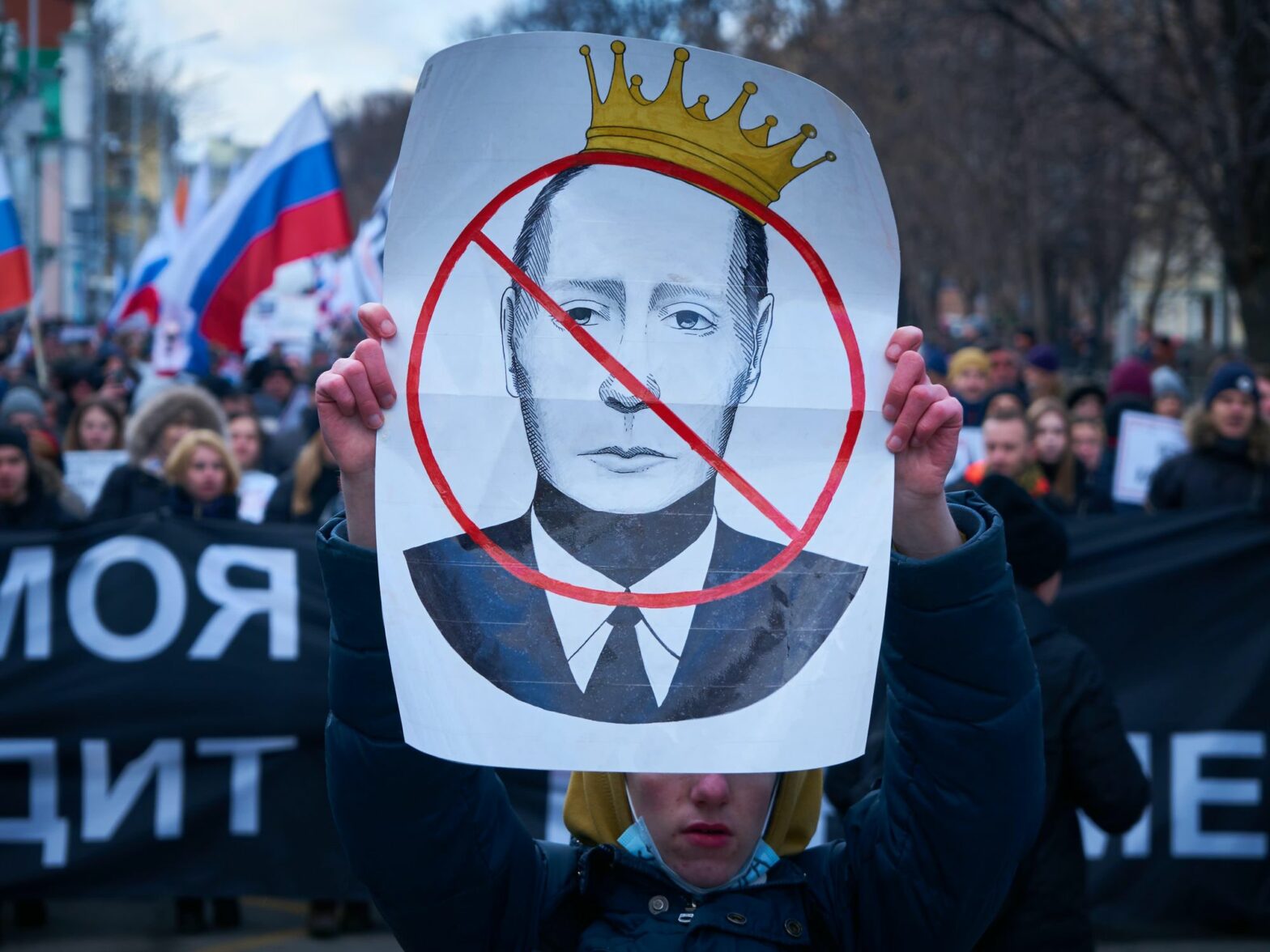
French President Emmanuel Macron is making a point of keeping an open dialogue with Putin, hoping to avoid a world war at all costs. But he needs to get his historical comparisons (and world wars) in order.
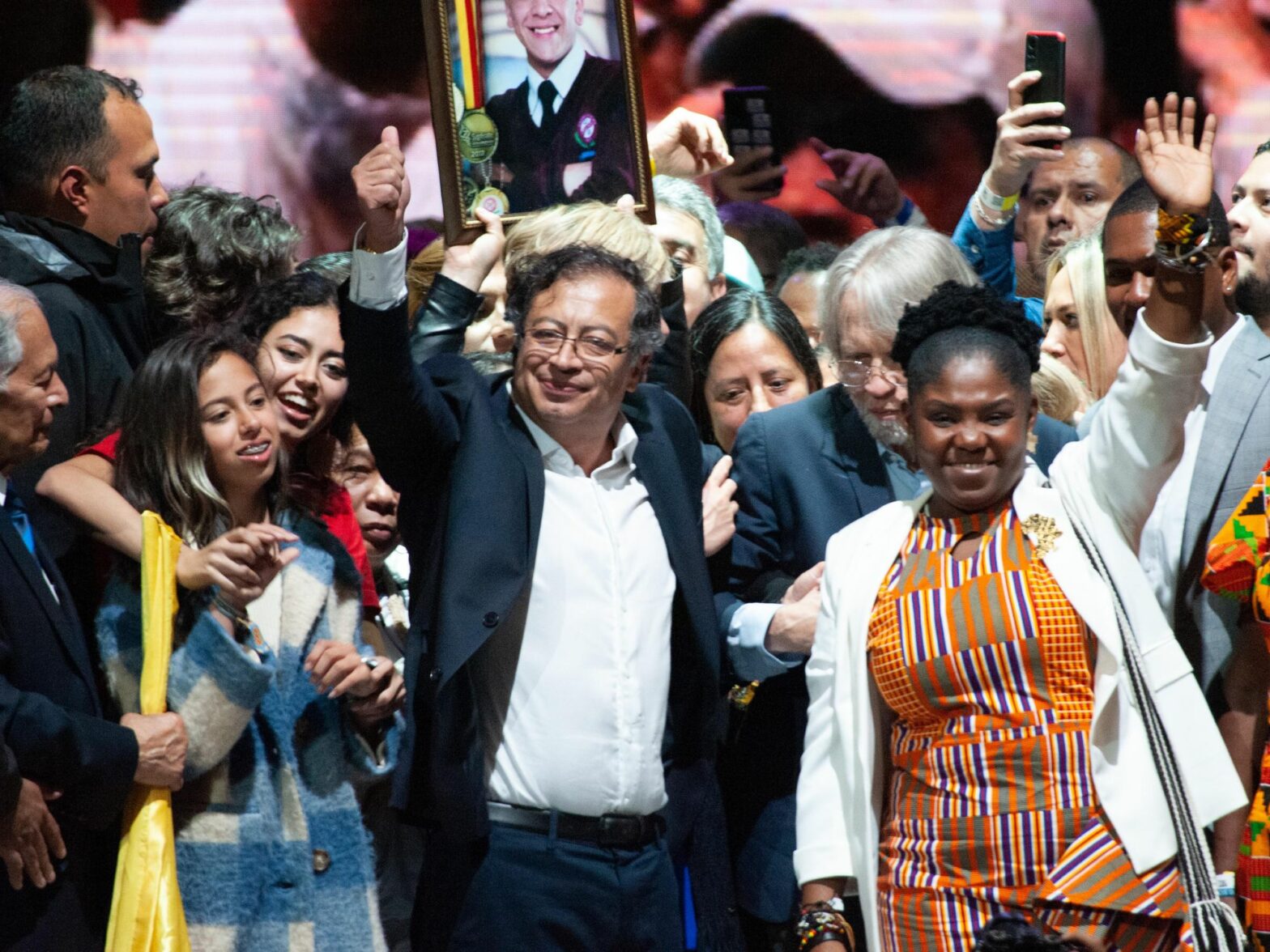
Gustavo Petro’s victory is not only a response to the social ills of today, but having been part of a Marxist guerrilla group that negotiated with the state decades ago, and returned to the social fold, he embodies the nation’s democratic future.
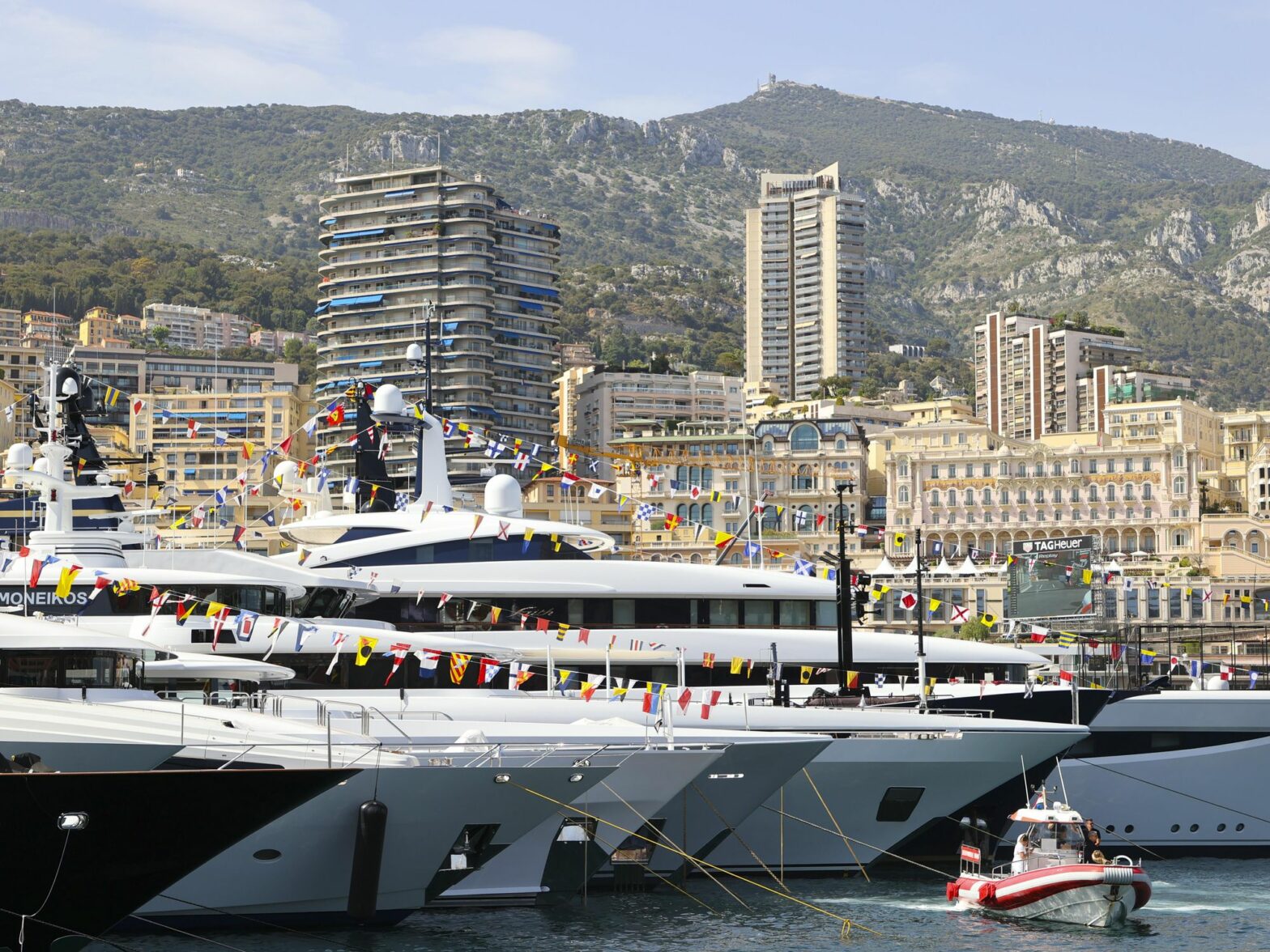
According to the EU Commission, the amount of confiscated Russian assets has doubled since April, German daily Die Welt reveals, including yachts, real estate, artwork and more.
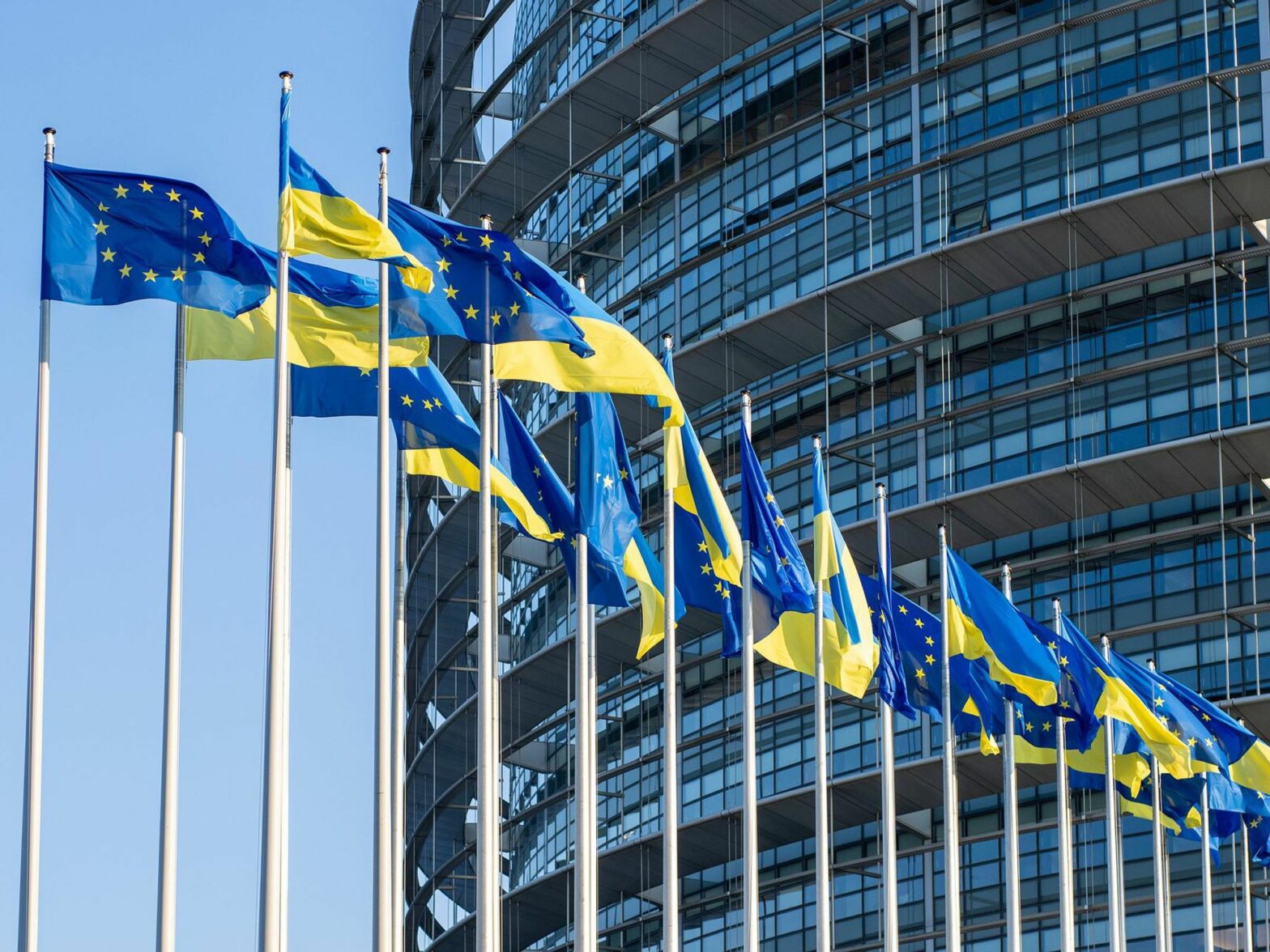
The prospects of Ukraine and other countries joining the EU force Europe to rethink the very basic way it functions. This moment of crisis can be a bonafide opportunity for the European Union, but will require a level of courage and ambition that has been lacking.
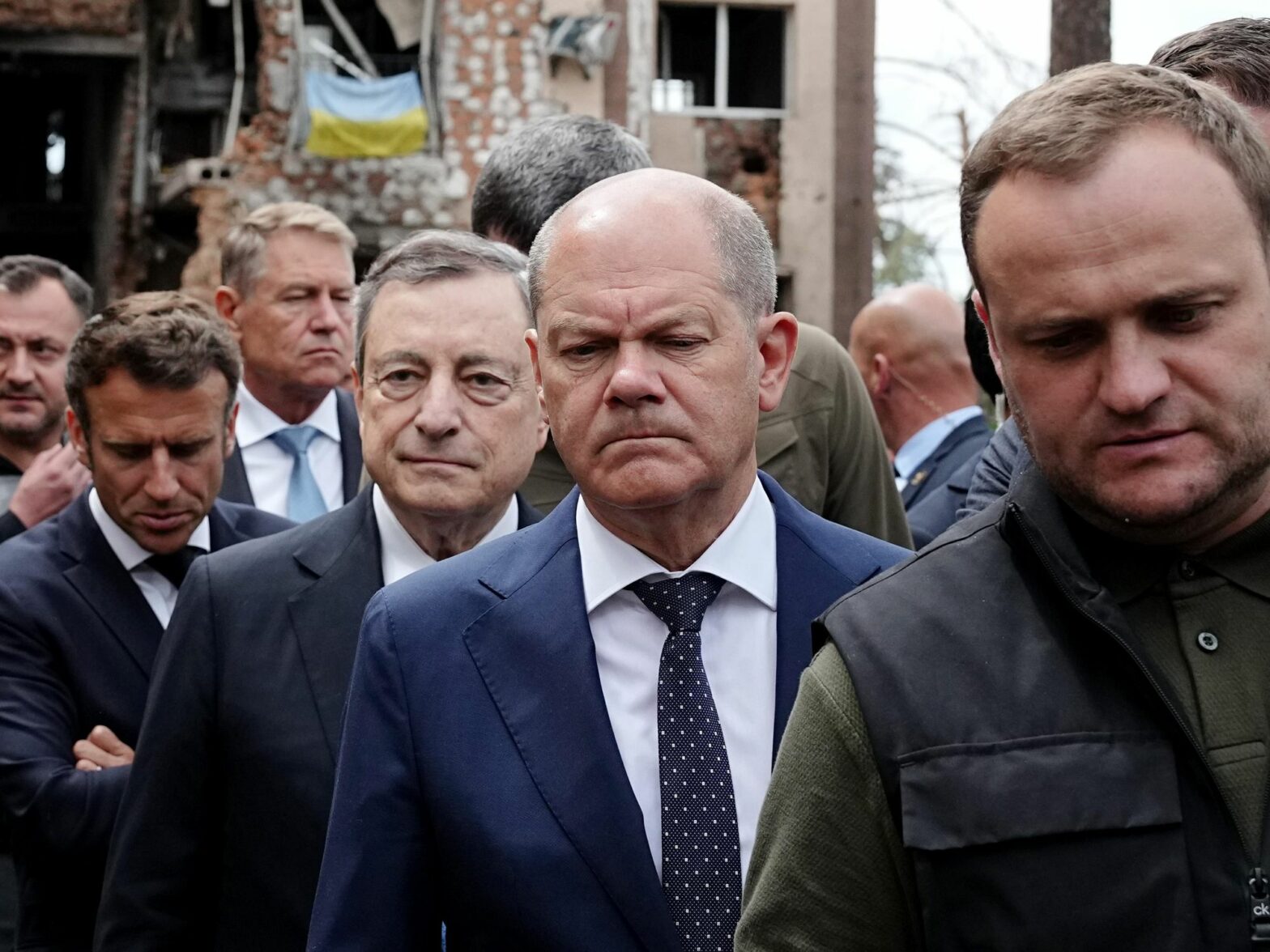
Ukrainians assess their friends, enemies and frenemies…
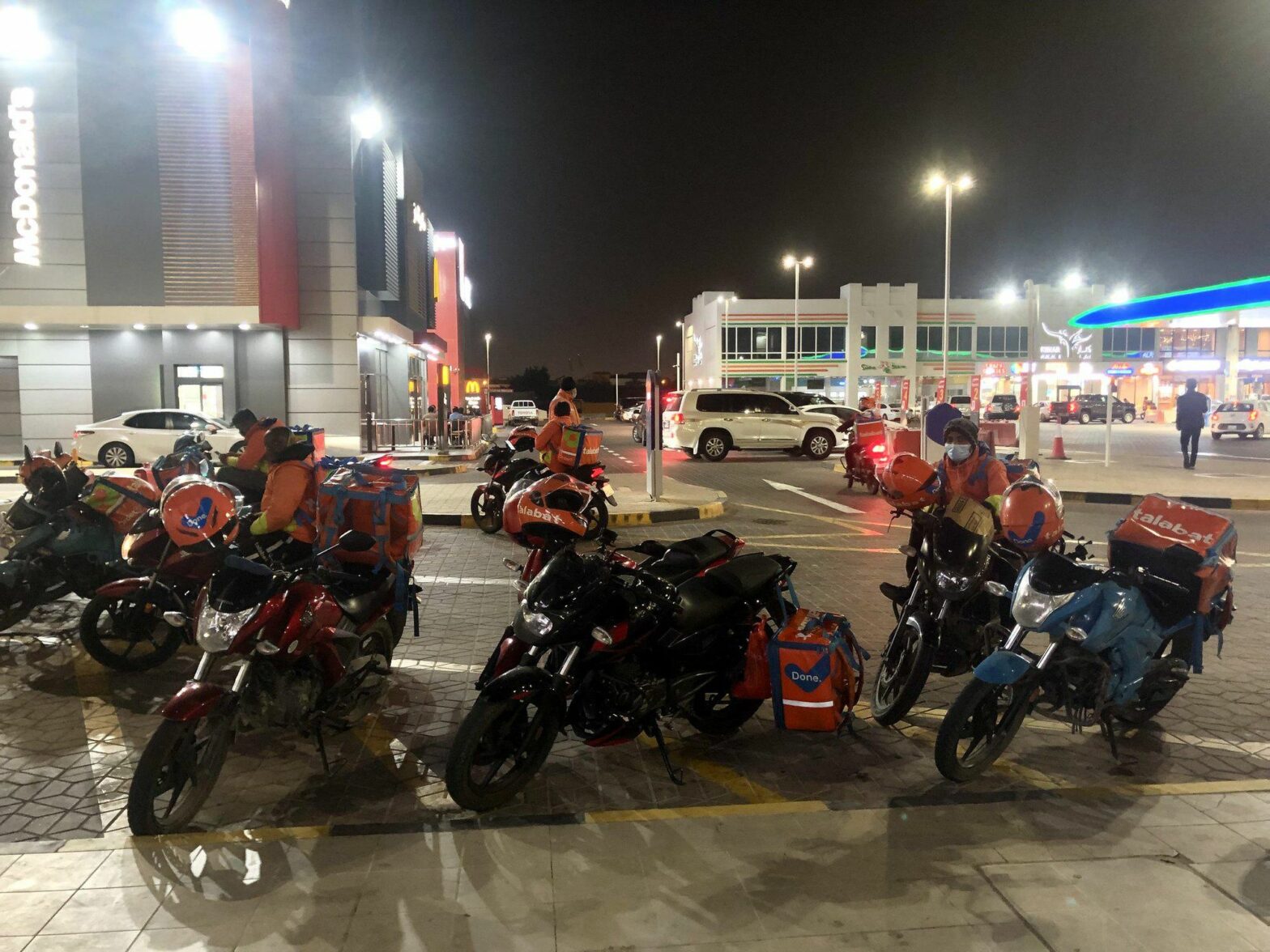
Labor strikes are forbidden in the Emirates, but two consecutive work stoppages by food delivery drivers have made news lately. Could it be a sign of challenges to the UAE’s unequal and authoritarian economic model?