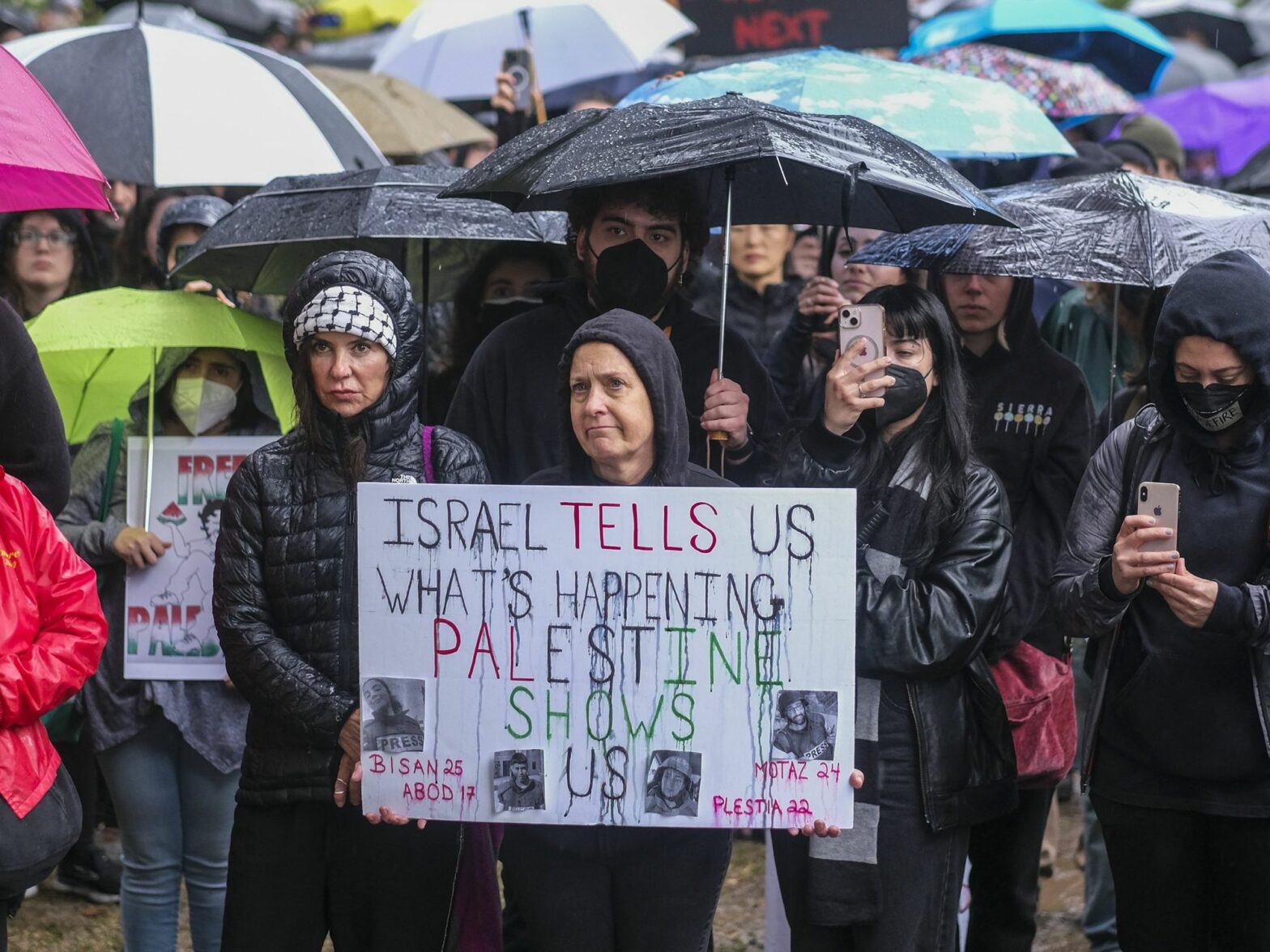
Protests in big cities in the U.S. and Europe against Israel may remind some Iranians of the Western Left’s deluded, and arrogant, support in 1979 for a revolution that turned Iran and the Middle East into a cesspool of terrorism.
 Worldcrunch
Protests in big cities in the U.S. and Europe against Israel may remind some Iranians of the Western Left’s deluded, and arrogant, support in 1979 for a revolution that turned Iran and the Middle East into a cesspool of terrorism.
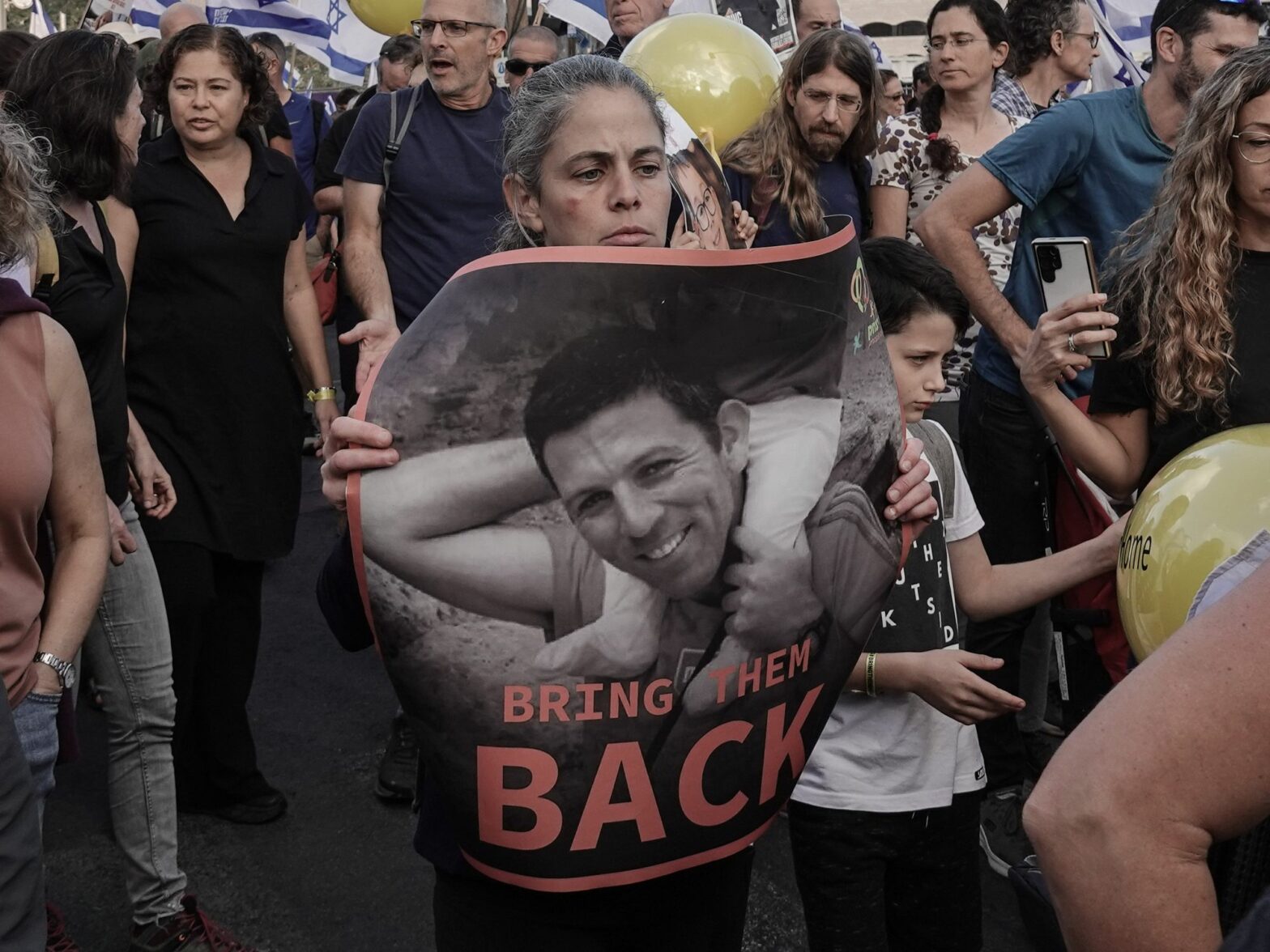
Israeli Prime Minister Benjamin Netanyahu has pushed ahead a deal negotiated via Qatar, for a four-day truce and an exchange of 50 hostages for 150 Palestinian prisoners. Though the humanitarian and political pressure was mounting, Israel’s all-out assault is suddenly halted, with unforeseen consequences for the future.

Argentina has elected a “paleolibertarian” outsider with little experience, and by a wide margin. What does this say about the existing structures of power around the democratic world?
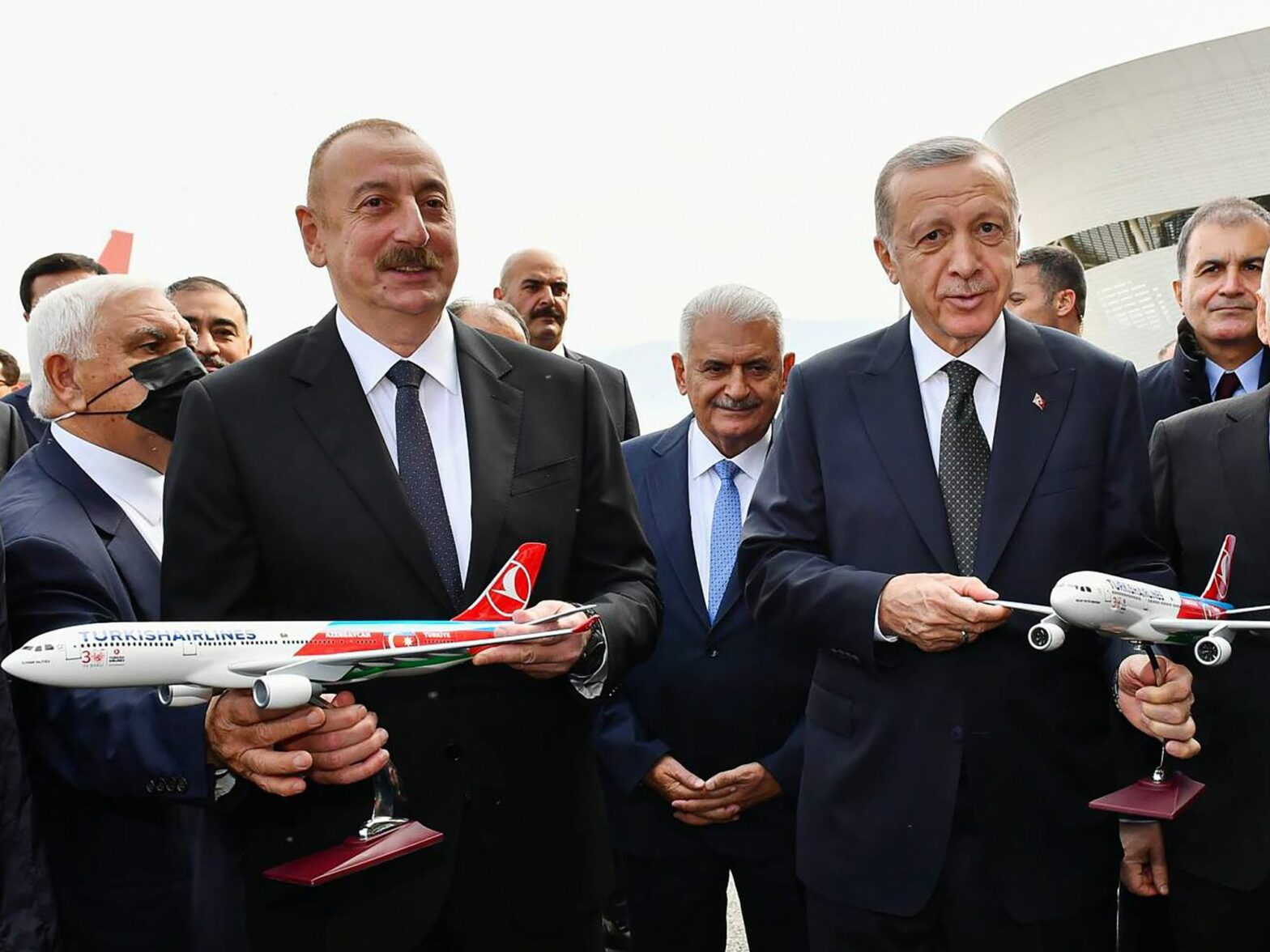
In the last 20 years, Turkish Airlines’ rapid development has shocked its competitors. The carrier is generating substantial profits, while serving the interests of the Turkish state.

The radical libertarian Javier Milei confounded the polls to decisively win the second round of Argentina’s presidential elections; now he must win over a nation that has voiced its disgust with the country’s brand of politics as usual.
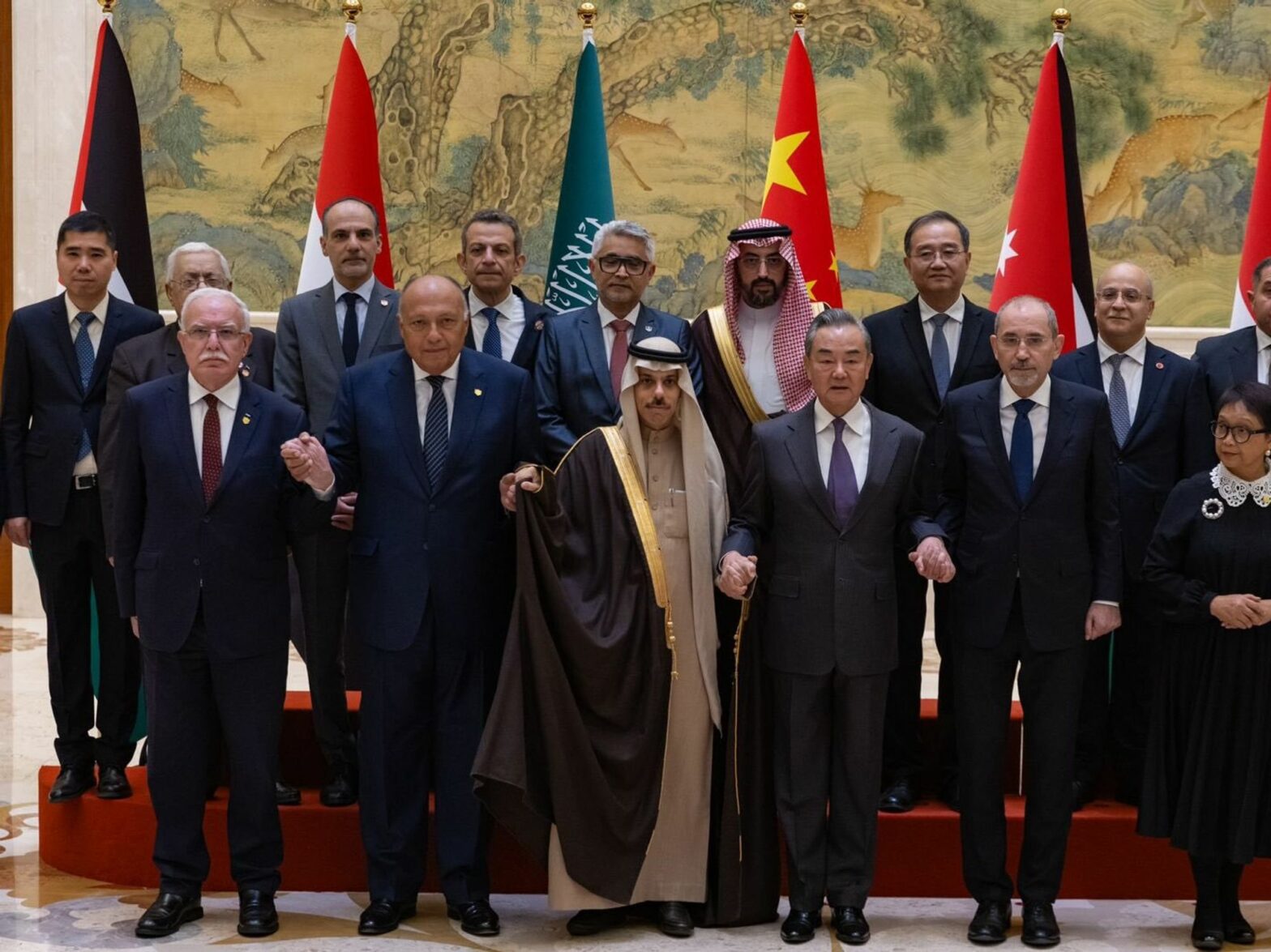
Frustrated by the United States’ unwavering support for Israel’s war on Gaza, Arab governments have looked at other options to help establish a ceasefire before it becomes too late. First stop: Beijing. Moscow’s role may be more obscure, but no less essential, in building a global coalition that counters the West’s stance.
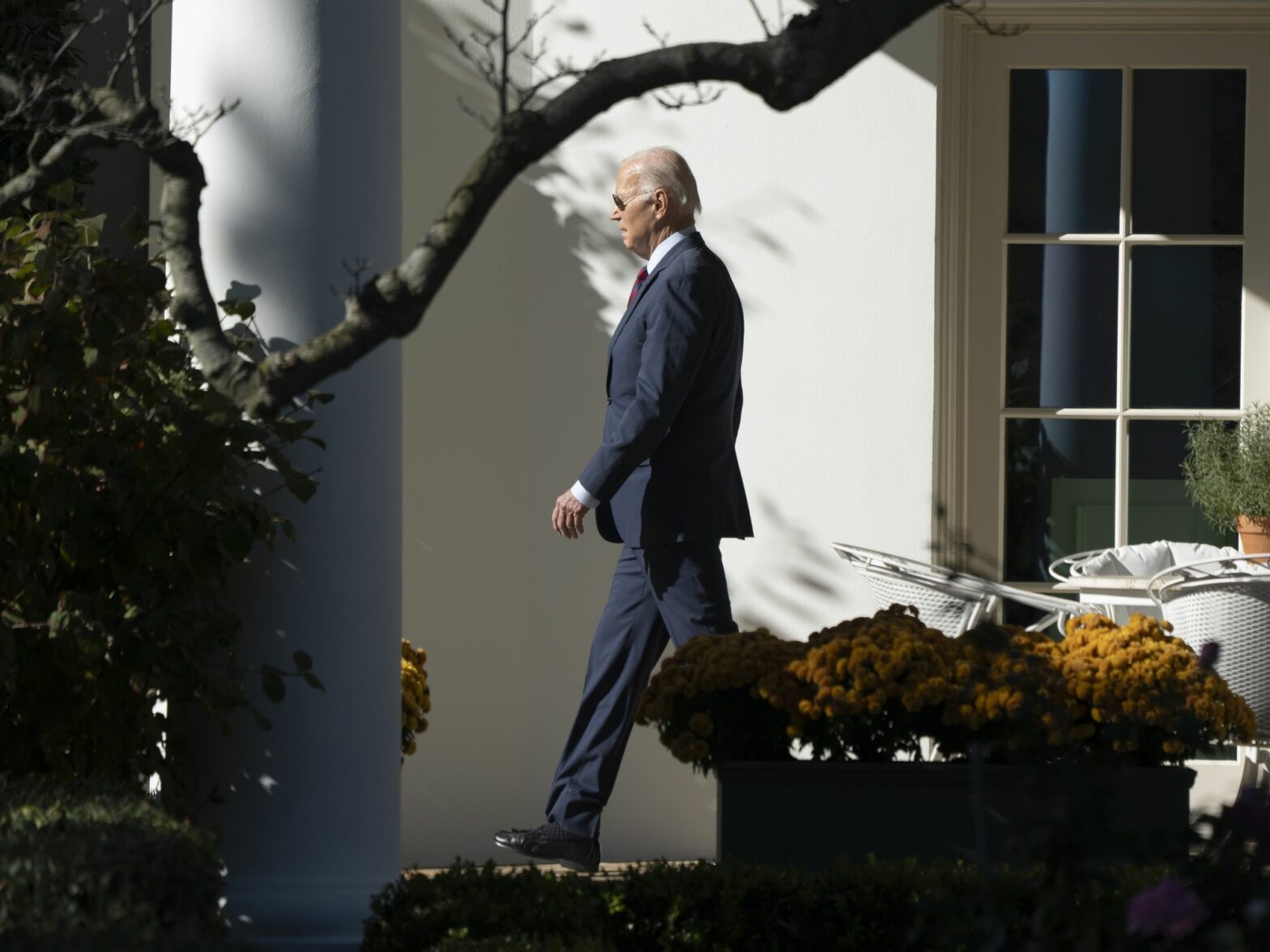
Challenged back home, U.S. President Joe Biden has just published an op-ed in the Washington Post in which he outlines a future for the Palestinian territories that’s different from the one envisaged by Israeli Prime Minister Benjamin Netanyahu, and threatens violent settlers in the West Bank with sanctions. But where are the teeth?
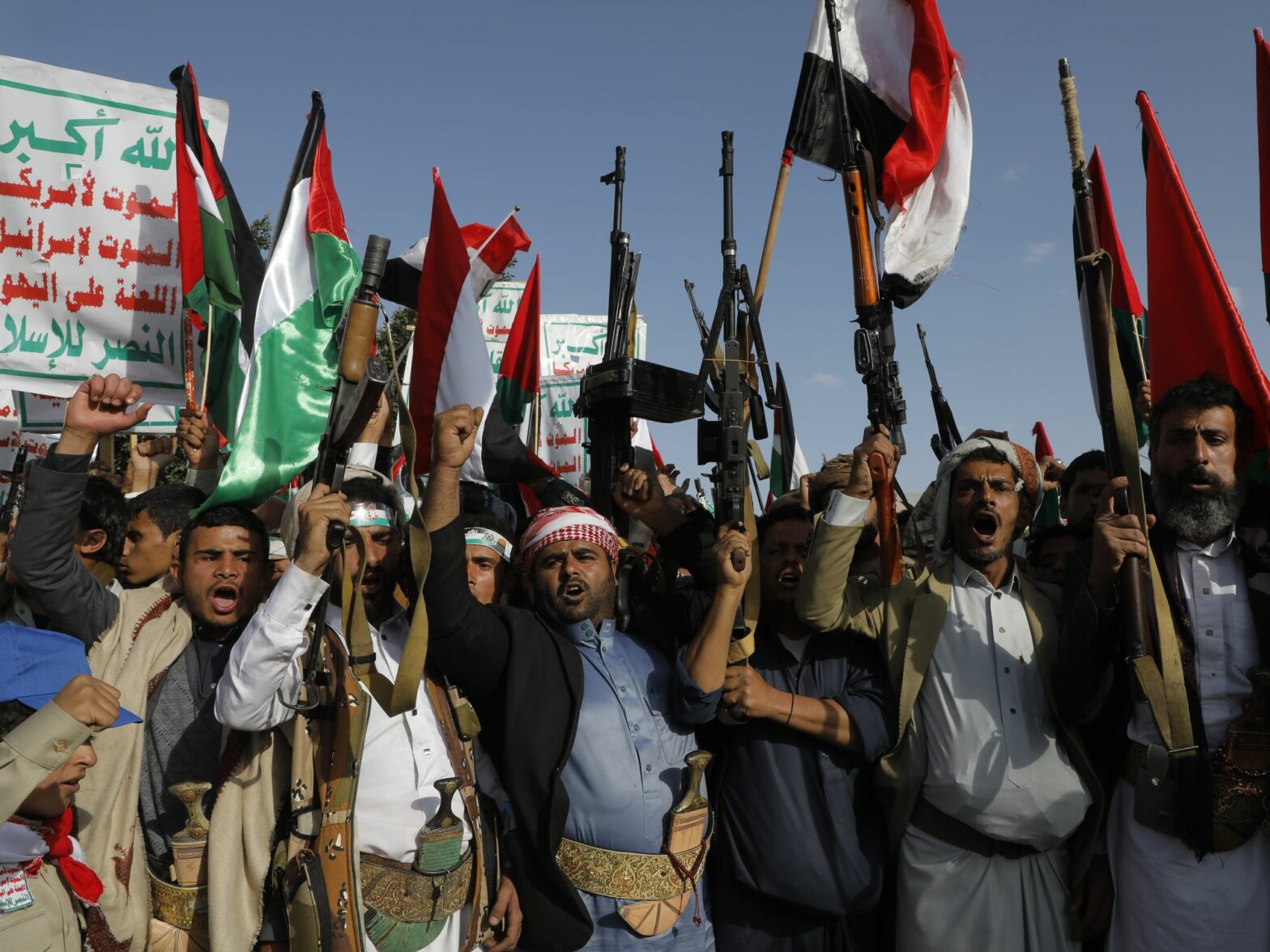
The Iran-backed Yemeni rebel group Houthis have seized a vessel in the Red Sea’s shipping route and took the ship’s 25 crew members hostage. It’s just the latest sign that the spillover from Gaza may arrive first from the south.

Javier Milei has scored a stunning victory on a populist far-right platform promising maximum personal liberties and a shrunken state. But the deep rifts and economic hardship in Argentinian society present huge risks for the nation and its incoming president.

Trashing politics and politicians is a classic tool of populists to seduce angry voters, and take countries into quagmires far worse than the worst years of democracy. It’s a dynamic Argentina appears particularly vulnerable to.
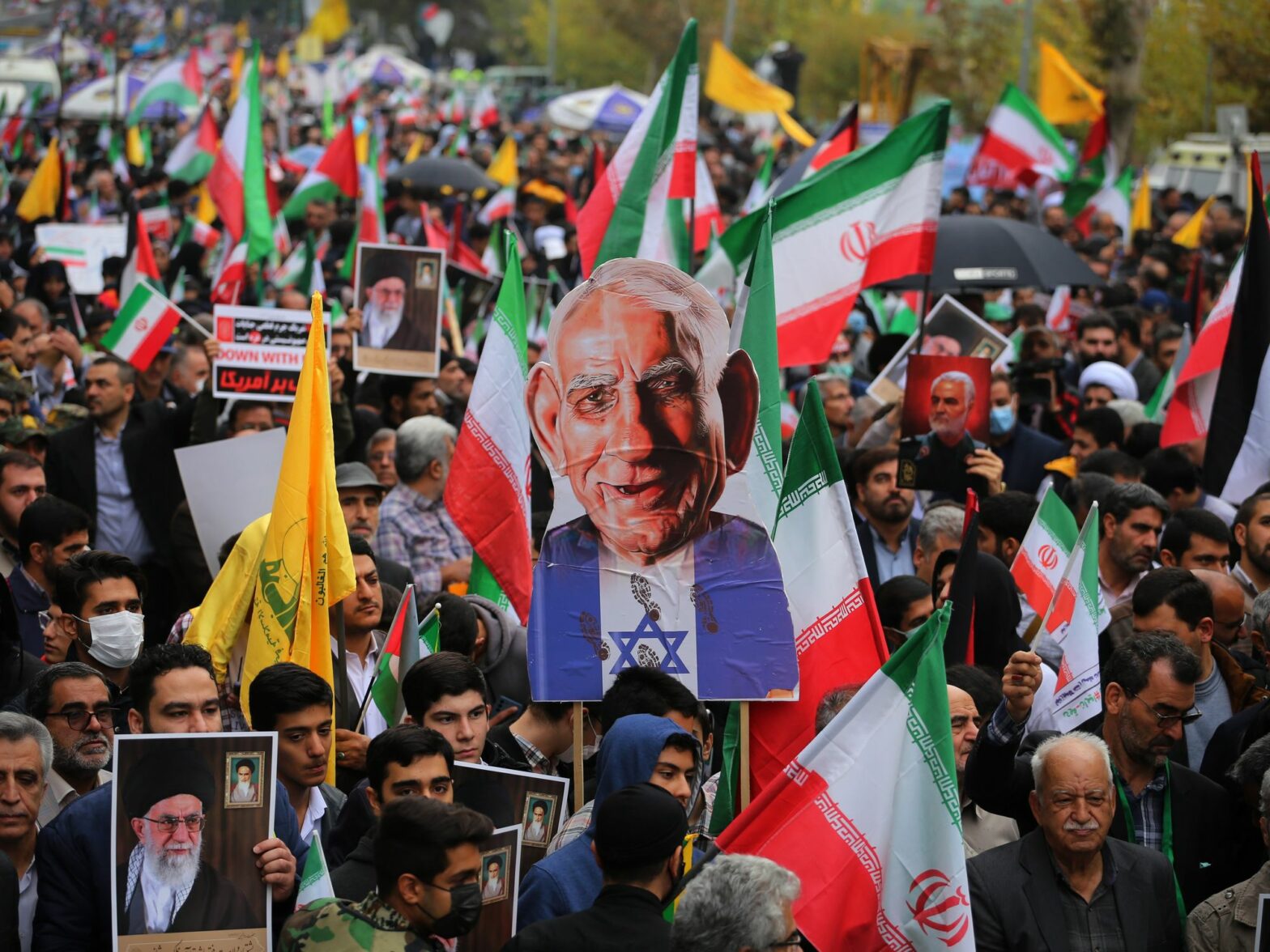
Iran this week has reaffirmed its full support for Hamas, issuing new threats to escalate with more attacks like Oct. 7. This came after some in the region had criticized Iran for now joining the fray directly. With the rising rhetoric, Iran can’t stay passive forever.
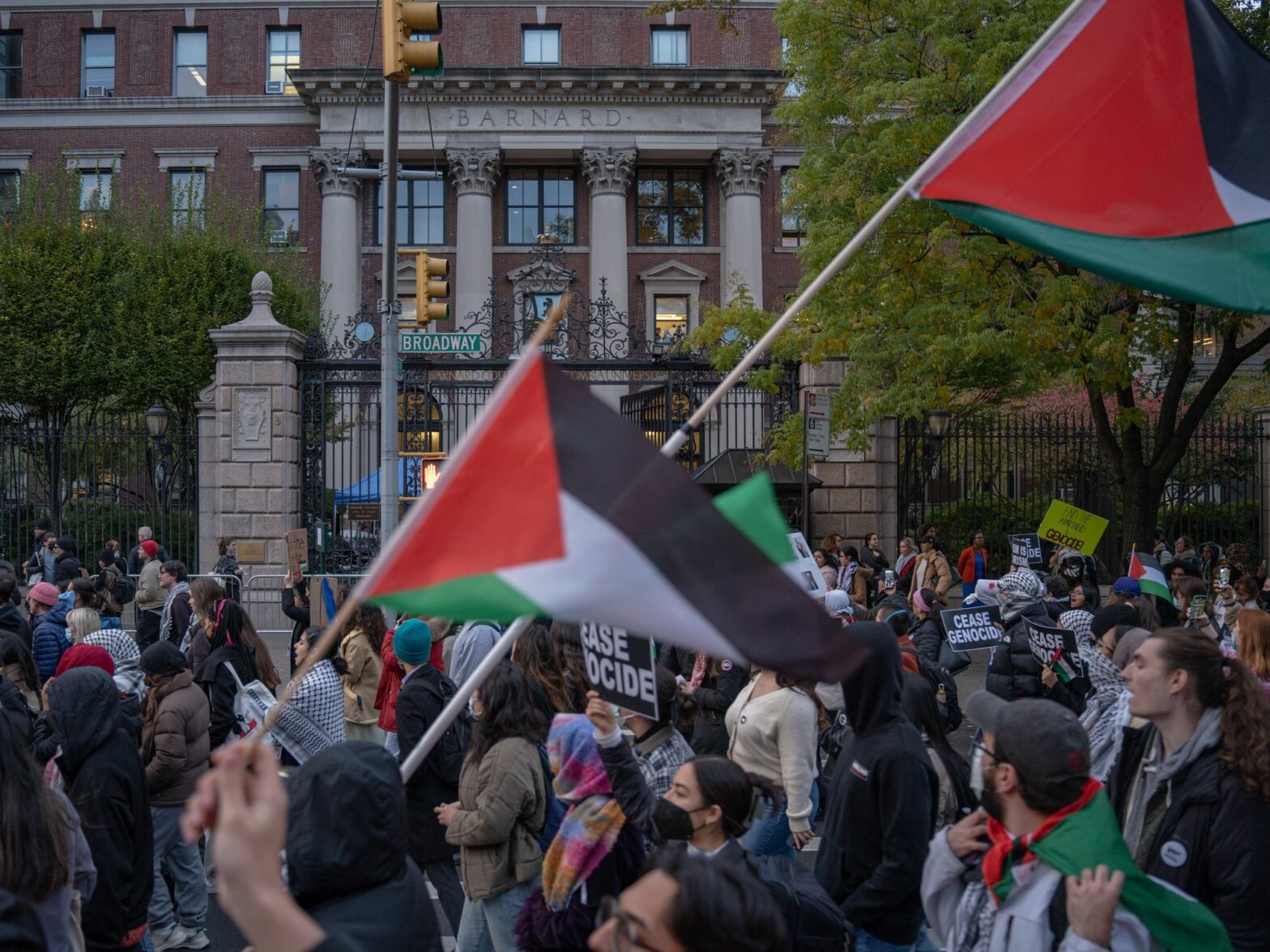
Taking the U.S. and France as leading indicators, with different histories and relationships inside the Middle East, Israel should be very worried about maintaining the support of its Western allies. The criticism of Israel and calls for immediate ceasefires are coming not only from the streets, but also inside the halls of power.
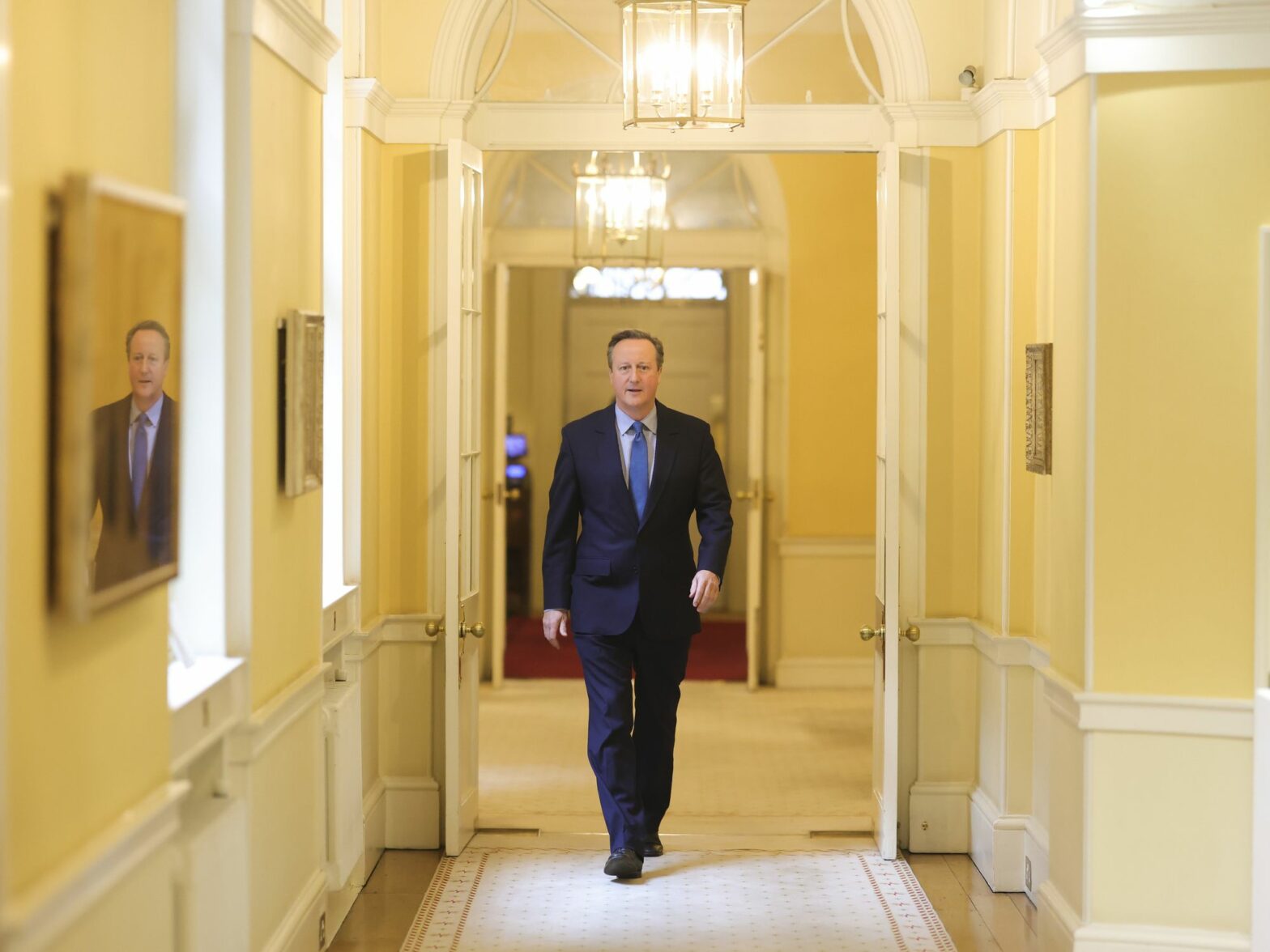
David Cameron’s reentry into British politics as the UK’s new foreign minister is being lauded by Chinese state media as a significant boost for Sino-UK relations. There is a good reason that Beijing is happy to see the former Prime Minister.
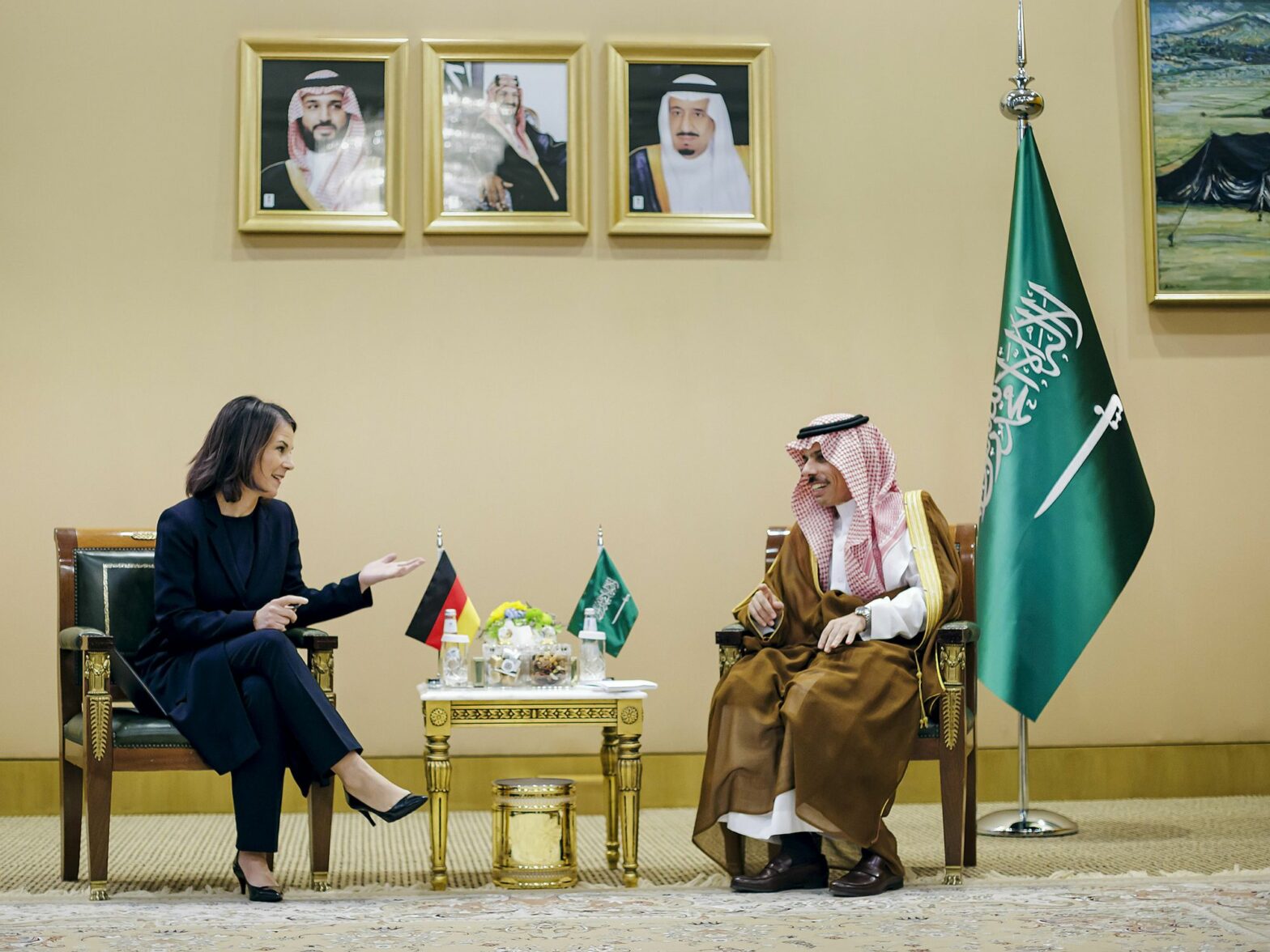
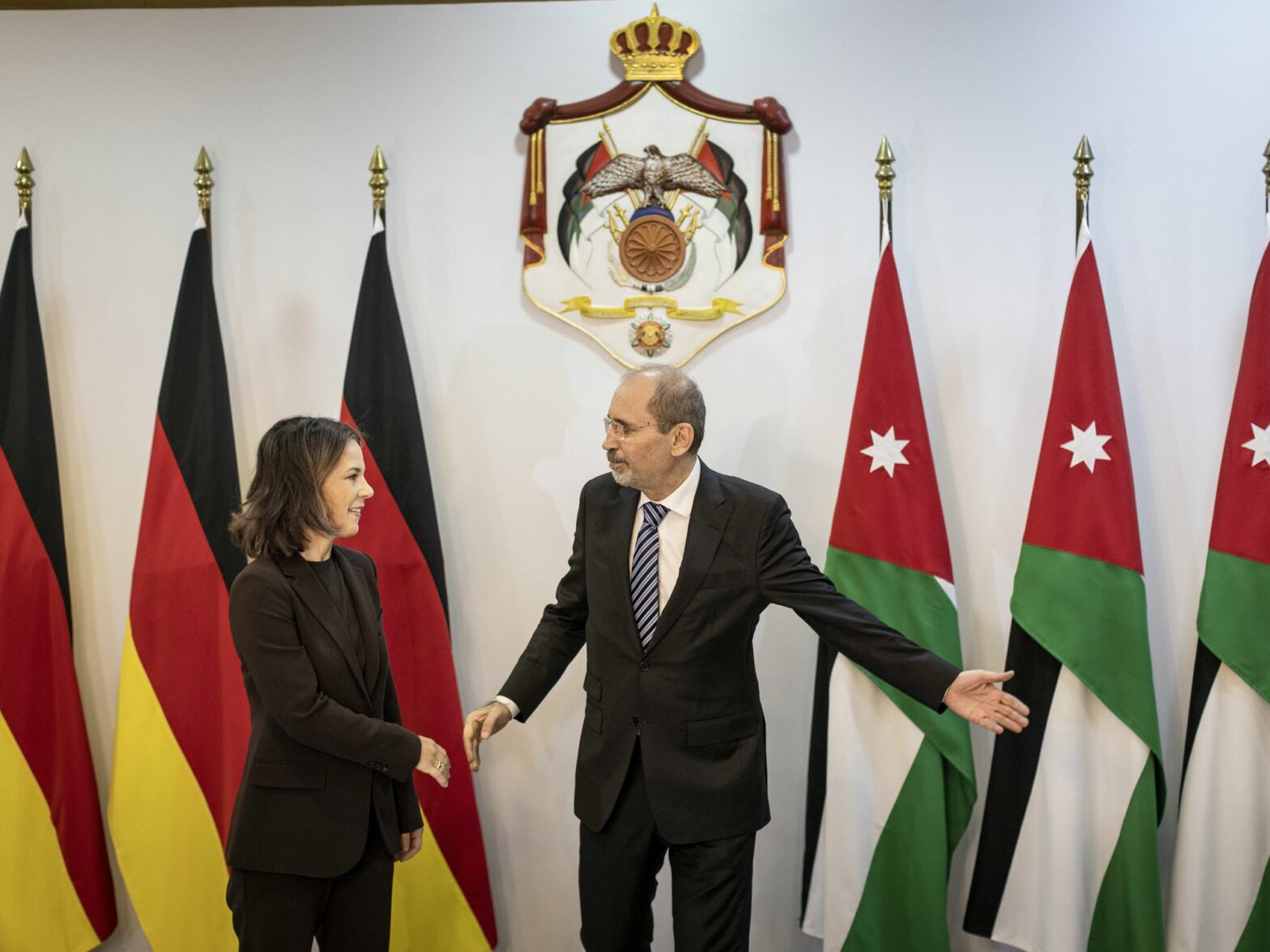
Can Europe play a role in the current conflict in the Middle East? During the recent visit to the region by German Foreign Minister Annalena Baerbock, it appeared clear that Gulf States are in a much better position to negotiate a possible solution.
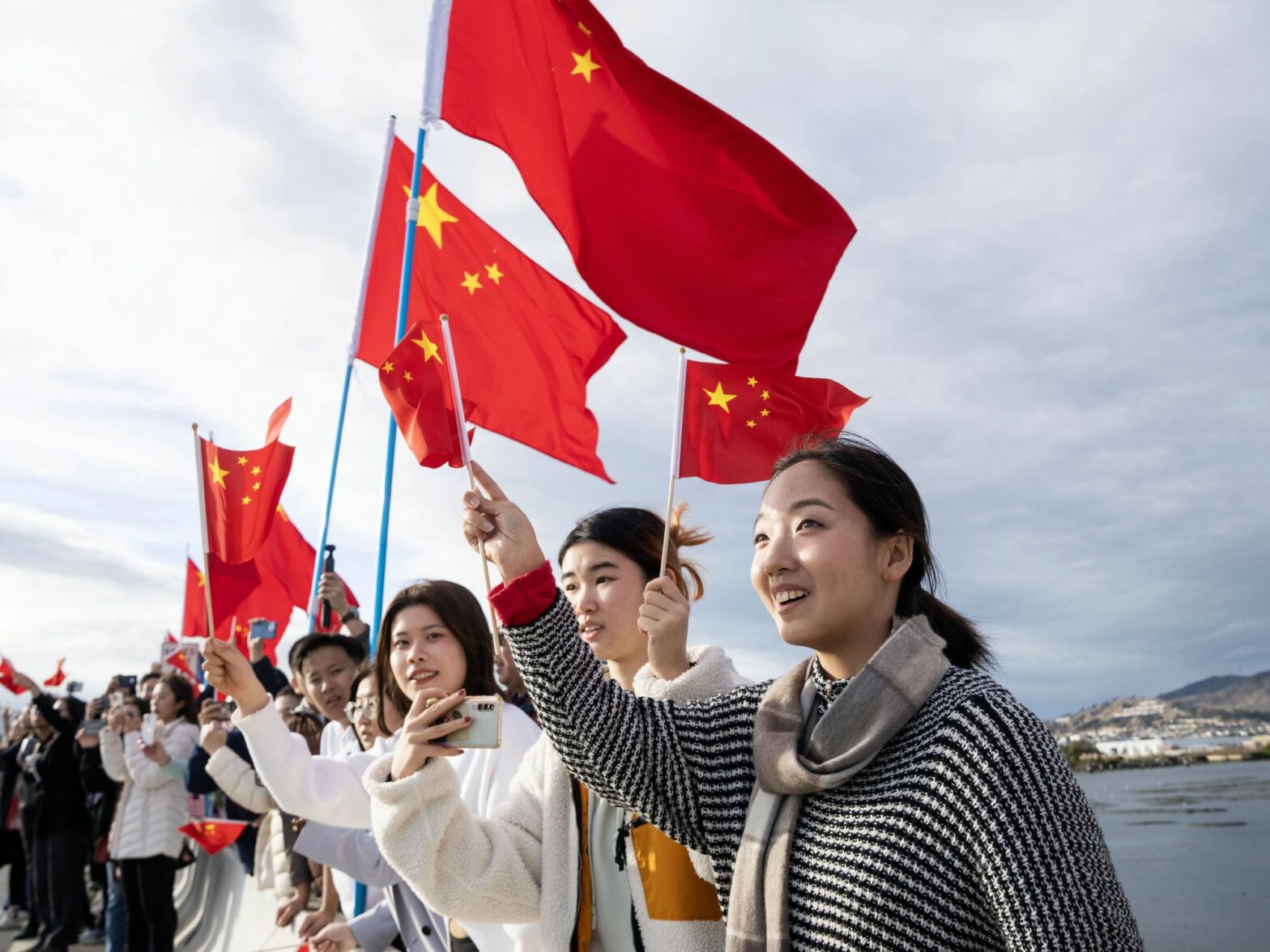
The highly anticipated face-to-face between Joe Biden and Xi Jinping is about more than just global trade, it’s about putting the brakes on humanity sliding into total chaos and conflict.
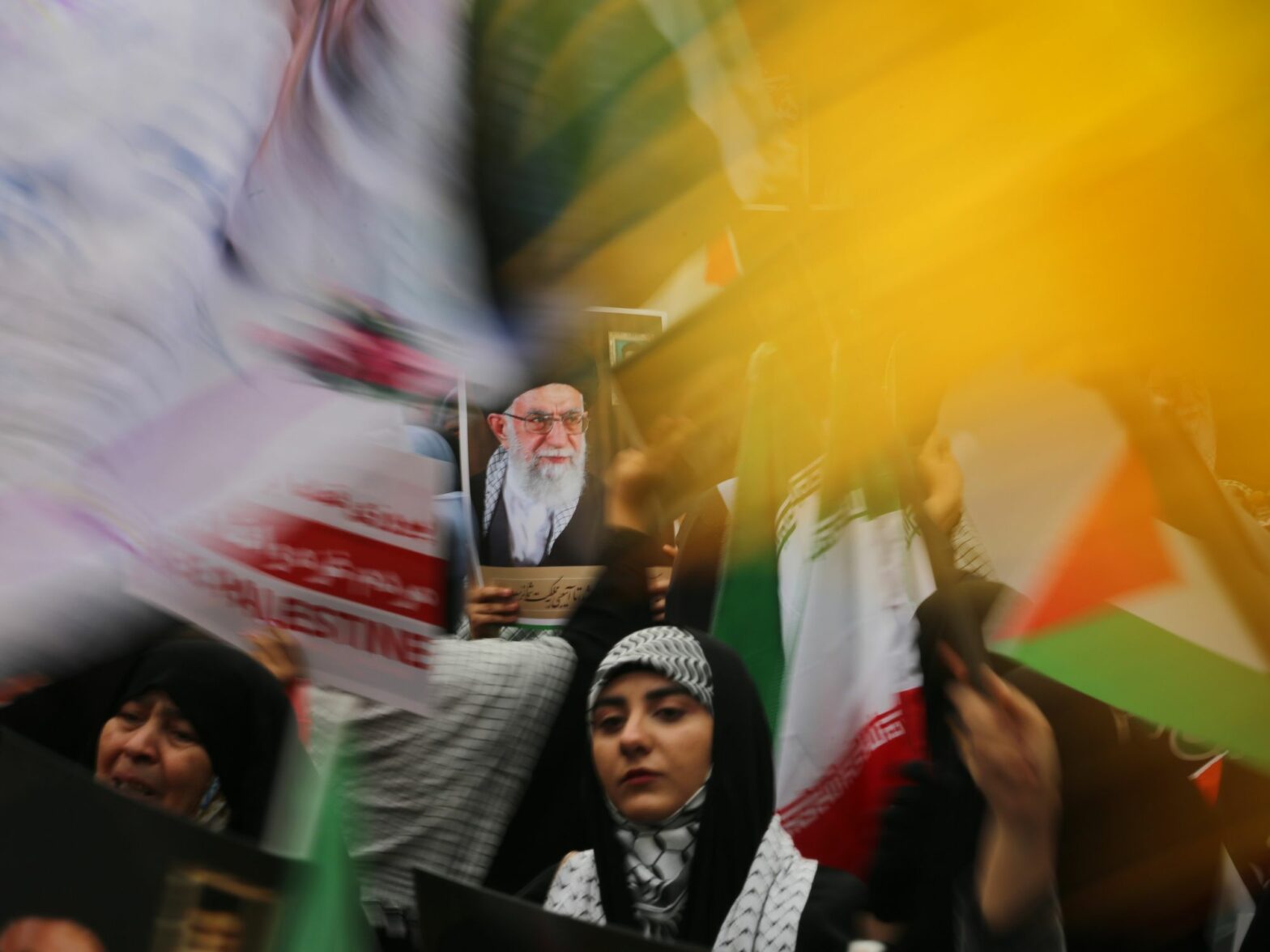
Iran’s revolutionary regime insists it wants Israel destroyed and has threatened a regional war, but its actions are ambivalent, suggesting it may fear a regional war that would hasten its demise. As a result, it may decide to stop supporting Hamas in Gaza.
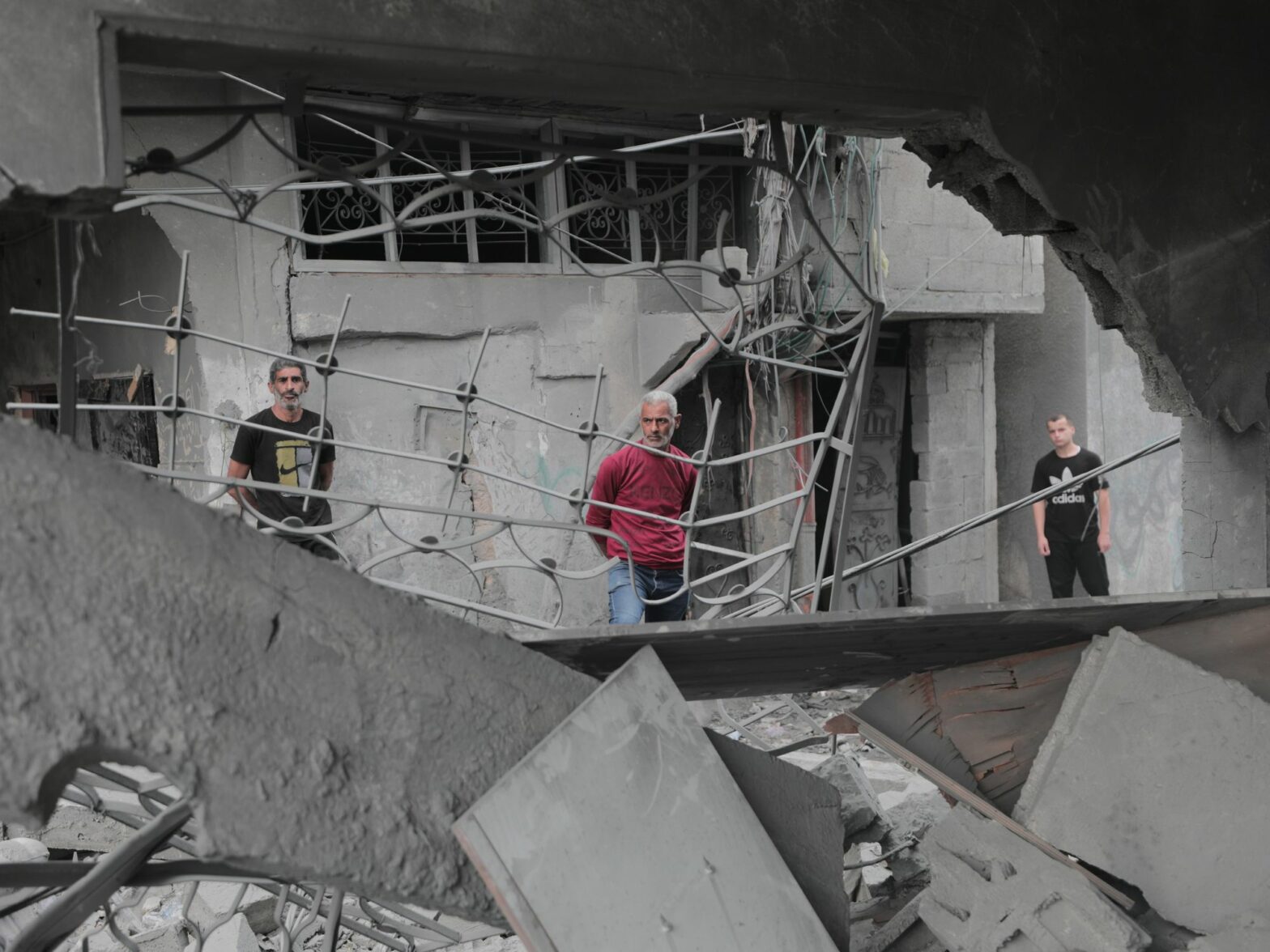
Washington, Moscow and Beijing can all, in different ways, emerge stronger from the war in Gaza war, says French geopolitical expert Dominique Moïsi. The U.S. has been more present in the Middle East since Oct. 7 — but so has Russia, while China is keeping relatively quiet.
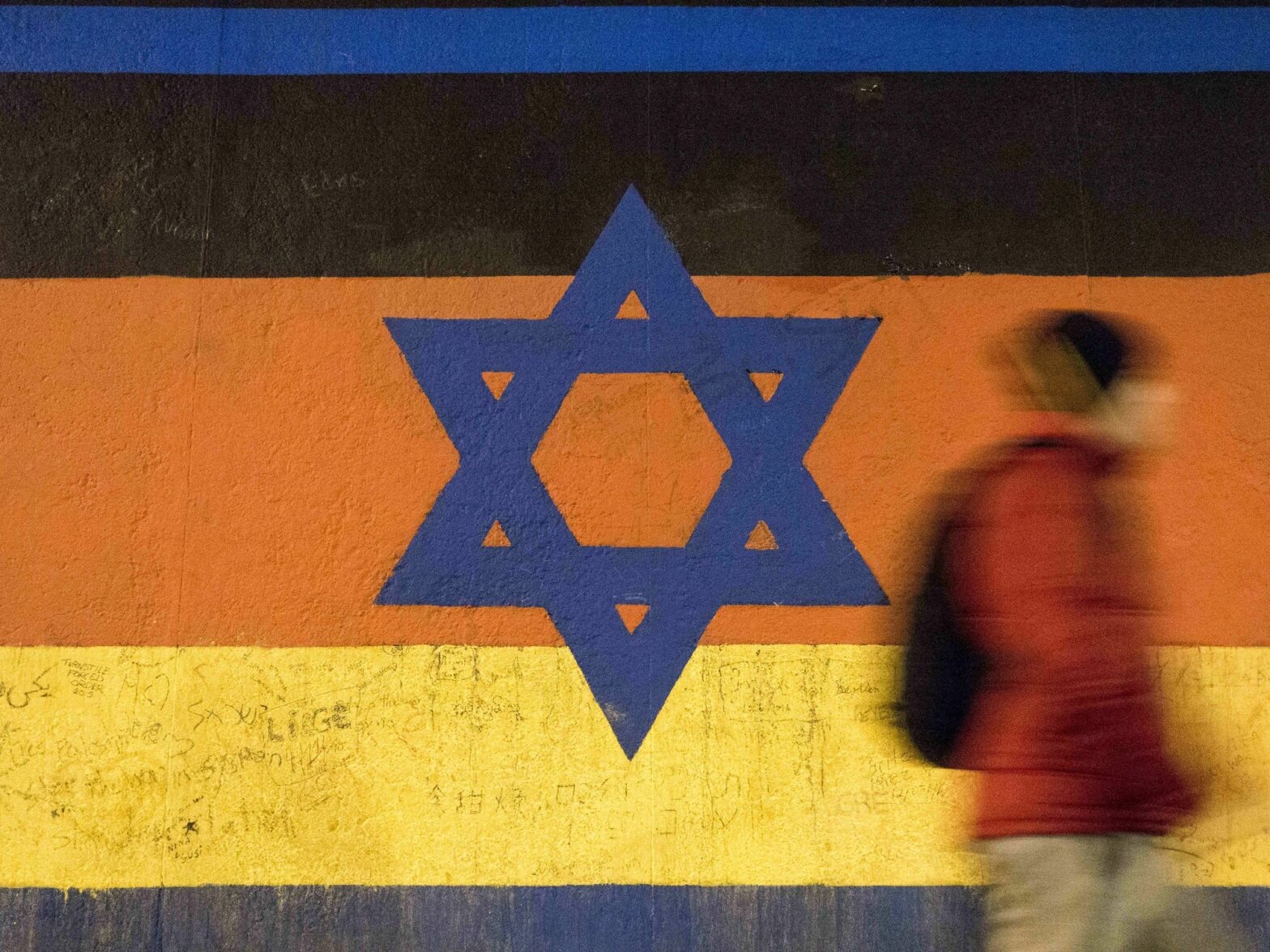
The post-War generation in Germany was shaped politically by one question: Why didn’t our parents prevent the Holocaust? Nowadays, as baby boomers are retiring, the inner political wrestling seems to have fallen out of time, because anti-fascism has long changed sides.
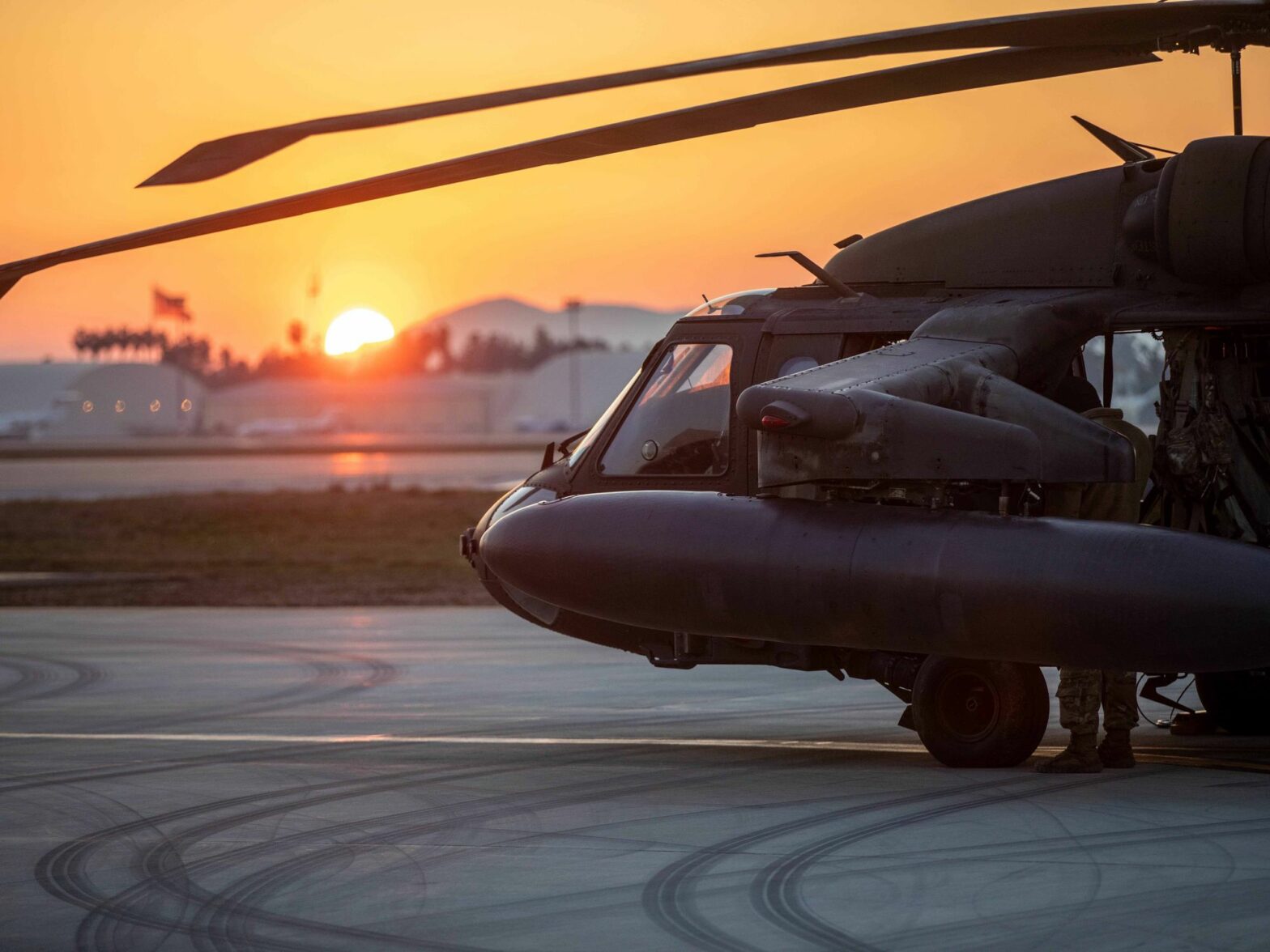
It was a wakeup call for some: pro-Palestinian demonstrators in Turkey tried to storm the U.S. base Incirlik where nuclear weapons have long been stationed. There is more discussion than ever about whether the NATO partner is still a trustworthy military ally with such potent weapons within reach.
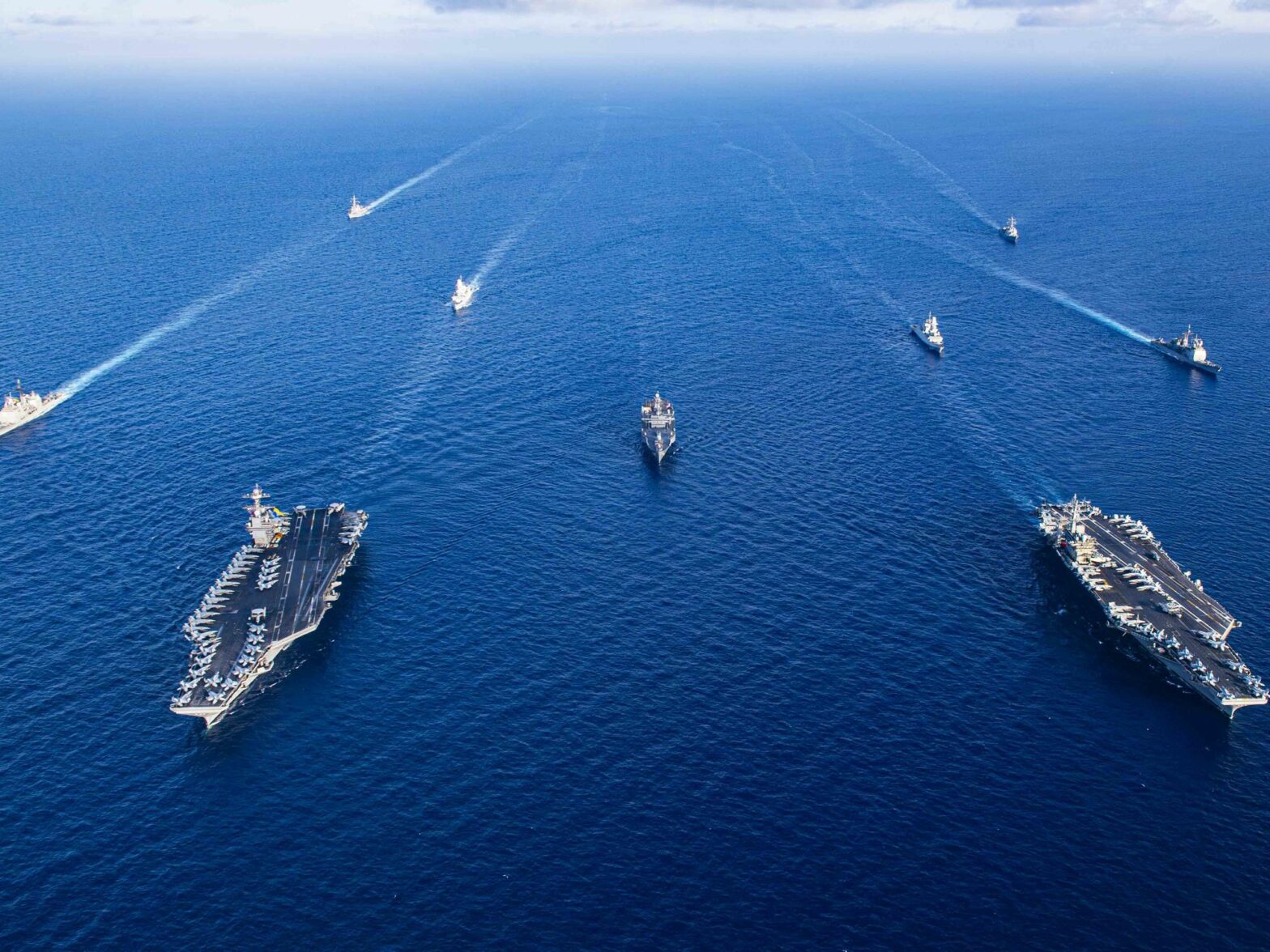
The United States has found itself at the forefront of a conflict that the whole world is following. President Joe Biden faces the pull of public opinion, the threat of Iranian action, and the escalation of the Israeli state.
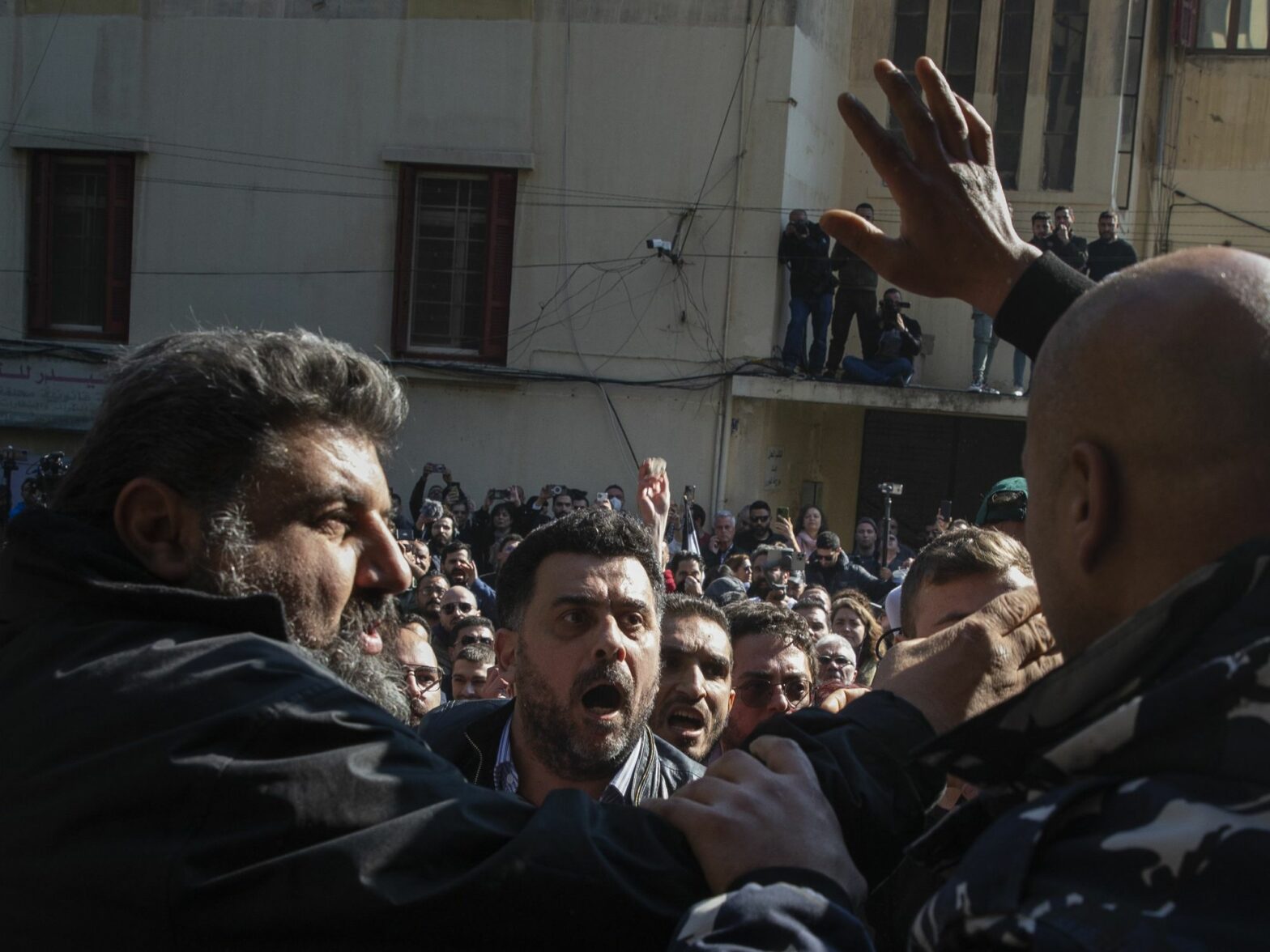
A ghost state, an economy in ruins … Lebanon has still not recovered from the explosion at the port of Beirut a little over three years ago. With war looming on its southern border, the country teeters near total collapse.
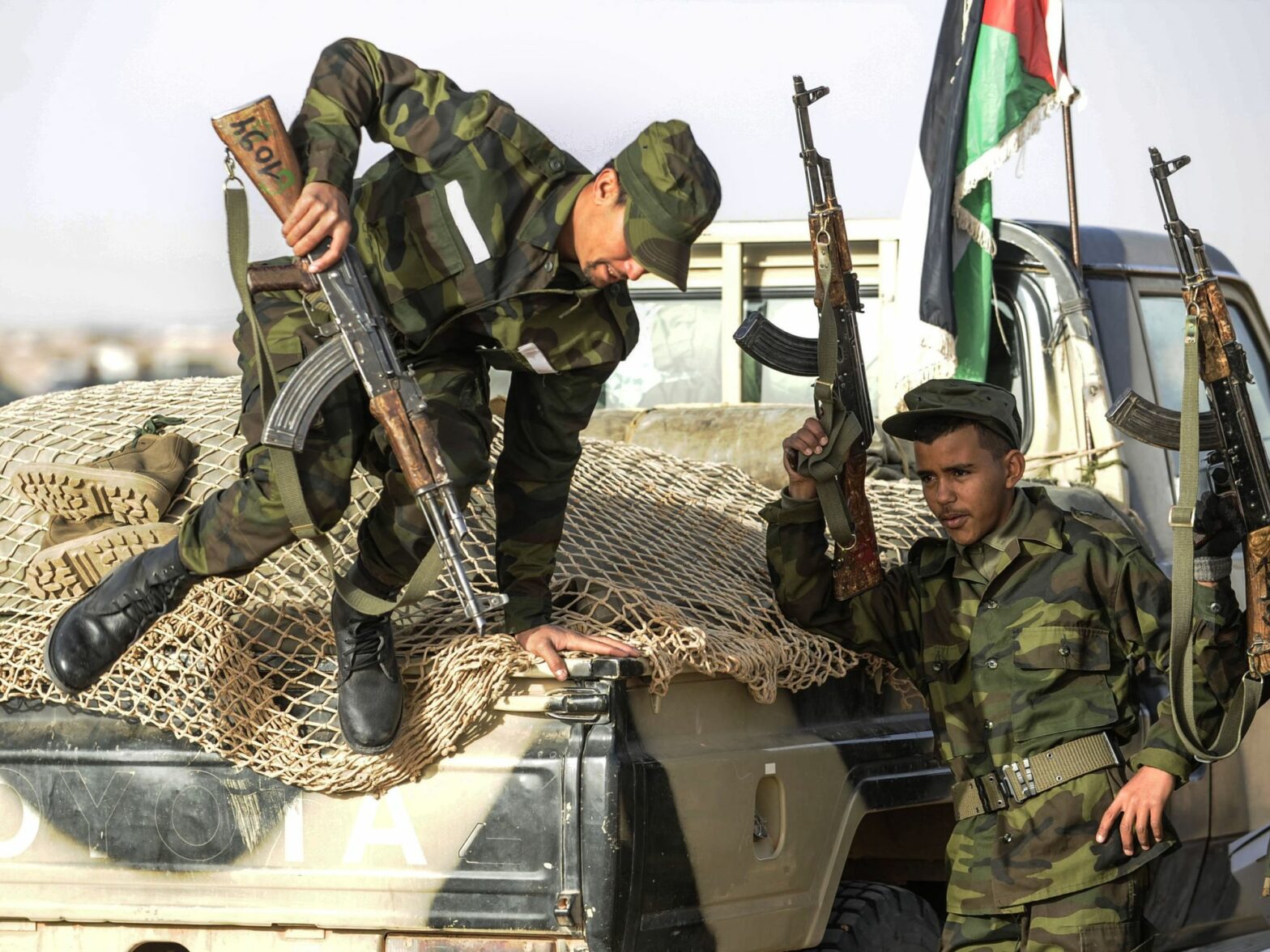
Germany’s Die Welt newspaper has had access to information from secret services that reveal Iran’s trail of support of anti-Israel terrorist groups that go as far as the Sahara. A militia is developing there that supports Hamas — and aims to plot deadly attacks against Israel and its interest wherever possible.
In Qatar, Egypt, Paris or on the phone, negotiators are busy trying to secure the release of hostages, push for “humanitarian pauses”, and prepare for the political aftermath of the war. Meanwhile, the war rages on in Gaza.
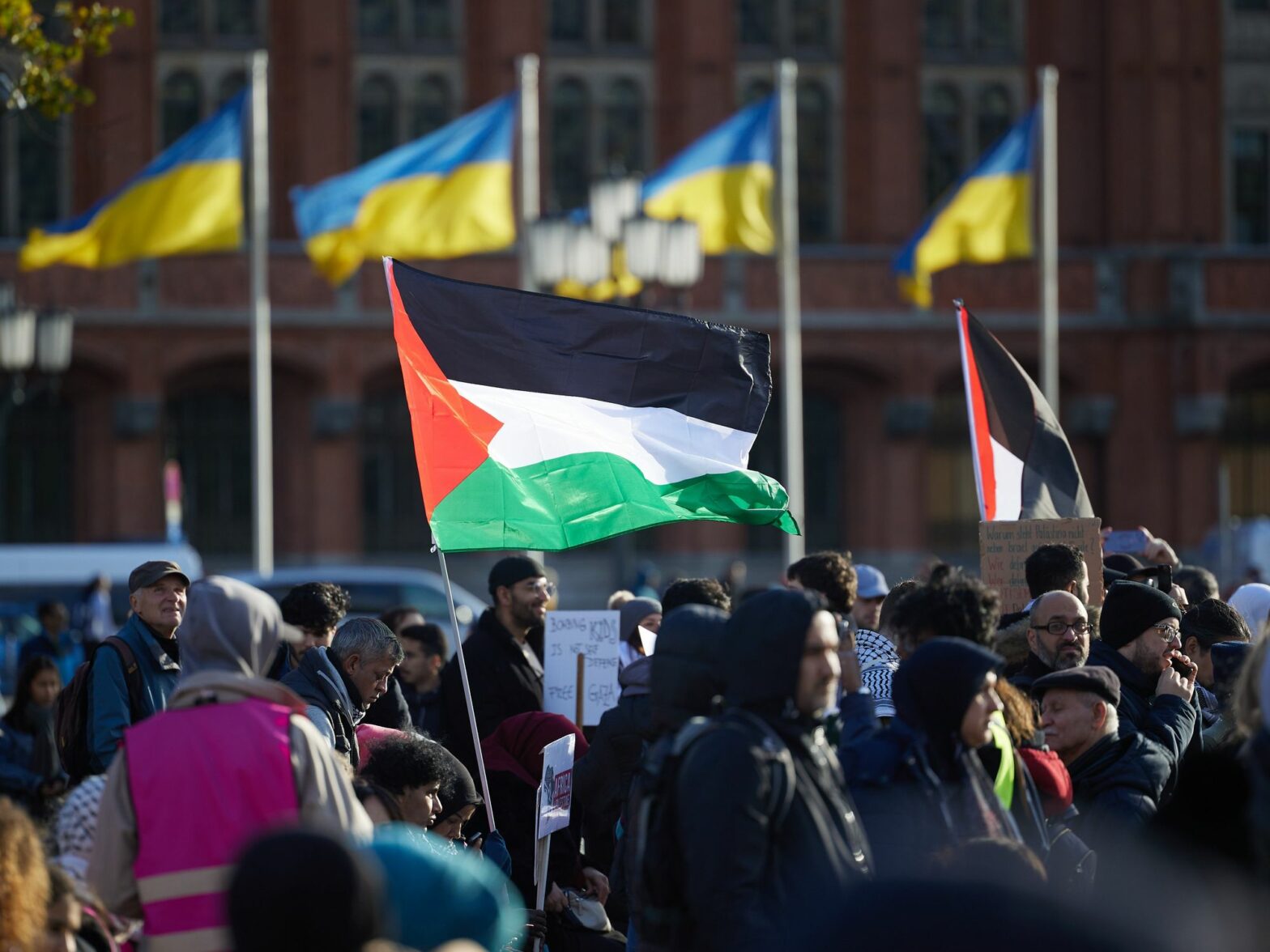
The state of the Ukraine War was growing fragile even before Oct. 7, but the conflict in the Middle East has changed the equation in Moscow’s favor. It’s not just a shift in attention and resources, but an undermining of the values and rationale behind Kyiv’s cause.

Reserved, not accustomed to the spotlight, capable of taking a step back and not overshadowing the president. In this time of crisis, Antony Blinken navigates geopolitics with the president’s full trust.
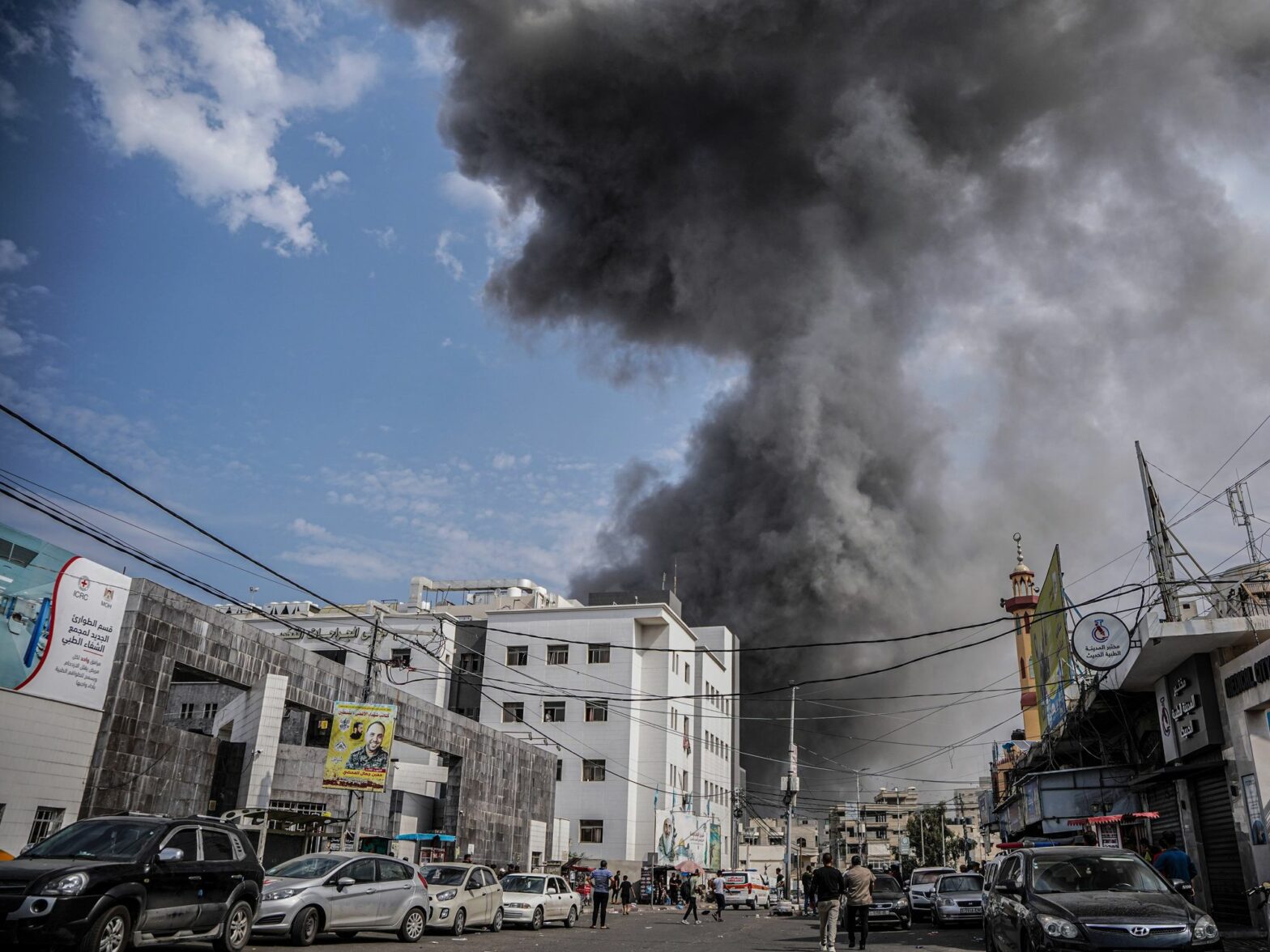
Prime Minister Benjamin Netanyahu and other top Israeli officials have referred to Hamas militants as “the new Nazis.” But as horrific as the Oct. 7 massacre was, what does it really mean to make such a comparison 80 years after the Holocaust? And how can we rightly describe what’s happening in Gaza?
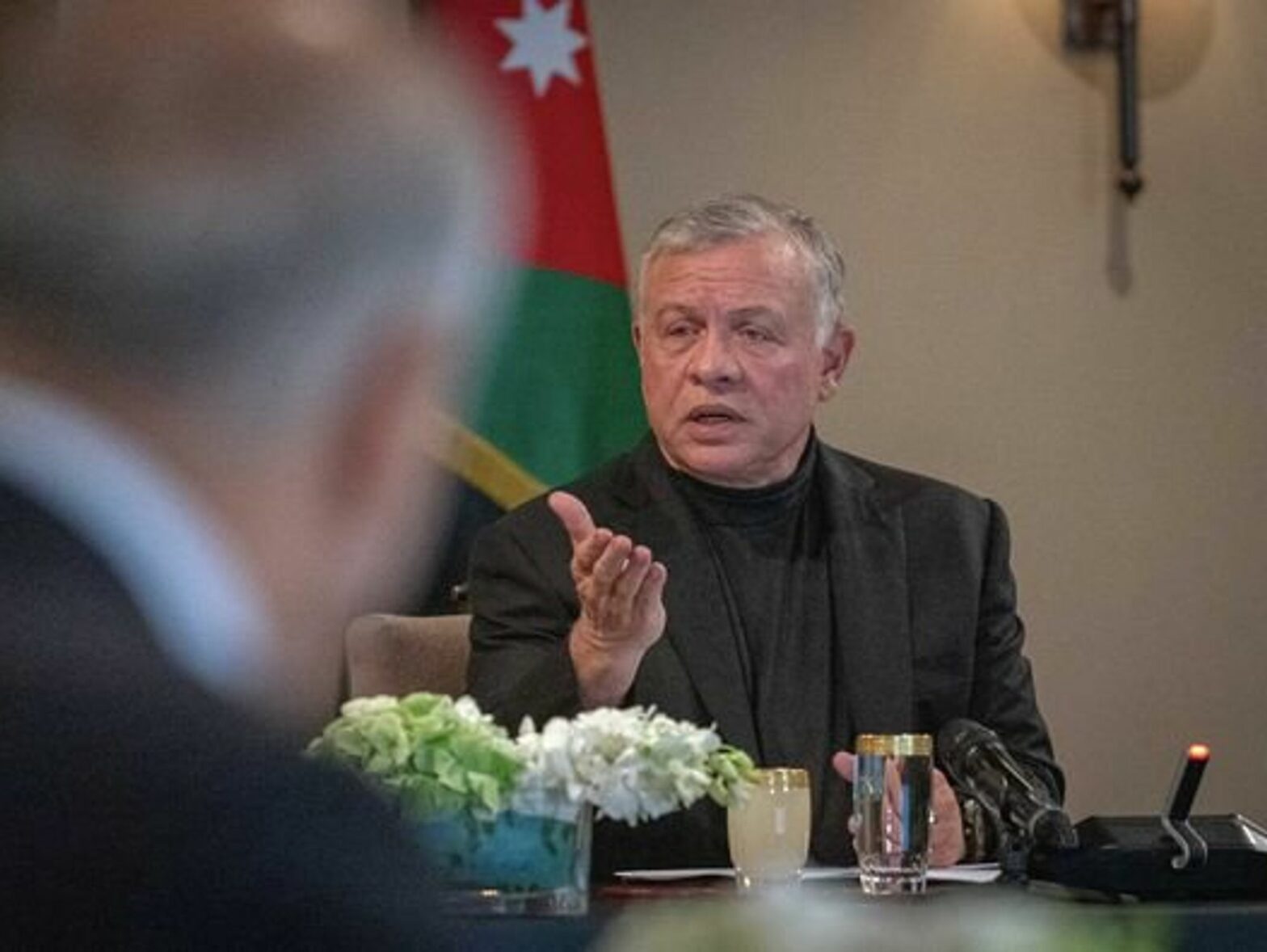
As the war in Gaza grows bloodier by the day, the search for potential mediators in the region is crucial. Jordan is uniquely situated with a special relationship with the Palestinians, decades of peace with Israel, and the nation’s king with a historic standing in the Muslim world.
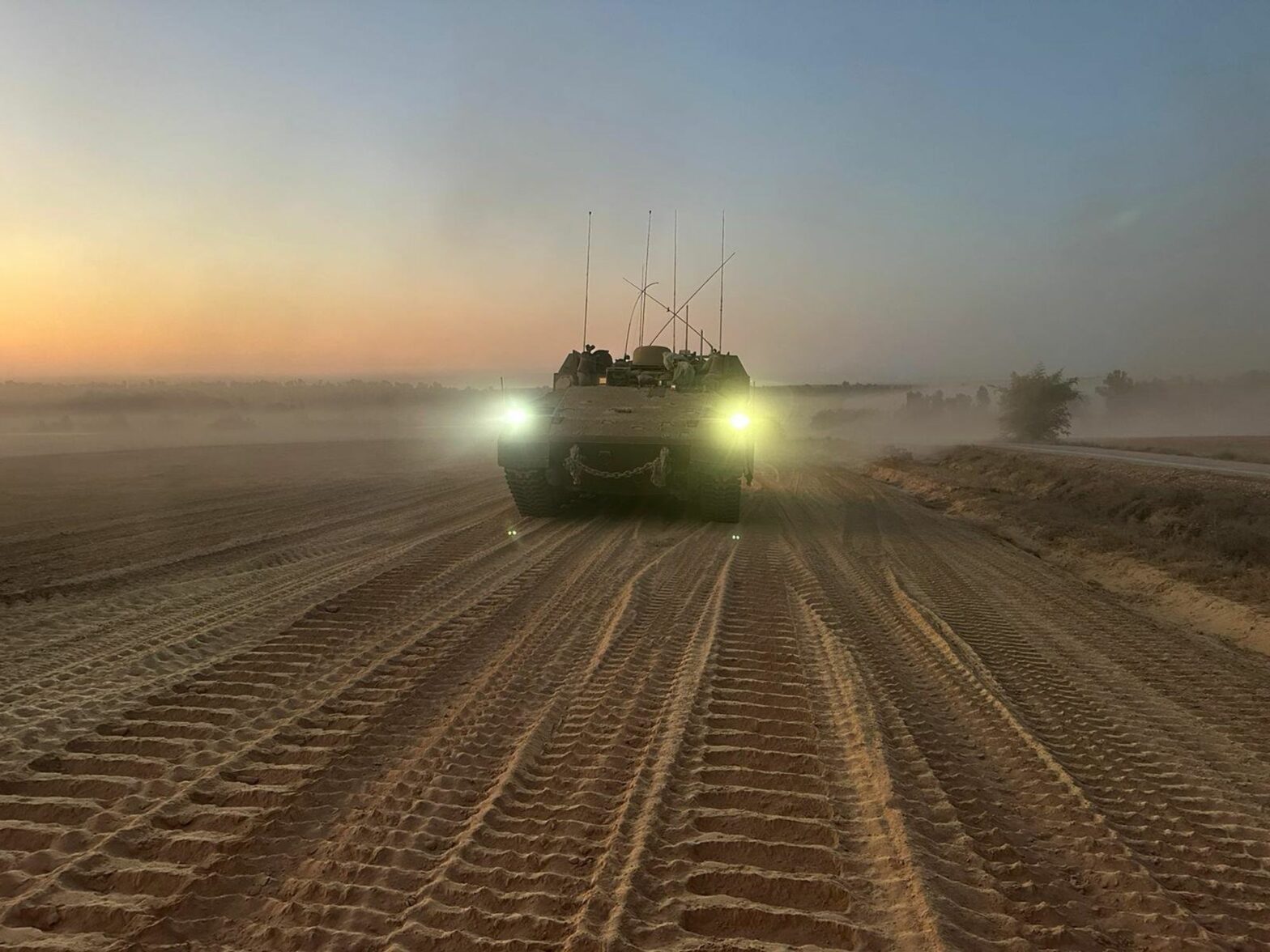
Marking one month of war in the Middle East, French political commentator Pierre Haski takes stock of three major geopolitical consequences.
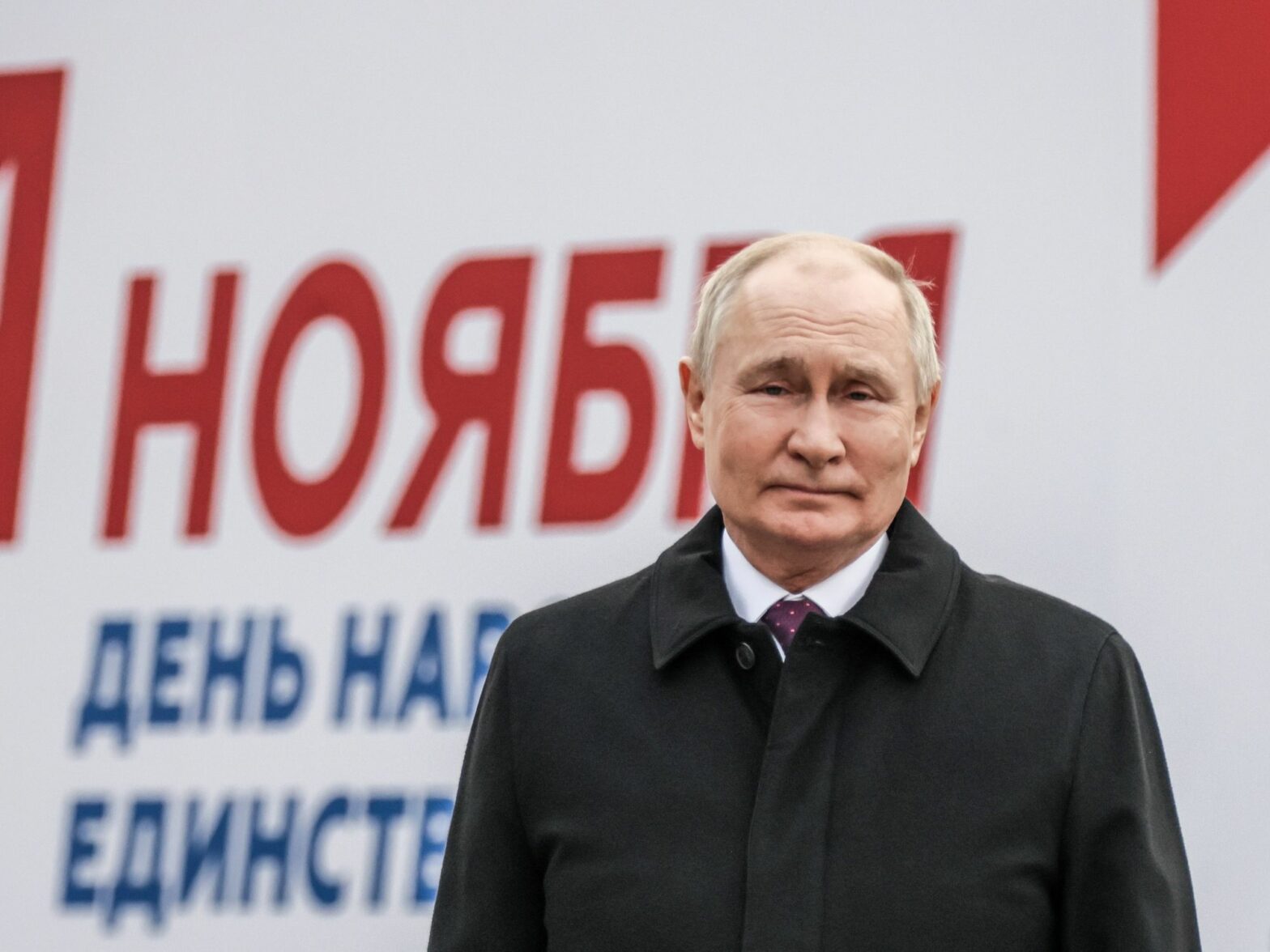
A report Monday from Reuters tells us what all knew: Vladimir Putin will seek a fifth term in Russia’s March 2024 presidential elections. But he needs a high turnout and overwhelming support to seal the legitimacy of his war in Ukraine.
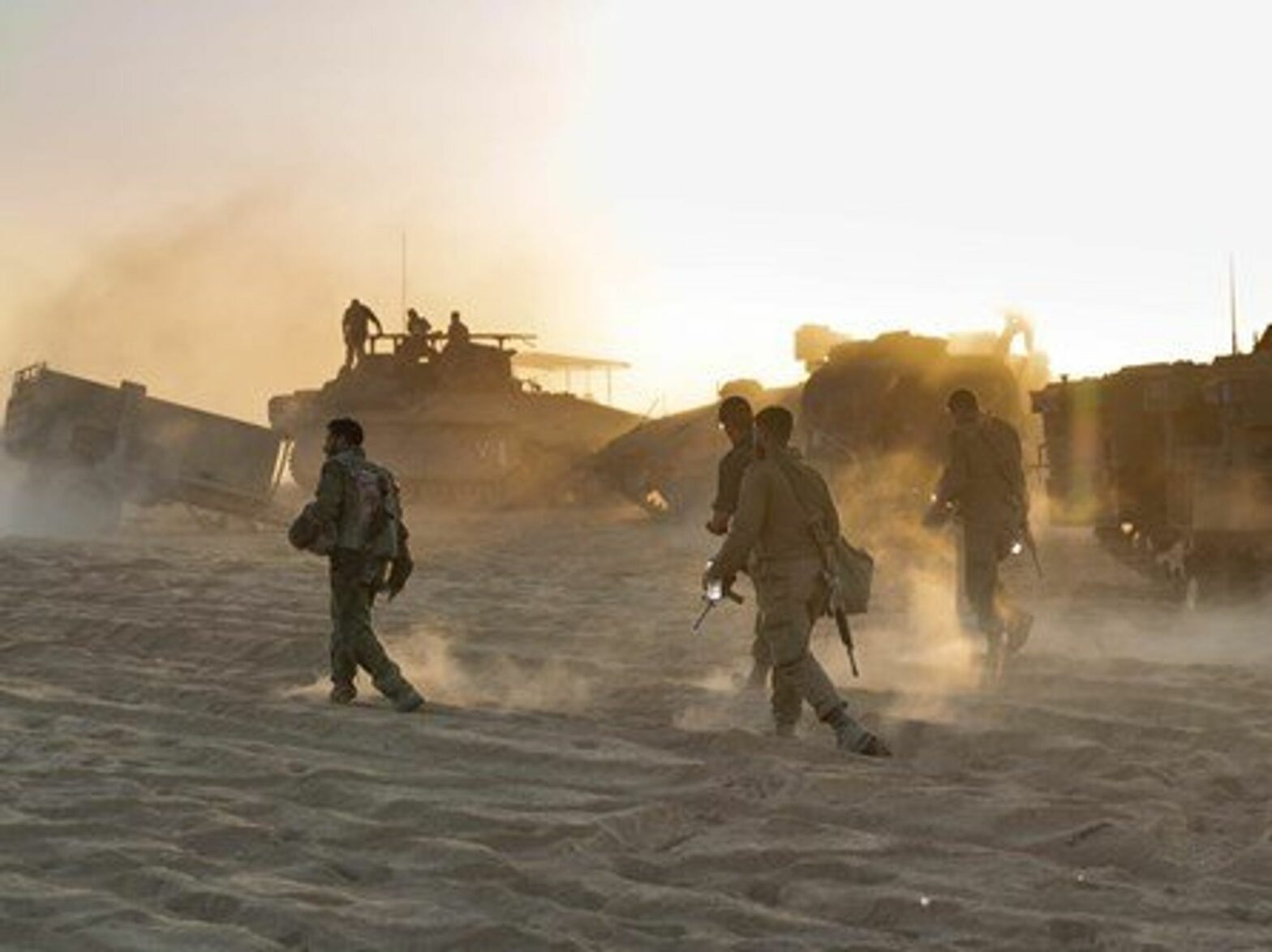
Calls for a “humanitarian pause” are multiplying as the war rages on for almost a month, but the West is careful not to talk about a ceasefire, which Israel totally rejects. Where does that leave us in a search for a way out?
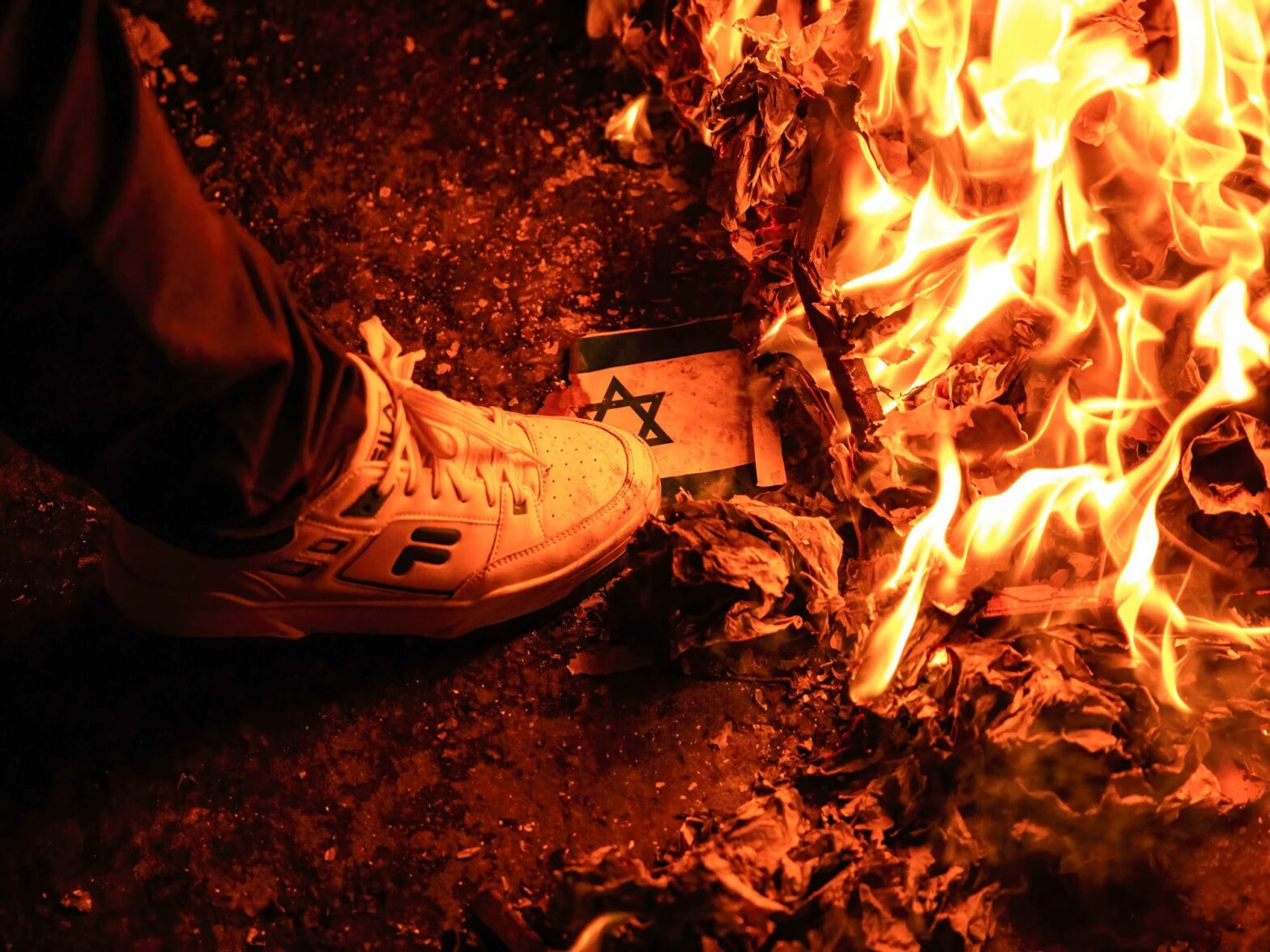
Sectors of the political Left around the world have practically lauded the Oct. 7 Hamas attack on Israel — finally barely bothering to hide their good ol’ fashioned hatred of the Jews, rather than hiding behind anti-Zionist rhetoric. Something evil has been re-released.
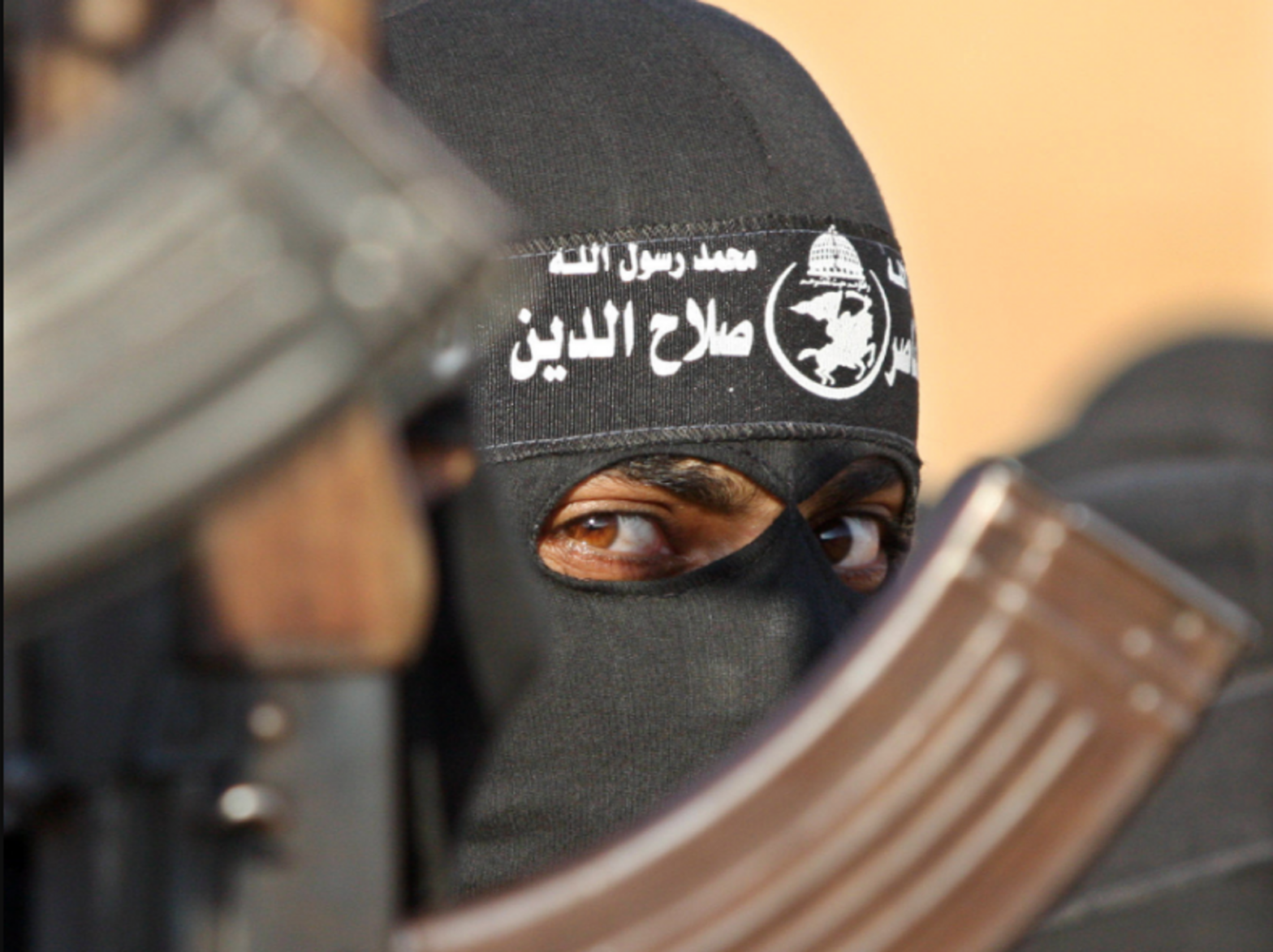
Russia is largely discrediting itself as a viable leader in diplomacy after siding so plainly with Hamas.

Nearly 200 people are running to be the president of Senegal in the 2024 elections. What does this say about the state of Senegalese democracy? Financial Afrik takes a closer look.
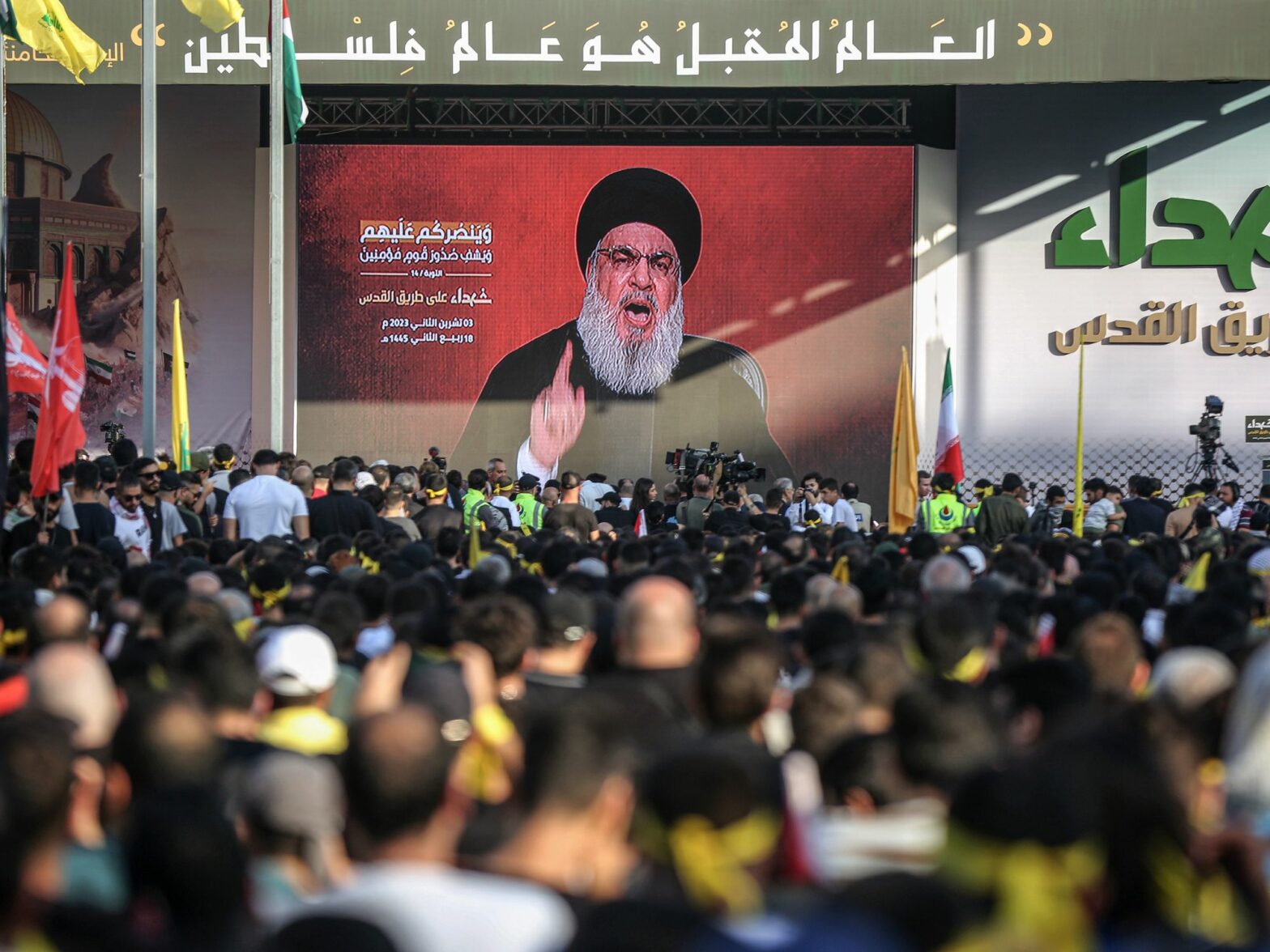
Here are six key points from Hezbollah Secretary General Hassan Nasrallah’s long awaited speech, including a threat to Israel that it was a “realistic possibility” that the war along the Lebanese border is about to escalate.
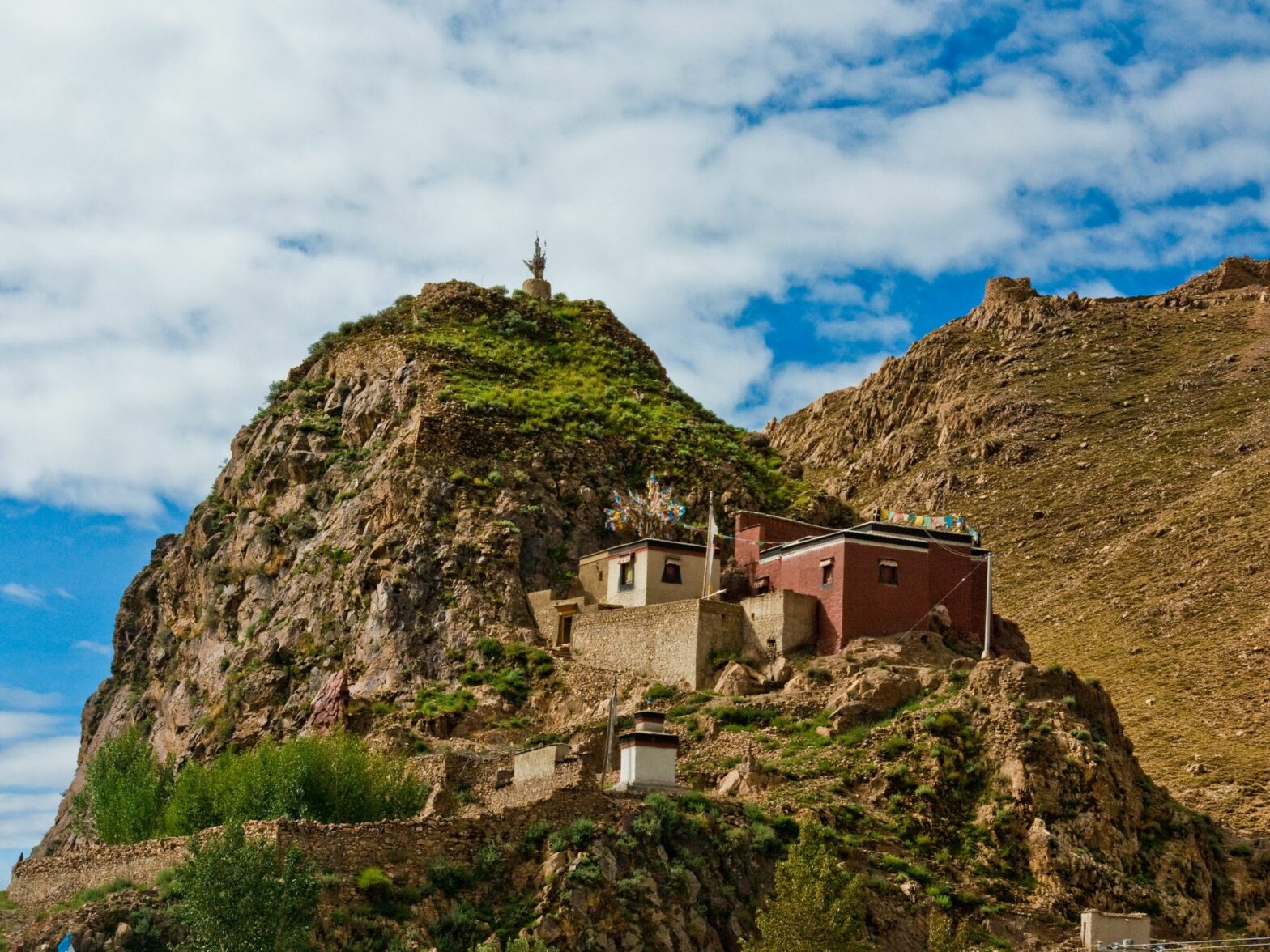
The use of “Xizang” instead of “Tibet” by Chinese officials is supported by some nationalists, but viewed by Tibetans, including those affiliated with the Dalai Lama, as veritable erasure of identity.

Was it a pogrom? Could it happen again? Vazhnyye Istorii looks at the recent history, ethnic makeup and politics of the Russian Republic.
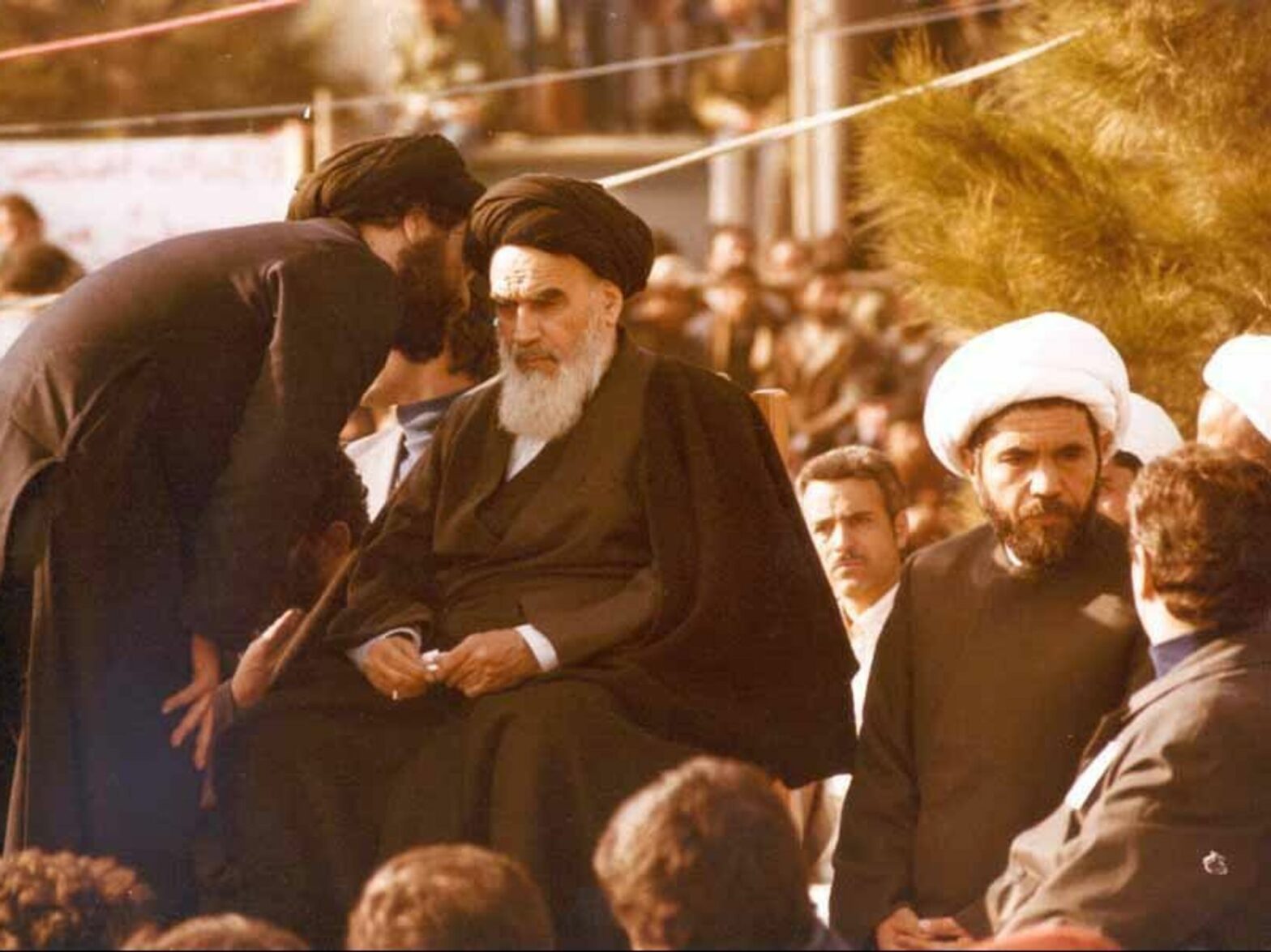
Whom should we blame for the death and destruction in Gaza: terrorists, Israel or ‘warmongers’ beyond them, notably the Tehran regime that envisaged, decades ago, a regional war as the prelude to spreading its “Islamic revolution.”
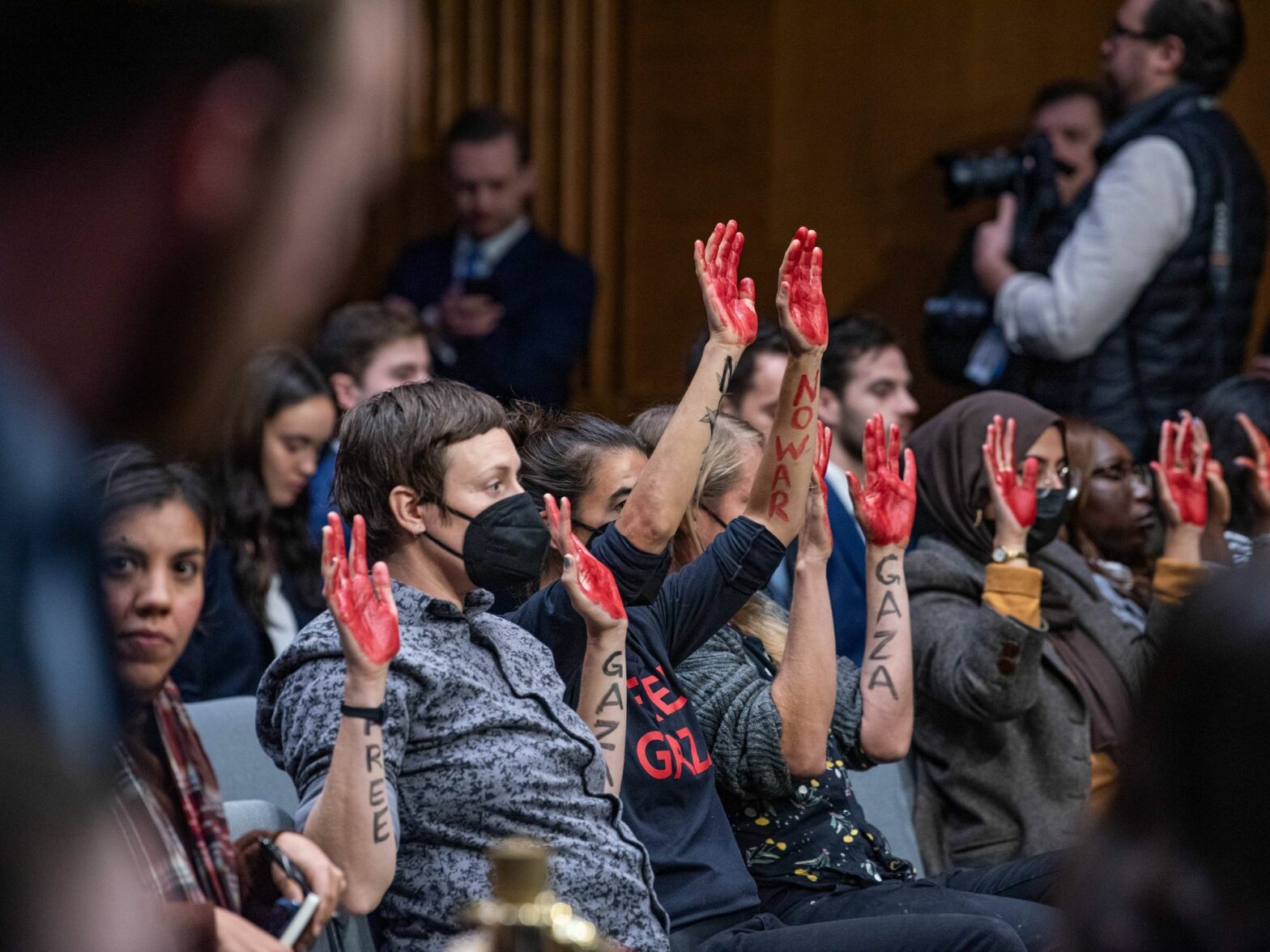
Secretary of State Blinken is traveling back to Israel with a more explicit message for Netanyahu after President Biden said late Wednesday it’s time for a “pause” right now. Meanwhile, Israel shows no signs of letting up its ground and air assault on Gaza.
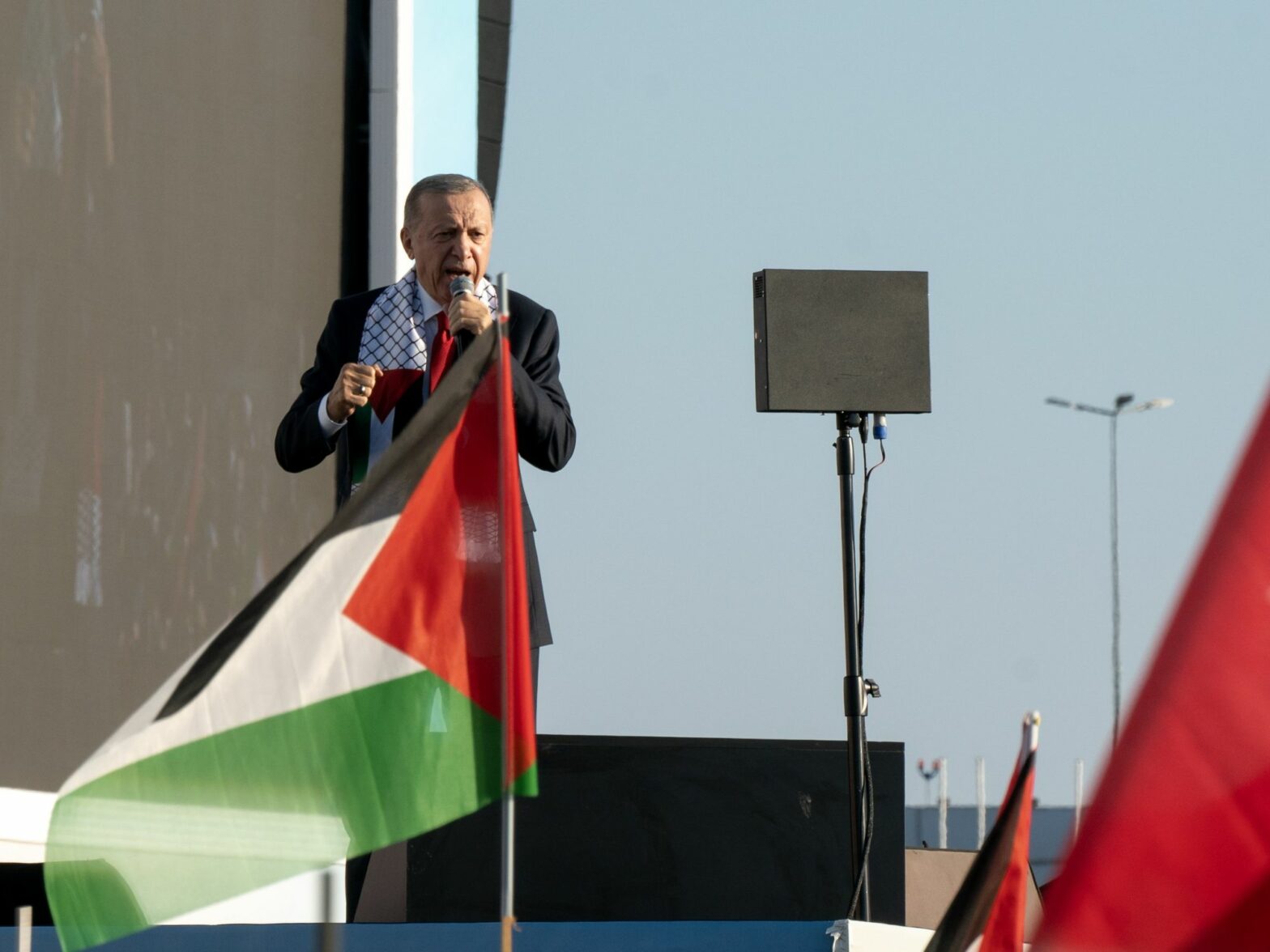
The Turkish president praises the Hamas terrorists as “freedom fighters” and NATO says nothing. This is a snapshot of realpolitik at 360 degrees — starting with Erdogan.
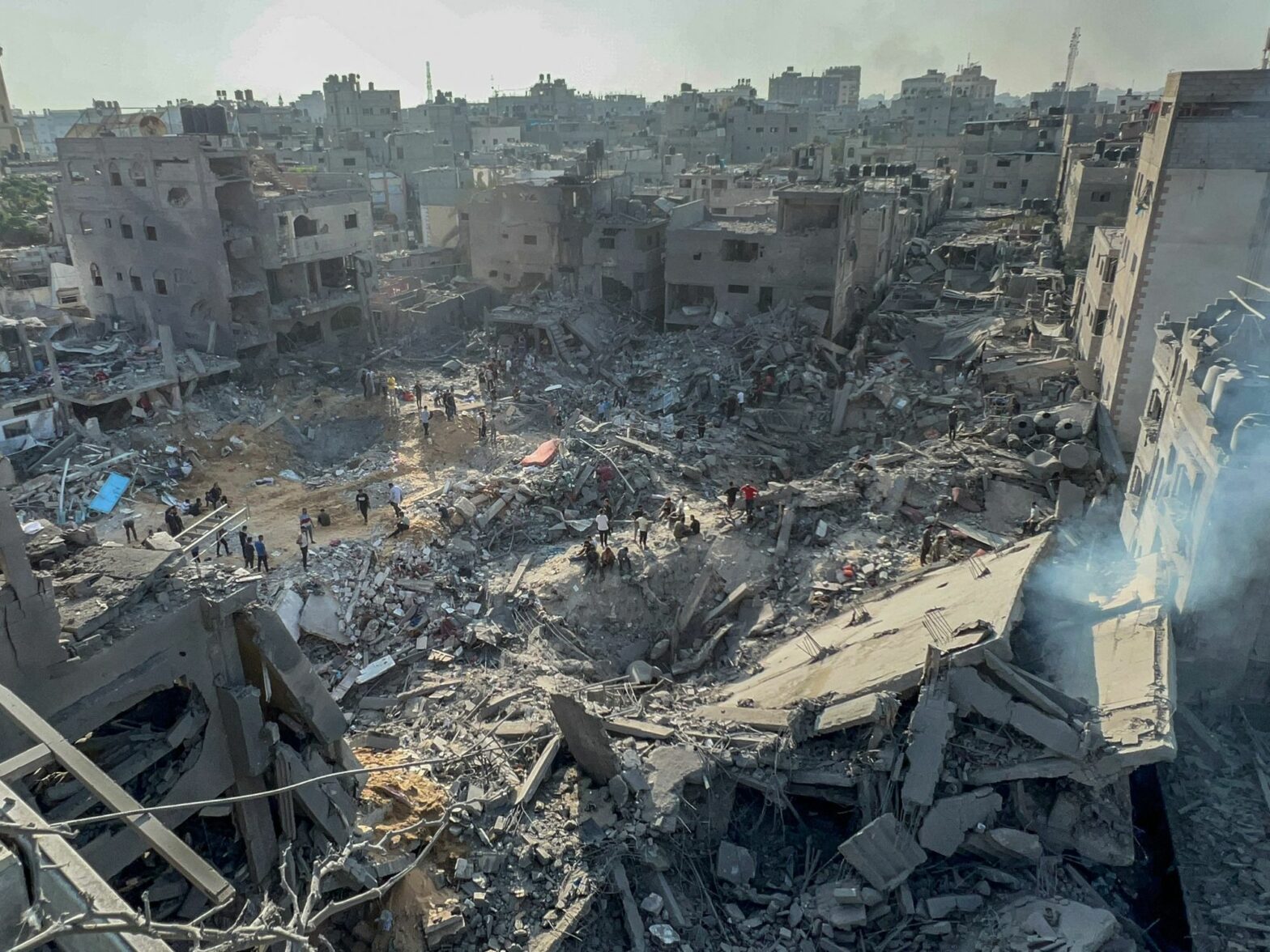
Considering that our “final war” may be arriving isn’t so far-fetched when states like Iran, Russia and North Korea are courting confrontation and taking “crazy” risks, a little like the European powers of 1914. But let’s proceed with caution.