
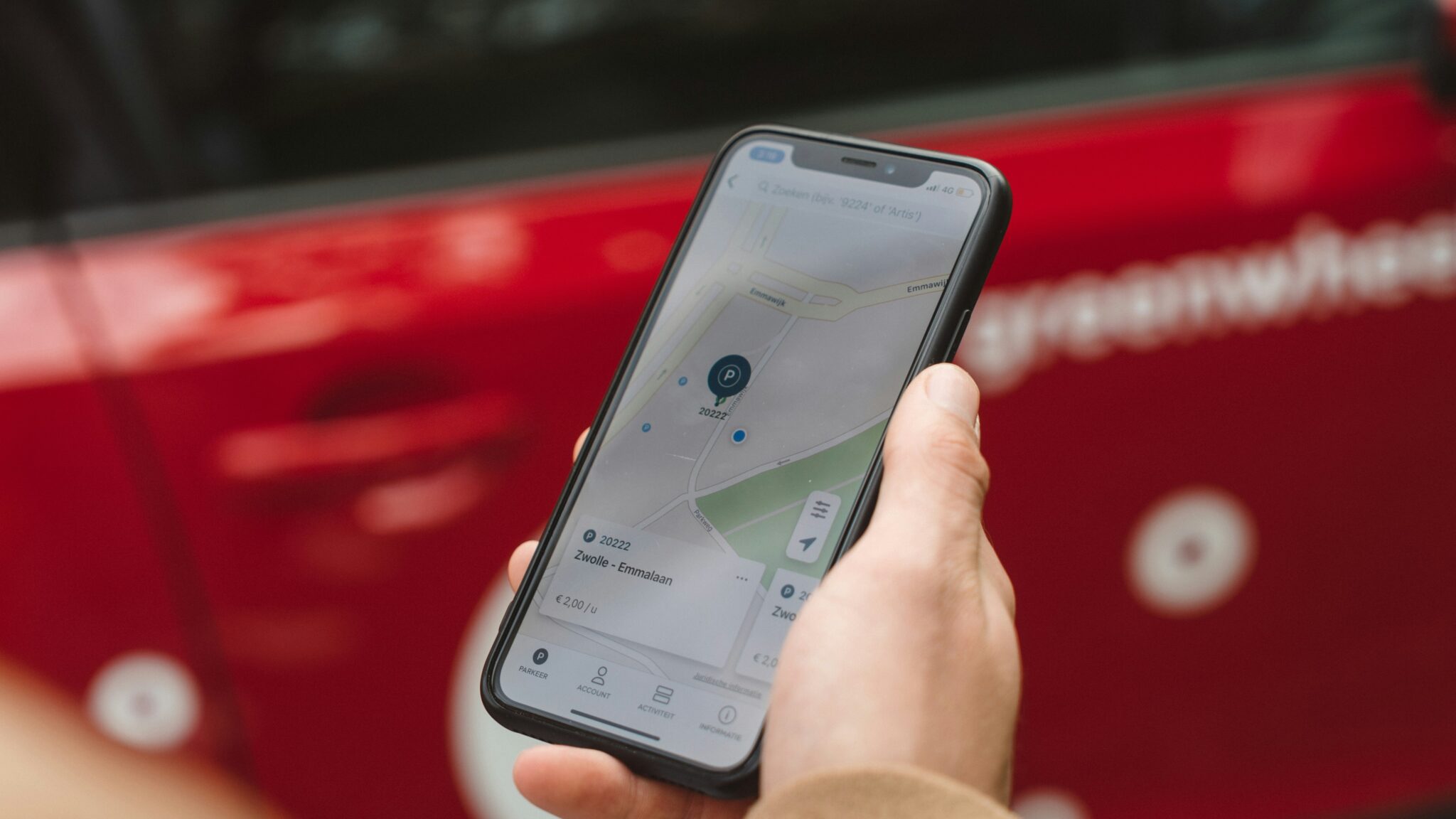
BARCELONA — Hey, where are you? Where are we meeting?
I sent you the location
Oh yeah, I’ll check it now… it says I’m 13 minutes away…
Ok, see you soon
This is a message exchange between two Barcelona residents, which a decade ago might have looked more like this:
Hey where are you? Where are we meeting?
I’m at the Café de la Ópera, on Las Ramblas.
Okay, I’ll be there in 10 minutes
Mobile phones have changed our lives — the way we connect, the way we see the world around us. Everything we need is just a tap away, stored in some commercial app. They’ve transformed how we shop, made us forget how to read a map in an unfamiliar place, erased the names of streets and squares, and even blurred the history and reality of those streets and squares.
With just a few clicks, we can buy a T-shirt, and a wobbly courier will bring it to us by bike to the exact coordinates where we stand, barely aware of its price, and with no real interest in knowing the name of the place where it will be delivered, a place reduced to nothing more than an arrow on our phone screen.
The network of streets and squares in our towns and cities — our shared public space — is a social construct, shaped by architecture and urban design, but defined above all by how we use it, how we name it, and how those names and uses are passed down through generations, from neighbor to neighbor.
That transmission is a form of legacy — a source of cultural, social, and human capital — now being eroded by the pervasive use of mobile phones. It is a kind of cultural capital that binds communities together, gives them meaning, and roots them in a shared sense of place, usually within the familiar bounds of our immediate surroundings.
For several years, I was the person responsible for naming and renaming streets and squares in Barcelona, and every time I am with someone who sends their location via smart phone, I wonder about the usefulness of the task I was entrusted with. What is the point of naming streets if I can order a pizza to be delivered to the Fossar de la Pedrera del Cementerio de Montjuïc without having the slightest idea where I am?
City fabric
The network of streets, squares, promenades, boulevards, plazas, gardens, crossings, descents, and passageways gives meaning to the fabric of our cities. It organizes them — sometimes arbitrarily — and, in doing so, tells a story: where we come from, and who or what was once deemed important enough to be remembered.
Both dimensions, the physical and the symbolic, risk fading away if we stop speaking the names of our streets and squares.
When we say the name of a street, we do so in two ways: physically and symbolically. Physically, we refer to a real, tangible place: a point on the city’s map, the spot where we meet a friend. Symbolically, we evoke a cultural and social legacy, often passed down since time immemorial. Both dimensions, the physical and the symbolic, risk fading away if we stop speaking the names of our streets and squares.
Just as we are increasingly unable to read a map because mobile apps now guide us with purely functional directions — telling us how to get somewhere without helping us understand where we are — we lose not only our sense of place, but also the history and meaning behind the names that once anchored us there.
Naming a street or a square is a deeply characteristic act of Western societies — and an inherently political one. Were it merely an administrative decision, our streets would be numbered, not named. But that is not the case.
Grip of apps
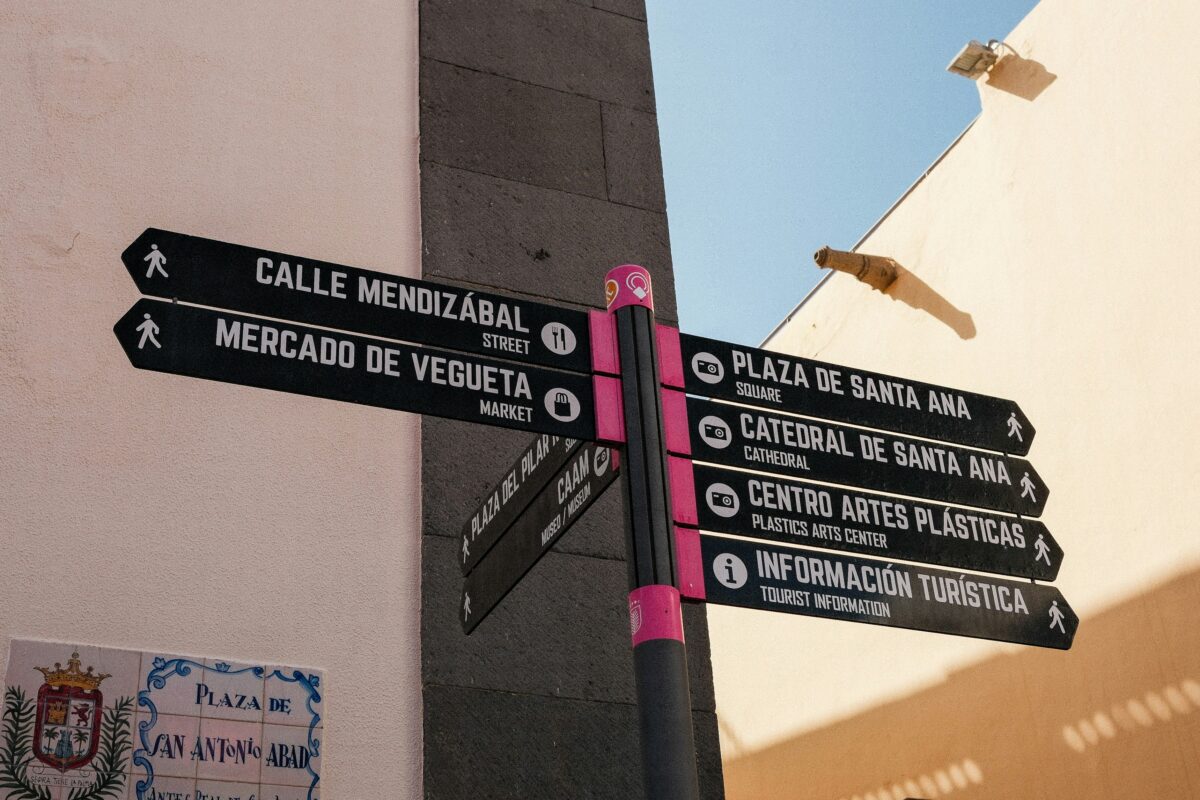
Since medieval times, Barcelona has given its streets names of saints, kings, places, and guilds that have shaped the city’s identity and reflected its ruling powers: the clergy, the nobility, and the bourgeoisie. This tradition endured for centuries. In recent years, however, the city’s naming conventions have been revisited and revised, adapting to new social realities and a more inclusive understanding of who and what deserves to be remembered.
All this could be in vain if we don’t make an effort to go beyond the domination of apps and capitalism, which pushes us not to enjoy public spaces, not to experience them, not to talk about them, and forces us to erase them by locking ourselves in our homes and not looking at them, trivializing our public spaces, erasing the meanings of the names of our everyday lives and impoverishing us culturally.
They push us to trivialize the places we share, and strip meaning from the names that shape our daily lives.
All of this could be in vain if we don’t make an effort to move out of the grip of apps and capitalism — things that discourage us from enjoying public spaces, from experiencing them, from even talking about them. They push us to erase those spaces by locking ourselves indoors, looking away, trivializing the places we share, and stripping meaning from the names that shape our daily lives. In doing so, they impoverish us culturally.
Let’s say the names — of our streets, our squares, our corners — whether official or popular. Let’s speak them aloud to recognize ourselves, to rediscover one another, to resist the abyss of living in a purely virtual city. Saying the names is an act of community. It’s how we build shared experiences rooted in everyday life.