A writer revisits his own machismo as the discourse between the genders evolves.

 Worldcrunch
A writer revisits his own machismo as the discourse between the genders evolves.
It is 2025, and yet many doctors remain largely uninformed about how women’s bodies function, since the standard has always been the male body. To grasp the full extent of the problem, we must imagine a much different future.
One-third of young Polish women don’t go to the gynecologist from fear of being judged. Catholic Polish doctors often refuse to prescribe birth control, openly make references to their religion, make judgmental remarks about their patients, and, in the worst cases, deny women life-saving care because of Poland’s draconian abortion laws.
For centuries, doctors have taken women’s diseases less seriously, saying they were psychological or made up. But now, social media is helping these women report their misdiagnoses and confront an unjust system.
Long hidden and even seen as shameful, menopause is finally making its way into the public sphere in France, and elsewhere. Celebrities, journalists and sociologists are now talking about it openly, and brands are offering solutions to help reimagine what this physical and psychological change means to some women.
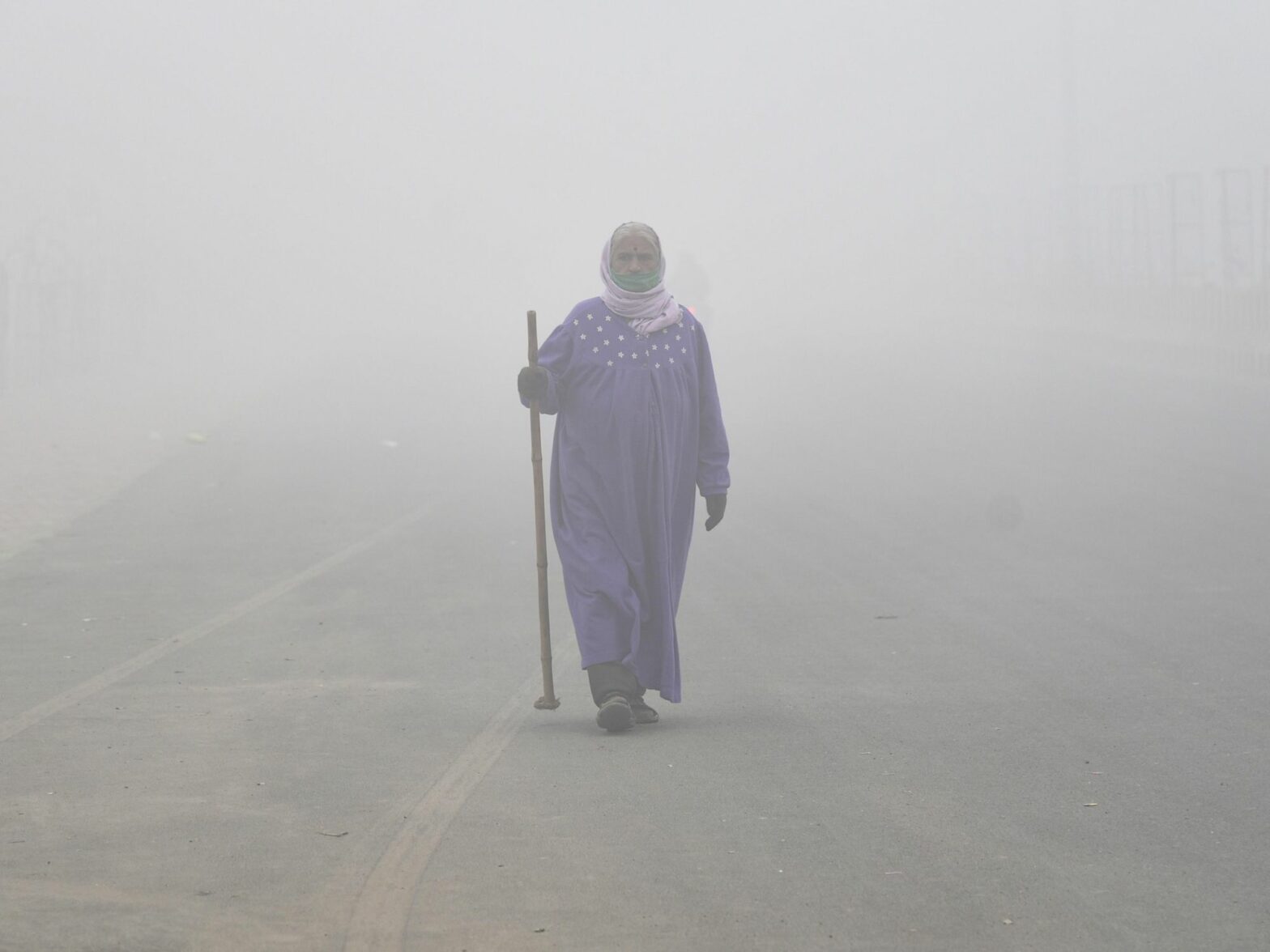
India is one of the world’s worst countries for air pollution, with women more likely to be affected by the problem than men. Now, experts and activists are fighting to reframe pollution as a gendered health crisis.