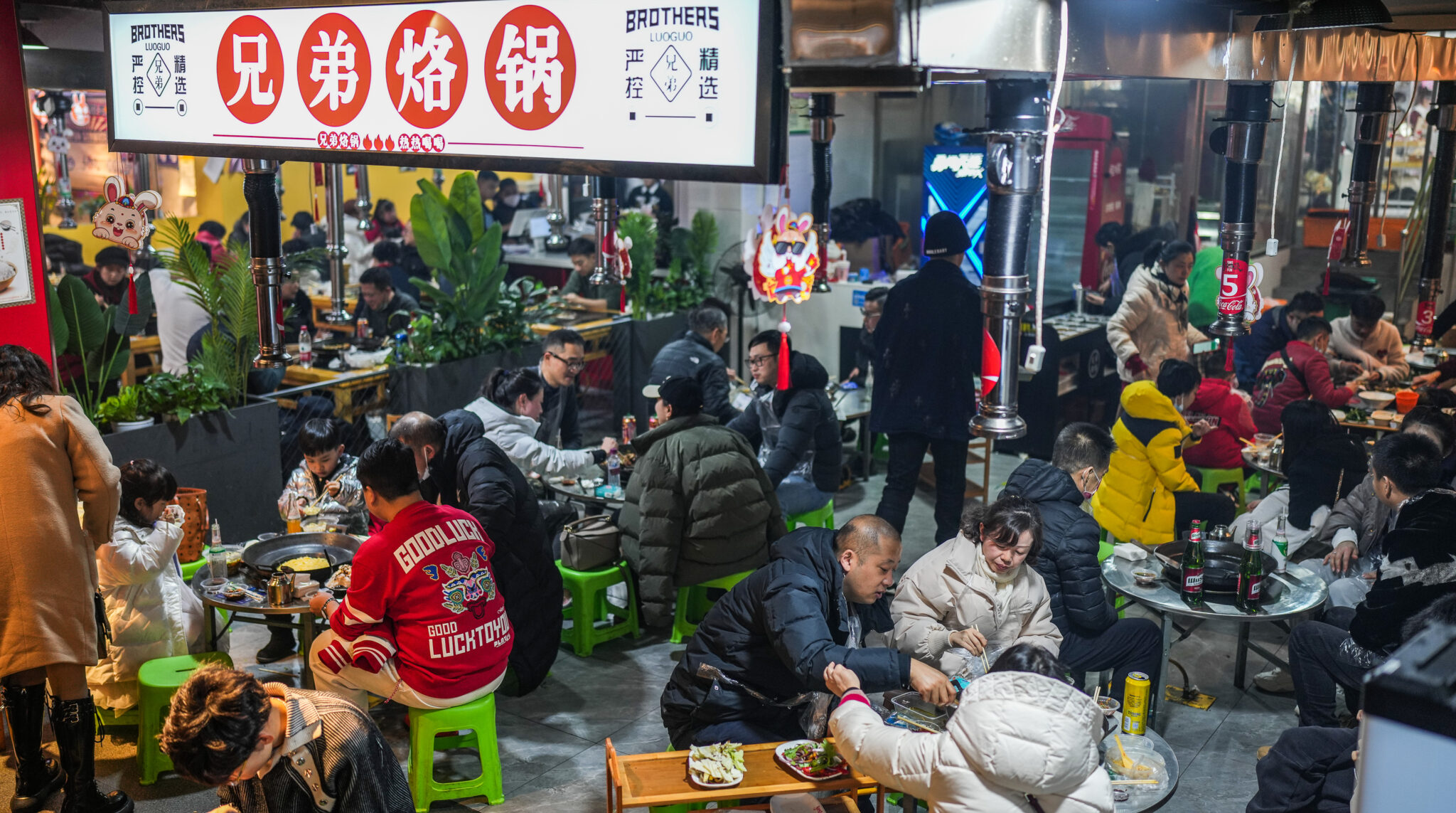
China’s current food waste challenge is more of a production than a consumption problem.
 Worldcrunch
China’s current food waste challenge is more of a production than a consumption problem.
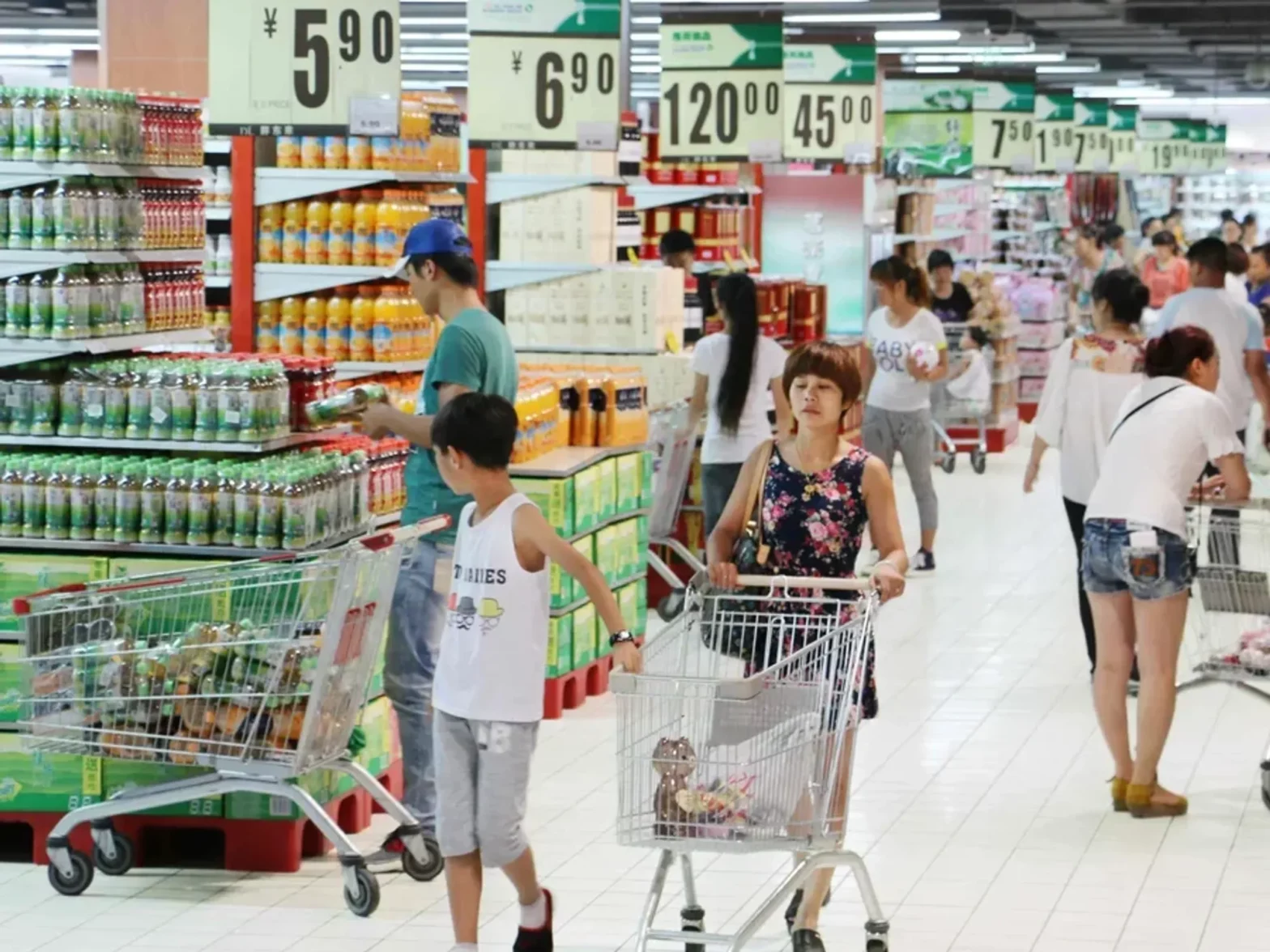
As China slowed down after the COVID-19 pandemic, this modest supermarket chain from Henan seems to have found the magic formula to encourage Chinese consumers to shop. Pangdonglai is so successful that it has become a national tourist attraction.
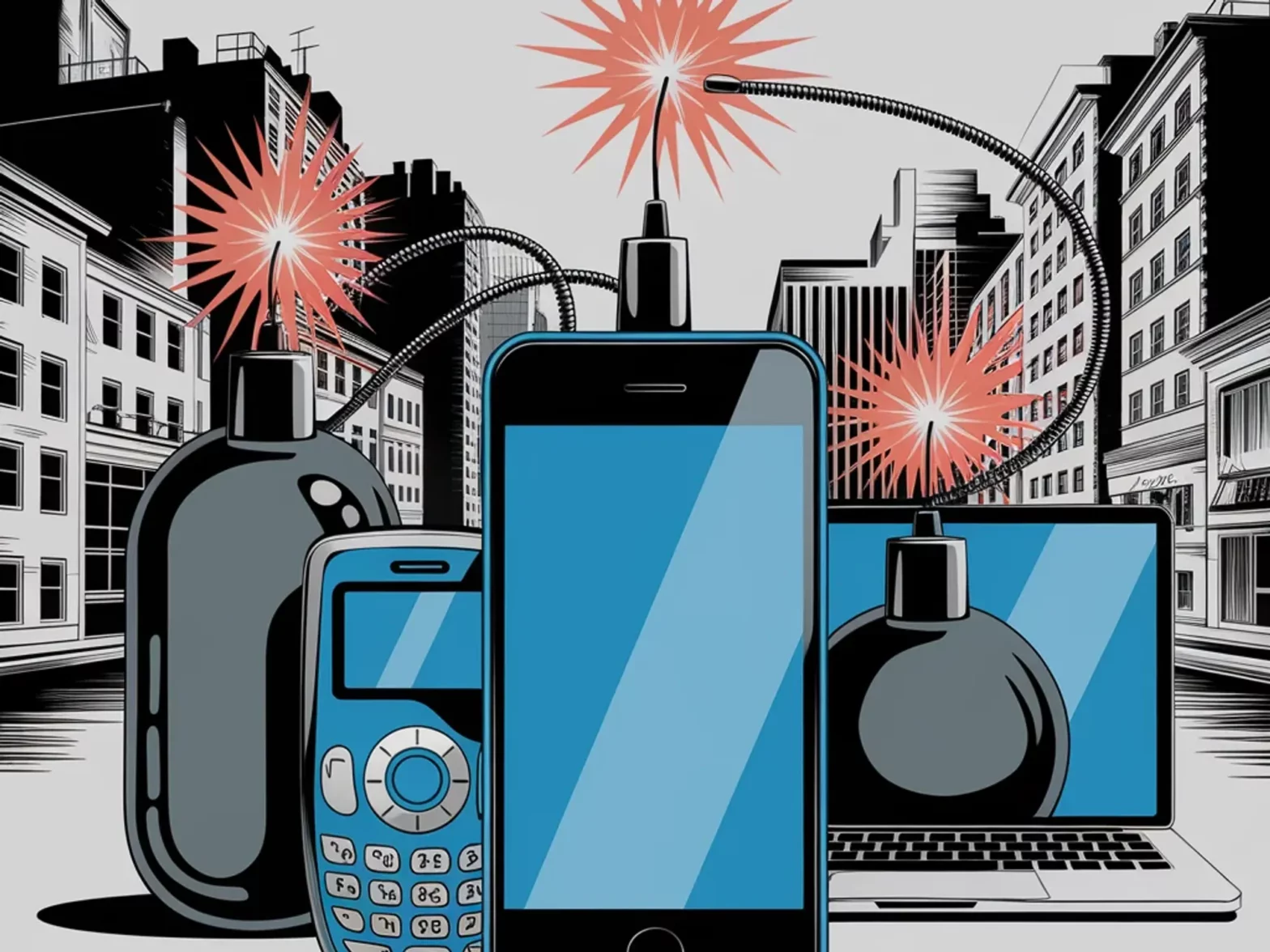
Even if the exploding Hezbollah pagers was not the first supply chain attack, having thousands of remote, hand-held devices raised terrifying questions that hadn’t been widely considered before, marking a potential turning point in the public’s trust in their electronic devices, and in governments’ ability to protect them.
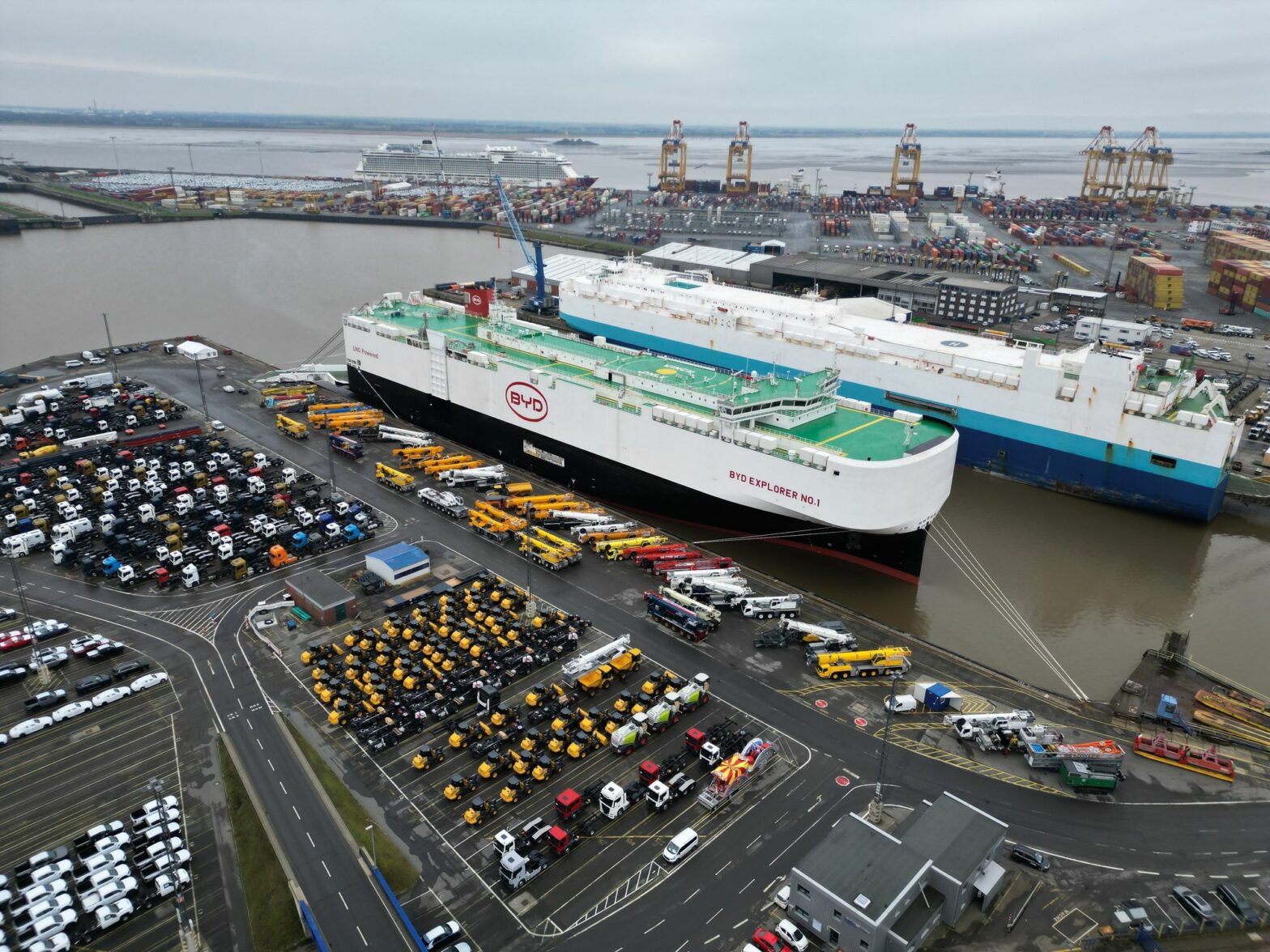
In China, sales of electric cars, consumer goods and industrial products are stalling. State-owned companies have built up excess capacity. The new plan is to flood the European market with the products. The first signs are appearing in Germany.
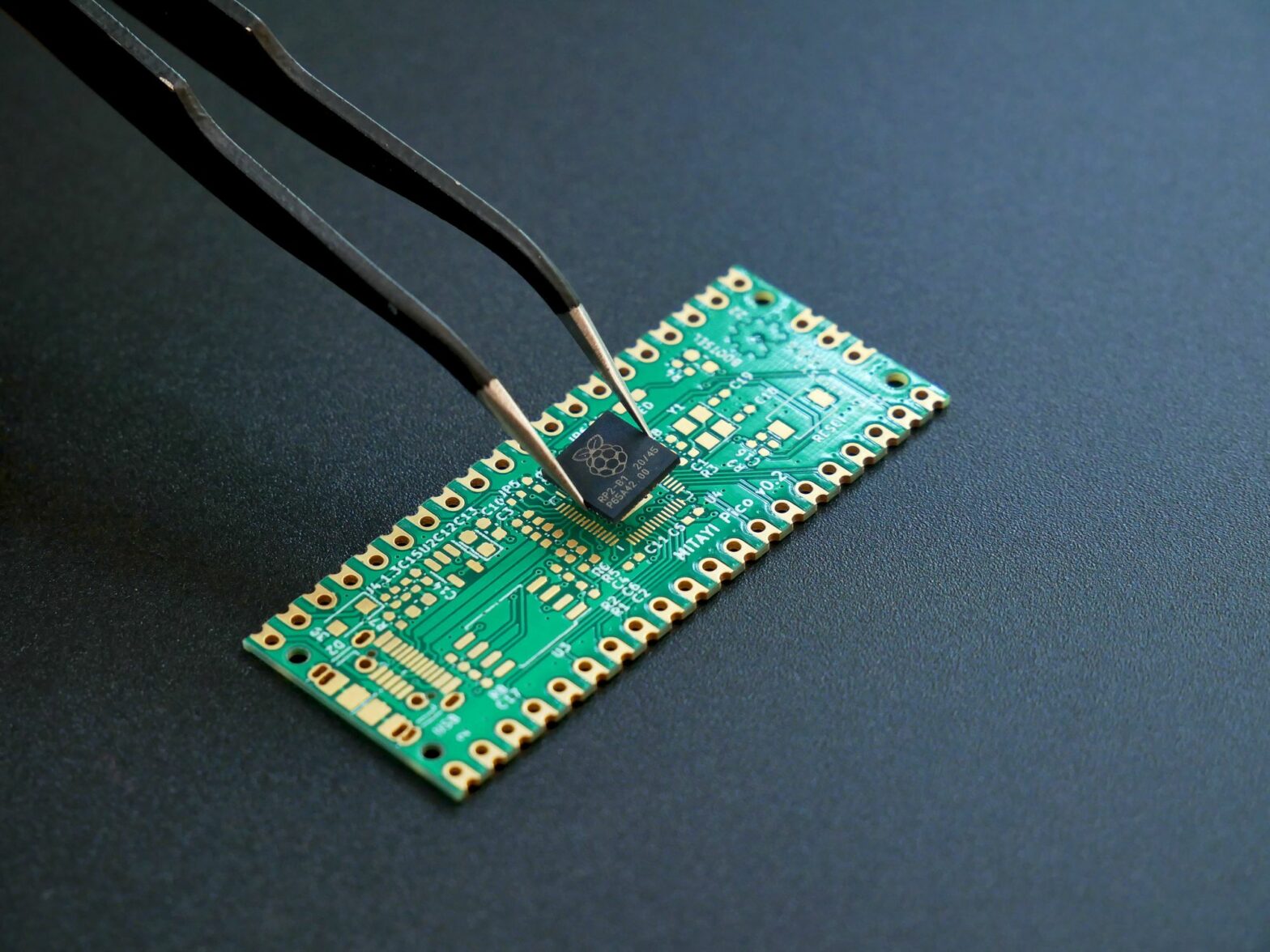
The manufacture of a chip requires 500 operations on three continents. Both the U.S. and China want to master this incredible logistics chain. And with Taiwan crucial to the supply chain, there is both a cause and effect to try to calculate.
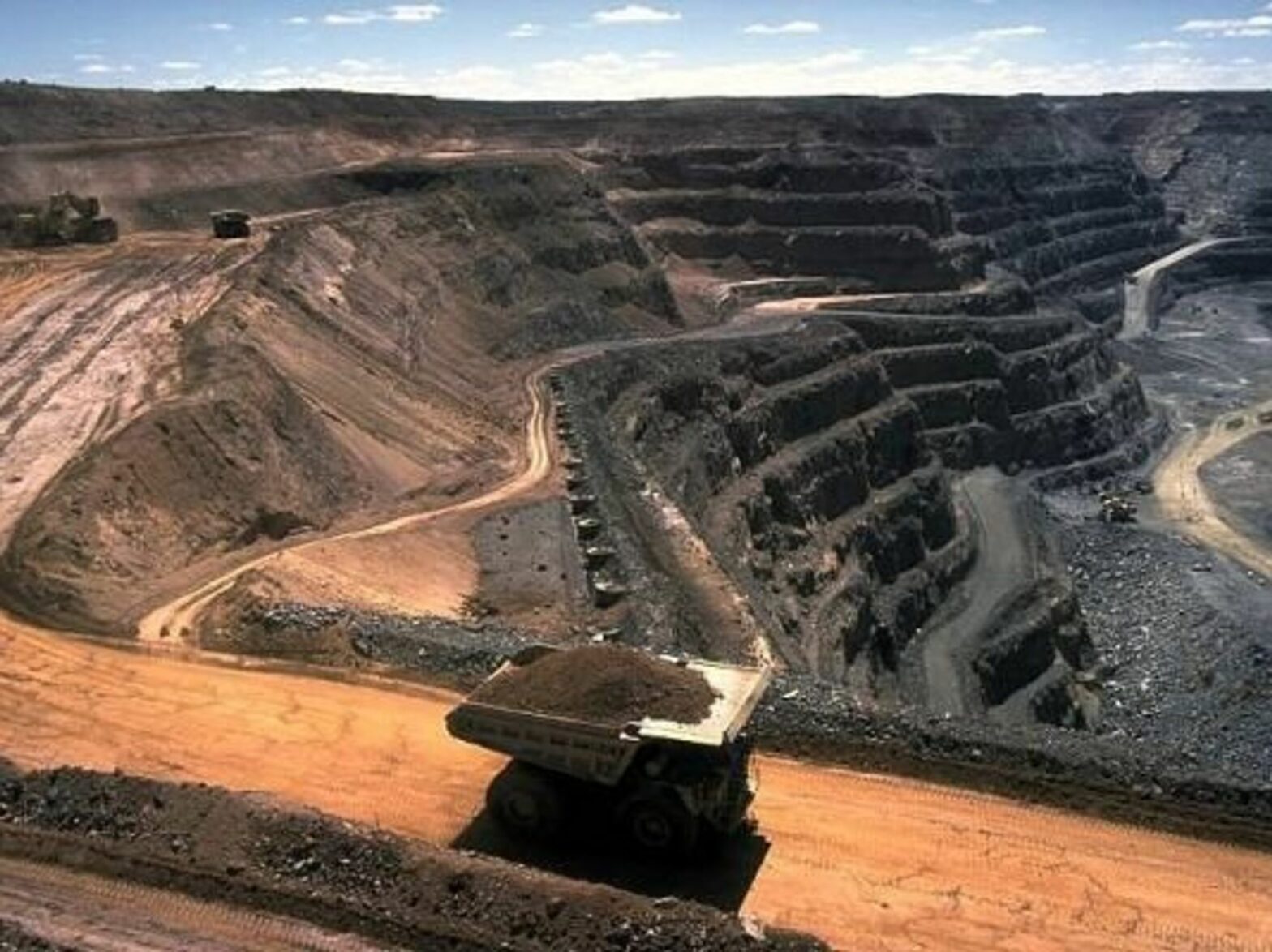
The European Union has a new plan that challenges the long-established dogmas of globalization, with its just-in-time supply chains and outsourcing the “dirty” work to the developing world.