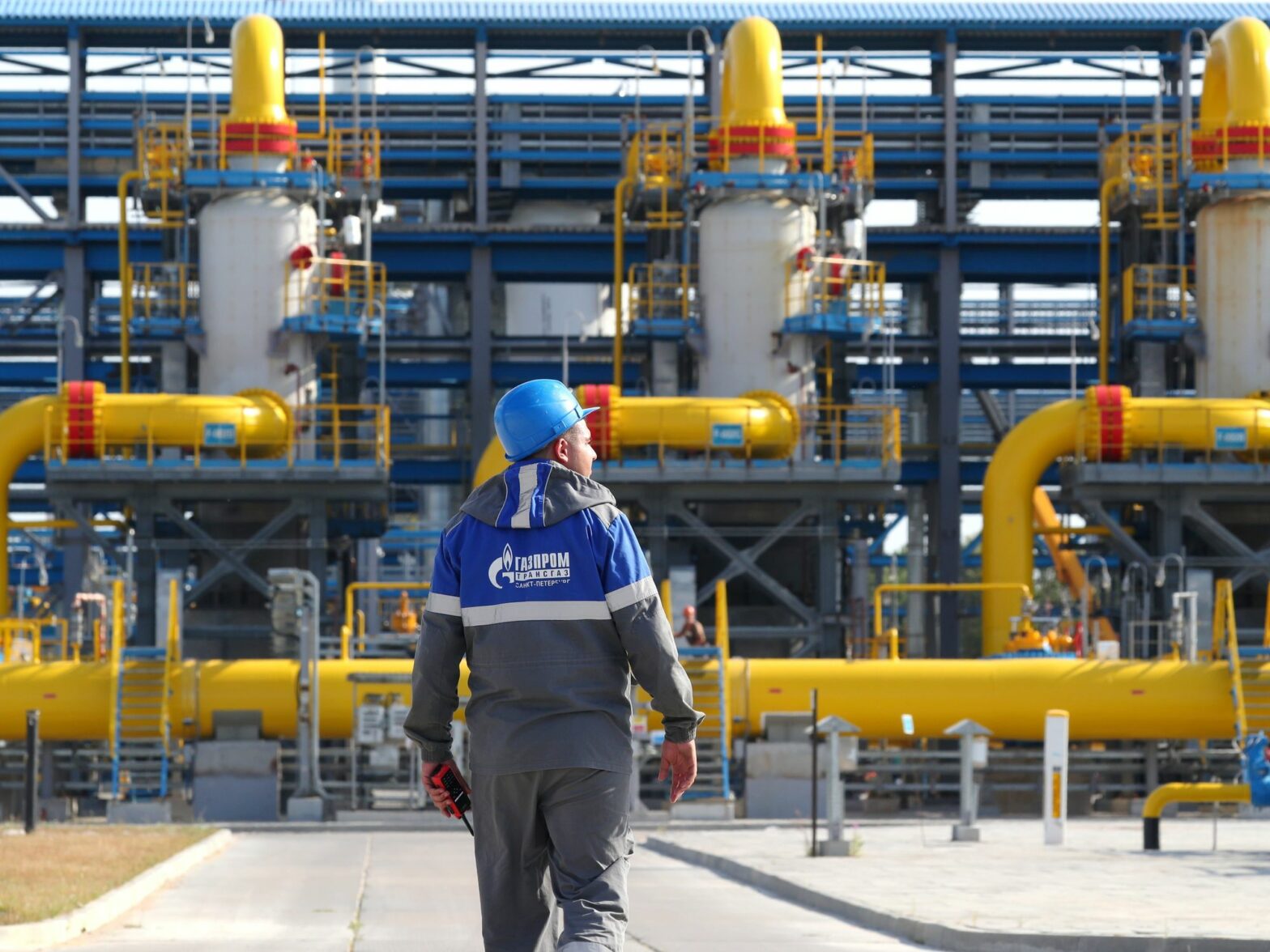
Unthinkable just a few months ago, the return of Russian gas to supply European countries is now being advocated by some on the continent. But the move faces both political and technical barriers, and its medium-term benefits are not clear.
 Worldcrunch
Unthinkable just a few months ago, the return of Russian gas to supply European countries is now being advocated by some on the continent. But the move faces both political and technical barriers, and its medium-term benefits are not clear.
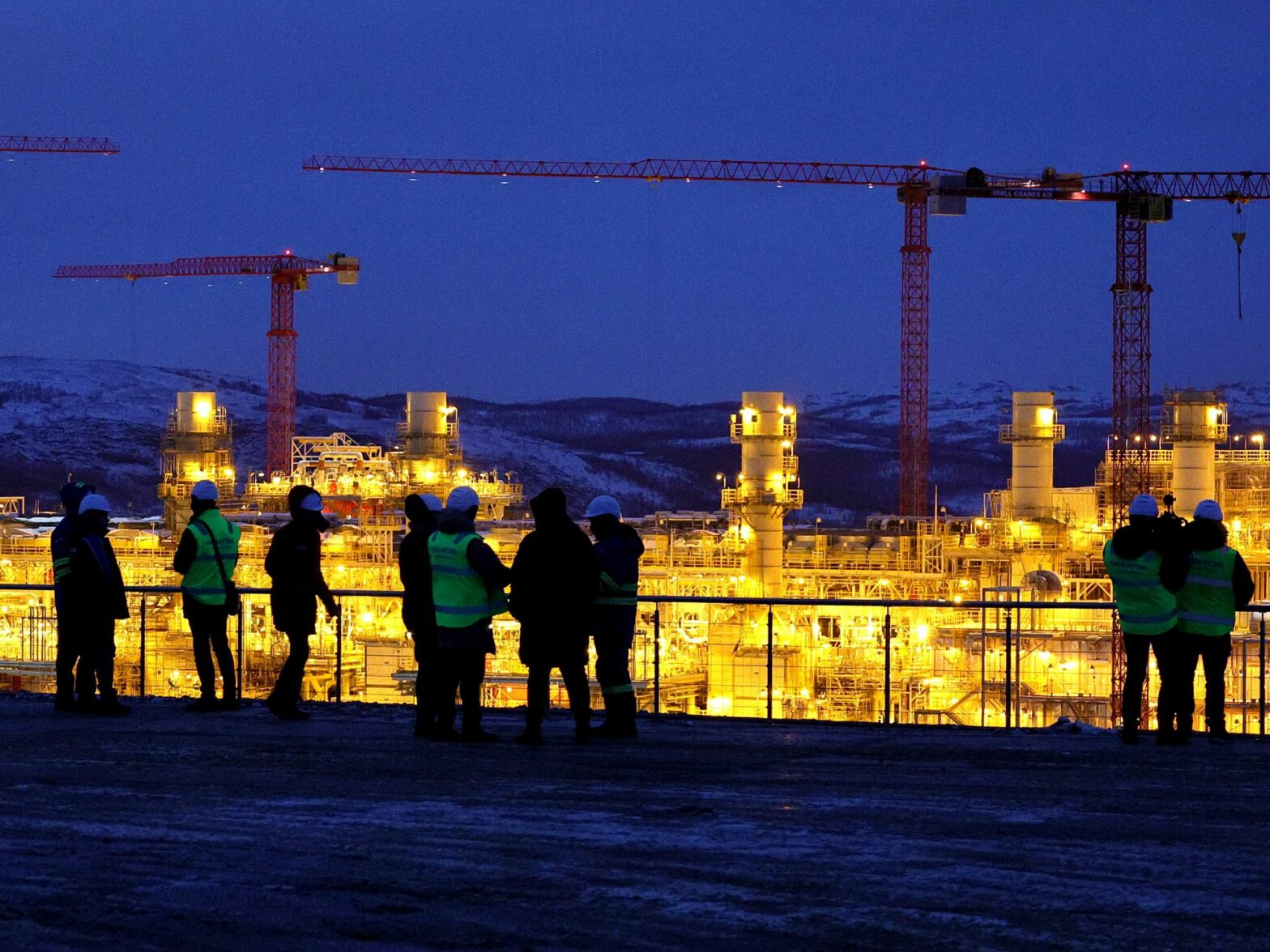
A complex compensation mechanism for fuel companies, currency devaluation, increased demand due to the war, logistics disruptions, and stuttering production growth have combined to trigger price rises and deepening shortages at home in the Russian energy market. That is a real risk for the war in Ukraine.

Vladimir Putin thought the West would wind up divided over the backing of Ukraine. Yet a year later with new survey numbers out, and more aid flowing to Kyiv, this appears to be one of the most crucial errors in launching his invasion.
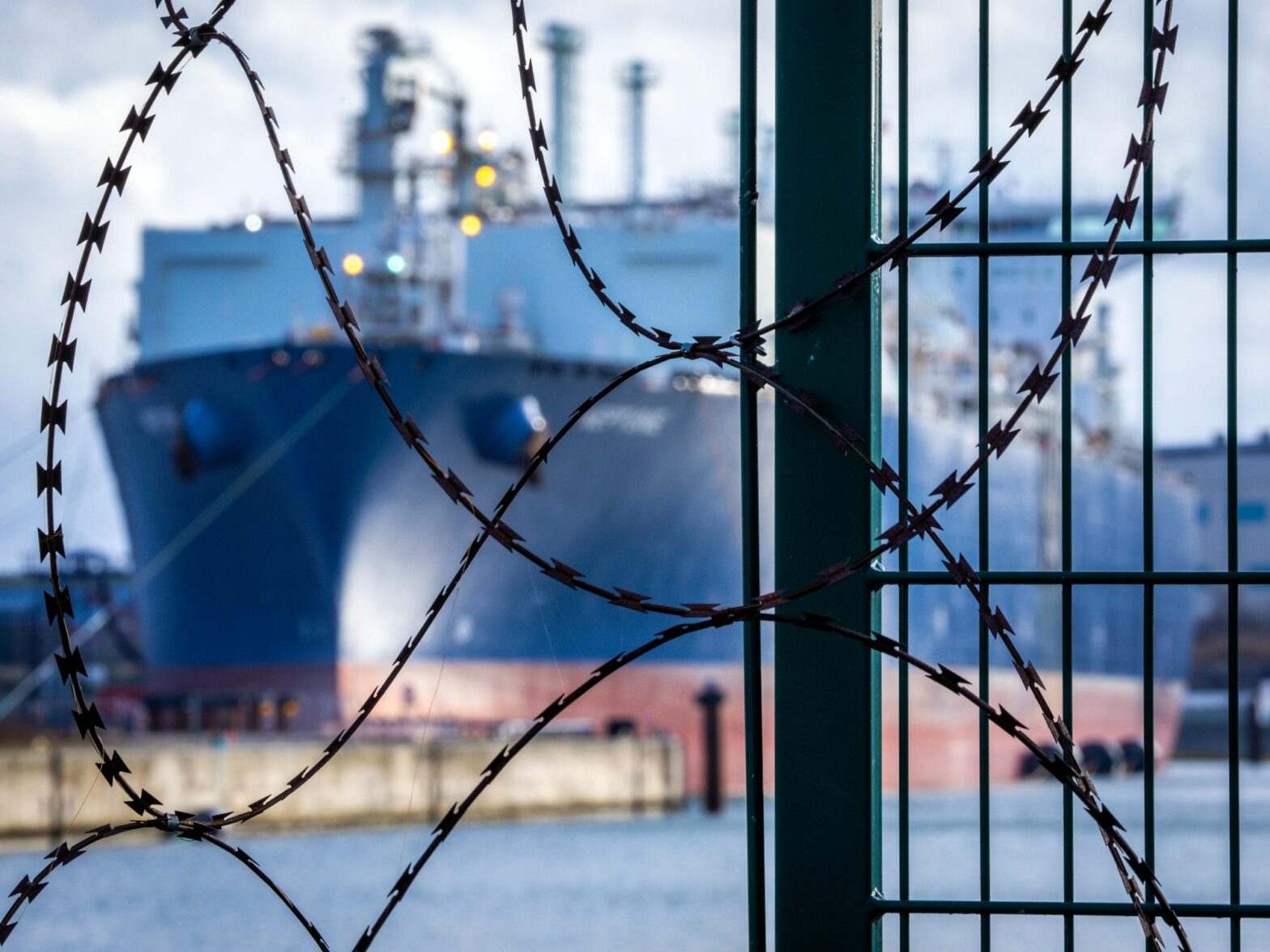
Petro Poroshenko, the Ukrainian businessman and politician, who served as the fifth president of Ukraine from 2014 to 2019, believes more can be done to defeat Putin, by truly crippling the Russian economy:
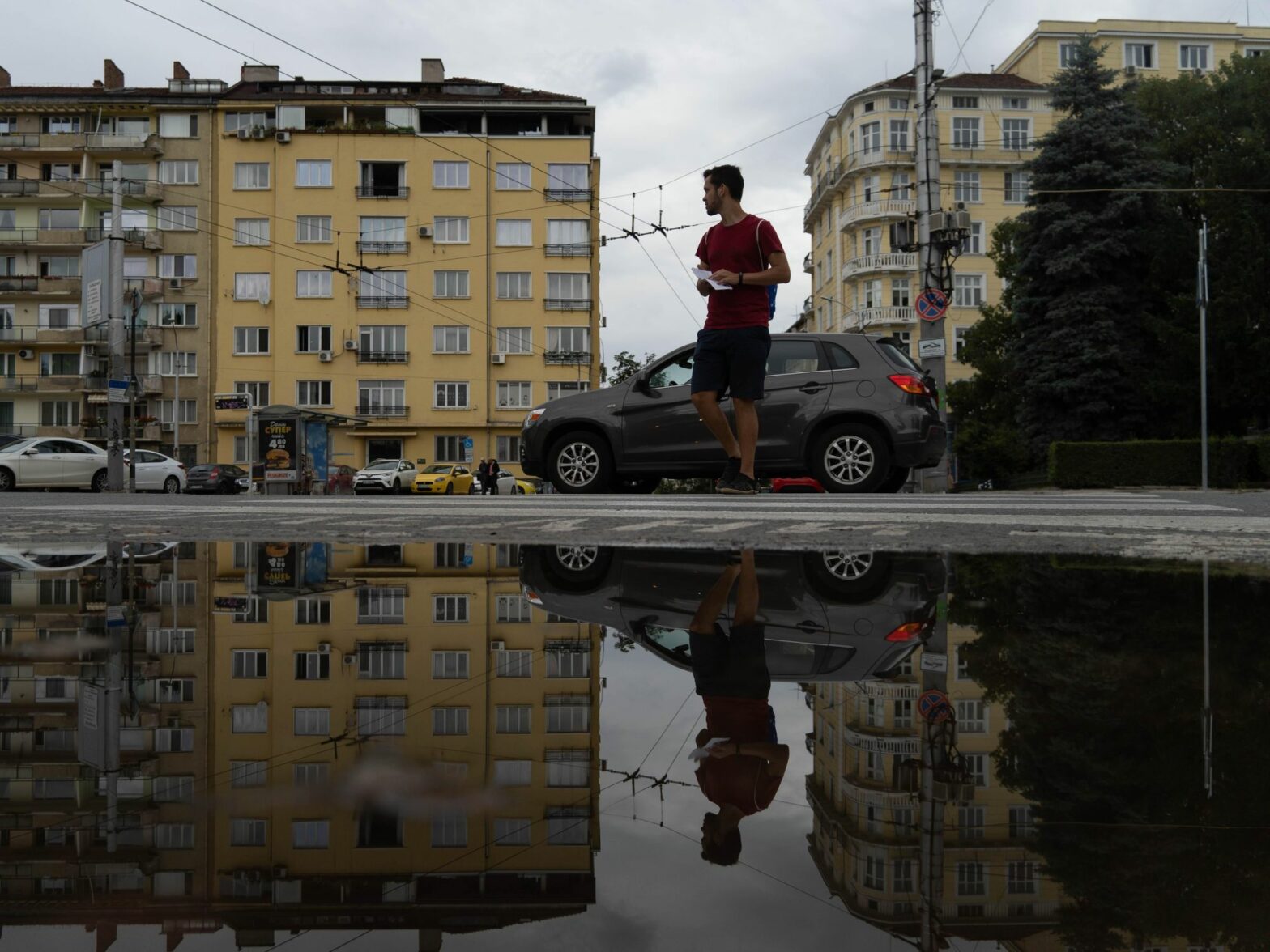
Bulgaria had sworn off Russian gas imports, but then its government collapsed. Now pro-Russian politicians are in power, which for the European Union means there is much more at stake than just energy supply.
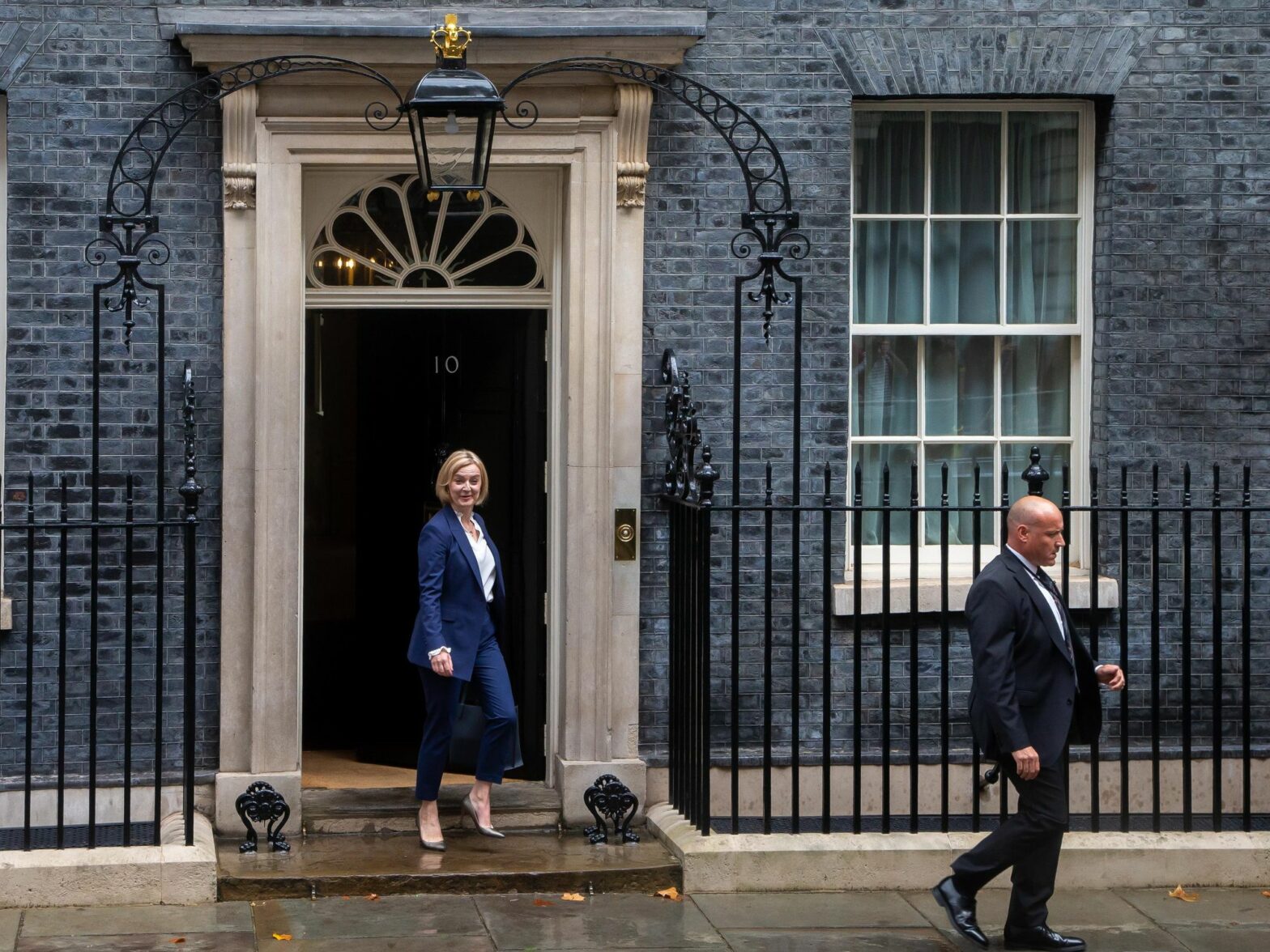
Britain’s new prime minister has not hidden the fact that she is focused on the domestic economic crisis gripping her country. That could sway her from the hardline anti-Russia stance of outgoing prime minister, Boris Johnson. Also, Truss has flip-flopped before.
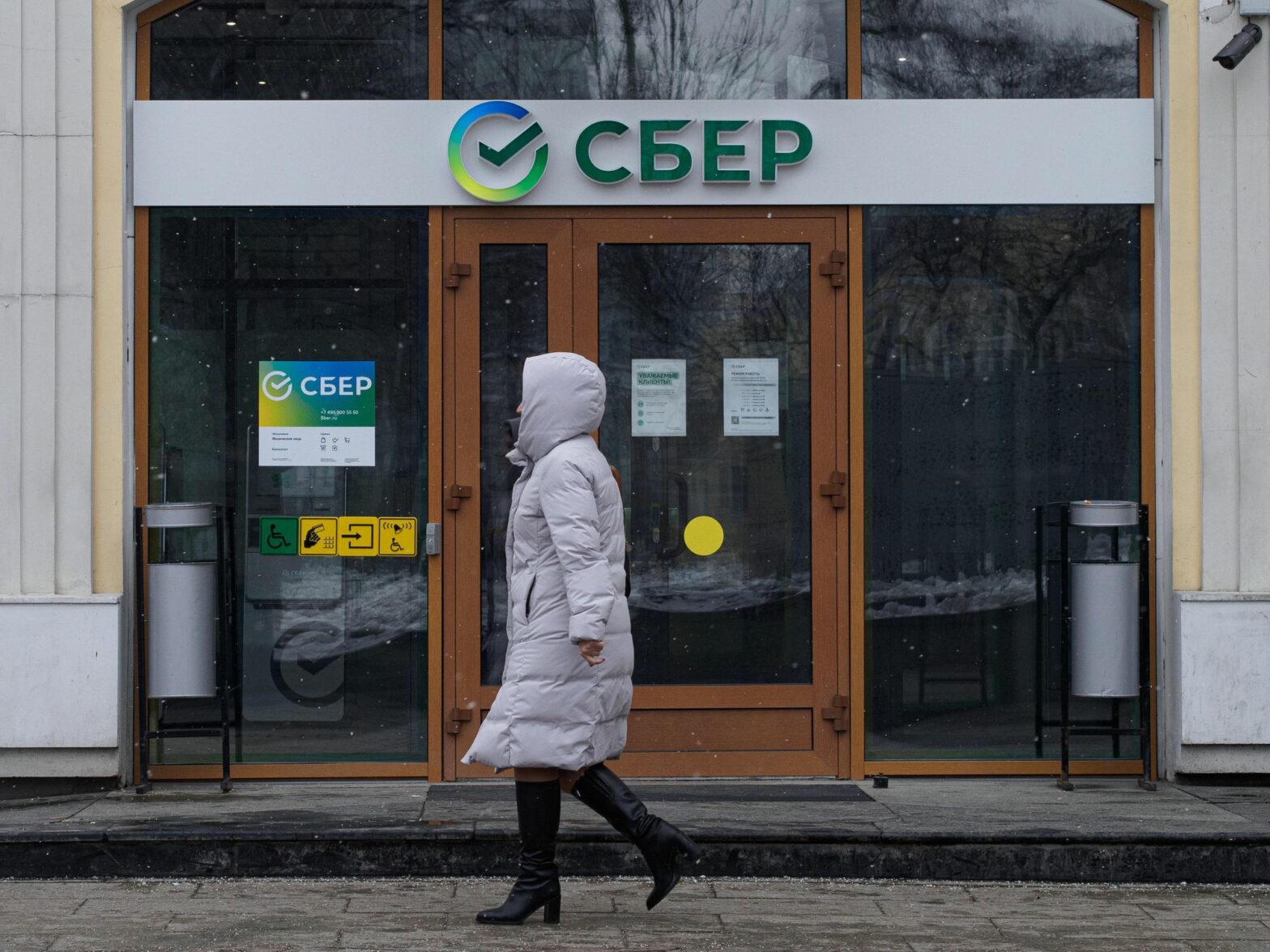
In an attempt to shore up its failing economy, Russia is trying to blackmail the West and asking to be paid in rubles for its natural gas. However, such a move is unlikely to help Moscow in the long-term. And the important question still remains of how the EU will manage without Russian gas.