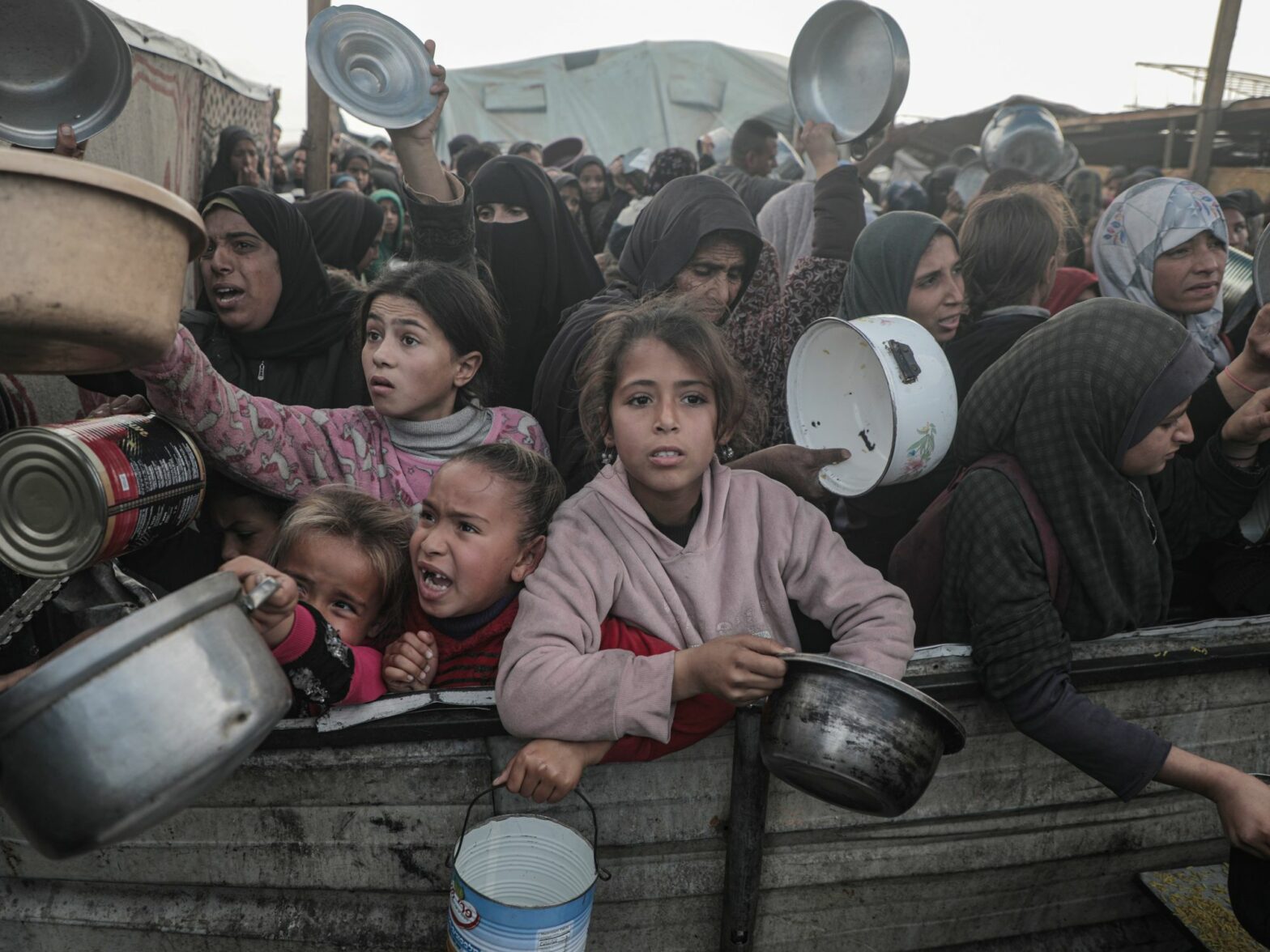
Palestinians in Gaza complain that they don’t receive enough aid to feed their children even after a surge of aid trucks entering the strip as part of the Hamas-Israel cease-fire deal.
 Worldcrunch
Palestinians in Gaza complain that they don’t receive enough aid to feed their children even after a surge of aid trucks entering the strip as part of the Hamas-Israel cease-fire deal.
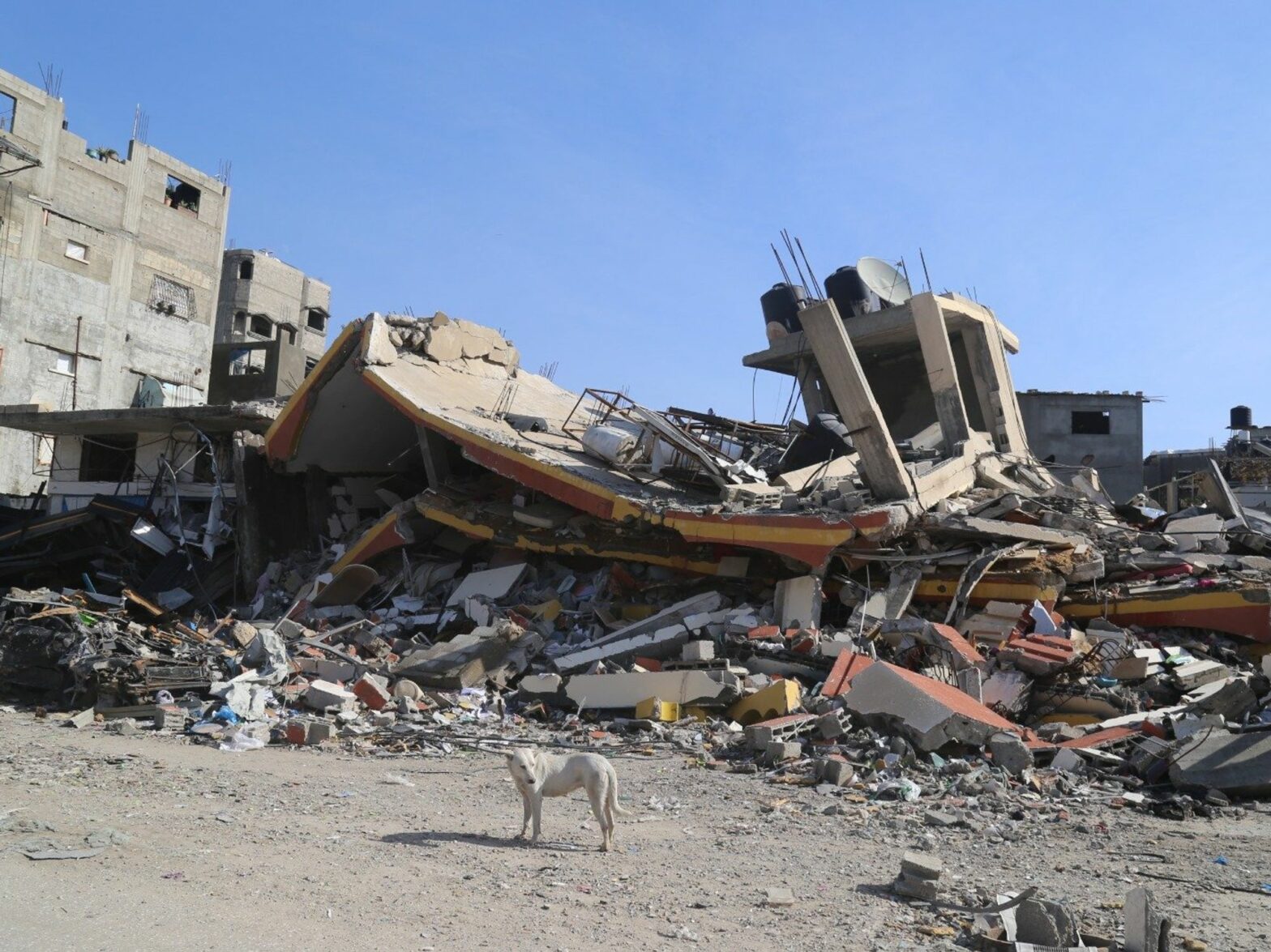
The situation in Gaza has become so dire that Palestinians have observed hungry dogs and cats eating dead bodies on the streets — and even digging up buried corpses — and becoming more aggressive toward people.
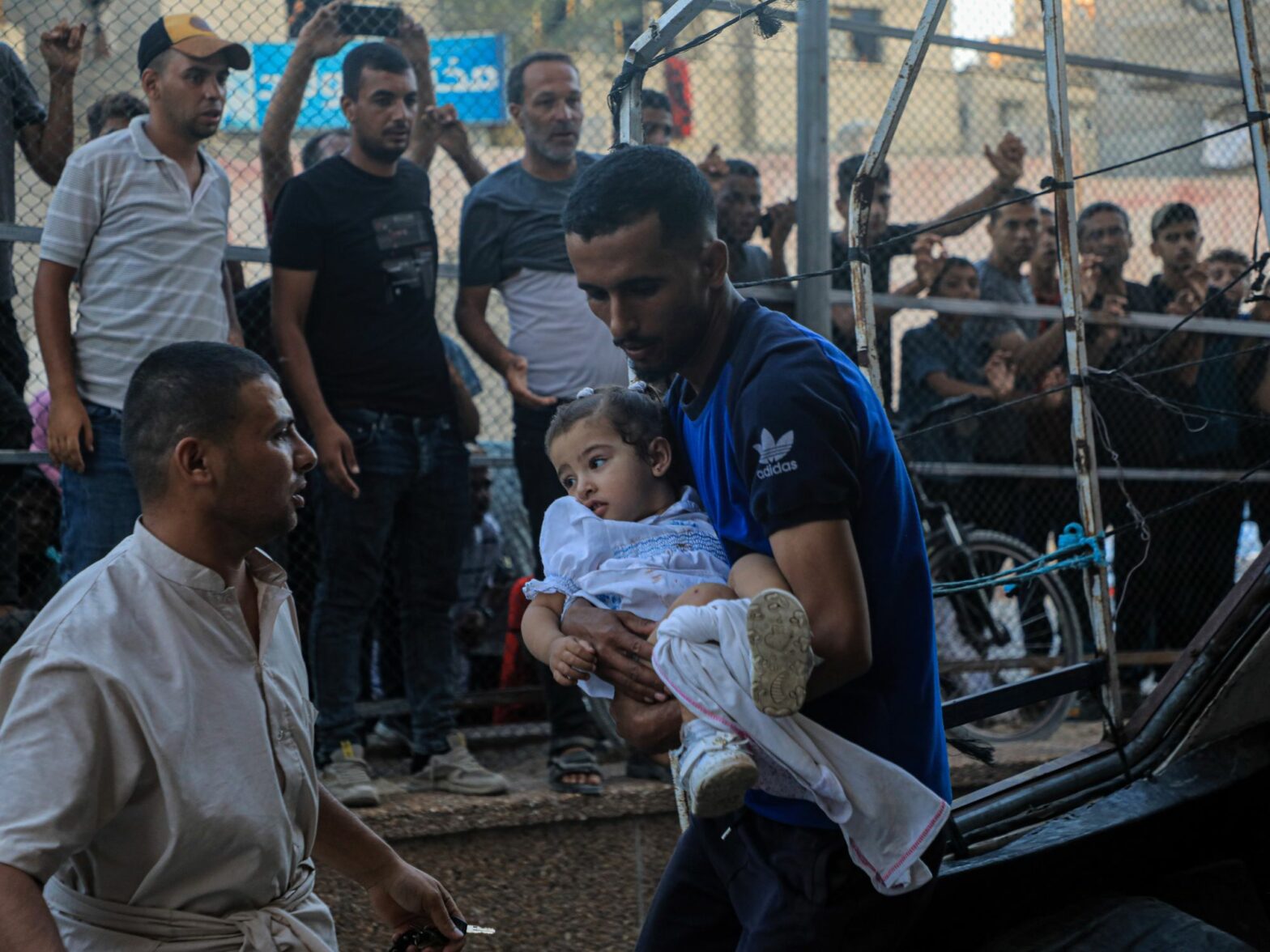
An Israeli missile struck children playing soccer in a schoolyard a day after international outrage at Russia’s bombing of Ukraine’s largest children’s hospital. As the Israel-Hamas war drags on, ceasefire negotiations get harder as the rest of the world looks away.
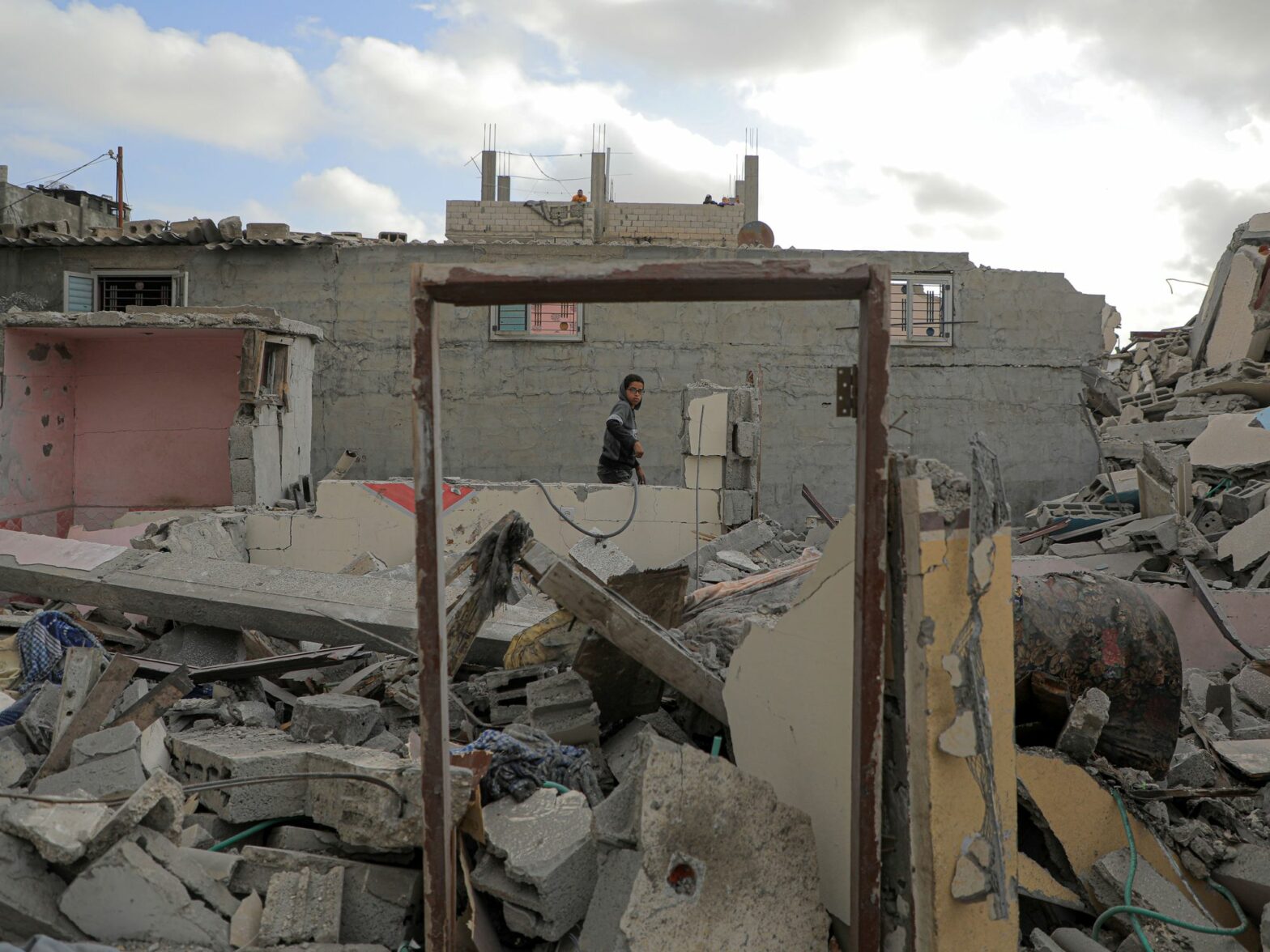
Despite talk of a smaller impact, Israel is prolonging its war on Gaza with more bombing campaigns that regularly kill civilians. The daily slaughter continues as the international community and Middle East have been focused on the growing tensions between Israel and Iran.
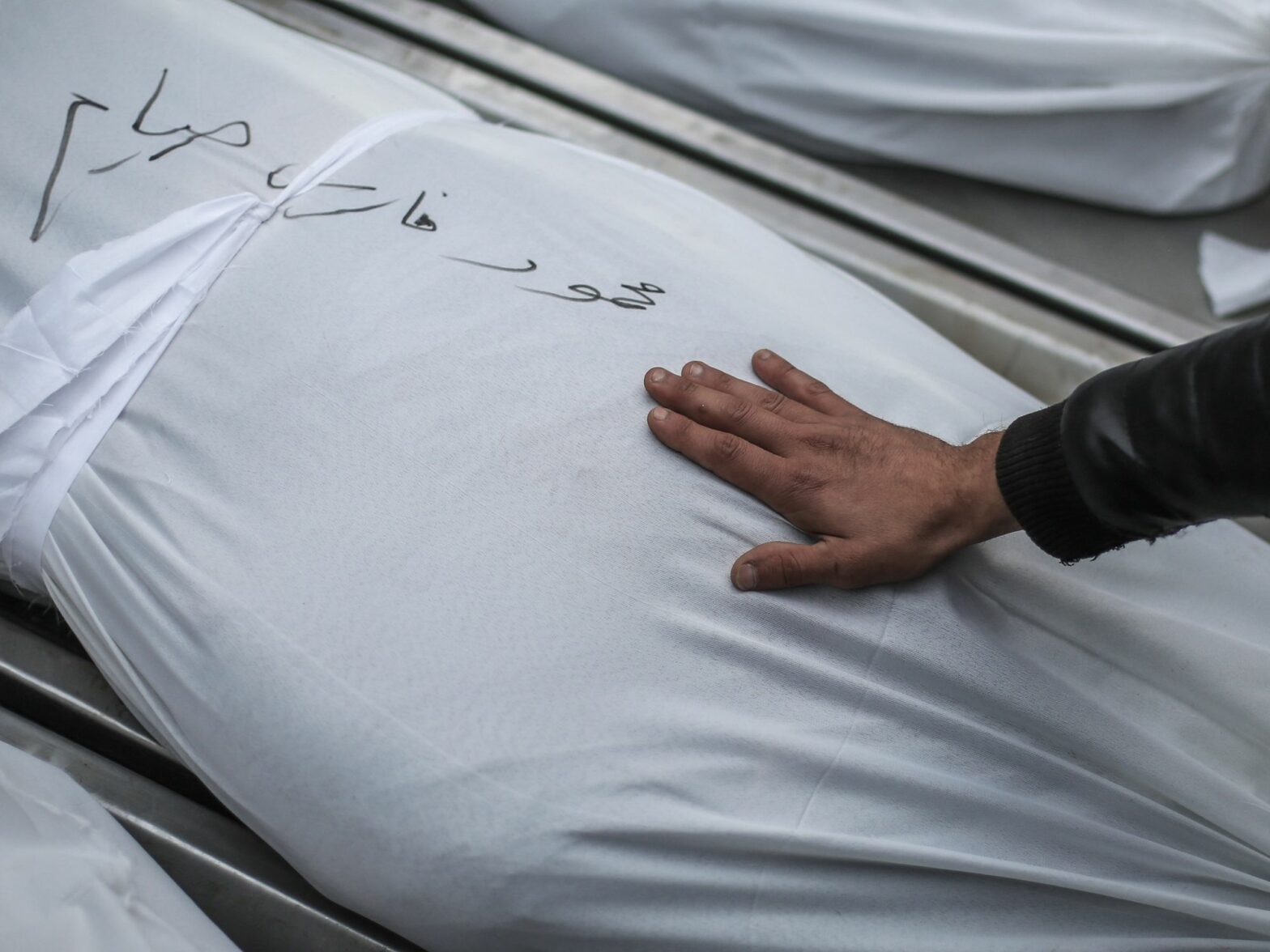
The brother of Palestinian journalist Mohamed Abu Shahma chose to return home to Khan Younis despite Israel’s offensive on the city. He paid the ultimate price.
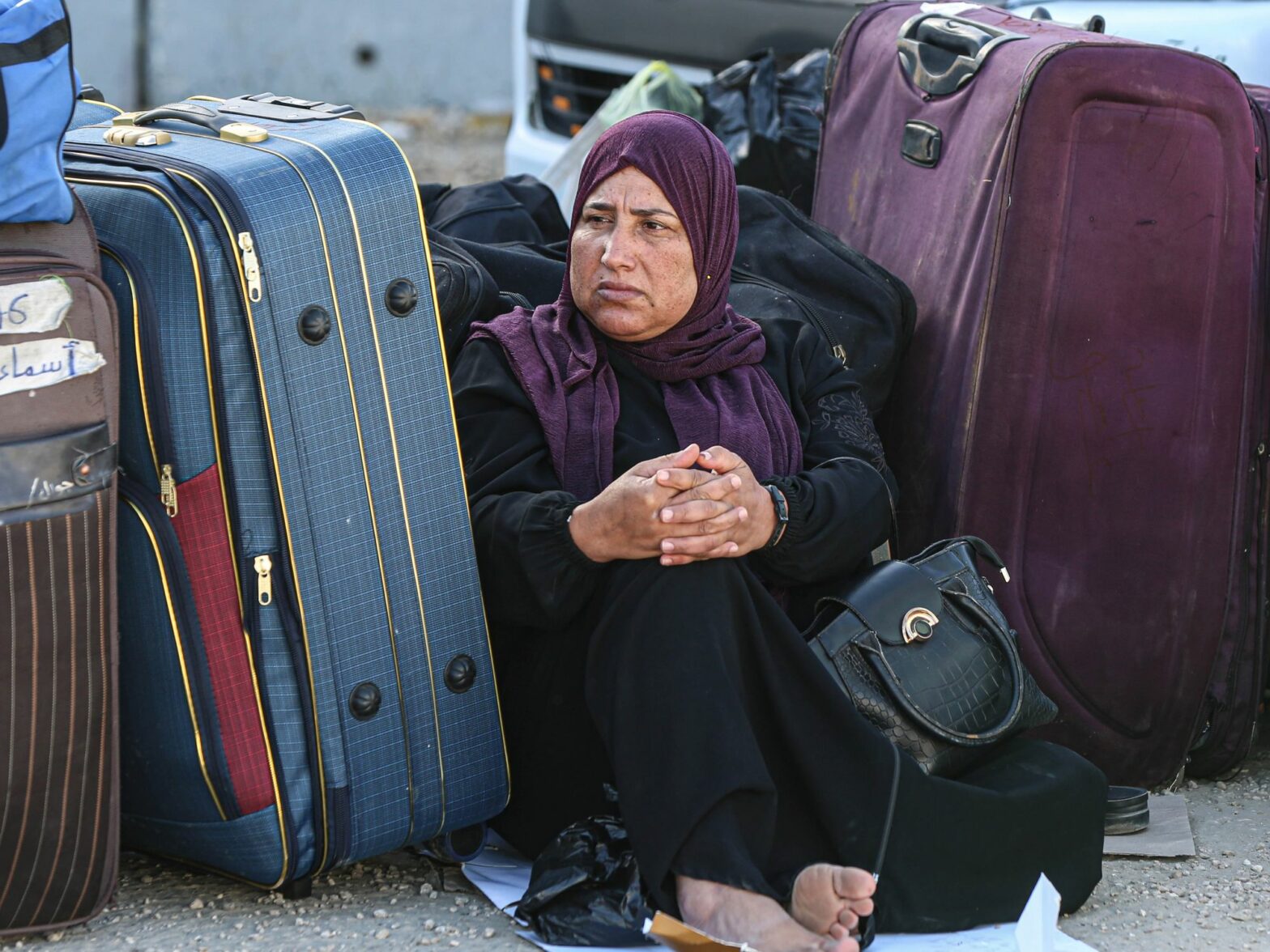
In late March, the Palestinian embassy in Cairo organized a crossing for Palestinians back into Gaza. Al Manassa talks with some of the Palestinians preparing to leave the safety of Egypt about their motivations for returning to the war-torn homeland.
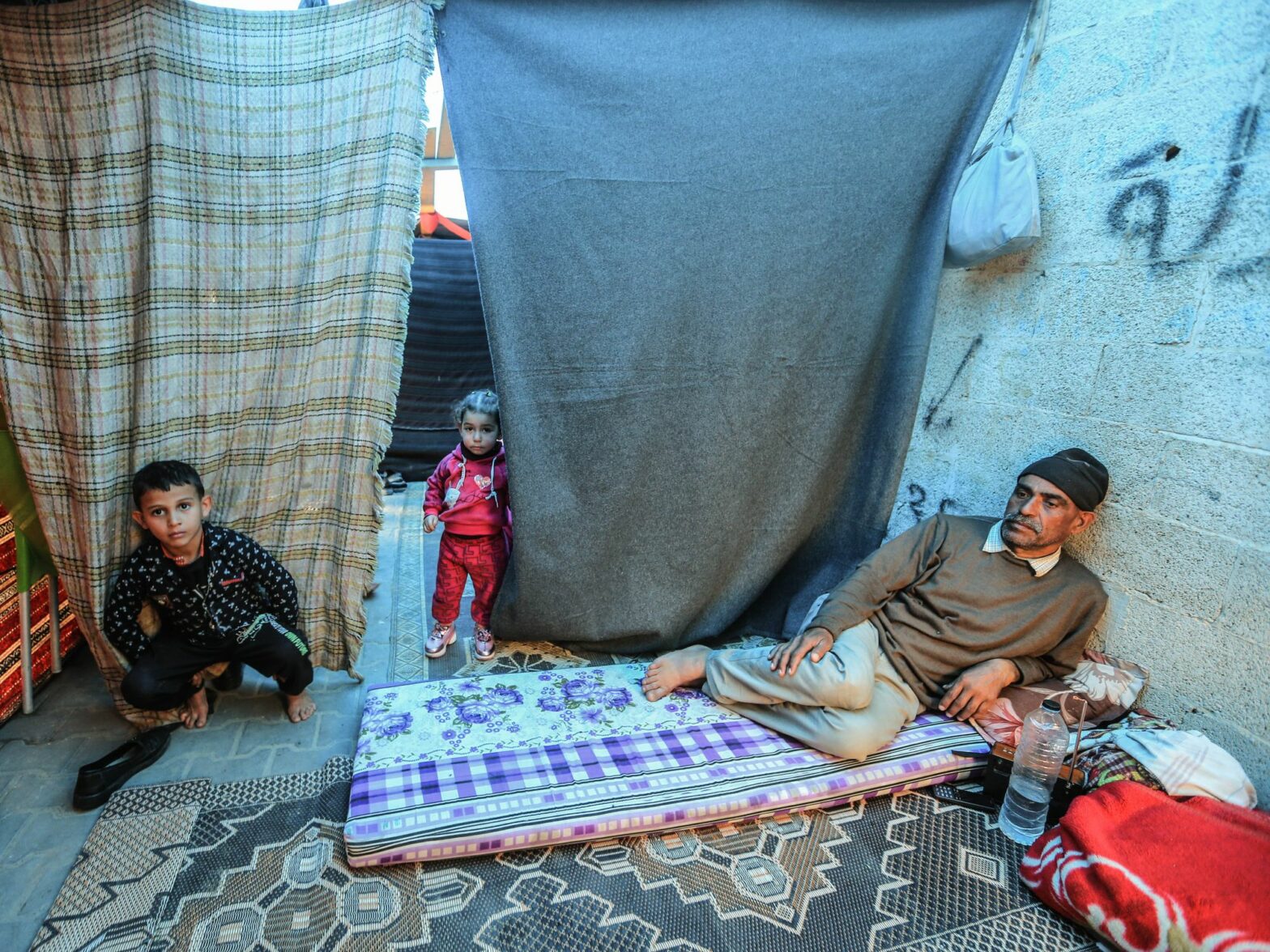
As Israel insists on launching a ground offensive on Gaza’s packed city of Rafah, many of the 1.4 million mostly temporary residents are consumed by plans for what their next move will be. If there is a next move.
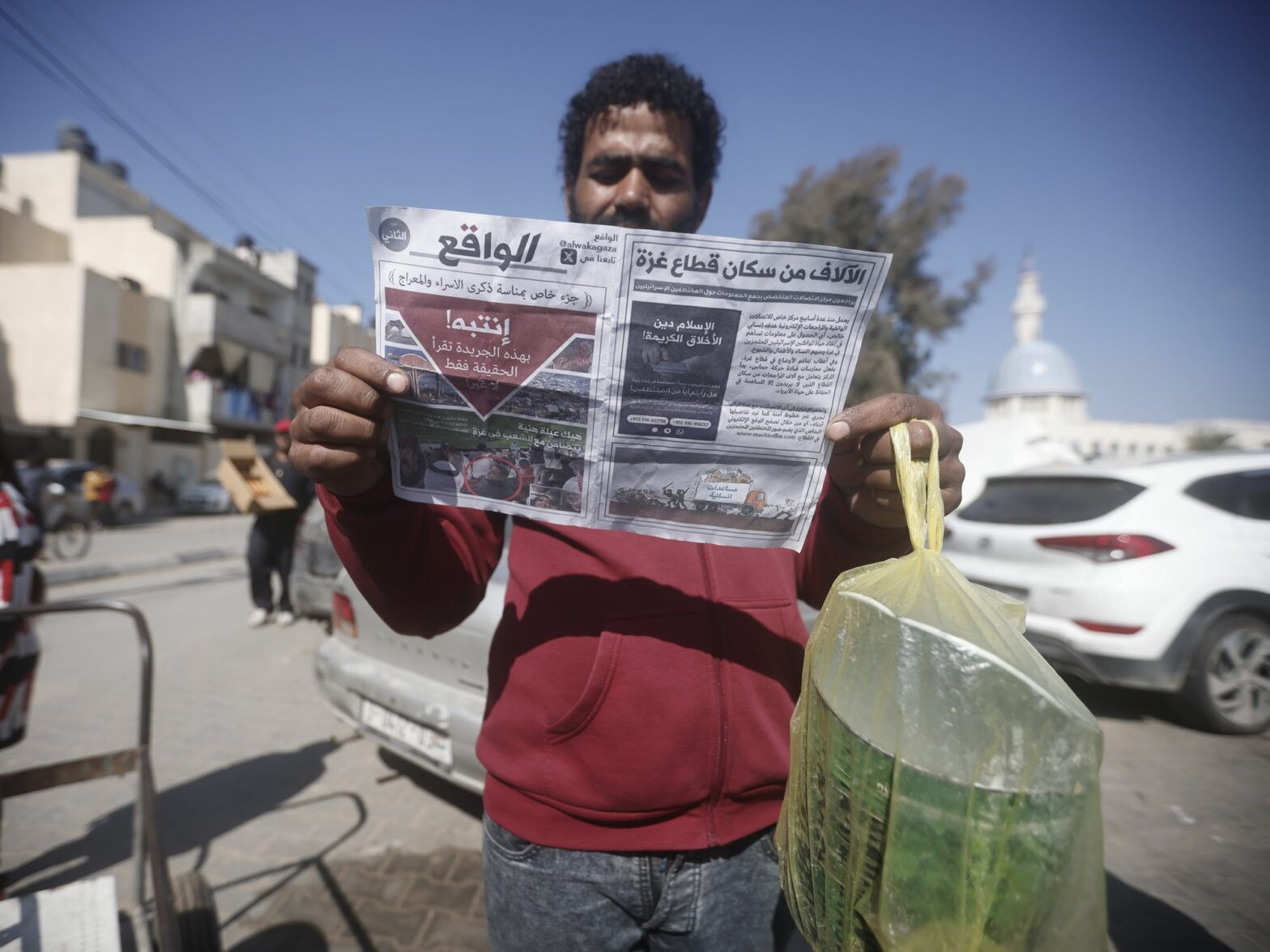
Rafah has become, by far, the largest concentration of displaced people in Gaza. Now Israel is threatening to invade the city, sending waves of desperation among 1.4 million people there. It’s simple: There’s nowhere else to go.
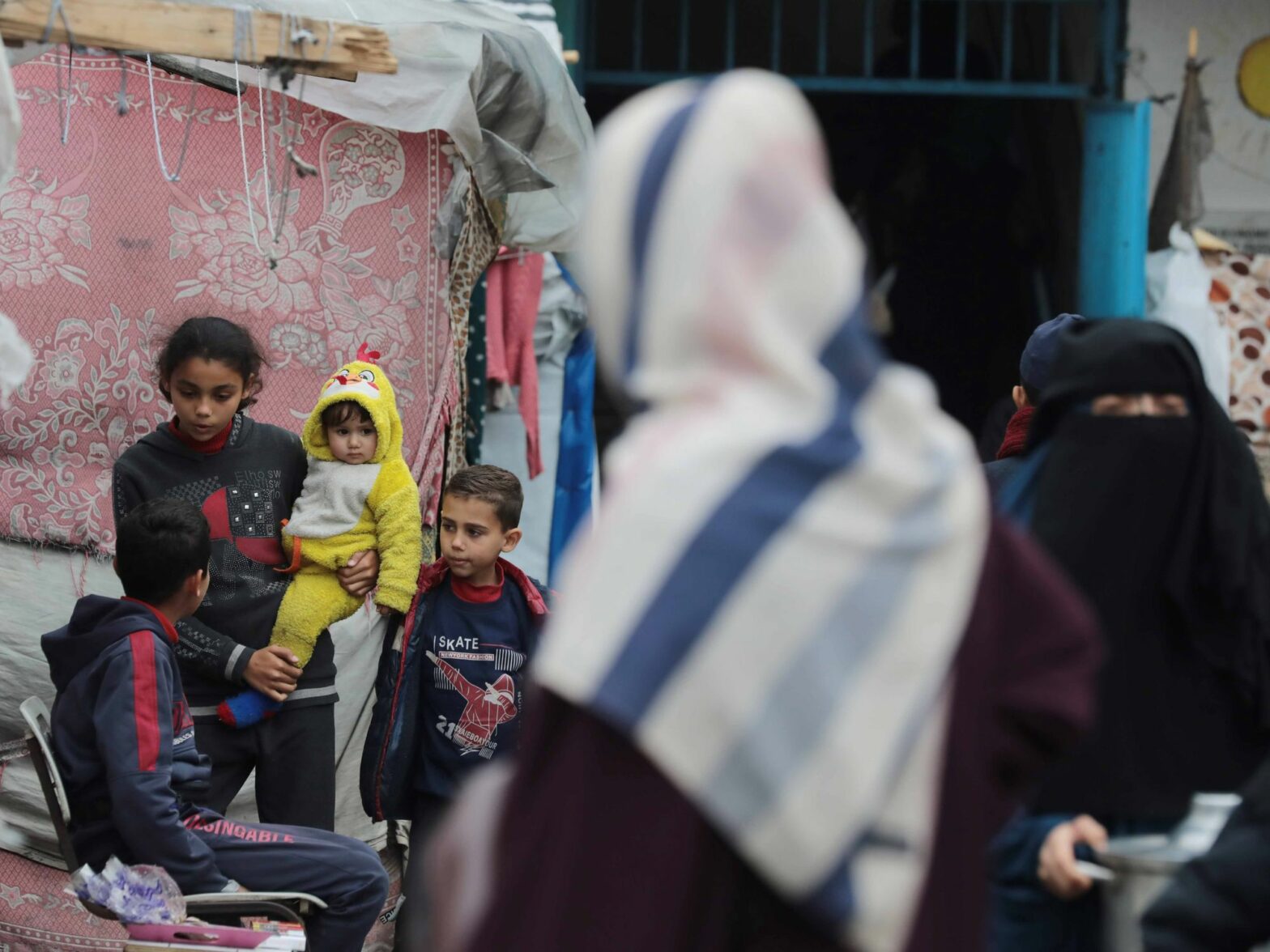
Desperate Gaza residents now wait for a word on the success of ceasefire deal, which could allow them to return home. Even if They don’t know what will come next. But they definitely want an end to the war, and so their significant suffering. They want to return to their homes, even if they are demolished.
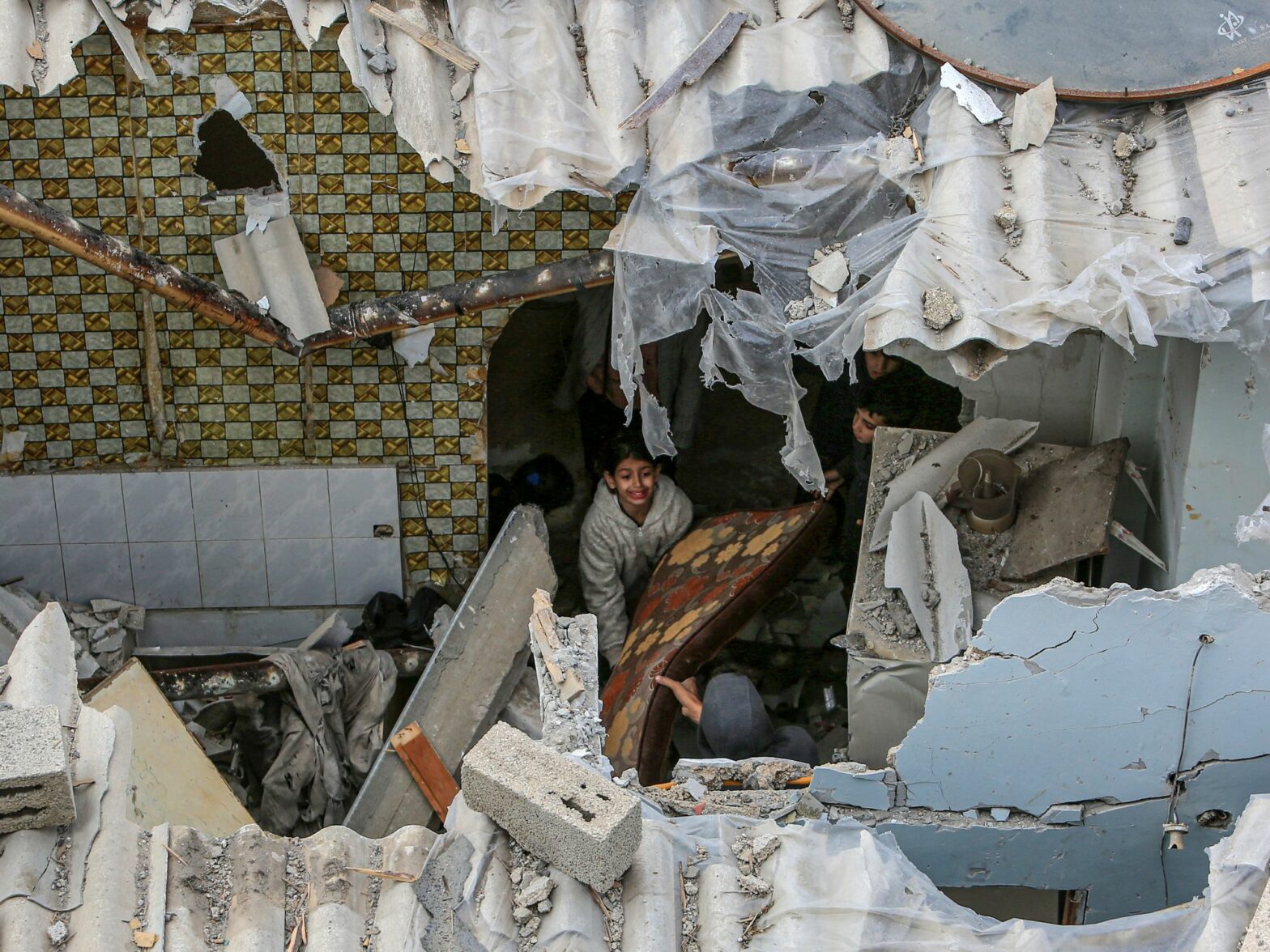
Children are Gaza’s most vulnerable. For those displaced families living in shelters, the cold weather, lack of food and spread of disease are among the most immediate threats. But children also face trauma, with virtually no resources
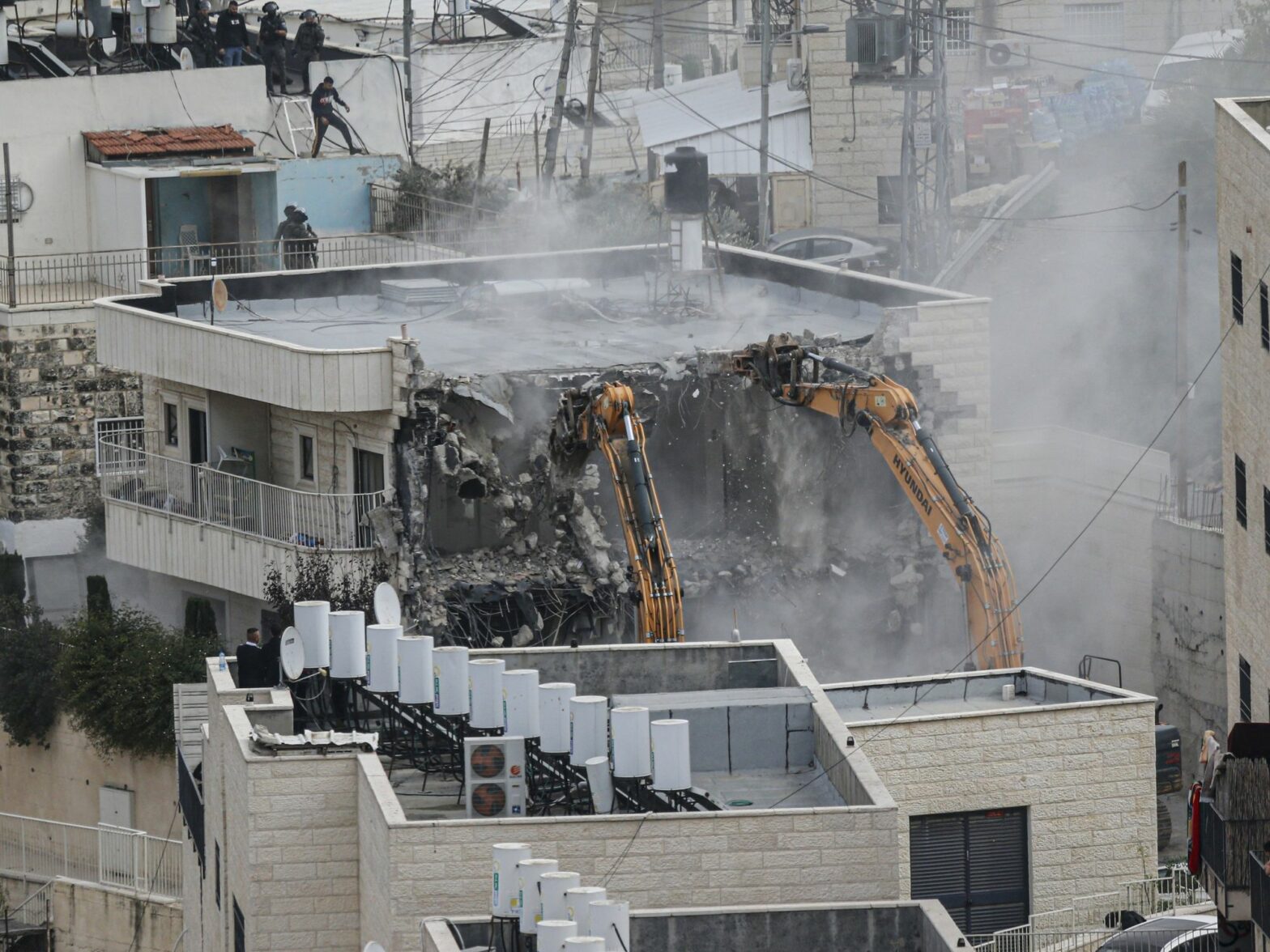
Israel says it is establishing a buffer zone inside Gaza along the strip’s border, as part of its efforts to guarantee security and avoid another Oct. 7. But it’s already led to the destruction of thousands of buildings and acres of agricultural land. In other words: Occupation.
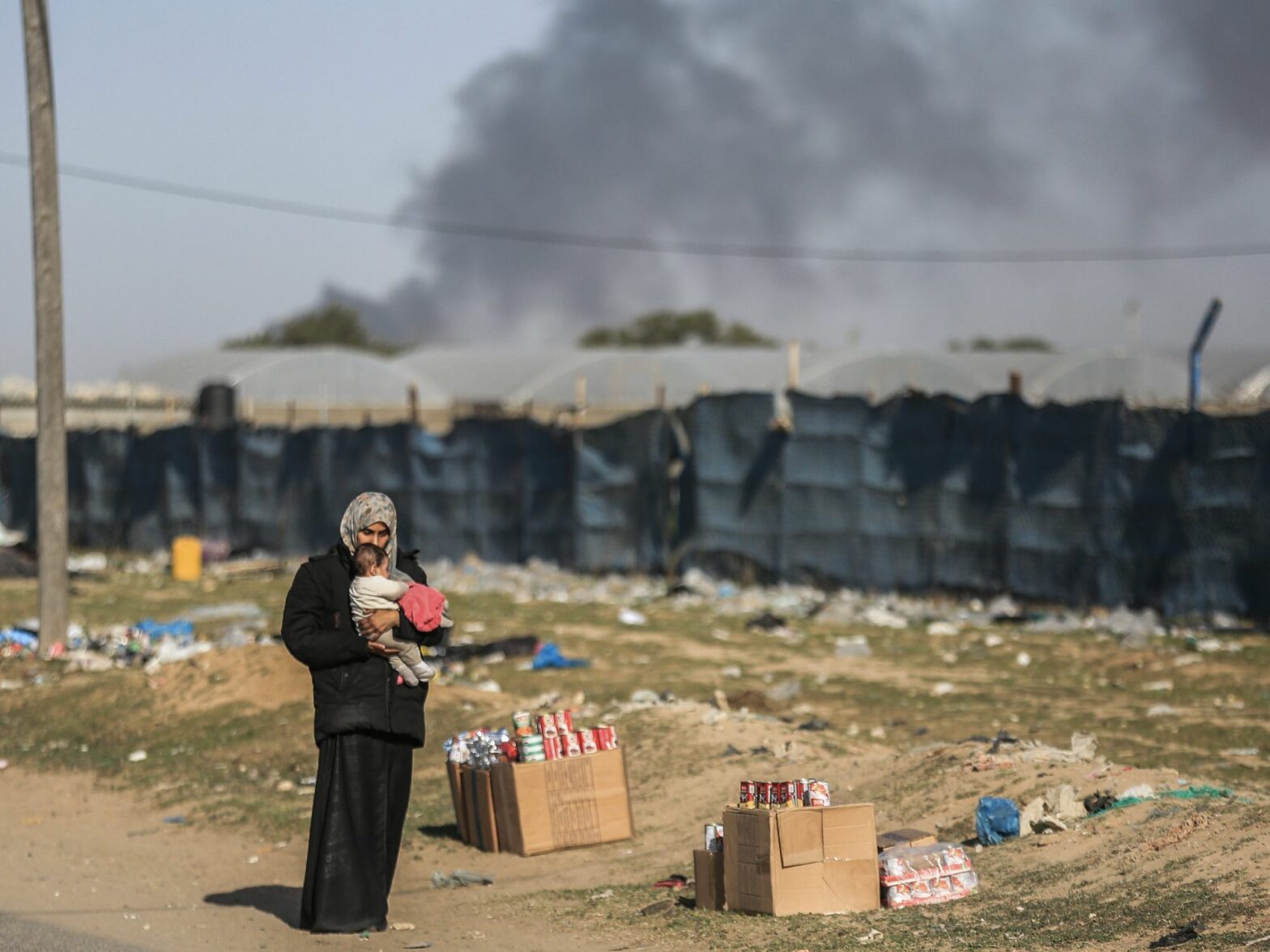
After suffering its heaviest losses in a single day, the Israeli army continues its hunt for Hamas leaders and troops in Khan Younis, an overcrowded refugee camp in southern Gaza. Even heavier Palestinian civilian casualties are feared, as the war appears to be reaching a moment of truth.
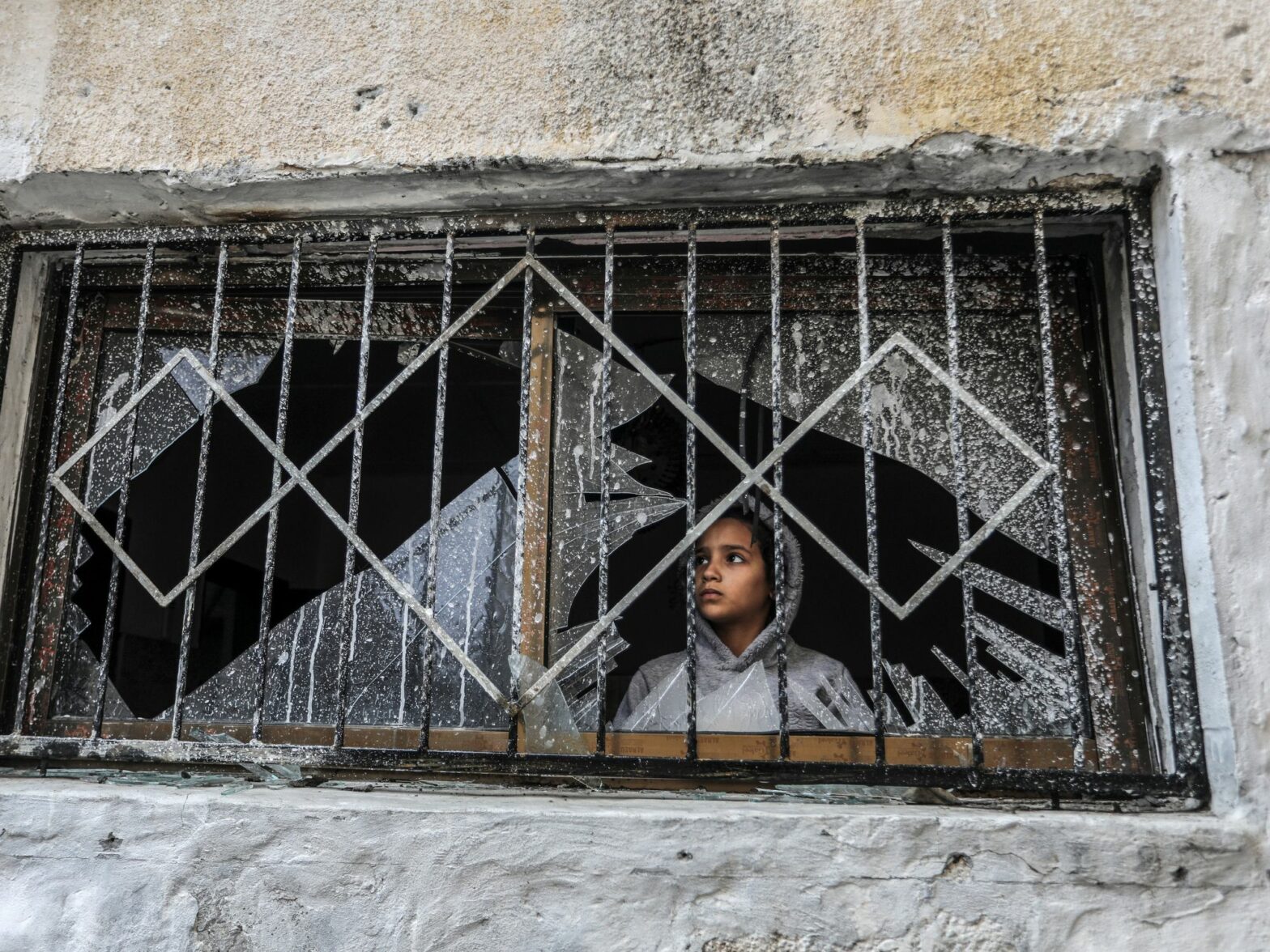
Launching a ground invasion in the south of Gaza, where residents have been forced to flee, will be virtually impossible for the Biden Administration to accept.
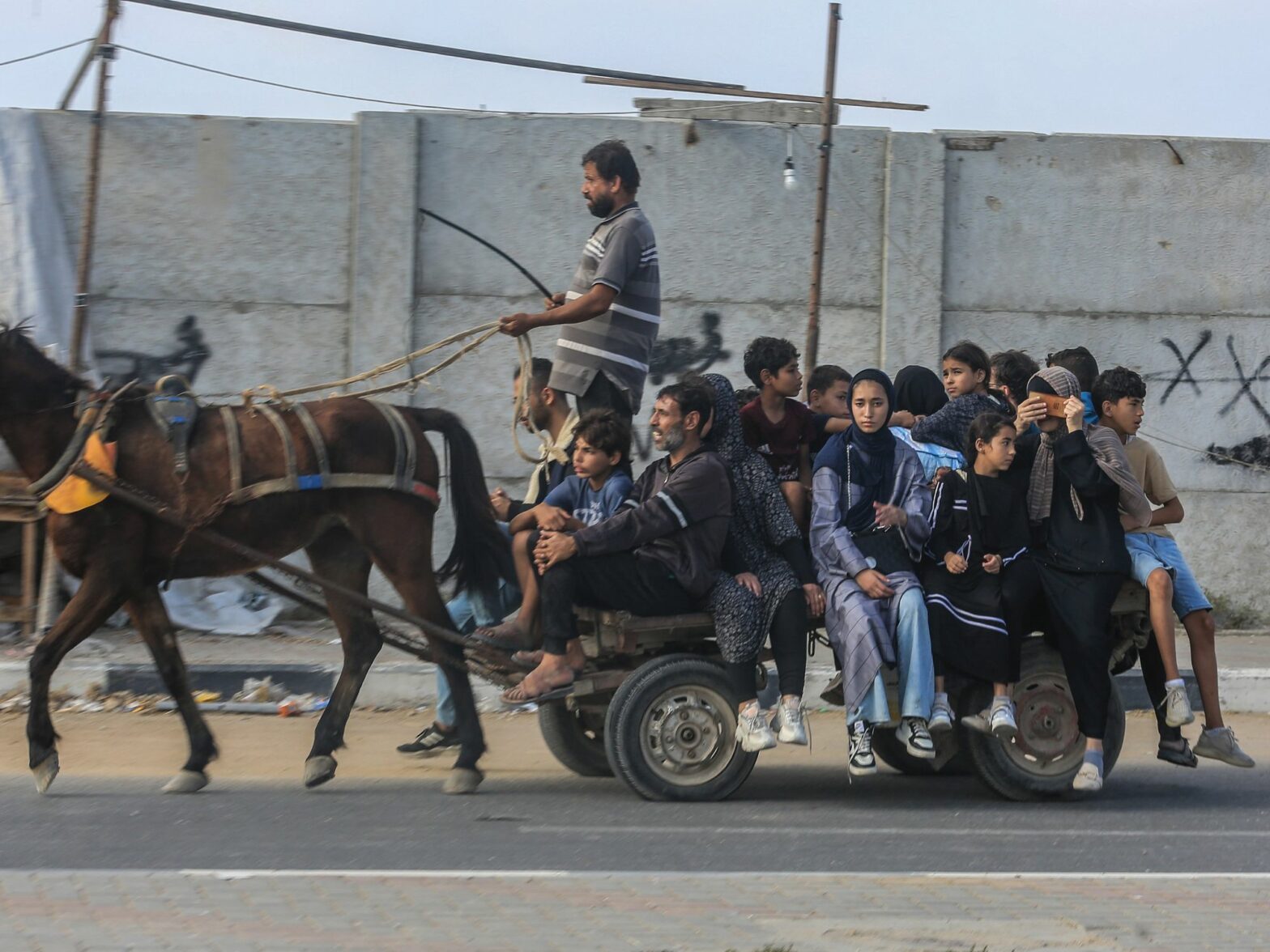
After last Thursday’s announcement of daily, four-hour humanitarian pauses in the northern part of Gaza, masses of Palestinians fled southward. But the journey is anything but safe and easy.