Chatbots weren’t designed for mental health, but they’re increasingly used for therapy. What are the risks and benefits?

 Worldcrunch
Chatbots weren’t designed for mental health, but they’re increasingly used for therapy. What are the risks and benefits?
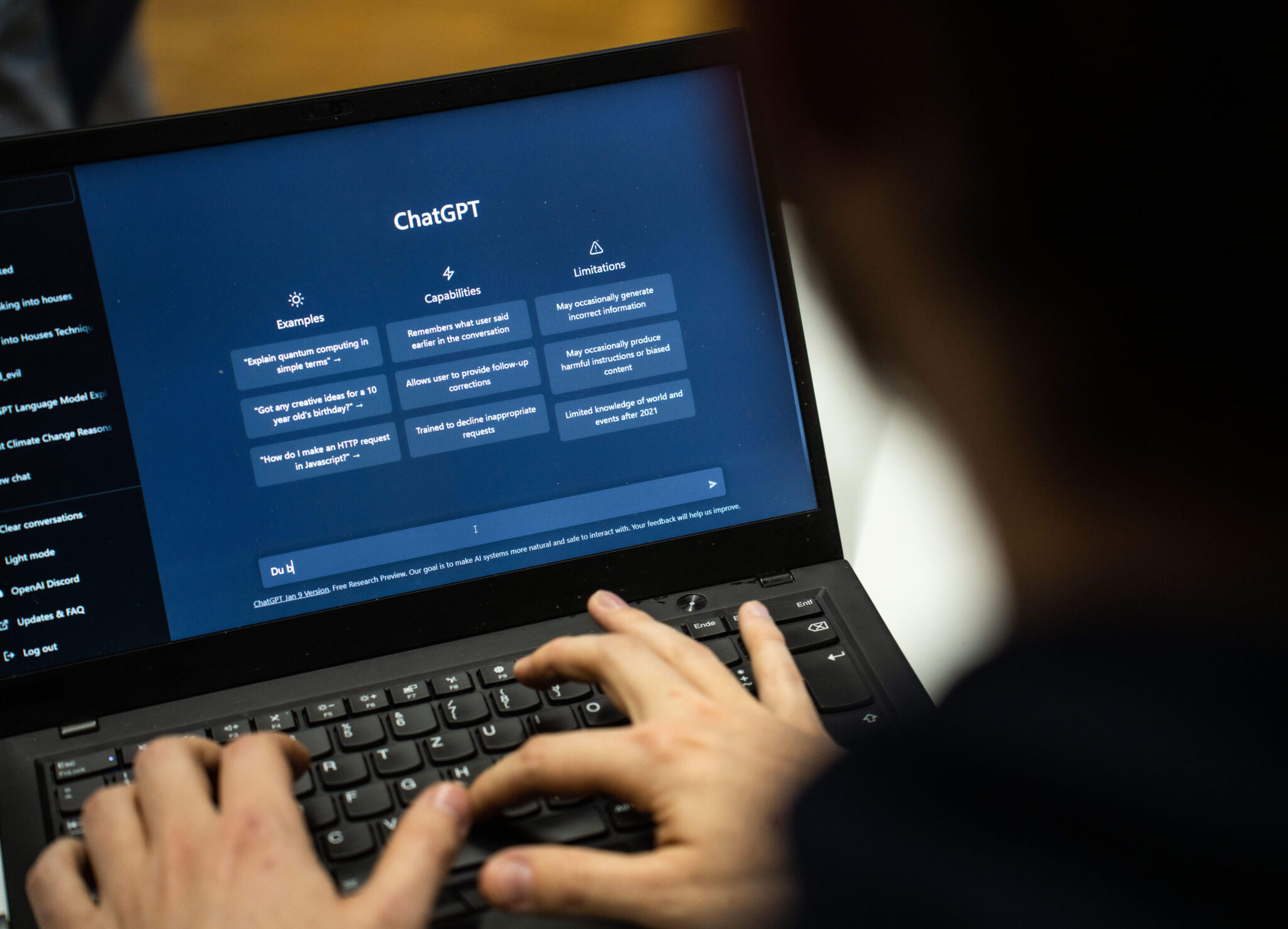
A study of hundreds of thousands of YouTube videos and podcasts reveals that AI isn’t just changing how we write, it’s subtly altering our spoken language too, raising new concerns about cultural homogenization and who controls the words we use.
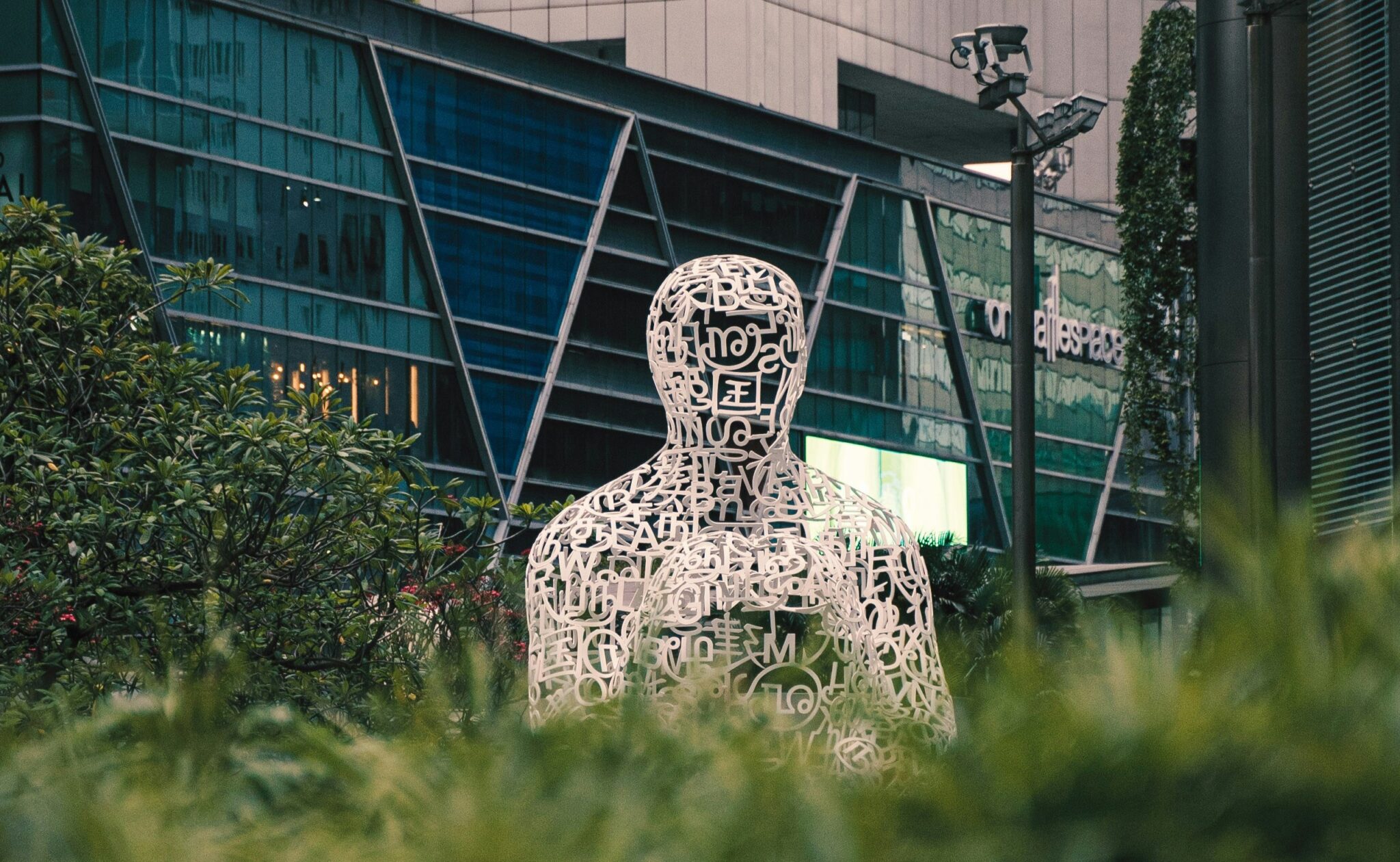
Many of the world’s languages aren’t adequately represented in the data used to train chatbots and other AI-based tools. If we fail to be more inclusive, the next generation of AI will encode a world that risks being extremely biased, both linguistically and culturally.
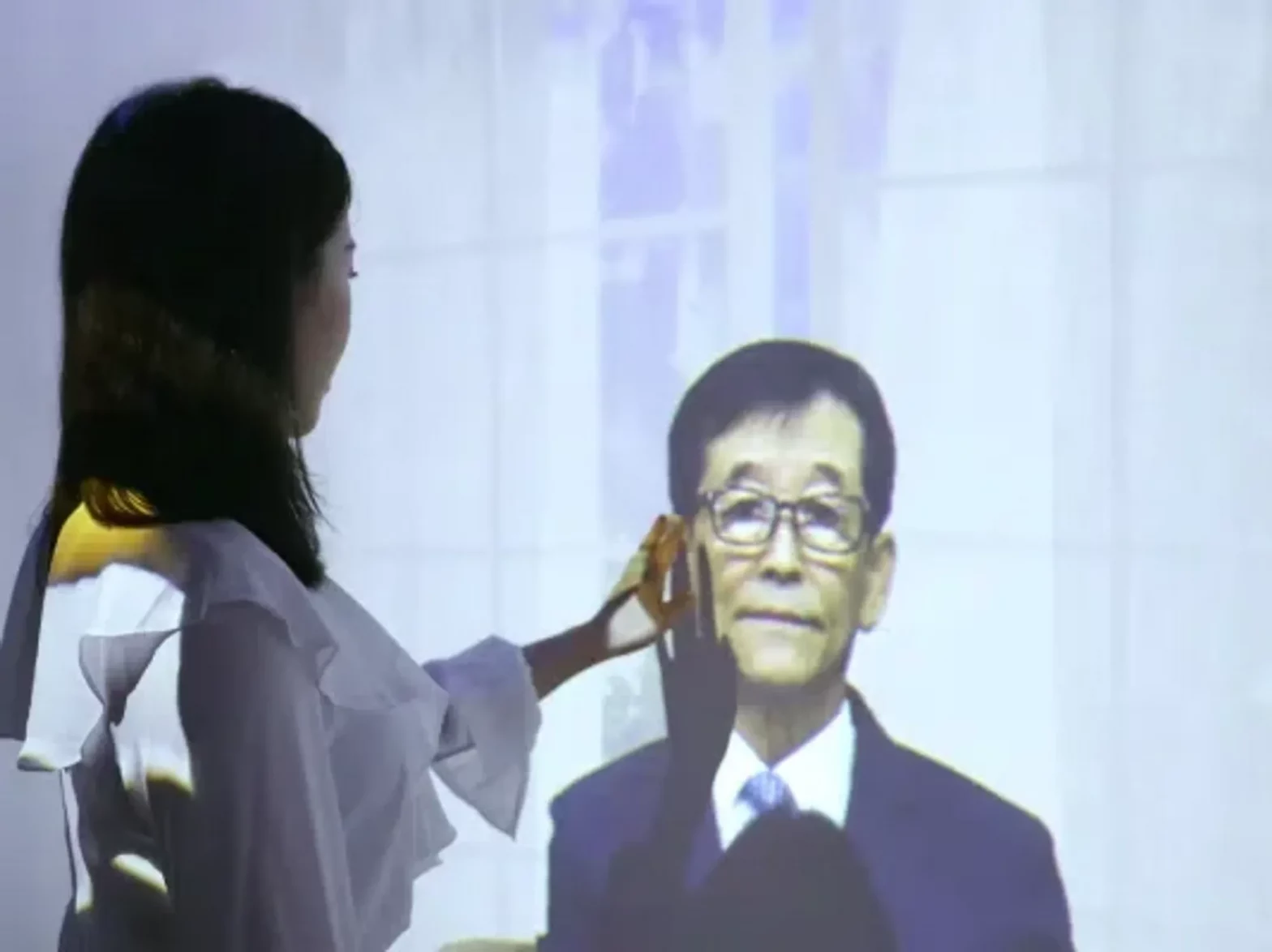
There are many frontiers being crossed by AI lately, sparking debate and anxiety. But now, we’re entering strange, new territory: an algorithm that lets bereaved family members communicate with deceased loved ones in the most realistic of ways. Yet it comes with very real and complicated risks.
GPT-4 and other artificial intelligence systems can pass complicated exams, but this says more about how we conduct tests. Artificial intelligence shouldn’t lead us to despair — instead it should spur us to rethink our learning and education systems.

The remarkable power of ChatGPT on the cutting edge of artificial intelligence took Beijing by surprise. As China rolls out its own version, it remains to be seen how the country will balance the need for control with technological development and innovation