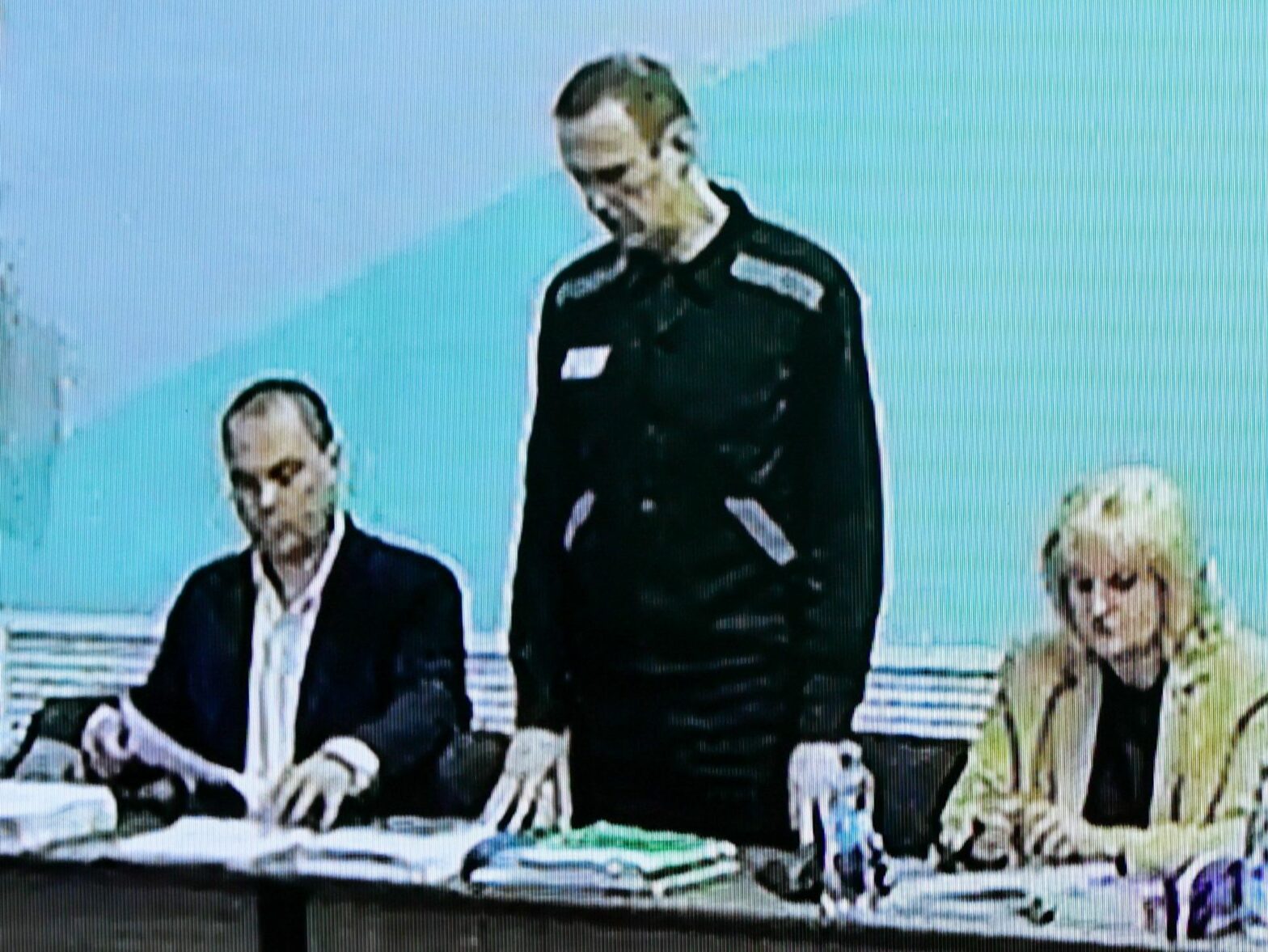
Boris Yeltsin had a technique for not stopping certain top Russian officials from eliminating their opponents. Vladimir Putin refined the practice. So ingrained in the country’s politics, it’s a formula for murder borrowed from mafia dons.
 Worldcrunch
Boris Yeltsin had a technique for not stopping certain top Russian officials from eliminating their opponents. Vladimir Putin refined the practice. So ingrained in the country’s politics, it’s a formula for murder borrowed from mafia dons.
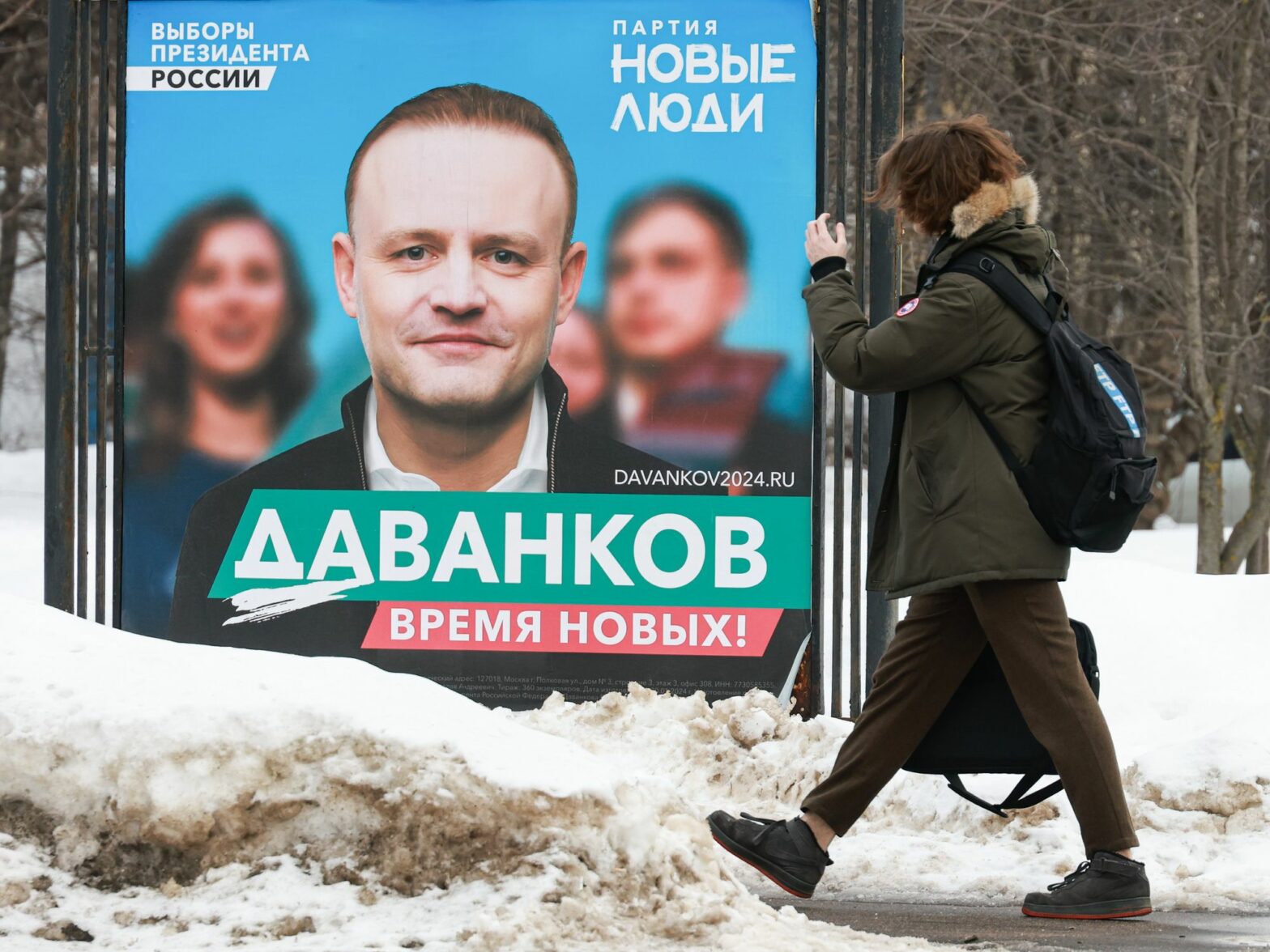
Why join in on a presidential debate when you can start a war or eliminate political opponents. That’s how to get your “policy” prescription across. But in a sham of a democracy, you need elections and you need debates — with the comfort of knowing the other candidates will make your talking points for you.
Updated Dec. 31 2023 at 12:00 p.m. After a referendum held in March 1991, the creation of the post of president of Russia was created. Boris Yeltsin was elected Russia’s first president in an election of that kind. On this day in 1999, he resigned and was succeeded by Vladimir Putin. Why did Boris Yeltsin […]
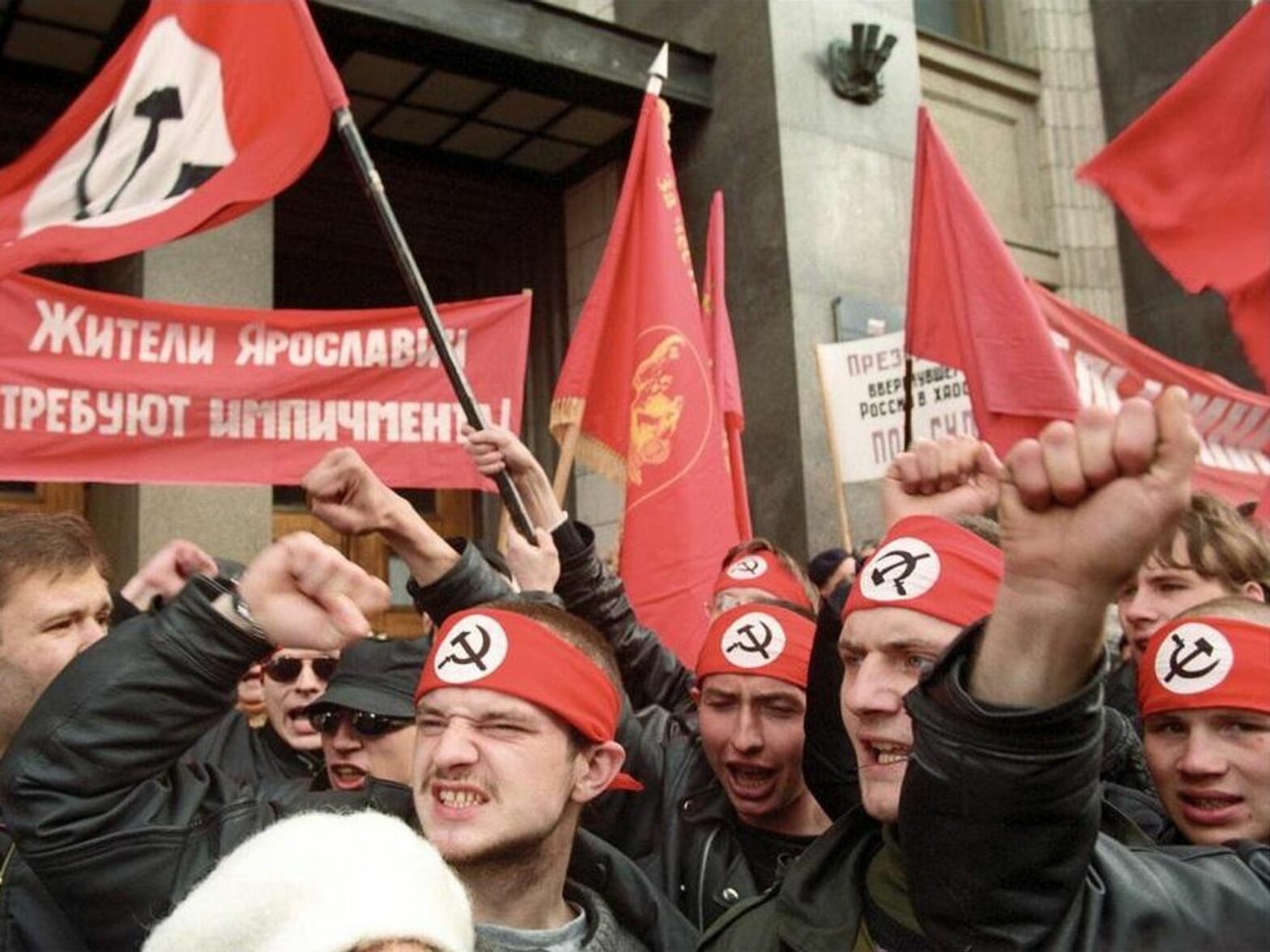
It is a mistake to attribute the construction of authoritarianism in modern Russia to Putin alone. Serhiy Gromenko, an expert at the Ukrainian Institute for the Future, explains the evolution for how Russia wound up an authoritarian state, and why Putin isn’t the only one to blame.
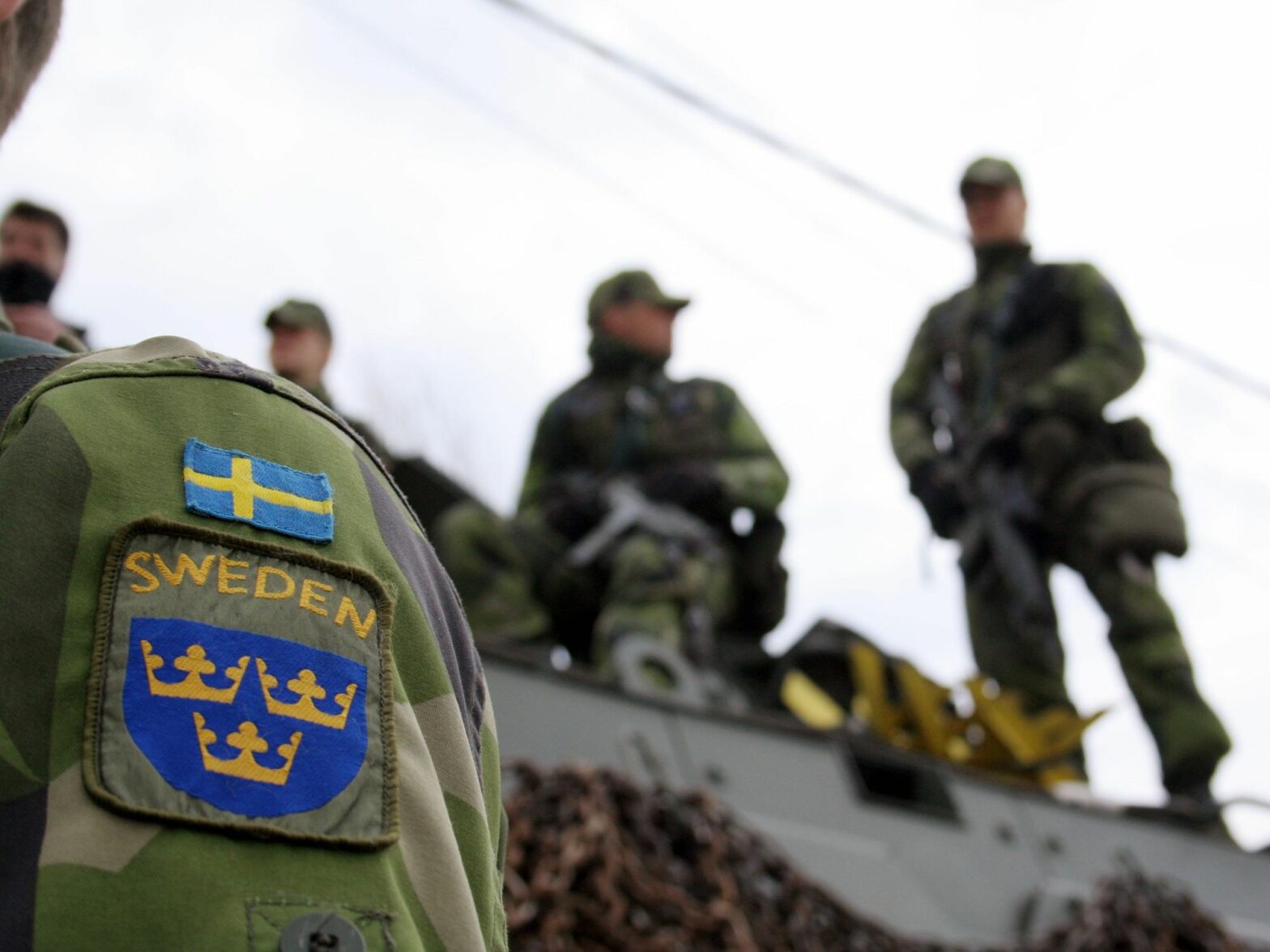
Russia’s invasion of Ukraine has rekindled the Nordic debate over the possibility of joining NATO, prompting Russian threats. It’s a microcosm for the conflict itself.
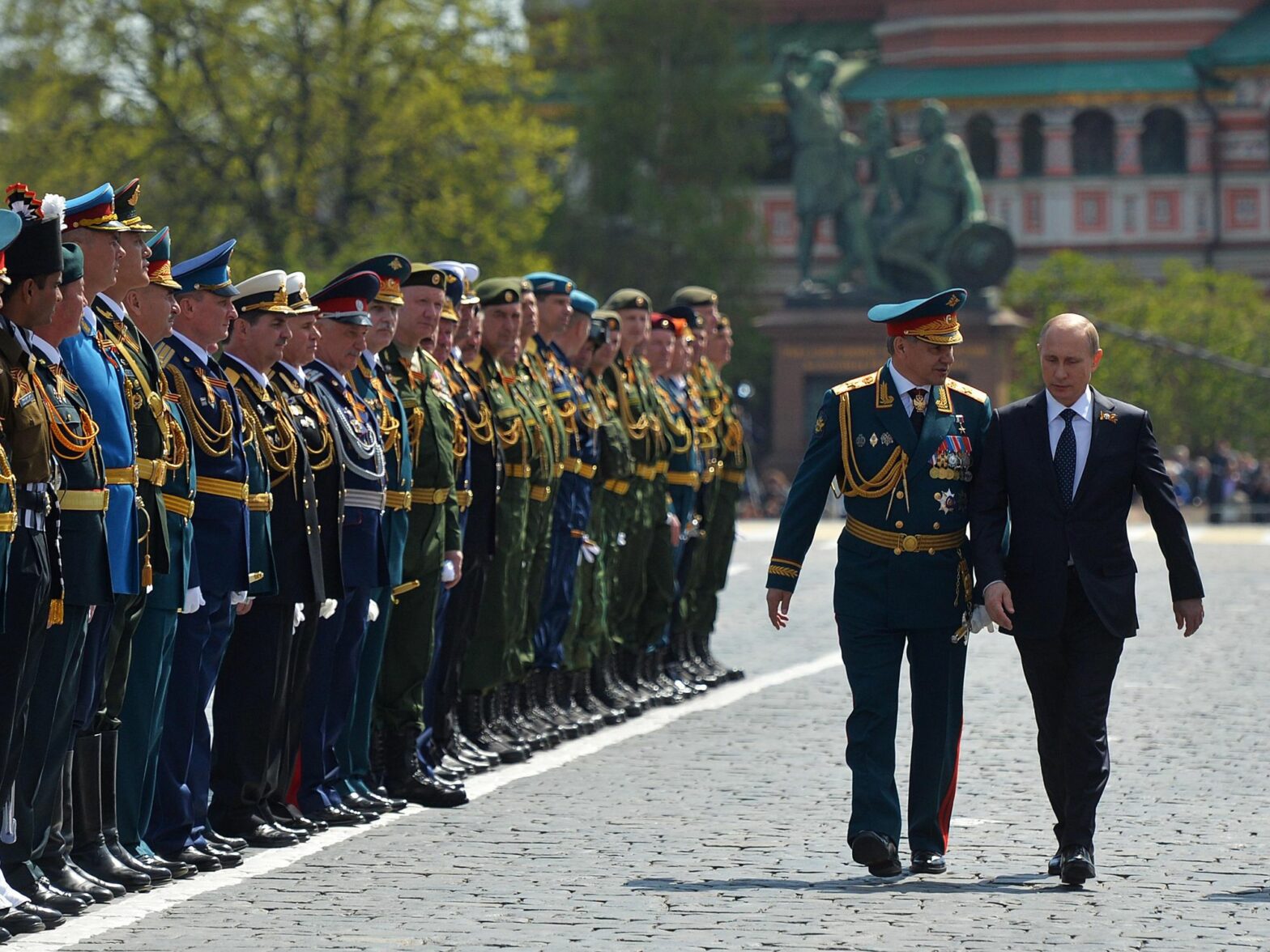
War is upon us. But many in the West have sleepwalked through two decades of rising tensions with Russia. The situation in Ukraine can only be understood in the context of Vladimir Putin’s view on Boris Yeltsin, NATO’s eastward expansion, wars in the Balkans and Iraq, and beyond.
It was prepared during the global economic collapse of 2008, but it isn’t now.