
This post was created by Wired
Many marketers today worry their strategies are becoming outdated, and they’re right. Younger consumers increasingly skip Google, discovering brands first through TikTok trends, YouTube tutorials, or simply by asking Alexa.
This quiet yet powerful shift means consumer discovery is now primarily driven by social platforms, AI-powered tools, and personalized recommendations. Google is still critical, but relying solely on it won’t ensure your brand remains visible.
So, how should marketers adapt their strategies to thrive in this evolving landscape?
Search Is Still Relevant, But Not Alone
Google remains essential; around 68% of online experiences still start there, according to Search Engine Journal. However, relying solely on Google means marketers risk missing out on younger audiences.
Google’s internal research revealed that nearly 40% of Gen Z now prefers TikTok and Instagram over Google for initial online searches (Wired). Google is now one channel among many in a fragmented discovery landscape.
New Discovery Channels: Where Consumers Are Headed Next
If younger consumers aren’t primarily using Google, where exactly are they turning for discovery?
Social Media as a Primary Search Engine
Social platforms like TikTok and YouTube aren’t just entertainment; they’ve become powerful search channels. Viral trends, such as TikTok’s feta pasta recipe, illustrate how quickly products can gain popularity on social media, often before they appear prominently in traditional search results.
Brands need concise, visually engaging, and informative content tailored specifically to these platforms to maintain visibility.
AI and Voice Assistants: Conversational Discovery
“Hey Siri, where’s the nearest gluten-free bakery?”
Voice-based AI assistants are now part of daily life. By 2026, over 140 million people in the U.S. will regularly use voice search, according to Insider Intelligence. Marketers must optimize content for conversational queries, answering questions in clear, natural language to remain discoverable.
Personalized Recommendations: Now the Expectation
Personalization isn’t just nice-to-have; consumers now expect it. Companies like Netflix and Amazon have permanently shaped consumer expectations, setting a high bar for personalized, relevant recommendations across all experiences.
Harvard Business Review emphasizes that brands failing to deliver genuinely personalized experiences risk being overlooked altogether.
How Marketers Can Respond: Choosing the Right Marketing Platform to Stay Visible
If the shift away from traditional search seems daunting, marketers aren’t alone in feeling this way. Here’s how brands can start adapting immediately:
Expand Visibility Beyond Google
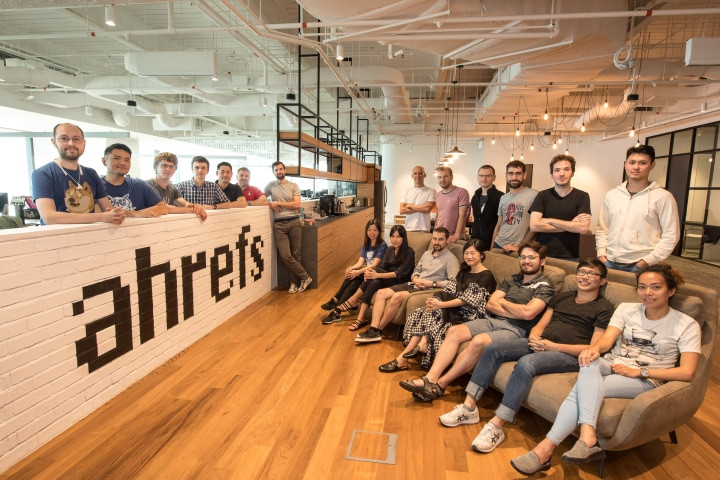
Brands often struggle with juggling multiple tools, creating a fragmented view of their visibility. A robust marketing platform like Ahrefs helps marketers not only track visibility but also understand what content drives discovery across platforms.
Its in-house AI models run on one of the world’s top 50 supercomputers, powering insights built for speed, scale, and strategic clarity.
Embrace a Social-First Content Strategy
Create concise, engaging content tailored for social media platforms like TikTok, Instagram, and YouTube. Prioritize visual storytelling, clear messaging, and quick answers to common consumer questions.
Optimize Content for Conversational Discovery
Create content structured for easy retrieval by voice assistants and AI. Answer specific consumer queries in natural language, making content accessible and easily discovered by voice search.
Prioritize Personalization with Real-World Data
Brands must use real-world data to deliver relevant, personalized content. Precise segmentation and targeted recommendations make marketing feel tailored, not generic.
Conclusion: Agility and Insight-Driven Marketing as Keys to Success
Success in the post-search world depends on marketers’ ability to adapt swiftly and thoughtfully. Staying visible requires constant monitoring, flexibility, and informed adjustments as new platforms and consumer behaviors continue to emerge.
Marketing teams should regularly assess their visibility across multiple channels, invest in a unified marketing platform with integrated analytics, and continually refine their strategies. The shift toward decentralized discovery is already underway, and brands that adjust today will remain visible tomorrow.
This content was produced independently from the Worldcrunch editorial team.