
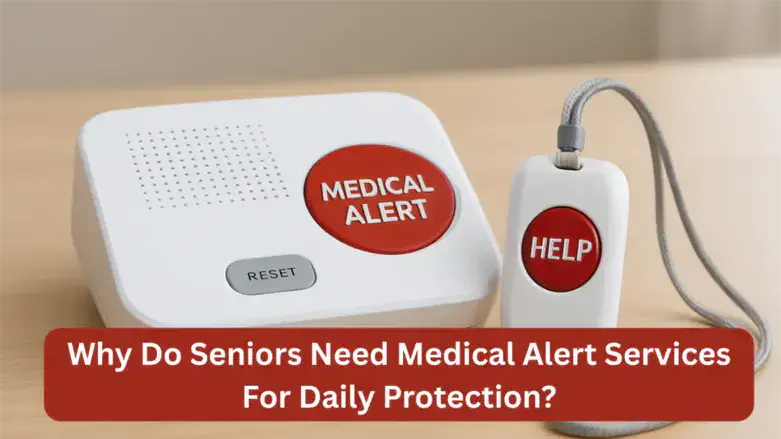
You’ve probably heard people talk about fall detection devices; they save lives, cut down hospital visits, and offer families peace of mind.
Sounds almost too good to be true, right?
How can something as small as a pendant or wristband know exactly when you fall, call for help, and get someone to you in minutes? And how does it tell the difference between an actual fall and just sitting down too fast?
Well, there’s real technology behind it — sensors, smart algorithms, and GPS tracking — all working quietly with superb accuracy in the background to keep you safe and your family worry-free.
That’s why families now trust them to ensure help reaches their loved ones, even when they can’t ask for it. You don’t need to press a button or do anything. When it detects a fall, it sends an alert immediately, so you can move freely without fear.
Let’s look at how these devices actually work — and why they’ve become a must-have for senior safety.
How Fall Detection Devices Work?
At their core, fall detection devices for elderly are compact pieces of technology built for one simple but powerful reason — to sense when something’s gone wrong and get help right away. They are designed to monitor your movements all day and recognise sudden, unusual motion patterns.
Here’s how the process unfolds — step by step:
1. Detecting Movement Changes
Behind the fall detection device are its sensors: accelerometers and gyroscopes. These components track how you move, measuring speed and gauging direction. That allows it to build a picture of what “normal” motion looks like for you, such as walking, sitting, or bending over. And to make it better, it analyses data from other users as well.
So, if you suddenly move too fast in one direction, followed by a huge impact and no movement, the device recognises that something unusual just happened. Just like your car’s airbag system, they distinguish minor bumps from real impact.
2. Confirming the Fall
Not every fast movement is a fall — and that’s where the intelligence of the device comes in. To prevent false alarms, once it detects sudden motion, it doesn’t directly signal for help. Instead, it runs a quick internal analysis that looks at the force of impact, the angle of descent, and whether your body remains still afterwards.
If it senses that you’re motionless for several seconds after the impact, that’s a strong sign that something serious happened. This confirmation step is crucial because it helps tell real emergencies from instances when you drop the device or sit down too quickly. This enhances the user’s confidence.

3. Sending an Alert
Once a fall is confirmed, the device automatically switches into alert mode. In most systems, they issue a local alert — maybe a vibration or a voice message that lets you know that help is about to be contacted. It delays a few seconds so you can cancel in case of a false alarm, like when you drop the device accidentally.
If you don’t respond, the device automatically reaches out to either a monitoring center or your listed emergency contacts, depending on your setup.
And you don’t have to worry about your location, thanks to the built-in GPS. Even if you’re outside fetching groceries, gardening, or taking a walk, they’ll know exactly where you are.
4. Contacting Help
When you are connected to a monitoring service, trained responders answer within seconds. They’ll talk to you through the device — it has a built-in speaker and microphone — to check if you’re okay. If you say you’re fine, they’ll cancel the alert. But if you confirm it’s an emergency or don’t answer, they’ll call your family and send a response team your way right away.
5. Getting Help Fast
In a fall emergency, every minute counts. Quick medical intervention can drastically reduce the risk of long-term complications and ease recovery. The service provider understands that the longer someone stays down, the higher the chance of issues spiralling. That’s why the alert system is built to be automatic. On the other side is someone prepared for emergencies, and when a signal is received, everything happens fast.
And if you’ve given them access to your medical details, they can quickly tell what could be wrong. So when help arrives, there’s no wasting time trying to figure out what happened; responders know your condition, medications, and how best to assist you. In many cases, that difference in response time, even if it’s just a few minutes, can drastically change the outcome, reducing hospital stays and improving recovery.
Conclusion
At old age, falls aren’t rare accidents. And, they are among the top causes of injury among seniors, and that indirectly leads to loss of independence. But it doesn’t have to be that way. Fall detection gives you a safety net. It has a sleek and discreet design and works quietly, allowing you to live your life at home or outside without relying on someone being around 24/7.
For families, the assurance that help will arrive even if their loved ones can’t call for it brings priceless peace of mind. And getting one for them isn’t just about protection; it’s about restoring their freedom and dignity.