
This post was created by FlexiProject
The Gantt chart stands as one of the fundamental tools in managing any project. In the demanding realm of engineering, where precision, meticulous planning, and adherence to timelines are paramount, the Gantt chart’s utility is amplified. Let’s explore how this powerful visual aid facilitates precise planning and rigorous control over workflows and schedules, and why it’s crucial to ensure your project management software possesses this essential functionality.
Gantt Charts: The Backbone of Daily Scheduling
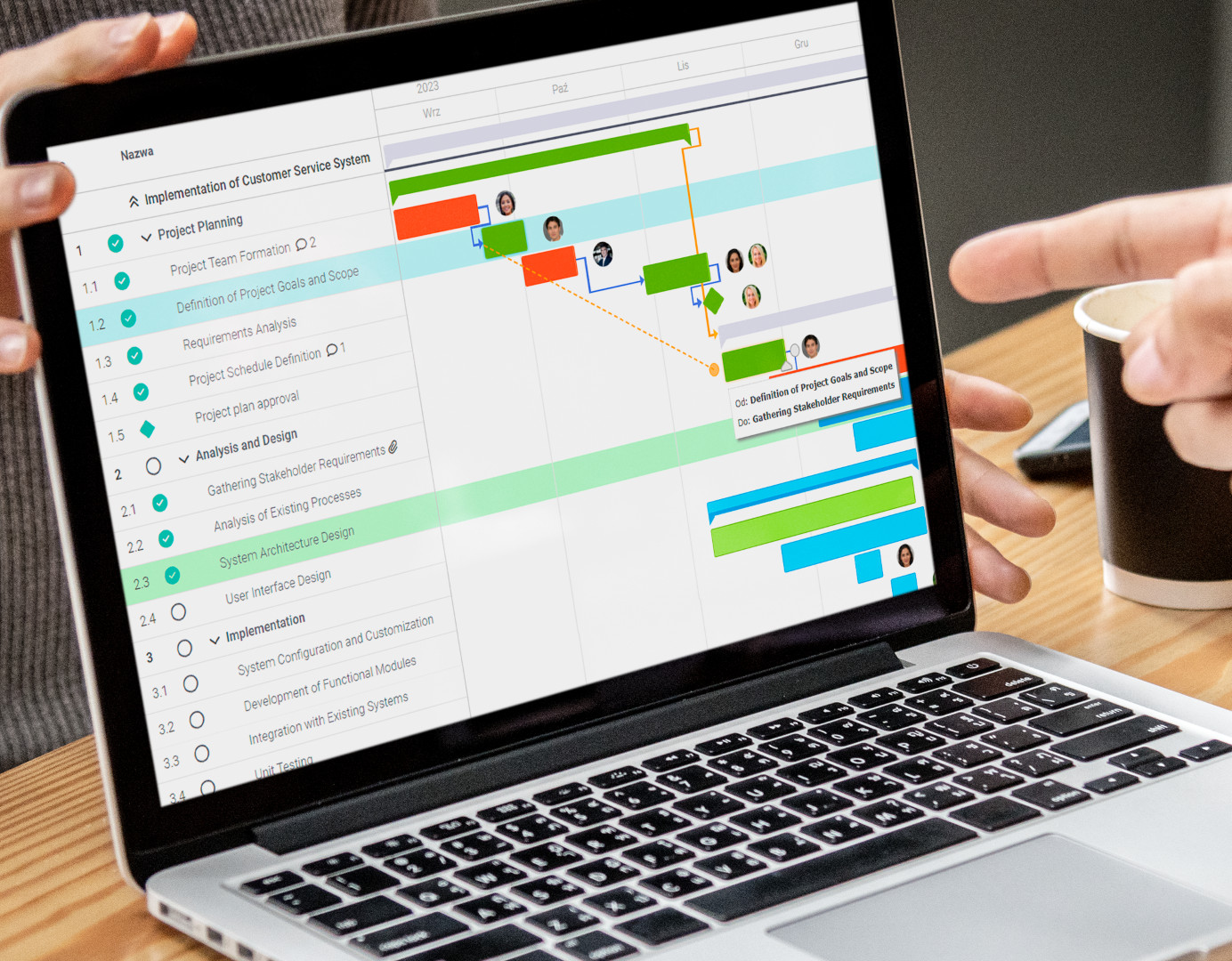
Widely recognized as a foundational tool, the Gantt chart serves as the bedrock for anyone directly or indirectly involved in a professional project, especially within engineering. It provides an intuitive visualization of all tasks, detailing their importance, duration, and the individuals or teams responsible for their execution.
A well-designed Gantt chart doesn’t just enable project managers to track and plan work; it also acts as a guiding beacon for all project participants, clearly outlining their daily priorities. Over the years, the Gantt chart has evolved significantly, incorporating a range of additional features that allow it to be tailored to virtually any project, regardless of scale, complexity, or industry, including the most intricate engineering endeavors.

In engineering, where even minor deviations can lead to significant cost overruns or safety hazards, the Gantt chart’s ability to present a clear, chronological sequence of events is indispensable. It allows engineers, architects, and construction managers to see how individual tasks interrelate, identify potential bottlenecks before they arise, and ensure that critical path activities remain on track. This foresight is crucial for maintaining project momentum and avoiding costly delays.
The Paramount Advantages of Utilizing a Gantt Chart in Engineering
The Gantt chart, as implemented in a robust flexible project management web application like FlexiProject, is a tool that, in practice, significantly enhances the efficiency of the entire project lifecycle. This improvement spans from the initial stages of planning and budgeting, through daily coordination and progress monitoring, to cost control and the extraction of final conclusions. For engineering projects, where long lead times for materials, complex regulatory approvals, and specialized labor are common, this comprehensive support is invaluable.
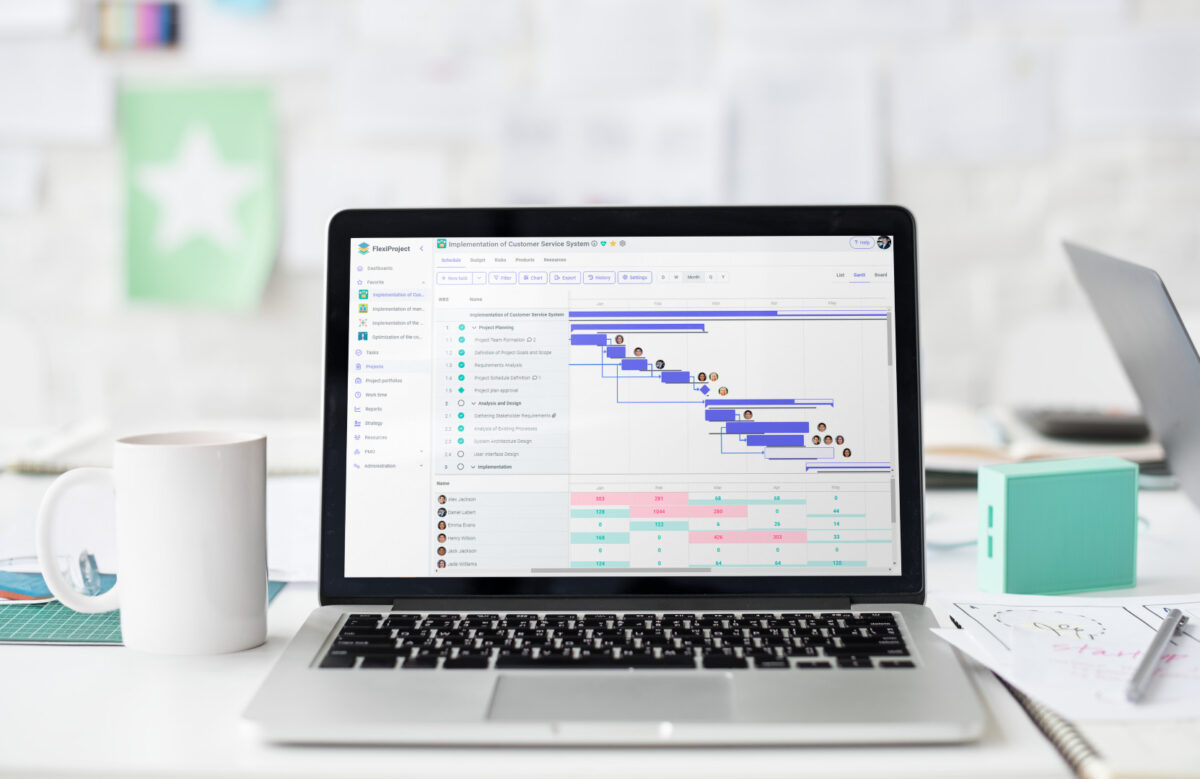
For individuals in managerial positions within engineering firms, the Gantt chart is a powerful asset. Its intuitive visualization of all tasks simplifies the process of planning, setting appropriate deadlines, identifying critical milestones, and enabling constant monitoring. This continuous oversight, in turn, allows for the immediate correction of any element that shows weakness or deviation from the planned trajectory. Imagine a large-scale infrastructure project: the ability to instantly see which component is behind schedule, and how that delay impacts subsequent phases like concrete pouring or steel erection, allows managers to reallocate resources or adjust timelines proactively, preventing a cascade of issues.
Moreover, the Gantt chart is not merely a tool for managers; it serves the entire project team, and it is in this universality that its true strength lies. The chart fosters teamwork by facilitating clear communication and providing essential transparency within the project. Every team member understands their role, the current stage of their tasks, and how their individual contributions fit into the larger undertaking. This shared understanding cultivates a sense of collective ownership and responsibility, which is particularly vital in multidisciplinary engineering projects where collaboration across different specializations is key. Therefore, when planning any new engineering project, it is absolutely essential to ensure that your chosen best project management software includes a robust Gantt chart module.
Selecting the Optimal Tool for Engineering Project Management
When seeking the right environment for managing projects in the field of engineering, it is highly advisable to consider investing in FlexiProject software. This tool offers a comprehensive solution that addresses all the needs of a modern organization operating within the frameworks of both Agile and traditional project management methodologies. Its adaptability makes it suitable for diverse engineering disciplines, from software development for industrial automation to large-scale civil engineering works.

What are its most crucial functions for engineering projects?
- Flexible work schedules: Essential for adapting to unforeseen challenges or changes in project scope.
- Comprehensive budgeting: Allowing for meticulous financial planning and tracking of expenditures, a critical aspect given the often high costs associated with engineering materials and labor.
- Project cards grouped into entire portfolios: Providing a bird’s-eye view of all ongoing engineering initiatives, facilitating strategic resource allocation and risk management across the entire organization.
- Internal communicator: Enhancing collaboration efficiency, which is vital for distributed engineering teams or those working on complex, interconnected components.
- Risk management tool: Crucially, FlexiProject includes a robust tool for managing the risk associated with every element of a project. In engineering, where safety, structural integrity, and regulatory compliance are paramount, identifying and mitigating risks early can prevent catastrophic failures and significant financial penalties.
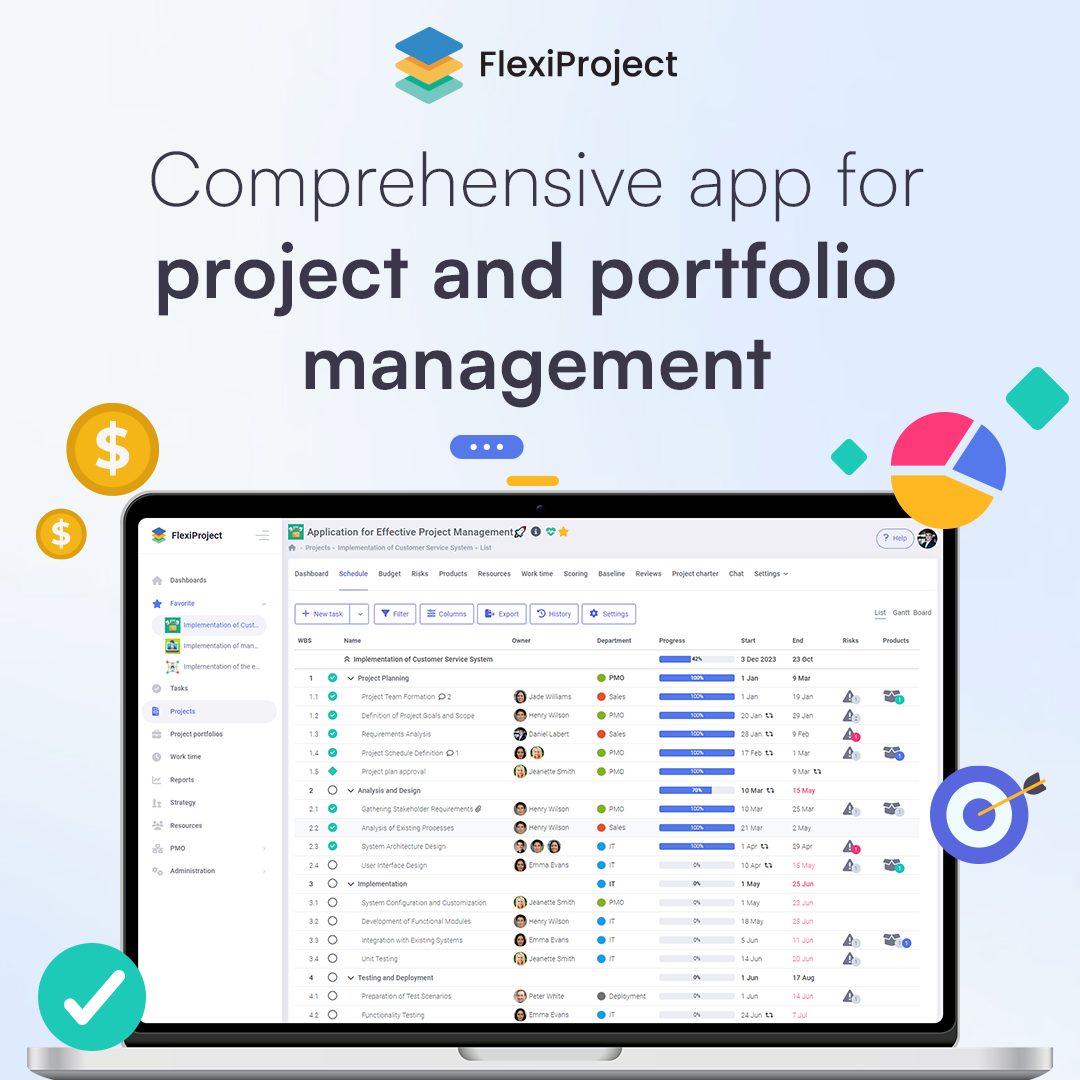
Of course, we cannot overlook one of the most critical components of project management: the Gantt chart. FlexiProject delivers advanced functionalities that enable planning, real-time coordination, and subsequent summary of each employee’s work within specified time intervals. The sheer breadth of its features, combined with the overall intuitiveness of the tool, makes FlexiProject an excellent investment that will yield substantial returns on your next project, far outweighing its initial cost. Its ability to provide granular detail while maintaining a clear overview is precisely what engineering projects demand for successful execution.
To learn more about how FlexiProject can transform your engineering project management, explore their offerings at https://flexi-project.com/. For a broader perspective on selecting the right tools, you might also find value in researching the best project management software available today.
Are there specific challenges in your current engineering projects that you believe a more advanced Gantt chart implementation could help solve?
This content was produced independently from the Worldcrunch editorial team.