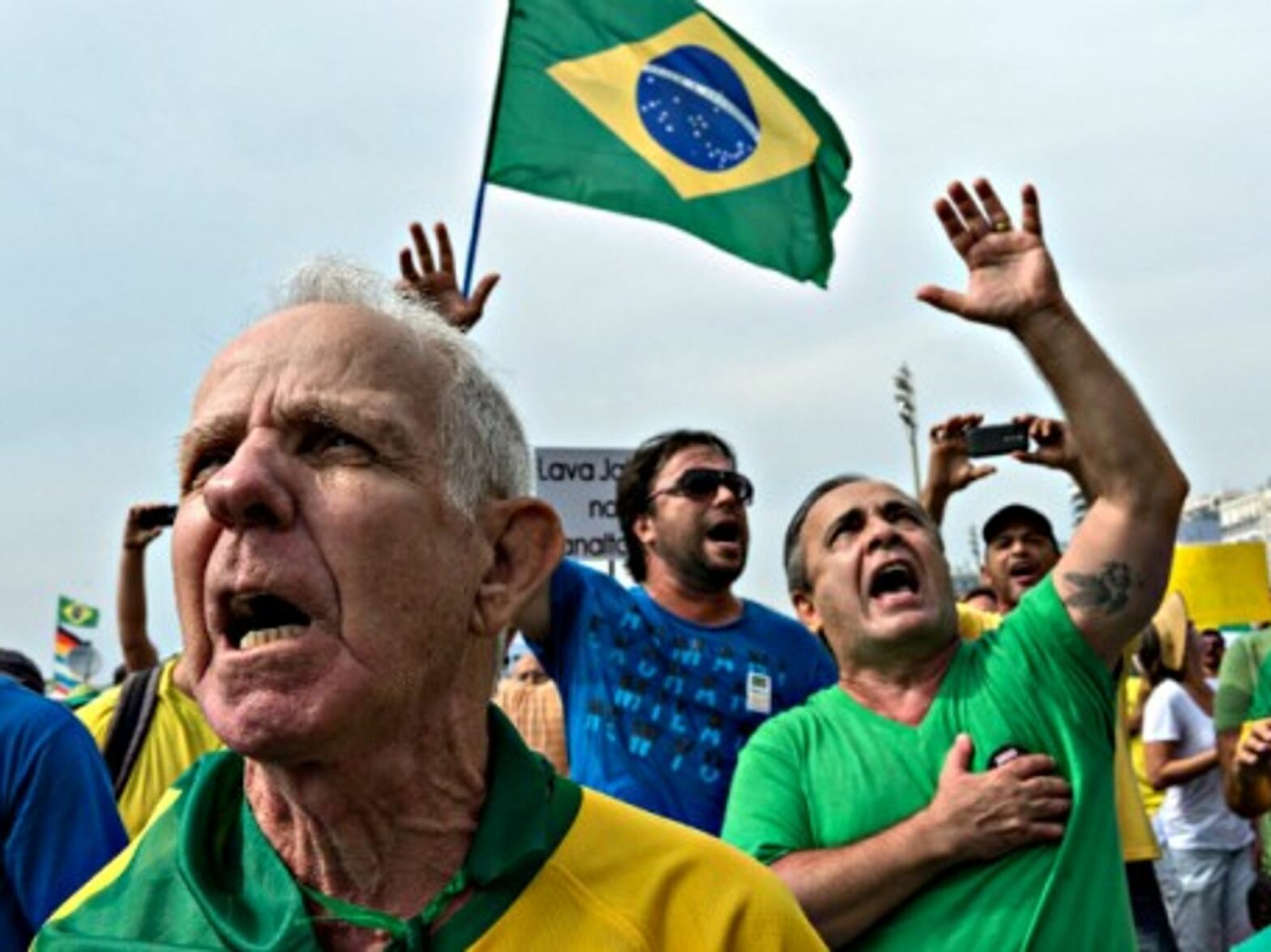
Brazilians are furious as their personal prosperity slips away amid reports of runaway corrruption. All the while, President Rousseff looks forced to impose new austerity measures. Which way out?
 Worldcrunch
America Economia is Latin America’s leading business magazine, founded in 1986 by Elias Selman and Nils Strandberg. Headquartered in Santiago, Chile, it features a region-wide monthly edition and regularly updated articles online, as well as country-specific editions in Chile, Brazil, Ecuador and Mexico.
Brazilians are furious as their personal prosperity slips away amid reports of runaway corrruption. All the while, President Rousseff looks forced to impose new austerity measures. Which way out?
-OpEd- BOGOTA — As unlikely as it may sound, many of the countries we closely associate with planning and foresight are turning their attention to Colombia for inspiration on how to address the parallel problems of industry pollution, energy production and food security. The South American country boasts enviable geographical and climatic conditions, exceptional biodiversity and above all, a varied and preponderant farming sector. Together these factors are sparking talk about what some call the “new economy” or “bioeconomy.” This new way of looking at economic growth may help rectify the serious environmental harm done by the excesses of the […]

Juan Pablo Escobar has dug up many memories about his notorious father, the late Colombian gangster Pablo Escobar. He is conscious of the crimes, but also that his was a loving father.

Bogota residents are increasingly braving reckless car drivers, crime and pollution to cycle their way through the Colombian capital. It’s one way people are taking back public spaces.
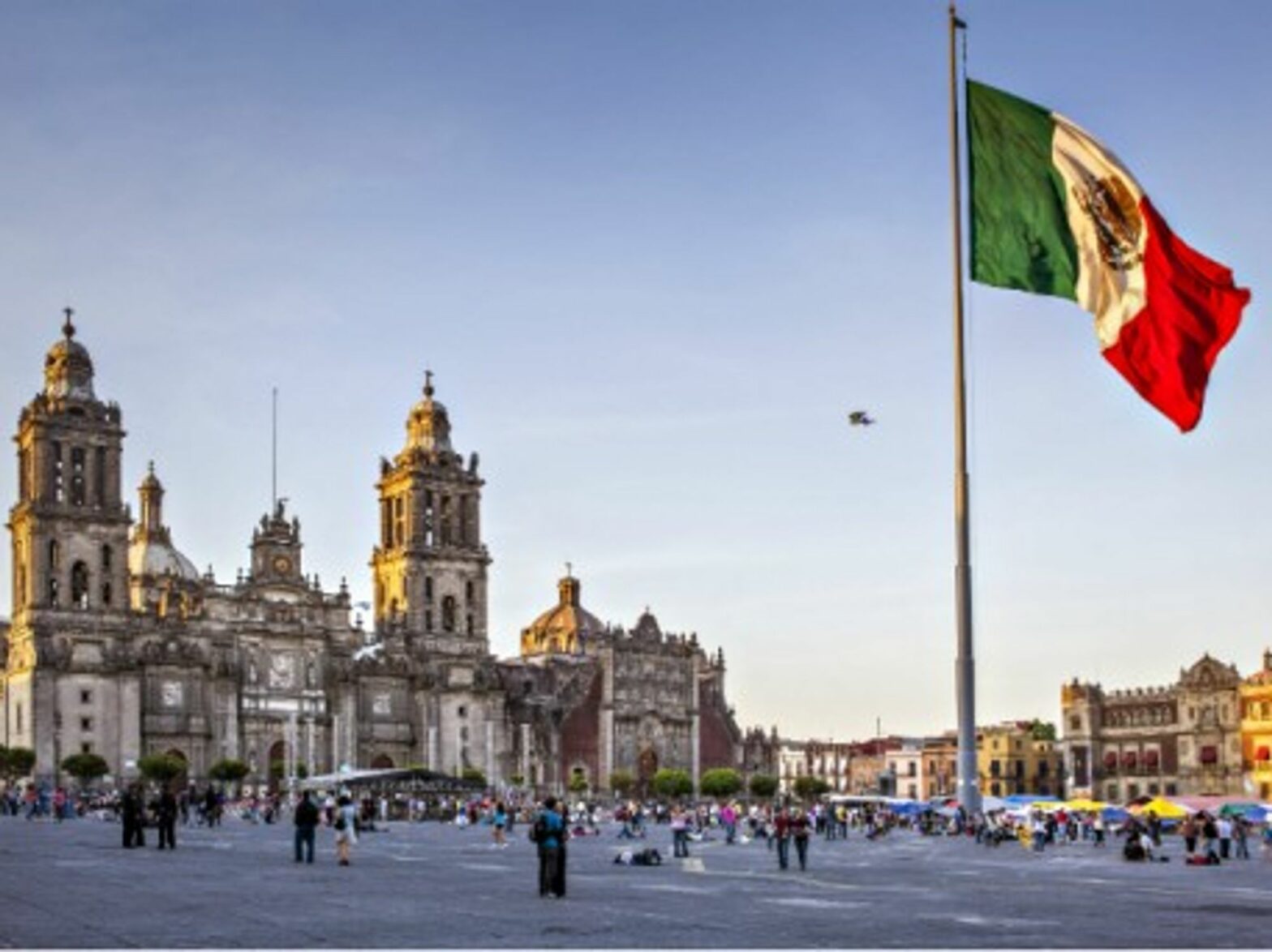
People are increasingly disgusted with crime and shoddy government in Mexico. Whatever happened to President Pena Nieto’s promises to take on the country’s vested interests?
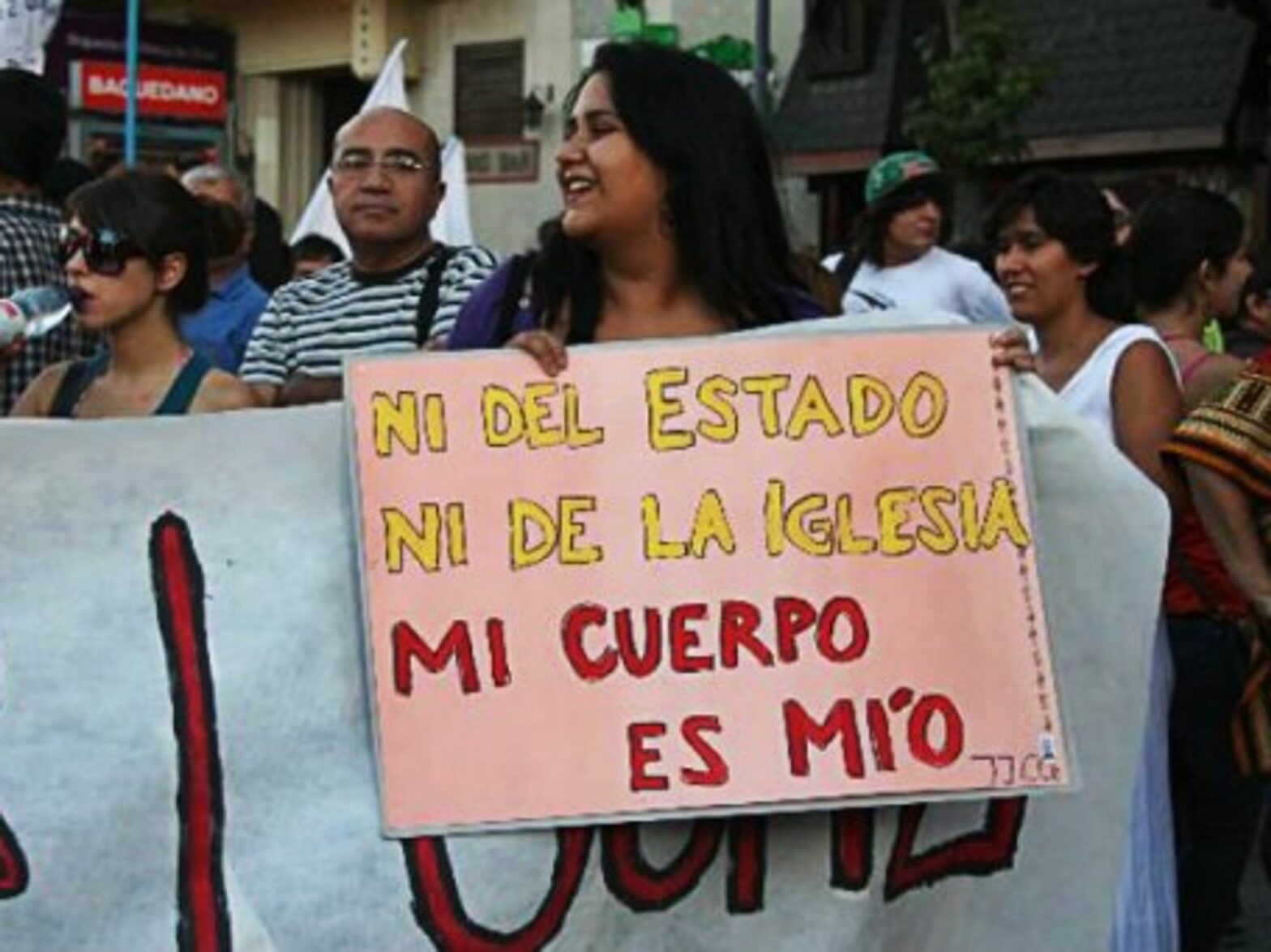
Not even the first Latin American Pope! Studies show fewer Catholics in Latin America, and more people identifying as atheist or secular. Now non-believers are fighting for a true separation of church of state.
Governments in Latin America and Africa are scrambling to build so-called “stategic trading partnerships” with China. But is it really a win-win situaiton?

Political drama may have once served Argentine President Kirchner, but now national debt, corruption and the suspicious death of a prosecutor are turning the people against her.
Revelations of massive corruption at Petrobras come with more than economic consequences. The credibility of the entire state is at stake. All eyes are on President Dilma Rousseff.
As prices on oil and other raw materials drop, the cycle of what some call “macroeconomic populism” is hitting a rather tough patch, especially for Argentina and Venezuela.
The imminent injection of wealth into Cuba as the U.S. embargo ends, and the measure of prosperity that should follow, may be the first steps toward its eventual democratization.

The Mexican capital is revamping its international airport, with a new terminal designed by star architect Norman Foster that will double capacity, save energy and dazzle the eyes.
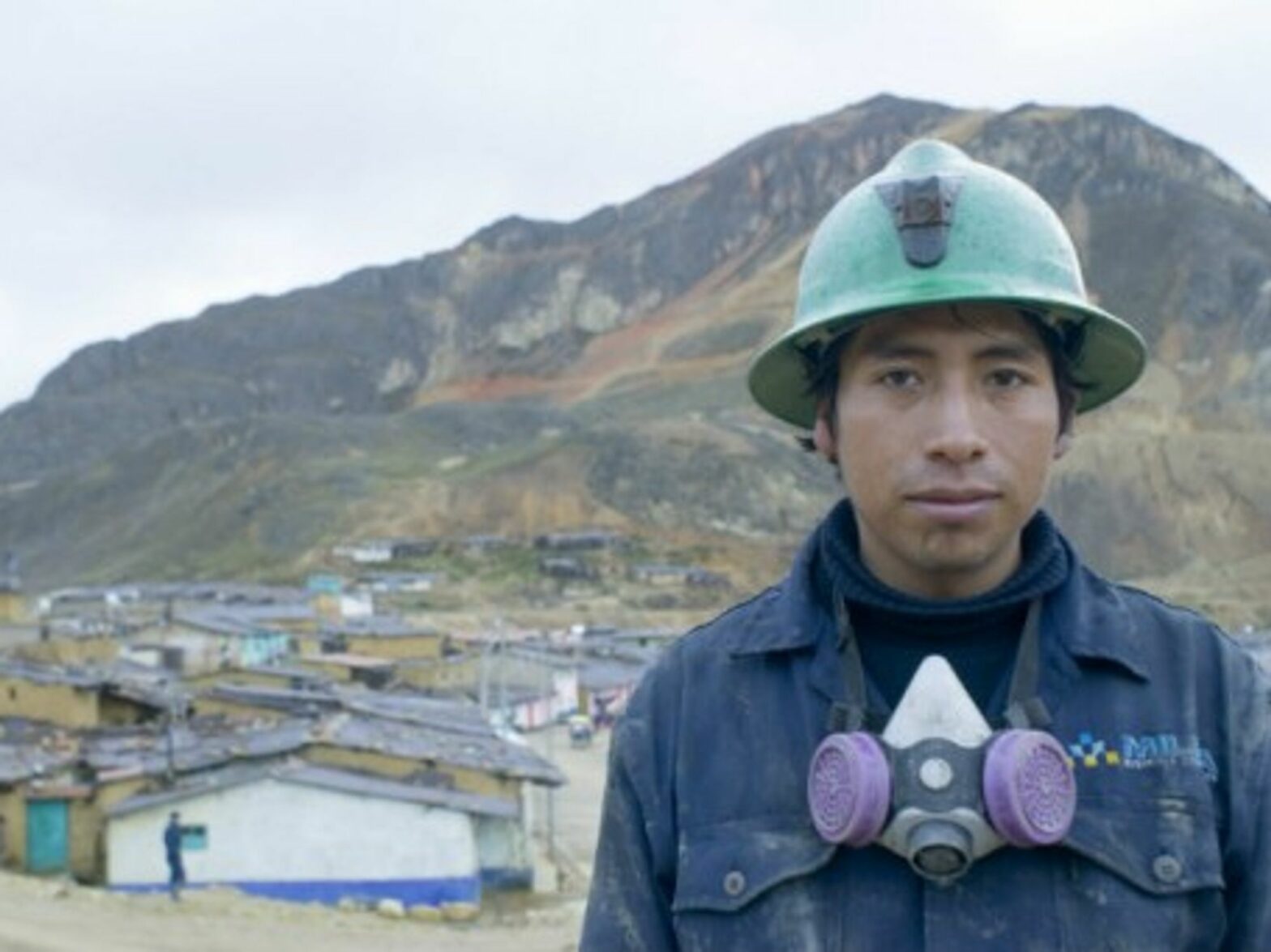
Peru, in particular, has had a key role since 1992, when it became the site of China’s first foreign investment. China also likes the fact that Lima puts so few ‘controls’ on commerce.
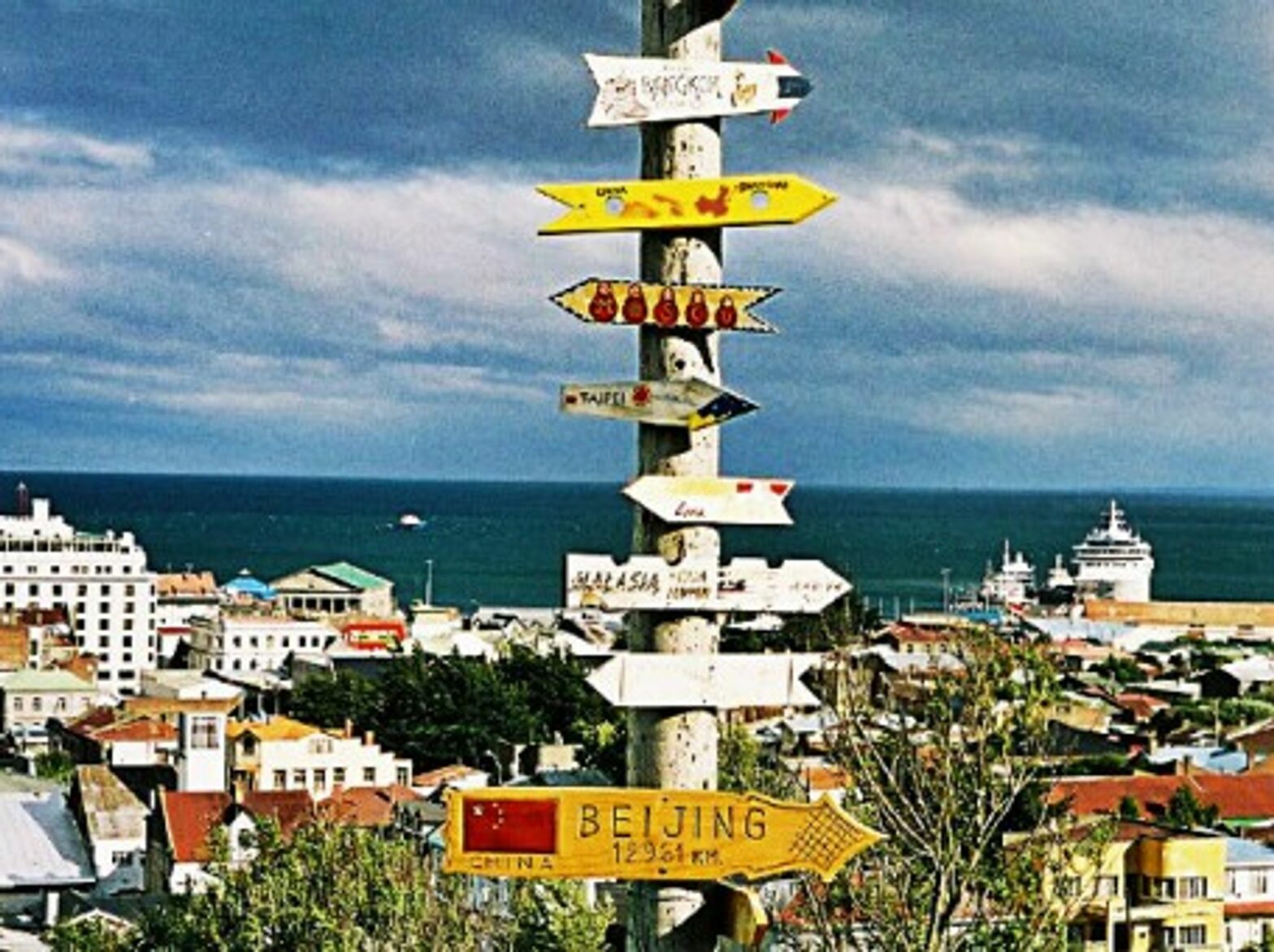
With the region still divided into different trading blocs, Chile is leading efforts to bring Latin American nations together for a joint policy to expand global trade.
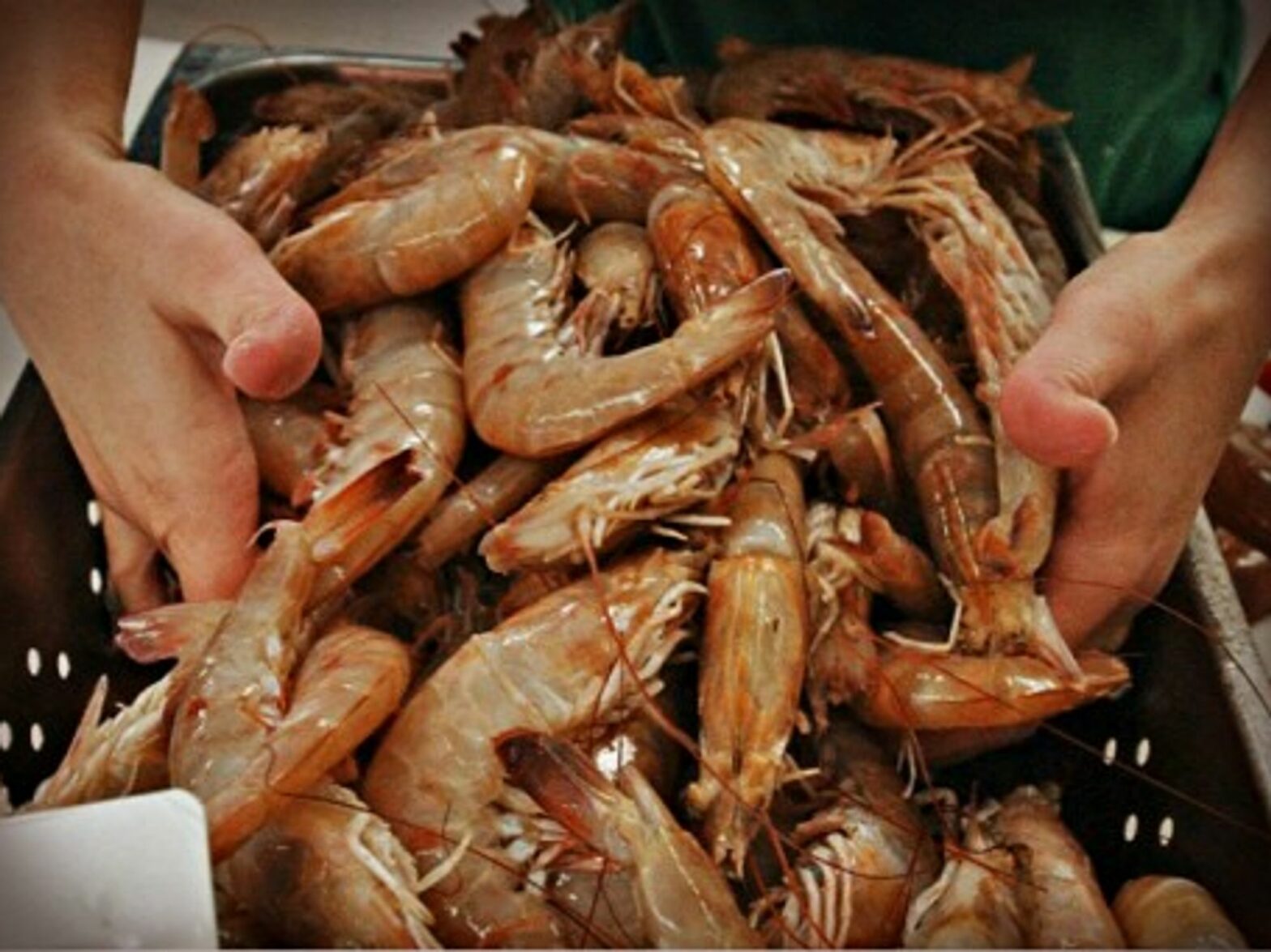
With shrimp consumption booming in China and production falling in traditional exporters like Vietnam, Ecuador is stepping in. It’s the latest food chapter in a globalized world.

With slower demand expected in the world’s raw materials and consumer markets, big Latin American firms must find new strategies.

Latin America is the latest battlefield for the billions in the global showdown between smaller generic labels from the developing world and the major U.S. and European firms.

Sumptuous beaches and low-key vibes in Tulum, on Mexico’s Caribbean coast, have attracted those keen to avoid the crowds and bling of the most popular resorts. But will it last?
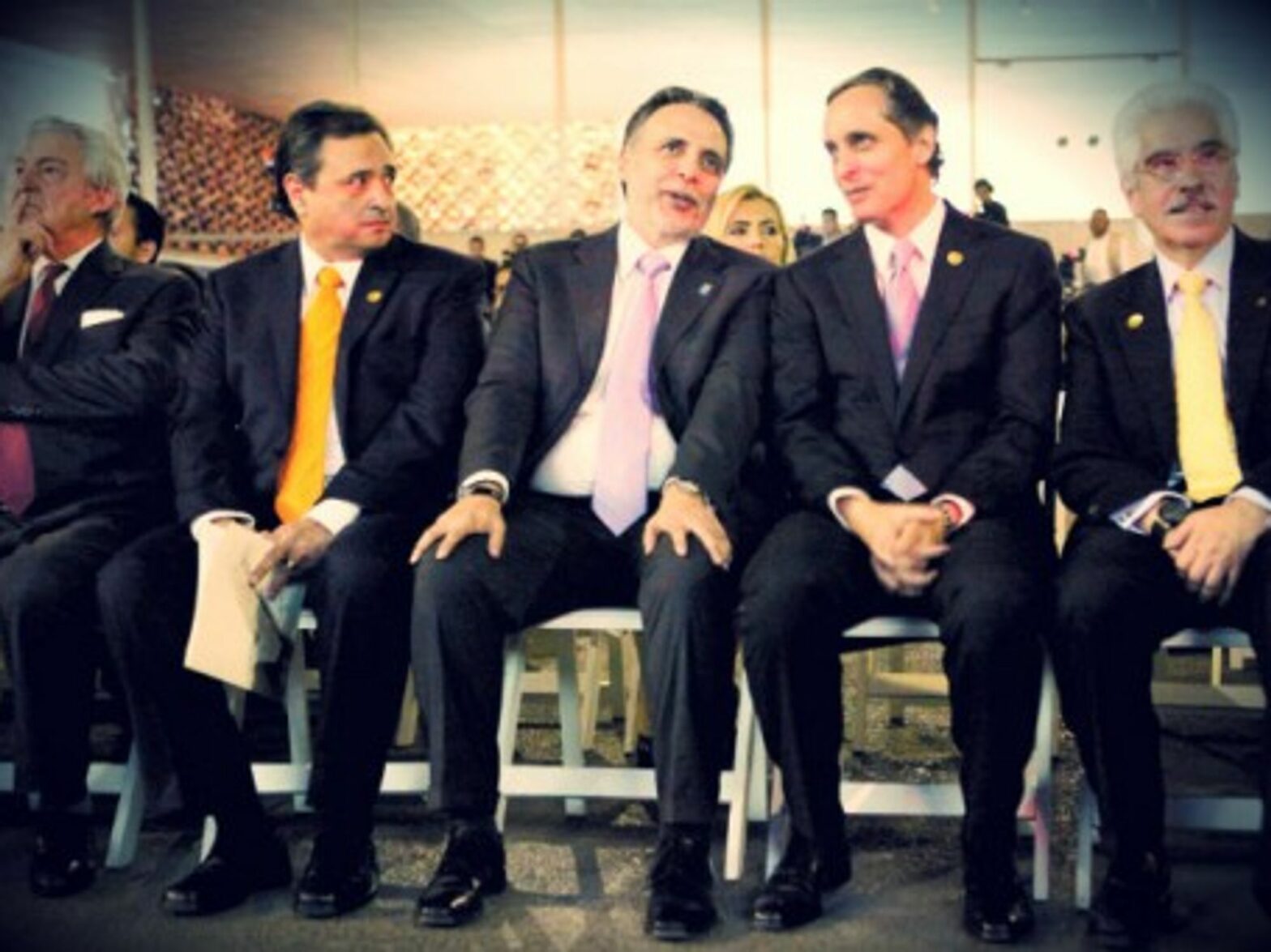
The proliferation of Latin American multinationals – multilatinas – is the surest sign that the region is freeing itself of its 20th century central vice: selling raw materials to a single patron power.

The best-selling Argentine therapist pens a new book meant to help modern generations find a simpler path and, along the way, harmony and happiness. Self-help with a Latin twist.

In Peru, for example, keep your eye on the *Chopers.

It’s become a corporate truism that making the boss look good makes employees look good. Some pro advice on how to actually make this most important business relationship work.
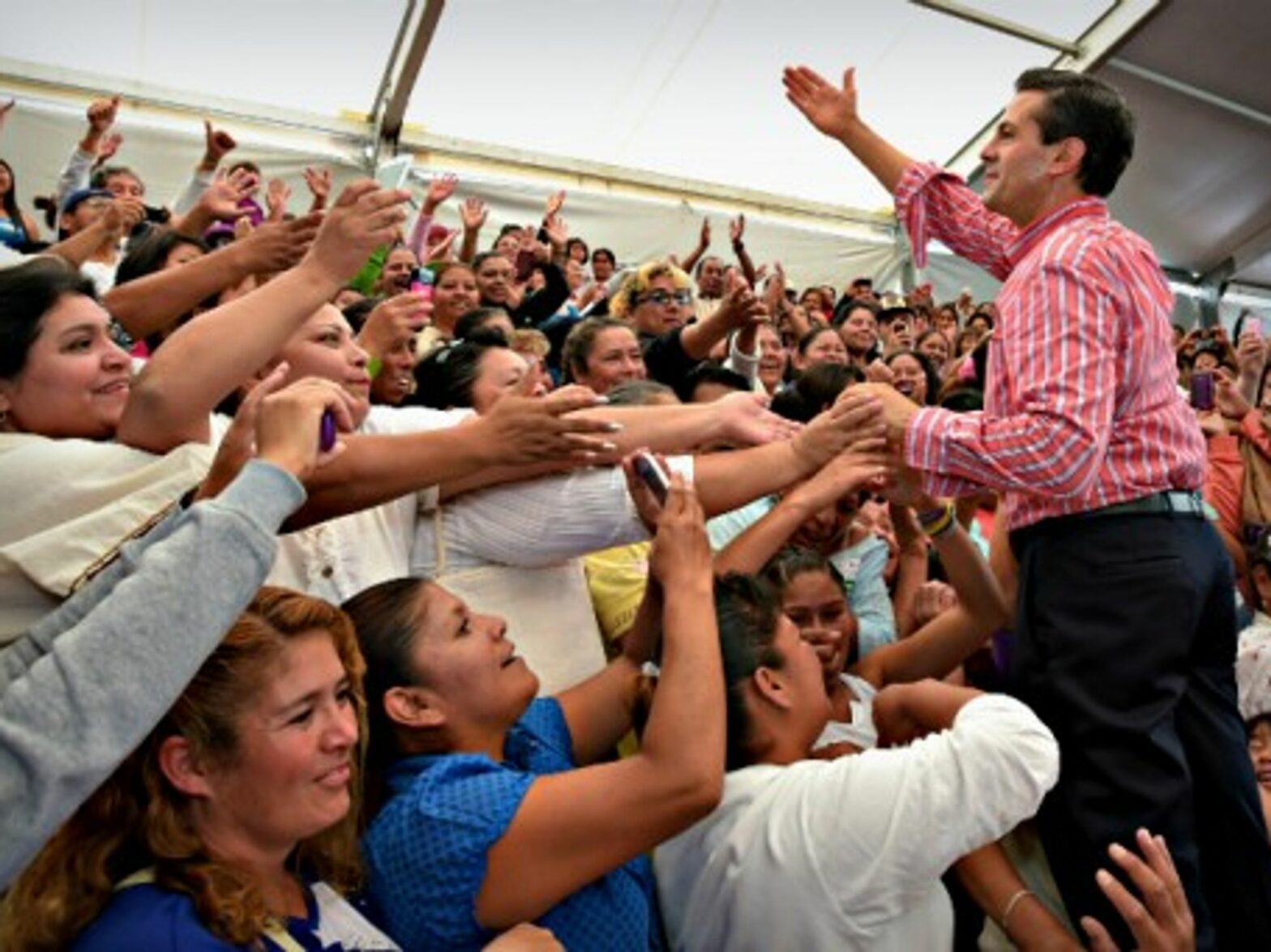
President Enrique Pena Nieto has pulled off the political feat of pushing through unprecedented reforms. But they are based on a promise that economic growth will inevitably follow.

The “black market” accounts for a quarter of Mexico’s GDP and employs more than half its workforce. The numbers illustrate a failure of public policy and raise a red flag for the future.

A view from afar on the Israeli-Palestinian conflict, where the Jewish-American lobby looks all too much like the Cuban-American lobby.

Current privatization proposals for the telecom and energy sectors suggest Mexico has learned little from the partial, and failed, liberalization processes of the past.
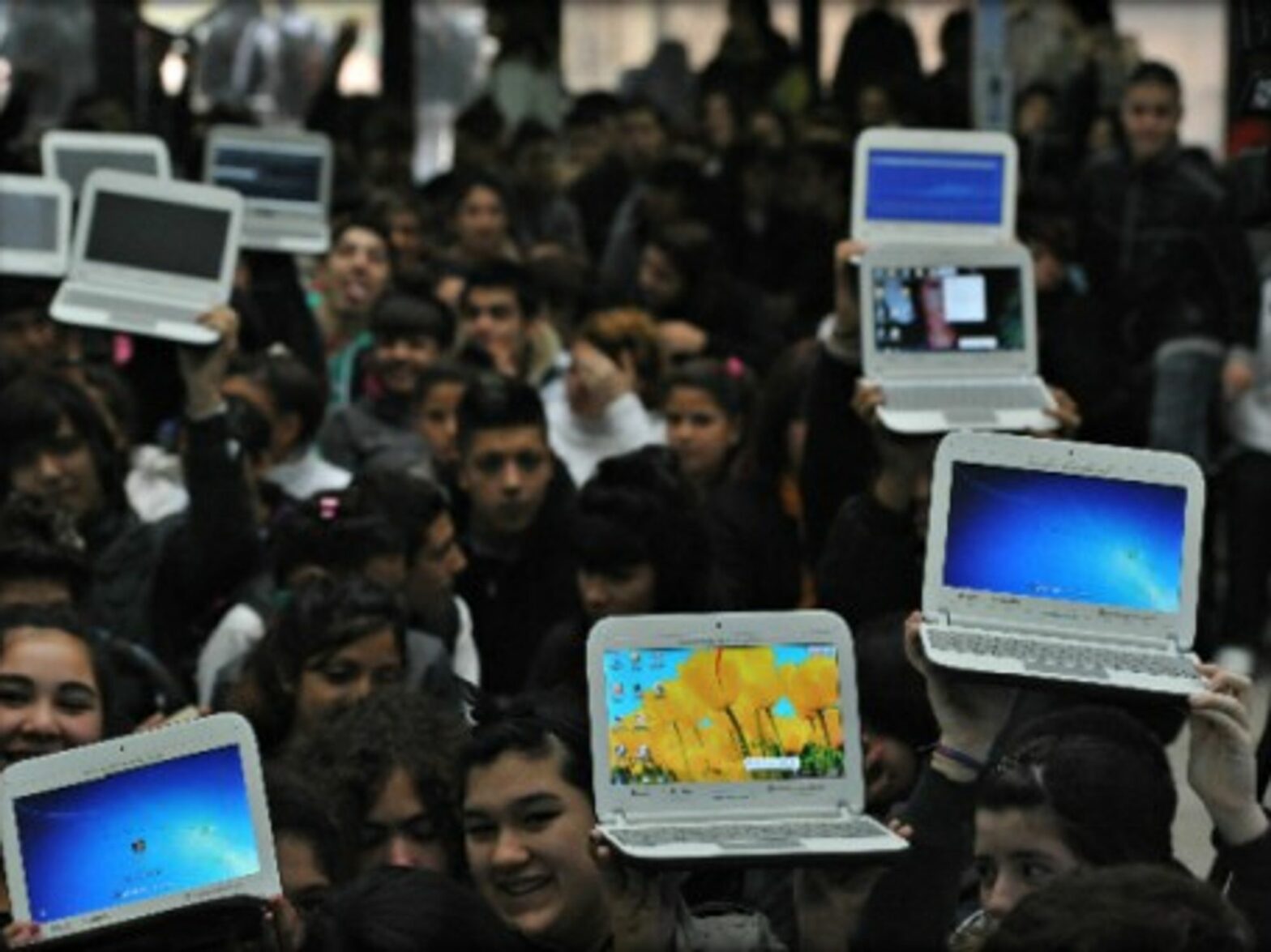
If you are 15 or 50, you will have a different way of seeking work, friendship, or even love online. But being “off-the-grid” is ever more a ticket to isolation.

Chikungunya, which causes high fever and severe joint pain, arrived from Africa last December, and has killed 33 and infected 300,000 in the Western Hemisphere. How to stop the spread.
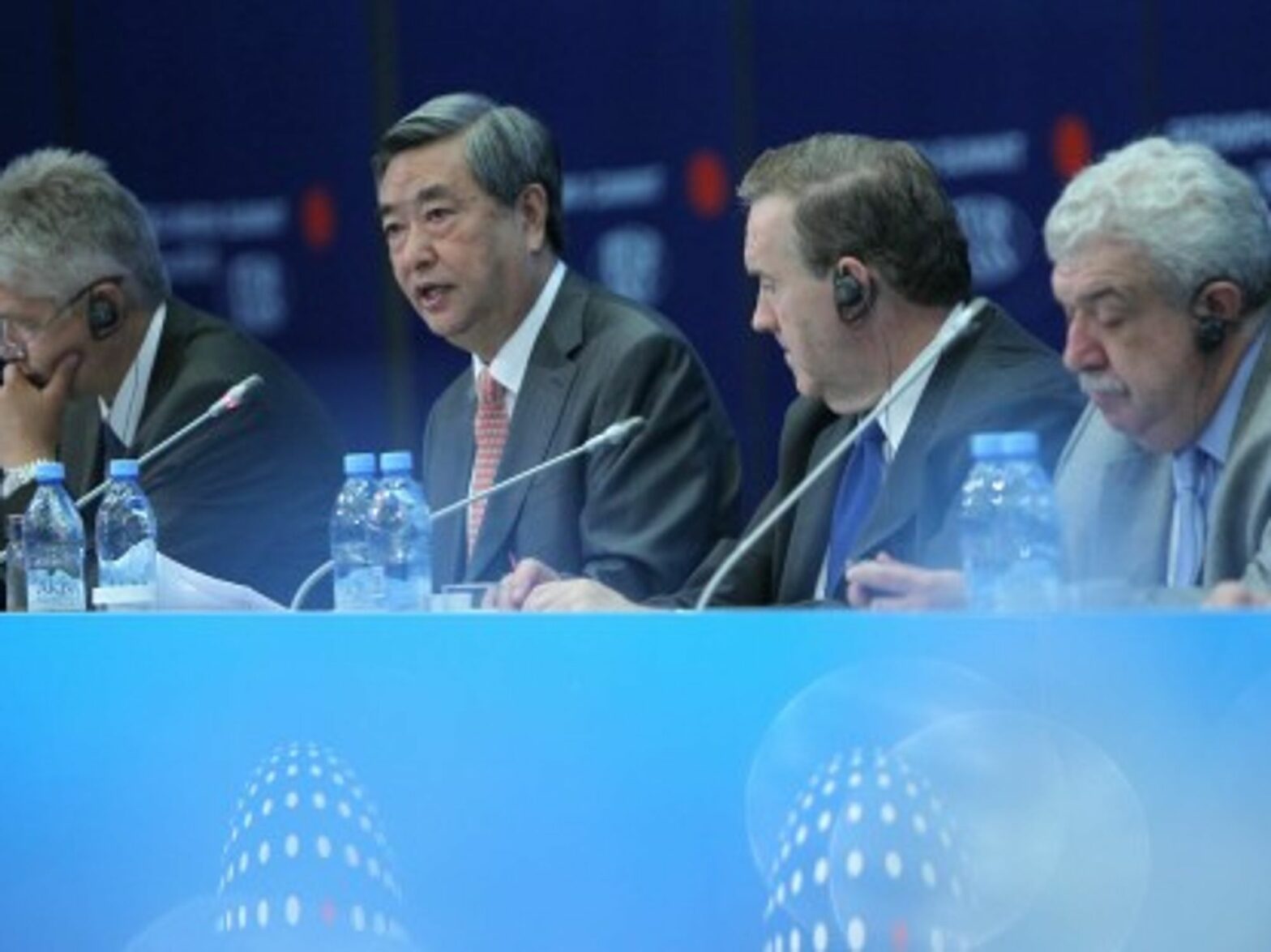
Media in emerging economies must start to challenge the dominant voice of the Western press, argues Xinhua News Agency chief Li Congjun in a guest column for America Economía.
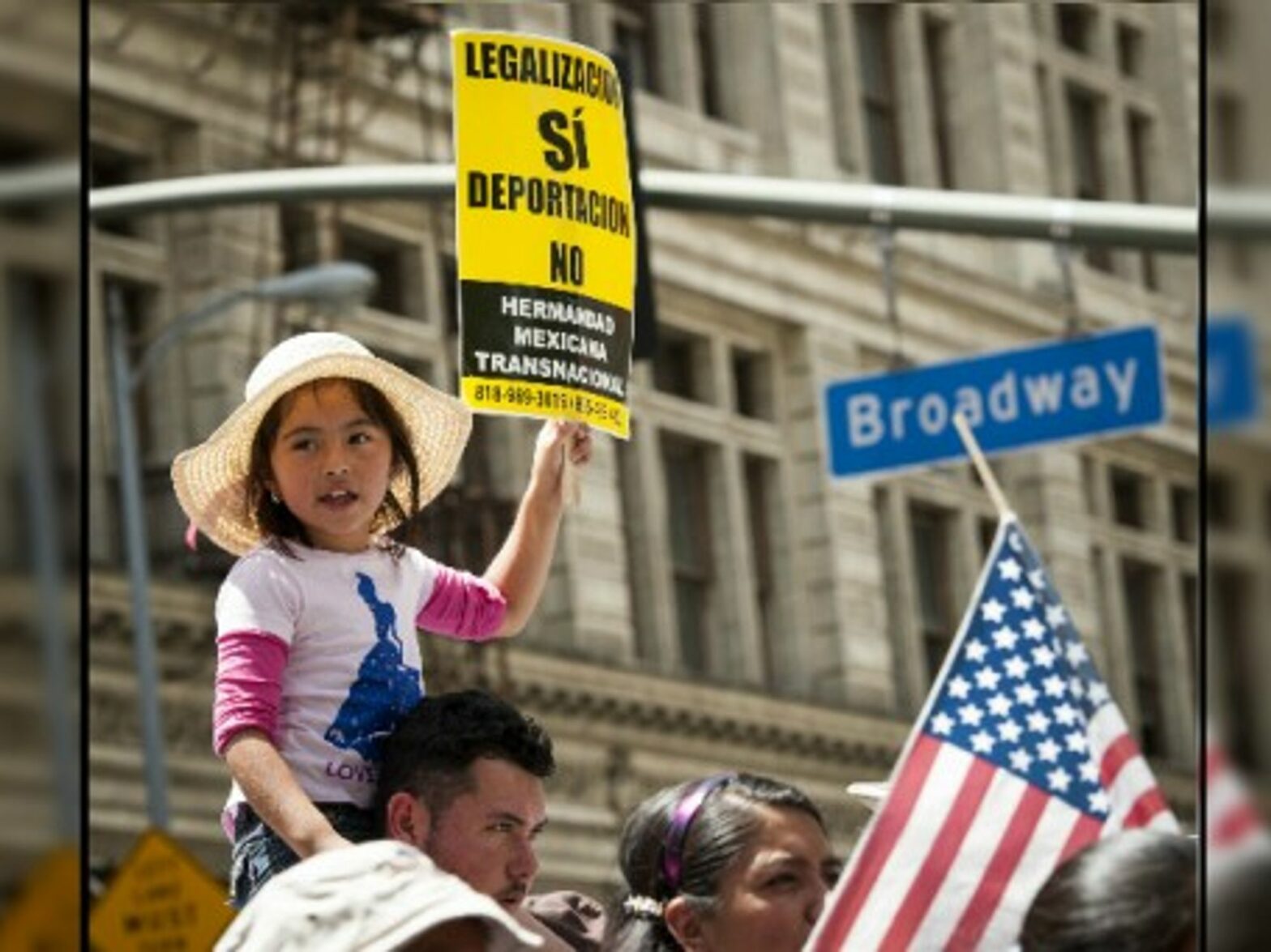
There was shock after the latest report from U.S. Border Patrol found an explosion of young people being sent northward from Central America. Why it isn’t just about the parents.
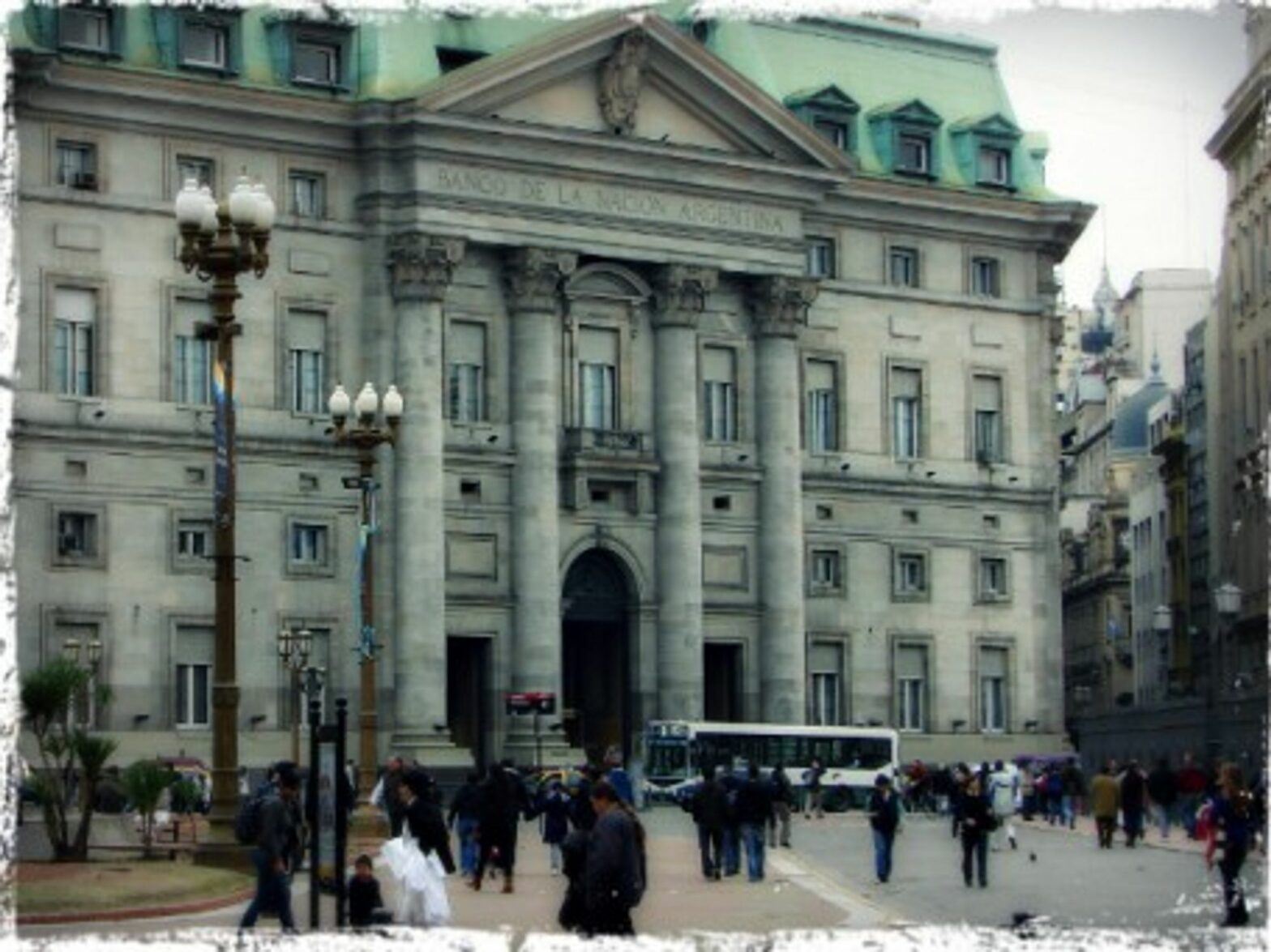
Why are American “vulture” funds taking such a hard line on Argentina’s debt? It may have something to do with the political influence finance wield in the United States.
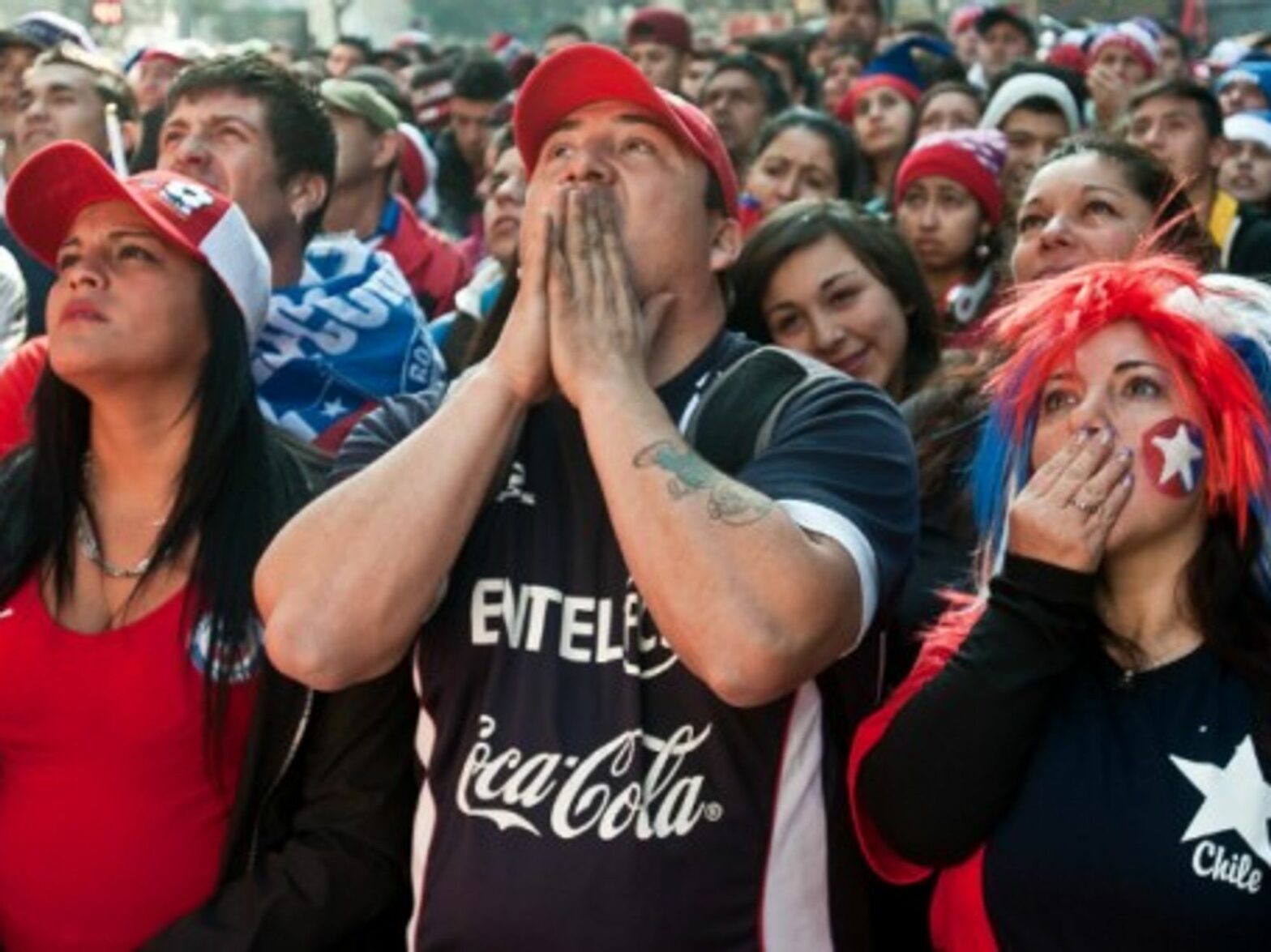
After the heartbreaking loss to host Brazil, a diehard Chile fan ponders the real meaning of the World Cup in a world with so much else to worry about.
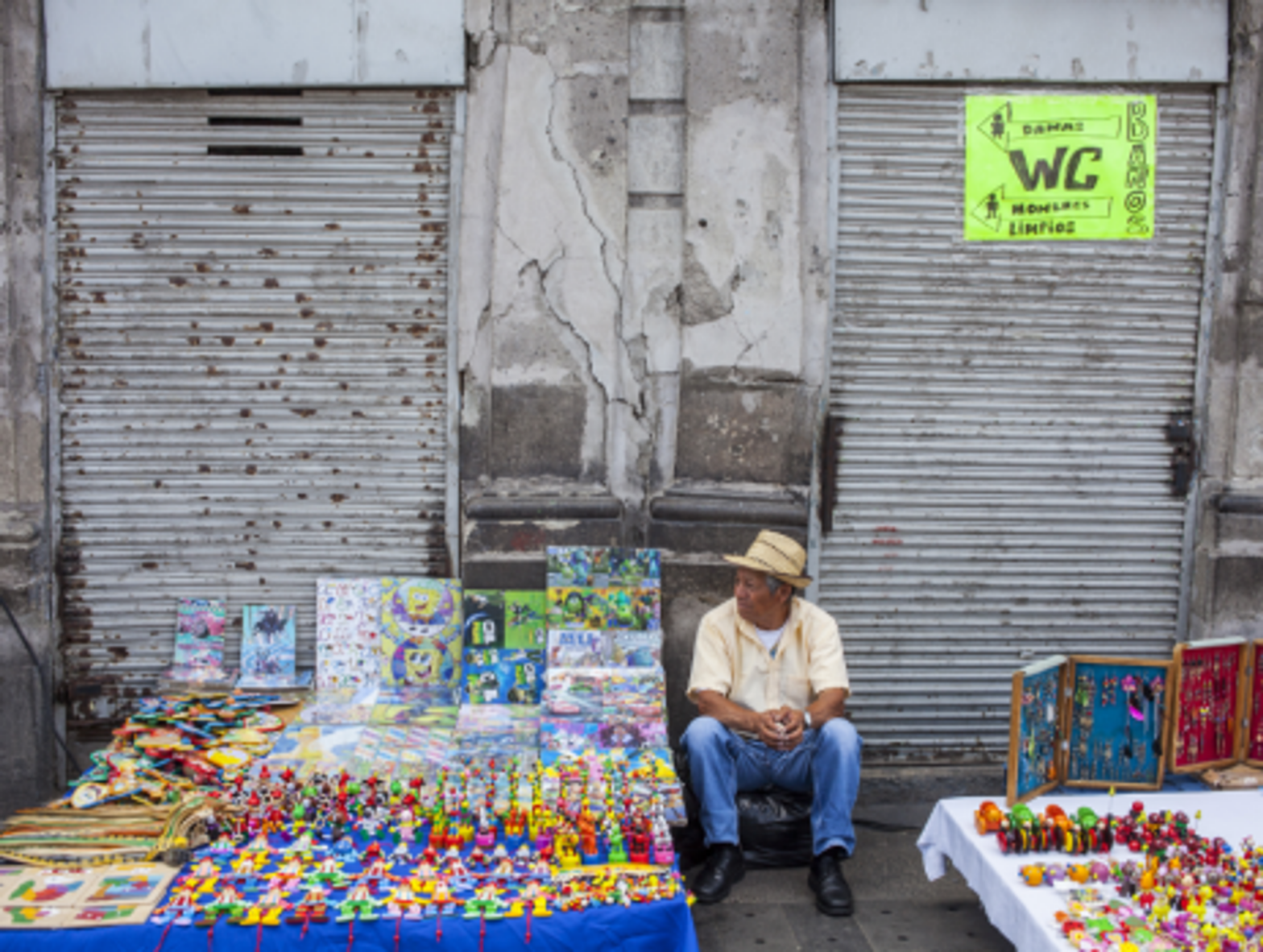
Mexico seems to be returning to more regulations, paperwork and taxes, which fuels the underground economy and encourages the government to overspend.

A Latin American call for the global soccer chief to step aside amidst ongoing corruption investigations. Yet even a Blatter-less FIFA would still have a long road to rectitude.
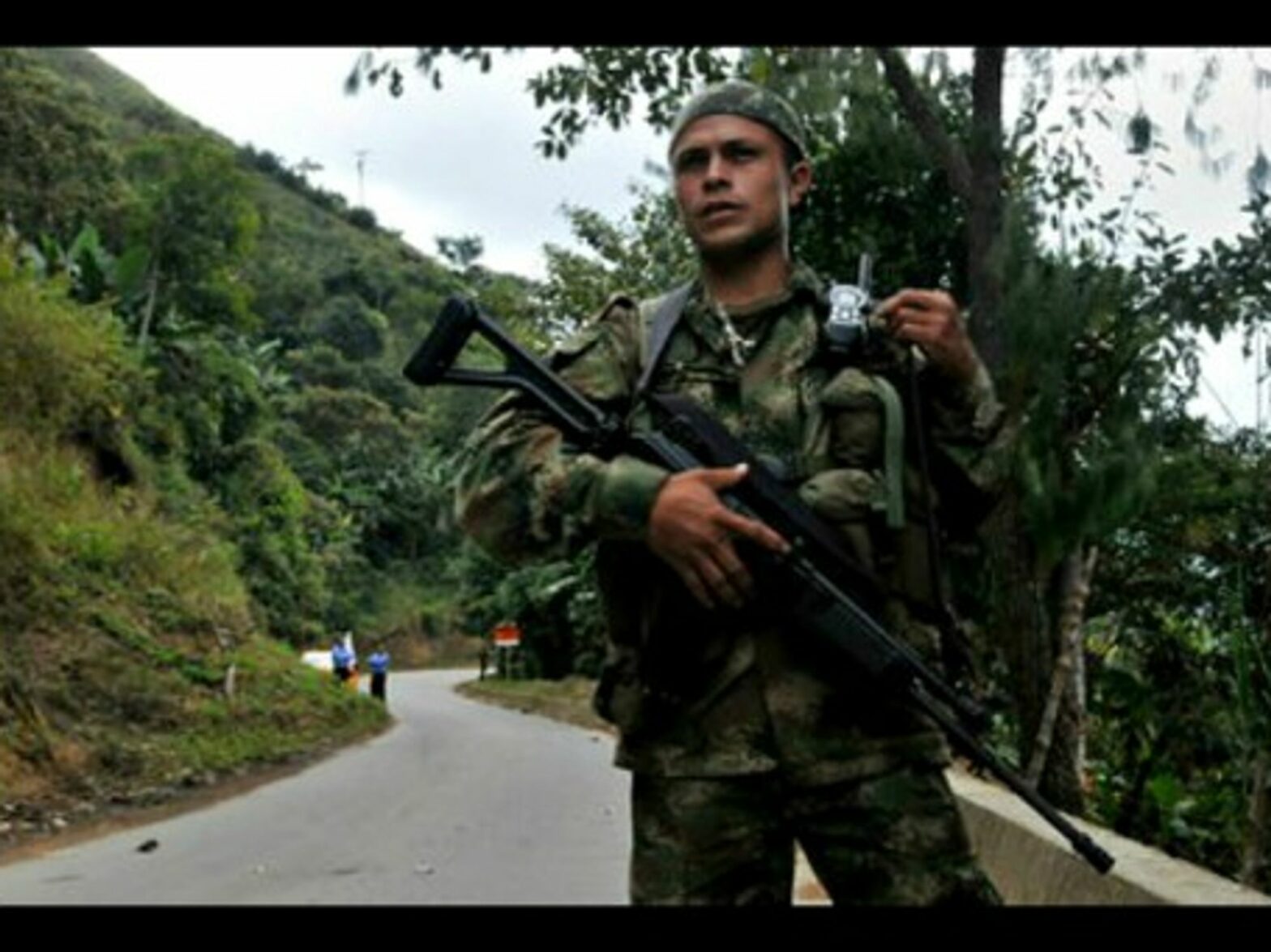
As Colombia prepares to elect a president, voters must choose between a candidate willing to make painful concessions with FARC guerrillas and a hawk keen on the status quo.

In many countries, musicians were Latin America’s leading social critics and political activists of the late 20th century. Not anymore.
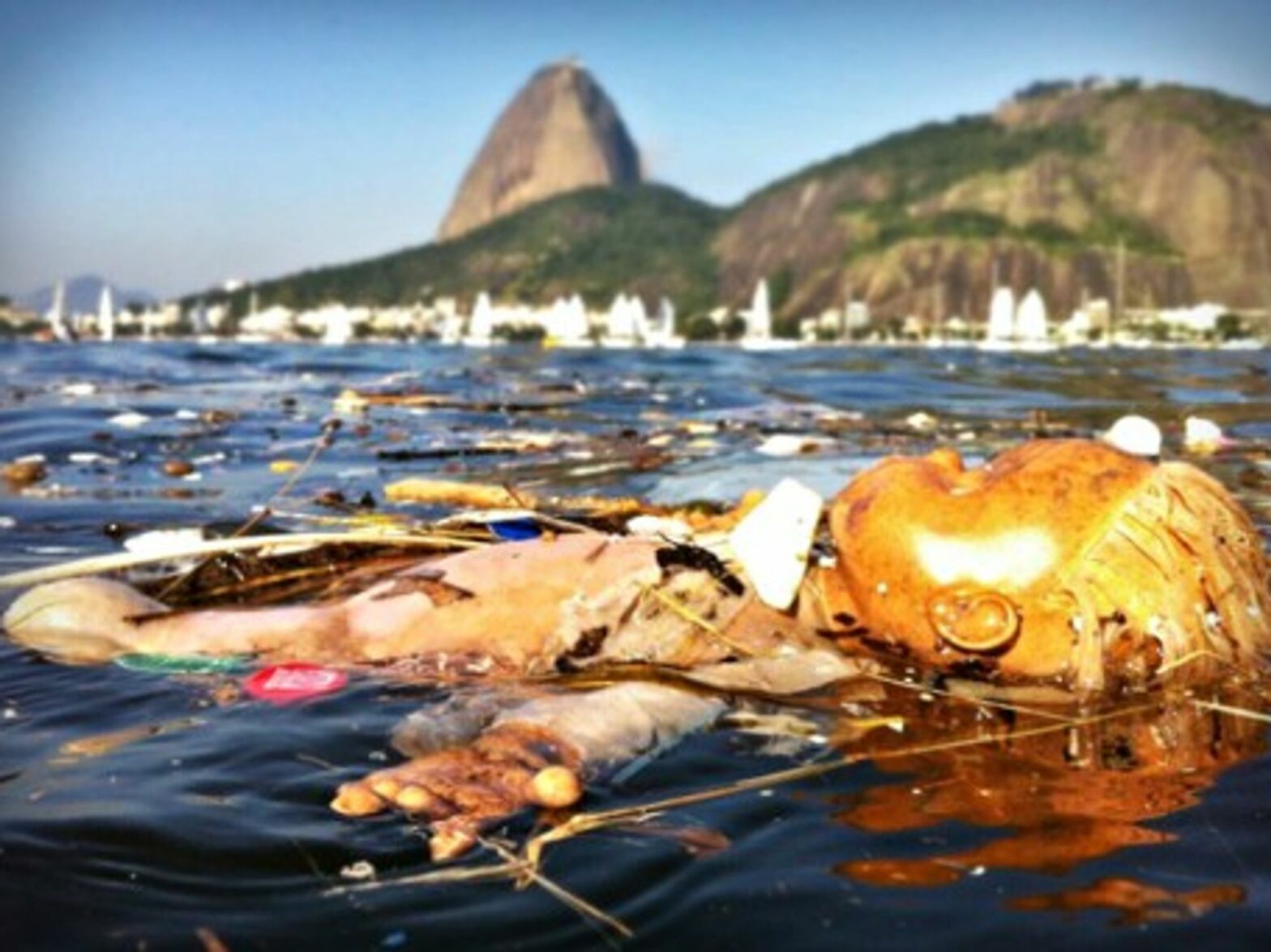
Empirical research suggests that economic sanctions are at best ineffective and at worst counterproductive. But Russia may yet pay a hefty price for its Ukraine aggression.
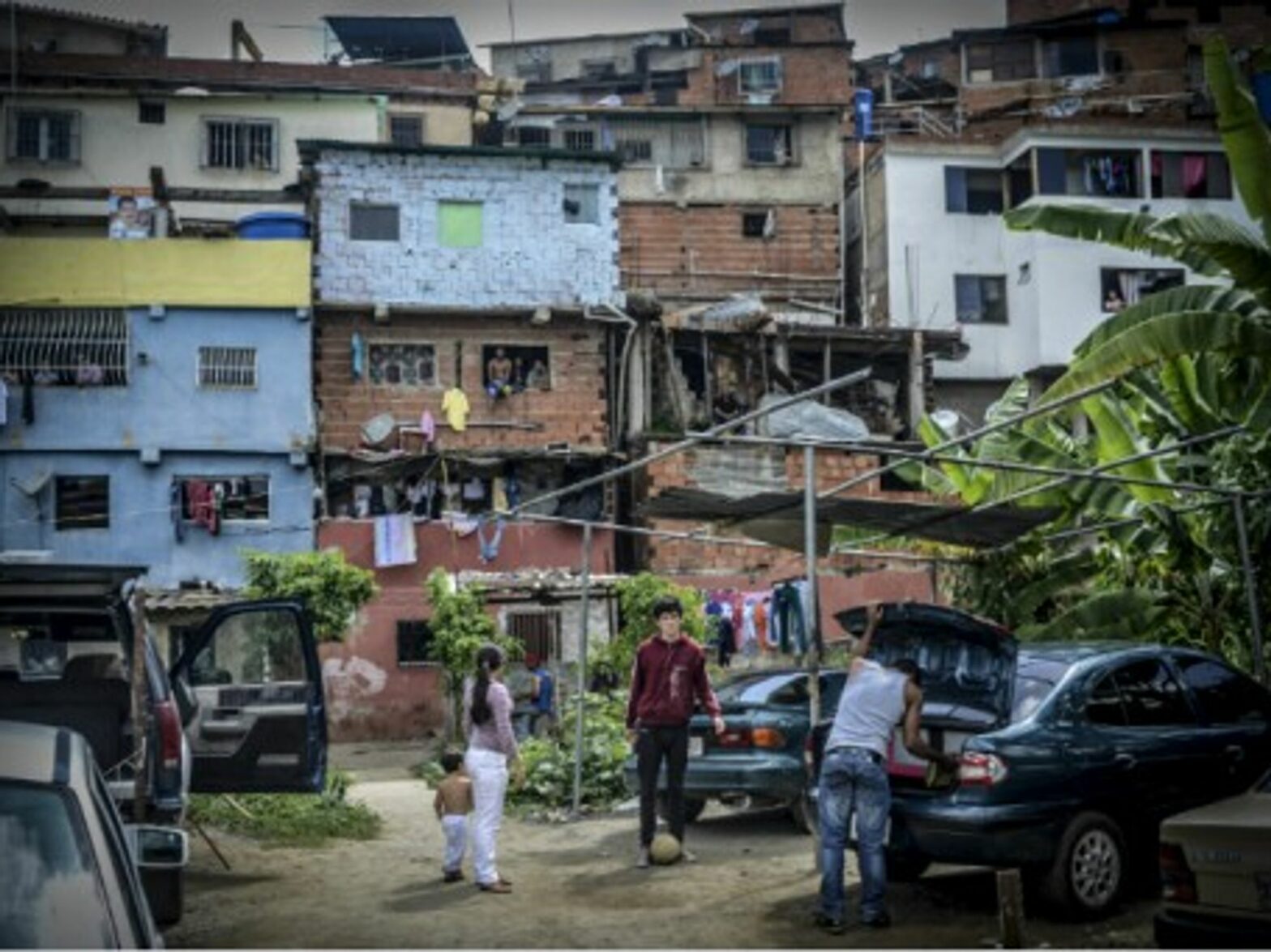
Leaders in Venezuela, Argentina and Brazil refuse to face the reality that the days of easy money are over, and the time is now for real reform.
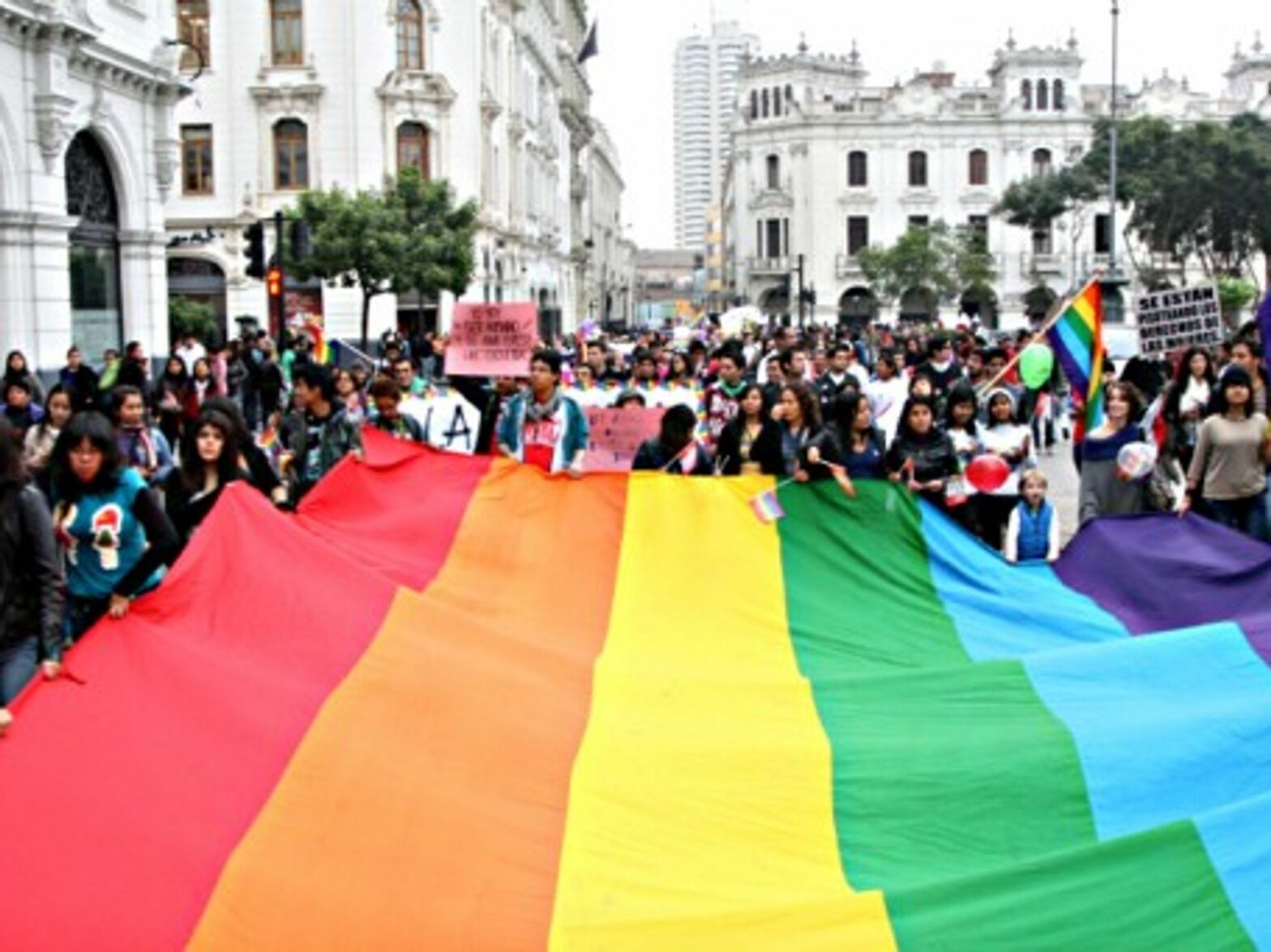
As evangelical hostility to proposed same-sex civil unions demonstrates, Peruvian society has yet to embrace its own government’s rhetoric of tolerance and social inclusion.