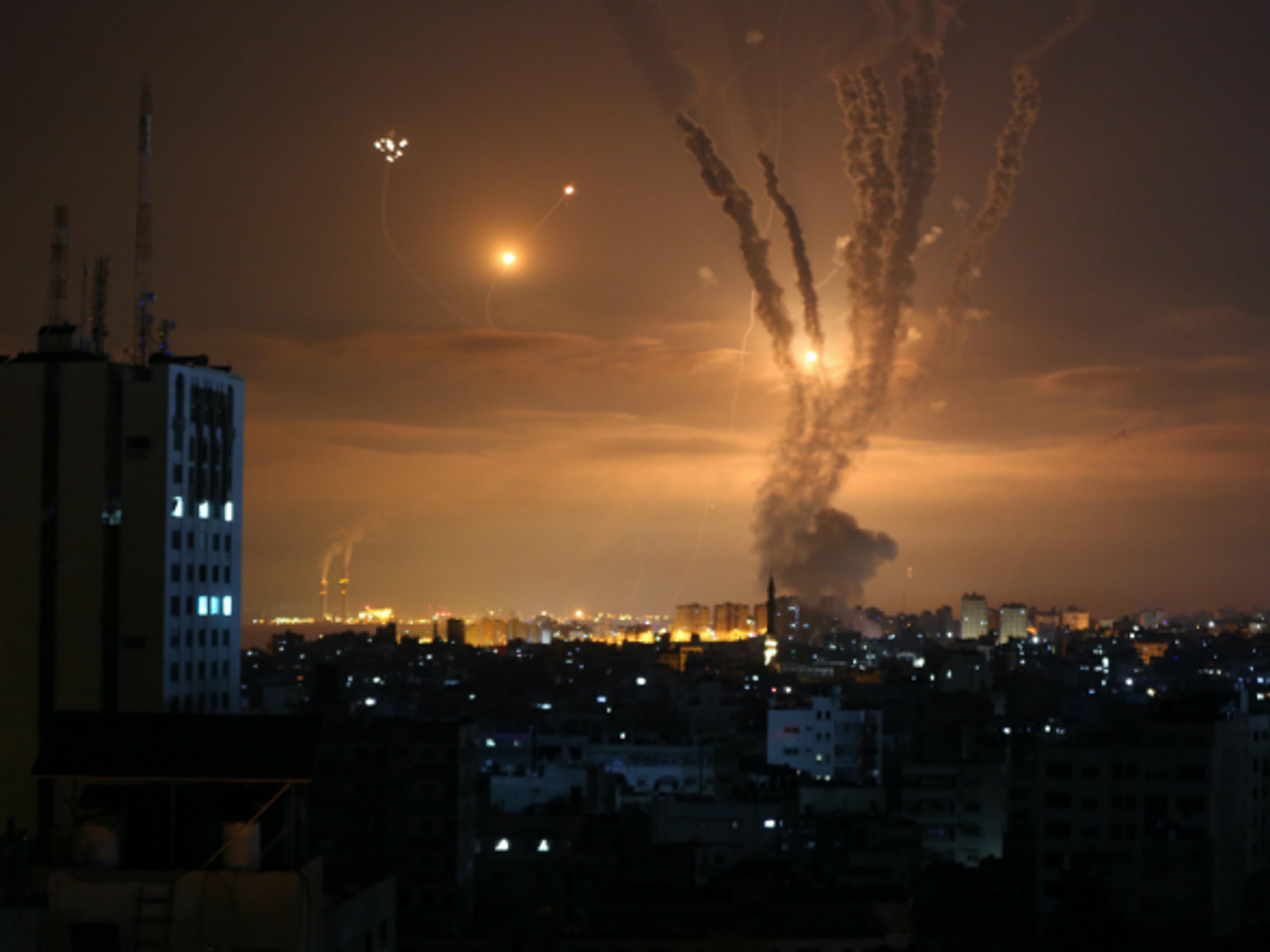
Israel had struck Iranian interests in recent months without significant reprisals. Meanwhile, Iran is growing impatient that nuclear talks in Vienna are stalling, and may have turned to the Palestinian groups it arms to provoke the violence.
 Worldcrunch
Israel had struck Iranian interests in recent months without significant reprisals. Meanwhile, Iran is growing impatient that nuclear talks in Vienna are stalling, and may have turned to the Palestinian groups it arms to provoke the violence.
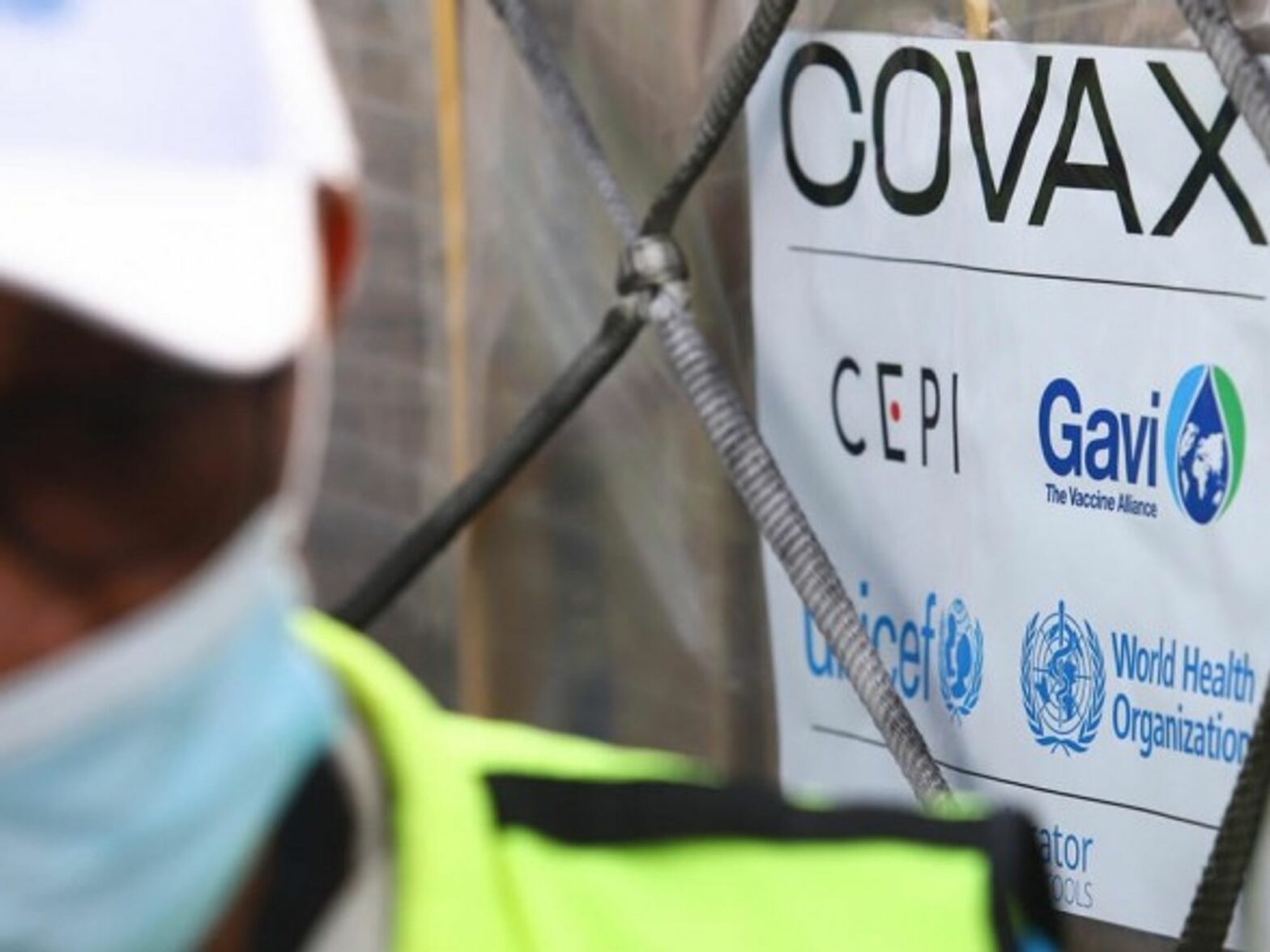
It’s imperative that people everywhere also have access to COVID-19 vaccines. But shipping and sharing the vaccine doses is only half the battle.
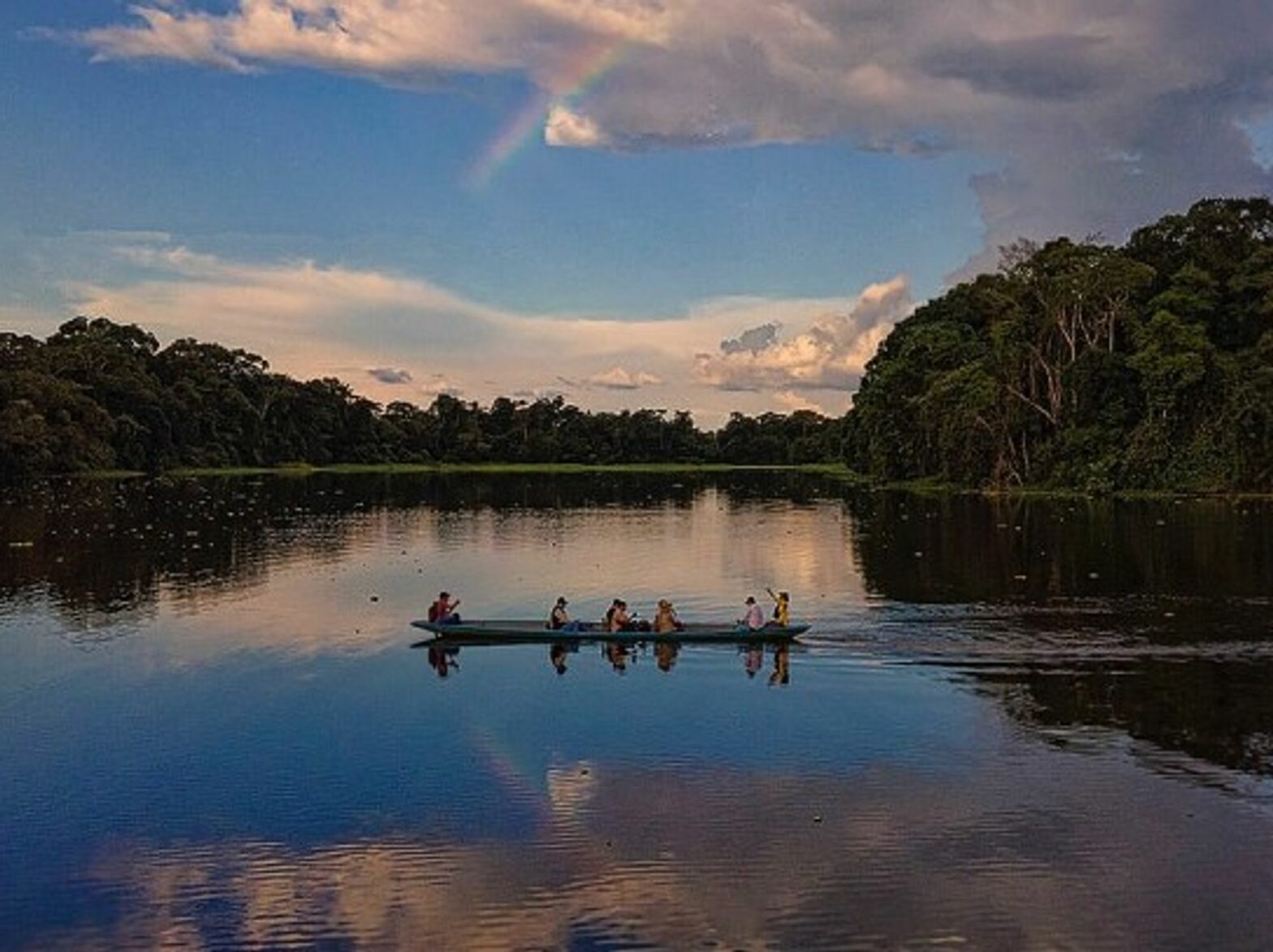
Pummeled by the pandemic, the fragile economies of Latin America are desperate to recover. But is turning to China for loans and as a market for raw materials the best long-term solution?
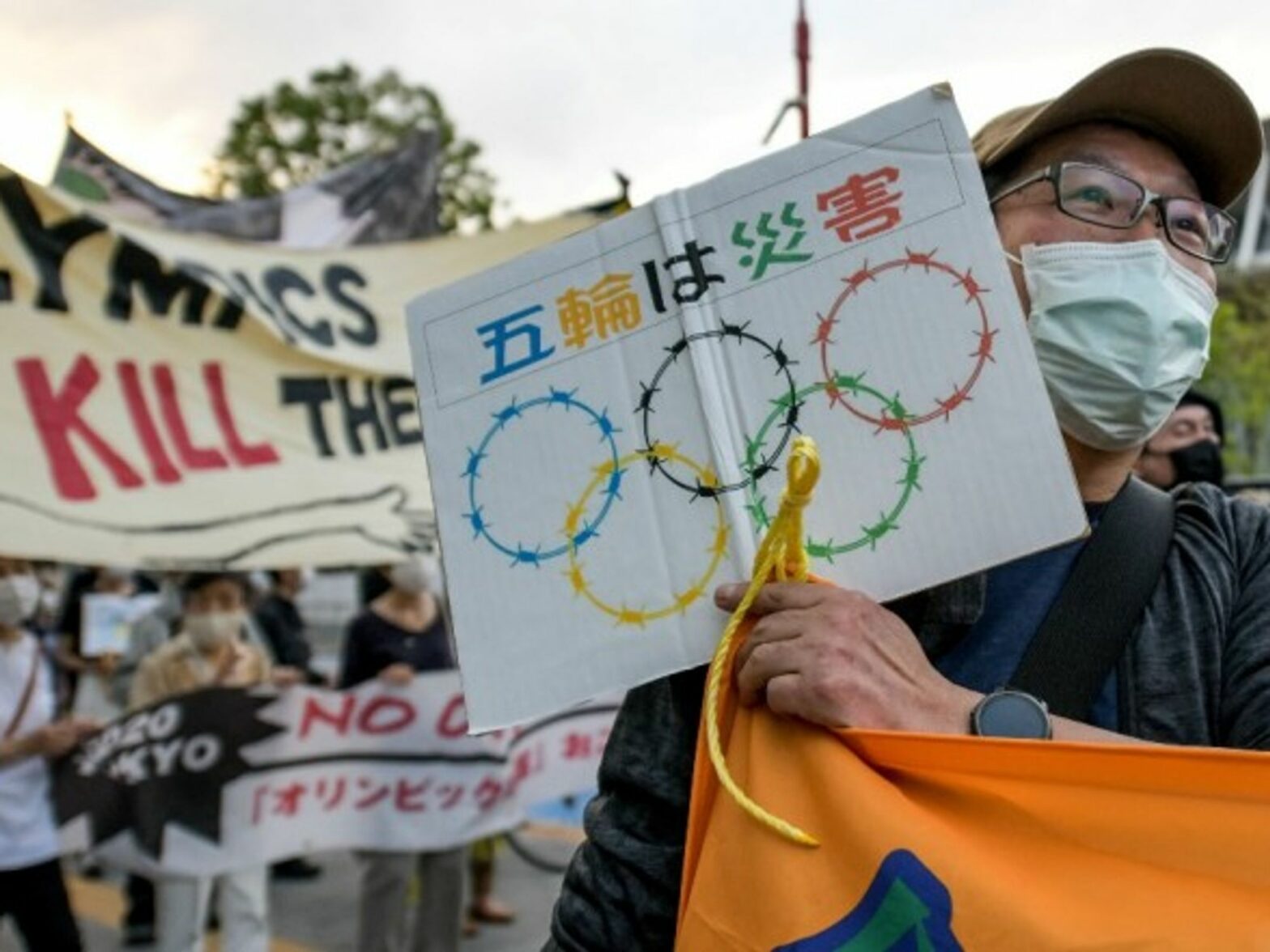
With infections surging, and only 1% of the population fully vaccinated, many say that devoting so many resources to hosting the Summer Games is a recipe for disaster.
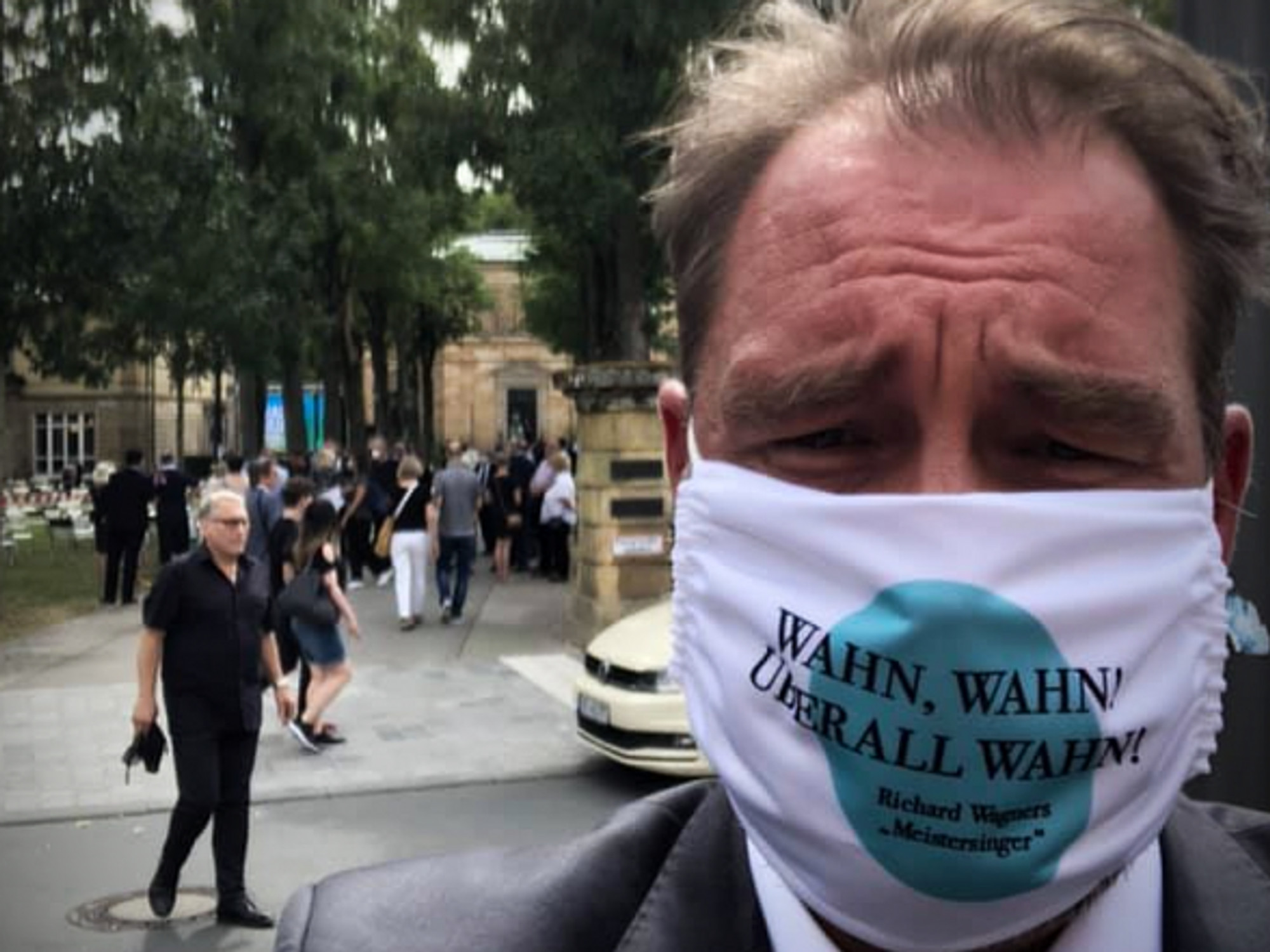
Die Welt journalist Peter Huth argues that those who can’t catch COVID-19 should not be subject to any more virus rules and restrictions, and allowed to return to normal life.
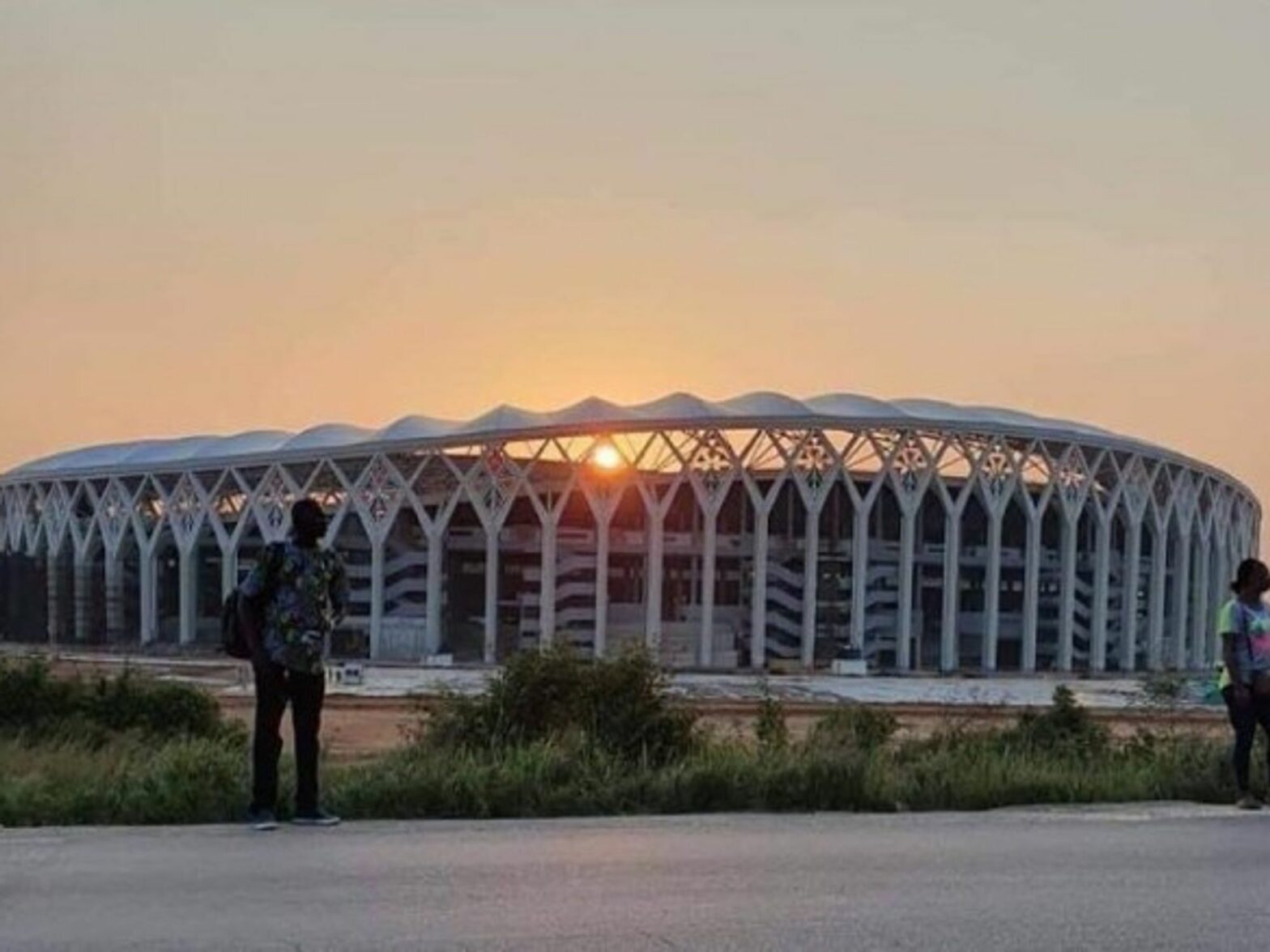
For decades now, Beijing has been generating good will — and gaining privileged economic access — by donating and renovating sports facilities in select African nations.
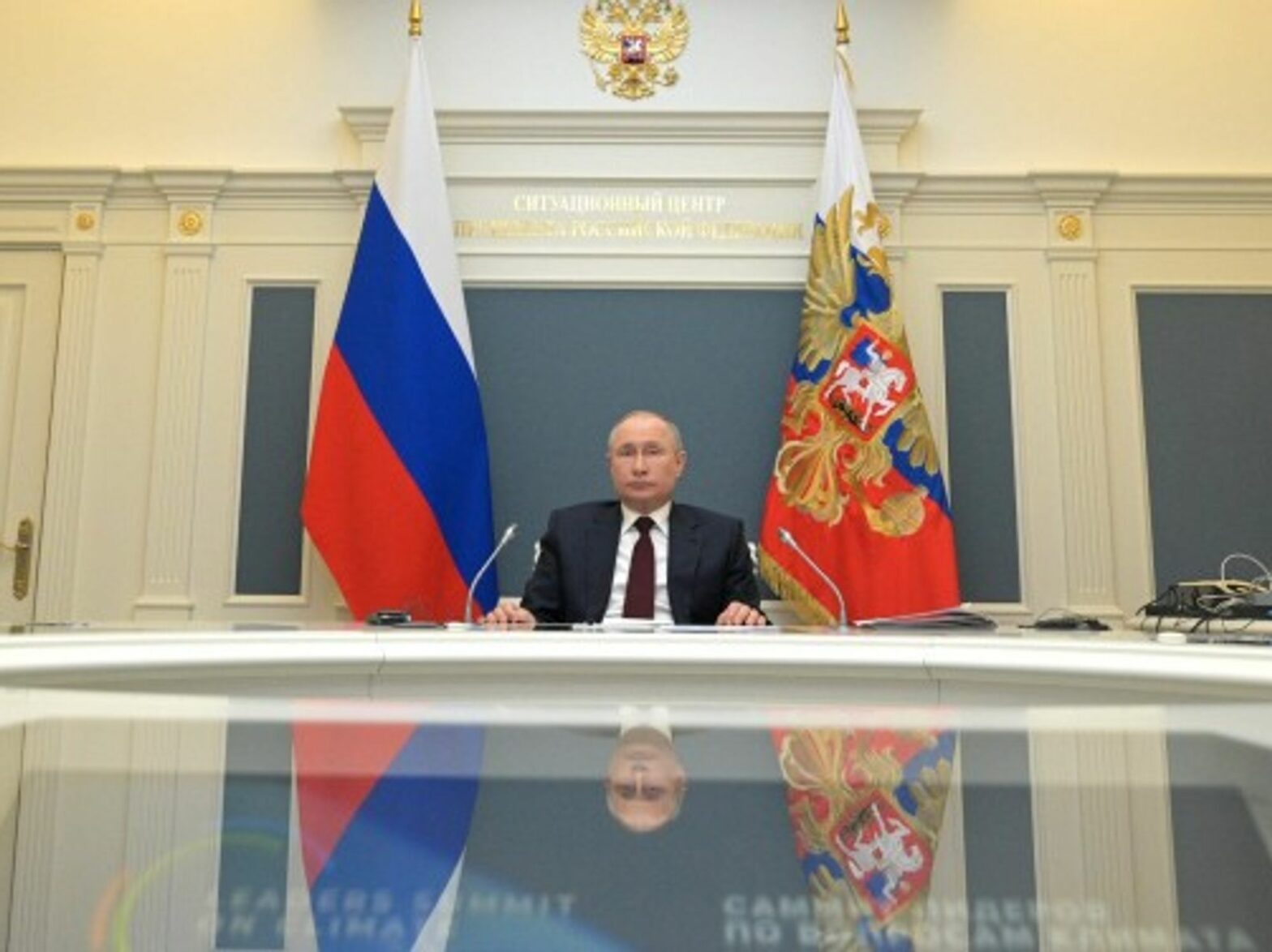
London is taking a hardline against Moscow since Trump’s departure left Putin increasingly isolated.
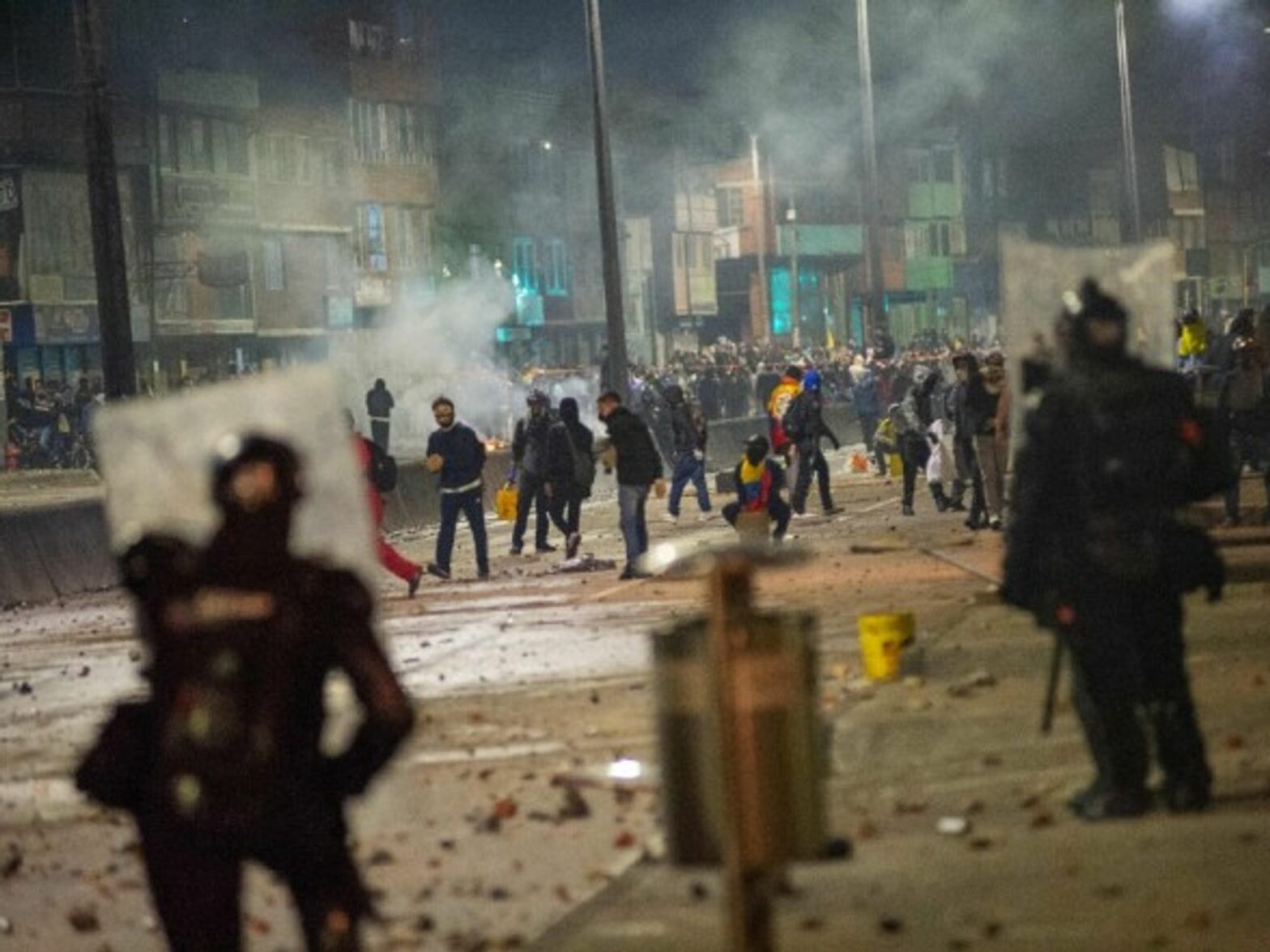
More than 20 people have been killed since demonstrations erupted against a government plan to raise taxes. Dozens more are missing, and yet some insist still on blaming the protestors.
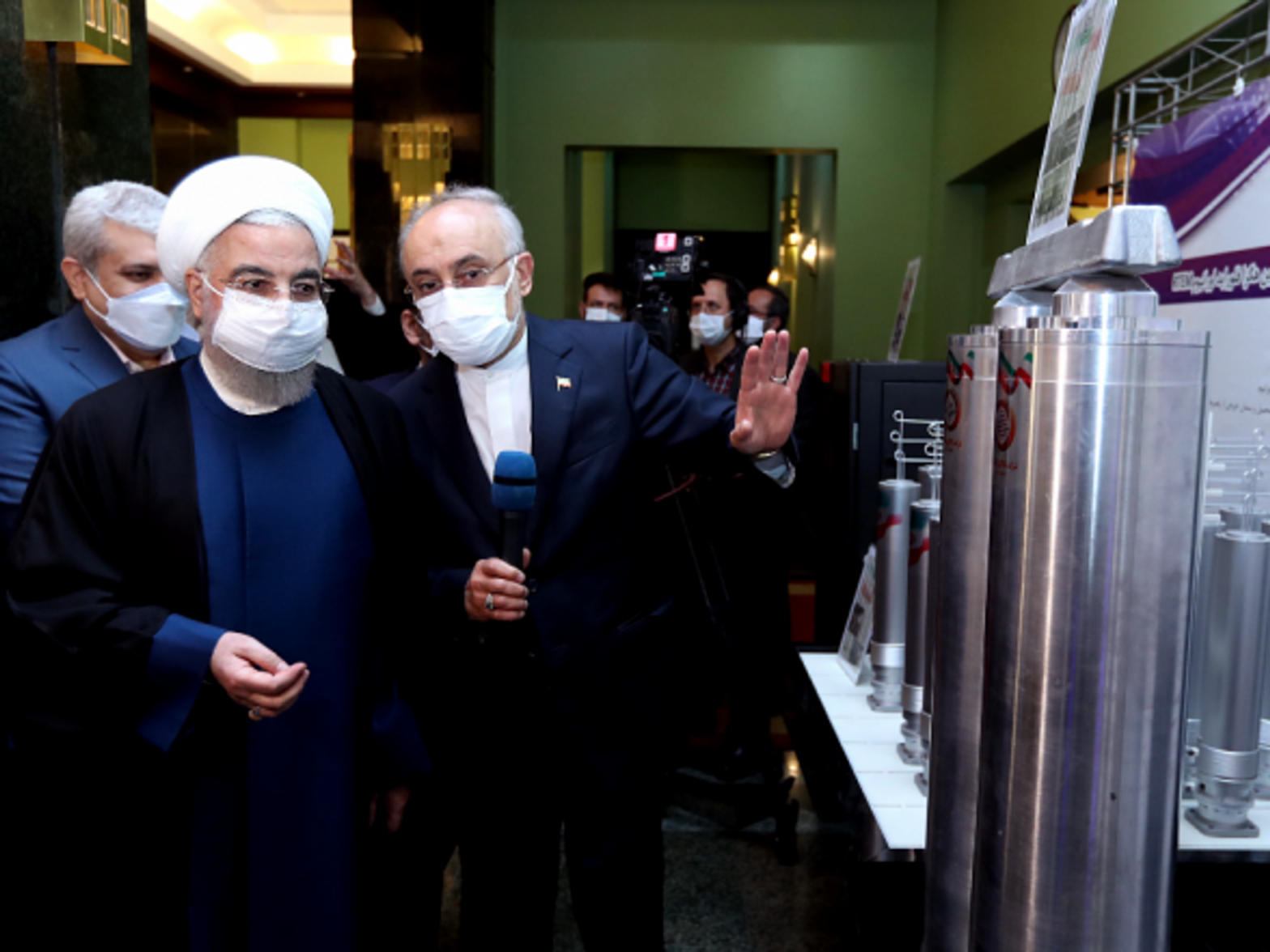
Sanctions have shrunk Islamic Iran’s regional and nuclear ambitions, but it retains a trump card in current talks with the Powers: the determination of the Western camp to appease its regime in return for a bit of peace
As the U.S. government pivots its foreign policy, the Taliban is ramping up plans to reestablish a totalitarian state. Regional support for a sovereign Afghan government has never been more urgent.
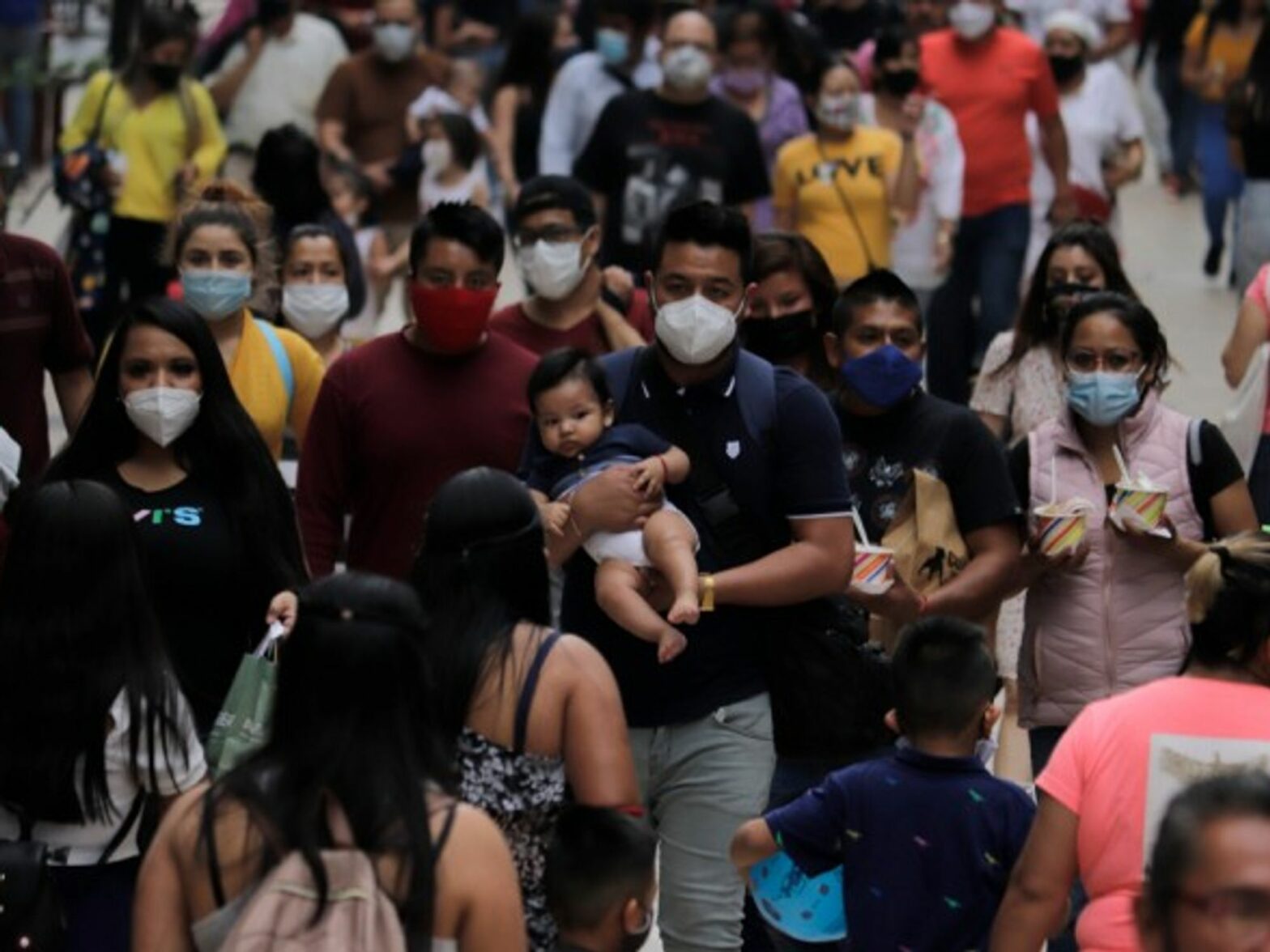
Like the last century’s world wars, the COVID-19 crisis is causing trauma on a global scale and opening the door to enticing but deeply dangerous political impulses.

Watching the nightly news on television was a recipe for unhappiness. It’s just one lesson from two years on the road in Europe, even though the depressing headlines will follow you through other channels.
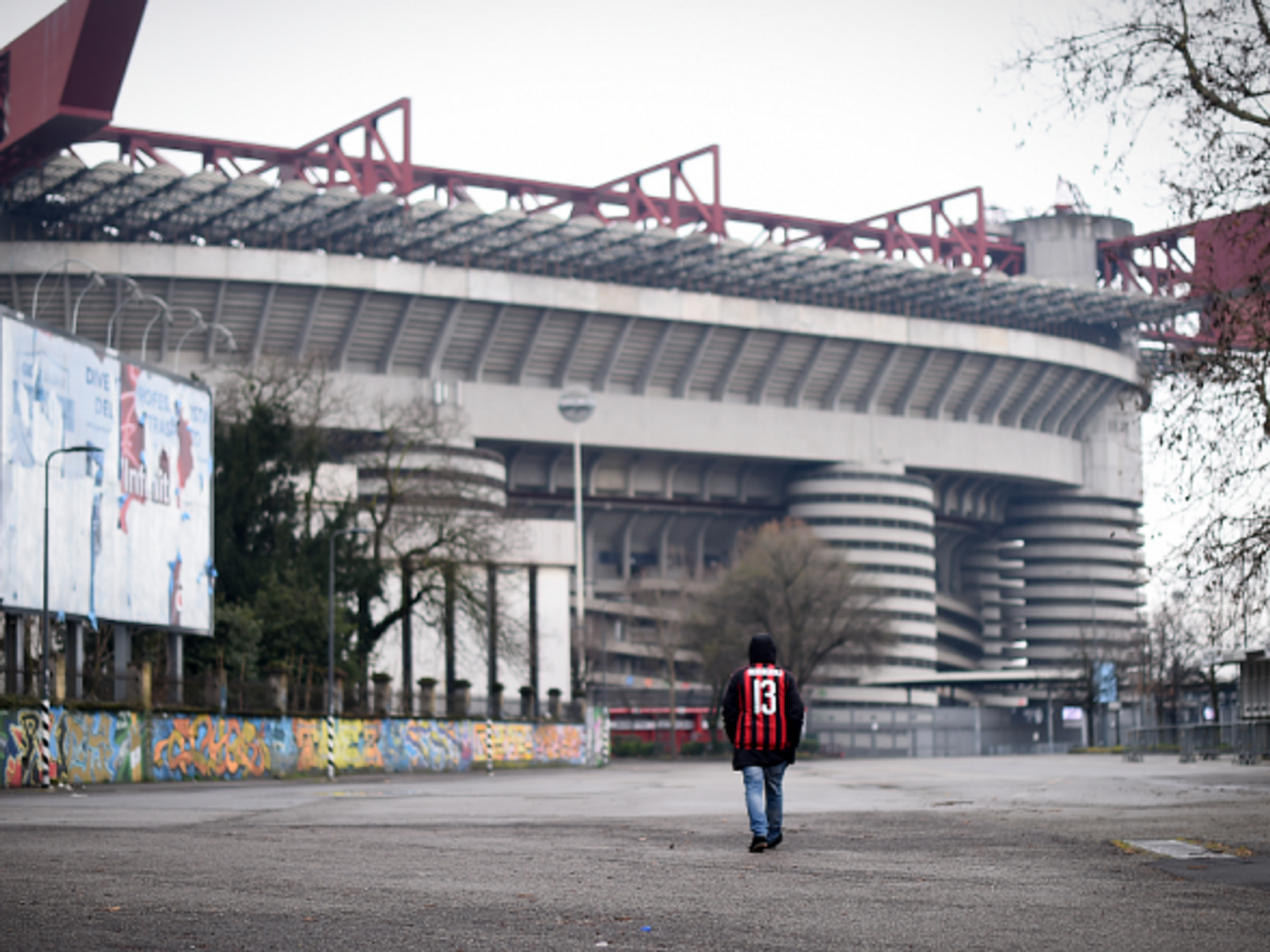
Using pure economic power to reorder the world of soccer was clearly a bad idea, though not necessarily a new idea. Some reflections from a conflicted fan of one particular Italian super squad.
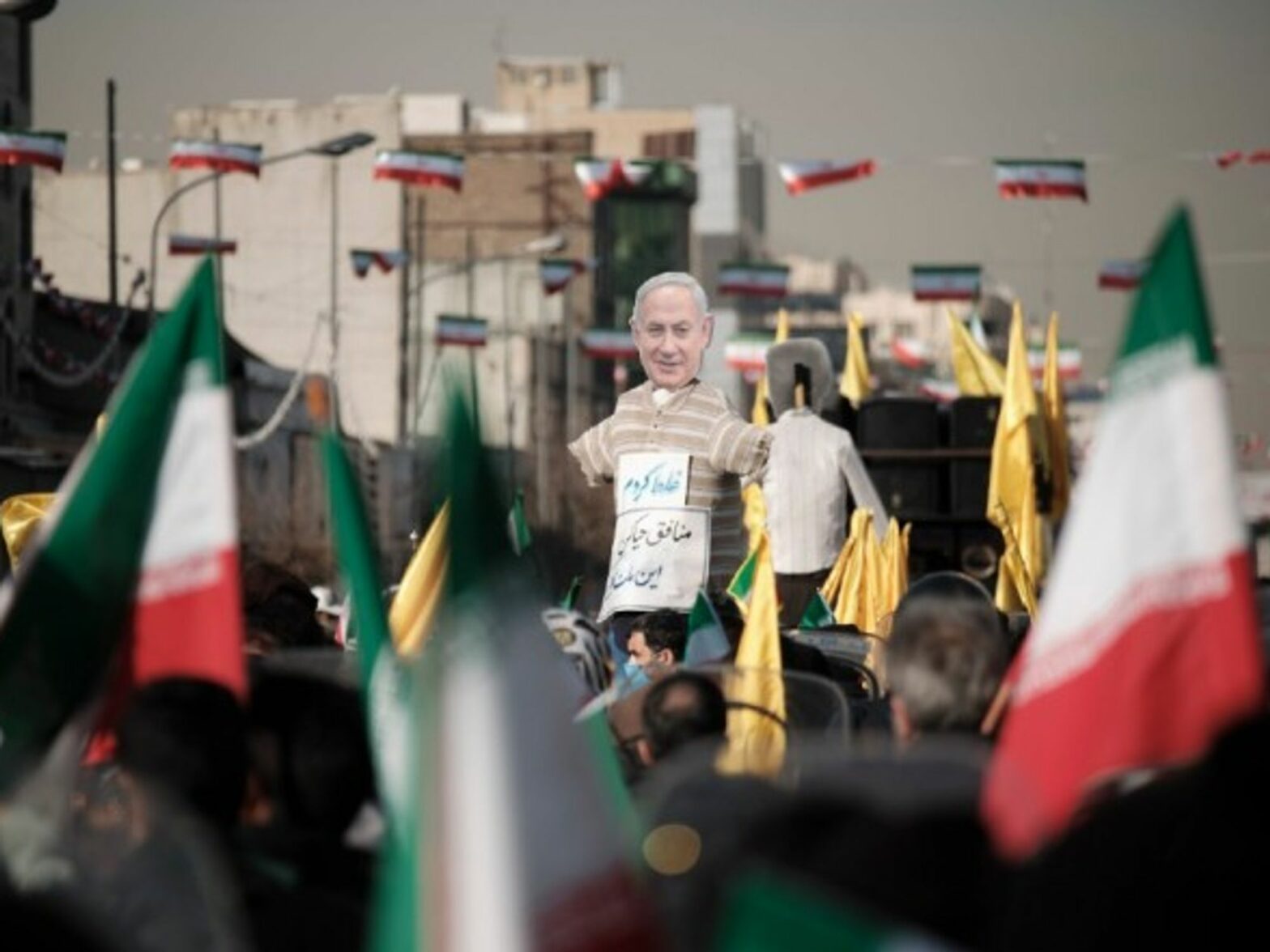
The Israeli Prime Minister has taken his cue from a bold predecessor, Menachem Begin, to curb Islamic Iran’s regional presence and nuclear threat by any means necessary.
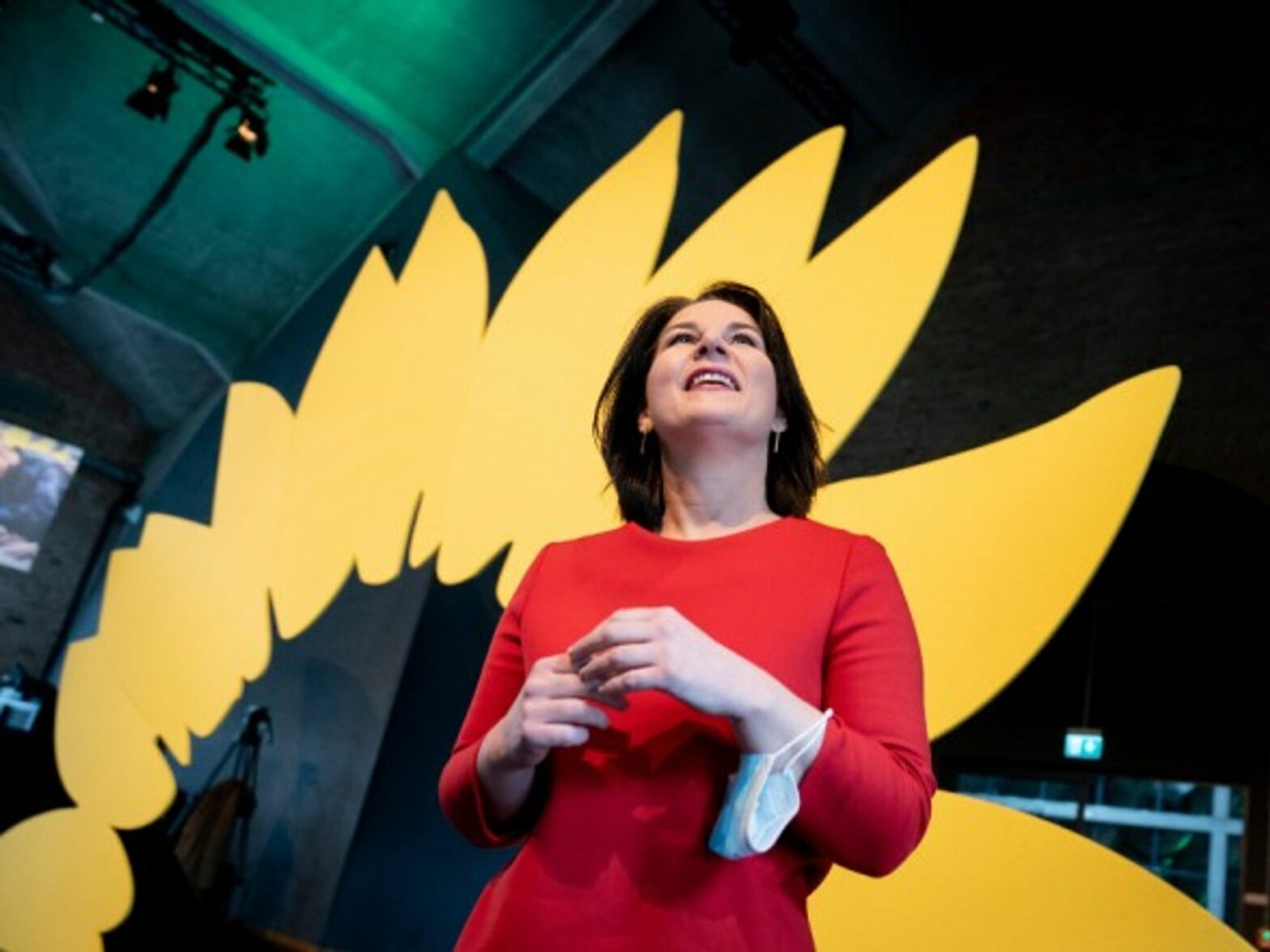
The Green party is in a very strong position as the campaign begins to succeed Angela Merkel. Their environmental ideals mask an illiberal intolerance for their opponents.
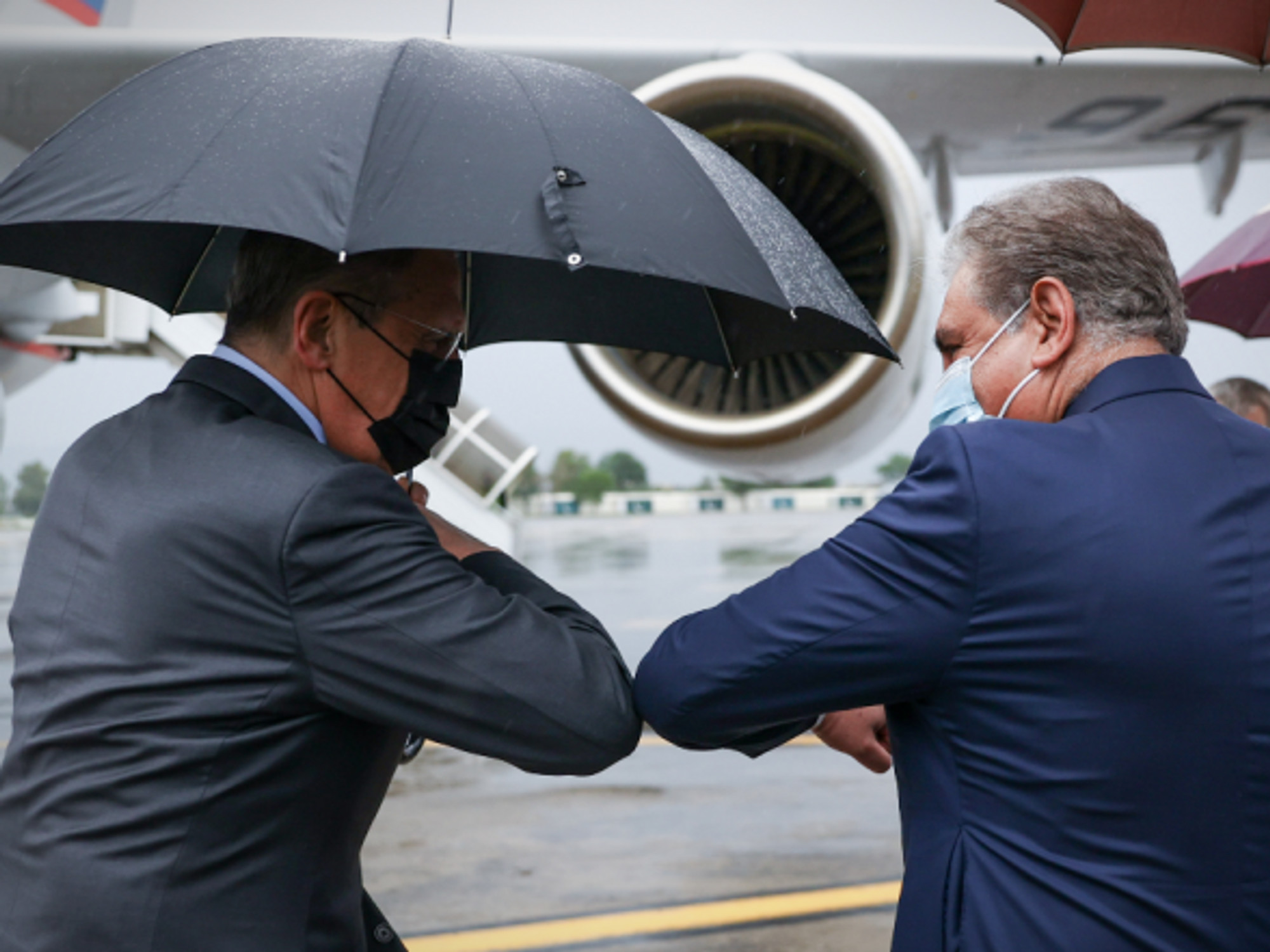
Russia’s foreign minister visited Pakistan for the first time in nine years — just in time for the deadline for U.S. troops to leave Afghanistan. It points to an important change of actors in one of the deadliest conflict zones in the world.
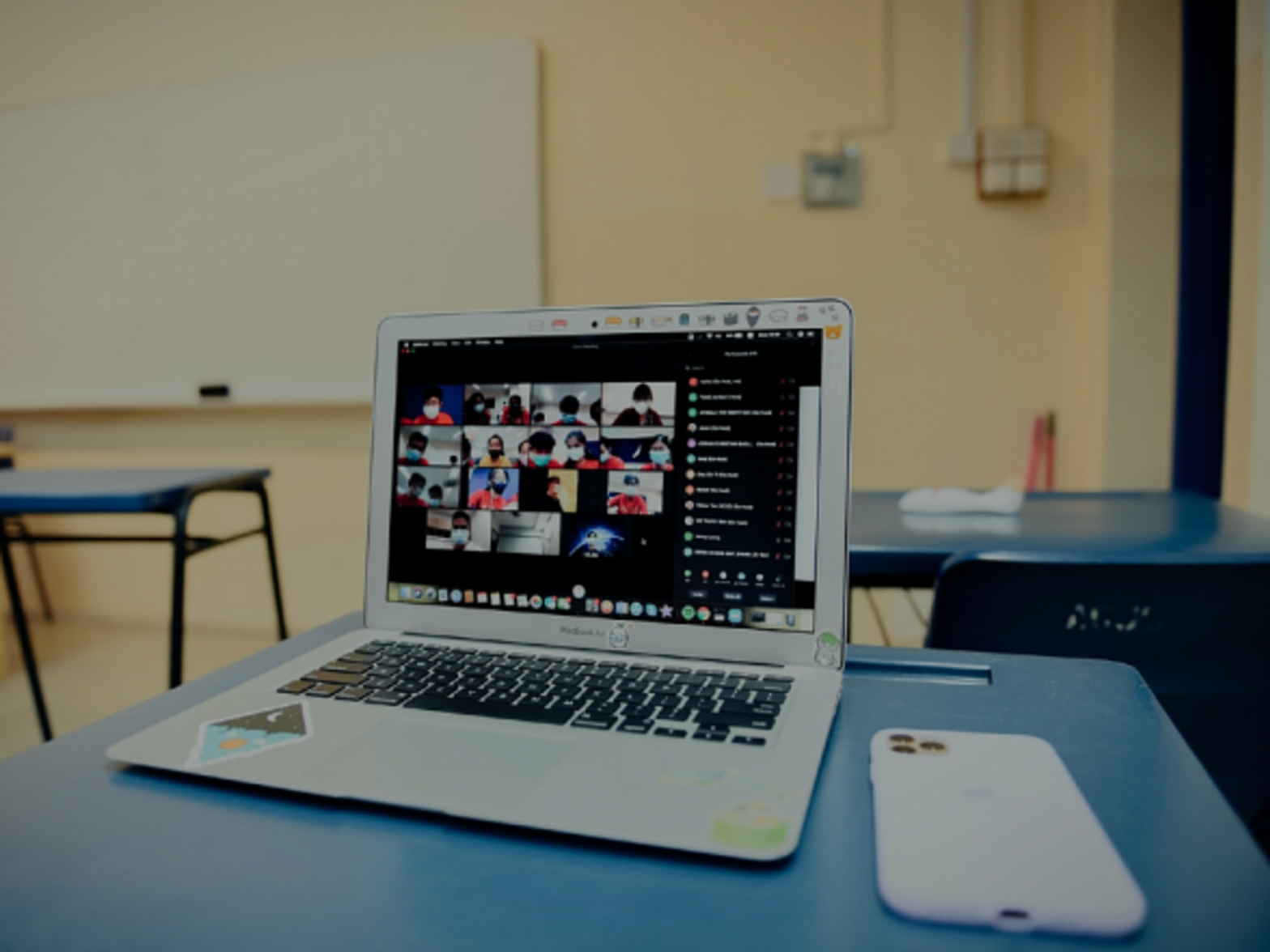
Technology is turning education into a data-driven, personalized learning process. It’s up to humans to be sure it serves the needs of students, and societies.
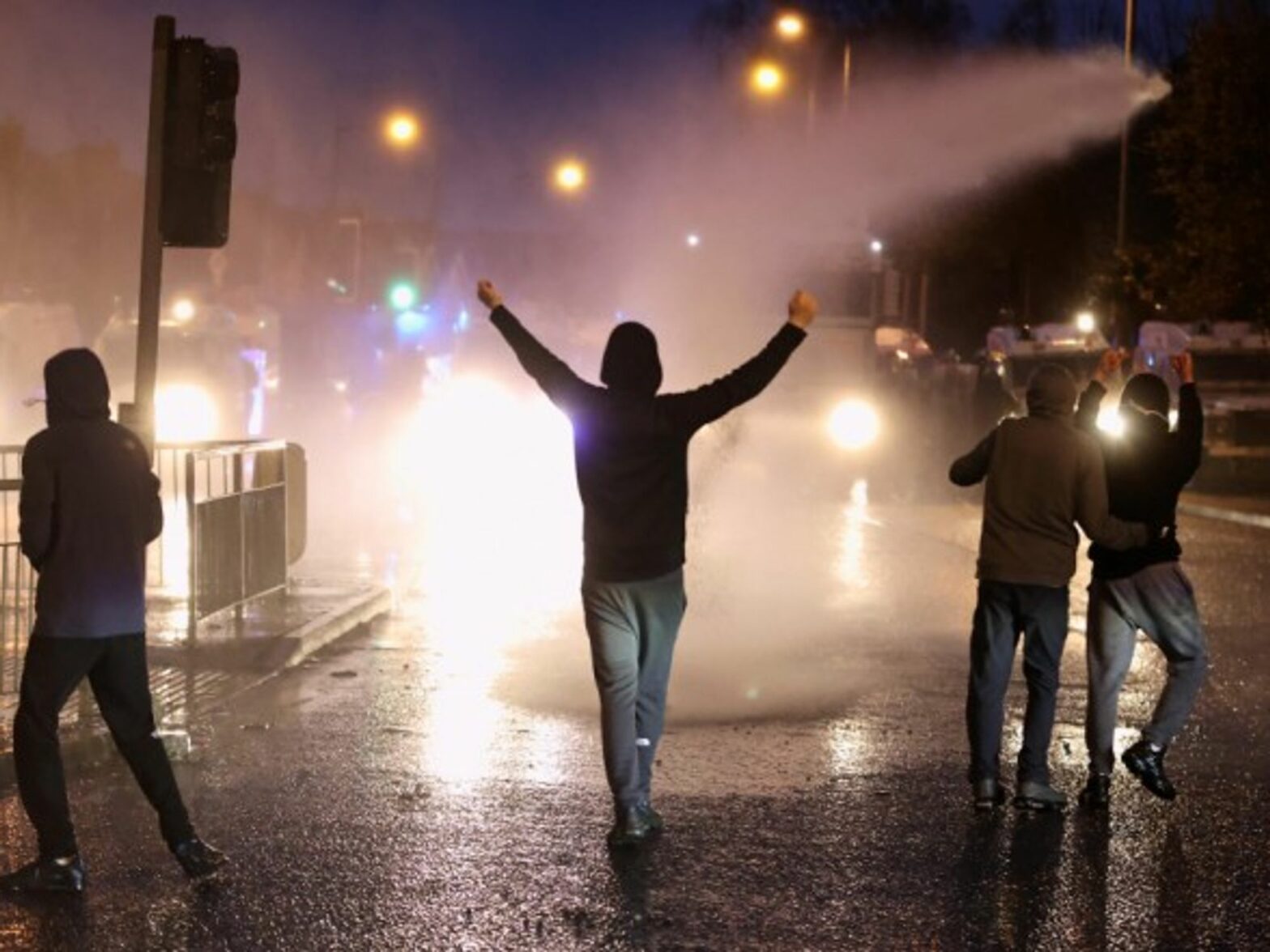
After a century-long history of political strife, Brexit risks undoing the hard-earned two decades of reconciliation.
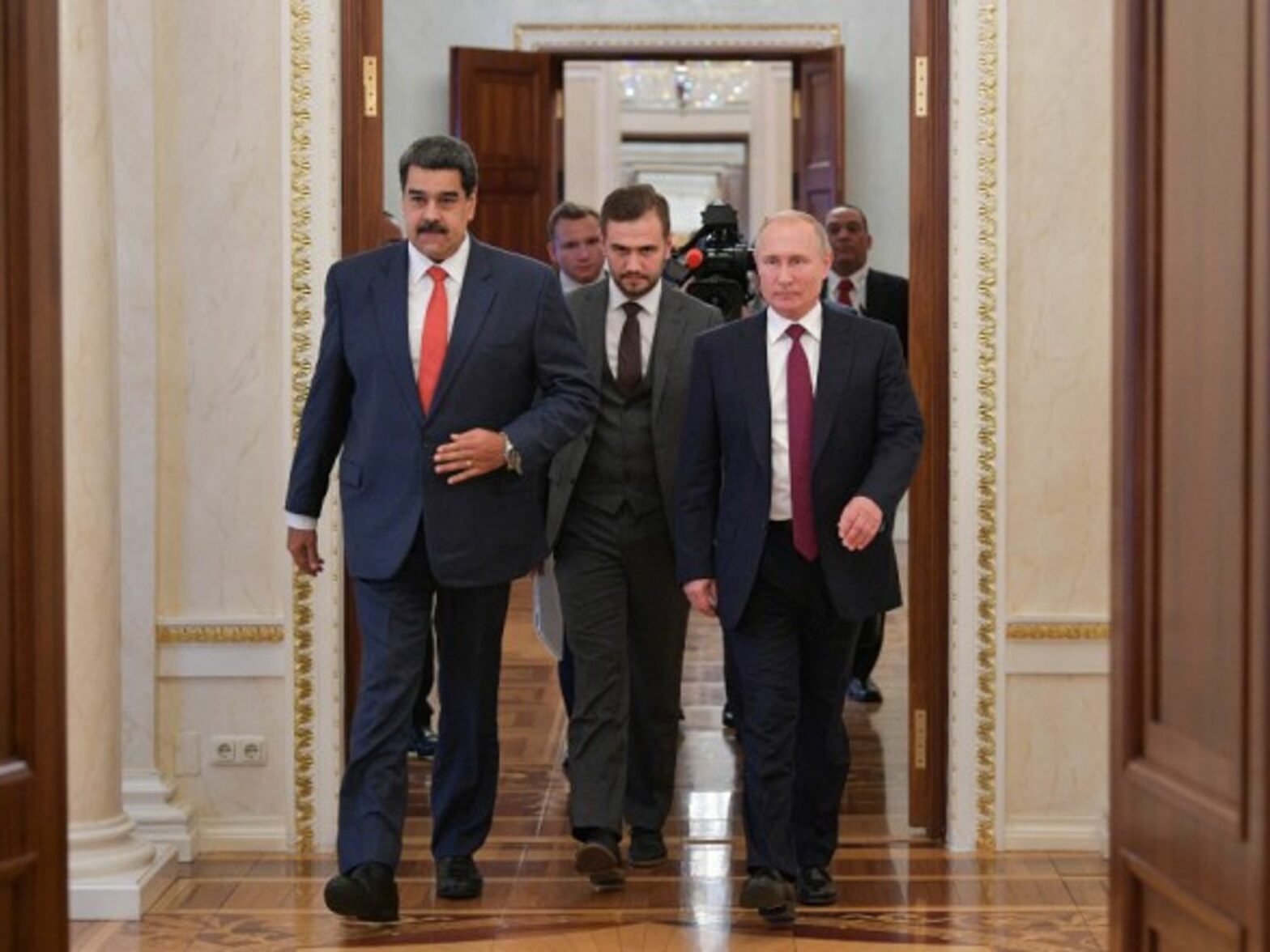
The region’s democratic states must close ranks and work with the United States to protect the rule of law at home and abroad against ‘an authoritarian onslaught,’ Rubén M. Perina* writes in Clarín.
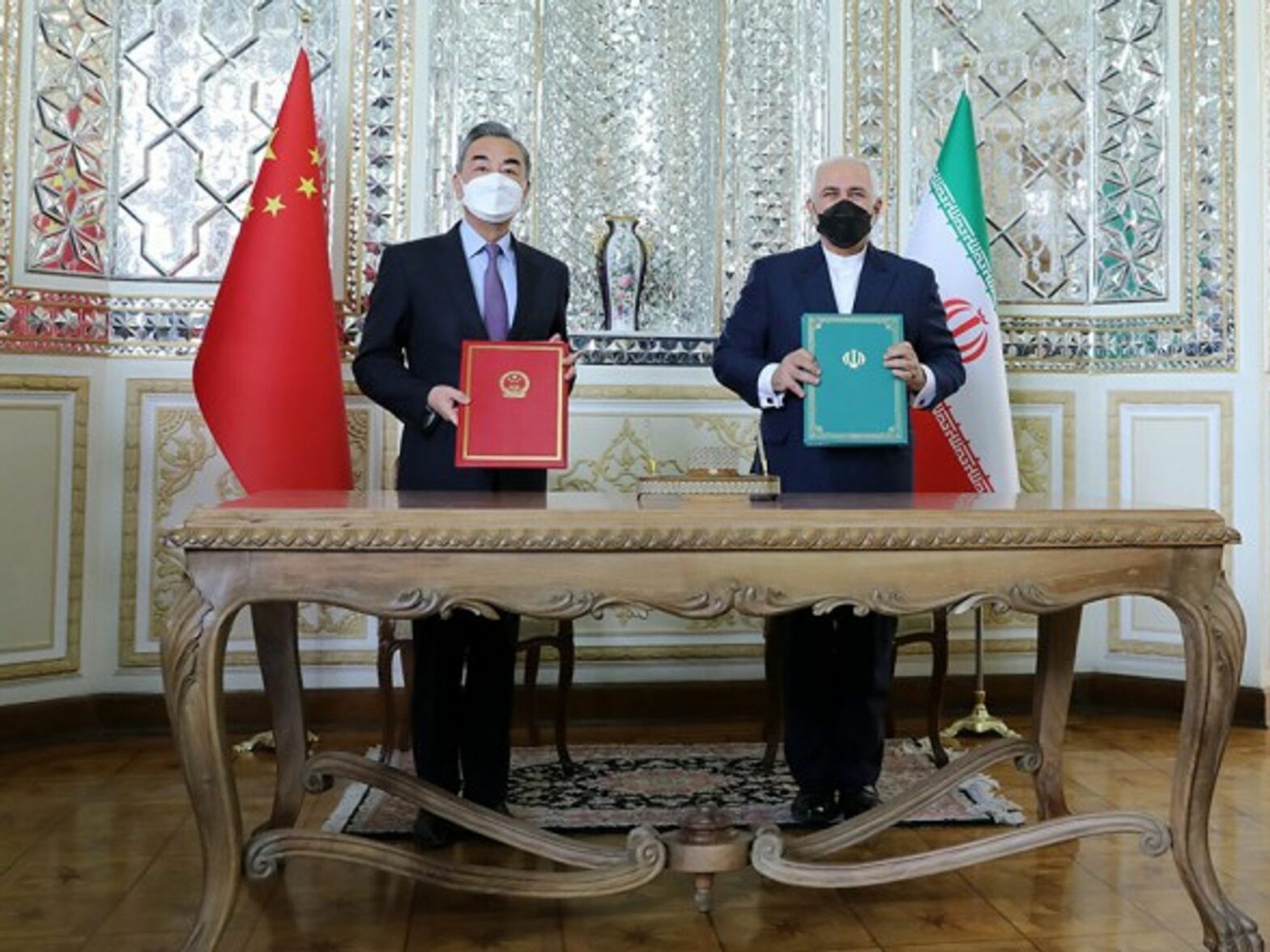
While most of the attention around Iran is related to its nuclear program, an open ended deal may give China the legal foundations it needs to take a controlling stake in Iran’s economy, and in time, undermine its independence.
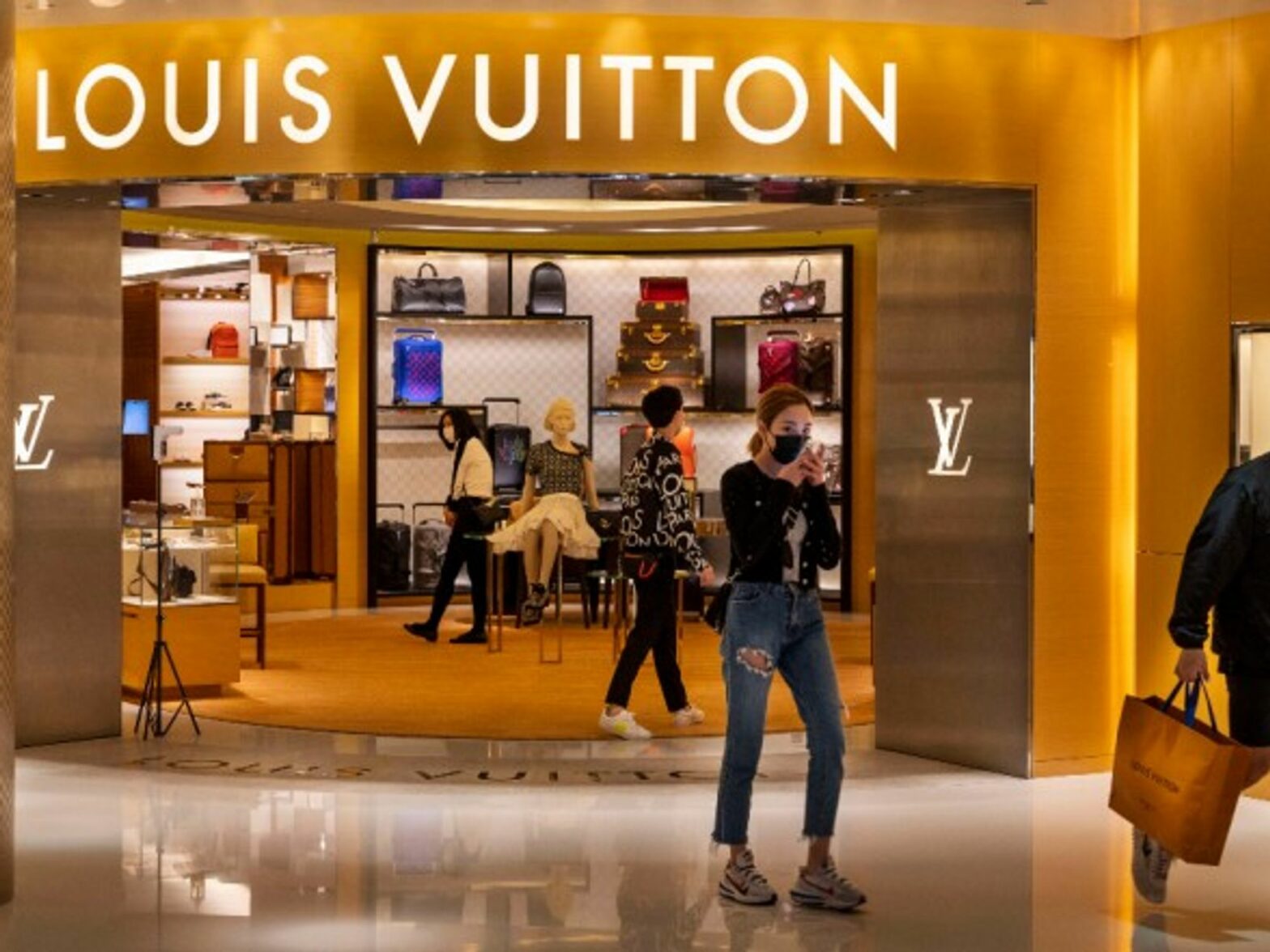
In this era of plenty (even in the midst of a pandemic), humanity faces a key question: How can we cope with excess without sinking into decline?
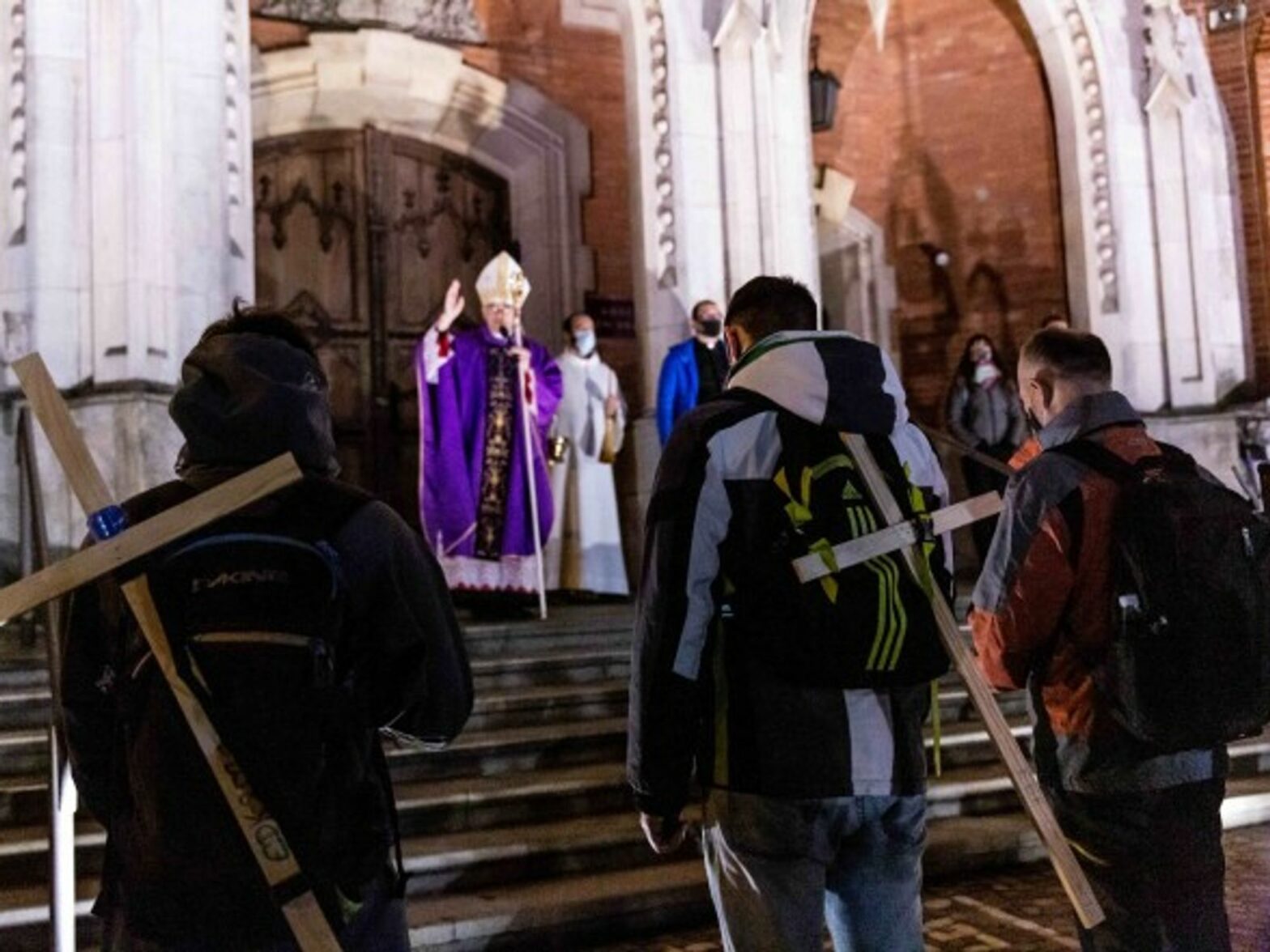
The presence of the faithful at Mass, regardless of the threat to their health and lives, is essential for the Church to physically survive. And the state is an accomplice.
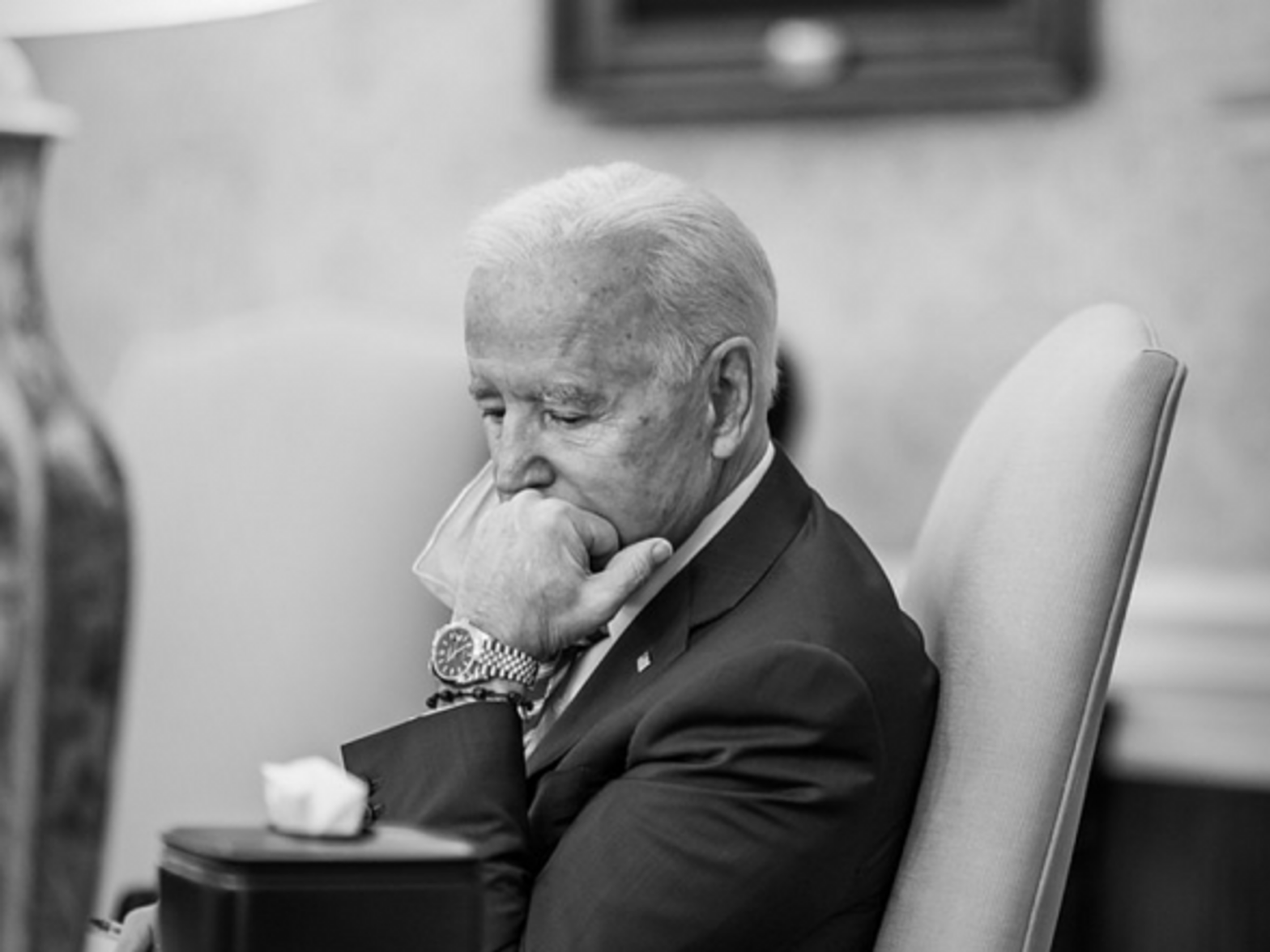
Rather than ratchet up spending on America’s already bloated military, the U.S. president should take a broader view of national security and help develop economies elsewhere.
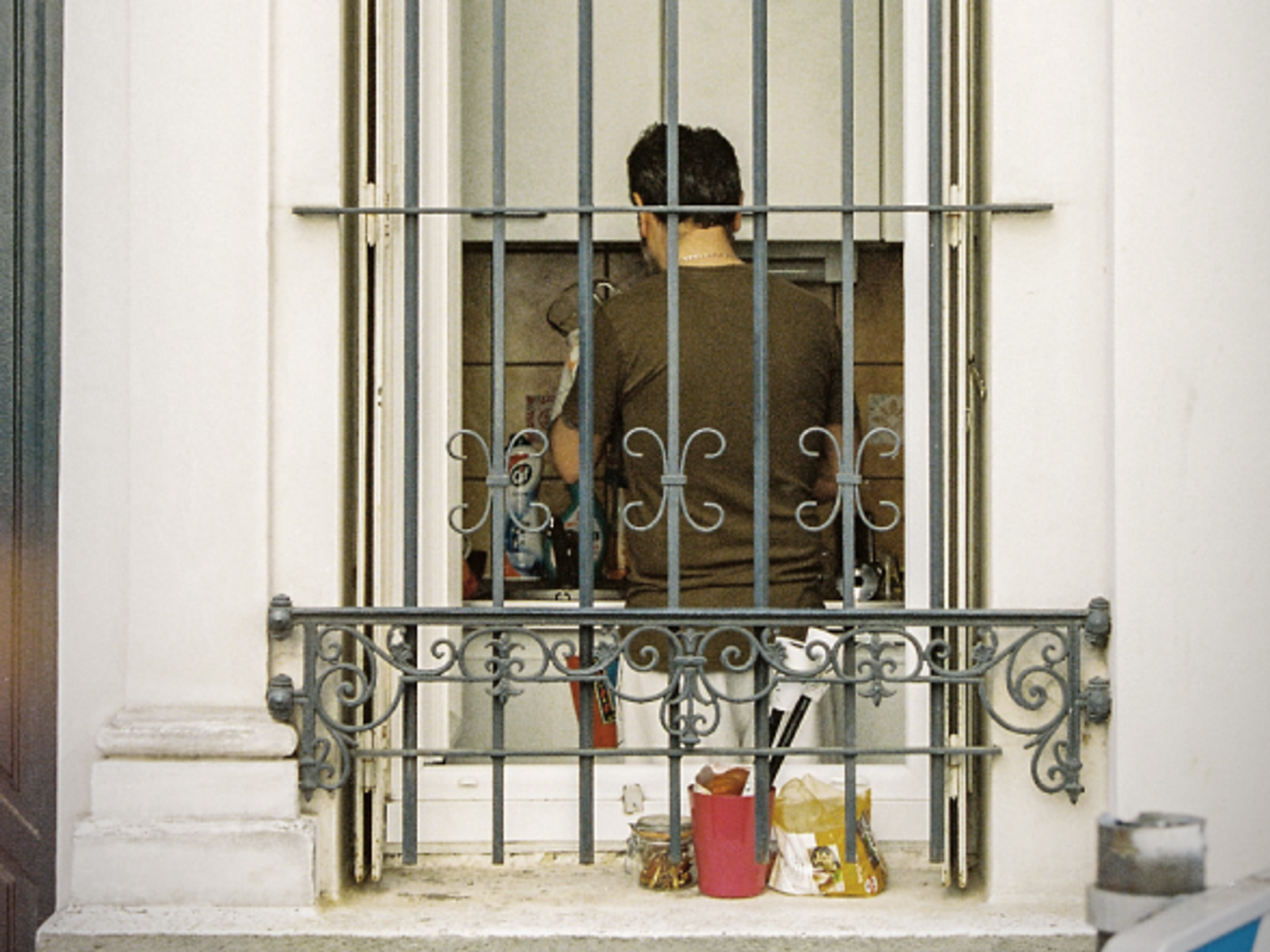
The French have been under a strict curfew for months. Now they’re being ordered back into lockdown, but with little evidence that these Draconian measures even work.
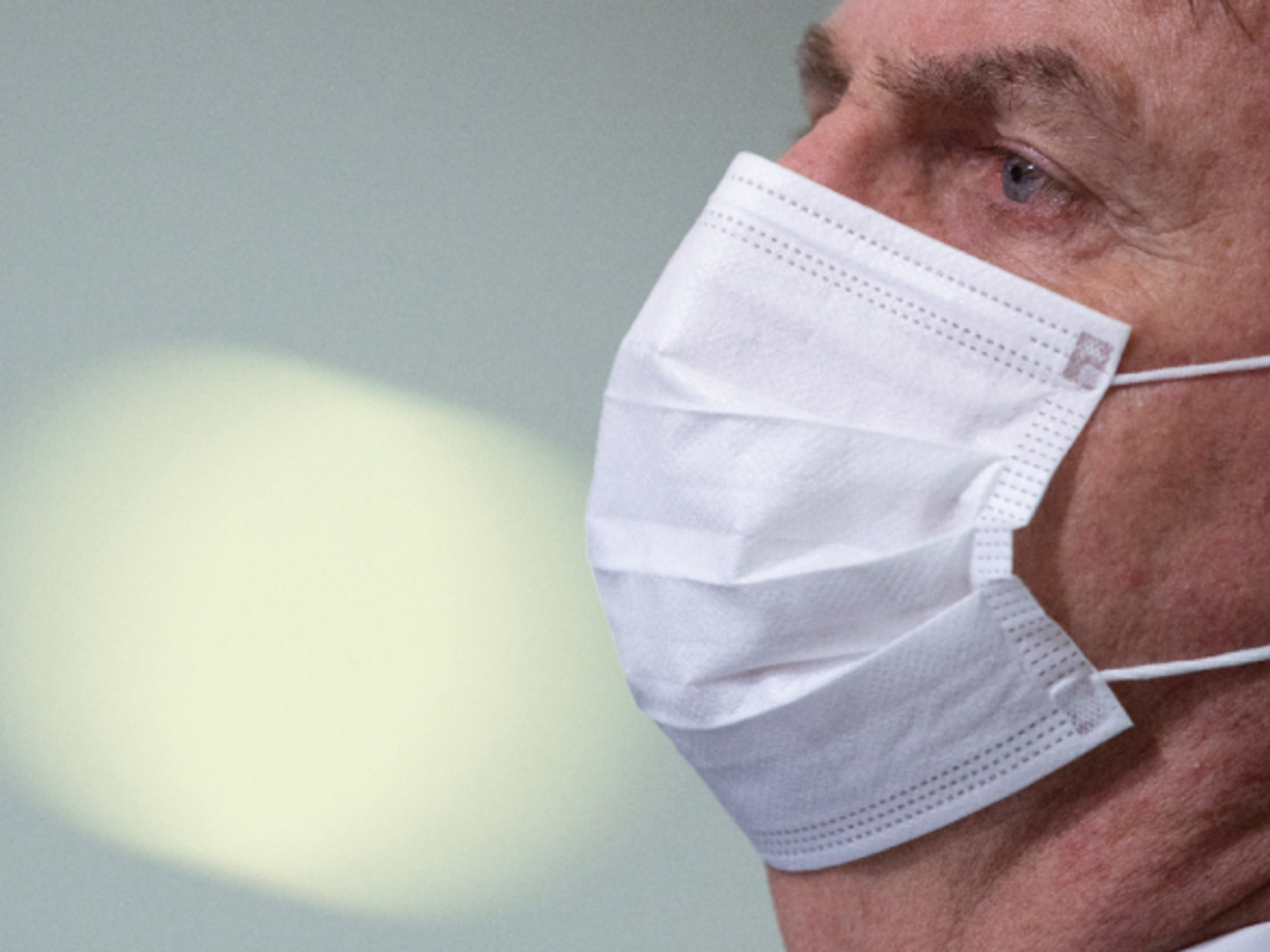
With the sudden departure of Brazil’s top generals, Jair Bolsonaro’s government may be weakened. But it may also be setting up the ultimate showdown for the country’s democracy ahead of next year’s election.
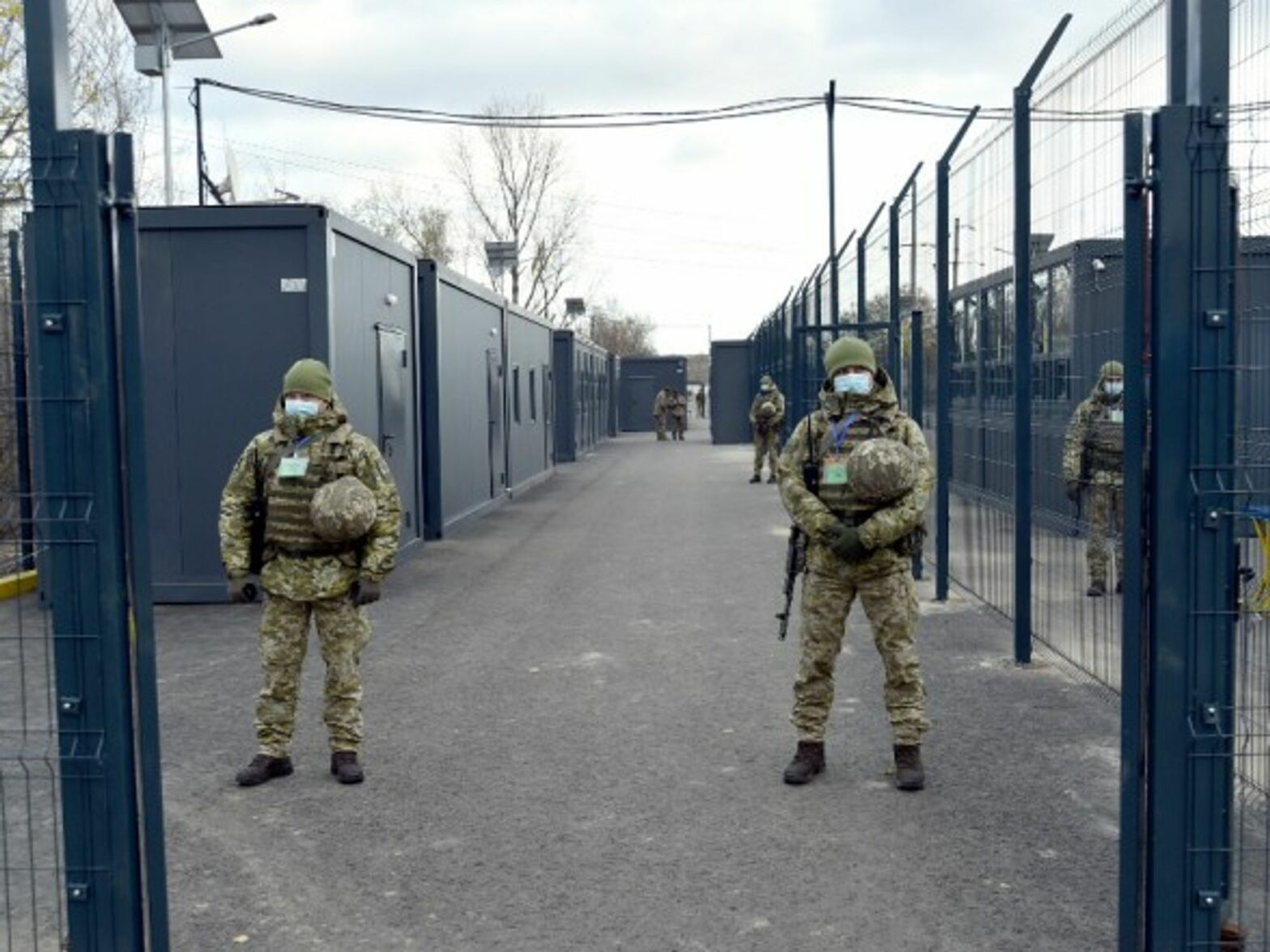
In order to circumvent French and German mediation, the Kremlin is leaking secrets to the press as a defacto policy of stalling in its seven-year-long conflict with Ukraine.
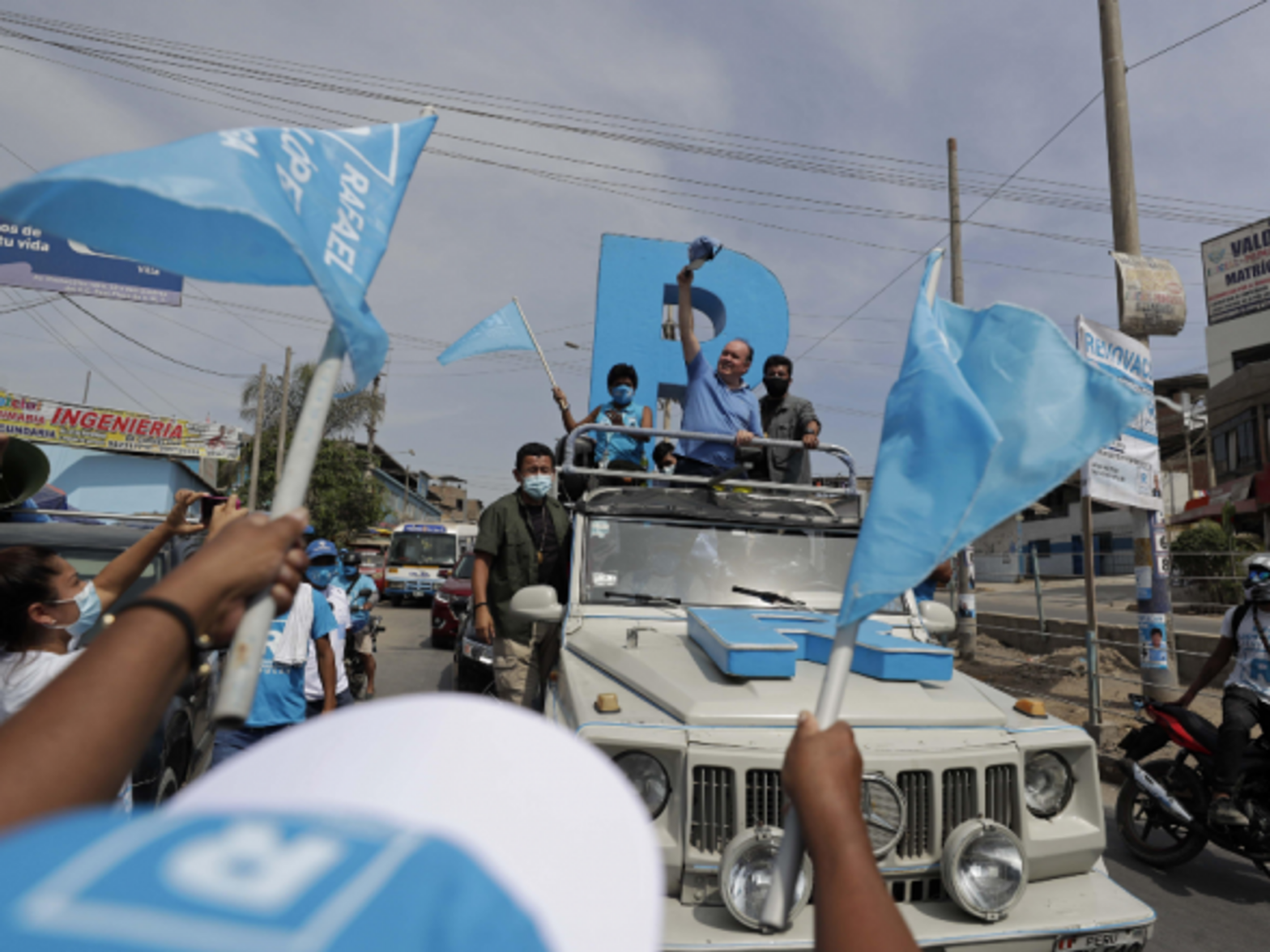
Across the region, hard-line conservatives use residual fears of communism and uproar over changing cultural mores to drum up support.
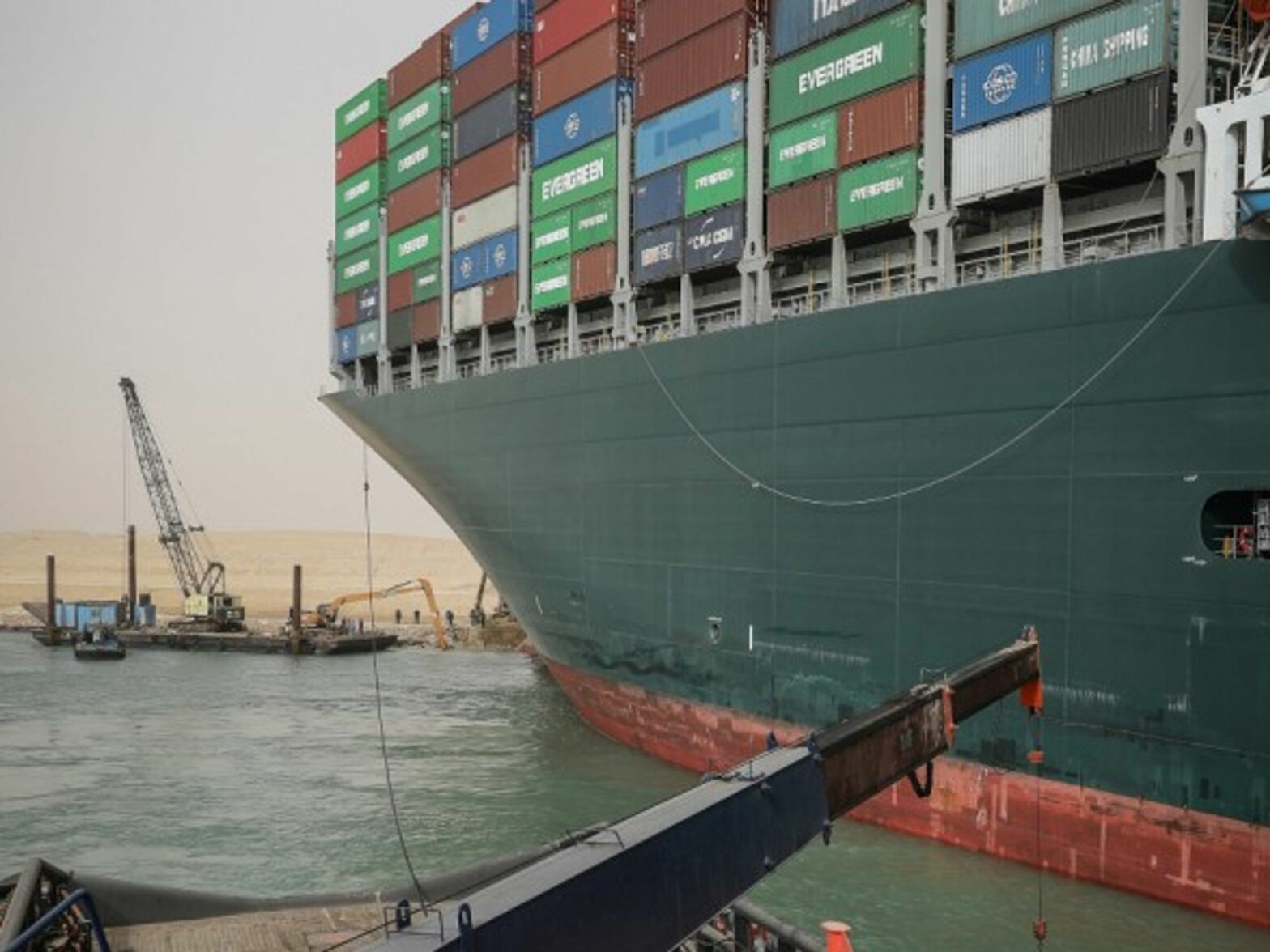
A pandemic and a maritime accident teach us the same lessons: humility, fragility and ultimately human ingenuity. Risk is impossible to predict, except that we know it always exists.
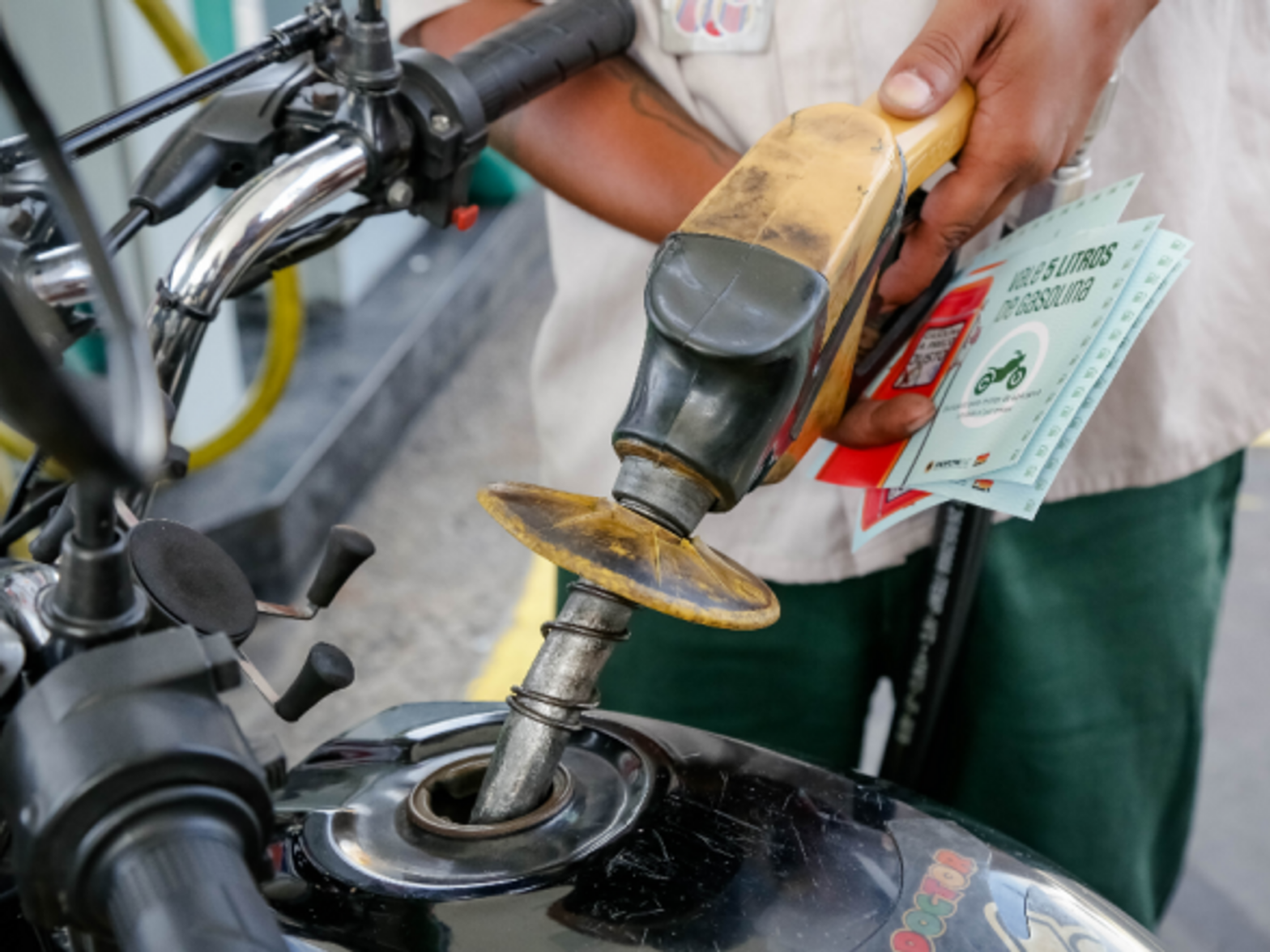
Petrobras, the state-owned Brazilian oil and gas company, may post big numbers but it has a backward strategy.
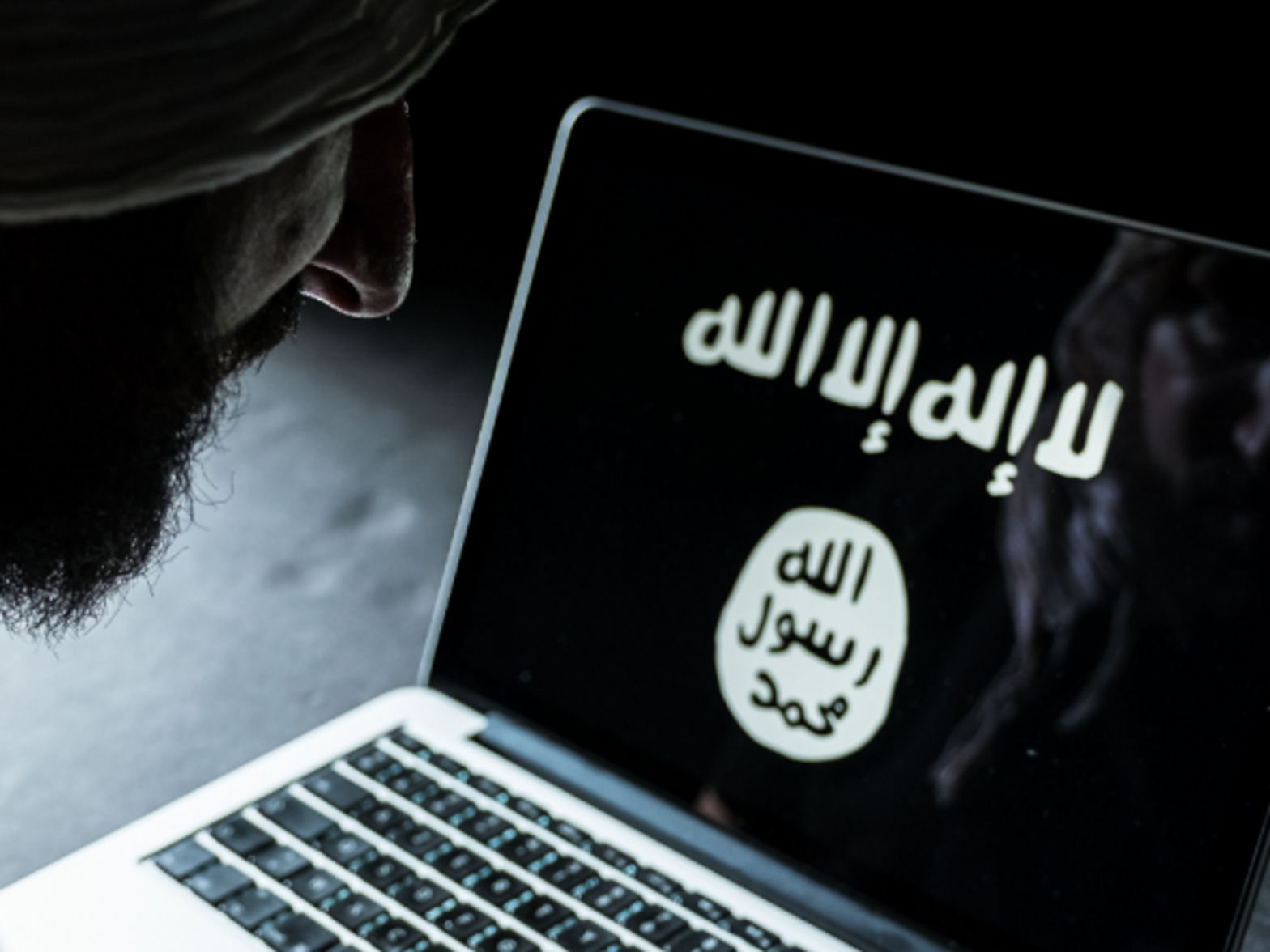
We knew the name: Operation Gallant Phoenix. But now Le Monde has exclusive access to details of the U.S.-led, Jordan-based effort to use digital tools to track, capture and convict some of the most dangerous perpetrators of Islamist terror around the wor

Up against a microscopic virus, the world’s leaders have failed myriad different ways to do what was necessary to beat the pandemic. Was another fate possible?
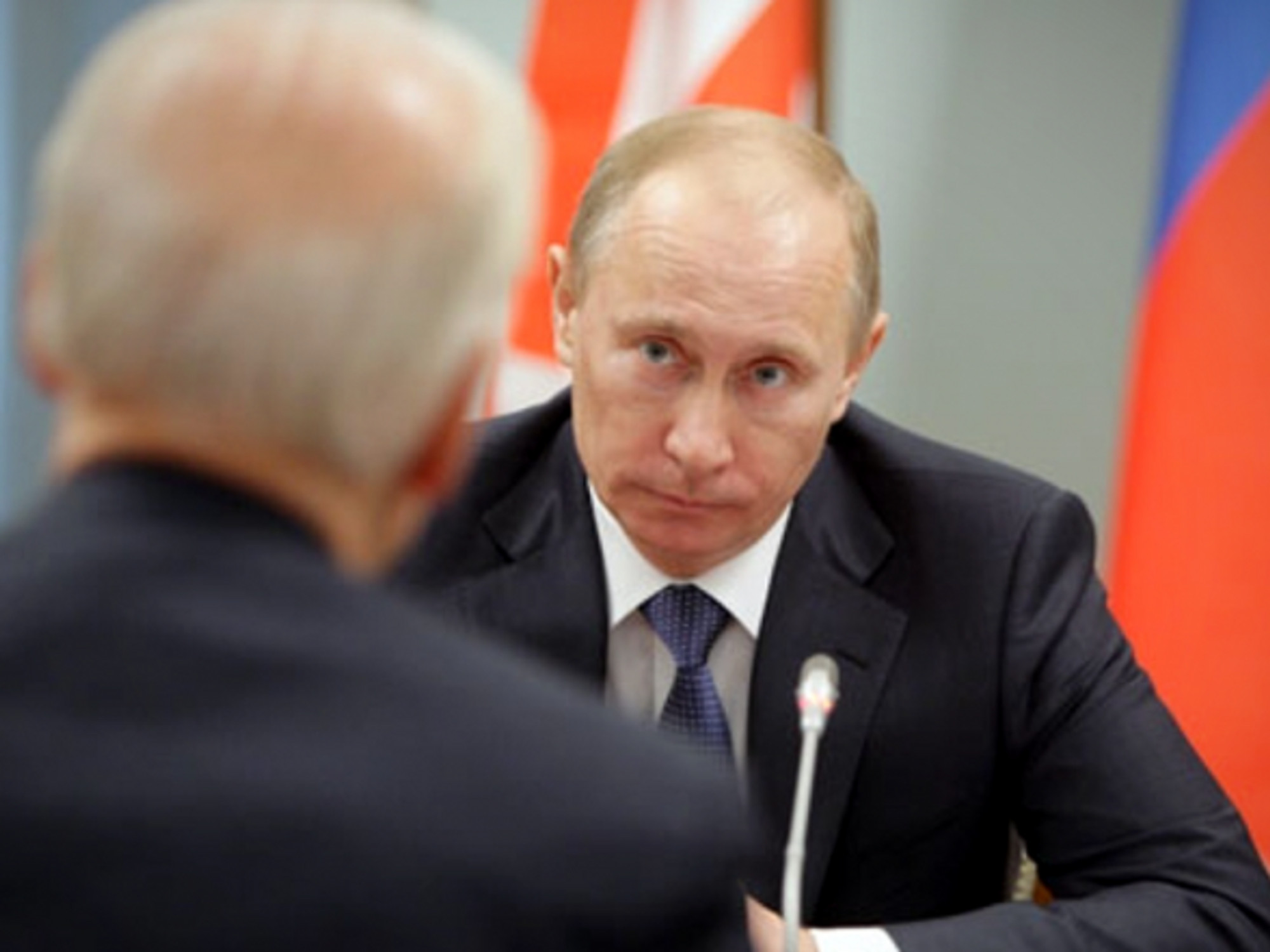
Moscow and Washington are attempting to work out how to communicate with each other after Joe Biden insulted Vladimir Putin.
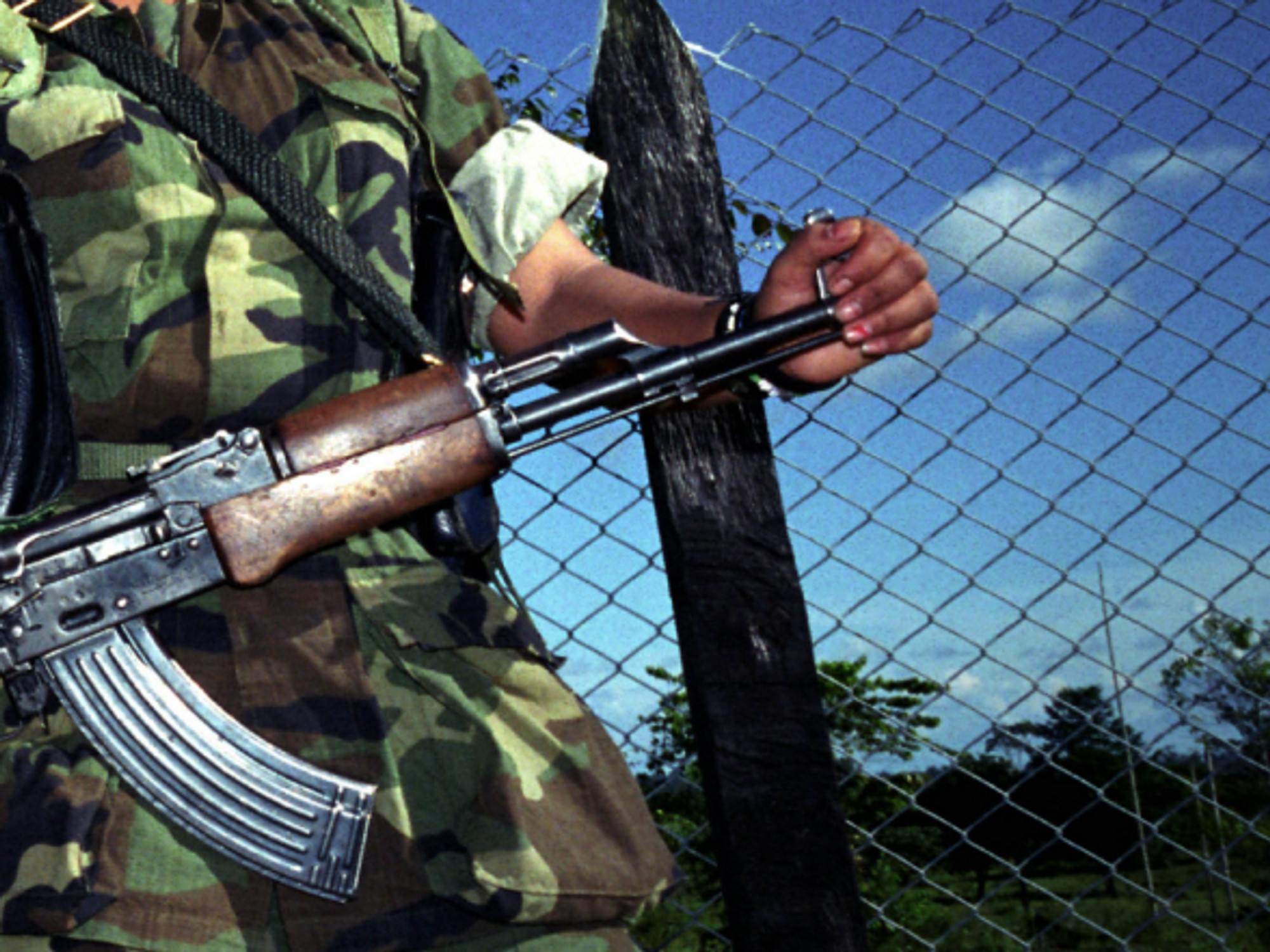
Underage or not, guerillas who continue taking up arms against the state are ‘war machines,’ the Colombian defense minister recently stated. But what if they were forcibly recruited?
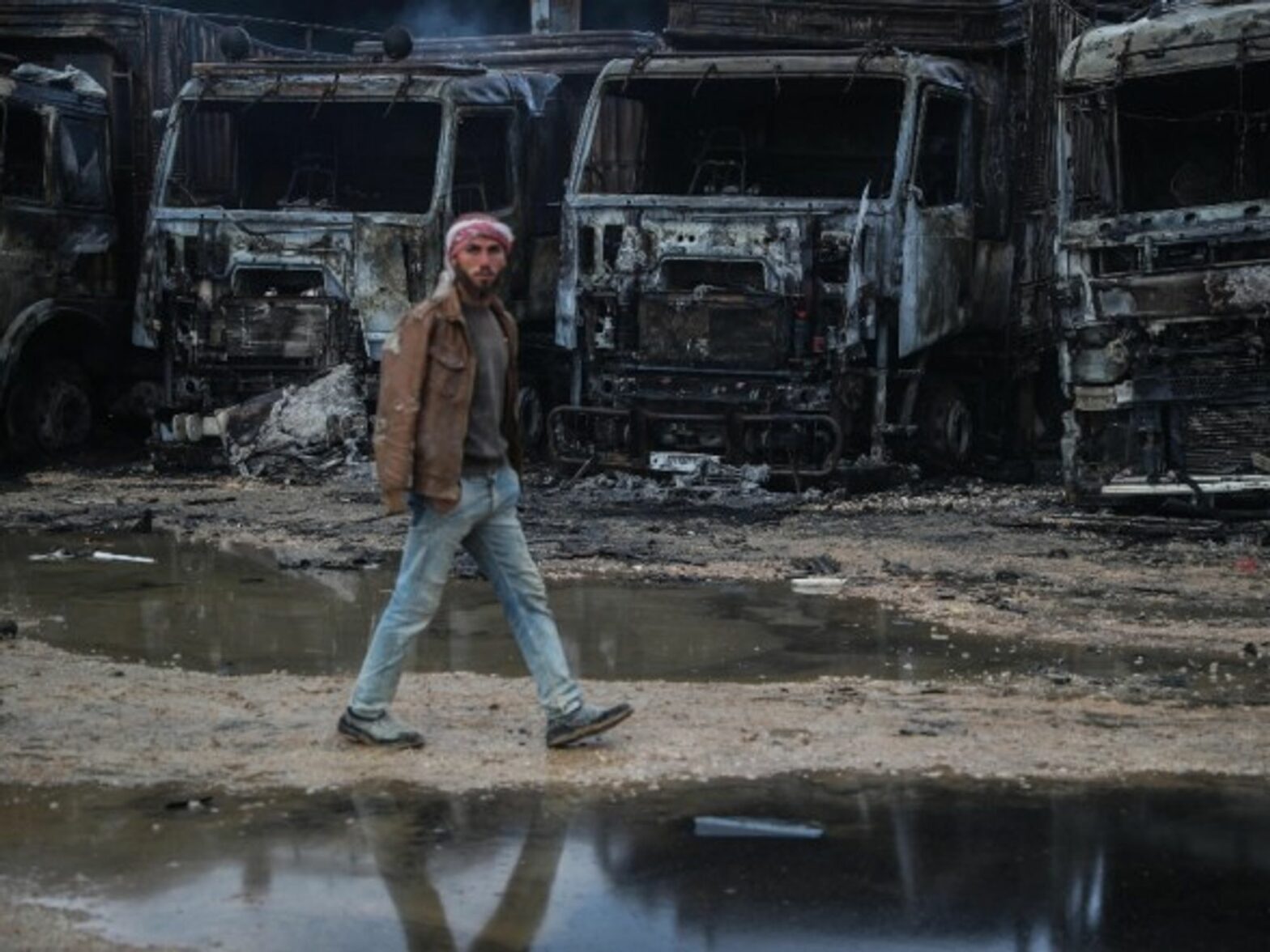
Ten years after the popular Syrian uprising against the Assad regime, we see the wider impact of both the moral and a strategic error committed by Western democracies to not intervene.
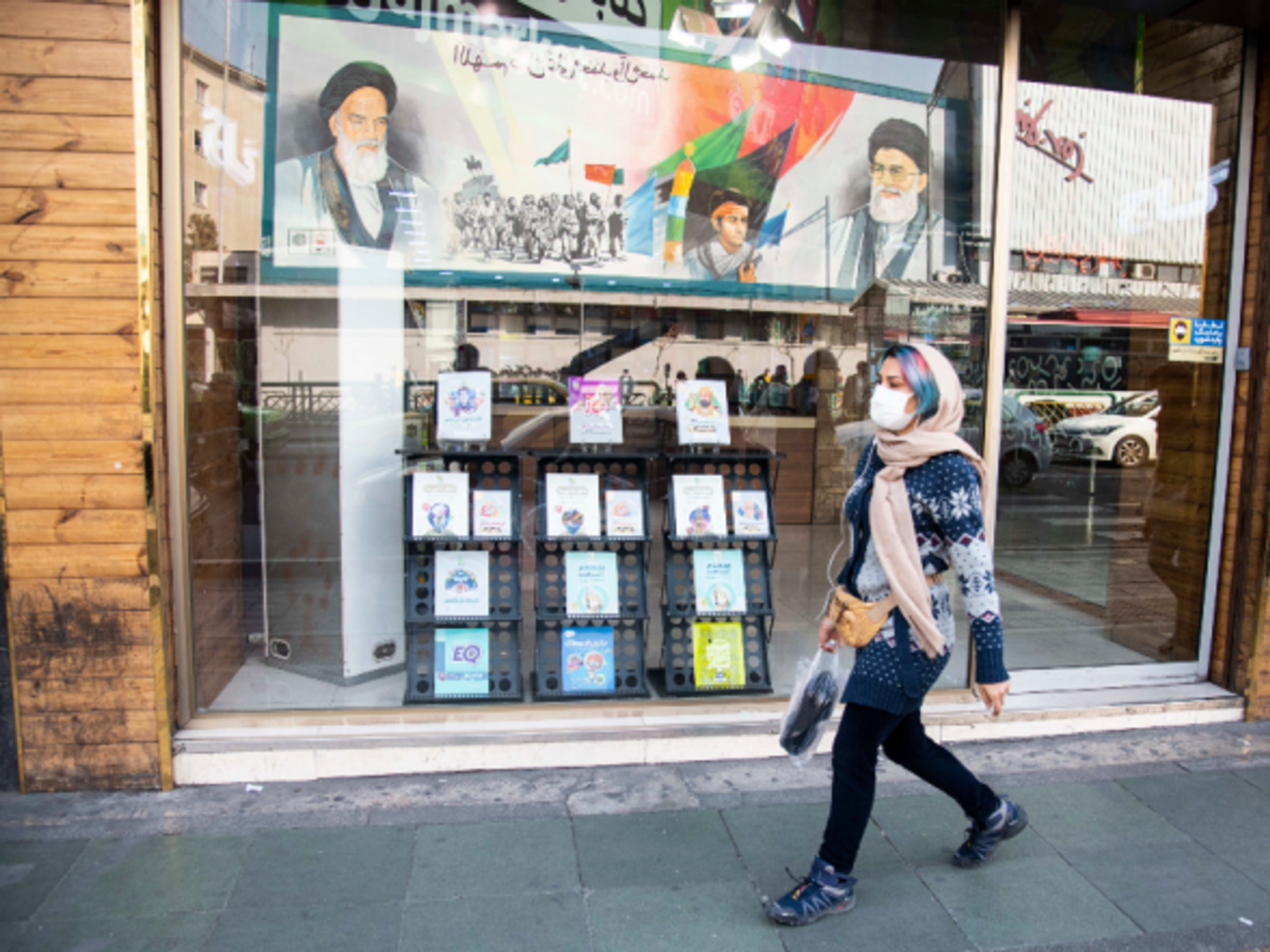
Certain Gulf States have joined Israel in sounding the alarm about a nuclear armed Islamic Republic. Washington, in the meantime, has been reluctant to show its cards.
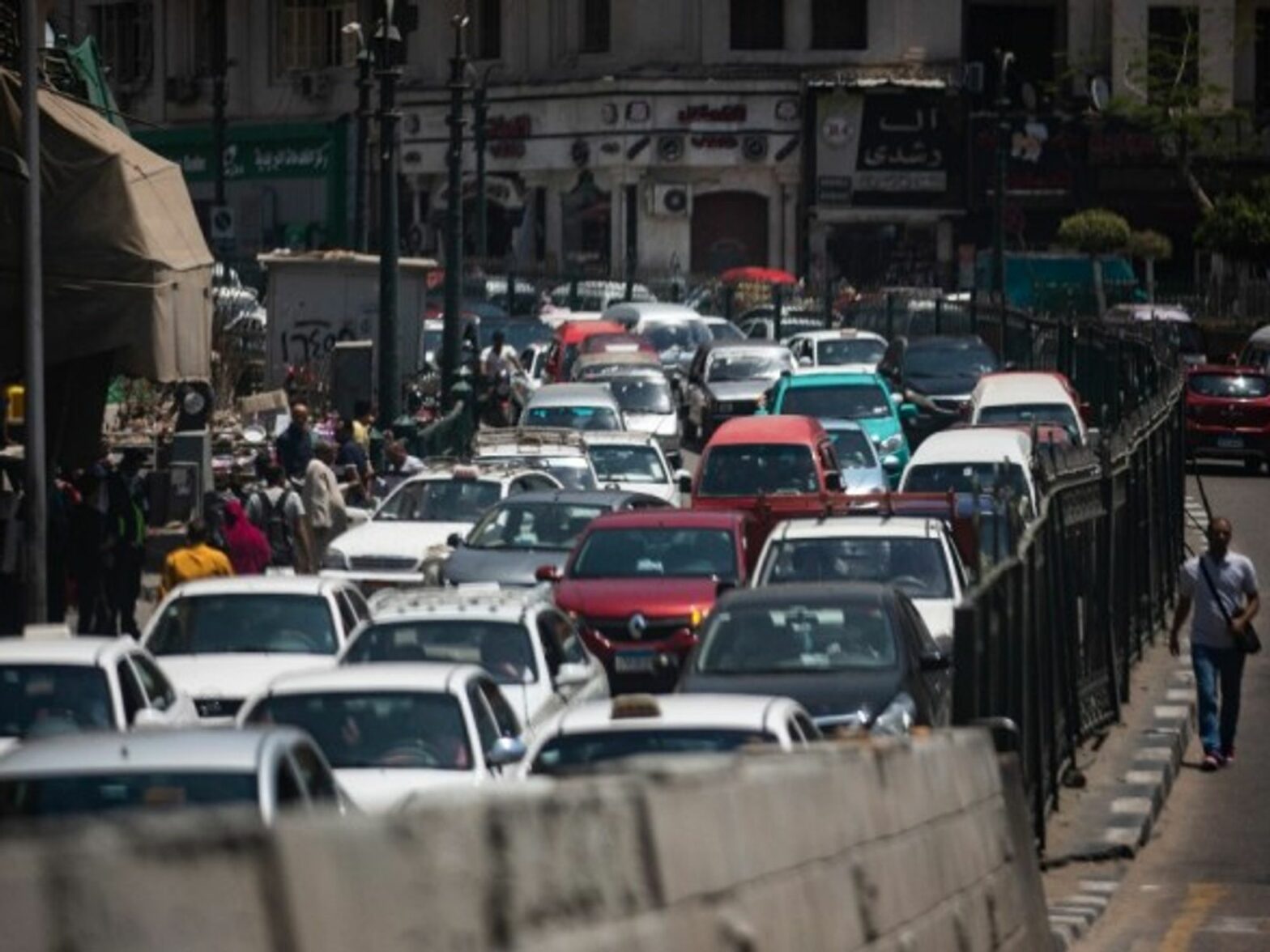
This dearth of urban planning in the Egyptian capital dates back half a century. But it reached a new peak starting in 2019, when one of its last livable districts saw its old ways demolished.
Delays in vaccination, bureaucracy and a lack of solidarity between member states are putting new strains on the already fragile Union.
As close as the two countries may appear, for Russia, Iran is simply a pawn in its chess game with the West.
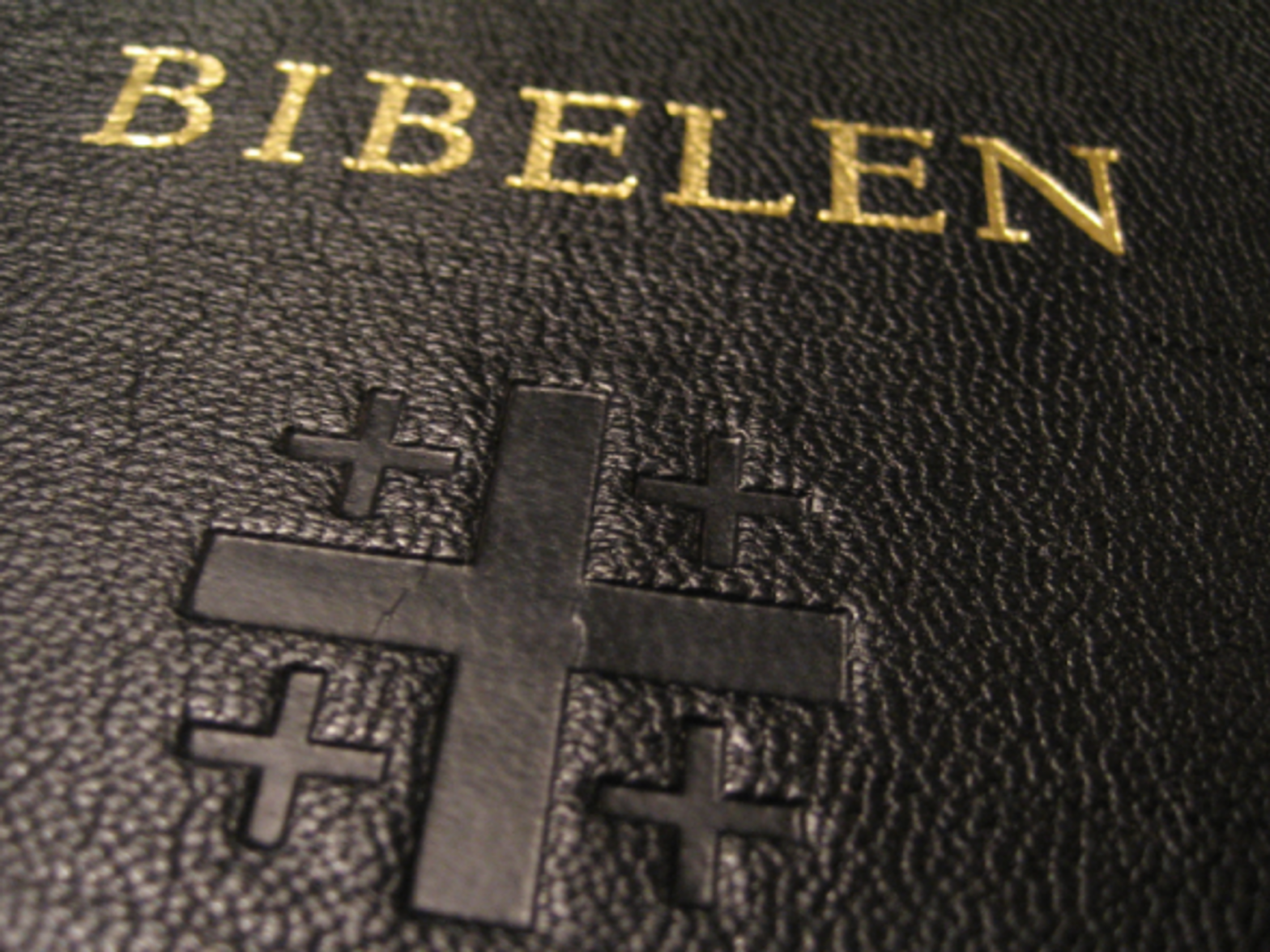
God speaks to me in Norwegian. This will seem treasonous to my Swedish compatriots, so let me explain. Way back, I spent a couple of years waiting tables on a 600-passenger cruise ship on the Norwegian Sea, where the sparsely furnished staff cabins — located on the lower levels, underwater — featured two elementary amenities: […]
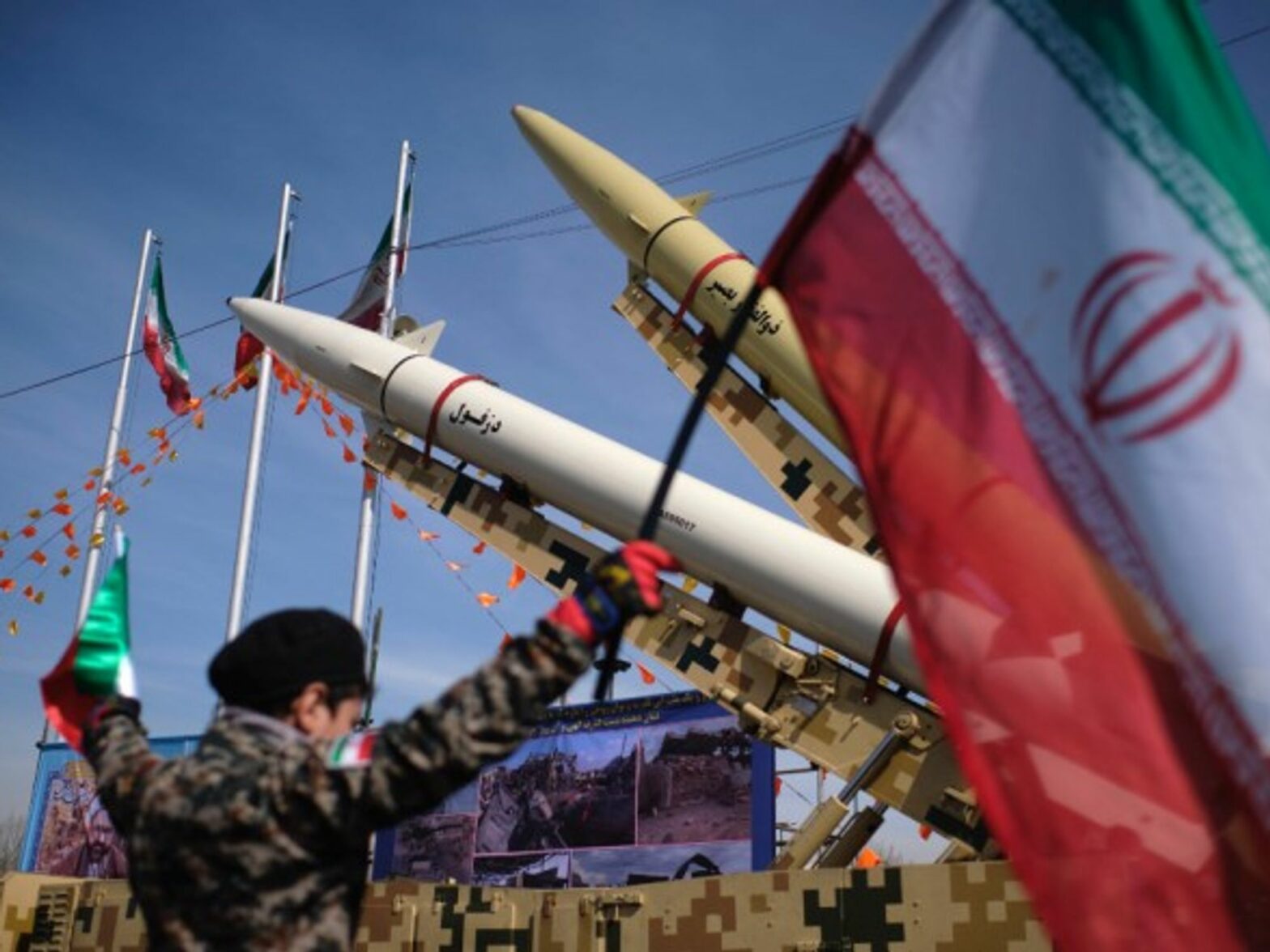
With its nemesis Donald Trump gone, Iran’s regime has resumed old practices ahead of possible talks on its nuclear program, goading the West with suspect activities and meddling in the affairs of neighboring states.