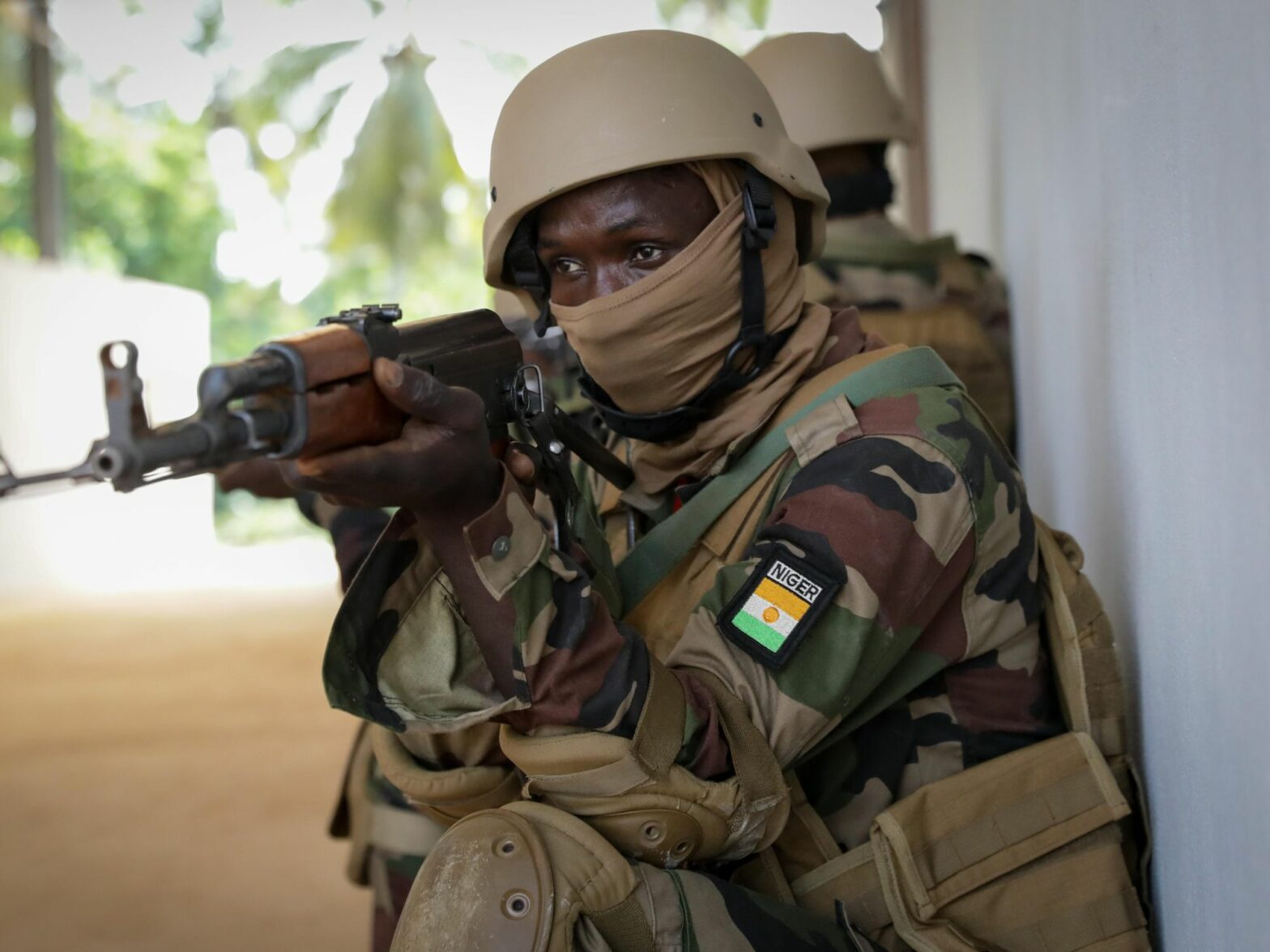
Facing geopolitical devastation caused by the war in Ukraine, the African continent cannot be subordinate and obliged to choose one power over another. It must bring about an African foreign policy for a new multipolar world.
 Worldcrunch
Facing geopolitical devastation caused by the war in Ukraine, the African continent cannot be subordinate and obliged to choose one power over another. It must bring about an African foreign policy for a new multipolar world.
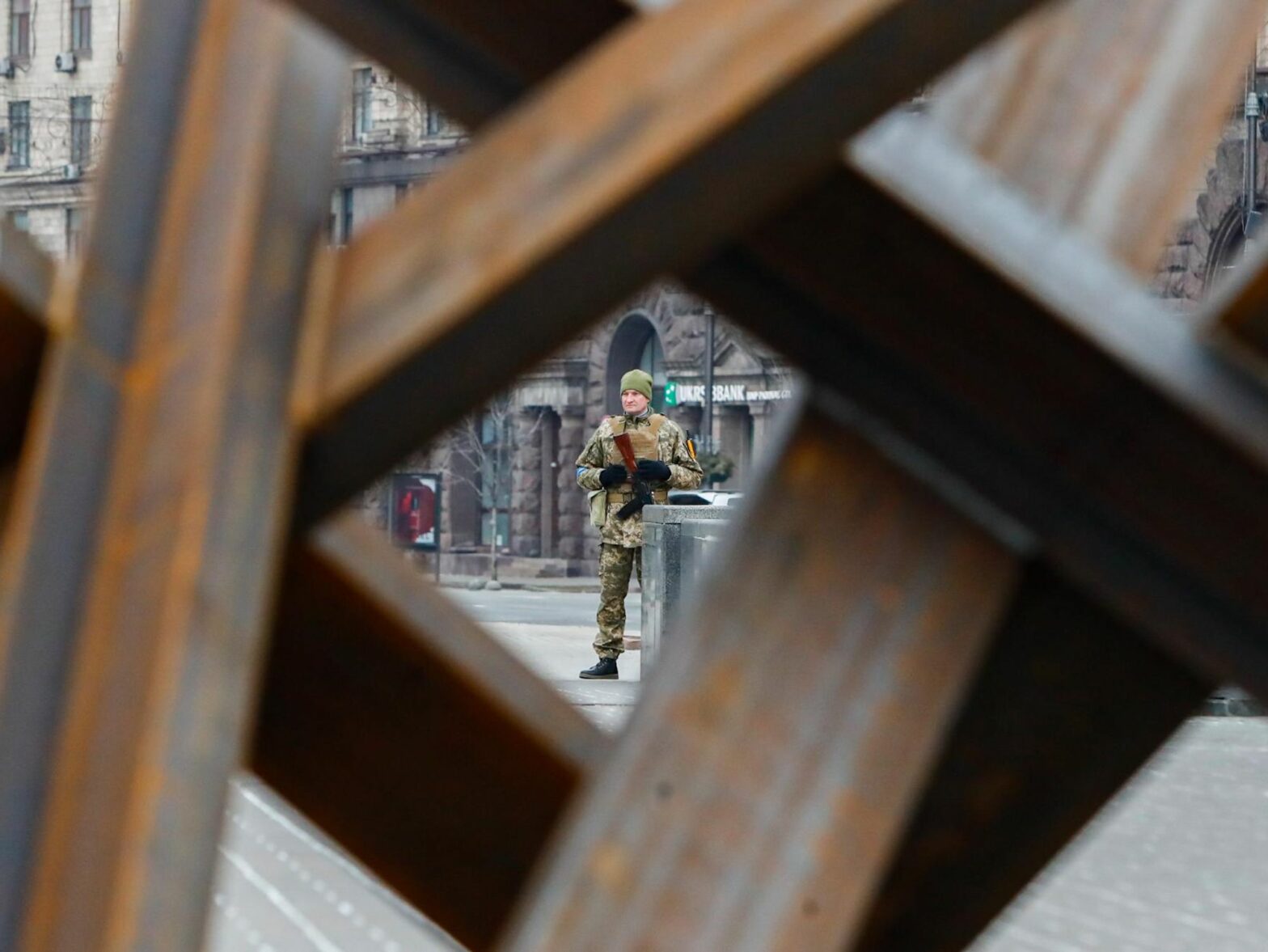
Since day one of the war in Ukraine, military theorist Martin van Creveld has been analyzing the problems facing Russia. He recognized Putin’s supposed retreats as the deceptions that they are. But the current situation is even more complex than it appears.
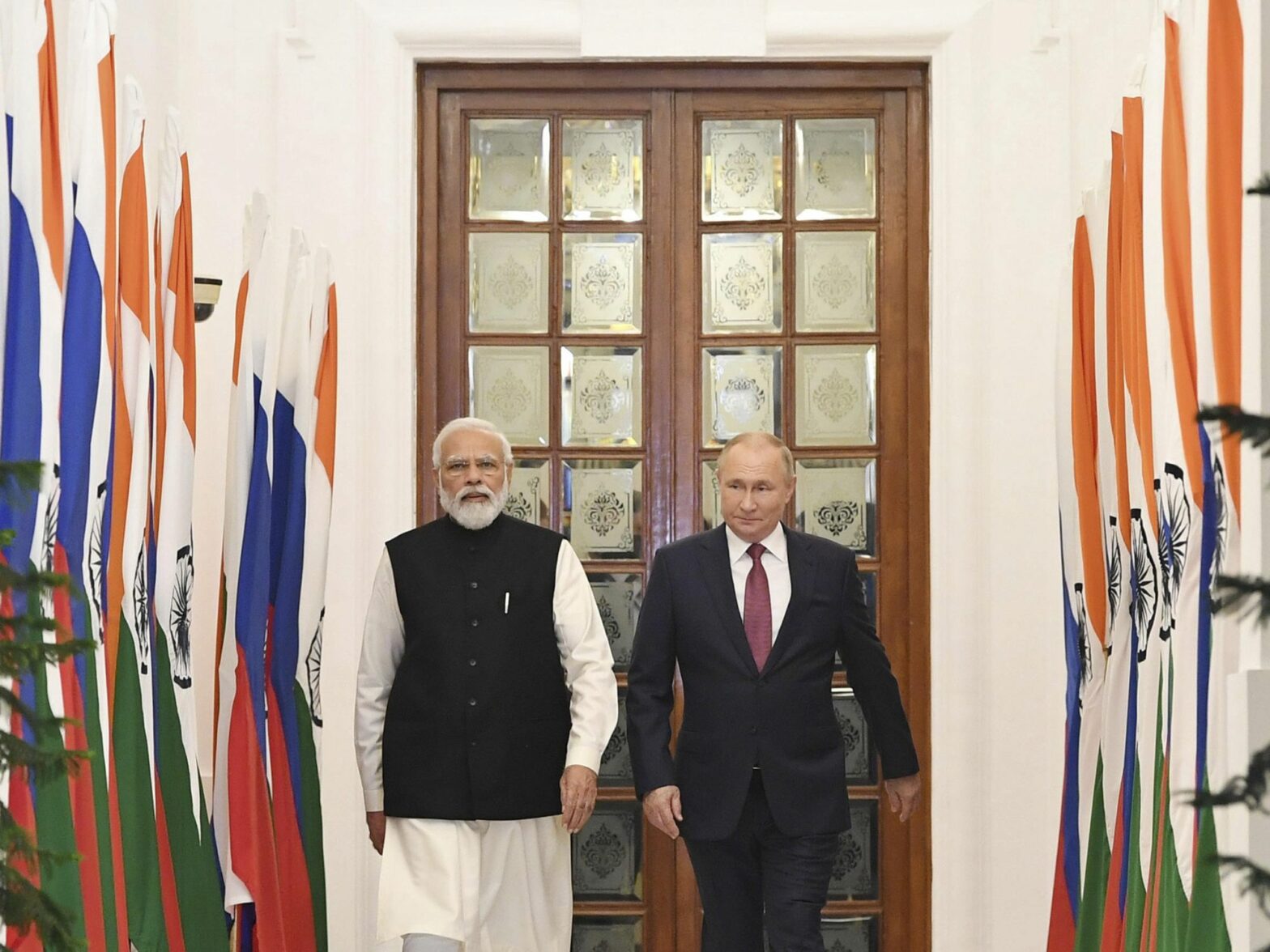
Prime Minister Narendra Modi has not called out Russia for its unprovoked invasion of Ukraine, but not because he wants to help broker a peace. Rather he only has domestic concerns in mind.
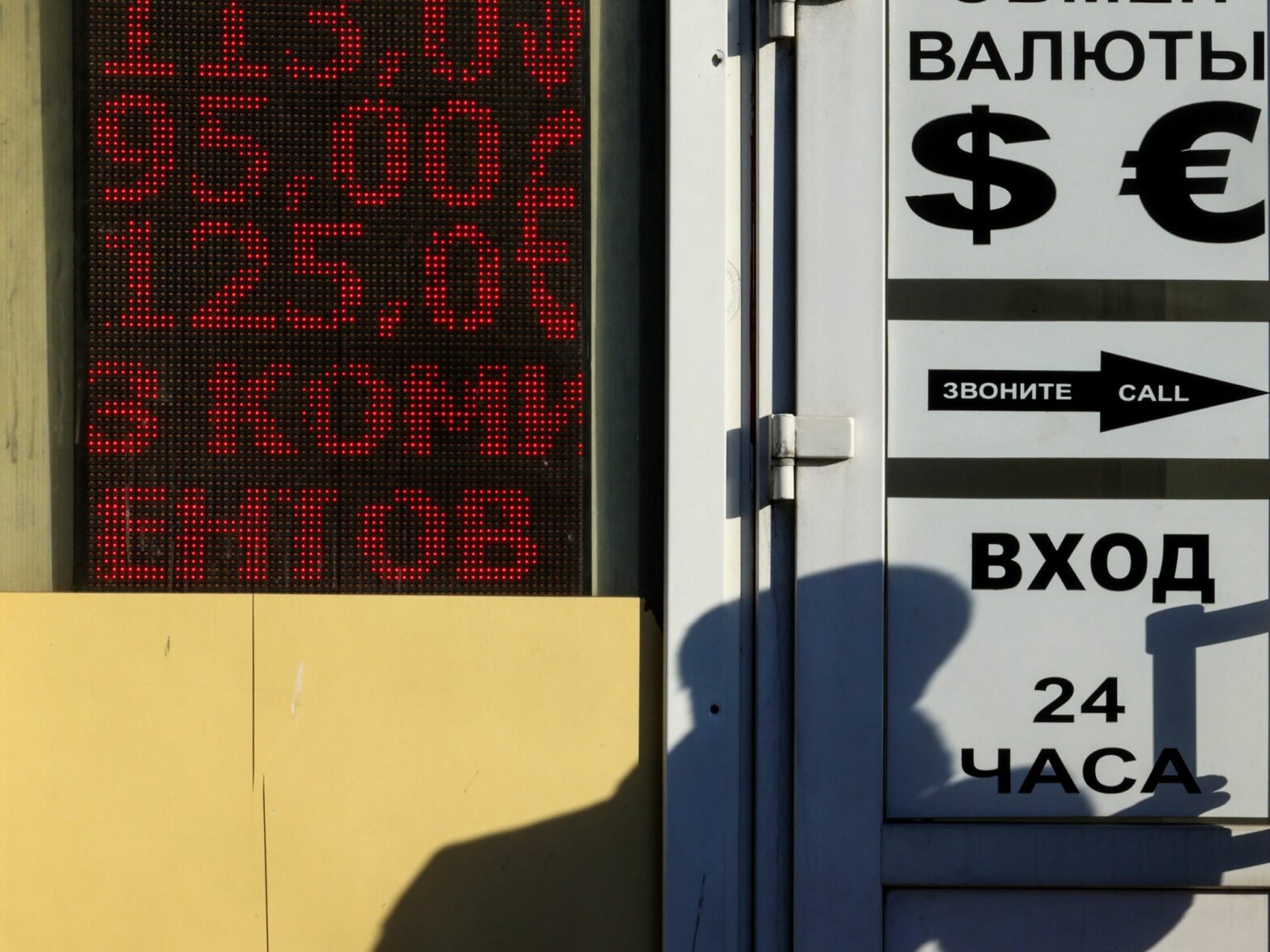
French firms TotalEnergies and Renault announced they were, over time, suspending their activities and halting production in Russia after being widely criticized for their inaction since the invasion of Ukraine. But leaving Russia doesn’t have the same cost or the same consequences for all companies. And we should calculate in who will profit later.
One month into Russia’s invasion of Ukraine, President Joe Biden is in Brussels for an emergency meeting of NATO’s leaders. But for current and potential future members, the very purpose of the alliance is in doubt.
Like from a Pushkin tale, Soviet embargo, or even a COVID lockdown, Russia is at home when it is proudly or despondently cut off from the external world. And after a post-Soviet pause of opening up, here we are again, says Russian writer Yury Saprykin.
In an interconnected world, we are faced again with the negative implications of the so-called “butterfly effect” when a localized conflict can have far-reaching consequences and trigger lasting crises. For our world’s broken food systems, the war in Ukraine should be a wake-up call.
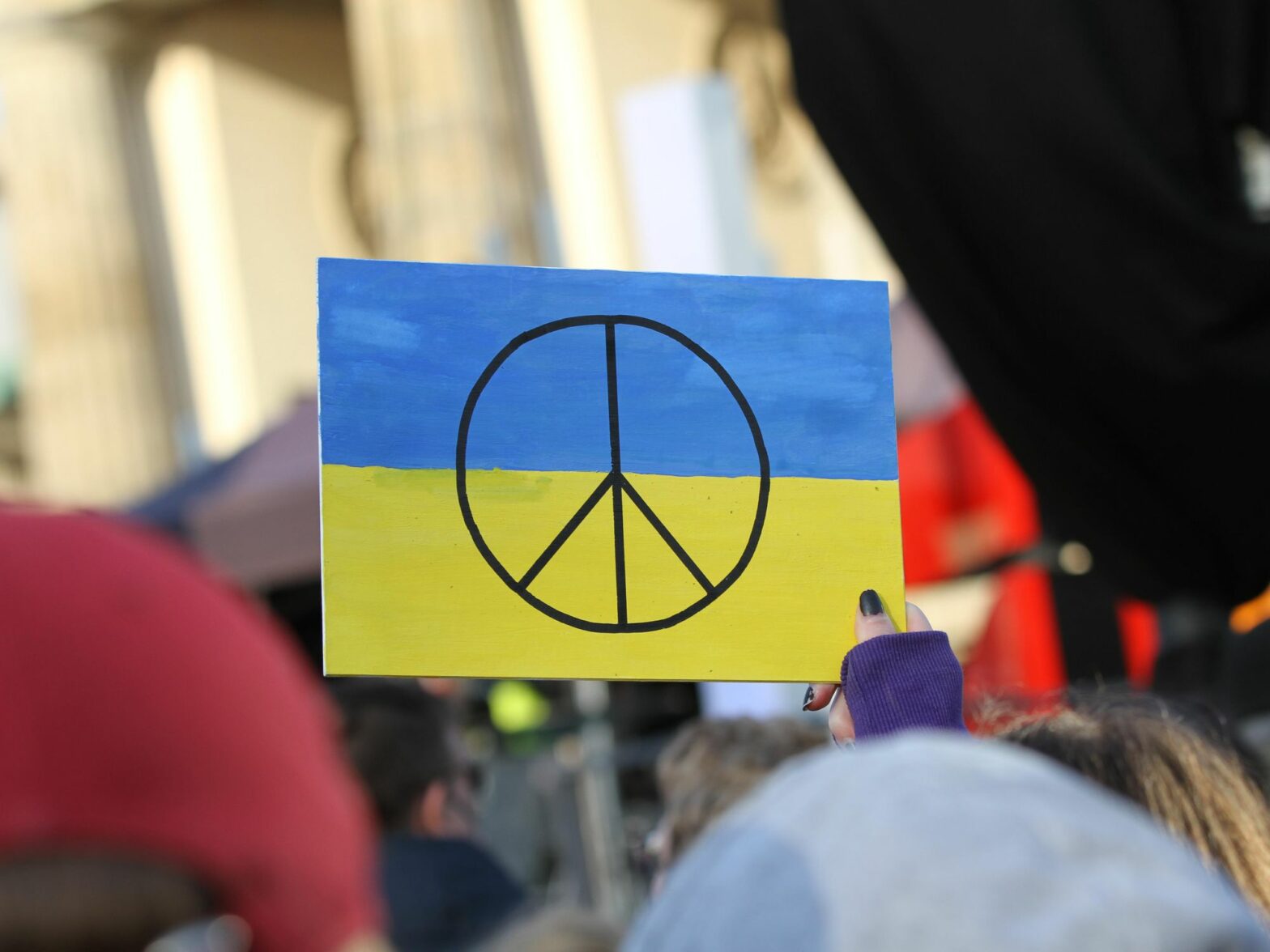
The war continues to rage as negotiations sputter. However, the search for a compromise that’s honorable for both parties is the only way to avoid escalating violence. There is a way to build the proverbial “golden bridge” of retreat for all.
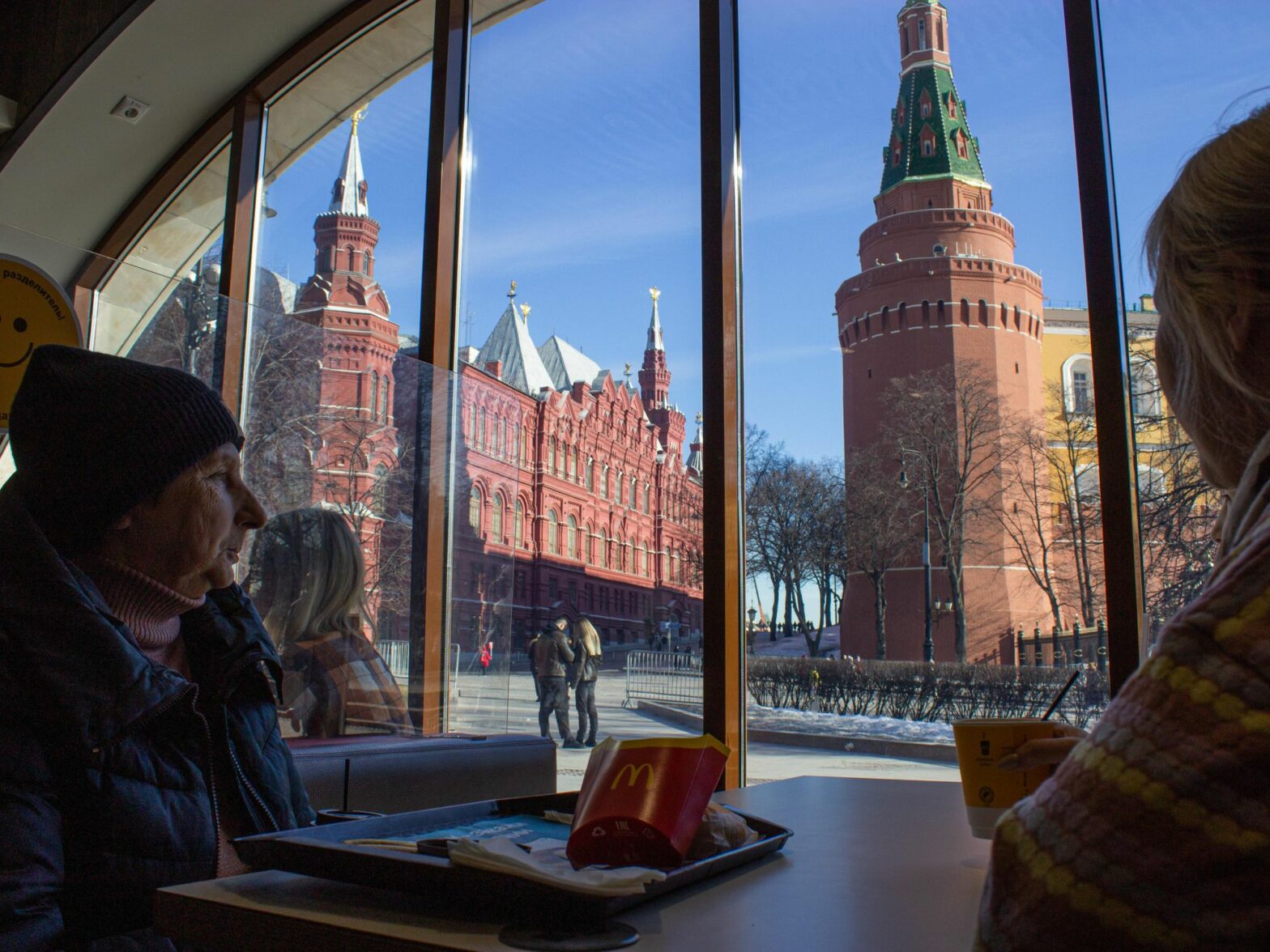
Western freedoms in Russia are only partially appealing, since historically, Russians never had them. Instead, the Russian people are patient, stoic and often irrationally devoted to their cruel motherland.
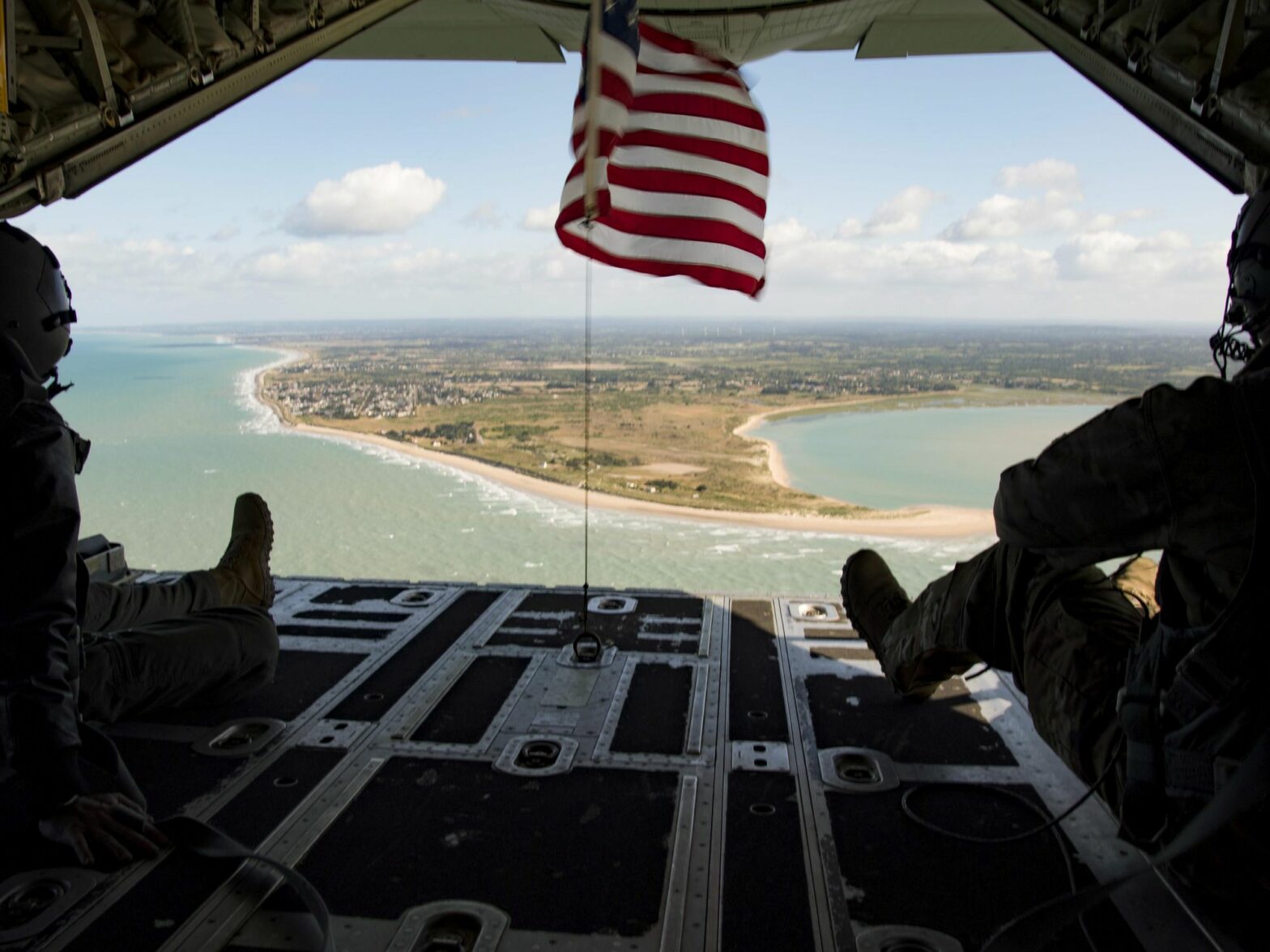
It went largely unnoticed, but Washington’s refusal to let MiG fighter jets destined for the Ukrainians take off from their base in Germany is a clear message, according to a retired French general: Even if a NATO country is attacked, the U.S. will never send their soldiers to fight on our soil.
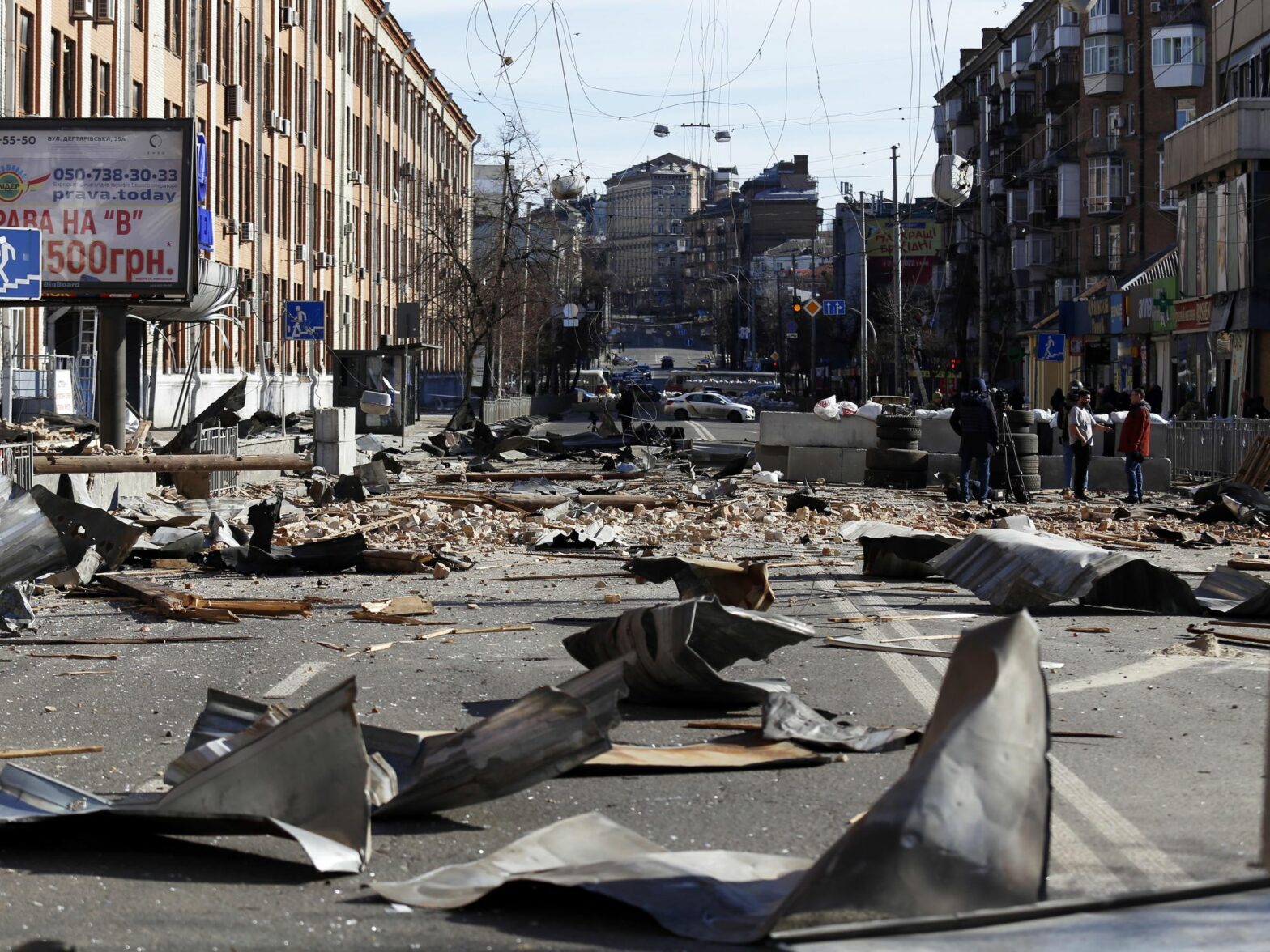
The Kremlin is increasingly focused on the destruction of infrastructure in Ukraine. The government in Kyiv will be entitled to reparations. Russia should know now: the more it destroys in Ukraine, the less it will get back from its foreign billions.
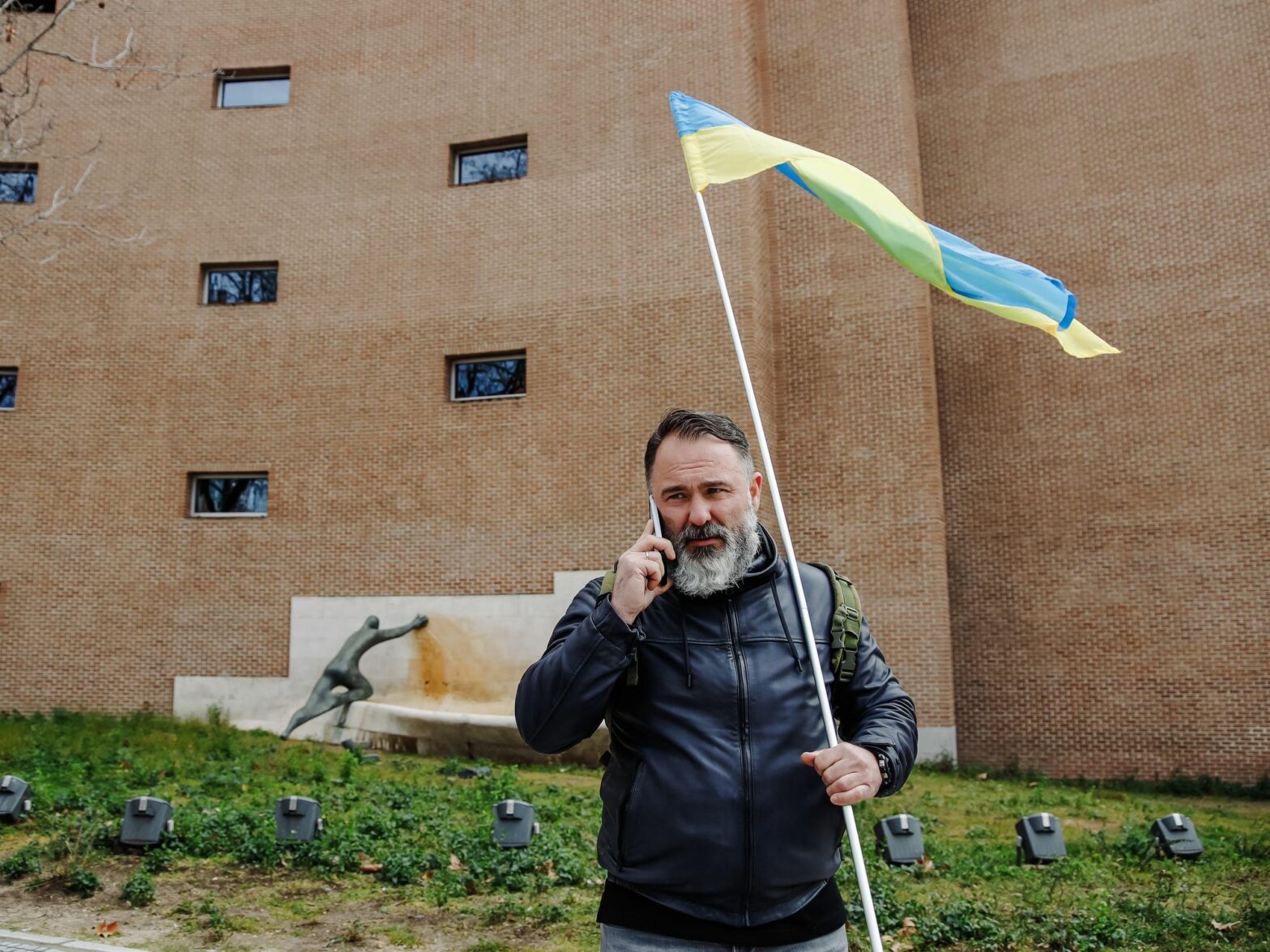
Ukrainian President Zelensky’s belief that Russia’s invasion has nullified both European and global security should not be taken lightly. Everything must be rebuilt — and must happen much faster than Western leaders seem prepared to do. A view from Kyiv-based news media Livy Bereg.
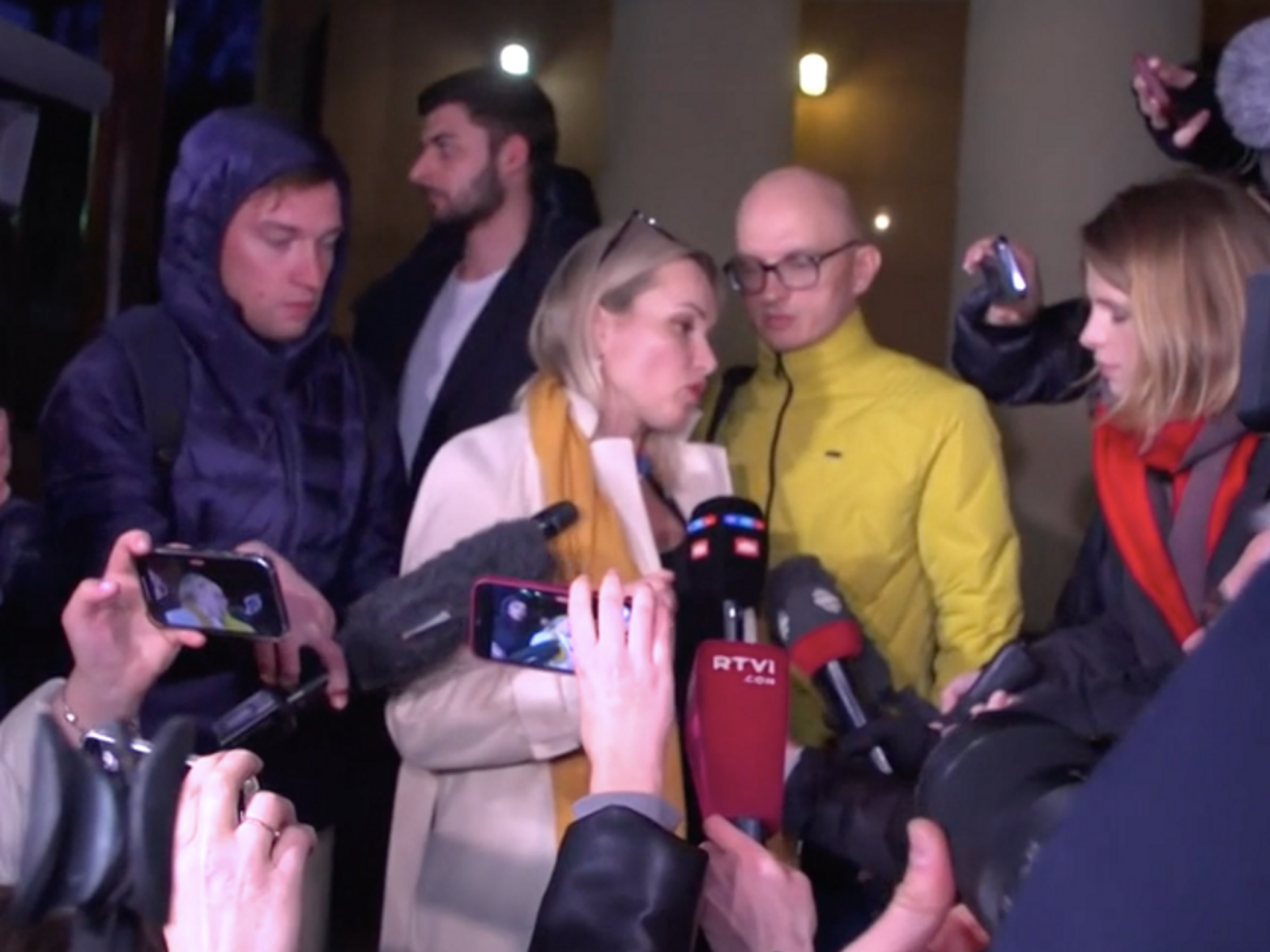
When Russian journalist Marina Ovsyannikova interrupted Monday’s nightly news with an anti-war protest, most figured her stunning act of political courage would be brutally punished. But she’s received just a small fine and continues to move and speak freely in Moscow. Paradoxically, it may actually be the final tack in Vladimir Putin’s brutal, unpredictable propaganda machine.
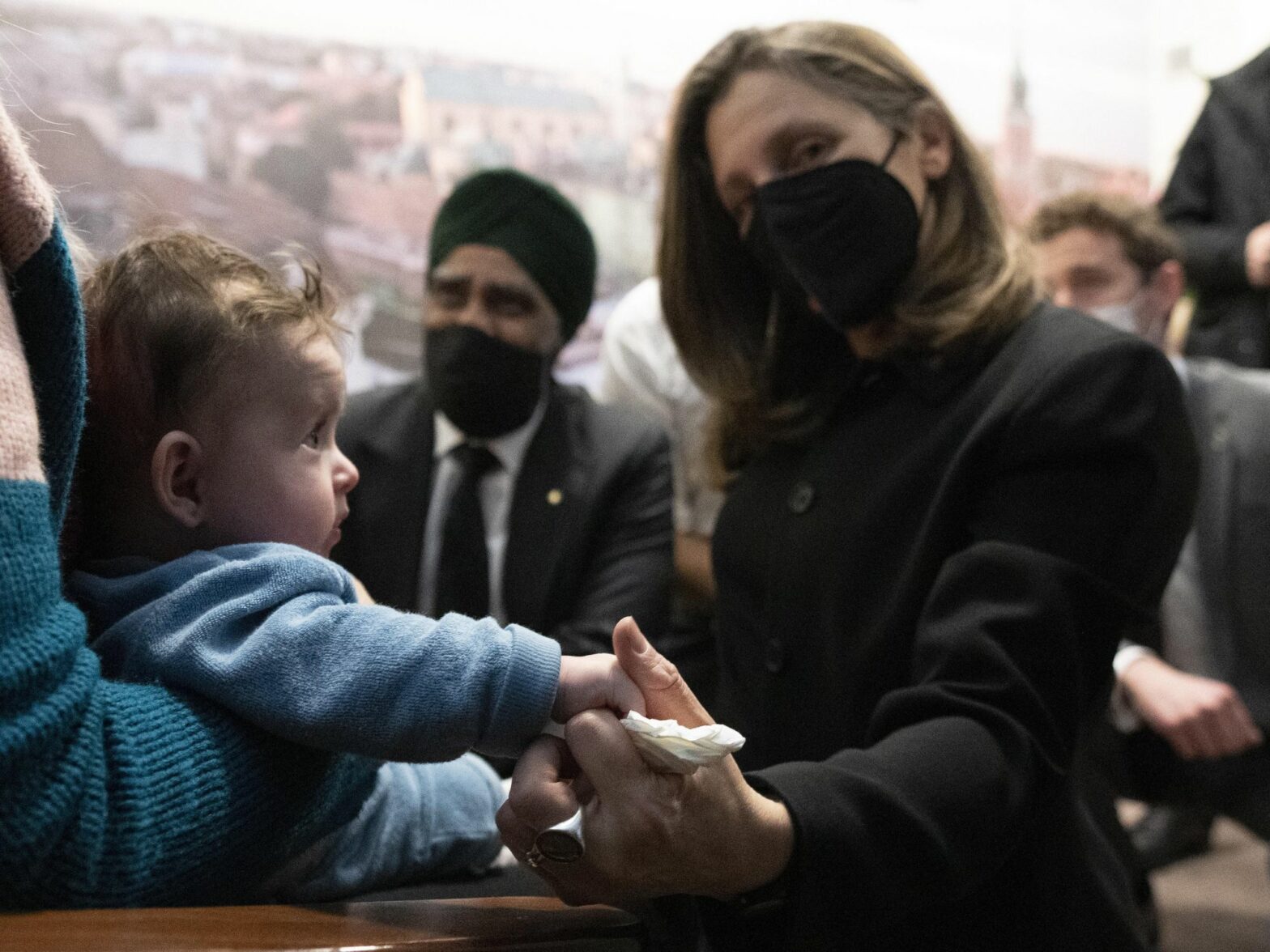
Canada’s Deputy Prime Minister Chrystia Freeland, like many others, is rightly outraged at Russia’s invasion of Ukraine. Yet her emotional attachment to Ukraine, where she has family roots, risk undermining what should be her priority: the interests of Canada.
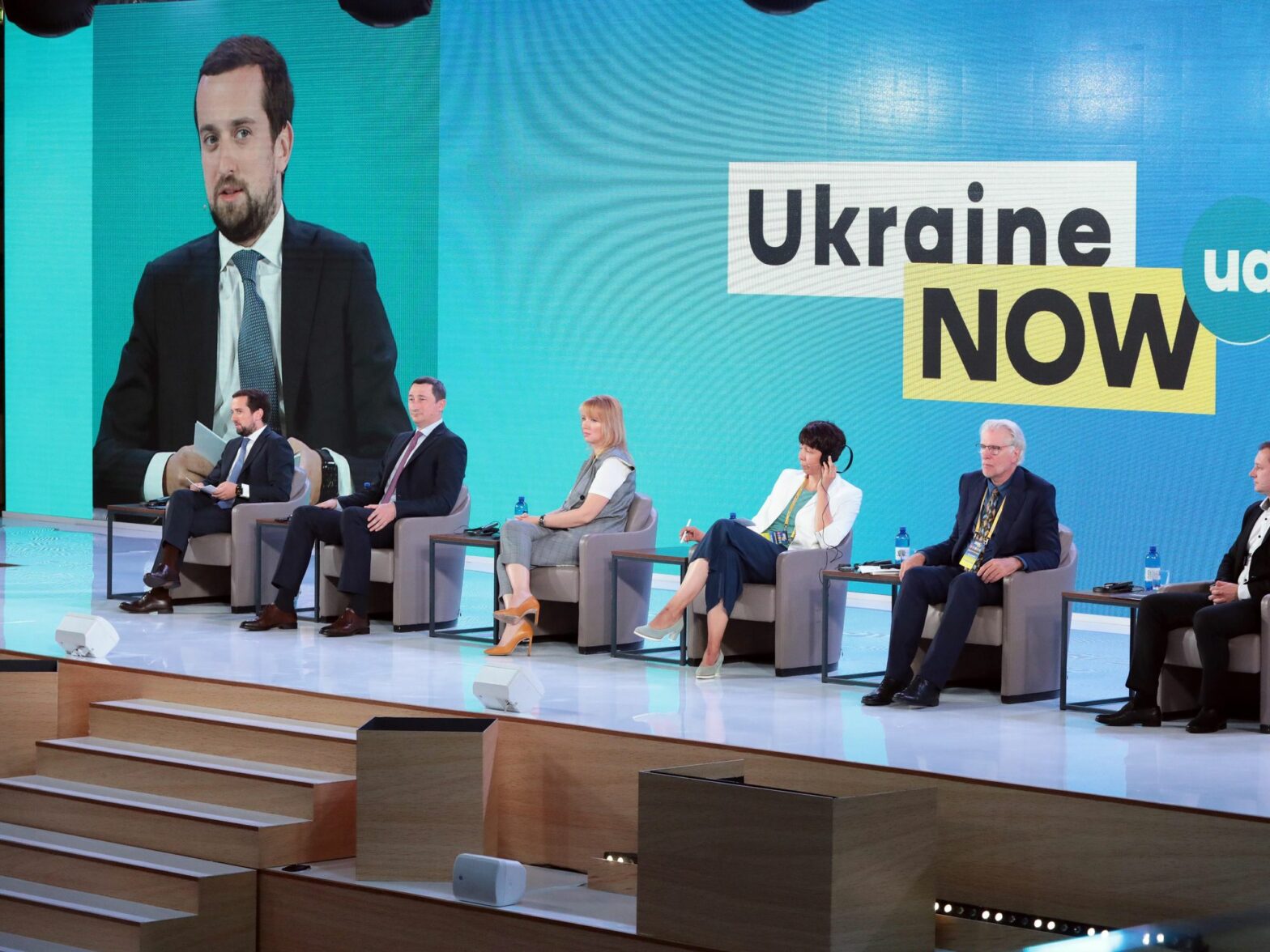
No one should be under any illusions that Ukraine is about to join the EU or NATO. If this war is to end in a lasting peace, Ukrainians will have to accept a new position on the world stage and a new approach. The famously “neutral” and multilingual Switzerland could be a model.
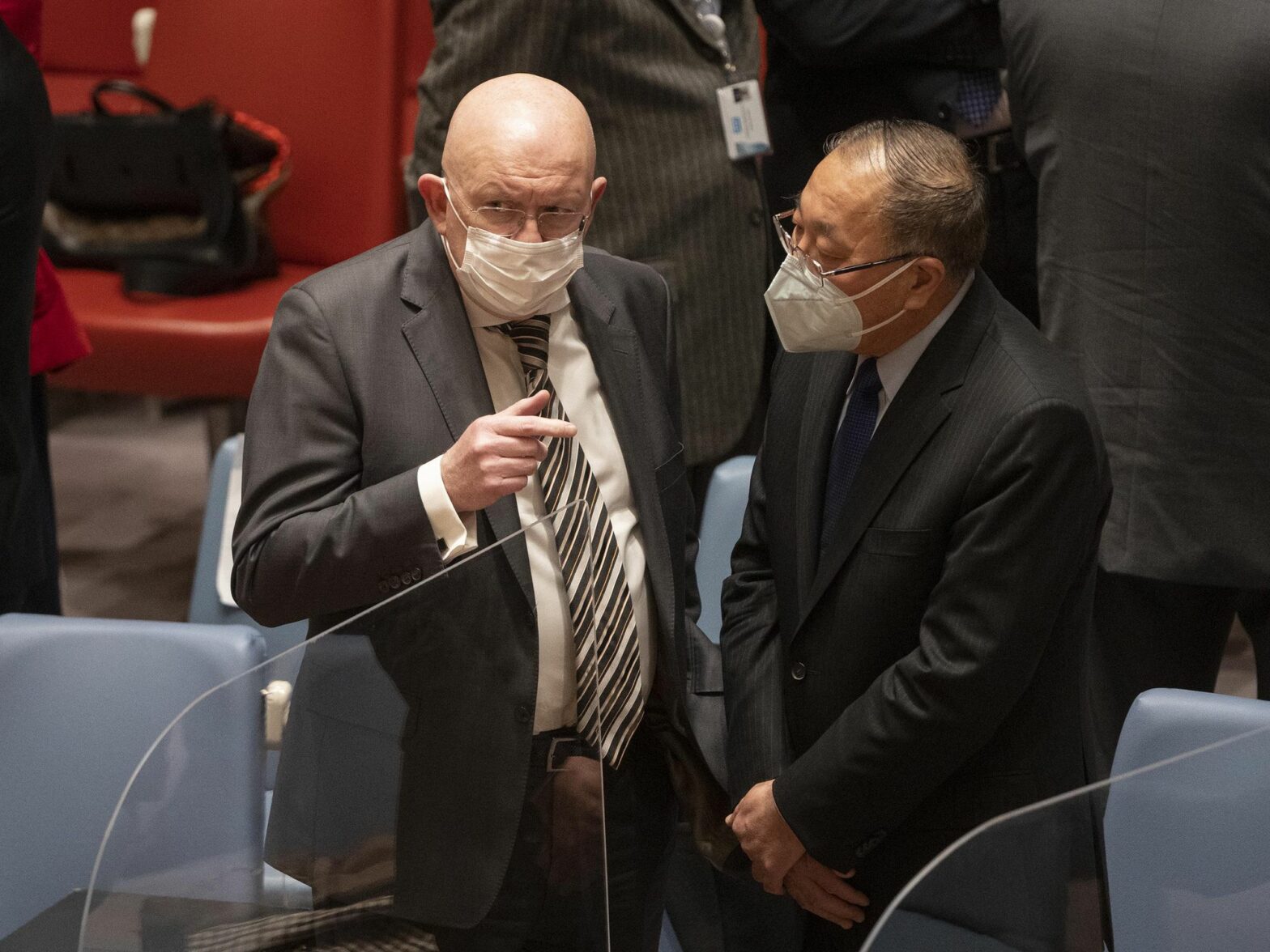
China did not expect a protracted and bloody war in Ukraine, which is causing global upheaval and thus major problems for Beijing’s interests. There are growing signs that the Chinese government’s policy of “strategic neutrality” is reaching its limit.
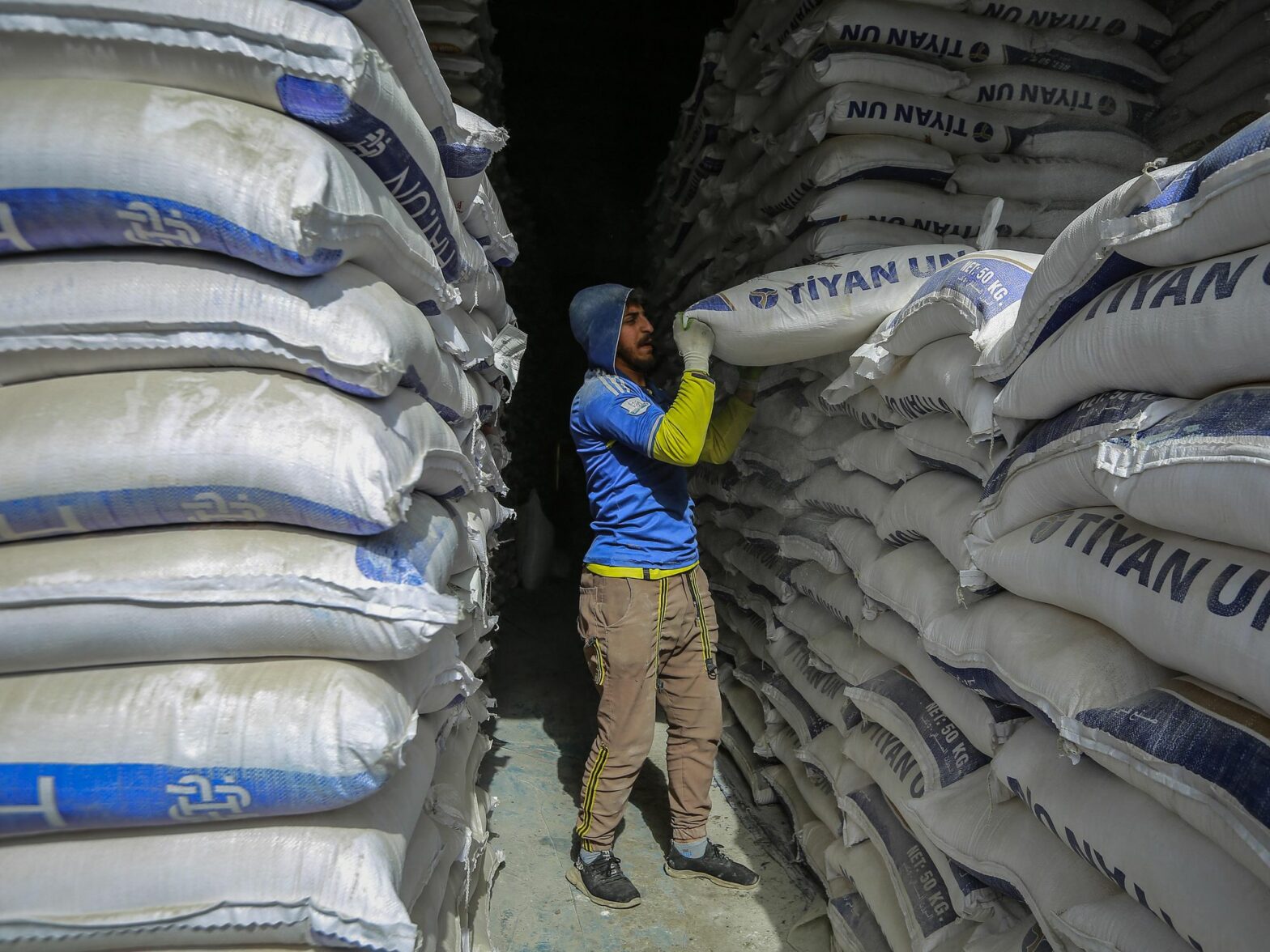
First, the COVID-19 crisis, and now the need to respond to Russia’s invasion of Ukraine, are forcing countries to confront the risks of global interdependence. In its place comes a rush to establish national autonomy for crucial resources, from masks to oil and gas. But at what price?
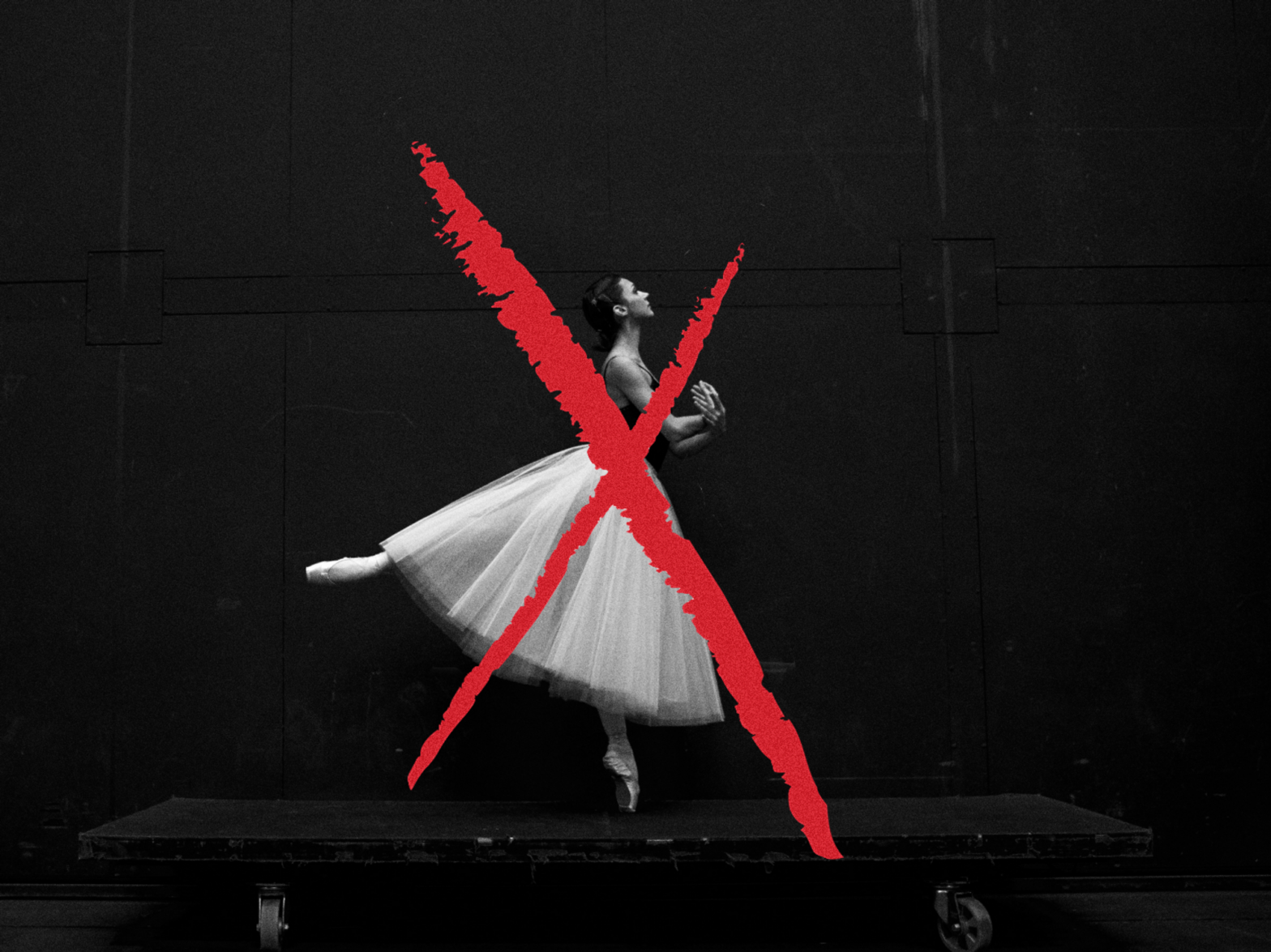
From Tolstoy and the Bolshoi Ballet to Russia Today, the West is banishing Russian composers, artists and media. But is banishment of culture the right move in times of war?
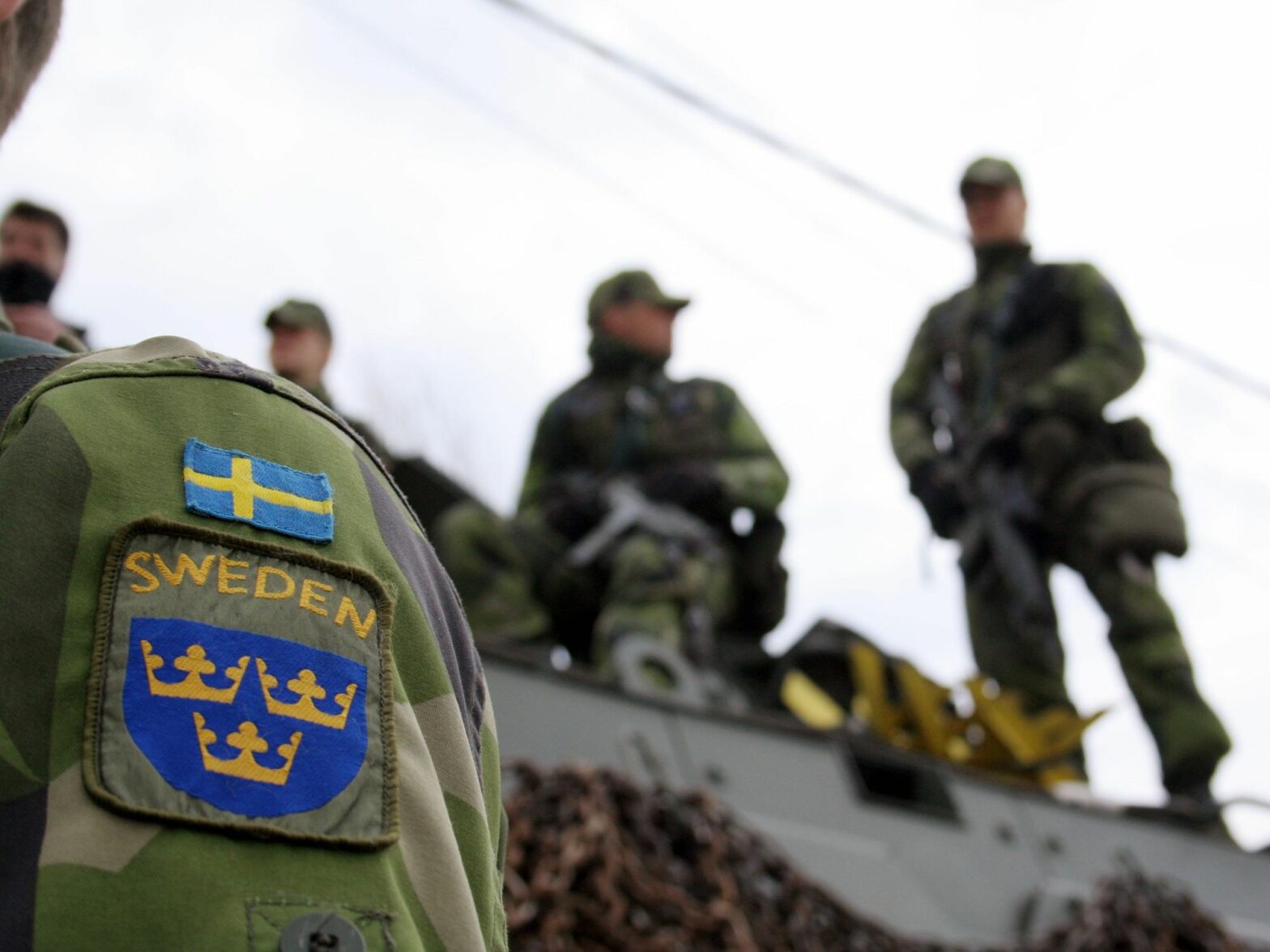
Russia’s invasion of Ukraine has rekindled the Nordic debate over the possibility of joining NATO, prompting Russian threats. It’s a microcosm for the conflict itself.
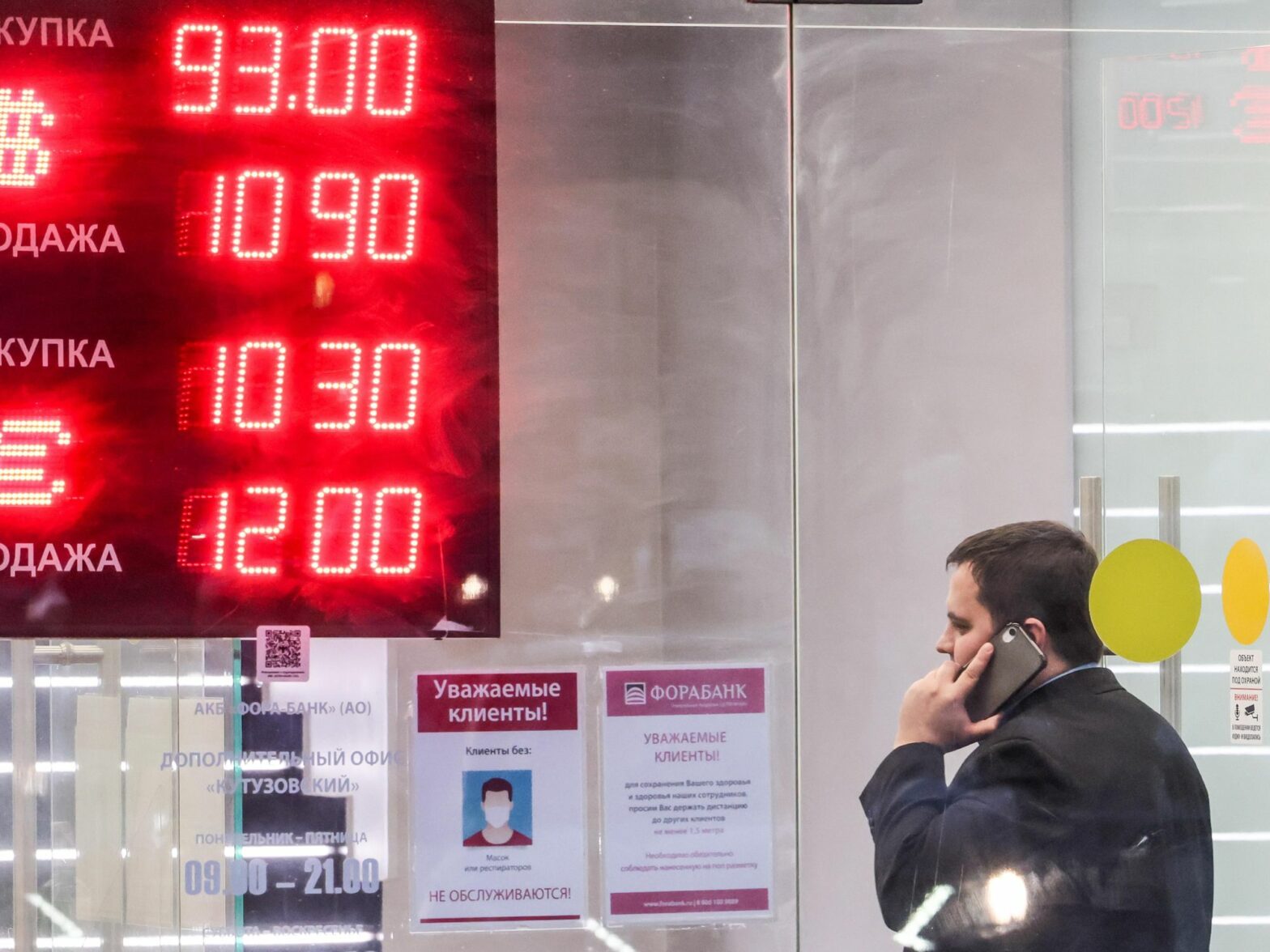
By deciding to invade Ukraine, the President of Russia did so believing that money would protect his country. By trying to prove him wrong, the West is facing its own potential crash.
A top analyst at one of Moscow’s most prestigious research institutes comes down clear and strong: Russia’s military invasion of Ukraine will leave the country isolated on the world stage, with grave consequences for the country’s future.
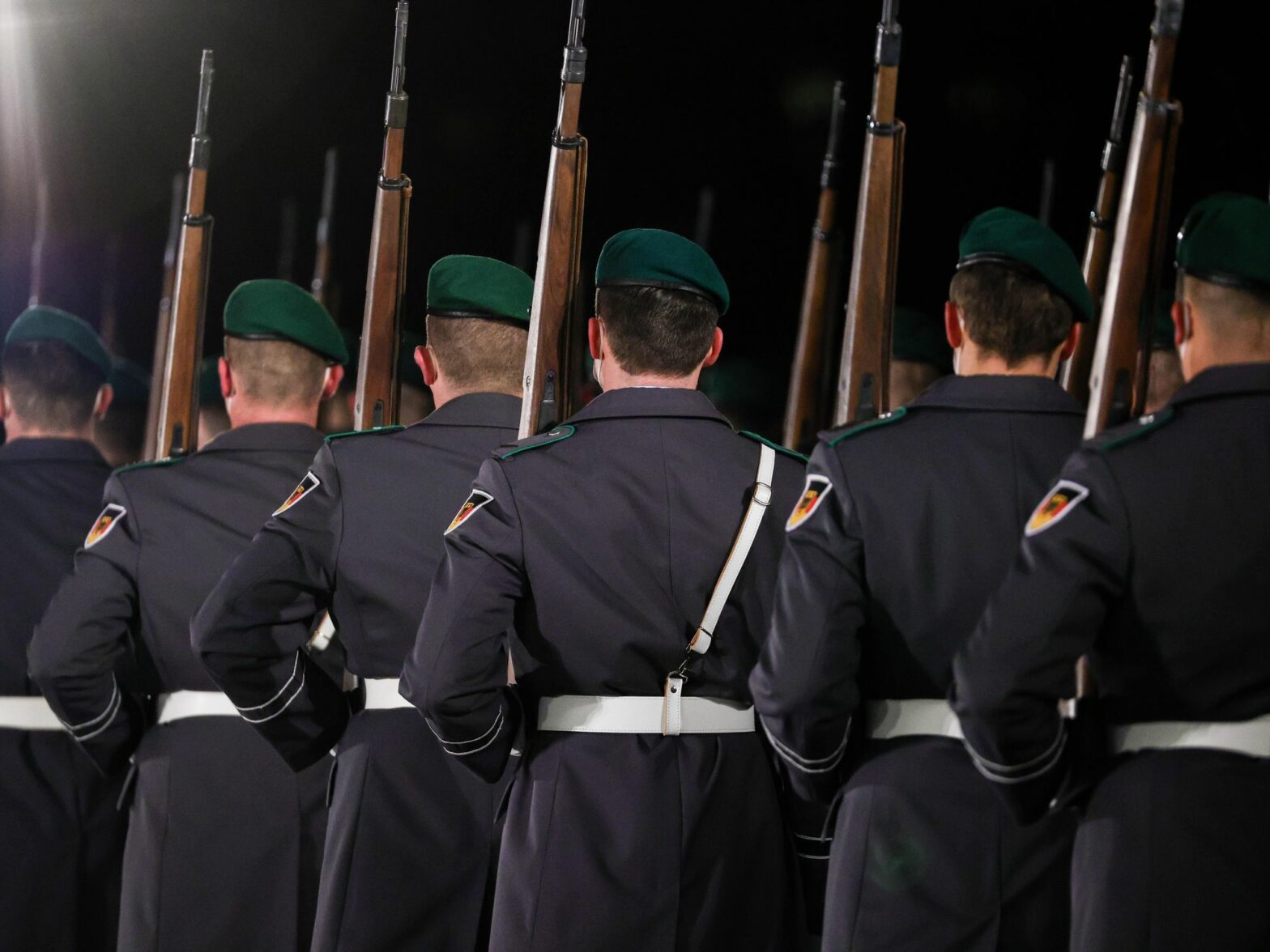
For decades, burdened by its history, Germany refused to face the harsh realities of foreign policy. Now, suddenly spurred by the Ukraine crisis, the German government is ready to once again show strength — long-awaited good news, for all.
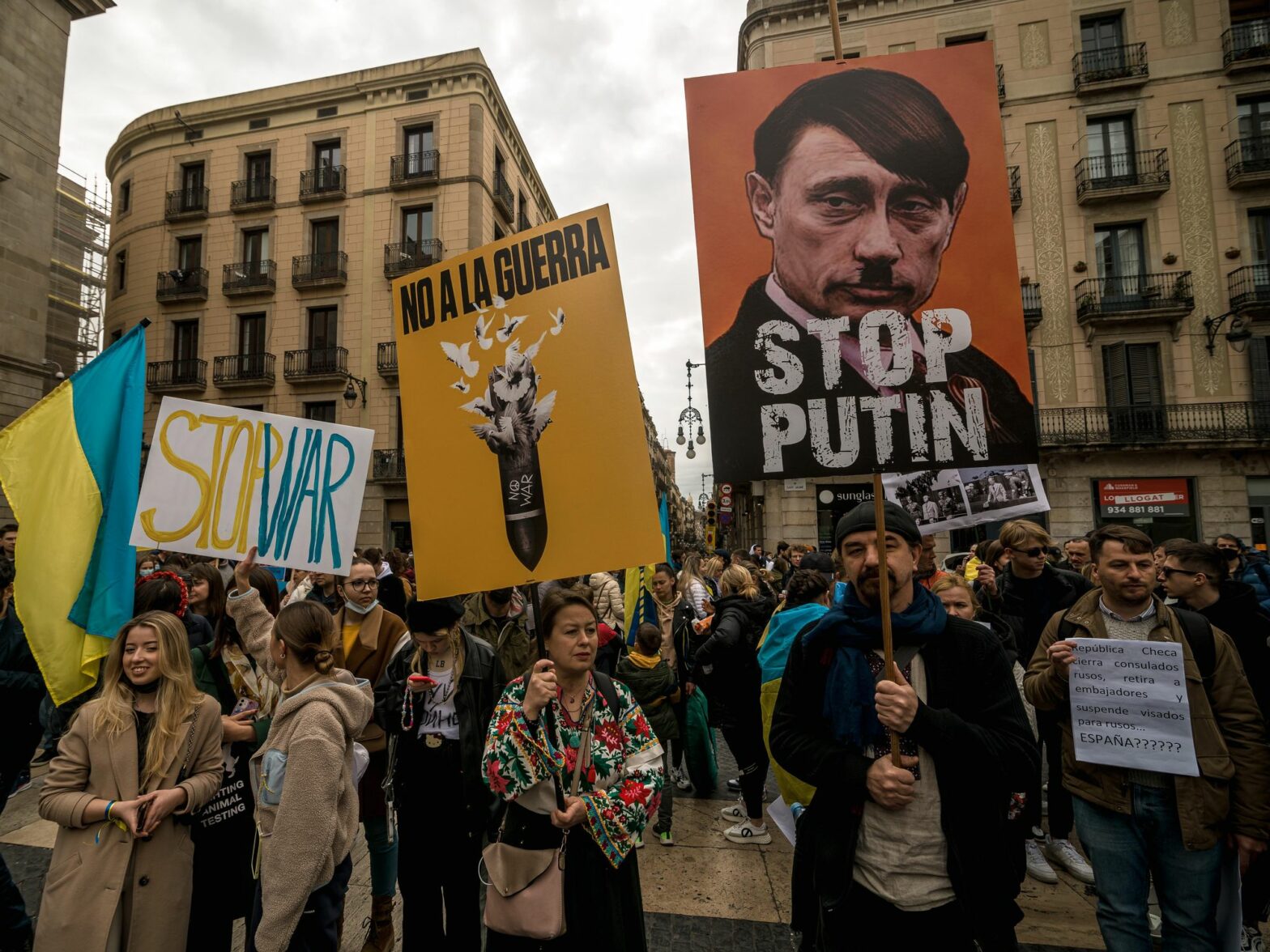
The Russian leader’s invasion is a both a pursuit of his Hitlerian obsession to rectify his nation’s humiliation, and a bet that the West’s decline is permanent.
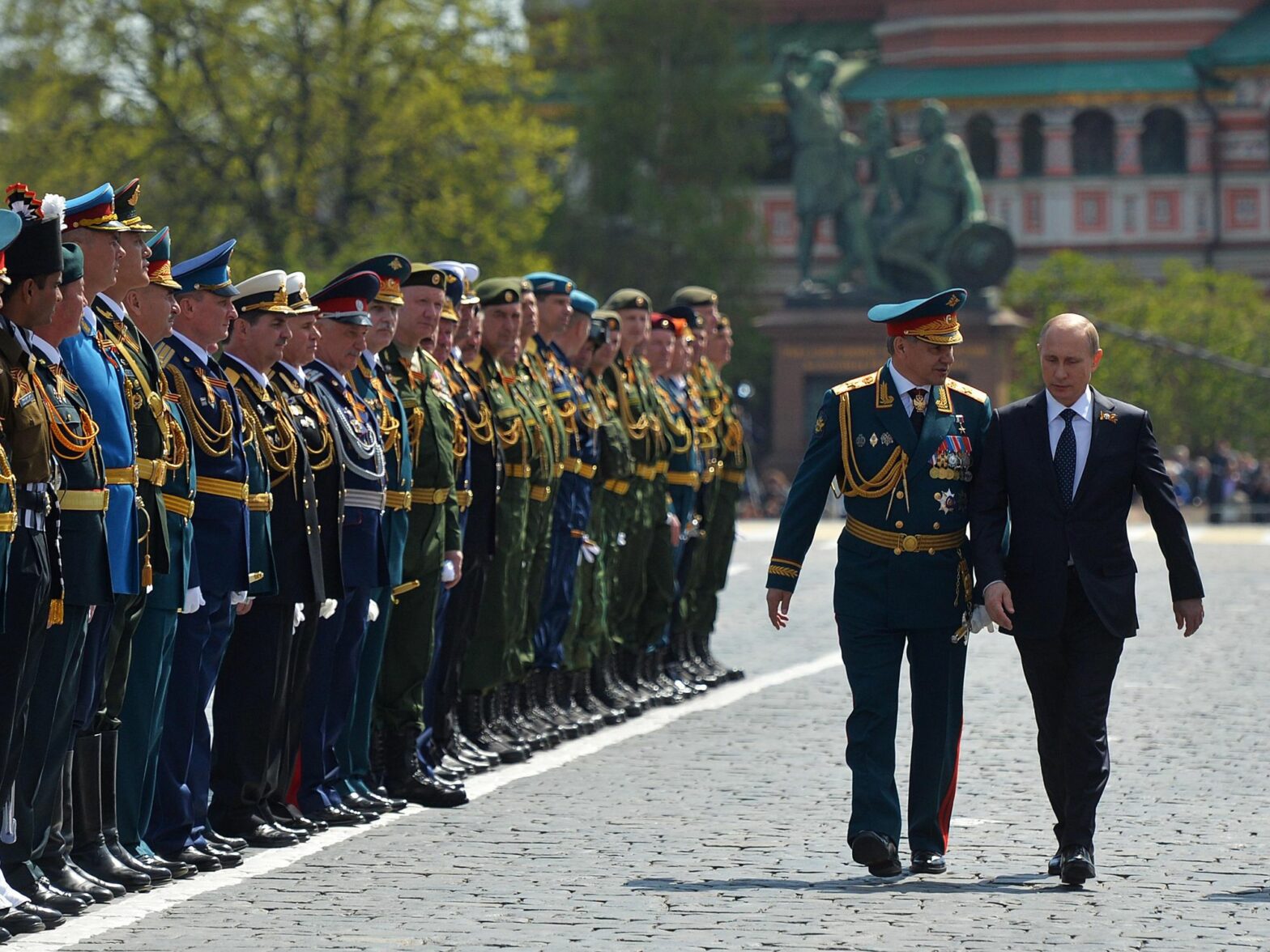
War is upon us. But many in the West have sleepwalked through two decades of rising tensions with Russia. The situation in Ukraine can only be understood in the context of Vladimir Putin’s view on Boris Yeltsin, NATO’s eastward expansion, wars in the Balkans and Iraq, and beyond.
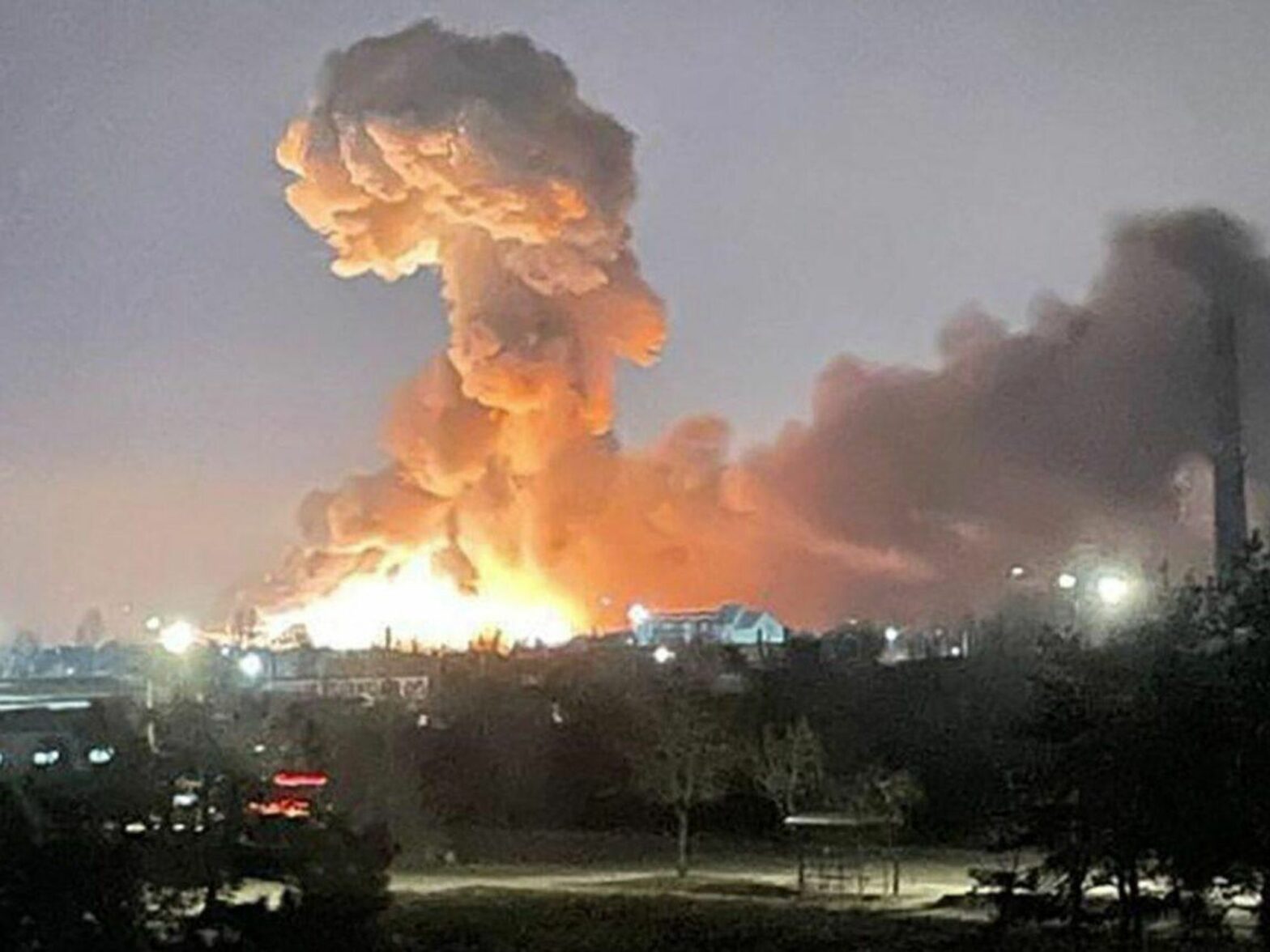
Moscow’s large-scale attack launched on Ukraine erases any lingering doubts about where Russia’s president wants to go. Vladimir Putin is taking back part of the Soviet empire and attacking the European post-War order. Europe and NATO must respond, by arming the eastern flank.
You can threaten to destroy the Russian economy or target the president’s friends, but you can’t stop Putin’s imaginary vision of the past, and present. It’s bad news for Western diplomats, for peace in the region — and may be the ultimate ruin of modern Russia.
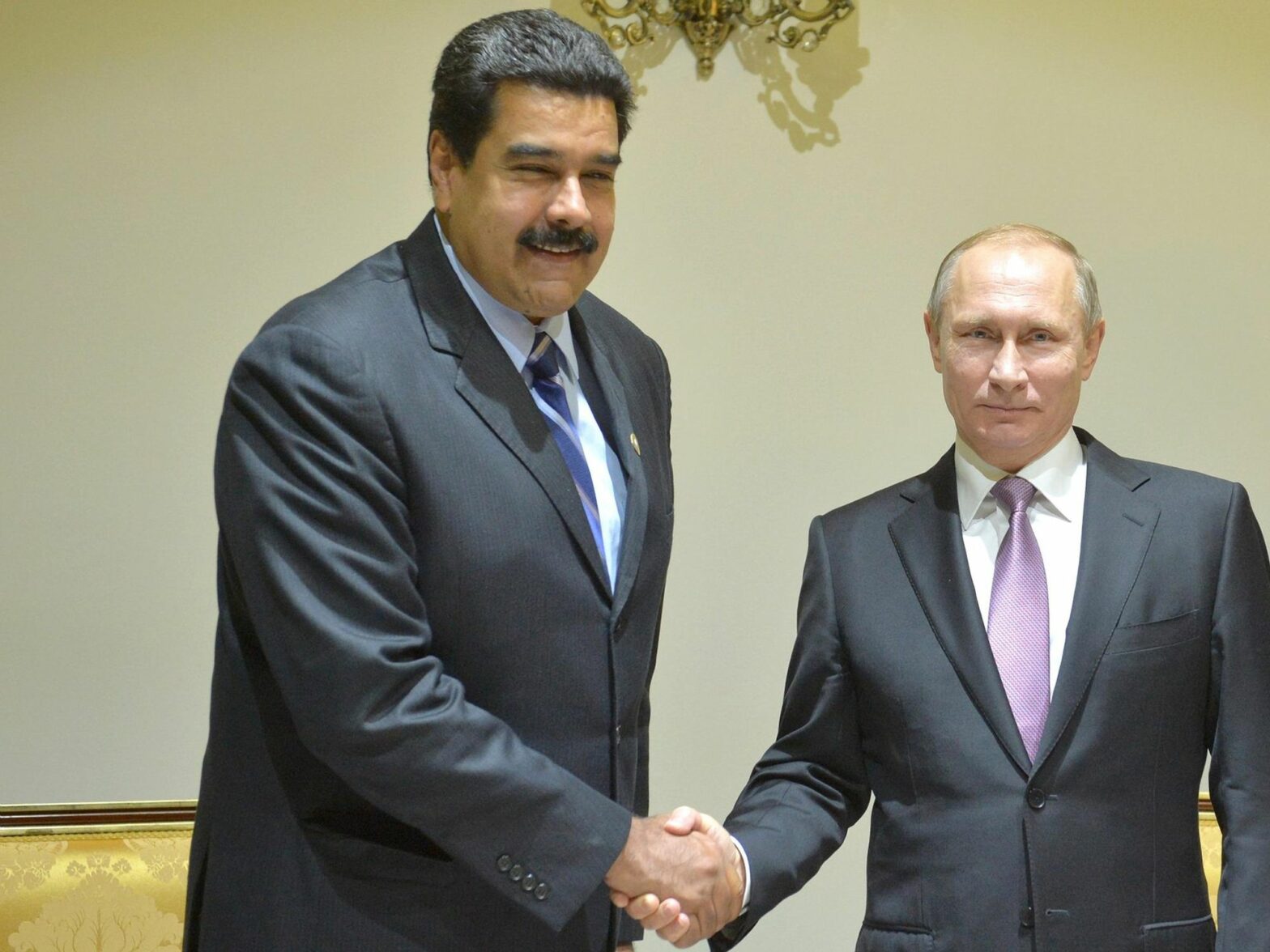
Russia’s president is neither clearly right-wing nor left-wing. As his dubious allies around the world suggest, he simply hates Western liberal democracy and seeks to expand his personal power, at home and abroad, by sowing unrest and conflict.
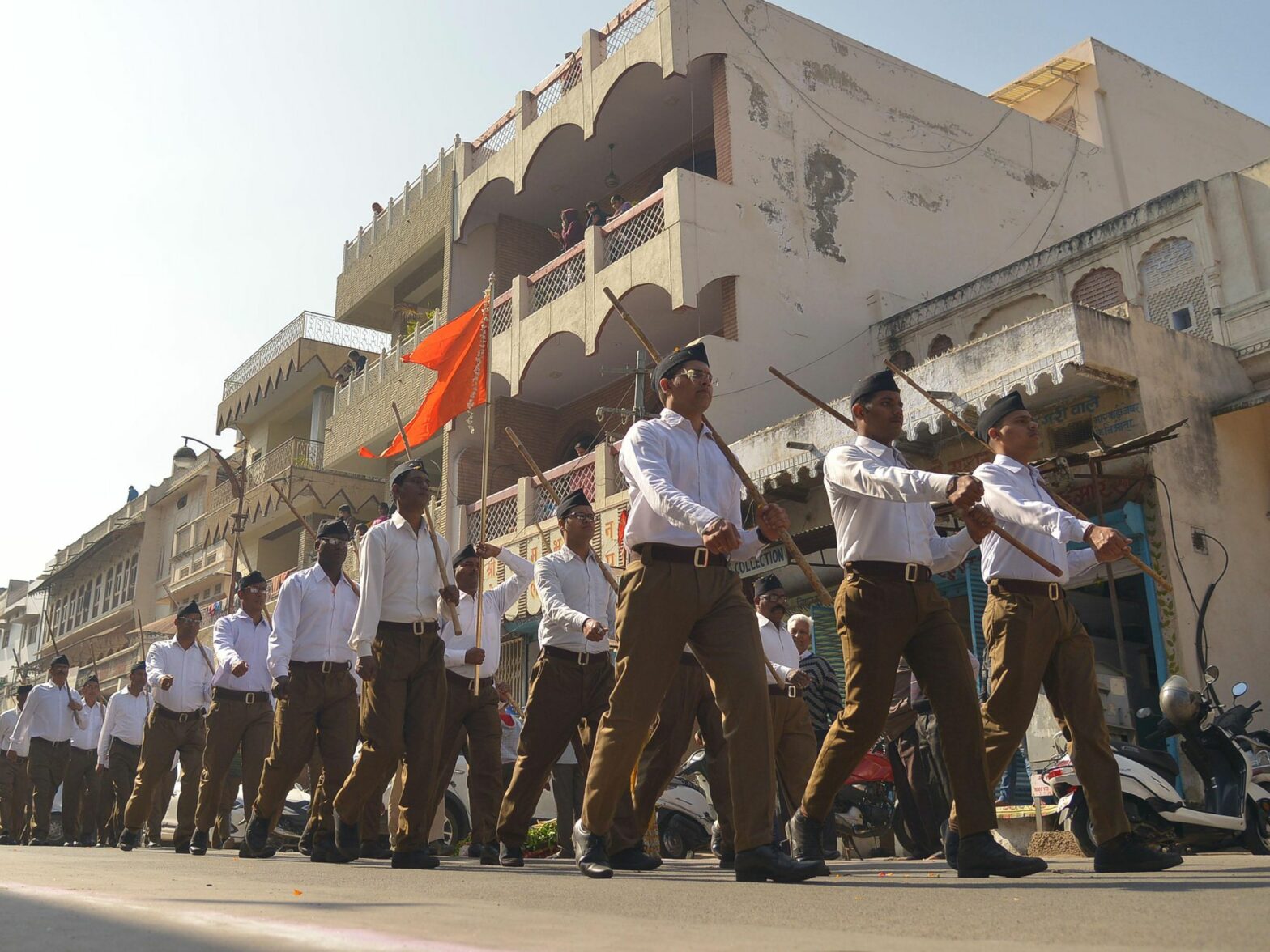
The true version of Hinduism teaches that one has to respect other faiths. That has been threatened the past century by ideologues inspired by the worst ideas of our times.
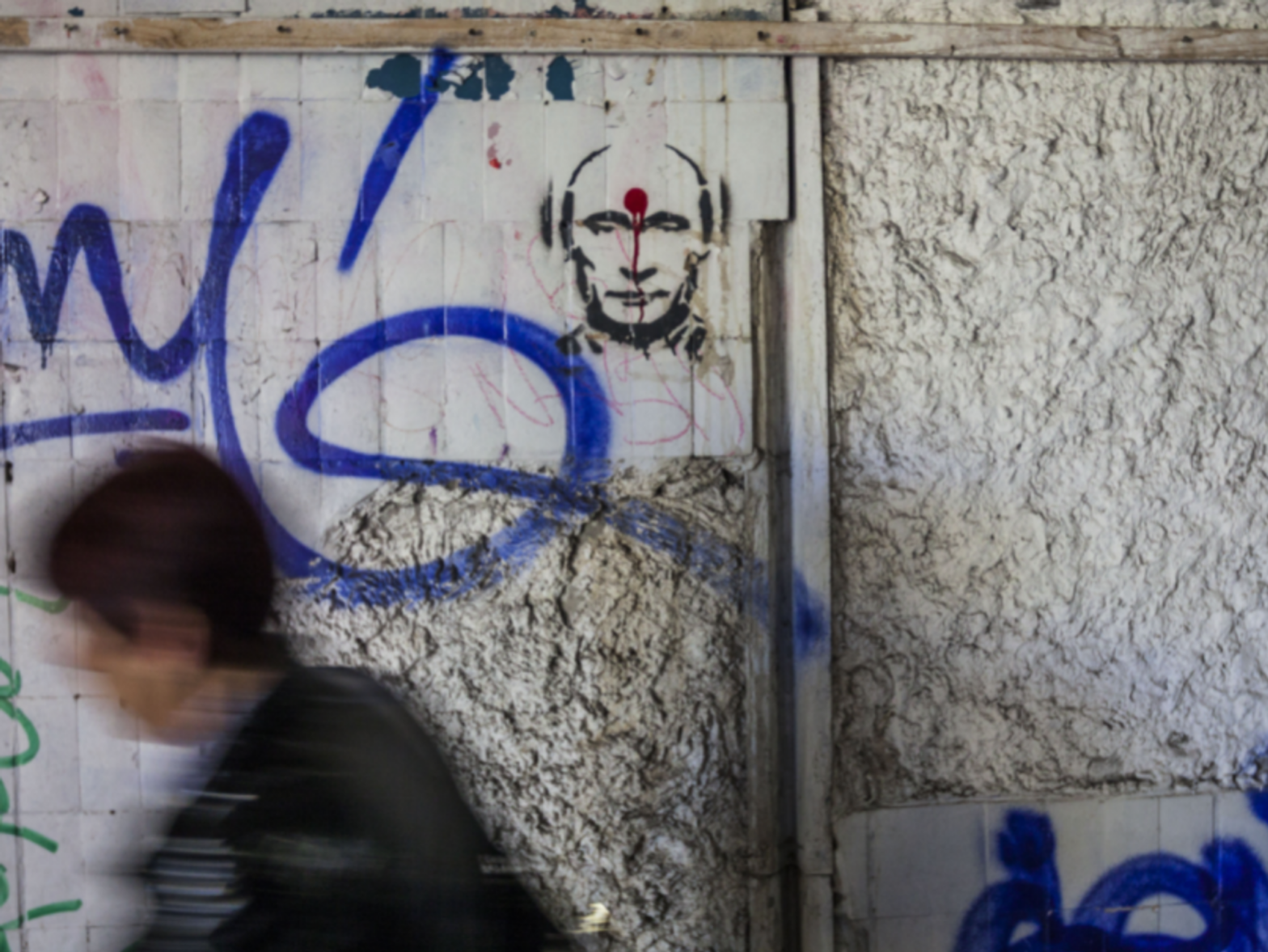
It’s not the presence of Western weapons that scares Moscow, it is the idea of freedom. And yet by threatening Ukrainians with invasion, his neighbors and rivals in the West rally around that same idea. Has the would-be strategic mastermind in the Kremlin finally painted himself into a corner? Unfortunately, that’s a dangerous place.
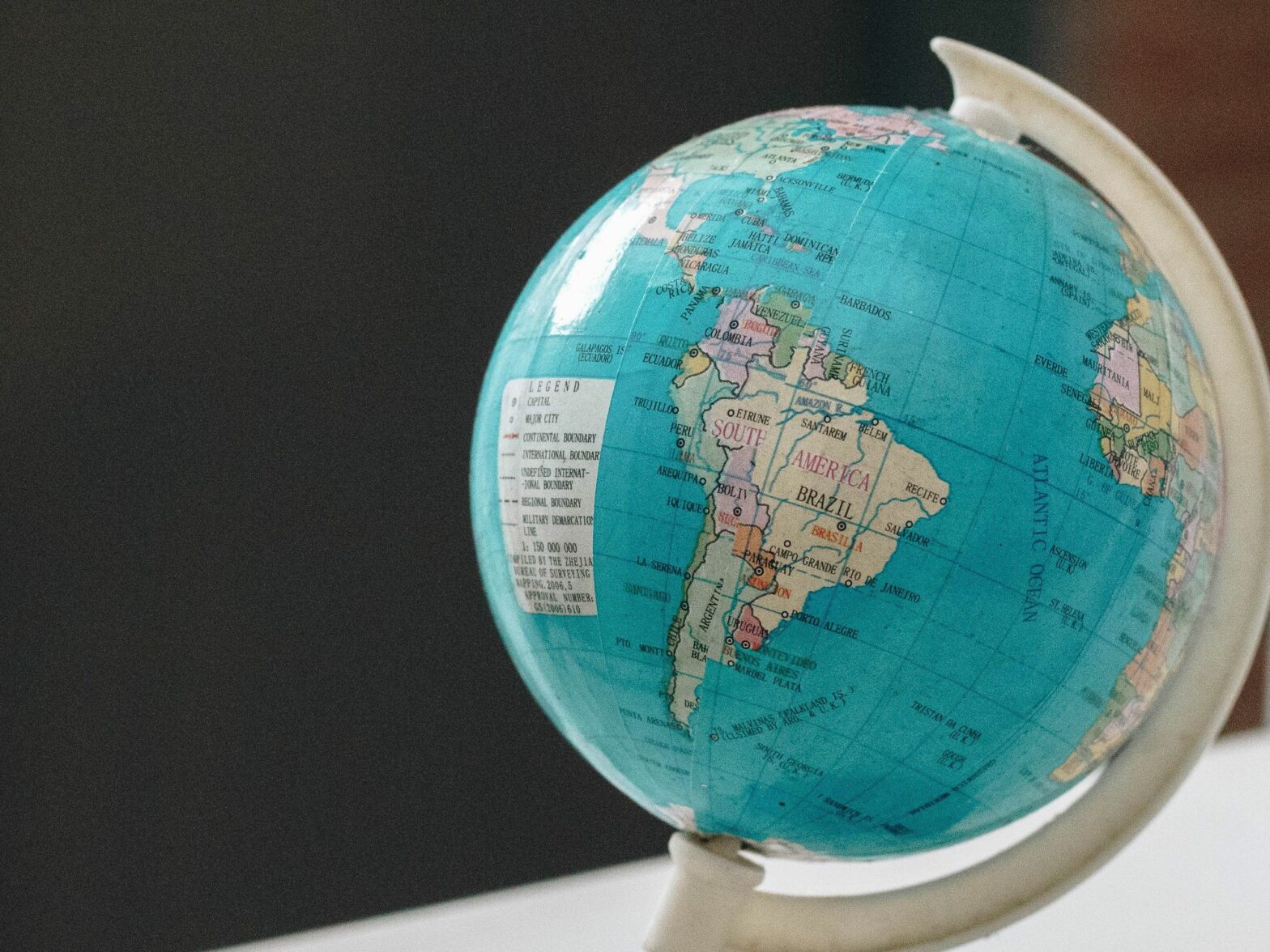
Most Latin American countries fear civil conflicts more than international invasion. A regional union is the best way to assure stability and lawfulness in a troubled but culturally cohesive continent. The EU shows us what that would look like and how to make it happen.
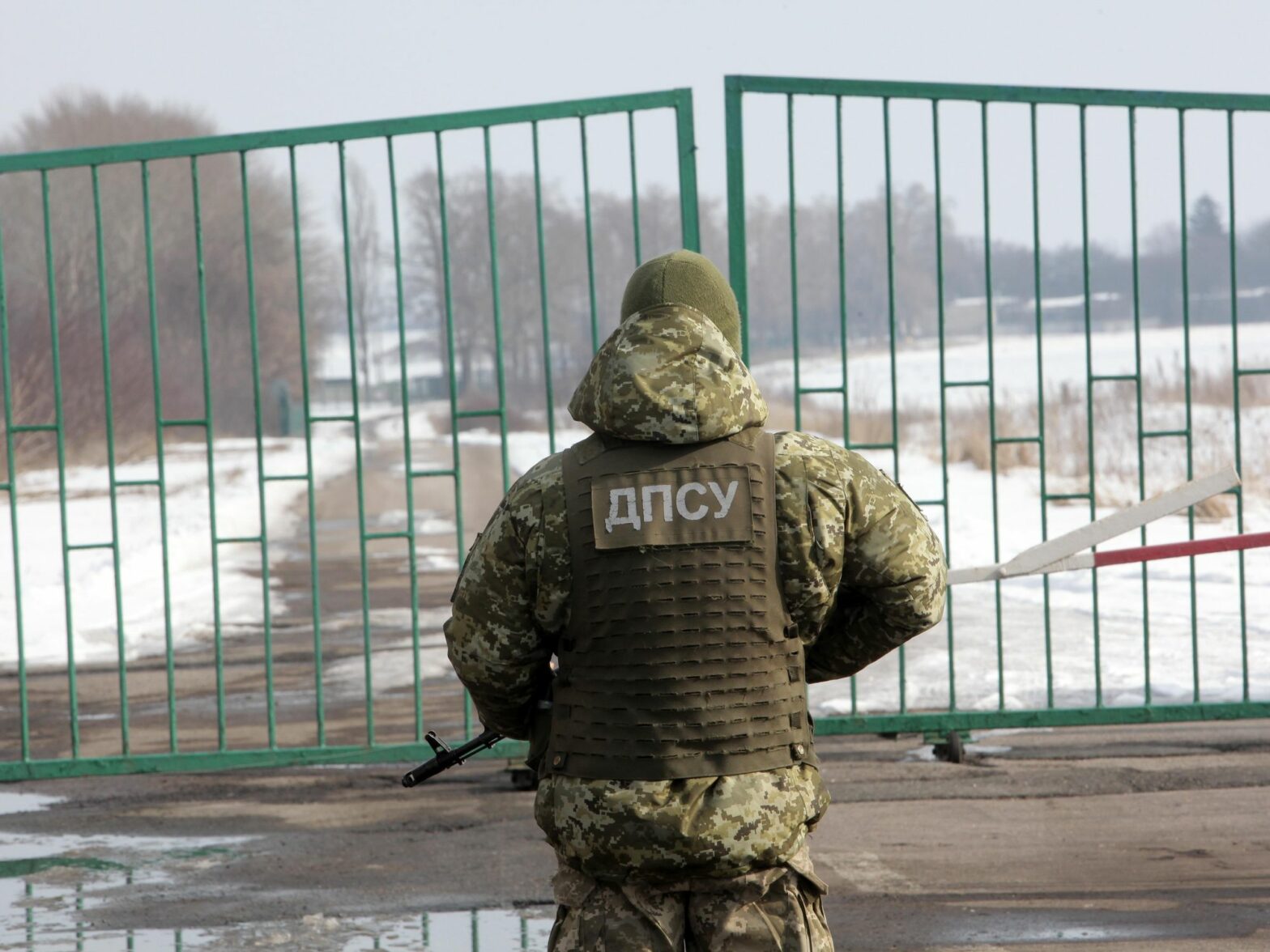
Western states are taking democratic governance for granted and responding feebly to threats in their midst. With the crisis at the Ukraine-Russia border coming to a head, the 1930s offer lessons on the dangers of complacency in the face of a kind of semi-democracy.
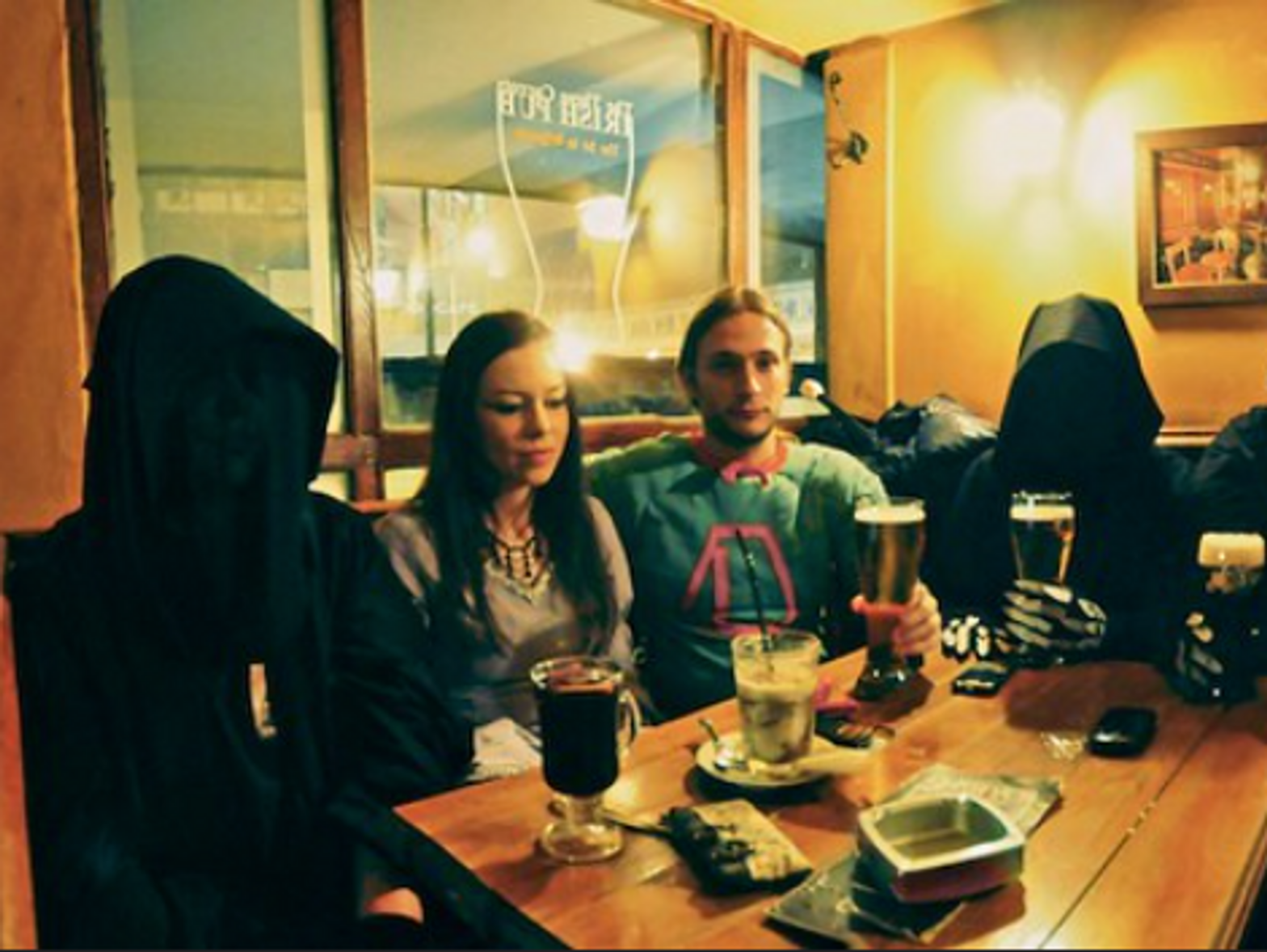
The pandemic has changed our lives permanently and paranoid fantasies have taken root. But a remedy for the crisis of trust we’re facing might be found in an unlikely place — in J.R.R. Tolkein’s The Lord of the Rings.
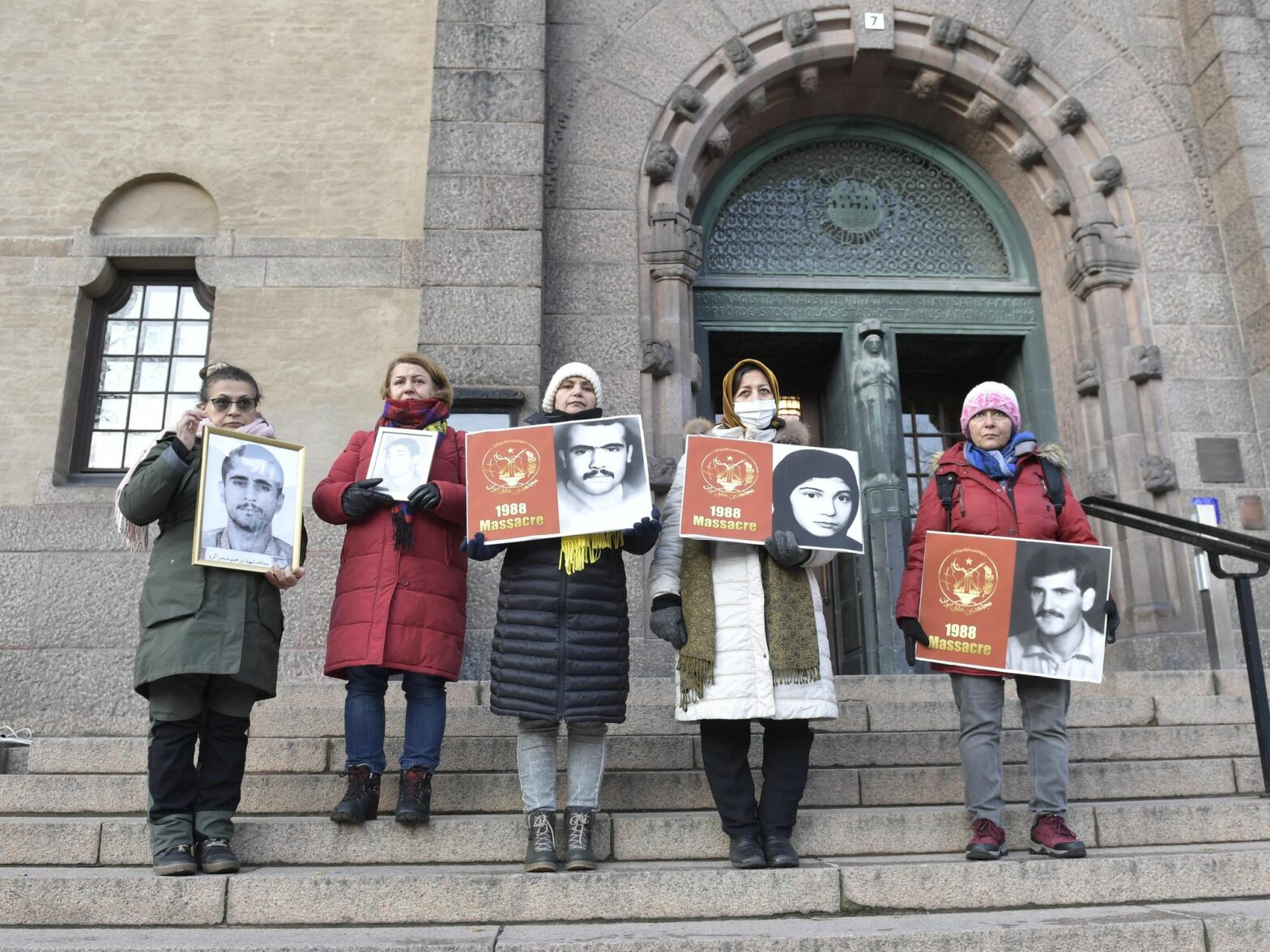
A former Iranian official being tried in Sweden on charges of complicity in murders of hundreds of prisoners outside Tehran in 1988, typifies the violent nature of the Islamic leaders who took over Iranian institutions 40 years ago.
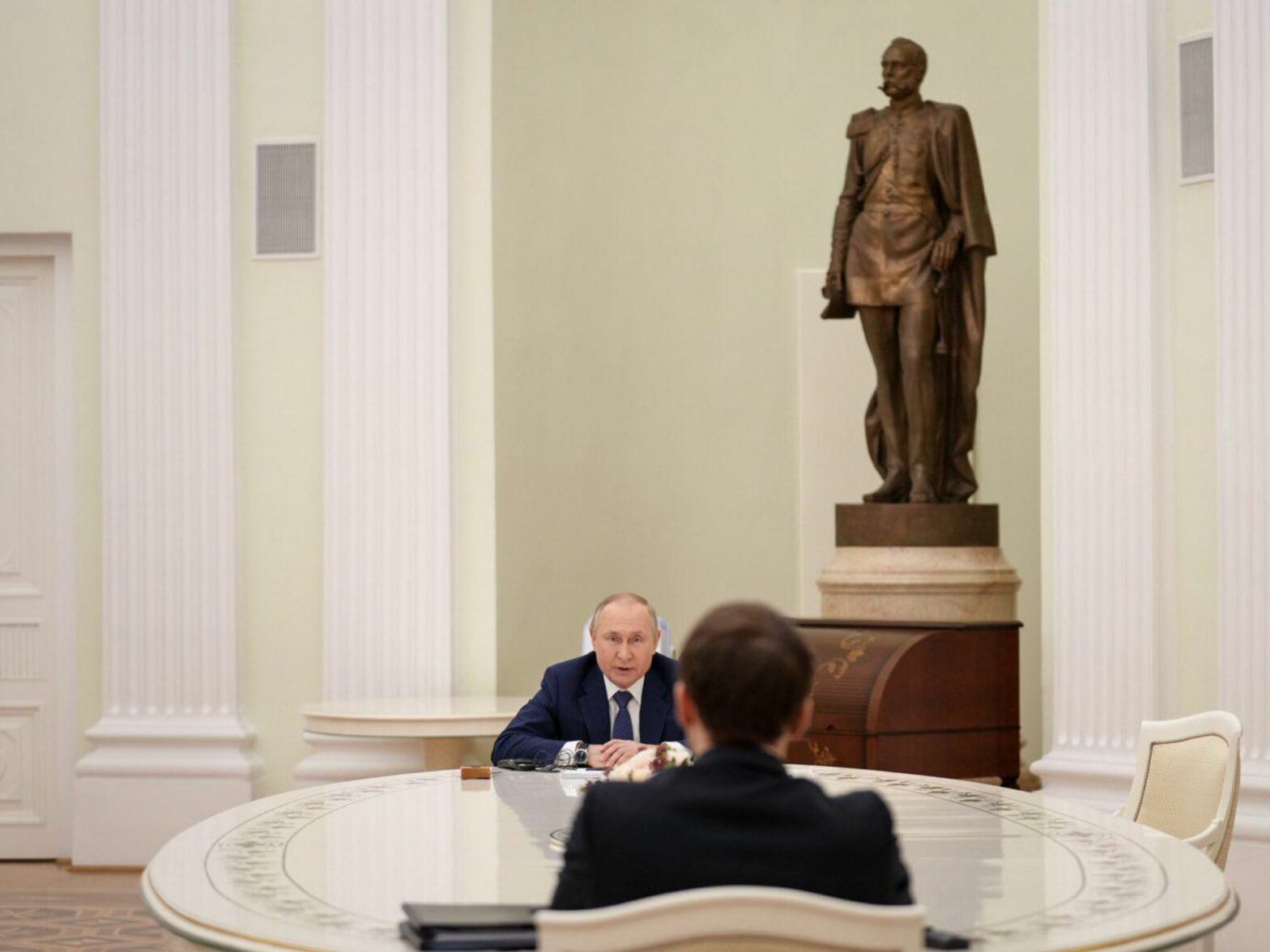
The Russian president’s much talked-about insult toward Ukrainians and President Zelensky was really part of his long game to force the conditions of the Minsk agreement that would destabilize Kyiv and distract the U.S. and Europe enough to move in on Putin’s terms.
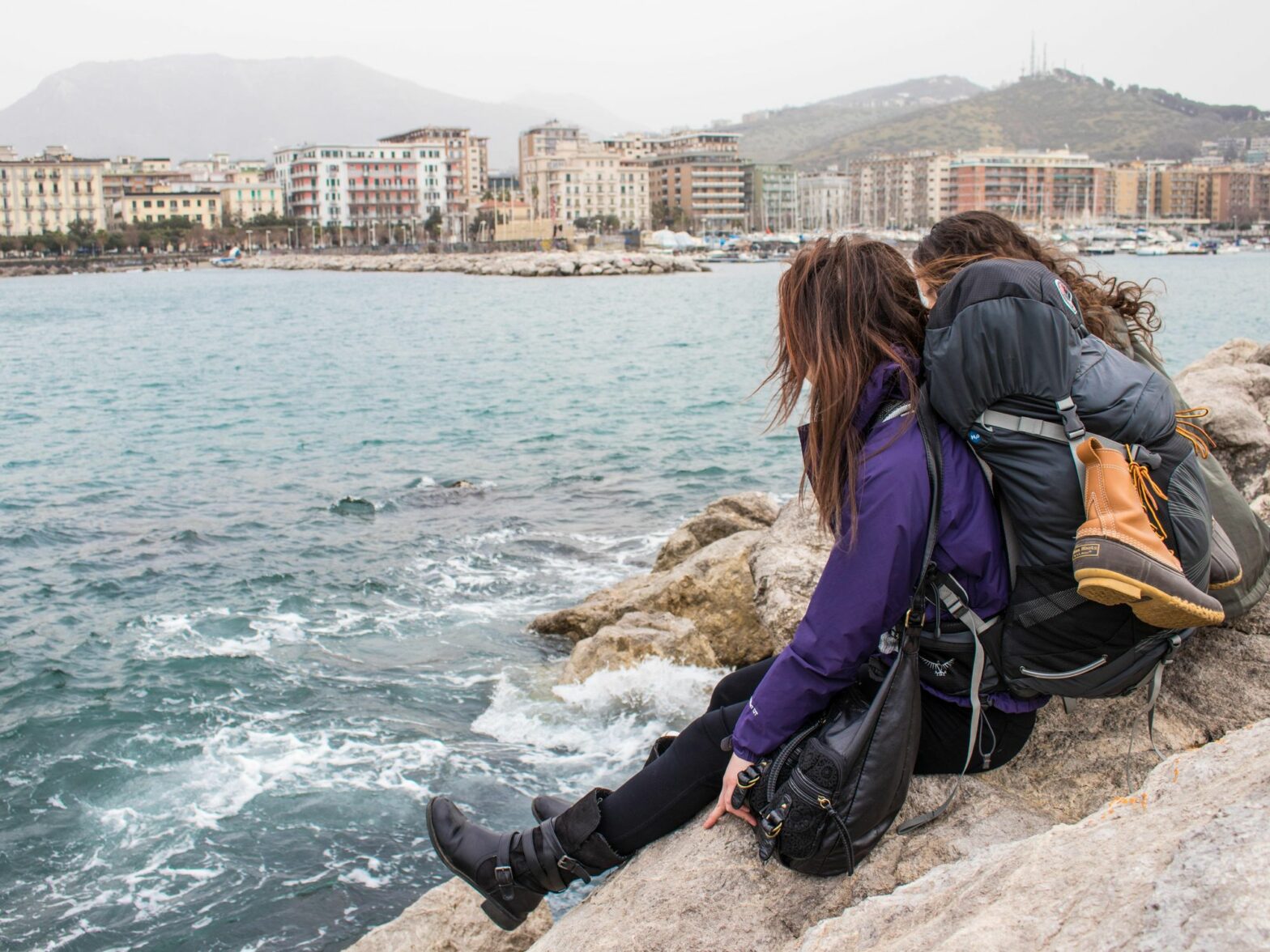
Italy’s low fertility rate and lack of support for young people have become a hot topic. But economic and social conditions are not what’s stopping all Italian women from having children. Some simply want to do other things with their lives. Does that make them selfish, asks Italian writer Simonetta Sciandivasci.
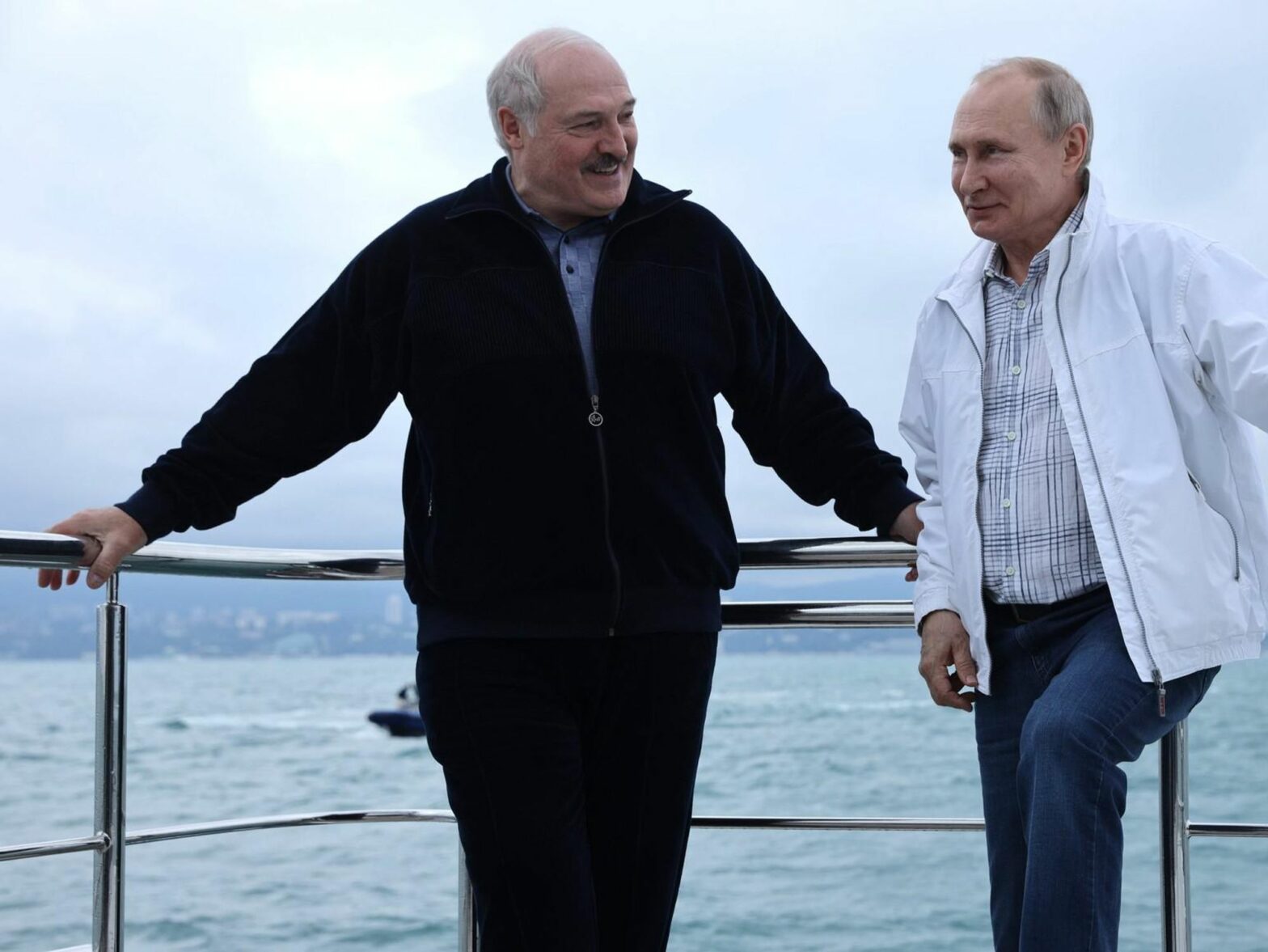
With Russian troops now deployed through Belarus, the risk is growing of an invasion through Ukraine’s northern border. Vladimir Putin’s regional strategy and Alexander Lukashenko’s dictatorial demands are not always what they seem.
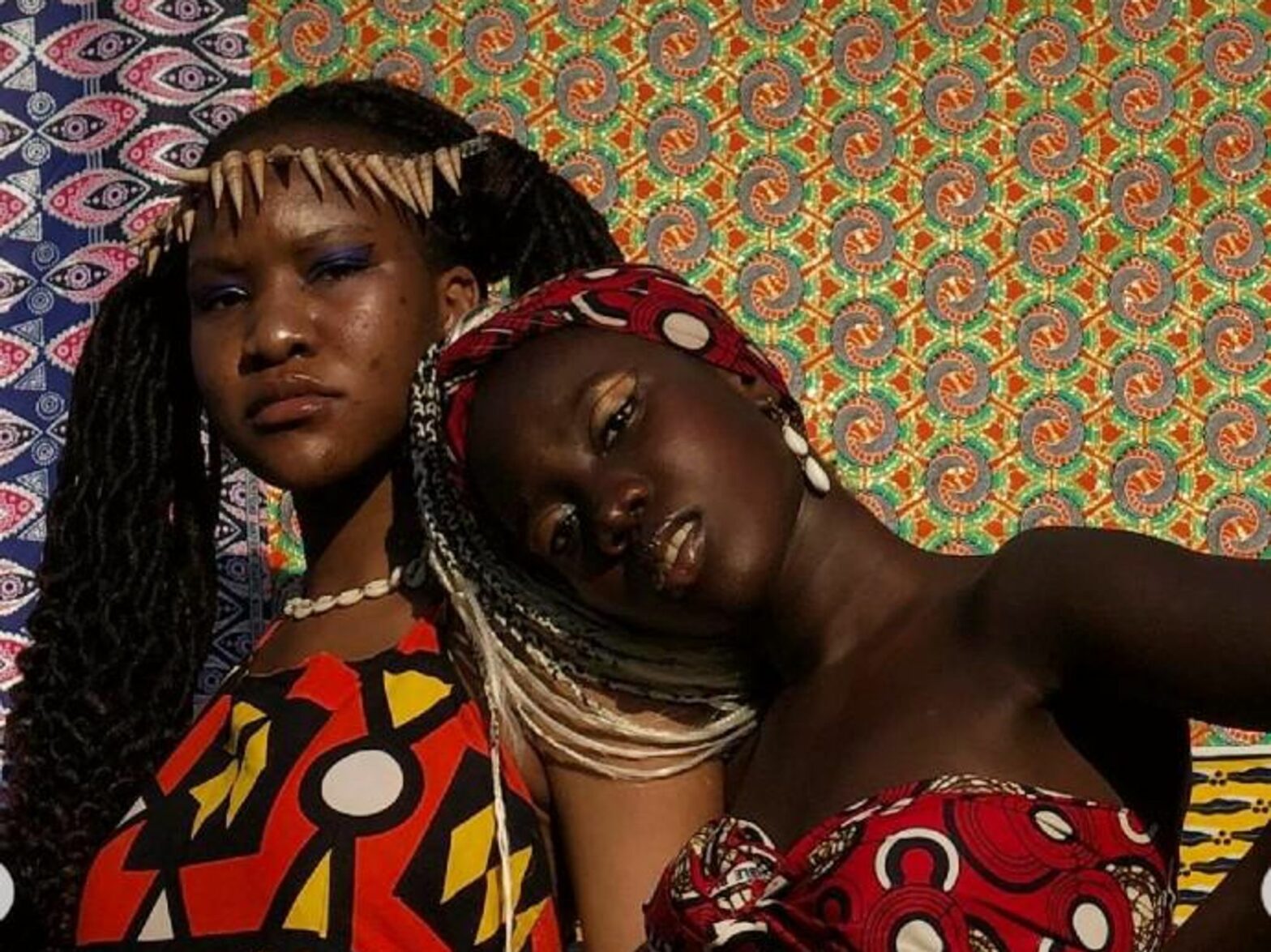
There is a persistent misconception that African women fighting for their rights and building their identity owe a debt to feminism passed down by White women and the West. It is crucial to understand that there are unique forms of feminism that have developed on and of the African continent.
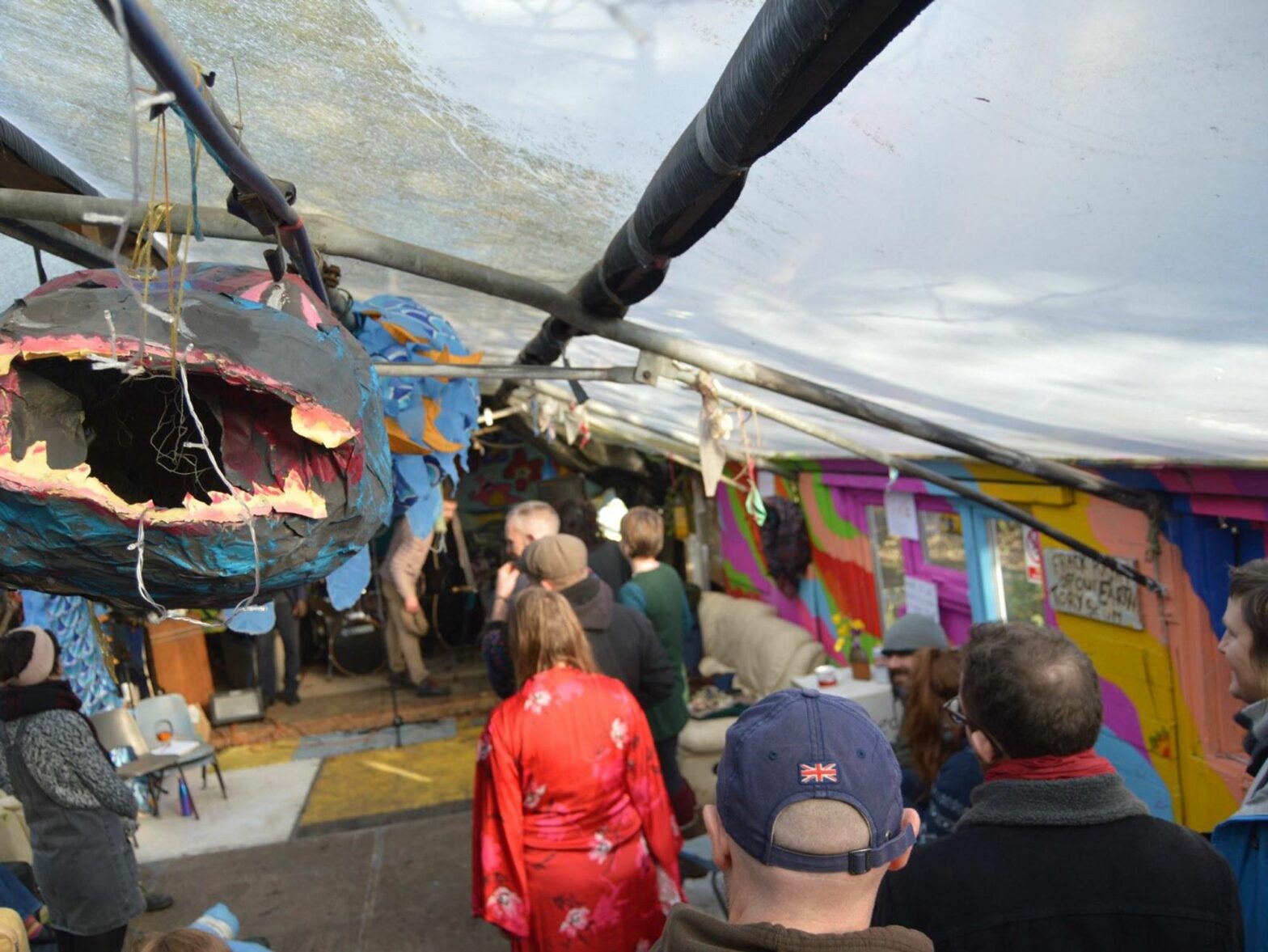
Imagine self-organized forms of building, from remodeling existing structures to building entirely new spaces to accommodate individual liberty and radical change in social organization. It’s a movement whose time may be coming.