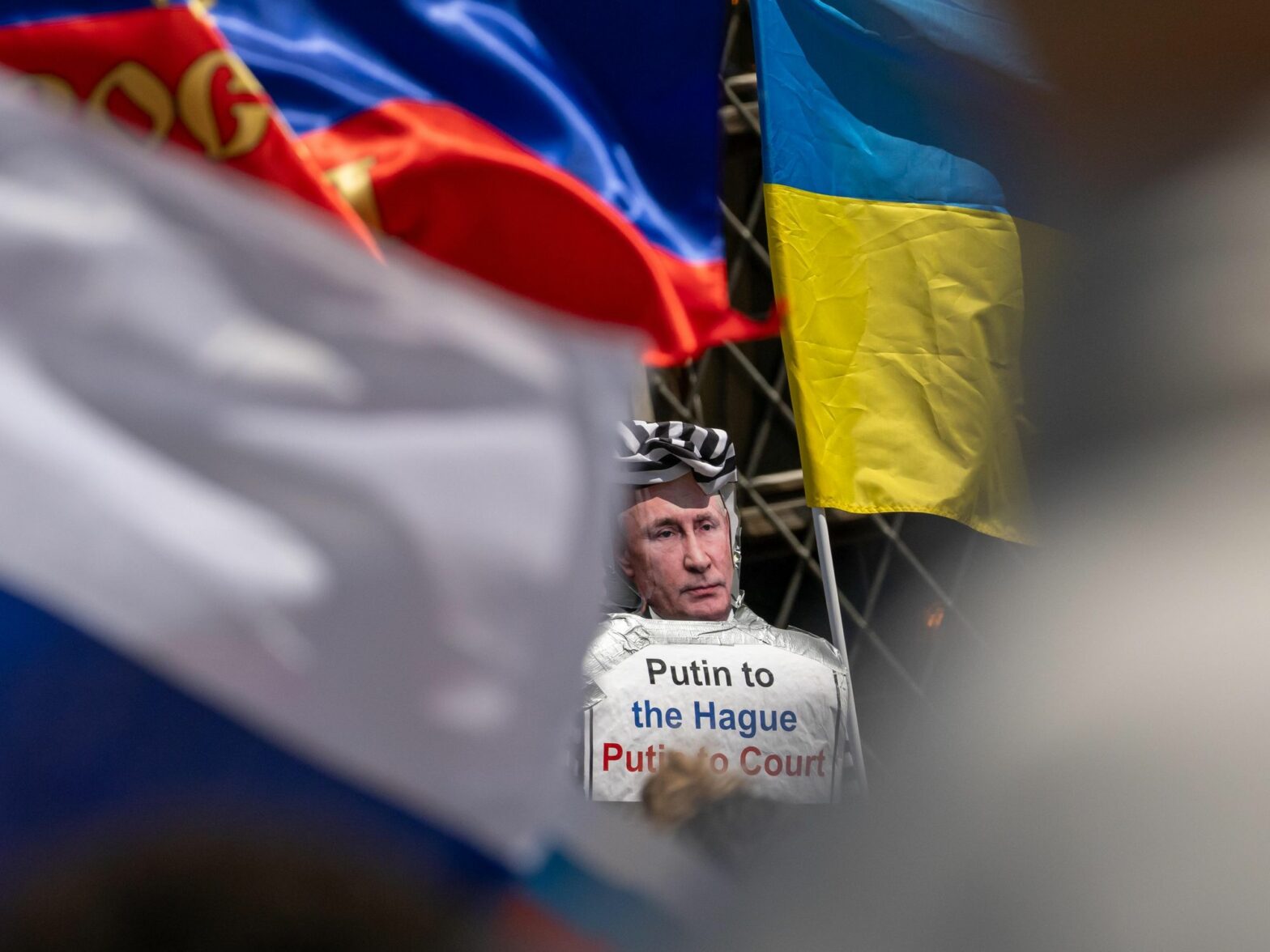
Consider the inverse of “collateral damage.” Envision Russia’s defeat and the triumph of a democratic coalition offers reflection on the most weighty sense of costs and benefits.
 Worldcrunch
Consider the inverse of “collateral damage.” Envision Russia’s defeat and the triumph of a democratic coalition offers reflection on the most weighty sense of costs and benefits.

Reports that the new AI natural-language chatbot is a threat to Google’s search business fails to see that the two machines serve very different functions.
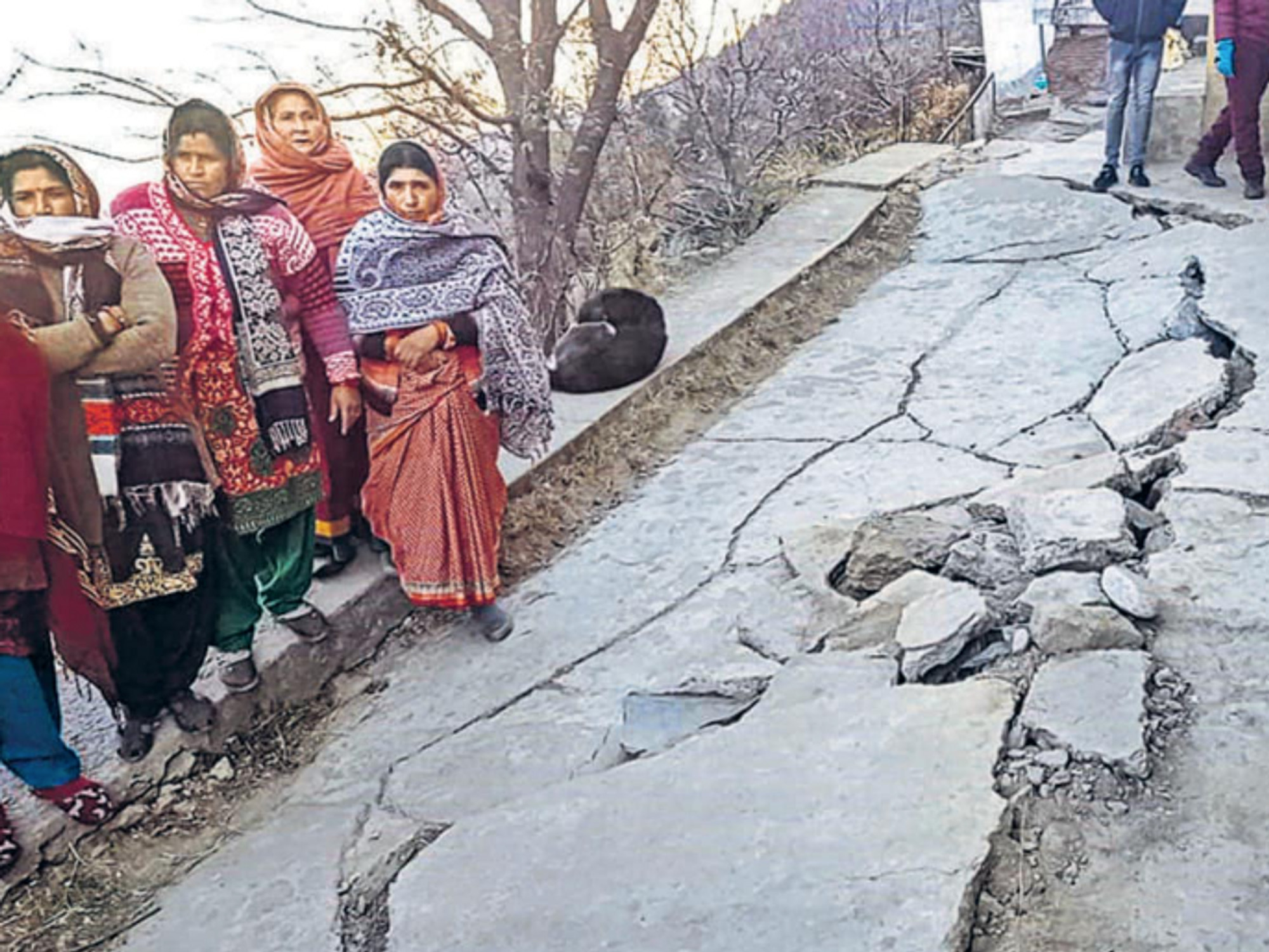
The Indian authorities’ decision to hide factual reports on the land subsidence in Joshimath only furthers a sense of paranoia.
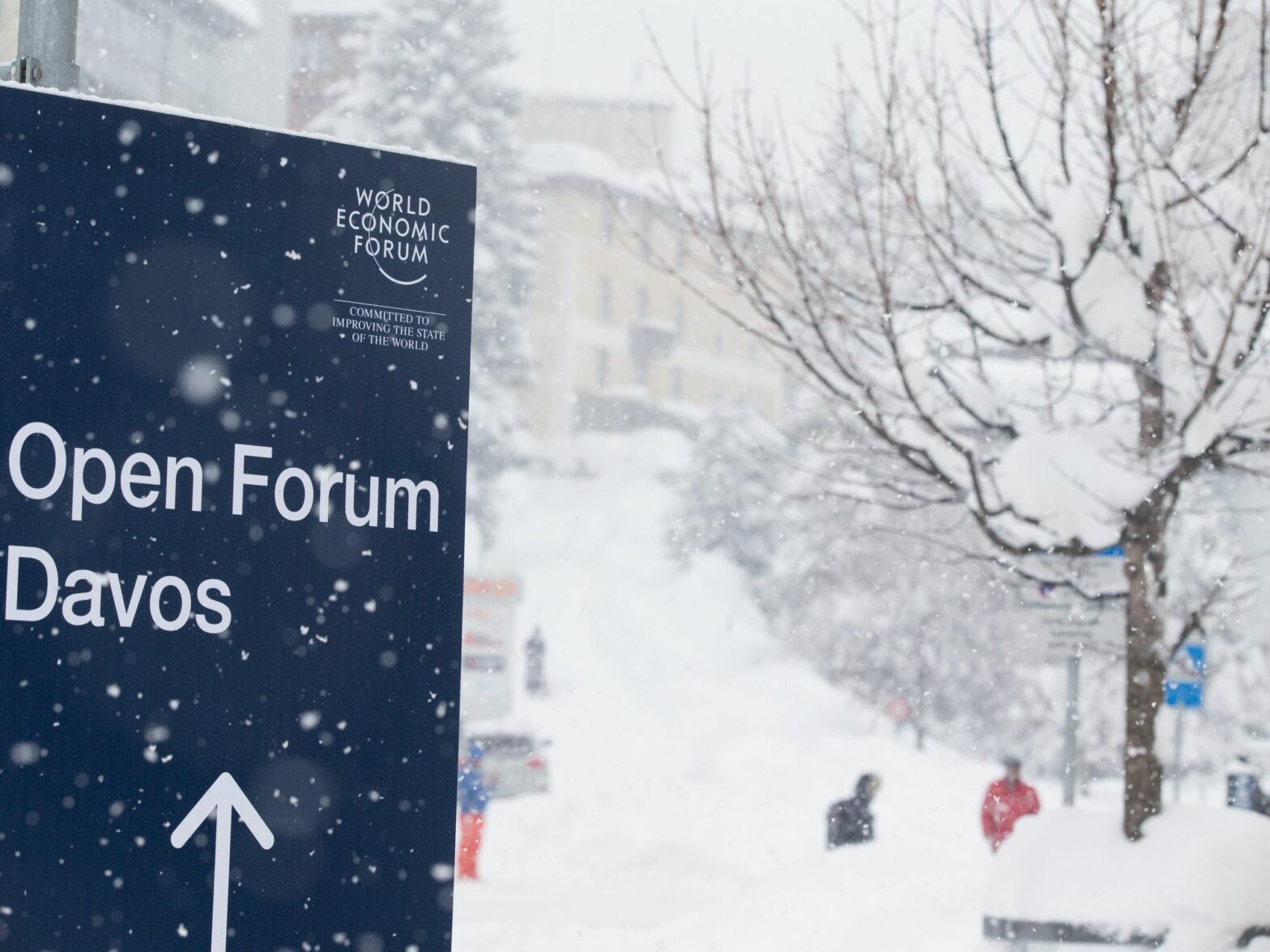
The Davos Forum was once a true shaper of our collective future in a globalized world. Today it is beyond its expiry date, even if global solutions to global problems are needed more than ever.
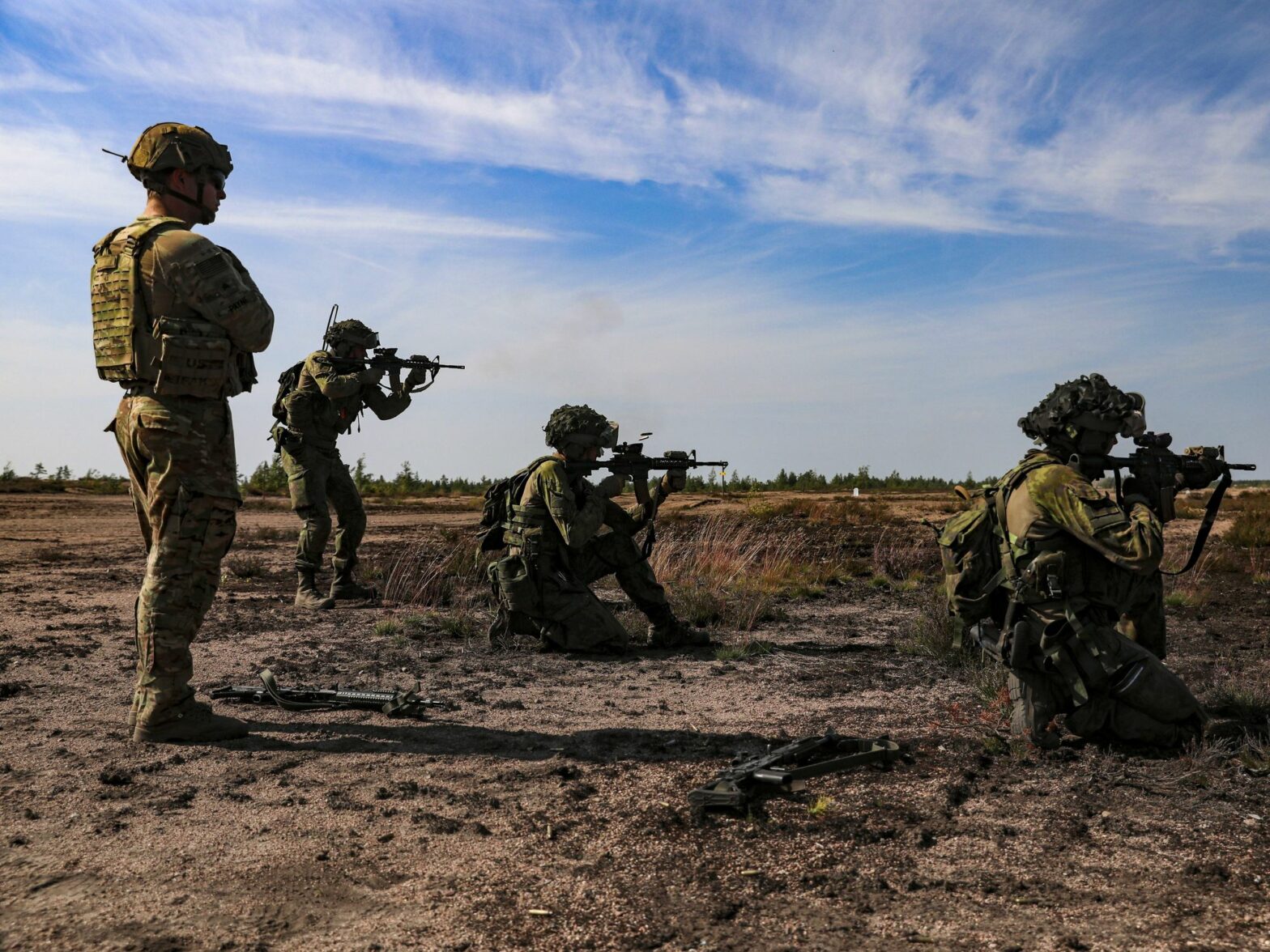
The EU and NATO have vowed to expand cooperation, which may mean a major long-term shift in European defense strategy. Still, the French know that the reality on the ground means that European defense effectively still means NATO.
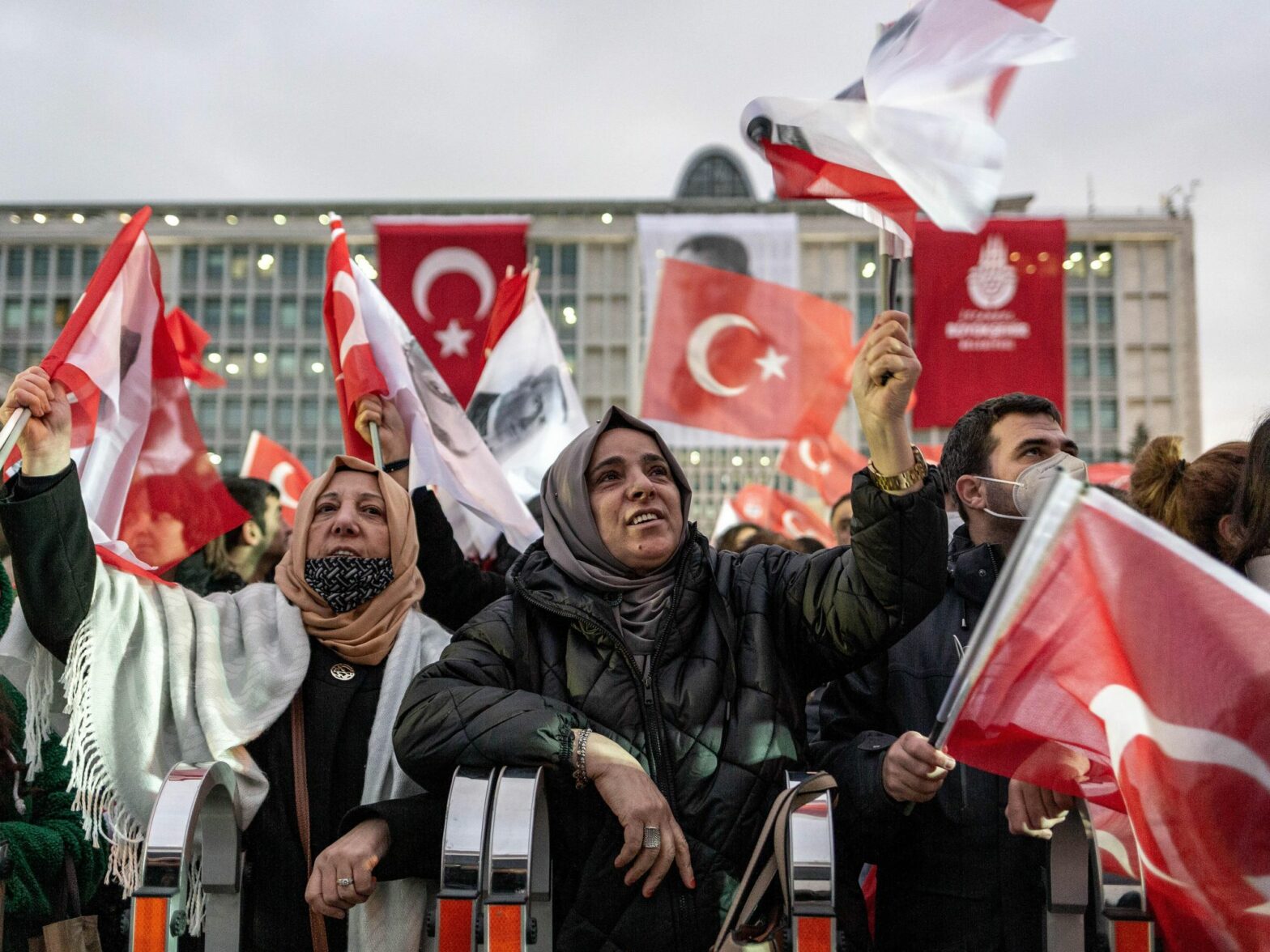
Turkey heads to the polls in June in elections that decide the country’s future direction. It is a referendum on President Erdoğan, but also a challenge for the divided opposition. Much is at stake in a country roiled by multiple crises and declining trust in its leaders.
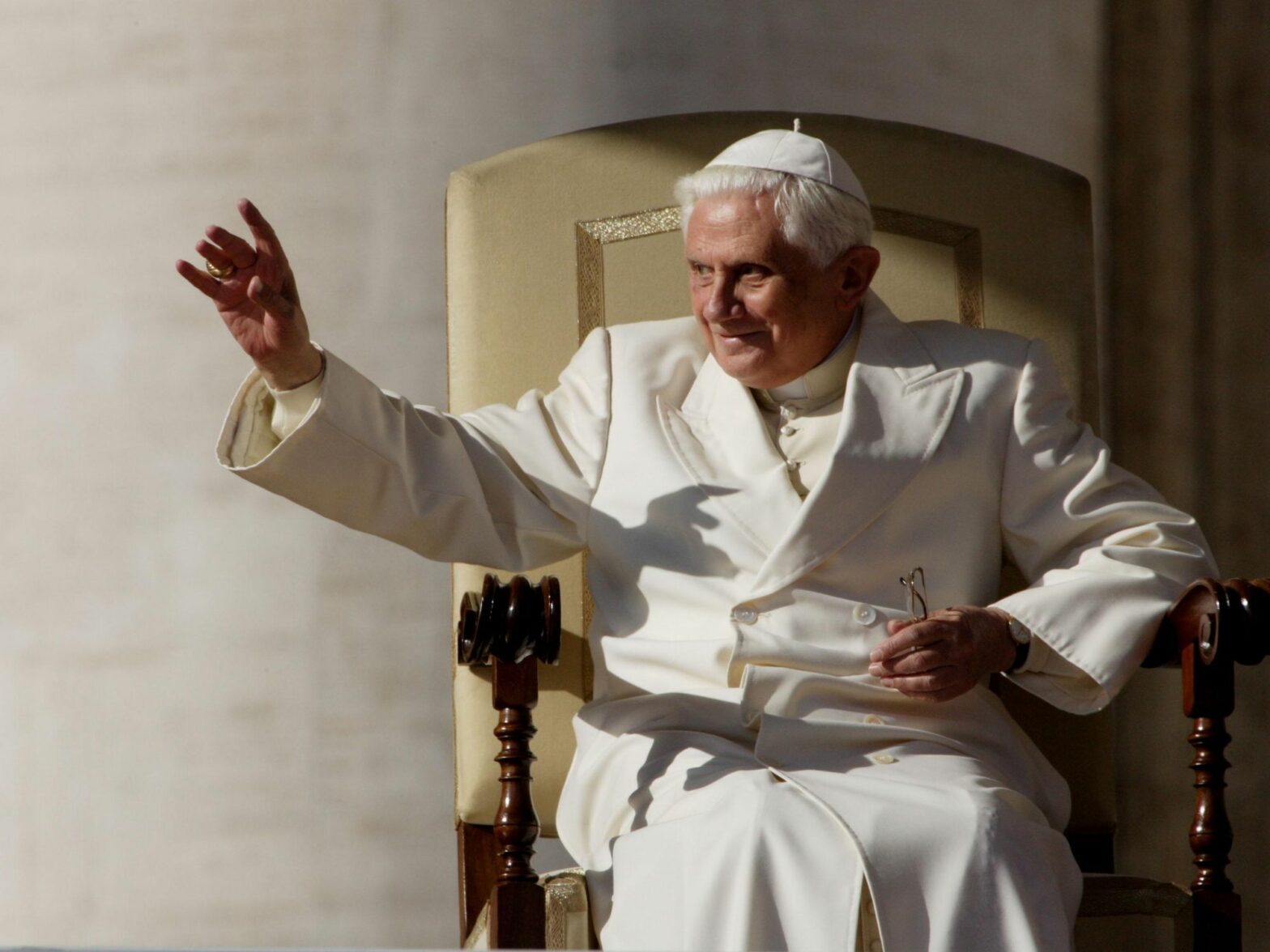
In his Spiritual Testament, Pope Benedict XVI only cited Protestant theologians – not a single Catholic thinker. Were the Catholics not interesting enough for him? And what do Joseph Ratzinger’s pre-modern understanding of the concept of reason and inaccurate Kant quotes have to do with it?
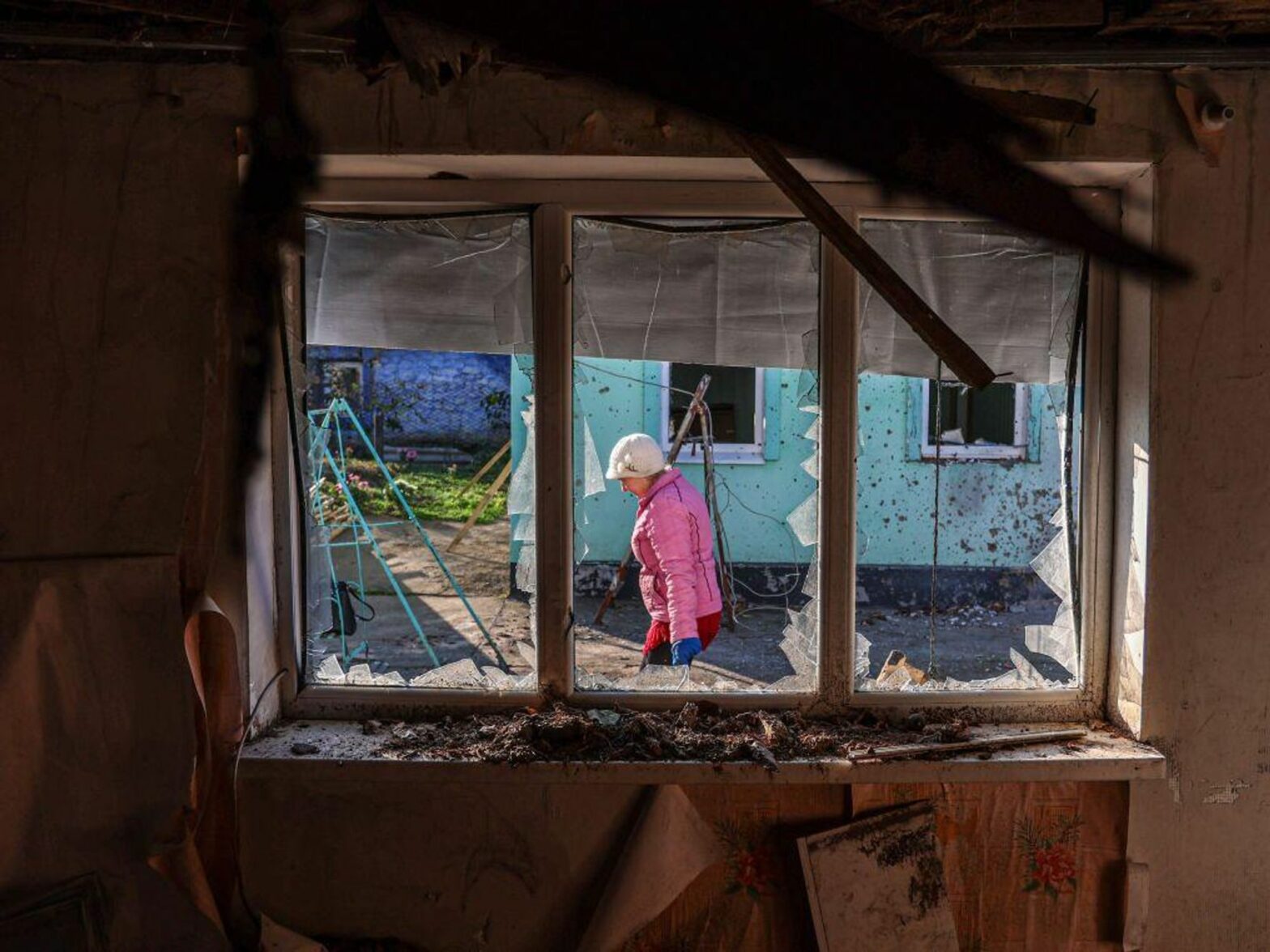
After a grim New Year, a soldier and mother reflects on the trauma of the past 10 months: fear, the corpses of friends and the choice between her own children and joining the war effort.
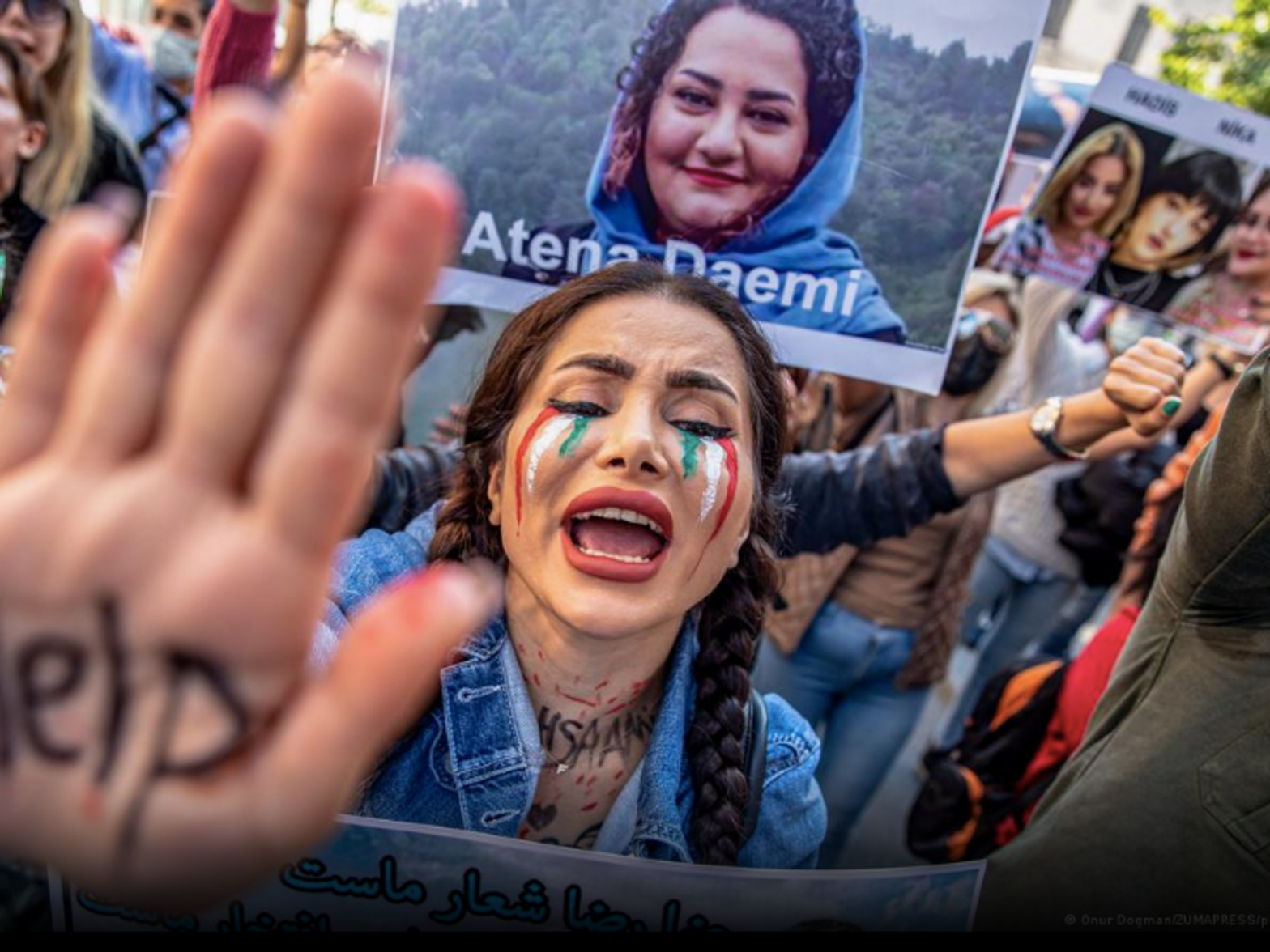
The revolt in Iran began in protest of police brutality and the Islamic Republic’s rotten structures, but quickly became a “revolution of minds,” hastening the rise of a national community united in its resolve to live in a free and lawful state.
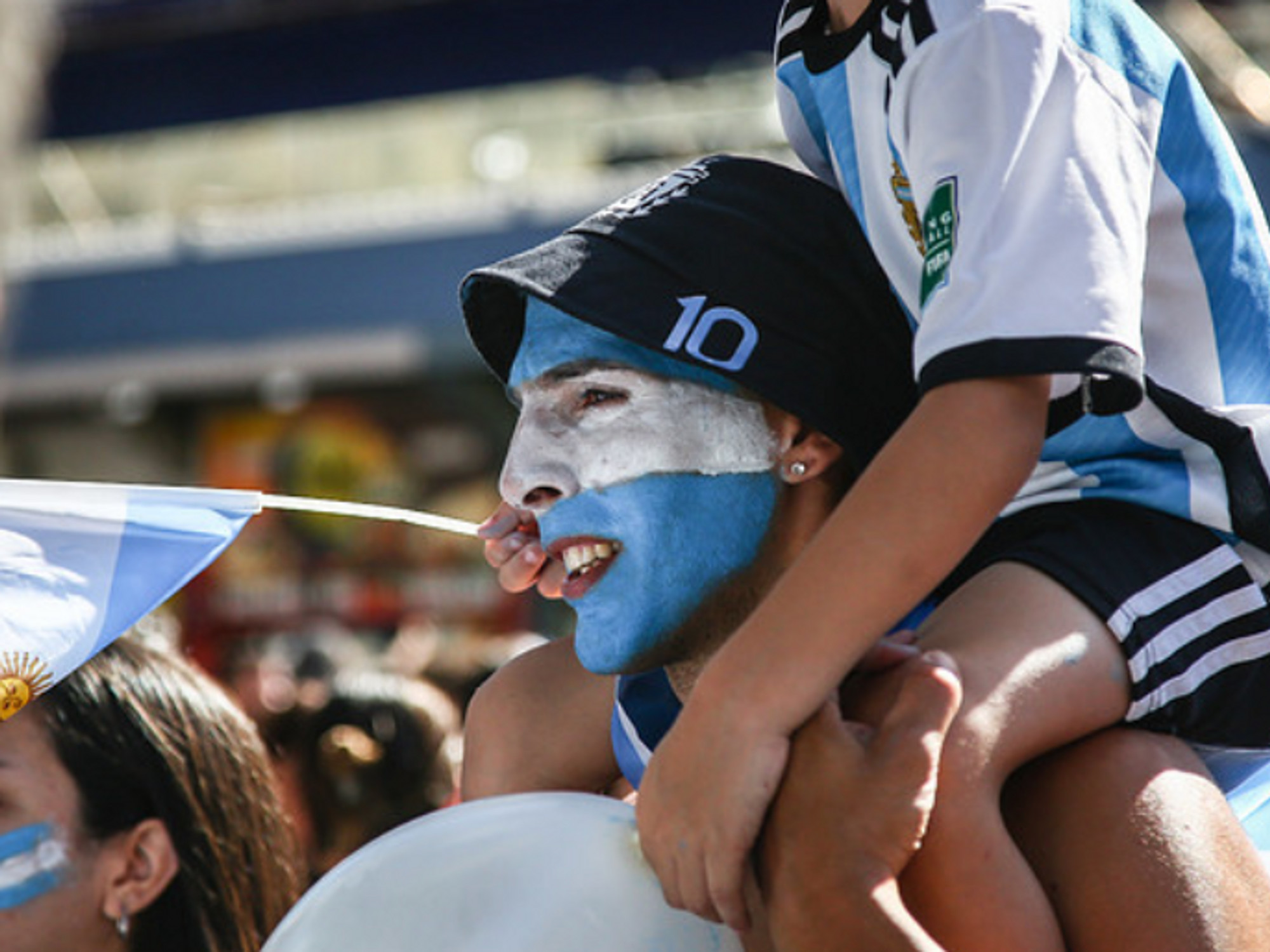
Reflections from a still celebrating padre …

Less than a week after being sworn in for the sixth time as Prime Minister, Benjamin Netanyahu was defied by a highly charged visit his far-right coalition ally, Itamar Ben-Gvir, made to the al-Aqsa Mosque compound, that has enflamed the entire Muslim world. Netanyahu has a choice to make.
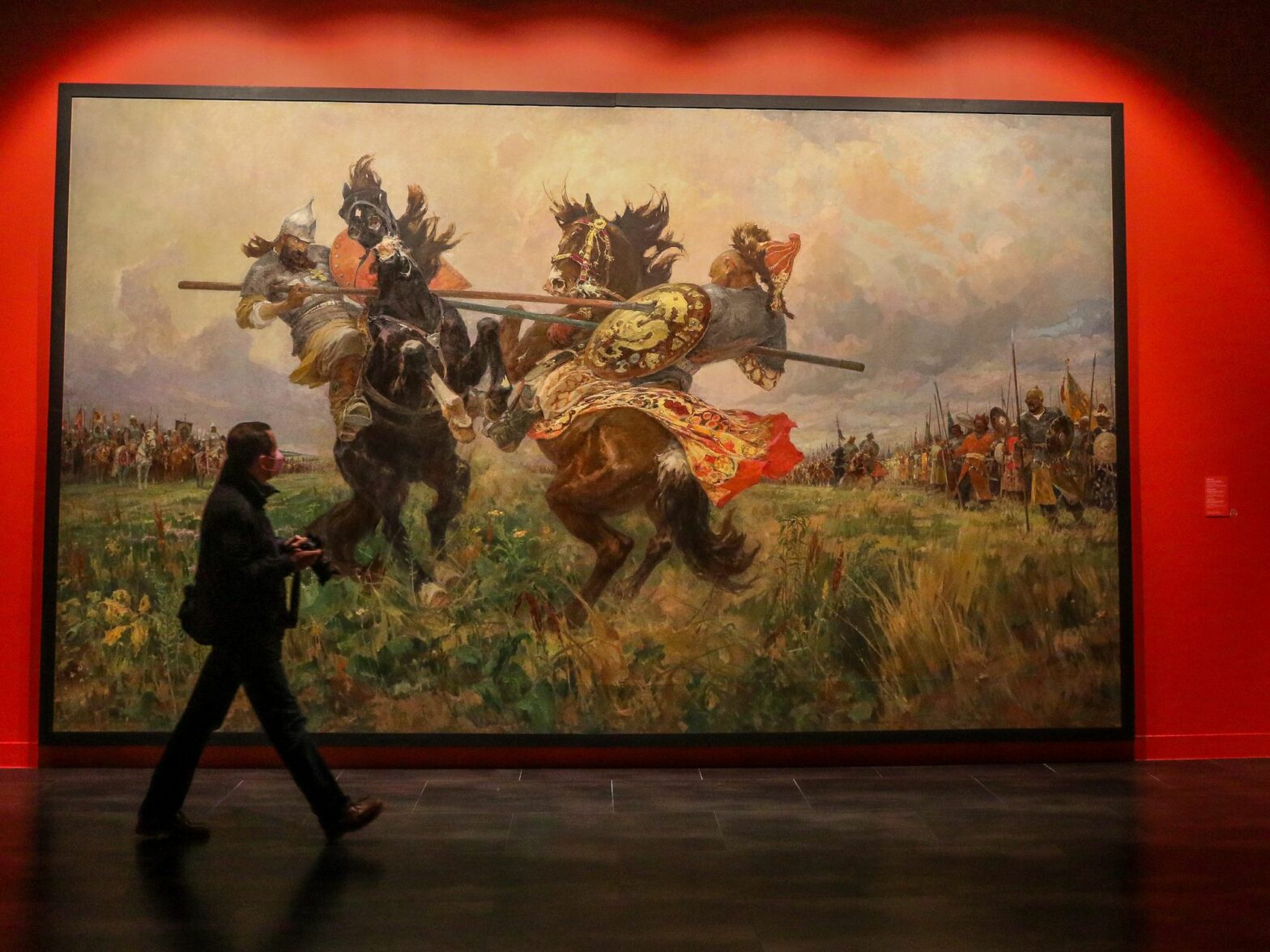
The Ukrainian Culture Minister has called for a total boycott of Russian culture. Such a move should be resisted because it ignores culture’s potential to challenge power.
Worldcrunch asked its staff to choose the articles published this year that made a particular impression on them. They largely cover the major events that marked the news in 2022, from the war in Ukraine to the protests in Iran and the overturning of Roe v Wade in the U.S. Here are the 10 stories […]
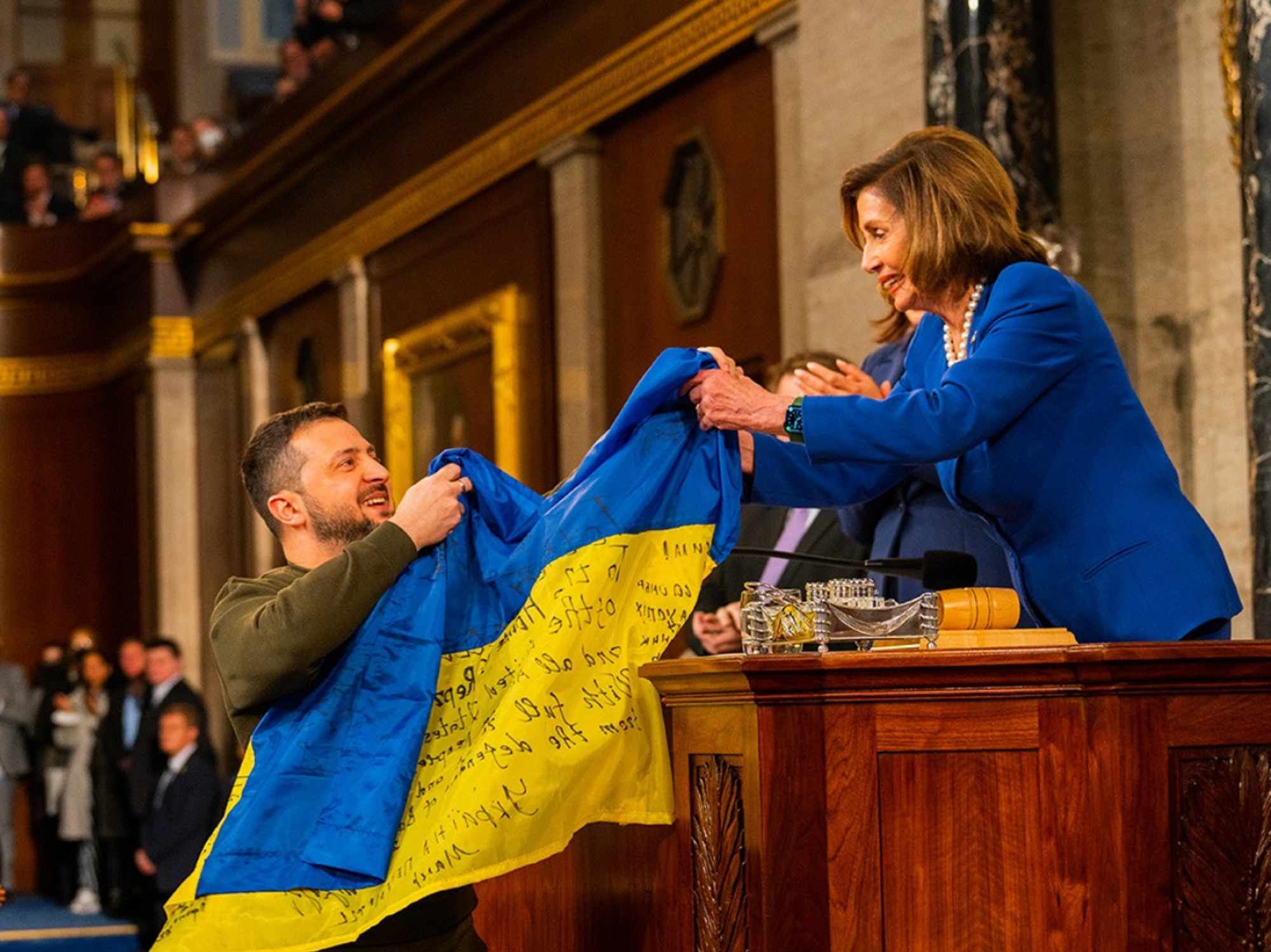
On his historic trip to Washington, Ukrainian President Volodymyr Zelensky recalls Winston Churchill in multiple ways, including that we wouldn’t have thought much of either one before war turned each into leaders of epic proportions. A view from Germany.
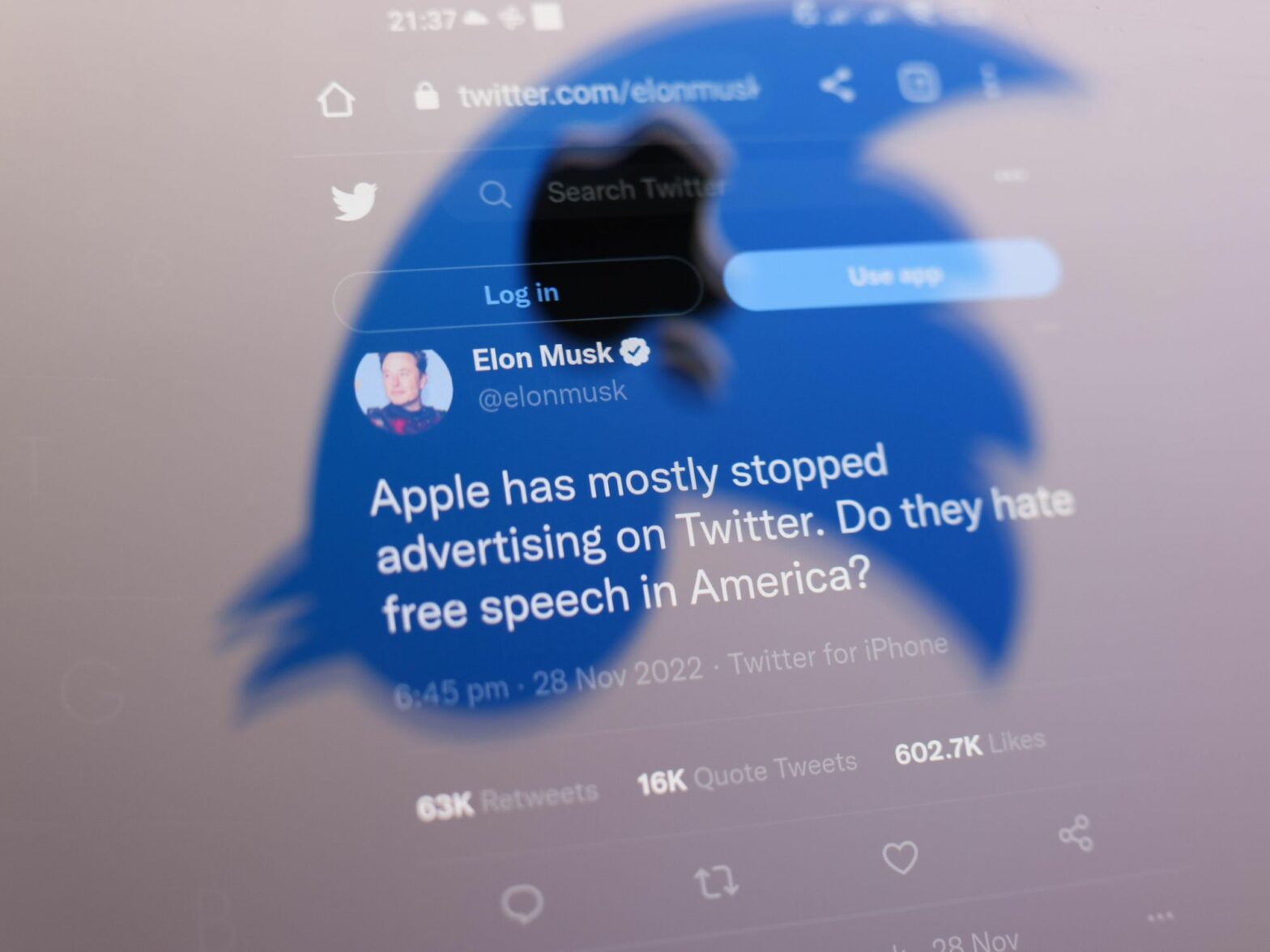
For Worldcrunch’s editor-in-chief, the arrival of ChatGPT, a stunningly powerful AI-driven tool for automated writing, combined with the rising noise on social media, have brought us to a troubling inflection point in the way we communicate with each other.
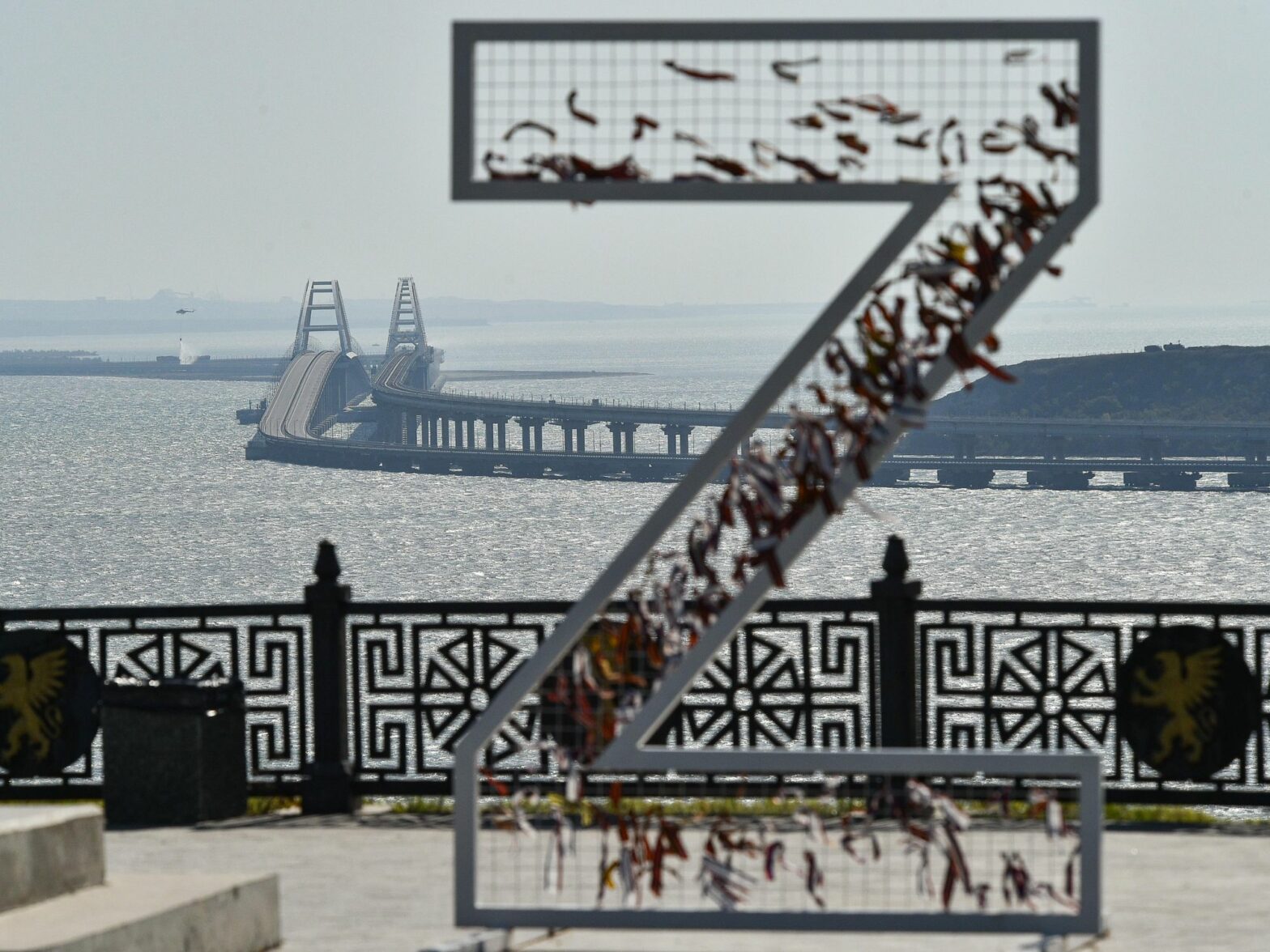
Russian-born, Kyiv-based writer Michael Sheitelman writes that while everybody is afraid of Russia’s bitter wrath should it be forced to relinquish Crimea, the same should go for Ukraine. Imagine that scenario now…
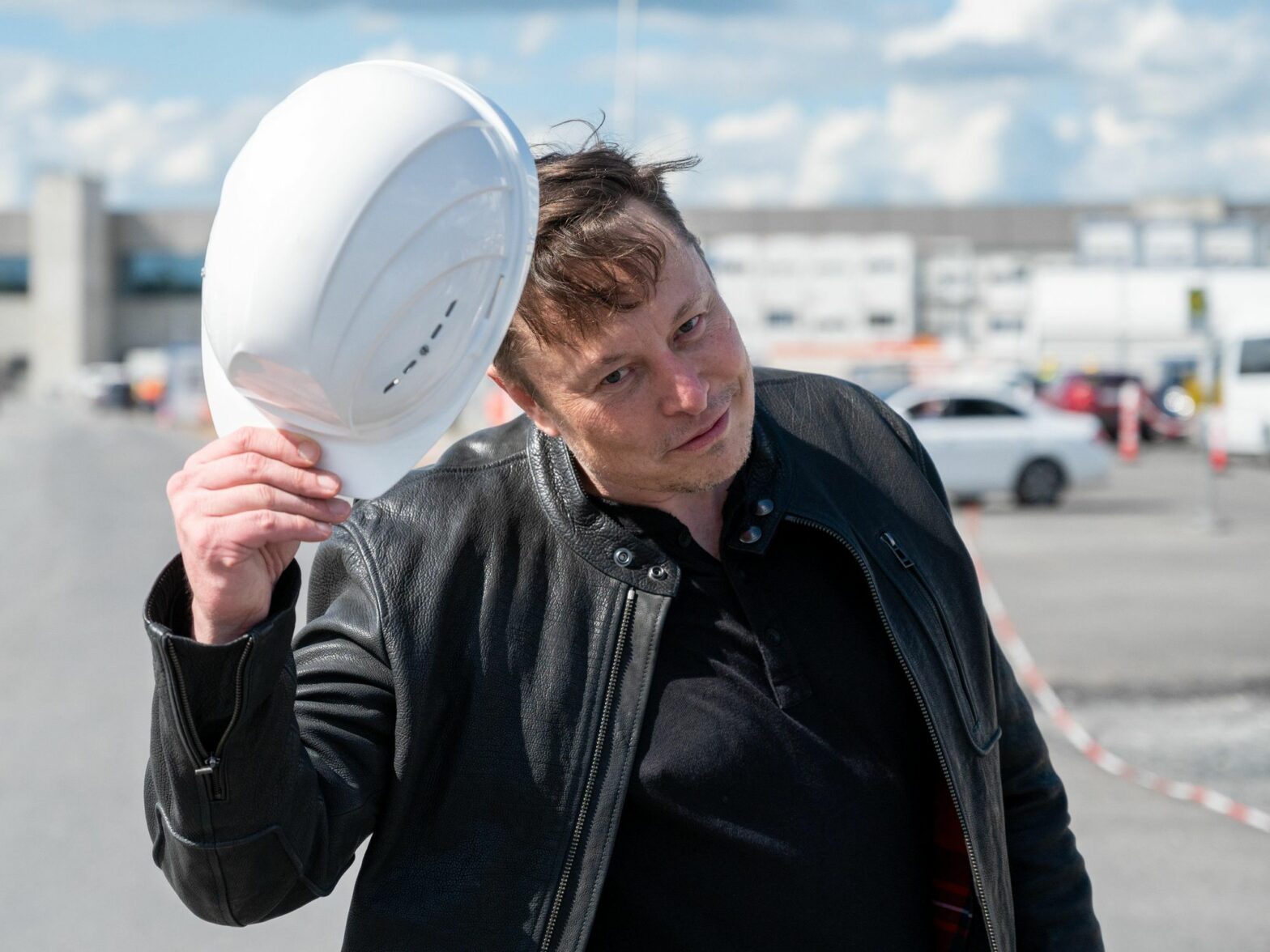
Theodore Kury, Director of Energy Studies at the University of Florida, sees value in thinking of social media as the pipeline that carries a new kind of utility: information. He makes the case for regulating companies like Twitter accordingly.
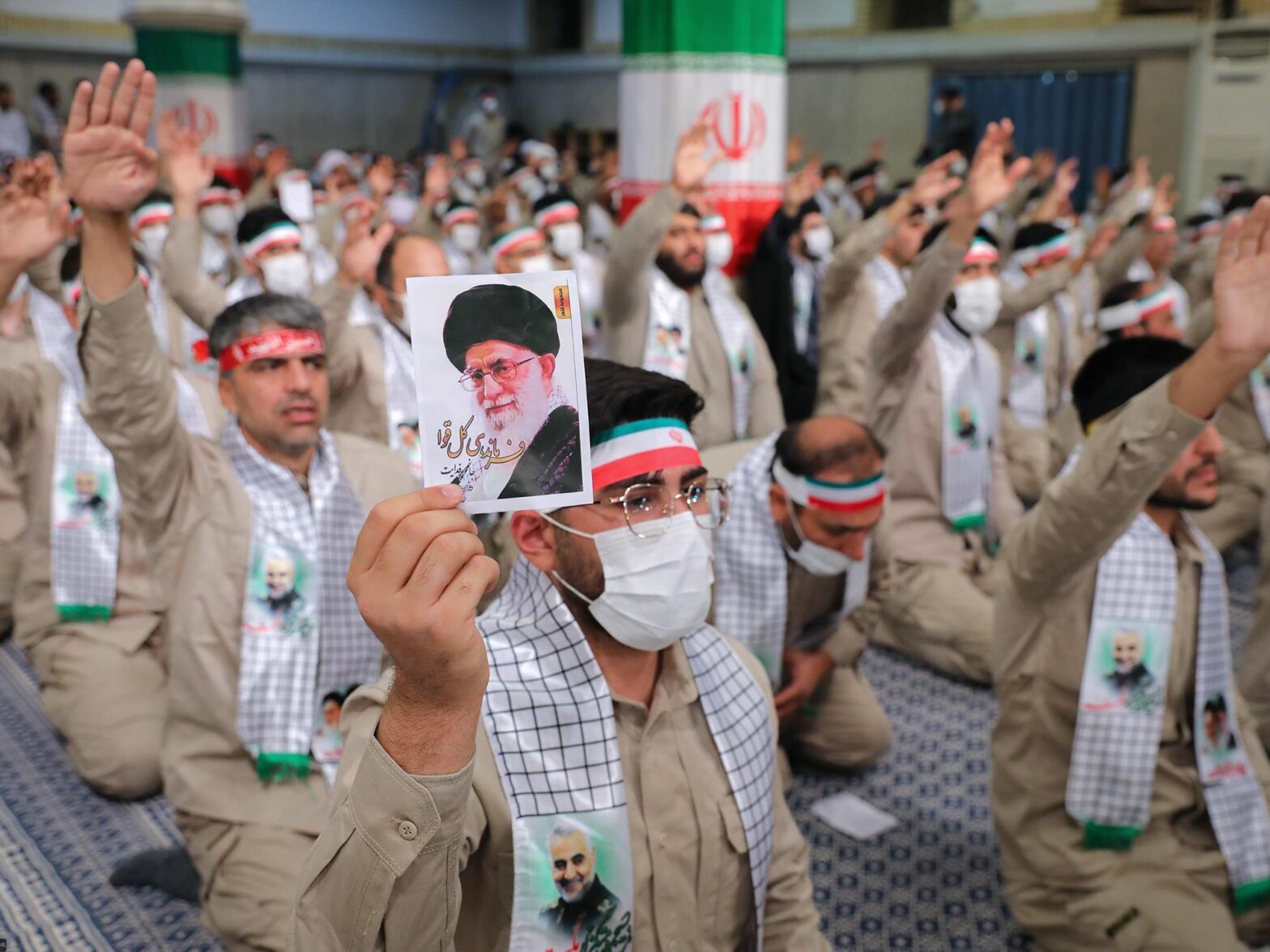
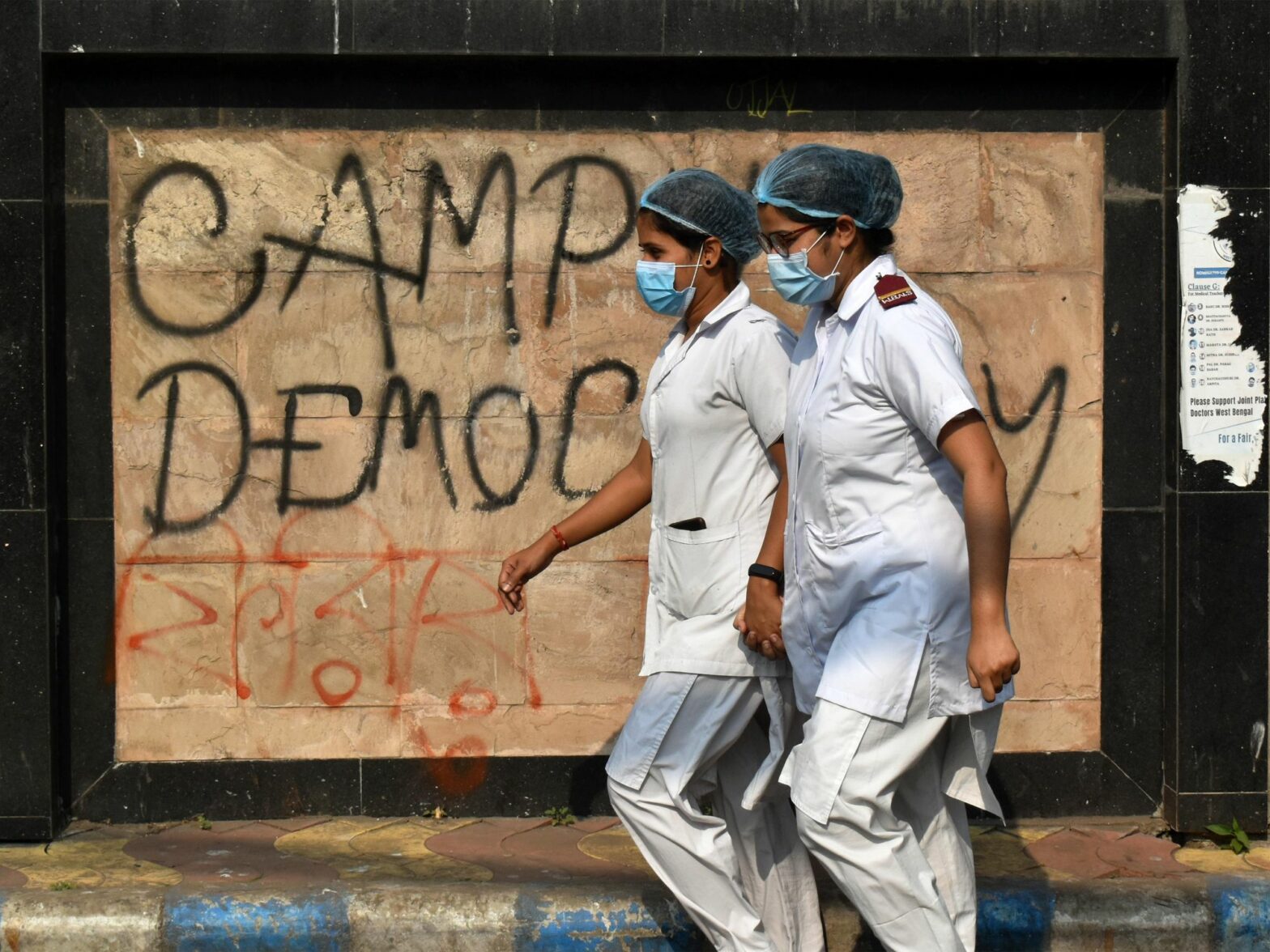
The public sector has seen a revival in response to COVID-19. This can be a good thing, but must be checked carefully because history tells us of the risks of too much control in the government’s hands.
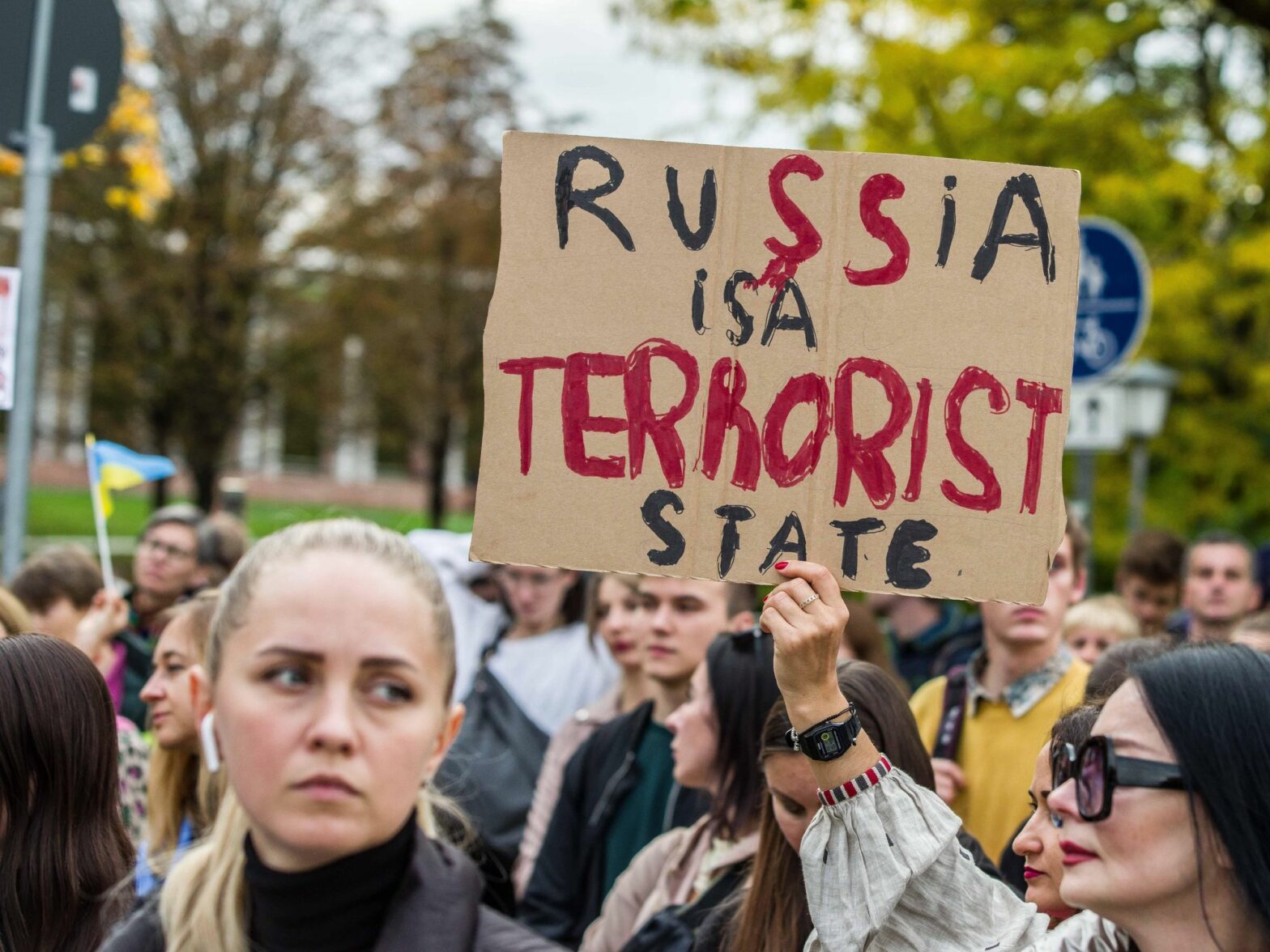
A Ukrainian journalist considers the controversy over the shutting down of exiled, independent Russian television station TV Dozhd. Can Russians be opposed to Putin’s war and yet support the troops?
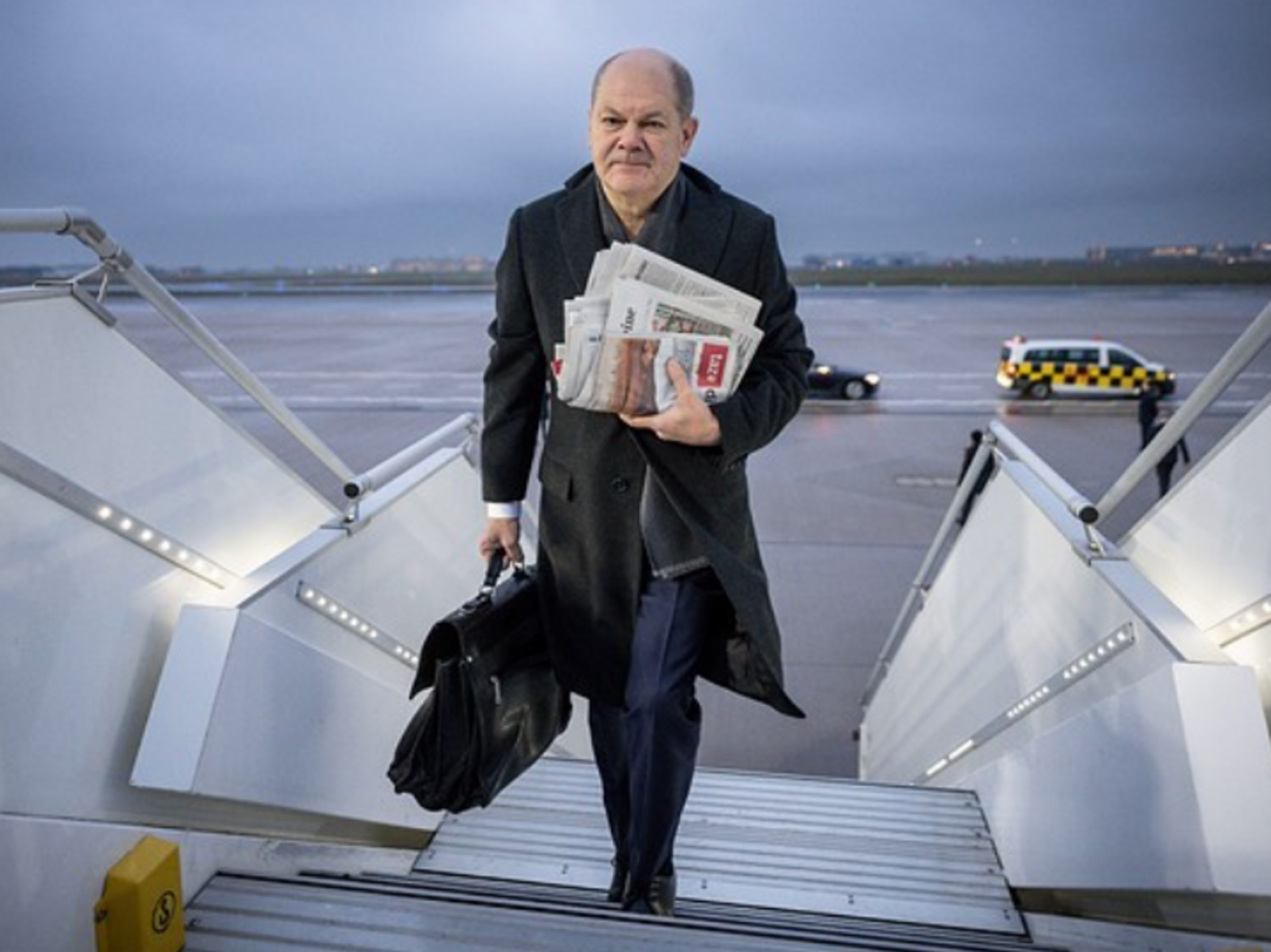
Olaf Scholz took over for Angela Merkel a year ago, but for many he remains a mysterious figure through a series of tumultuous events, including his wavering on the war in Ukraine.

Nearly a century since the post-Ottoman reform of the Turkish alphabet, which replaced the Arabic letters with Latin based ones, the issues it evokes on both the personal and political level are still very much alive.
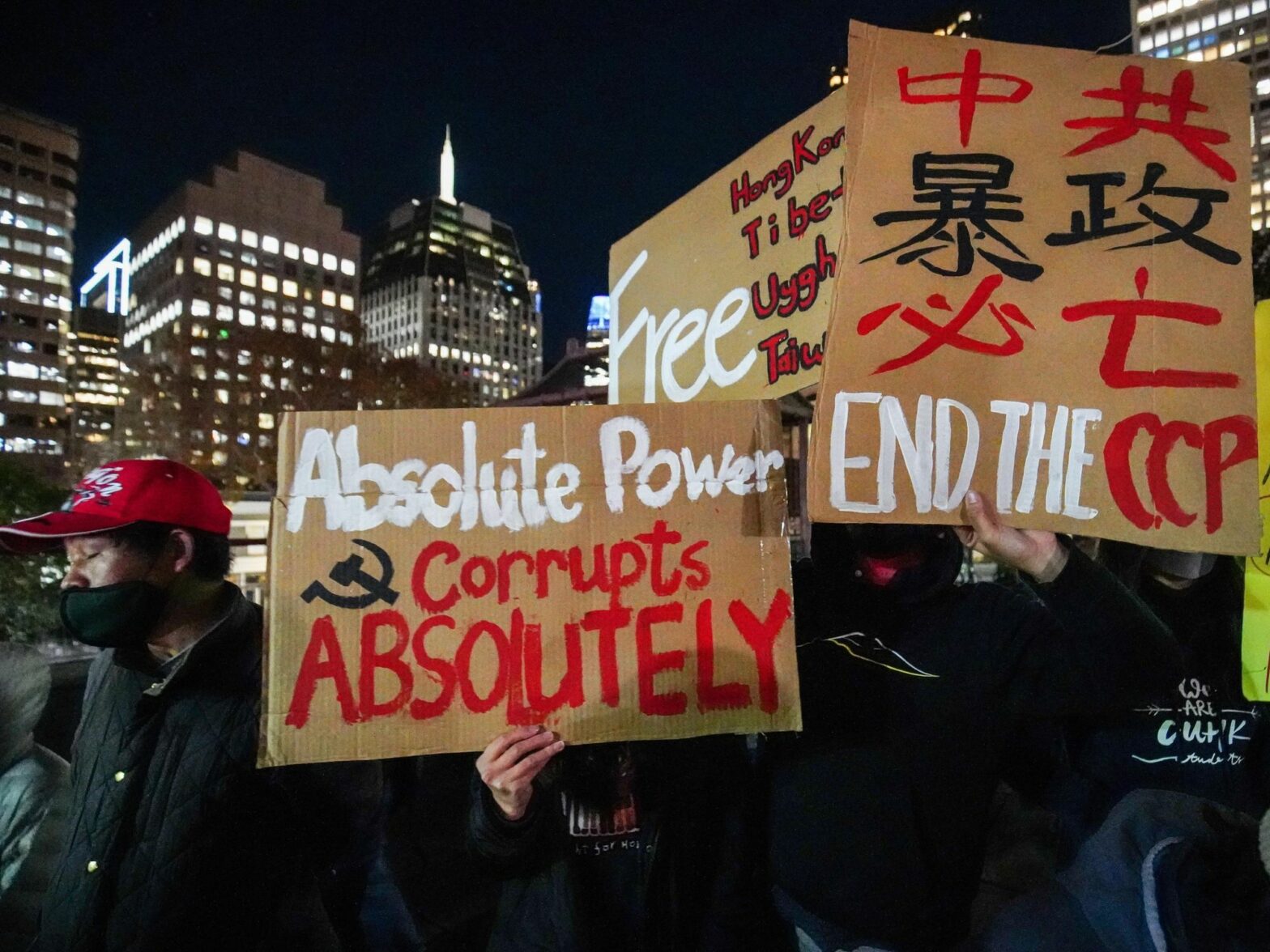
While many Chinese citizens are indeed fed up with the government’s Zero-COVID policy, predicting that a mass revolt is ready to overturn Communist rule is the latest sign of our deep misunderstanding of the Asian superpower. A view from Bogotá of a former Beijing correspondent.

Elon Musk bought Twitter in the name of absolute freedom. But numerous research shows that social media hate speech leads to actual violence. Musk and others running social networks need to strike a balance.
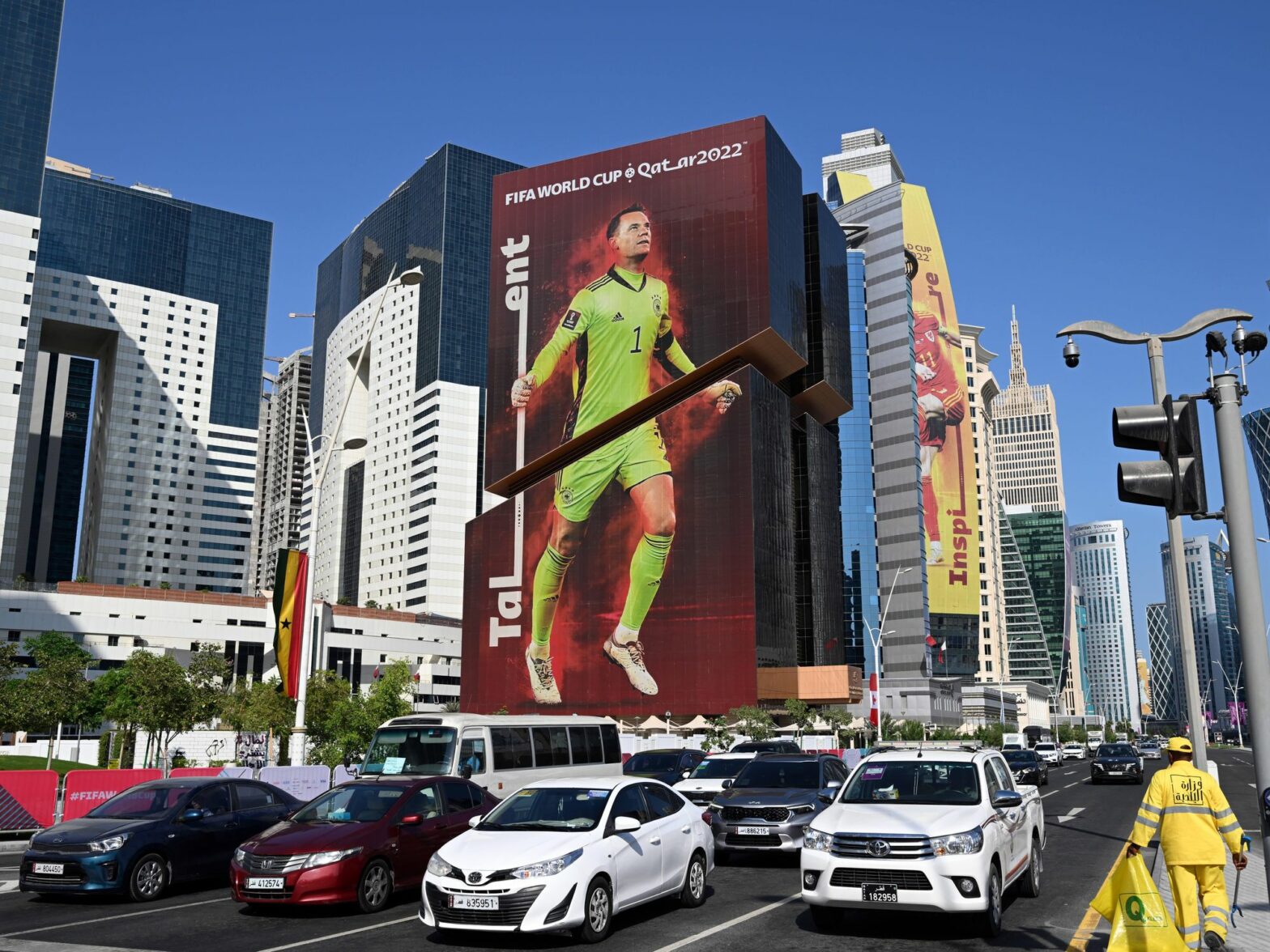
Soccer is a useful political tool for dictatorships. But Qatar is able to milk the World Cup as much as possible because the sport is infected by unbridled capitalistic greed.
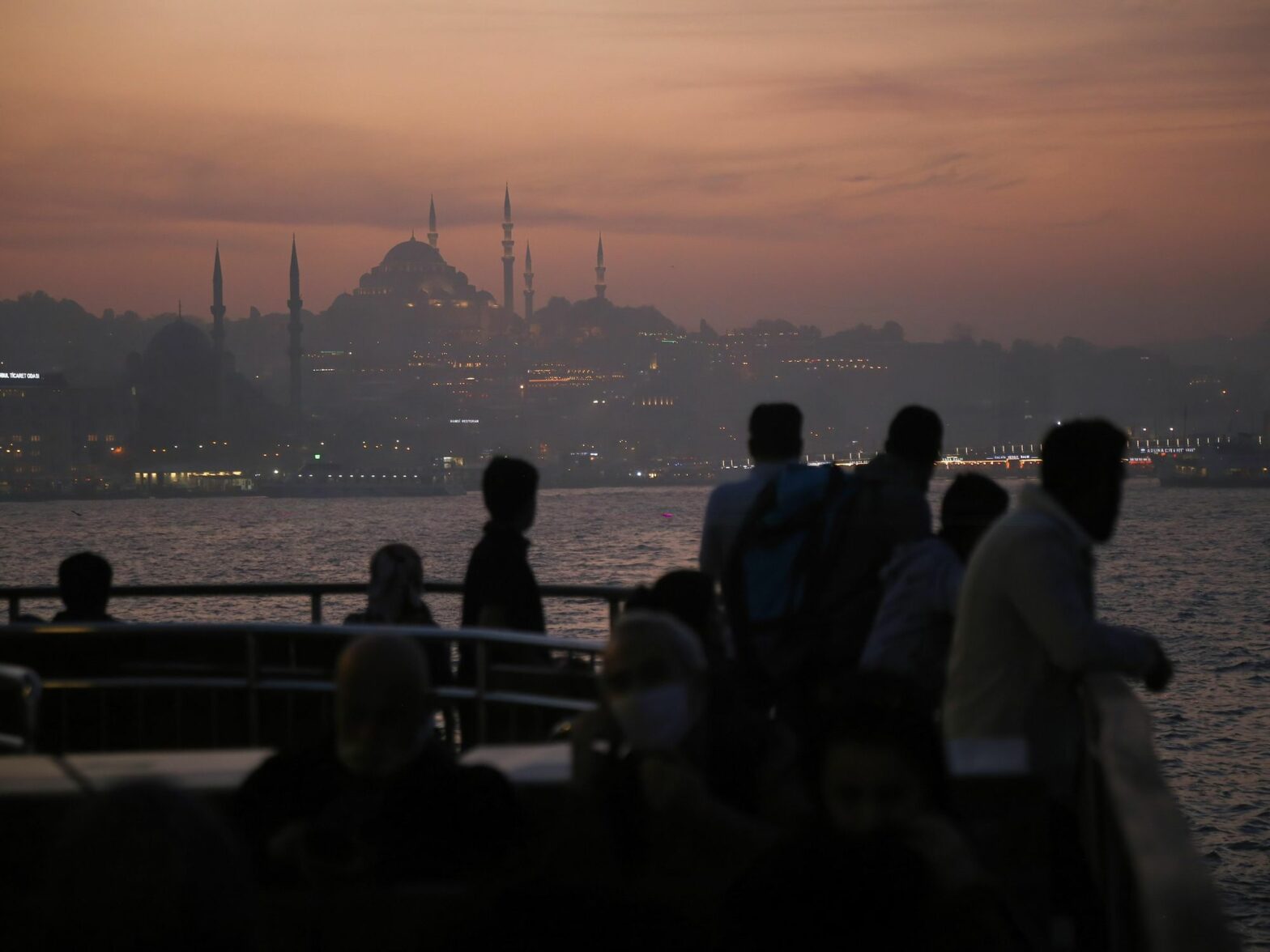
Turkey heads to the polls next year as it faces its worst economic crisis in decades. Disillusioned by corruption, many young people have already left. However, Turkey’s disaffected young expats are still very attached to their country, and could offer the best hope for a new future for the country.

American and Southwest Airlines have been refusing to allow Cubans on board flights if they’ve been blacklisted by the government in Havana.
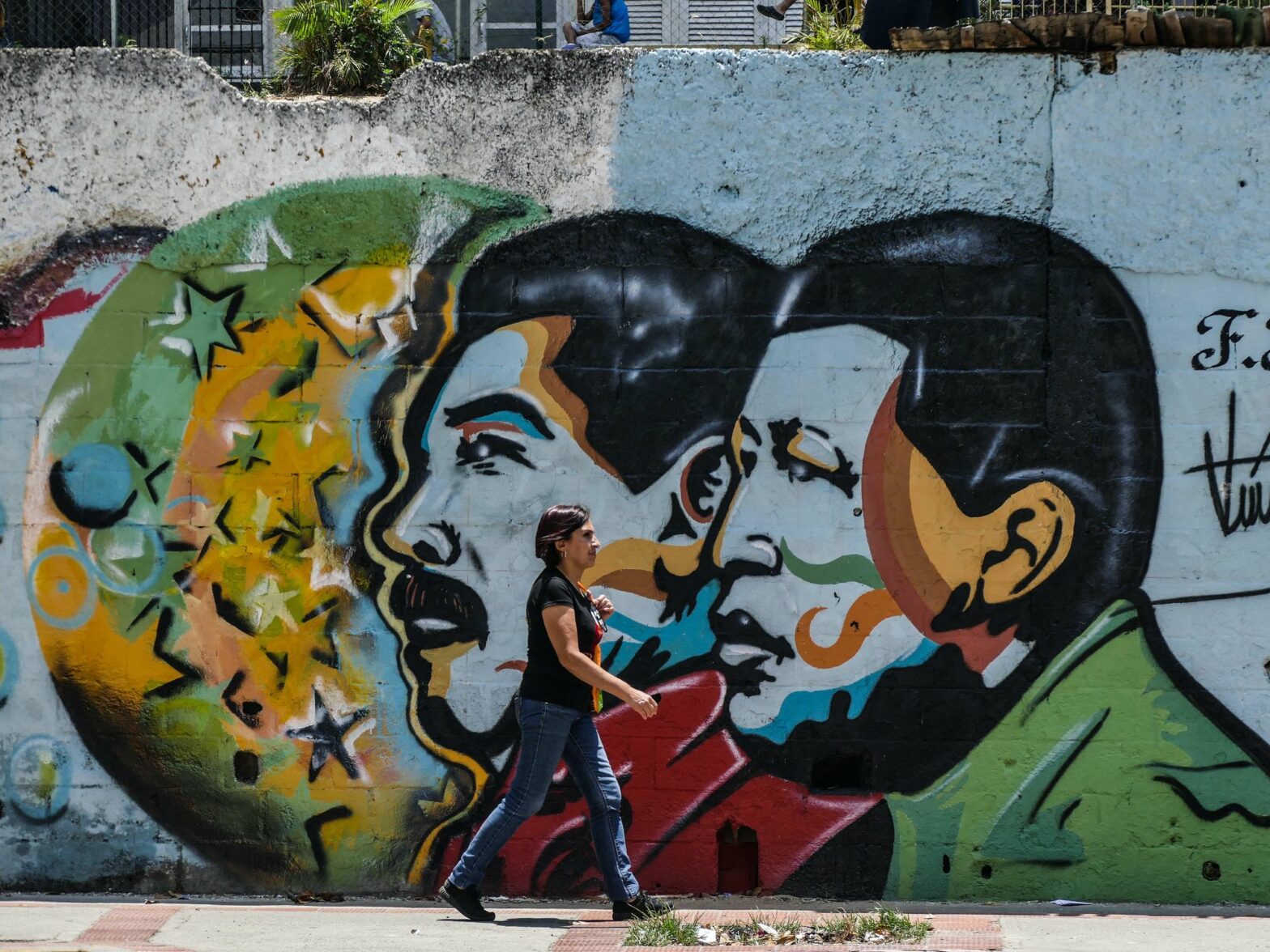
The Left is constantly being hailed as the resurgent power in Latin America. But there is no unified Left in the region. The “movement” is diverse — and its divisions are growing.
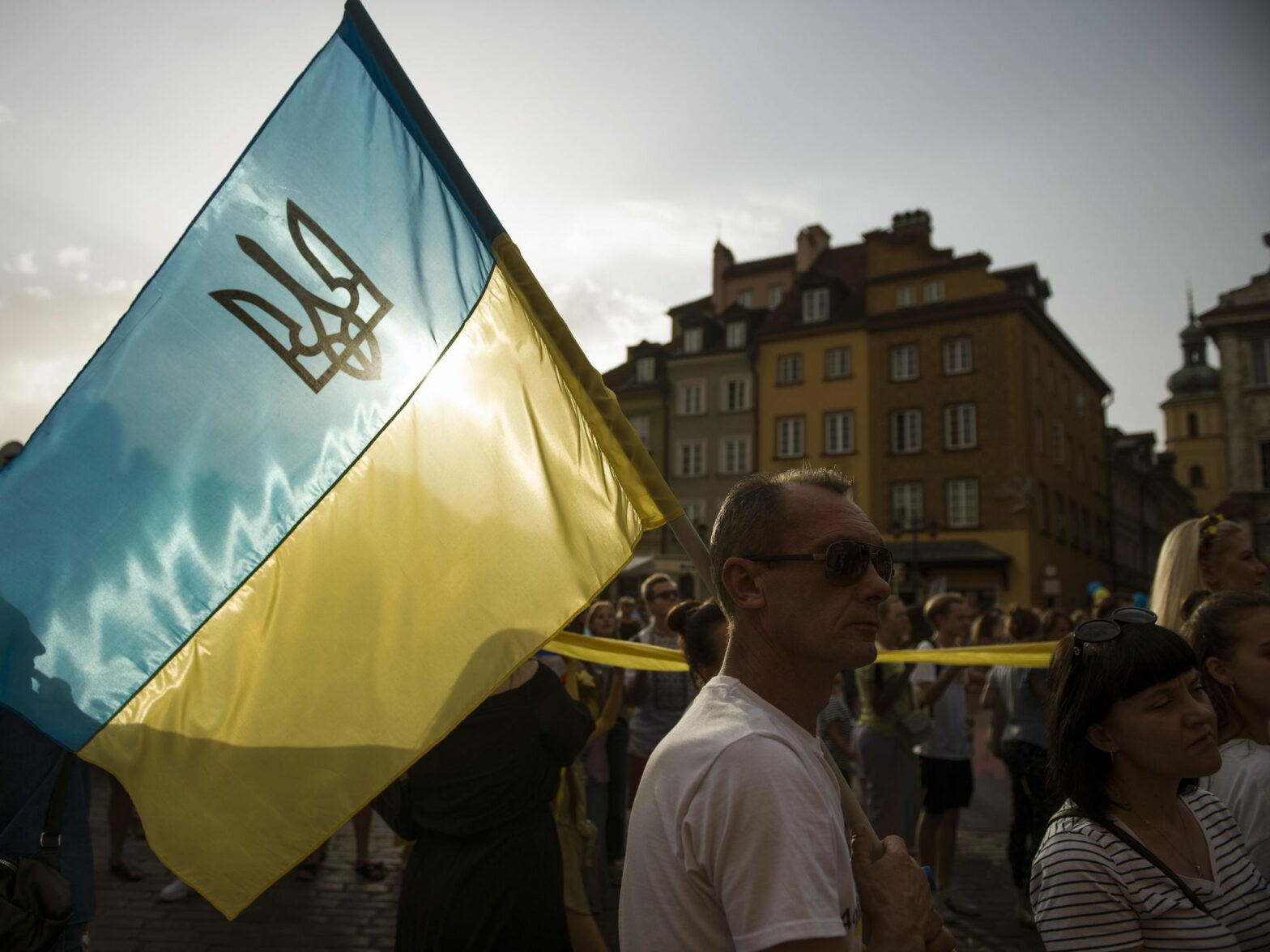
David Stulik, senior research analyst at the Prague-based European Values Research Center, explains the risks of continuing to calculate all our choices according to hypothetical fears of and future compromises with Russia.
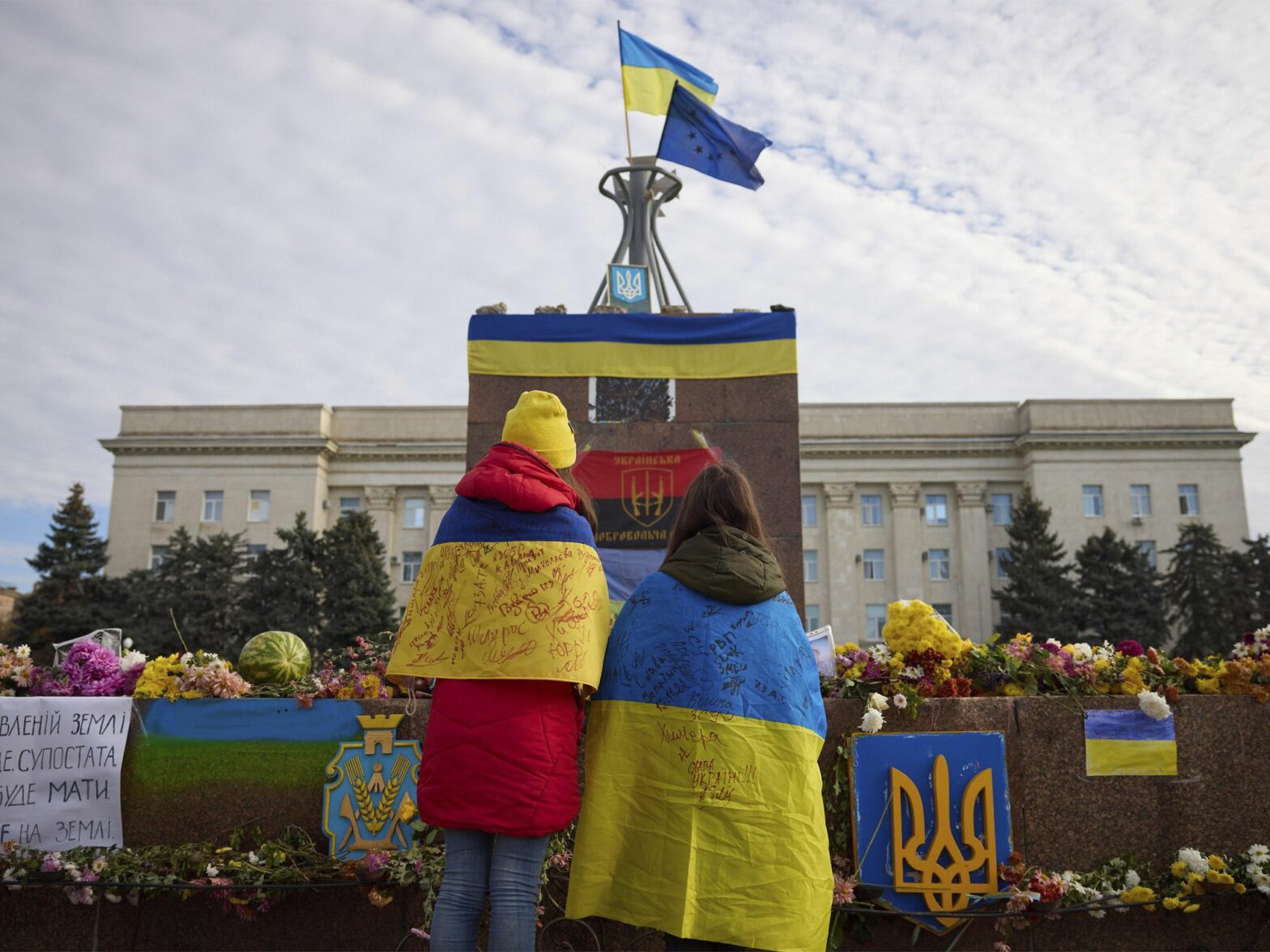
The reconquest of Kherson seemed like a turning point in the Ukraine war. But while Kyiv and the West can see it as an encouraging sign for the long-term fate of the war, it makes negotiations a veritable non-starter now. A cold, hard analysis from French geopolitical expert Dominique Moïsi.
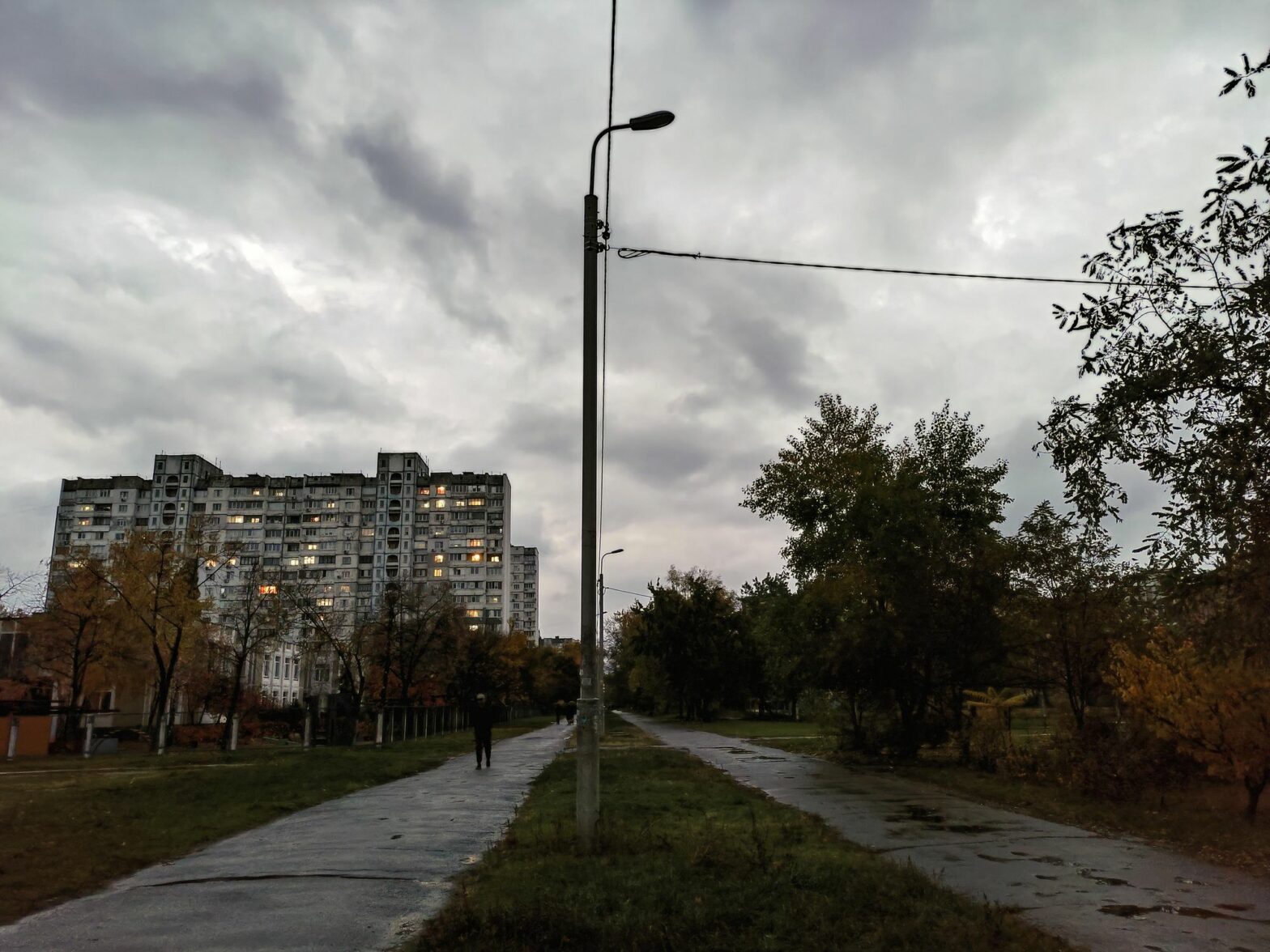
Kremlin war aims in Ukraine have never been entirely clear. Part of that is due to the setbacks the Russian army has suffered; and now it appears that both the strategic and symbolic objective of reducing the capital of Kyiv to its knees is again very much on Vladimir Putin’s mind.
Opioid and oil companies alike have a history of obfuscating science as a litigation tactic. How does this harm victims?

The showdown between Iranian protesters and the clerical regime is another episode in a decades-long clash of theocracy and Western-style secular modernity. Its outcomes will reverberate across the entire Islamic world, so the West needs to pay attention.
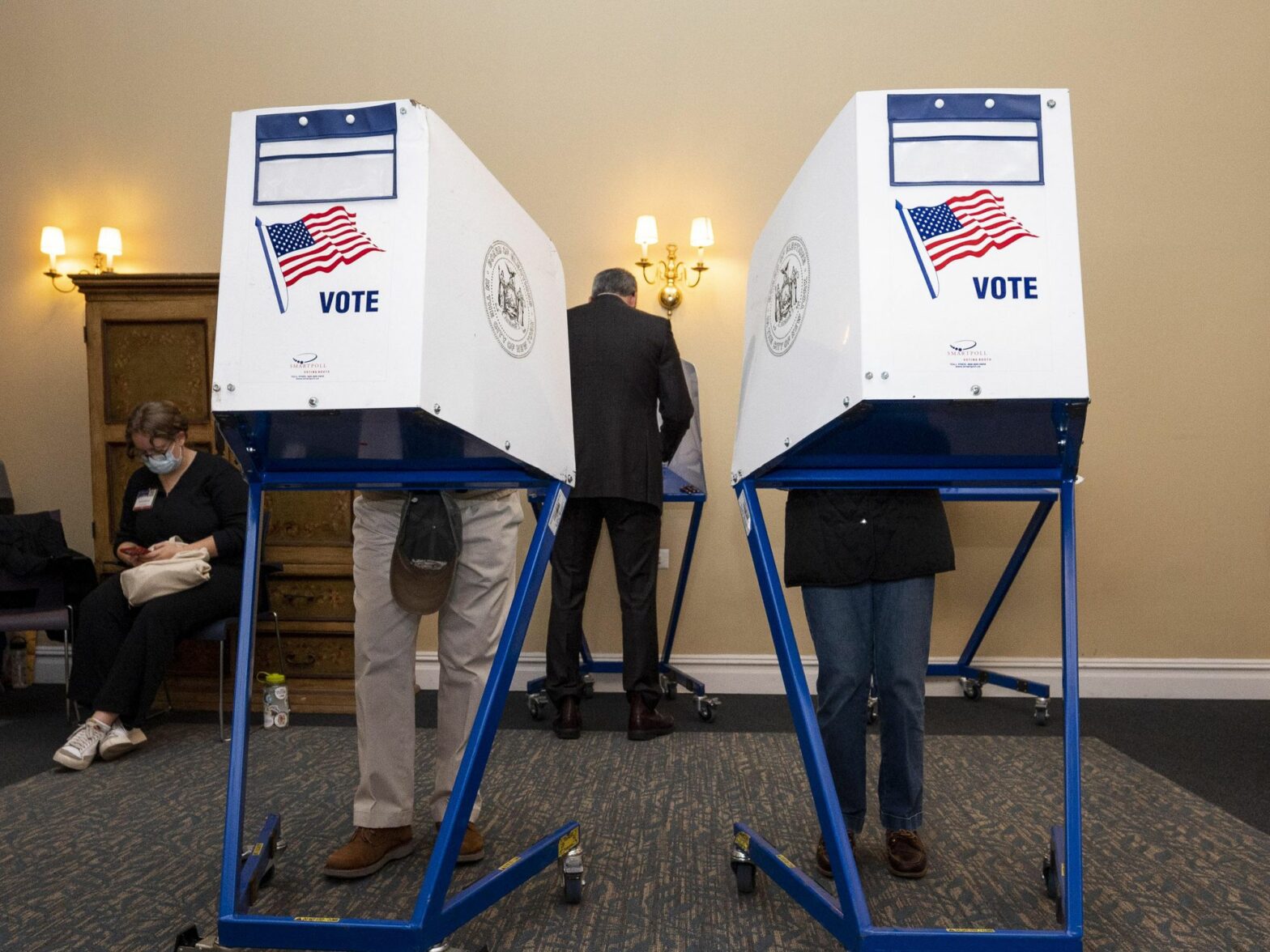
After the Brazilian presidential election and the American midterms, checking the temperature on the state of democracy in a world that has been heading in the opposite direction for too long.
Ukrainians, Russians and much of the rest of the world are still trying to make sense of Moscow’s decision last week to abandon the southern city of Kherson. Do not, for certain, underestimate the significance.
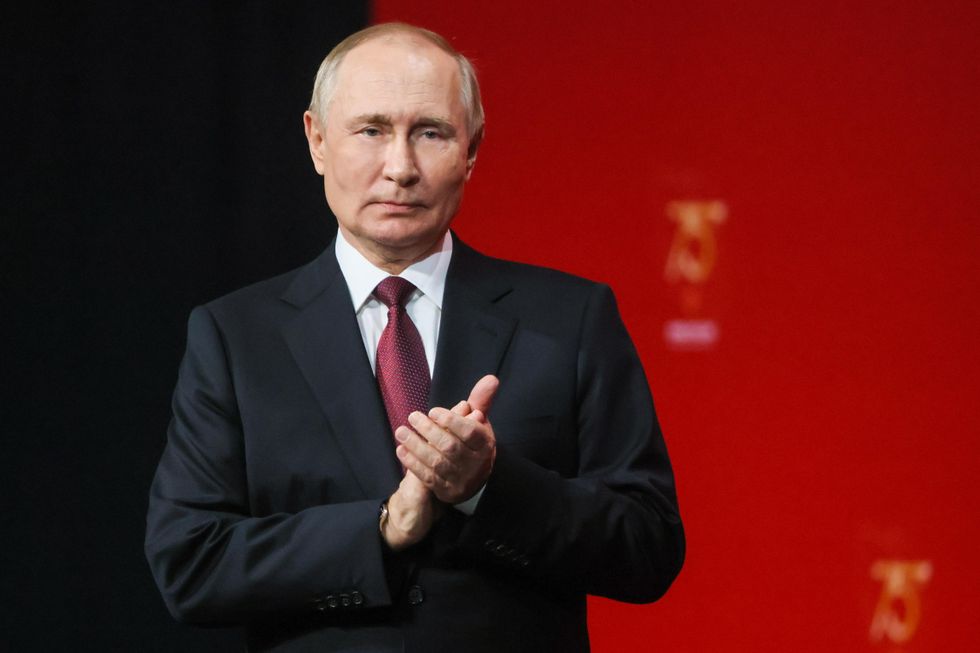
The Russian president has resorted to a string of changing lies to justify his war on Ukraine. He has shown contempt along the way for the Christian values he claims to defend. But like arms and ammunition, a regime can also run out of lies.
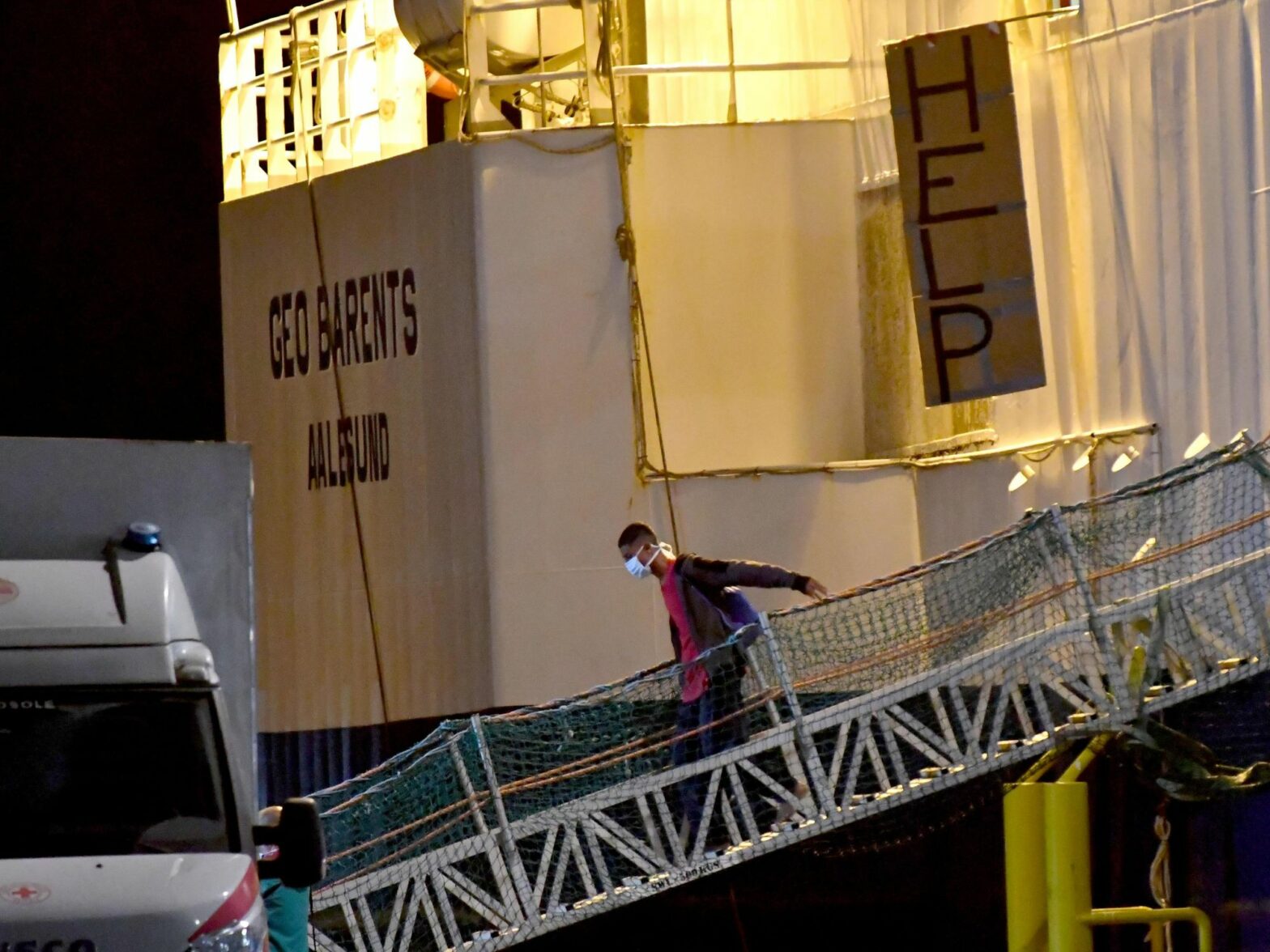
Vladimiro Zagrebelsky, an Italian jurist and former judge on the European Court of Human Rights, says Italy’s new government’s blocking rescued migrants from coming ashore is a likely violation of international law, and indication of what it thinks of basic human rights.
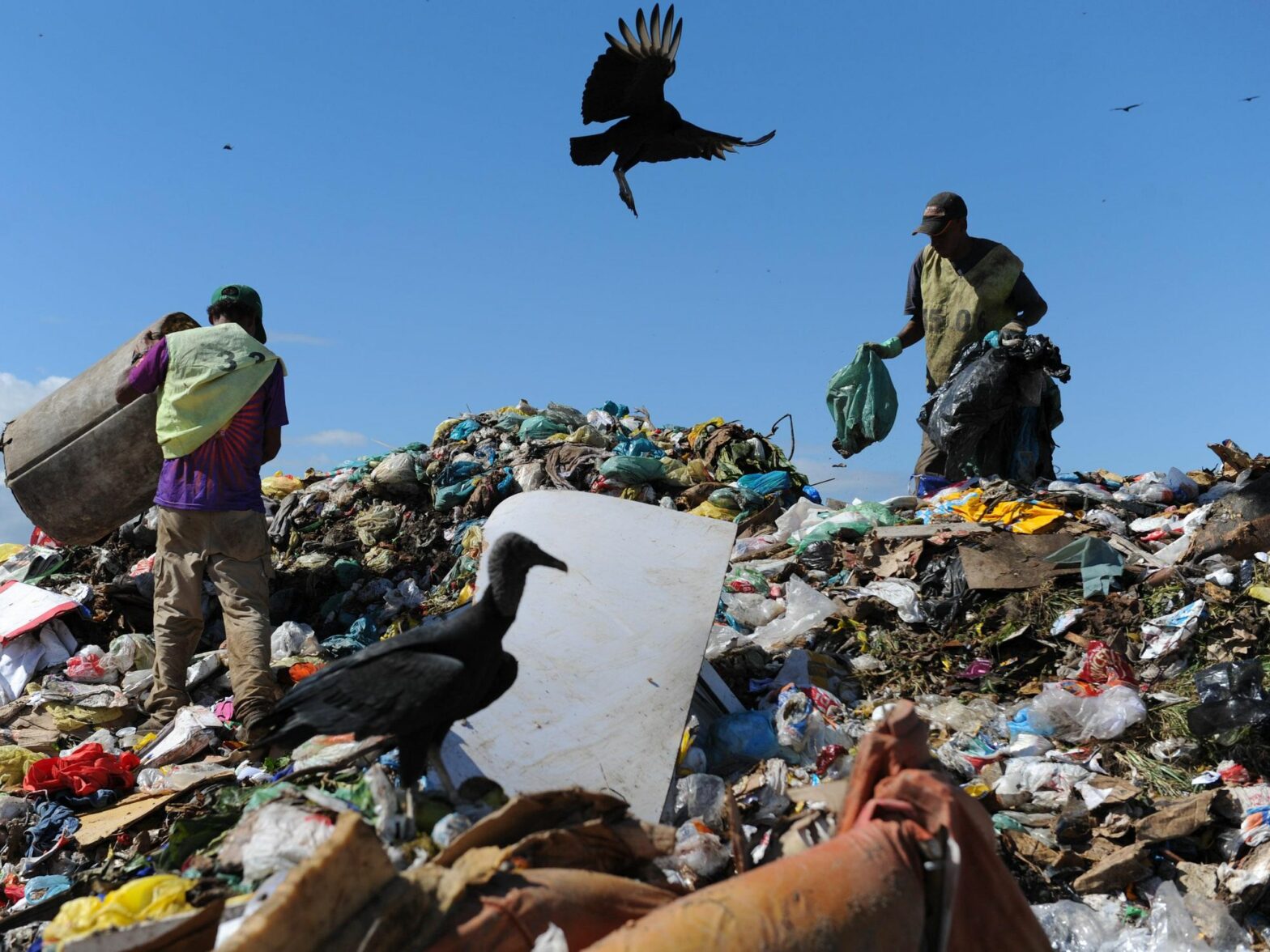
Despite being forbidden since 2010, rubbish dumps are still a common feature on the outskirts of Rio de Janeiro. It’s time to know the lives of those who scrape out a living there.
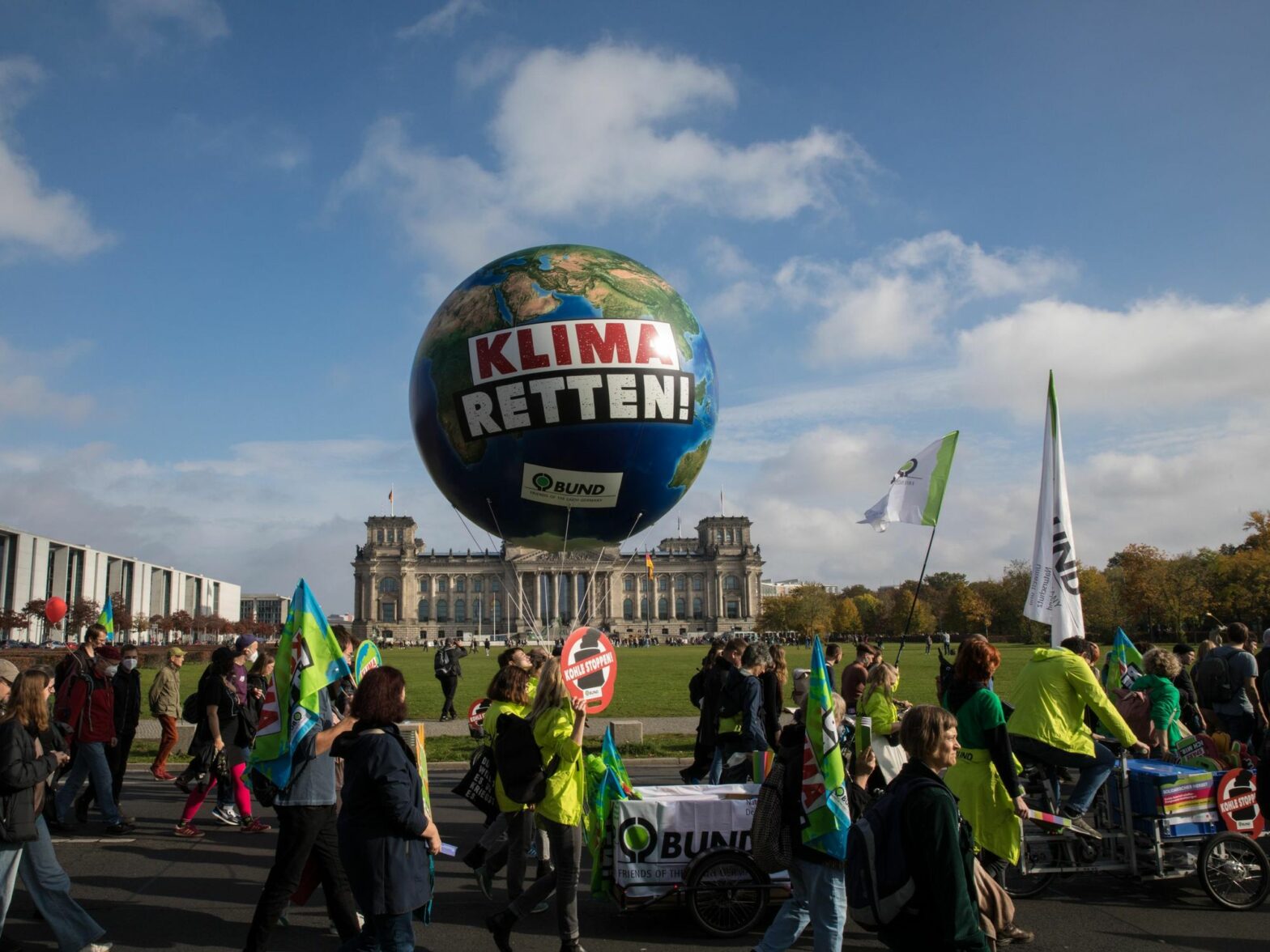
Germany was once a leading light in the green energy transition, but no longer. The country arrives at the COP27 climate conference empty-handed and lacking in moral authority.
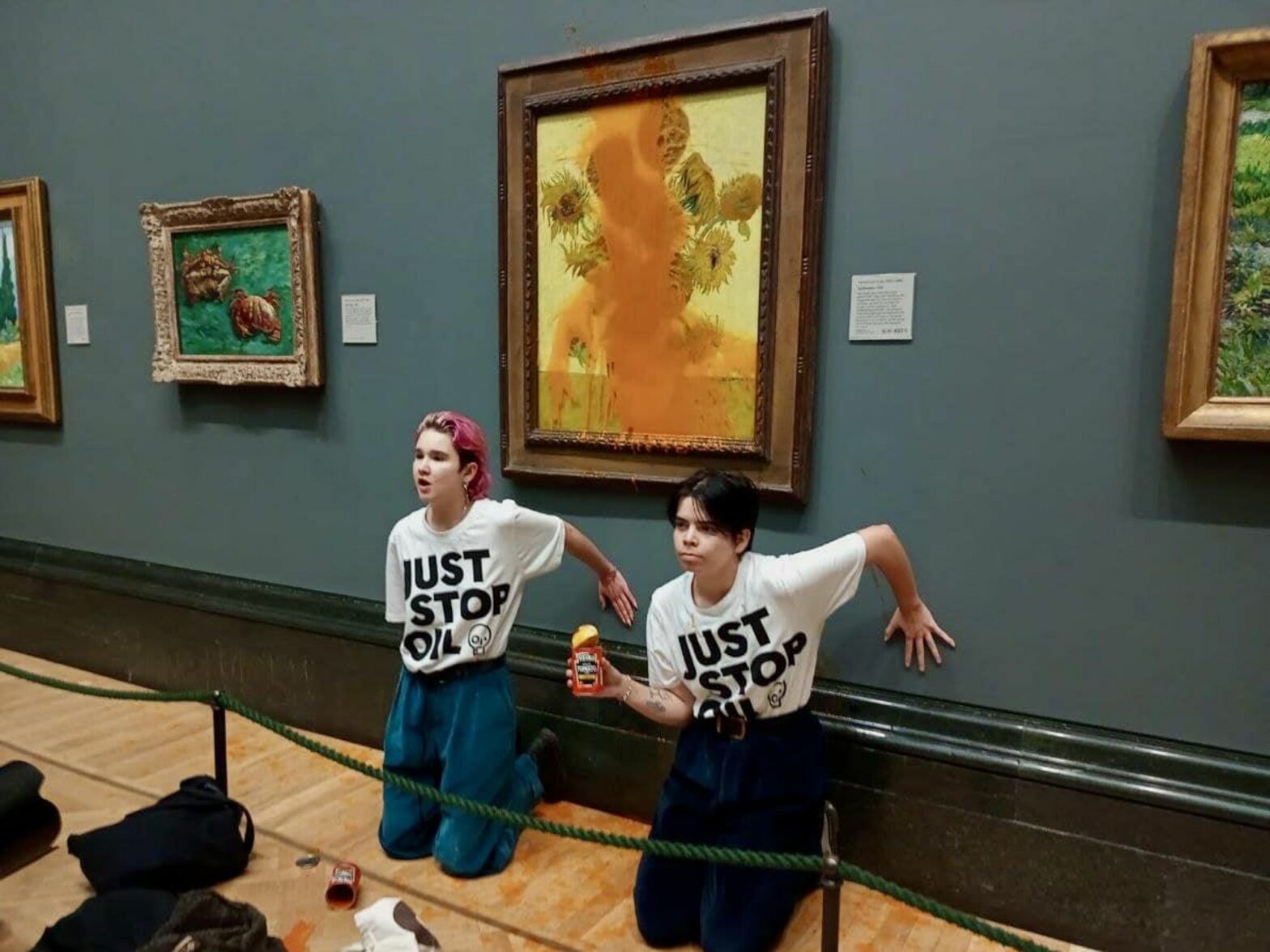
In the last few weeks, the Just Stop Oil protests have been catapulted to global attention by soiling art masterpieces in the name of environmental protection. But their choice of target says just as much about their view of art as their view of oil.