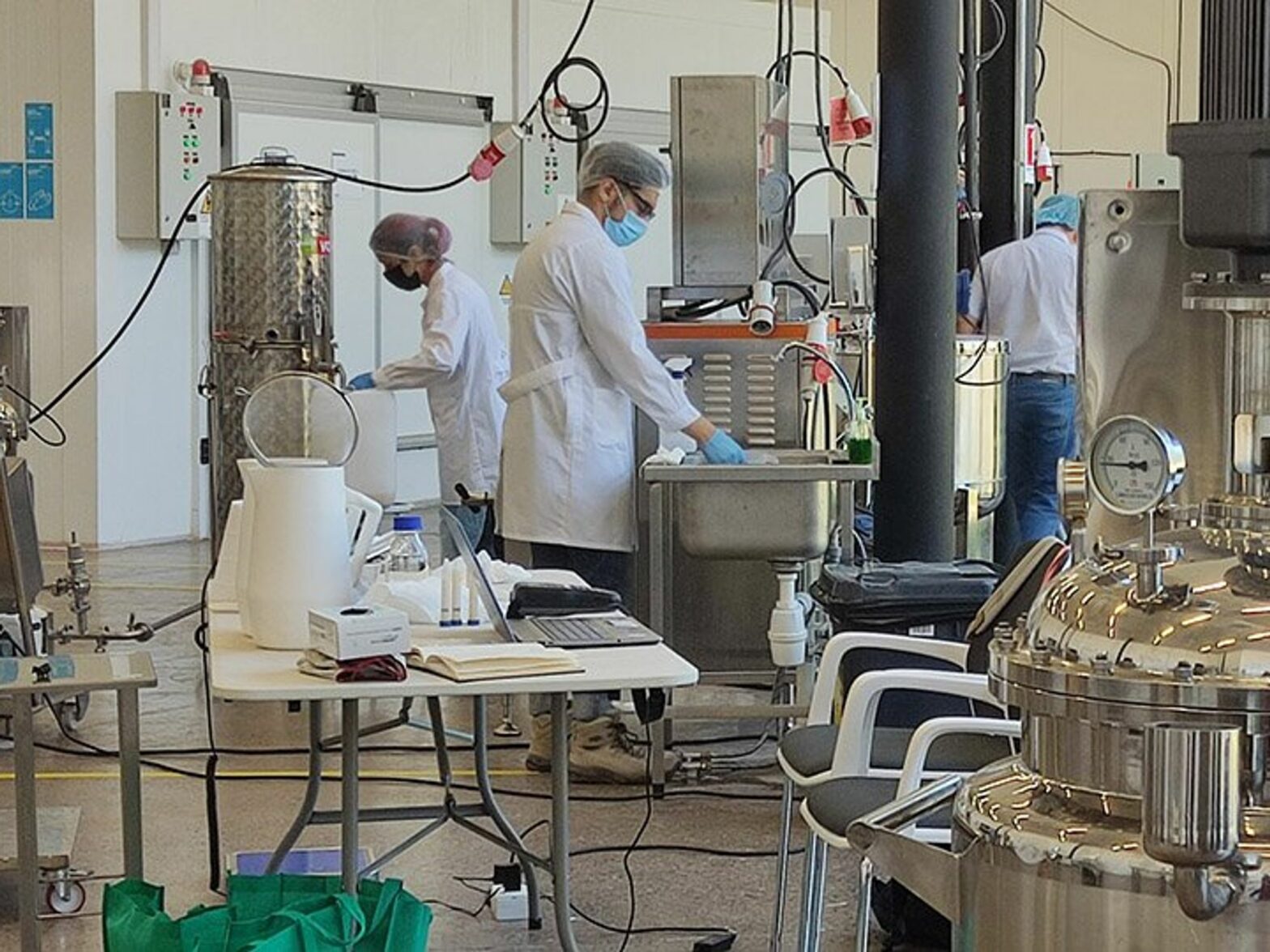
Chile’s CeTA agency tests innovative food prototypes for startups and firms, helping to curb production costs and pushing for evolution in the context of climate change.
 Worldcrunch
Chile’s CeTA agency tests innovative food prototypes for startups and firms, helping to curb production costs and pushing for evolution in the context of climate change.
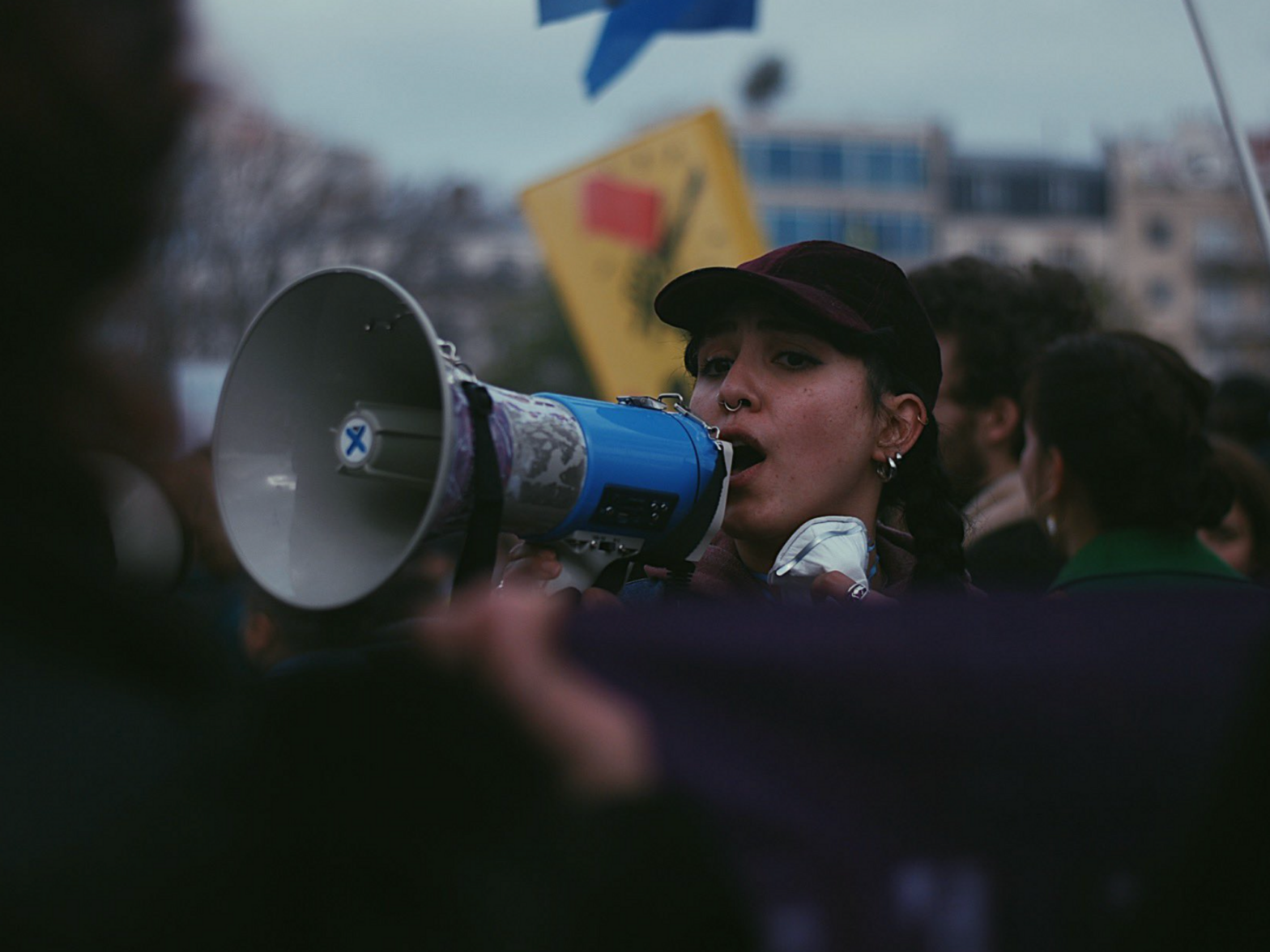
To prevent France’s current institutional crisis from leading to a regime crisis, it is not a question of the much criticized pension reform — or even that Emmanuel Macron must resign. A change is needed in the very way French democracy functions.
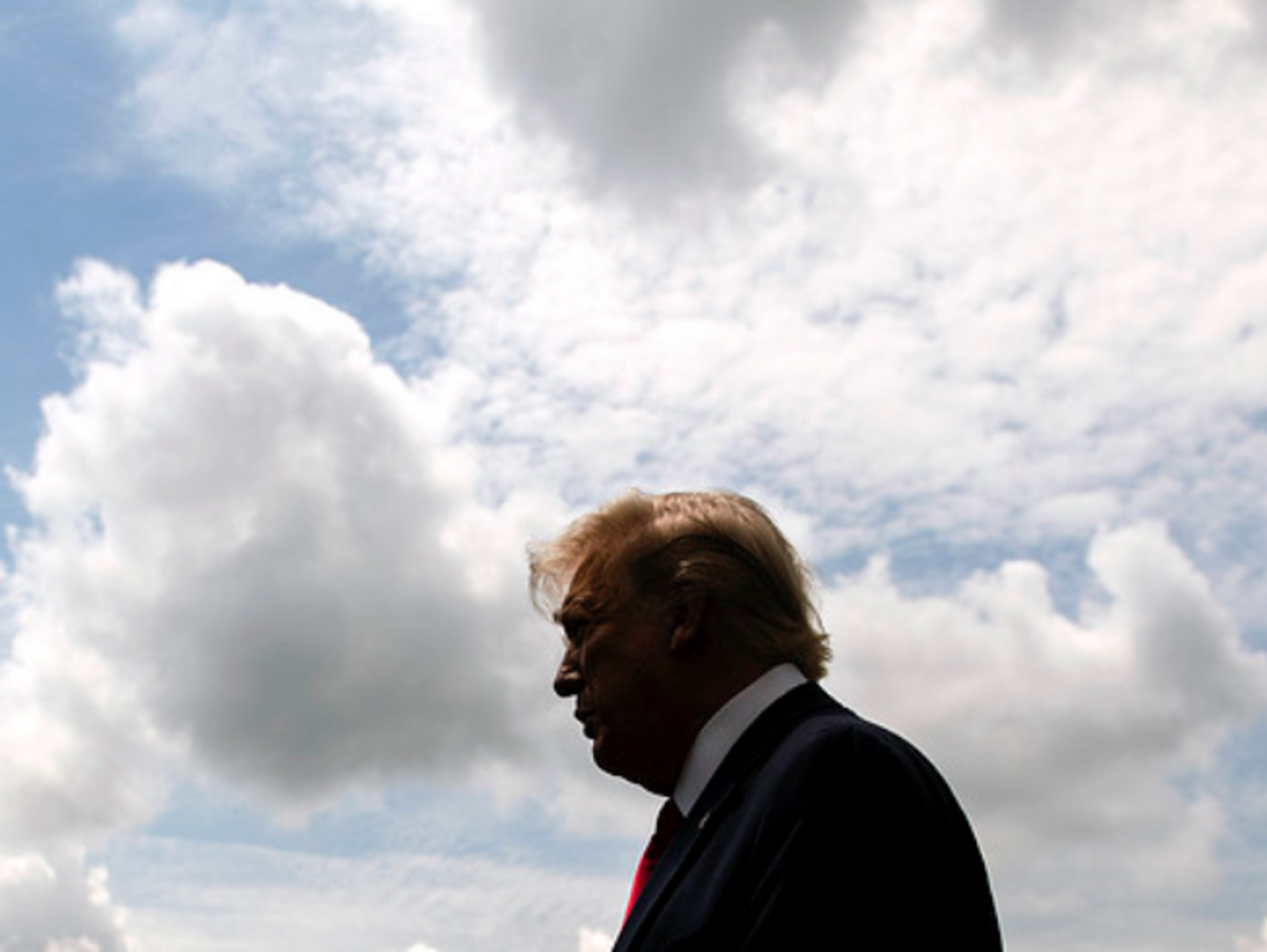
The U.S. legal system cannot simply run its course in a vacuum. Presidential politics, and democracy itself, are at stake in the coming weeks and months.
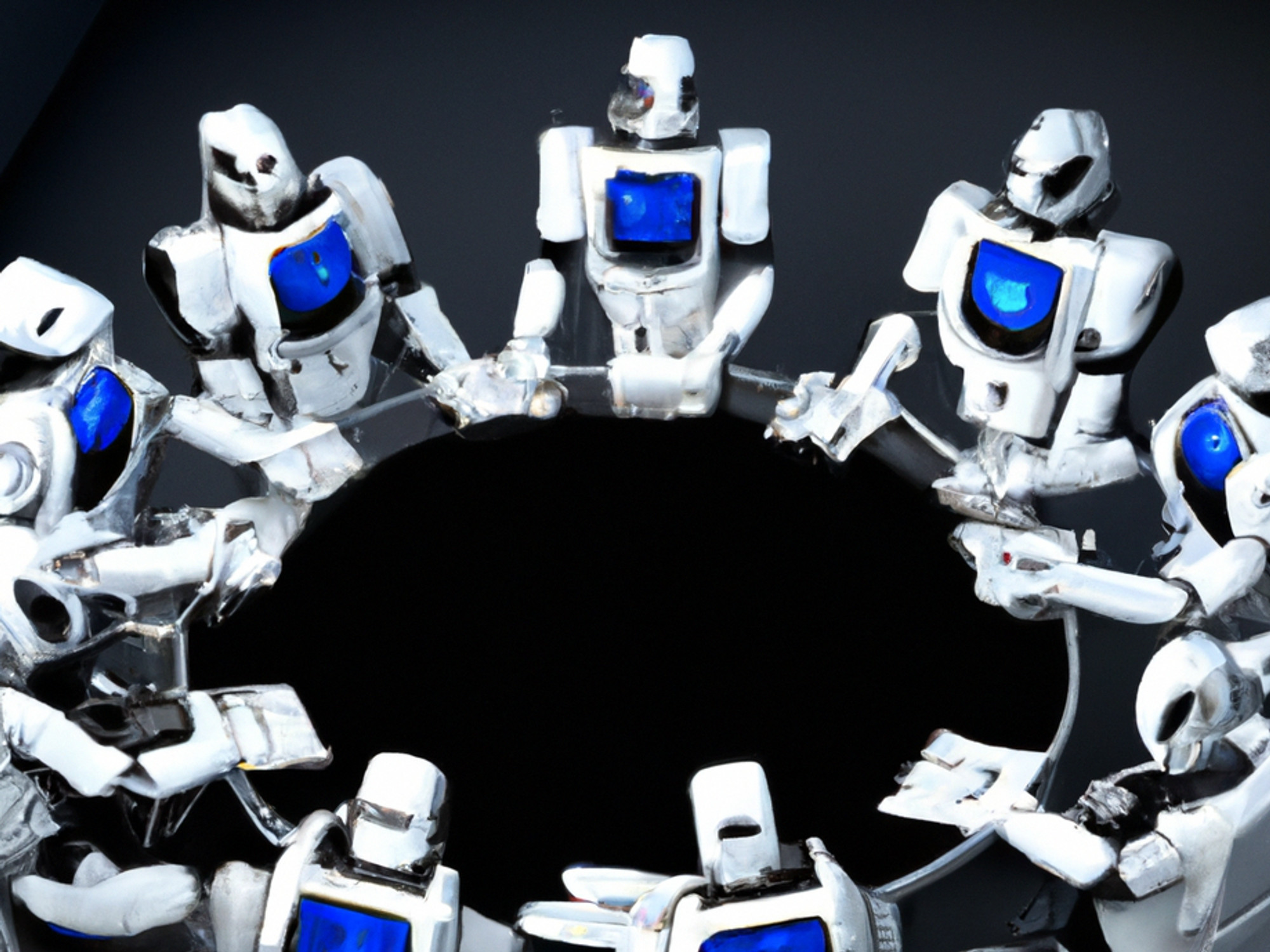
Like with the atomic bomb, artificial intelligence will divide the world into the haves and the have-nots, French columnist Édouard Tétreau writes. To win the AI arms race, France and its allies need a new transatlantic partnership.
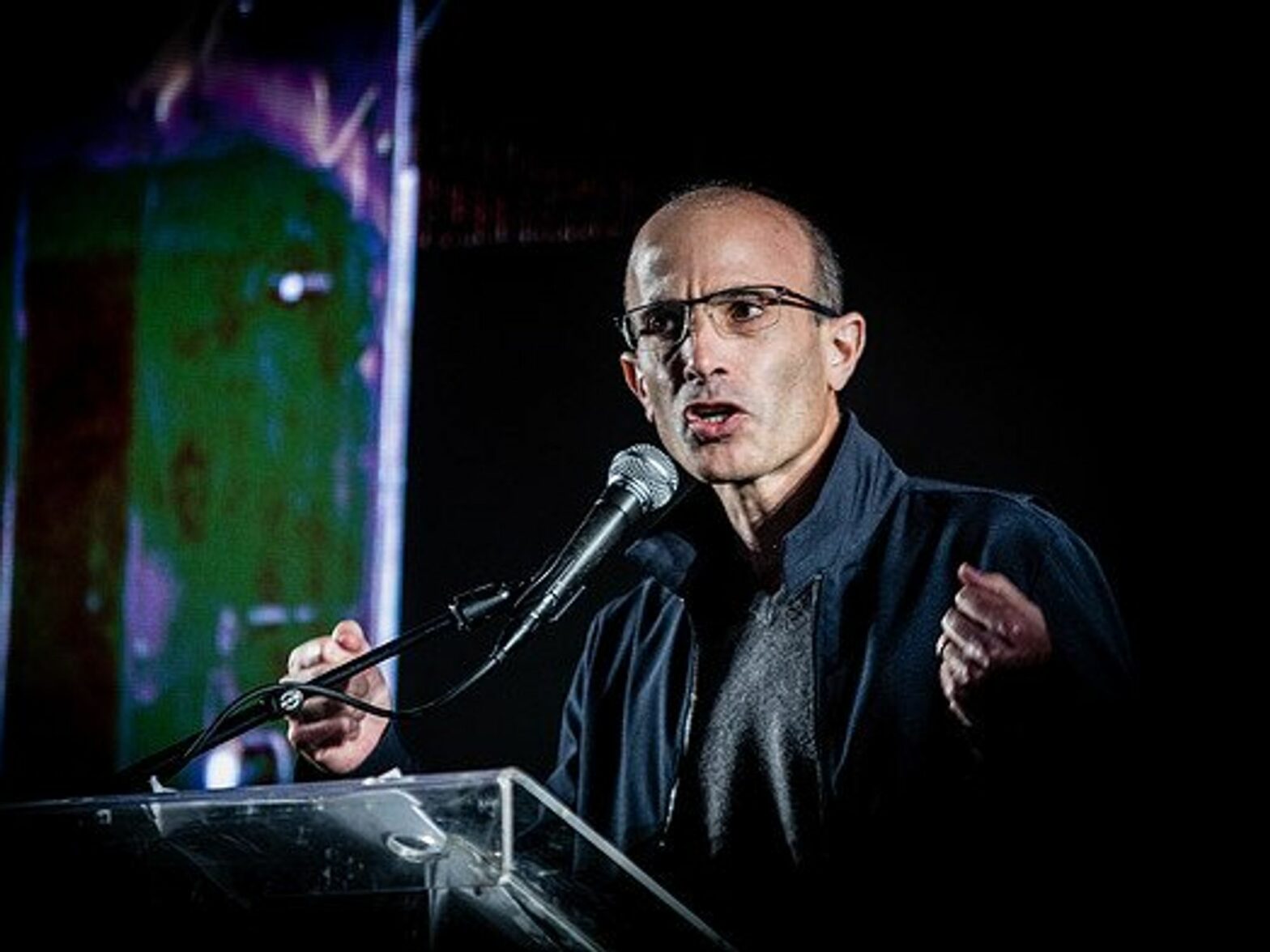
Everyone from Elon Musk to Apple co-founder Steve Wozniak to top Artificial Intelligence researchers have signed a public petition calling on a six-month moratorium on AI research. The ultimate decision will be left in the hands of humans, who are smart, but also vain and greedy.

France, Israel, United States: these three democracies all face their own distinct problems. But these problems are revealing disturbing cracks in society that pose a real danger to hard-earned progress that won’t be easily regained.
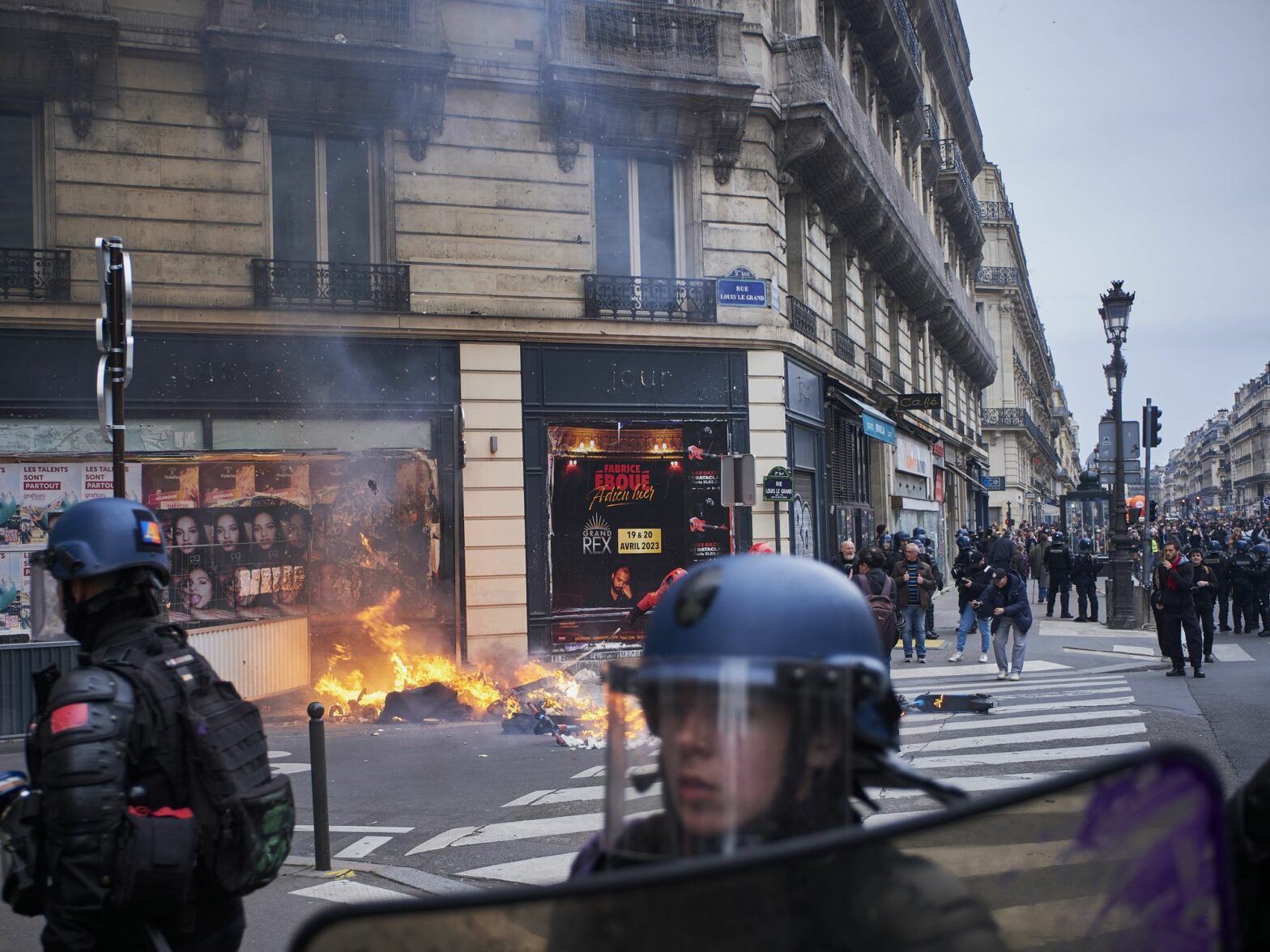
The continuous increase of public debt and a tone-deaf president in France, the rise of authoritarian regimes elsewhere in the world, the blindness to global warming: realities that we do not want to see and that will end up destroying us if we do not act.
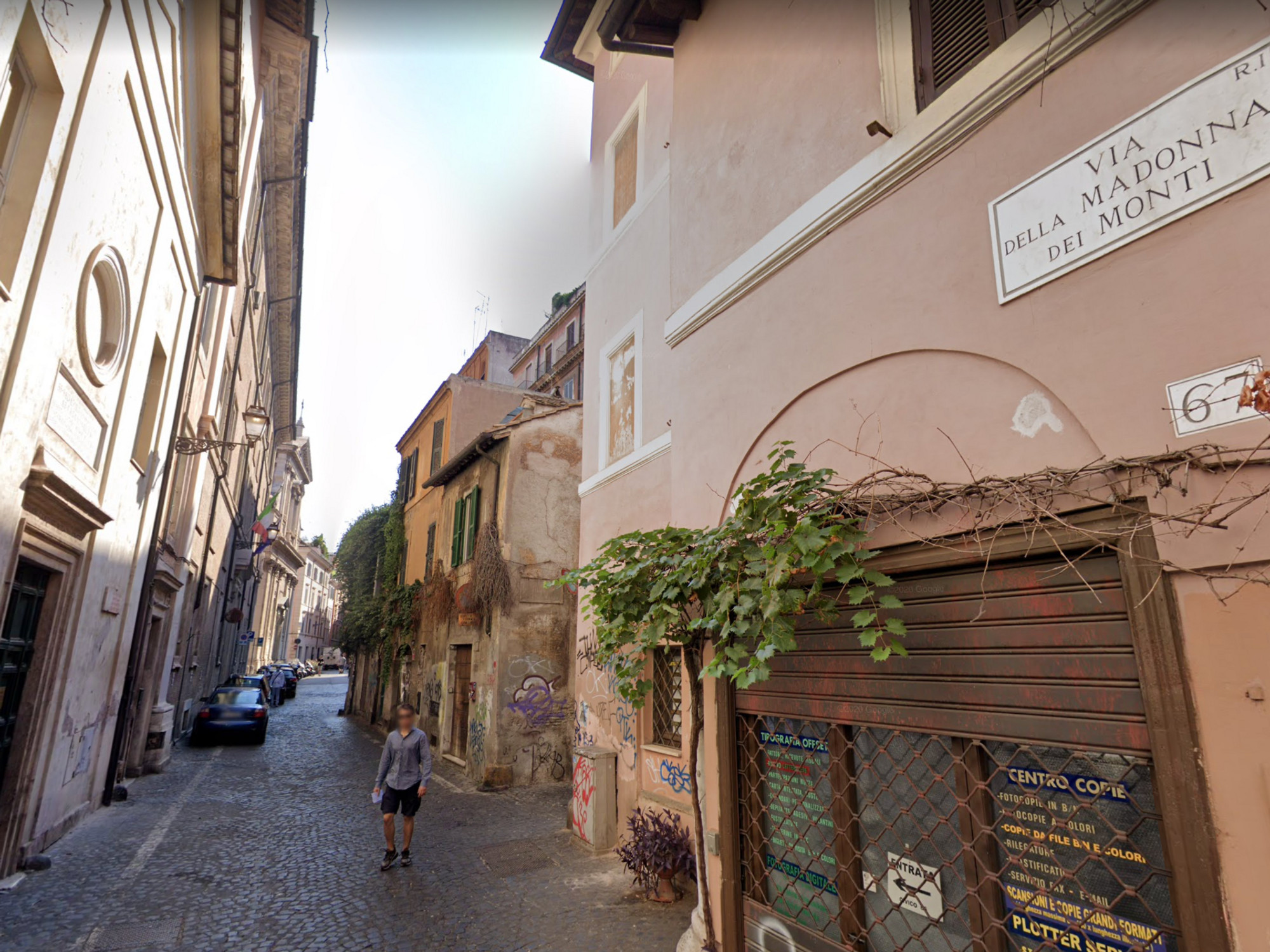
The Mapping Diversity platform examined maps of 30 cities across 17 European countries, finding that women are severely underrepresented in the group of those who name streets and squares. The one (unsurprising) exception: The Virgin Mary.
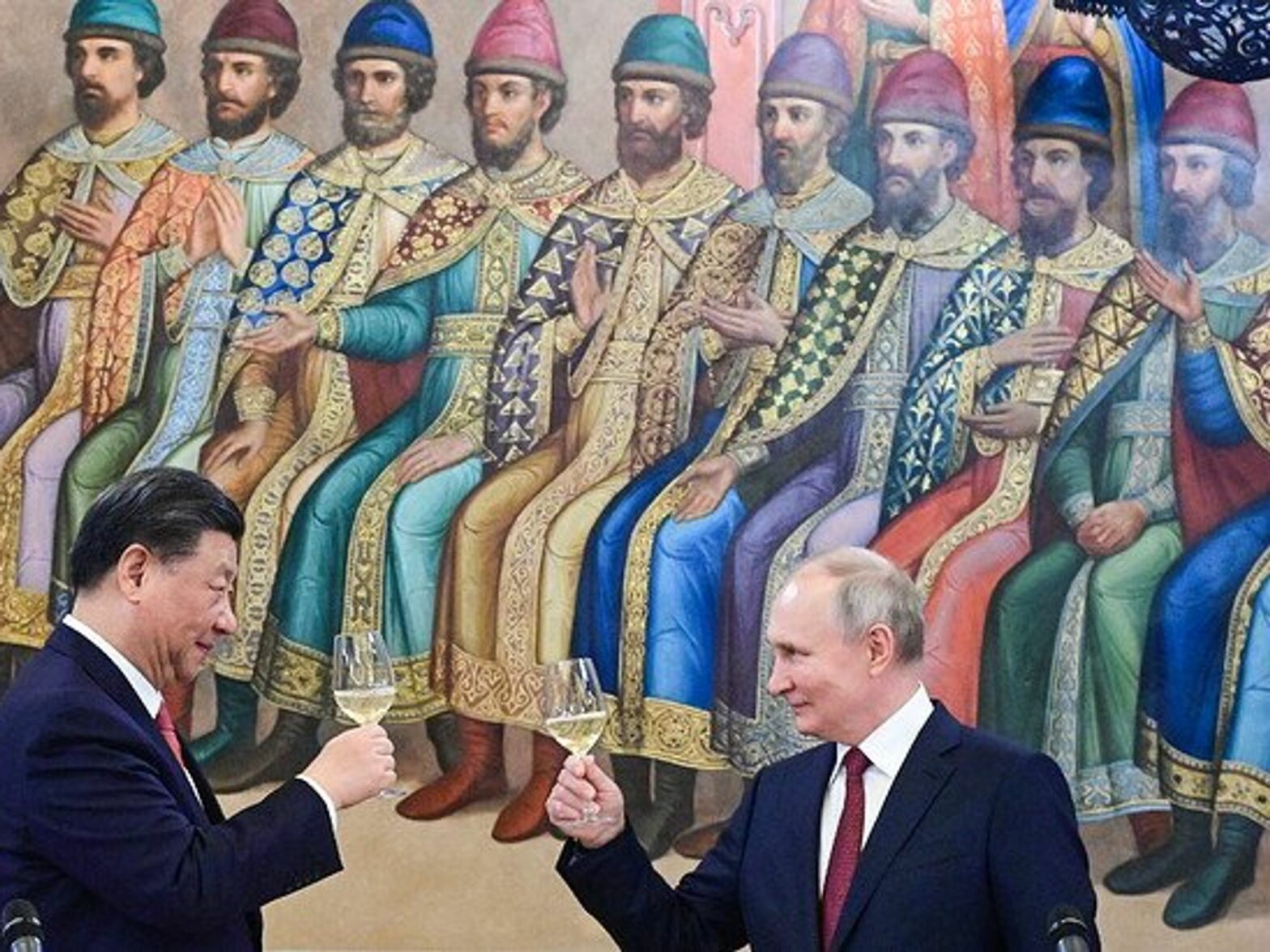
Chinese President Xi Jinping’s visit to Moscow was a much-needed favor Vladimir Putin. But make no mistake, Beijing is there to serve Beijing — and holds virtually all the cards.
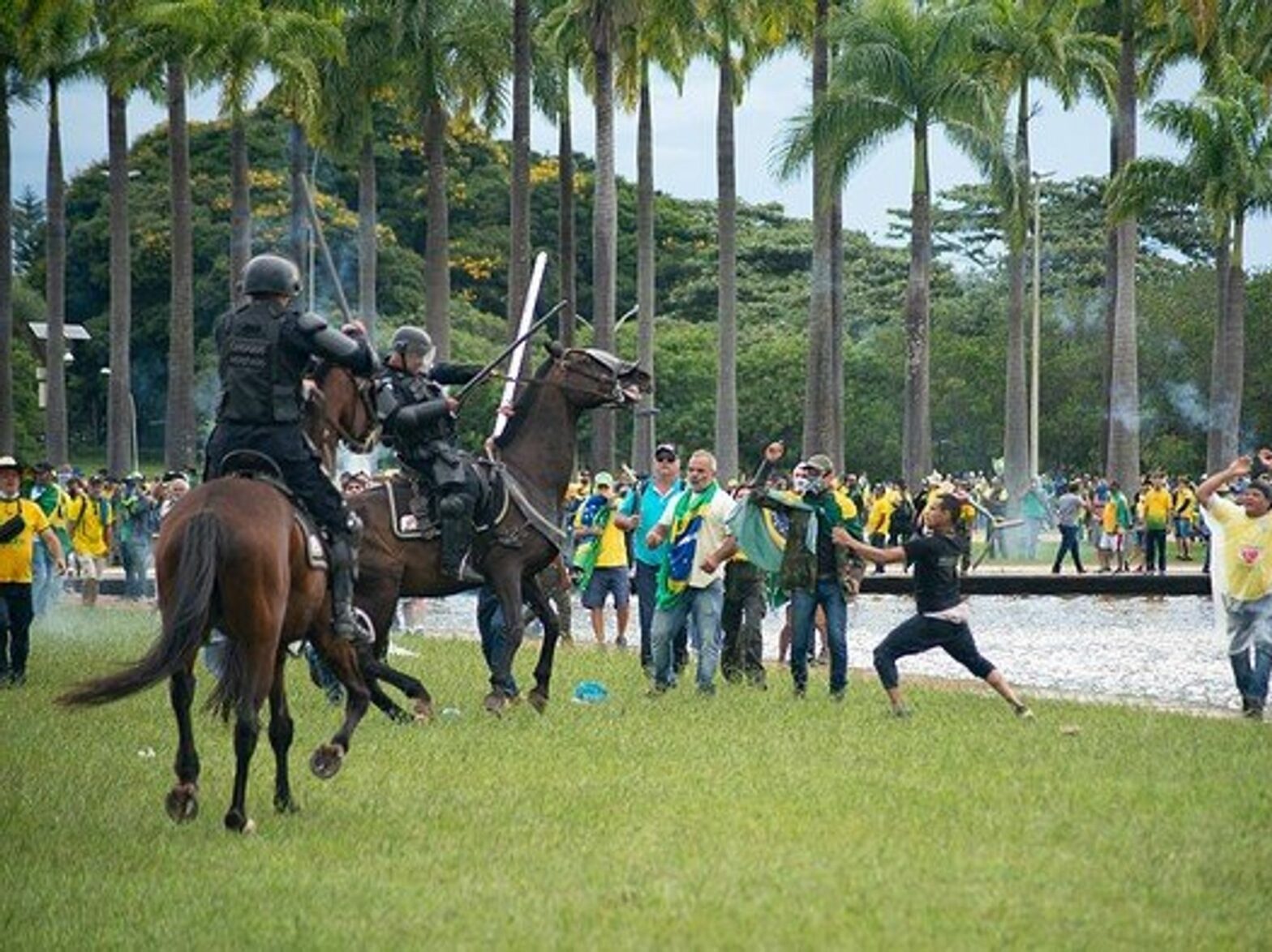
Right-wing reaction to the globalized, liberal order is starting to look less dispersed and more systematic, like 20th-century political movements like socialism and communism.
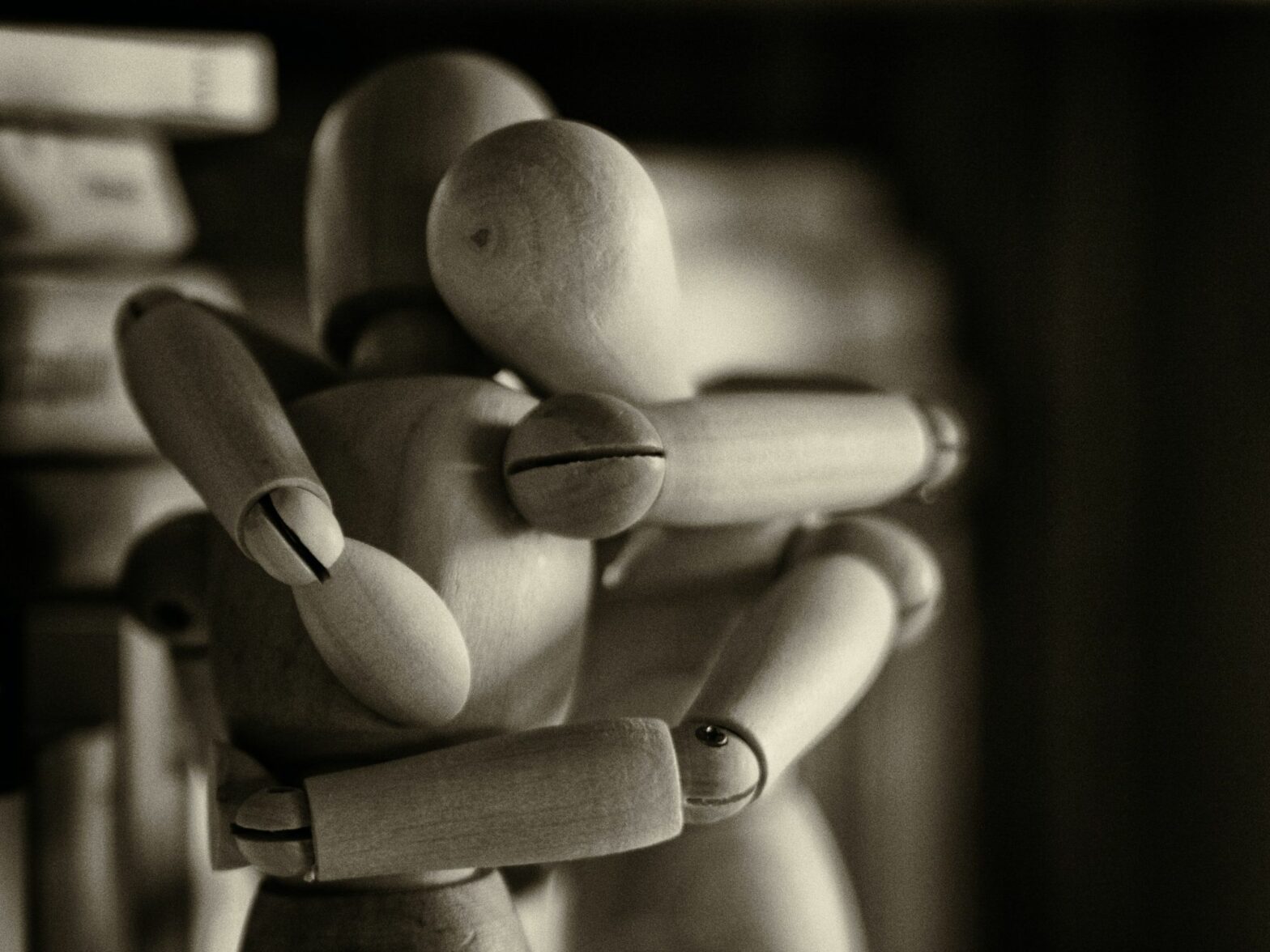
Learning to actively be more grateful to those in our lives, even when it’s hard, can change everything.
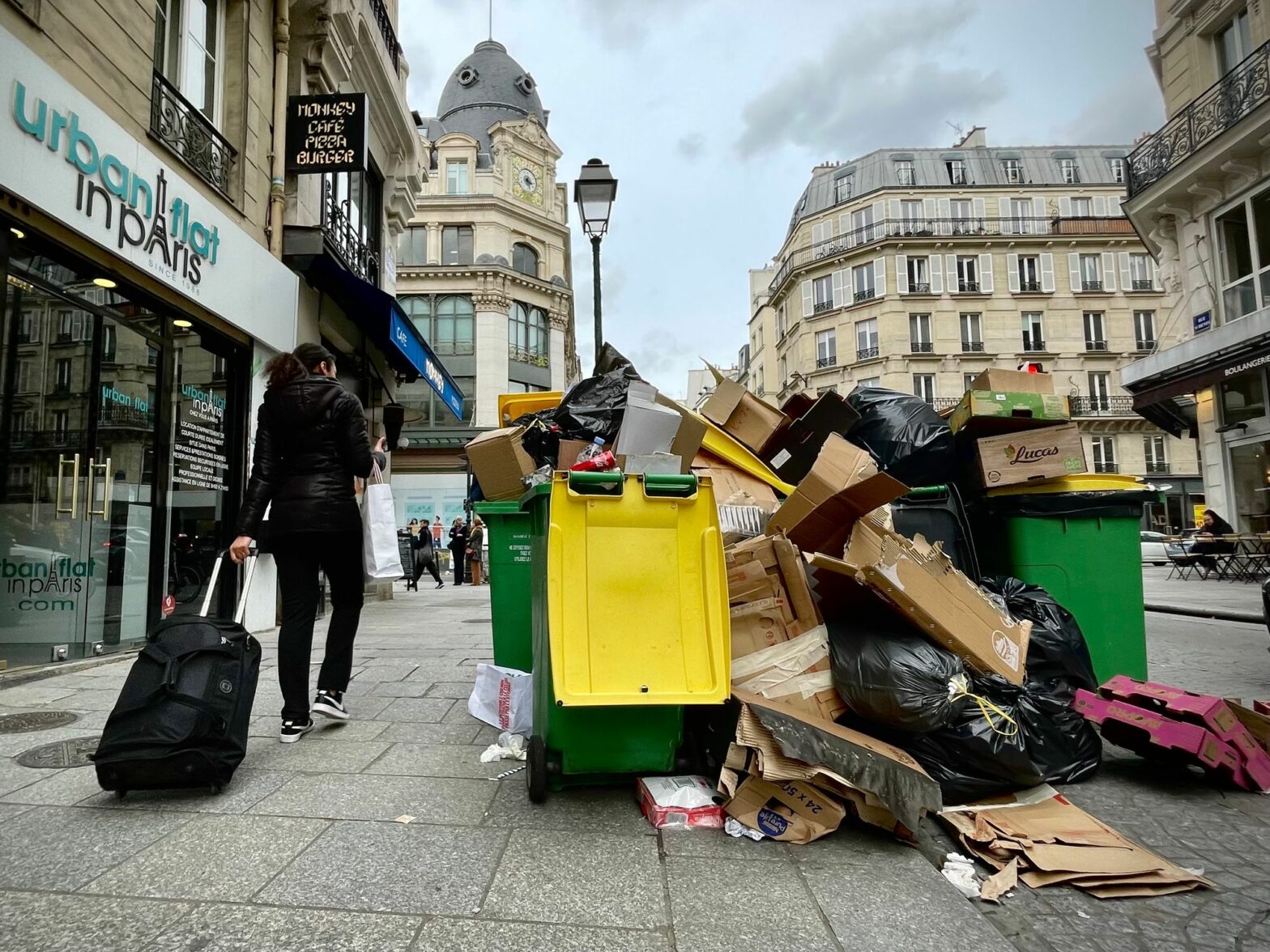
The ongoing strike of garbage collectors in France shows us why we try so hard to hide how much garbage we throw out. As trash piles up in the streets, philosopher Gaspard Koenig reminds us that it wouldn’t be so hard to recycle and compost more of it.

An evangelic group has threatened to take legal action against a samba school because of its mix of religious iconography at the 2023 Carnival festivities. A Brazilian secular institute has a response.
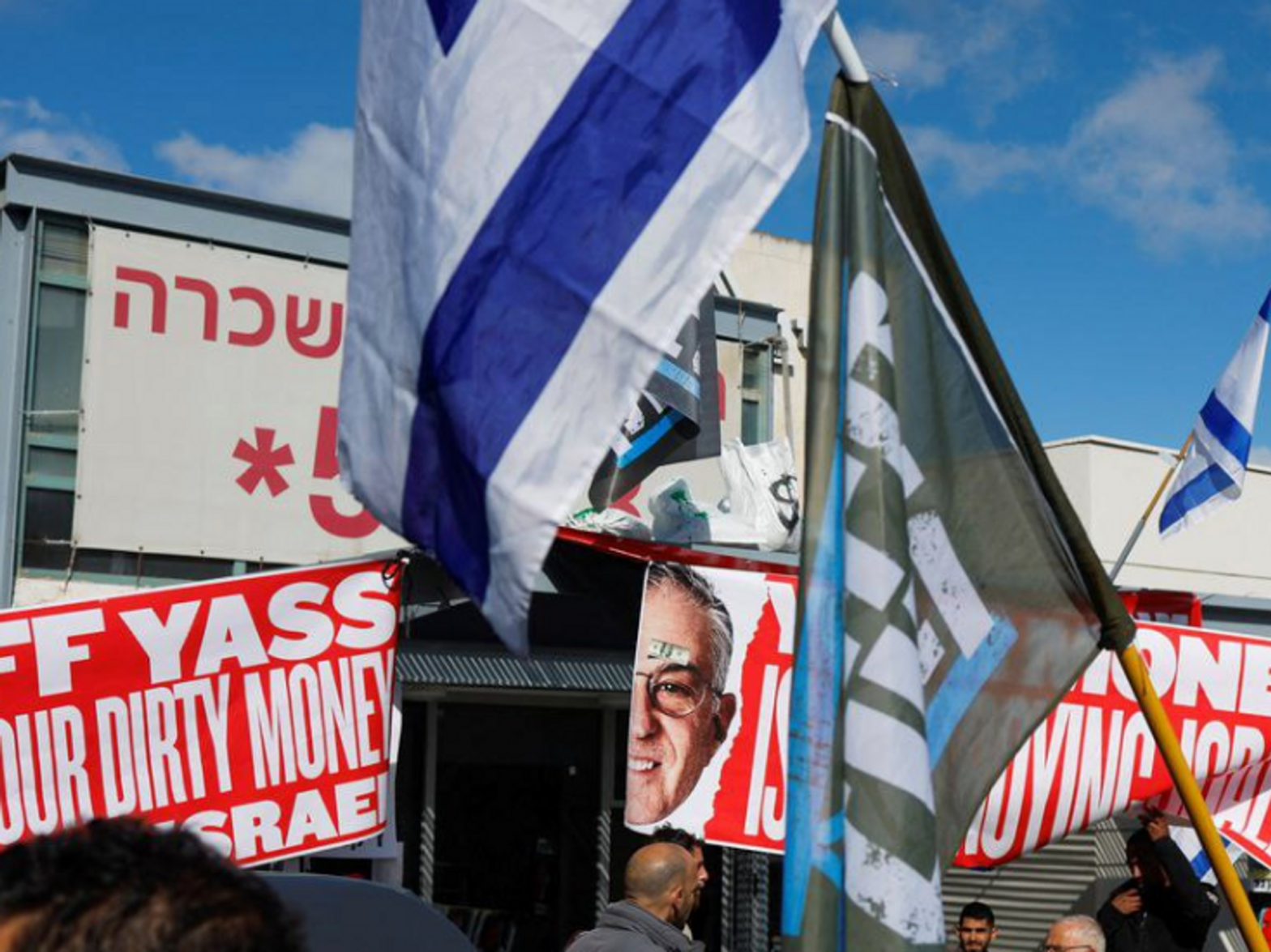
Israeli Prime Minister Benjamin Netanyahu’s return to power with the most right-wing government in the country’s history has revealed a deep schism in Israeli society between settlers and secularists.
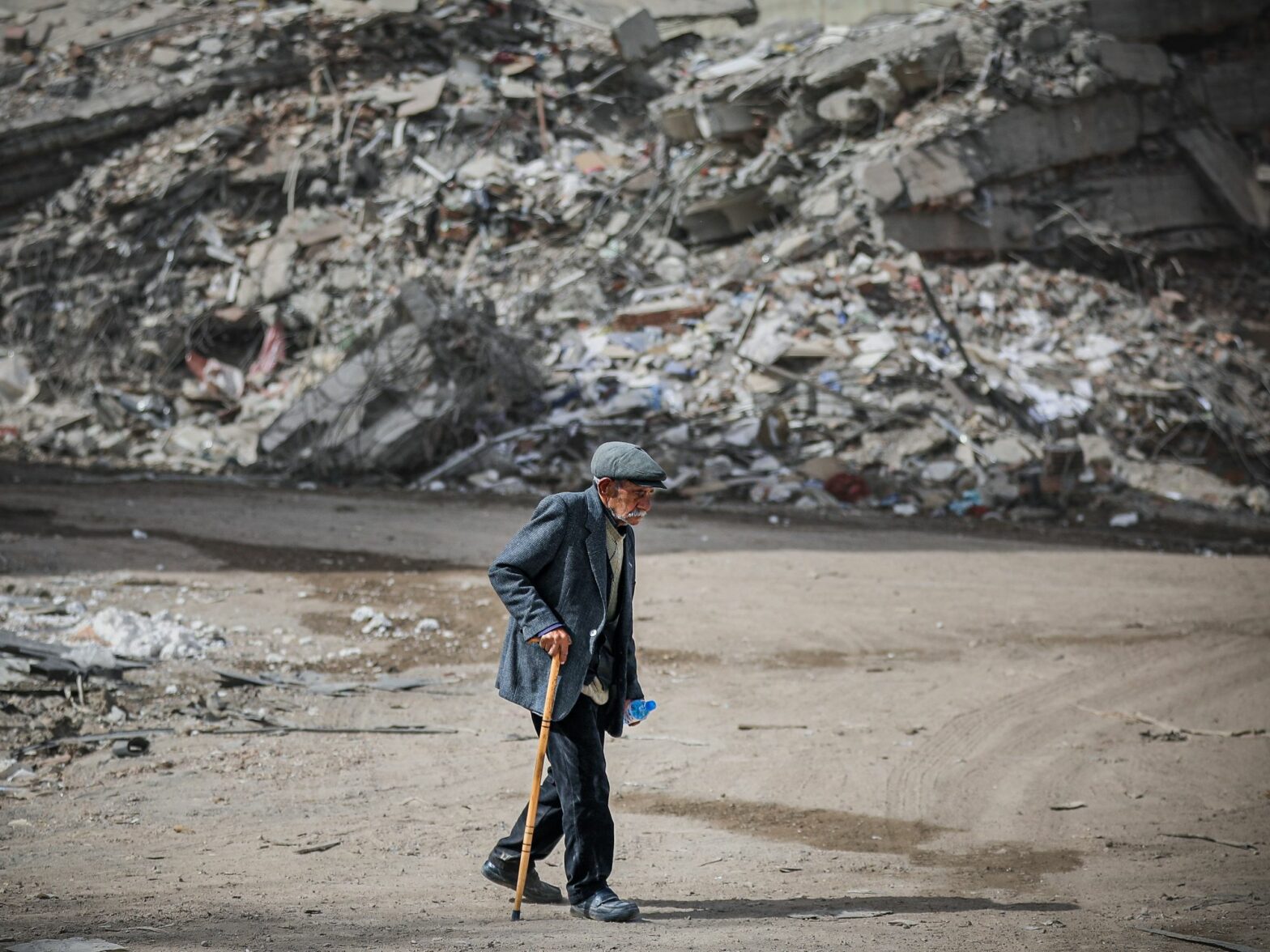
The shoddy homes that collapse on their inhabitants in Turkey’s recent earthquake were badly, and hastily, built as part of a worldwide real-estate fever typically fueled by greedy governments indifferent to safety norms and common sense.
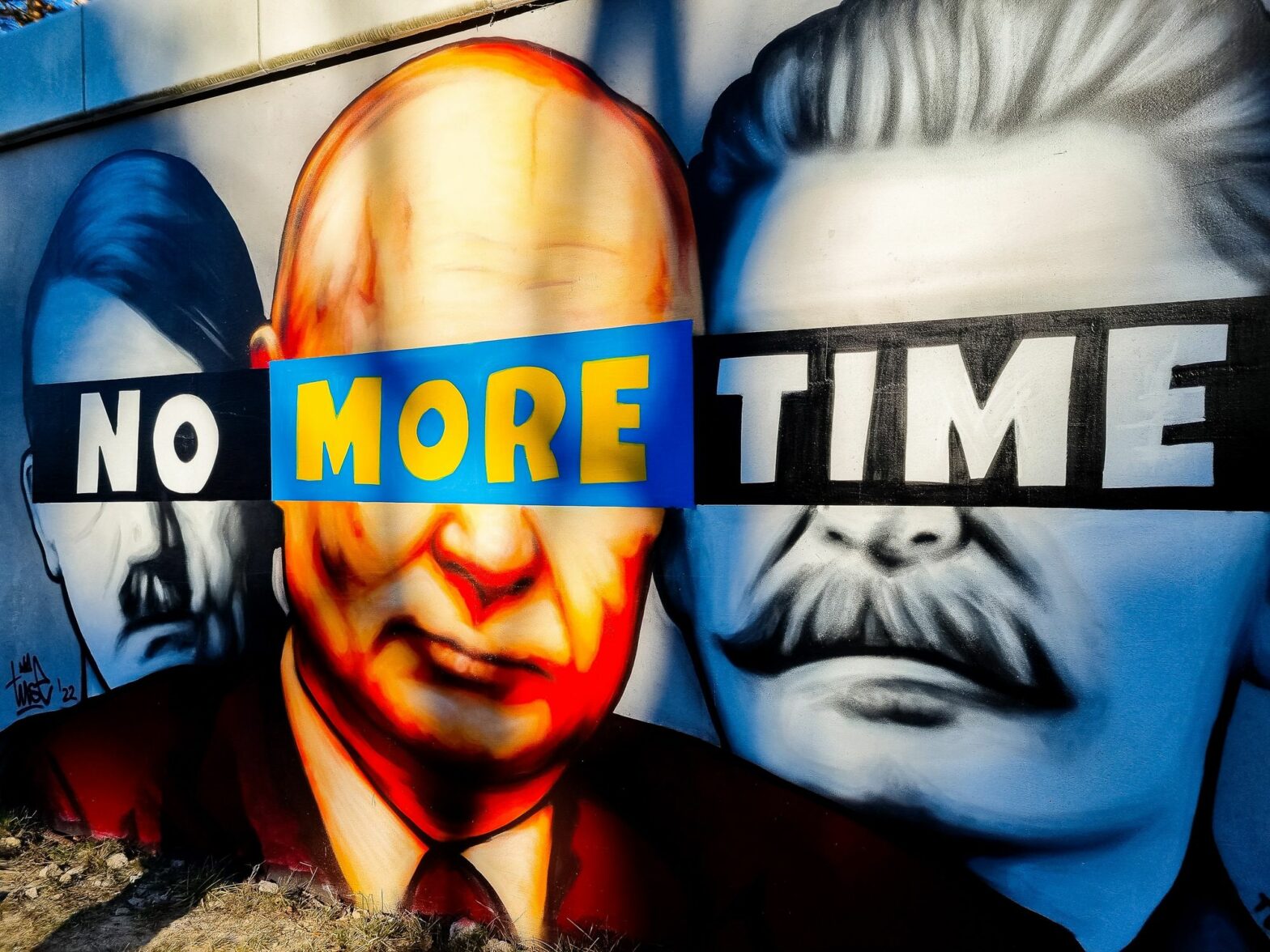
Russian President Vladimir Putin is often compared to Stalin, the Soviet leader responsible for the deaths of millions. In the West, it’s not a compliment. For Putin, it’s encouragement. Meanwhile, some Russian nationalists ask if he’s “Stalin enough.”
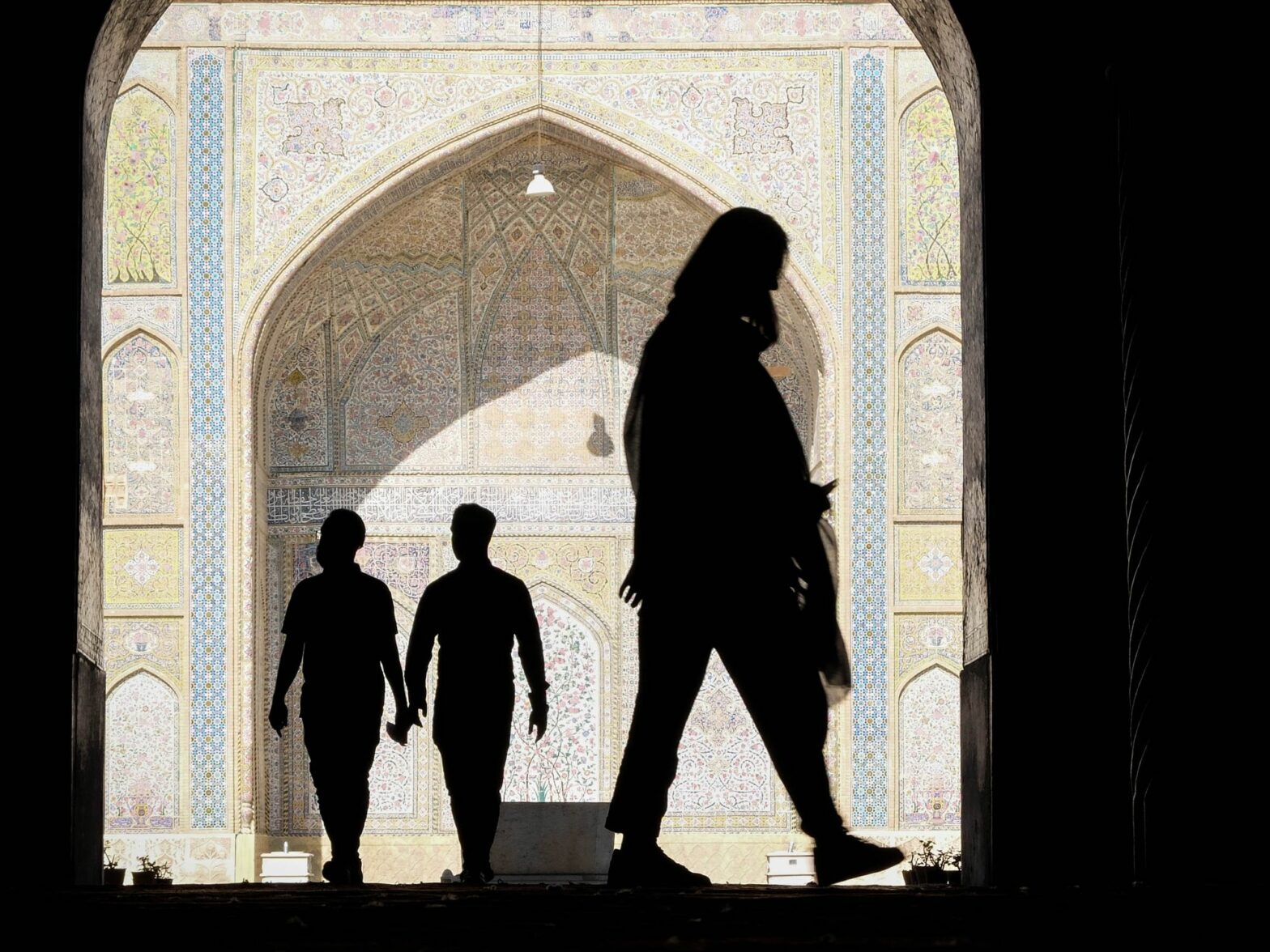
One of the chief victims of radical clerical rule in Iran has been religion, historically a bulwark of Iranian society now seen as a tool of tyranny.
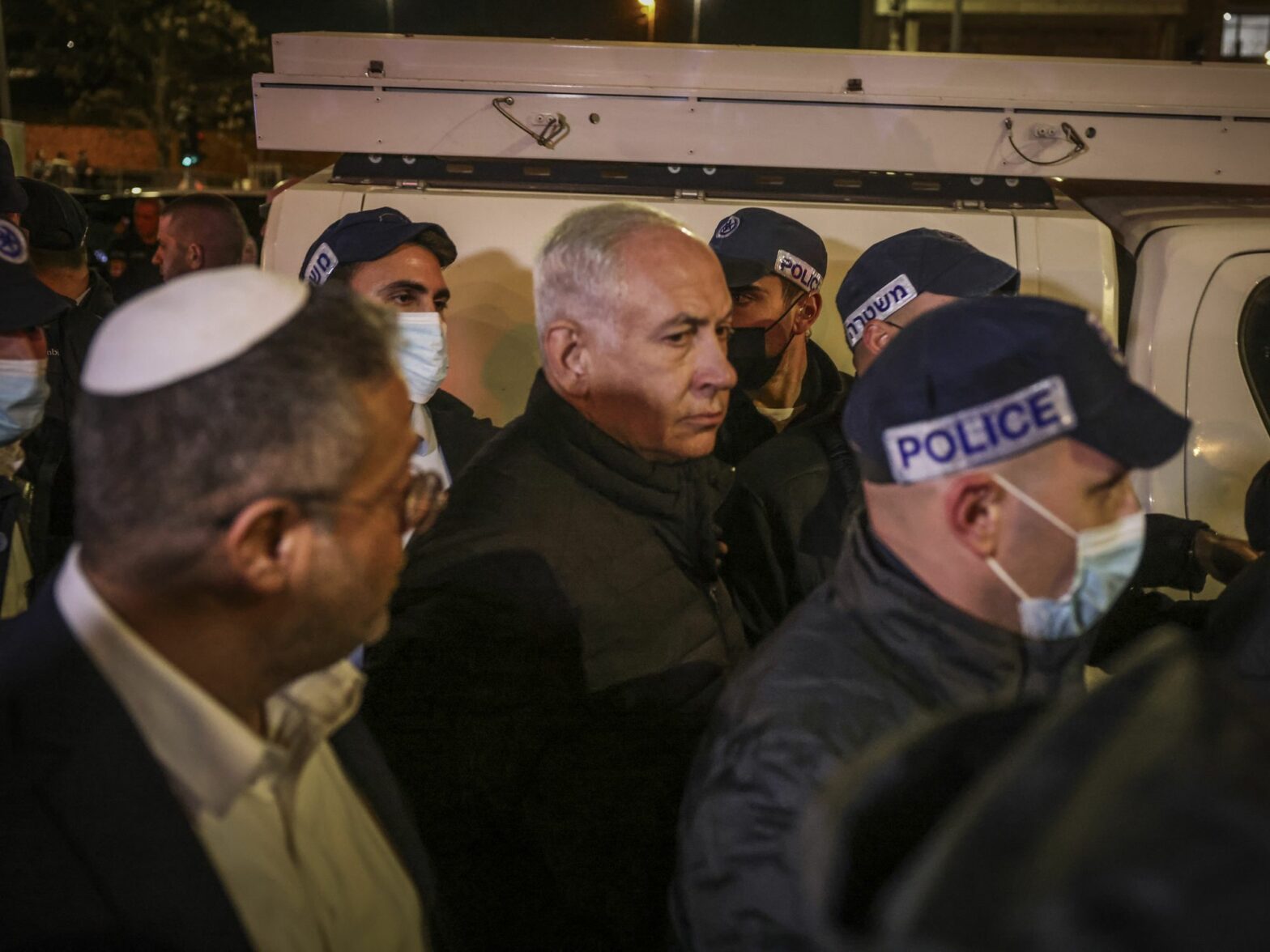
By challenging Israel’s constitutional system and launching a crackdown on the Occupied Territories, Benjamin Netanyahu is playing a high-stakes game opposed by half his country and the country’s allies. It can’t last much longer.
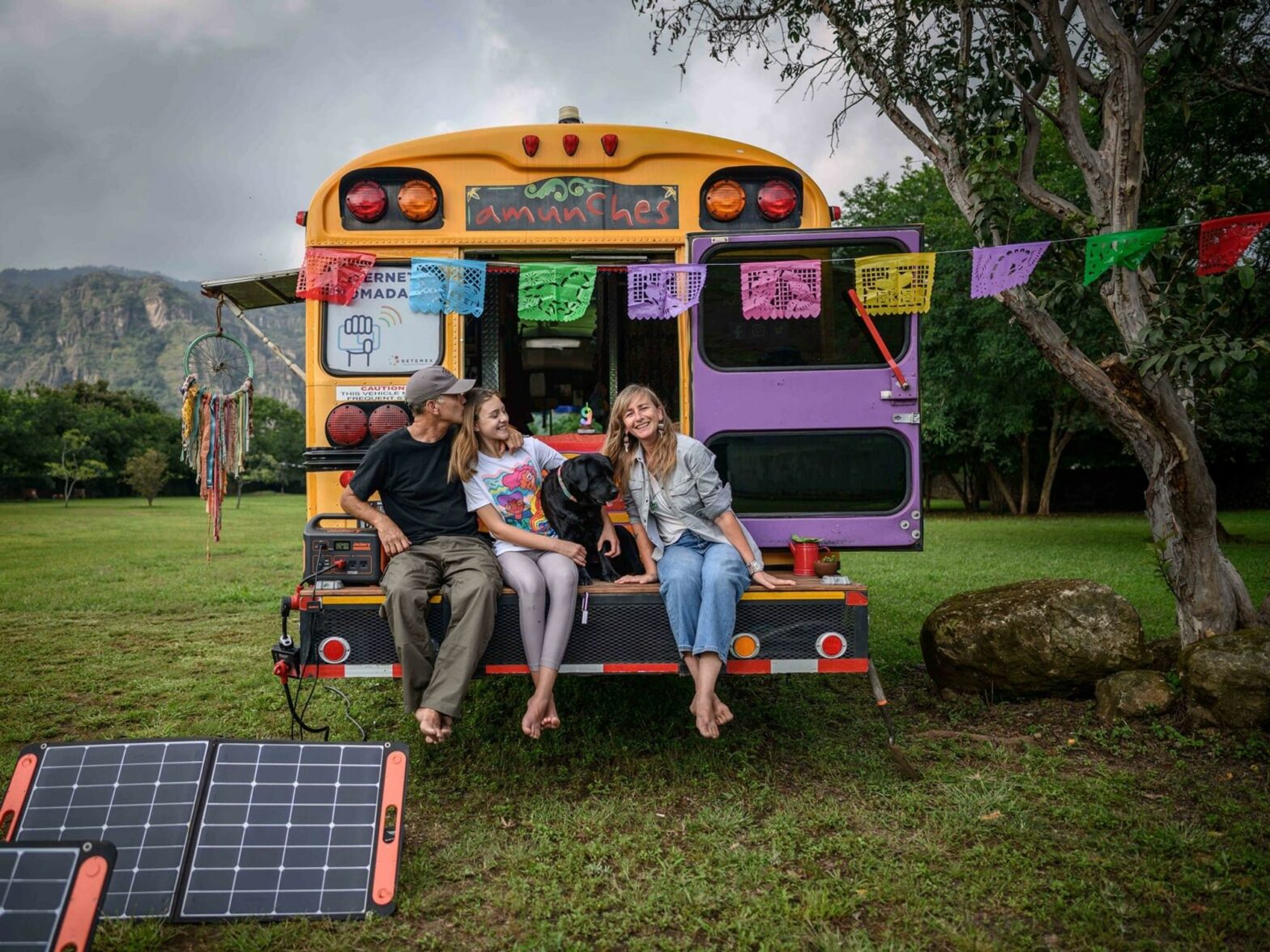
After years of exploring the continent in a van, a couple from Buenos Aires asks: Should they ever go back to “normal” life?
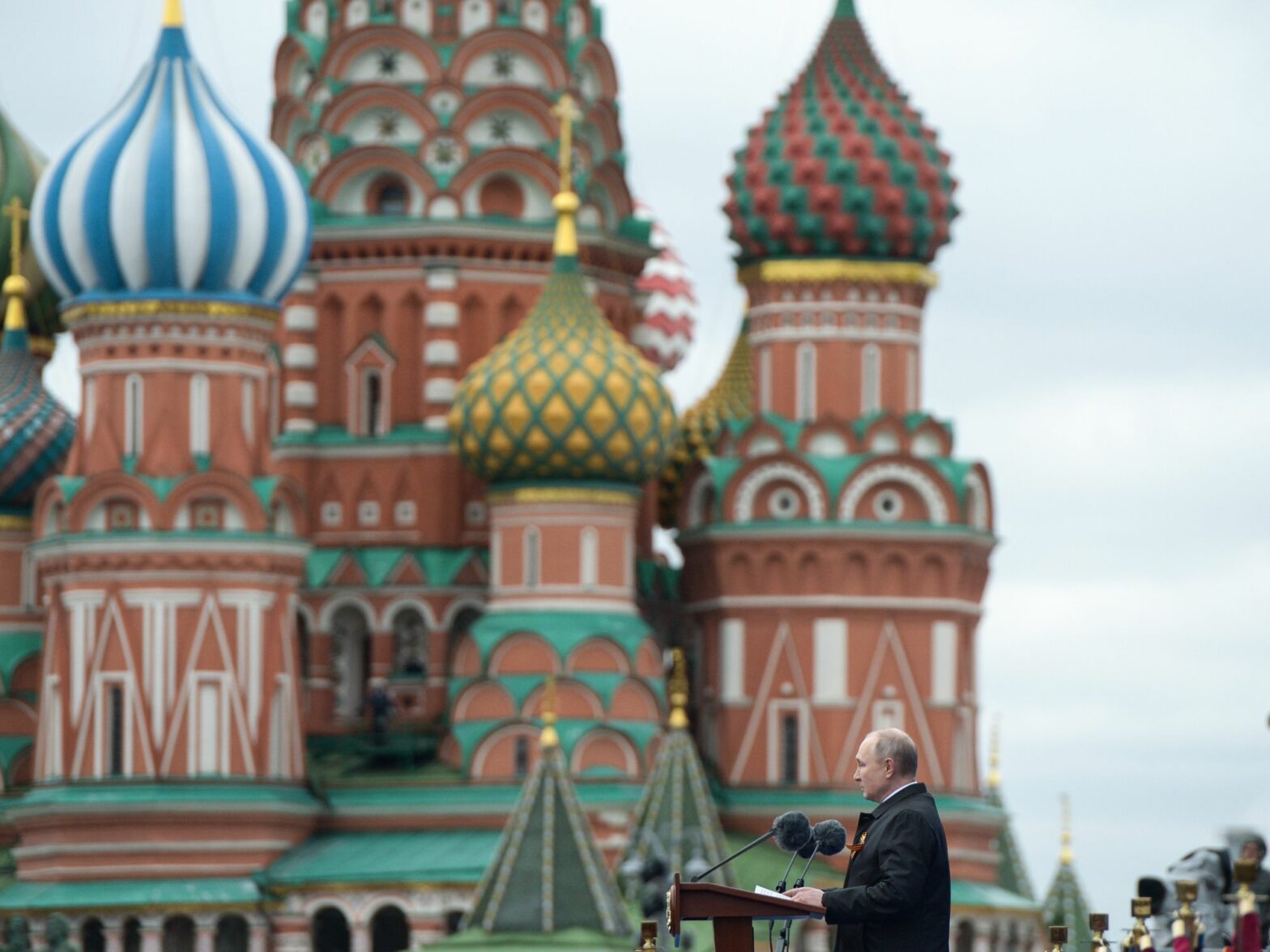
The fundamentally irrational decision to invade Ukraine was the final proof that Russian President Vladimir Putin has been living in a world of illusions. He may be best understood by retracing the steps of history’s other tyrants, and gauging how their stories ended.
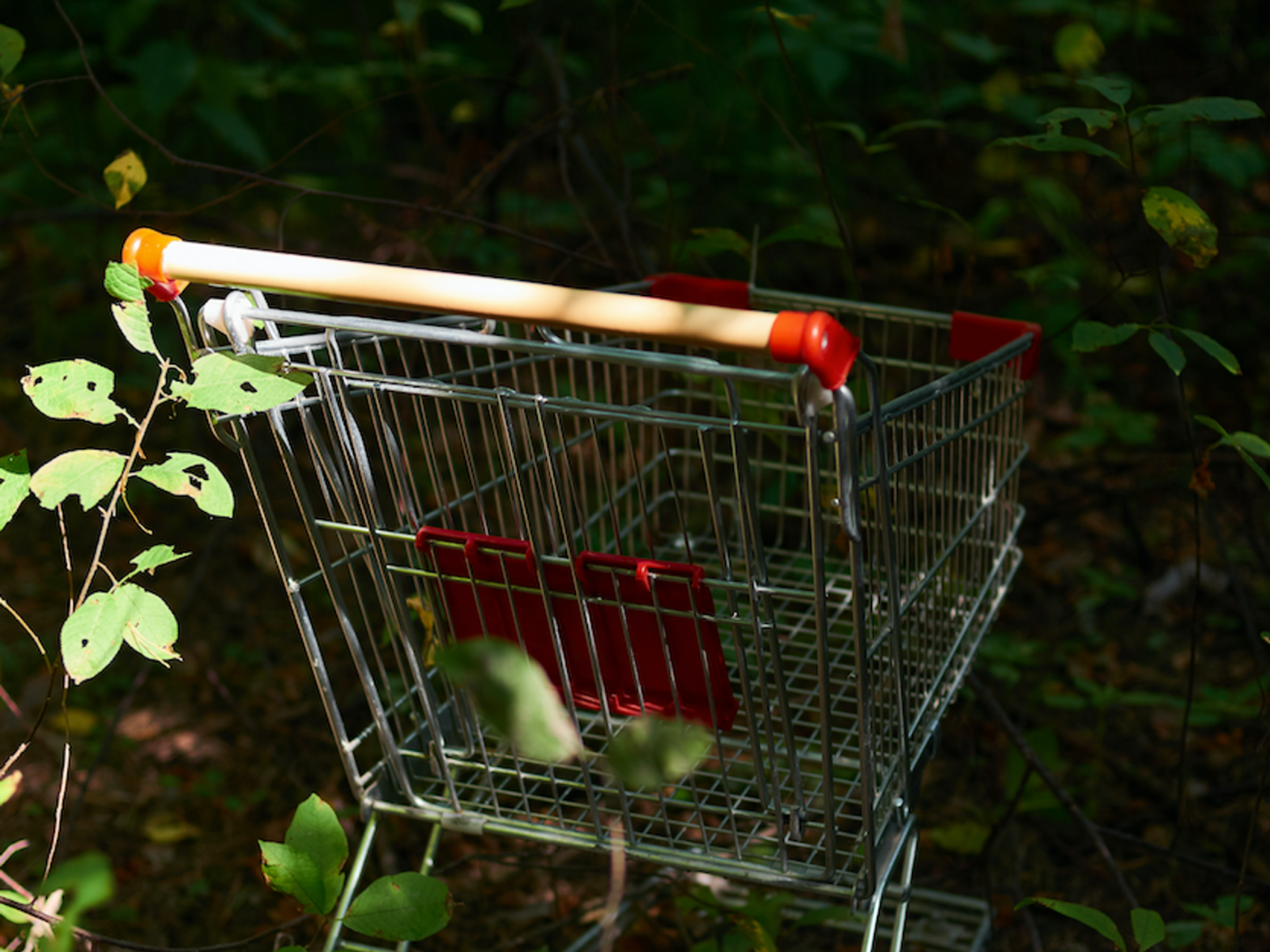
Mass consumption is encouraged in the West, but people, particularly women, and the planet pay the price for exploitative capitalism. So, we need to be clear that taking care of each other and tackling the climate crisis are inextricably linked.

A year after Russia’s invasion of her homeland, Ukrainian writer Anna Akage looks back at recent history, but, above all, forward to a future where her nation must not only win the war, but not lose the victory.
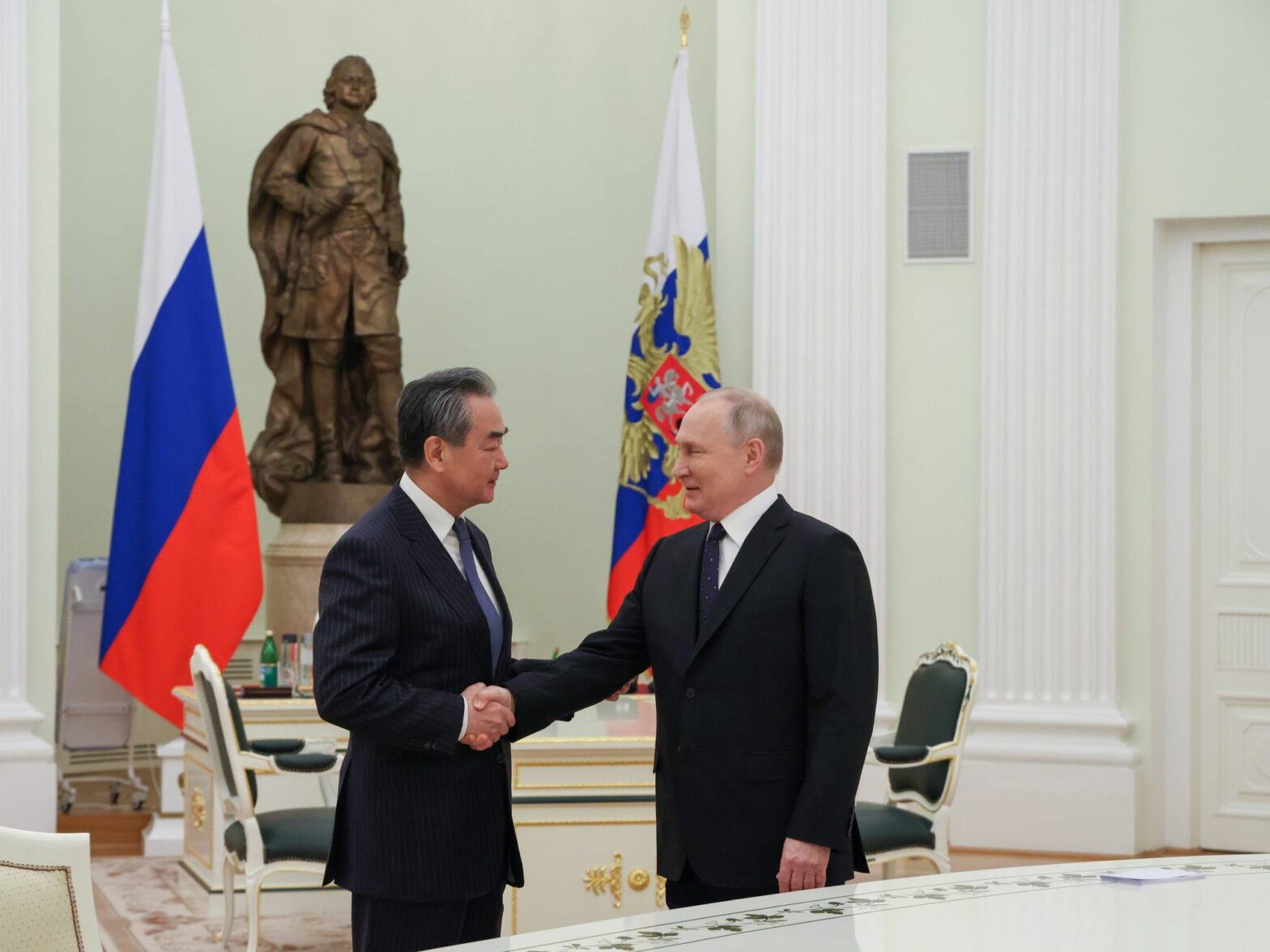
One year since Russia’s invasion, the global stakes of the war in Ukraine have come more fully into focus. It’s a battle over fundamental questions of sovereignty and democracy, but also the very meaning of power.
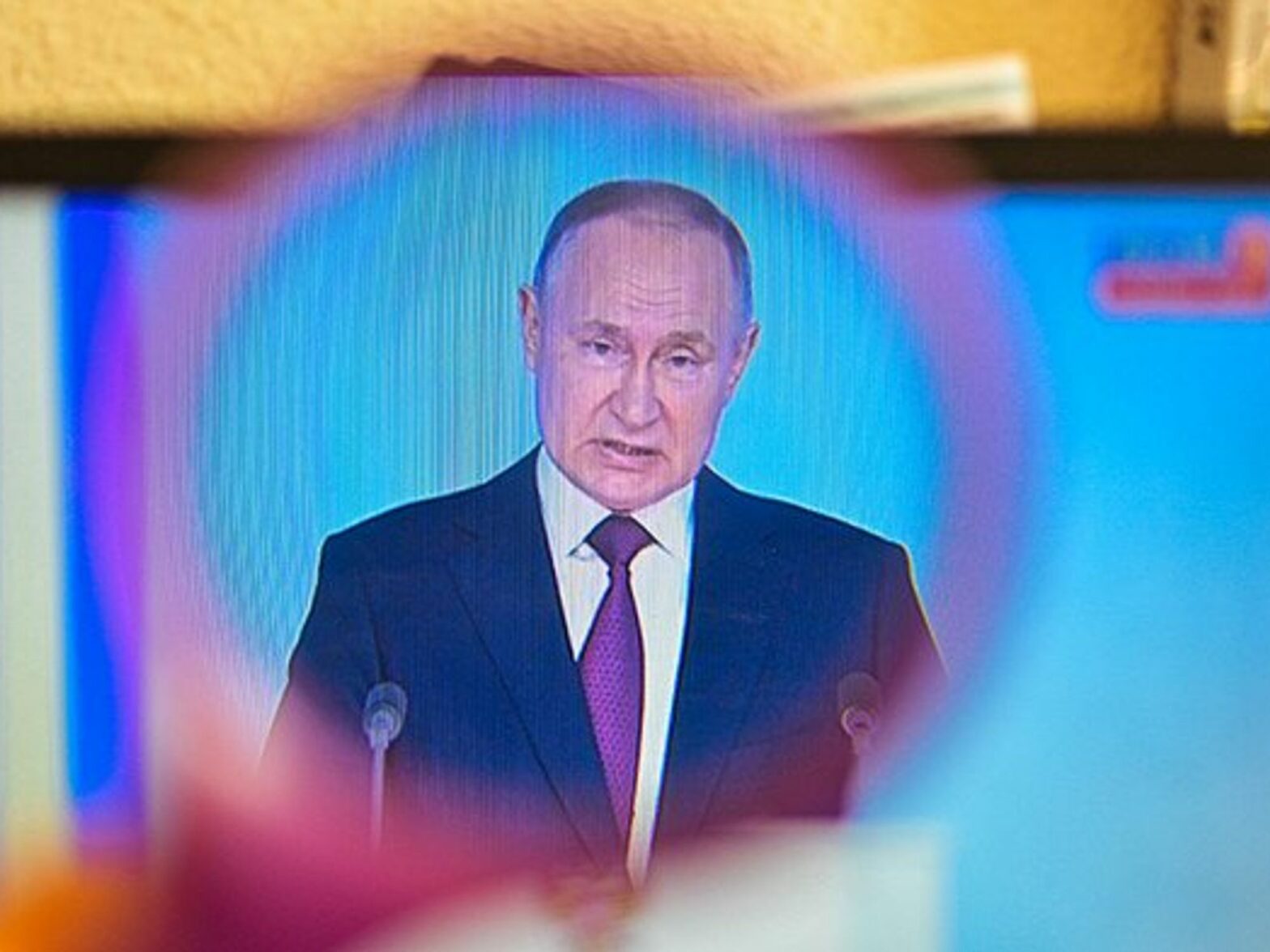
From the first fake news reports that Zelensky had fled to Putin’s latest speech Tuesday that blamed the war on the West, Russia’s attempts to manipulate opinion have wound up leaving Moscow itself as the prime victim of its own lies.
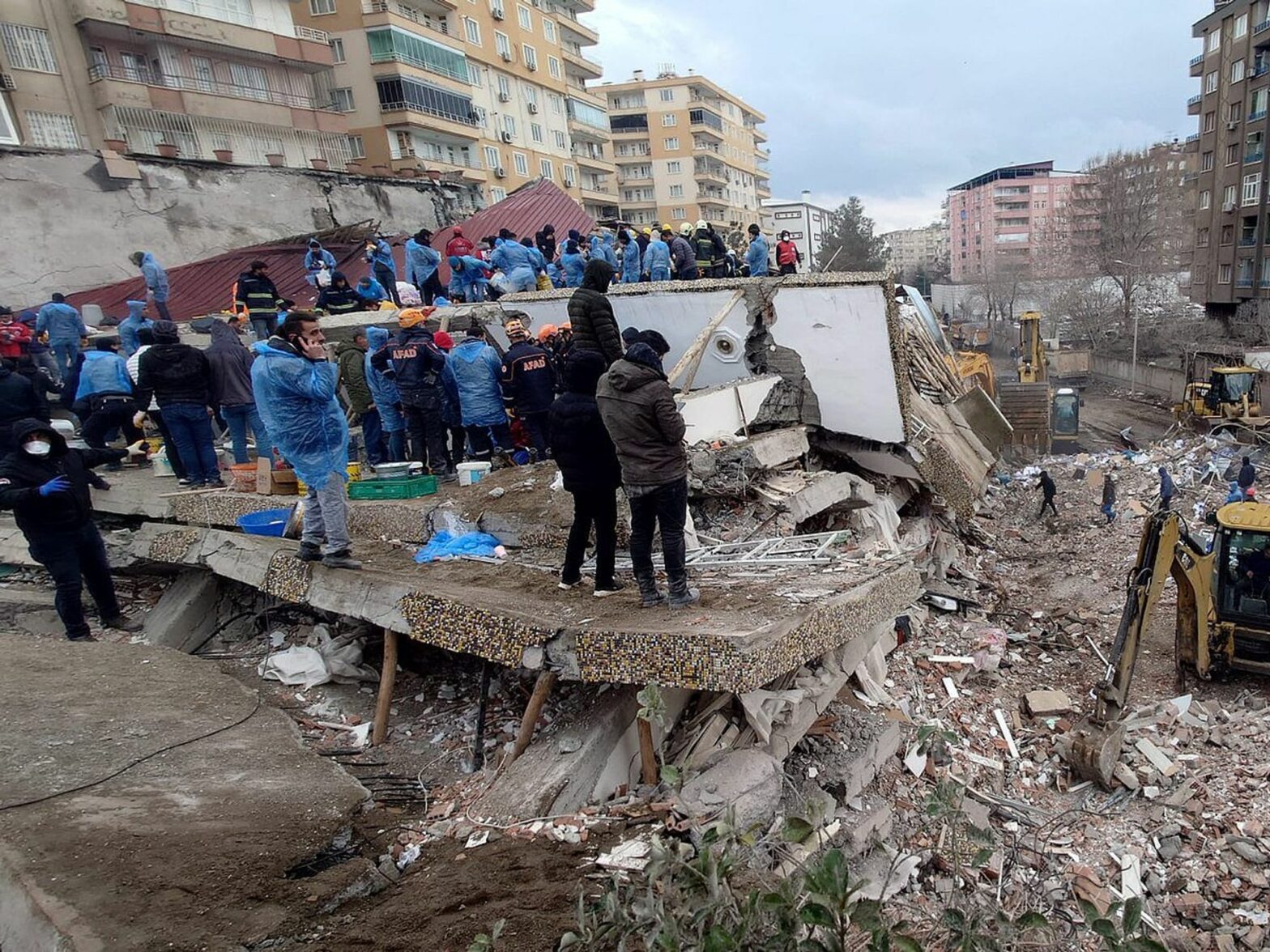
The earthquake in Turkey and Syria teach us about humility in the face of what we can’t control — but we also surprise ourselves in responding to crisis.

Personal empowerment is a modern social value that fuels loneliness, anxiety and depression. The remedy for those is not pills or “programs,” but kindness and sociability.
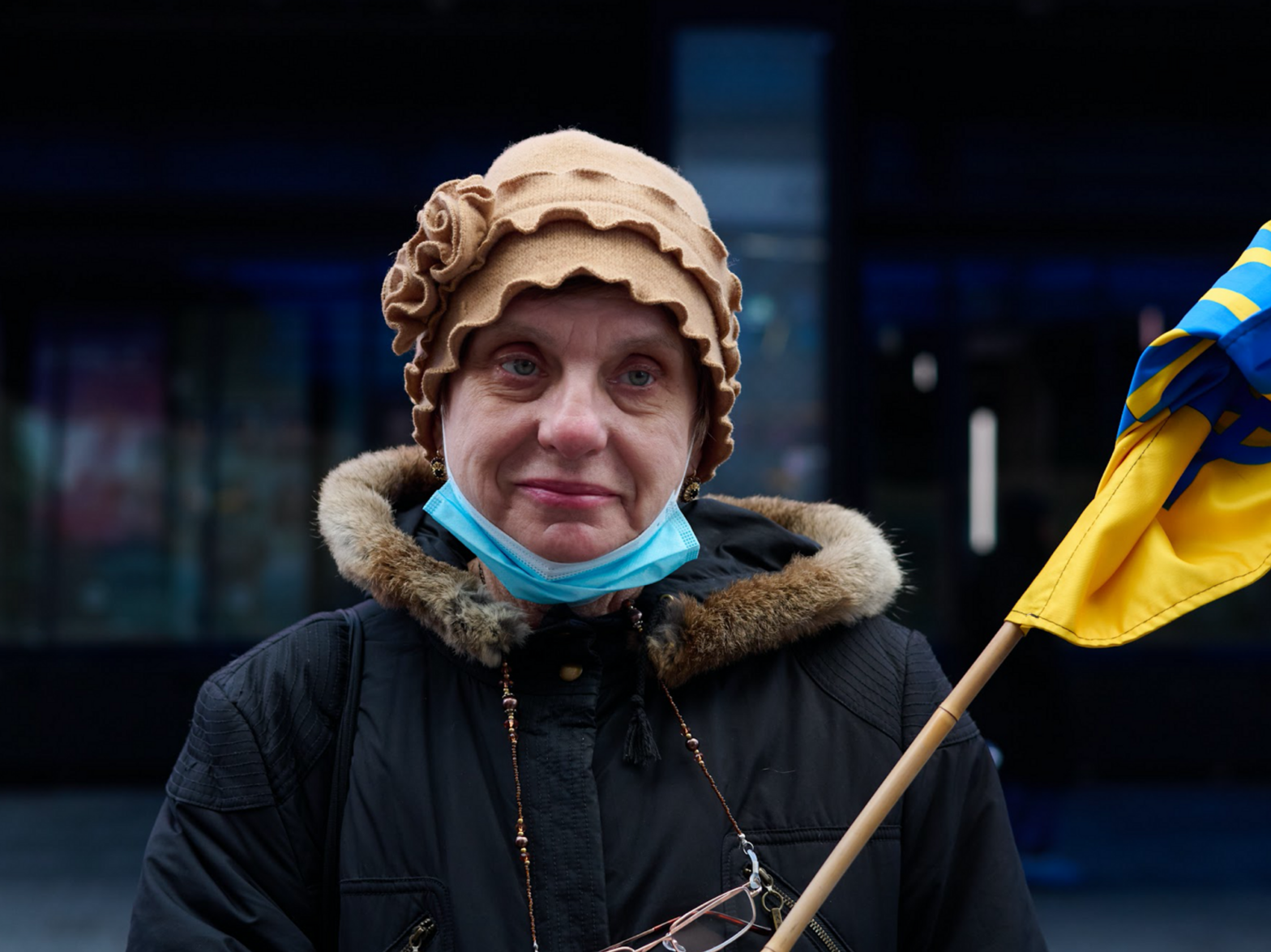
One Ukrainian writer looks back on a year of international support for her nation, and what happened when the world’s attention shifted to the earthquake in Turkey and Syria.
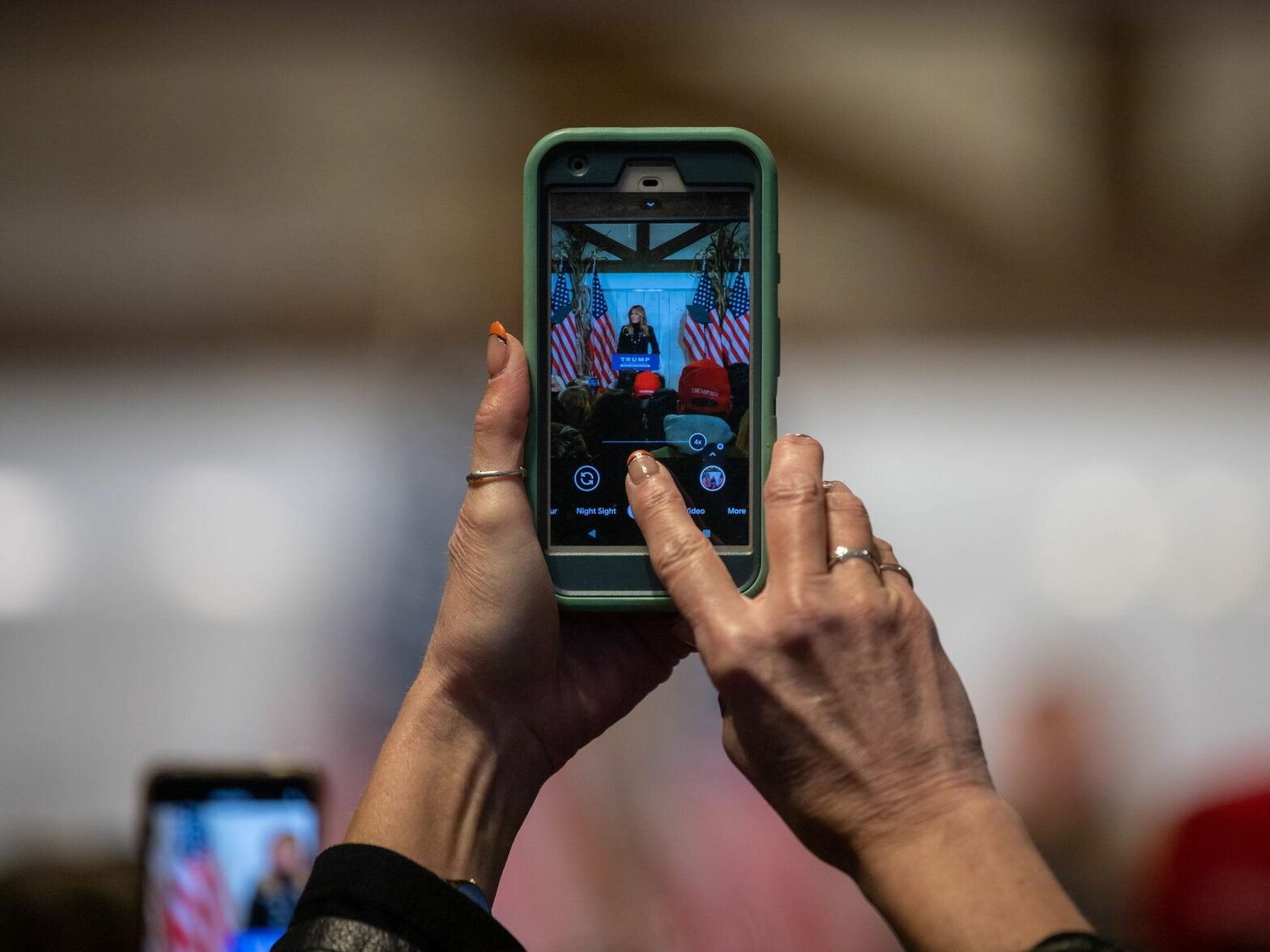
The revelations of a clandestine digital operation that provides services to destabilize nations and manipulate opinion are a wake-up call for democratic states to take urgent action, including the need to hold Big Tech accountable.
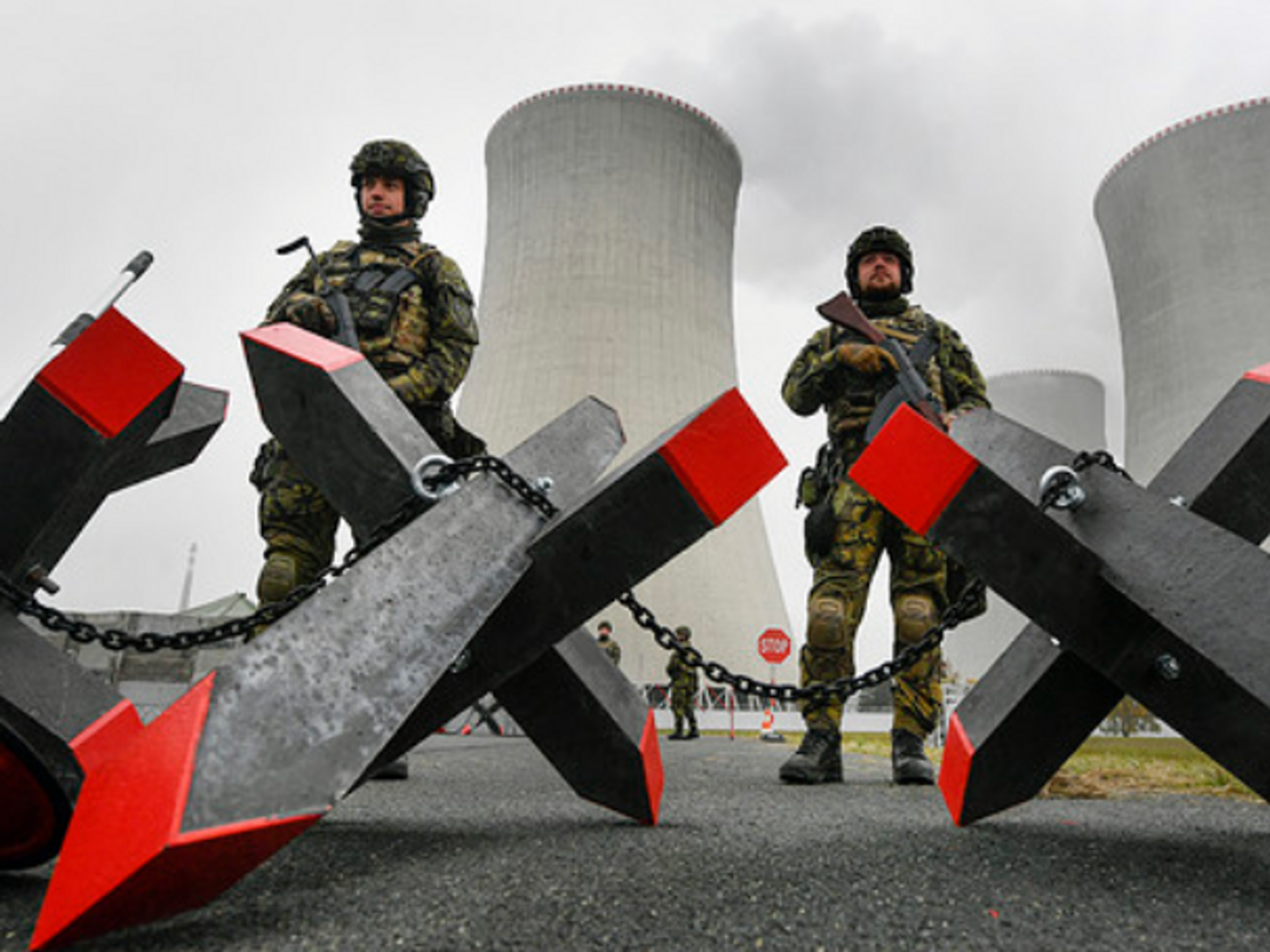
Greener than renewables, safer than oil and gas, nuclear power is deeply misunderstood — to the detriment to humans and our planet.
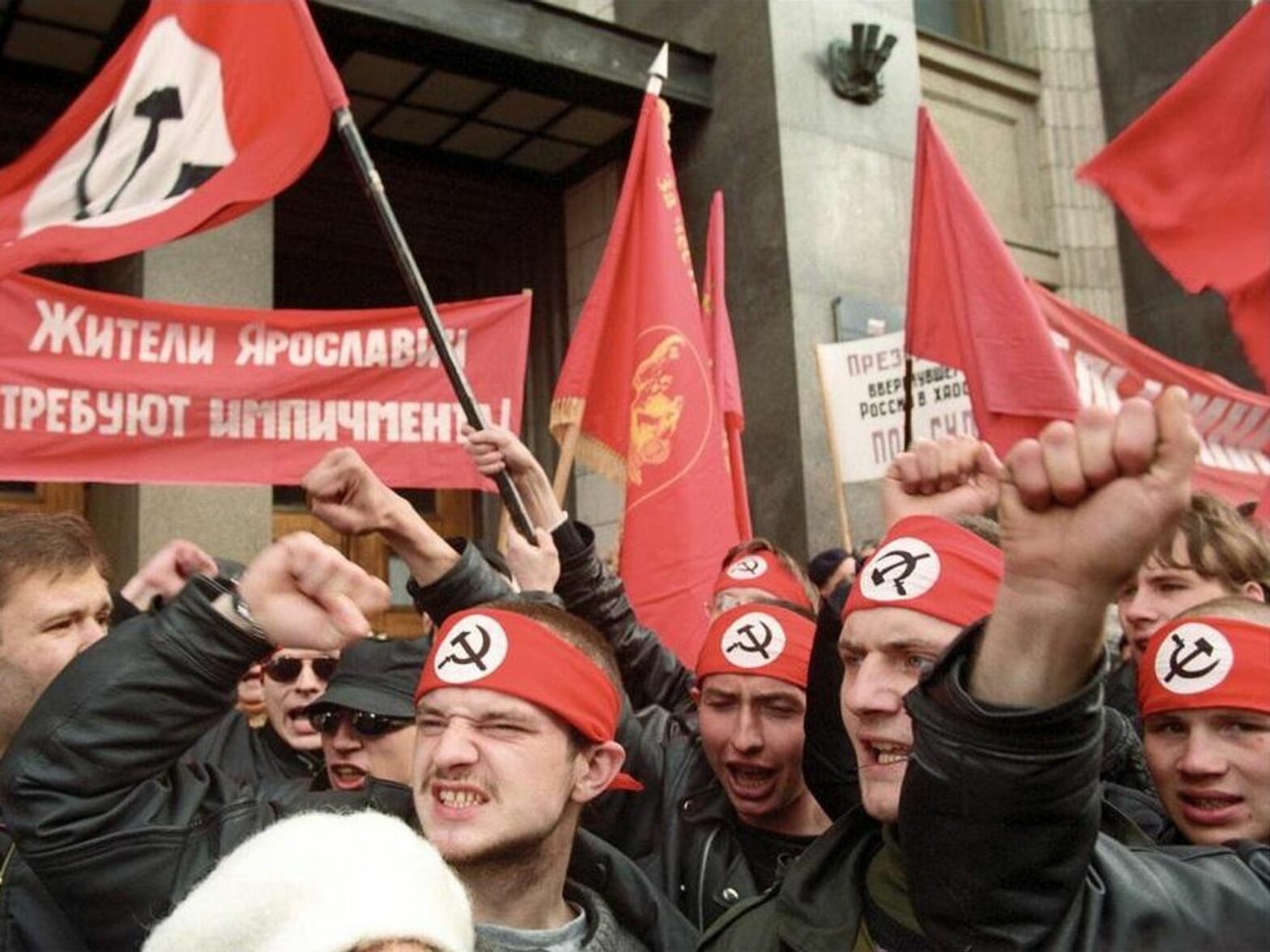
It is a mistake to attribute the construction of authoritarianism in modern Russia to Putin alone. Serhiy Gromenko, an expert at the Ukrainian Institute for the Future, explains the evolution for how Russia wound up an authoritarian state, and why Putin isn’t the only one to blame.
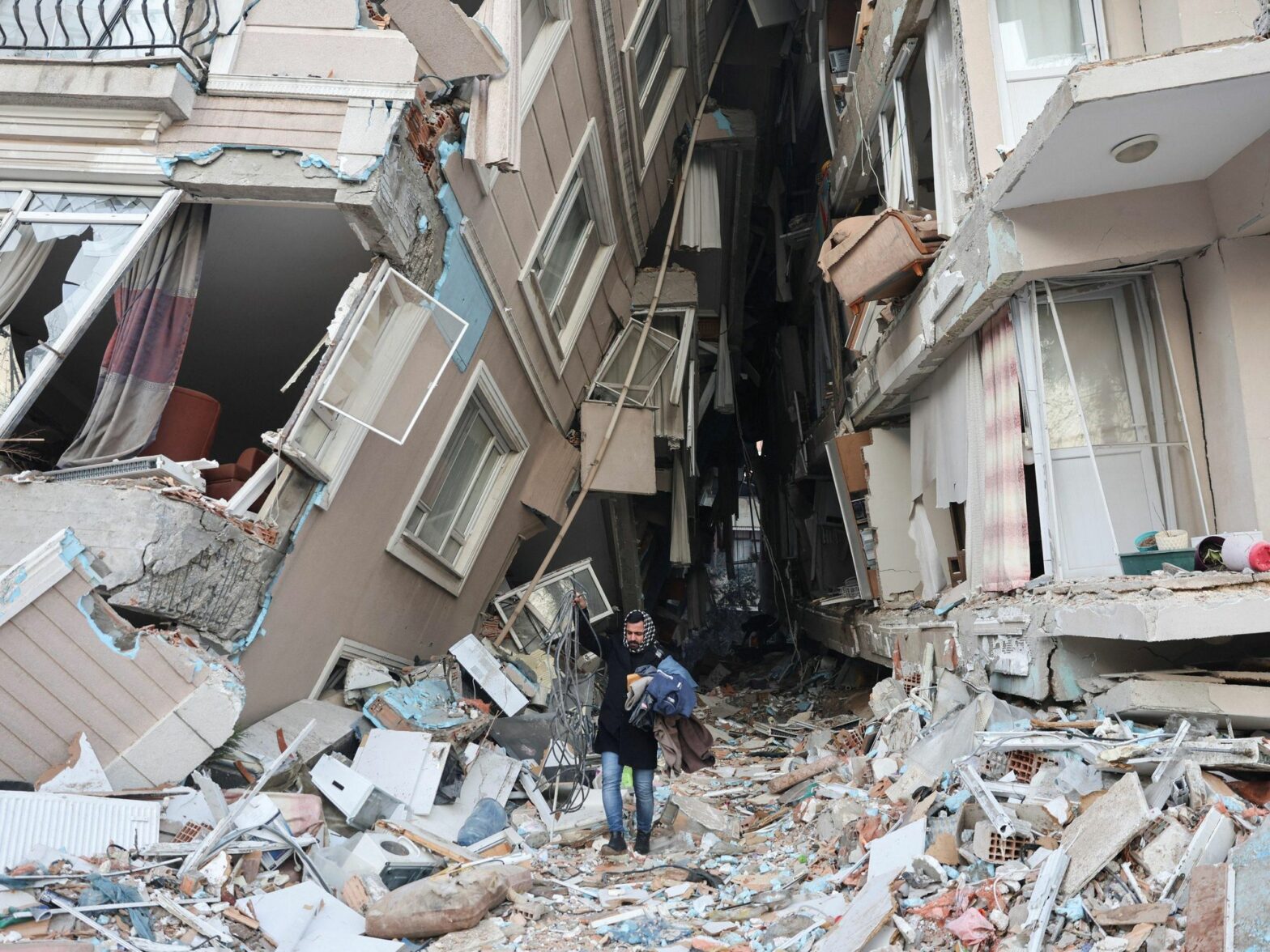
A reflection of what the Feb. 6 earthquake exposes deep problems in Turkish public life over the past two decades, and what we can expect in the coming months and years.
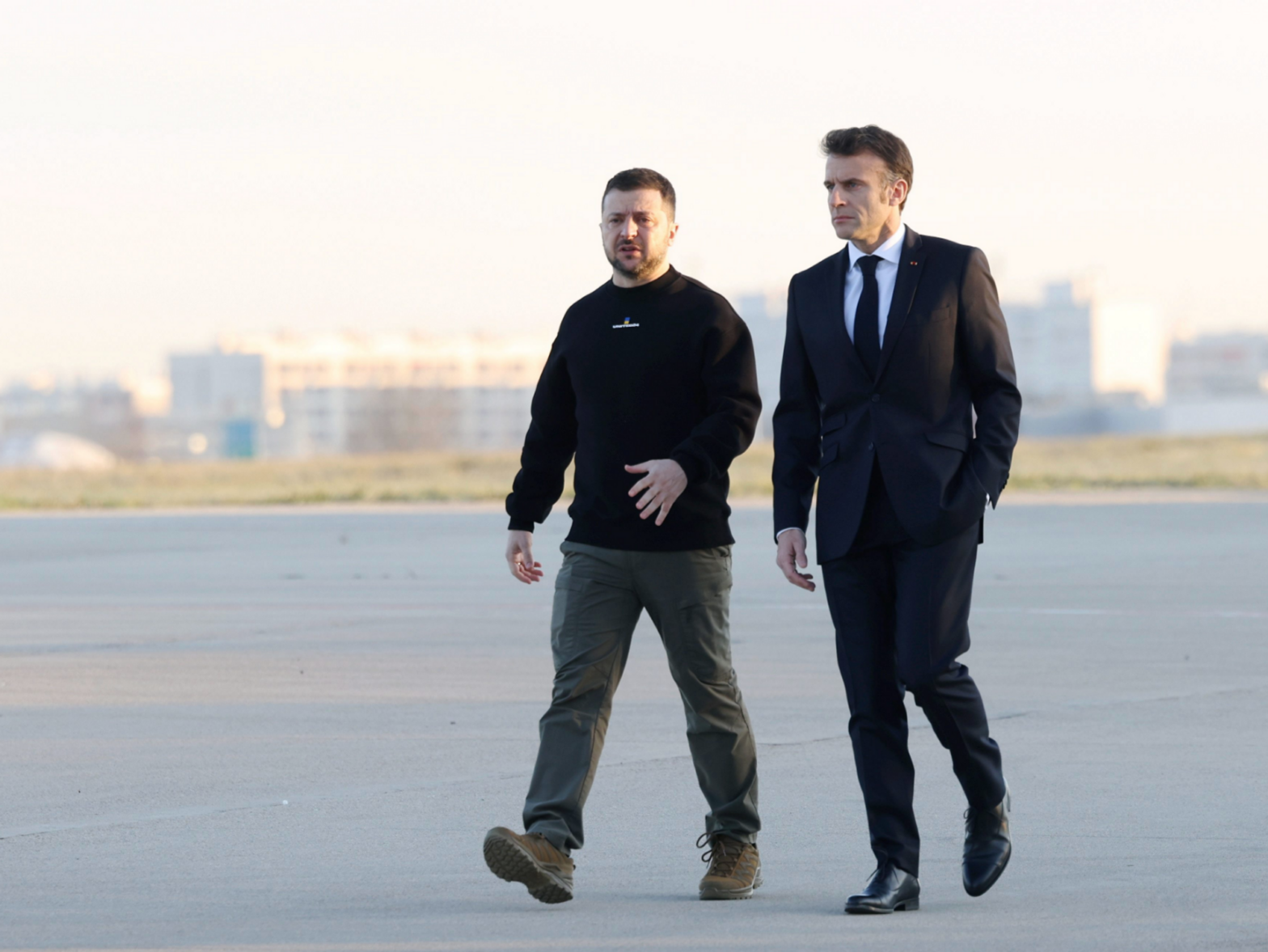
Volodymyr Zelensky’s visits this week to London, Paris and Brussels reinforce the intertwined fates of Europe and Ukraine. And for Kyiv that will ultimately mean more weapons support.
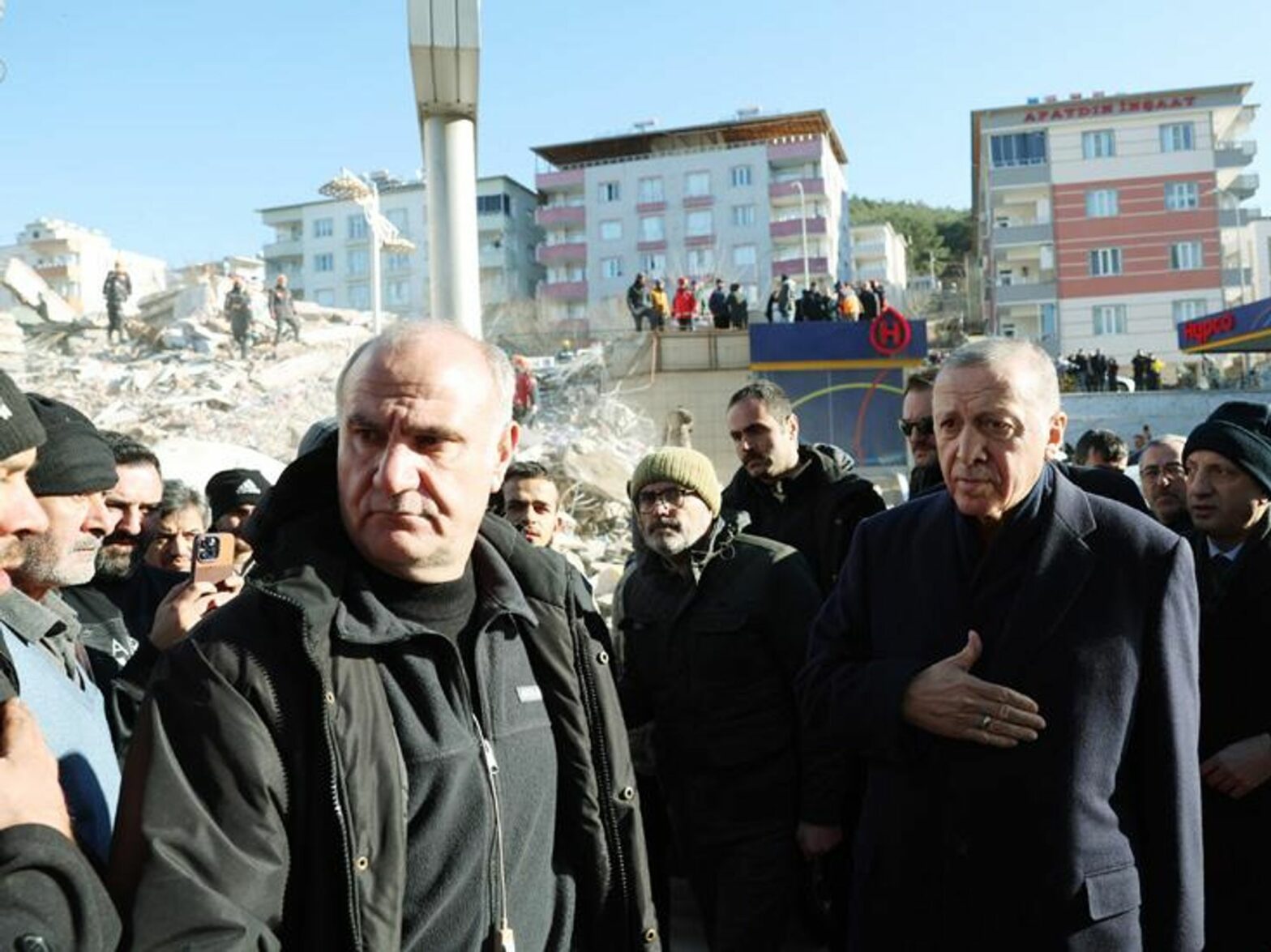
The government in Ankara doesn’t want to question the cause of the high death toll in the earthquake that struck along the Turkey-Syria border. But one Turkish writer says it’s time to assign responsibility right now.
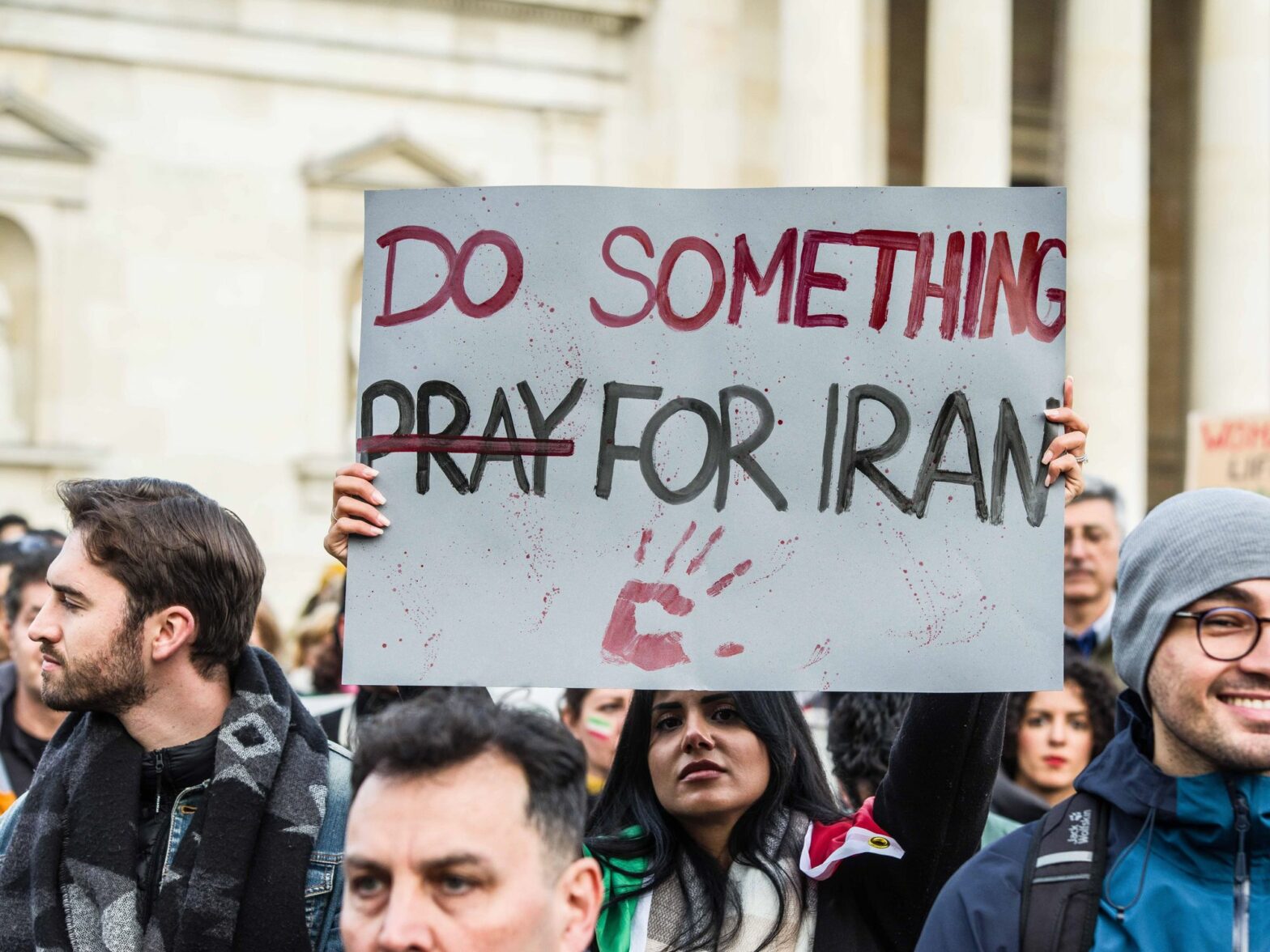
Inside Iran, people are risking their lives to fight the oppressive Islamic Republic. Now, they need support from compatriots abroad and Western democracies to bring an end to this decades-long fight for democracy.
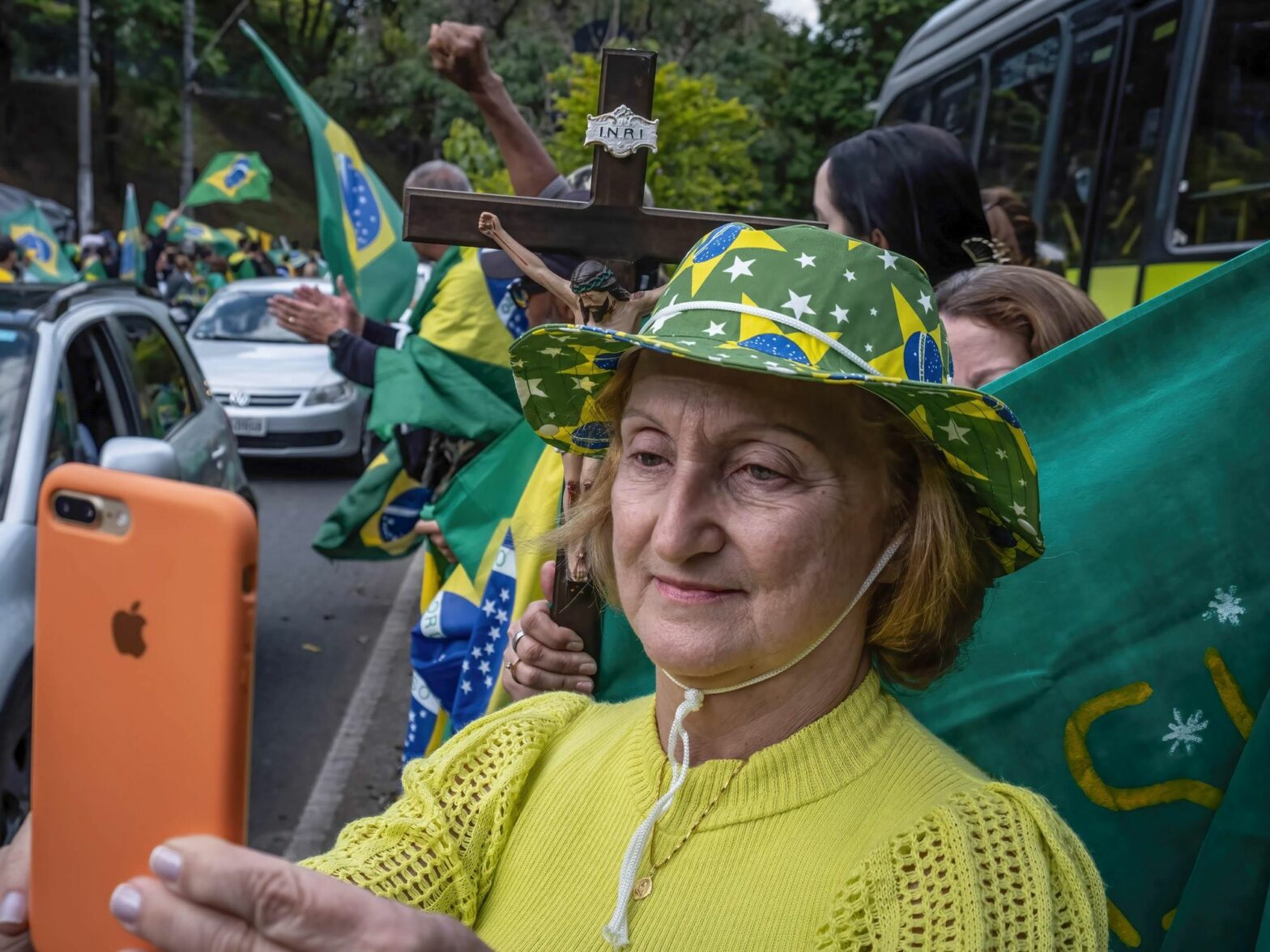
Older demographics are particularly vulnerable (and regularly targeted) on the WhatsApp messaging platform. We’ve seen it before and after the presidential election.
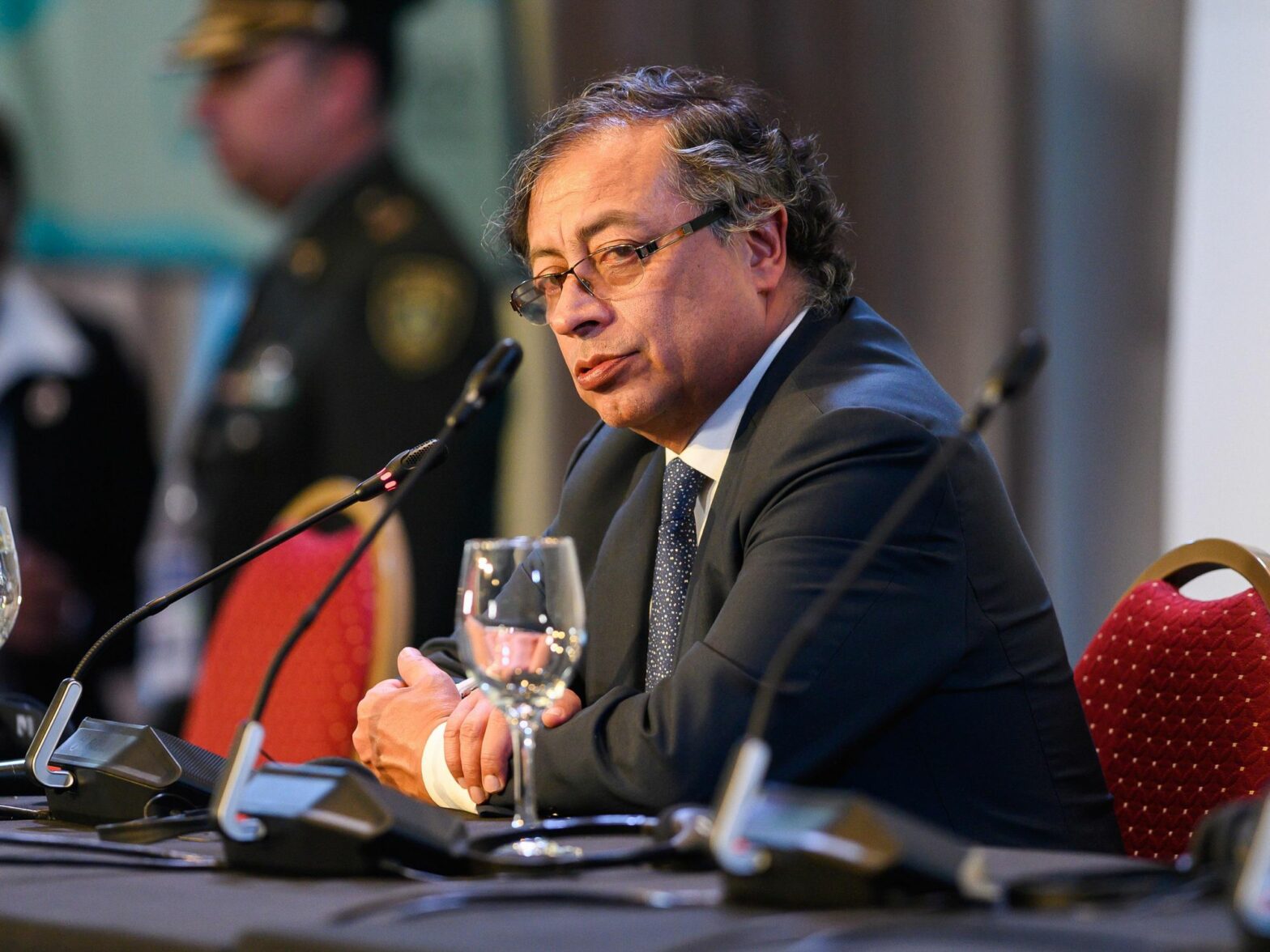
Colombia’s reformist president has promised to tackle endemic violence, economic exclusion, pollution and corruption in the country. So what’s new with a politician’s promises?
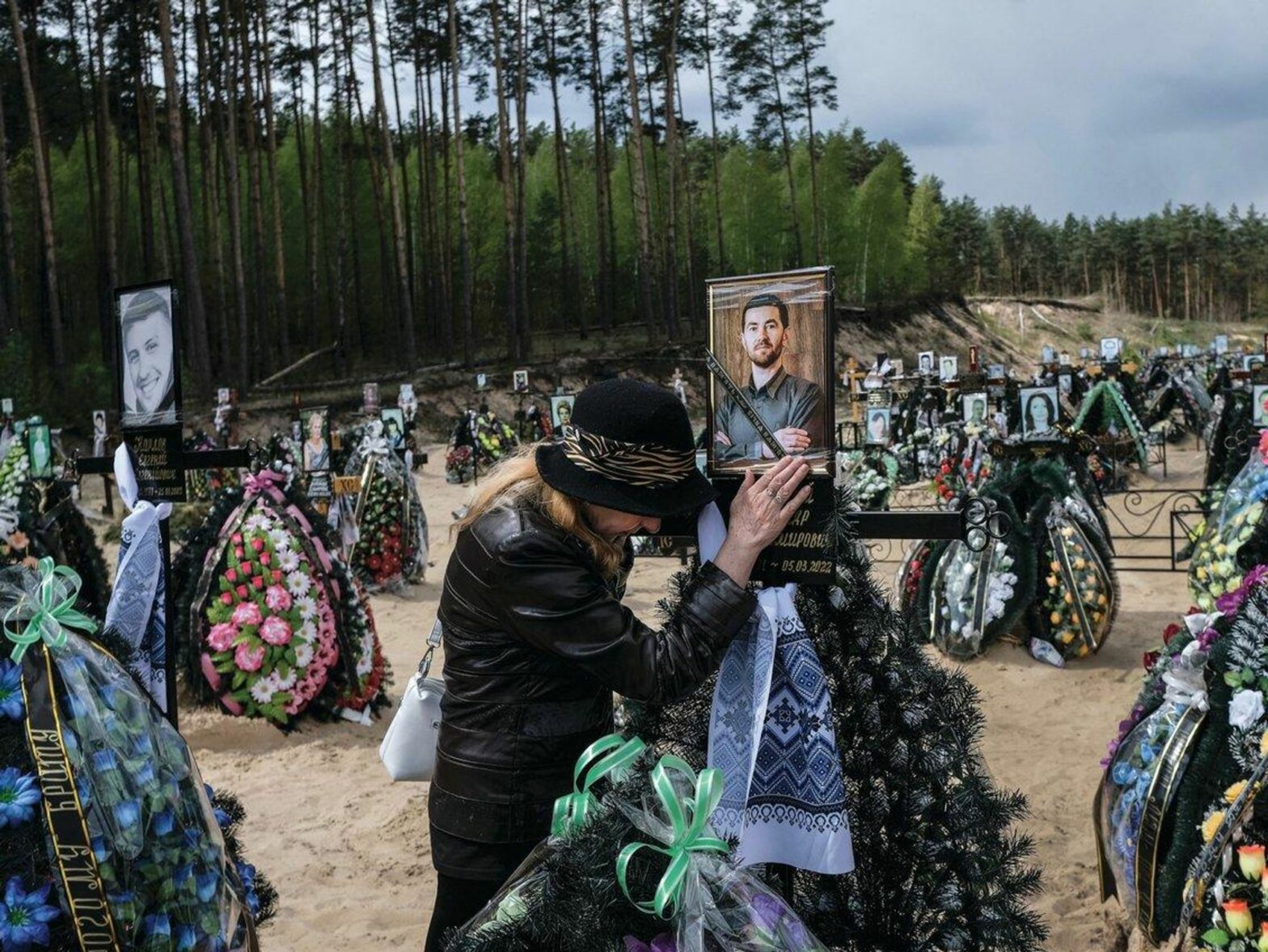
It’s hard to admit, but every day, the chance of a Ukrainian victory moves further away. Kyiv is running out of troops and equipment. The enemy is better prepared and has significant reinforcements at its disposal. It’s no surprise, then, that the talk among Western diplomats is of a truce.

A widely mocked tweet by the Associated Press tells its reporters to avoid dehumanizing labels such as “the poor” or “the French”. But one French writer replies that the real dehumanizing threat is when open conversation becomes impossible.
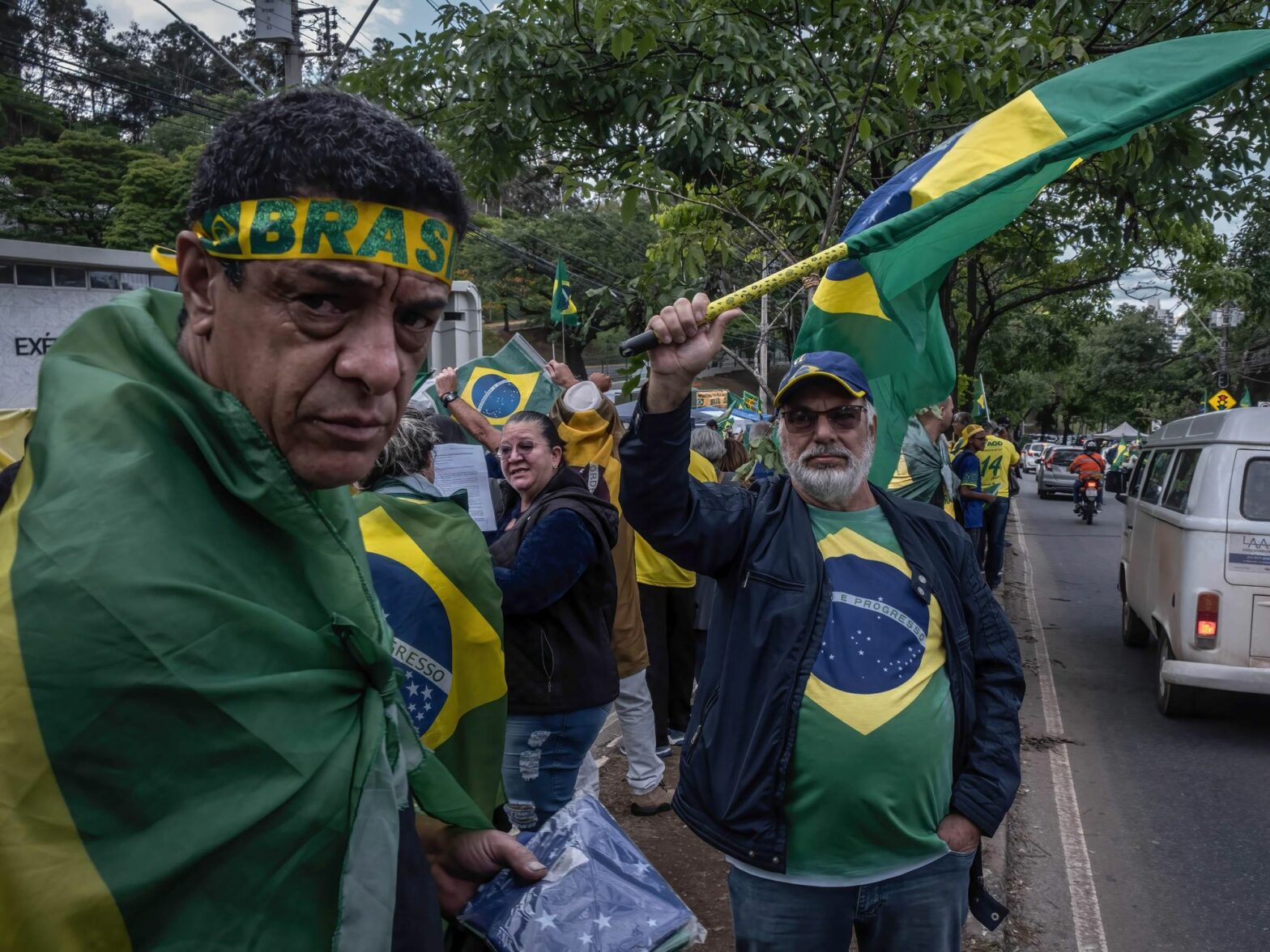
Taking inspiration from events in the United States over the past four years, rejection of election results and established state institutions is on the rise in Latin America.