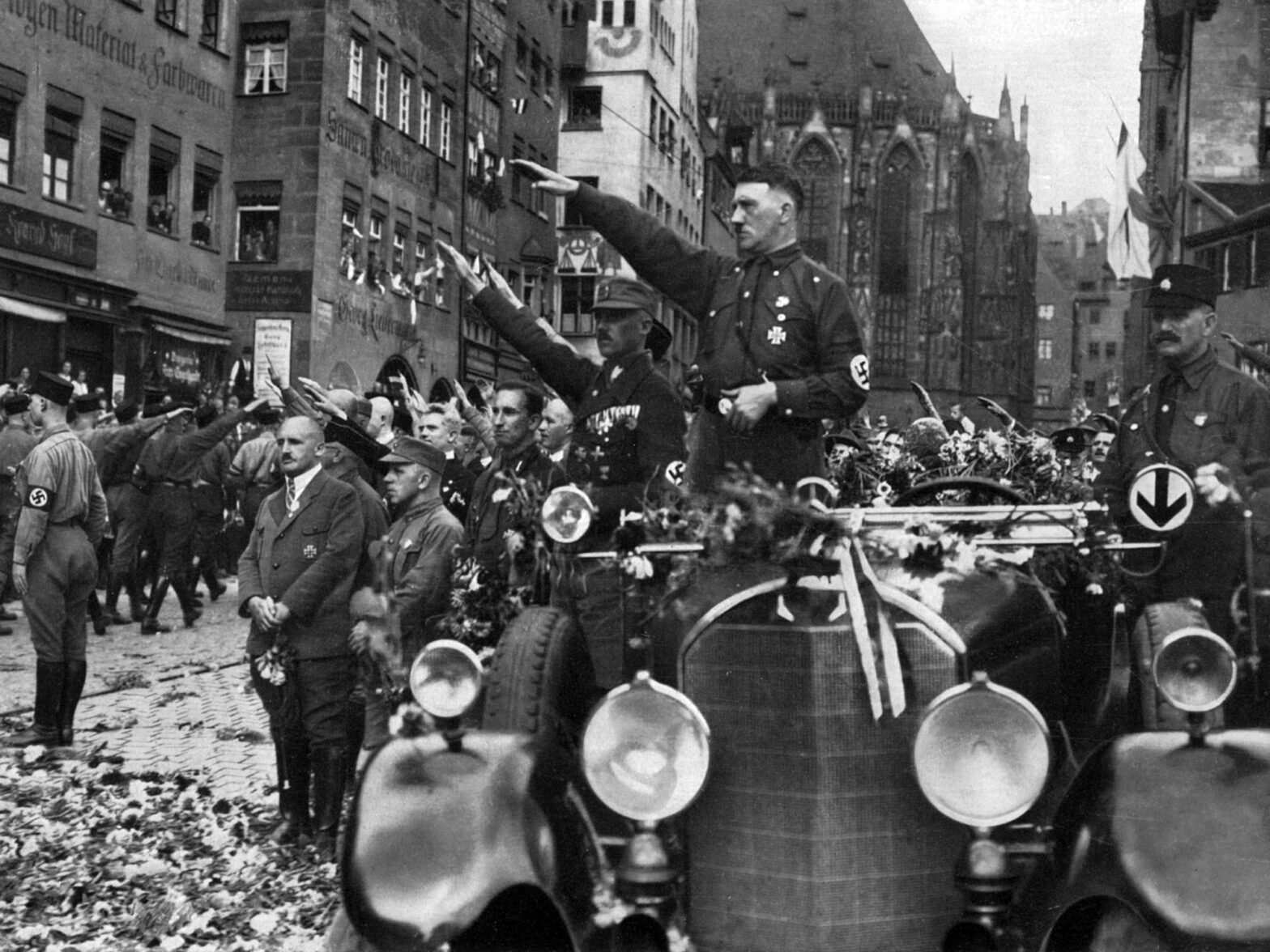
With the global rise of the far-right, many Germans are afraid that the past is about to repeat itself. German writer Florian Illies explains the trap about such analogies — even as other dangers lurk.
 Worldcrunch
Illies, born in 1971, studied art history in Bonn and Oxford. He was head of the features section of the “Frankfurter Allgemeine Sonntagszeitung”, managed the Grisebach auction house and is now co-editor of “Zeit”. S. Fischer recently published his book about the 1920s and 1930s, “Liebe in Zeiten des Hasses” (“Love in Times of Hate”), which has since been translated into 18 languages. His art podcast “Augen zu” (together with Giovanni di Lorenzo) is one of the most listened-to German language podcasts.
With the global rise of the far-right, many Germans are afraid that the past is about to repeat itself. German writer Florian Illies explains the trap about such analogies — even as other dangers lurk.
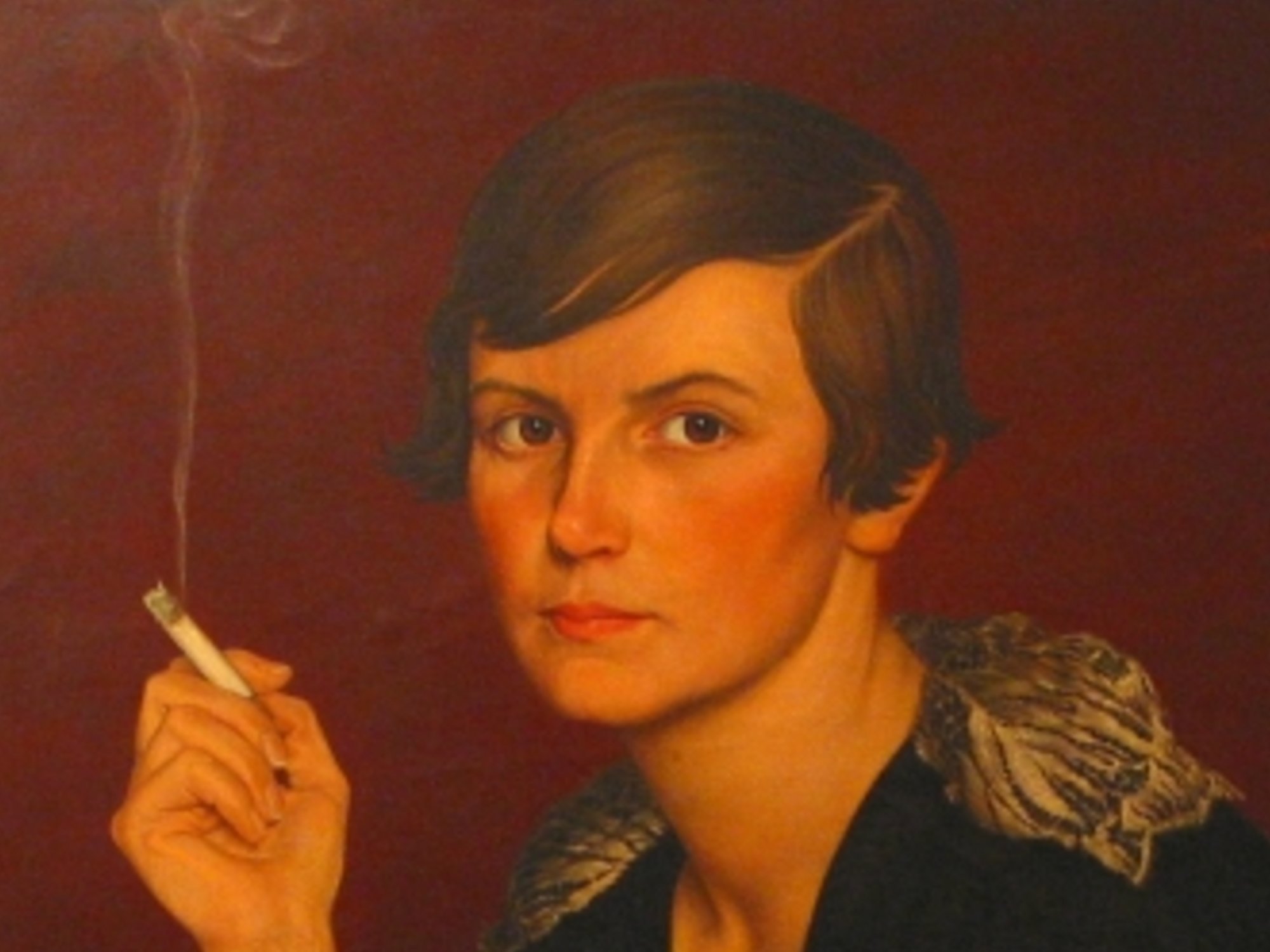
In the German city of Mannheim, the museum of modern and contemporary art is re-staging its iconic 1925 exhibition on the art movement. One hundred years on, it resonates strongly with our current era. Does our restless present demand a New Objectivity? Or does it serve as a warning?