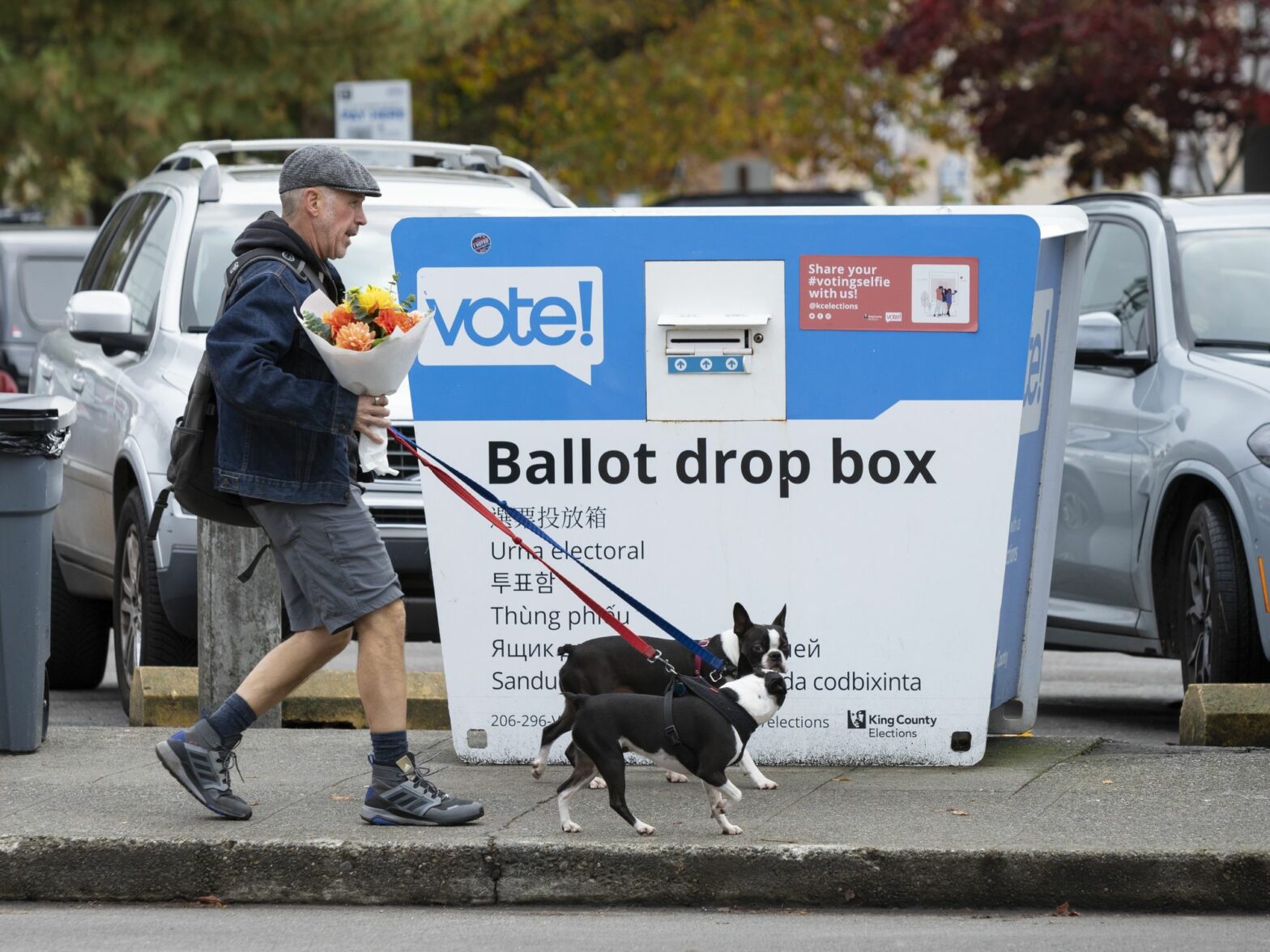
The outcome of the U.S. presidential election hinges on just a few percentage points—and lately, pollsters have often missed the mark. Here’s how they’ve tweaked their models, and why it’s probably not enough.
 Worldcrunch
German Journalist, works for Die Zeit since April 2021: he is deputy head of the data and visualization department. Writes primarily about energy, economics and public policy. Previously at the “Süddeutsche Zeitung” in Munich, most recently as head of the data team. Studied mathematics and physics in Augsburg. Rides a bike, plays the drums.
The outcome of the U.S. presidential election hinges on just a few percentage points—and lately, pollsters have often missed the mark. Here’s how they’ve tweaked their models, and why it’s probably not enough.
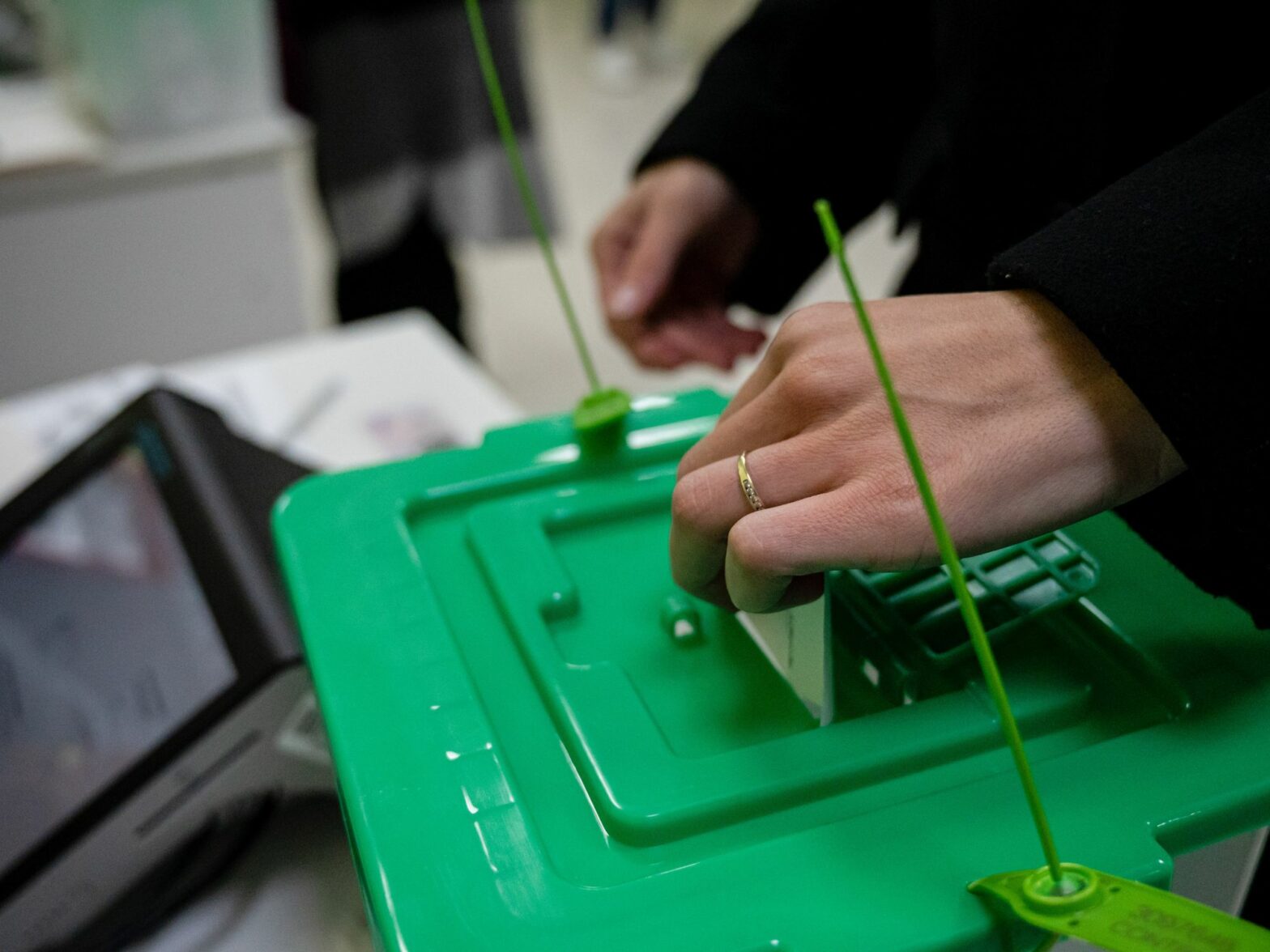
Mobbing, vote-buying, surveillance, and even violence at polling stations can now be correlated with the strong results of the pro-Russia party Georgian Dream in districts where turnout was high. Die Zeit crosschecked the data with reports of voter intimidation.

Data shows solar energy is booming worldwide. Is humanity about to have energy in abundance for the first time in its history?